Jacksonville is a big, easygoing river city in northeast Florida, with miles of Atlantic beaches, leafy historic neighborhoods and wild marshes where the St. Johns River meets the sea.
AT A GLANCE
Best time
March to May and October to November are warm without the summer humidity.
How long
Two to three days, plus a day trip to St. Augustine.
Getting there
Jacksonville International Airport is about twenty minutes north of downtown.
Why visit Jacksonville
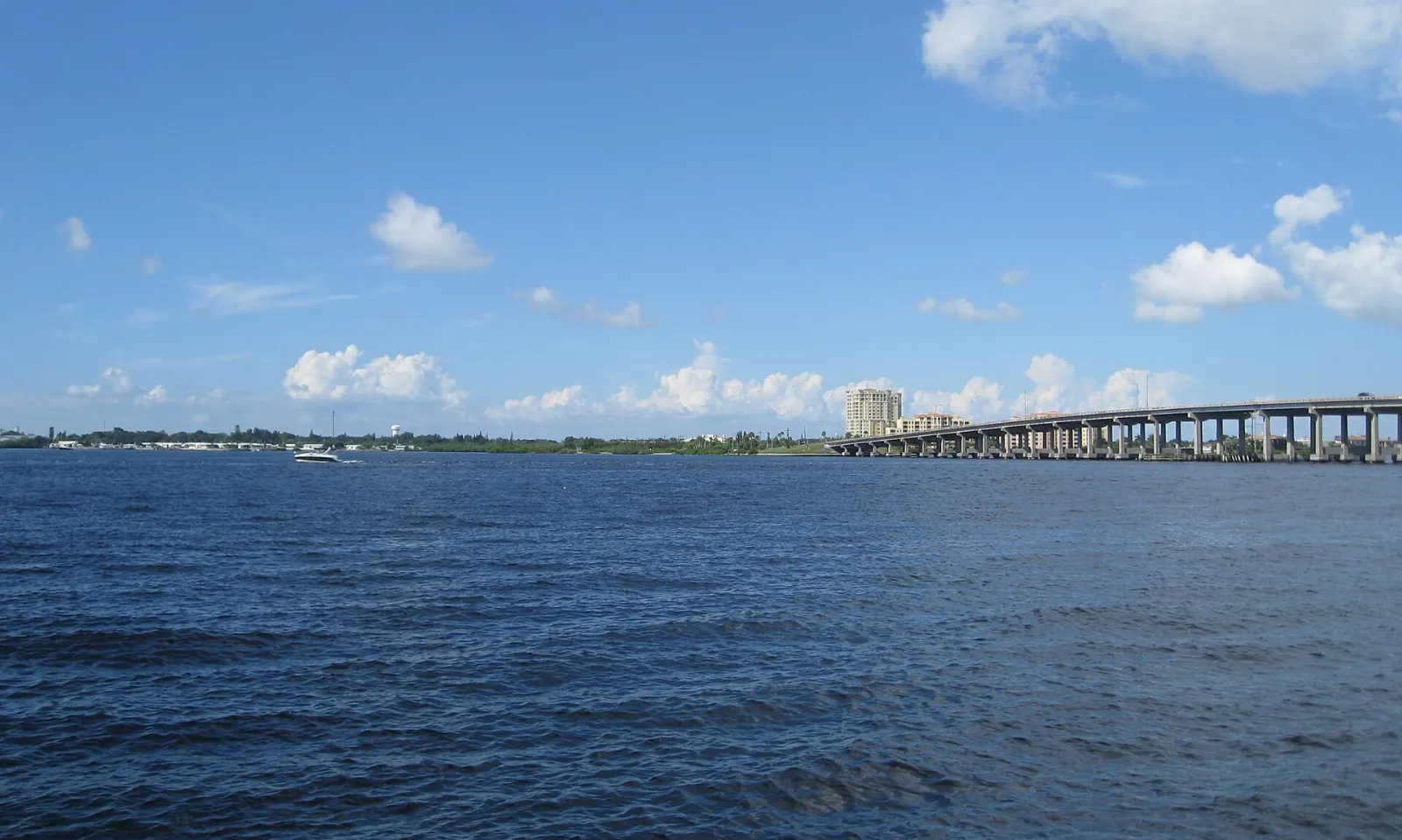
By land area, Jacksonville is the largest city in the contiguous United States, and much of that space is water, marsh and beach. The wide St. Johns River runs through the middle of town, surfers and fishermen share the Atlantic shore, and the city is the gateway to some of the oldest history in the country.
The river and downtown
The Riverwalk
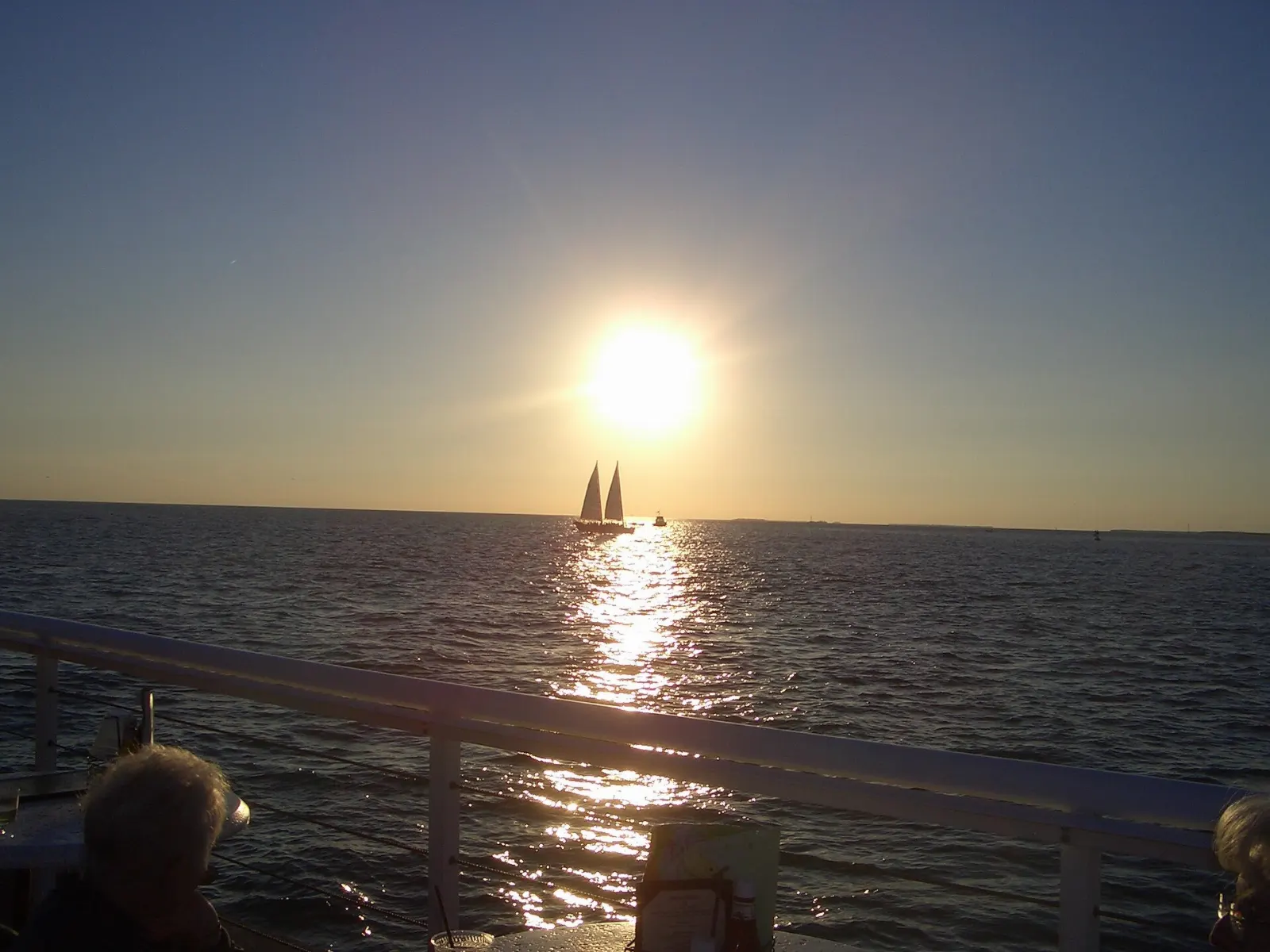
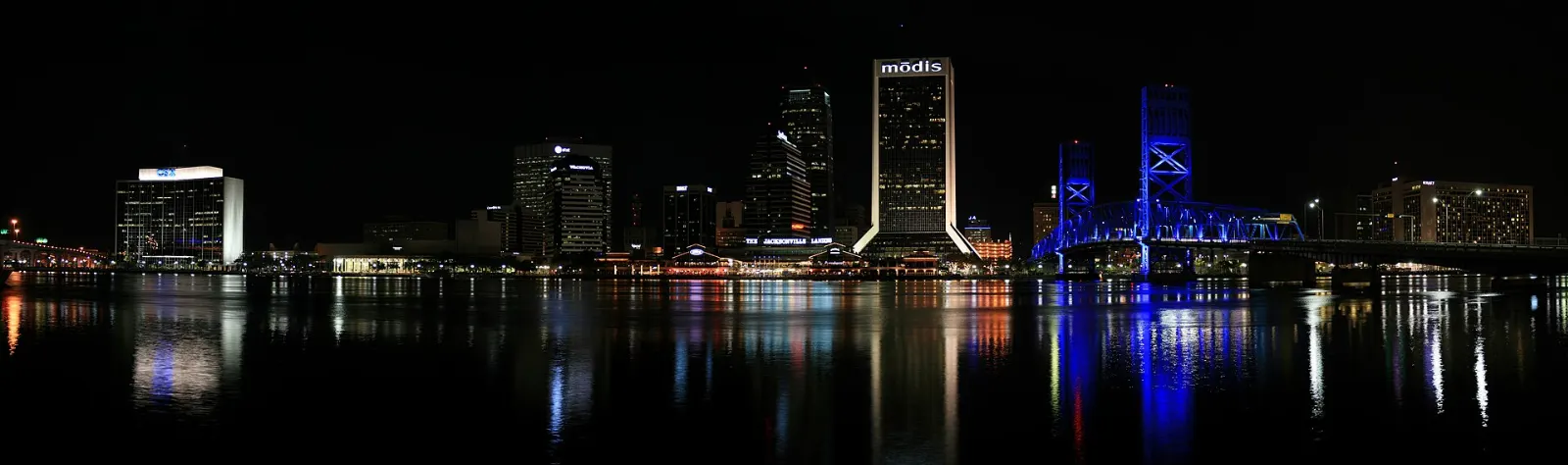
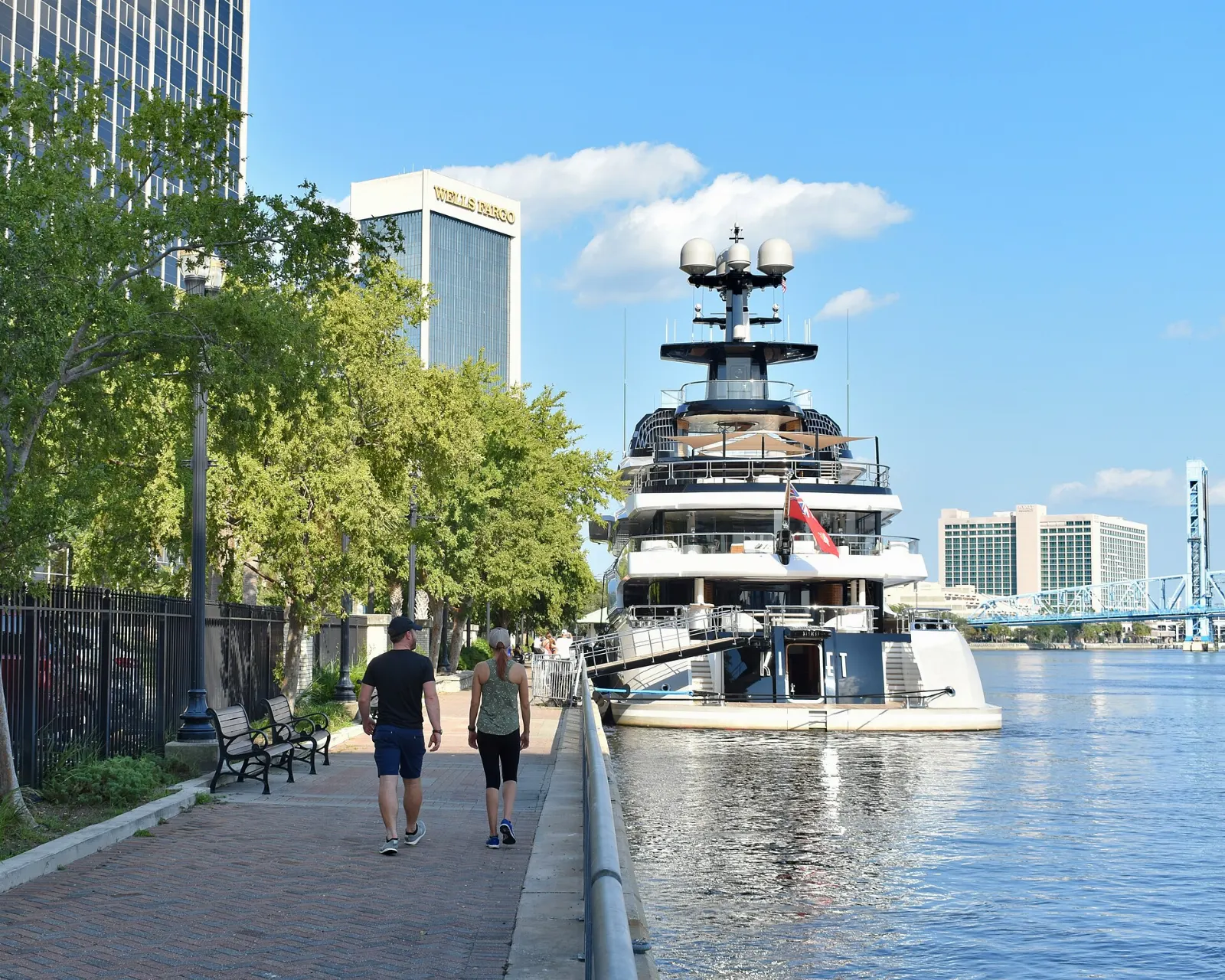
Paths run along both banks of the St. Johns River downtown, with bridges, fountains and wide views of the skyline. The Southbank Riverwalk is especially pleasant at sunset when the bridges light up.
Cummer Museum of Art and Gardens
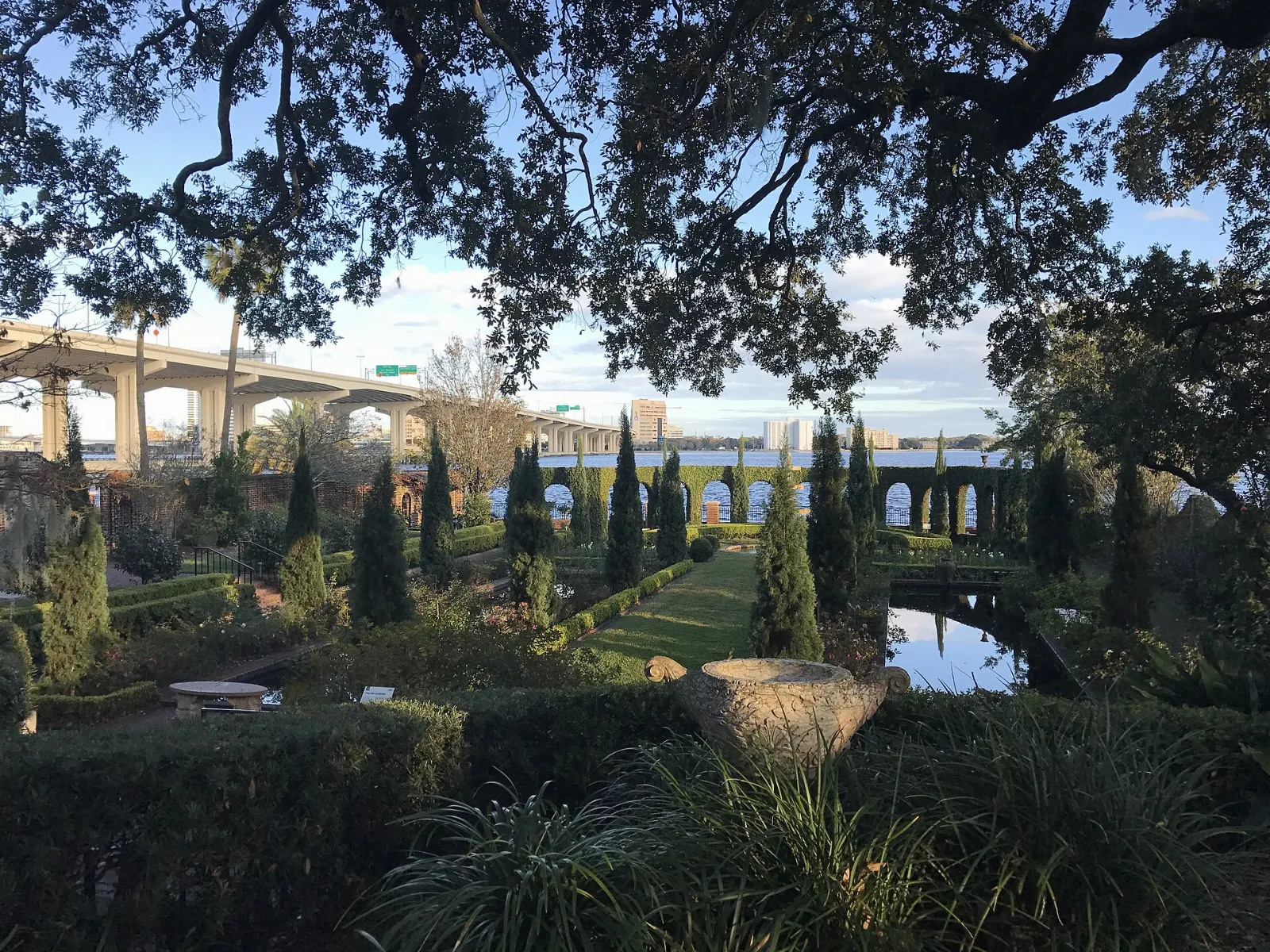
The Cummer Museum holds a fine collection of European and American art, but many visitors come for its riverfront gardens, shaded by a huge old live oak and laid out in English and Italian styles.
Riverside and Avondale
These historic neighborhoods are full of craftsman bungalows, independent shops and restaurants around Five Points and the Shoppes of Avondale. On Saturdays, the Riverside Arts Market sets up under the Fuller Warren Bridge.

On WiserMap
Local businesses in Jacksonville
CGC Home Services
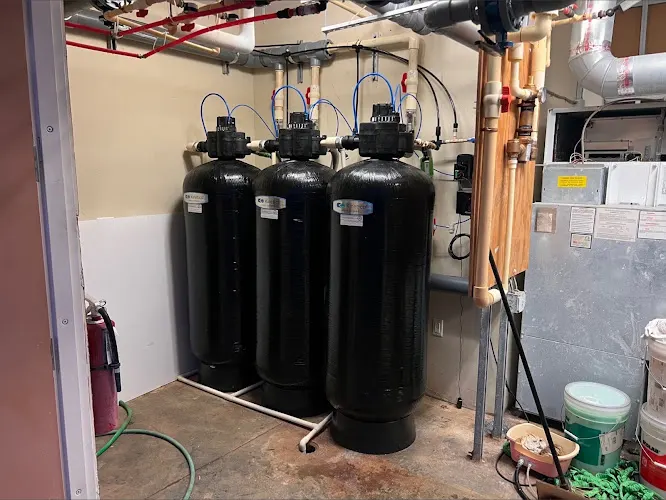
CGC Home Services is a plumbing and water treatment business serving Jacksonville, FL. CGC Home Services provides licensed plumbing and service water treatment...

Electronic Service Squad
Electronic Service Squad is an electronics repair business in Jacksonville offering service repairs for MacBooks, PS5/Xbox, smartphones, smart TVs, and amplifie...
RiverCity Plumbing
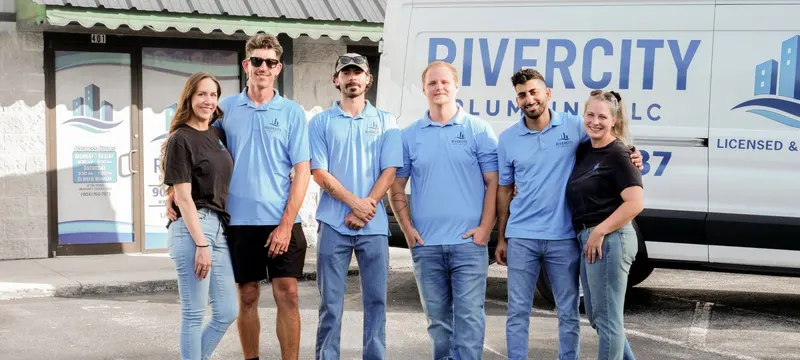
RiverCity Plumbing is a licensed, insured plumbing business serving Jacksonville, FL. It provides full-service plumbing including water heaters, drains, leak de...
Beaches and the coast
Jacksonville Beach
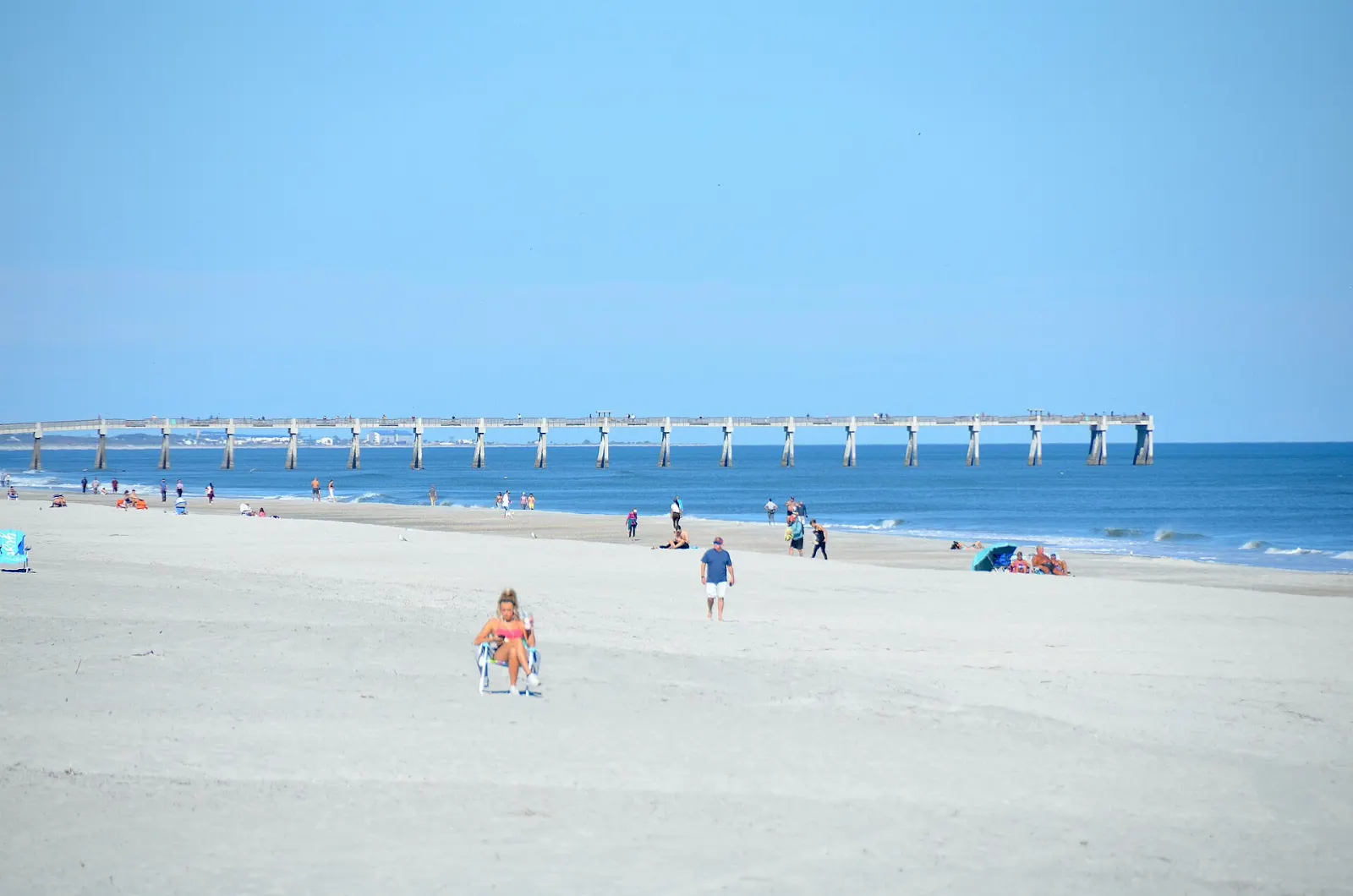
Jacksonville Beach is the liveliest stretch of sand, with a long fishing pier, surf shops and beachfront bars. Neptune Beach and Atlantic Beach to the north are quieter and popular with families.
Little Talbot Island State Park
North of the city, Little Talbot Island protects miles of undeveloped beach, dunes and maritime forest. Nearby Big Talbot Island is known for its driftwood covered Boneyard Beach.
Nature and history
Timucuan Preserve and Kingsley Plantation
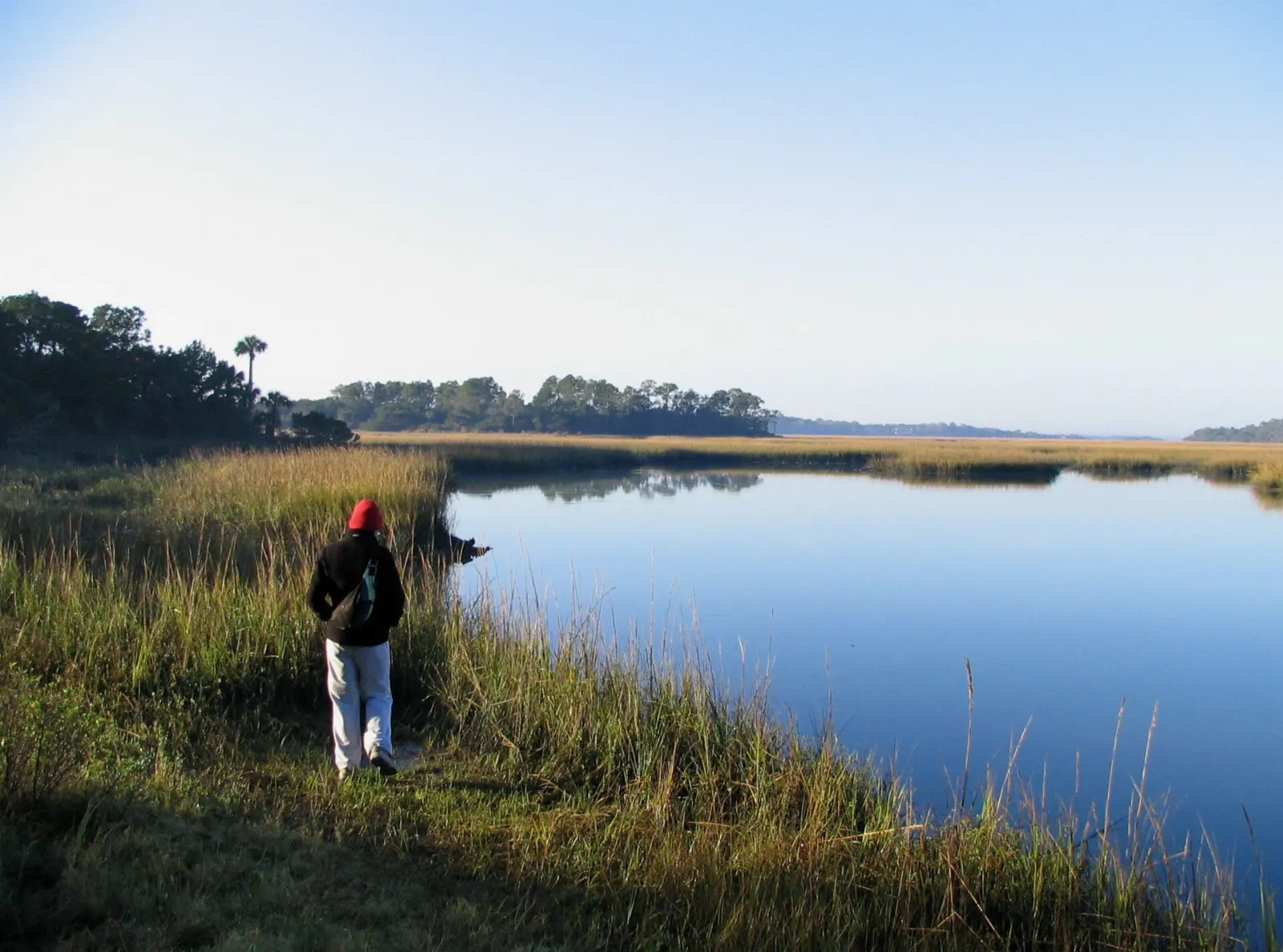
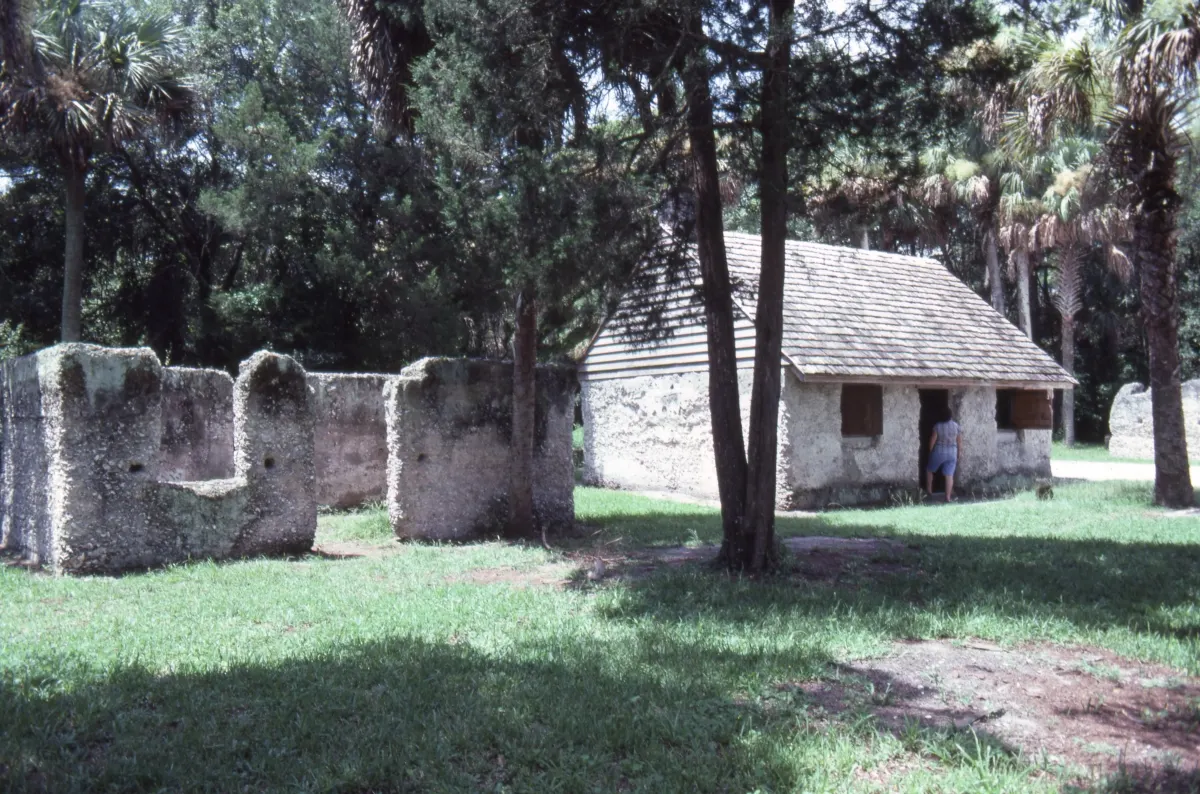
The Timucuan Ecological and Historic Preserve covers salt marshes, waterways and historic sites, including Fort Caroline National Memorial and Kingsley Plantation, where the remains of slave cabins tell a hard but important story.
Jacksonville Zoo and Gardens
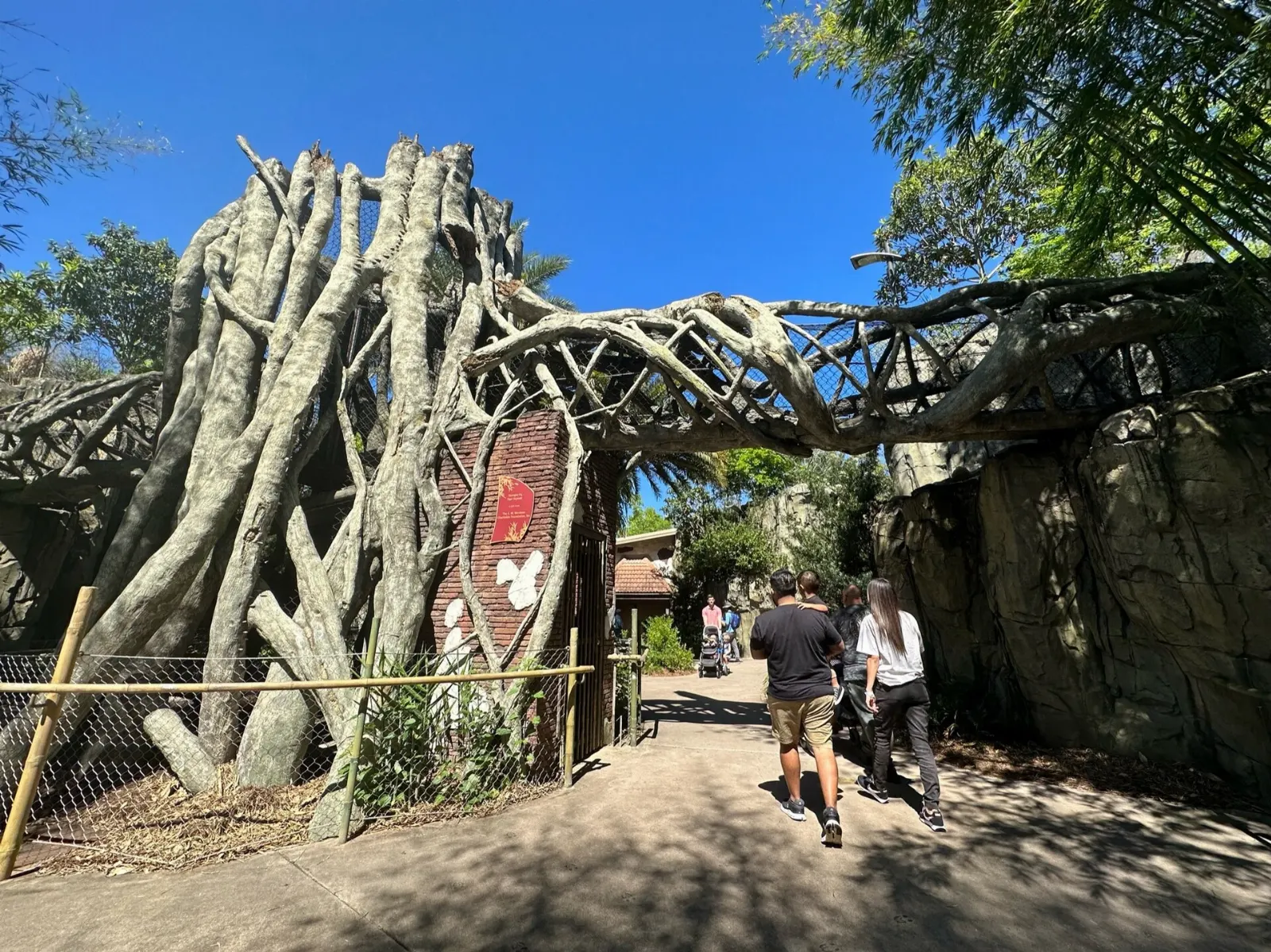
The zoo is one of the largest in the Southeast, with African and Asian animals, botanical gardens and a splash ground that children love on hot days.
A day in St. Augustine
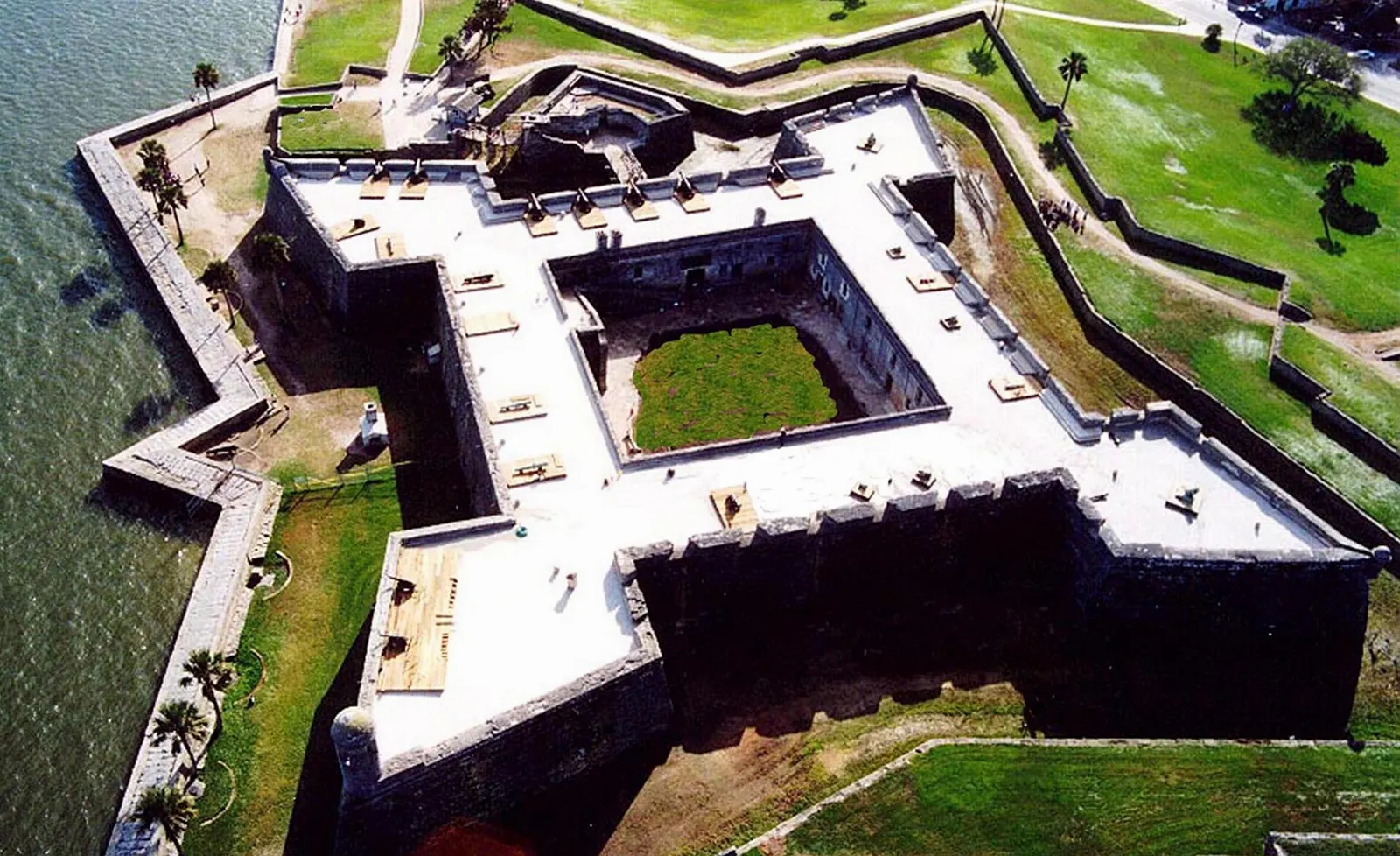
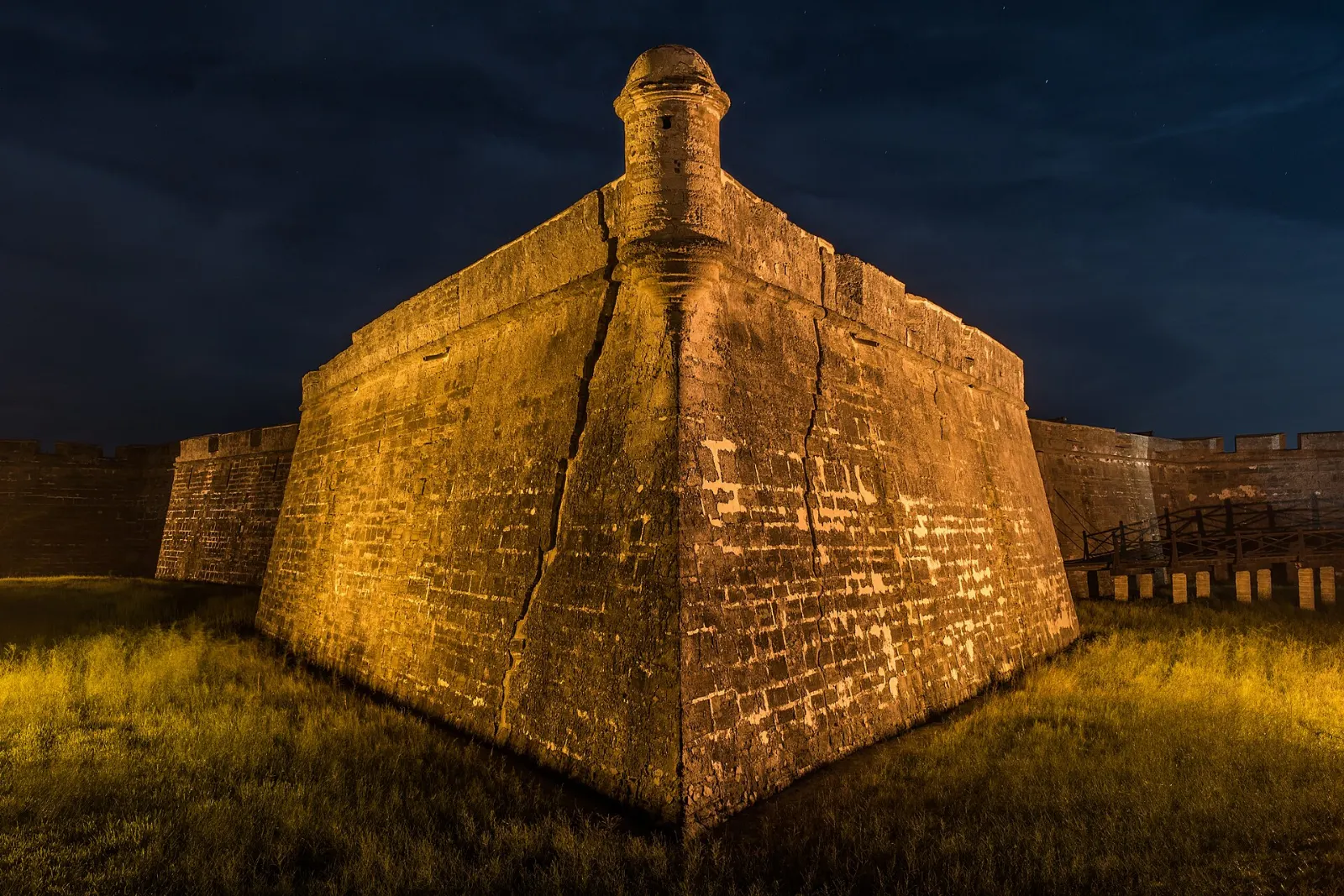
Less than an hour south, St. Augustine is the oldest continuously inhabited European founded city in the United States. Walk the old streets, visit the Castillo de San Marcos and climb the lighthouse for coastal views.
Food and local flavors
Seafood rules here. Order sweet Mayport shrimp fried, boiled or grilled, and look for oysters from nearby waters. Jacksonville also has its own sandwich, the camel rider, a pita stuffed with cold cuts and cheese from the city's Arab American delis. Datil pepper sauce from the St. Augustine area adds a fruity heat to almost anything.
Popular dishes to try in Jacksonville


 Planning a trip to Jacksonville?Compare hotels, flights and vacation rentals for Jacksonville on Expedia.Book now
Top rated
Trusted by locals in Jacksonville
Elo Roofing
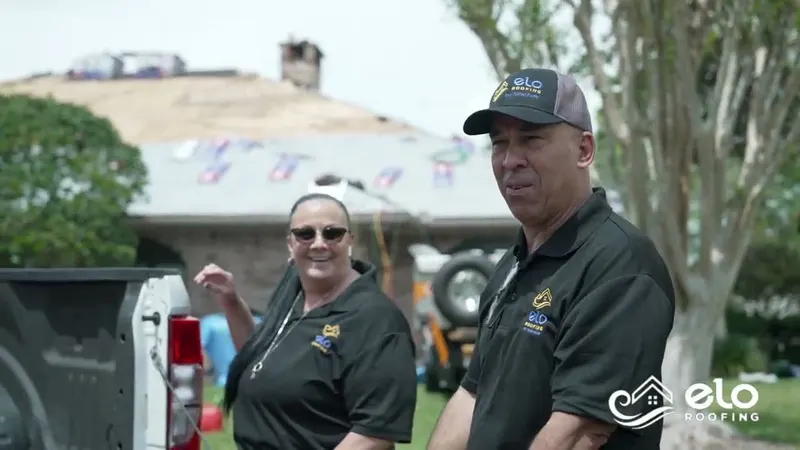
Elo Roofing is a roofing company serving Duval, Flagler, and Brevard Counties in Florida. Elo Roofing provides commercial and residential roofing services inclu...
Model City Roofing
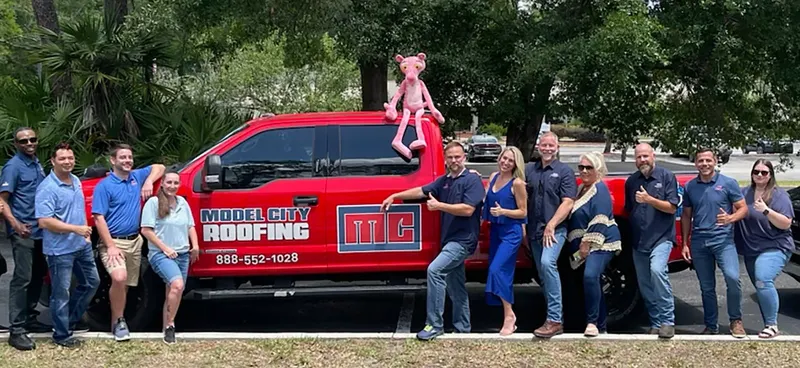
Model City Roofing is a roofing contractor serving Jacksonville, FL, Orlando, Tampa, and Kingsport, TN. It provides roof replacements, repairs, inspections, and...
Jacksonville Tile Pro
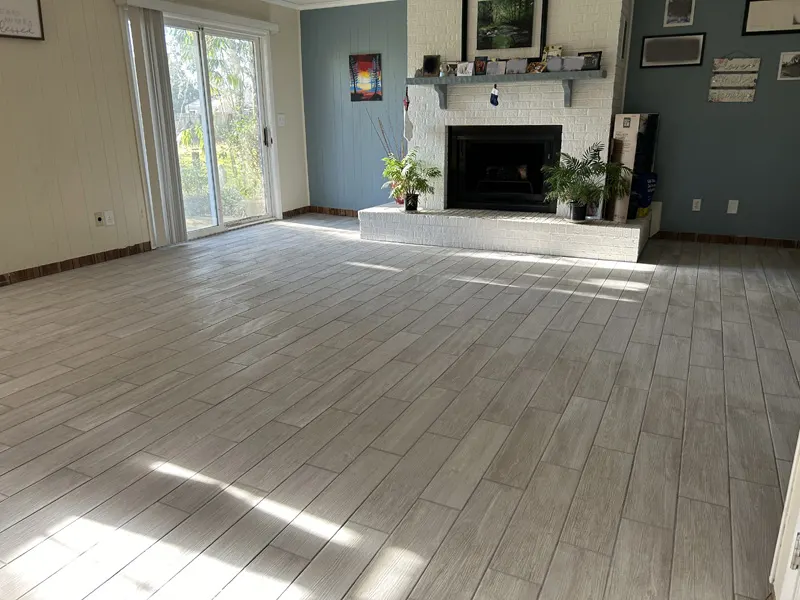
Jacksonville Tile Pro is a tile installation business providing professional tile and drywall services in Jacksonville. Jacksonville Tile Pro focuses on quality...
Where to stay
Downtown and the Southbank put you on the river near the stadium, arena and Riverwalk. Riverside is the choice for walkable streets, restaurants and character, while Jacksonville Beach is best if your trip is about sun, sand and seafood.
Where to stay in Jacksonville


Best time to visit
Spring and fall offer warm sunny days and comfortable evenings. Summers are hot and humid with frequent afternoon thunderstorms, and hurricane season runs from June through November. Winters are mild, though the ocean is cool.
Getting there and getting around
Jacksonville International Airport has flights across the country. The city is spread out, so a car is the easiest way to get between downtown, the neighborhoods and the beaches. Local buses run across the city, and a water taxi crosses the river downtown on many days.
Before you go
More to discover in Jacksonville
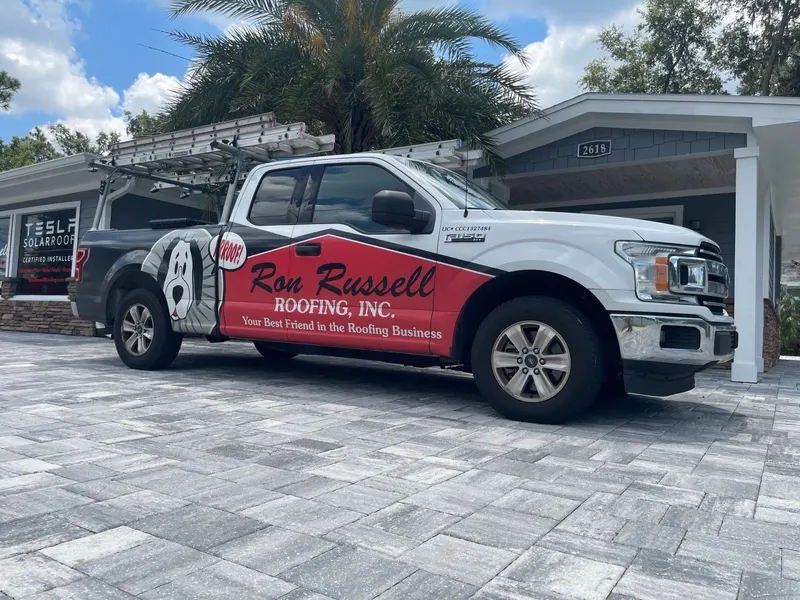
Ron Russell Roofing, Inc
Ron Russell Roofing, Inc is a Jacksonville roofing company with over 30 years of experience offering roof repairs, reroofs, and installation of asphalt, metal,...
Top Of The Line Plumbing
Top of the Line Plumbing is a plumbing business serving Jacksonville, FL and surrounding areas. It provides plumbing repairs, drain cleaning, fixture installati...
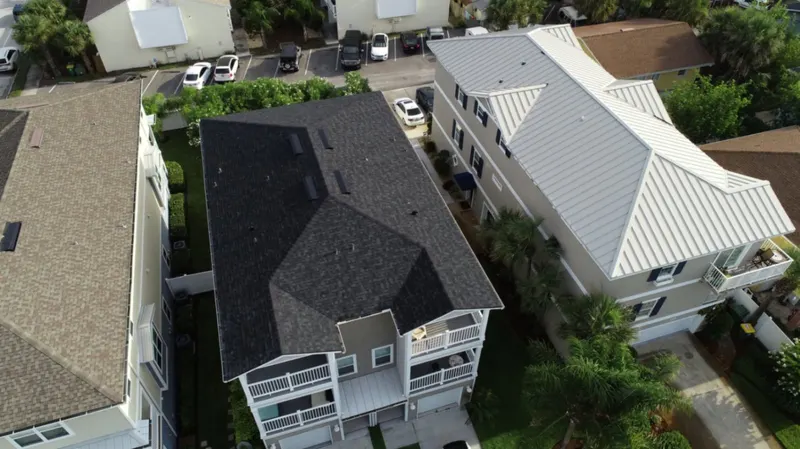
Prime Roofing
Prime Roofing is a roofing contractor serving Jacksonville, FL, specializing in shingle and metal roof replacements with Owens Corning Platinum service details.
A suggested itinerary
First day
Visit the Cummer Museum, lunch in Riverside and walk the Southbank Riverwalk at sunset.
Second day
Spend the morning at Jacksonville Beach, then explore Kingsley Plantation and the Talbot Islands.
Third day
Take a day trip to St. Augustine for history, ice cream and a lighthouse climb.
Practical tips
- Pack sunscreen and insect repellent for the marshes.
- Watch the forecast for afternoon storms in summer.
- Plan extra time to cross the city, since distances are large.
- Check beach flags for rip current warnings before swimming.