Sooke sits at the southern tip of Vancouver Island, where forest meets a sheltered harbour and the wild Juan de Fuca coast begins. It is close enough to Victoria for a day trip, yet it has the trails, tide pools and seafood to fill several days.
AT A GLANCE
Best time
Summer for swimming and beaches, with spring and fall quieter.
How long
A day trip works, and two or three days lets you reach the coast.
Getting there
By car on Highway 14 from Victoria, or by BC Transit bus.
Why visit Sooke
Sooke is a town of about 15,000 people in the traditional territories of the T'Sou-ke and Scia'new First Nations. Its small center is easy to walk, and the sights lie just beyond it, from a sandy spit and river pools to forest parks and rugged beaches.
It also marks the start of the wild southwest coast of Vancouver Island.
Because the town is compact and the highlights are spread along one main road, Sooke rewards a slow pace. Plan one or two outdoor stops each day, leave room for a long lunch of local seafood, and let the tides and weather shape your route.
In and around Sooke
Sooke Region Museum
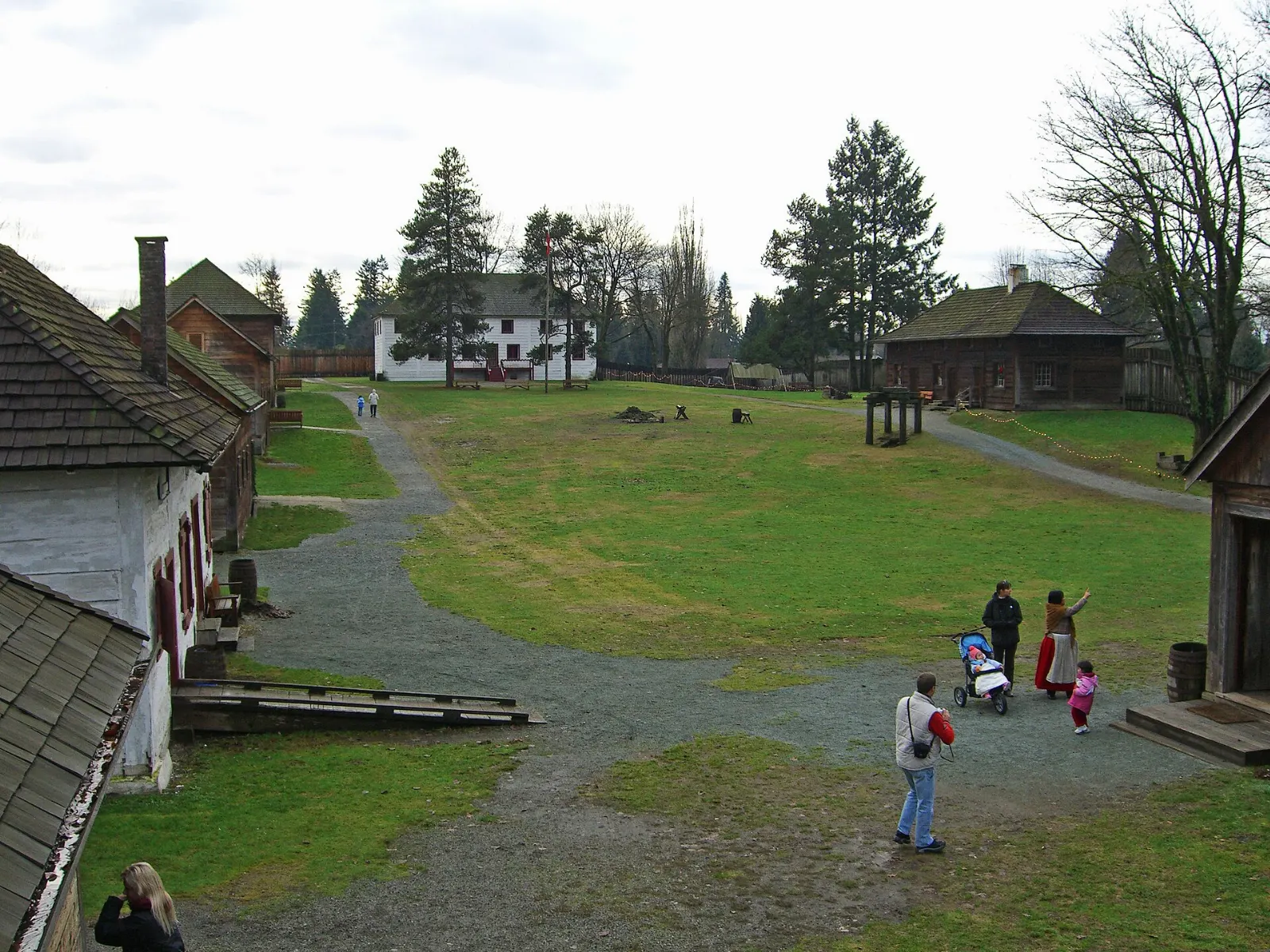
This museum of the region has indoor and outdoor exhibits on local history. It is a good first stop for context before you head to the trails and beaches.
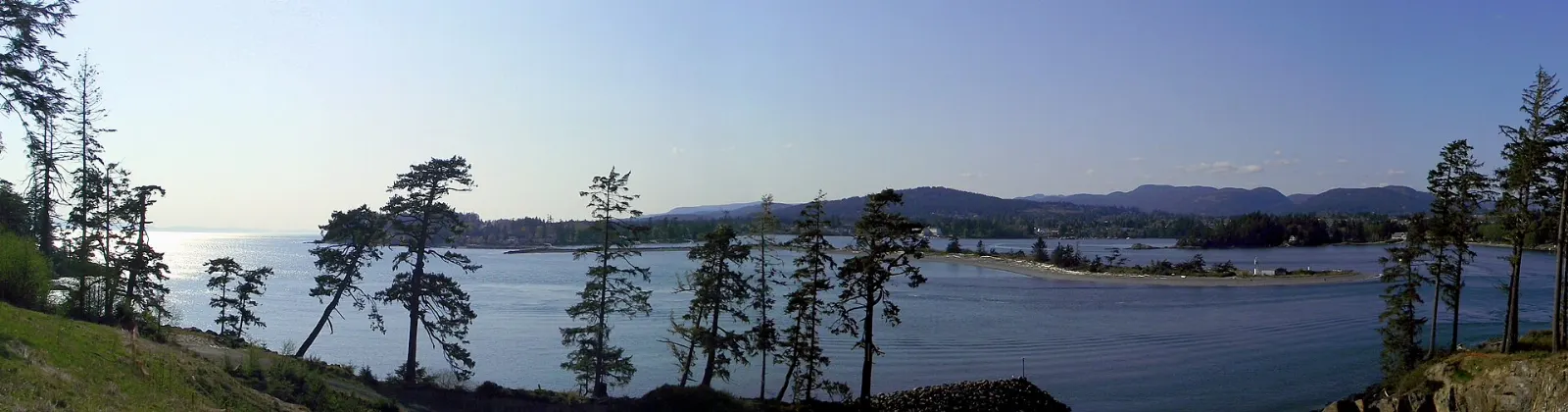
Whiffin Spit
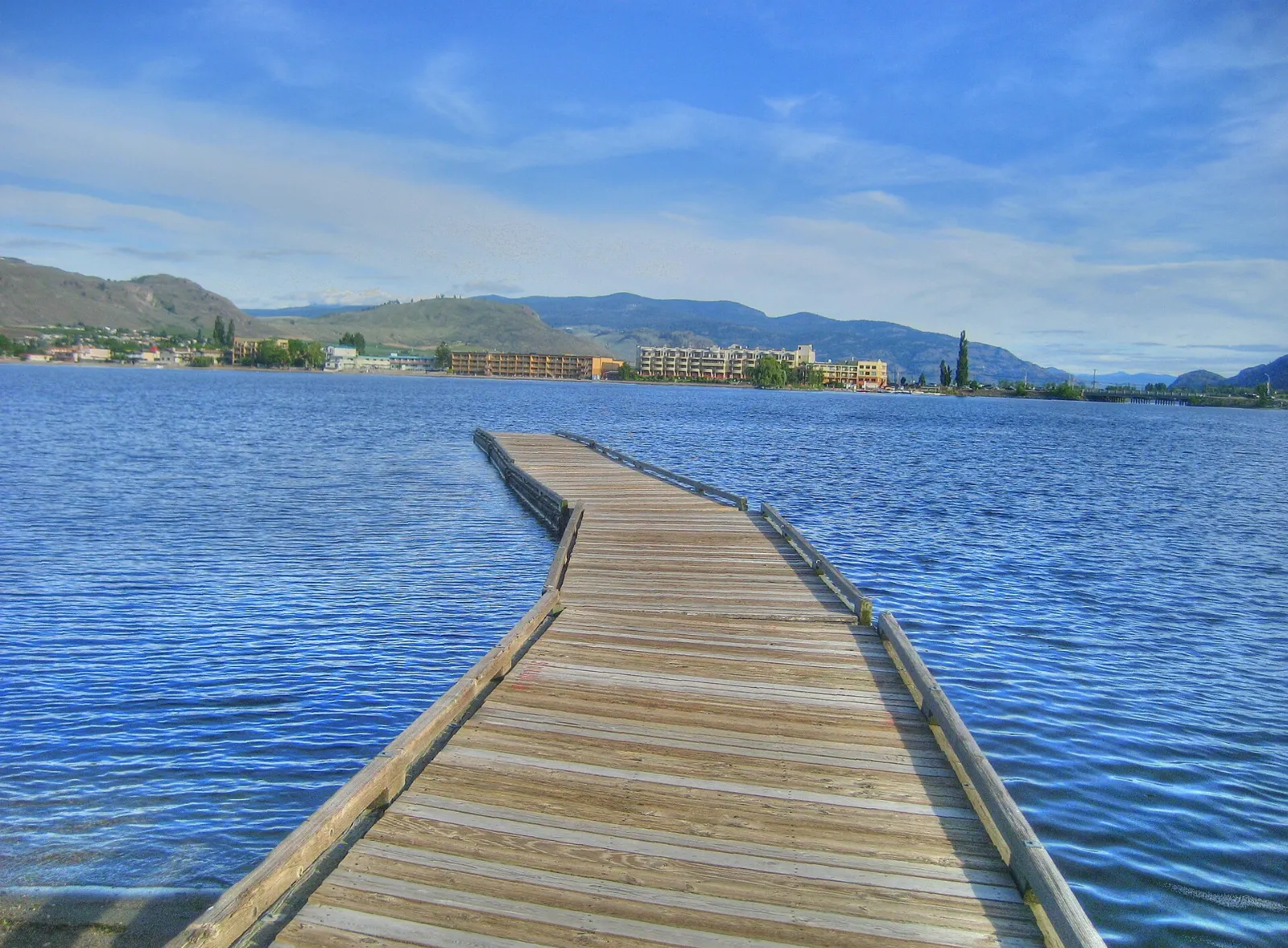
Whiffin Spit is a sand spit about one kilometre long that protects Sooke Harbour. Walk past sandy beaches to the tip, and try to arrive around a tide change, when seals gather to feed on salmon and fish washed out of the basin.
Sooke Potholes
At the Sooke Potholes, the Sooke River plunges through a series of deep pits and pools, a favorite place to cool off in summer. The park is also an important spawning river for chinook and coho salmon.
Galloping Goose Regional Trail
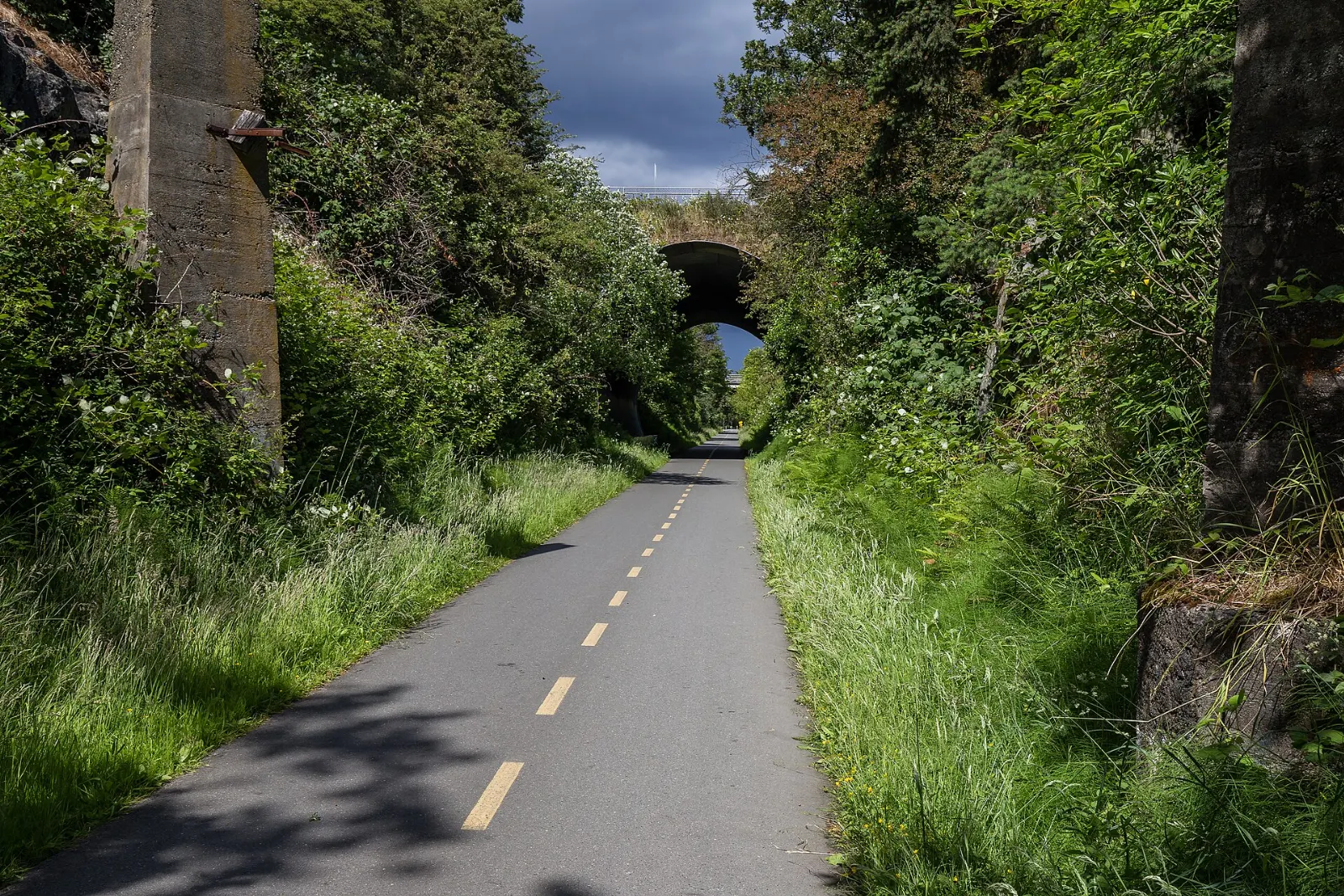
This old rail line is now a walking and cycling route that links Sooke with Victoria and passes near the town. It runs as far as Leechtown, a gold-rush town site from around 1865.
Parks and coastal trails
East Sooke Regional Park
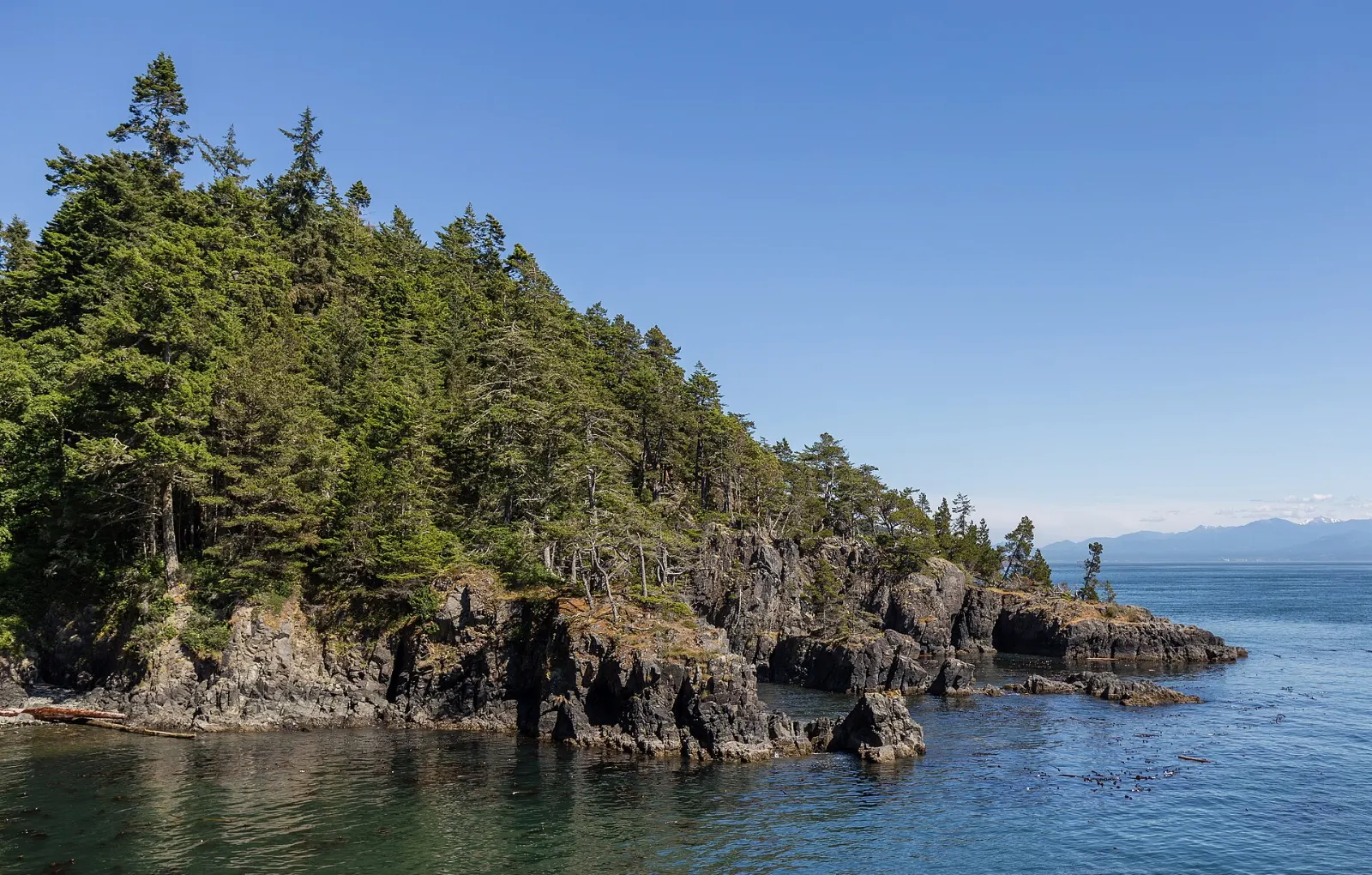
East Sooke Regional Park is a large park at the southern tip of the island with more than fifty kilometres of trails through forest and along rocky coasts.
Roche Cove Regional Park
Roche Cove Regional Park lies beside Gillespie Road on the way to East Sooke. It has a few trails and makes a good alternative if you do not have time for the larger park.
Juan de Fuca Marine Trail
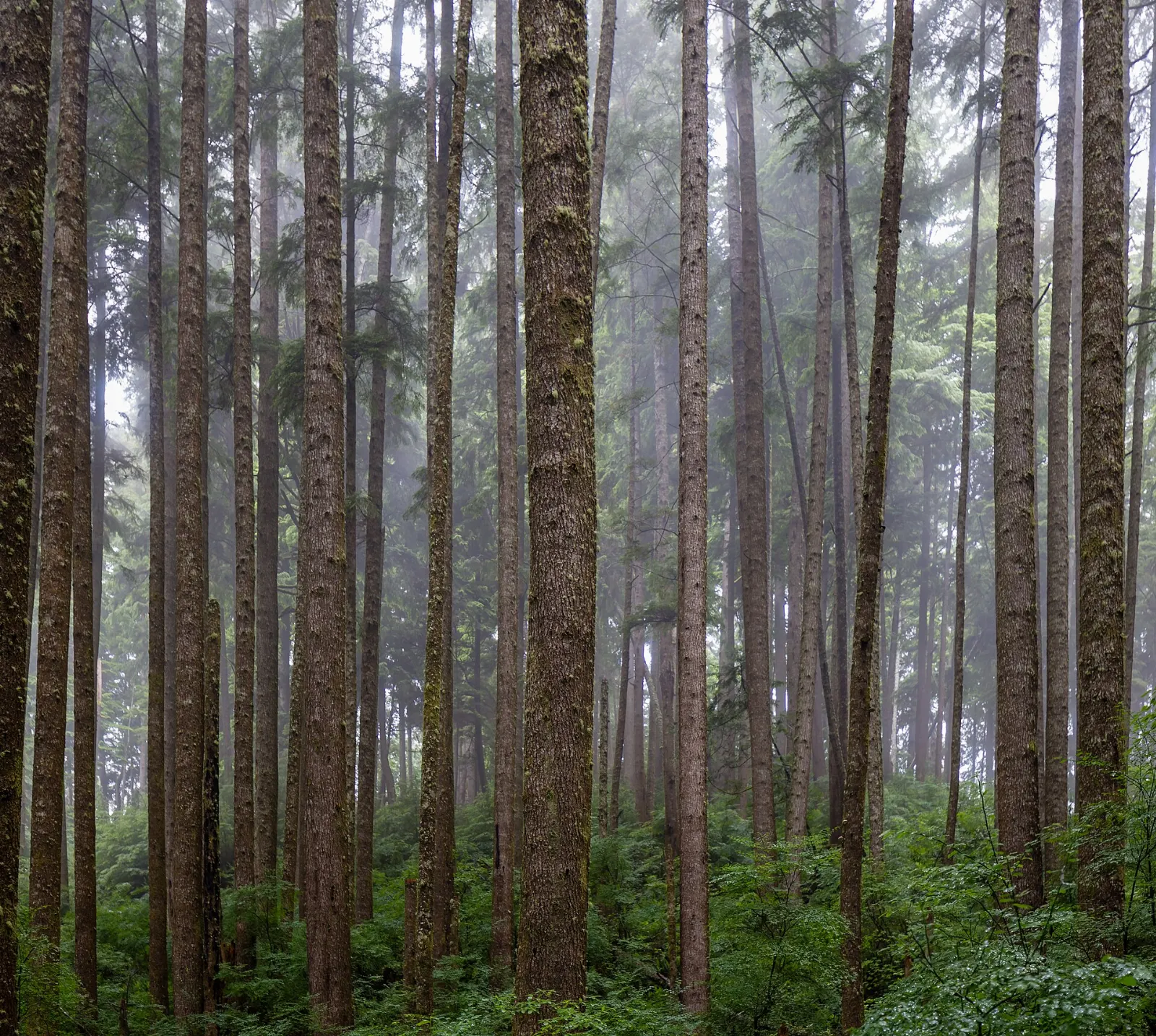
Part of Juan de Fuca Provincial Park, this trail runs about 47 kilometres between Port Renfrew and Jordan River. Several access points let you hike the whole route or try shorter day sections, depending on your time and the weather.
Beaches along Highway 14
China Beach
China Beach is part of Juan de Fuca Provincial Park and has long been one of its best-developed areas, with a day-use area and a campground you can reach by car.
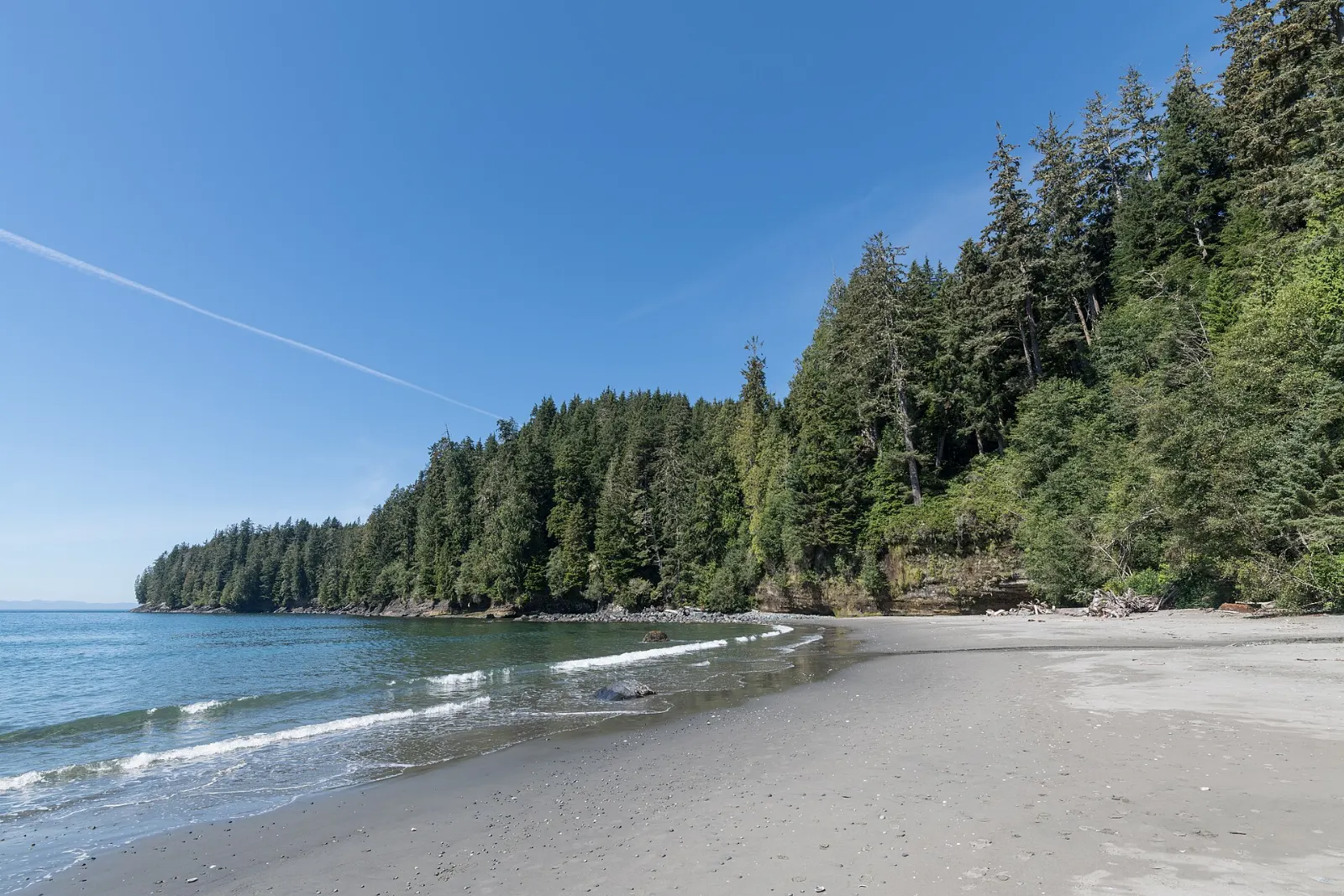
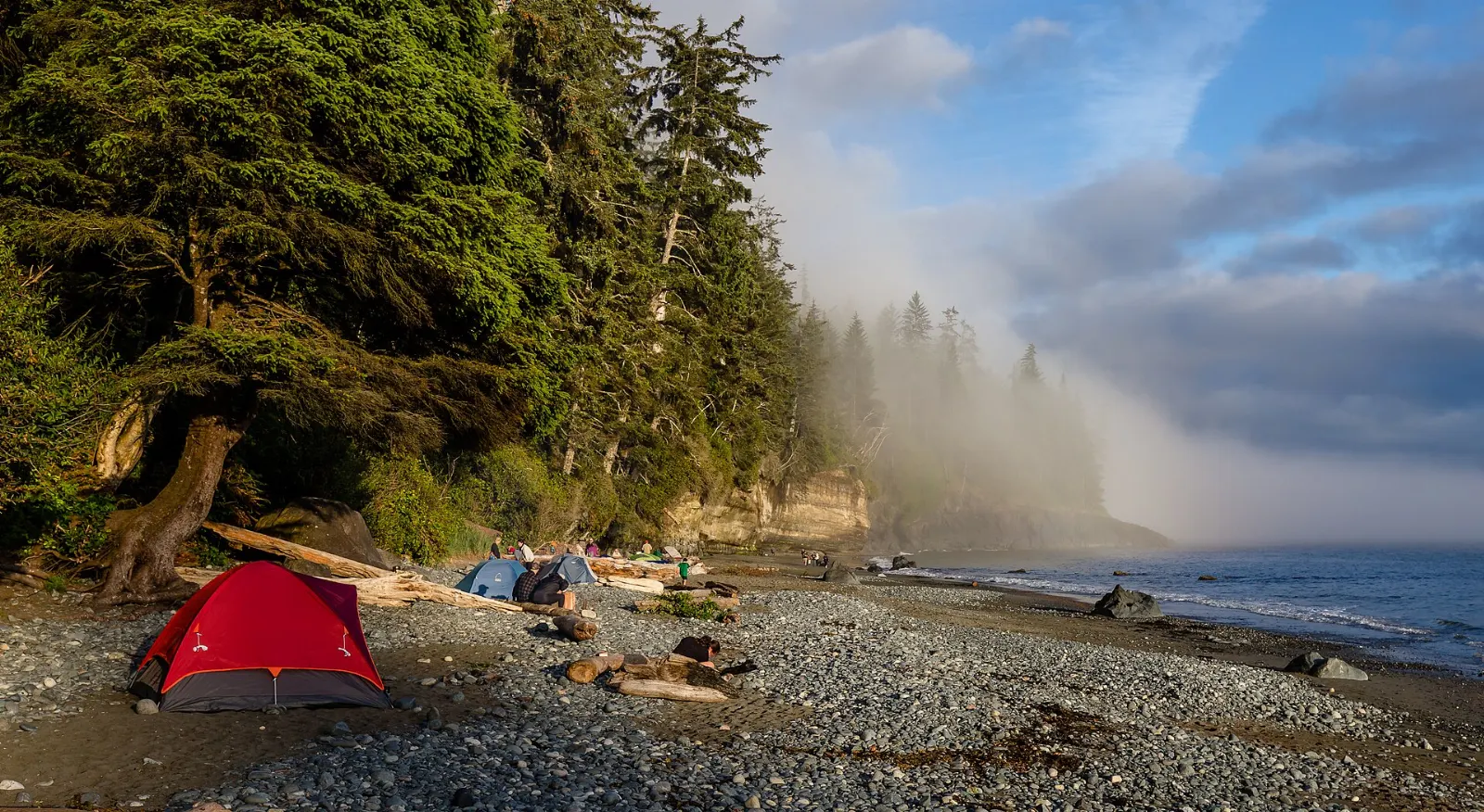
Mystic Beach
Mystic Beach is one of the popular beaches west of Sooke and is reached on foot through the forest. Go at low tide, wear shoes with grip, and give yourself time for the walk back.
Food and local flavors
Seafood is the draw. Dungeness crab is an integral part of cooking in British Columbia, and BC spot prawns have a short harvest season of about six to eight weeks from May to June. Wild salmon runs in the Sooke River, and local restaurants build many menus around it. For something sweet, look for Nanaimo bars, the no-bake chocolate and custard squares named for a city farther up Vancouver Island.
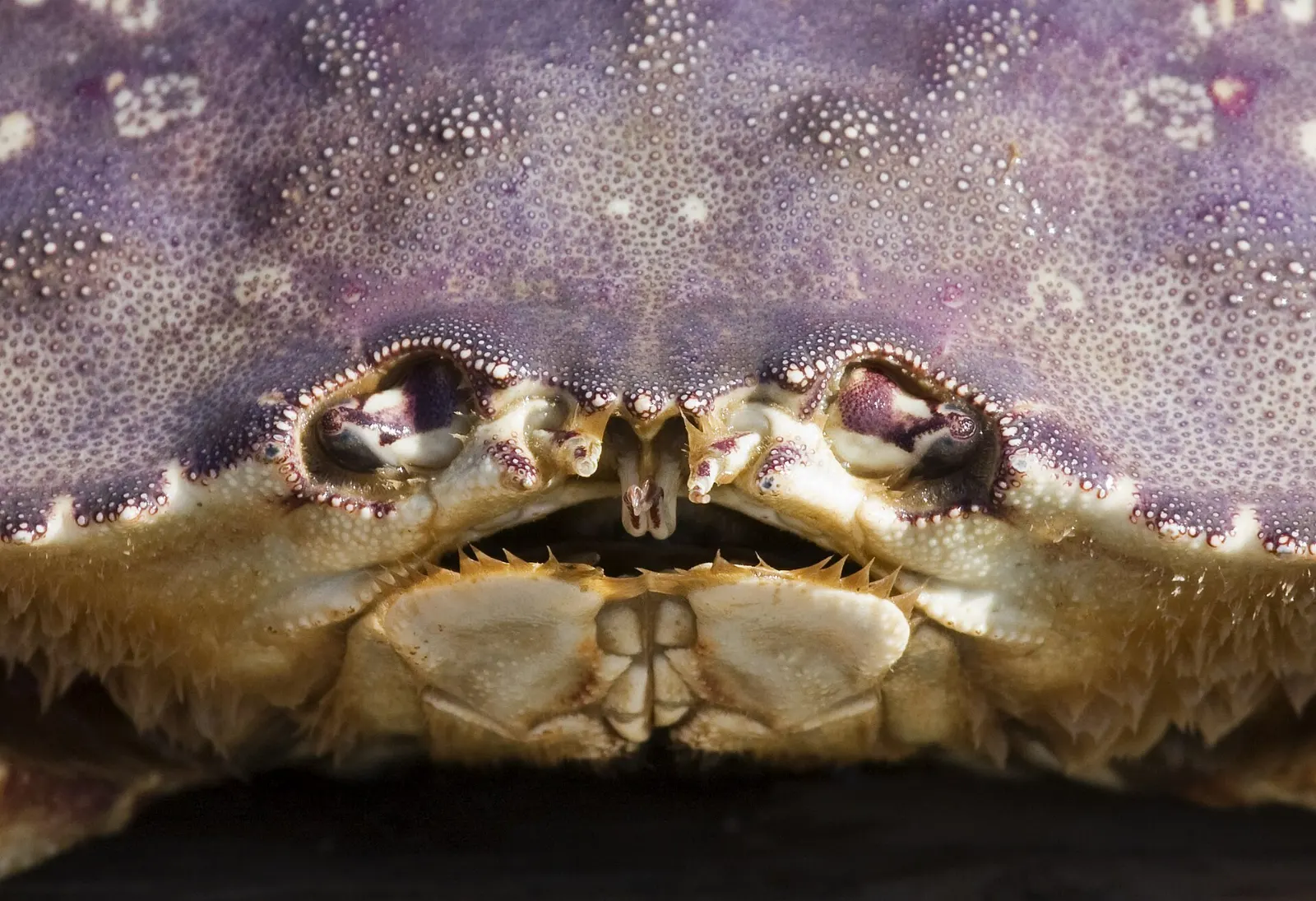
Popular dishes to try in Sooke


Where to stay in Sooke
Sooke town centre suits travelers who want shops, cafes and the museum close at hand.
Whiffin Spit, along Whiffin Spit Road on the harbour, suits couples and anyone who wants a quiet waterfront base with the spit on the doorstep.
West Coast Road, on the way to the Juan de Fuca beaches, suits travelers who want cabins or vacation homes with ocean views.
East Sooke is rural, with no town core, and suits hikers who want to be beside East Sooke Regional Park.
Sooke also has numerous bed and breakfasts and campgrounds, so book early for summer weekends.
Where to stay in Sooke


Best time to visit Sooke
Sooke has a mild Mediterranean-style climate, with warm summers and mild winters. Summer is the best season for swimming at the Sooke Potholes and walking the beaches, and it is also the busiest. Spring is the time for BC spot prawns, which are harvested from May to June, and for quieter trails. The Sooke Fall Fair has been held on the Labour Day weekend since 1913 and is a fun way to see the community.
Getting there and getting around
Most visitors reach Sooke from Victoria, about 38 kilometres away by road. Take Highway 1 north to Langford, exit onto Highway 14 at Millstream Road and follow it to Sooke.
BC Transit route 61 links Victoria and Sooke, with direct weekday trips at rush hours and other trips between Langford and Sooke that need a transfer. A direct ride takes about an hour and a quarter.
The village center is walkable, but the parks, beaches and viewpoints need a car.
A suggested itinerary
First day
Drive from Victoria along Highway 14, stop at the Sooke Region Museum, then have lunch in town.
Second day
Hike a loop in East Sooke Regional Park from the entrance that suits you.
Third day
Drive west to China Beach and Mystic Beach at low tide, and hike a short section of the Juan de Fuca Marine Trail. Return to Sooke for dinner.
Practical tips
- Check tide tables before visiting beaches, since low tide is the best time.
- Fill your fuel tank in Sooke before driving west along Highway 14.
- Pack layers and rain gear, as coastal weather can change quickly.
- Bring water, food and a bag for litter to the Sooke Potholes, which has no services.
- Take care on wet rocks and slippery trails, and expect cold water for swimming.
- Keep a respectful distance from wildlife, since black bears and cougars live in the region.