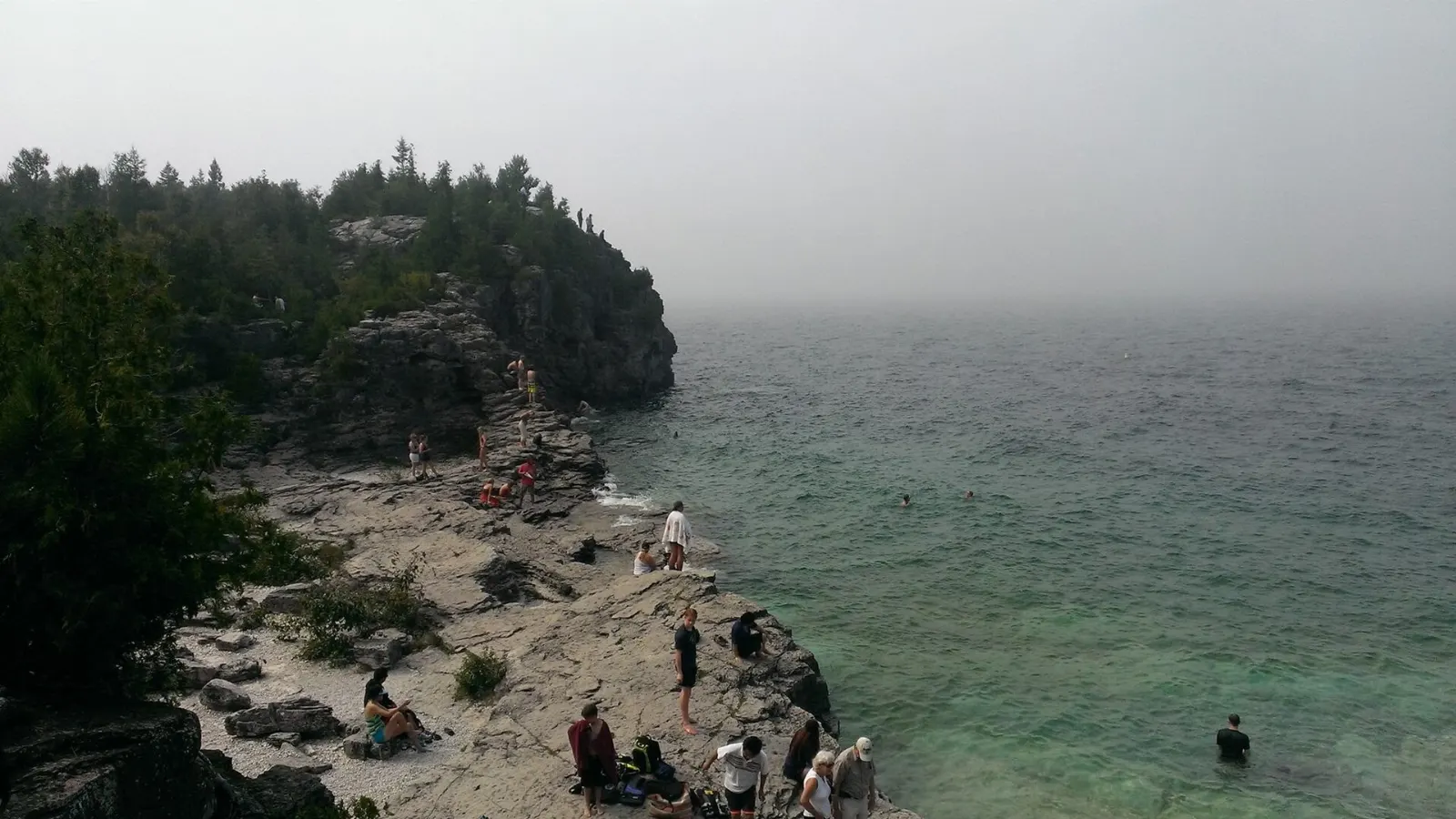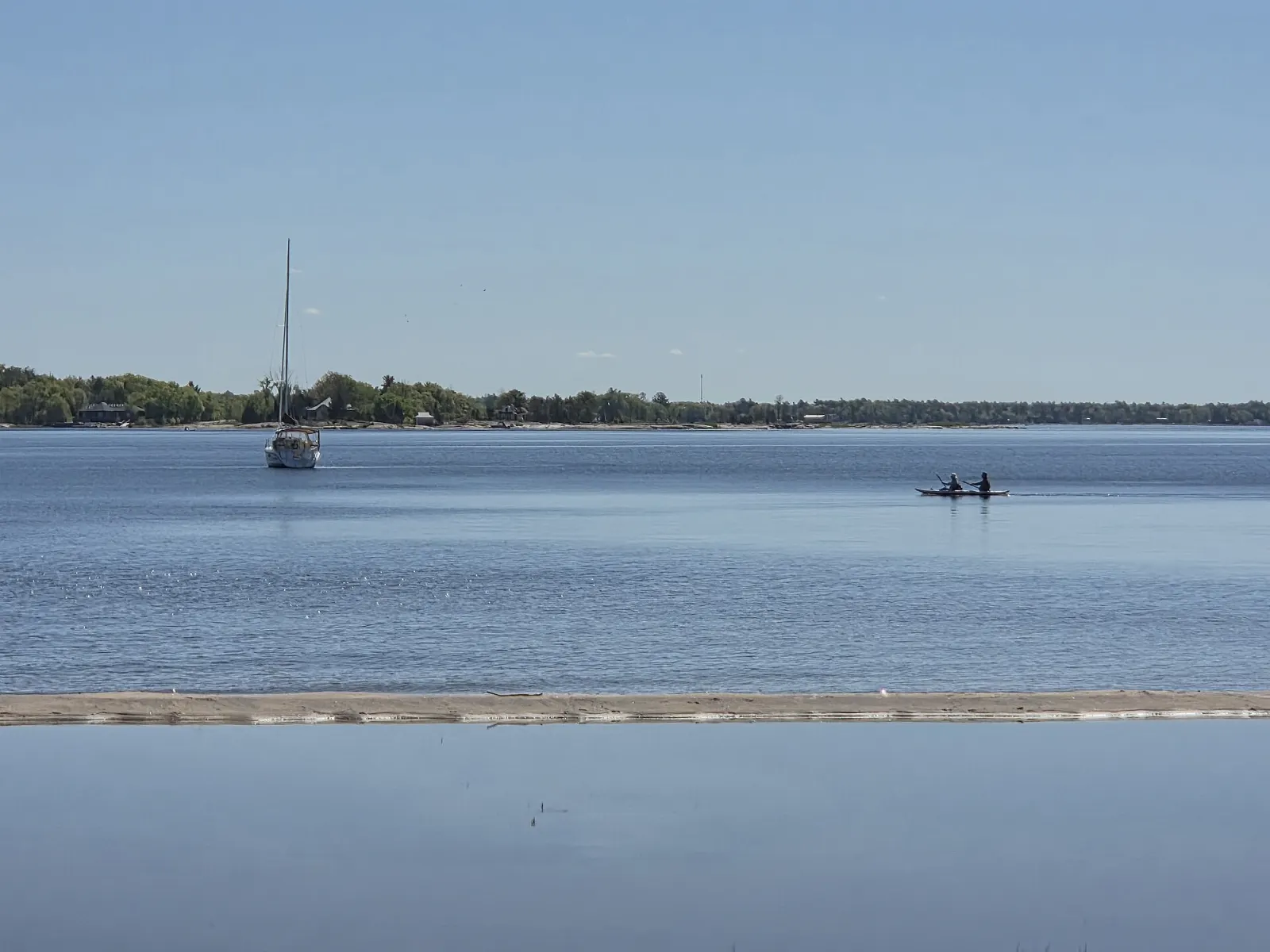
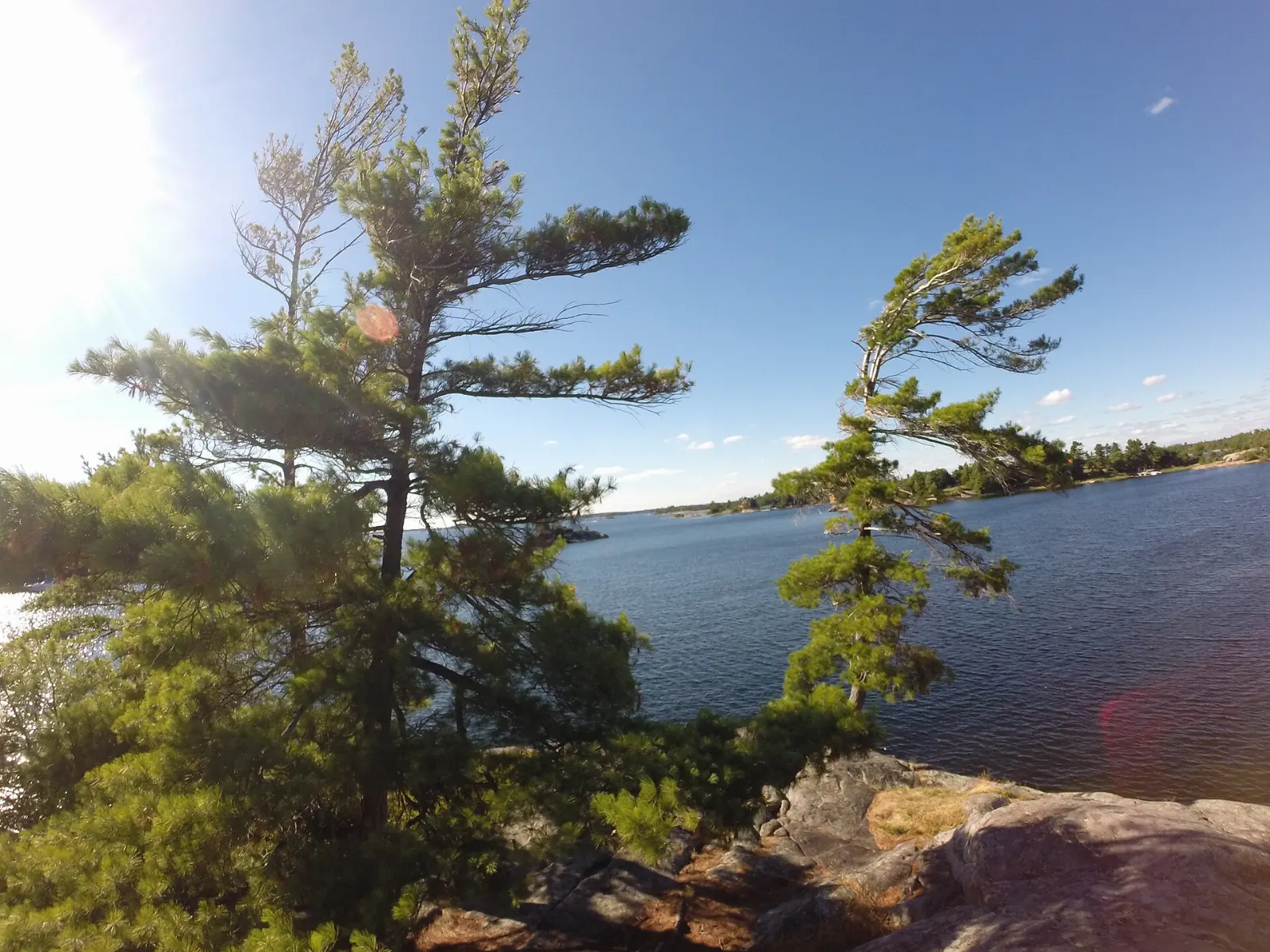
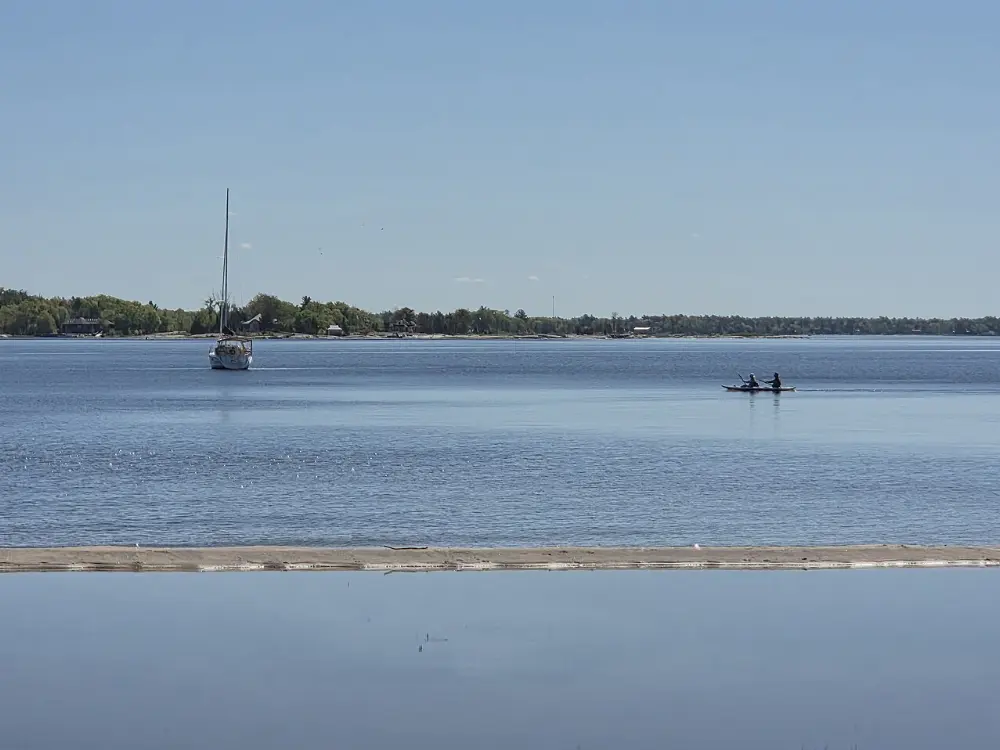
Georgian Bay Islands National Park is a scatter of 63 islands and island fragments at the southern end of Georgian Bay, where pink Canadian Shield granite, windswept white pines and clear blue water meet hardwood forest. The park can only be reached by boat, which keeps the pace slow and the trails quiet.
AT A GLANCE
Best time
Summer for boat service and camping, early autumn for quieter trails.
How long
One full day on Beausoleil Island, or two to three days with Honey Harbour and Midland.
Getting there
Drive about two hours north of Toronto to Honey Harbour, then cross by boat.
Why visit Georgian Bay Islands National Park
The park was established in 1929 and sits inside the Georgian Bay Biosphere Reserve, part of the largest freshwater archipelago on Earth. The scenery that draws you here also inspired the Group of Seven painters, who set out in the early twentieth century to capture the Canadian wilderness.
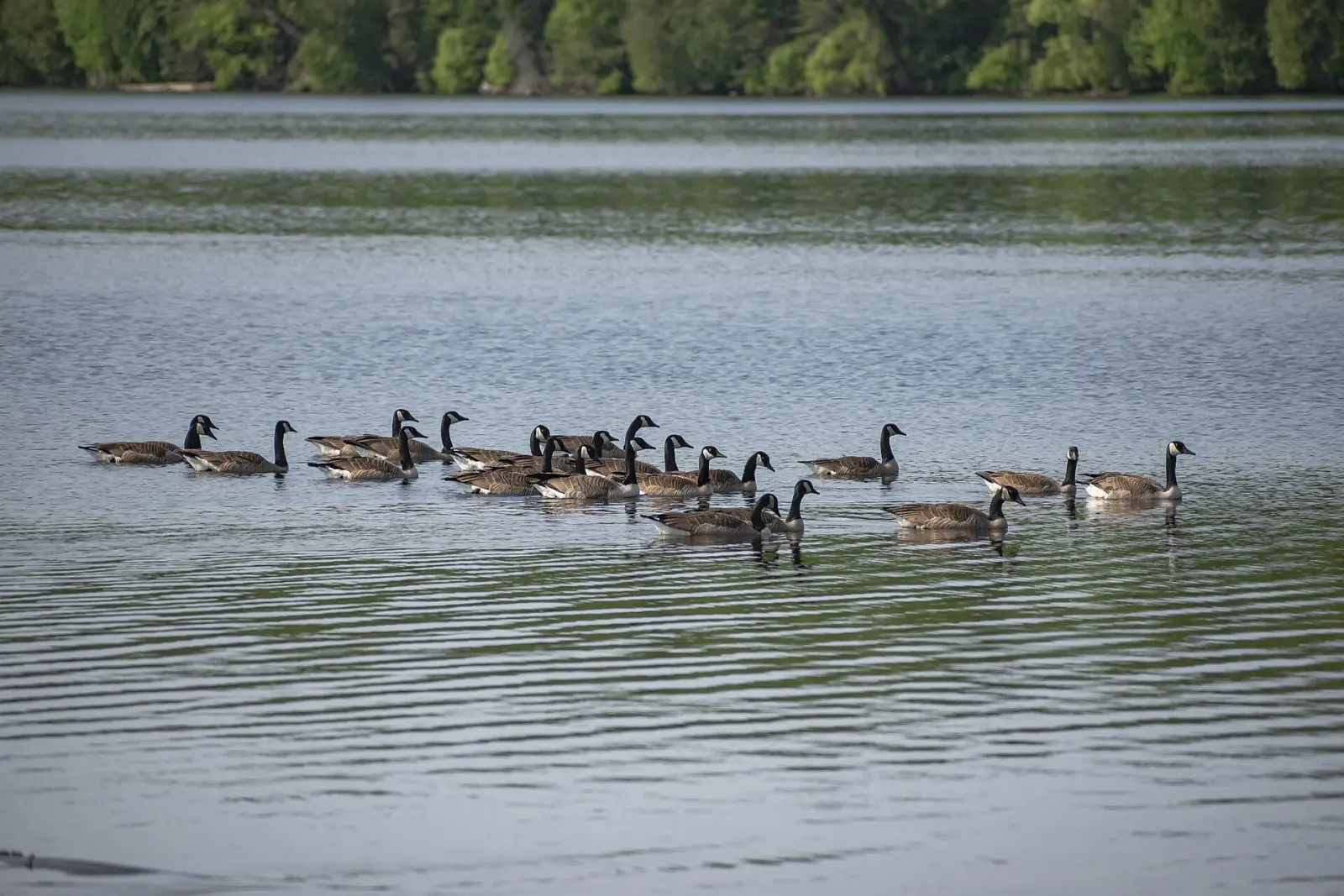
It is also an easy place to slow down. You trade car noise for lapping water, swap a schedule for a boat departure, and spend your time hiking, paddling, cycling or simply watching turtles and herons from a dock.
The best places to visit on Beausoleil Island
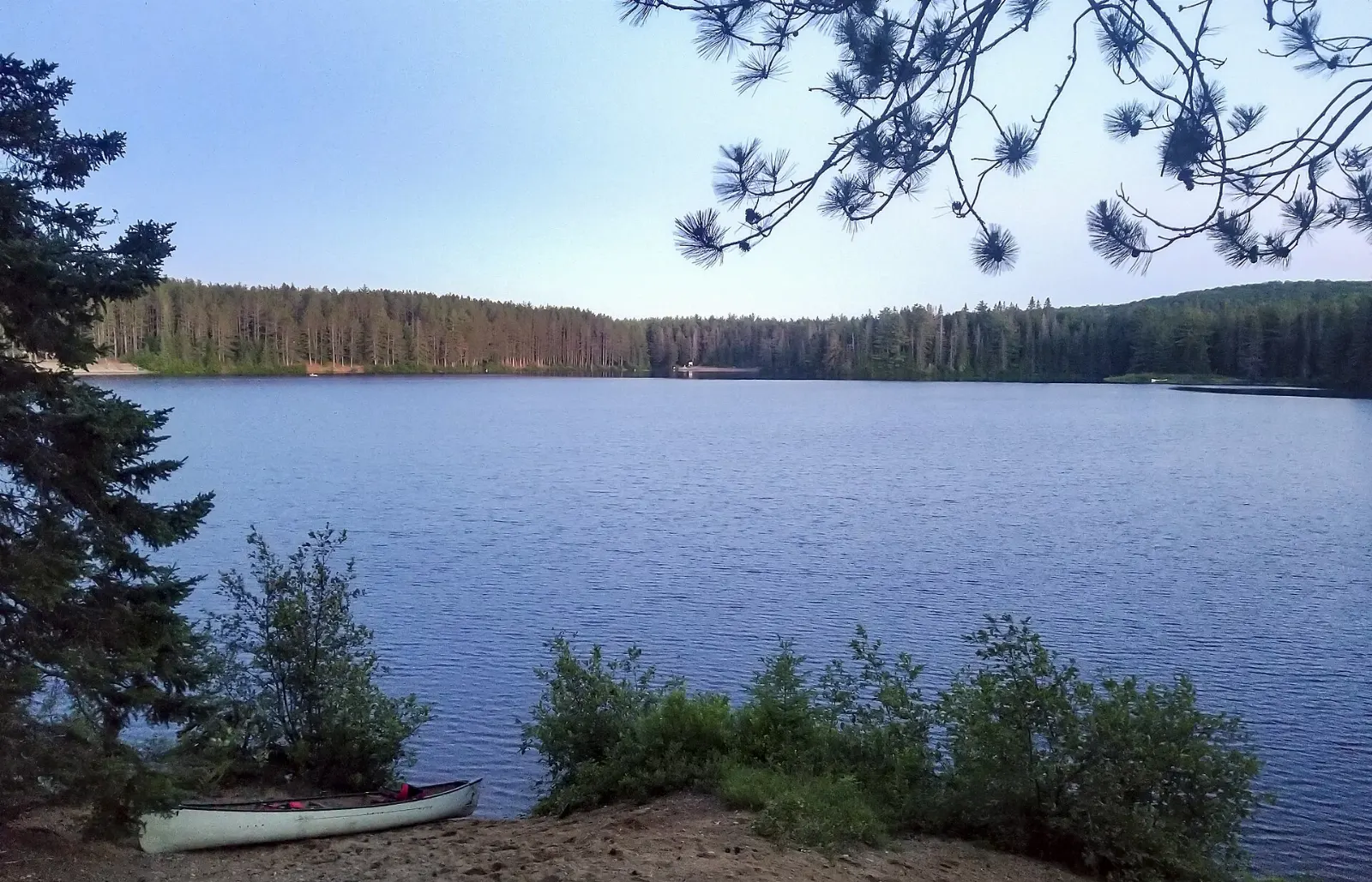
Beausoleil is the largest island in the park and the only one with a real trail network. All twelve of the park's hiking trails are here, ranging from short strolls of a few hundred metres to demanding walks of more than seven kilometres.
Cedar Spring Campground
Cedar Spring is the island's main hub, with a visitor centre, tent sites, a gift shop and the place to rent adult bicycles. Allow time to browse the displays before you set off, and ask staff which trails are open.
Fairy Lake Trail
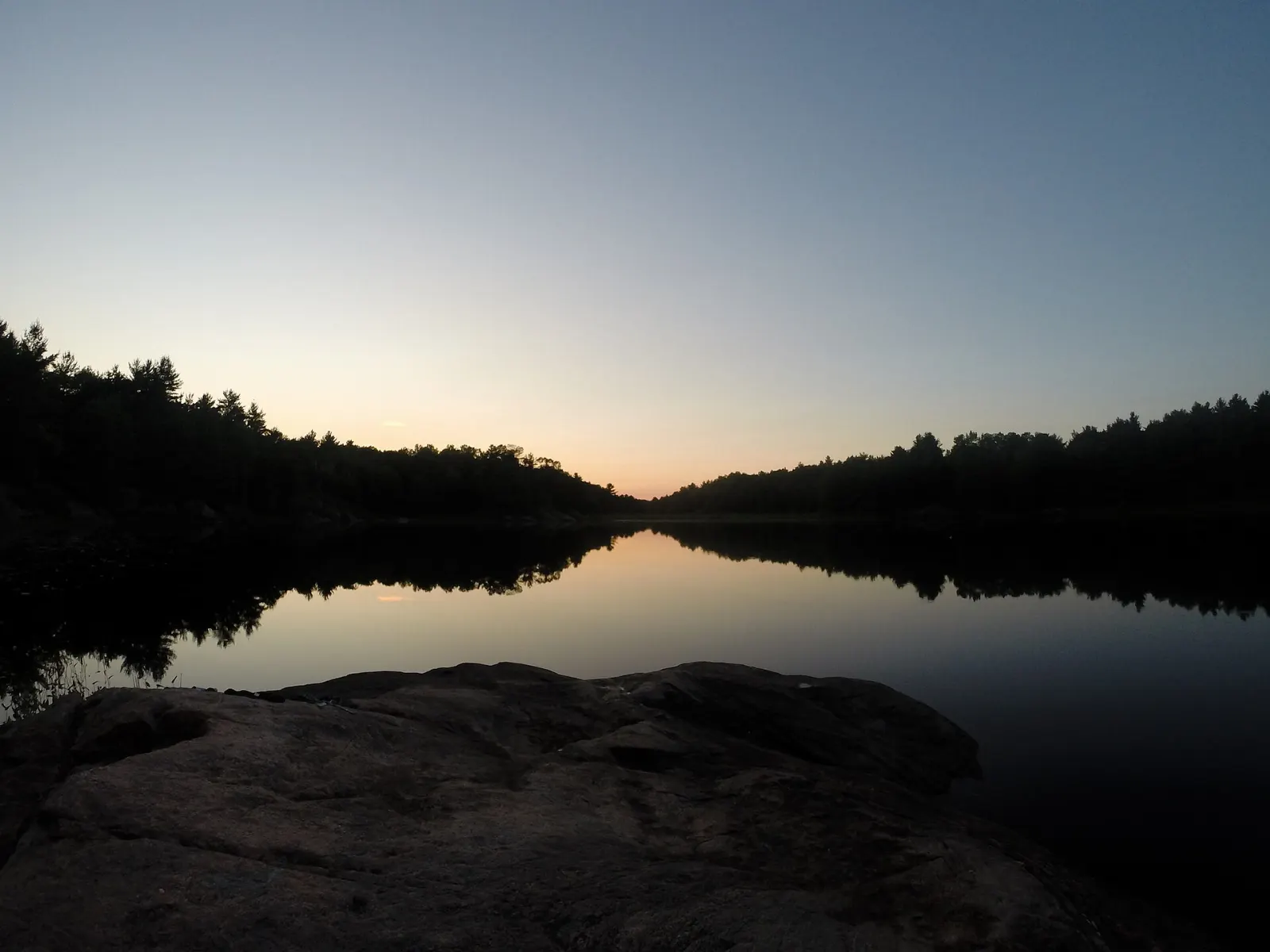
In the northern half of the island, Fairy Lake is one of the trails singled out for its views of Georgian Bay's cobalt water against pink rock and dark green pines.
Cambrian Trail
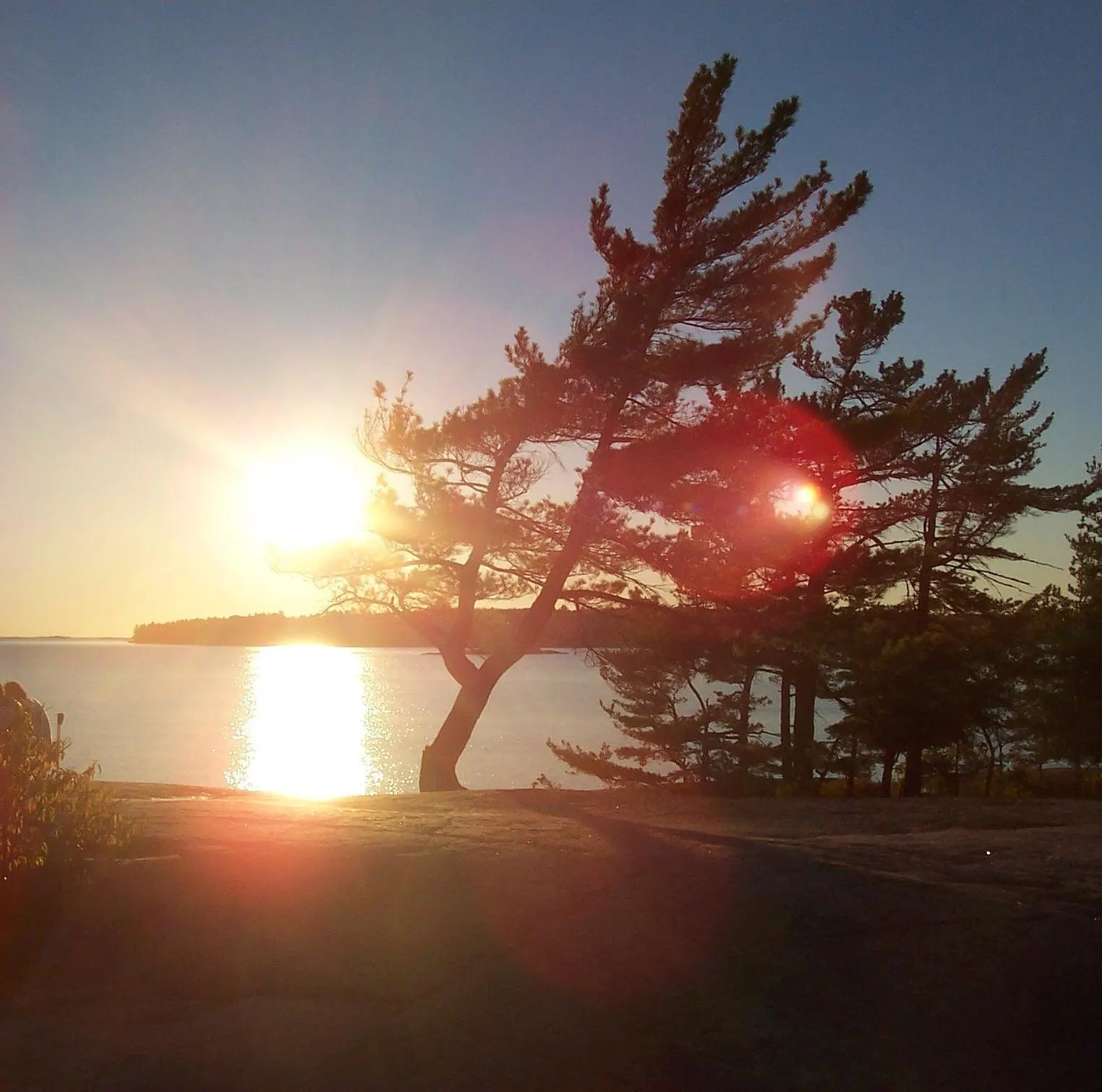
The Cambrian Trail also lies in the north and shows the same Canadian Shield landscape. It is a good choice when you want rock, pine and open sky rather than shaded forest.
Southern Beausoleil Forest Trails
South of the Shield country the island changes character, with hardwood and mixed forest that feels closer to southern Ontario woodland. Several trails here permit cycling, which makes it easy to cover distance between viewpoints.
Beausoleil Island National Historic Site
The whole island holds a human story that stretches back about seven thousand years, with artifacts from Archaic hunters and later Woodland and Odawa peoples. In the 1800s Louis Beausoleil's homestead stood at the southern tip, and the island carries his name.
Honey Harbour and the 30,000 Islands
Honey Harbour
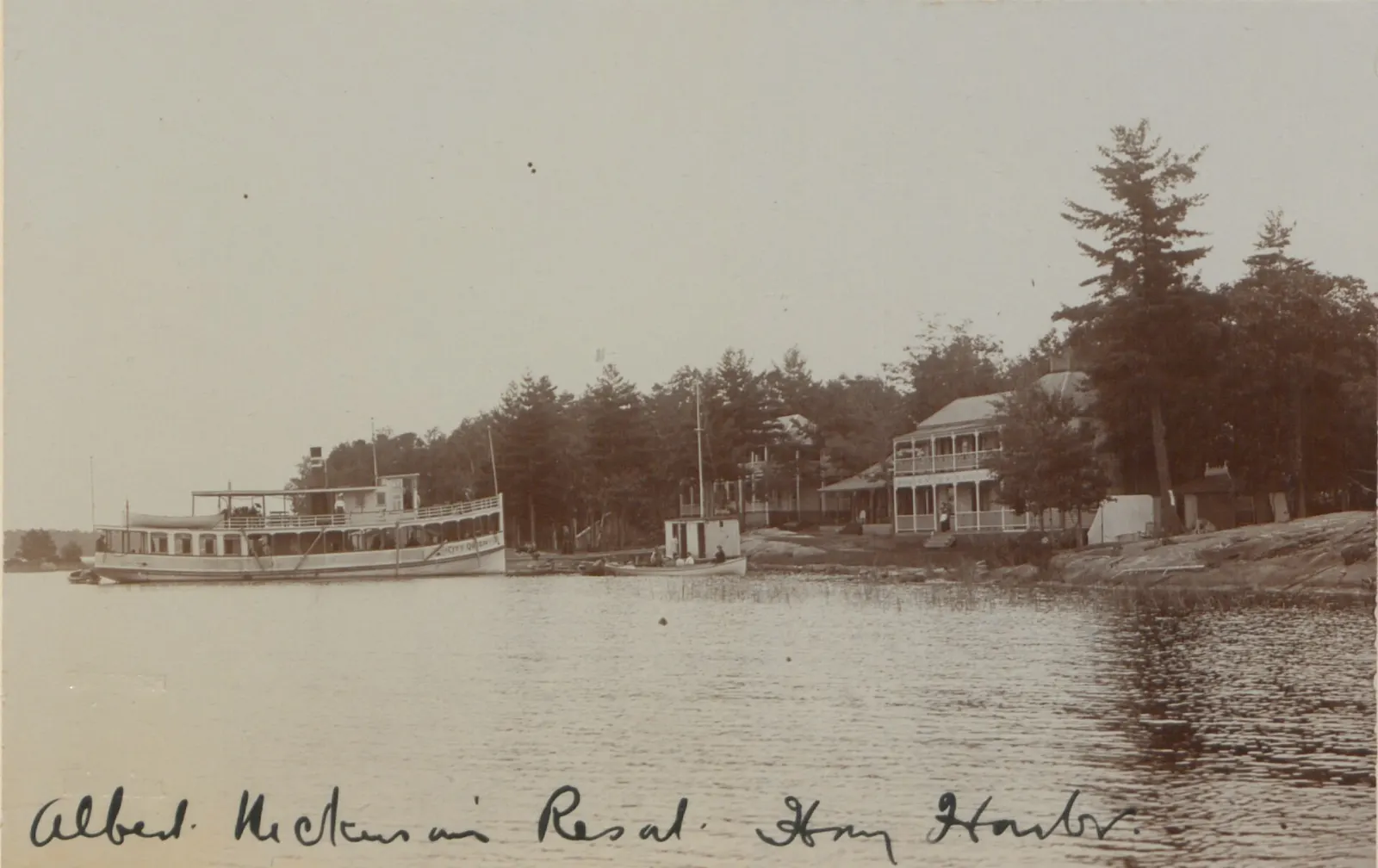
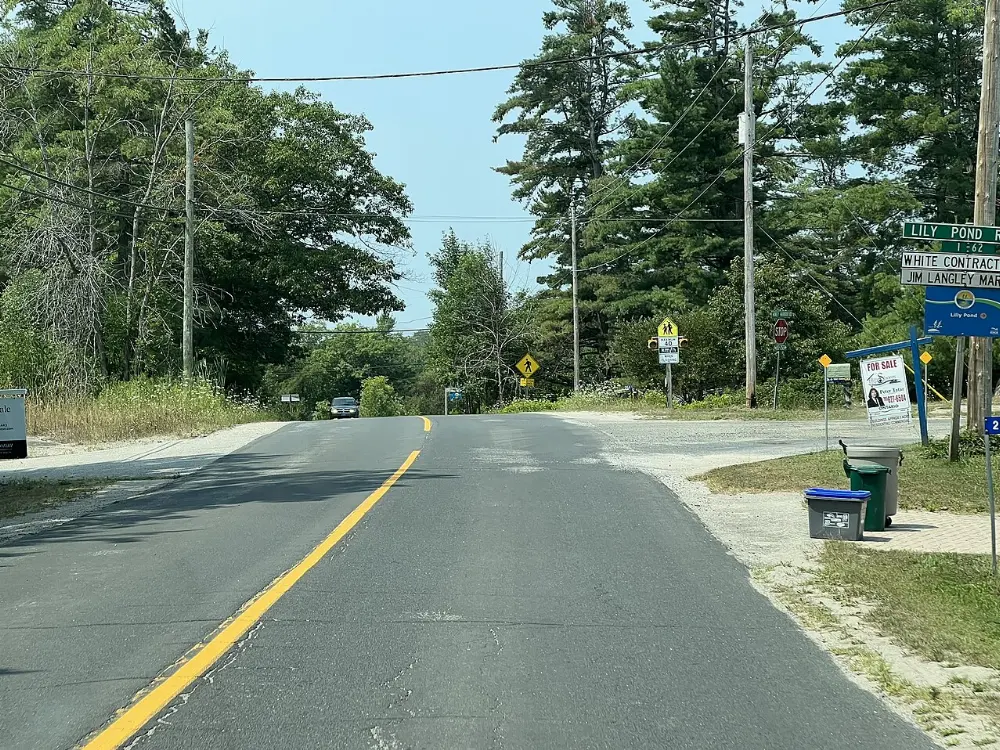
Honey Harbour is the mainland launch point for most trips and a base for exploring the maze of cottage islands known as the 30,000 Islands.
Port Severn
Port Severn sits where the Severn River empties into Georgian Bay and is the administrative centre of the township. It is a handy stop for provisions and for a look at the water you will soon be crossing.
Midland and the south shore
Midland is the largest nearby town and a good rainy-day or off-boat-day option. Three heritage and nature stops sit within a short drive of each other.
Sainte-Marie among the Hurons
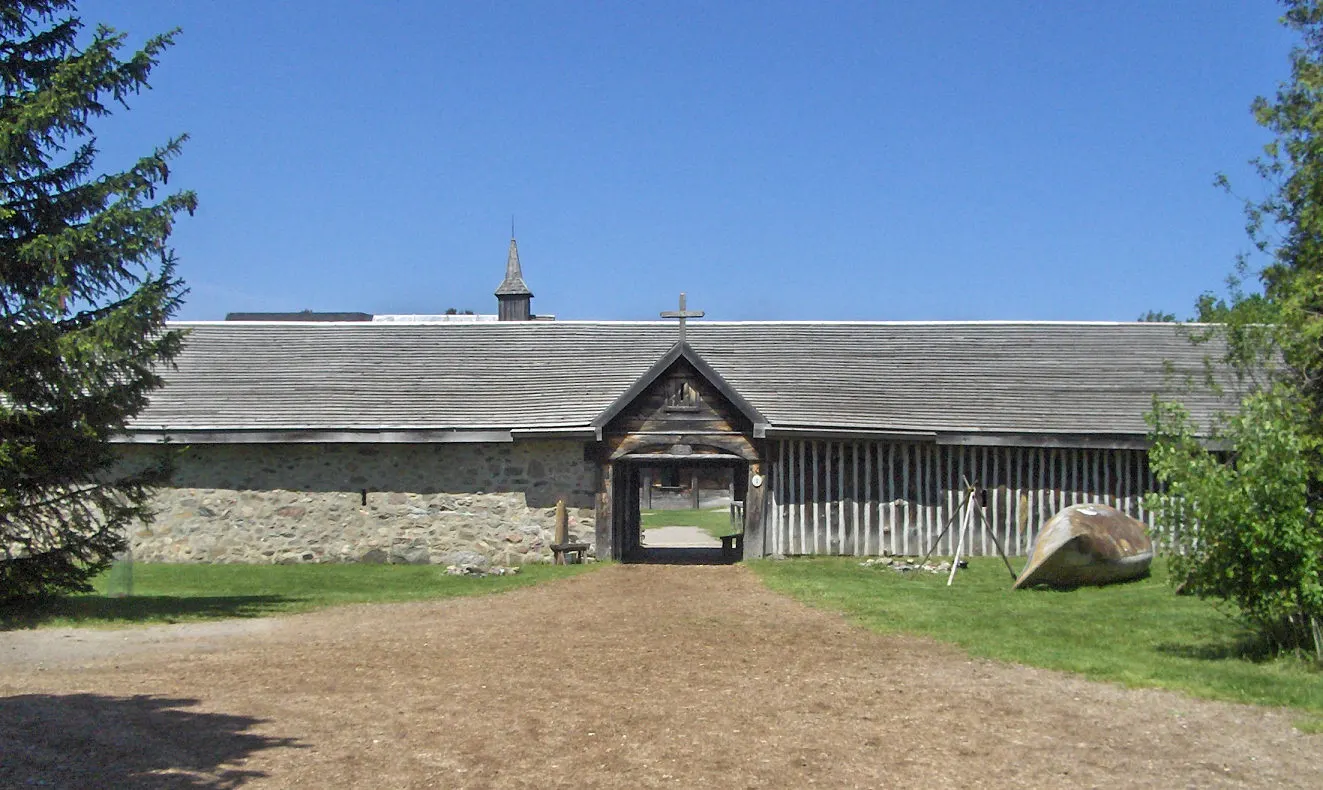
This reconstructed Jesuit mission was the first European settlement in what is now Ontario, founded in 1639 and abandoned in 1649. Costumed interpreters and rebuilt wooden buildings bring the Wendat and French story to life.
Wye Marsh Wildlife Centre
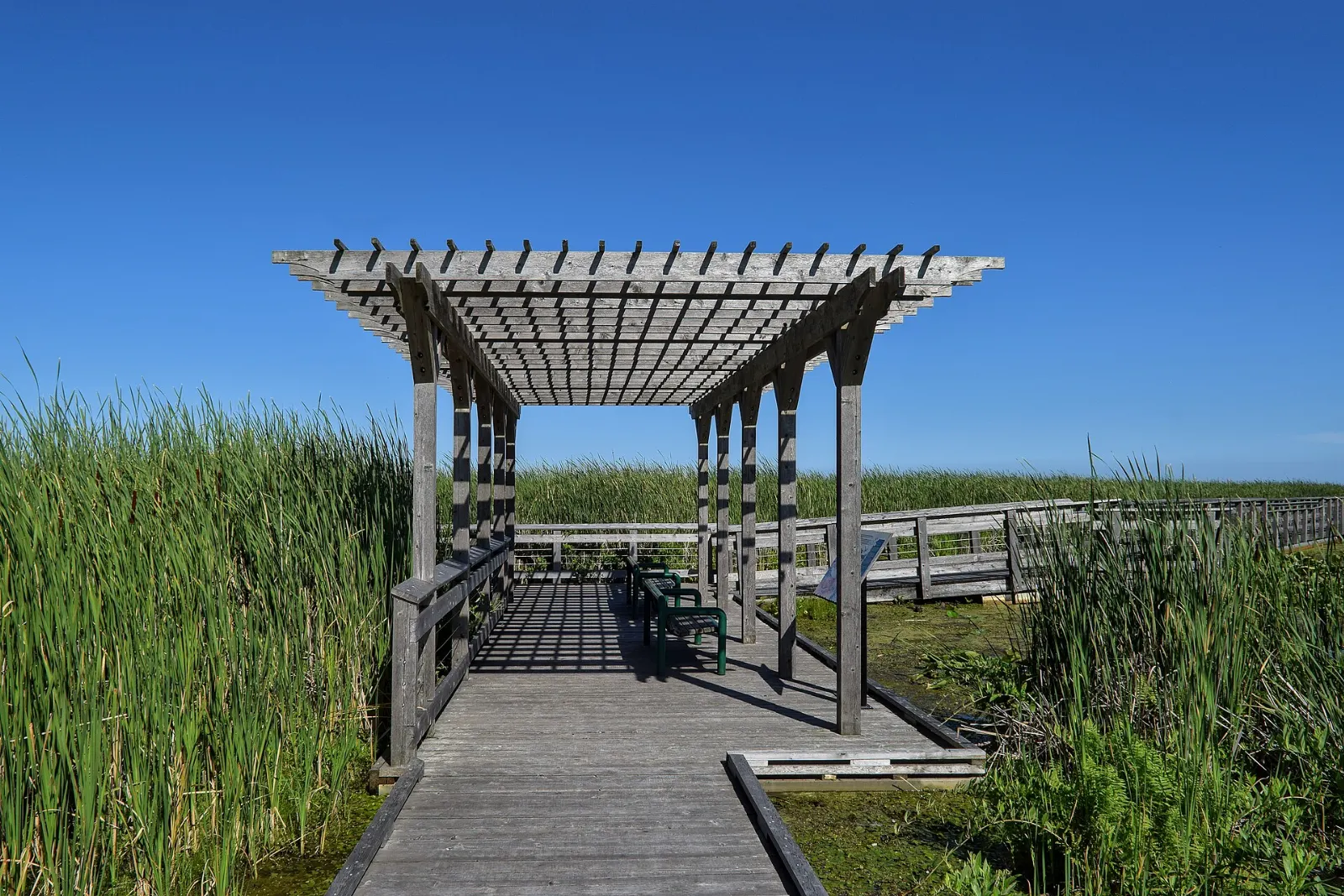
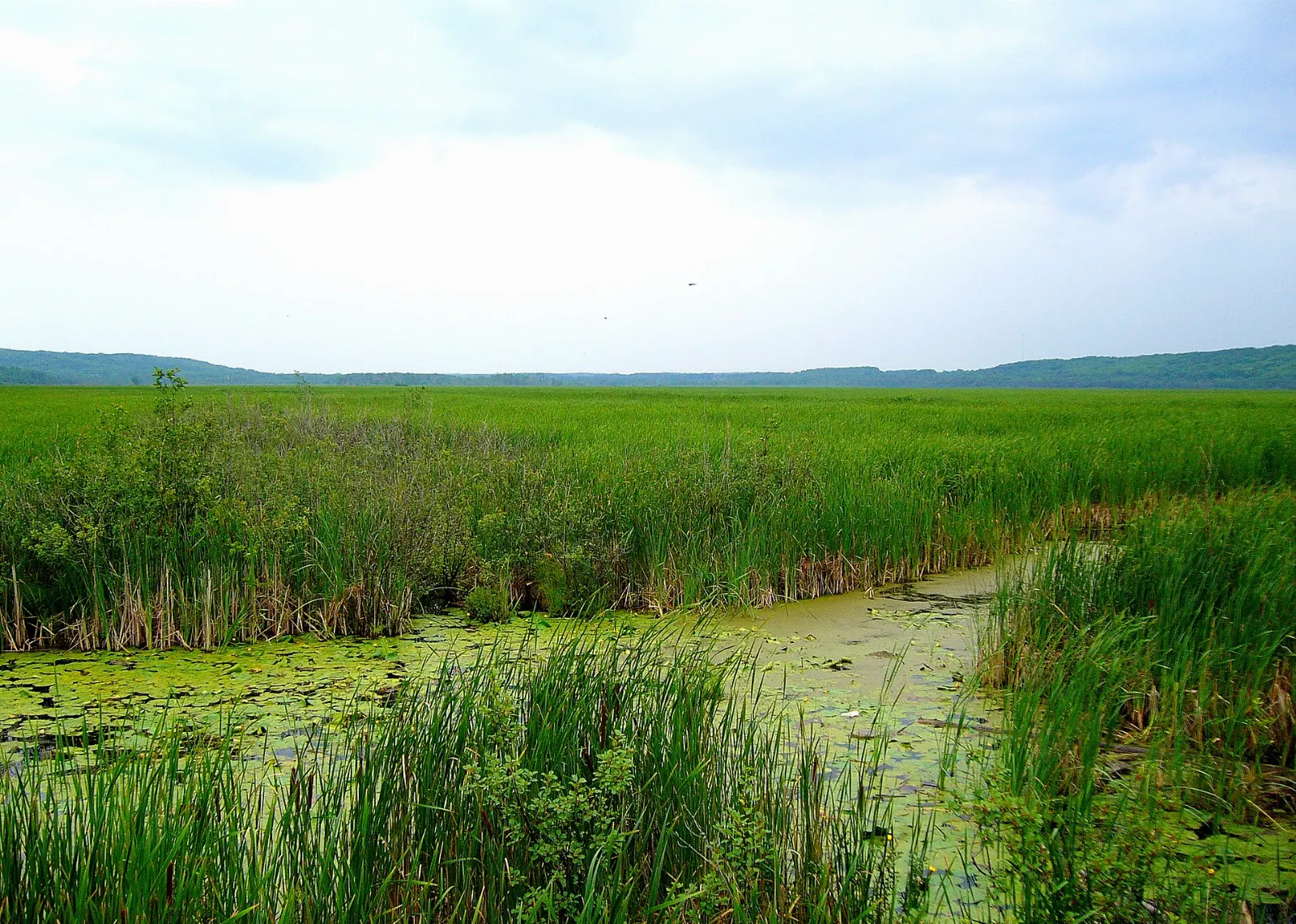
Wye Marsh is a cattail wetland that hosts a trumpeter swan breeding programme, black terns and least bitterns.
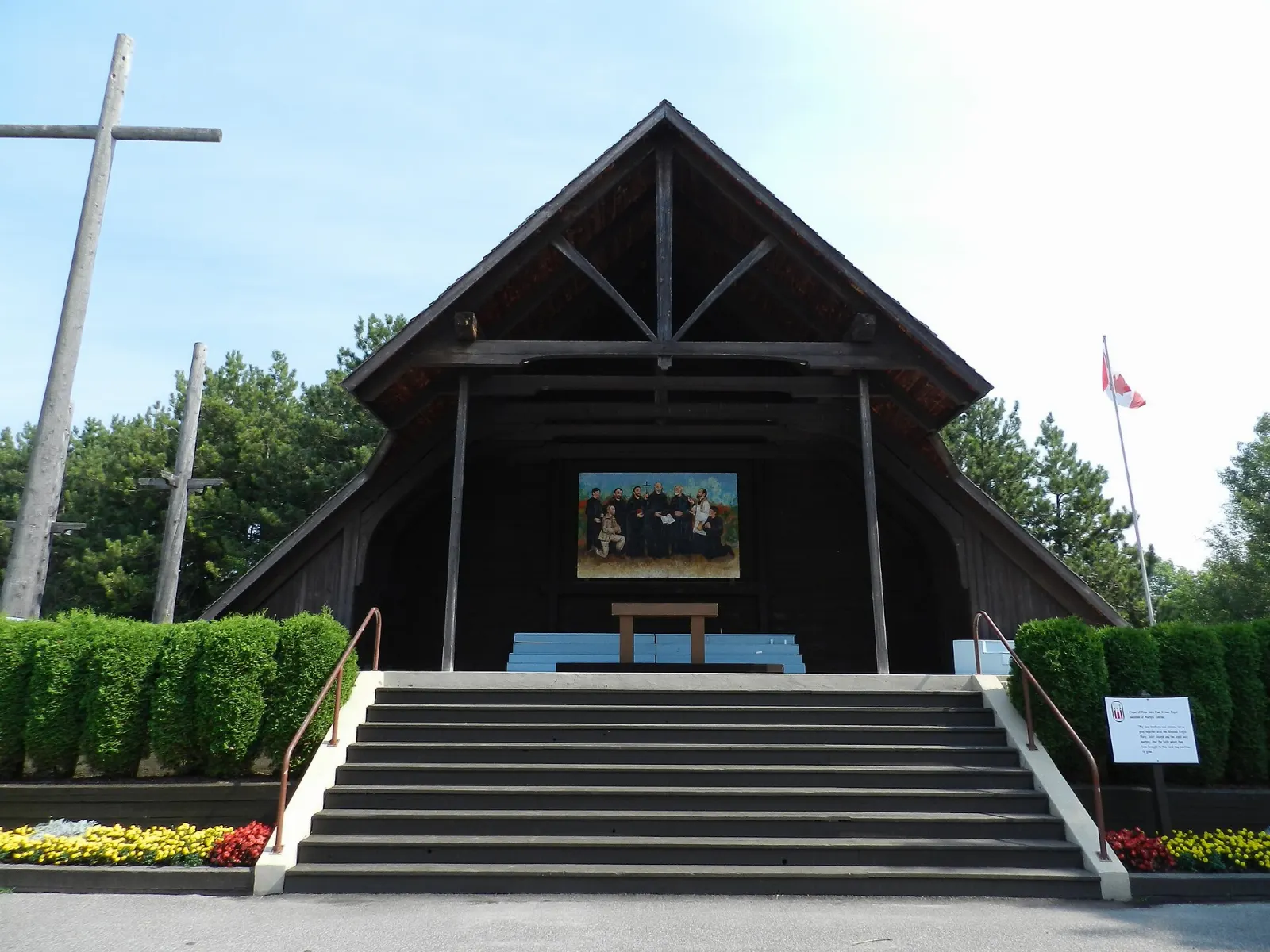
Shrine of the Canadian Martyrs
The shrine honours the eight Jesuit missionaries who were killed in the 1600s and canonized in 1930. It stands next to the Sainte-Marie site and was visited by Pope John Paul II in 1984.
Food and local flavors
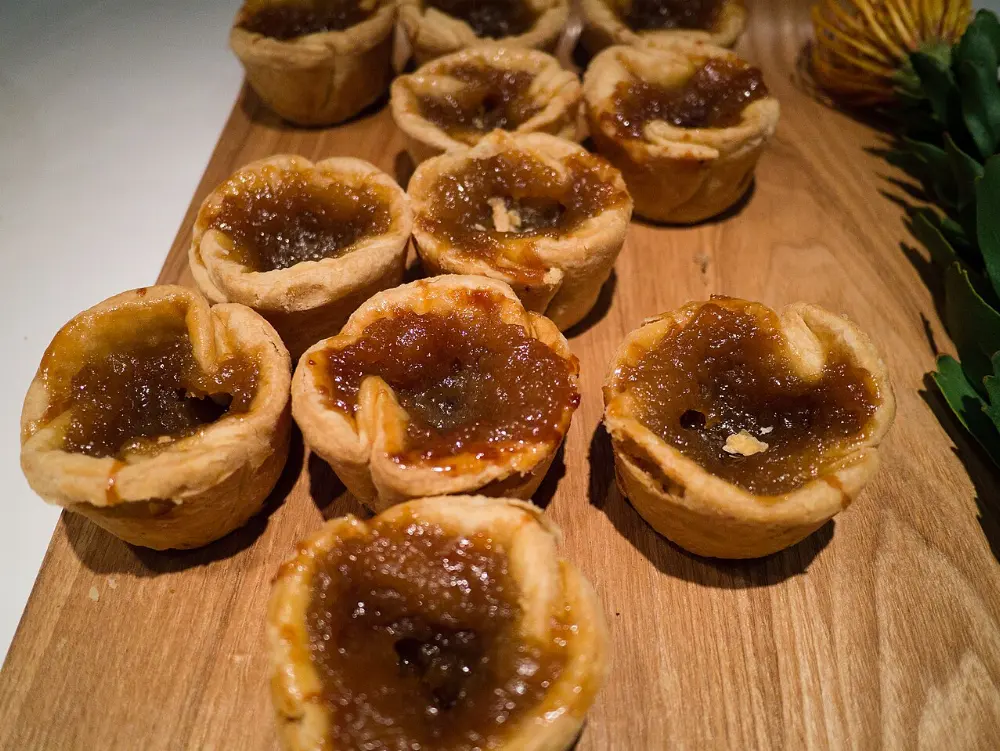
Georgian Bay's cooking leans on the lake and on classic Ontario baking. Midland hosts a large annual festival devoted to butter tarts, the flaky pastry with a sweet, runny filling of butter, sugar and egg, and local bakeries sell them year round.
Honey Harbour has a summer cafe, a fish and chips shop and a full grocery store. Midland offers a much wider choice of restaurants and bakeries, and its downtown is the best place to browse for picnic food before a day on the water.
Popular dishes to try in Georgian Bay Islands National Park
Where to stay
For a base on the mainland, Honey Harbour is closest to the boat launch, with cottages and a resort in the summer. It suits anyone who wants an early start and a short walk to the docks.
Midland is the practical choice for variety, with year-round accommodation, restaurants and the heritage sites on your doorstep. It suits families, history fans and shoulder-season travellers.
For the full island experience, camp on Beausoleil Island itself. Cedar Spring has tent sites with washrooms and showers, cabins are available on the island, and several primitive sites around the island, such as Thumb Point and Honeymoon Bay, suit self-reliant paddlers.
Where to stay in Georgian Bay Islands National Park

Best time to visit
Summer is the main season, with warm water, the full range of boat services and camping at its liveliest.
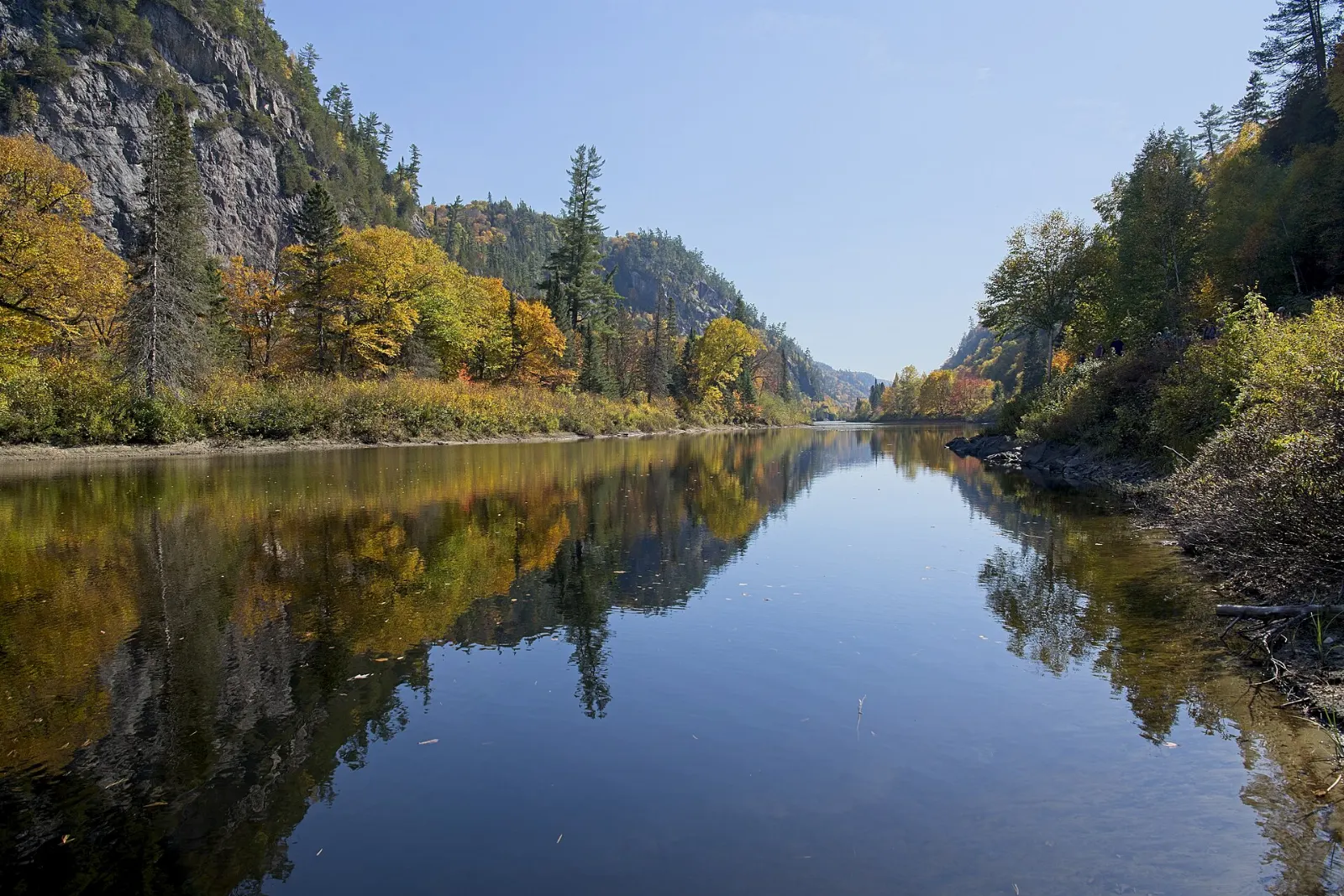
Late spring and early autumn are calmer, with cooler hiking weather, fewer people and good light for photographs. Autumn also colours the island's hardwood forest in its southern half.
Midland's butter tart festival is a fun reason to time a trip around town, and its date changes by year, so confirm it before you plan.
Getting there and getting around
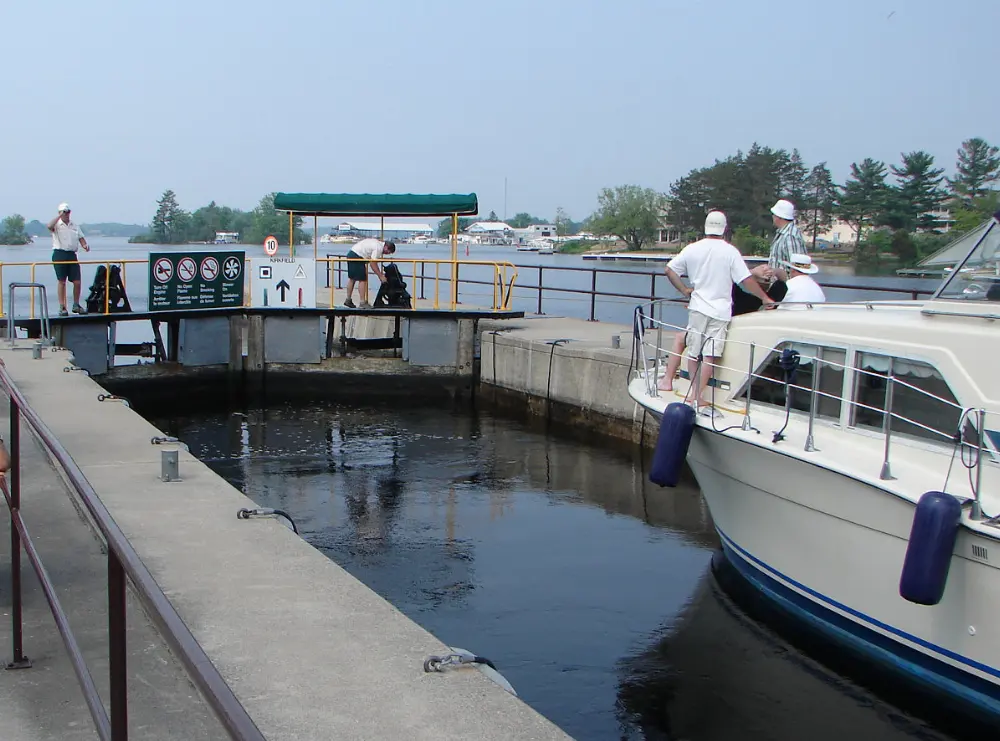
Georgian Bay Islands National Park can only be reached by water. Drive to Honey Harbour, about two hours north of Toronto, and choose your boat.
The DayTripper needs a reservation tied to a specific departure, with a return roughly four hours later, so it suits half-day visits. Bikes, canoes and pets are not allowed on board.
Toronto Pearson is the closest major airport. Ontario Northland buses serve MacTier, but you will still need a ride to the dock, so most visitors drive.
A suggested itinerary
First day
Drive to Honey Harbour, pick up supplies and take an early boat to Beausoleil Island.
Second day
Cycle or hike the southern forest trails, read the history of the island and linger at Cedar Spring before the last boat or a night in camp.
Third day
Move to Midland for Sainte-Marie among the Hurons and the Wye Marsh, then finish with a stop at the Martyrs' Shrine and a butter tart.
Practical tips
- Reserve the DayTripper, campsites and cabins with Parks Canada well before summer weekends.
- Pack water, food, insect repellent and sturdy footwear, since supplies are limited on the island.
- Leave no trace and carry out every piece of rubbish.
- Stay on marked trails to protect nesting reptiles and amphibians, including the massasauga rattlesnake.
- Obtain a local nautical map before taking your own boat, because many islands are not shown precisely on public maps.