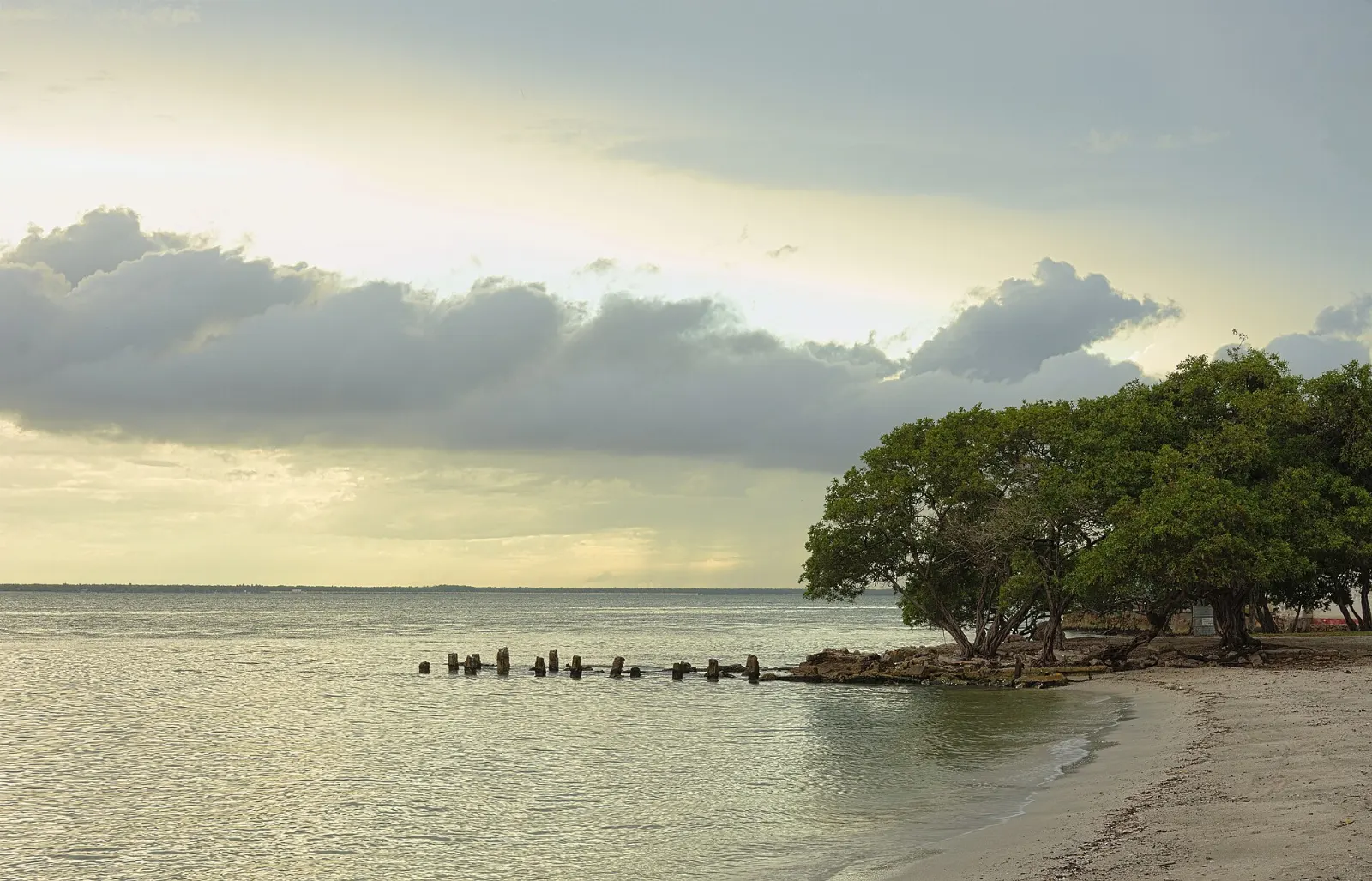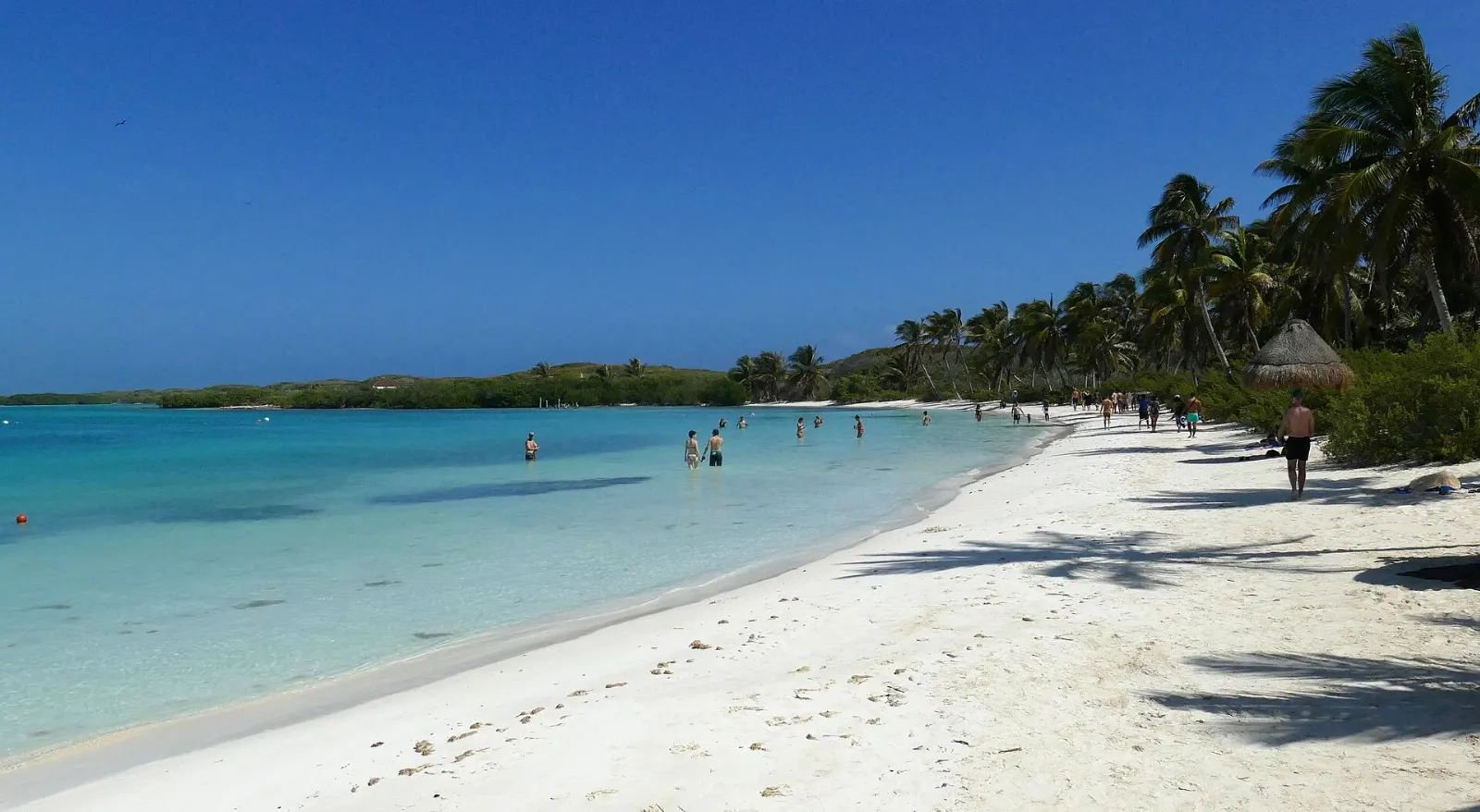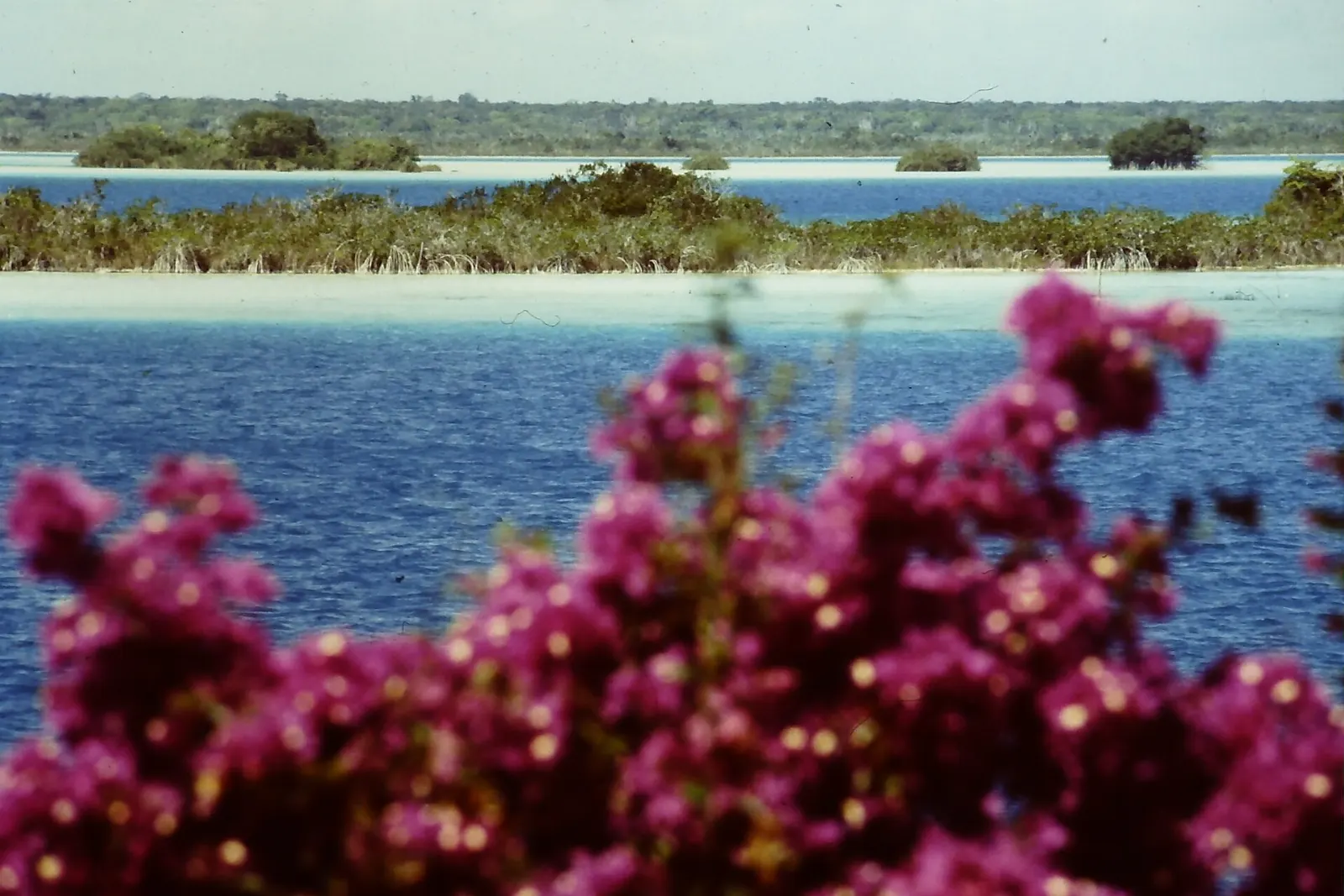
Bacalar is a quiet lakeside town in southern Quintana Roo, built around a long, shallow lagoon with some of the clearest blue water in Mexico. It feels slower than the coast farther north.
AT A GLANCE
Best time
Dry months are usually the most comfortable, but the lagoon works year round.
How long
Two or three days covers the lagoon, cenotes and one ruin.
Getting there
Drive on Highway 307, take an ADO bus or ride the Tren Maya.
Why visit Bacalar
Laguna Bacalar runs about 60 km from north to south and is only about 2 km wide at its broadest point.
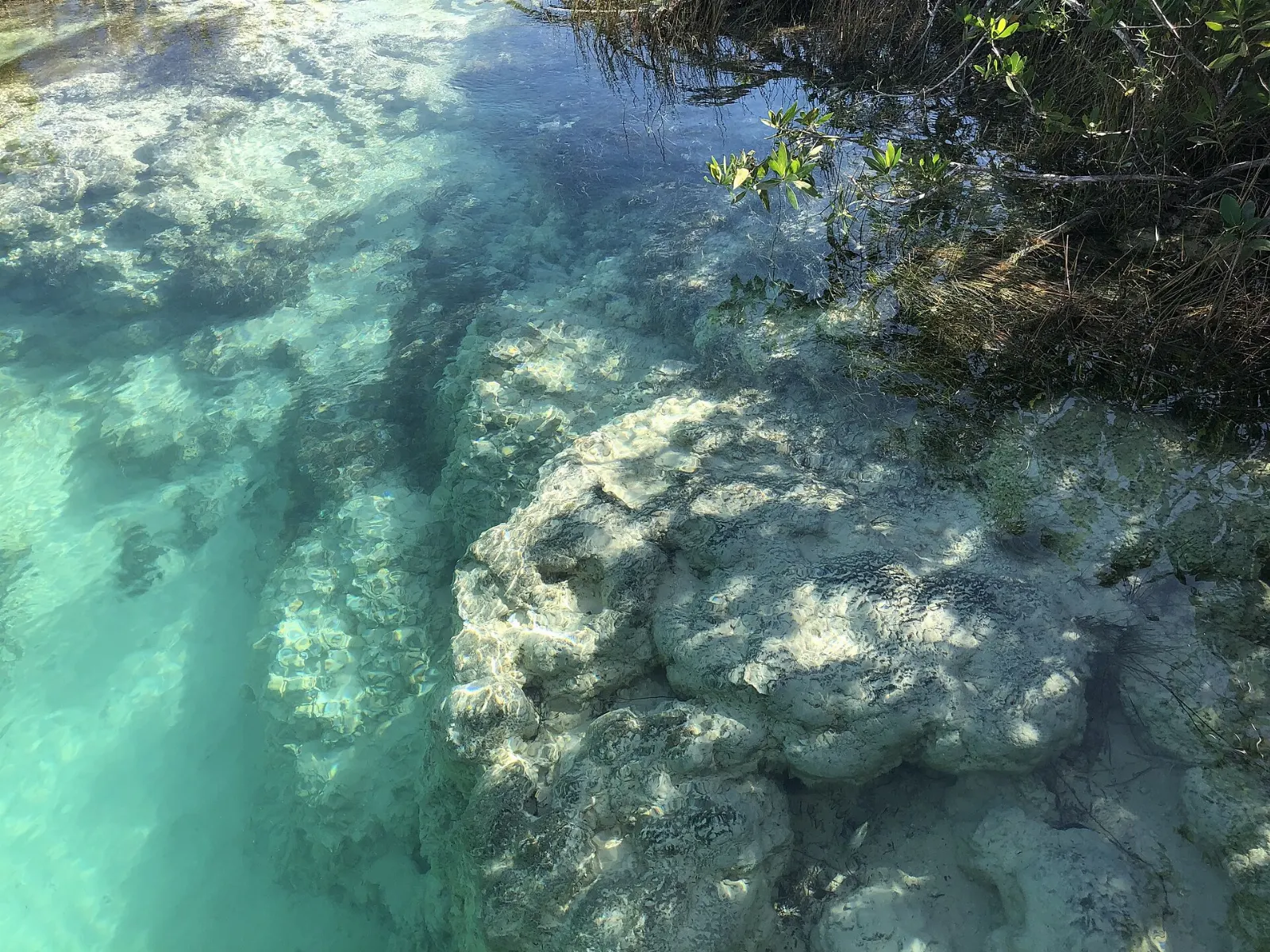
The lagoon is also home to stromatolites, rounded formations built by some of the oldest life on Earth. The town itself is small and walkable, with a fort, a plaza and a waterfront road lined with simple restaurants.
Bacalar also works well as a pause between bigger destinations. It sits roughly between Tulum and the Belize border, so many travelers stop for a few nights on the way south, then discover they want to stay longer.
The town and the lagoon
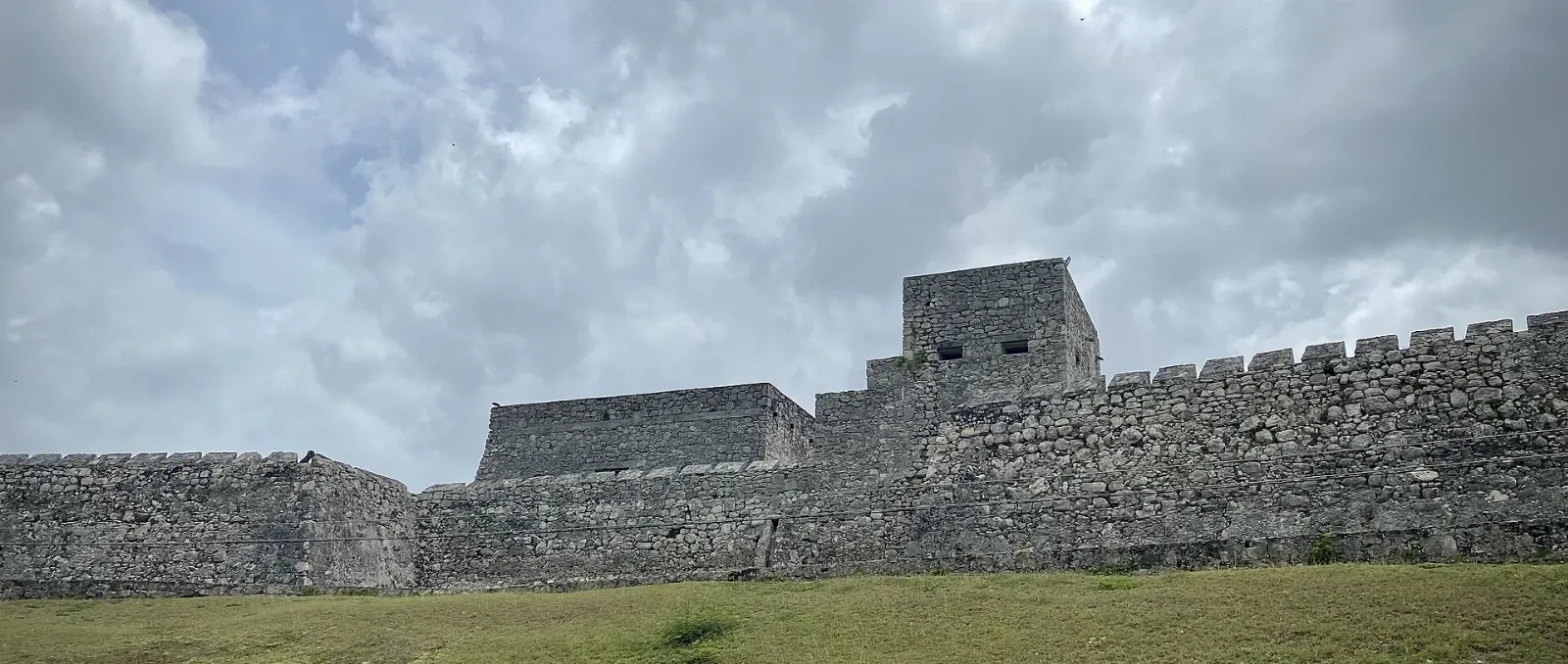
Fuerte San Felipe
The fort sits in the middle of town and was built as a defensive bastion. Inside is a small, modern museum about the area.
The Zócalo
The town plaza is where Bacalar gathers. On Sunday evenings there may be music and dancing, and cheap local snacks are easy to find nearby.
Boat, kayak and paddleboard trips
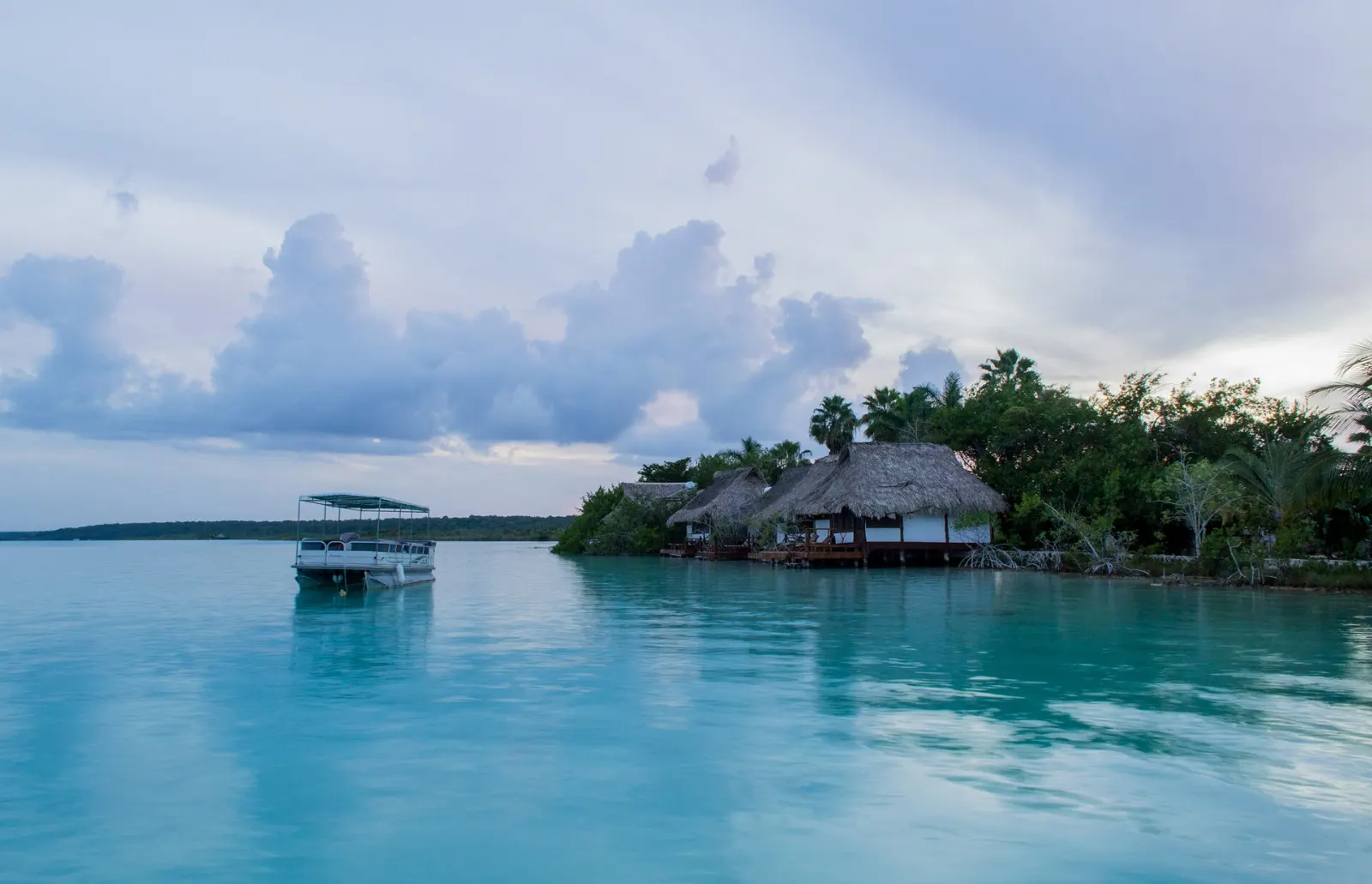
The shore is shallow in many places, so the lagoon is easy to enjoy from a kayak, a paddleboard or a boat tour. Tour operators work along the waterfront in the centre.
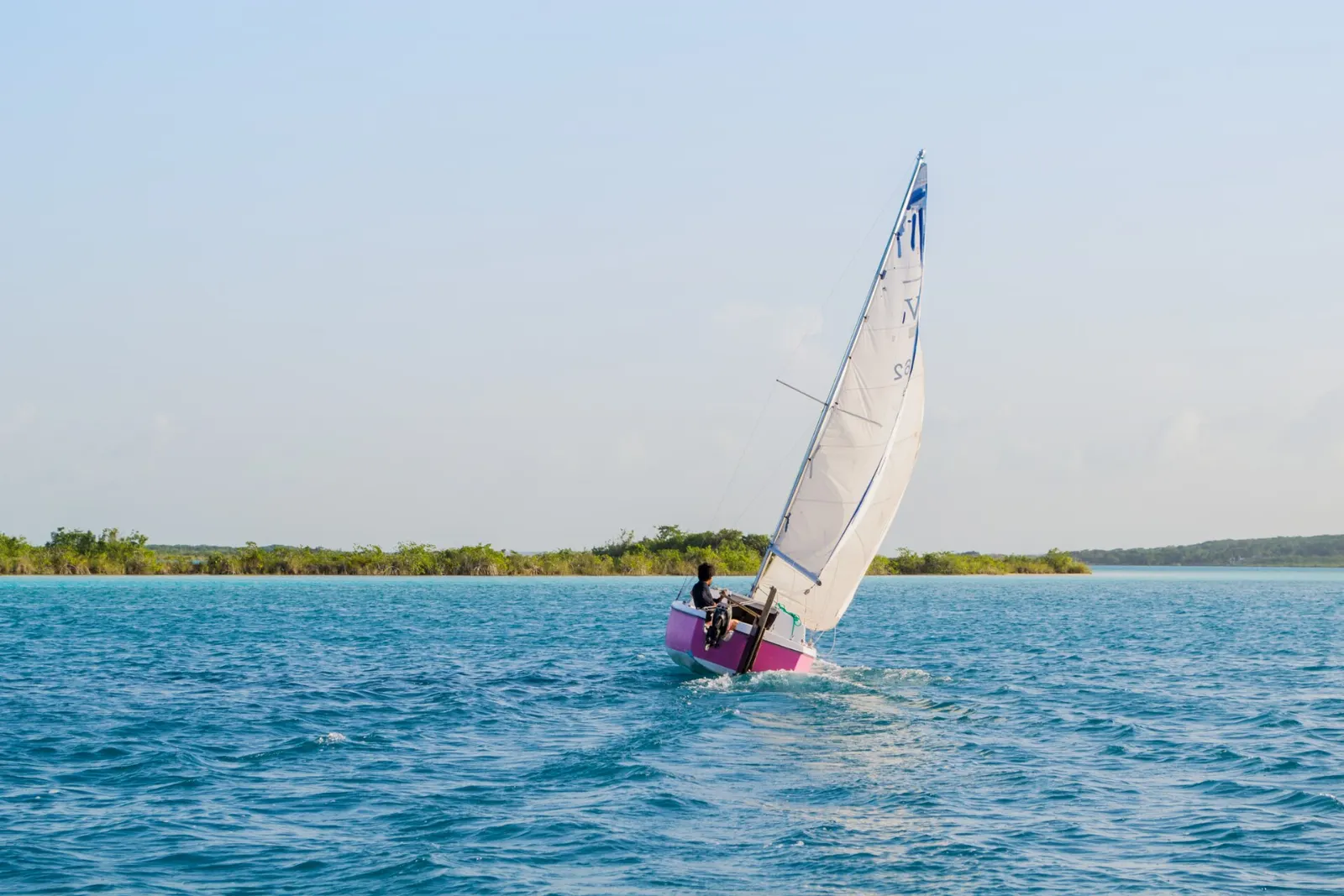
Sailing from Club Náutico
A non-profit sailing club offers tours and lessons on the northern side of the lagoon, which is far less busy than the town waterfront. It suits anyone who wants wind and quiet instead of an engine.
Cenotes and stromatolites
Cenote Azul
South of the village centre and close to the main road, this wide cenote drops quickly to great depth. It has proper facilities, which makes it an easy stop for families.
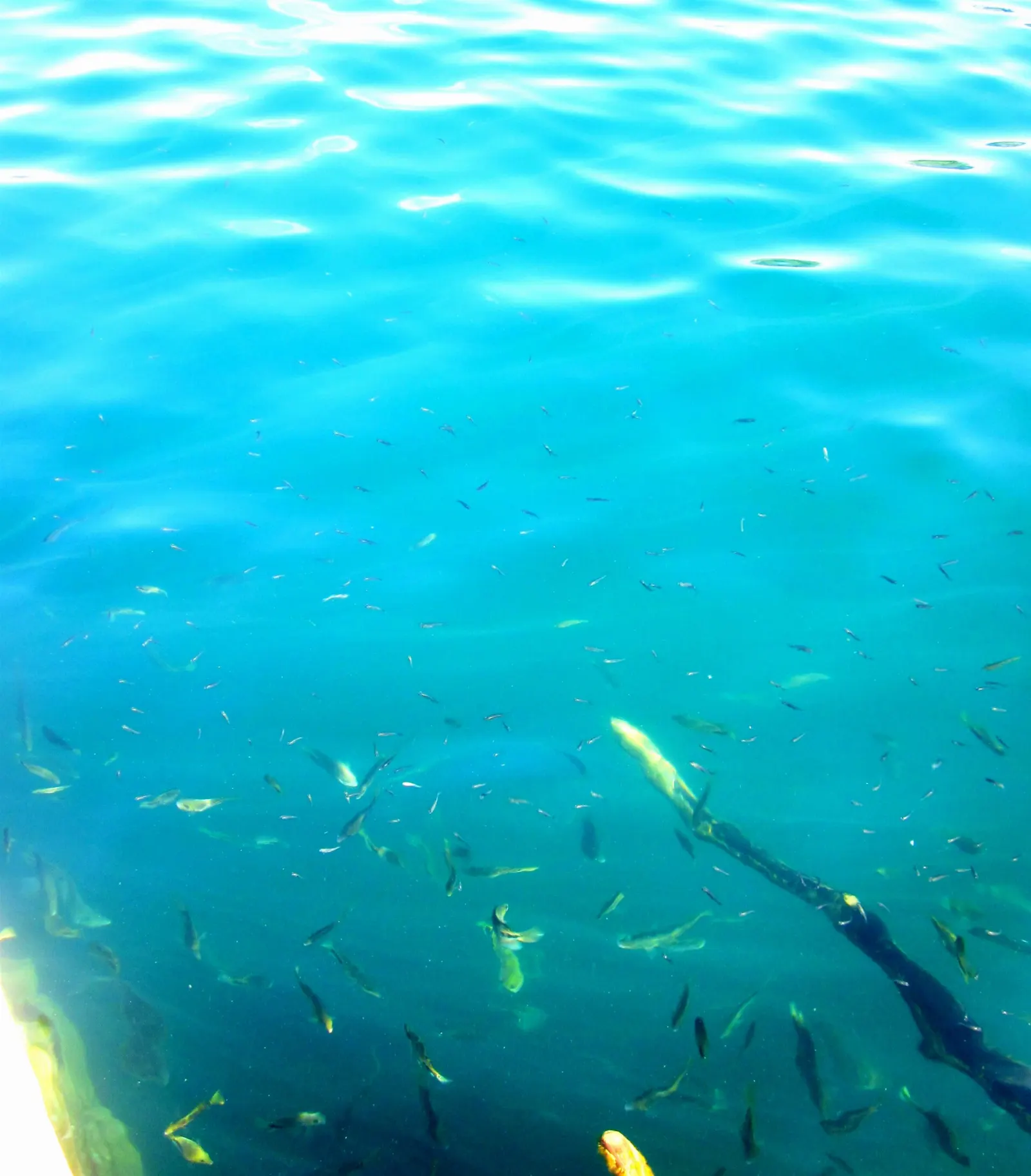
Cenote de la Bruja
Also called Cenote Negro, this cenote is known for its dark water, with depths that range from shallow to very deep. The contrast with the pale lagoon nearby is striking.
Los Rapidos
Los Rapidos lies on the road toward Xul-Ha, near the stretch of lagoon known for several shades of blue. It has stromatolites and a natural channel with a gentle current that flows into the lagoon.
Maya sites near Bacalar
Chacchoben
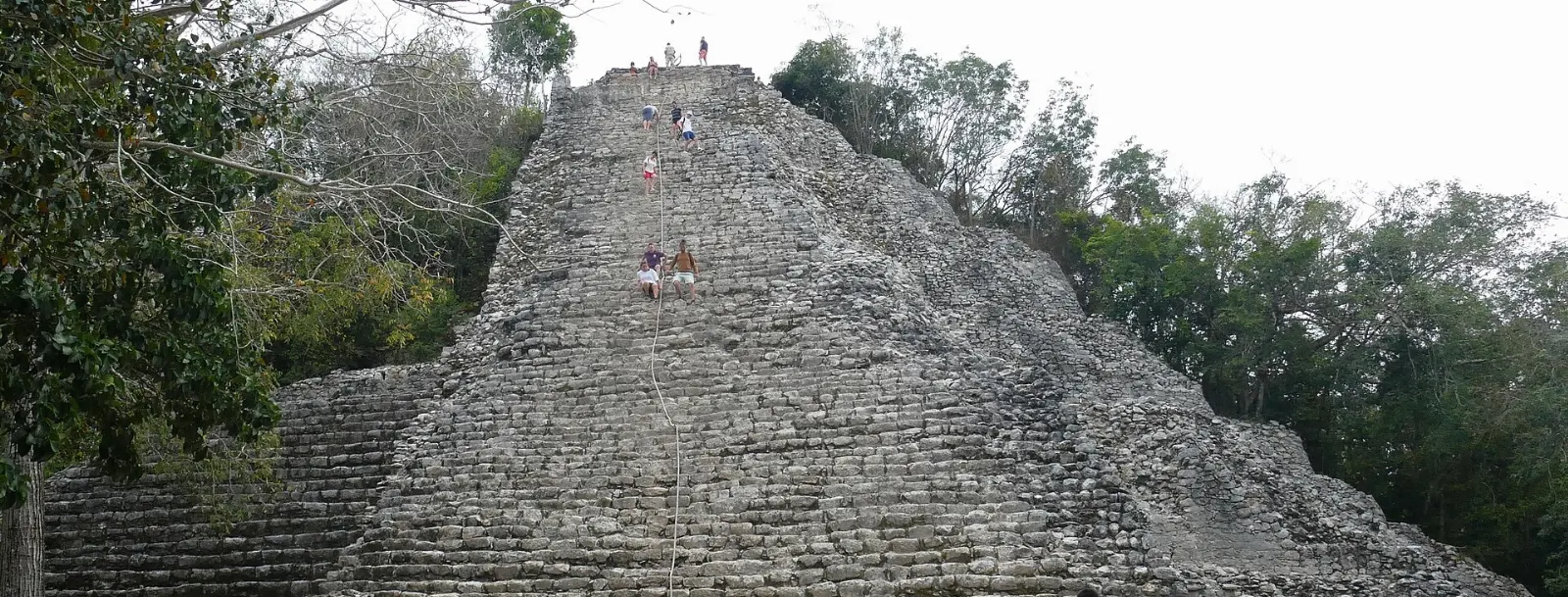
This site dates to roughly the third to eighth centuries. Its tallest pyramid rises above the forest, and several smaller structures nearby may have been homes of nobles.
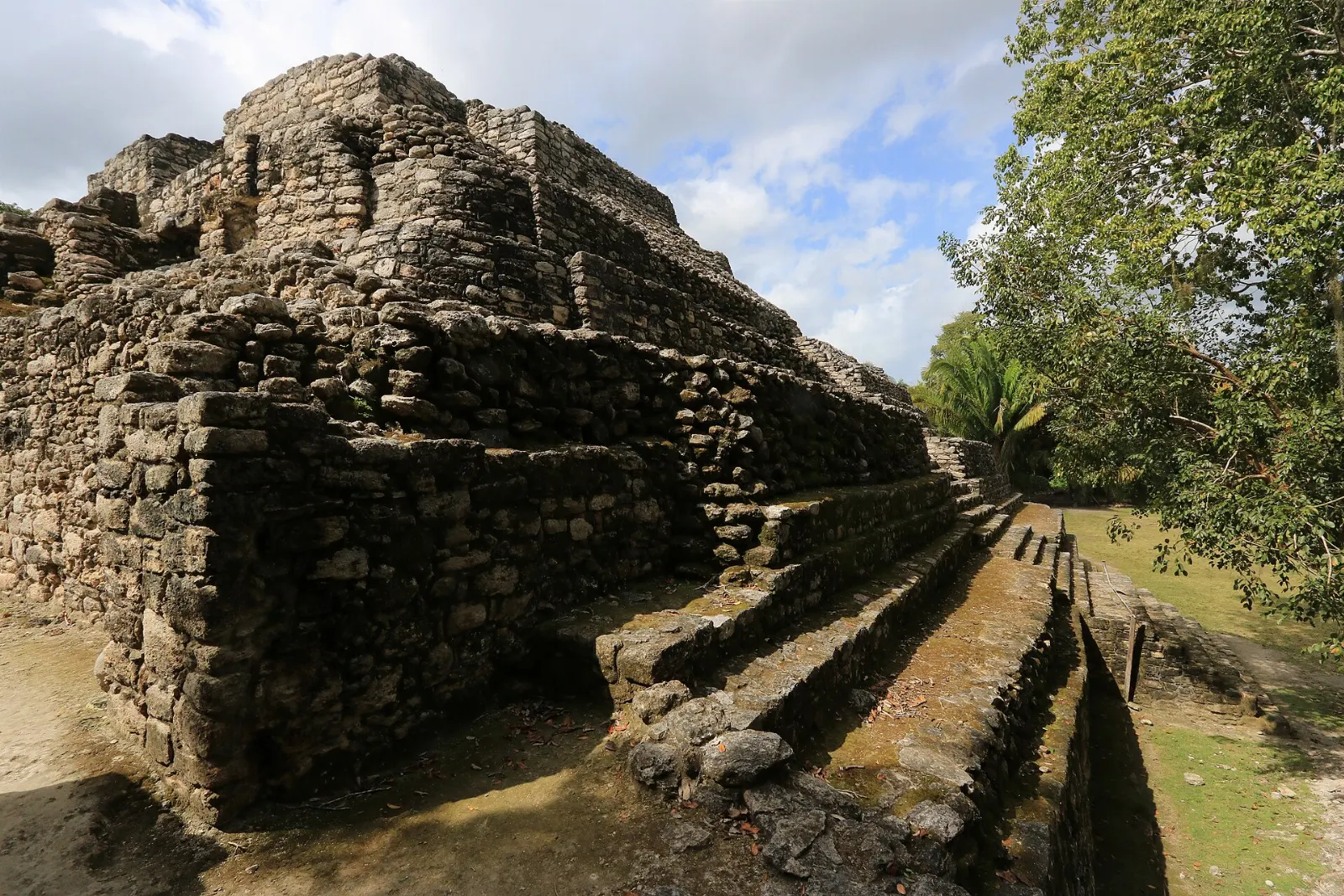
Kohunlich
Kohunlich was a ceremonial centre and the capital of a powerful dynasty. Its best-known building is the Temple of Masks, where five stucco masks of the Sun God decorate the stairway.
Dzibanché
Dzibanché was an important city, with stone plazas bordered by temple pyramids, including the Temple of the Owl and the Temple of the Cormorants.
 Planning a trip to Bacalar?Compare hotels, flights and vacation rentals for Bacalar on Expedia.Book now
Food and local flavors
Food in Bacalar is simple and often served right on the water. For Yucatecan cooking, look for cochinita pibil, a slow-roasted pork dish marinated with citrus and annatto and traditionally cooked in a pit.
For a drink with local character, try a mezcal bar on the lakeside, where bartenders mix citrus and avocado into a house cocktail. The town plaza is a good place for budget meals and Yucatecan snacks, and the busy stretch of the highway near the bus station has small shops for groceries.
Popular dishes to try in Bacalar


Where to stay
Bacalar has no big resort strip. Instead, stays are spread along the western shore of the lake, and each area suits a different pace.
Bacalar town centre is the easiest base if you want to walk to the fort, the plaza and restaurants without a car. The Costera is the waterfront road, where many lodgings have lake views and private docks, which works well for couples and groups who want to swim from the property.
North of town, about five kilometres out, you find cabanas, a campground and a quieter feel, a good match for nature lovers and people who bring a car.
Where to stay in Bacalar


Best time to visit
The Yucatán Peninsula has a wet and a dry season, and Bacalar follows the same pattern. The drier months are usually easiest for lake days, cenote visits and ruin climbs, while the rainy months bring heat, humidity and sudden storms.
Crowds are lighter on weekdays, and early mornings are the calmest hours on the lagoon. Sunday evenings bring music to the plaza.
Getting there and getting around
Most visitors fly into Cancún, then continue south. By car, Highway 307 is a toll-free road, and the drive from Cancún takes around five hours, while from Tulum it is about two and a half hours.
ADO runs first-class and second-class buses from Cancún, Tulum, Playa del Carmen, Valladolid, Mérida and Chetumal. The bus station is about a kilometre outside the centre on the highway.
In town, walking, cycling and taxis work well. For the ruins, a rental car or an organized tour is the easiest option.
A suggested itinerary
First day
Visit Fuerte San Felipe in the morning, wander the Zócalo, then take an afternoon boat tour on the lagoon.
Second day
Start at Cenote Azul, continue to Cenote de la Bruja and spend the afternoon at Los Rapidos.
Third day
Take a day trip to Chacchoben or Kohunlich, then relax on the water or book a sailing outing on the north shore.
Practical tips
- Check your government's current travel advisory before you go.
- Use reef-safe sunscreen and avoid lotions in the lagoon, because the water is sensitive.
- Carry some cash, since ATMs in the centre are sometimes out of service.
- Ask locally about which lake activities are available on which days.
- Bring insect repellent for the evenings and for forest sites.