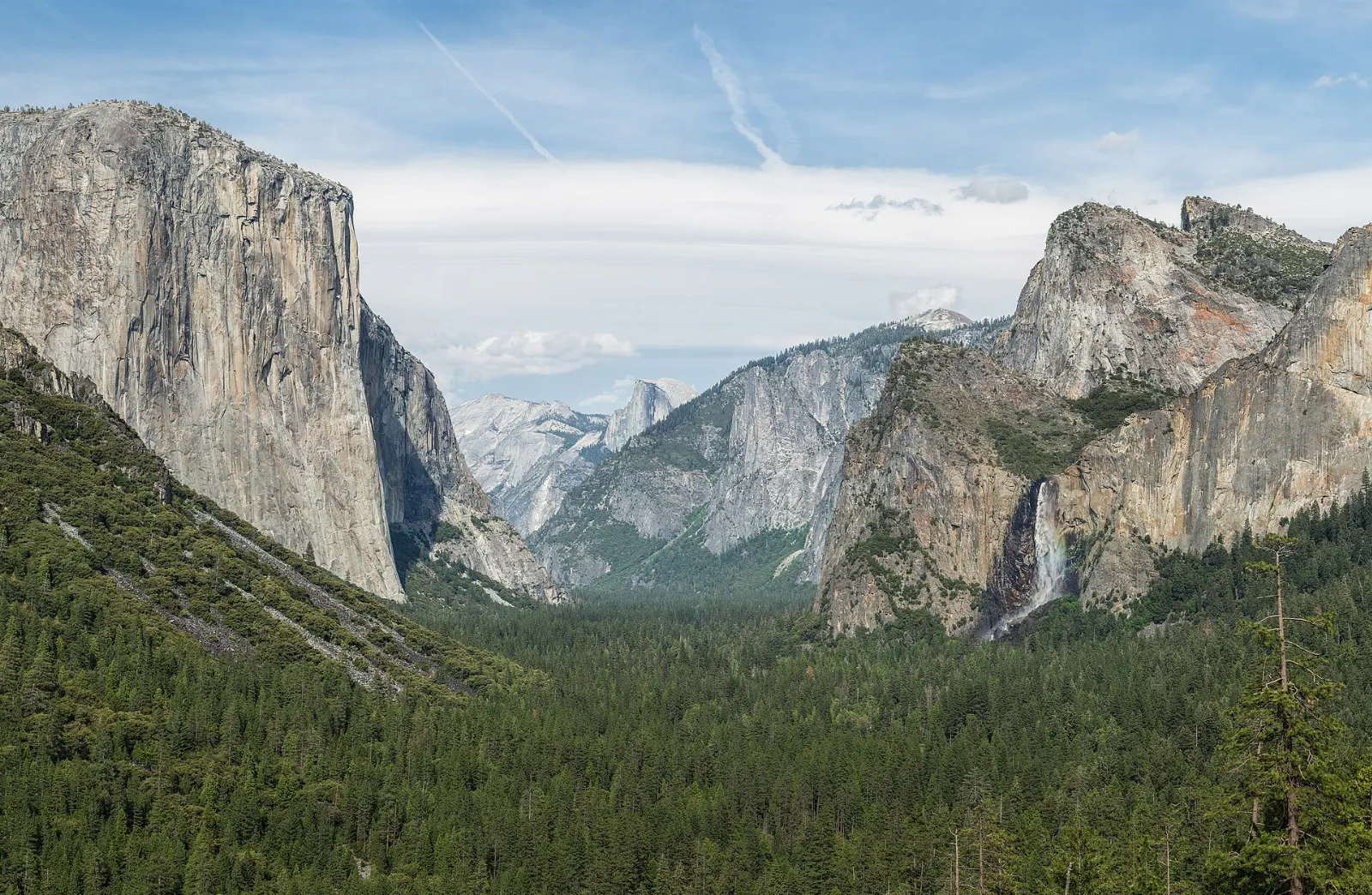
Jekyll Island is the smallest and quietest of Georgia's Golden Isles, a state-owned barrier island where development is capped, the night skies stay dark and most of the land is left to maritime forest, marsh and long open beach.
AT A GLANCE
Best time
April to May and October to early November for warm days, lighter crowds and fewer biting insects.
How long
Two to three days covers the beaches, Historic District and bike trails at an easy pace.
Getting there
Drive in via the Downing Musgrove Causeway (GA 520) from US 17 near Brunswick; I-95 Exit 29 is the usual approach.
Why visit Jekyll Island
Few beach towns on the Atlantic coast feel this uncrowded. Georgia bought the island in 1947, and by law much of it must stay undeveloped, so instead of a wall of condos you get roughly eight miles of hard packed beach, about twenty miles of trails and a network of paved bike paths that loop the entire island.
The island also carries one of the South's most surprising stories. From the late 1880s until the early 1940s, Jekyll Island belonged to the Jekyll Island Club, a private winter retreat for families such as the Rockefellers, Morgans, Pulitzers and Vanderbilts.
Add a working sea turtle hospital, colonial tabby ruins, dolphins in the sound and a birding scene good enough to put the island on Georgia's Colonial Coast Birding Trail, and you have a place that rewards both lazy beach days and curious exploring.
The Historic District and Club era landmarks
The Jekyll Island Club National Historic Landmark District spreads over about 240 acres on the island's western, marsh facing side. More than thirty buildings from the late 1800s and early 1900s survive here, connected by shady lanes that are easy to walk or bike.
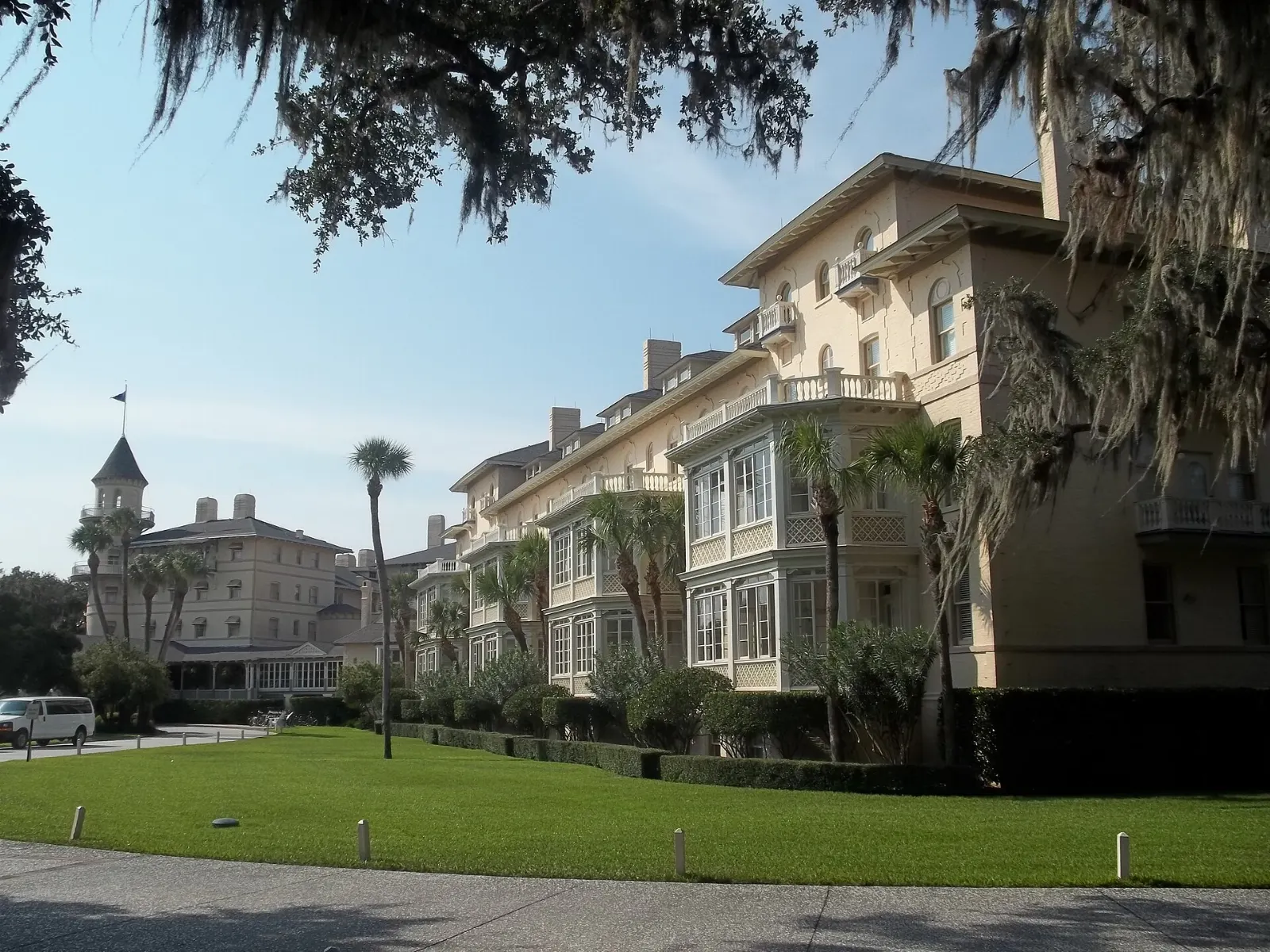
Jekyll Island Club Hotel
The turreted clubhouse with its broad porches and croquet lawn is now a resort, but you do not need to be a guest to walk the grounds, sit on the veranda or look into the public rooms. The architecture is a fine example of the Queen Anne style that was fashionable in the 1880s.
The millionaires' cottages
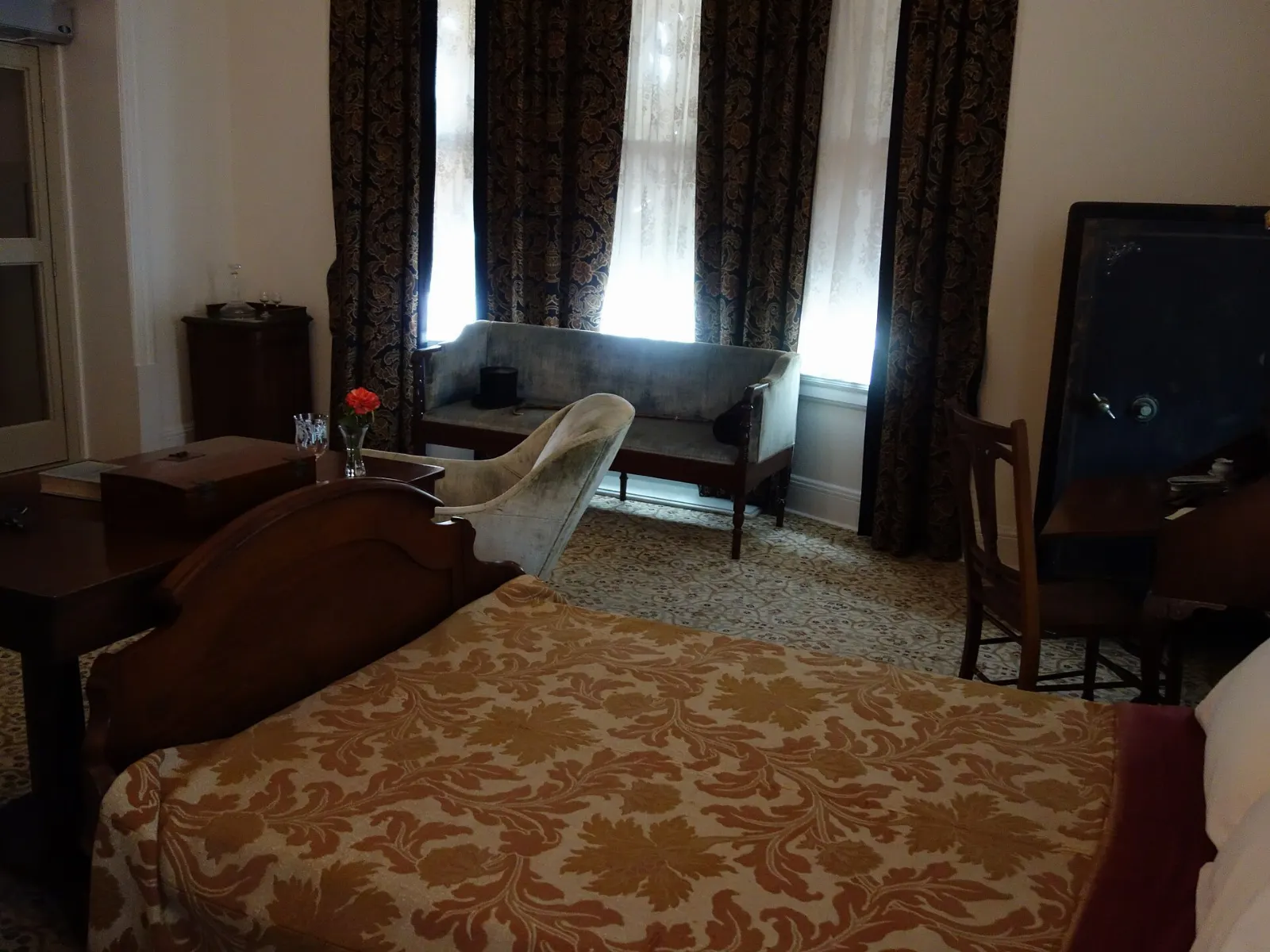
Around the clubhouse stand the so called cottages, which are in fact large winter mansions. Indian Mound Cottage, used by William Rockefeller's family, is one of the most photographed, and others now house galleries, shops and exhibits.
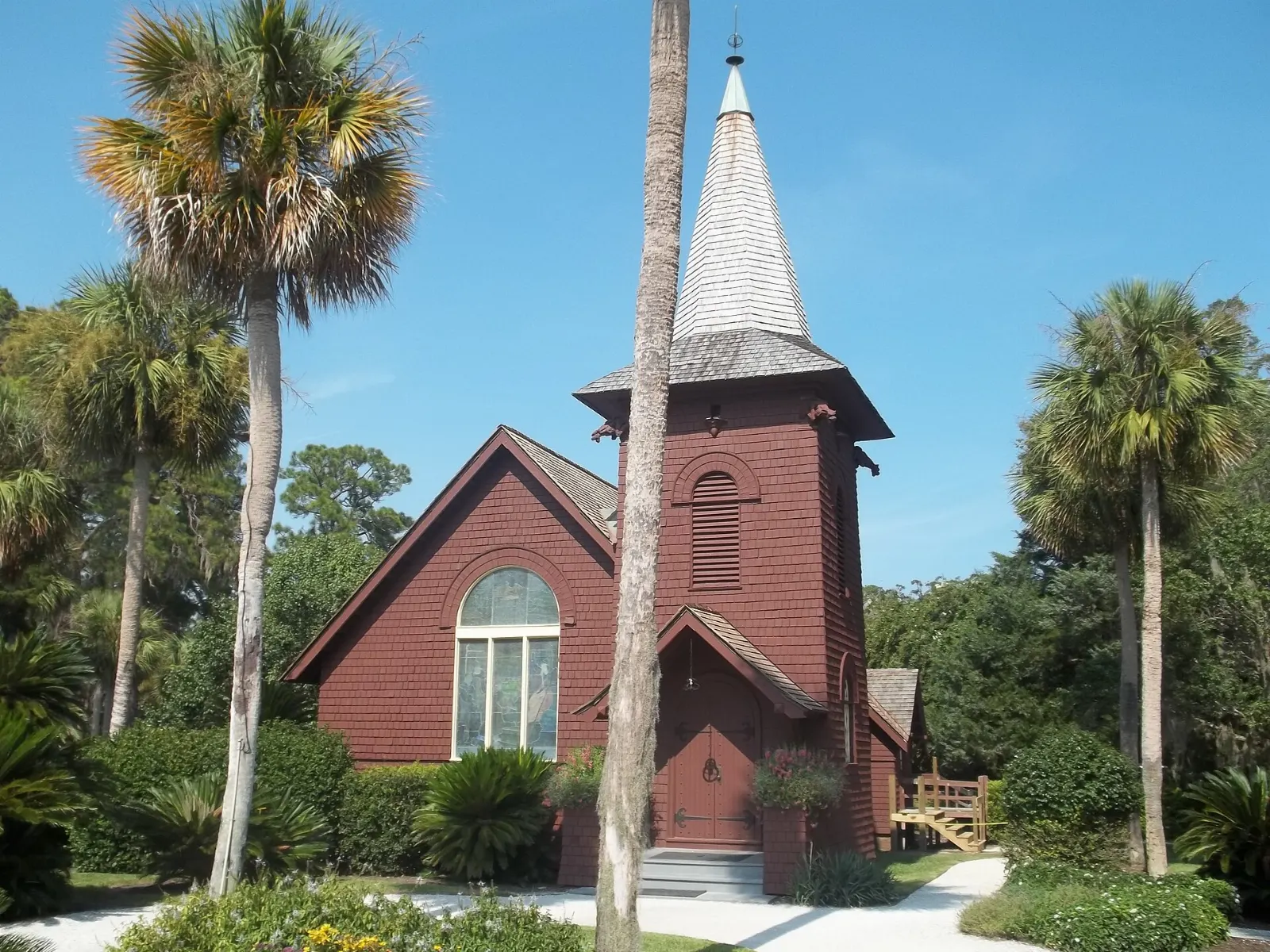
Faith Chapel
This small shingled chapel, built in 1904, was the club's place of worship. Inside are two memorial windows: an Adoration of the Christ Child by Maitland Armstrong and his daughter Helen, and the later David Window, made and signed by Louis Comfort Tiffany.
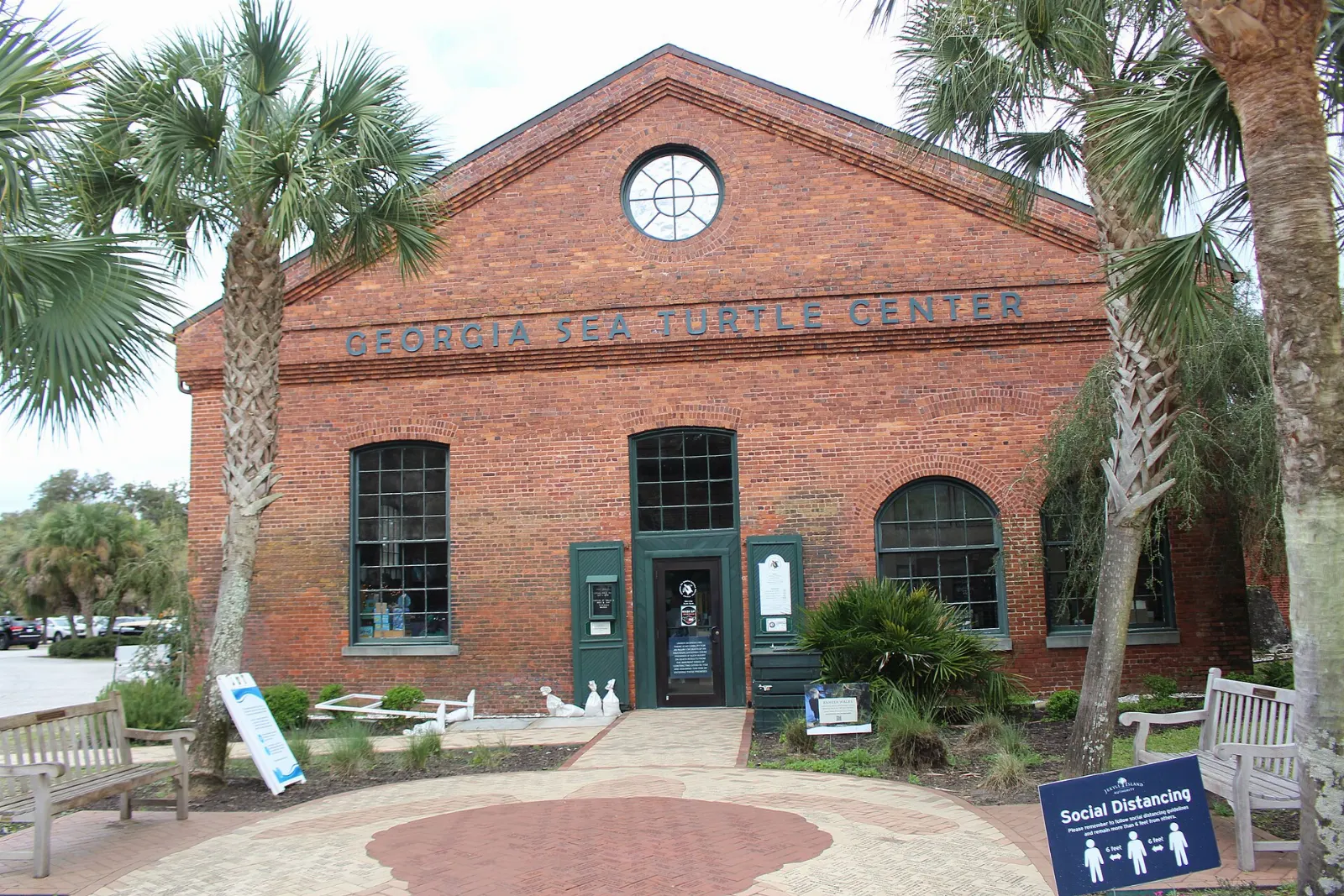
Georgia Sea Turtle Center
Housed in the Club's old power plant, this rehabilitation hospital treats injured and sick sea turtles and returns as many as possible to the ocean. You can watch patients in their tanks, see the treatment area through glass and learn how loggerheads nest on Georgia beaches.
The north end: driftwood, tabby and tidal creeks
The northern third of the island holds its most dramatic scenery and its oldest buildings, all within a short bike ride of the Historic District.
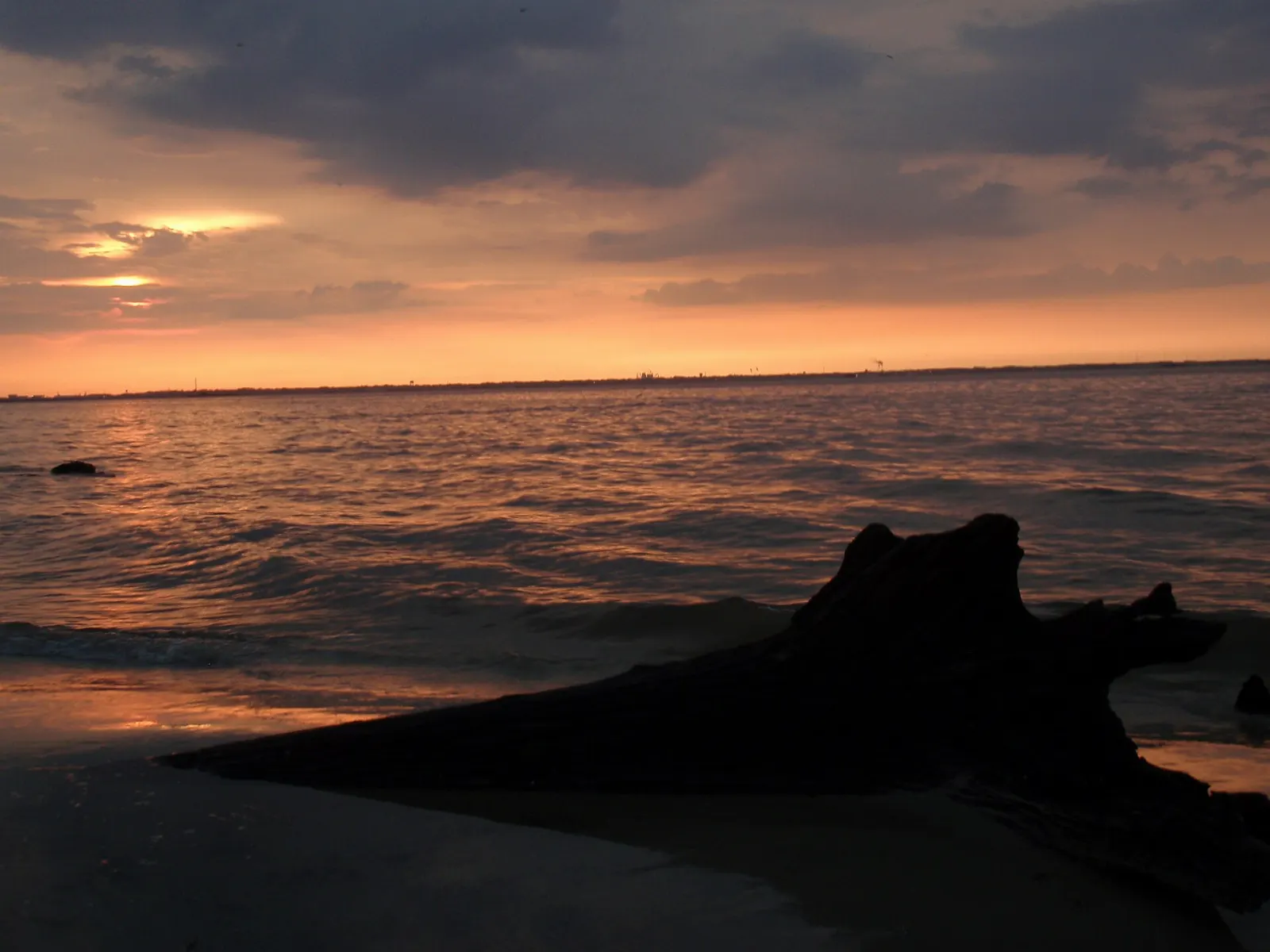
Driftwood Beach
Erosion on the north end has slowly pulled the forest into the sea, leaving the trunks and root balls of live oaks and pines scattered across the sand like sculpture. It is the island's most famous view and a favorite for photographers and wedding parties.
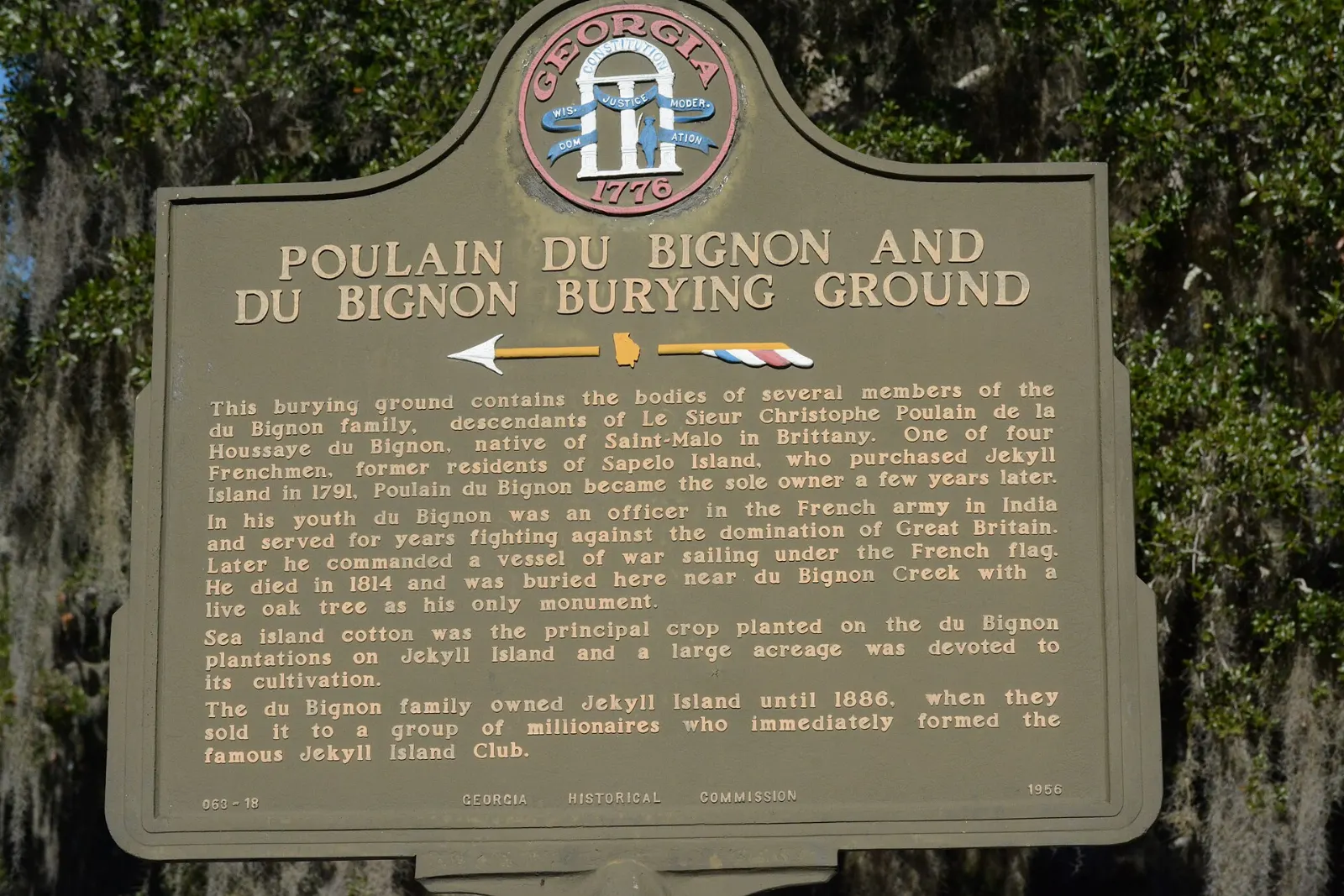
Horton House and the du Bignon Cemetery
Along North Riverview Drive stand the roofless two story tabby walls of the house built for Major William Horton in the 1740s. Horton was one of James Oglethorpe's officers, and his plantation supplied the garrison at Fort Frederica on nearby St. Simons Island.
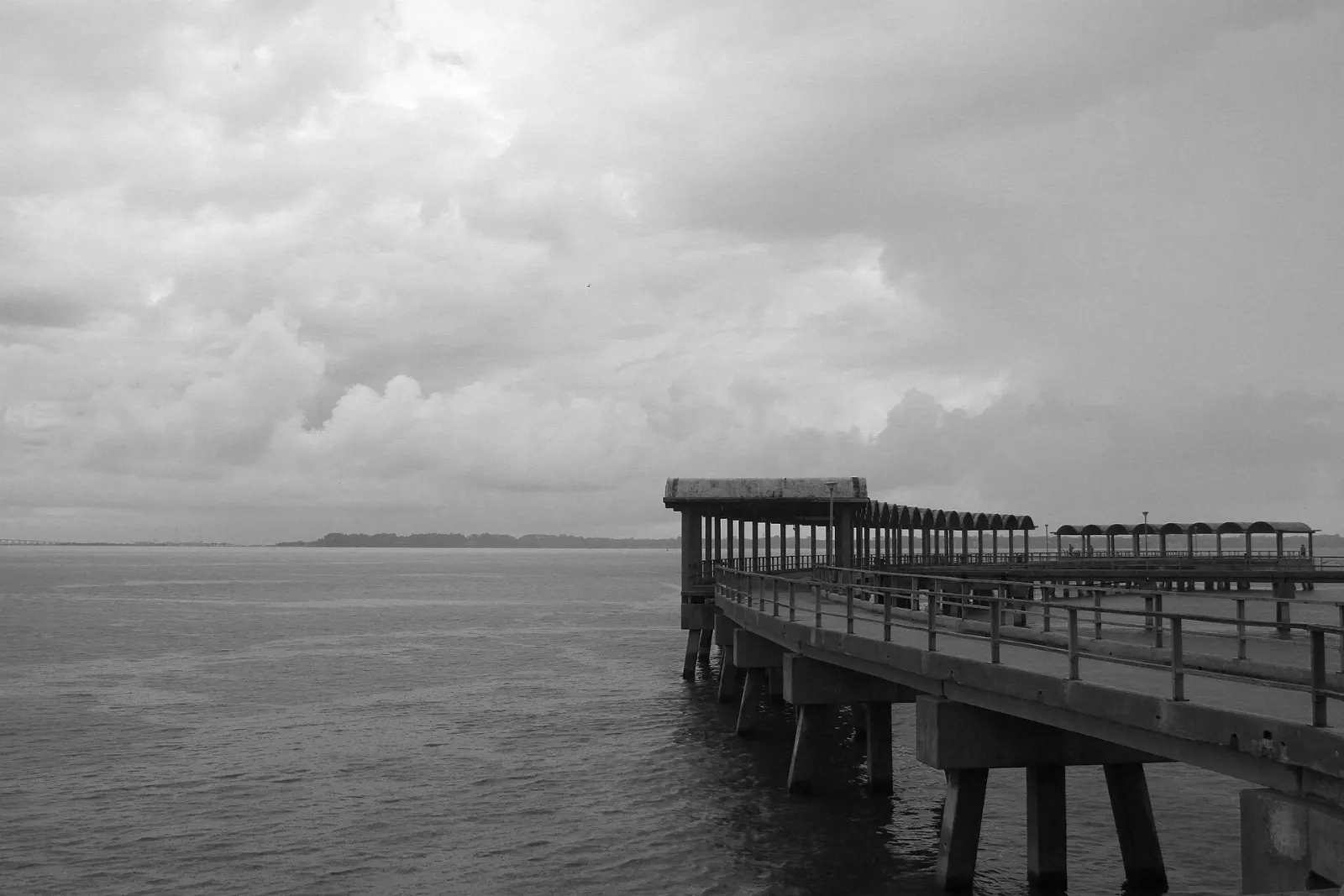
Clam Creek Picnic Area and fishing pier
At the island's northern tip, a long fishing pier stretches over the water with views of the tall cable stayed Sidney Lanier Bridge across the sound. A footbridge over Clam Creek connects the picnic area to the north end beach, so you can combine a picnic with a walk to Driftwood Beach. Allow an hour.
Beaches, dunes and the quiet south end
The Atlantic shore runs the length of the island, and the further south you go, the quieter it becomes.
Great Dunes Park and the Beach Village
Midway down the coast, Great Dunes Park is the island's central beach access, with boardwalks over the dunes, restrooms and a short walk to the Beach Village shops and cafes. It is the easiest place for families who want facilities close at hand.
Glory Beach boardwalk
Near the south end, a long boardwalk winds through old dunes and freshwater sloughs to a secluded stretch of sand. It was built for the filming of the Civil War movie Glory and now carries its name.
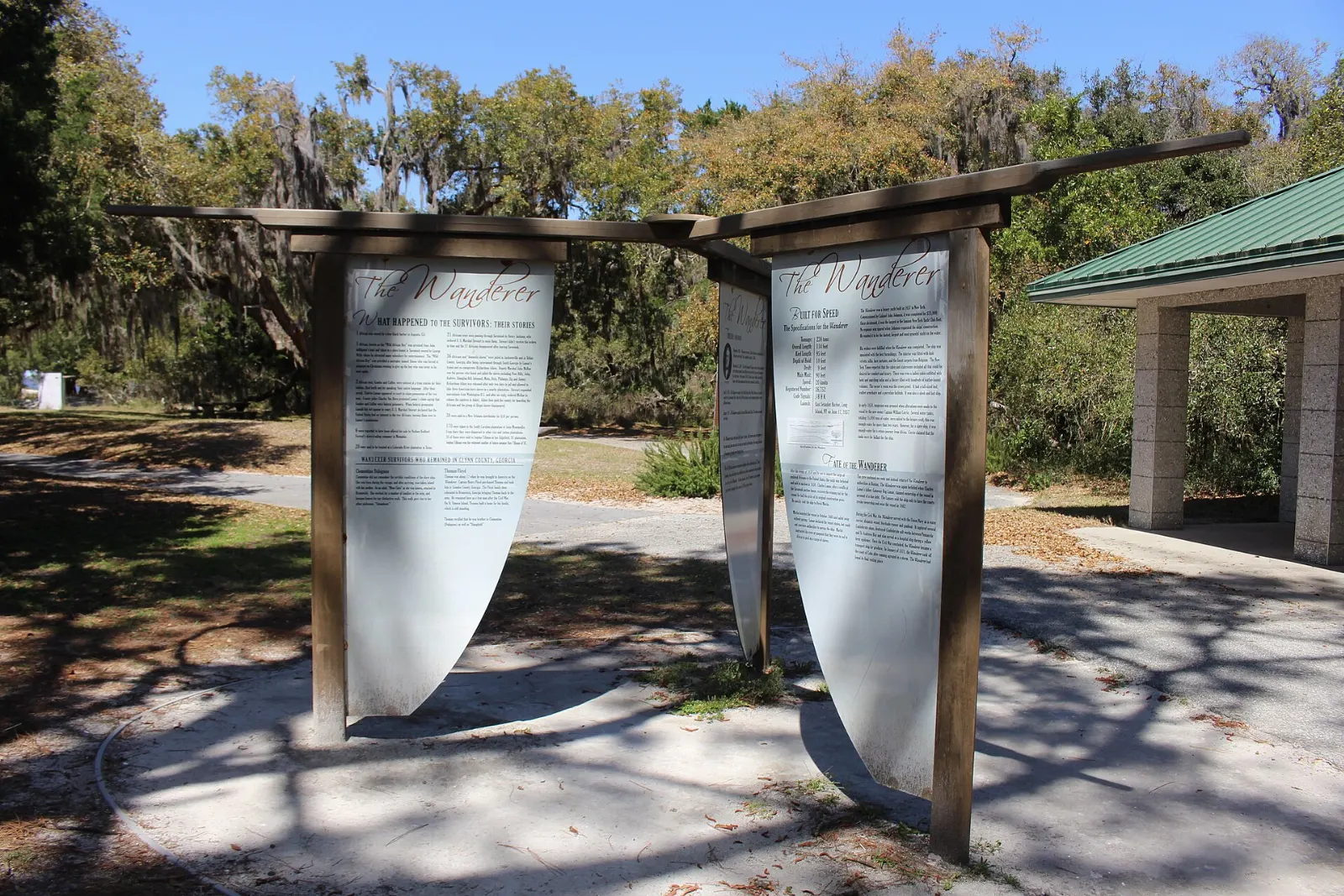
St. Andrews Beach and the Wanderer Memorial
At the southern tip, St. Andrews Beach looks across the sound rather than the open ocean, with wide sandbars at low tide, shorebirds working the shallows and dolphins often surfacing close to shore.
The bike trail loop
Some of the island's best views are between the landmarks. More than twenty miles of flat, paved paths circle the island, running along the beach dunes, through maritime forest and beside the western marsh.
Food and local flavors
Jekyll Island eats like the rest of coastal Georgia, which means seafood first.
Dining on the island is concentrated in three areas: the Historic District, where the resort and its neighbors offer more formal meals and porches overlooking the marsh; the Beach Village near Great Dunes Park, with casual cafes, ice cream and a Tex Mex spot; and a scattering of riverfront places near the marina, where you can eat fresh shrimp while watching boats on Jekyll Creek.
Popular dishes to try in Jekyll Island


Where to stay
The Historic District suits couples and history lovers who want to sleep in a Gilded Age setting, walk to tours and watch sunsets over the marsh.
The north and south beach roads have older motels, condos and weekly rental cottages, often roomier and quieter, which suit groups.
Where to stay in Jekyll Island


Best time to visit
Spring, from late March through May, brings warm days, blooming azaleas and comfortable cycling weather.
Summer is peak family season. Expect heat, high humidity and afternoon thunderstorms, so plan outdoor activities for mornings and evenings.
Winter is mild and very quiet, ideal for birding, beach walks and lower lodging rates, though the water is too cold for most swimmers.
Getting there and getting around
The only road onto the island is the Downing Musgrove Causeway, Georgia Route 520, which leaves US 17 just south of Brunswick.
Brunswick Golden Isles Airport, a short drive away, has limited commercial service, typically connections to Atlanta.
Once you arrive, you can park the car for most of your stay. The island is flat and compact, and the paved bike paths reach every major sight.
A suggested itinerary
First day
Stop at the Guest Information Center on the causeway for maps, then head to Mosaic for an overview of the island's history.
Second day
Rise early for sunrise at Driftwood Beach, then cycle to Clam Creek and the fishing pier. Ride south past the Horton House and du Bignon Cemetery and back to the Historic District, stopping at Faith Chapel.
Third day
Bike or drive to the south end. Walk the Glory Beach boardwalk, then continue to St. Andrews Beach to see the Wanderer Memorial and look for dolphins in the sound.
Practical tips
- Keep your parking pass visible on the dashboard; a weekly or annual pass is better value if you plan to come and go.
- Pack strong insect repellent for sand gnats and mosquitoes, especially at dawn and dusk.
- During nesting season, avoid shining lights on the beach at night, fill in any holes you dig and remove beach furniture before dark.
- Alcohol is not allowed on the beaches, bike paths, roads or in parking lots, so save the drinks for your porch or a restaurant.
- Watch for rip currents and strong tidal flows, particularly near the north and south tips, and swim near others.
- Bring a reusable water bottle and sun protection; humidity and heat can be intense from June through September.
Find local businesses in Jekyll Island on WiserMap
Looking for bike rentals, seafood restaurants, boat tours or vacation rental managers before your trip?