Jacksonville is a city on the New River in coastal North Carolina and the home of Marine Corps Base Camp Lejeune, one of the largest Marine Corps bases in the world. Its military heritage, riverfront parks and nearby beaches make it an interesting stop on the coast between Wilmington and the Outer Banks.
AT A GLANCE
Best time
April to June and September to October, for warm weather without the peak summer heat.
How long
One to two days covers the memorials, museums and a beach day.
Getting there
Albert J. Ellis Airport is about 20 minutes north, with flights to Charlotte and Atlanta.
Why visit Jacksonville
Jacksonville was founded in 1757 on the New River and named after President Andrew Jackson in 1842. It was a quiet farming and fishing town until 1941, when the Marine Corps built Camp Lejeune, and the city grew rapidly around the base.
Today the city's identity is closely tied to the Marines. Moving memorials honor those who served, and the base hosts events open to the public. The New River waterfront and the nearby Atlantic beaches give the city a relaxed coastal side.
Military memorials and museums
Jacksonville's memorials are among its most important sights.
Lejeune Memorial Gardens
This memorial park is home to the Beirut Memorial, honoring the 241 service members killed in the 1983 Marine barracks bombing in Lebanon, as well as Vietnam and 9/11 memorials and the striking Montford Point Marine Memorial.
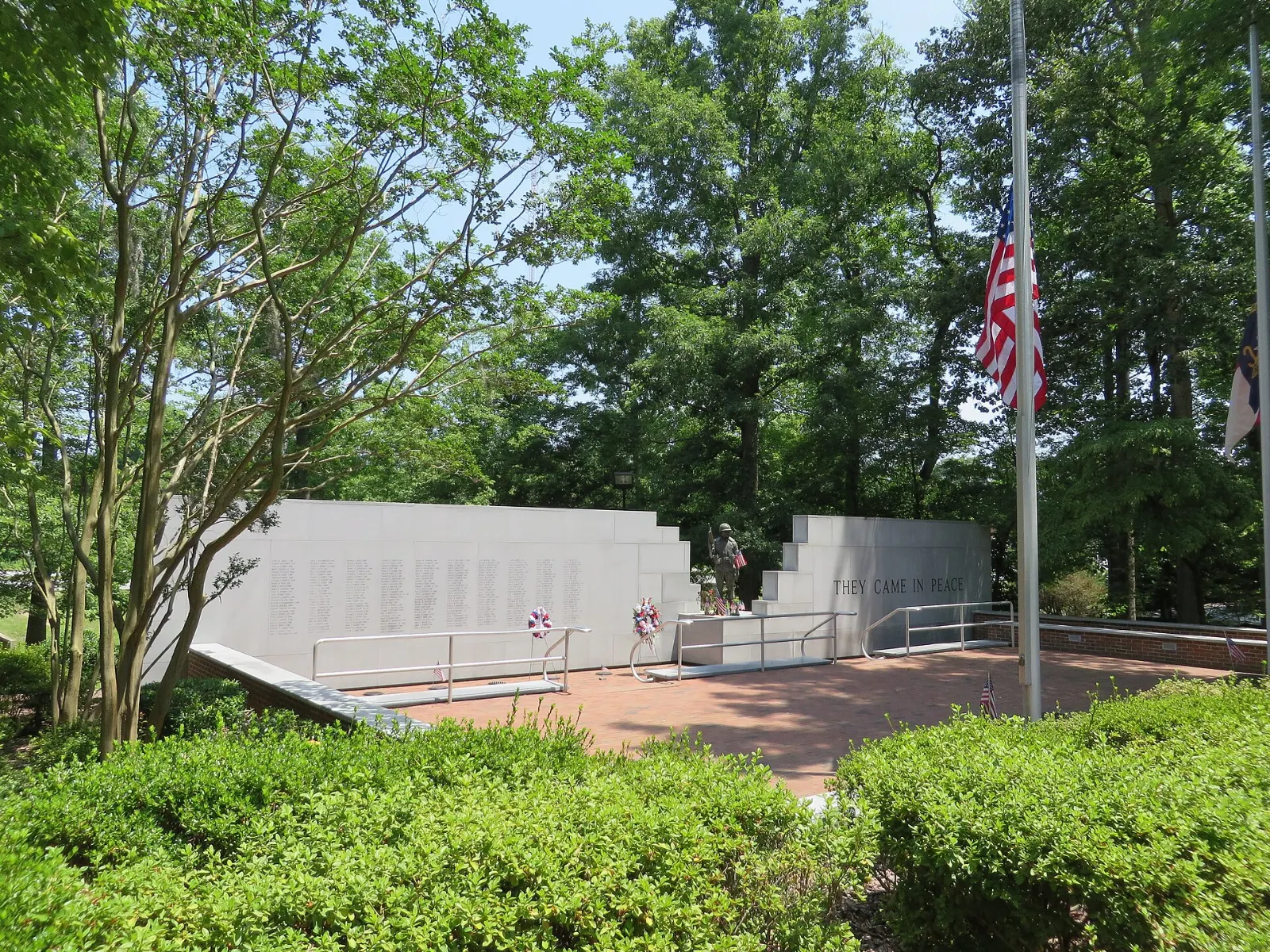
Montford Point Marine Museum
This museum tells the story of the Montford Point Marines, the first African Americans to serve in the Marine Corps, who trained here from 1942 to 1949.
Museum of the Marine
The Museum of the Marine, under development near the base, shares the history of Marines and sailors who served at Camp Lejeune, with changing exhibits at its interim location.
Mike Rose Memorial Park
This memorial honors veterans of all branches of service and is a quiet spot for reflection.
The New River and parks
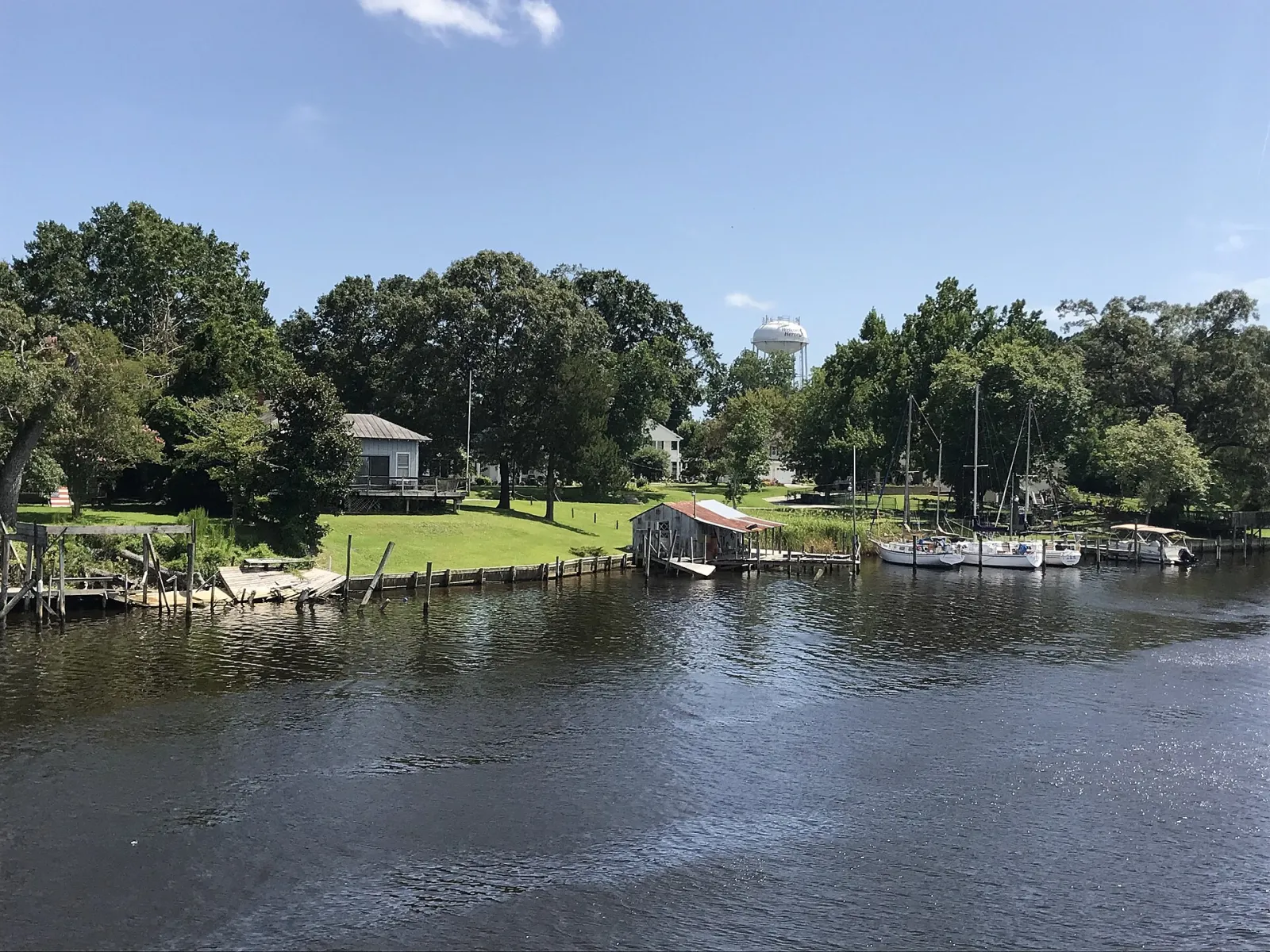
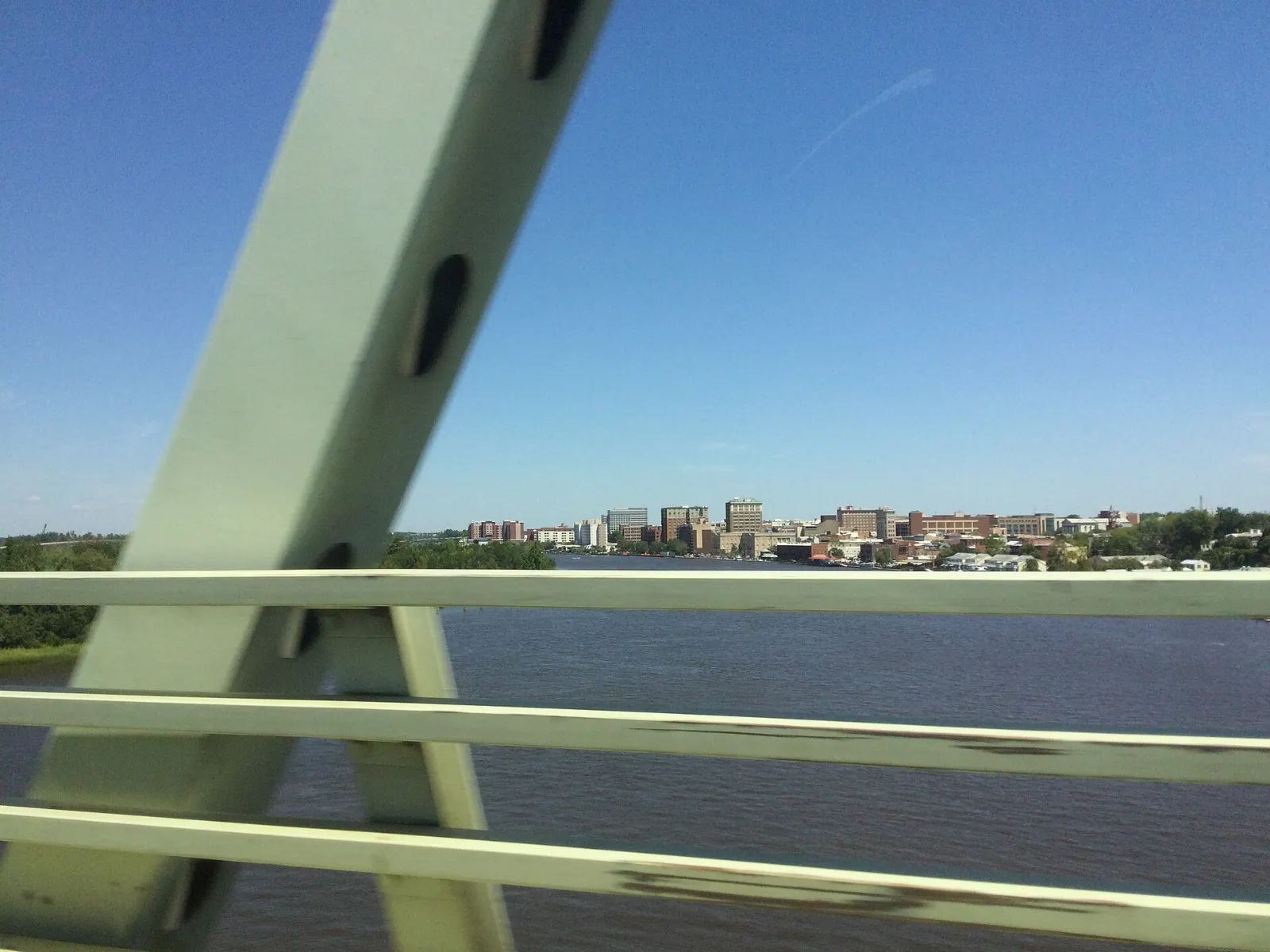
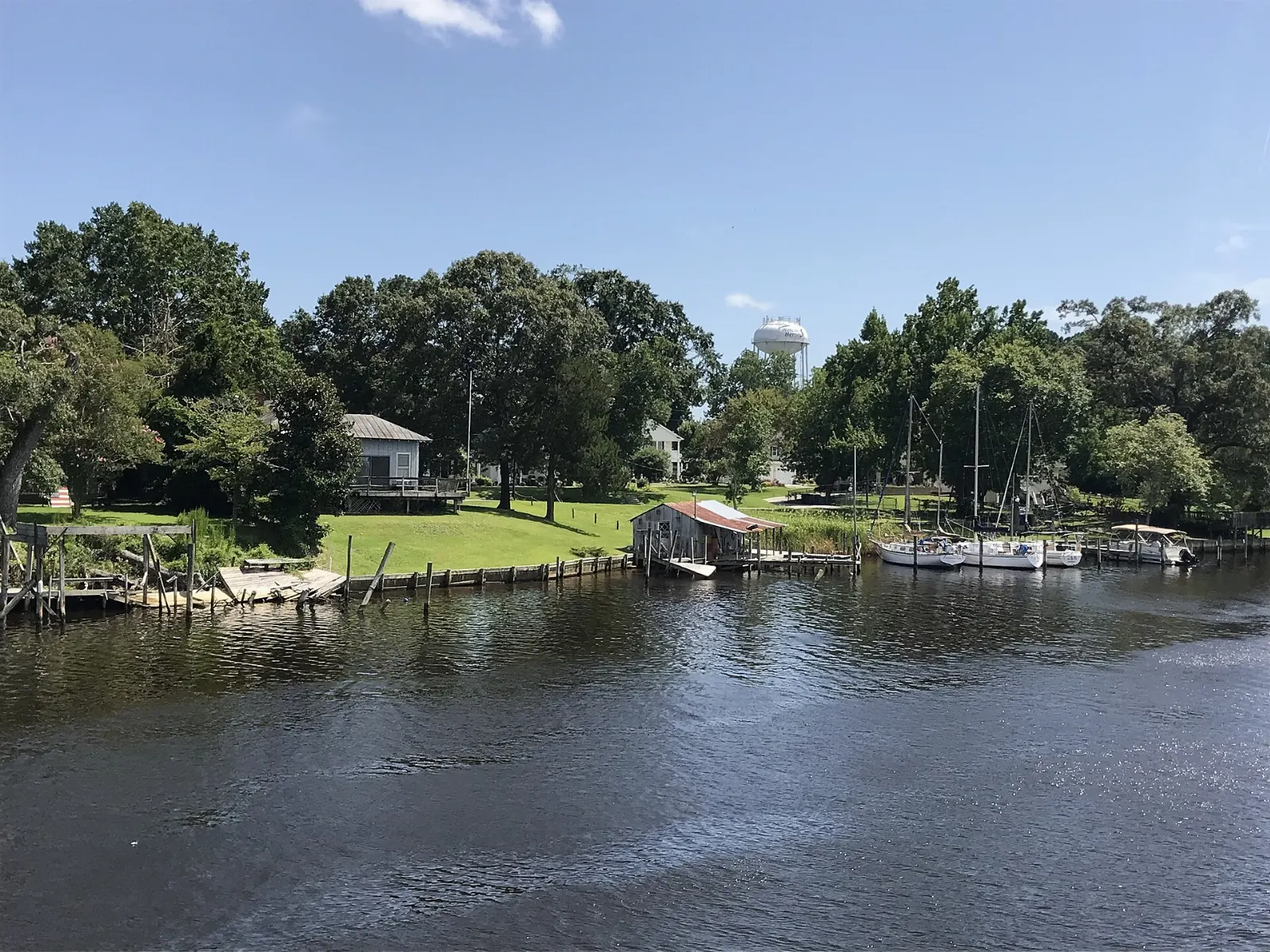
The New River widens into a broad estuary at Jacksonville.
Jacksonville Riverwalk Crossing Park
This waterfront park on the New River has walking paths, a fishing pier, a playground and a stage for summer concerts, with wide views across the water.
Sturgeon City
Sturgeon City is an environmental education center on a restored former wastewater site on Wilson Bay, with trails and boardwalks through marshland and programs about the river's wildlife.
Jacksonville Greenway
The city's greenway and rail-trail links parks along Wilson Bay and the downtown area.
Beaches and day trips
The Atlantic coast is a short drive from the city.
Topsail Island
About 30 minutes southeast, Topsail Island has 26 miles of beaches, the fishing piers of Surf City and the Karen Beasley Sea Turtle Rescue and Rehabilitation Center.
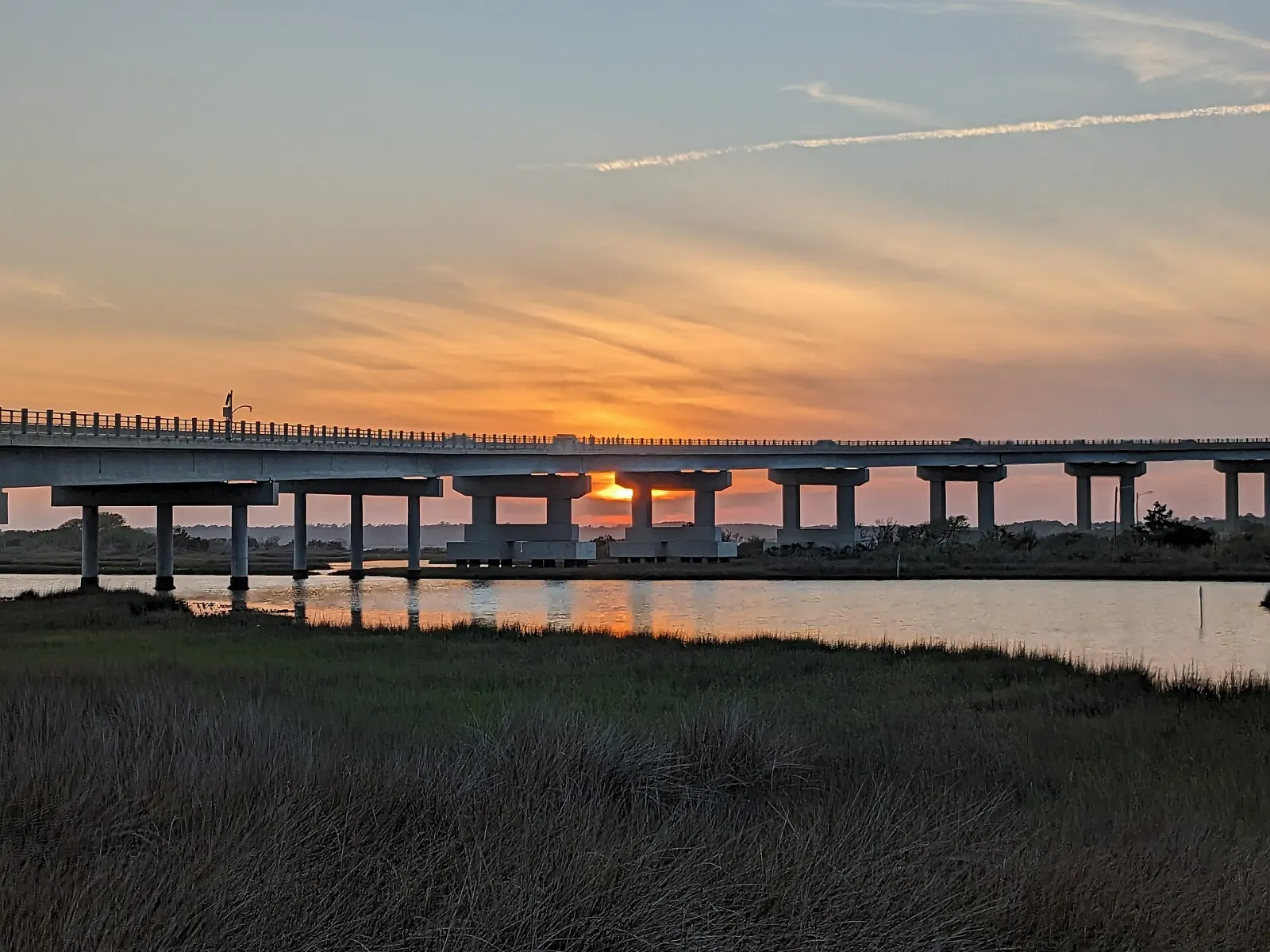
Hammocks Beach State Park
Near Swansboro, Hammocks Beach State Park is reached by passenger ferry or kayak to Bear Island, an undeveloped barrier island with high dunes and quiet beaches.
Swansboro
This small waterfront town, known as the Friendly City by the Sea, has a historic downtown with shops and seafood restaurants.
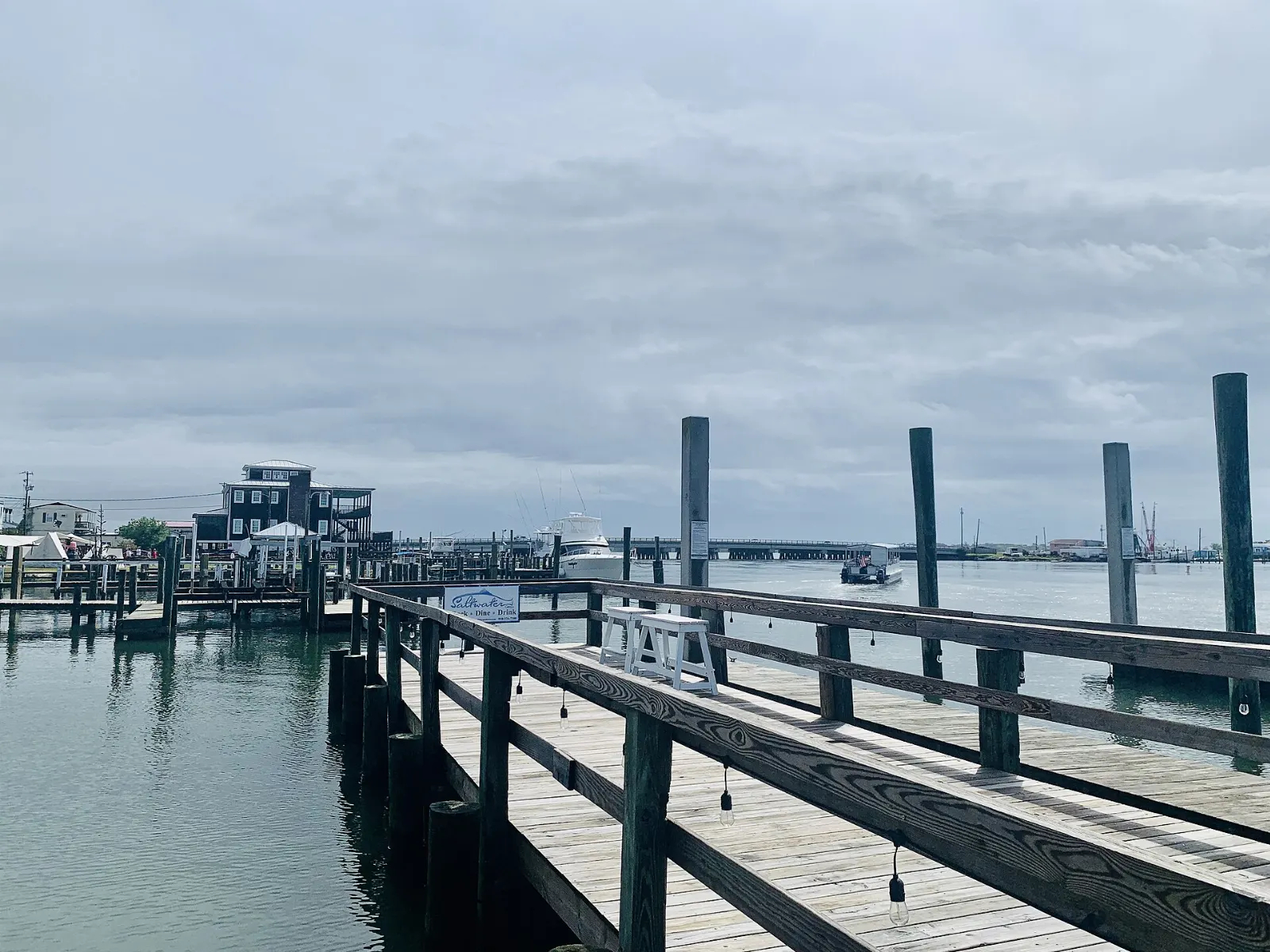
Emerald Isle
Emerald Isle, on the Bogue Banks, is a popular family beach town about 40 minutes east.
 Planning a trip to Jacksonville?Compare hotels, flights and vacation rentals for Jacksonville on Expedia.Book now
Food and local flavors
Jacksonville's coastal location means plenty of fresh seafood: fried shrimp and flounder platters, steamed oysters in season and Calabash-style seafood. Eastern North Carolina barbecue and Southern breakfasts are easy to find.
The large military community has also brought many international restaurants, and the nearby waterfront towns of Swansboro and Sneads Ferry have casual seafood shacks with fresh catches.
Popular dishes to try in Jacksonville


Where to stay
Western Boulevard has most of the city's hotels, restaurants and shopping.
Downtown and the riverfront are close to the memorial gardens and Riverwalk Crossing Park.
Topsail Island has beach rentals and small hotels for a seaside base.
Swansboro and Emerald Isle, offer inns and vacation rentals near the beaches.
Best time to visit
Spring is warm and pleasant, with blooming gardens.
Summer is hot and humid but ideal for beaches.
Fall brings warm ocean water and fewer crowds.
Winter is mild and quiet; hurricane season runs from June to November.
Getting there and getting around
By air: Albert J. Ellis Airport (OAJ) is about 20 minutes north, and Wilmington International is about an hour south.
By car: US 17 runs through the city between Wilmington and New Bern.
Getting around: A car is needed to reach the beaches and parks.
A suggested itinerary
First day
Visit Lejeune Memorial Gardens and the Beirut Memorial in the morning, then the Montford Point Marine Museum. In the afternoon, walk Riverwalk Crossing Park and the boardwalks at Sturgeon City.
Second day
Spend the day at the beach on Topsail Island or take the ferry to Bear Island at Hammocks Beach State Park, and end with seafood in Swansboro.
Practical tips
- Visiting Camp Lejeune itself requires base access; the memorial gardens are outside the gate and open to everyone.
- Check ferry times for Hammocks Beach State Park, especially outside summer.
- Book beach rentals early for summer weekends.
- Watch the weather during hurricane season, from June to November.
Find local businesses in Jacksonville on WiserMap
Looking for a seafood restaurant, a fishing charter or a local service near the base?