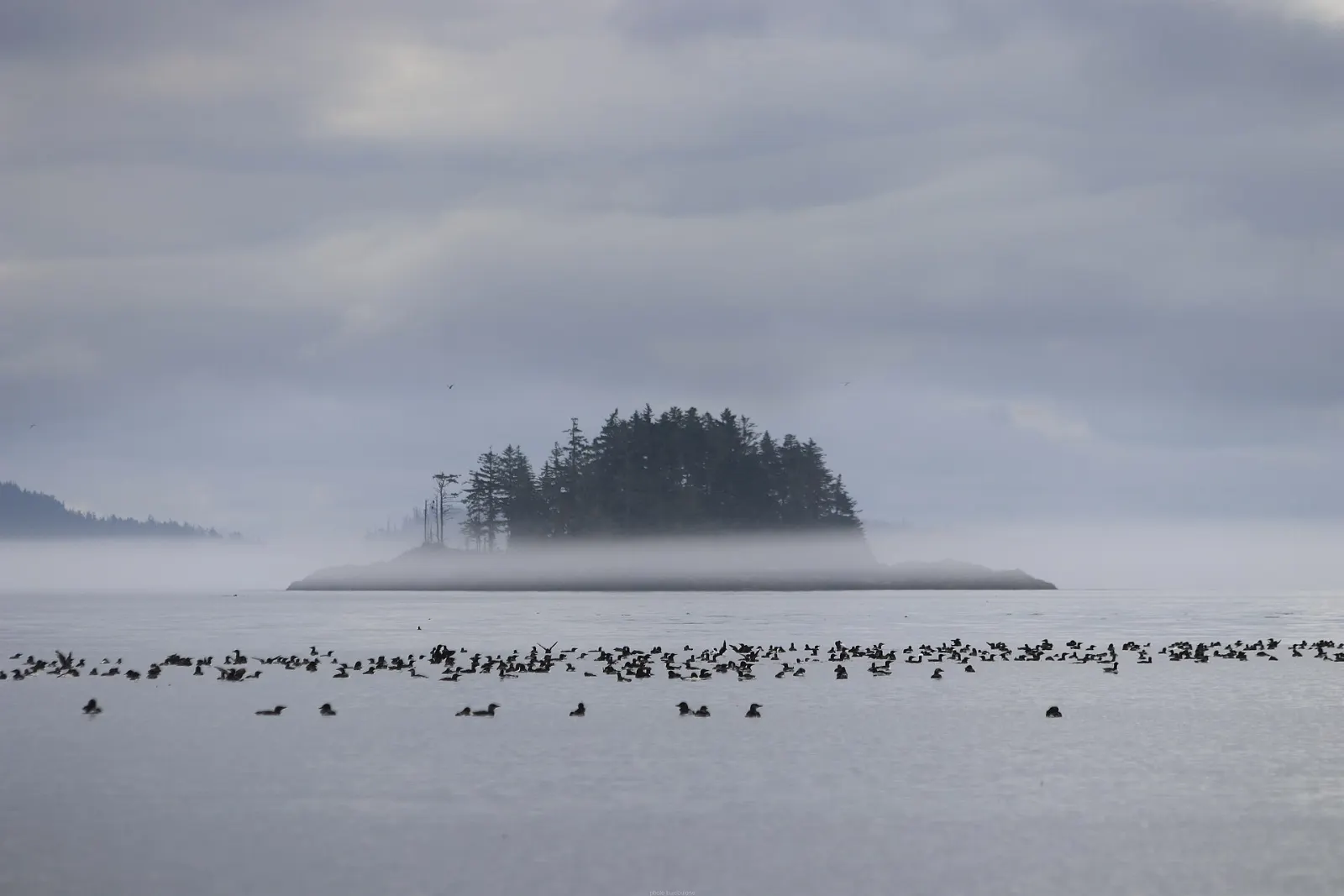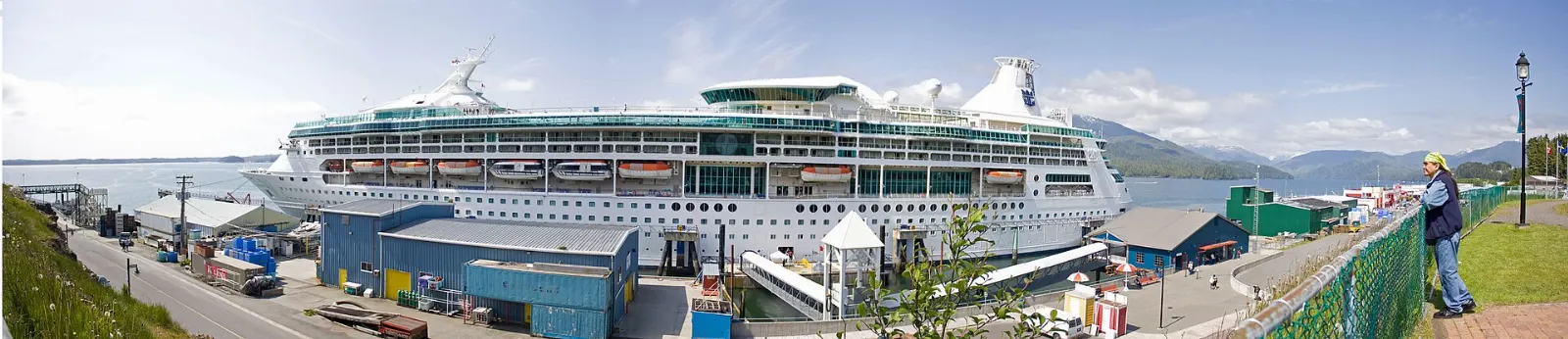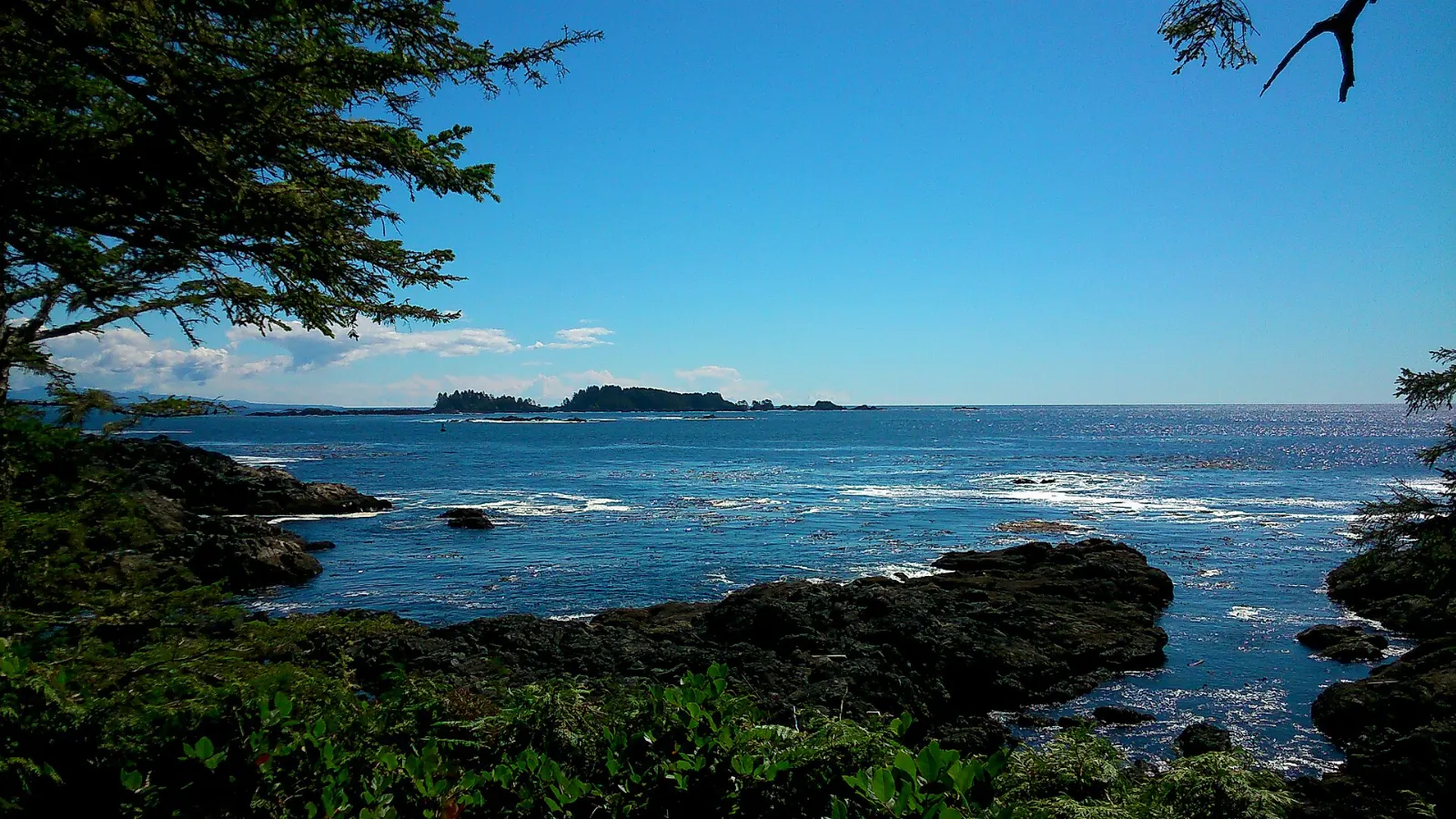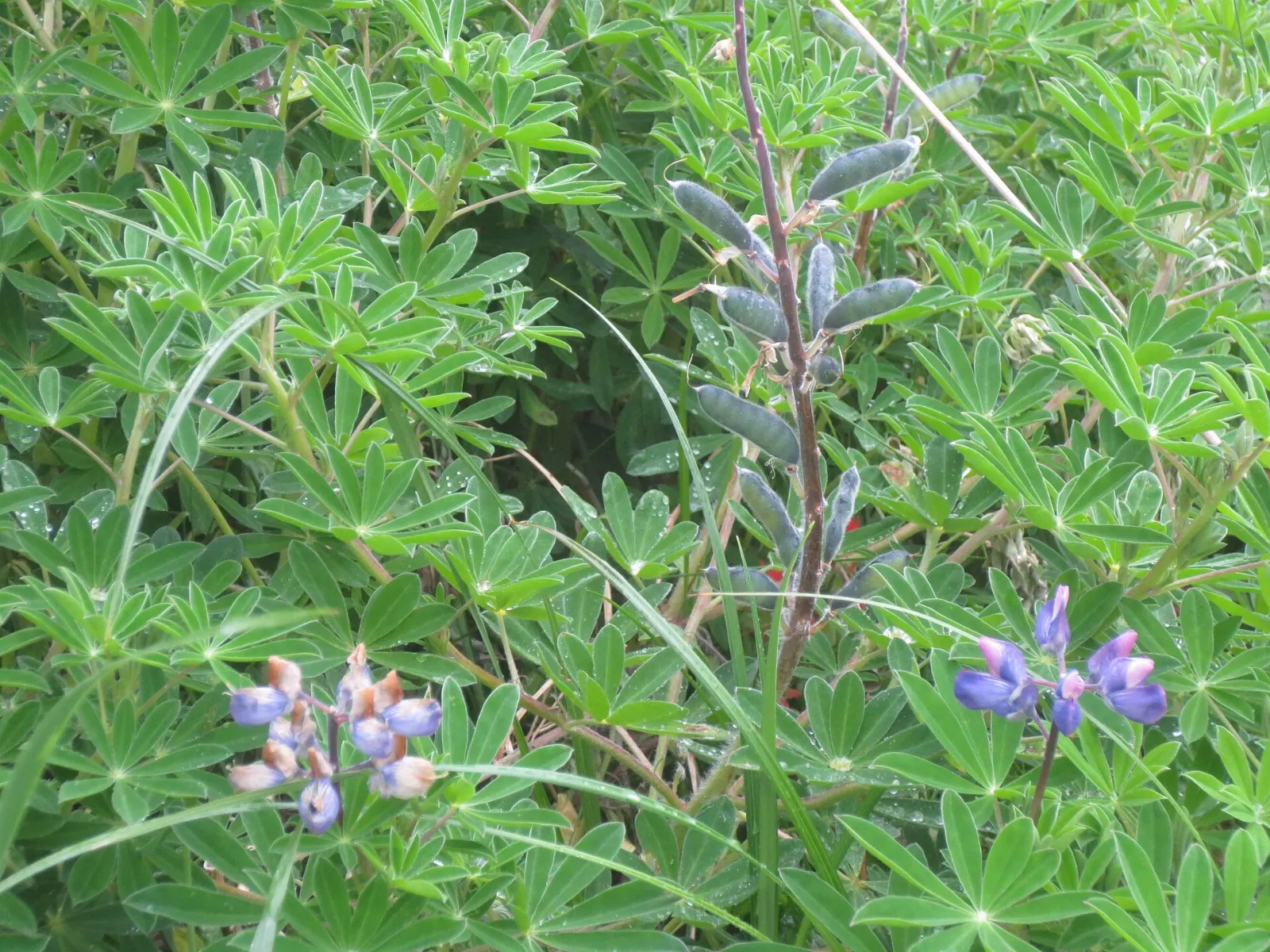
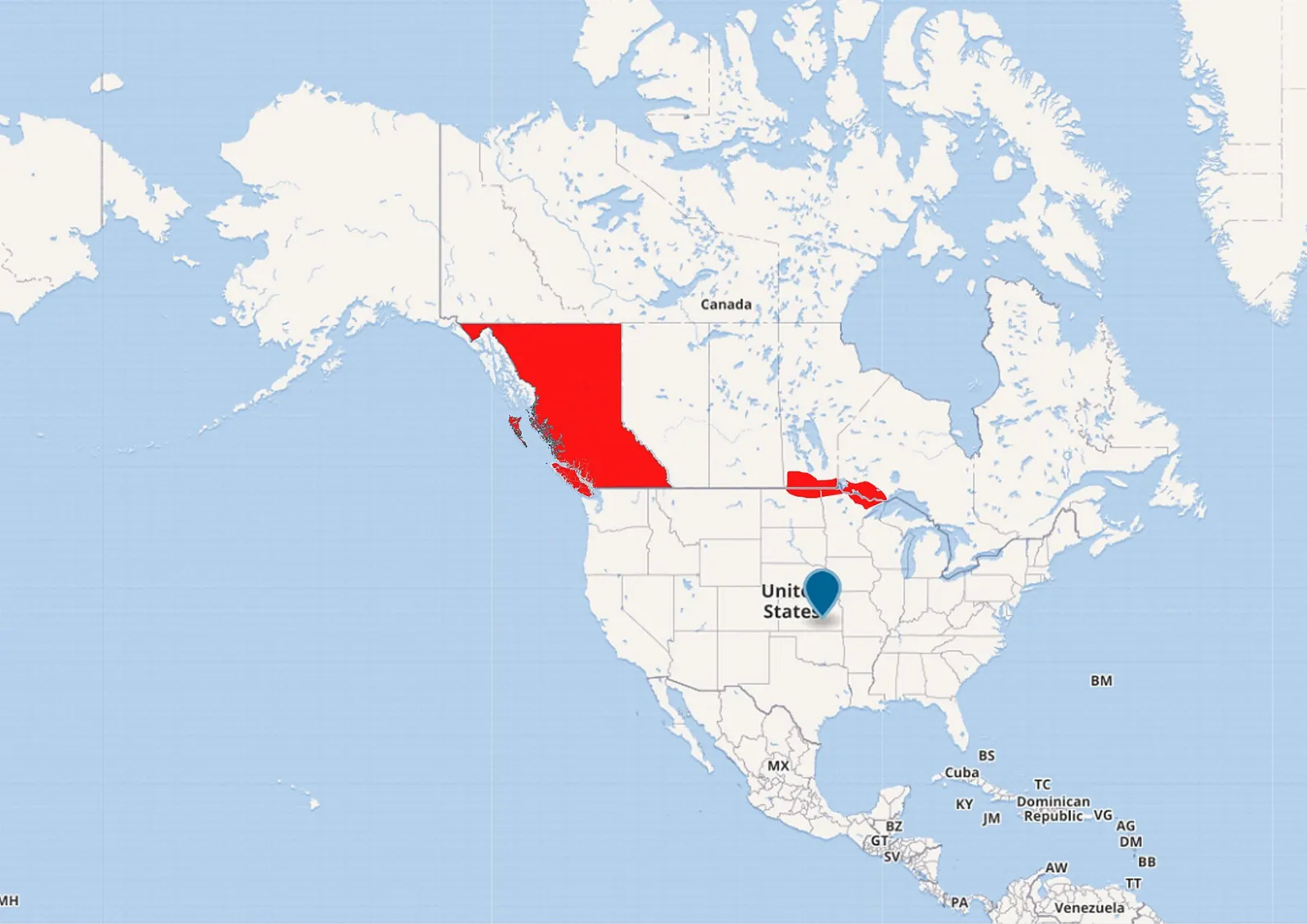
The Great Bear Rainforest covers about 6.4 million hectares of the Pacific coast of British Columbia, a long run of fjords, islands and old-growth forest where grizzlies, wolves and the rare white spirit bear live. There is no single gate or town to aim for, so a trip means choosing a base such as the Bella Coola Valley, Klemtu or Prince Rupert and letting ferries, small planes and boats link them.
AT A GLANCE
Best time
Late summer and autumn, when salmon runs bring bears to the rivers.
How long
Allow five to seven days if you want to combine two bases.
Getting there
Fly or take a BC Ferries sailing to Bella Coola or Bella Bella, or reach Prince Rupert by air, rail or ferry.
Why visit Great Bear Rainforest
The Great Bear Rainforest is one of the largest remaining tracts of unspoiled temperate rainforest in the world. It stretches from the Discovery Islands in the south to the border with Alaska in the north, and it is a place of western red cedars that can be a thousand years old and Sitka spruce that reach about ninety metres.
It is also a living homeland. The Heiltsuk, Nuxalk, Kitasoo/Xai'xais, Gitga'at and Tsimshian peoples have deep ties to this coast, and in 2016 an agreement between the province, First Nations, conservation groups and the forest industry protected 85 percent of the old-growth forest from industrial logging.
The best places to visit on the central coast
Bella Coola Valley
Bella Coola is the only port between Vancouver and Prince Rupert with a road connection to the Interior, which makes it the easiest way to reach the rainforest without a boat. The valley sits in Nuxalk territory and is home to grizzly and black bears, wolves, cougars and mountain goats.
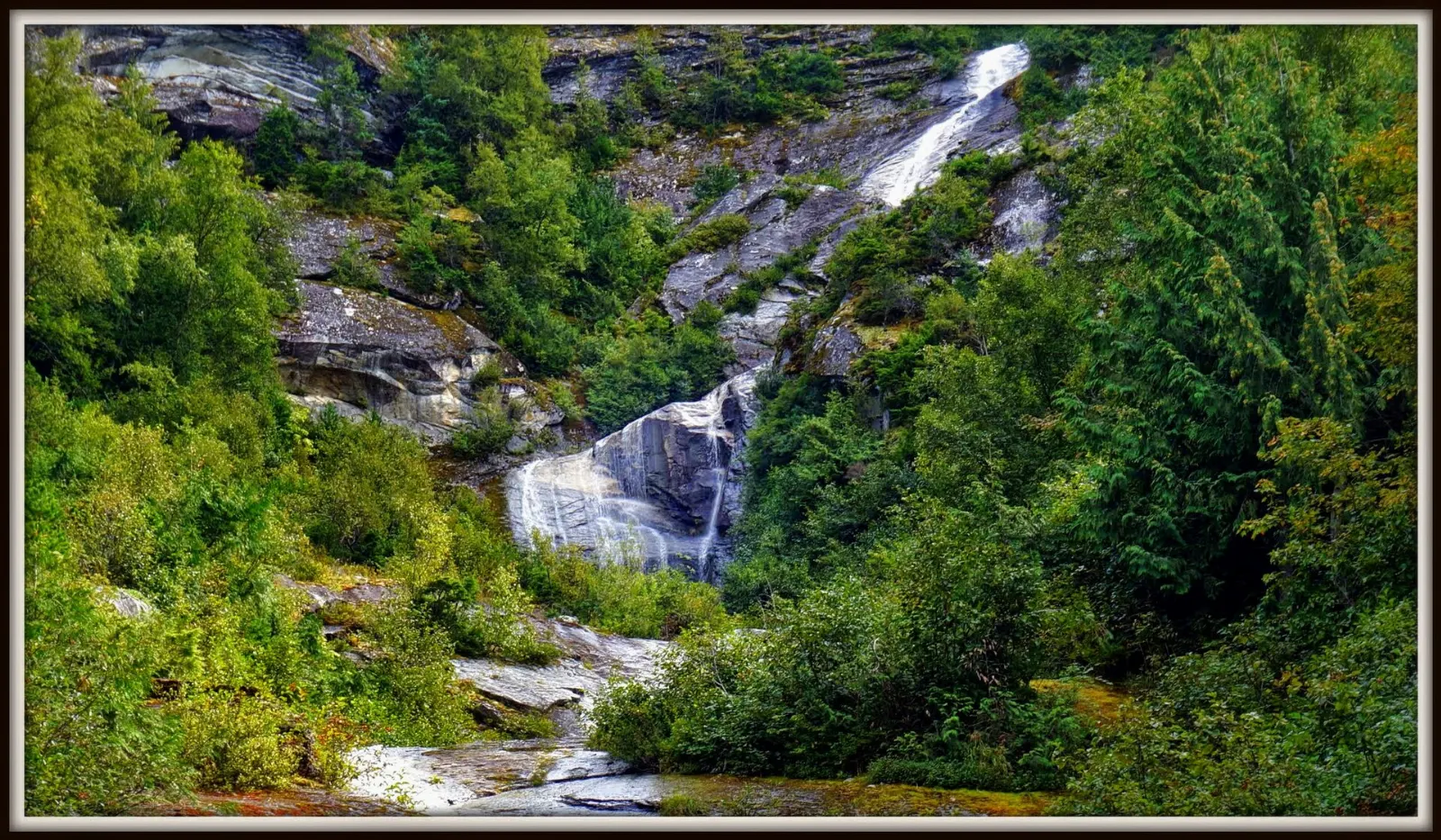
Clayton Falls Recreation Site
A few kilometres past the ferry wharf on Highway 20, this small recreation site has picnic tables with views over North Bentinck Arm and the surrounding mountains. A short trail leads to the falls.
Snootli Creek Hatchery
About twelve kilometres east of Bella Coola, near Hagensborg, this hatchery raises chum, chinook and coho salmon and releases them into the Bella Coola River. Staff also monitor wild salmon spawning, so the visit explains the cycle that feeds the whole coast.
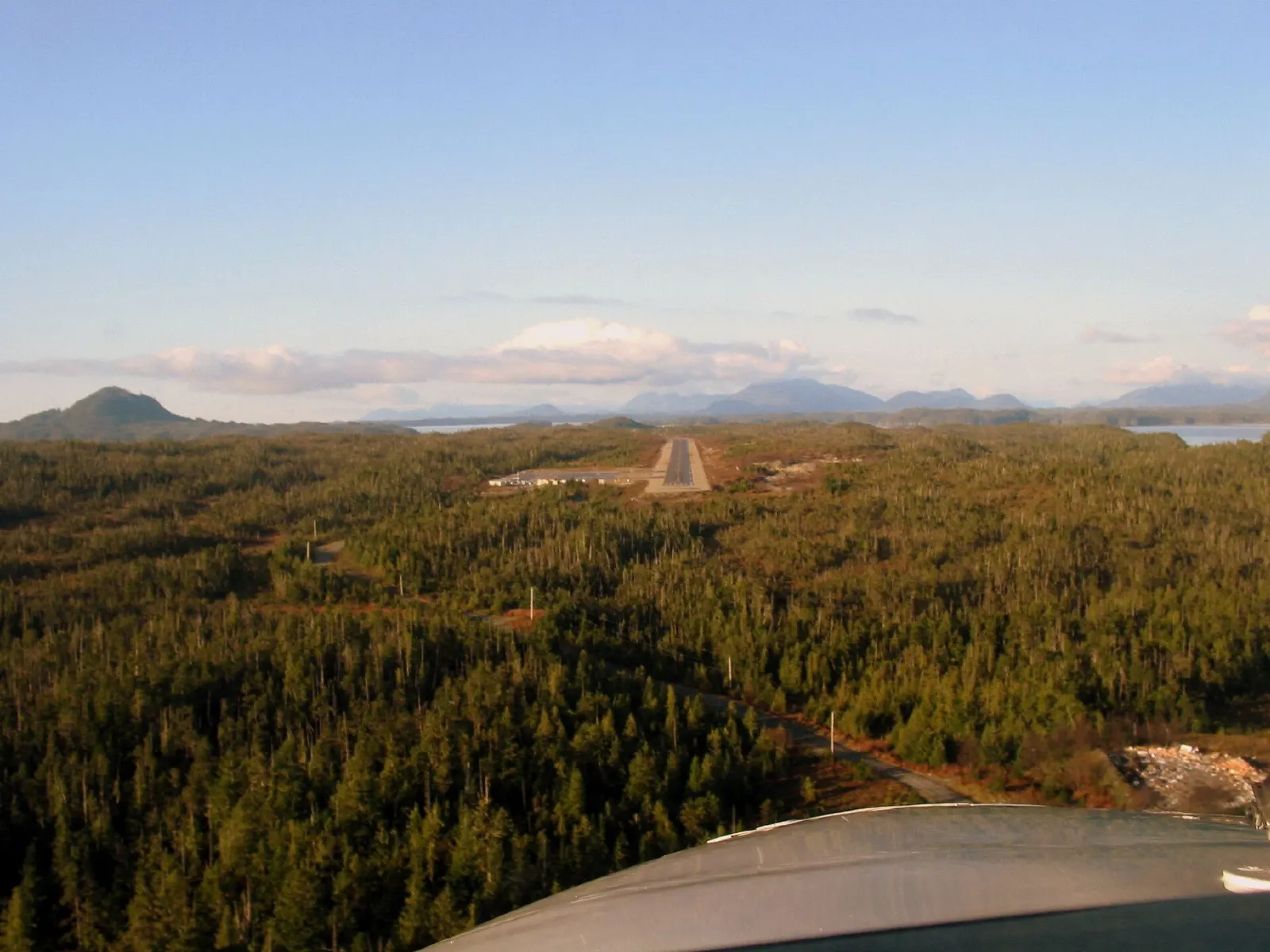
Bella Bella
Bella Bella sits on Campbell Island and is the heart of Heiltsuk Nation territory, where people have lived for thousands of years. The Heiltsuk were among the First Nations who helped launch the early campaigns to protect the rainforest.
The best places to visit in spirit bear country
Klemtu
Klemtu is the home of the Kitasoo/Xai'xais Nation, on Swindle Island next to the Fiordland Conservancy. Some Inside Passage ferry sailings call here, which makes it one of the few communities in the heart of the rainforest you can reach without your own boat.
Princess Royal Island
This is the largest island on the north coast of British Columbia, about 2,300 square kilometres of forest reachable only by boat or air. Spirit bears are most common on Gribbell, Princess Royal and Roderick islands, where they make up 10 to 20 percent of the Kermode bear population.
Tweedsmuir South Provincial Park
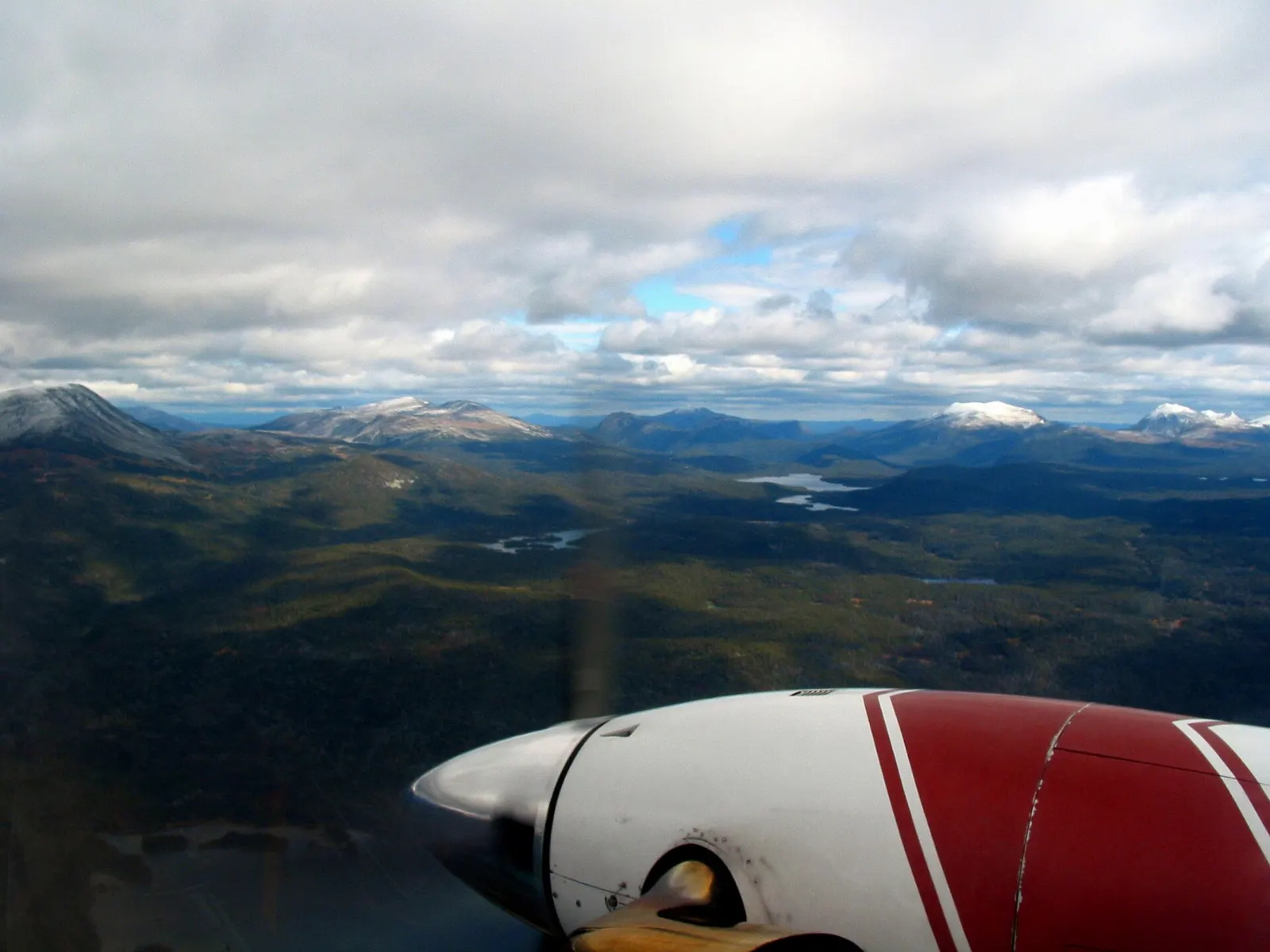
Established in 1938, this large park covers parts of the Kitimat Ranges, the Pacific Ranges and the Rainbow Range. The Atnarko River and its salmon have long been important to the Nuxalk people.
The best places to visit around Prince Rupert
Museum of Northern British Columbia
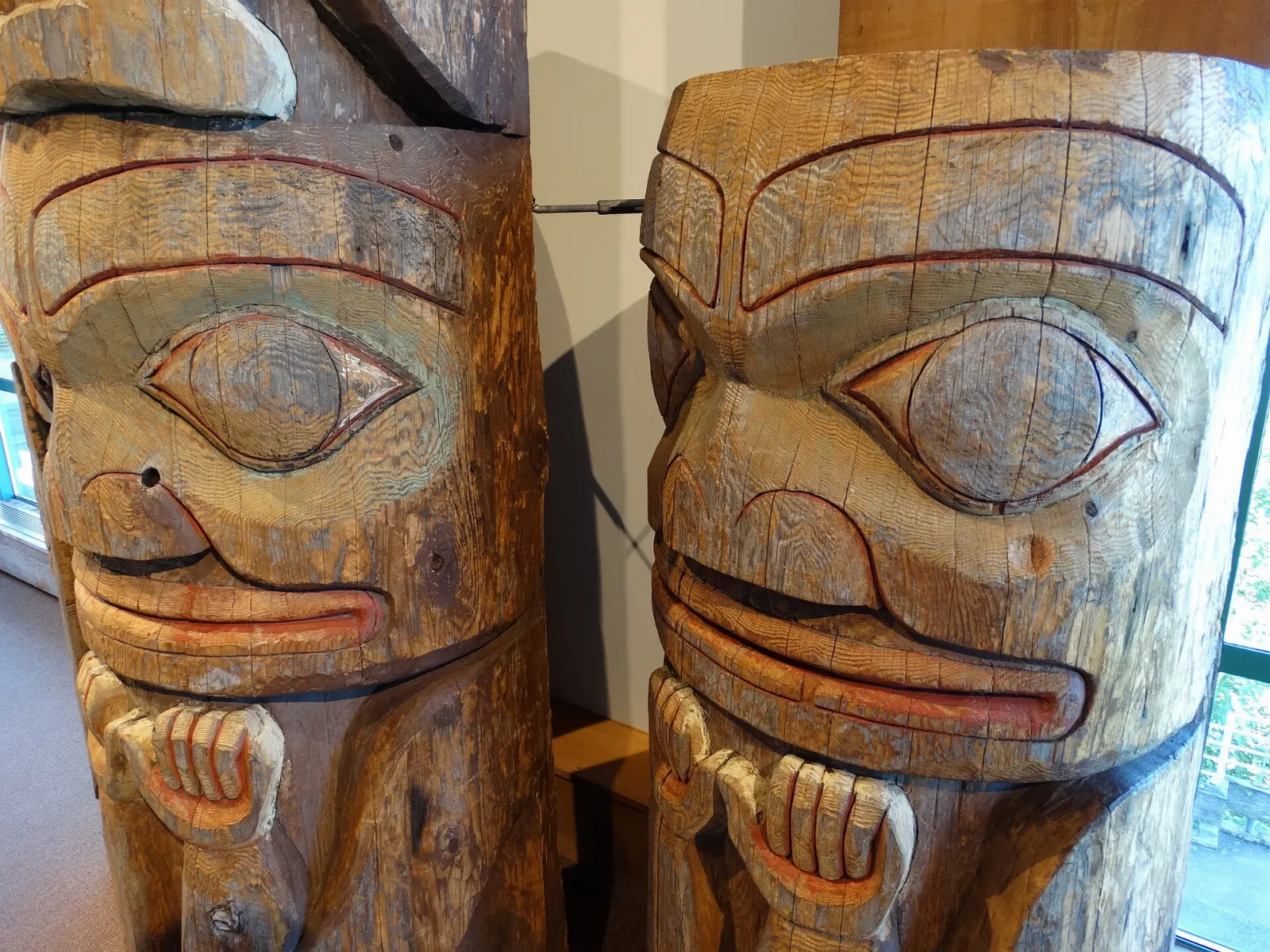
On the waterfront at the foot of McBride Avenue, the museum tells a ten thousand year story of the Tsimshian, Haida, Tlingit and Nisga'a peoples. It also operates the Carving Shed.
Kwinitsa Station Railway Museum
Built in 1911 for the Grand Trunk Pacific Railway, this little station in Rotary Waterfront Park is one of only four survivors of about 400 identical stations on the line. Inside, the displays explain how the railway created Prince Rupert.
North Pacific Cannery
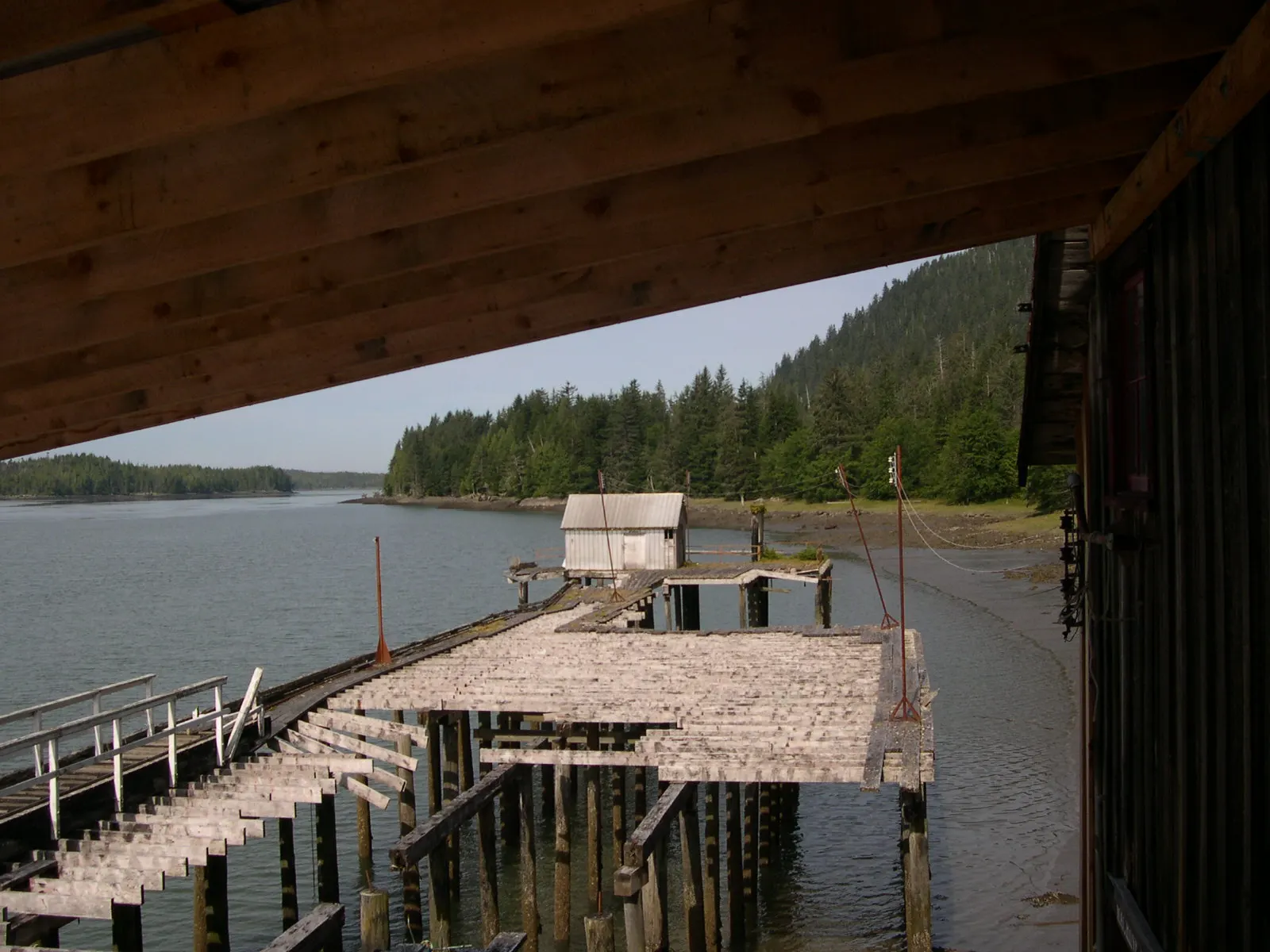
About 20 kilometres from downtown at Port Edward, this national historic site is the oldest and most complete cannery left from the two hundred or so that once dotted the northwest coast of British Columbia.
 Planning a trip to Great Bear Rainforest?Compare hotels, flights and vacation rentals for Great Bear Rainforest on Expedia.Book now
Food and local flavors
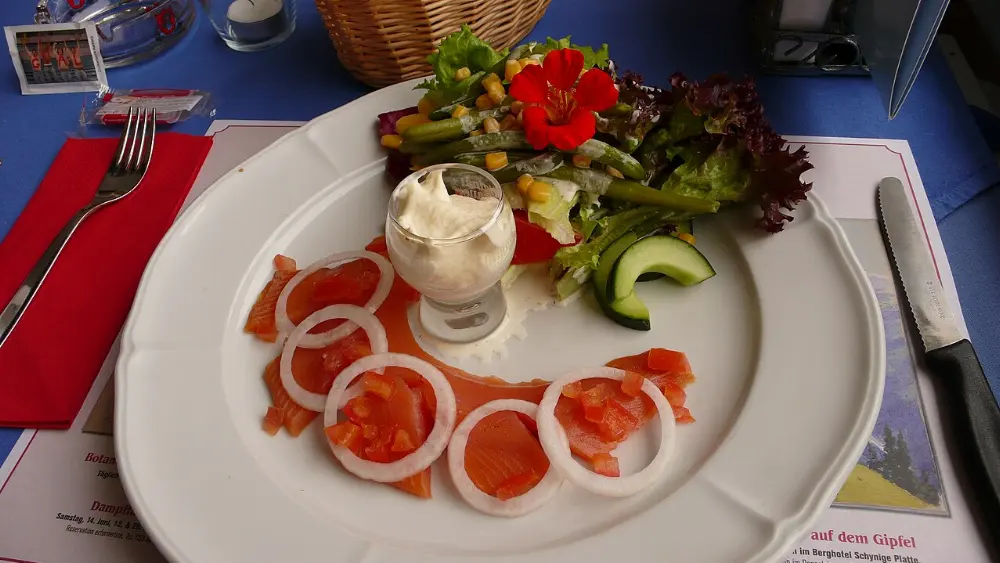
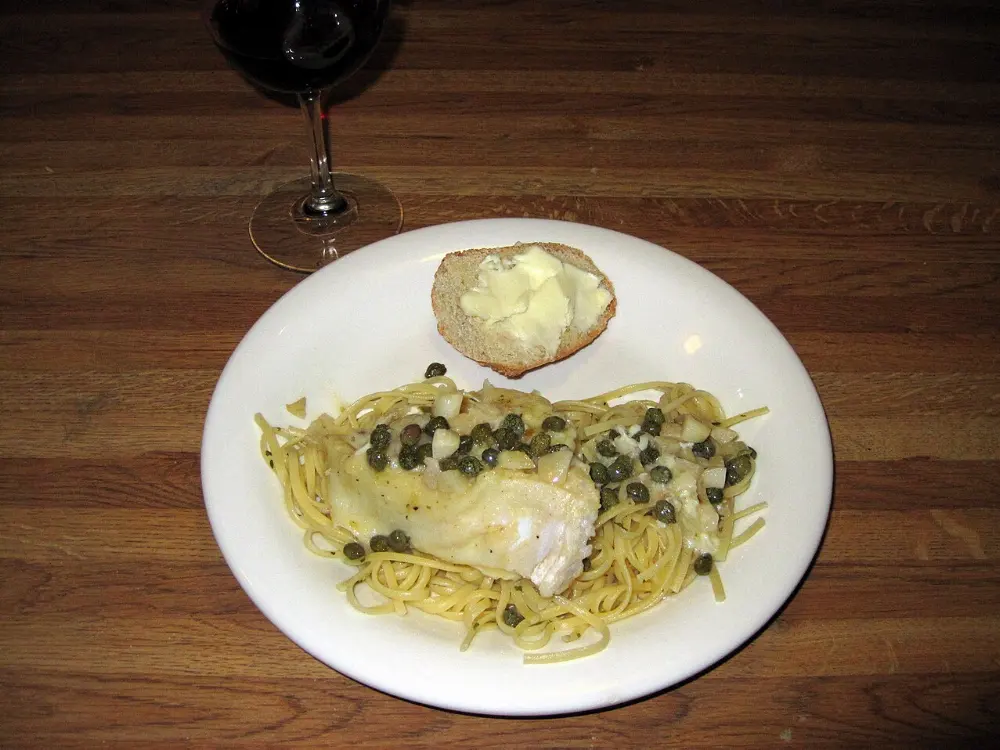
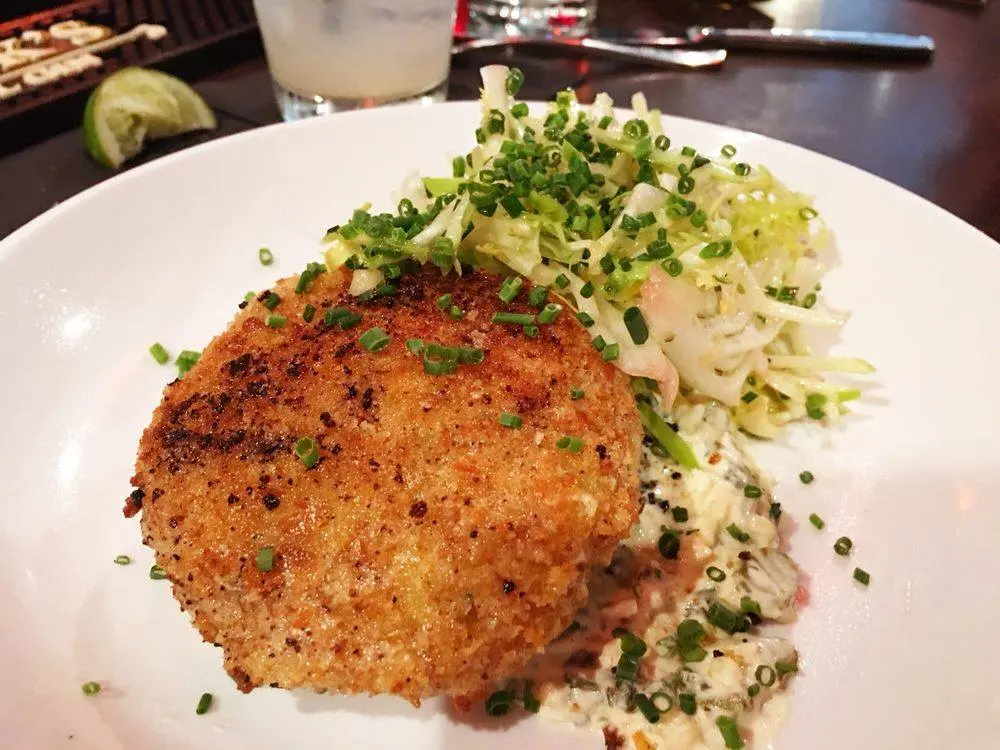
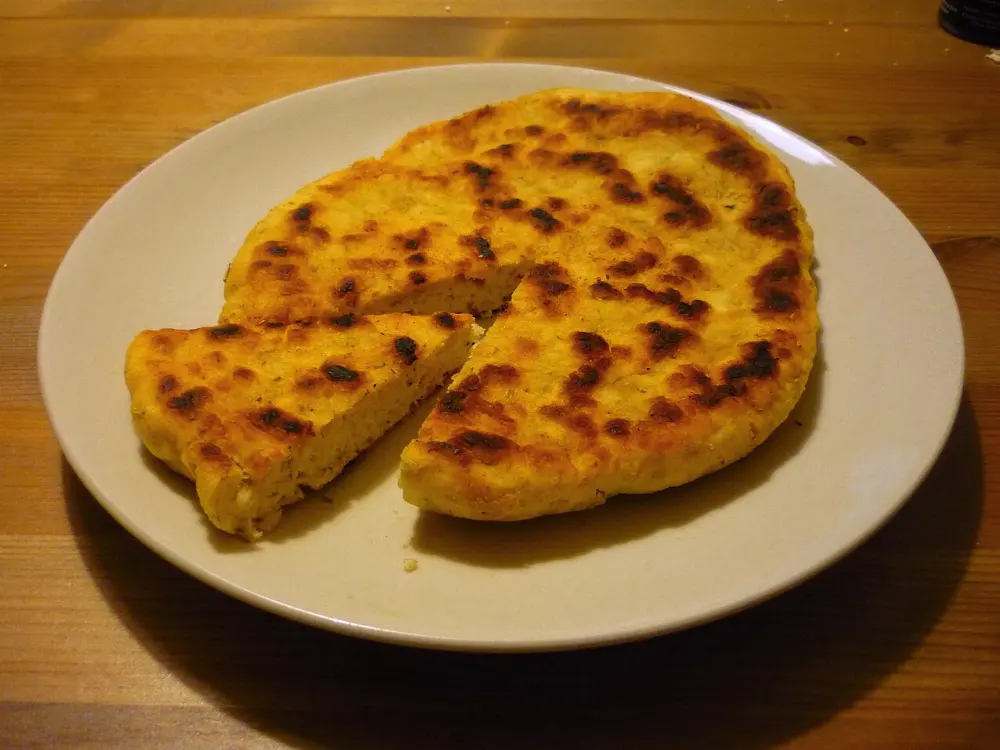
Seafood is the heart of eating on this coast. Prince Rupert is known for its salmon and halibut fishing, so look for smoked salmon, fresh halibut and, from the crab boats, Dungeness crab, one of the most important seafood catches on the west coast of North America. Bannock, the pan-fried bread of Indigenous cooking, is worth trying wherever local Nations share their food. In Bella Coola, a coffee shop and a handful of restaurants cover the basics, and Cow Bay on the Prince Rupert waterfront is a pleasant place to browse shops and galleries before dinner.
Popular dishes to try in Great Bear Rainforest
Where to stay
Choose a base that fits how you plan to travel. The Bella Coola Valley suits drivers and anyone arriving on the Port Hardy ferry.
Hagensborg, about 14 kilometres east of Bella Coola near the airport, is a quieter option for people flying in or who want a campground or a lodge with mountain views.
Prince Rupert is the better choice if you arrive by train, ferry or plane, or want museums, harbour views and restaurants within a short walk. It also works well as the last stop on a coastal route.
Where to stay in Great Bear Rainforest
Best time to visit
Late summer and autumn are the main wildlife seasons, because salmon runs draw grizzlies and Kermode bears to the rivers. The Port Hardy to Bella Coola ferry runs from mid-June to the end of September, and summer sailings between Bella Bella and Bella Coola are more direct, so July to September is also the easiest time to move around. Bella Coola has warmer summers than many coastal places, thanks to its semi-inland position.
Getting there and getting around
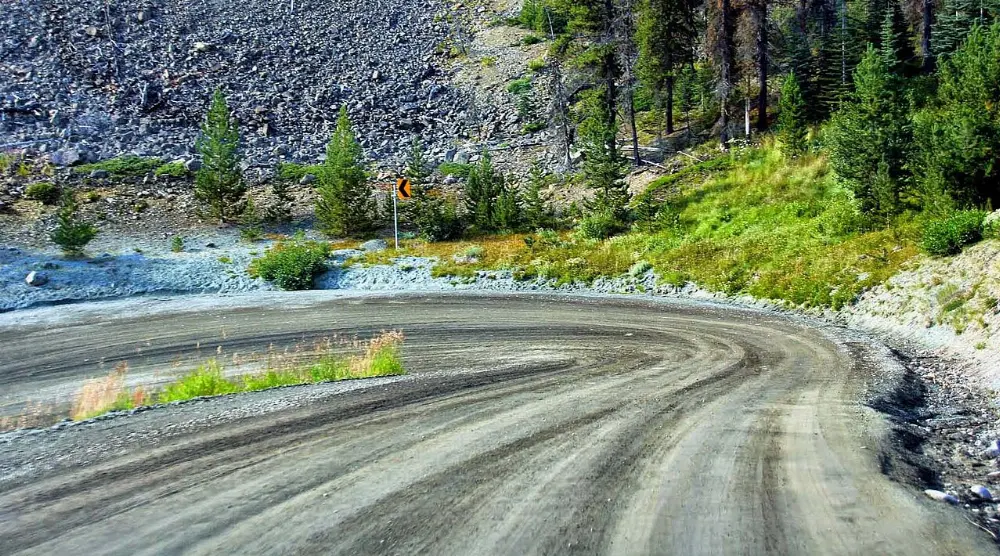
The Bella Coola Valley is reached by Highway 20 from Williams Lake, a drive of about 454 kilometres that takes six to eight hours. The last stretch, known as the Hill, climbs 18 kilometres of gravel with steep grades and switchbacks, so drive slowly.
BC Ferries sails from Port Hardy on northern Vancouver Island to Bella Coola two or three times a week in summer, and a coastal route links Bella Bella, Shearwater, Ocean Falls and Bella Coola.
Prince Rupert has an airport on Digby Island, reached by shuttle and ferry, plus a VIA Rail train from Jasper with an overnight stop in Prince George.
A suggested itinerary
First day
Arrive in the Bella Coola Valley by road, air or ferry.
Second day
Drive east to Snootli Creek Hatchery and spend the rest of the day on a valley trail or a guided wildlife outing.
Third day
Take the ferry to Bella Bella and use the stopover to learn about Heiltsuk history and the campaign to protect the rainforest.
Fourth day
Continue north by ferry toward Prince Rupert, along the Inside Passage.
Fifth day
In Prince Rupert, visit the Museum of Northern British Columbia, Totem Park and Kwinitsa Station.
Sixth day
Drive out to North Pacific Cannery at Port Edward, then enjoy seafood on the waterfront.
Practical tips
- Book ferries and lodging early for summer, as reservations are recommended on the Bella Coola routes.
- Pack waterproof layers, since Prince Rupert is the rainiest city in Canada.
- Join wildlife tours run by licensed local operators or Nation-owned businesses and keep a respectful distance from bears.
- Allow flexibility in your schedule, because weather can delay small planes and ferries.
- Drive the Hill section of Highway 20 in daylight and in good weather, and check road conditions first.
- Carry cash, snacks and a charged phone, since services thin out quickly beyond the main towns.