Whistler pairs the largest ski area in North America with lakes, waterfalls, art and Indigenous culture in the mountains north of Vancouver.
AT A GLANCE
Best time
Winter for snow, summer for hiking and biking.
How long
Plan three days for the village, culture and day trips.
Getting there
Drive or take a coach along the Sea to Sky Highway from Vancouver.
Why visit Whistler
Whistler is a mountain resort community in British Columbia, a couple of hours north of Vancouver on the Sea to Sky Highway. It is best known for Whistler Blackcomb, the largest ski area in North America, and it hosted most of the snow and sliding events at the 2010 Winter Olympics.
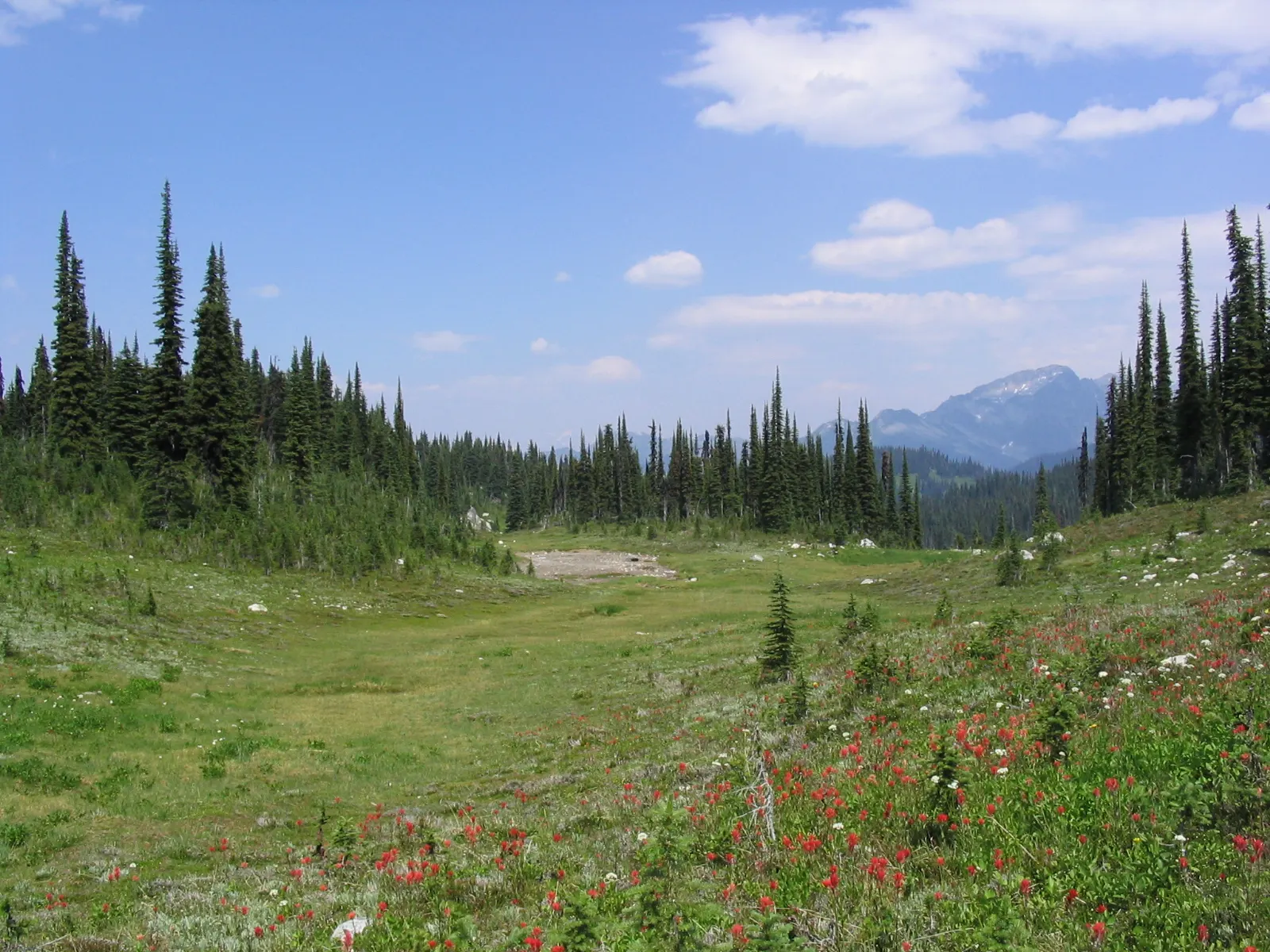
It is not only a winter town. Summer brings mountain biking, lake swims, hiking and alpine views, and the surrounding valley holds waterfalls, art museums and Indigenous cultural experiences that are worth a day on their own.
The village and the mountains
Whistler Village
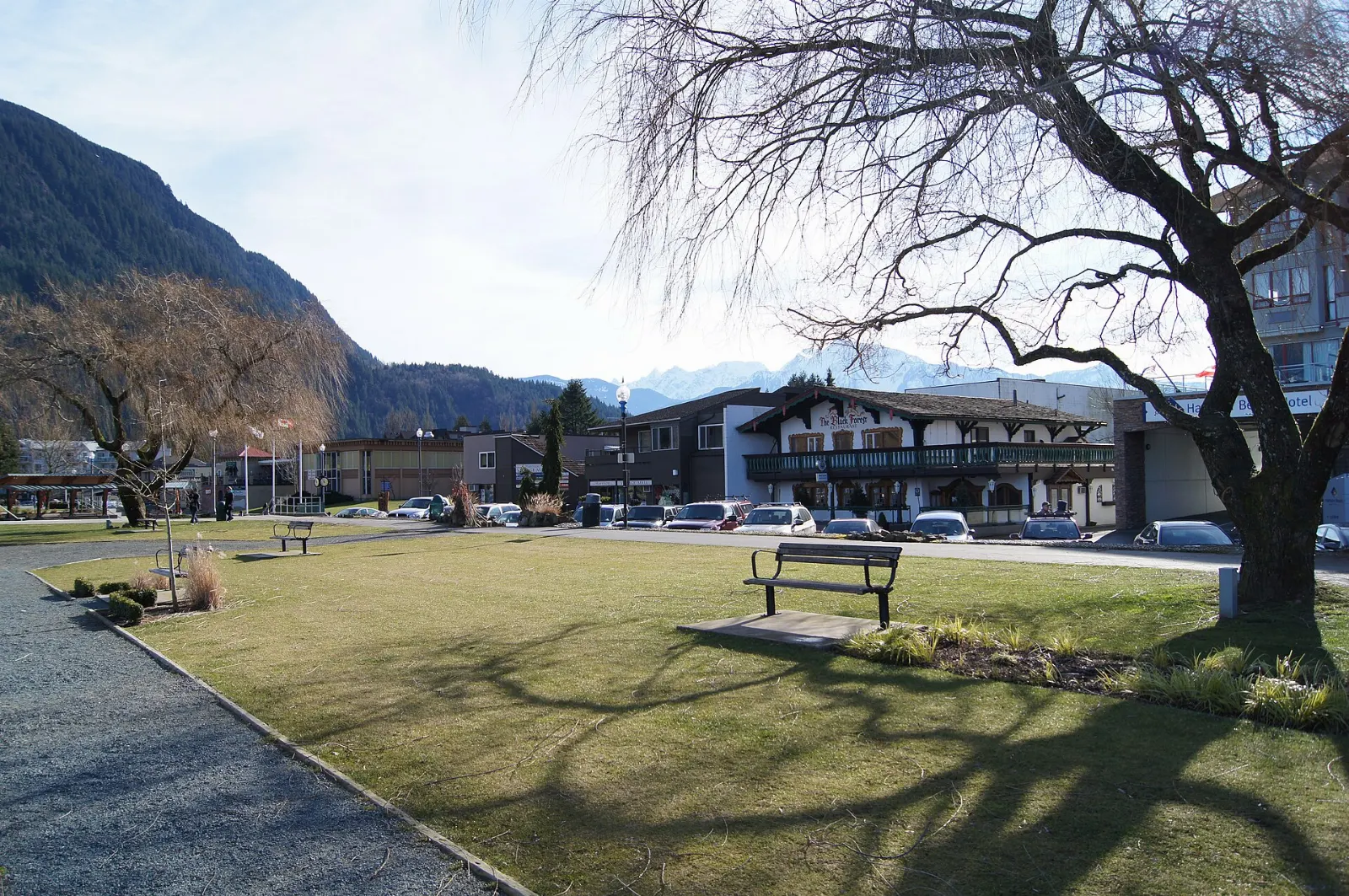
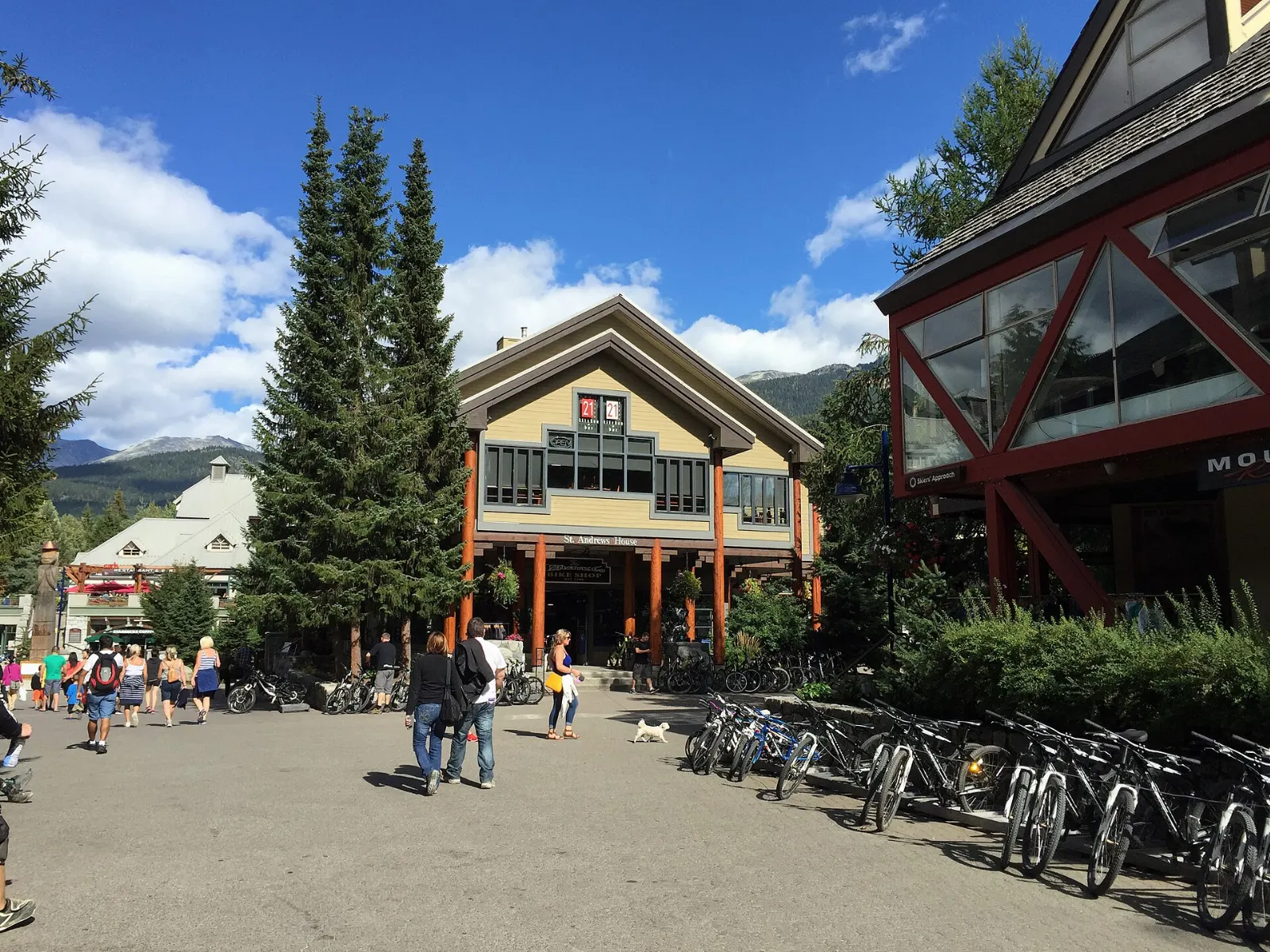
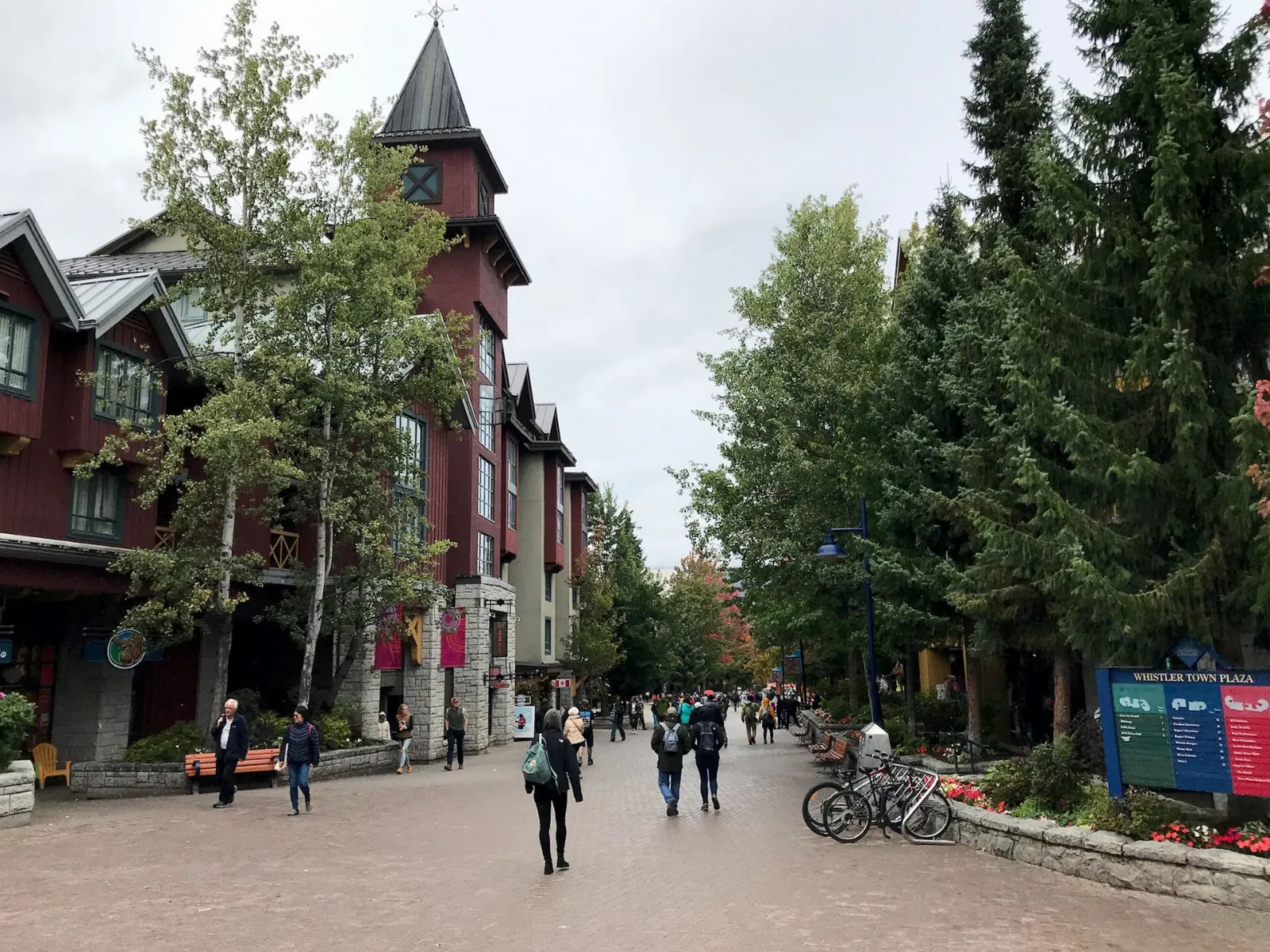
Whistler Village is the car-free heart of the resort, a pedestrian area at the foot of both mountains with shops, restaurants and lifts. Upper Village and Village North connect to it by short walks.
Peak 2 Peak Gondola
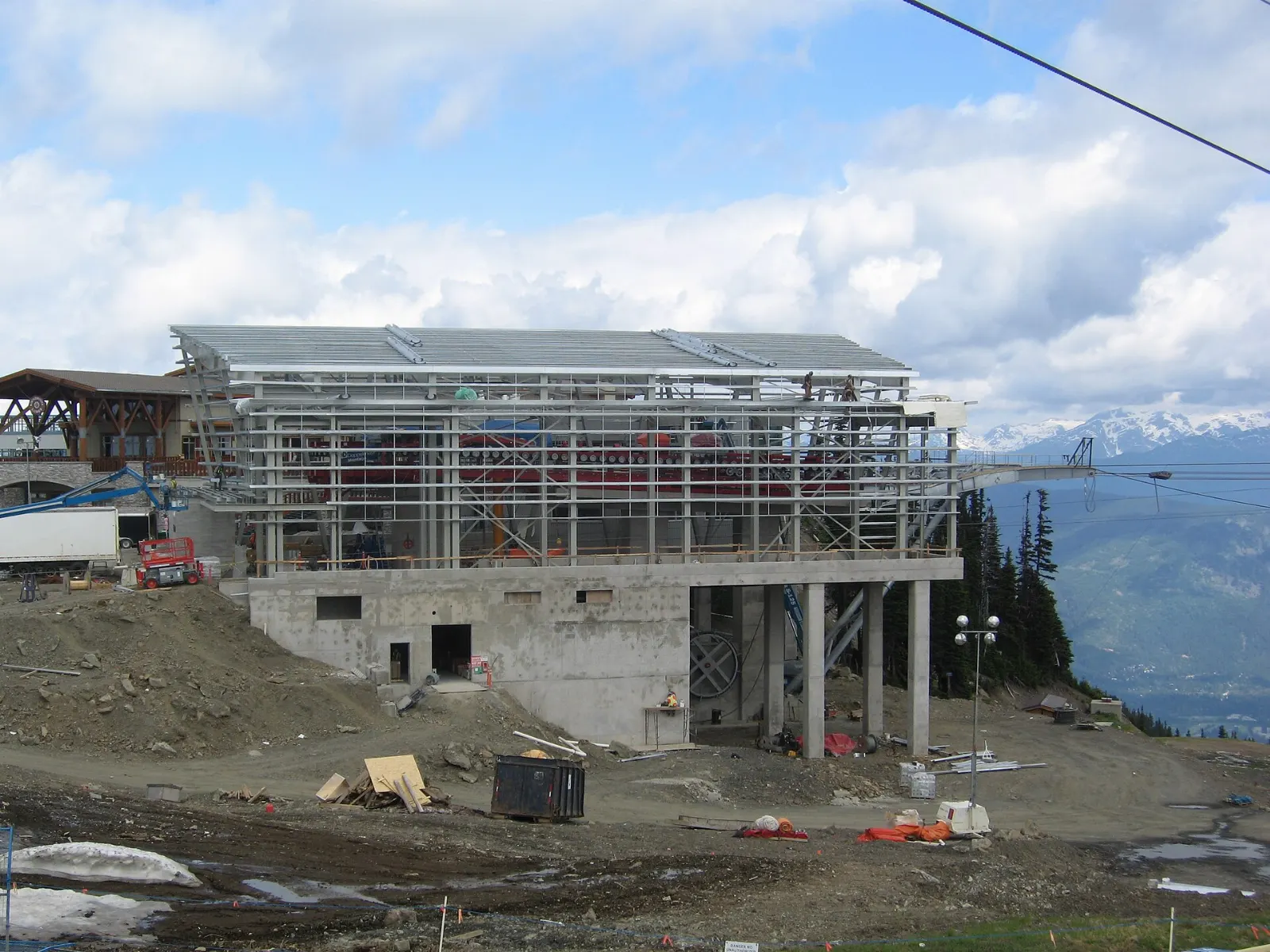
The Peak 2 Peak Gondola links Whistler Mountain and Blackcomb Mountain, running between the Roundhouse and Rendezvous lodges. When it opened, it held the world record for the longest free span between towers, and it still reaches an impressive height above the valley floor.
Whistler Mountain Bike Park
In summer the lifts carry riders and bikes up the slopes, with runs for every skill level. Even if you do not ride, you can watch from the village or take a scenic gondola trip.
Lost Lake
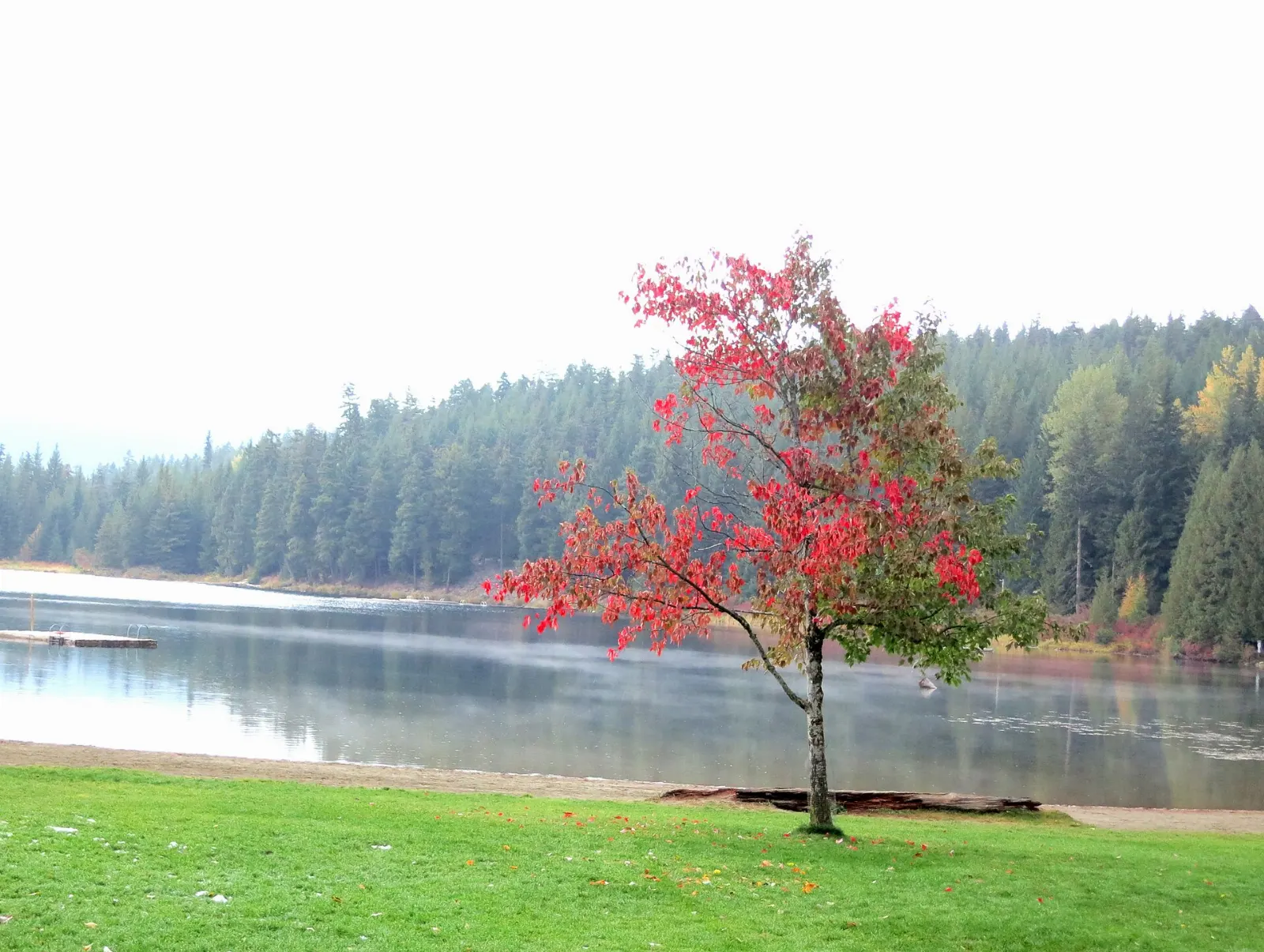
Lost Lake is a forested park a short distance from the village, reached by a Valley Trail walk or a quick ride. In summer you can swim and picnic, and in winter the trails are used for cross-country skiing.
Culture and art
Squamish Lil'wat Cultural Centre
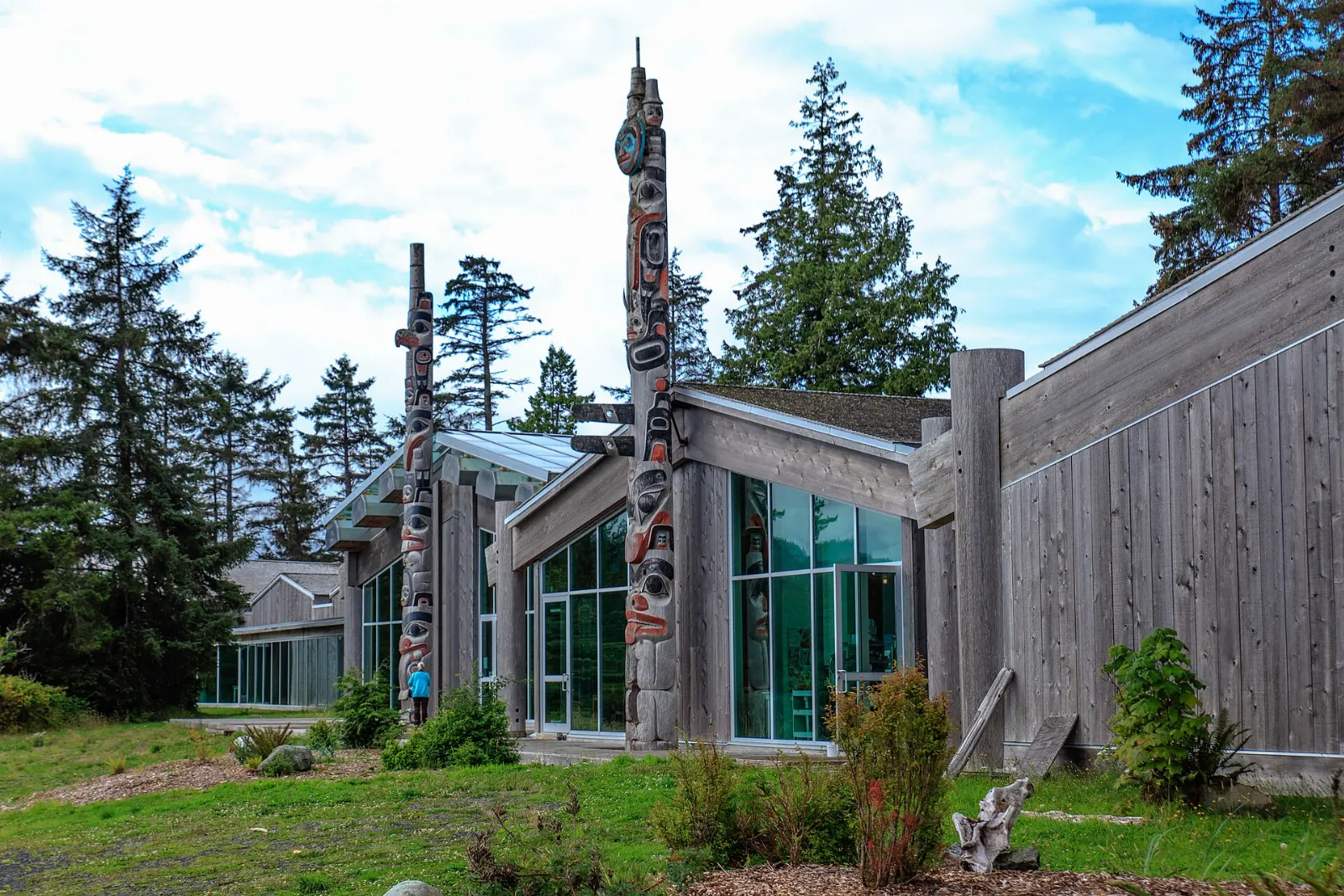
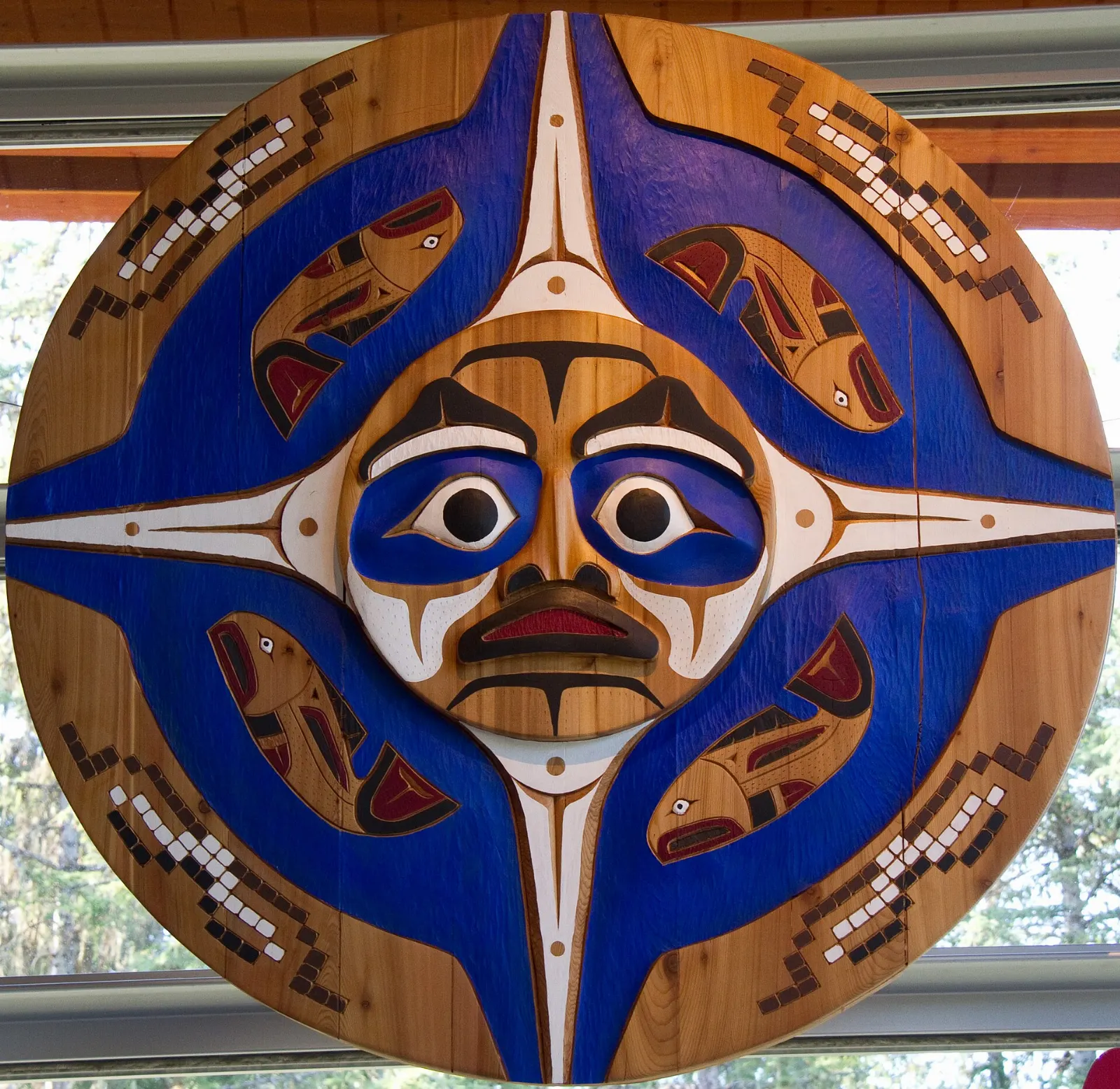
The Squamish Lil'wat Cultural Centre presents the art, history and living culture of the Squamish and Lil'wat First Nations, who are the hosts of this area.
Audain Art Museum
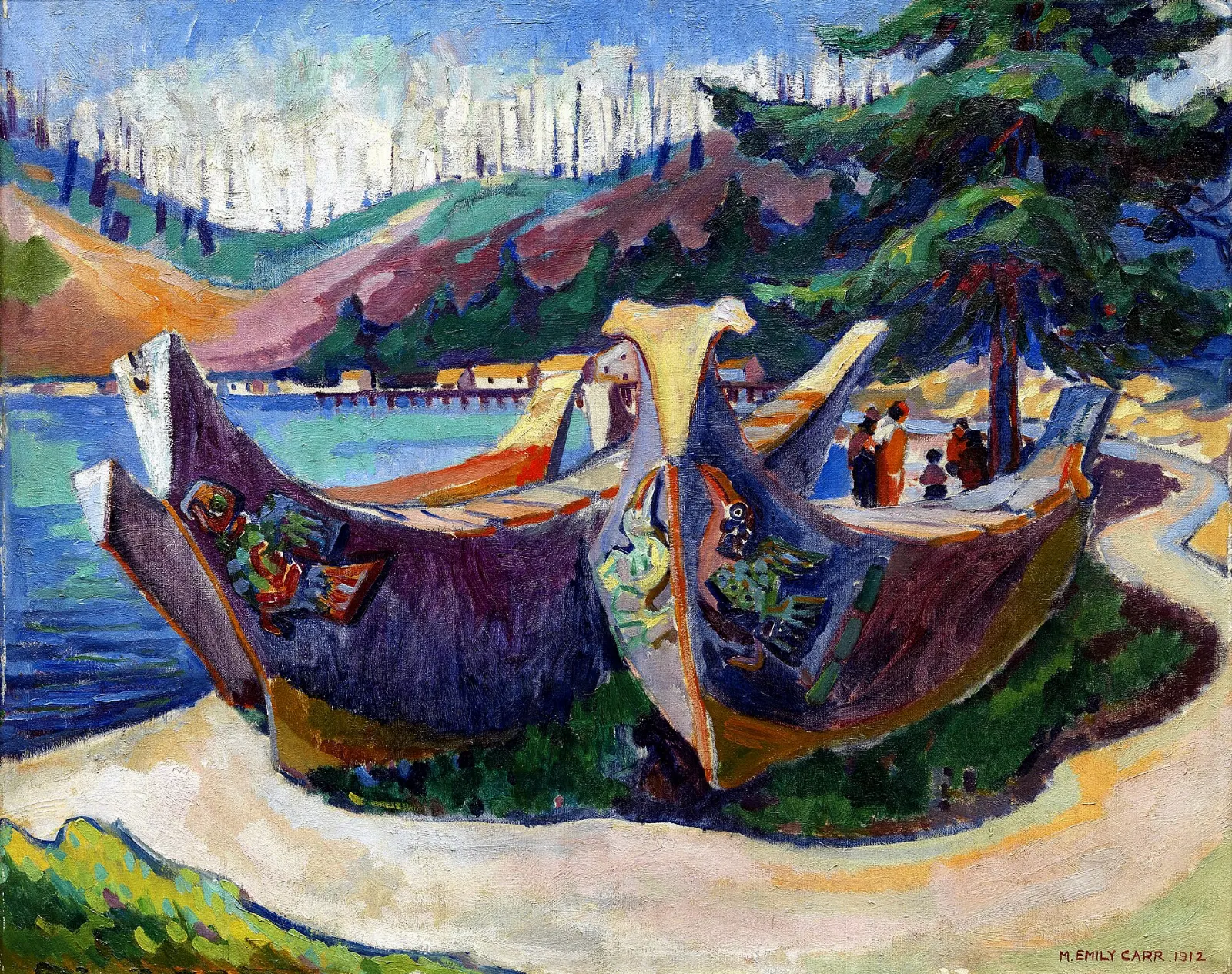
The Audain Art Museum is a striking building set among spruce and cedar, designed by Patkau Architects and opened in 2016. It holds a large collection of art from British Columbia, including works by Indigenous artists.
Whistler Museum
The Whistler Museum explains how a logging town called Alta Lake became a ski resort, and it covers wildlife, skiing history and the Olympic story. It is small, so it fits easily into a short visit.
Waterfalls, lakes and the Sea to Sky
Brandywine Falls
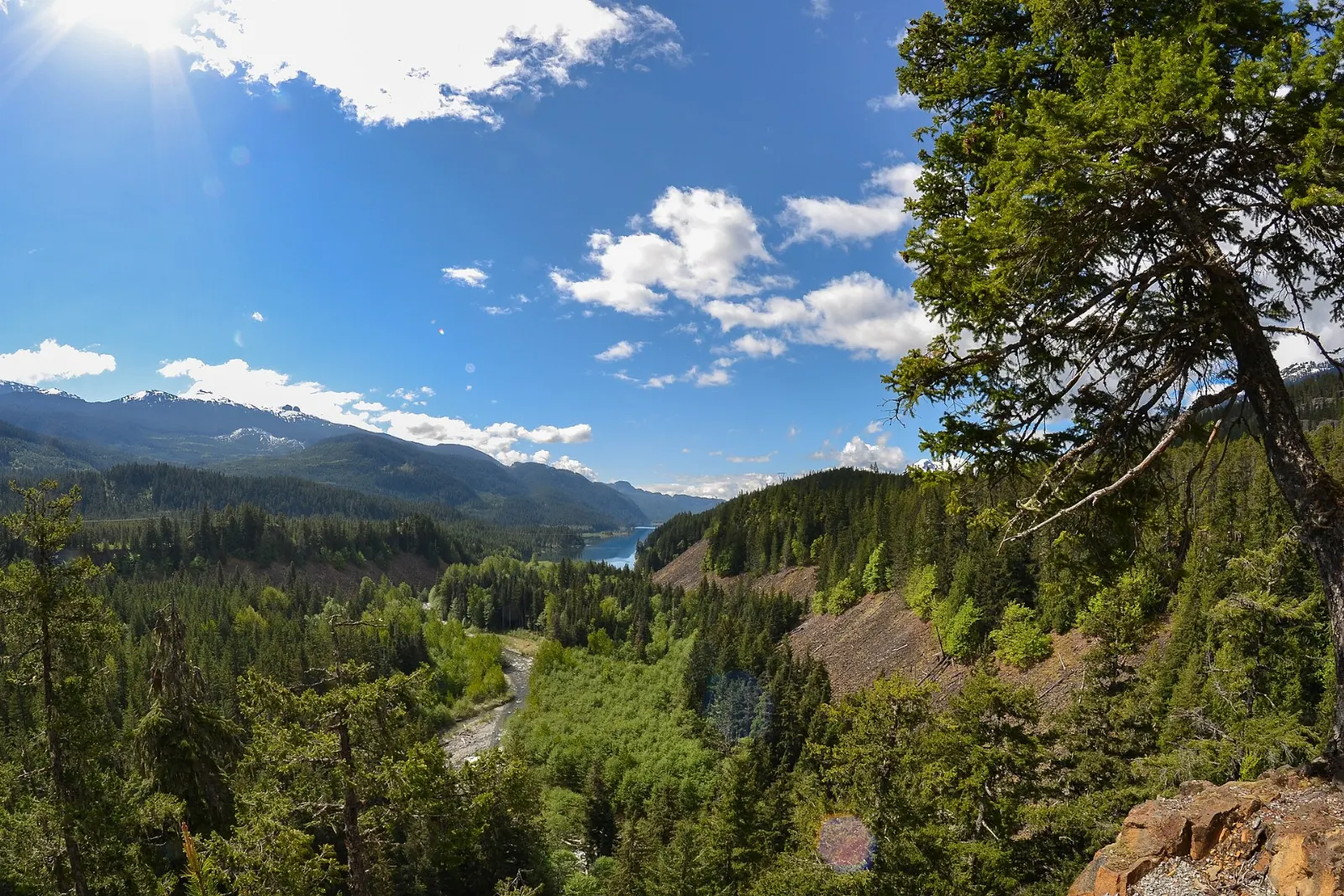
Brandywine Falls Provincial Park lies about eleven kilometres south of Whistler beside Highway 99.
Nairn Falls
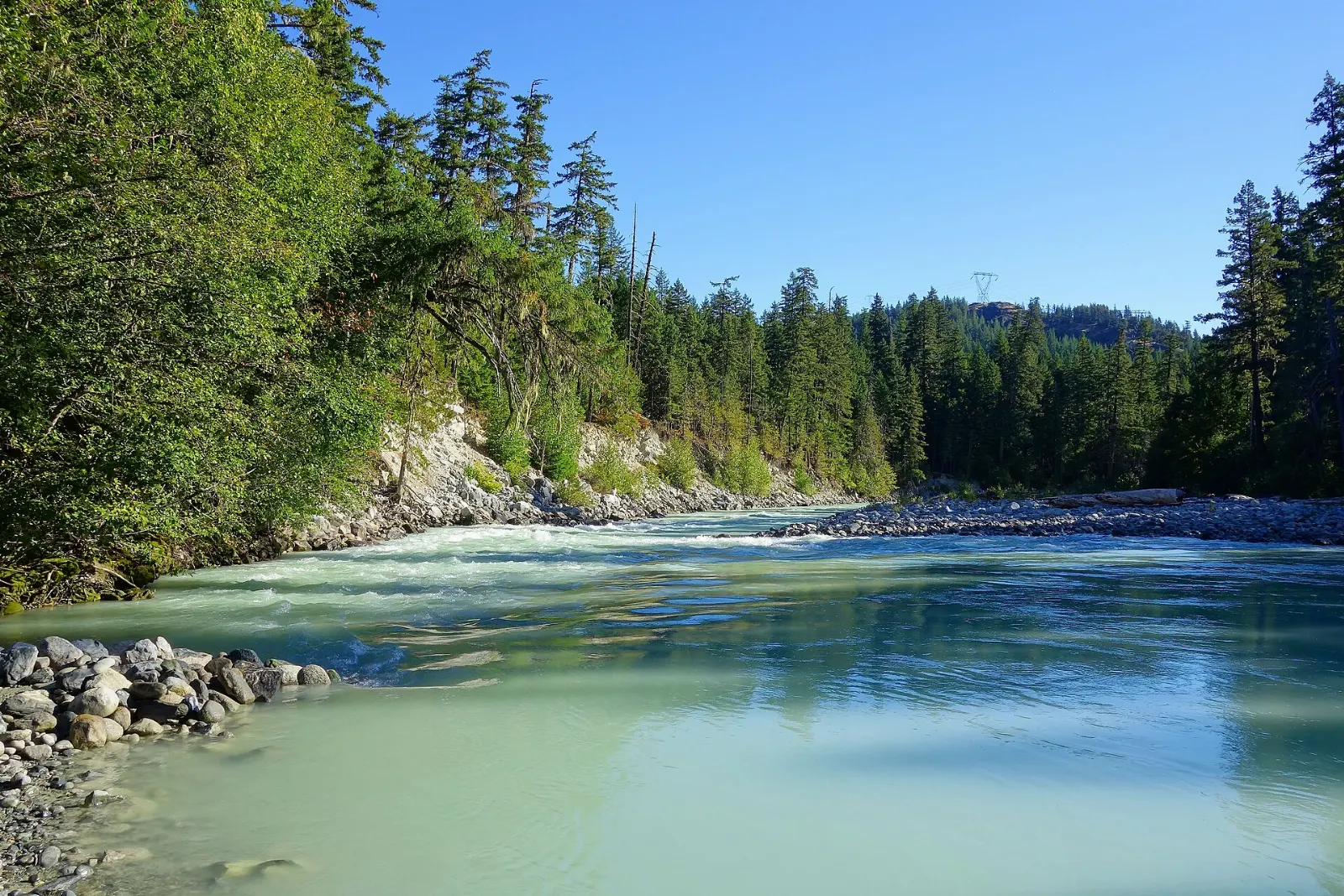
Nairn Falls Provincial Park is less than twenty minutes north of Whistler near Pemberton, on the Green River. The trail leads to a tiered waterfall that squeezes through a small canyon.
Joffre Lakes
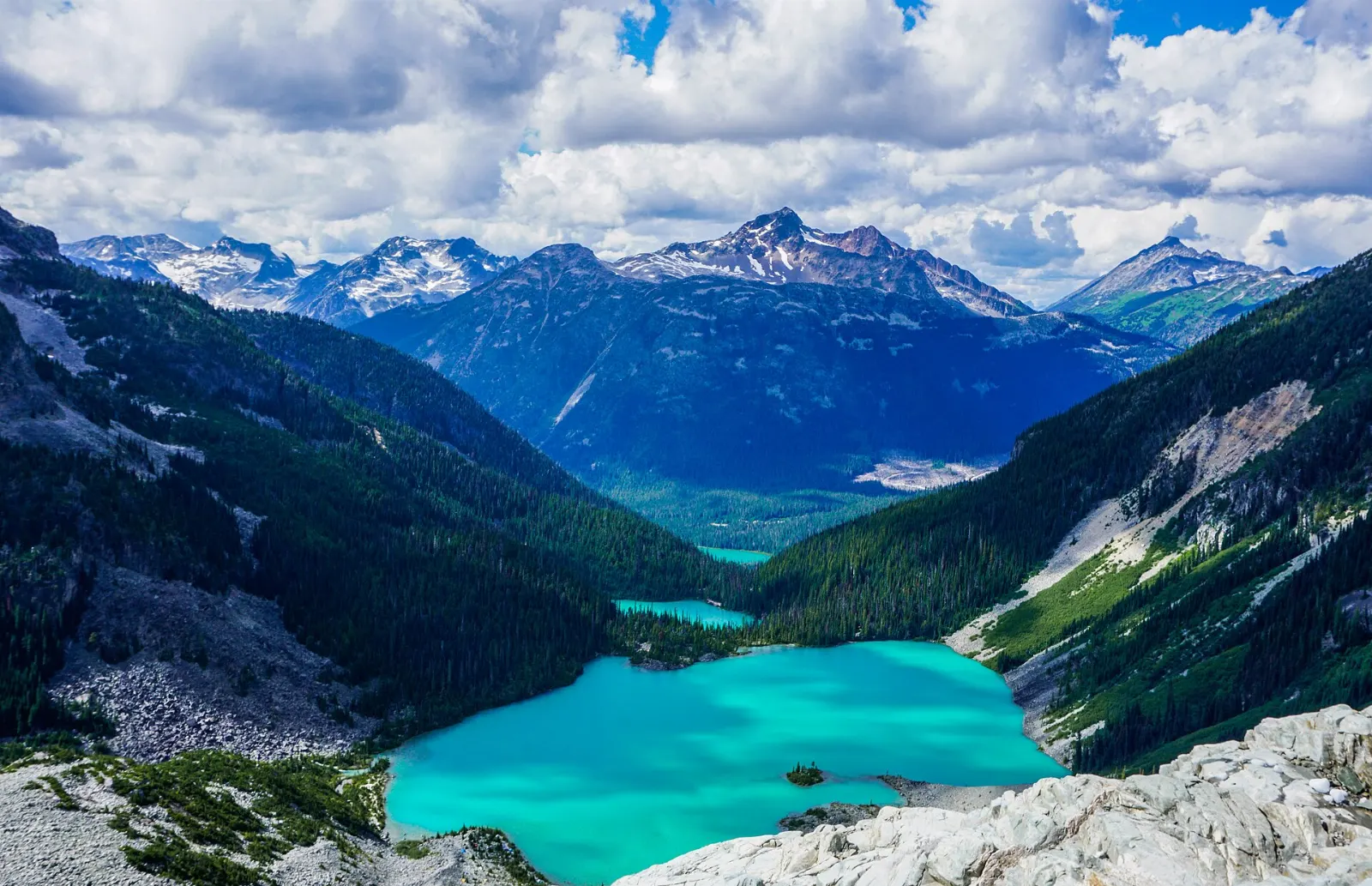
Joffre Lakes Provincial Park, east of Pemberton, protects three glacier-fed lakes with striking turquoise water. It is very popular, so check BC Parks for current access rules and any day pass requirements before you go, and start early.
Shannon Falls and the Sea to Sky Gondola
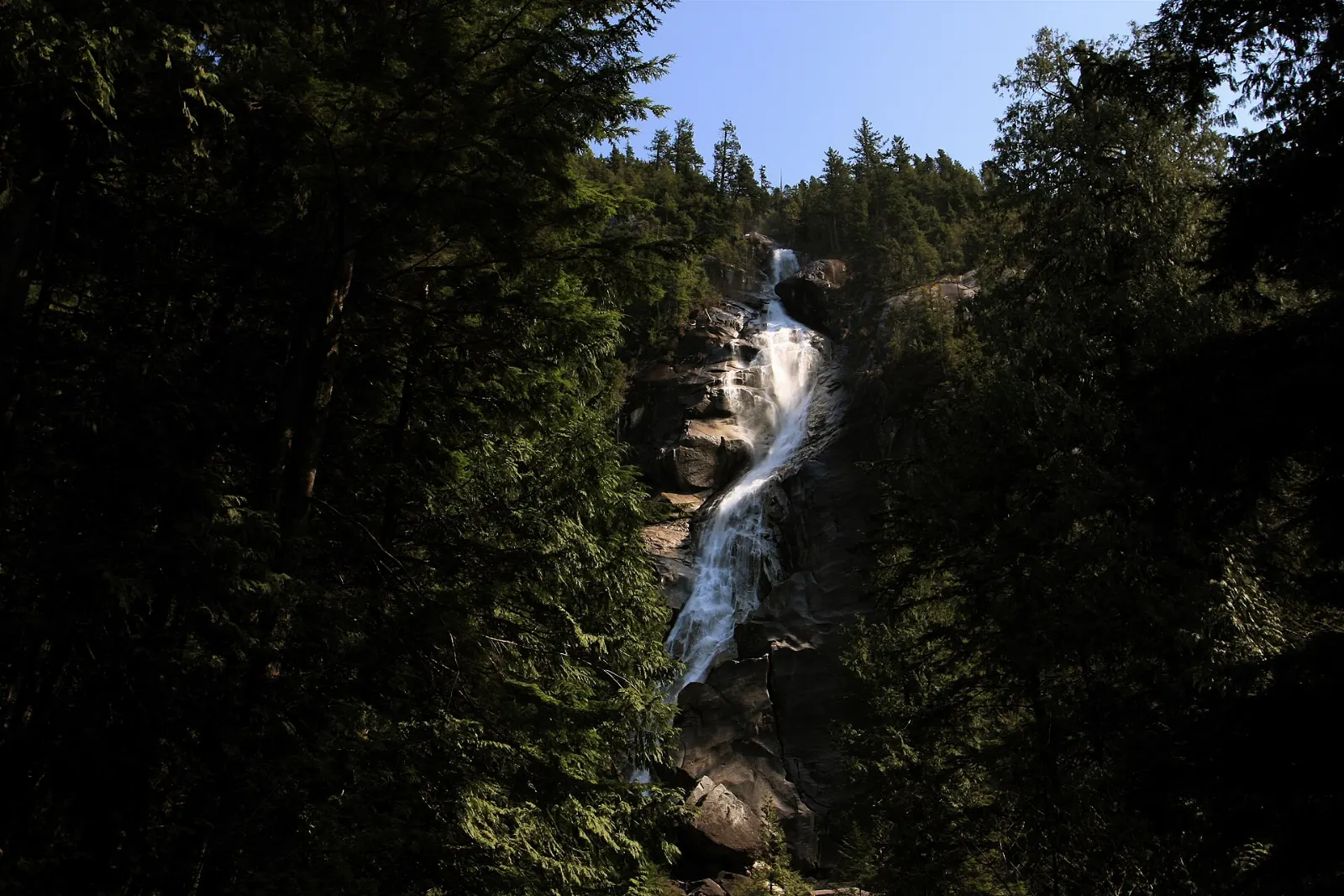
Near Squamish, Shannon Falls drops from a height of about 335 metres and is the third highest waterfall in British Columbia.
Whistler Olympic Park
West of Whistler in the Callaghan Valley, Whistler Olympic Park hosted the Nordic events for the 2010 Games and is a public area for cross-country skiing and snowshoeing in winter. Check current programmes before you set out.
 Planning a trip to Whistler?Compare hotels, flights and vacation rentals for Whistler on Expedia.Book now
Food and local flavors
Whistler's restaurants cover everything from casual pubs to elegant dining rooms, and many have fireplaces and patios. Poutine, fries with cheese curds and hot gravy, is a classic after a day on the slopes.
Look for craft beer in the village, and try a hot drink on the patio after a hike. Reserve dinner ahead during holidays and peak winter weekends.
Popular dishes to try in Whistler


Where to stay
Whistler Village suits first-time visitors and anyone who wants lifts, restaurants and shops within walking distance. It is lively, with plenty of evening activity, so expect some noise.
Upper Village sits at the base of Blackcomb and has a more polished, quieter feel. It suits couples and families who want a short walk to the mountain without the busiest streets.
Village North is smaller and a bit calmer, with restaurants and access to Blackcomb lifts and a beginners area.
Where to stay in Whistler


Best time to visit
Winter is the headline season, with snow typically on the ground from December into April. Both mountains open the fourth weekend of November, and the main ski season runs to late April, with spring skiing on one mountain until early June in some years.
Summer days can reach the high 20s Celsius, with cool nights, which is ideal for hiking and biking. Lifts close for maintenance from October to early November, and the shoulder seasons are quieter.
Getting there and getting around
The nearest large airport is Vancouver International Airport. Whistler is linked to the rest of the province by Highway 99, the Sea to Sky Highway, a scenic road along Howe Sound that takes about two to two and a half hours from Vancouver.
Once you arrive, Whistler Village is walkable and the Valley Trail is a paved path linking parks, lakes and neighbourhoods. BC Transit runs buses through town and to Pemberton, and routes in summer and winter include free services.
A suggested itinerary
First day
Walk Whistler Village, ride the Peak 2 Peak Gondola and enjoy dinner in the village.
Second day
Spend the morning at the Squamish Lil'wat Cultural Centre, then visit the Audain Art Museum and relax at Lost Lake.
Third day
Drive south to Brandywine Falls, Shannon Falls and the Sea to Sky Gondola, or head north for Nairn Falls and Joffre Lakes.
Practical tips
- Dress in layers, since weather changes quickly on the mountain.
- Book lifts, tours and dinners ahead in winter and during holidays.
- Check road and weather conditions before you drive Highway 99 in winter.
- Use the Valley Trail and buses to explore without a car.
- Confirm access rules for Joffre Lakes with BC Parks before you go.