Osoyoos is the southernmost town in the Okanagan Valley, just north of the border with Washington State. It is known for hot, dry summers, a warm lake, orchards and vineyards on every slope, and a desert-like landscape that surprises many first-time visitors.
AT A GLANCE
Best time
Summer for swimming, September and October for mild days and wine.
How long
Two or three days is enough for the lake, the desert and wineries.
Getting there
Drive on Highway 97 or Highway 3, or use a regional bus.
Why visit Osoyoos
The name comes from the Okanagan word sw̓iw̓s, which refers to a narrowing of the waters, a good description of the lake where the shores almost meet.
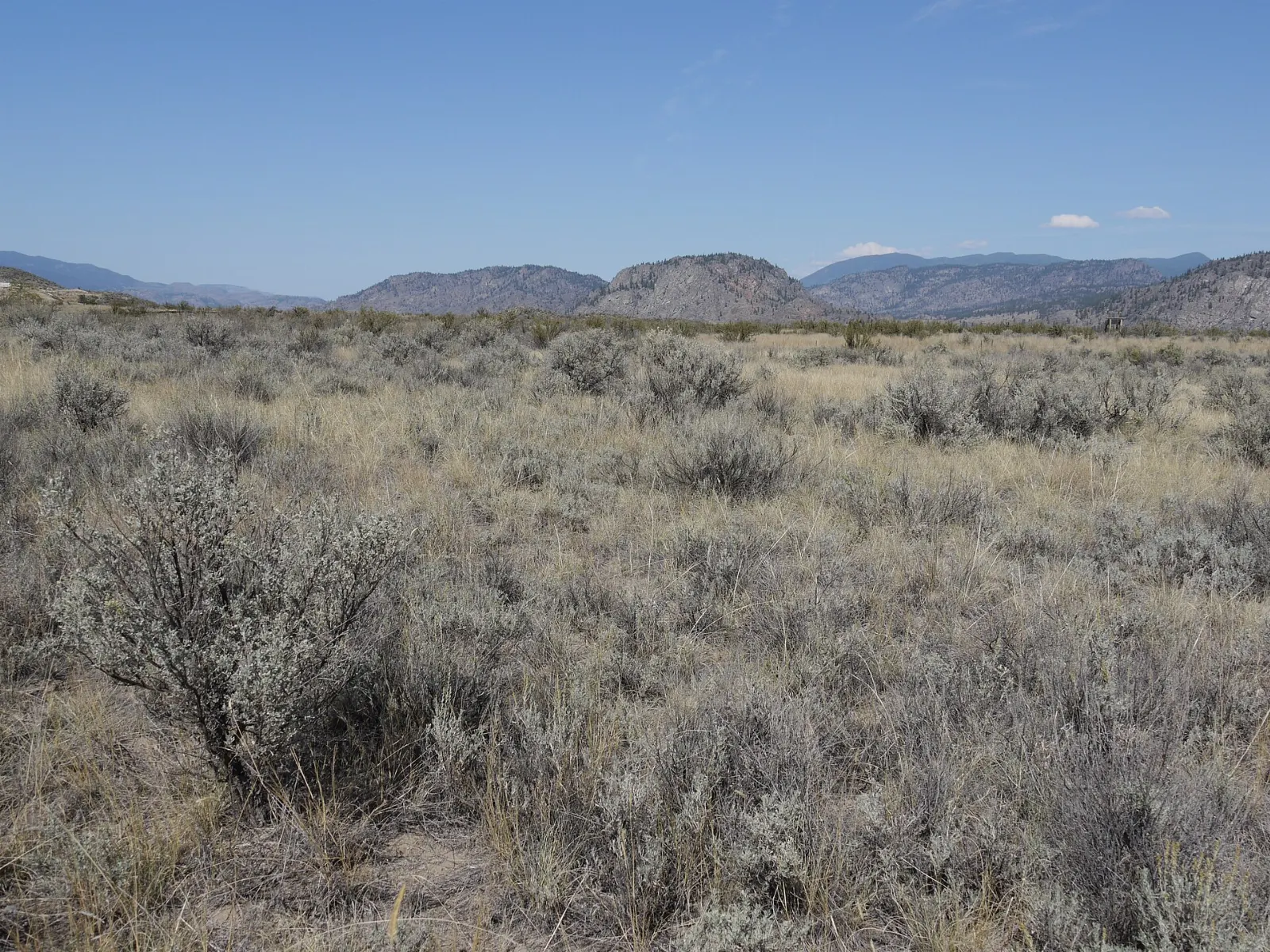
The area is semi-arid and has some of the warmest average temperatures in Canada. Summers are hot and dry, spring arrives early, and the landscape of sagebrush, rocky hills and green orchards feels very different from the rest of British Columbia.
Fruit growing and wine making are the main industries alongside tourism, and the town is also popular with people who spend their winters in a milder climate.
The lake and the waterfront
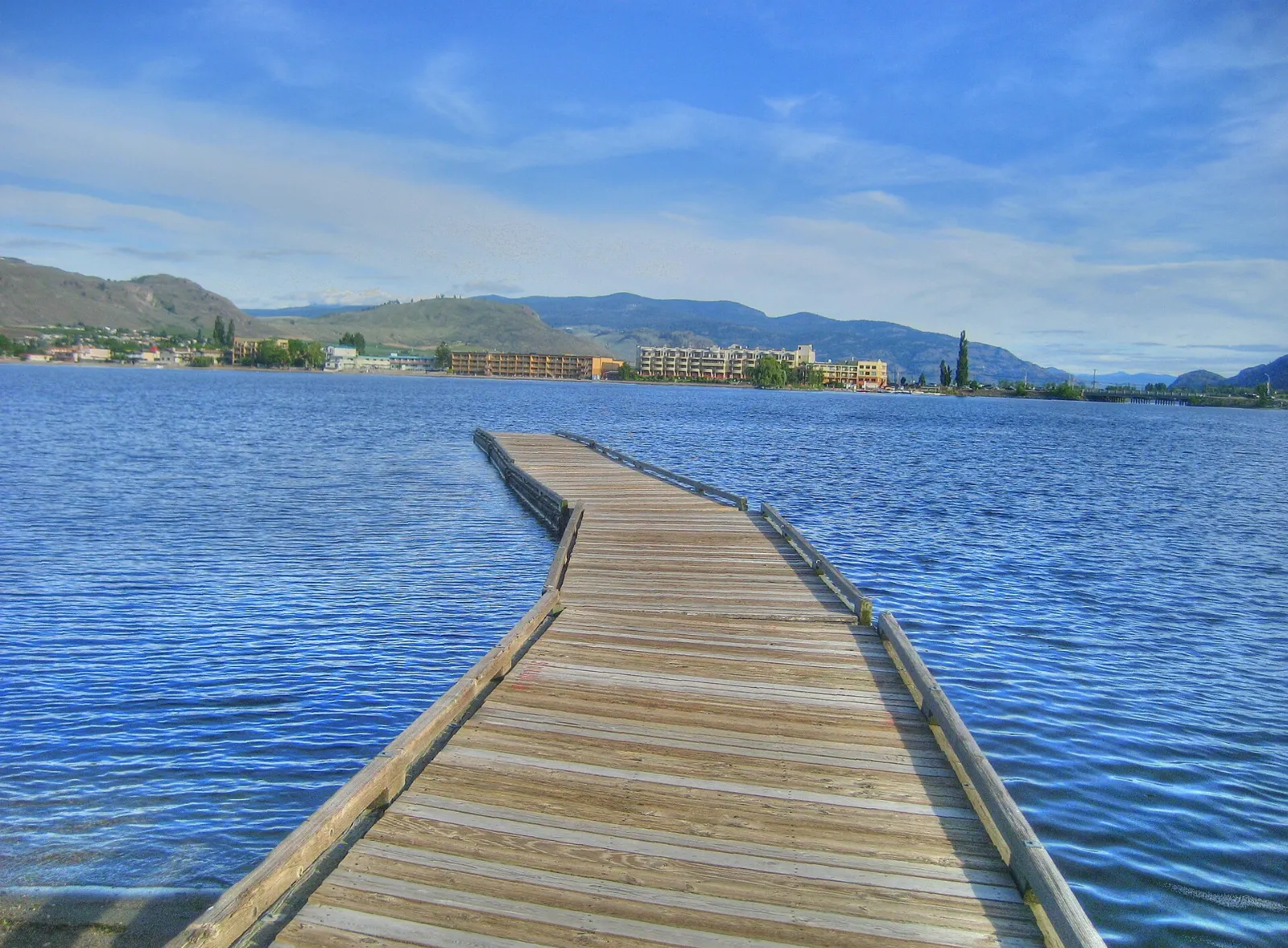
Osoyoos Lake
The lake is widely described as the warmest freshwater lake in Canada, and its summer water temperatures draw swimmers, boaters and anglers. Around it are kilometres of public and private beaches, parks and picnic grounds.
Pioneer Walkway
This lakeside path runs through the middle of the motel district and is one of the easiest places to take in the scenery.
sw̓iw̓s Provincial Park
Formerly known as Haynes Point Provincial Park, this park sits on a narrow spit of land reaching into the lake at the southwest end of town. Warm water and sandy beaches make it a favorite for swimming and camping.
Desert, culture and wine
Nk’Mip Desert Cultural Centre
Owned and operated by the Osoyoos Indian Band, this centre explains the desert environment and the culture of the Okanagan people. Outdoor trails lead past reconstructed traditional buildings, and a rattlesnake research program studies local snakes.
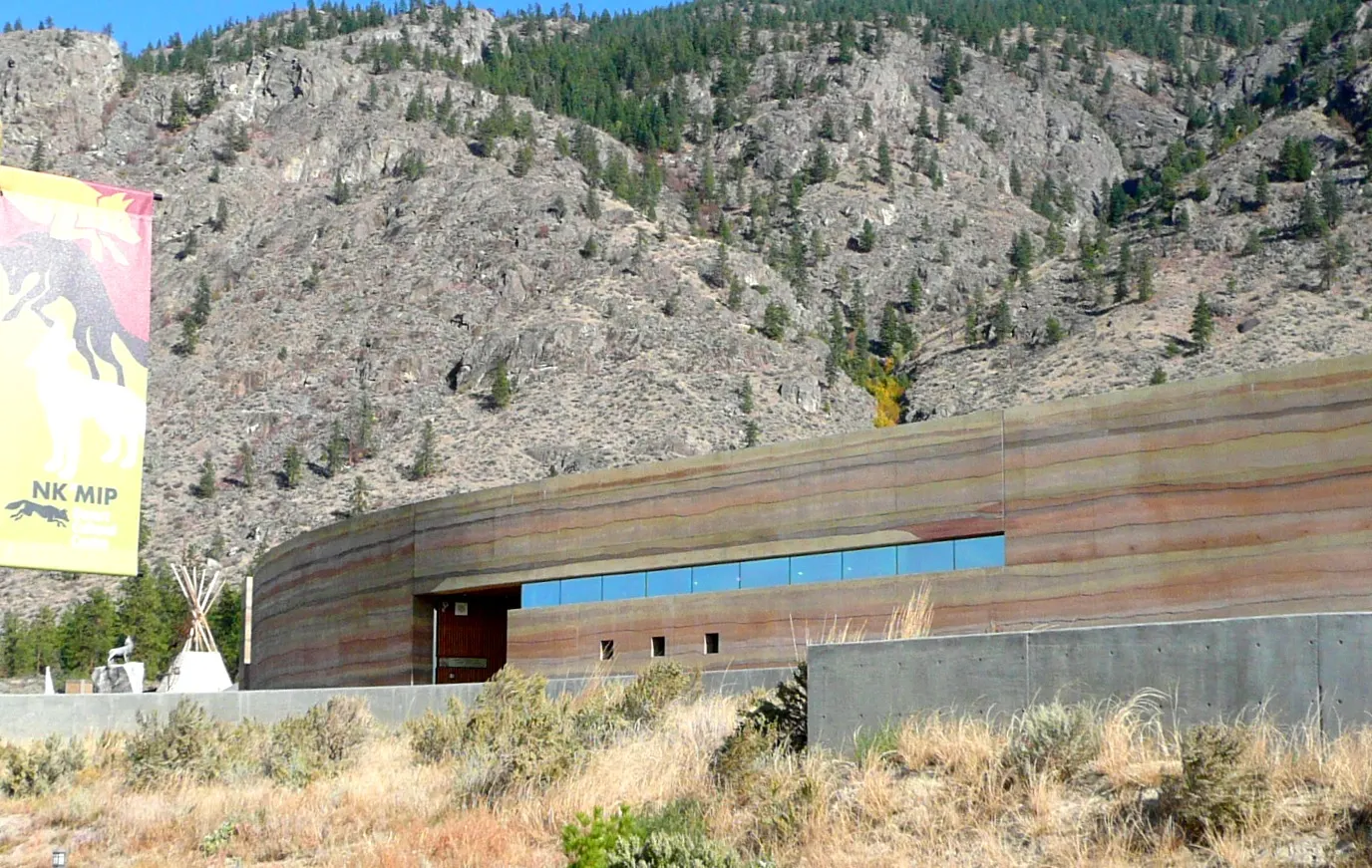
Nk’Mip Cellars
Next door to the centre, this winery is described as the first Indigenous-owned winery in North America. It offers daily tastings, and special events that pair local food with its wines.
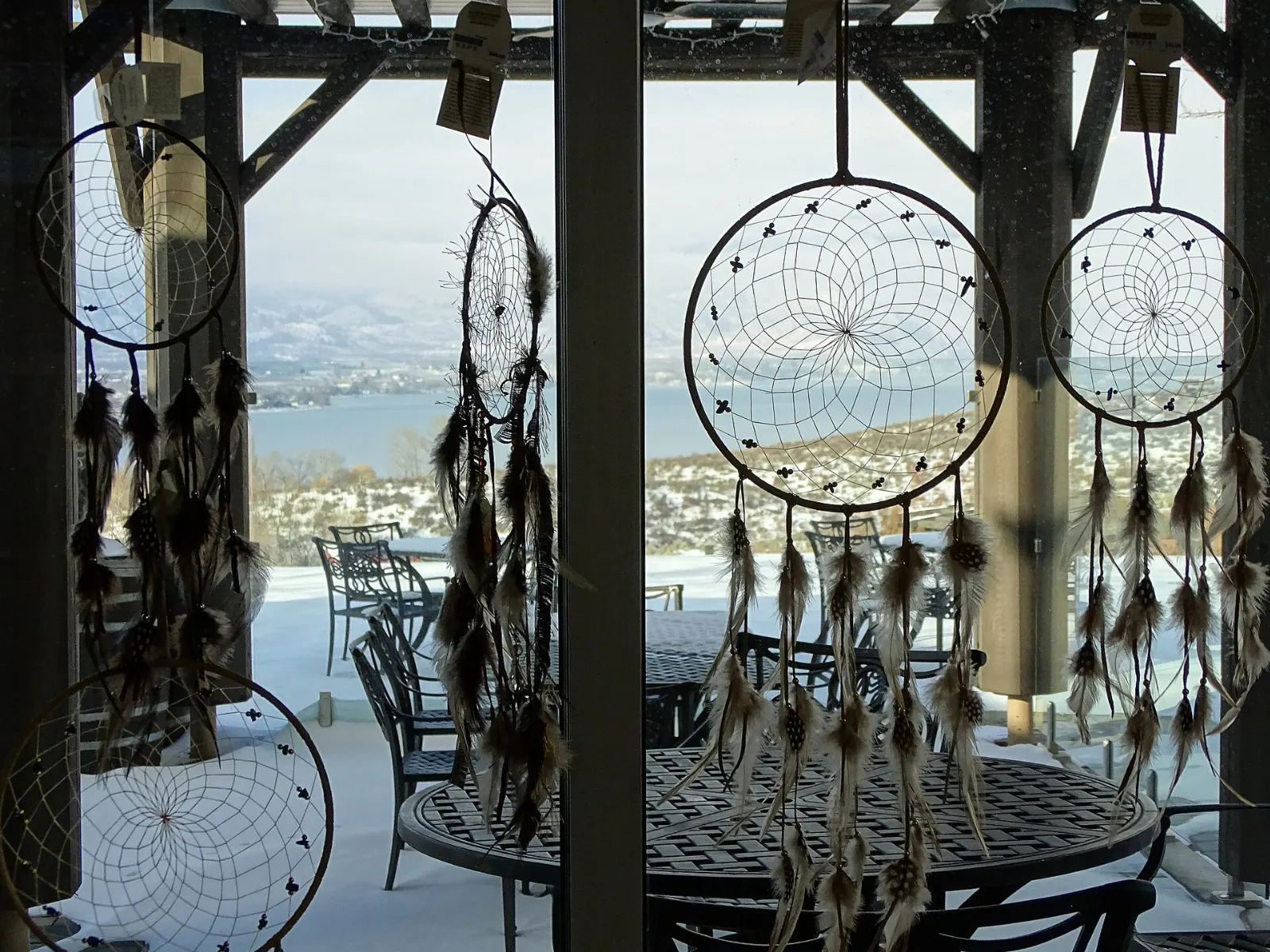
Osoyoos Desert Centre
A second centre, about three kilometres north of town off Highway 97, works to protect the local desert ecosystem. The area is part of a threatened shrub-steppe habitat, so stay on the paths and give wildlife space.
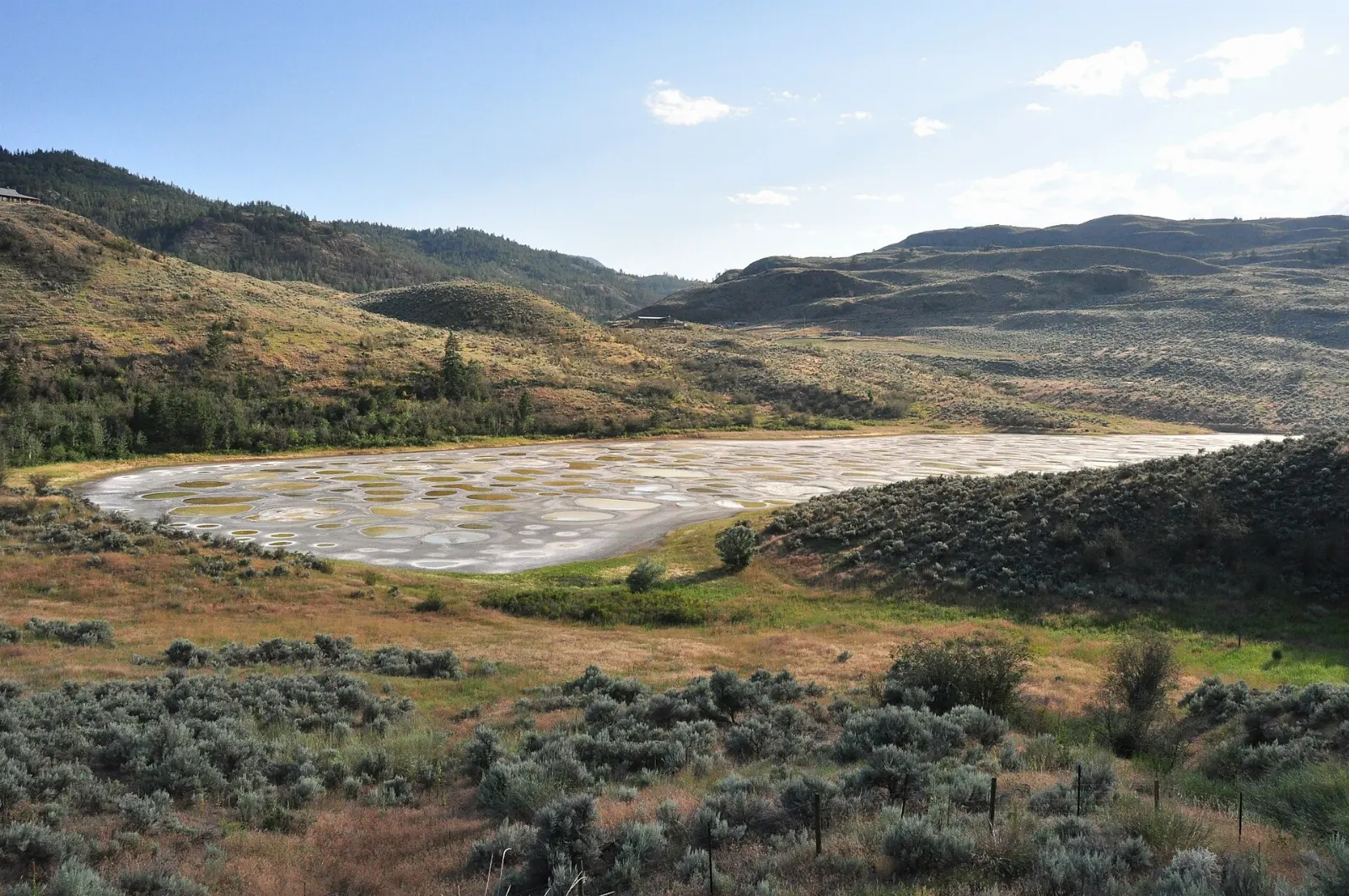
Spotted Lake
Northwest of town along Highway 3, Spotted Lake is a saline lake whose water evaporates over summer and leaves colourful mineral spots.
Views, history and orchards
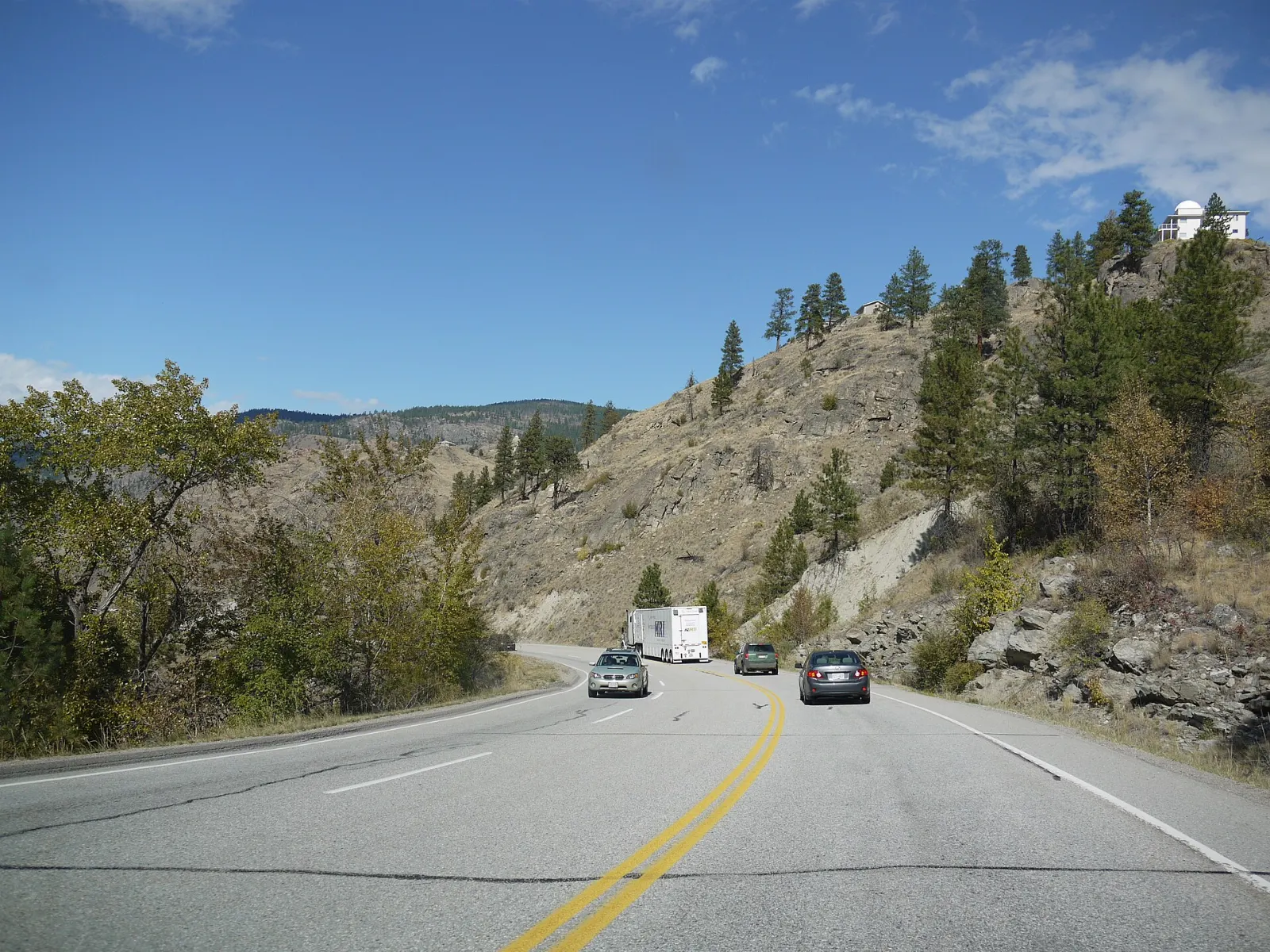
Anarchist Mountain viewpoint
Travel east on Highway 3 for roughly ten kilometres, and the road climbs sharply out of the valley.
Osoyoos Museum
The museum covers local history, including the early customs house, pioneer artifacts and police history.
The Art Gallery Osoyoos
On Main Street, this volunteer-run gallery shows and sells work by local artists. It is a short stop between meals, and it is wheelchair accessible.
Orchards and fruit stands
Fruit stands line Highways 3 and 97, selling cherries, peaches and other seasonal produce, as well as juices. Stop at one for a picnic, and ask what is ripe that week.
Food and local flavors
Osoyoos eats what it grows. Orchards here produce cherries in early summer, along with apricots, nectarines, peaches, plums, pears and apples, and roadside stands sell them fresh. Buy a bag, find a shady bench by the lake and eat them on the spot.
The south Okanagan is also a major wine region, so a tasting is a classic activity. Try a glass of Okanagan wine at a vineyard patio, and ask staff about pairings.
Popular dishes to try in Osoyoos


Where to stay
Osoyoos is small, but each area gives you a different kind of stay.
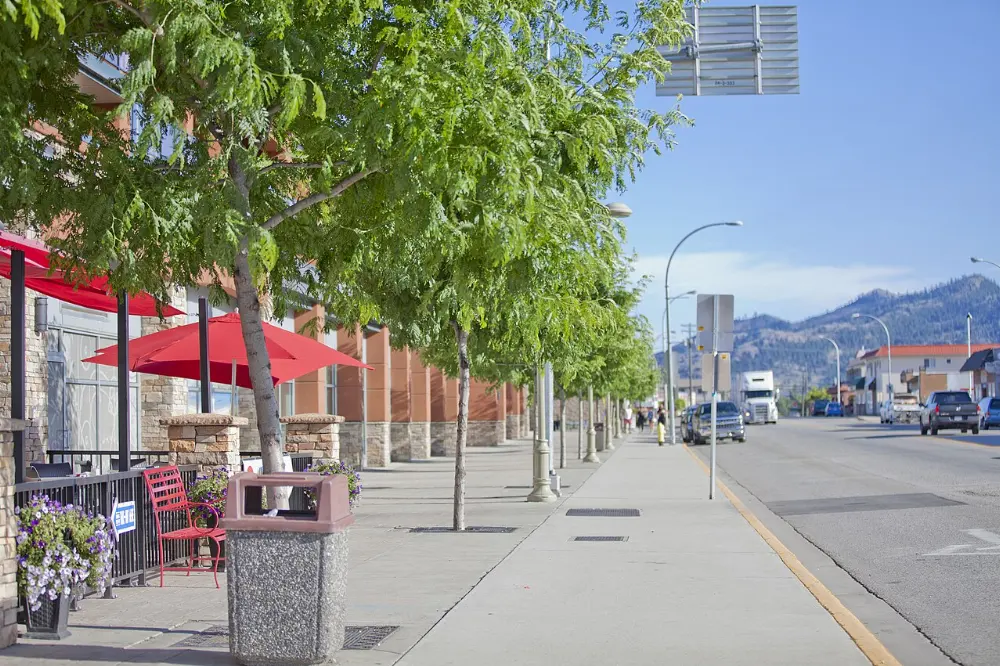
Downtown Osoyoos has restaurants, shops and the museum within walking distance, which suits travelers who prefer to leave the car parked. Lakeshore Drive runs by the water and has beachfront motels and resorts, a good match for families who want to swim straight from their door.
Lakeside campgrounds offer sandy sites, RV hookups and tent areas, and they suit campers and budget travelers. Book early, because summer sites fill quickly.
Where to stay in Osoyoos


Best time to visit
July and August are hot and dry, with daytime temperatures that average near thirty degrees Celsius and occasional heat waves above that. These months are best for swimming and boating.
Spring arrives early, usually with pleasant weather by April, and spring and fall wine festivals draw visitors. September and October are usually warm and dry with cool mornings, which makes them a favorite for tastings and desert walks.
Getting there and getting around
Most visitors arrive by car. Osoyoos is about four hundred kilometres east of Vancouver at the junction of Highways 97 and 3.
The closest large airport is Kelowna, with a regional airport at Penticton. BC Transit route 40 links Penticton and Osoyoos on weekdays, and a regional bus service also stops in town.
The town is small enough to walk or cycle, and bikes and scooters can be rented. A car is the best choice for wineries, Spotted Lake and Anarchist Mountain, though wine tour operators are an option if you want to taste without driving.
A suggested itinerary
First day
Spend the morning at the lake, then walk the Pioneer Walkway and visit the museum.
Second day
Visit the Nk’Mip Desert Cultural Centre, taste wine next door, then drive to the Anarchist Mountain viewpoint and Spotted Lake.
Third day
Pick fruit stand treats, relax at sw̓iw̓s Provincial Park, or drive north to Oliver for more tastings.
Practical tips
- Bring sunscreen, a hat and plenty of water, because summer sun is intense.
- Reserve lakeside campsites and summer lodging well in advance.
- Check museum and centre hours before you go, as many are seasonal.
- Do not enter Spotted Lake, and respect the signage at this sacred site.
- Plan a designated driver or a tour for winery visits.