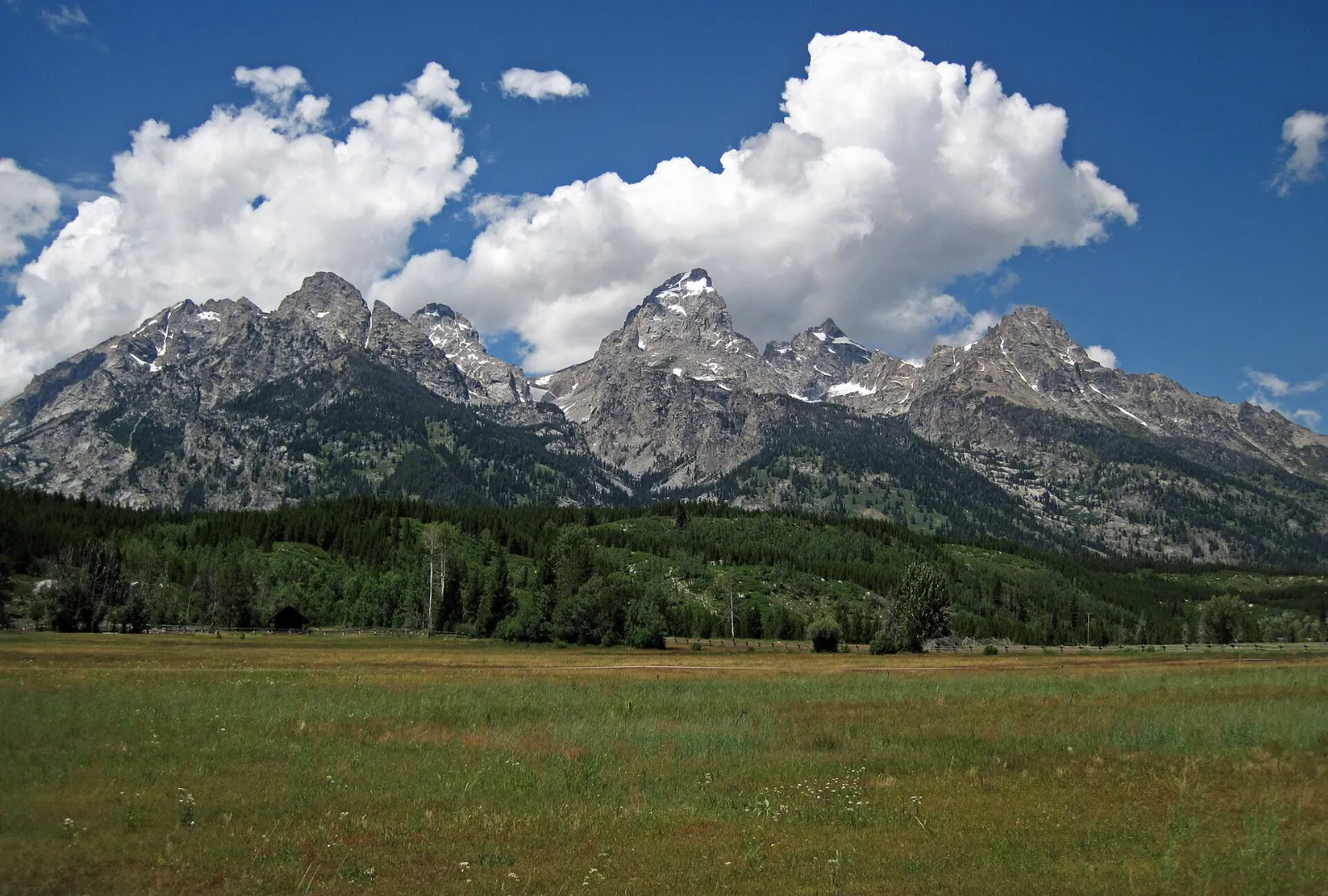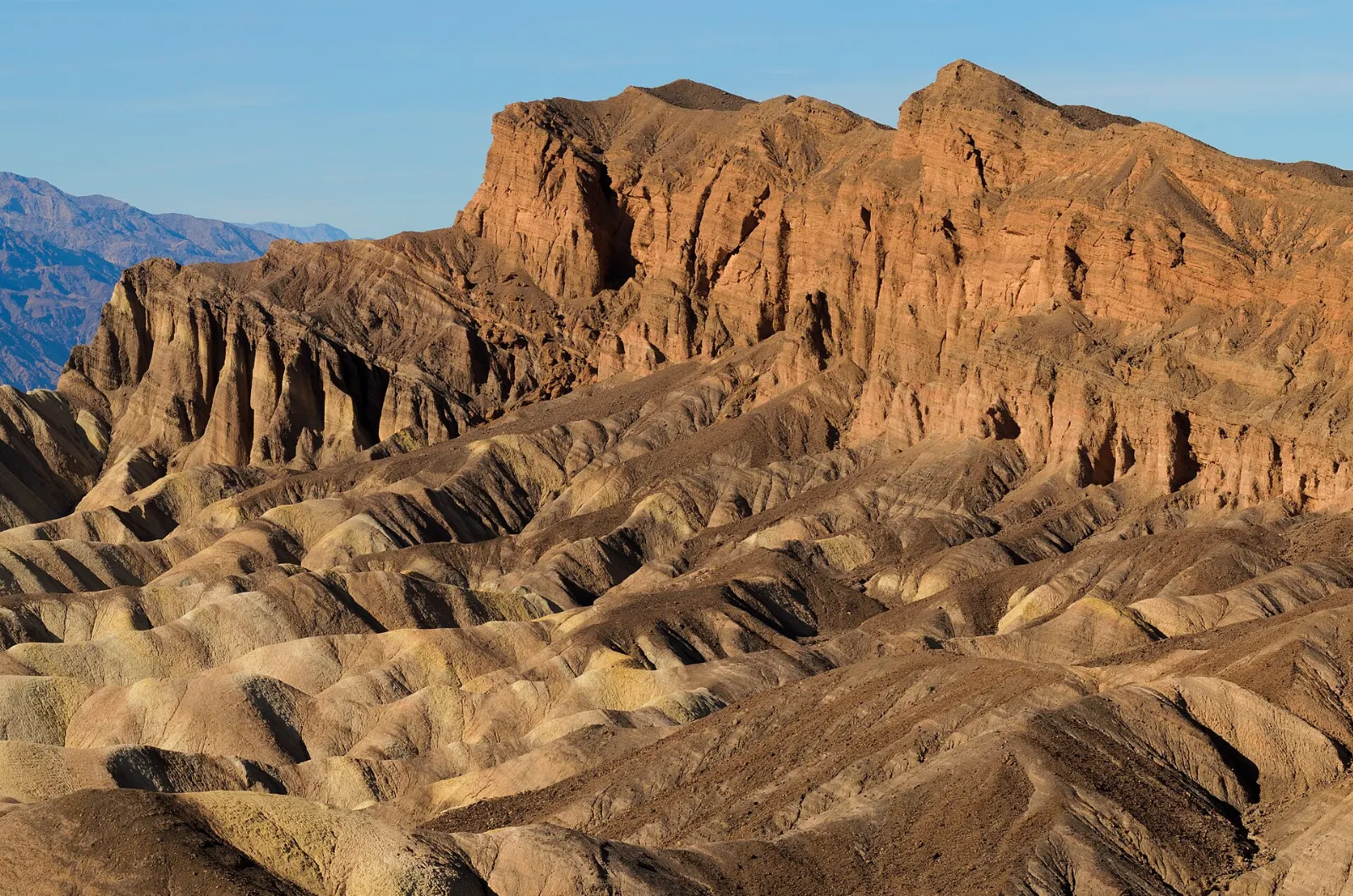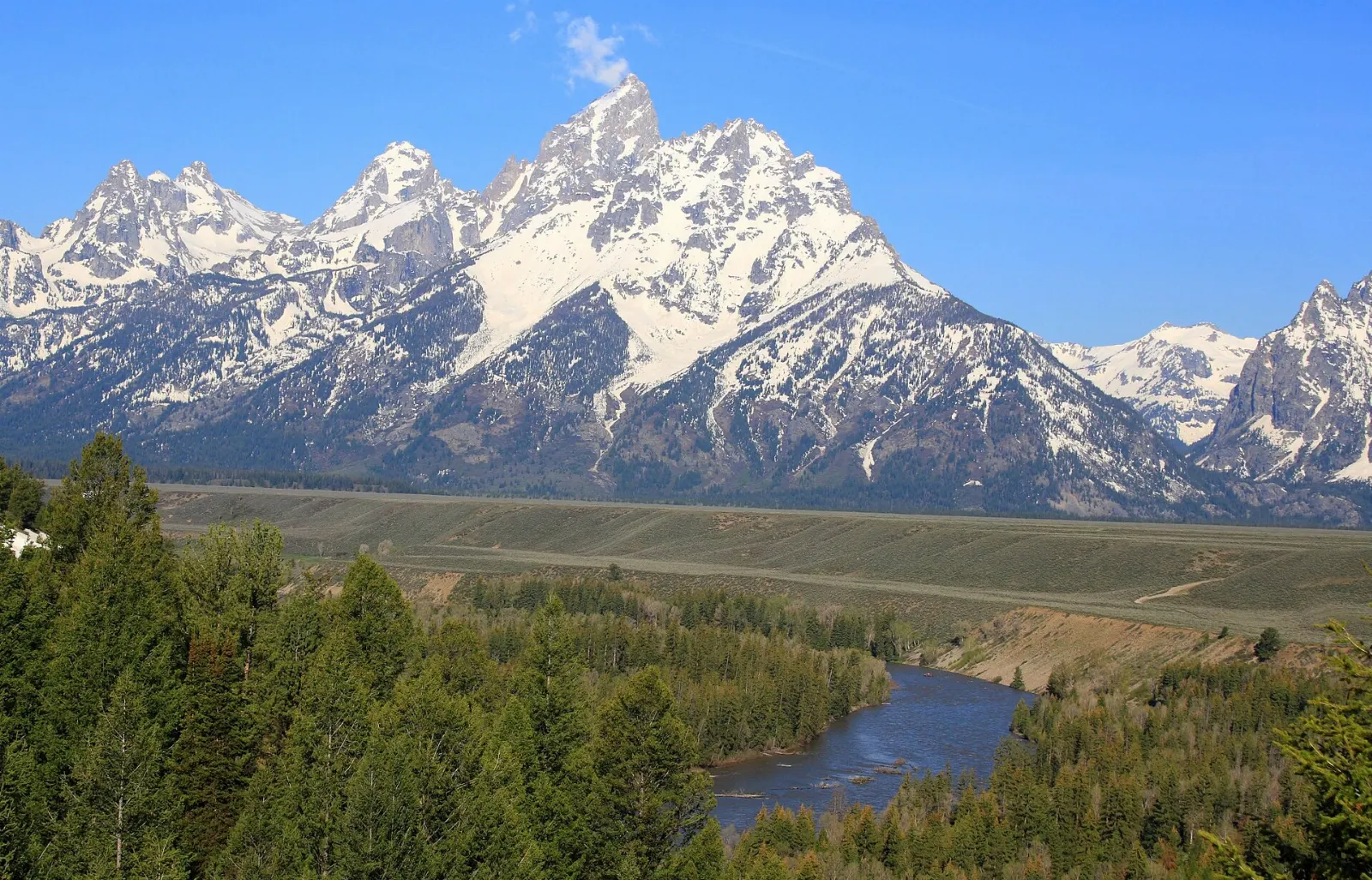
Grand Teton National Park protects one of the most striking mountain fronts in North America. The Teton Range rises abruptly from the valley floor of Jackson Hole, with the Grand Teton itself reaching 13,775 feet.
AT A GLANCE
Best time
Mid-June through September; September for fall color, elk and fewer people.
How long
Three to four days, or more with Yellowstone to the north.
Getting there
Jackson Hole Airport sits inside the park; the town of Jackson is the main gateway.
Why visit Grand Teton National Park
The Tetons are one of the youngest mountain ranges in the Rocky Mountains, and because there are no foothills, they tower directly over the lakes and meadows below.
Beyond the views, the park offers excellent wildlife watching, with moose in the willows, bison and pronghorn on the flats, and both black and grizzly bears in the forests. Historic homesteads, a pioneer ferry and a log chapel tell the story of the people who settled the valley.
Jenny Lake and the central lakes
Jenny Lake
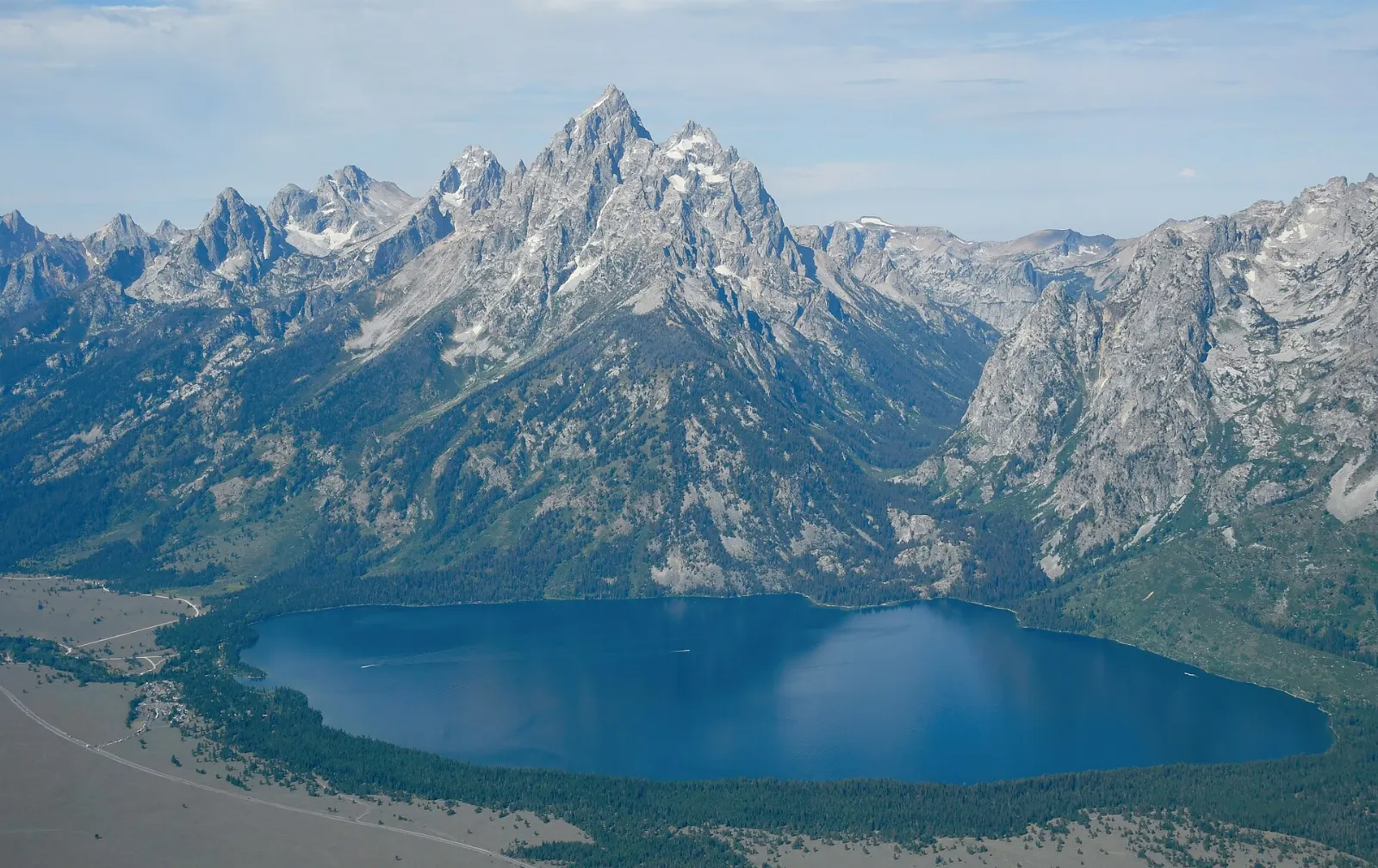
Jenny Lake is the heart of the park, a clear glacial lake set directly beneath Teewinot Mountain and the mouth of Cascade Canyon. The Jenny Lake Visitor Center and plaza offer interpretive exhibits and access to the lakeshore trail.
Hidden Falls, Inspiration Point and Cascade Canyon
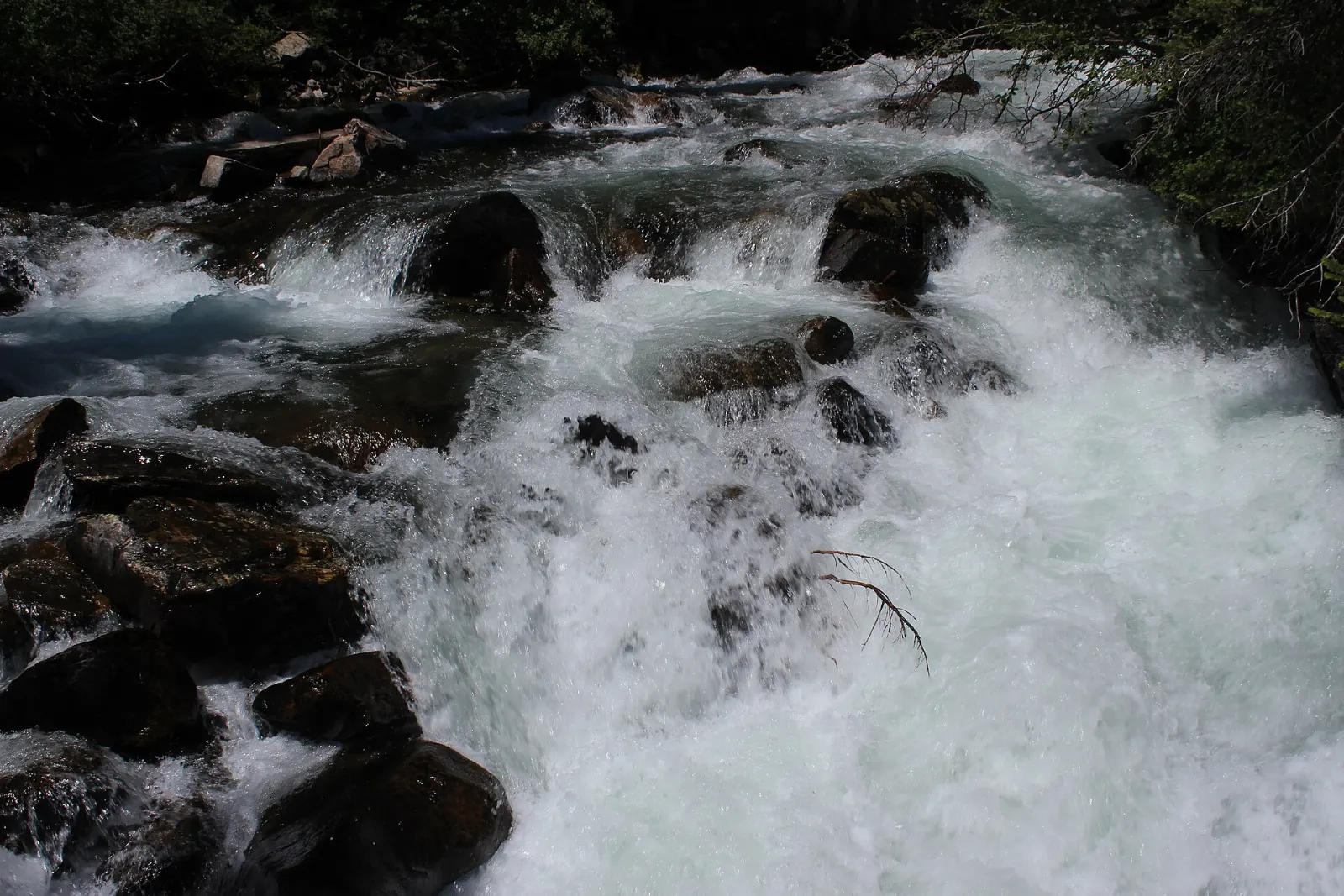
From the west boat dock, a short climb leads to Hidden Falls, a long cascade on Cascade Creek, and continues to Inspiration Point, a rocky ledge with a sweeping view over Jenny Lake and the valley.
String Lake and Leigh Lake
Just north of Jenny Lake, String Lake is shallow and slow-moving, which makes it one of the warmest places in the park for wading, swimming and paddling.
Taggart Lake and Bradley Lake
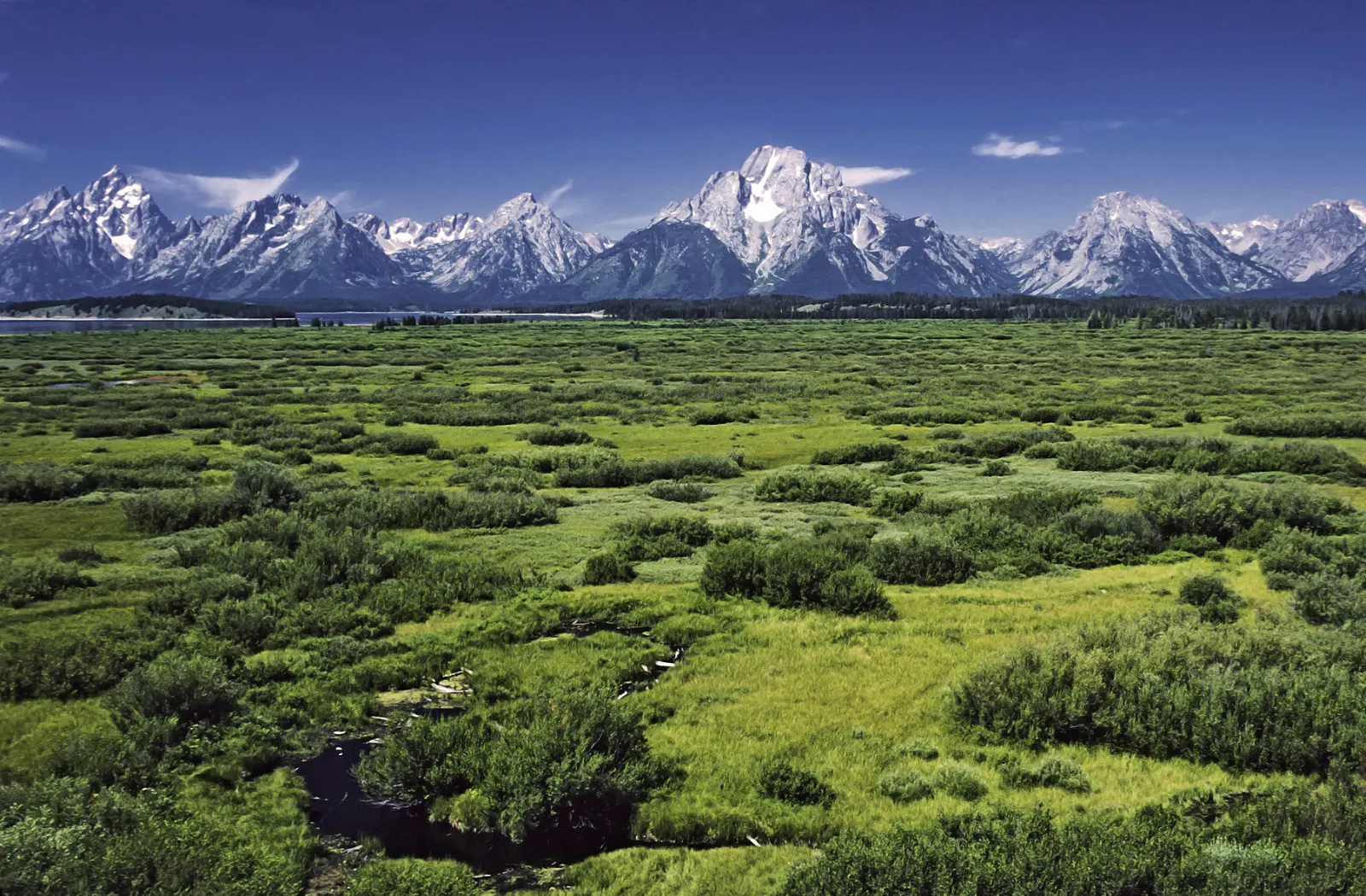
South of Jenny Lake, these two glacial lakes sit at the base of the Tetons and are reached by popular moderate hikes. In 2026, the northern route to Taggart Lake is closed for trail rehabilitation, so the lake is reached by a longer, steeper southern route that also connects to Bradley Lake.
Jackson Lake and the northern park
Oxbow Bend
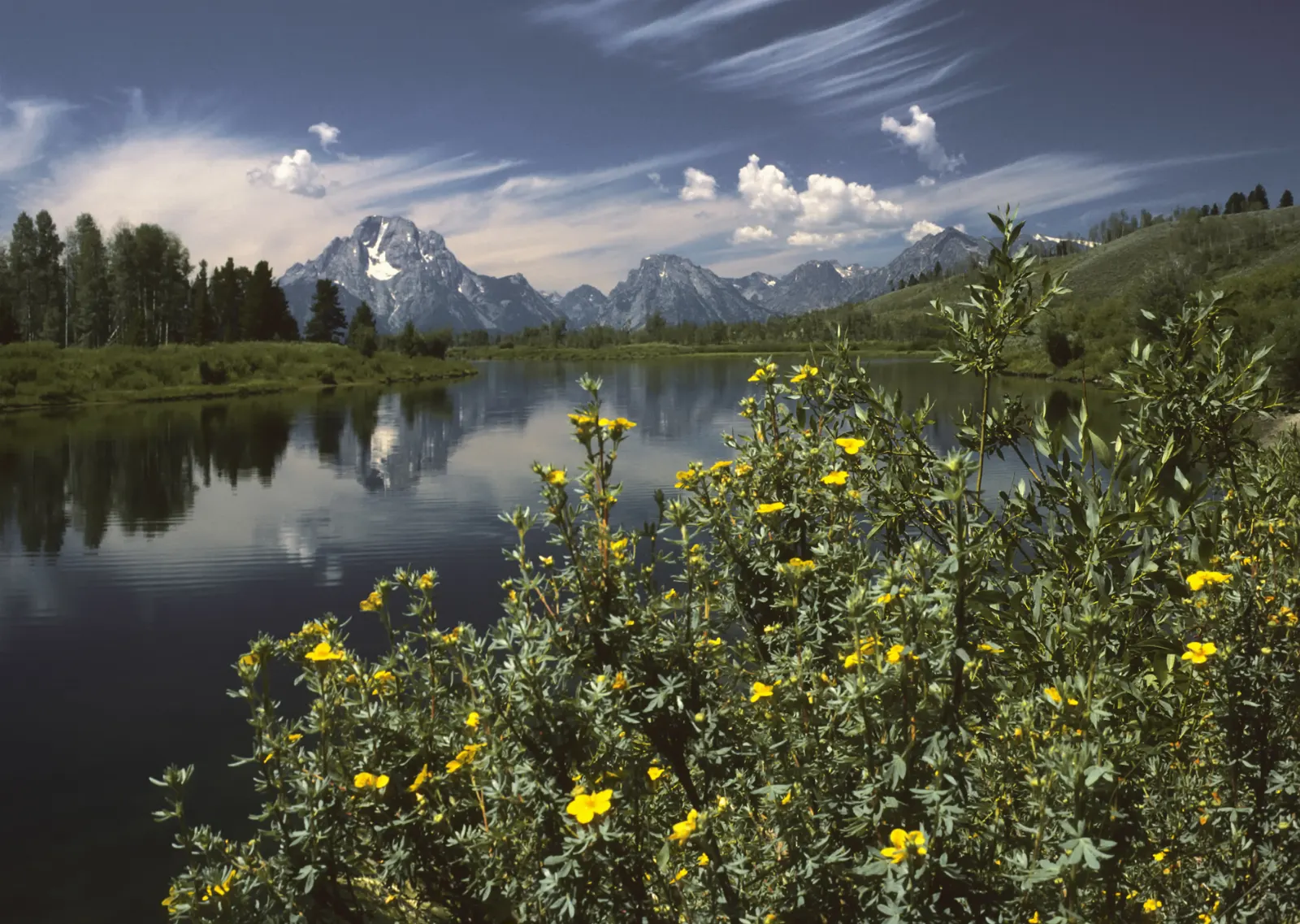
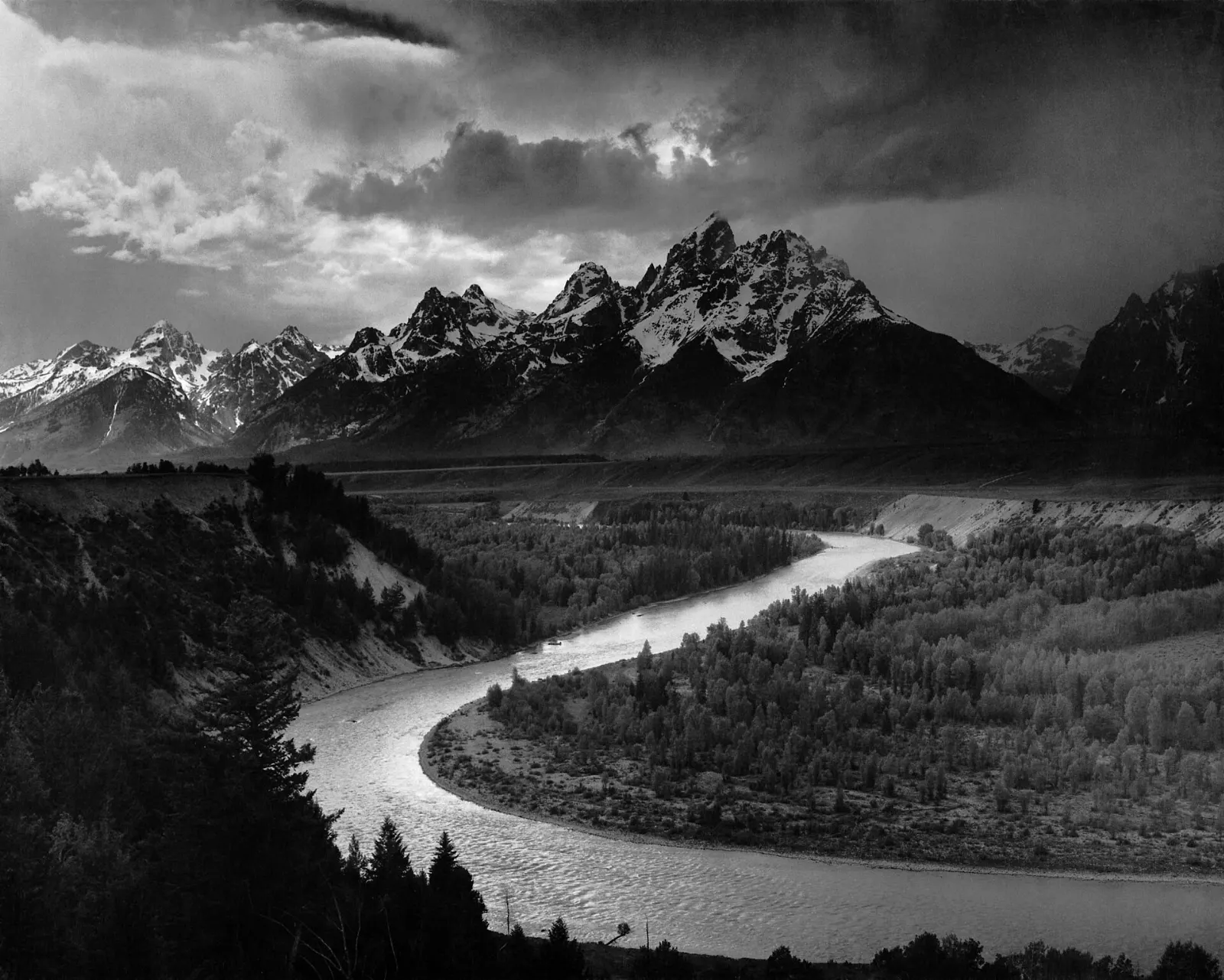
Near the Moran entrance, Oxbow Bend is a slow, curving stretch of the Snake River with Mount Moran mirrored in its calm water. It is one of the best wildlife spots in the park: look for moose, river otters, beavers, bald eagles, white pelicans and sometimes bears.
Signal Mountain Summit Road
A narrow, winding road climbs Signal Mountain, a forested hill rising above Jackson Lake, to overlooks with panoramic views of the valley, the Snake River and the full length of the Teton Range. The road is not suitable for trailers or large RVs.
Jackson Lake and Colter Bay
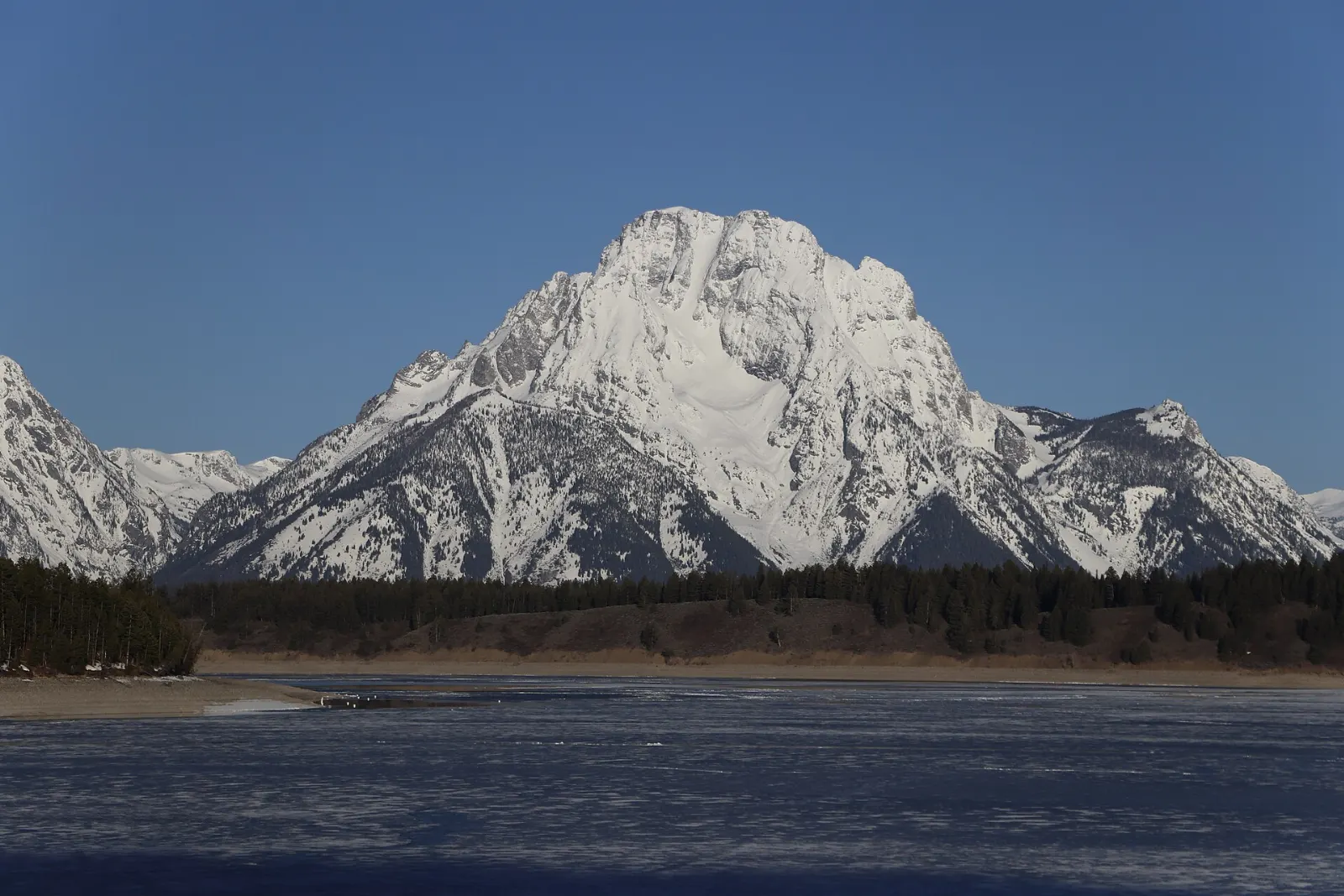
Jackson Lake is the largest lake in the park, a natural lake enlarged by a dam, with Mount Moran rising dramatically from its western shore.
The valley floor and historic sites
Mormon Row Historic District
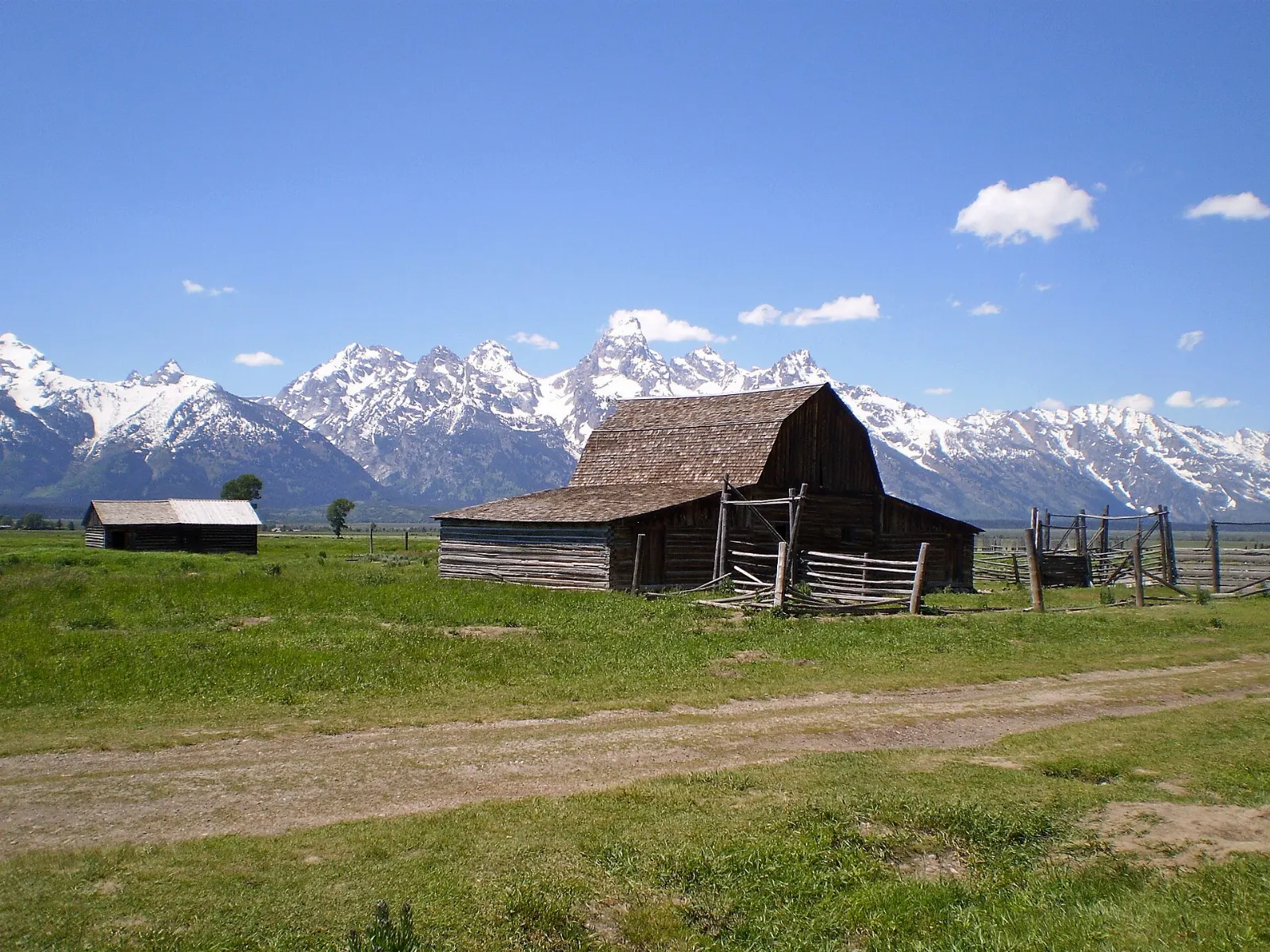
Off Antelope Flats Road, Mormon Row preserves barns and homes built by homesteaders in the early twentieth century.
Schwabacher Landing and the Snake River Overlook
Schwabacher Landing, reached by a short gravel road off Highway 191, has beaver ponds that create nearly perfect reflections of the Tetons on calm mornings. A flat path follows the river, where you may see beavers, moose and waterfowl.
Chapel of the Transfiguration and Menor's Ferry
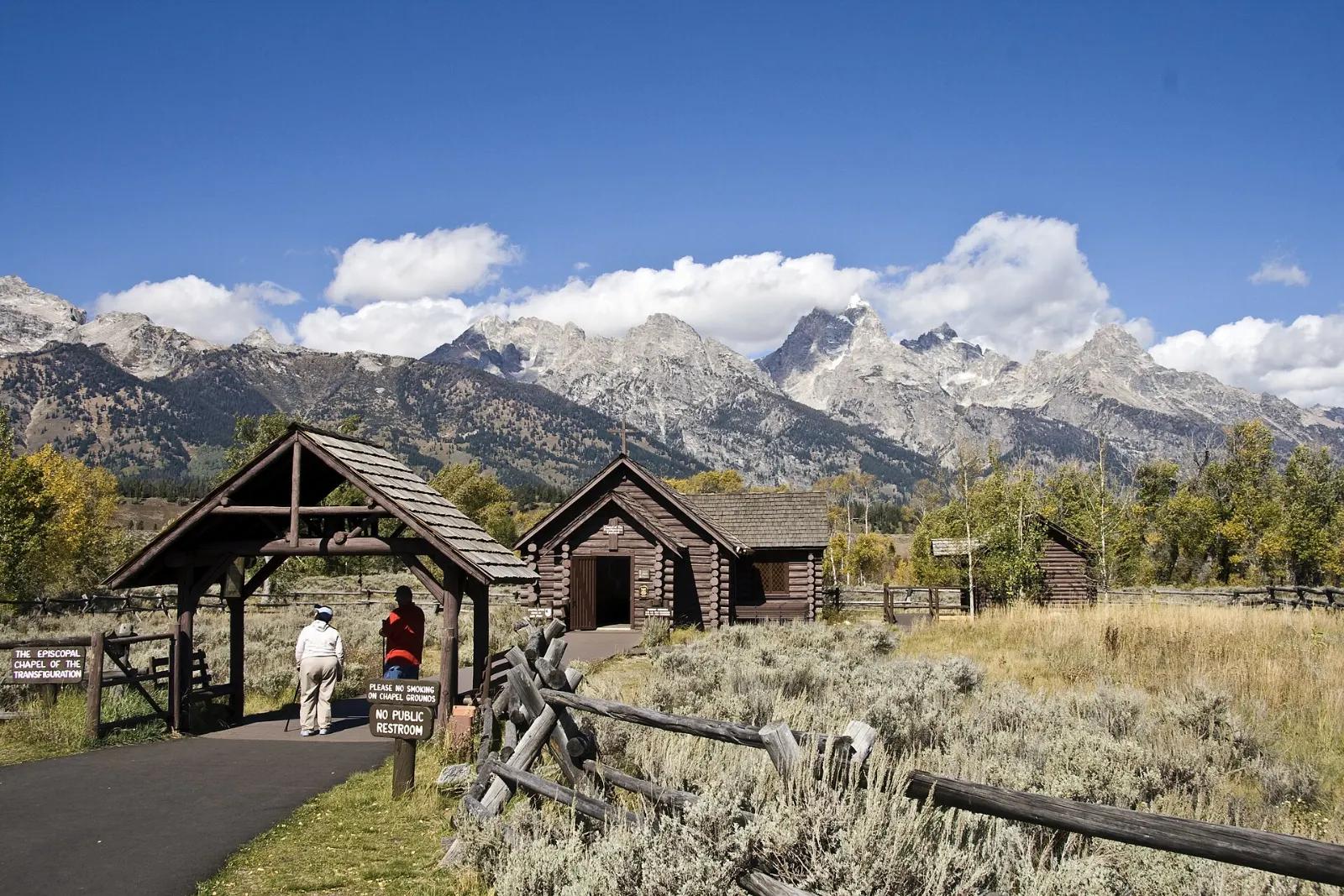
Near Moose, the Chapel of the Transfiguration is a small log Episcopal church built in 1925, with a window above the altar that frames the Tetons.
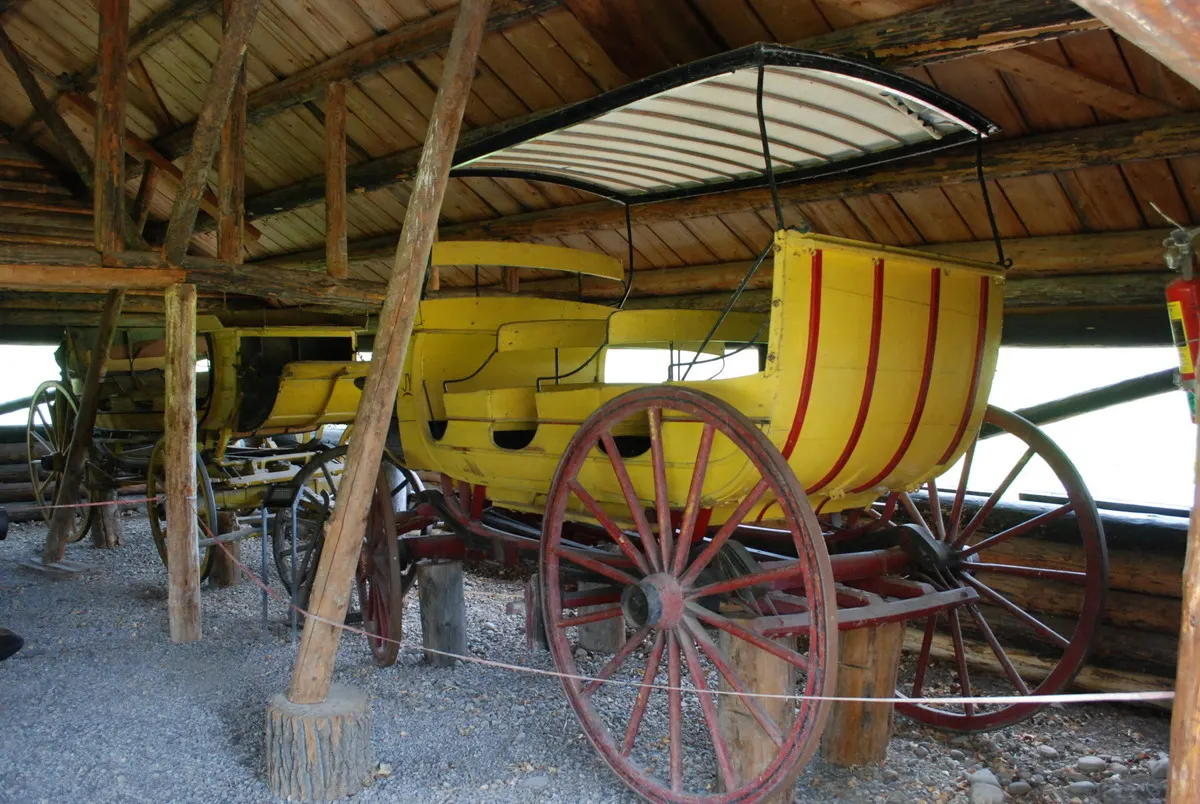
The Menor's Ferry trail is an easy, flat loop with interpretive signs about early life in the valley, and the nearby Craig Thomas Discovery and Visitor Center has exhibits on the park's geology, wildlife and history.
Laurance S. Rockefeller Preserve
In the southwest of the park, this preserve has a quiet visitor center and gentle trails through forest to Phelps Lake. Parking is limited, so arrive early.
Food and local flavors
Dining inside the park centers on its lodges, marinas and village areas at Colter Bay, Signal Mountain and Jenny Lake, with options ranging from grab-and-go delis to sit-down dining rooms with views of the Tetons.
The town of Jackson, south of the park, has the widest choice of restaurants, cafes, breweries and grocery stores.
Popular dishes to try in Grand Teton National Park


Where to stay
Inside the park, lodges and cabins around Jackson Lake, Colter Bay, Signal Mountain and Jenny Lake suit visitors who want early access to trails and wildlife; they open seasonally and book up many months ahead.
The town of Jackson suits travelers who want more lodging choices, restaurants and nightlife, about twenty minutes from the Moose entrance.
Where to stay in Grand Teton National Park


Best time to visit
Summer, from mid-June through August, is peak season, when lodges, boats, visitor centers and high-country trails are open. Wildflowers bloom in July, though snow can linger on higher passes into the summer.
September is a favorite: crowds thin, aspens and cottonwoods turn gold, and elk bugle in the meadows.
Getting there and getting around
Jackson Hole Airport is located inside the park, making it one of the few commercial airports within a U.S. national park. Larger airports in Idaho Falls and Salt Lake City are several hours away by car.
A car is the easiest way to explore, though there is no park-wide public shuttle. The two main routes are the Teton Park Road, running closer to the mountains past Jenny Lake and Signal Mountain, and Highway 89/191, running along the valley floor past Mormon Row and Schwabacher Landing.
A suggested itinerary
First day
Start at sunrise at Mormon Row, then visit Schwabacher Landing and the Snake River Overlook.
Second day
Arrive early at Jenny Lake, take the boat across and hike to Hidden Falls and Inspiration Point, continuing into Cascade Canyon if you have the energy.
Third day
Visit Oxbow Bend at sunrise, spend the morning at Colter Bay walking the lakeshore or taking a cruise on Jackson Lake, and look for moose at Willow Flats in the evening.
Practical tips
- Reserve in-park lodging and campsites on Recreation.gov as early as possible for summer.
- Carry bear spray on every hike, keep it within reach and know how to use it.
- Stay at least twenty-five yards from most wildlife and at least one hundred yards from bears and wolves.
- Arrive at Jenny Lake, String Lake and Taggart Lake trailheads early to find parking.
- Pack layers, rain gear and sun protection; mountain weather changes quickly.
- Get a backcountry permit for overnight trips, and store food in bear-resistant containers where required.
Find local businesses in Jackson on WiserMap
Need groceries, gear rentals, a guide or a good meal before heading into the park?