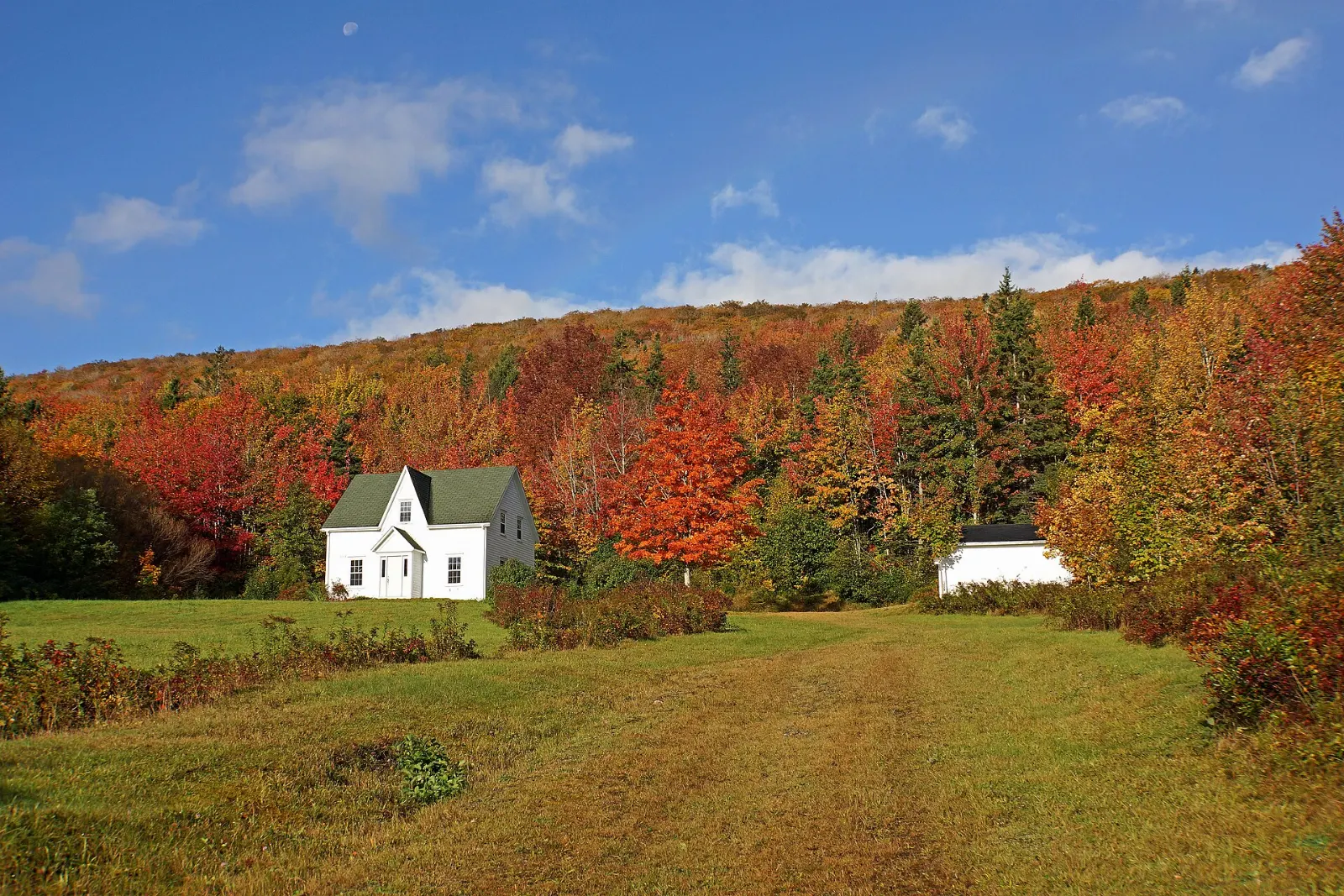
Cape Breton Island is the northern part of Nova Scotia, joined to the mainland by a causeway. It is famous for the Cabot Trail, a loop road that climbs through highlands and drops to the sea, but the island also holds a rebuilt French fortress, Scottish Gaelic and Acadian culture, and lively fiddle music.
AT A GLANCE
Best time
Summer is the main season, and October brings the Celtic Colours festival.
How long
Allow at least two days for the Cabot Trail and more for the whole island.
Getting there
Drive across the Canso Causeway or fly into Sydney.
Why visit Cape Breton Island
The island combines wild scenery with strong living traditions. The Mi'kmaq call it Unama'ki, a name often translated as land of fog, and Scottish, Acadian and Mi'kmaq communities all keep their cultures alive. Gaelic is still spoken here, and community halls host music most evenings in summer.
The landscape rewards slow travel. Mountains drop into the Atlantic along the Cabot Trail, a big inland lake sits in the center of the island, and small fishing villages offer fresh seafood.
The Cabot Trail and the national park
The Cabot Trail
The Cabot Trail is a 298 kilometre loop around the northern tip of the island, and it is the main reason most people visit. The road alternates between coastline and highland plateau, with many lookoffs, so the drive takes much longer than the distance suggests. Plan at least two days, stay in villages along the way and go slowly.
Cape Breton Highlands National Park
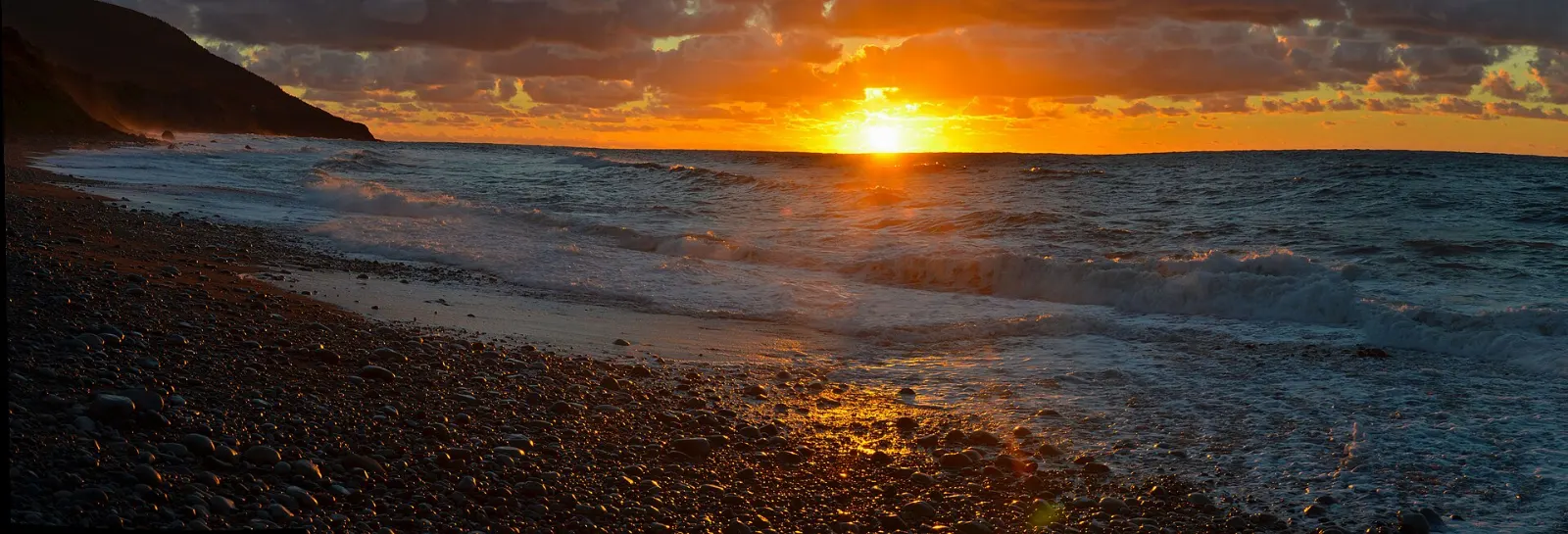
The Cabot Trail runs through the national park, the first national park in Atlantic Canada. It protects forested mountains, river canyons and rocky coast, and it offers more than twenty marked hiking trails. Check Parks Canada for entry requirements, and read the wildlife instructions posted at trailheads, since bears, moose and coyotes live here.
Skyline Trail
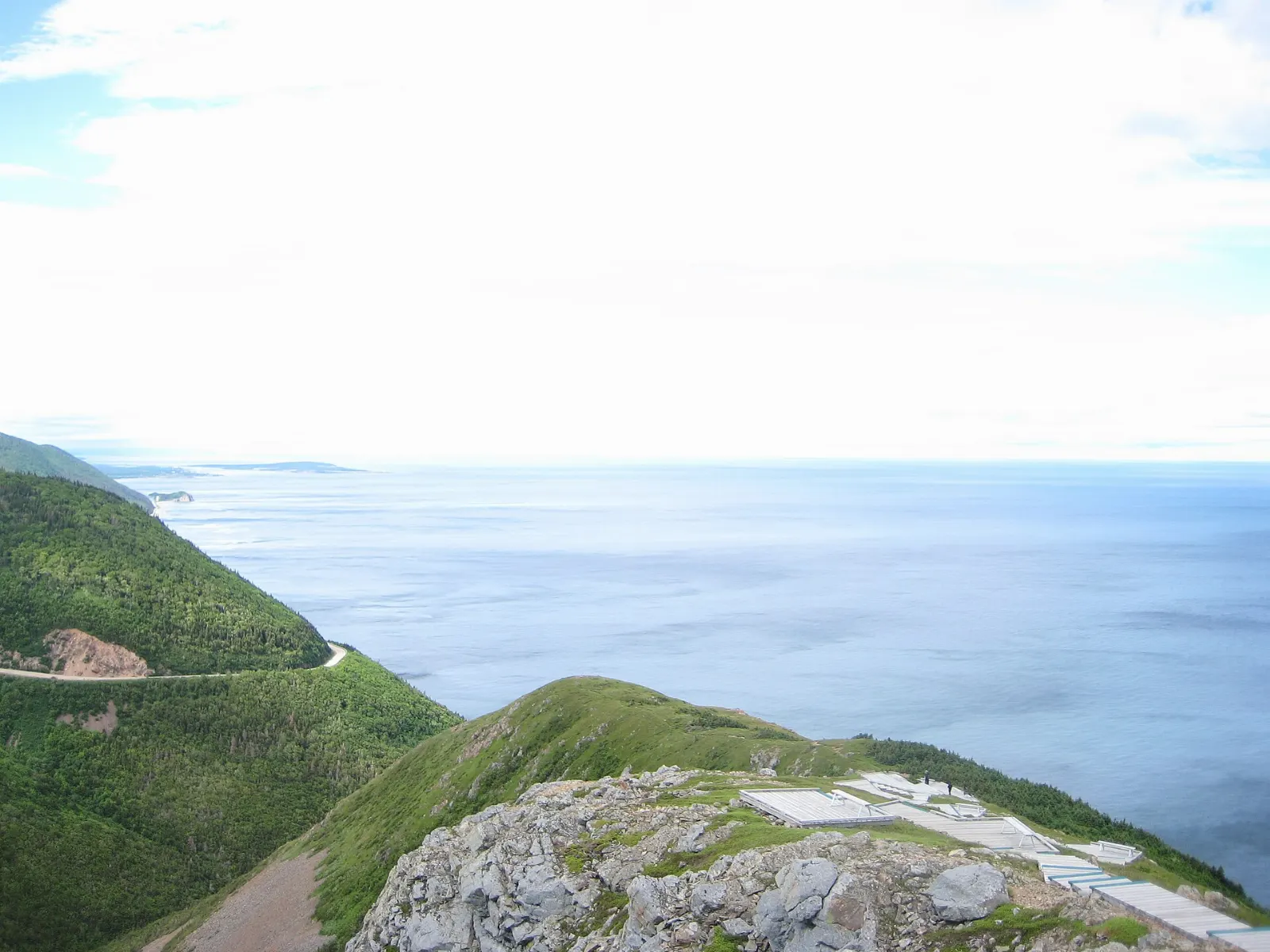
This seven kilometre loop starts beside the Cabot Trail near the summit of French Mountain and is one of the most popular hikes in the park. Halfway along, a boardwalk with steps leads to wide views over the coast. Set out early in the day, allow two to three hours and carry water.
Chéticamp
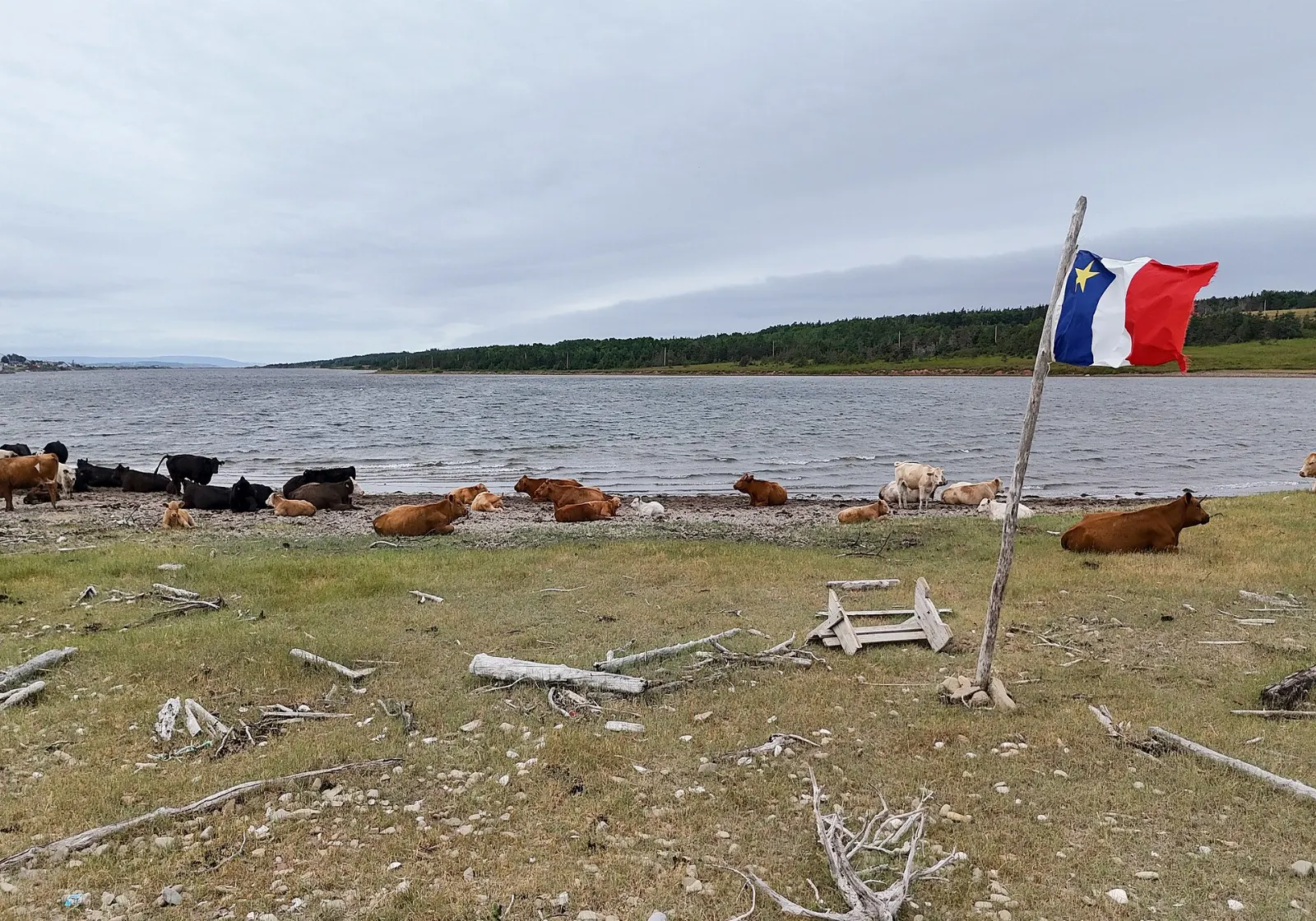
Chéticamp is the center of Acadian culture on the island and the western gateway to the park. Traditional Acadian rug hooking is a local craft, and you can visit the Les Trois Pignons museum of Acadian life and stop at the whimsical Joe's Scarecrows. Spend an evening here for a seafood dinner and, in summer, live music.
Pleasant Bay
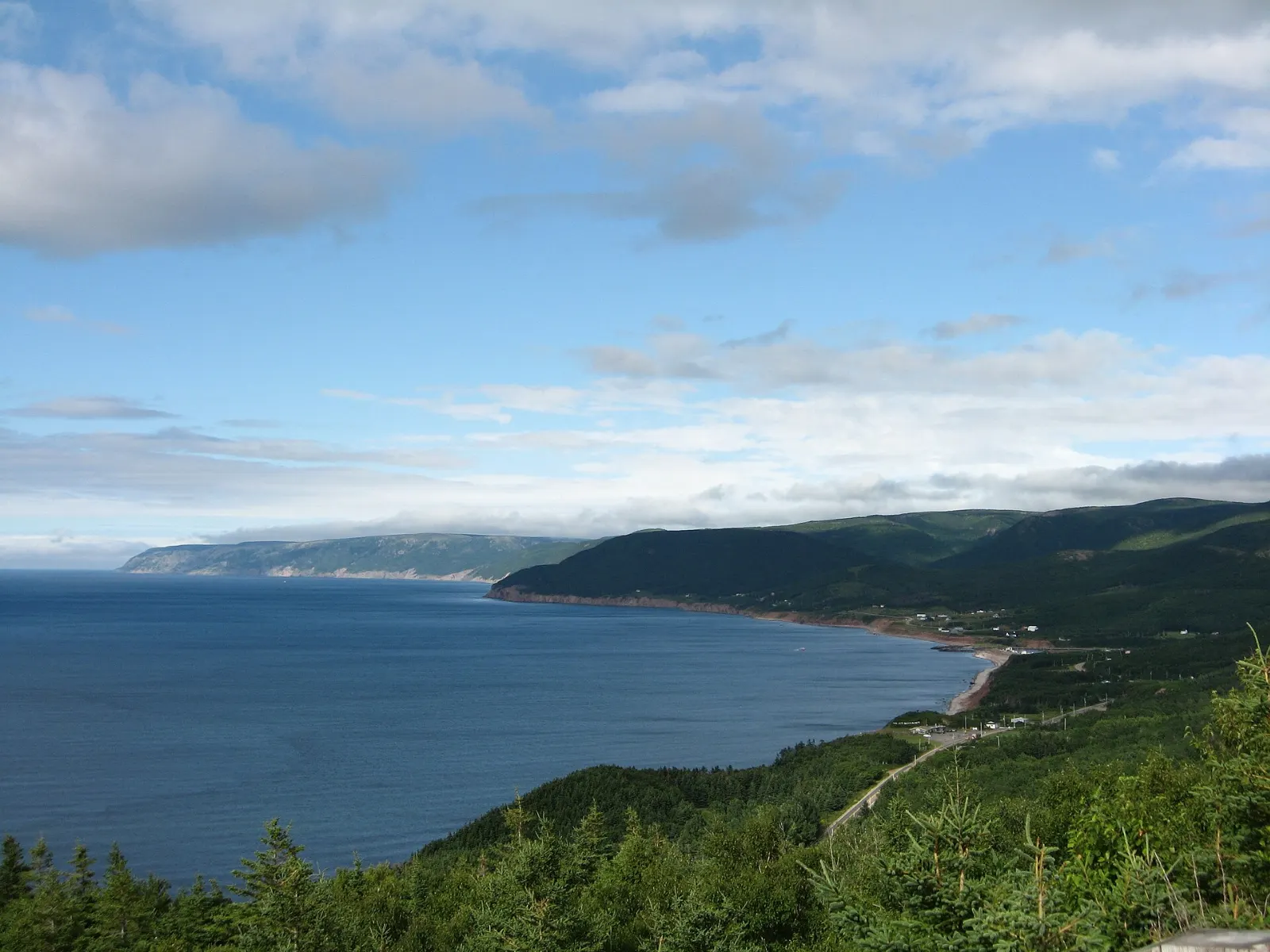
Pleasant Bay is known as the whale watching capital of the island, with boat tours along the coast from Chéticamp around to Englishtown. Sightings are very common, especially near the northern tip. Tours last two hours or more, so wear warm layers and book ahead in July and August.
Cape North and Meat Cove
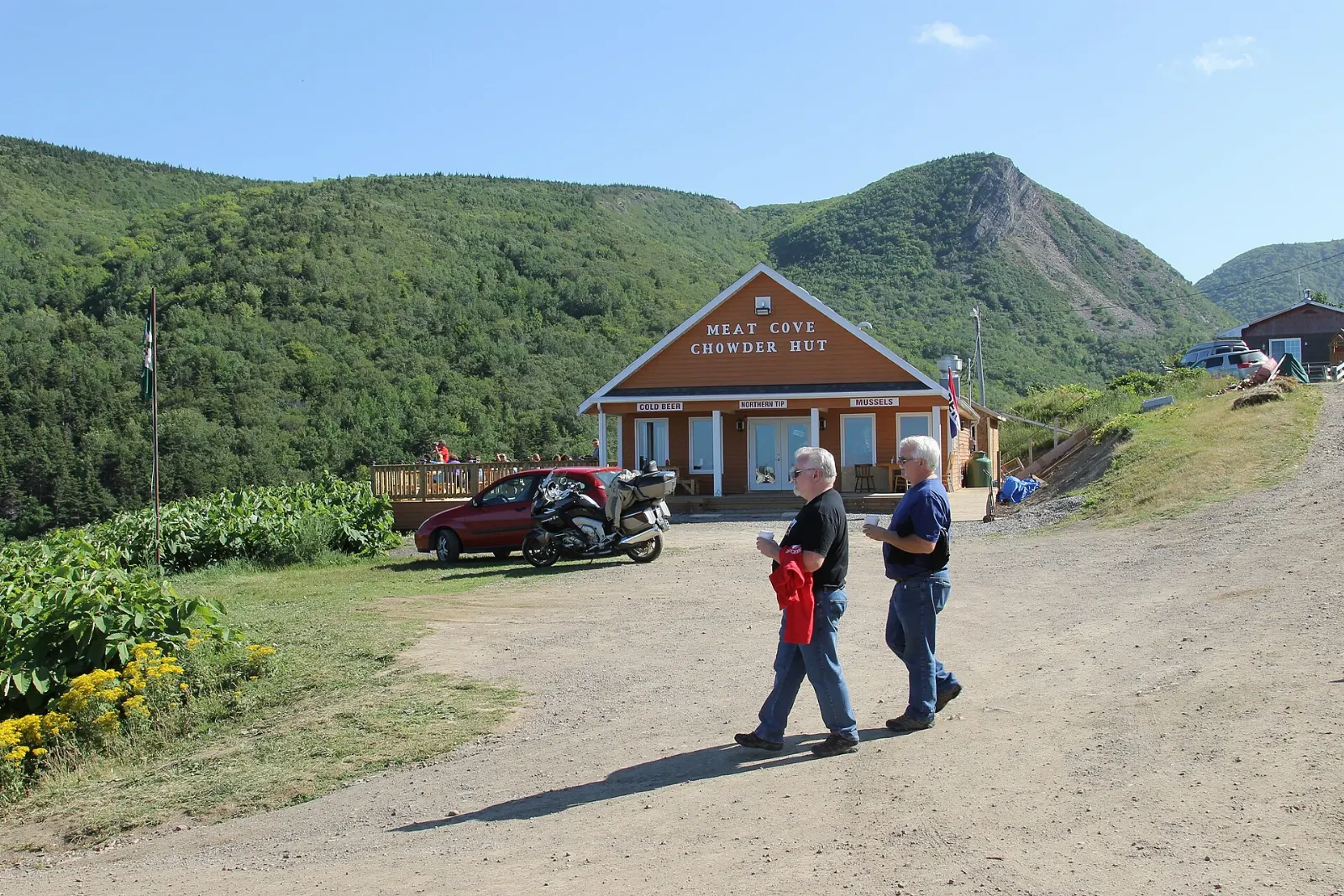
Turn north at Cape North to reach Bay St. Lawrence and Meat Cove, fishing villages on cliffs at the top of the island. The area is known for whale tours, seafood and quiet scenery, and Cabot's Landing Provincial Park is named for John Cabot's reputed 1497 landing. Allow half a day for the detour.
Ingonish
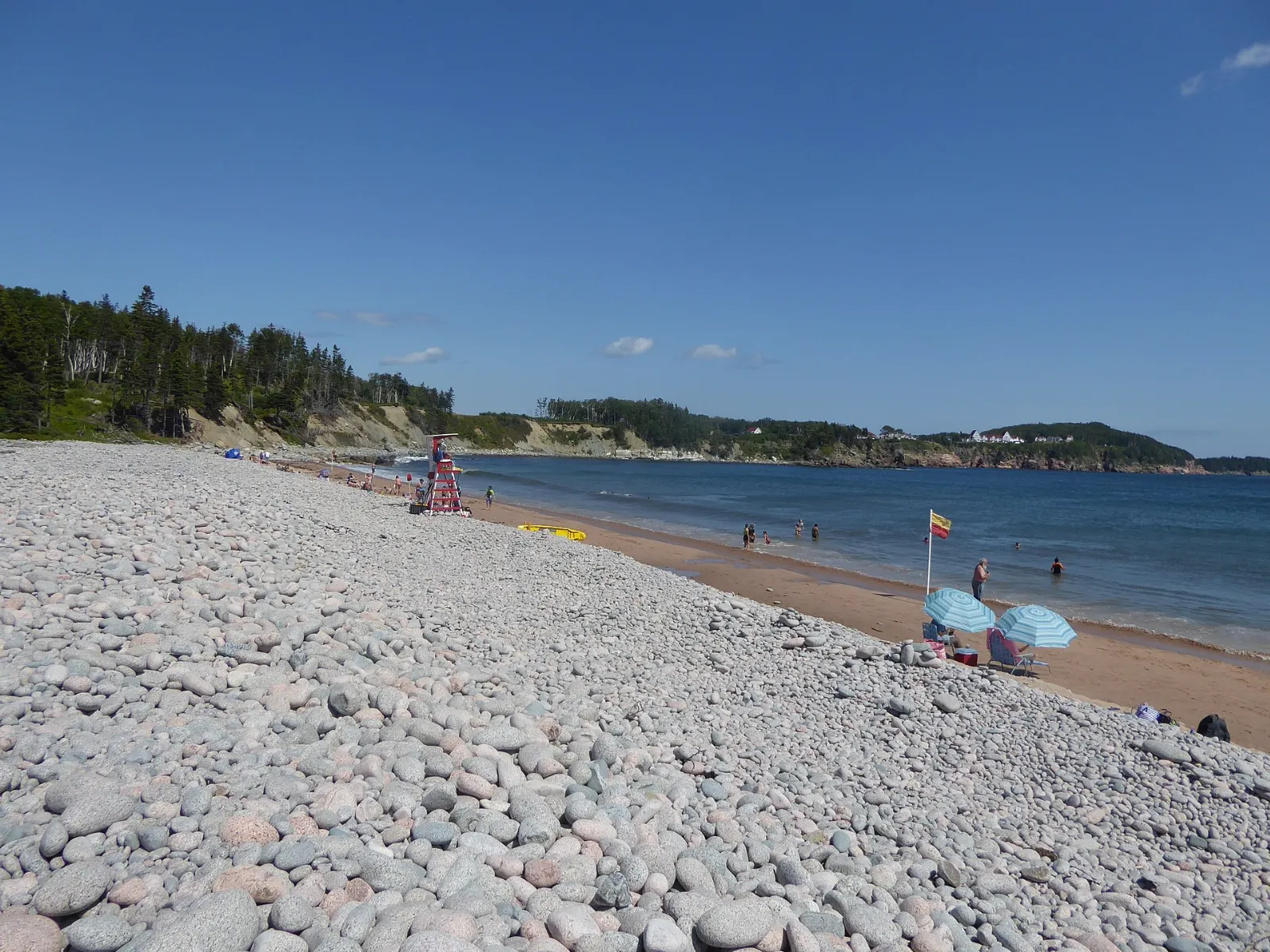
Ingonish sits on the Atlantic side of the park and combines beaches, hiking and the Highlands Links golf course, designed by Stanley Thompson. The water stays cool all summer, but the beaches are lovely for walking. The village makes a good base for exploring the east side of the trail.
Baddeck and the Bras d'Or Lake
Alexander Graham Bell National Historic Site
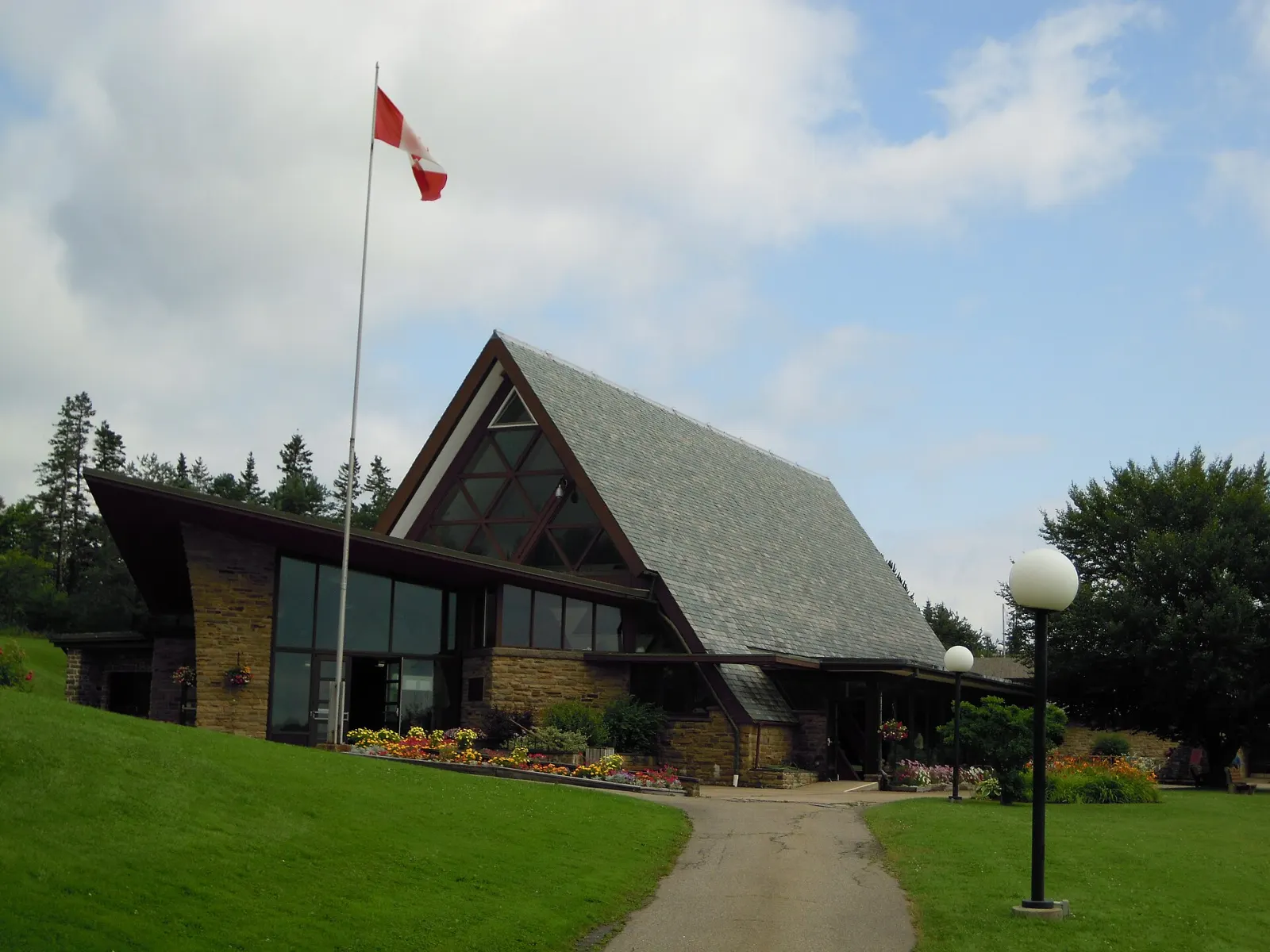
Baddeck is the small summer resort at the start and end of the Cabot Trail. The Alexander Graham Bell National Historic Site holds the largest collection of artifacts from Bell's experiments here, including a full-scale replica of the AEA Silver Dart and the hull of the hydrofoil HD-4. Allow two hours.
Bras d'Or Lake
Bras d'Or Lake is a large brackish inland sea in the middle of the island, designated a UNESCO Biosphere Region in 2011. Several islands in it are sacred to the Mi'kmaq. Follow the lake's scenic drive for water views, and note that Eskasoni, the largest Mi'kmaq community in Nova Scotia, lies on its shore.
 Planning a trip to Cape Breton Island?Compare hotels, flights and vacation rentals for Cape Breton Island on Expedia.Book now
Beyond the trail
Fortress of Louisbourg
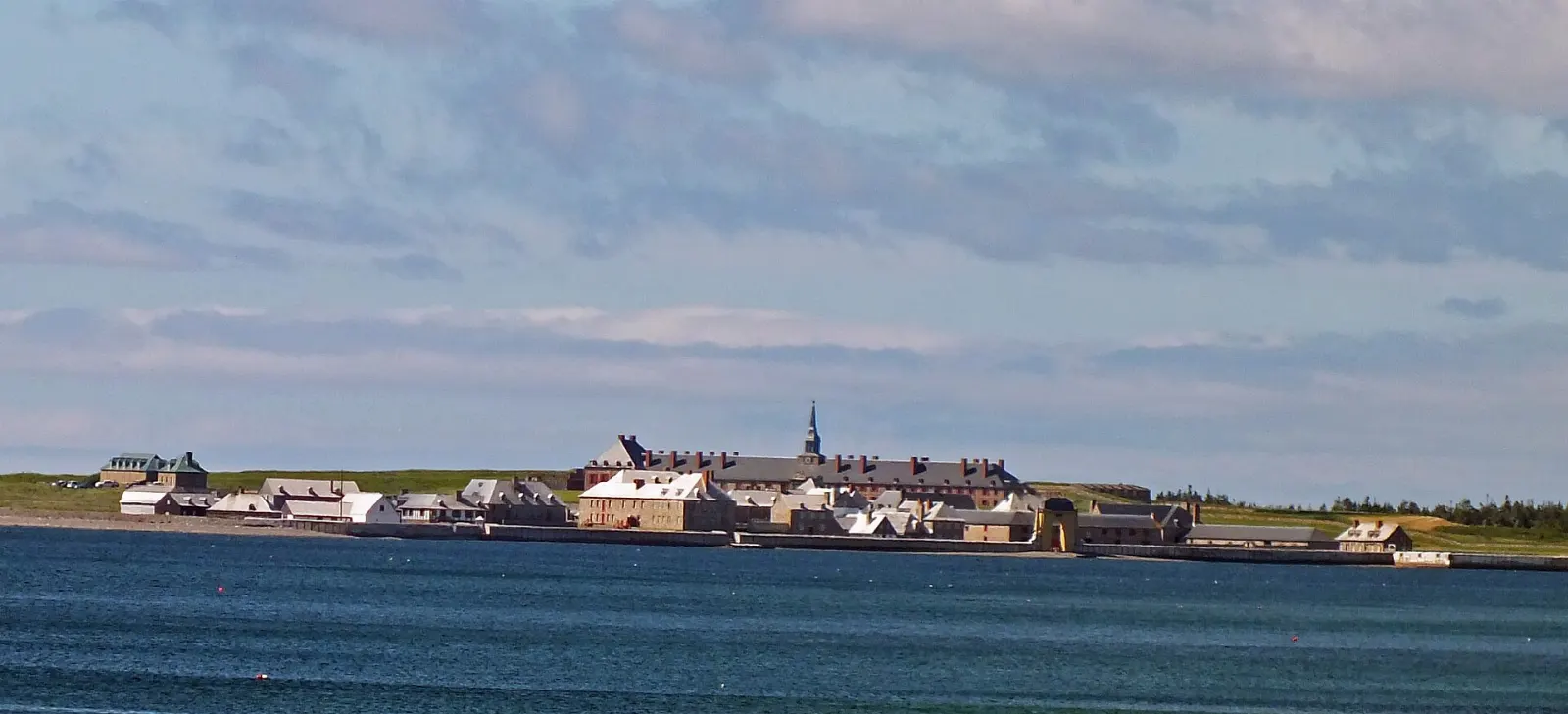
The Fortress of Louisbourg is the largest historical reconstruction in North America, a partial rebuilding of an 18th century French town and fortress that was captured by the British. Costumed interpreters, demonstrations and guided tours bring it to life. Plan a full day, check Parks Canada for the operating season and wear sturdy shoes.
Cape Breton Miners Museum
In Glace Bay, the museum sits on top of the Ocean Deep Colliery. In summer a retired miner leads a walking tour underground, and the exhibits explain the island's coal mining history. Allow a couple of hours, and combine it with the Marconi National Historic Site nearby.
Mabou and the Ceilidh Trail
Mabou, on the west coast, is known for Gaelic culture and for traditional music, and it holds the Glenora Distillery, which makes single malt whisky. Look for a community ceilidh or a pub session, which are often the highlight of a trip.
Food and local flavors
Seafood is the thing to eat here. Look for lobster boiled fresh or served in a roll, and for seafood chowder, a creamy soup packed with local fish and shellfish. Aspy Bay oysters are a northern specialty worth trying.
The Wreck Cove General Store on the Cabot Trail is known for its lobster sandwich in summer, a roadside favorite. In Baddeck and Chéticamp you can find larger grocery stores for picnic supplies. Smaller villages often have only a general store, so buy food in advance.
Popular dishes to try in Cape Breton Island


Where to stay
Bed and breakfasts, cabins and guesthouses are spread across the island, and summer fills quickly, so reserve early.
Baddeck is the easiest base for first-timers, with shops, restaurants, the lake and quick access to the trail. Chéticamp suits travelers who enjoy Acadian culture, seafood and music, and it puts you at the park entrance. Ingonish is ideal for hikers and beach walkers who want the Atlantic coast and the Highlands Links on the doorstep.
If you plan to drive the full loop, sleeping on both sides of the park breaks up the long mountain roads and lets you see more without rushing.
Where to stay in Cape Breton Island


Best time to visit
Summer is the main season, when the whole island is open, whale tours are running and community halls are filled with music. The water is never very warm, even in August, so pack layers.
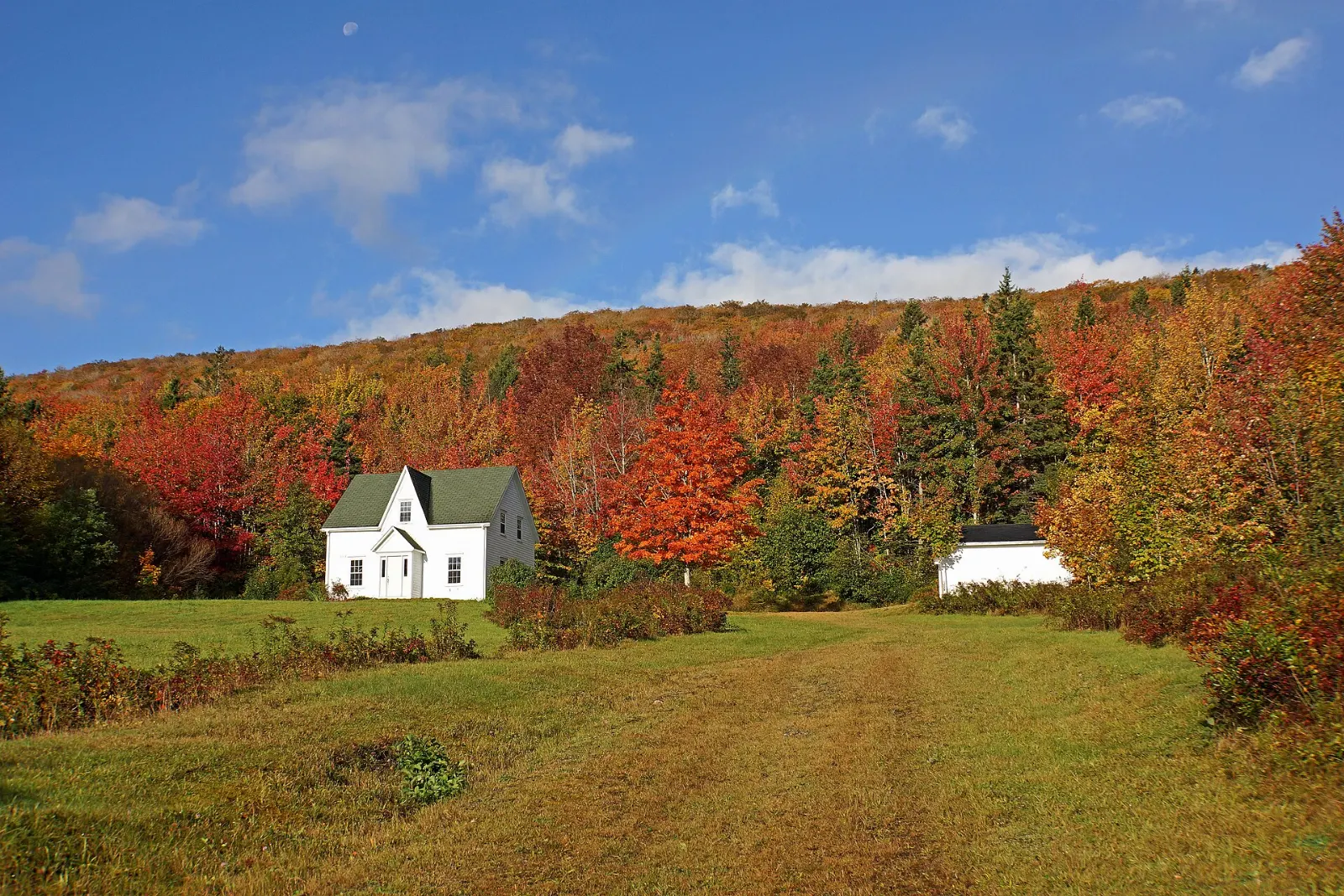
The Celtic Colours International Festival fills early to mid October with hundreds of events in dozens of towns, from fiddle concerts to Acadian and world music. Autumn also brings colorful hillsides, though lodging is tight at festival time. Winter roads can be hazardous and many attractions close, so check conditions and the Parks Canada seasons before planning.
Getting there and getting around
Most visitors arrive by car over the Canso Causeway on the Trans-Canada Highway. Halifax is the usual starting point, and Maritime Bus runs between Truro and Sydney, with shuttle services from Halifax. Sydney Airport is the island's air connection. North Sydney has ferry service to Newfoundland.
A car is the best way to get around. The Cabot Trail is mountainous and winding and can be foggy, so drive carefully, use the pullouts and expect moose near the road. Cyclists often ride the Trail, but the roads are narrow, so prior experience is recommended.
If you do not want to drive, guided Cabot Trail tours run in summer. Fill the tank in larger towns before heading onto the northern section.
A suggested itinerary
First day
Cross the causeway and settle in at Baddeck. Visit the Alexander Graham Bell site, then watch the sunset over the lake.
Second day
Drive the Cabot Trail clockwise to Chéticamp, hike the Skyline Trail early and stop at lookoffs. Have dinner in an Acadian village.
Third day
Continue to Pleasant Bay for whale watching, then drive to Cape North, Meat Cove or Ingonish before finishing in Baddeck.
Fourth day
Add Louisbourg and Glace Bay for history, or head west to Mabou for music and whisky.
Practical tips
- Start driving early, because lookoffs and photo stops lengthen every leg.
- Reserve accommodation well ahead for July, August and October.
- Watch for moose on the roads, especially at dawn and dusk.
- Read the wildlife instructions at trailheads and hike with a companion when you can.
- Check Parks Canada for the operating season of the fortress and park facilities.
- Pack warm layers, since the coast is cool even in summer.
- Buy groceries and fuel in larger towns before heading into remote sections.