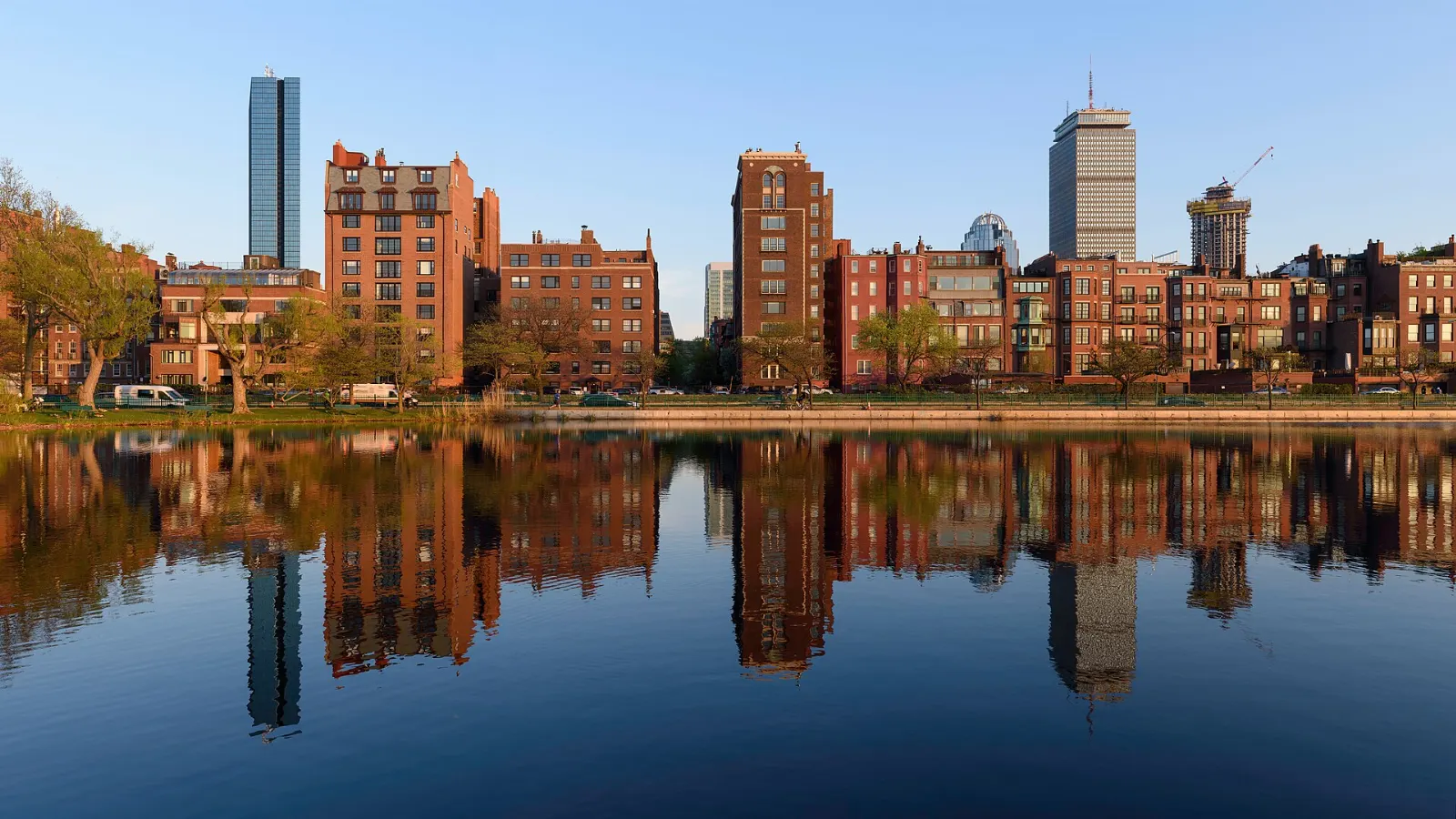
Boston packs nearly four centuries of American history into a walkable city of brick sidewalks, harbor views and lively neighborhoods.
AT A GLANCE
Best time
Late May to June and September to October for comfortable walking weather and fall color.
How long
Three days for the core sights; four or five to add Cambridge, the harbor islands and museums at a slower pace.
Getting there
Logan International Airport sits minutes from downtown; Amtrak serves South Station and Back Bay.
Why visit Boston
Few American cities let you walk so directly through the story of the country's founding. The events that sparked the American Revolution, from the Boston Tea Party to Paul Revere's midnight ride, happened within a short distance of one another, and many of the buildings still stand.
Boston is also a city of learning, sports and the sea. Dozens of colleges keep the population young, the museums rival those of much larger cities, and the Red Sox, Celtics, Bruins and Patriots inspire fierce loyalty.
Downtown, the Common and Beacon Hill
Boston Common and the Freedom Trail
The Freedom Trail begins at Boston Common, the oldest public park in the country, and runs about two and a half miles past sixteen historic sites to Charlestown. Highlights include the gold-domed Massachusetts State House, Park Street Church, the Granary Burying Ground where Paul Revere and Samuel Adams are buried, the Old South Meeting House and the Old State House, which overlooks the site of the Boston Massacre.
Public Garden
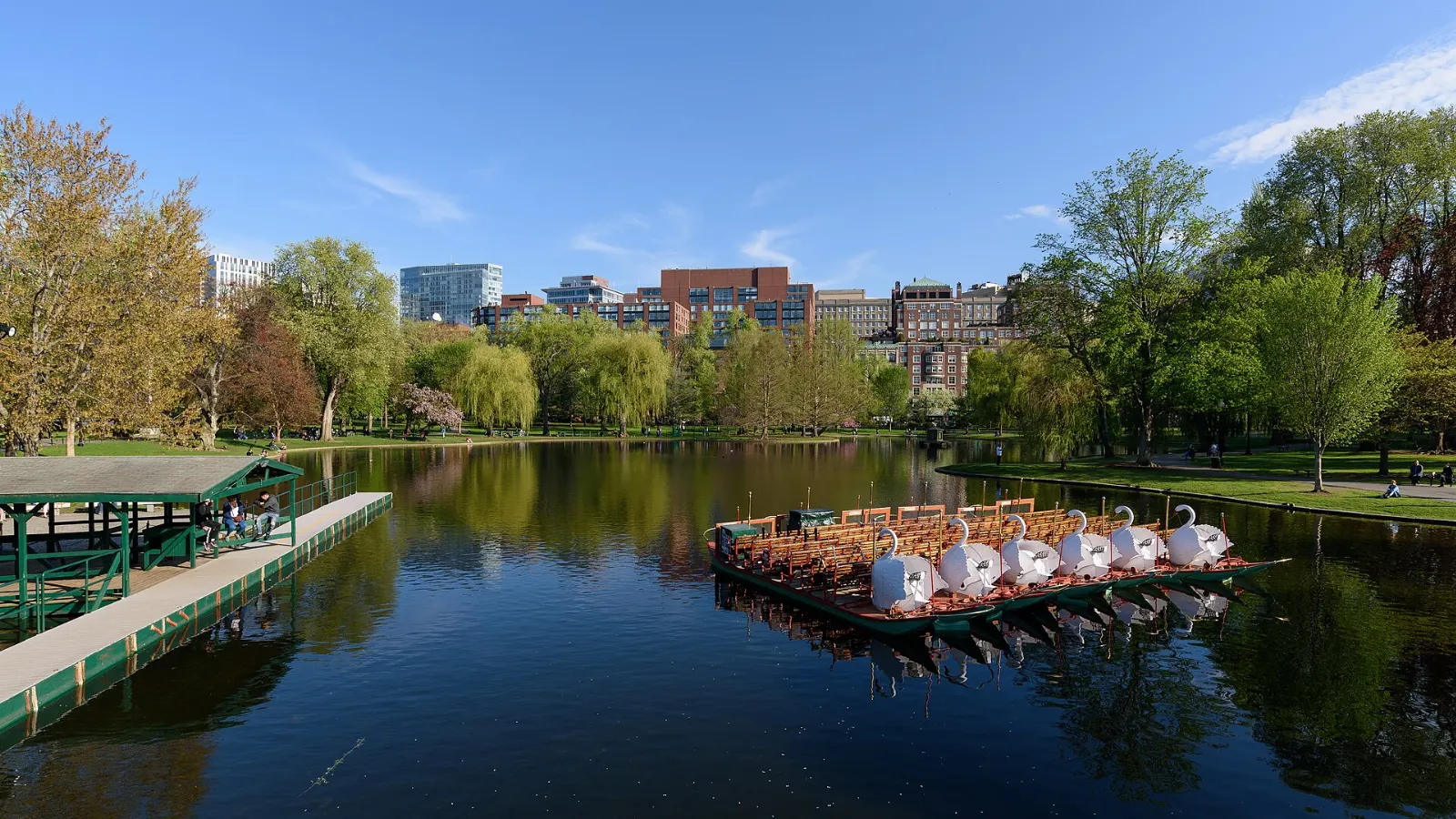
Across Charles Street from the Common, the Public Garden was the first public botanical garden in the United States. Its lagoon is home to the pedal-powered Swan Boats, which operate from spring into late summer, and its paths lead past the bronze ducklings from the children's book Make Way for Ducklings.
Beacon Hill
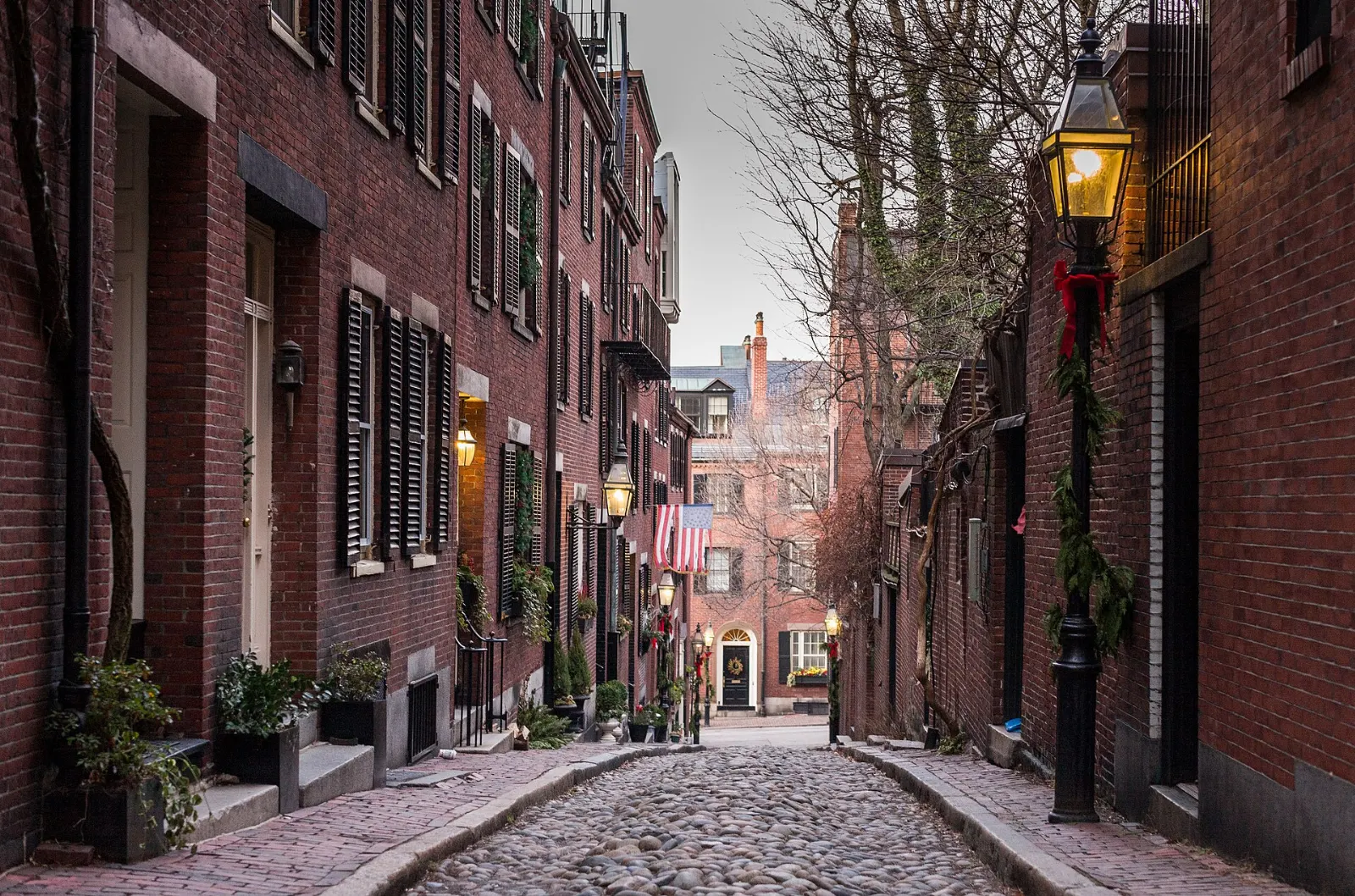
Rising behind the State House, Beacon Hill is a neighborhood of gas lamps, brick sidewalks and Federal-style row houses. Wander Mount Vernon Street and Louisburg Square, then find tiny cobbled Acorn Street.
Faneuil Hall and Quincy Market
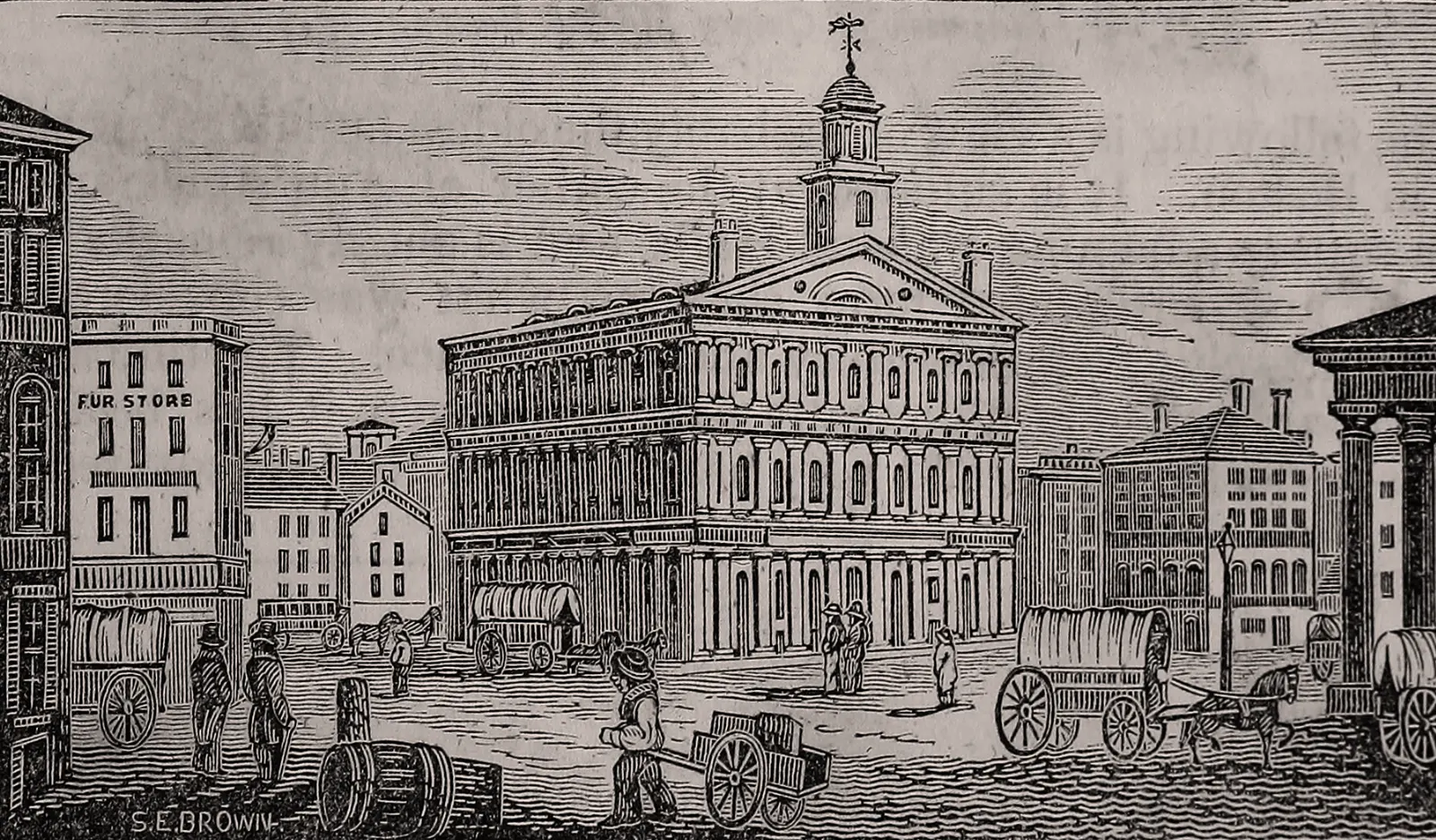
Faneuil Hall has been a marketplace and meeting hall since the colonial era and is nicknamed the Cradle of Liberty for the speeches given there. Behind it, Quincy Market and the North and South Market buildings form a busy food hall and shopping area with street performers.
The North End and Charlestown
North End, Paul Revere House and Old North Church
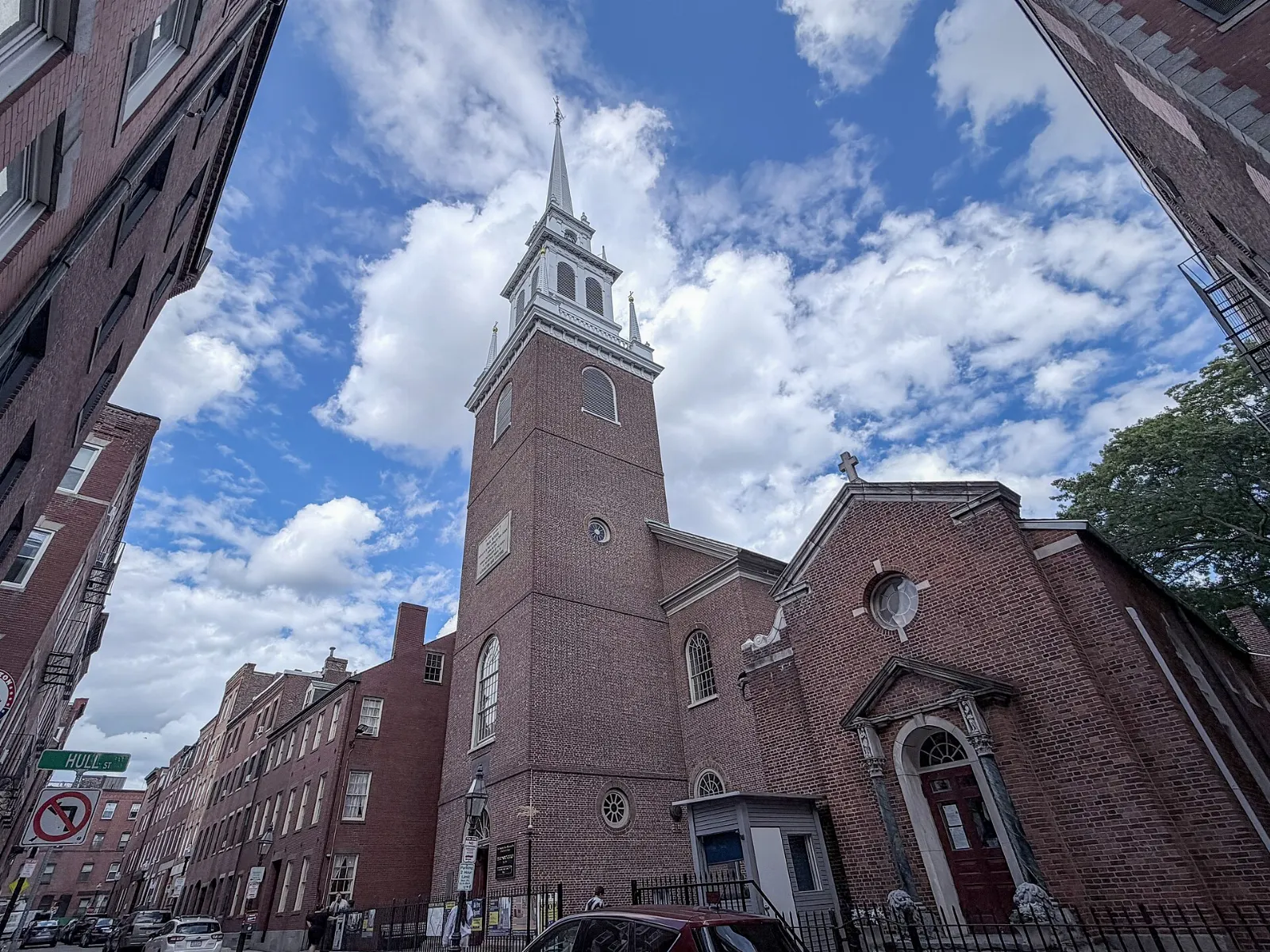
Boston's oldest residential neighborhood is also its Little Italy, with narrow streets, Italian bakeries and family-run trattorias. The Paul Revere House, built around 1680, is the oldest surviving building in downtown Boston and was home to the silversmith at the time of his famous ride.
USS Constitution and Charlestown Navy Yard
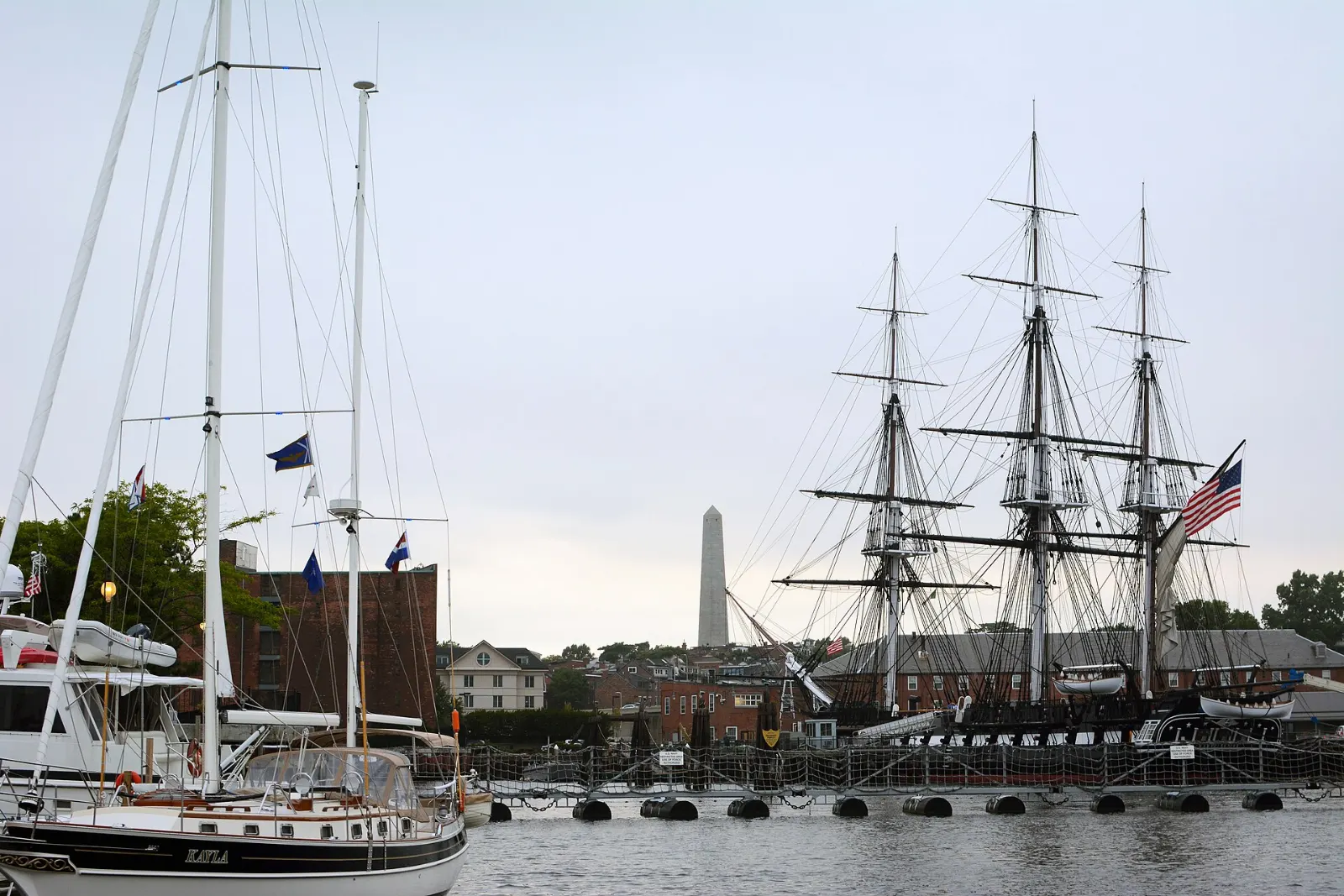
Cross the Charlestown Bridge to reach the Charlestown Navy Yard, home of USS Constitution. Launched in 1797 and nicknamed Old Ironsides after cannonballs seemed to bounce off her hull in the War of 1812, she is the oldest commissioned warship afloat.
Bunker Hill Monument
The Freedom Trail ends at the granite obelisk of the Bunker Hill Monument, which commemorates the 1775 battle fought largely on nearby Breed's Hill.
On WiserMap
Local businesses in Boston

Queen Foundation Repair
Queen Foundation Repair is a foundation repair business serving Columbia, SC. It provides foundation repair, basement waterproofing, and crawl space services.
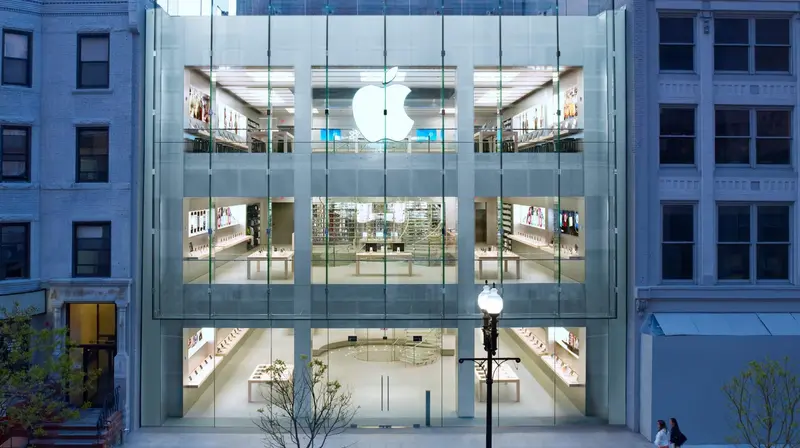
Apple Boylston Street
Apple Boylston Street is an Apple retail store in Boston, Massachusetts offering in-store shopping, pickup, and service support for Apple products and services.

Lowe's Air Duct Cleaning
Lowe's Air Duct Cleaning is an air duct cleaning business serving Providence, RI. It provides air duct and dryer vent cleaning services to local customers.
Back Bay, the Fenway and Cambridge
Back Bay and Copley Square
Back Bay was built on filled tidal flats in the nineteenth century and is laid out in an elegant grid of brownstones. Commonwealth Avenue Mall is a tree-lined promenade ideal for walking, while Newbury Street is lined with boutiques and cafés.
Museum of Fine Arts and the Isabella Stewart Gardner Museum
The Museum of Fine Arts, Boston holds a huge collection that spans ancient Egypt, Japanese art, European masters and American paintings by artists such as John Singleton Copley and John Singer Sargent. Give it at least three hours.

Fenway Park
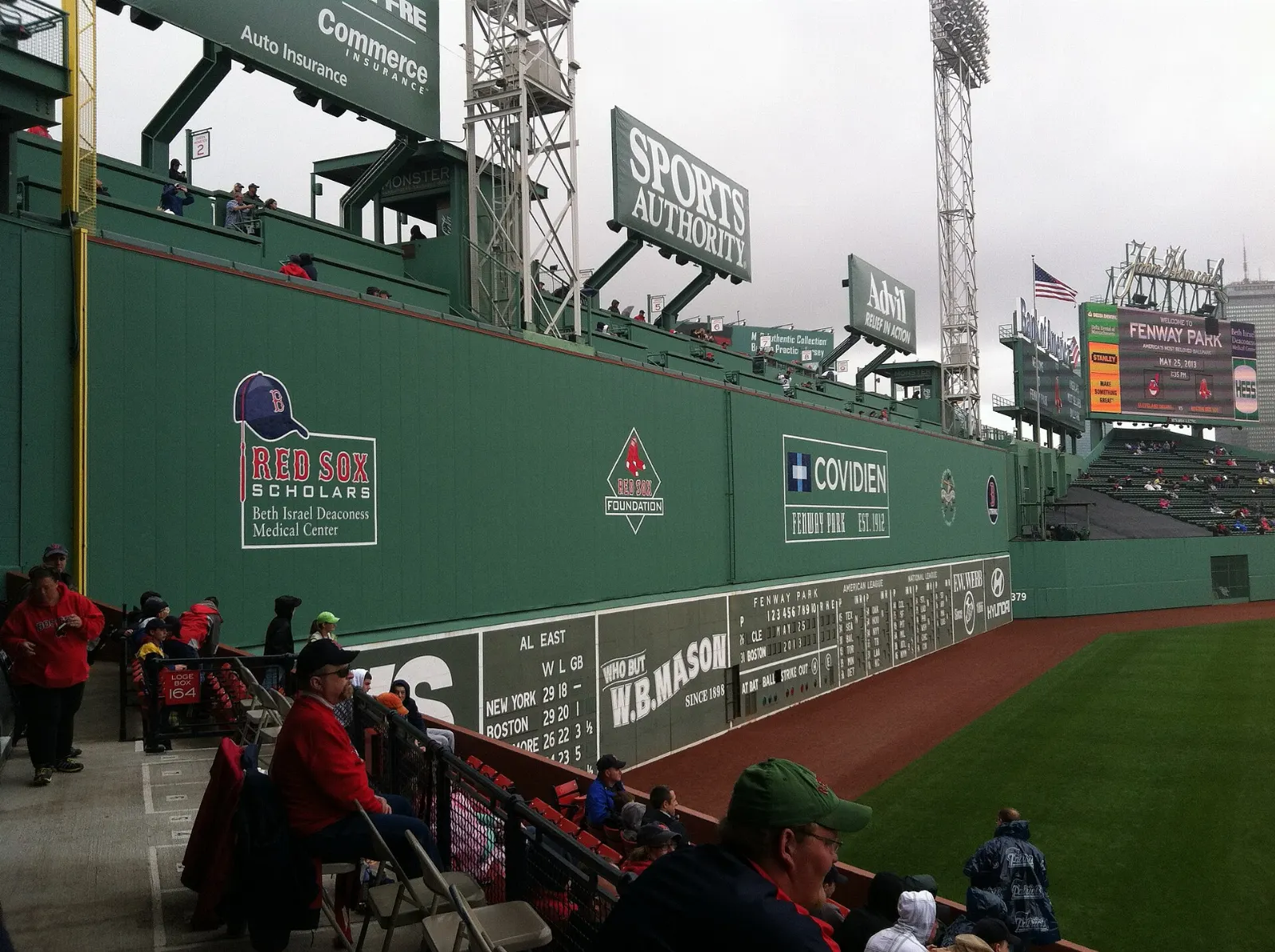
Fenway Park opened in 1912 and is the oldest ballpark in Major League Baseball, home to the Boston Red Sox and the towering left-field wall called the Green Monster. Catching a game between April and September is a classic Boston experience, and guided tours run year-round.
Harvard Yard and Cambridge
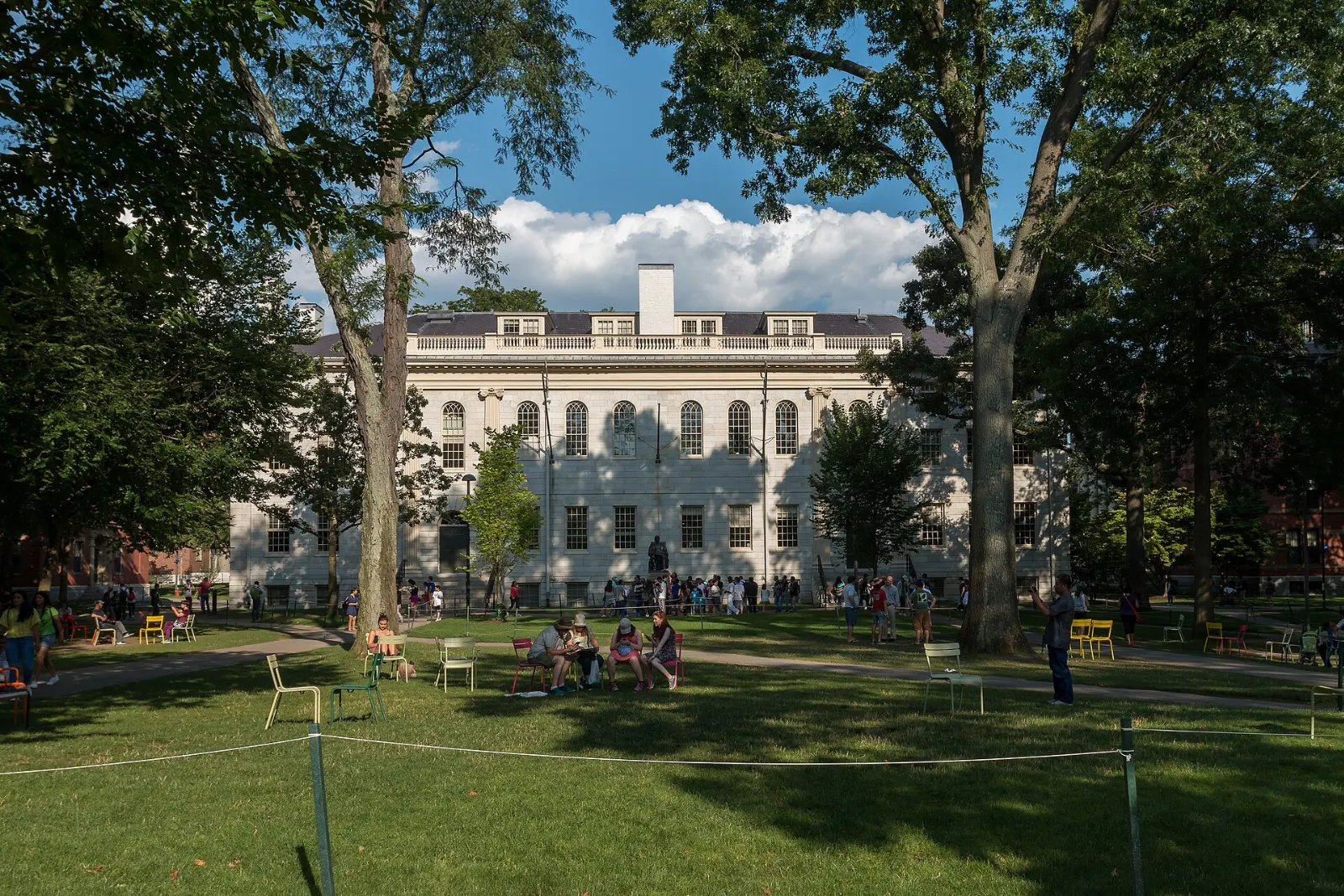
Ride the Red Line to Harvard Square to visit Harvard Yard, founded in 1636 as the oldest institution of higher learning in the United States. Walk past historic Massachusetts Hall, the statue of John Harvard and Widener Library. The Harvard Art Museums and the Harvard Museum of Natural History are worth a visit.
The waterfront and harbor
Seaport and the Rose Kennedy Greenway
The Rose Kennedy Greenway is a ribbon of parks built over the former elevated highway, with fountains, food trucks in warm weather and a carousel.
Boston Harbor Islands
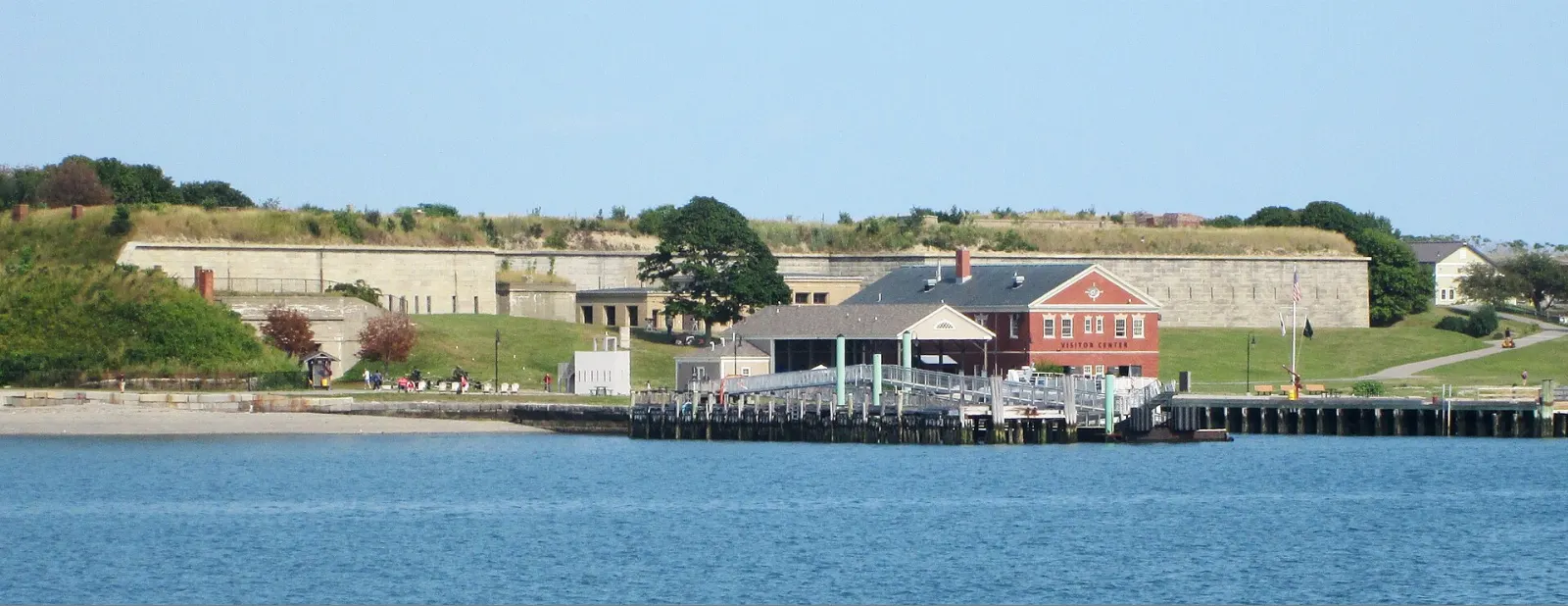
From late spring to early autumn, ferries from Long Wharf carry visitors to Boston Harbor Islands National and State Park. Georges Island is home to Fort Warren, a granite Civil War-era fort you can explore, while Spectacle Island has walking trails, a beach and skyline views.
 Planning a trip to Boston?Compare hotels, flights and vacation rentals for Boston on Expedia.Book now
Food and local flavors
Start with New England clam chowder, thick, creamy and full of clams.
Boston cream pie, the official state dessert, is actually a custard-filled cake topped with chocolate. In the North End, line up for cannoli and other Italian pastries on Hanover Street and enjoy pasta in a small family restaurant.
Popular dishes to try in Boston


Top rated
Trusted by locals in Boston
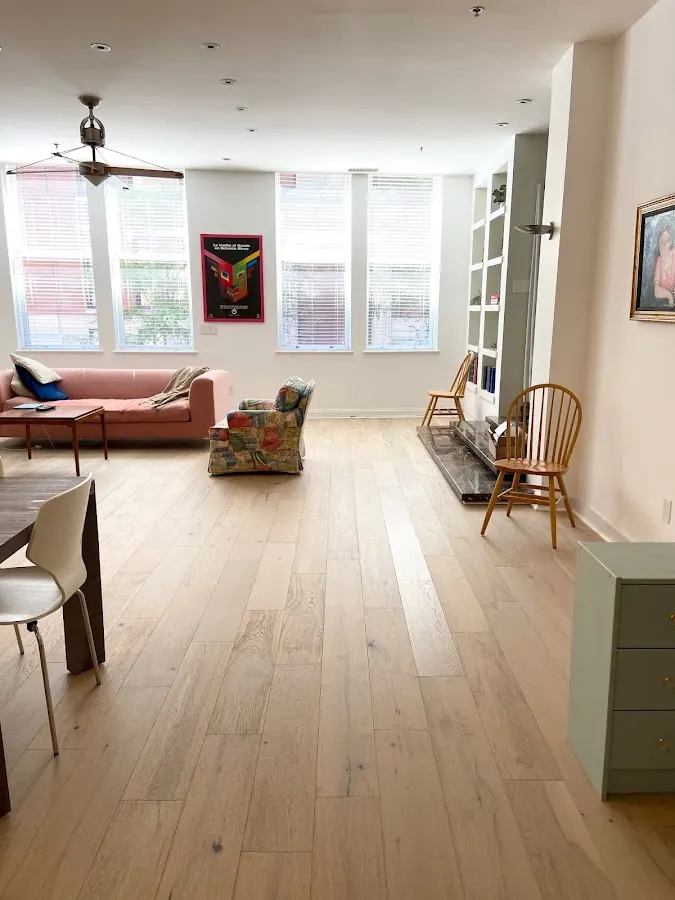
The Floor Sanders, Inc
The Floor Sanders, Inc is a hardwood flooring contractor serving Boston, MA, providing hardwood floor installation, sanding, finishing, and laminate floor insta...
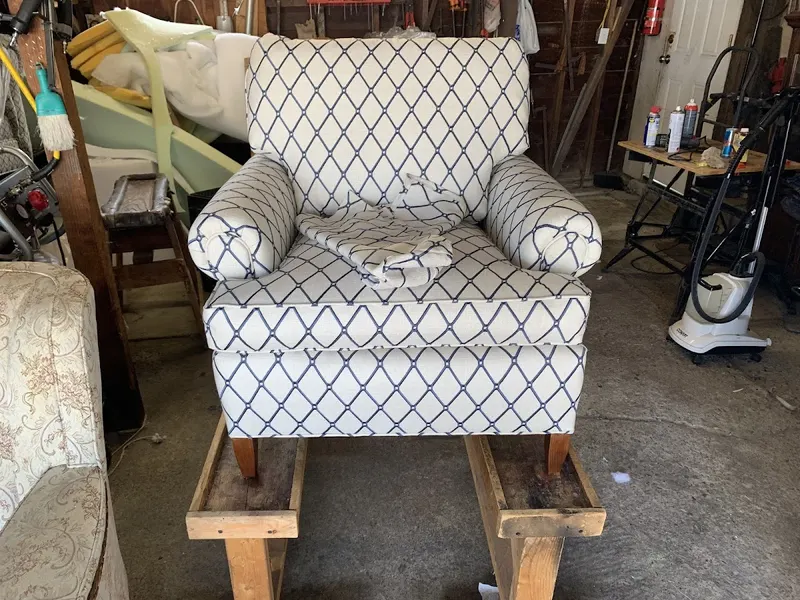
Seymour's Upholstering
Seymour's Upholstering is an upholstery business serving Boston, MA, providing furniture re-upholstering, motor vehicle upholstery, and furniture refinishing se...

ABV Appliance Service
ABV Appliance Service is a full-service appliance and HVAC repair business serving Boston, MA and surrounding areas. ABV Appliance Service provides home and com...
Where to stay
Back Bay suits first-time visitors who want elegant streets, shopping and easy transit, with the Public Garden and Copley Square on the doorstep. Downtown and the Financial District place you closest to the Freedom Trail, Faneuil Hall and the harbor ferries.
The Seaport is newer and polished, popular with business travelers and anyone who wants water views and quick airport access. The North End suits food lovers, though rooms are limited.
Where to stay in Boston


Best time to visit
Late spring and early autumn are ideal. From late May to June, parks are green and temperatures are comfortable for walking.
Winters are cold and snowy, but the city stays lively with holiday lights, ice skating on the Frog Pond in Boston Common and quieter museums.
Getting there and getting around
Logan International Airport sits in East Boston, just across the harbor from downtown. The Silver Line bus runs from the terminals to South Station, and a free shuttle links the terminals to Airport station on the Blue Line.
Boston is best explored on foot and by the MBTA, known as the T, which runs subway lines named by color, buses, commuter rail and ferries.
Before you go
More to discover in Boston
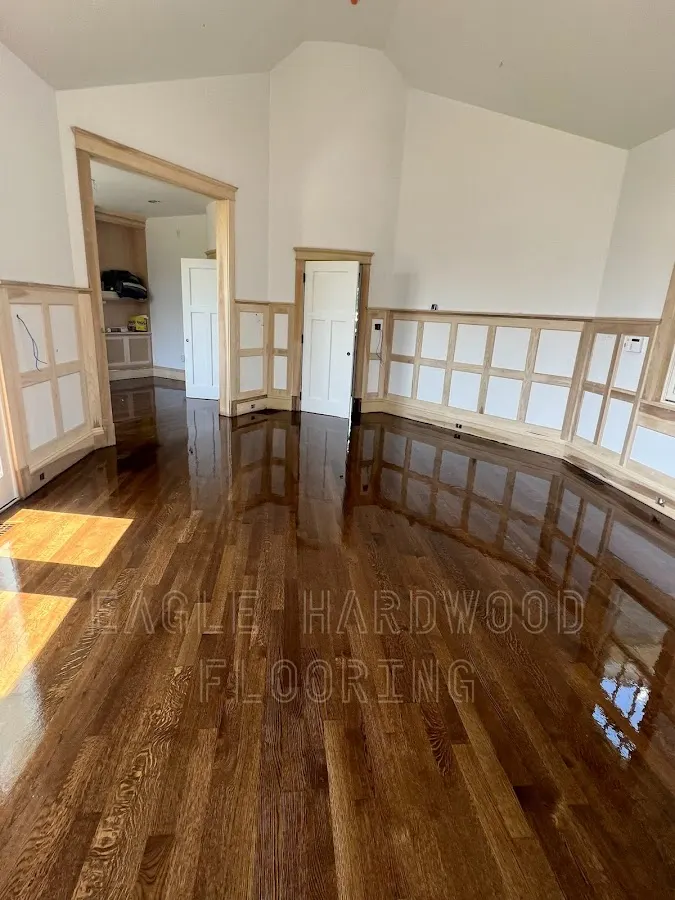
Eagle Hardwood Flooring
Eagle Hardwood Flooring is a flooring business providing installation, sanding, refinishing, staining, stair works, and finishing services.
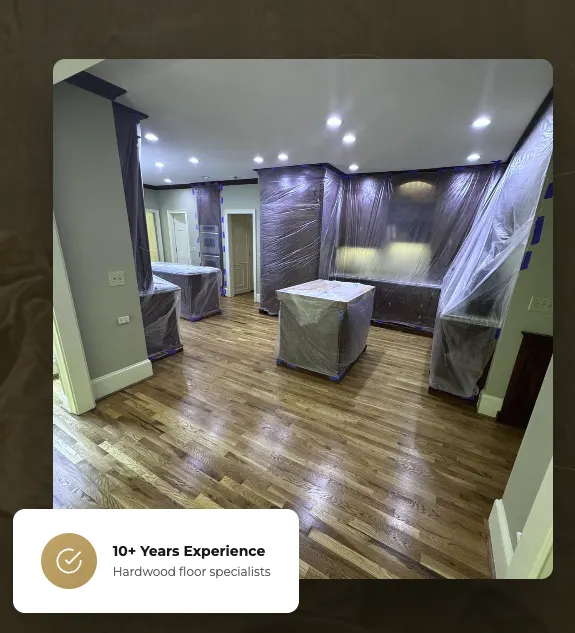
Mago Flooring
Mago Flooring is a flooring contractor serving Boston and Massachusetts, providing hardwood, luxury vinyl plank, carpet, laminate, and tile installation along w...

A1 Chimney
A1 Chimney is a chimney service business serving Milwaukee, WI. A1 Chimney provides chimney cleaning, repair, installation, and maintenance. Specialized service...
A suggested itinerary
First day
Walk the Freedom Trail from Boston Common through downtown to Faneuil Hall, then continue into the North End for the Paul Revere House, Old North Church and dinner.
Second day
Stroll the Public Garden and Beacon Hill in the morning, then walk Commonwealth Avenue and Newbury Street to Copley Square and the Boston Public Library.
Third day
Take the Red Line to Harvard Square, explore Harvard Yard and the museums, and walk to MIT.
Practical tips
- Wear comfortable shoes; brick sidewalks and cobblestones are uneven, and you will walk a lot.
- Book timed tickets for popular museums and Red Sox games in advance, especially on weekends.
- Use the T rather than driving downtown, and tap a contactless card or phone to pay fares.
- Reserve hotels early for April, May, October and big event weekends.
- Dress in layers; Boston weather changes quickly, and harbor breezes can feel cold even in summer.
- Stand to the right on escalators and let passengers off before boarding trains.
Find local businesses in Boston on WiserMap
From seafood restaurants and bakeries to bookshops and tour operators, Boston is full of independent businesses worth discovering.