Austin is the Texas capital, a university town and one of the most talked-about music cities in the country, all set where the rolling limestone Hill Country meets the flat blackland prairie.
AT A GLANCE
Best time
March to May and October to November, when days are warm rather than scorching.
How long
Three to four days for the city, plus a day for the Hill Country.
Getting there
Fly into Austin-Bergstrom International Airport, southeast of downtown, or drive in on Interstate 35.
Why visit Austin
Austin calls itself the Live Music Capital of the World, and on any given night you can hear blues, country, rock, Tejano and indie bands in bars, dance halls and backyard stages across town. Music is only part of the appeal, though. The city is built around water: Lady Bird Lake runs straight through downtown, the cold springs of Barton Creek feed a swimming pool that stays refreshing in the hottest summer, and the chain of Highland Lakes stretches away to the northwest.
Austin also has a strong sense of place. The University of Texas brings museums, a big-time sports culture and a young population. The state government gives the downtown grand civic architecture.
Downtown, the Capitol and the museums
Texas State Capitol
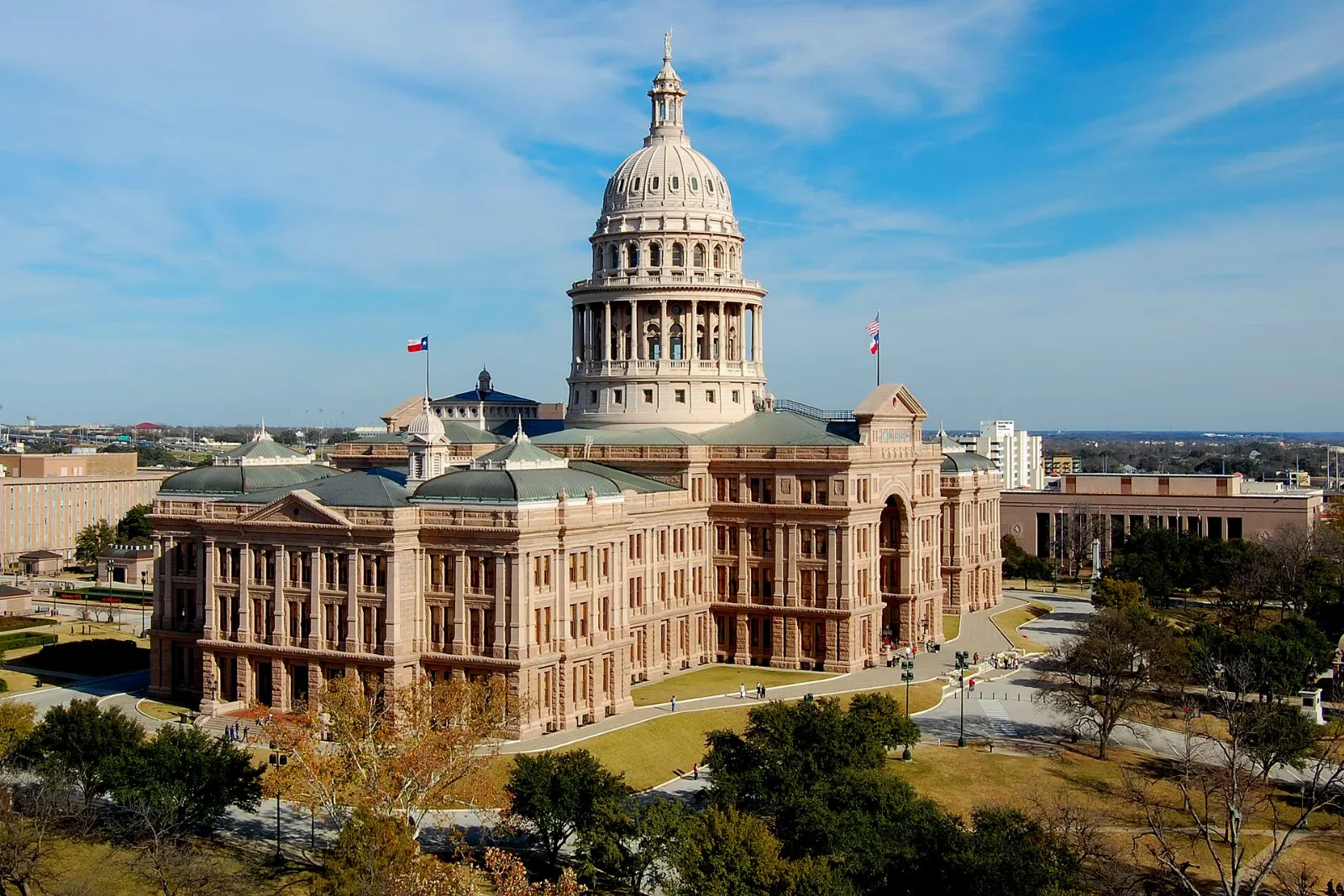
Congress Avenue runs north from the river straight up to the Texas State Capitol, a domed building of pink granite completed in 1888.
Allow one to two hours, including the grounds and the visitor center in the restored General Land Office building on the southeast corner.
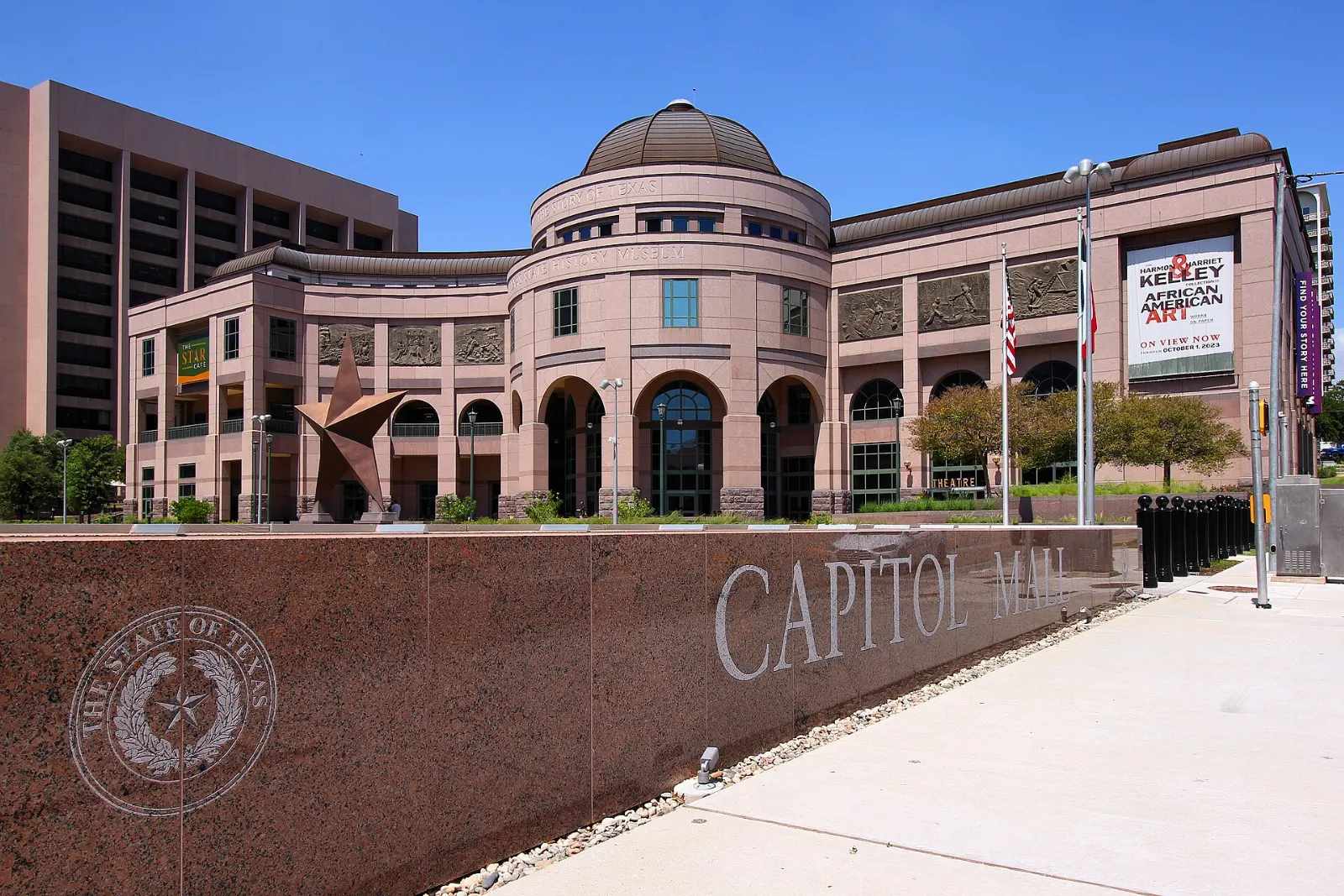
Bullock Texas State History Museum
A few blocks north of the Capitol, at the corner of Martin Luther King Jr. Boulevard and Congress Avenue, the Bullock Texas State History Museum covers the state's story across three floors, from Indigenous peoples and Spanish missions to the Republic of Texas, oil, cattle and space flight.
Allow two to three hours. Practical tip: it is an easy add-on to a Capitol visit, and the museum's parking garage is often simpler than hunting for street parking downtown.
Blanton Museum of Art
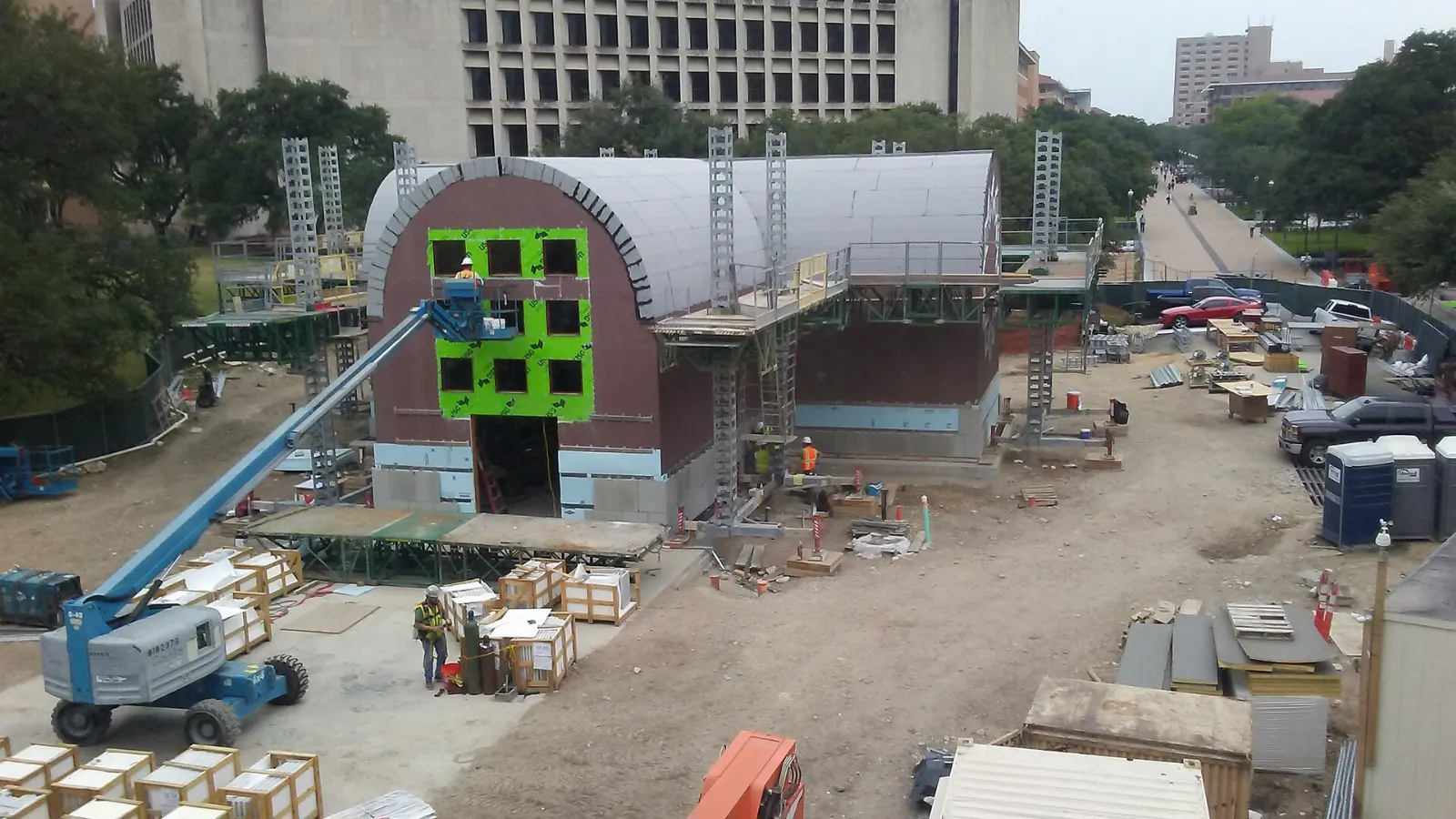
Across the street from the Bullock, on the University of Texas campus, the Blanton Museum of Art holds one of the largest university art collections in the country, with strengths in European paintings, American art and modern and contemporary Latin American work.
Allow one and a half to two hours for the galleries and Austin together. Practical tip: visit Austin in the late morning or early afternoon on a sunny day, when the colored light inside is strongest.
Congress Avenue Bridge bats
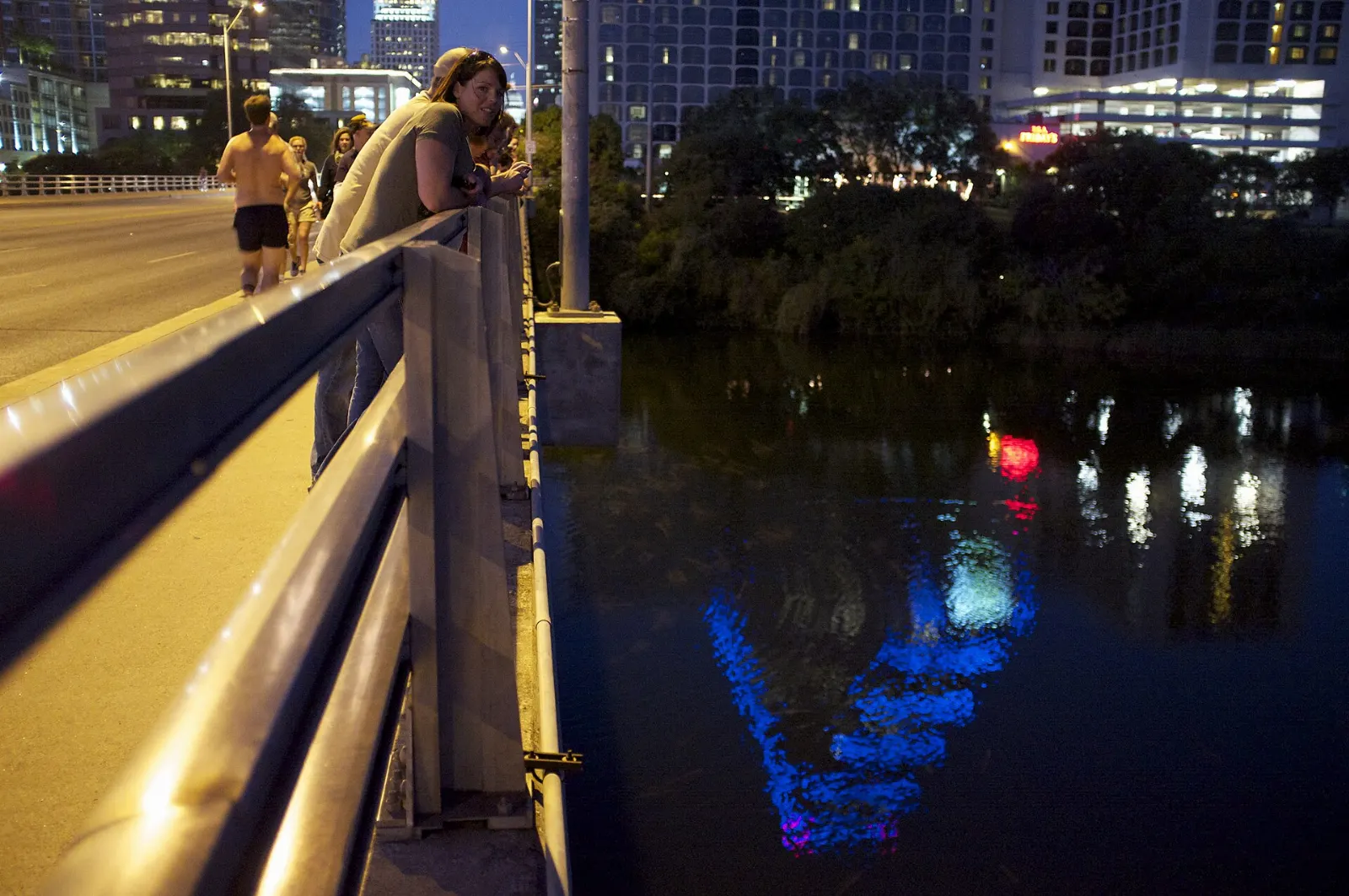
From roughly March through October, the Ann W. Richards Congress Avenue Bridge shelters what is often described as the largest urban bat colony in North America, made up of Mexican free-tailed bats that spend the warm months in the crevices under the deck.
Allow about an hour around sunset. Practical tip: the emergence time shifts with weather and season and is never guaranteed, so arrive a little before sunset and be patient.
Lady Bird Lake, Zilker Park and the viewpoints
Lady Bird Lake and the Butler Hike-and-Bike Trail
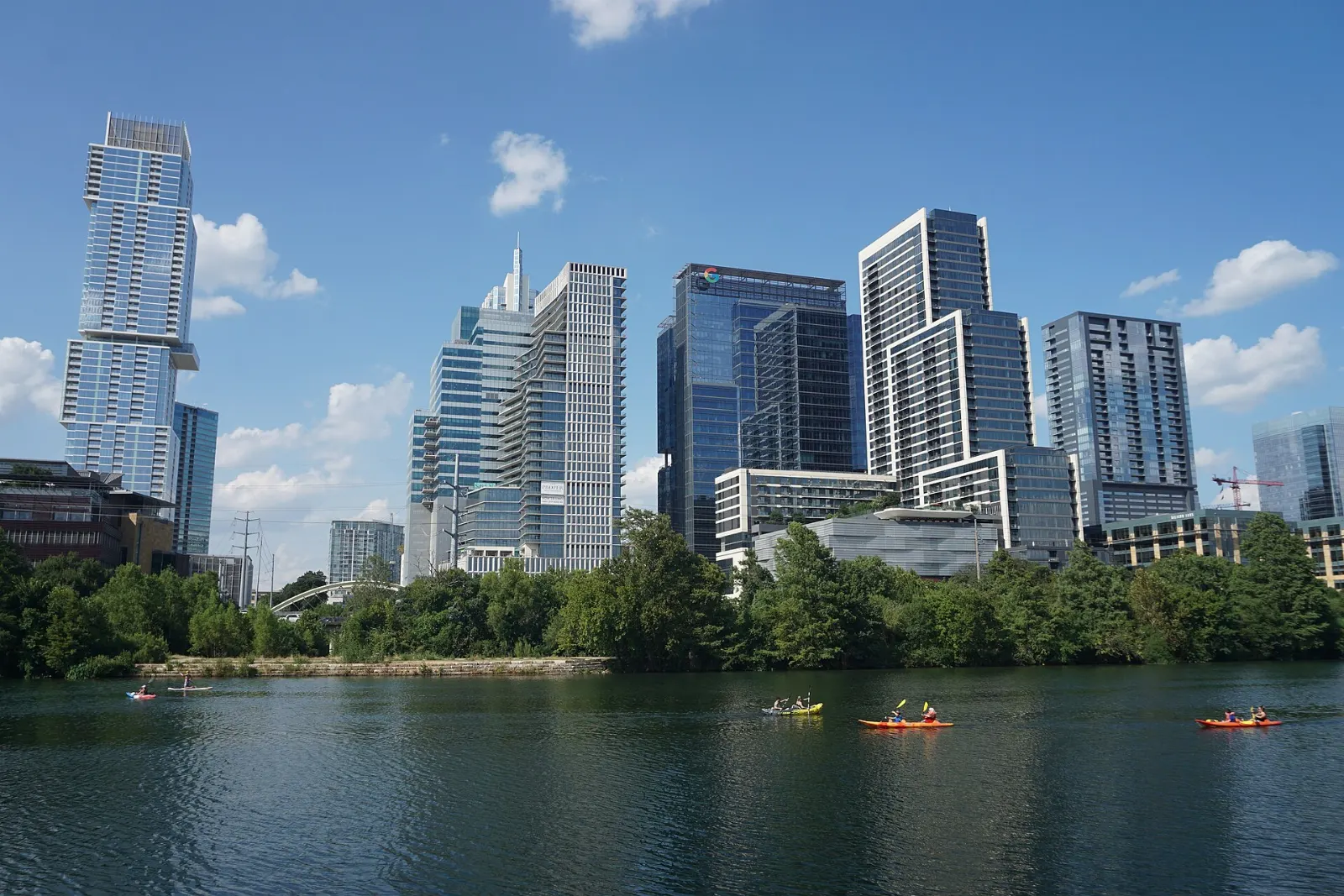
Lady Bird Lake is the dammed stretch of the Colorado River that curves through the middle of Austin, and the Ann and Roy Butler Hike-and-Bike Trail loops around it for about ten miles.
Allow anything from an hour for a short loop to half a day for a paddle and a walk. Practical tip: the boardwalk section on the south shore east of Congress Avenue gives some of the best skyline views, especially early in the morning.
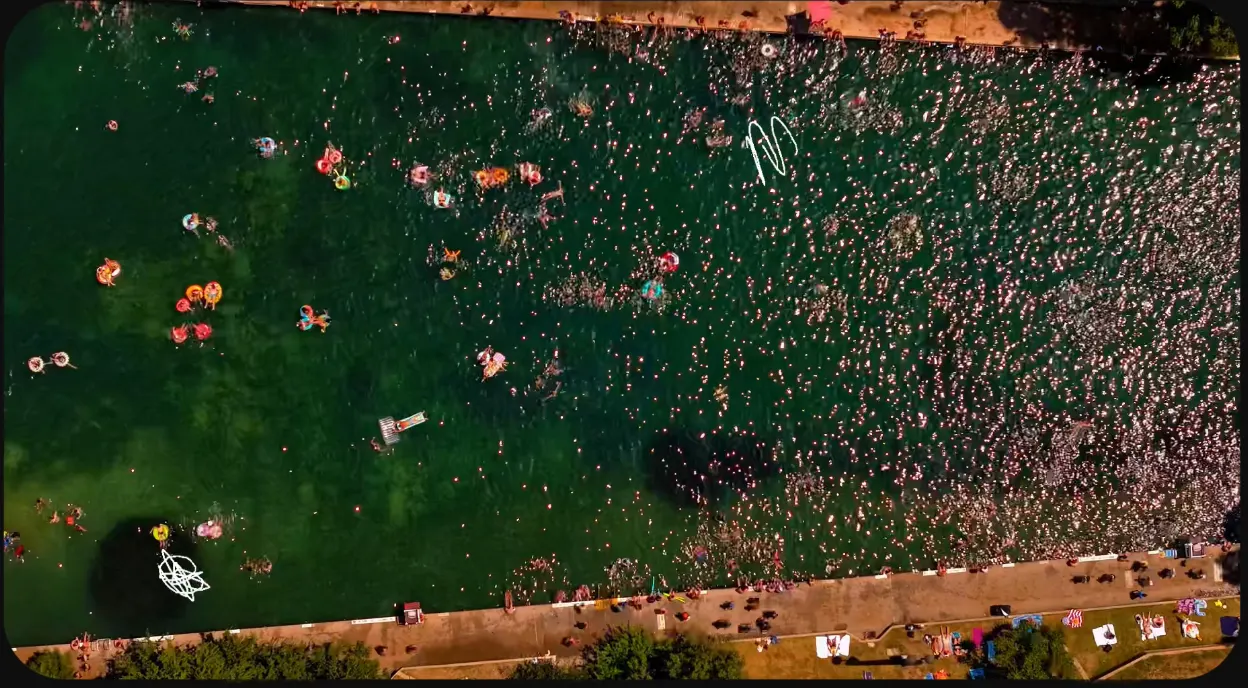
Zilker Park and Barton Springs Pool
Zilker Park is Austin's big backyard, a sprawling green space just southwest of downtown with playing fields, a botanical garden, a small train and room for huge events like the Austin City Limits Music Festival.
Allow two to four hours if you want to swim and laze on the grassy banks.
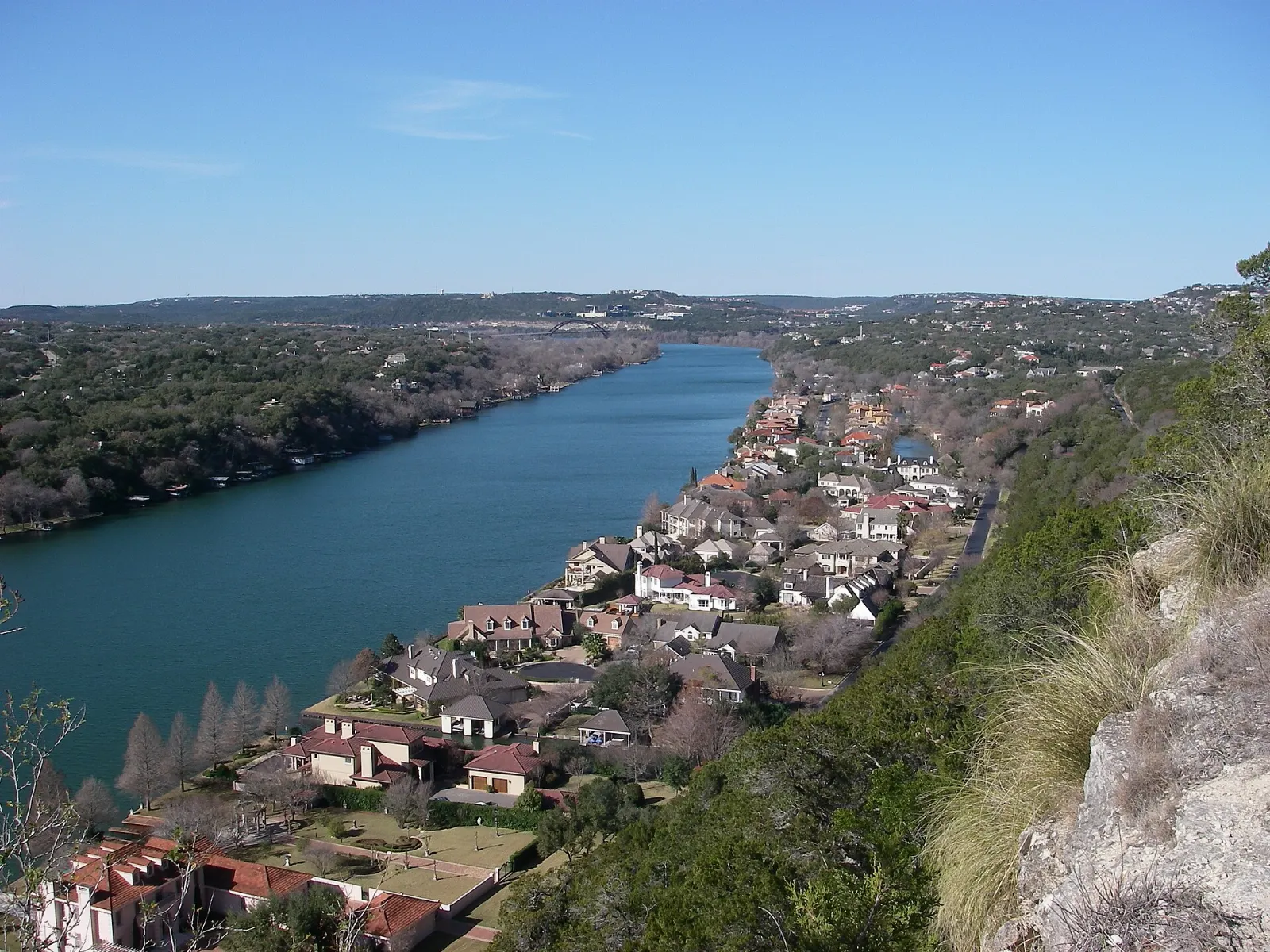
Mount Bonnell
Mount Bonnell is a limestone hill in Covert Park, west of central Austin, rising above a bend of Lake Austin. A short but steep stone staircase leads to the top, where you look out over the river, cliffside mansions and the green hills of the west side.
Allow forty-five minutes to an hour. Practical tip: sunset is the busiest time and parking is limited, so a weekday morning visit is calmer.
Neighborhoods, gardens and the Hill Country
South Congress Avenue
South of the river, South Congress Avenue, known to everyone as SoCo, is lined with vintage clothing stores, Western wear and boot shops, galleries, food trucks and some of the city's best-known music venues.
Allow two to three hours, longer if you stay for an evening show. Practical tip: come in the late afternoon, shop while it cools down, then eat and catch music after dark.
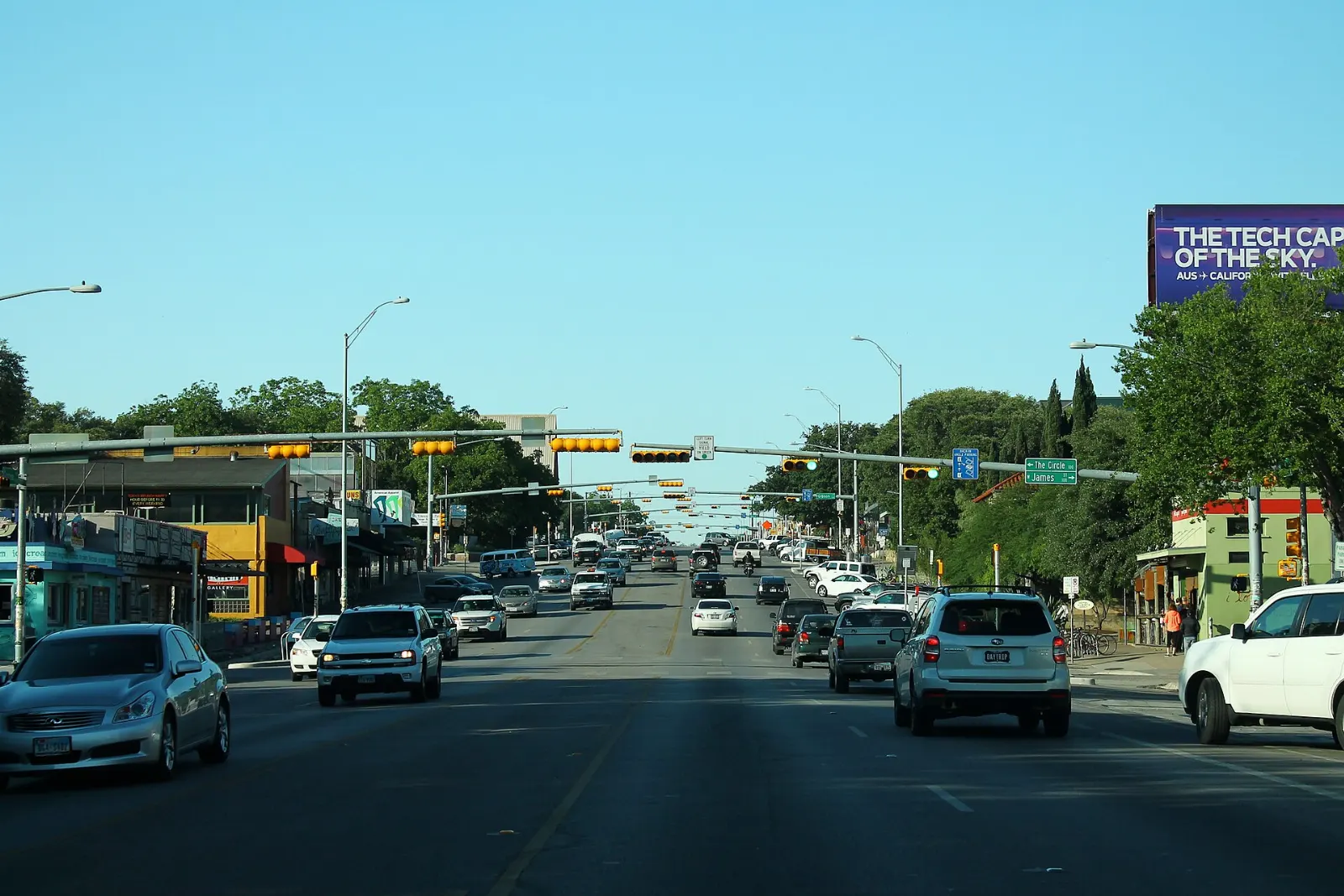
East Austin, Sixth Street and Rainey Street
For nightlife, Austin has distinct flavors. East Sixth Street downtown is the classic party strip, closed to cars on weekend nights and packed with bars.
Allow an evening or two. Practical tip: use rideshare or transit at night, as downtown parking is scarce and police are strict about drinking and driving.
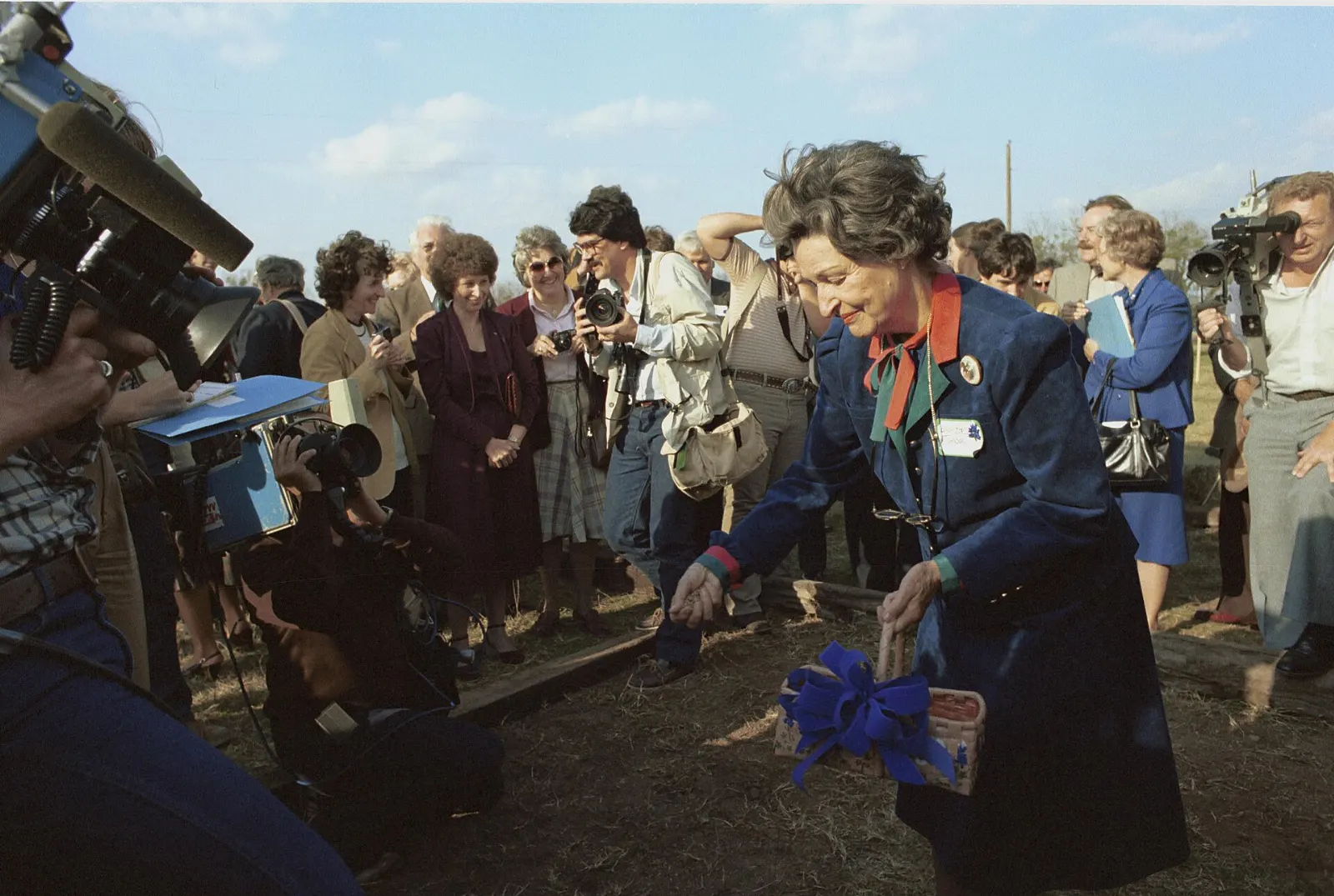
Lady Bird Johnson Wildflower Center
In southwest Austin, the Lady Bird Johnson Wildflower Center is the botanical garden of the University of Texas at Austin, founded with the help of the former First Lady to protect and promote native plants.
Allow two to three hours. Practical tip: late March and April are the peak wildflower weeks and the busiest; arrive early, and check the official website for current hours and fees.
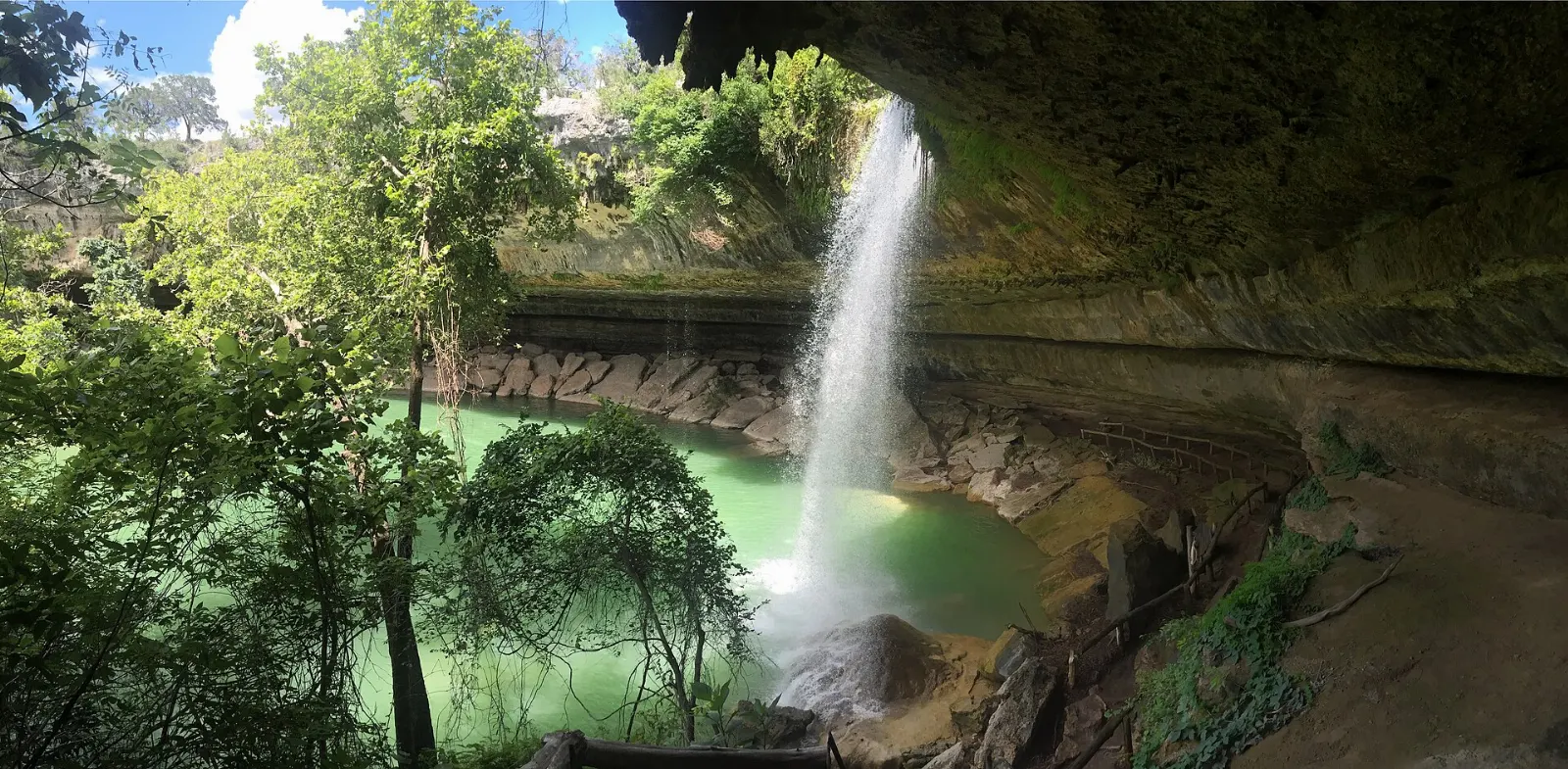
Hamilton Pool Preserve
About an hour west of the city, Hamilton Pool Preserve is a natural pool beneath a partly collapsed limestone dome, with a waterfall dropping from the rim into green water.
Allow half a day including the drive.
 Planning a trip to Austin?Compare hotels, flights and vacation rentals for Austin on Expedia.Book now
Food and local flavors
Central Texas barbecue is the headline act. The style is simple: brisket, beef ribs, sausage and pork ribs rubbed with salt and pepper and smoked slowly over post oak, served by the pound on butcher paper with white bread, pickles and onions.
Breakfast tacos are the everyday local meal: soft flour tortillas filled with eggs, potatoes, bacon, chorizo, beans or migas, sold at food trucks, taquerias and coffee shops all over town.
Popular dishes to try in Austin


Where to stay
Downtown suits first-time visitors who want to walk to the Capitol, the lake, the bats and the music strips.
South Congress and South Austin work well if you want a neighborhood feel, quirky shops and restaurants on your doorstep, and an easy walk or short ride to Zilker Park and downtown.
East Austin suits travelers who want bars, breweries and creative restaurants, with plenty of short-term rentals in older houses.
Where to stay in Austin


Best time to visit
Spring, from March to May, is the favorite season. Temperatures are pleasant, the wildflowers bloom along roadsides and in the Hill Country, and the bats return.
Summer is long and hot, with many days in the upper nineties or above, so plan outdoor sightseeing for early morning and spend the afternoons in the water or indoors.
Getting there and getting around
Austin-Bergstrom International Airport lies southeast of downtown and has nonstop flights to many US cities and a growing list of international routes.
Inside the city, the central areas are walkable and bike-friendly, with scooters and bike share widely available. CapMetro buses cover most neighborhoods, and the MetroRail Red Line runs north from downtown.
A suggested itinerary
First day
Start with a tour of the Texas State Capitol, then walk north to the Bullock Museum and across to the Blanton and Ellsworth Kelly's Austin.
Second day
Rent a kayak on Lady Bird Lake in the morning, then spend the middle of the day swimming at Barton Springs Pool in Zilker Park.
Third day
Drive out to Hamilton Pool with a reservation, or visit the Lady Bird Johnson Wildflower Center if it is spring.
Practical tips
- Book accommodation far ahead for SXSW, Austin City Limits, the Grand Prix and University of Texas home football weekends.
- Reserve Hamilton Pool in advance; visitors without a reservation are turned away.
- Drink plenty of water and wear sun protection, as summer heat can be dangerous on trails.
- Check Barton Springs Pool and Hamilton Pool swimming status online before you go.
- Bring water shoes for slippery limestone at springs, creeks and waterfalls.
- Use rideshare, transit or scooters downtown at night rather than looking for parking.
Find local businesses in Austin on WiserMap
Looking for a taco truck near your hotel, a kayak rental on the lake or a mechanic before a Hill Country road trip?