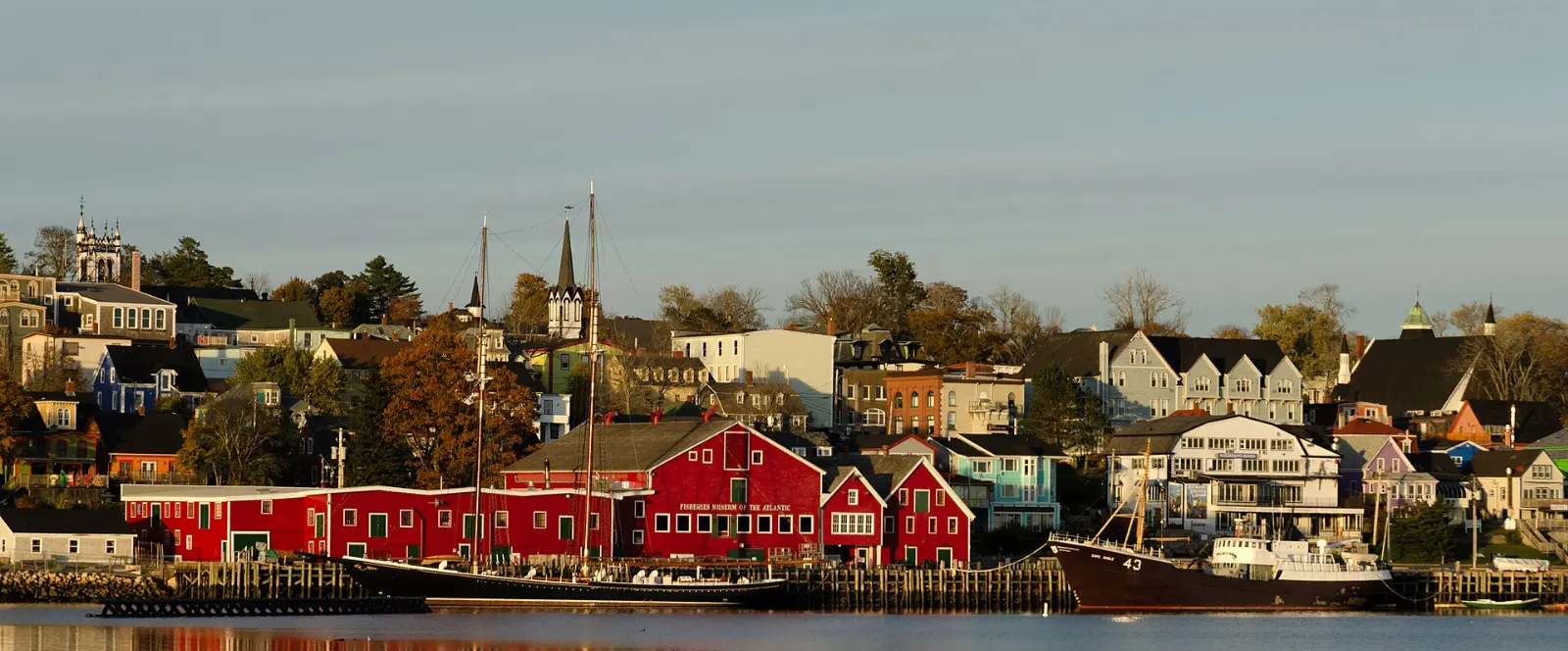
Lunenburg is a small fishing and shipbuilding port on the South Shore of Nova Scotia, and its Old Town is a UNESCO World Heritage Site. Brightly painted wooden houses climb the hill from the harbour in the grid pattern laid out when the town was founded in 1753.
AT A GLANCE
Best time
Summer and early autumn are best, when museums and boat tours are open.
How long
Allow a full day for the town, or two days with Mahone Bay and Blue Rocks.
Getting there
Drive from Halifax by Highway 103 or take a bus on the South Shore route.
Why visit Lunenburg
UNESCO describes Lunenburg as the best example of planned British colonial settlement in North America. The town kept its original layout and its appearance from the 1800s, including local wooden vernacular architecture, so you can read its history from the street itself.
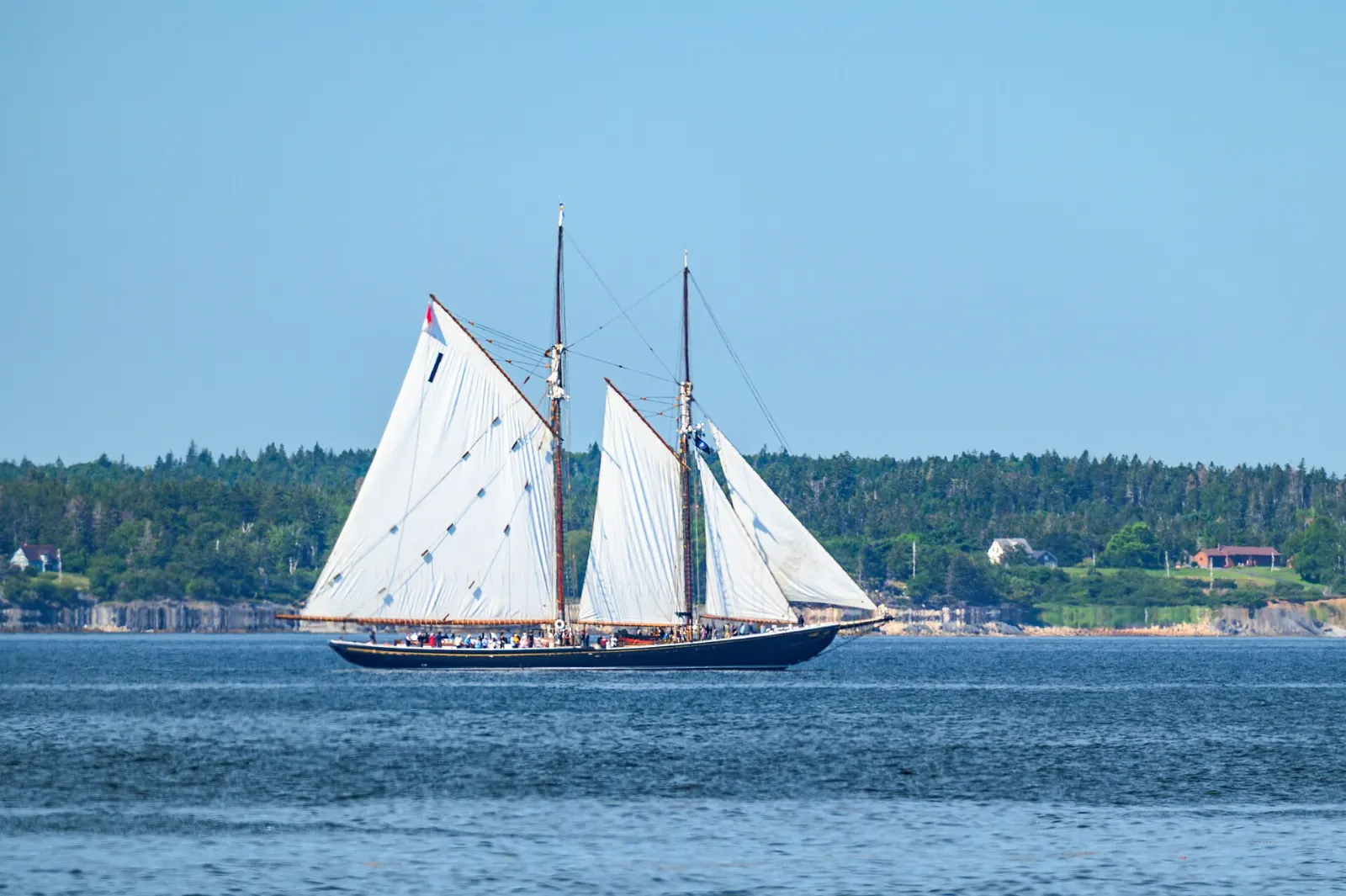
The harbour still matters. Offshore fishing built Lunenburg, and the schooner Bluenose was launched here in 1921. Today you can step aboard exhibits, watch boats at the wharf and walk the quiet streets of a town where people also live and work. It is small enough to cover on foot, which makes it easy to enjoy at a gentle pace.
The town's past is layered. The Mi'kmaq lived here for generations, Acadians settled in the 1620s, and in 1753 the British brought more than a thousand Foreign Protestants, mostly from Europe, to found the town. That German-speaking heritage still echoes in local family names around Mahone Bay and Lunenburg.
The best places to visit in Old Town
Most of the main sights are within an easy walk of the waterfront. Start there and work uphill.
Fisheries Museum of the Atlantic
This museum in bright red buildings explains the fishing story of Atlantic Canada. Exhibits include the schooner Theresa E. Connor, the steel-hulled trawler Cape Sable, an aquarium of native species and a working boat shop. It runs seasonally from mid-May to mid-October, so check the official site before you plan. Allow two to three hours.
Bluenose II
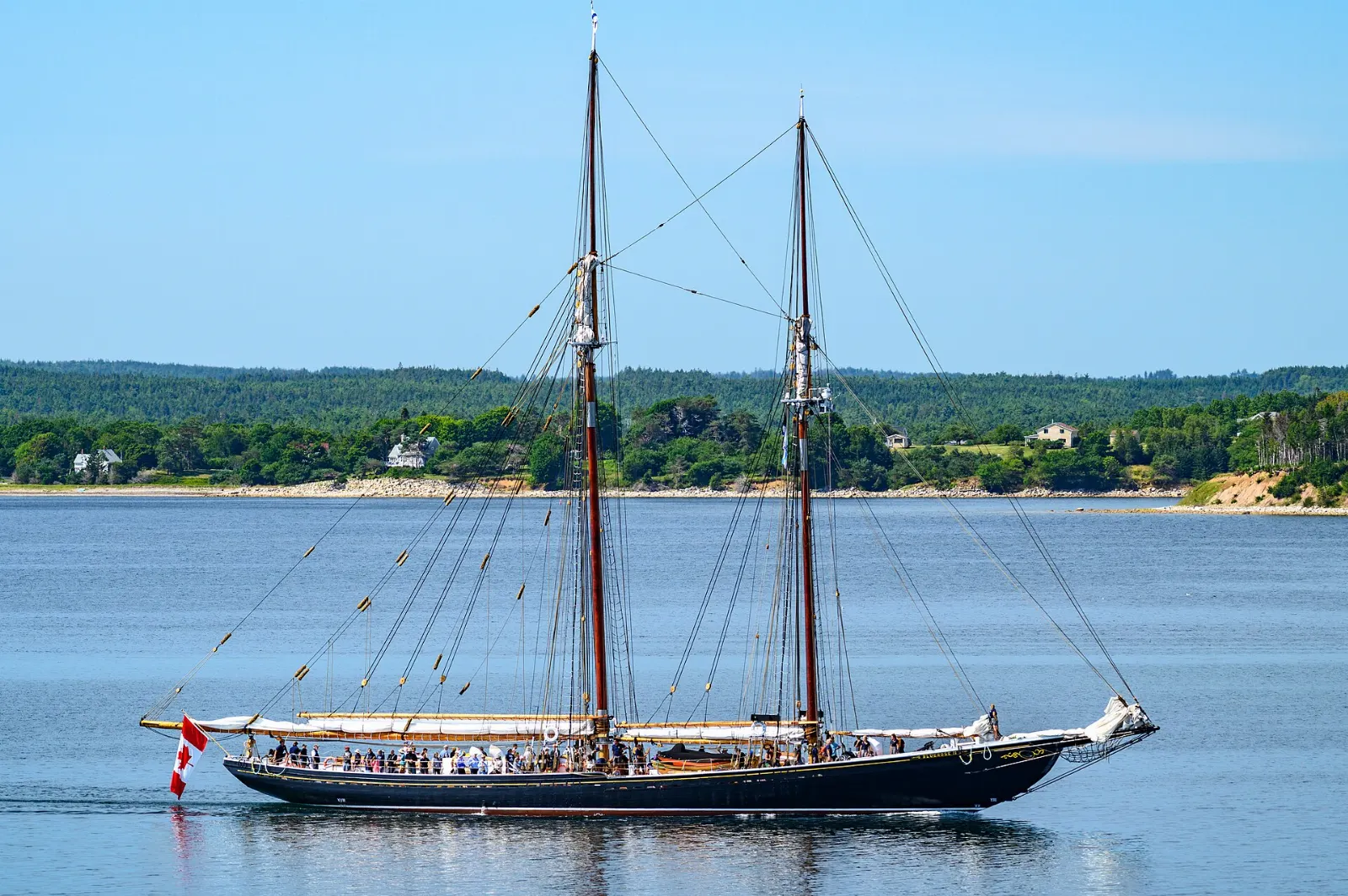
Bluenose II is a replica of the racing and fishing schooner Bluenose, which was built in Lunenburg in 1921 and became a Canadian icon. In season she spends much of her time at the wharf here, and sailings are offered when she is in port. Check the schedule in advance, because her movements change.
Lunenburg Academy
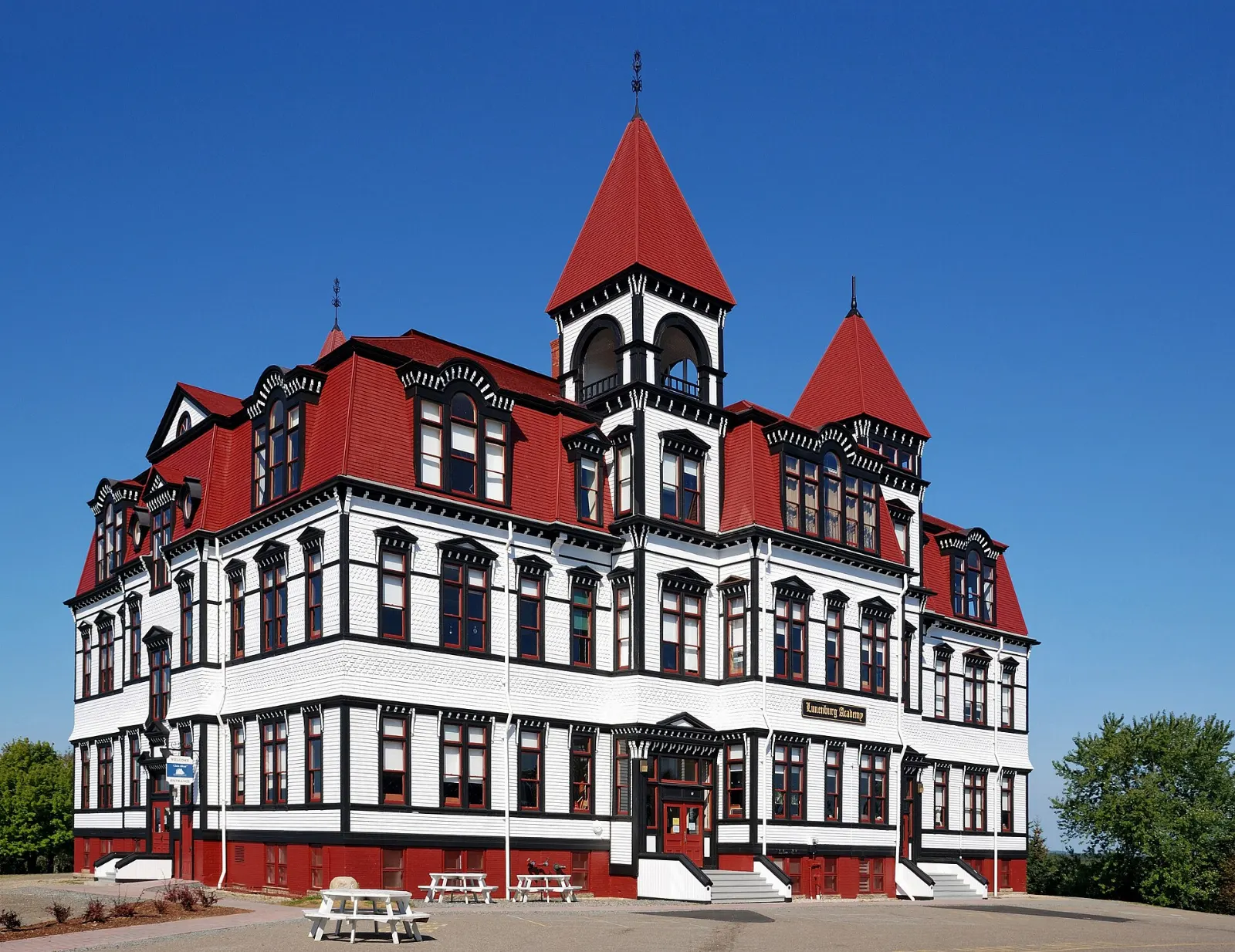
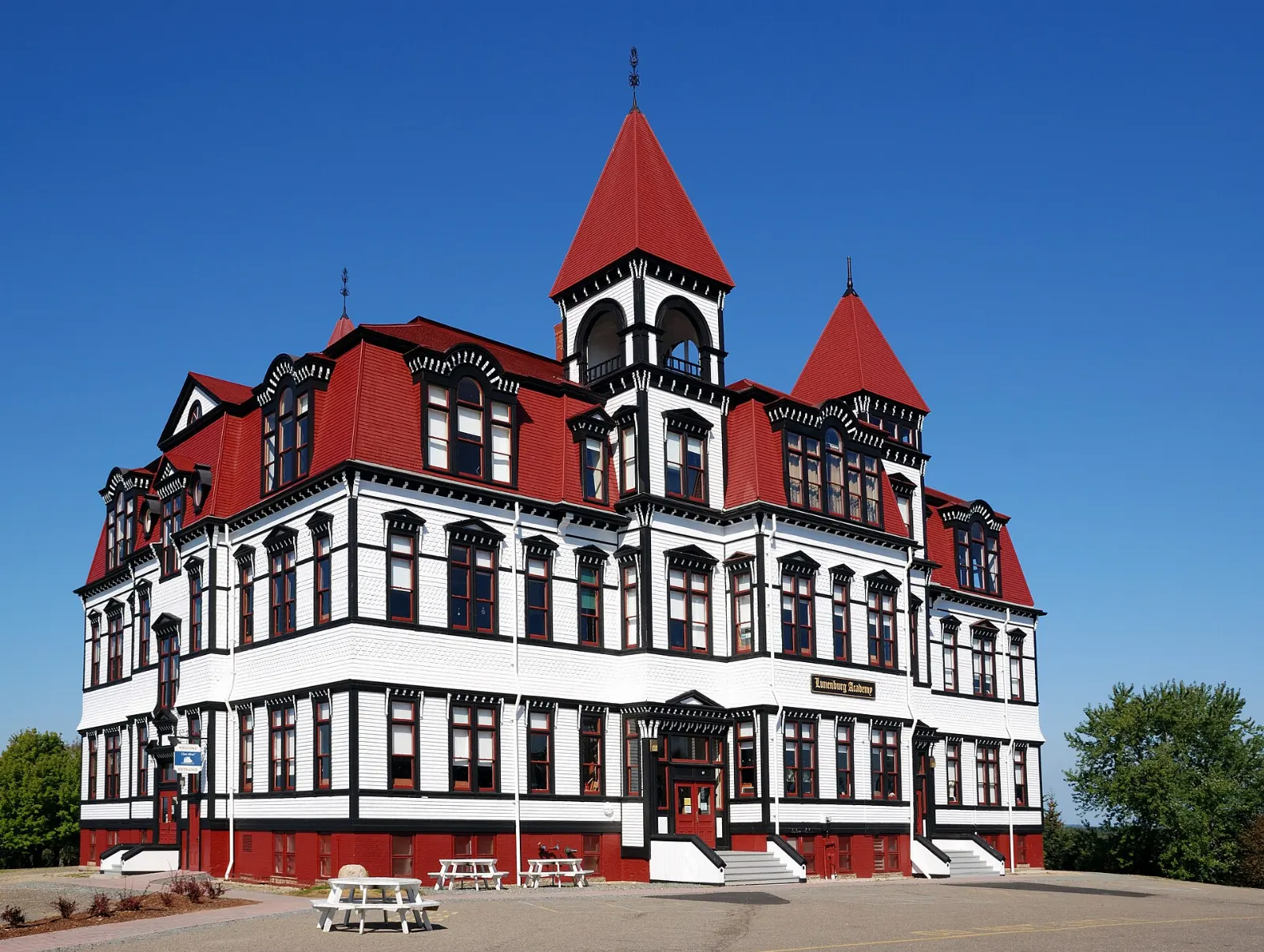
The Academy was built in 1894 and 1895 on the hill and is a National Historic Site for its Second Empire design. It stood as a school for well over a century and today houses a library and music school. Walk up for the view over the town, and note that restoration work has been ongoing.
Sophie McLachlan's grave
Beside the Academy, a cemetery holds the grave of Sophie McLachlan, a 14-year-old girl accused of theft by her employer in 1879. A marker tells her story and a wrought iron heart pulled by chains shows how she is remembered. Visit quietly and respectfully.
St. John's Anglican Church
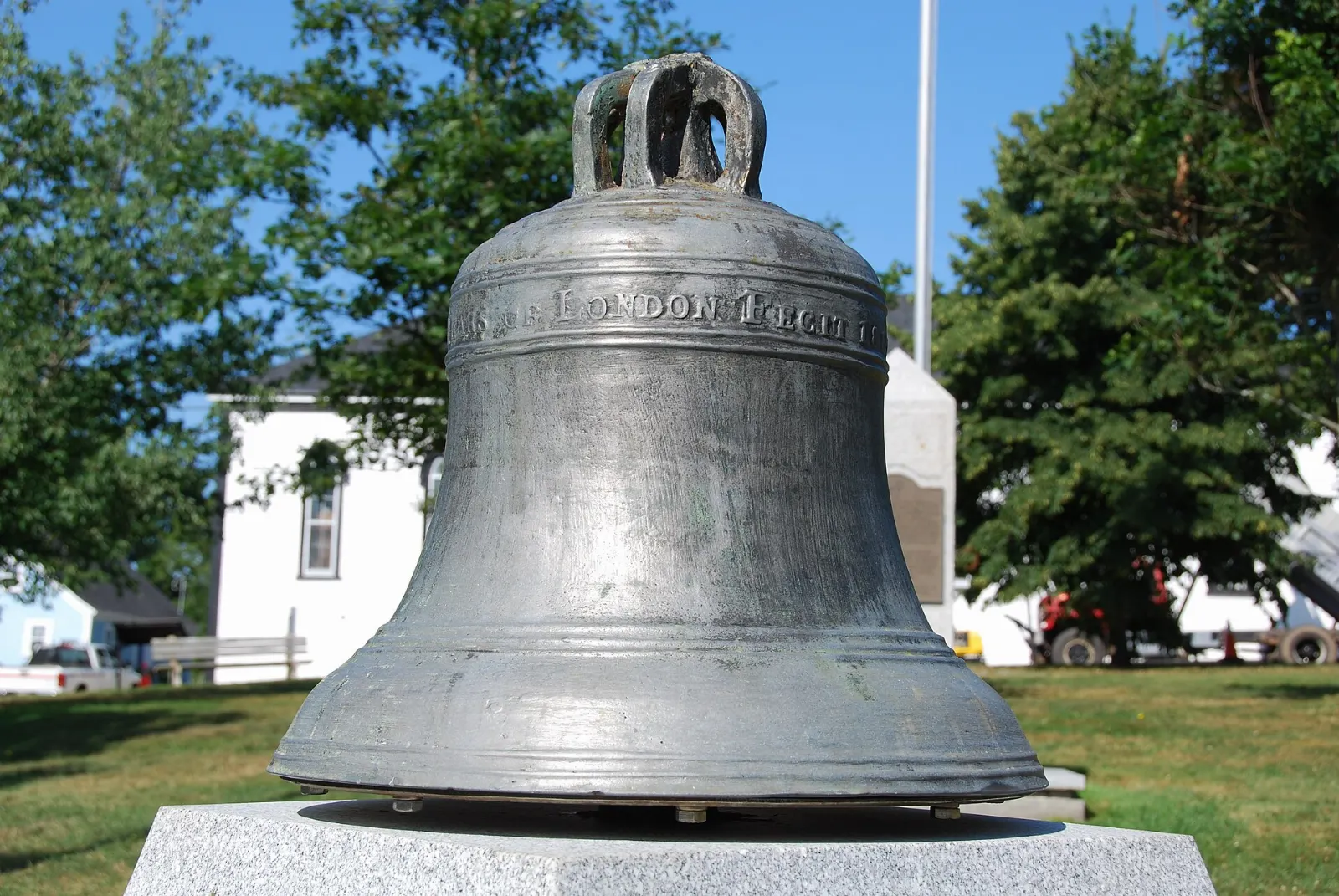
The church dates its founding to 1753, and its bell came from the same London foundry that cast Big Ben and the Liberty Bell. A major fire in 2001 was followed by reopening in 2005. Step inside if it is open, and take a moment to look up at the old timber beams, some of which were reused from an earlier chapel in Boston.
St. Andrew's Presbyterian Church
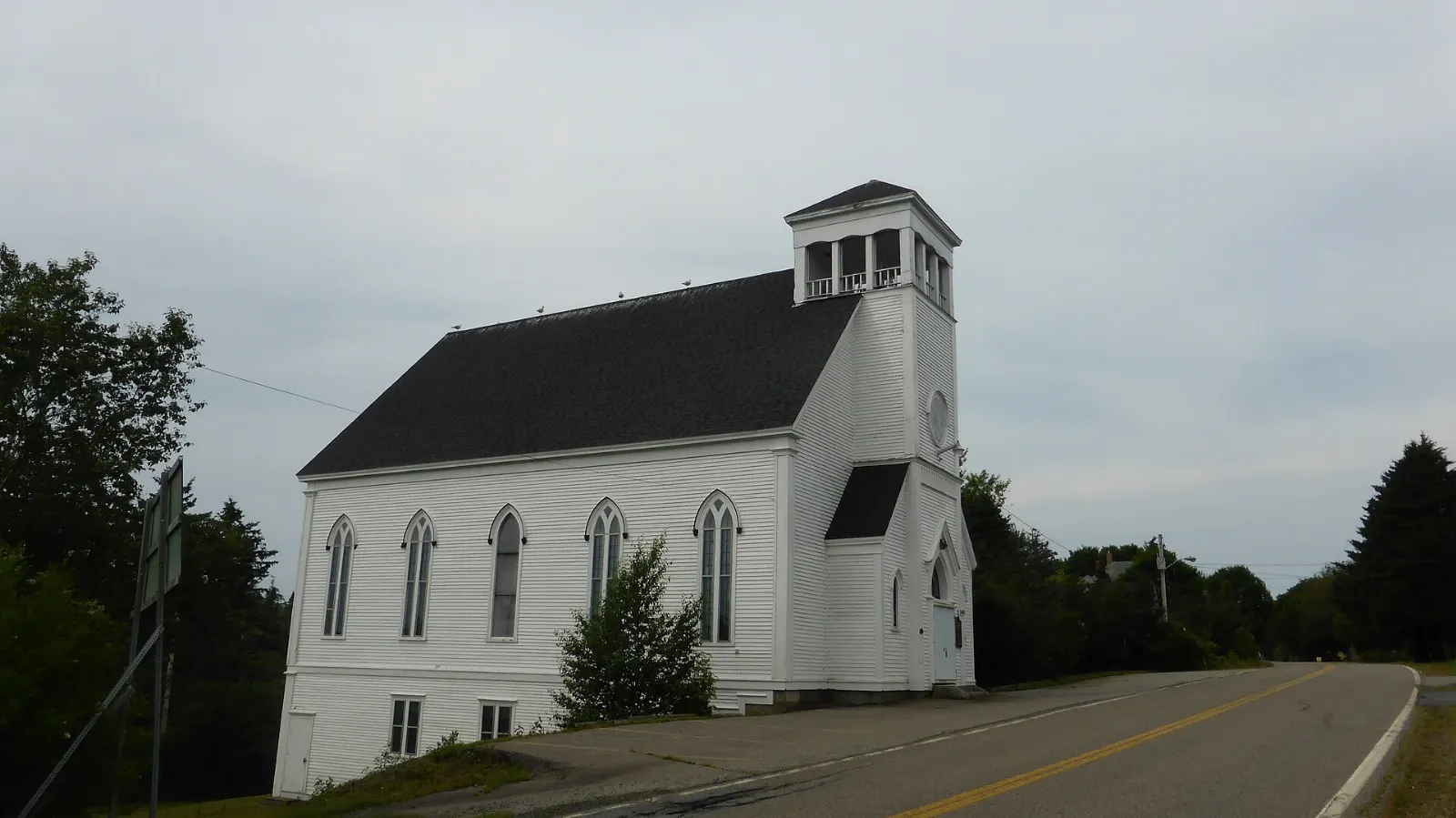
A large hammered copper cod weather vane tops the spire, a nod to the salted cod trade known as the Lunenburg Cure. It is best seen from the street, so pause to photograph it with the rooftops below. Allow a few minutes.
Beyond the Old Town
Blue Rocks
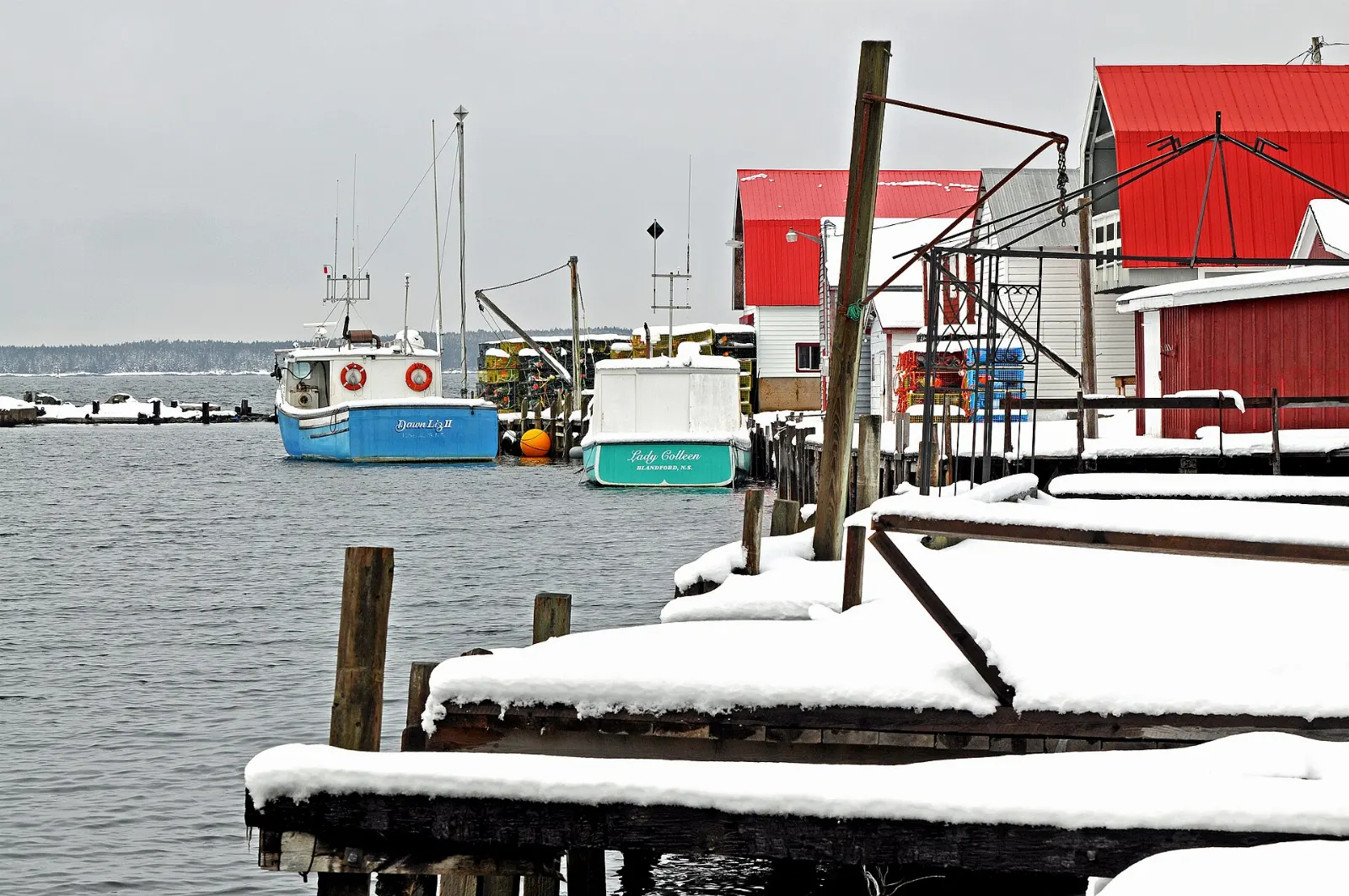
Blue Rocks is a small fishing community near Lunenburg, and sea kayak tours depart from there as well as from the Front Harbour and Back Harbour. No experience is needed for guided trips. Book ahead in summer and check the weather.
Mahone Bay
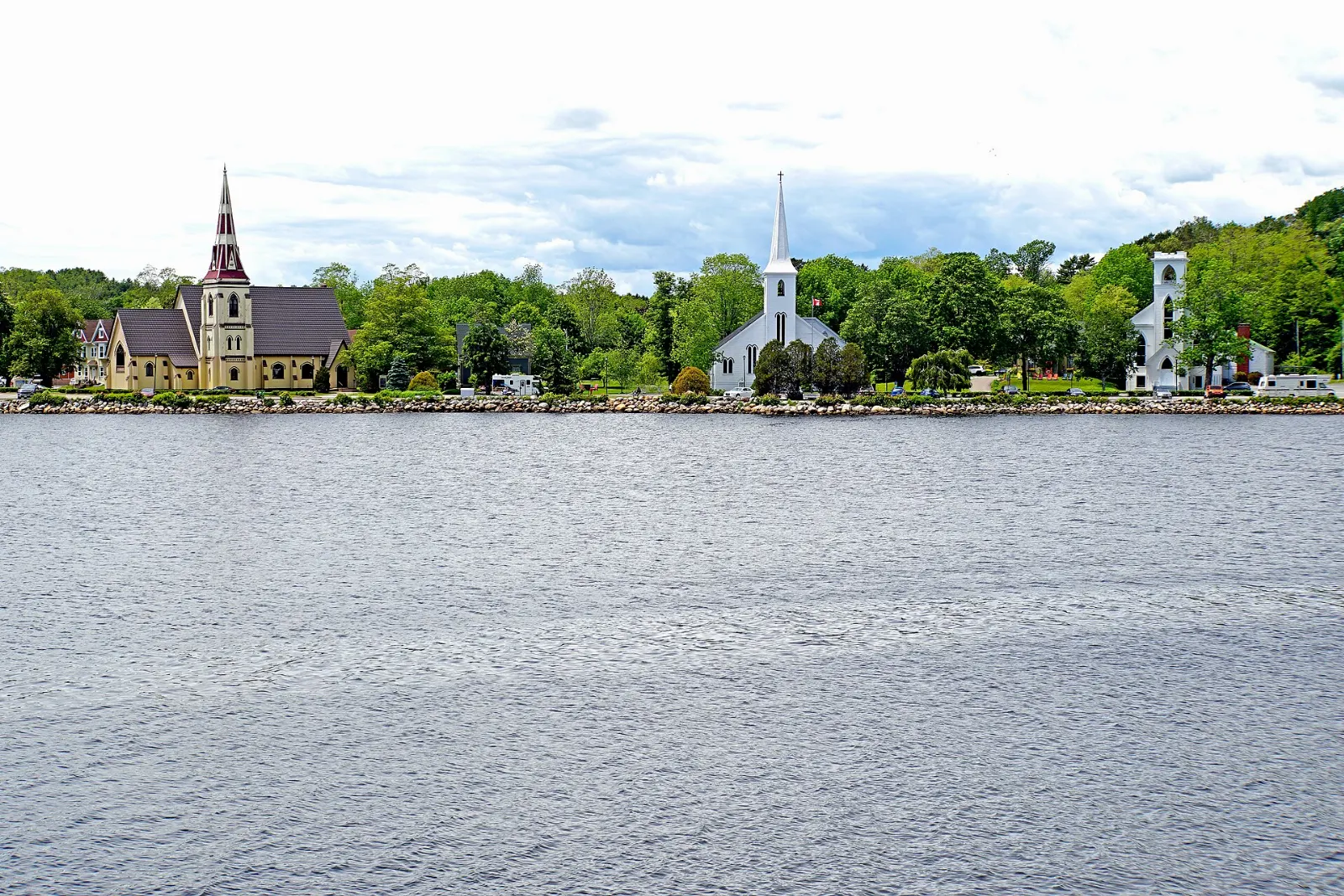
Mahone Bay is a short drive away along the shore. It is a popular sailing area with many islands, and the bay is said to hold as many as 365 islands. Spend a few hours walking the waterfront and browsing the shops.
Horse-drawn tours and walking tours
From May to October a horse-drawn buggy company runs tours from outside the Fisheries Museum. Local historians also lead walking tours of the town. Both are good ways to learn who built which house, so book early in peak summer.
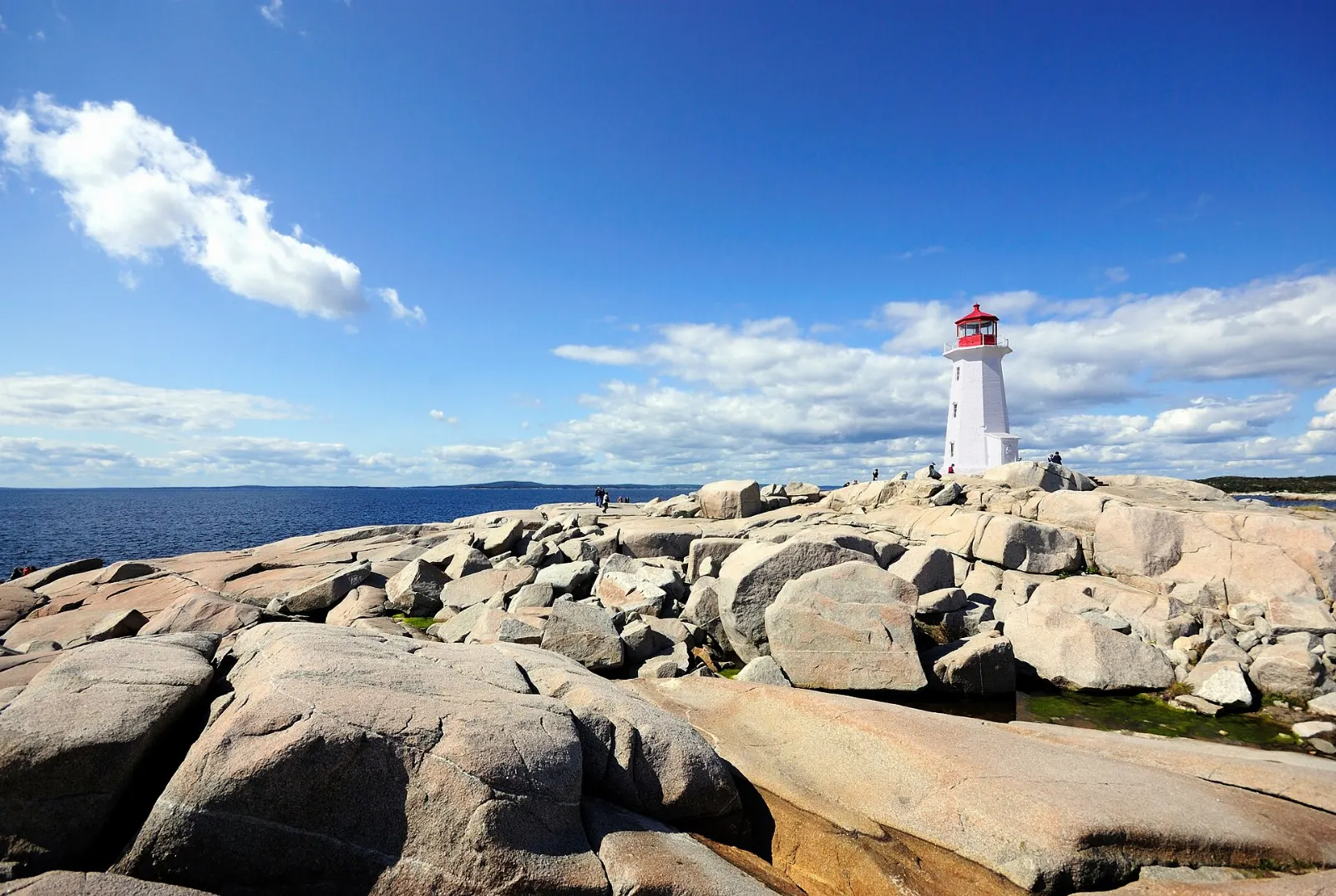
Lighthouse Route to Peggy's Cove
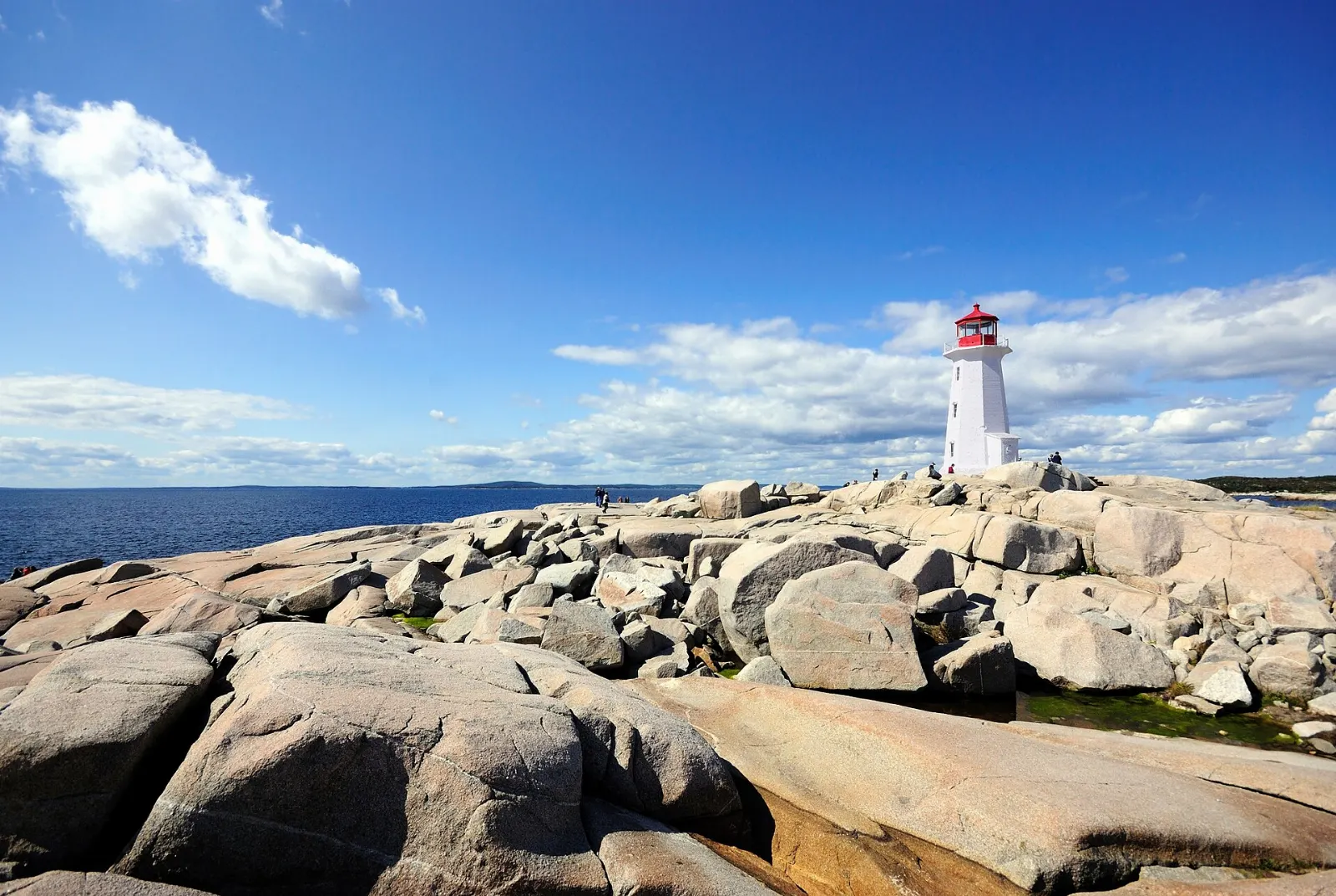
The coastal Highway 3, known as the Lighthouse Route, runs directly through Lunenburg and continues towards Peggy's Cove. It is a scenic alternative to the highway when you have time. Allow extra hours for photo stops.
 Planning a trip to Lunenburg?Compare hotels, flights and vacation rentals for Lunenburg on Expedia.Book now
Food and local flavors
Seafood is the obvious choice in a fishing port. Look for seafood chowder, lobster and local fish on harbourfront menus. Blueberry grunt, a baked berry dessert with a dumpling topping, is a Nova Scotia favourite, and dulse, a seaweed snack harvested in parts of the province, is worth tasting once.
Lunenburg historically exported a style of dried and salted cod known as the Lunenburg Cure, so fish is part of the town's identity. Coffee shops with armchairs and gardens make easy stops between museums, and the harbourfront is a pleasant place to sit with a snack while the boats come and go. Ask restaurant staff what came off the boats that week.
Popular dishes to try in Lunenburg


Where to stay
Old Town Lunenburg is the best choice if you want to walk everywhere, and many of the historic houses now work as guesthouses and inns. Mahone Bay suits travellers who prefer a smaller village feel with sailing views. Chester is a good base if you also want to continue to Peggy's Cove and Halifax.
Blue Rocks is a quiet fishing community for a few nights of kayaking and calm. Book early for summer weekends and for any festival dates, and check the season of any property you like, because some small inns open only part of the year.
Where to stay in Lunenburg


Best time to visit
Late spring through early autumn is the best window. The Fisheries Museum runs from mid-May to mid-October, horse-drawn tours operate from May to October, and Bluenose II is in port for much of the season. July and August are busiest, so book ahead.
Spring and autumn are calmer, with fewer visitors, though some attractions may be closed or on reduced schedules. Winter is quiet and you should expect cold, damp Atlantic weather. Check the town's events listings before you plan, since festivals and boat events change year to year.
Getting there and getting around
From Halifax, take Highway 102 north, then Highway 103 west, and leave at Exit 11 on Highway 324 into Lunenburg. For a more scenic route, follow the Lighthouse Route on Highway 3. Maritime Bus runs between Halifax and Lunenburg with stops in Chester and Bridgewater, which takes about one hour and forty five minutes. The nearest major airport is Halifax Stanfield International.
There is no public transport in Lunenburg itself, but the town is compact enough to explore on foot. The hills can be steep, so bring comfortable shoes. A car is useful for Blue Rocks, Mahone Bay and Peggy's Cove, and parking is easiest on the edge of the Old Town.
A suggested itinerary
First day
Walk the waterfront, visit the Fisheries Museum, look for Bluenose II, then climb to the Academy and finish with a seafood dinner near the harbour.
Second day
Kayak from the harbour or Blue Rocks in the morning, then drive to Mahone Bay for the afternoon and an easy return along the Lighthouse Route.
Third day
Continue along the Lighthouse Route towards Chester and Peggy's Cove, stopping at small coves and villages. Finish in Halifax if you are flying out, or return to Lunenburg for a last evening on the waterfront.
Practical tips
- Check seasonal opening dates for the Fisheries Museum and boat tours before you go.
- Wear comfortable shoes because the Old Town streets are hilly.
- Book kayak tours and accommodation early for July and August.
- Respect private property and do not park in driveways.
- Bring a rain jacket and an extra layer because Atlantic weather can change quickly.
- Walk the town first and drive only for outlying places like Blue Rocks.
- Ask local guides about the history of individual houses because the Old Town rewards slow looking.