Port Renfrew is a small community of a few hundred people at the head of Port San Juan, on the wild southwest coast of Vancouver Island. It calls itself the Tall Tree Capital of Canada, and the title fits: some of the largest trees in the country stand within a short drive of the village.
AT A GLANCE
Best time
Summer for dry weather and the best tide pool days.
How long
Plan two or three days to see the trees and the coast.
Getting there
Drive about 110 km from Victoria along Highway 14.
Why visit Port Renfrew
Port Renfrew sits on the traditional territory of the Pacheedaht First Nation, whose name means People of the Sea Foam.
You come here for big, quiet nature rather than for a busy resort scene. Days are spent walking among ancient trees, wandering beaches at low tide and watching boats come in at the wharf.
Giant trees of the San Juan and Gordon River valleys
Avatar Grove
Avatar Grove is the easiest place to meet the old-growth forest. Boardwalks and trails loop around huge cedars and firs, including a twisted giant locals call the gnarliest tree in Canada. Allow an hour or two, and expect a gravel road and a single-lane wooden trestle over the Gordon River on the way in. 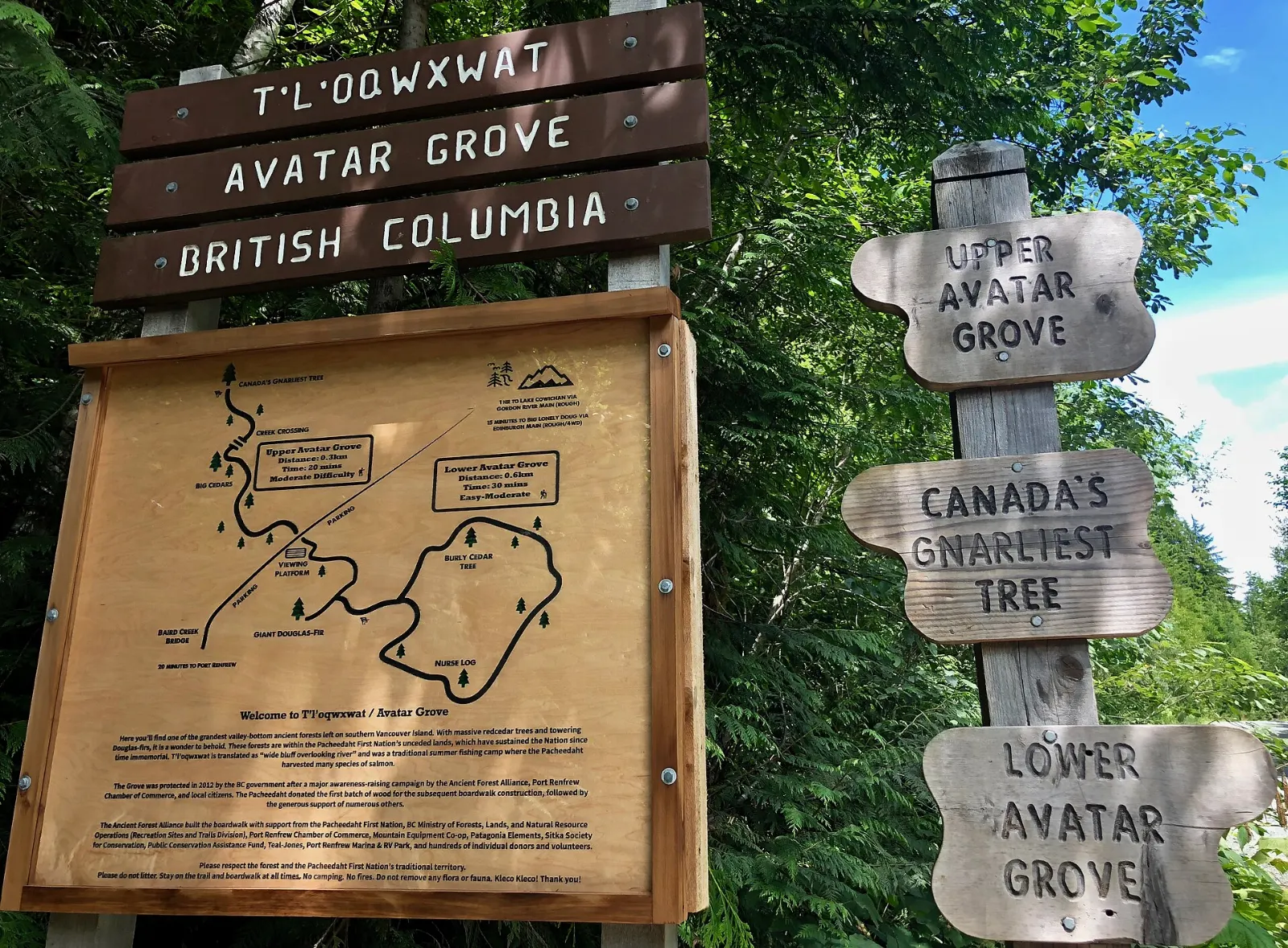
Big Lonely Doug
Big Lonely Doug is a Douglas-fir roughly ten kilometres north of the village in the Gordon River Valley. A logger spared it in 2011 while surveying the stand, and it now stands alone in the clearcut, a symbol of old-growth conservation. A short visit is enough, but bring a camera for the scale. 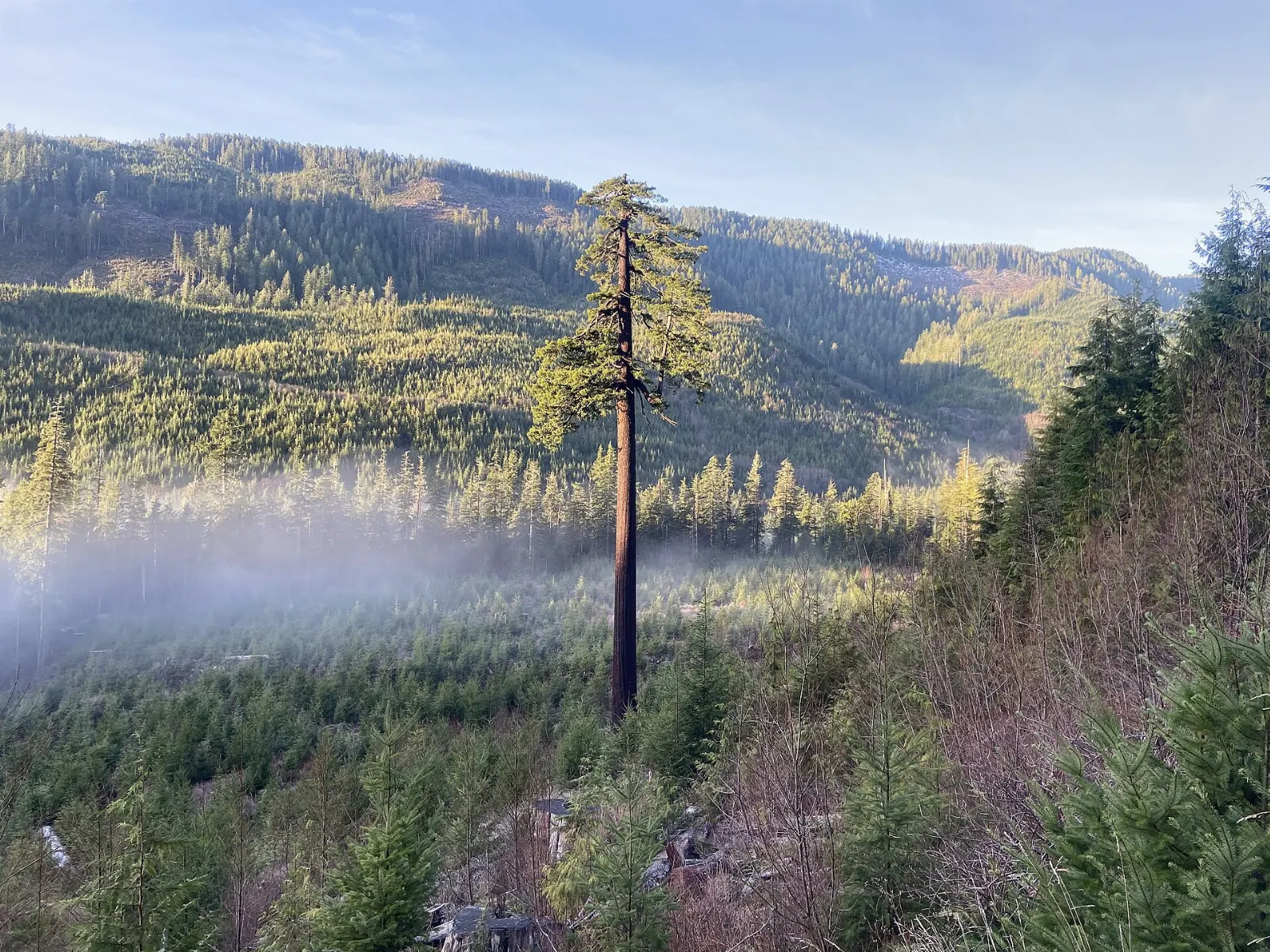
Red Creek Fir
The Red Creek Fir in the San Juan Valley is the largest known Douglas-fir in Canada, and it is about 1,000 years old. It lies around 15 km east of town on rough logging roads, so allow close to an hour each way. Check road conditions locally before you set out. 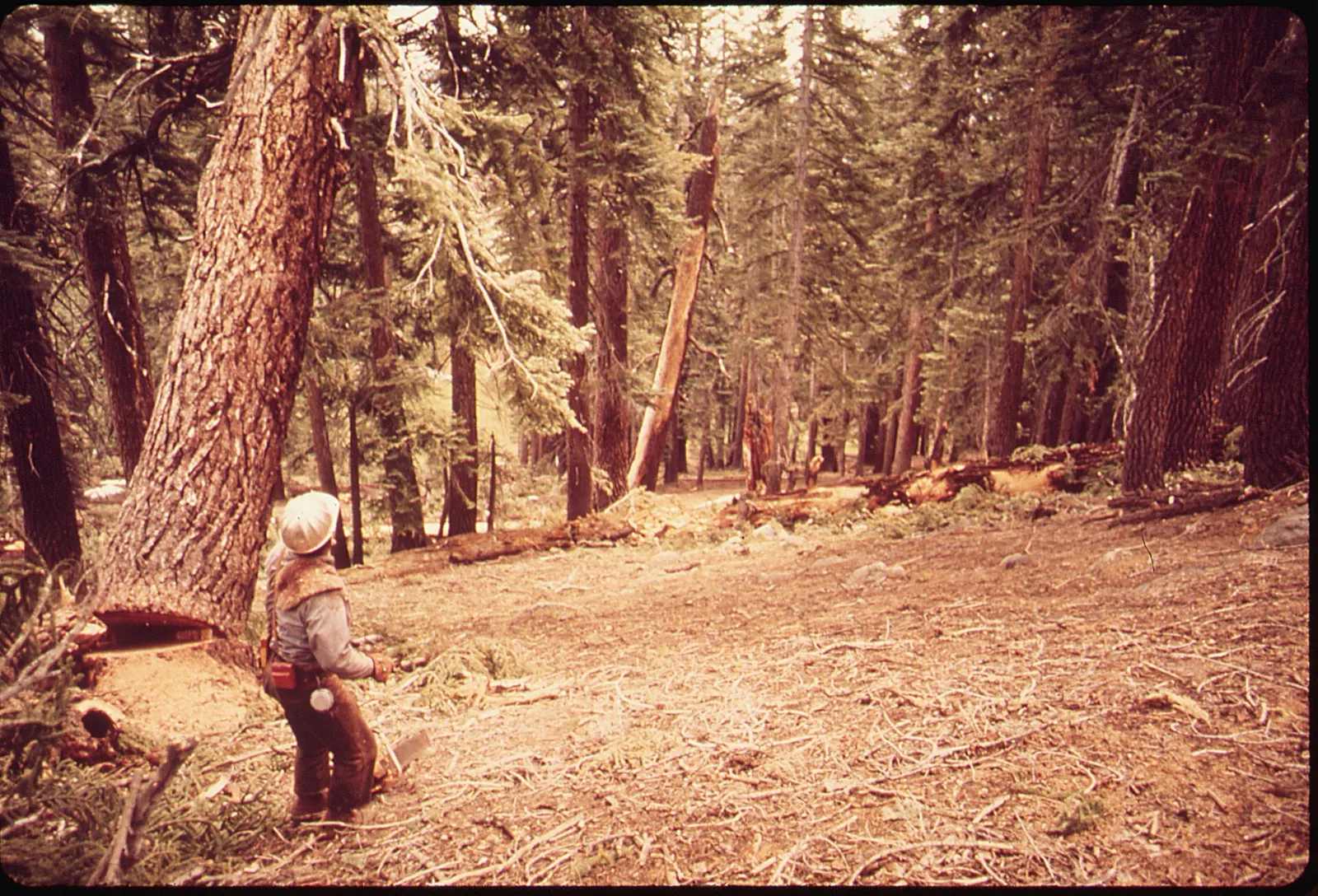
San Juan Spruce
The San Juan Spruce is Canada's largest Sitka spruce by volume, even after a lightning strike cost it part of its crown. It is a good companion stop on the same trip as the Red Creek Fir. Wear sturdy shoes, as the trails can be muddy. 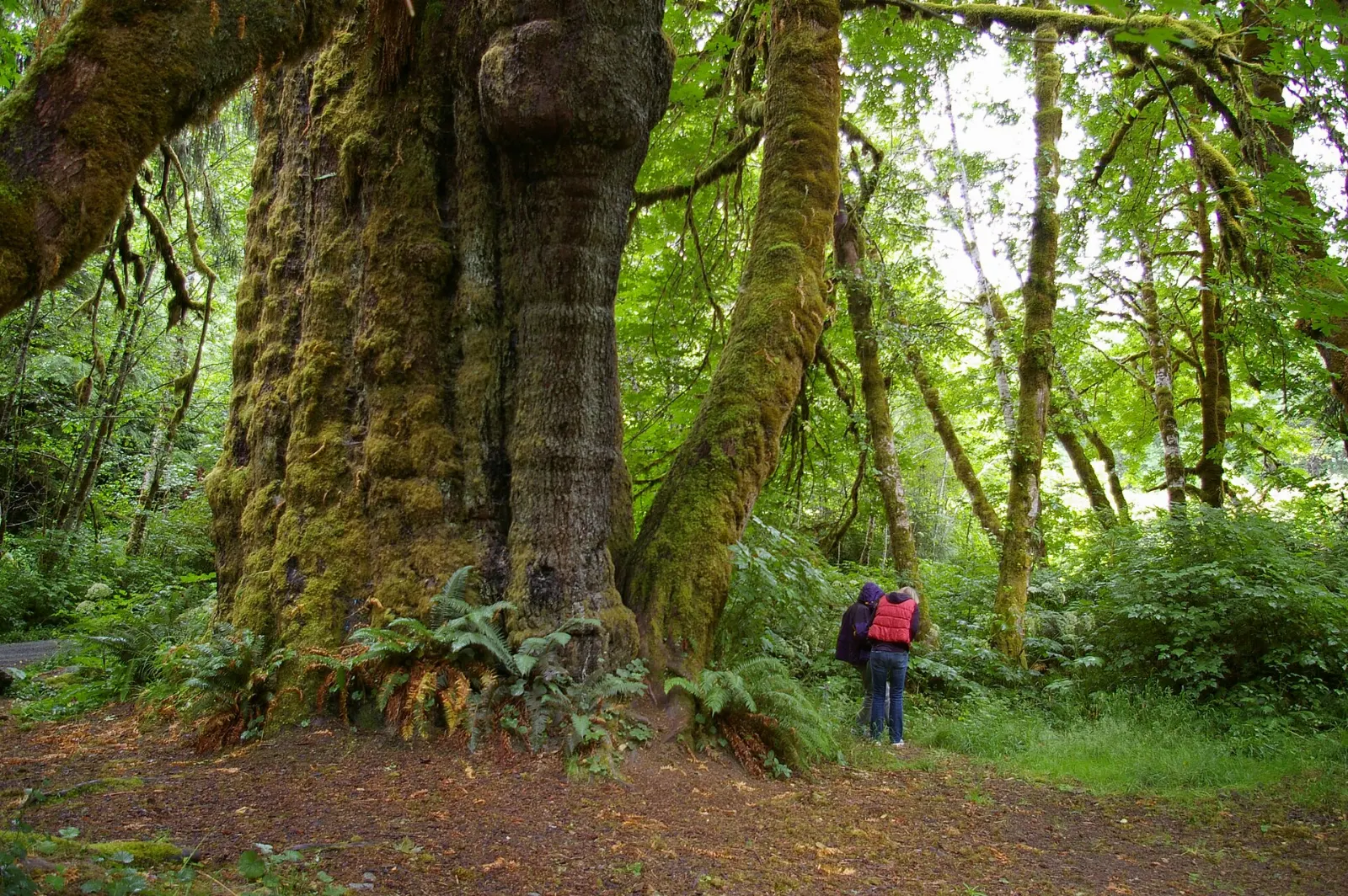
Beaches and coastal trails
Botanical Beach
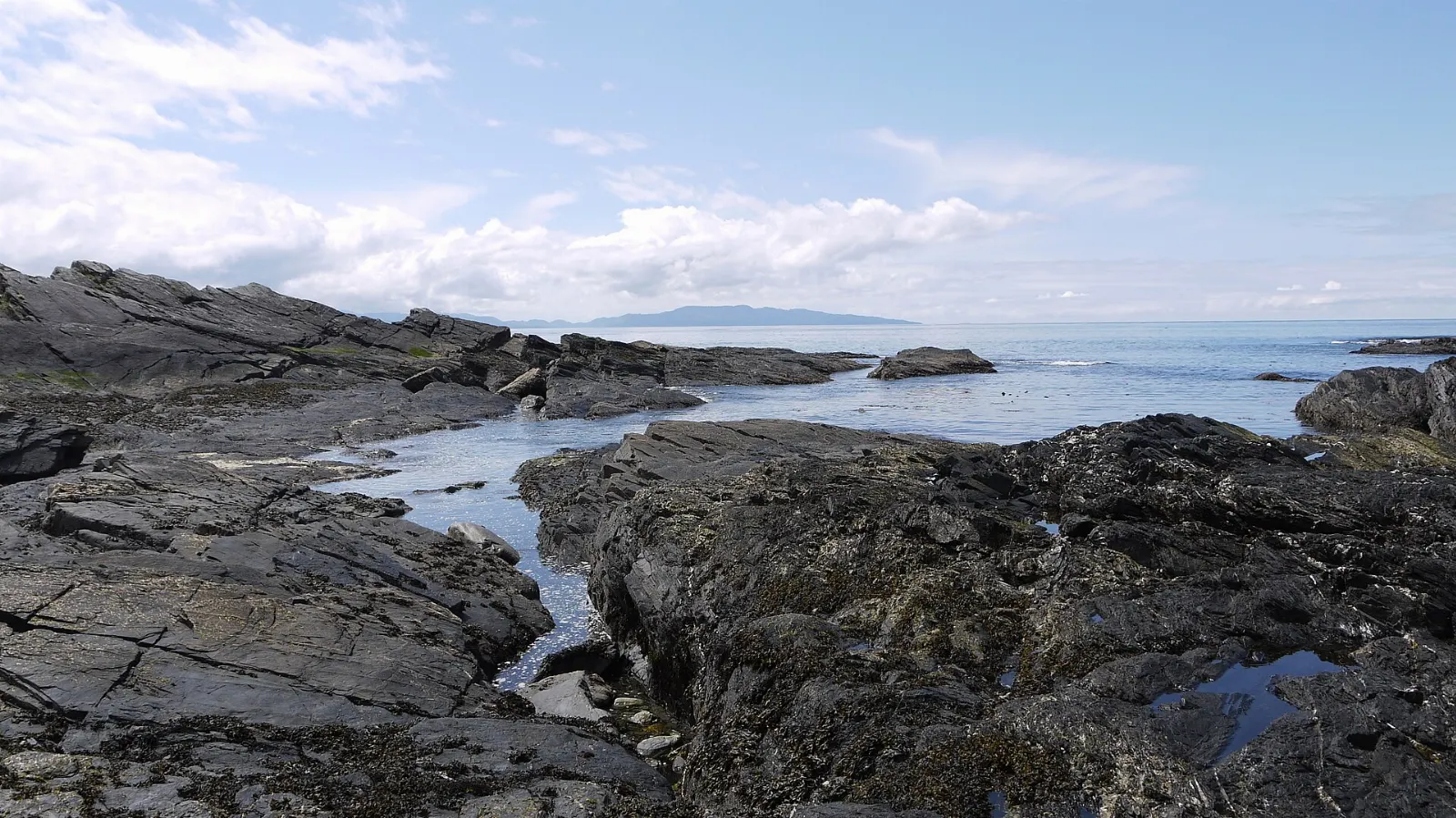
Botanical Beach, in Juan de Fuca Provincial Park, is famous for tide pools full of starfish, anemones and urchins. A research station opened here in 1901, and the shelves are still a natural classroom.
Sombrio Beach
Sombrio Beach is a wide stretch of sand and driftwood at the mouth of the Sombrio River, once the site of a Pacheedaht fishing village. The trailhead off Highway 14 has parking and washrooms, and the beach is popular with surfers and campers. Plan an hour or more to explore. 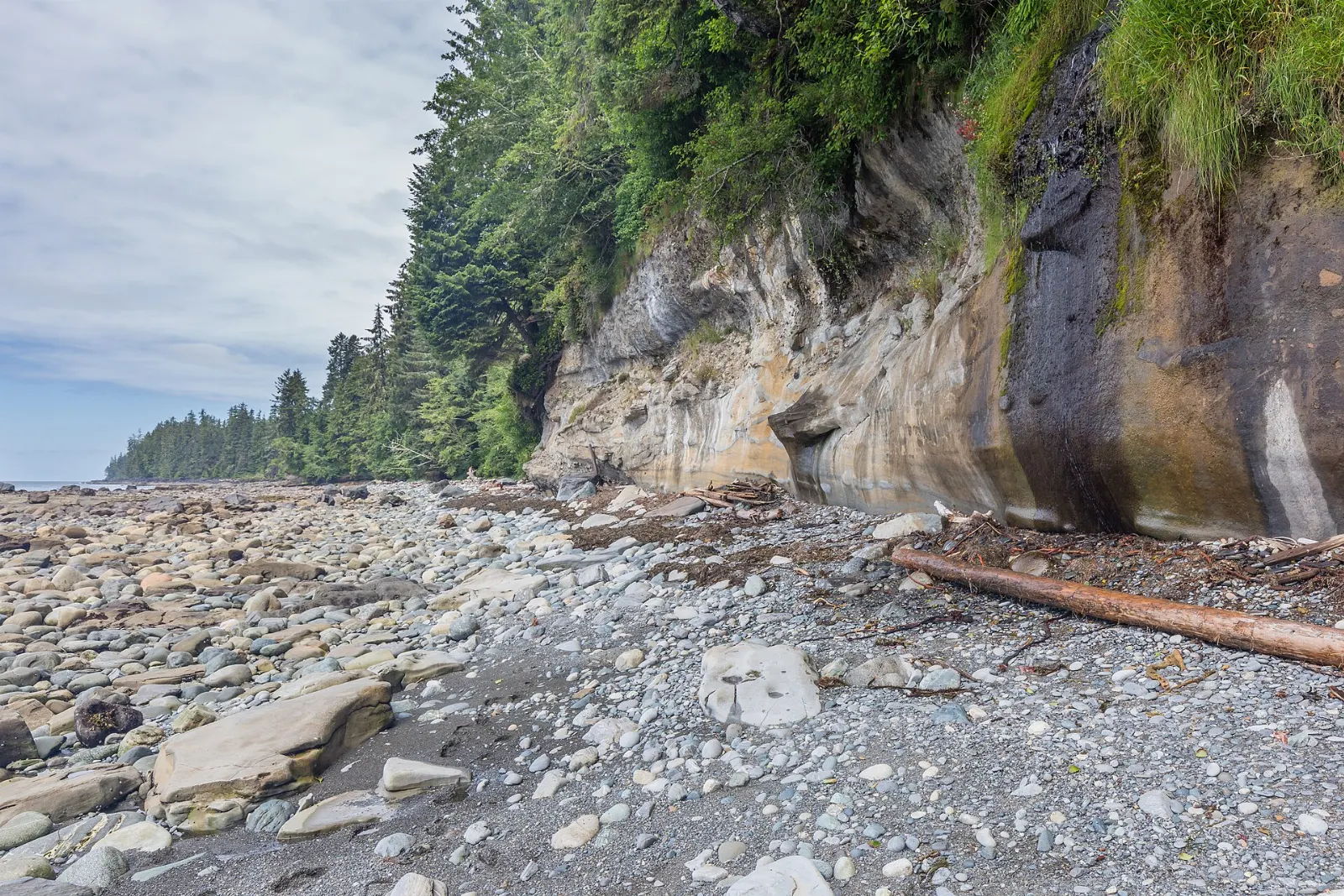
Mystic Beach
Mystic Beach is reached by a forest trail down from Highway 14, toward the Sooke end of the park. It is a pleasant half-day stop if you are driving the coast road. Keep an eye on the tide and the weather as you go. 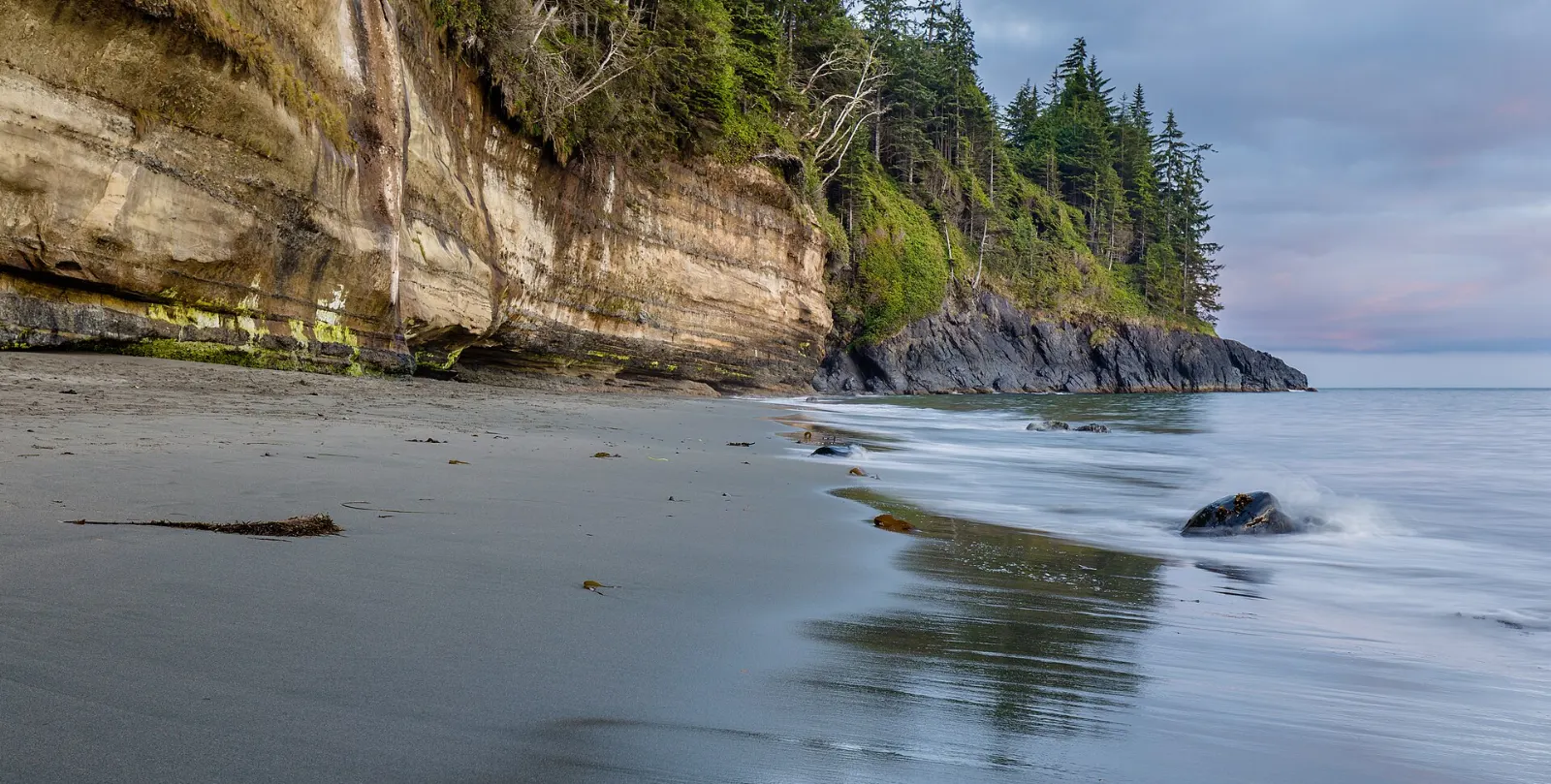
Juan de Fuca Marine Trail
The Juan de Fuca Marine Trail runs 47 km from China Beach to Botanical Beach through rainforest with views of the strait and the Olympic Mountains. Unlike the West Coast Trail it does not need a reservation, so it suits both day hikers and multi-day walkers. Pick a section near Port Renfrew for a day out, and expect roots, mud and stairs. 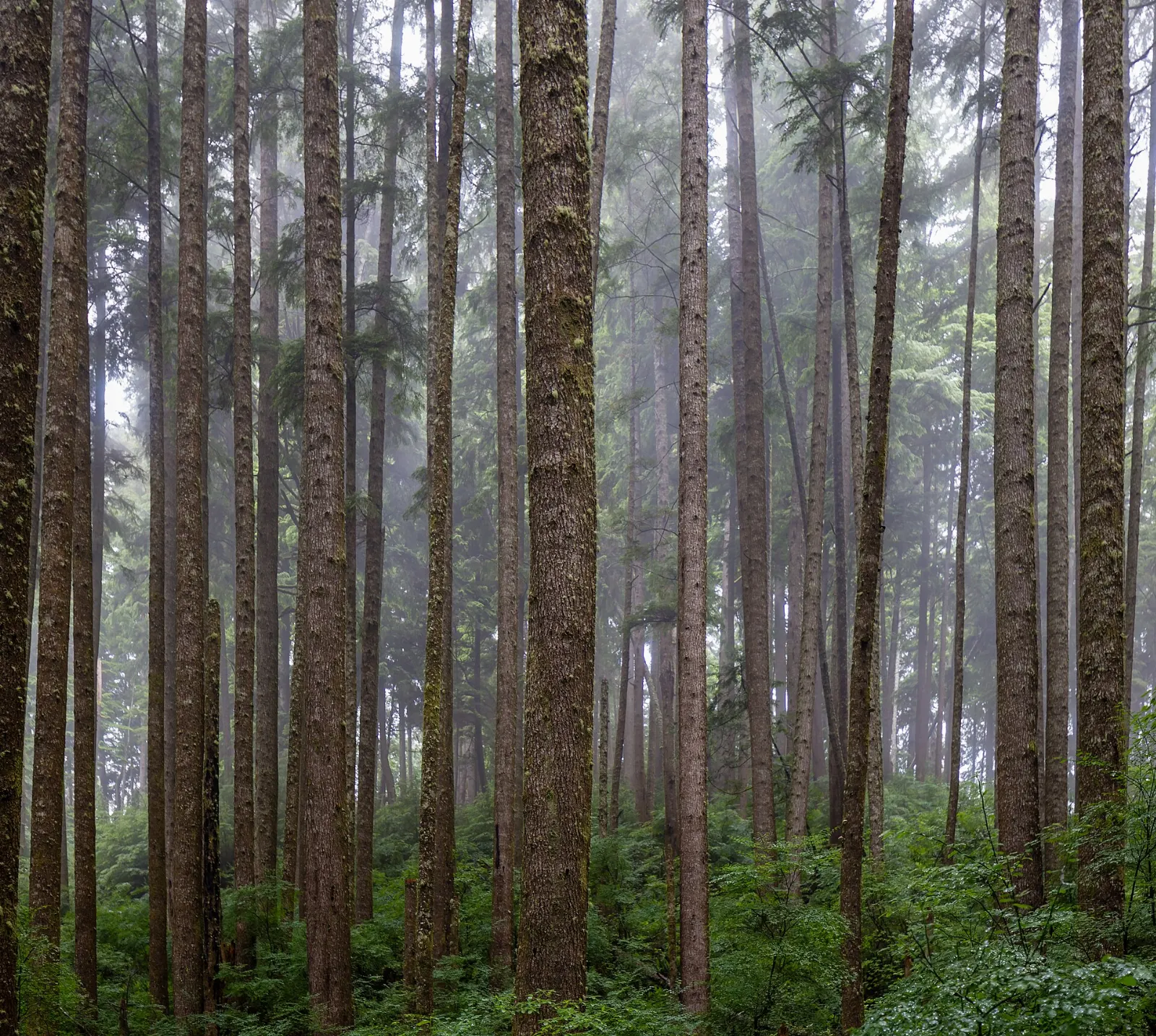
In and around the village
Government Wharf and Port San Juan
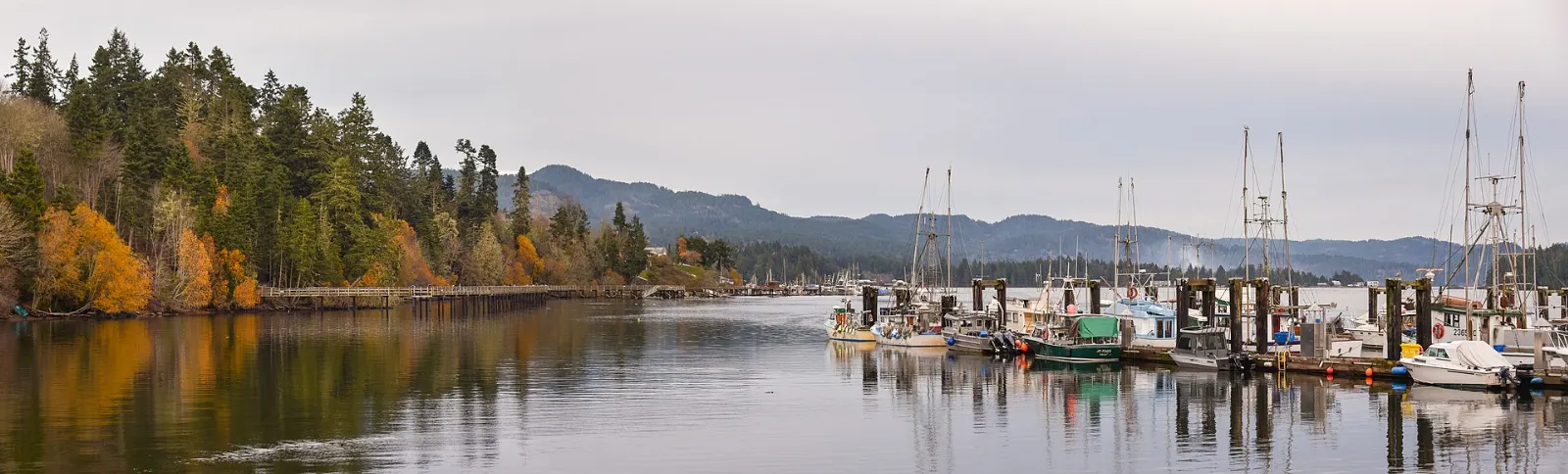
The Government Wharf marks the end of Highway 14 and is the best place to watch fishing boats and the changing light over the inlet. Port San Juan is also a launch point for anglers, as the area is known for salmon and halibut fishing. Stop here for a short wander before or after dinner. 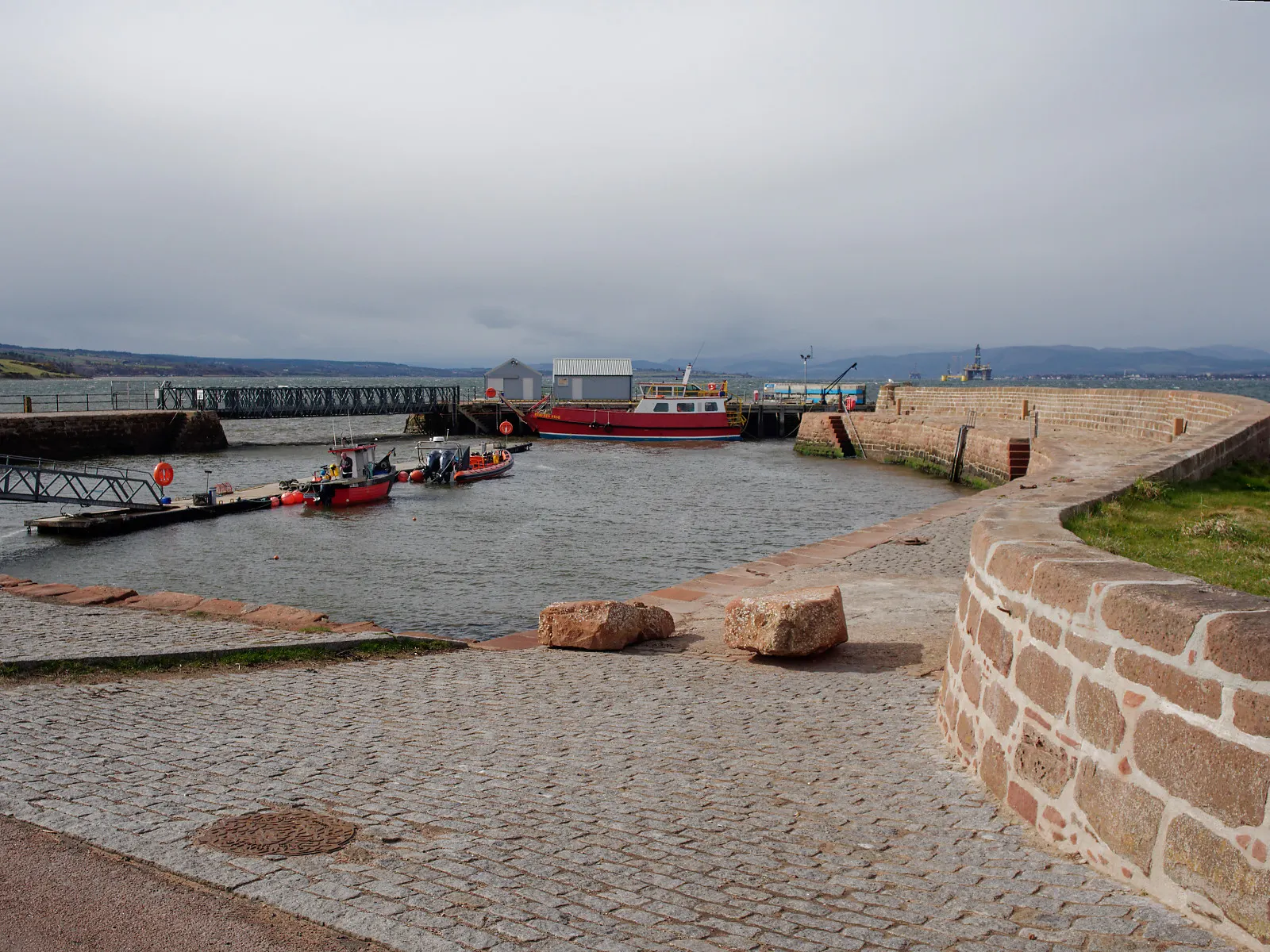
San Juan River estuary
The San Juan River Estuary Ecological Reserve protects the place where river meets sea. Kayakers and birders enjoy the calm water, and herons and eagles are common.
West Coast Trail trailhead
The southern end of the 75 km West Coast Trail lies close to the village. Hiking the full route needs advance permits and good preparation, so check the Parks Canada website well ahead. Even if you are not hiking, the trailhead area gives a feel for the rugged coast. 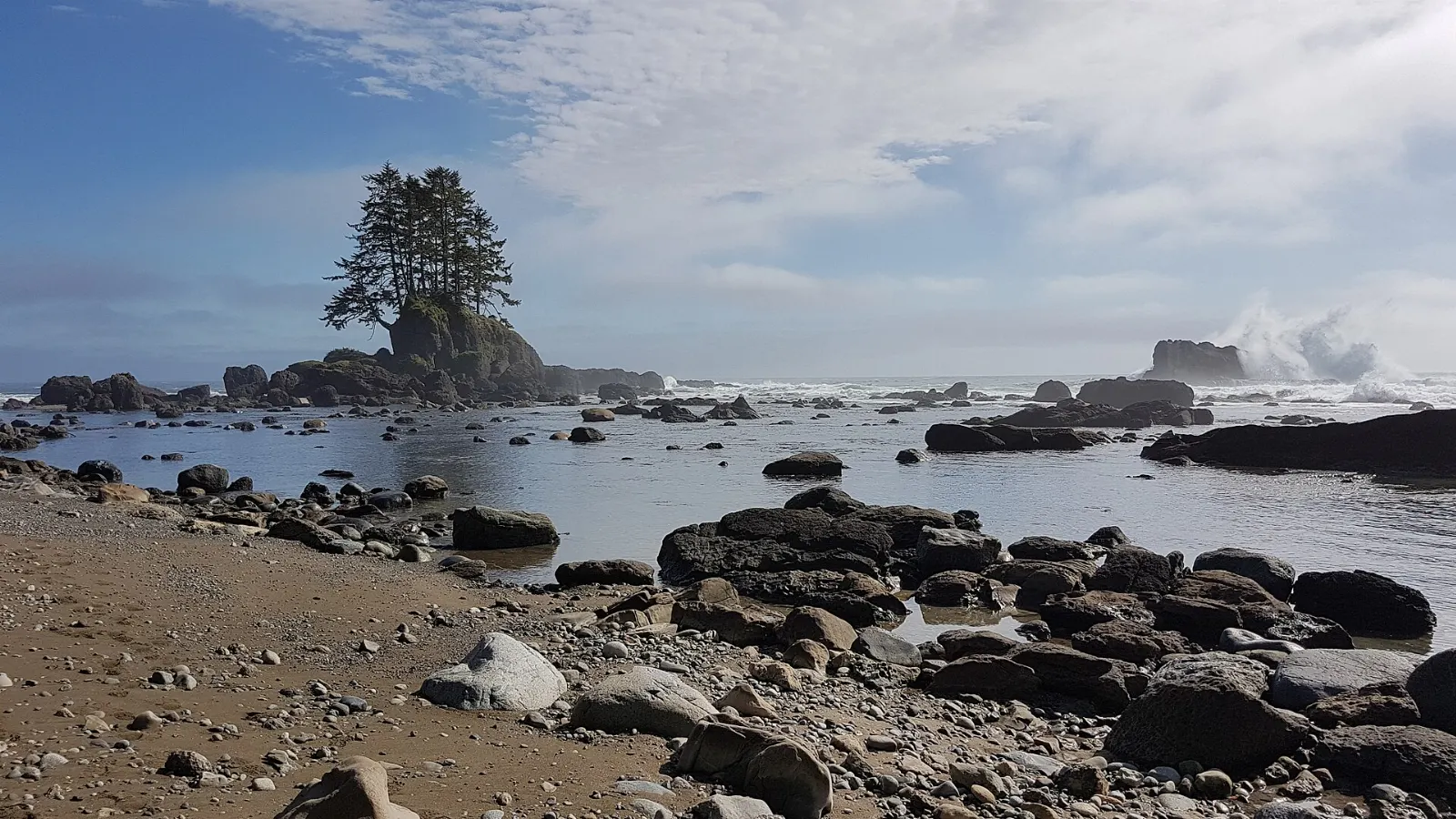
 Planning a trip to Port Renfrew?Compare hotels, flights and vacation rentals for Port Renfrew on Expedia.Book now
Food and local flavors
Seafood is the heart of eating in Port Renfrew, because the village sits beside some of the best fishing on the coast. Look for halibut and wild salmon, served grilled, baked or in a sandwich, and ask what came in on the boats that day.
There is no big food market here. The simple spots near Parkinson Road, including the village pub and a daytime kitchen, are where hikers, anglers and locals mix.
Popular dishes to try in Port Renfrew


Where to stay
Parkinson Road is the village centre, with the pub, the general store and waterfront cottages close at hand.
Queesto Drive runs along the water and has fishing lodges and guesthouses with beach access, a good fit for anglers and families who want a quieter base.
Sombrio Beach has camping near the Juan de Fuca Marine Trail, ideal for hikers and surfers who want to sleep within sound of the surf.
Sooke is a larger town roughly 70 km east and works well if you want more restaurants and plan to drive the coast road in a day.
Where to stay in Port Renfrew


Best time to visit
Summer is the driest and most popular season, with long days for the trails and the best conditions for tide pools. Weather here is mild year-round, but the coast gets heavy rainfall, so a rain jacket belongs in every bag.
Winter is quiet and moody, with storm watching and few crowds, although some services close. Spring and early autumn bring fewer visitors and still offer good walking days.
Getting there and getting around
Most visitors drive. Port Renfrew is about 110 km from Victoria: take the Trans-Canada Highway to Goldstream, then follow the Westshore Parkway to Highway 14, which is also called Sooke Road and West Coast Road.
A seasonal bus, the West Coast Trail Express, links Victoria, Nanaimo and the trailheads from May to the end of September. Confirm the current timetable before relying on it. Once in Port Renfrew, the village is small enough to walk, but the old-growth sites and beaches need a car.
A suggested itinerary
First day
Arrive and walk the wharf in Port San Juan, then drive to Avatar Grove and Big Lonely Doug for the afternoon.
Second day
Visit Botanical Beach at low tide, then walk a section of the Juan de Fuca Marine Trail.
Third day
Drive the logging road to the Red Creek Fir and the San Juan Spruce, then paddle or fish near the estuary before the drive home.
Practical tips
- Check a tide table before you go to Botanical Beach.
- Download offline maps, because mobile coverage is patchy along the coast and in the valleys.
- Bring layers and rain gear in every season.
- Stay on boardwalks and marked trails so the old-growth roots and moss survive.
- Book accommodation early for summer and festival weekends.