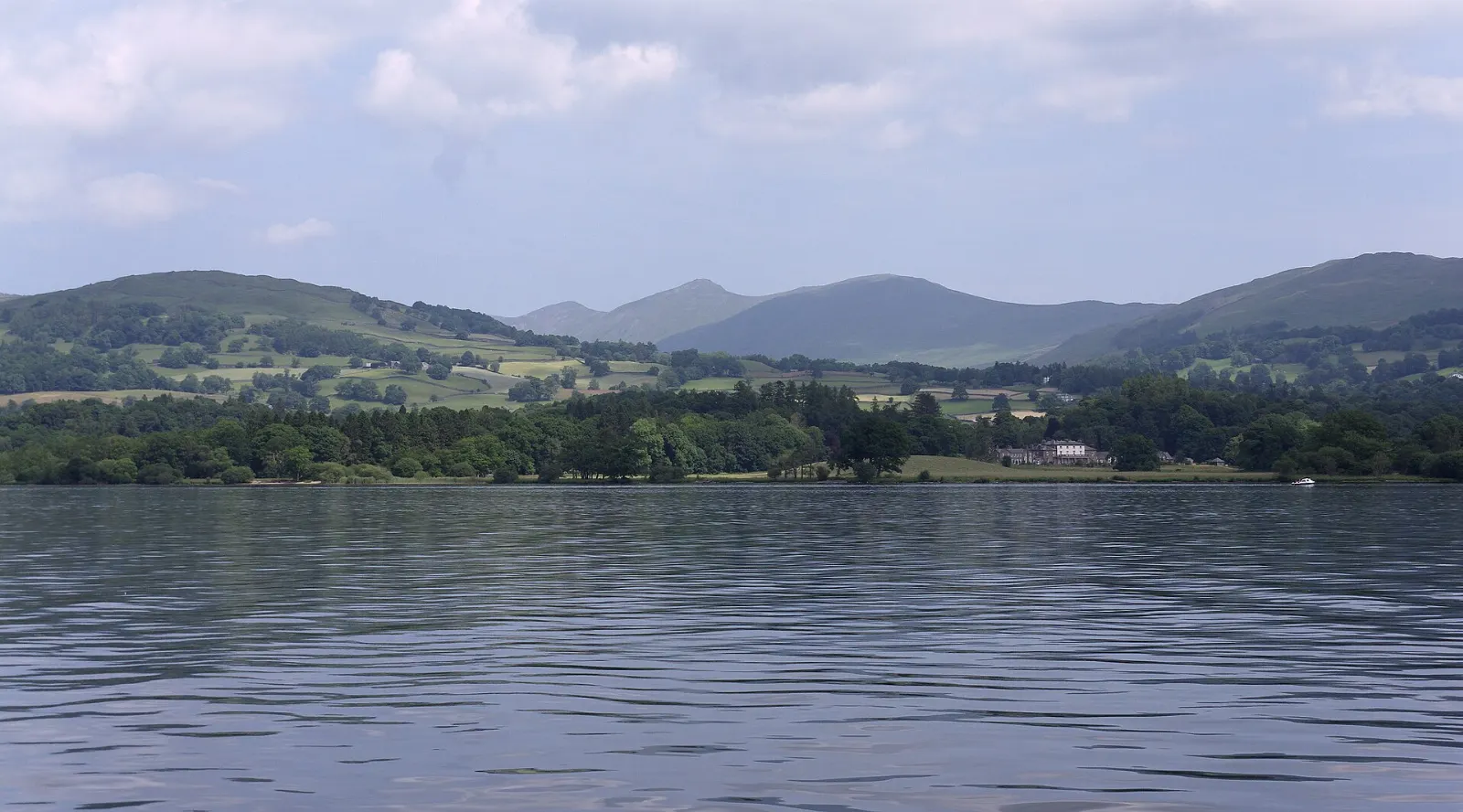
The Lake District, in Cumbria in northwest England, is the country's largest national park and its most celebrated walking country. Glaciers carved its valleys into a wheel of lakes radiating from a knot of high fells, including Scafell Pike, the highest mountain in England.
AT A GLANCE
Best time
May, June and September for good walking weather and calmer roads.
How long
Four to five days to cover the south, centre and north lakes.
Getting there
Train to Oxenholme, Windermere or Penrith, or drive via the M6.
Why visit the Lake District
The Lake District offers some of the finest hill walking in Britain within a compact area. Guidebook writer Alfred Wainwright described 214 fells, and there is access to most open land above the valley walls, so you can choose anything from a lakeside stroll to a full mountain day.
Culture is woven into the scenery. William Wordsworth lived and wrote at Grasmere, Beatrix Potter bought farms here and helped protect the landscape, and John Ruskin made his home on Coniston Water.
Windermere, Grasmere and the southern lakes
The south of the national park is the easiest to reach and the busiest, with the railway at Windermere and good bus links between the main villages.
Windermere and Bowness
Windermere is the largest natural lake in England, a long ribbon of water with wooded islands.
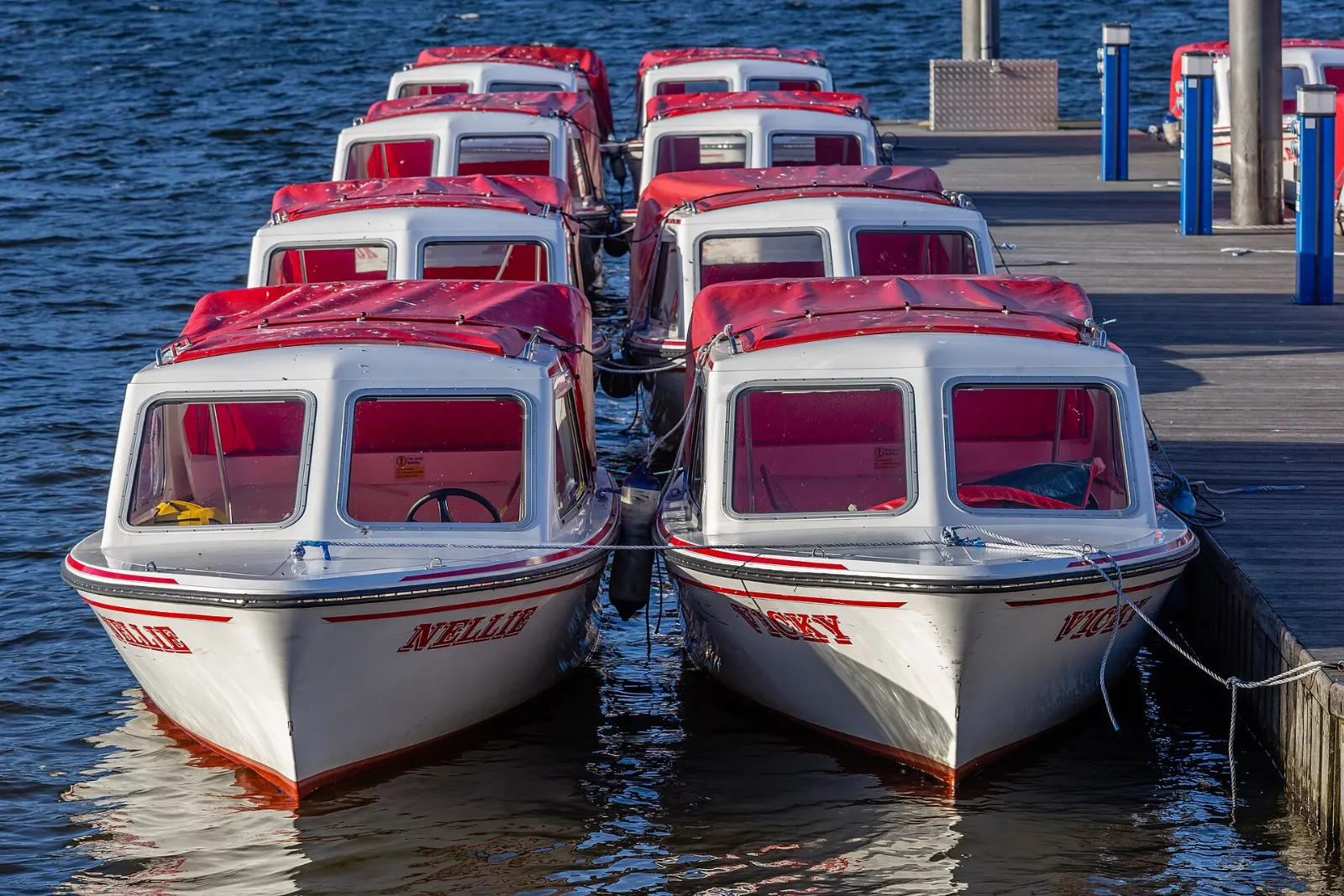
Allow half a day for a cruise and a wander.
Ambleside and Grasmere
Ambleside, at the head of Windermere, is a lively small town full of outdoor shops and cafes, with the tiny Bridge House perched over Stock Beck. A few miles north, Grasmere is a quieter village beside its own small lake.
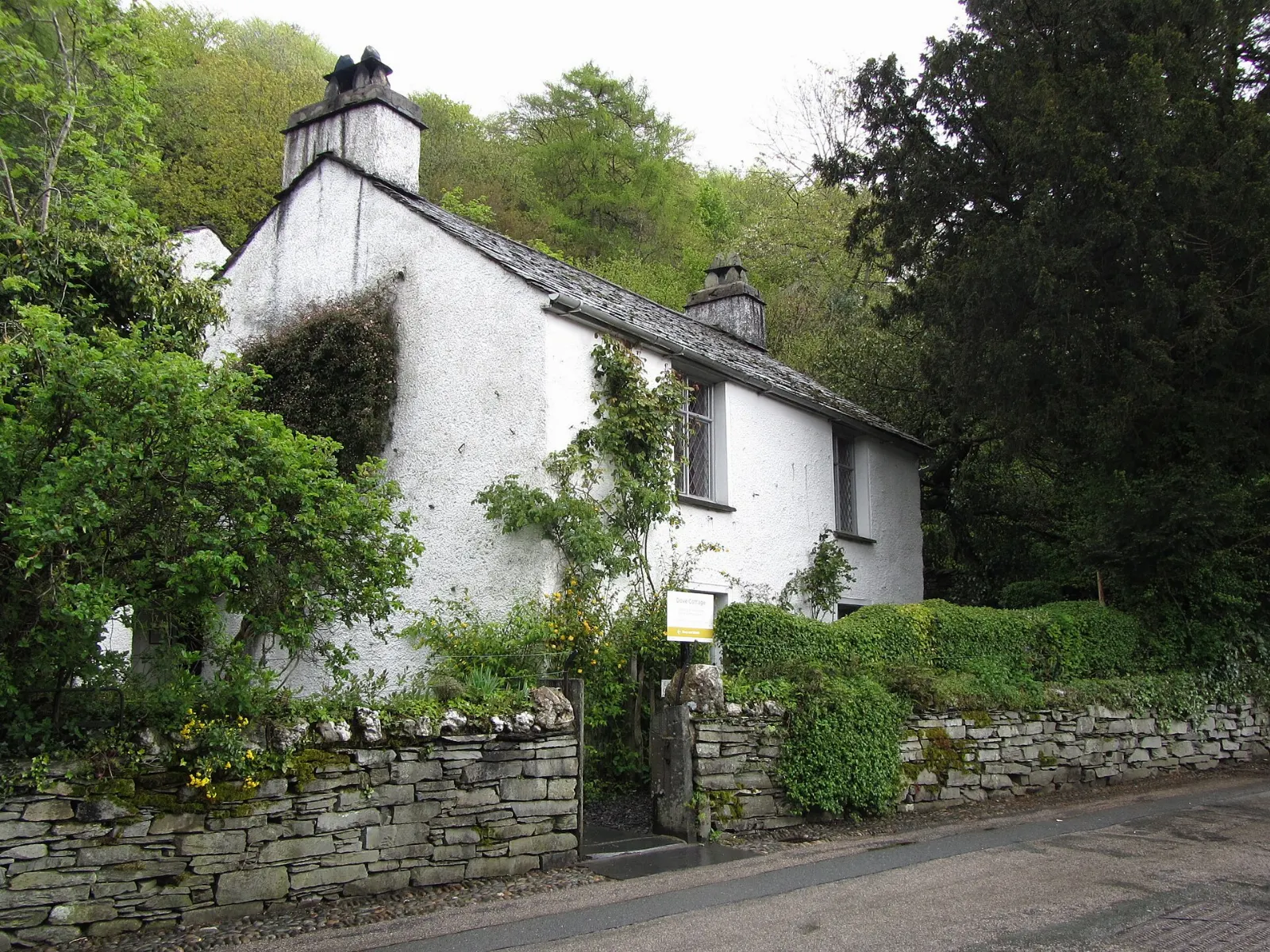
Allow two to three hours for Dove Cottage and the village. Tip: Grasmere gingerbread, a chewy spiced biscuit made to a long-kept recipe, is sold in a tiny shop by the churchyard.
Hill Top and Hawkshead
West of Windermere, reached by car ferry across the lake or by road around it, Hill Top in the village of Near Sawrey is the 17th-century farmhouse Beatrix Potter bought in 1905.
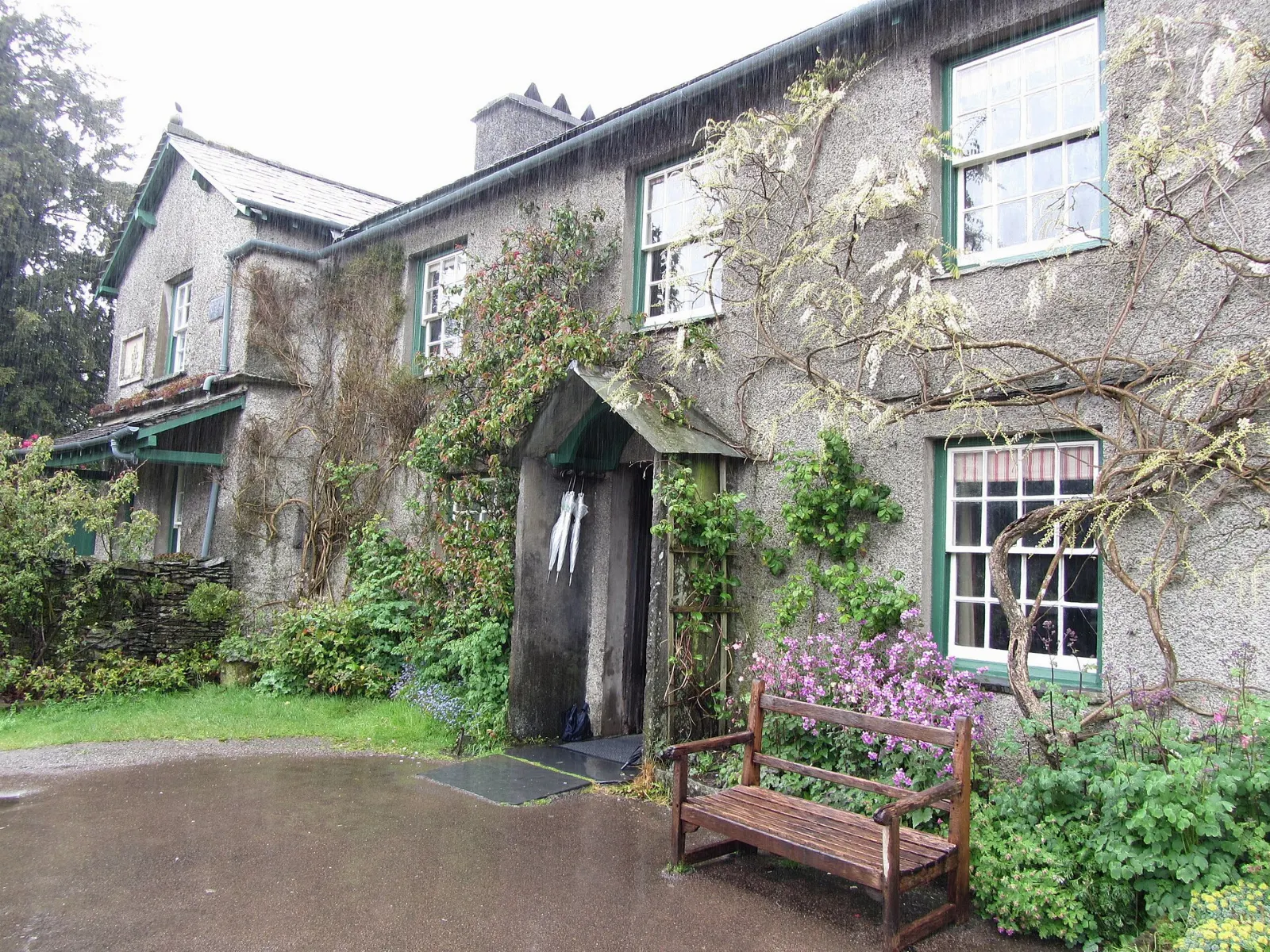
Allow an hour for Hill Top and an hour or two in Hawkshead. Tip: Hill Top is small and popular, so check the National Trust website for timed entry, hours and fees, and visit early in the day.
Coniston and Tarn Hows
Coniston Water lies beneath the Old Man of Coniston, a popular fell walk.
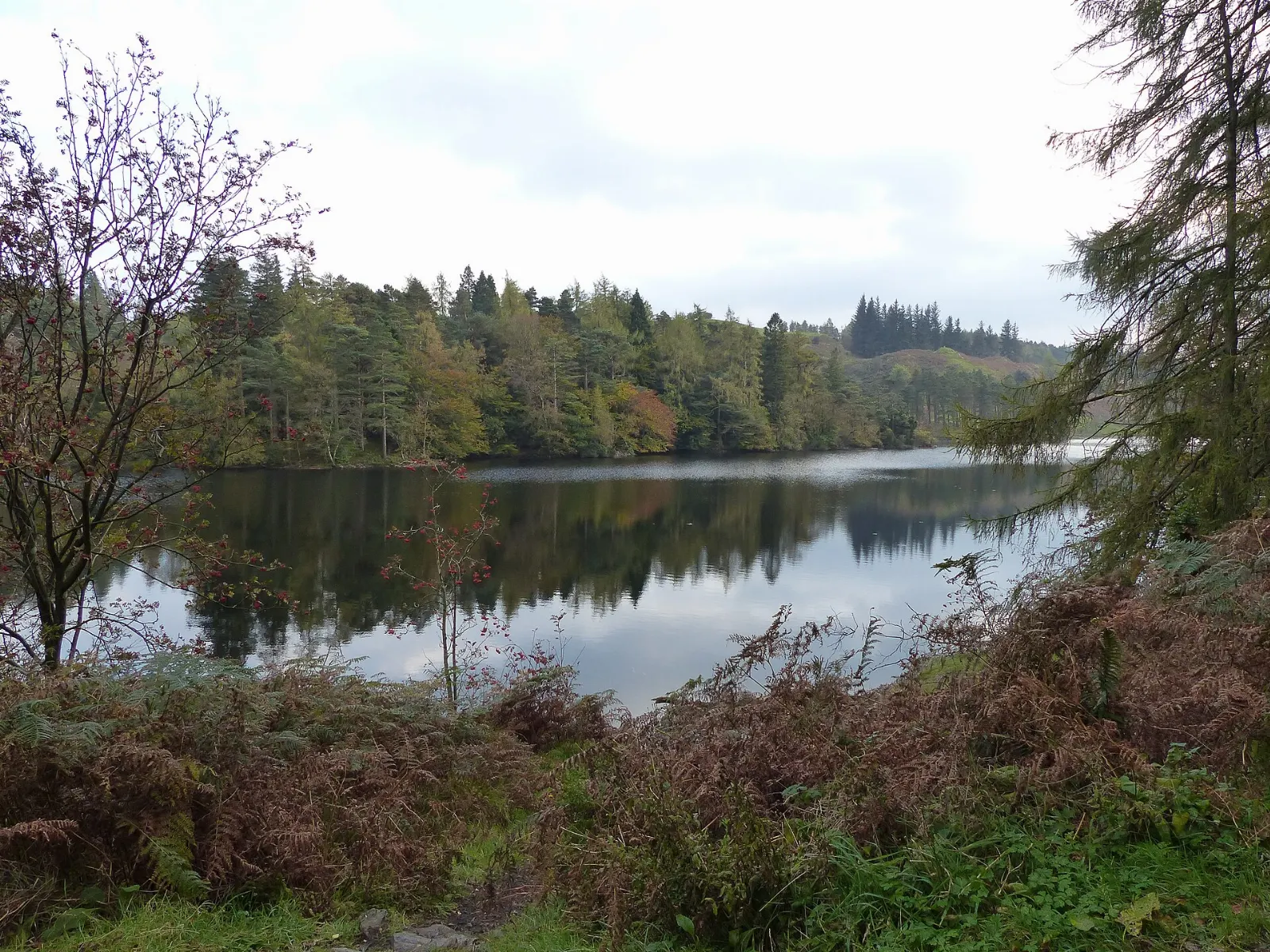
Allow an hour for Tarn Hows and half a day for Coniston. Tip: the Tarn Hows path is suitable for pushchairs and many mobility scooters, making it one of the most accessible beauty spots in the park.
Keswick and the northern lakes
Keswick, a busy market town beside Derwent Water, is the hub of the northern Lakes and a favourite base for walkers.
Castlerigg Stone Circle
On a hilltop just east of Keswick, Castlerigg is a Neolithic stone circle ringed by fells, including Skiddaw, Blencathra and Helvellyn.
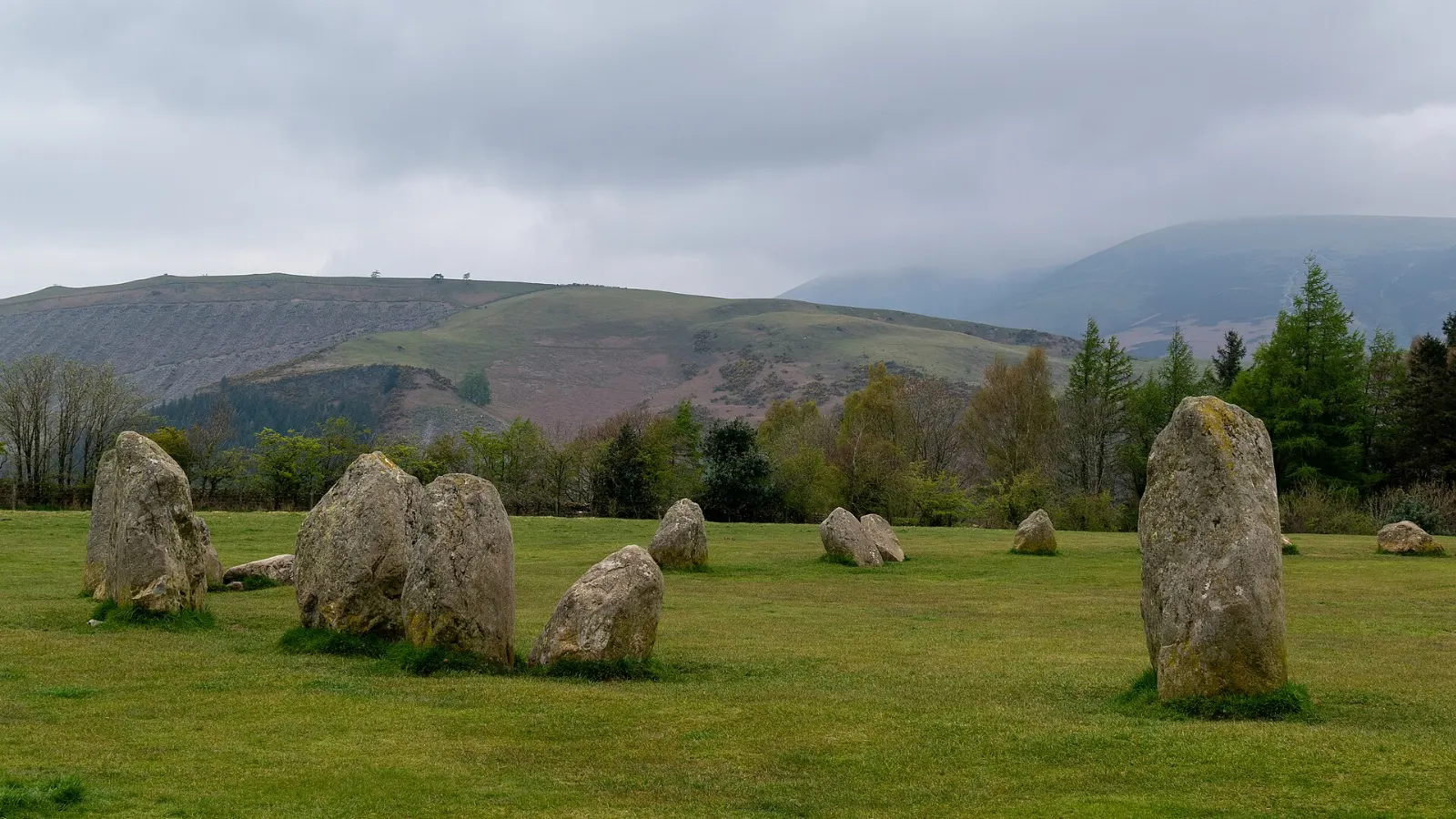
Tip: visit early in the morning or toward sunset for low light and fewer people; you can walk up from Keswick on lanes in under an hour.
Derwent Water and Catbells
Derwent Water is dotted with wooded islands, and the Keswick Launch runs around the lake in both directions, stopping at jetties that make linear walks easy.
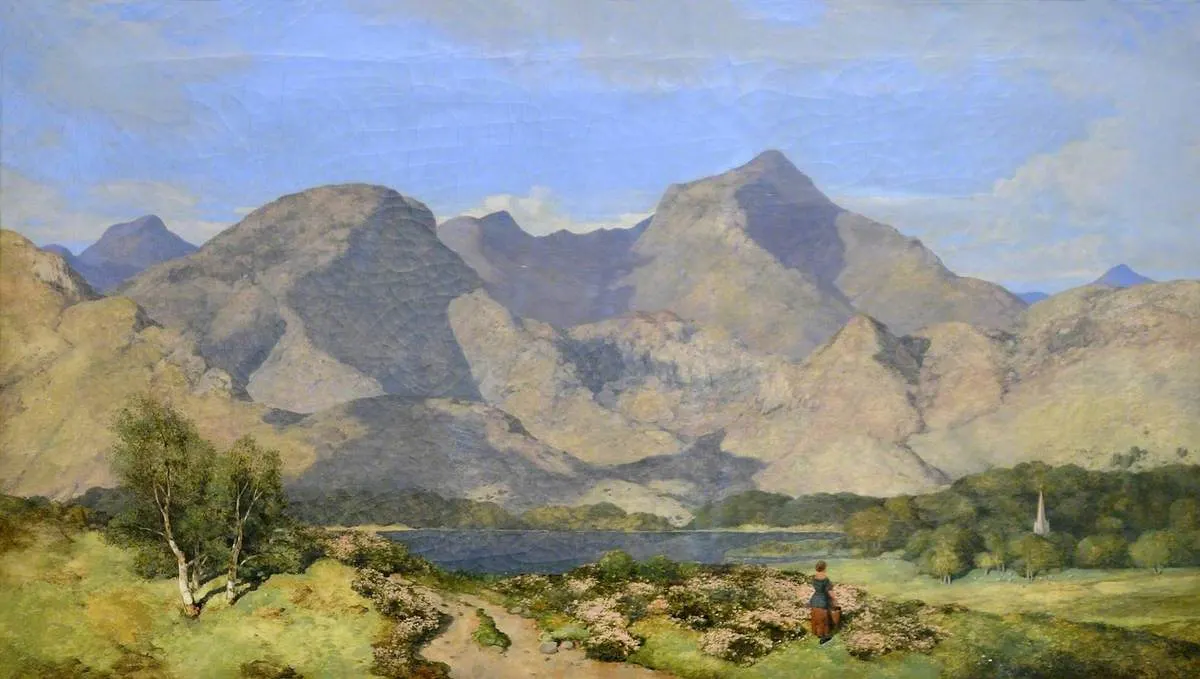
Allow half a day for Catbells and the launch.
Borrowdale and Buttermere
South of Keswick, the Borrowdale valley is one of the loveliest in the Lakes, with Ashness Bridge and Surprise View giving famous outlooks over Derwent Water.
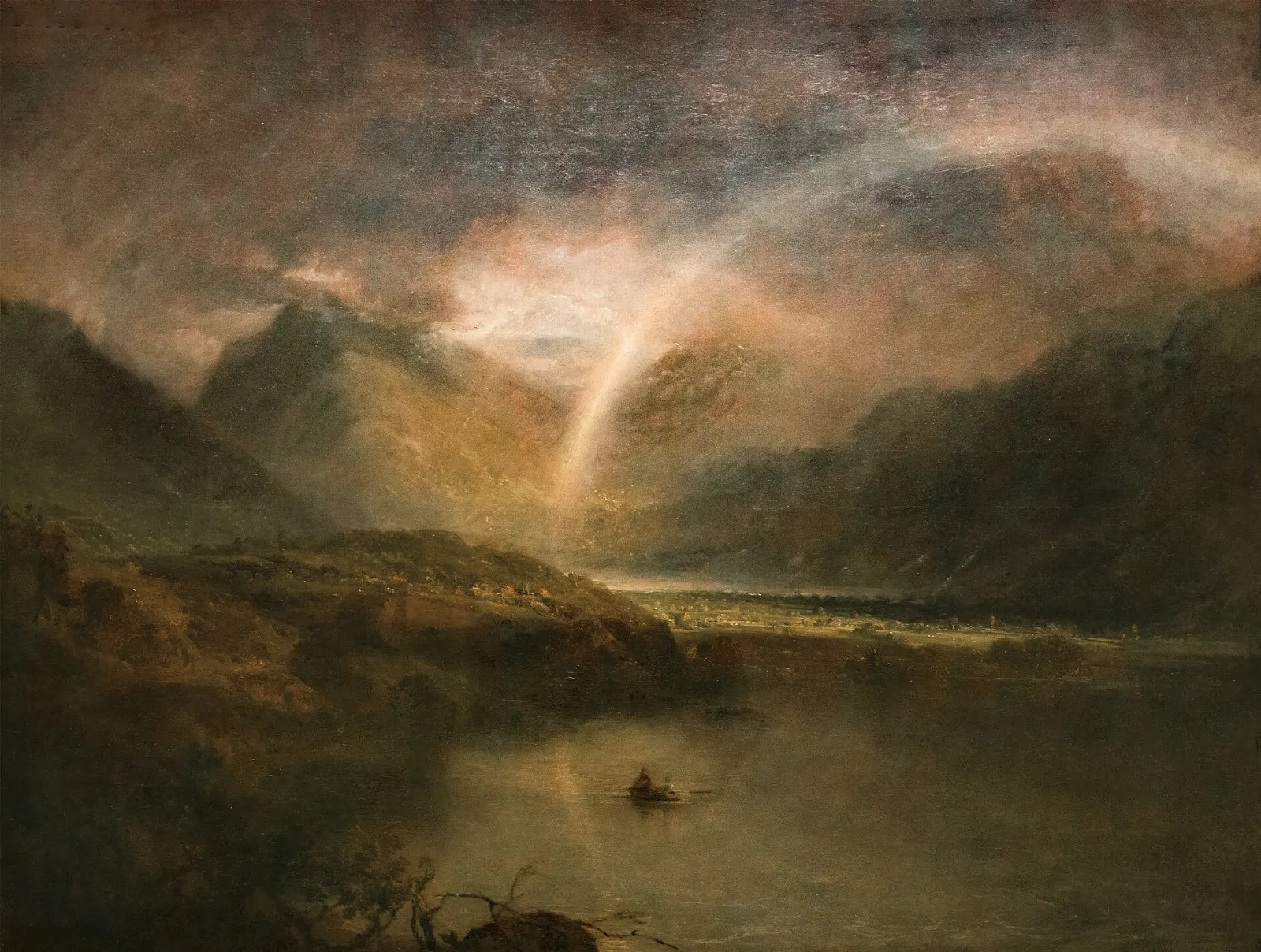
Allow a full day for Borrowdale, Honister and Buttermere. Tip: Honister Pass is steep with sharp bends; drive carefully and avoid it in snow or ice.
Ullswater and the wild western valleys
Ullswater and Aira Force
Ullswater, the second-largest lake, curves between steep fells from Pooley Bridge toward Glenridding. The Ullswater Steamers link Pooley Bridge, Howtown and Glenridding, and the Ullswater Way walking route circles the lake.
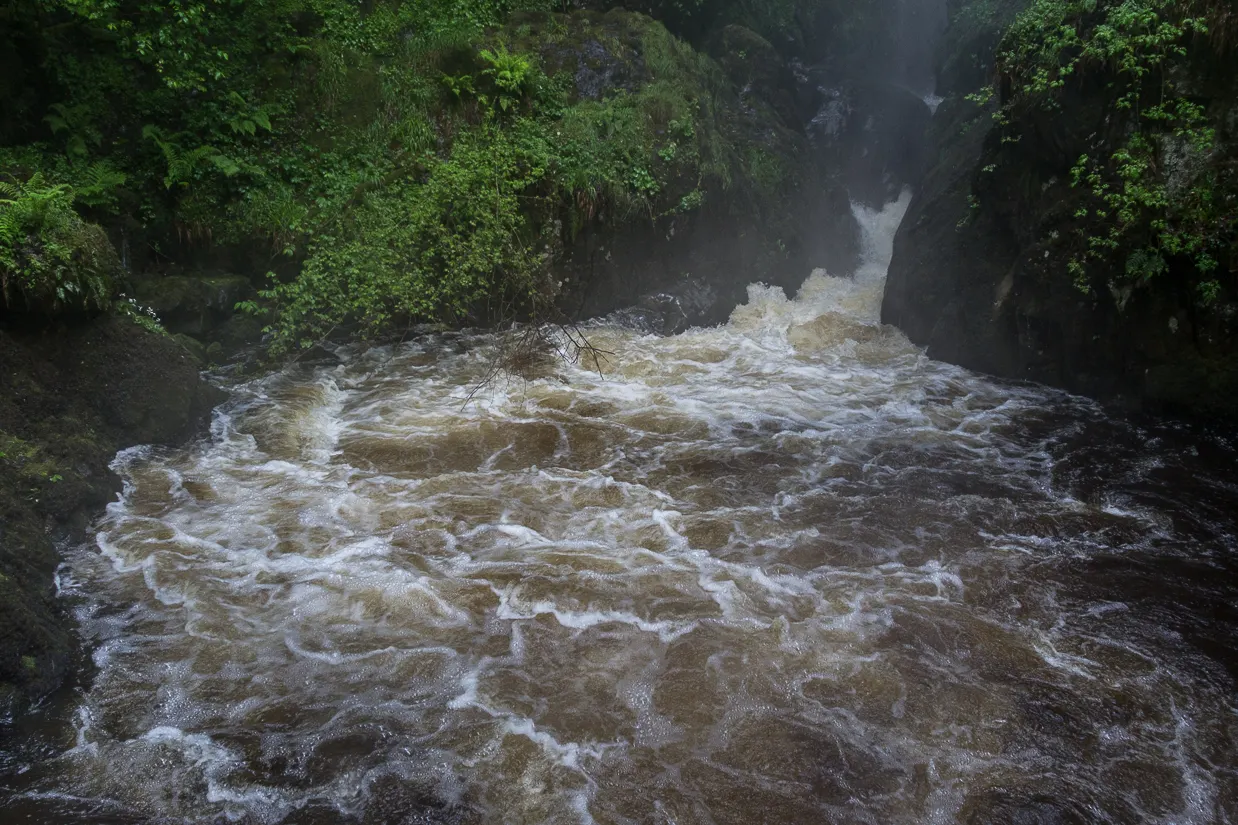
Allow an hour for Aira Force and half a day for a cruise and walk. Tip: Helvellyn, one of the best-known fells, is climbed from Glenridding; its famous Striding Edge is a narrow ridge that is serious in wind, ice or snow.
Wasdale and Scafell Pike
Wasdale, in the west, is the wildest of the major valleys. Wast Water, the deepest lake in England, is flanked by steep screes, with Great Gable and the Scafell range rising at its head.
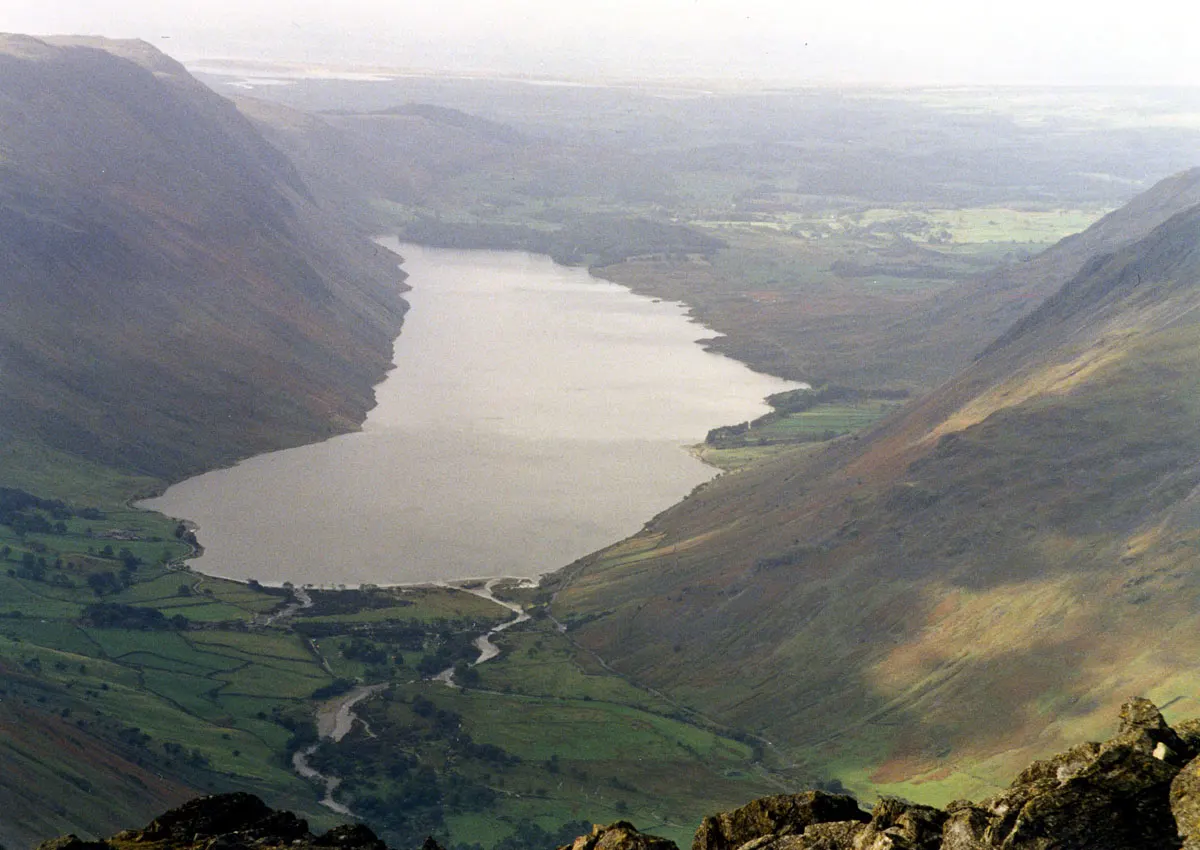
Allow at least half a day for the valley, or a full day to hike.
 Planning a trip to Lake District?Compare hotels, flights and vacation rentals for Lake District on Expedia.Book now
Food and local flavors
Lake District food is rooted in farming. Herdwick lamb and mutton come from the hardy local sheep, and Cumberland sausage, a long coil of coarsely chopped, peppery pork, appears on breakfast plates and pub menus everywhere.
Traditional pubs are the heart of eating out here, many with real fires and local ales from the area's numerous breweries.
Popular dishes to try in Lake District


Where to stay
Windermere and Bowness suit first-time visitors, families and travellers arriving by train, with the widest choice of accommodation and lake cruises on the doorstep.
Ambleside and Grasmere are central for walkers and literary sightseers, with good buses north and south.
Wasdale, Eskdale and Coniston appeal to serious walkers and anyone seeking peace, with inns, campsites and youth hostels.
Where to stay in Lake District


Best time to visit
Spring brings lambs, wild daffodils and fresh green valleys, and late April to June is often drier than later in the year.
Winter is quiet and moody, with snow on the high fells that turns hiking into a mountaineering challenge requiring ice axe and crampons.
Getting there and getting around
The West Coast Main Line stops at Oxenholme and Penrith on the eastern edge of the park, with direct trains from London, Glasgow and Manchester.
Stagecoach buses link Windermere, Ambleside, Grasmere and Keswick, and lake cruises double as transport. Driving gives most flexibility, but roads are narrow and winding, and parking is limited and often pay and display, with popular car parks full early on fine days.
A suggested itinerary
First day
Arrive in Windermere, walk up Orrest Head, then take a cruise from Bowness to Ambleside and back.
Second day
Cross the lake on the car ferry to Hill Top and Hawkshead, then visit Tarn Hows and Coniston before returning.
Third day
Visit Dove Cottage in Grasmere and walk to Rydal Water, then continue north over Dunmail Raise to Keswick, stopping at Castlerigg for sunset.
Fourth day
Take the Keswick Launch to climb Catbells, then drive through Borrowdale and over Honister Pass to walk around Buttermere.
Fifth day
Drive to Ullswater for Aira Force and a steamer ride, or, if the weather is settled and you are fit, head to Wasdale for Scafell Pike.
Practical tips
- Book accommodation early for school holidays and summer weekends, especially in Bowness, Ambleside and Keswick.
- Carry waterproofs, warm layers, a map and compass on the fells; weather changes fast and mist is common.
- Check the Lake District fell top weather forecast before high walks.
- Arrive early at popular car parks, and never block gateways or narrow lanes.
- Leave gates as you find them, keep dogs on leads near sheep and follow the Countryside Code.
- Use buses and lake cruises to avoid parking stress and enjoy one-way walks.