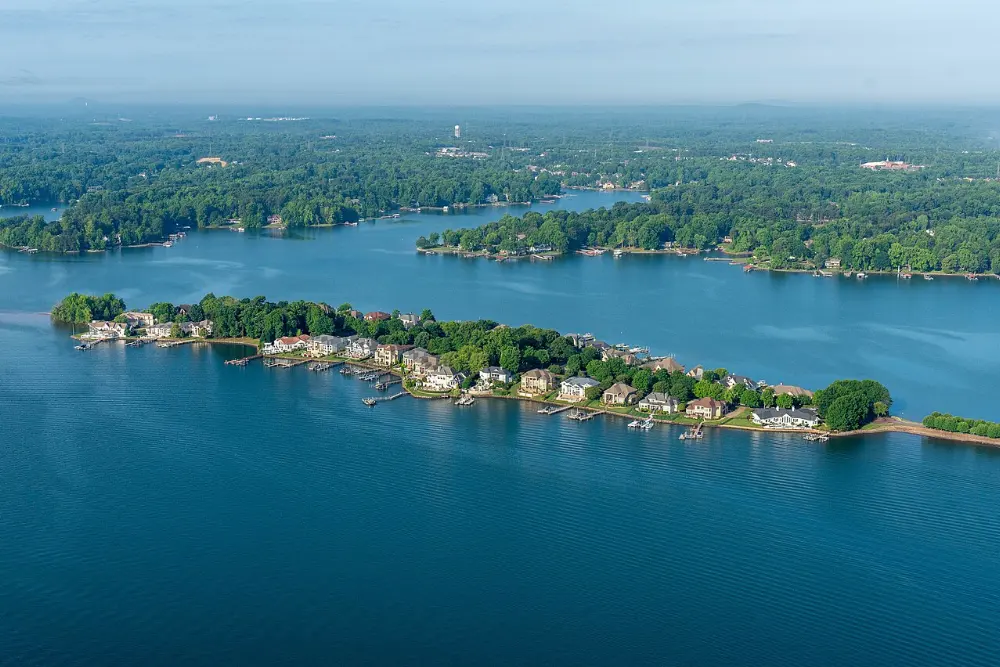
The Outer Banks are a slender chain of barrier islands that bow out into the Atlantic off the coast of North Carolina, separated from the mainland by wide, shallow sounds.
AT A GLANCE
Best time
May to early June and September to October for warm water, lighter crowds and easier lodging.
How long
Four to five days lets you cover the northern beaches, Roanoke Island and Hatteras.
Getting there
Most visitors fly into Norfolk, Virginia, and drive about ninety minutes to two hours south.
Why visit the Outer Banks
Few American coastlines feel as wild and as layered with history as this one. Large stretches lie within Cape Hatteras National Seashore, the first national seashore in the country, and Pea Island National Wildlife Refuge, so development thins out dramatically once you head south of Nags Head.
The islands also hold a rare range of experiences in a compact strip of land. You can fly a kite from a giant living sand dune, stand where the Wright brothers made their first flights, watch a historical drama staged where a colony disappeared in the 1580s, kayak through maritime forest, fish from a long pier and ride the free ferry to an island village with no bridge to the mainland.
Corolla and the northern beaches
Currituck Beach Lighthouse
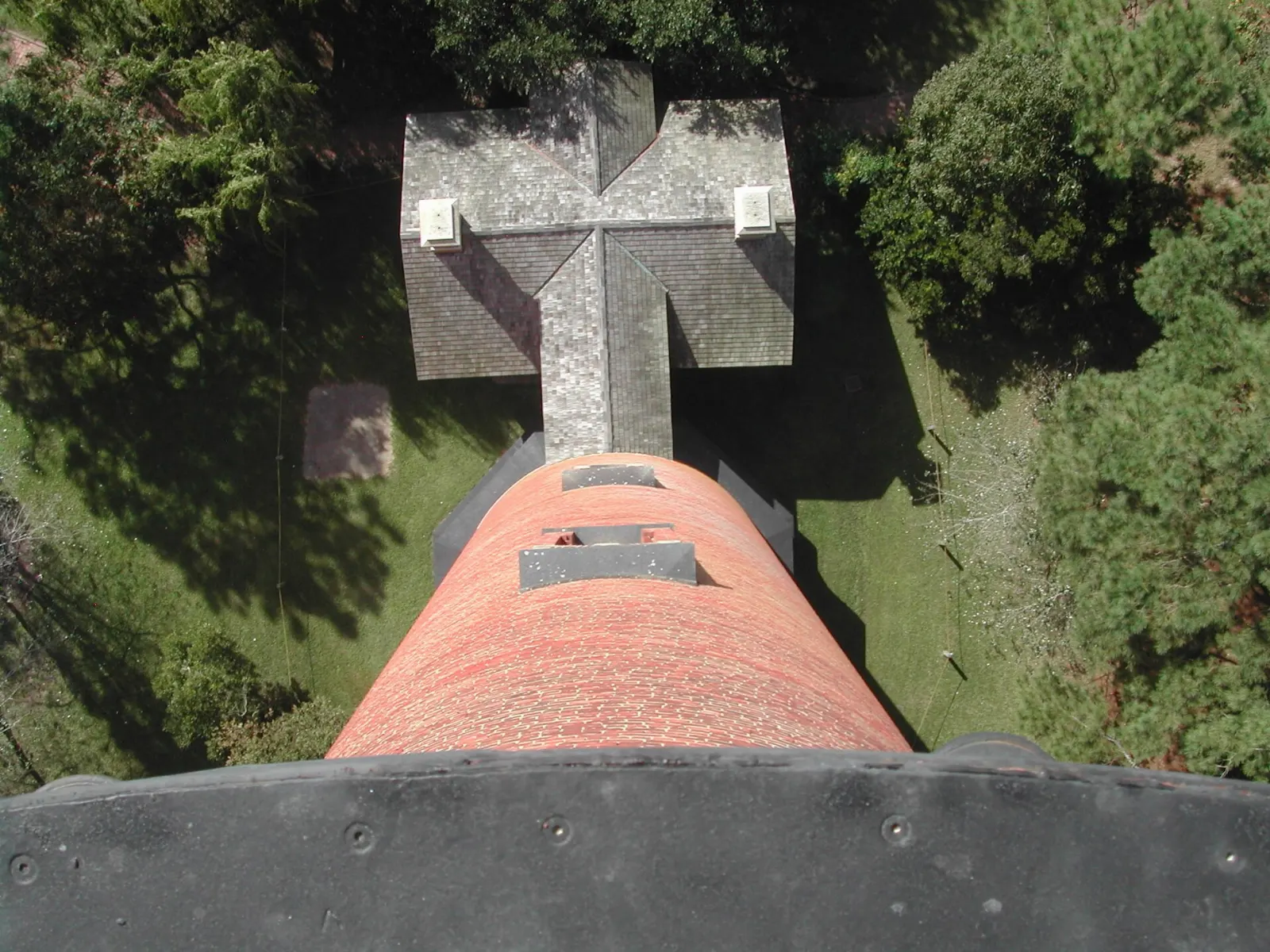
In the historic village of Corolla, the Currituck Beach Lighthouse was completed in 1875 and, unusually, was left as unpainted red brick to set it apart from the striped towers to the south.
Whalehead and Historic Corolla Park
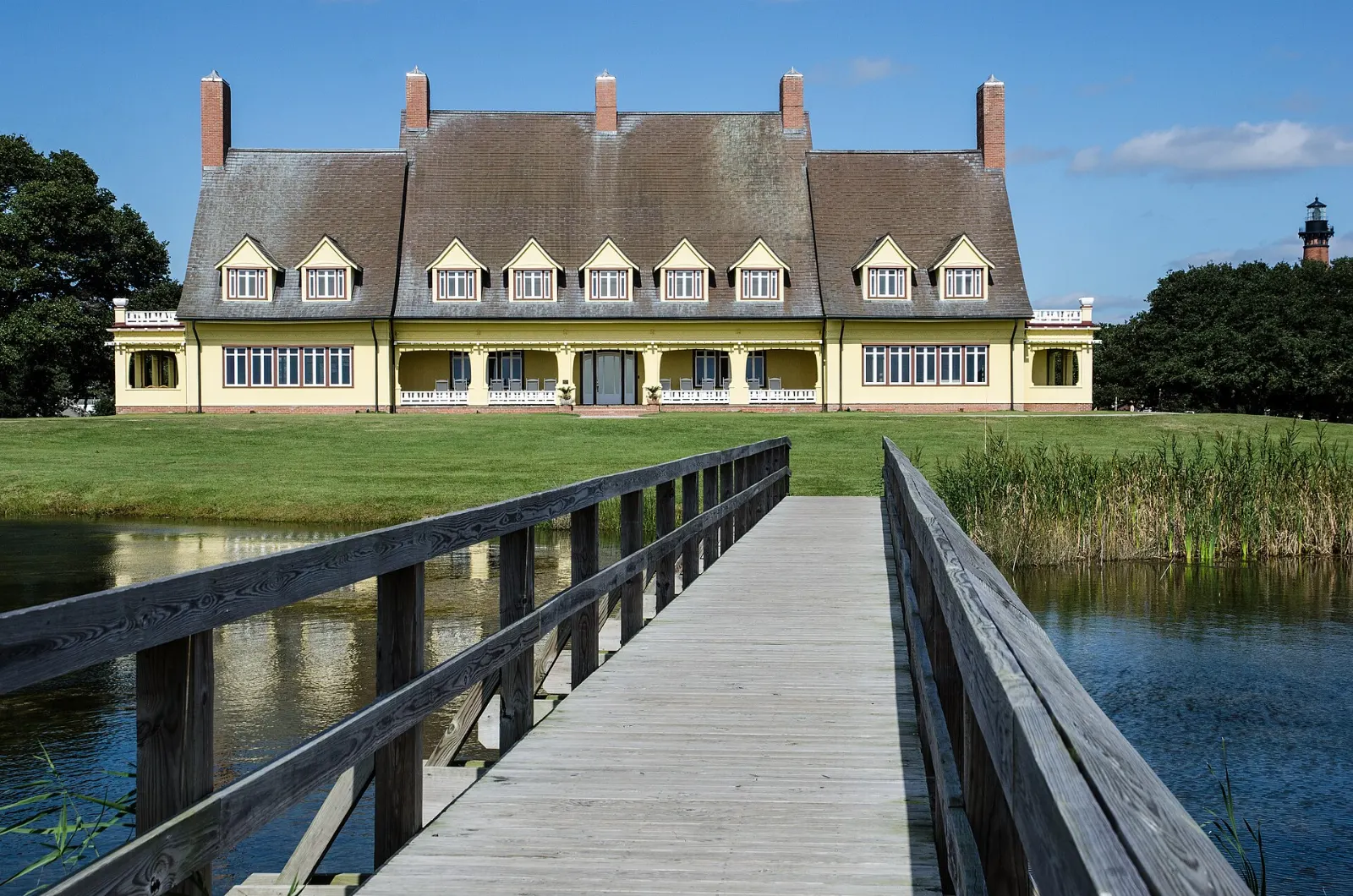
Beside the lighthouse, Whalehead is a striking Art Nouveau mansion built as a hunting retreat in the 1920s, painted a bright mustard yellow and set on the edge of Currituck Sound.
The Corolla wild horses
North of where the paved road ends in Corolla, a herd of Banker horses, descendants of Spanish mustangs believed to have arrived centuries ago, roams the dunes and maritime forest of the four-wheel-drive beaches toward the Virginia line.
Duck
The town of Duck is known for its soundside boardwalk, which winds for about a mile past shops and restaurants with views over Currituck Sound. It is the best spot on the northern beaches for a sunset stroll, and paddleboard and kayak rentals launch from the sound shore.
Kill Devil Hills, Nags Head and Roanoke Island
Wright Brothers National Memorial
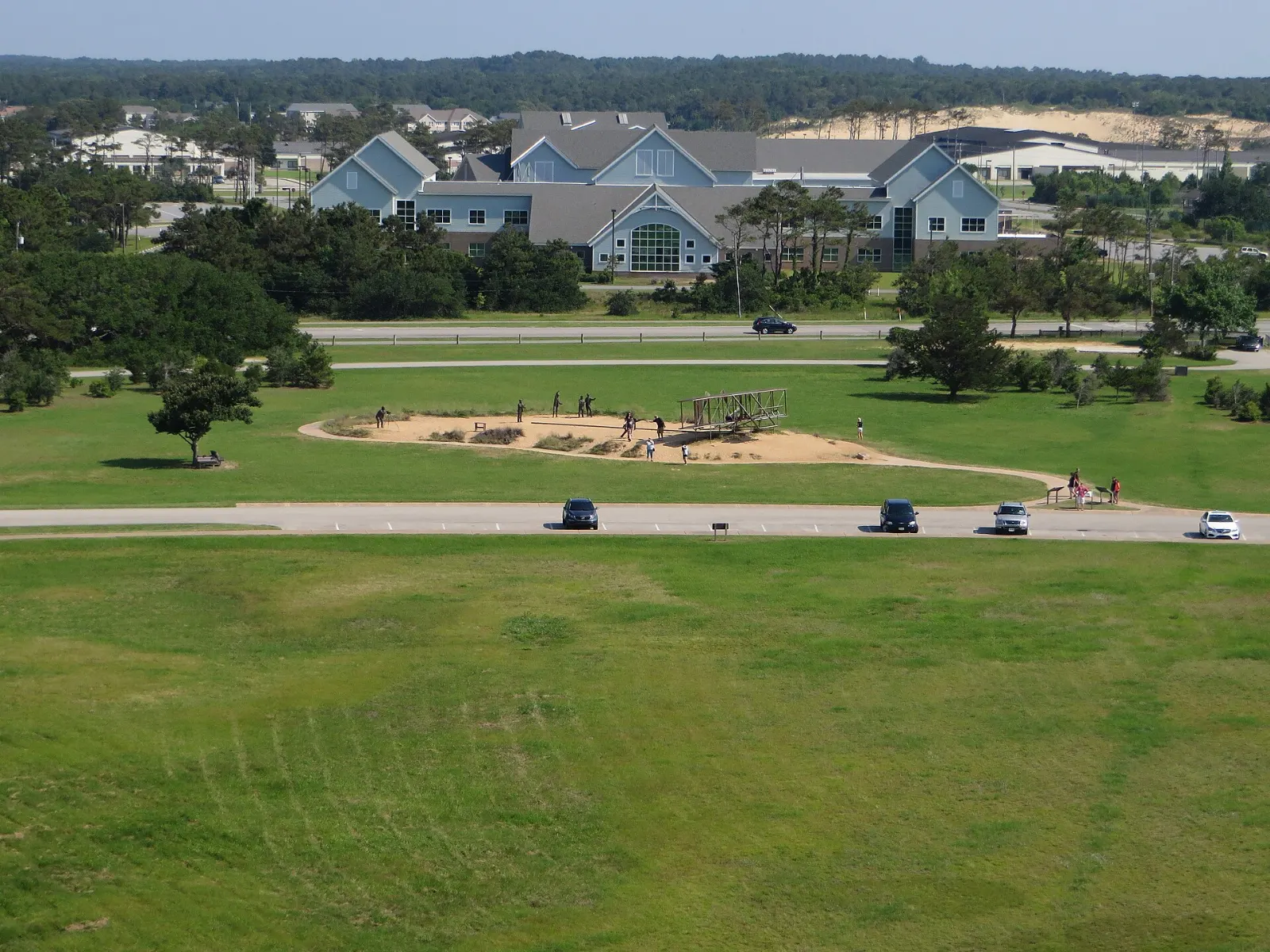
On December 17, 1903, Wilbur and Orville Wright made the first sustained, controlled flights of a powered airplane from the sands at Kill Devil Hills.
Jockey's Ridge State Park
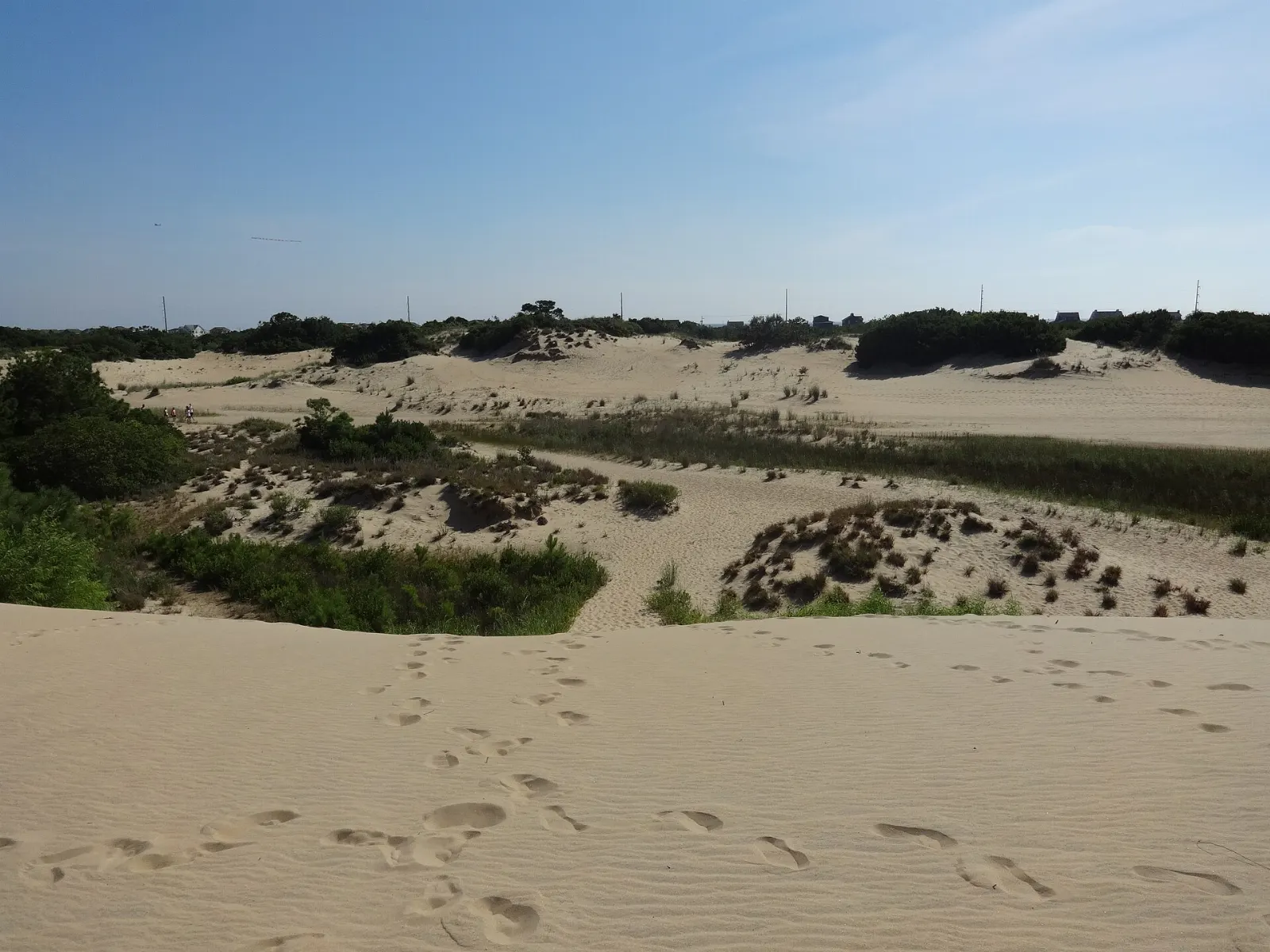
In Nags Head, Jockey's Ridge holds the tallest active sand dune system on the Atlantic coast. The dunes move with the wind, and their exact height changes from year to year.
Jennette's Pier
Rebuilt in concrete after the original wooden pier was destroyed by Hurricane Isabel in 2003, Jennette's Pier in Nags Head stretches 1,000 feet into the ocean and is run by the North Carolina Aquariums. Fishing, educational exhibits and walking out over the surf make it a good hour's stop.
Fort Raleigh and the Lost Colony
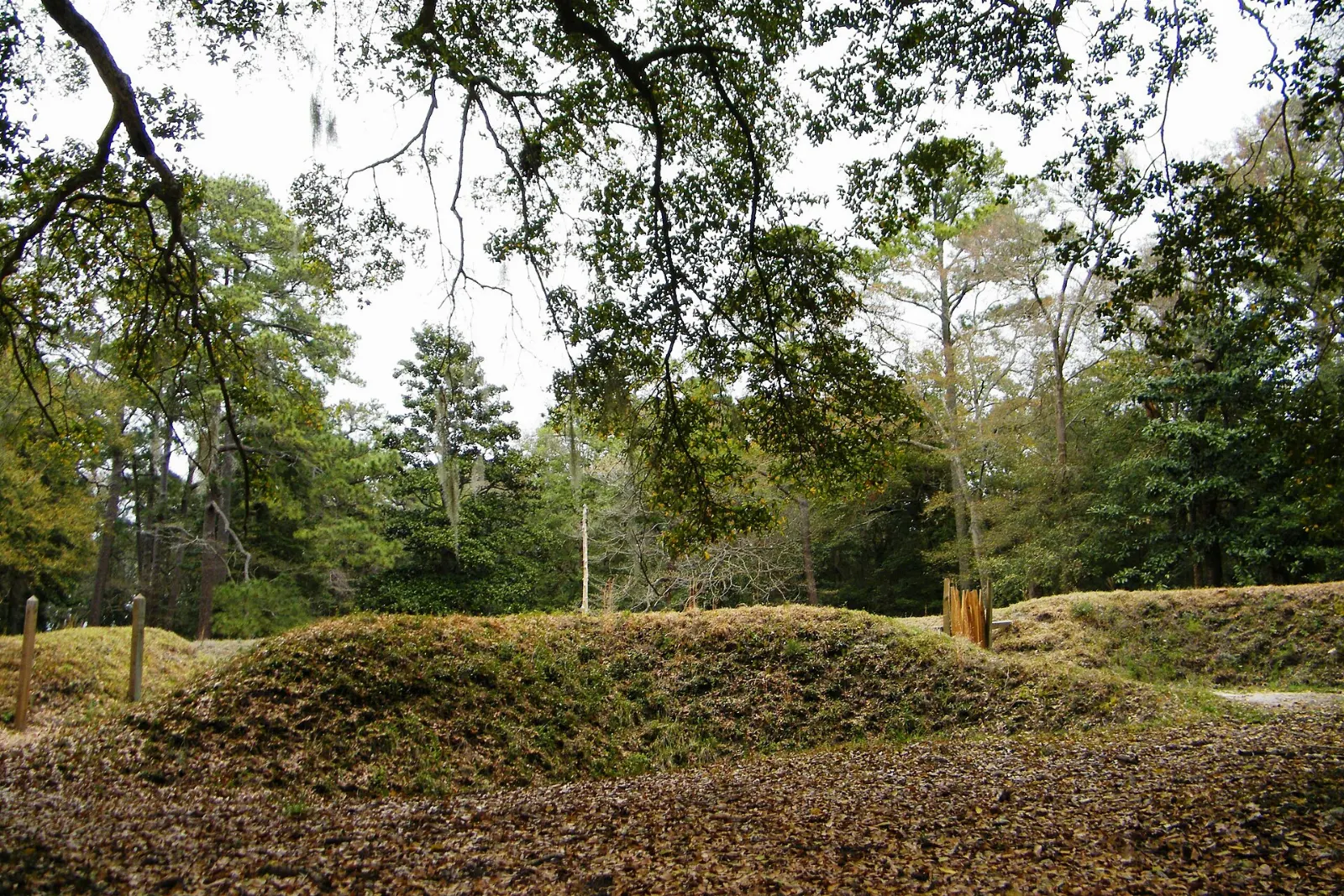
On the north end of Roanoke Island, Fort Raleigh National Historic Site preserves the area of the English attempts at settlement in the 1580s, including the colony whose members vanished, giving rise to the mystery of the Lost Colony. A short trail through the woods leads to the reconstructed earthwork fort.
The Elizabethan Gardens and downtown Manteo
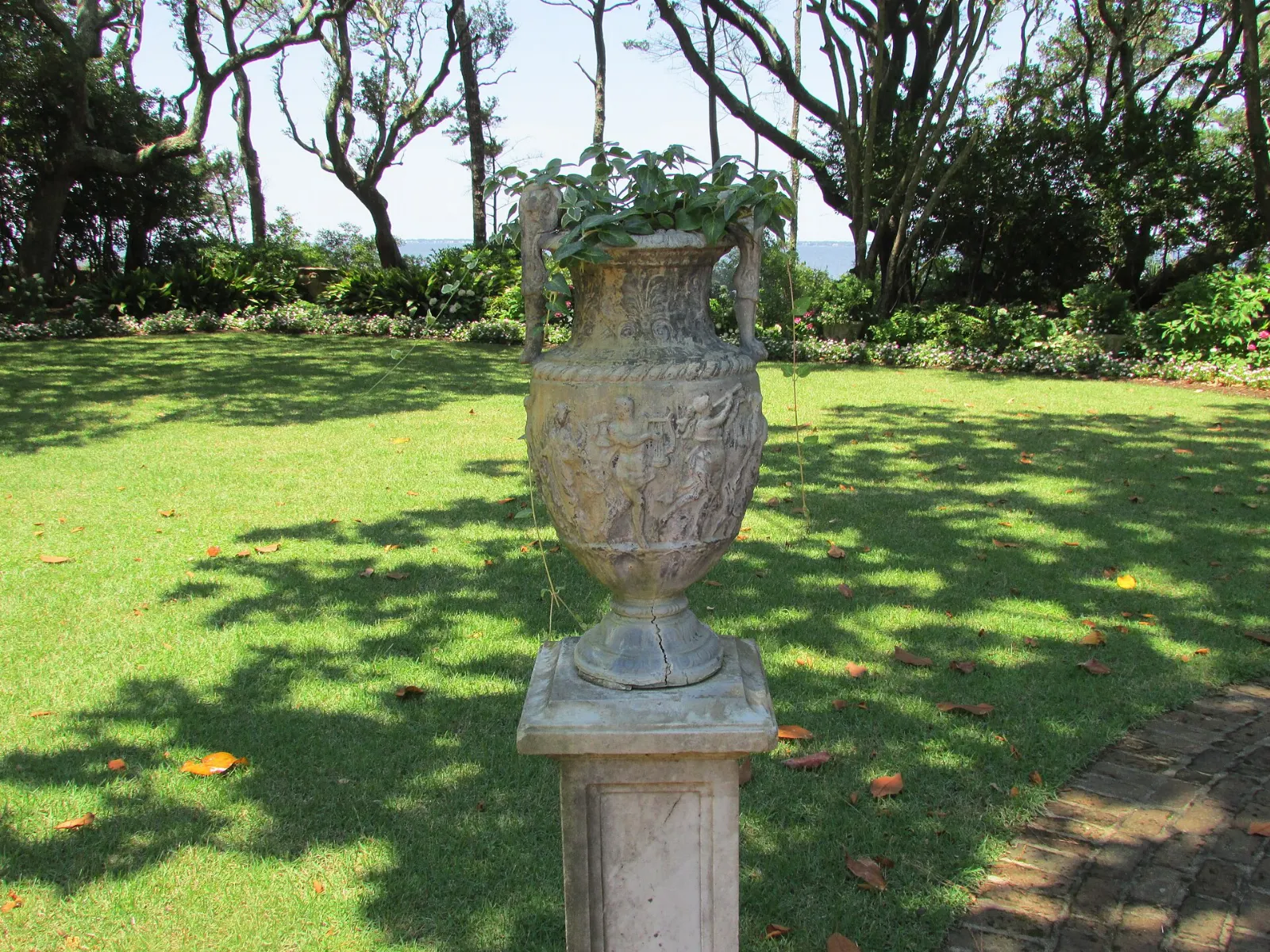
Next to Fort Raleigh, the Elizabethan Gardens were created as a memorial to the first colonists, with formal plantings, a sunken garden and ancient live oaks. Allow an hour or two.
Hatteras Island and Ocracoke
Bodie Island Lighthouse
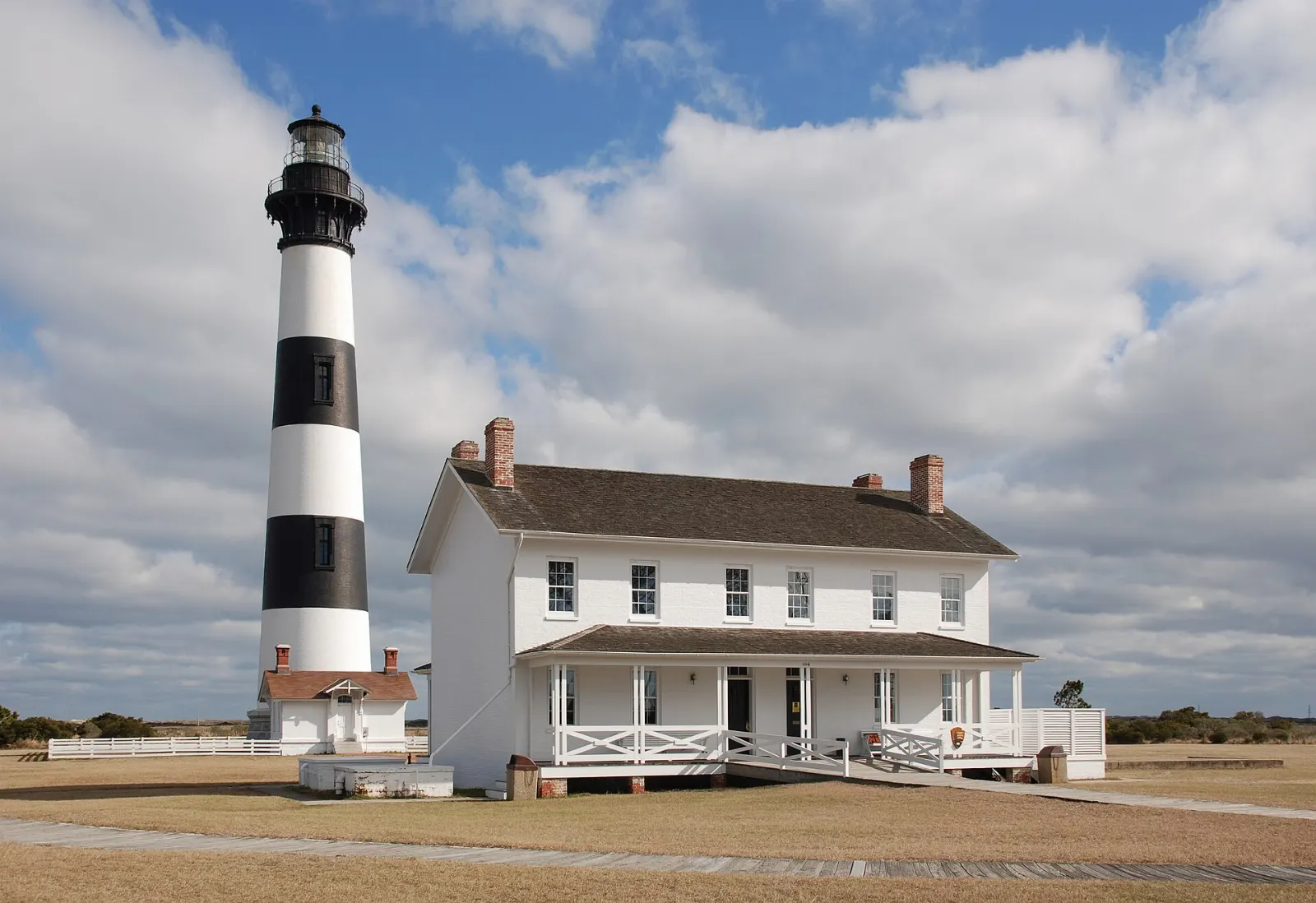
Just south of Nags Head, the Bodie Island Lighthouse stands among marshes with horizontal black and white bands. It is the only one of the national seashore's lighthouses open for climbing in 2026, from late April to mid-October, with same-day tickets released each morning on Recreation.gov.
Pea Island National Wildlife Refuge
Crossing Oregon Inlet on the Marc Basnight Bridge, you enter Pea Island, a refuge known for its migratory birds. In fall and winter, snow geese, tundra swans and ducks fill the ponds, and the North Pond Wildlife Trail offers viewing platforms.
Cape Hatteras Lighthouse
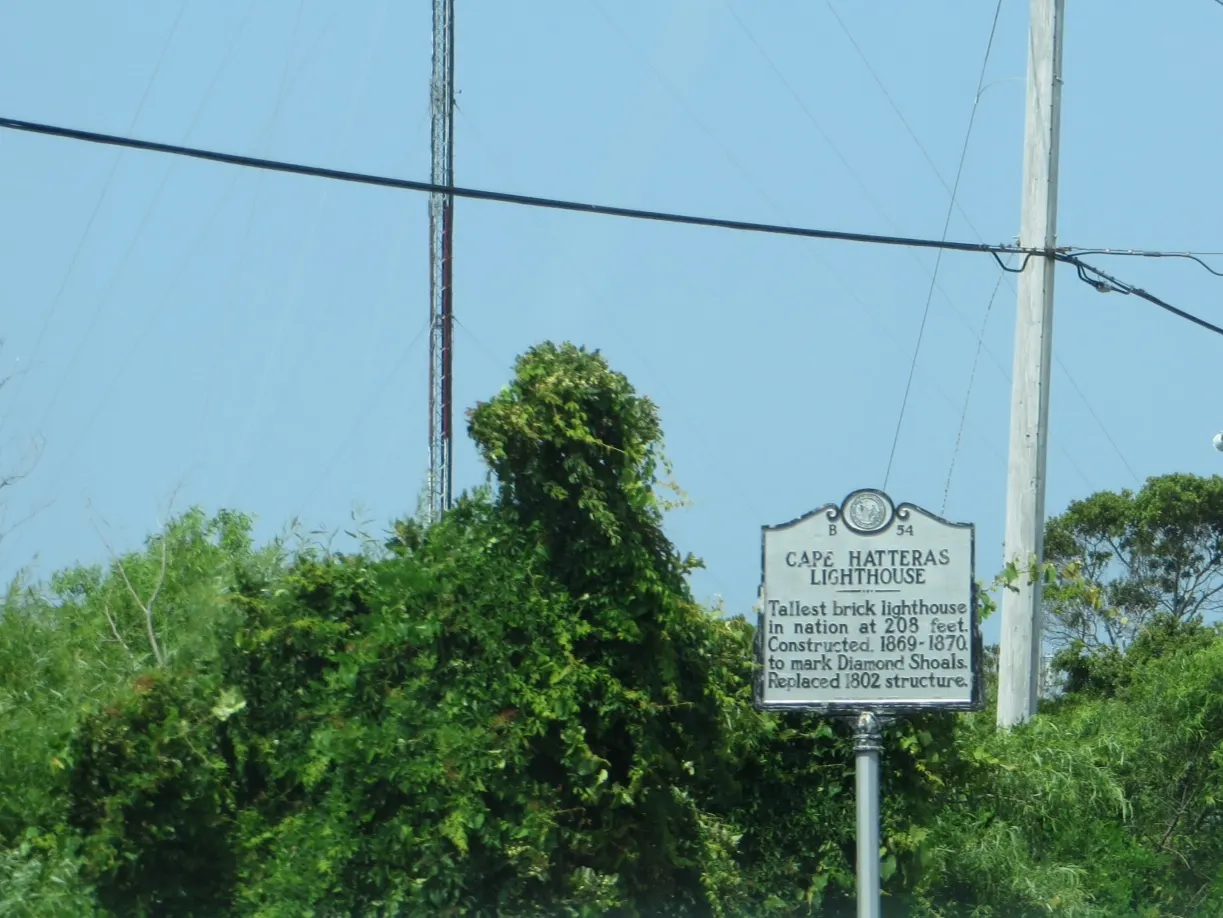
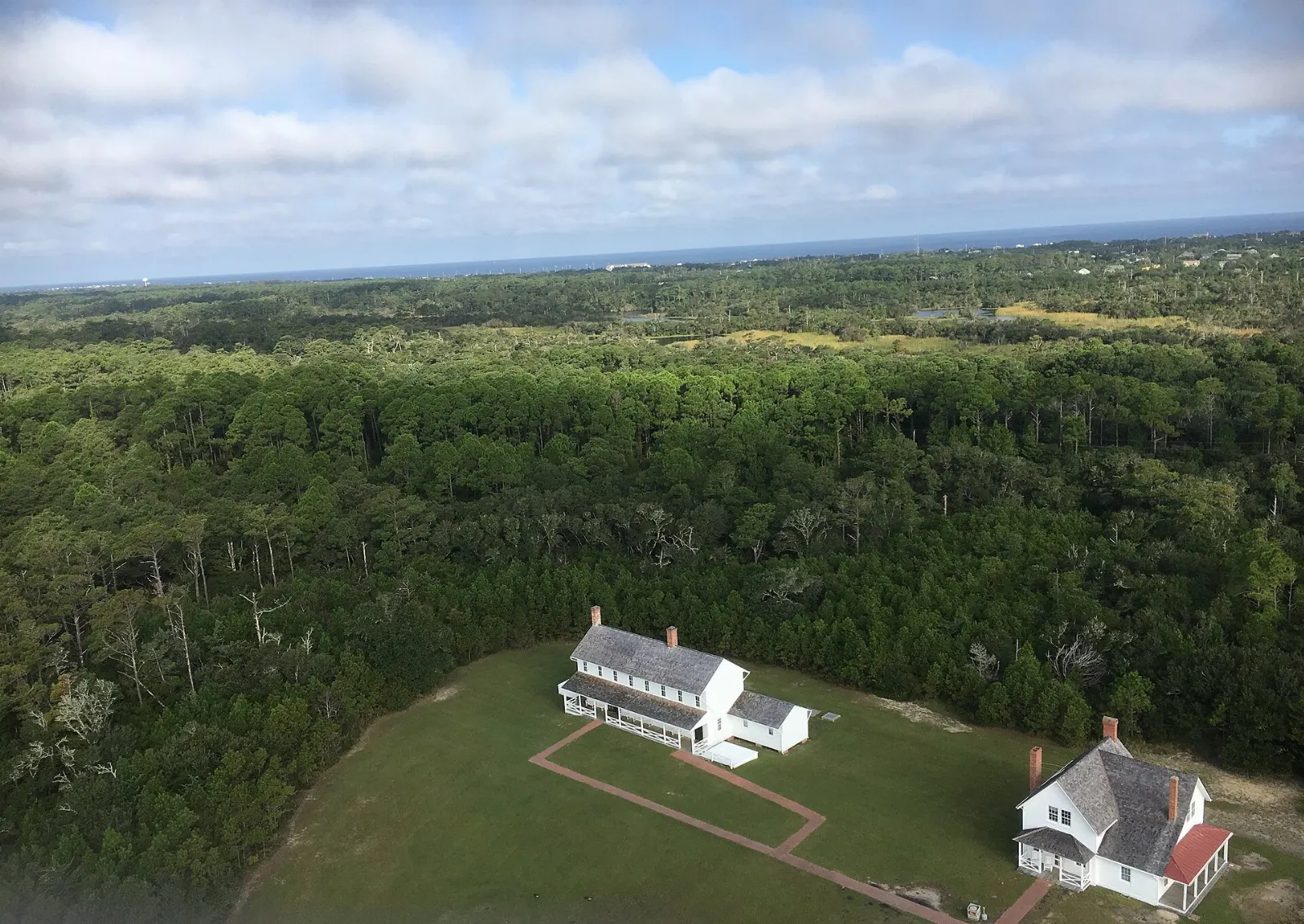
With its black and white spiral stripes, the Cape Hatteras Lighthouse in Buxton is the tallest brick lighthouse in the United States and the symbol of the Outer Banks. In 1999 the entire tower was moved about half a mile inland to protect it from the advancing sea.
Ocracoke Island
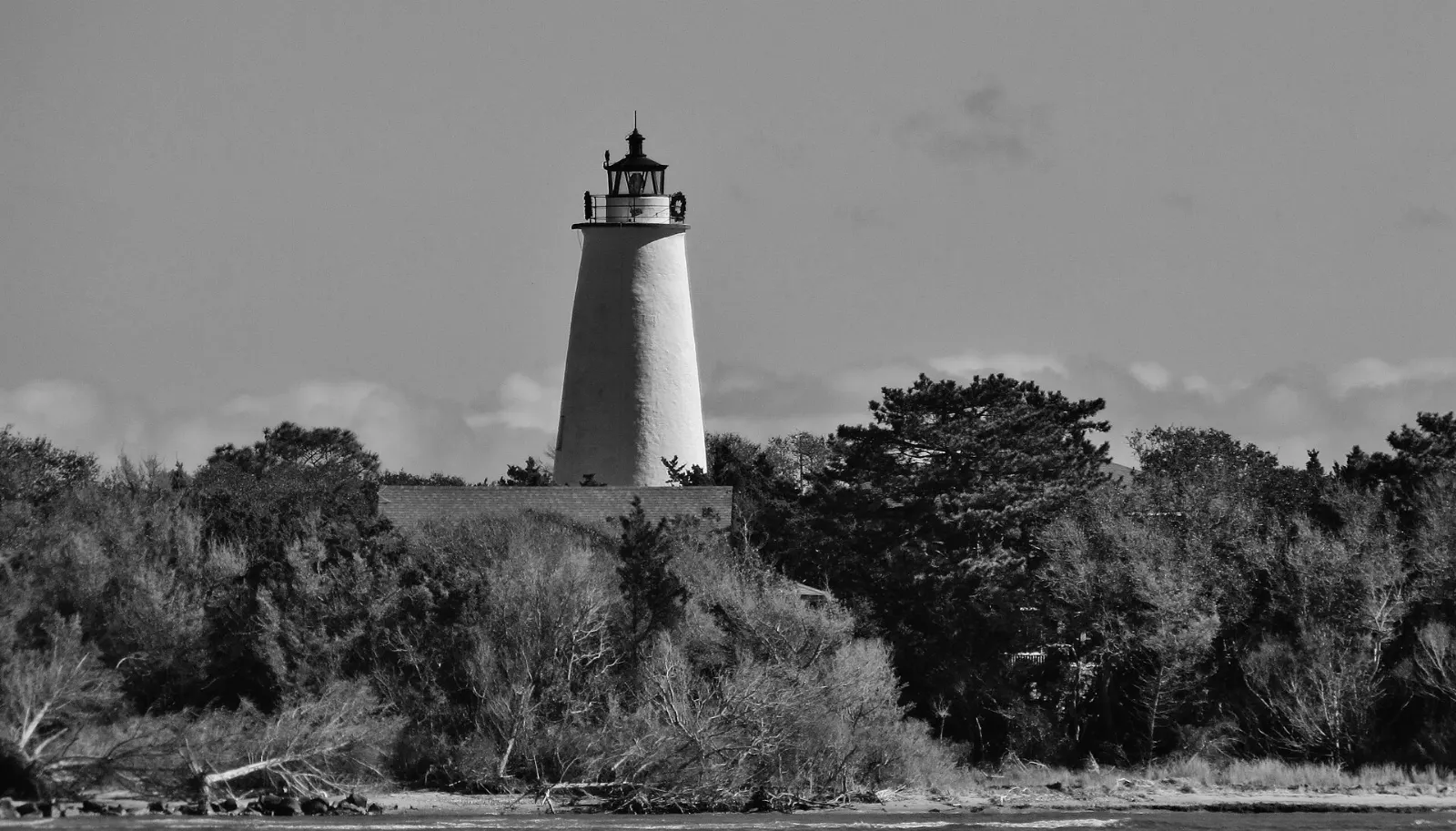
From the village of Hatteras, the free state ferry crosses to Ocracoke Island, a trip of about an hour. Ocracoke Village wraps around Silver Lake harbor and has narrow lanes, bike rentals and the squat white Ocracoke Lighthouse, one of the oldest operating lighthouses in North Carolina, which is not open for climbing.
 Planning a trip to Outer Banks?Compare hotels, flights and vacation rentals for Outer Banks on Expedia.Book now
Food and local flavors
Seafood is the heart of the local table, much of it landed at the fishing harbor of Wanchese on Roanoke Island.
Fish markets along the bypass in Kill Devil Hills and Nags Head sell seafood to cook in your rental, and many will steam it for you.
Popular dishes to try in Outer Banks


Where to stay
Most accommodation on the Outer Banks is in rental houses booked by the week, especially in summer. Corolla and Duck are upscale and quieter, with large rental homes suited to families and groups.
Hatteras Island villages such as Rodanthe, Avon and Buxton suit anglers, kiteboarders and anyone seeking open beaches; note that erosion has led to several oceanfront house collapses in Rodanthe, so check advisories and avoid swimming near debris.
Where to stay in Outer Banks


Best time to visit
Summer, from June through August, is peak season, with warm ocean water, full programs of activities and the heaviest traffic, especially on Saturday changeover days when rentals turn over.
Winter is windy and quiet, with many seasonal businesses closed, but birding at Pea Island is at its best and lodging is easy to find.
Getting there and getting around
Norfolk International Airport in Virginia is the closest major airport, roughly ninety minutes to two hours by car to Kill Devil Hills depending on traffic. Raleigh-Durham International is a longer drive of about three and a half to four hours.
NC 12 is the only road through Hatteras Island and can be closed by ocean overwash during storms; check NCDOT updates before driving south.
A suggested itinerary
First day
Start at Wright Brothers National Memorial in the morning, spend the afternoon on the beach in Kill Devil Hills, then climb Jockey's Ridge for sunset.
Second day
Head north to Corolla for a morning wild horse tour, climb the Currituck Beach Lighthouse and tour Whalehead.
Third day
Spend the day on Roanoke Island: Fort Raleigh and the Elizabethan Gardens in the morning, the Manteo waterfront in the afternoon, and The Lost Colony in the evening during the summer season.
Fourth day
Drive south, climbing the Bodie Island Lighthouse and birding at Pea Island, then continue to Buxton for the Cape Hatteras Lighthouse grounds and an evening of surf fishing.
Fifth day
Catch an early ferry from Hatteras to Ocracoke, explore the village by bike, see the lighthouse and relax on its undeveloped beaches before returning.
Practical tips
- Check rip current forecasts daily, swim near lifeguard stands and learn to swim parallel to shore if caught in a current.
- Stay at least fifty feet from the Corolla wild horses and never feed them.
- Book Bodie Island Lighthouse climbs the morning of your visit on Recreation.gov, as tickets go quickly in summer.
- Buy an off-road vehicle permit before driving on national seashore beaches, and lower your tire pressure for soft sand.
- Avoid driving north or south on Saturdays in summer if you can, when rental changeovers clog the roads.
- Pack strong sunscreen, insect repellent for the soundside and shoes for hot dune sand.
Find local businesses in Nags Head on WiserMap
Nags Head sits at the center of the Outer Banks, close to Jockey's Ridge, Roanoke Island and the road to Hatteras, with seafood markets, outfitters and rental services nearby.