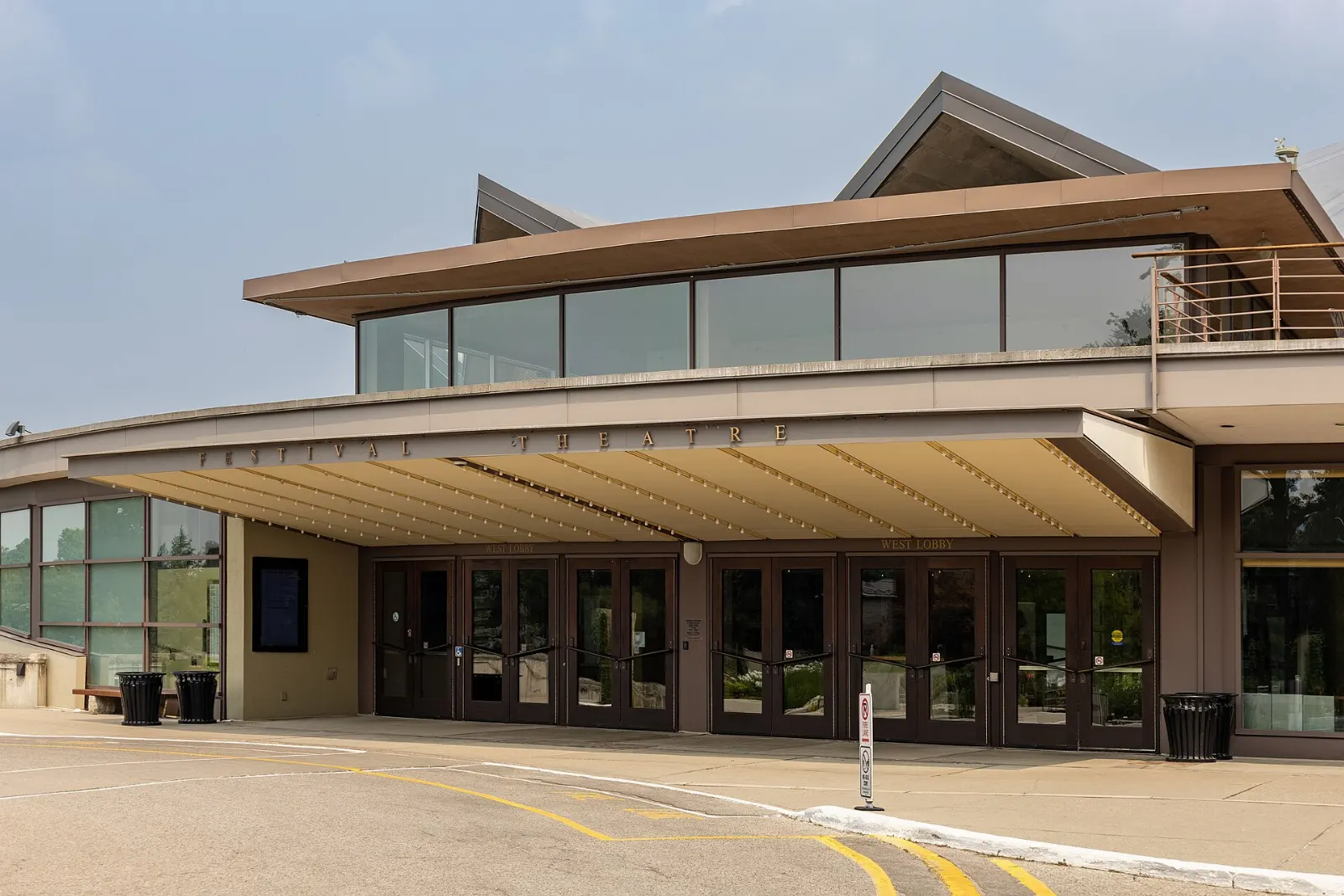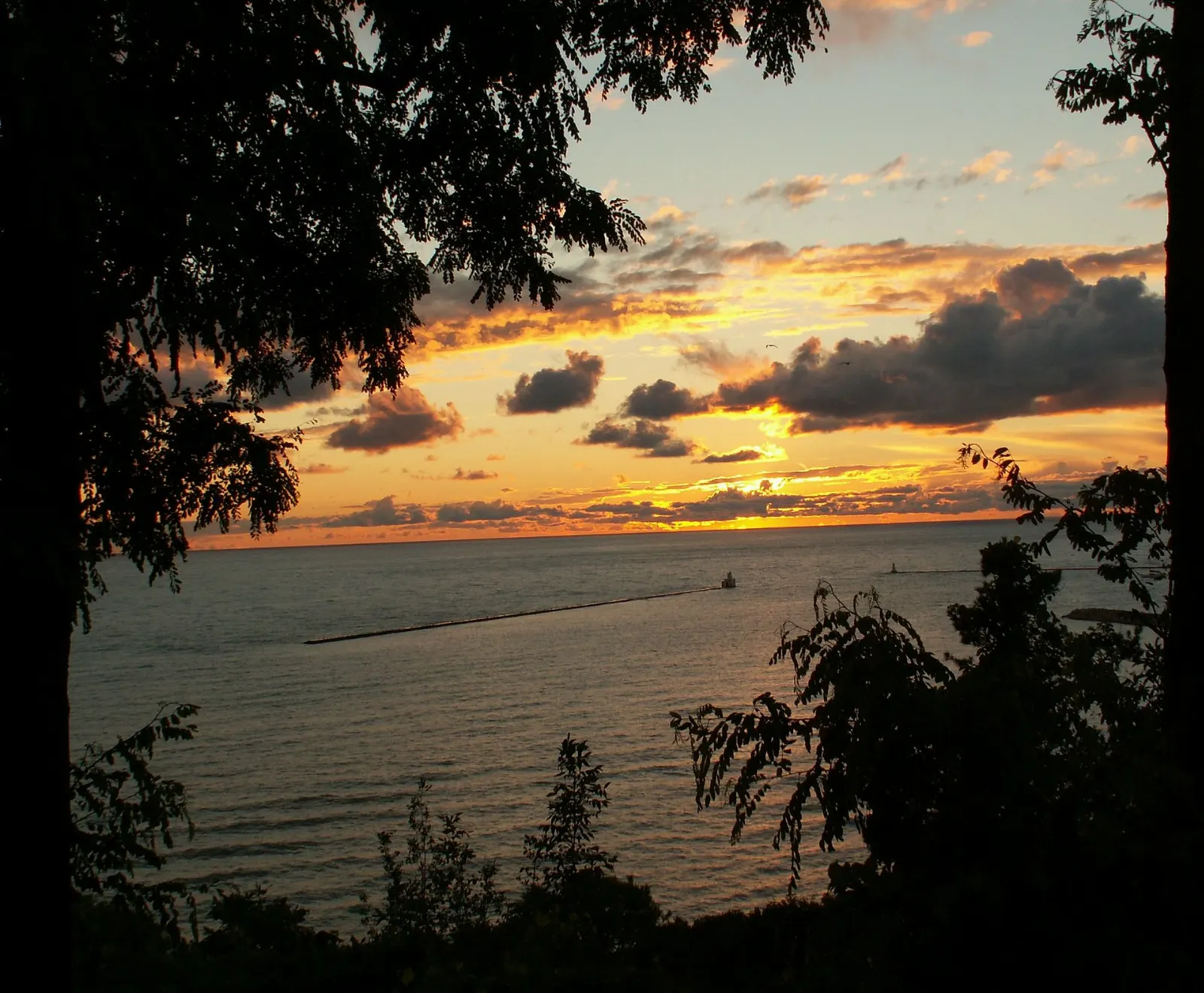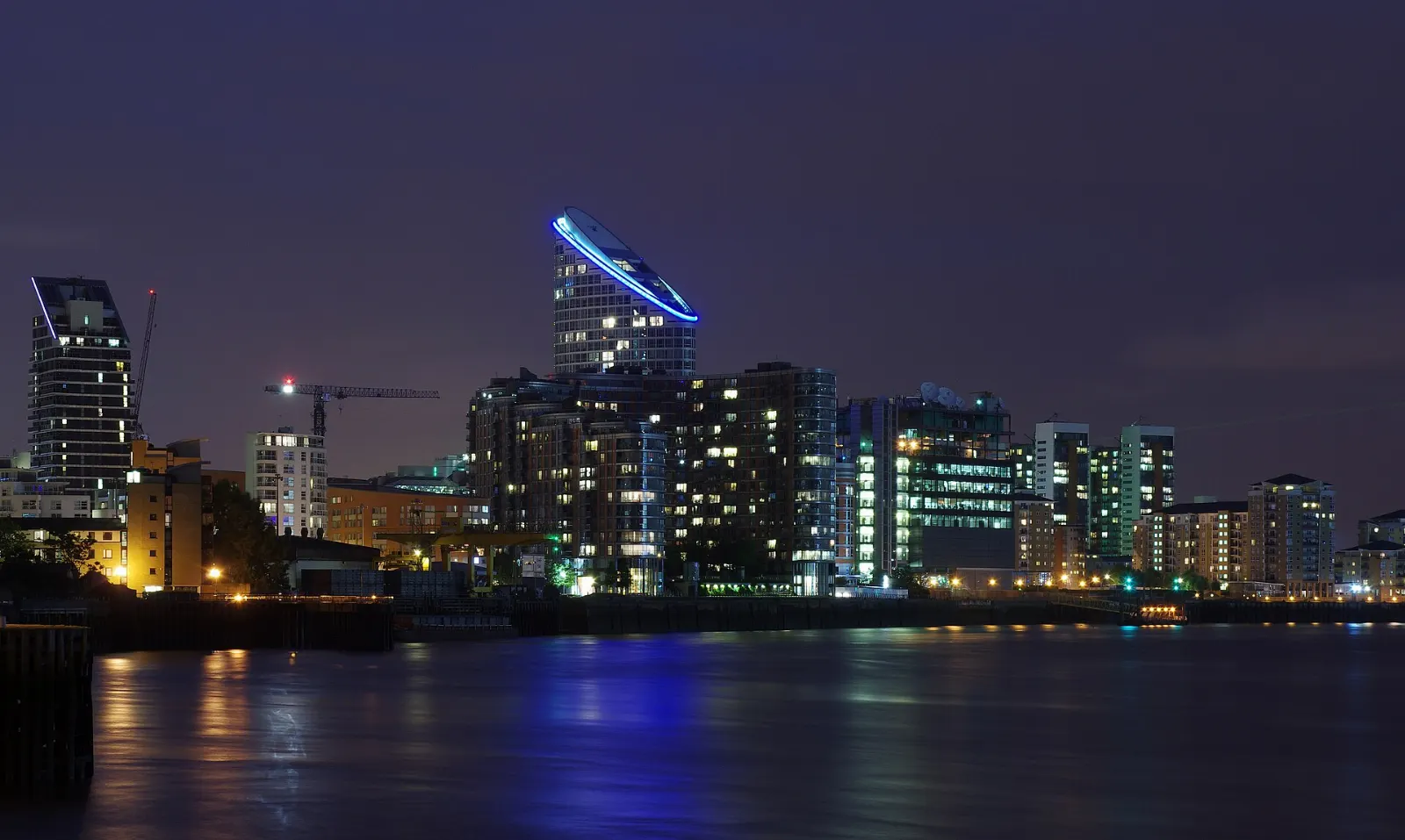
London, Ontario, sits where the north and south branches of the Thames River meet, midway between Toronto and Windsor.
AT A GLANCE
Best time
June to September for festivals, patios and green riverside parks.
How long
Two days for the highlights, three with a day trip to Stratford.
Getting there
Highway 401 from Toronto or Windsor, or a VIA Rail train to downtown.
Why visit London
London blends big-city amenities with a relaxed pace. Museums and heritage houses stand within walking distance of each other downtown, and the Thames Valley Parkway links dozens of parks by paved path.
It also has real stories to tell. Frederick Banting had the idea that led to insulin here in 1920, and the Labatt and Carling breweries both began in the city in the nineteenth century.
Downtown and the forks
Museum London
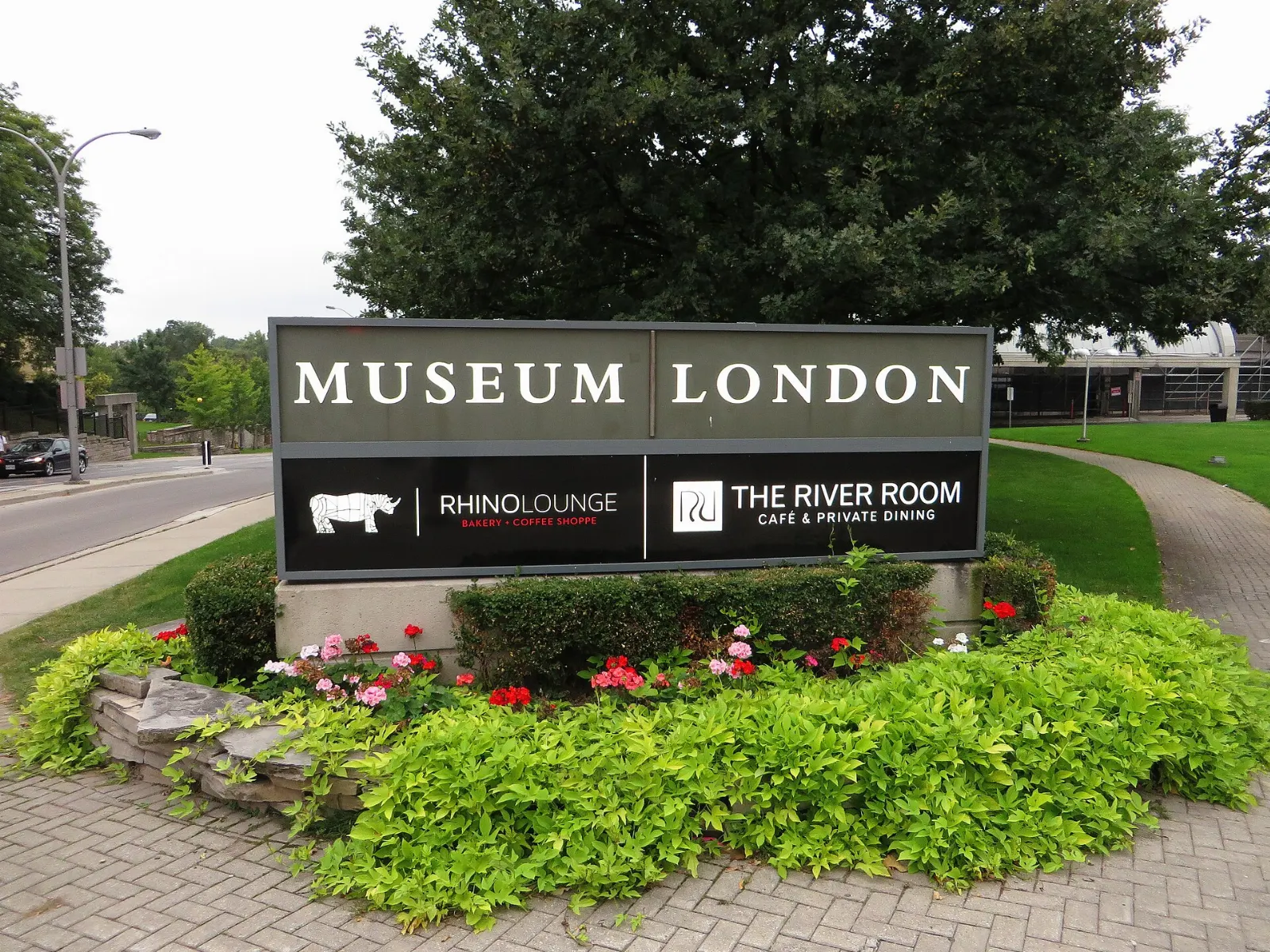
Museum London sits right at the forks of the Thames, a modern building by architect Raymond Moriyama. It combines an art gallery with a regional history museum, with thousands of artworks and tens of thousands of artifacts.
Eldon House
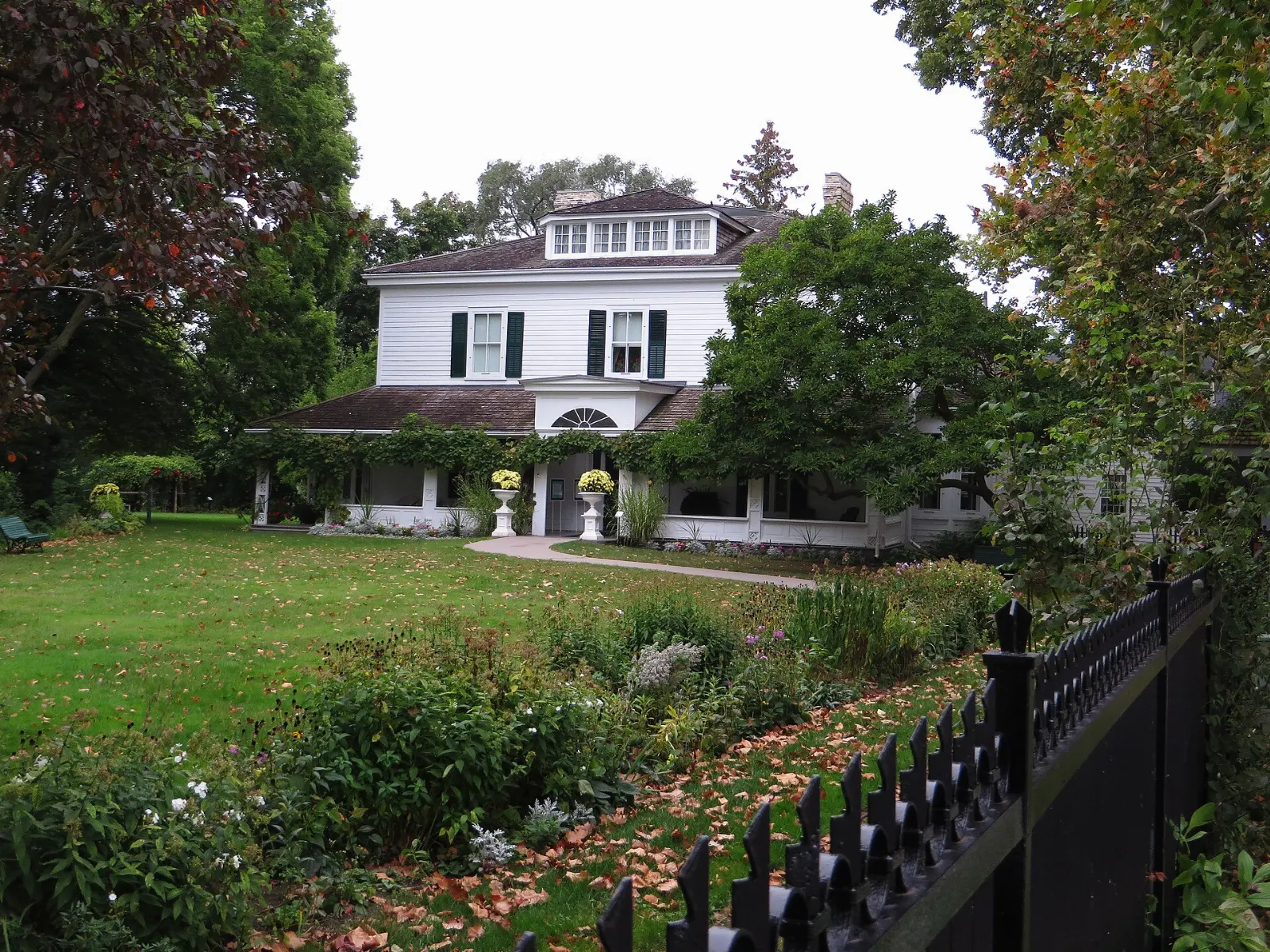
Eldon House, a short walk north on Ridout Street, is the oldest surviving residence in London. The Harris family lived here from 1834 until they donated the house to the city in 1959, so the rooms still hold heirlooms and furniture that tell a family story across generations.
Banting House
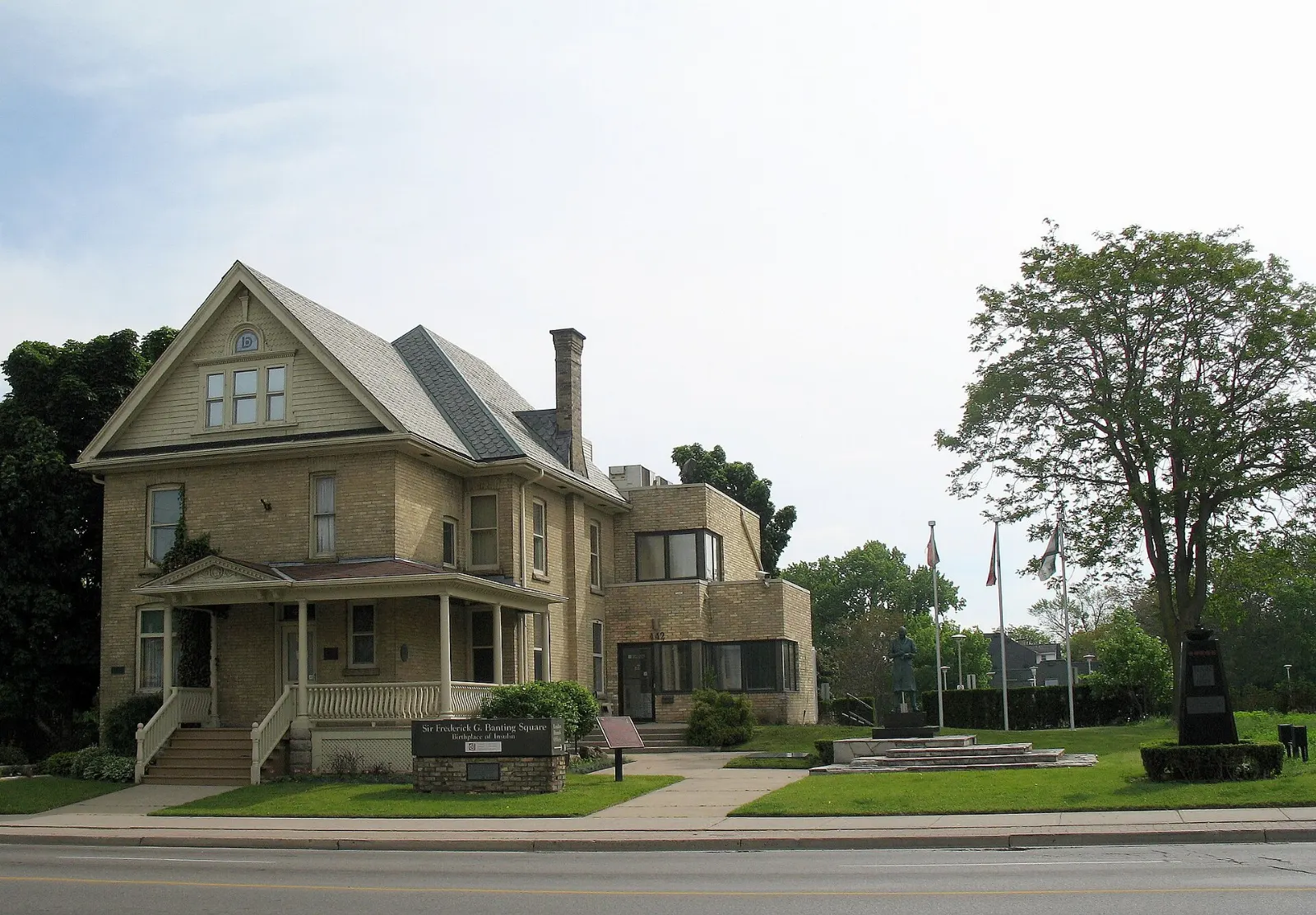
Banting House on Adelaide Street North is a National Historic Site known as the birthplace of the idea that led to insulin. Sir Frederick Banting woke here in the early hours of 31 October 1920 with the thought that started his research.
Blackfriars Street Bridge
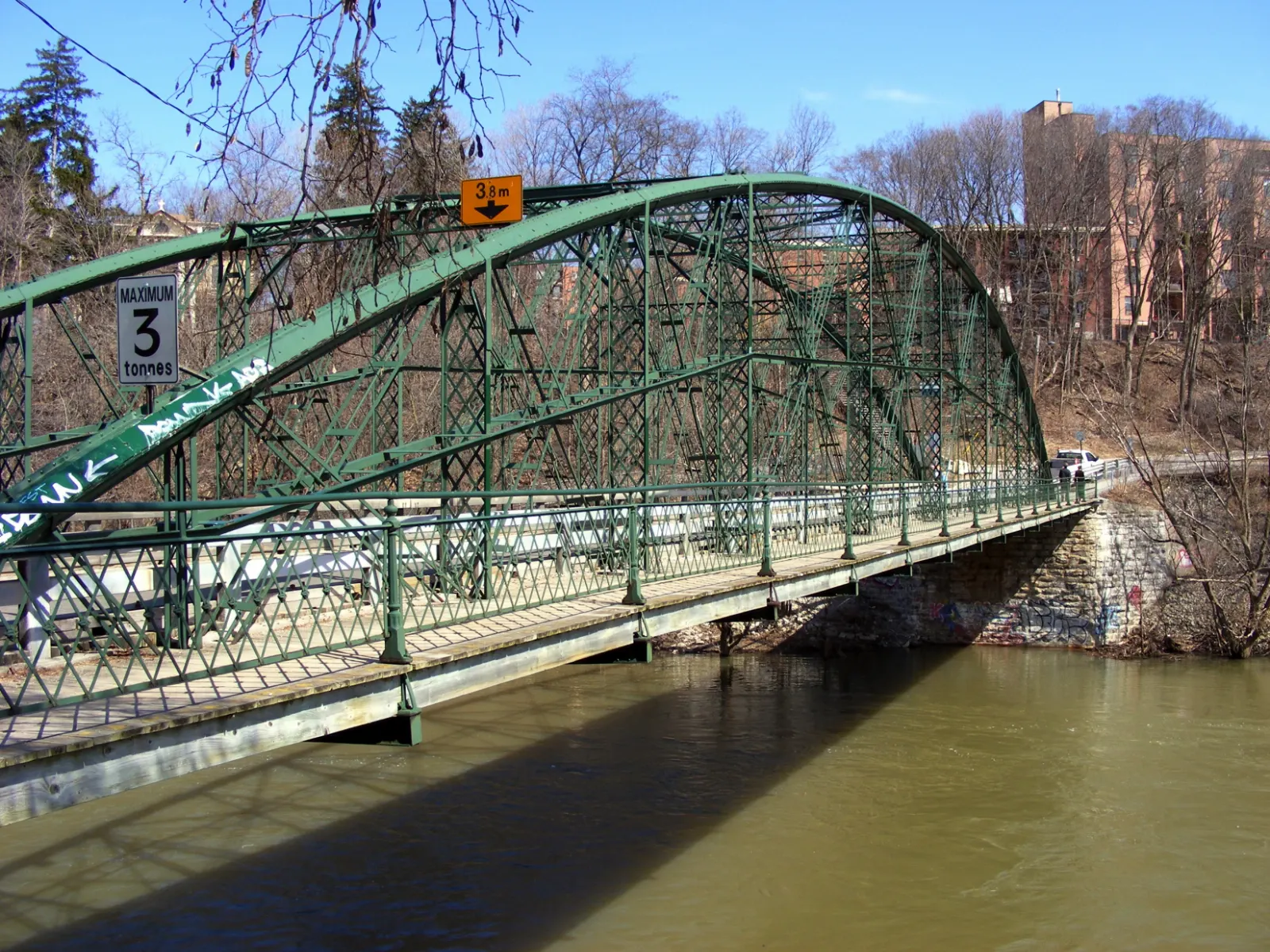
The Blackfriars Street Bridge crosses the Thames at the north end of Ridout Street. Built in 1875, this wrought iron bowstring arch truss bridge is the longest working span of its kind in North America.
Markets and parks
Covent Garden Market
Covent Garden Market is downtown London's food and crafts market, with more than thirty vendors under one roof selling produce, baked goods, bulk foods and ready-to-eat meals. Upstairs, a small theatre hosts youth productions and other events.
Victoria Park
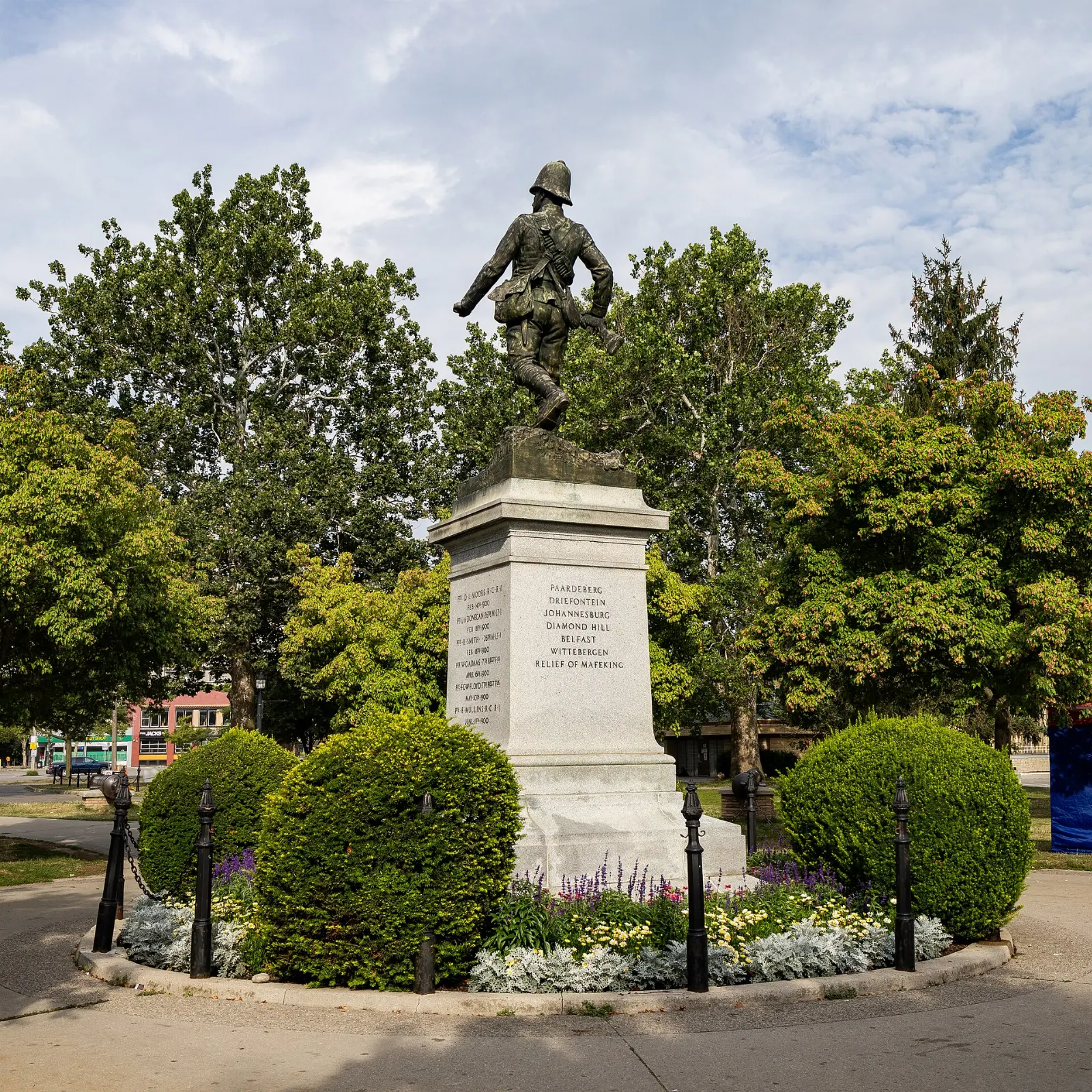
Victoria Park, one block west of City Hall, is the city's central green space and has hosted festivals and gatherings since 1874. Sunfest, the world music festival, takes over the park each July.
Springbank Park
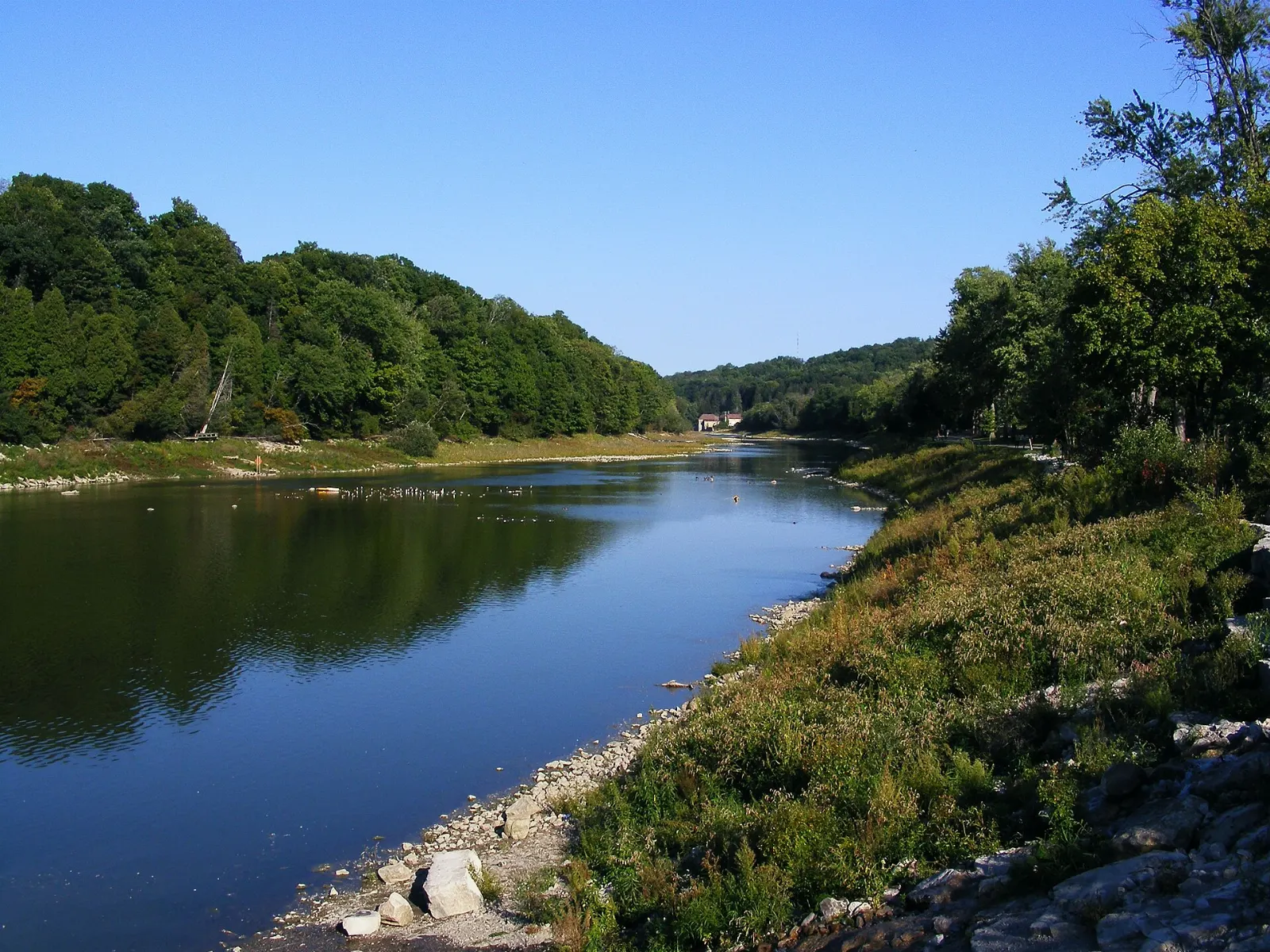
Springbank Park, west of downtown, is the largest park in London and part of a trail system that follows the Thames.
Neighbourhoods, heritage and baseball
Wortley Village
Wortley Village, along Wortley Road in the south of the city, is a friendly neighbourhood of heritage homes, independent shops and cafes.
Fanshawe Pioneer Village
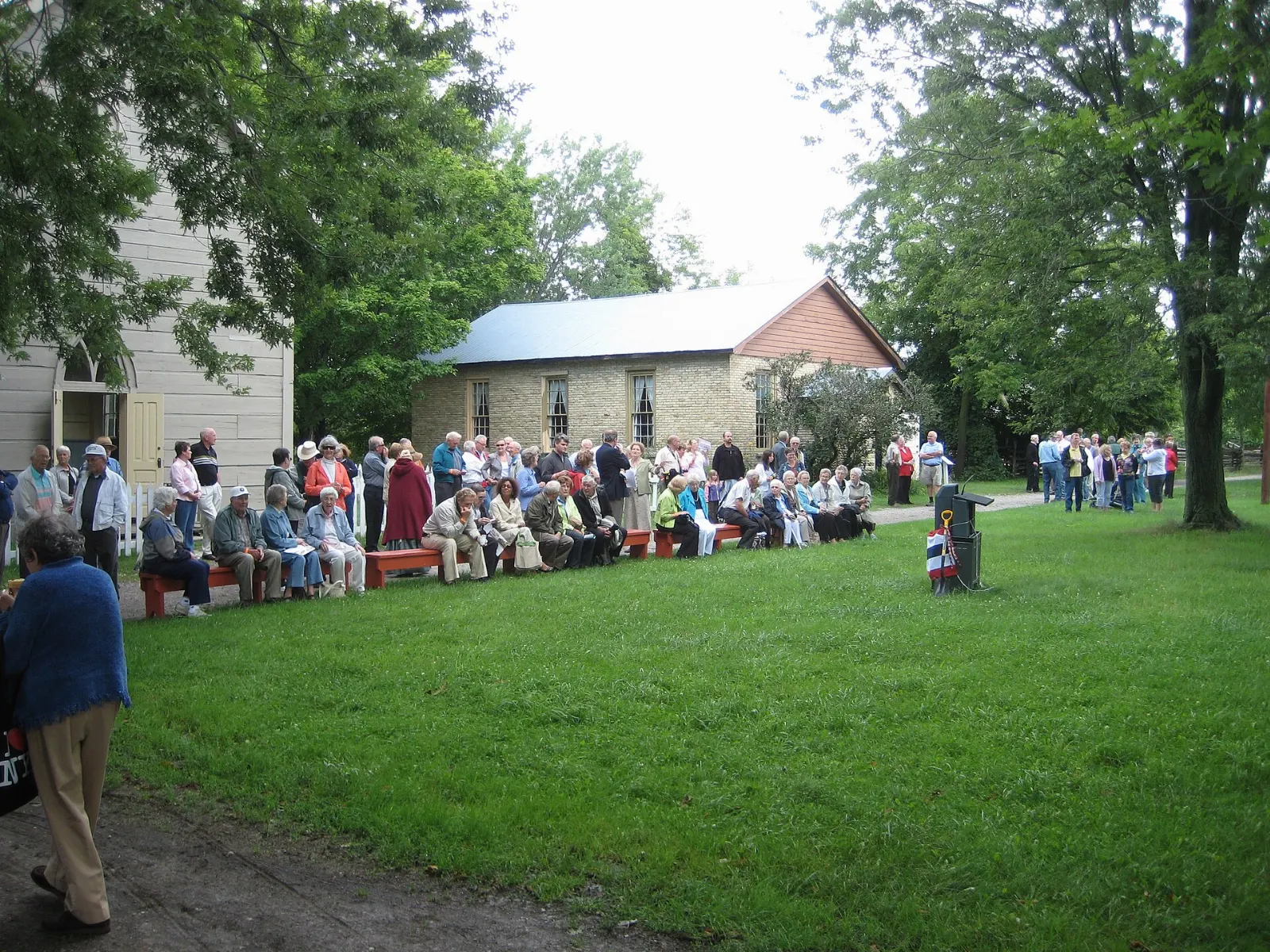
Fanshawe Pioneer Village, inside the Fanshawe Conservation Area, is an open-air museum that tells the story of rural communities in the area from 1820 to 1920. Costumed interpreters work in historic buildings through the season.
Labatt Park
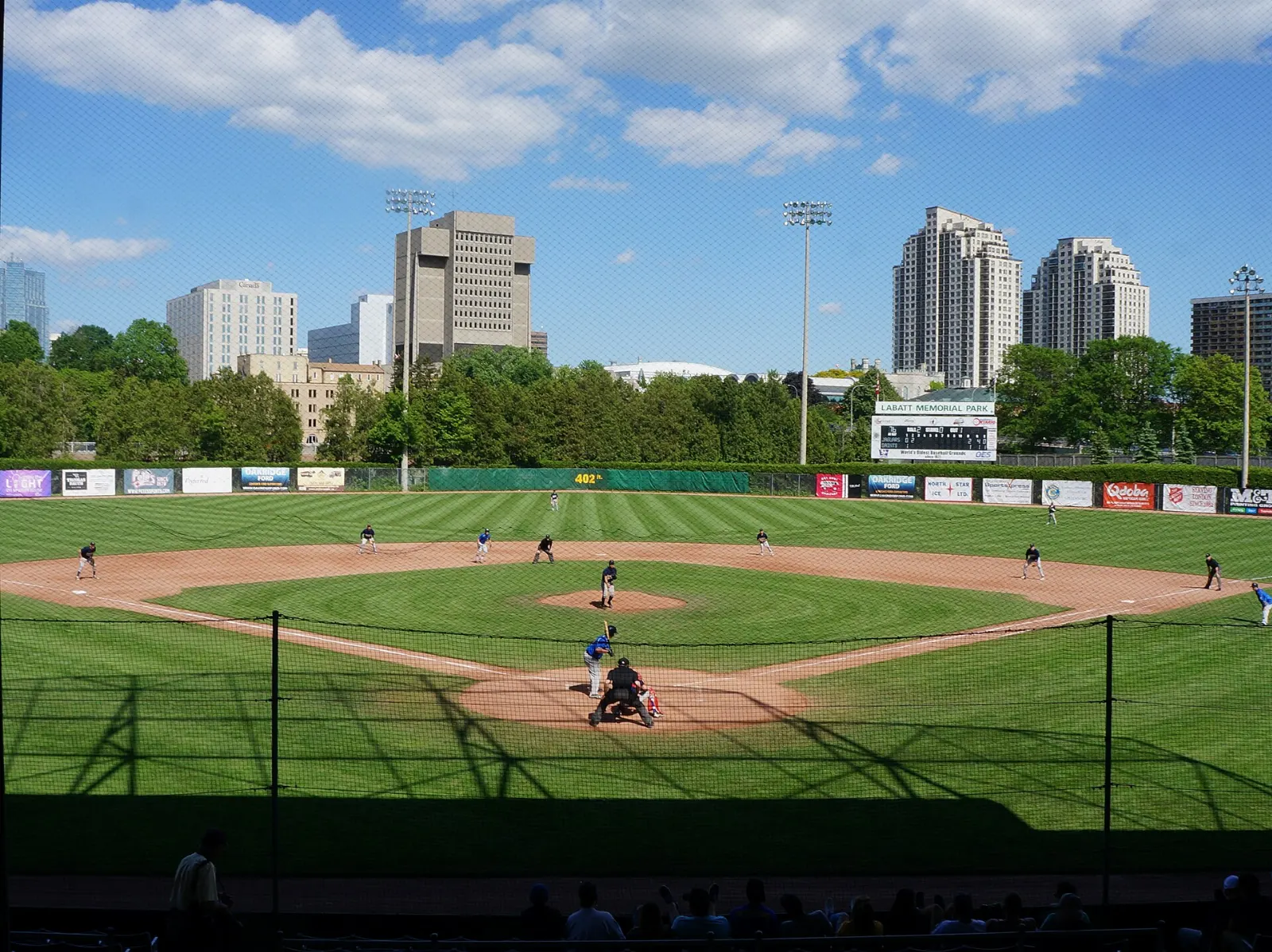
Labatt Memorial Park near the forks of the Thames has hosted baseball since 1877 and is recognized as the oldest continuously used baseball grounds in the world.
Labatt Brewery
Labatt began brewing in London in 1847, and the Simcoe Street brewery has offered guided tours. Check current tour availability before you plan around it.
Food and local flavors
Covent Garden Market is the best single place to eat in London, with vendors serving everything from baked goods to global lunches. Try a peameal bacon sandwich, the cornmeal-crusted Ontario bacon that is a classic of the province, and look for a butter tart, the sweet Canadian pastry, at a market bakery.
London is also where two of Canada's biggest breweries began, so a cold Labatt Blue is a natural order at a local pub. In summer, the London Rib Fest, among the largest barbecue rib festivals in North America, fills the air with smoke.
Popular dishes to try in London


Where to stay
Downtown London is the most convenient base. You can walk to Museum London, Eldon House, Covent Garden Market and the theatres, and the VIA Rail station is also downtown. Evenings are lively, though the area can feel quiet and a little rough around the edges after dark, so take normal city care.
Old East Village suits travellers who like creative neighbourhoods. It is home to the Palace Theatre, Banting House and the Western Fair District, and is a short distance east of downtown. Wortley Village is a calm, walkable choice with cafes and independent shops, good for couples and families.
Where to stay in London


Best time to visit London
Summer is the high season, with warm weather, patios and riverside trails at their best. SunFest in July, the London Rib Fest, the Fringe Theatre Festival and the Western Fair in early September all bring crowds and energy.
Autumn offers colour along the Thames and quieter attractions. Winters are cold and snowy, though the London Knights hockey season runs from late summer into March, so there is still plenty to do indoors.
Getting there and getting around
London International Airport has flights on Air Canada and WestJet, plus seasonal service to some southern destinations. VIA Rail serves London station on York Street, with trains between Toronto and Windsor, and between Toronto and Sarnia.
By car, Highway 401 passes along the south edge of the city, and Highway 402 heads west toward Sarnia. Downtown is only a short drive from exit 186, Wellington Road North. The London Transit Commission runs local buses, and the street grid makes the city easy to navigate.
A suggested itinerary
First day
Begin at Museum London and Eldon House, cross the Blackfriars Street Bridge and finish at Banting House.
Second day
Spend the morning walking or cycling Springbank Park, then browse Wortley Village for lunch.
Third day
Take a day trip to Stratford, about an hour north, for the theatre and riverside parks, or head to Grand Bend on Lake Huron.
Practical tips
- Check seasonal opening dates for Fanshawe Pioneer Village, Eldon House and brewery tours before visiting.
- Many museums are close together, so park once and explore downtown on foot.
- Look up the festival calendar before booking, as hotels fill up for Sunfest and the Western Fair.
- Bring a light jacket for evening patio time, as river valleys cool quickly.
- Use the Thames Valley Parkway for cycling, as it links parks and neighbourhoods away from traffic.