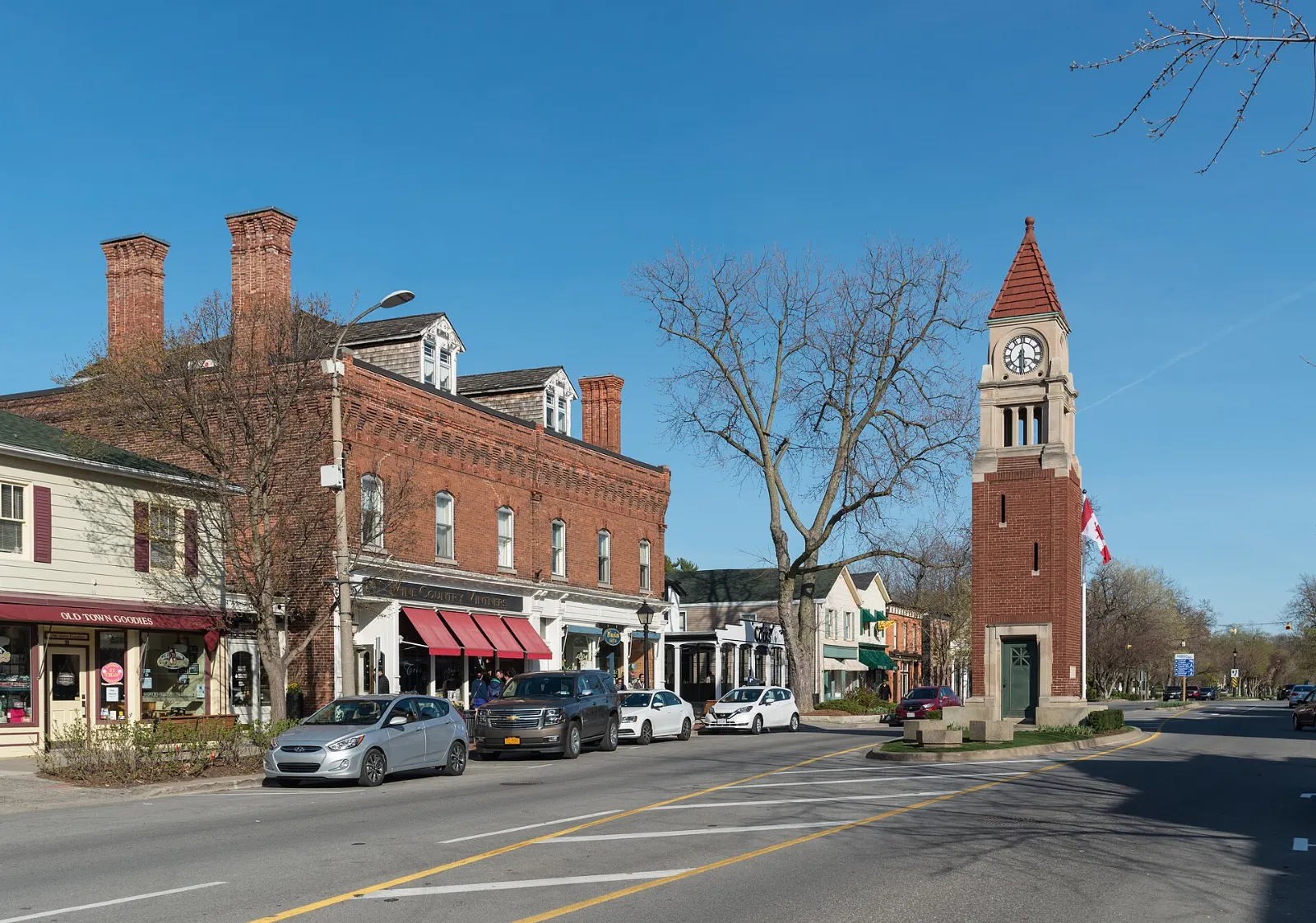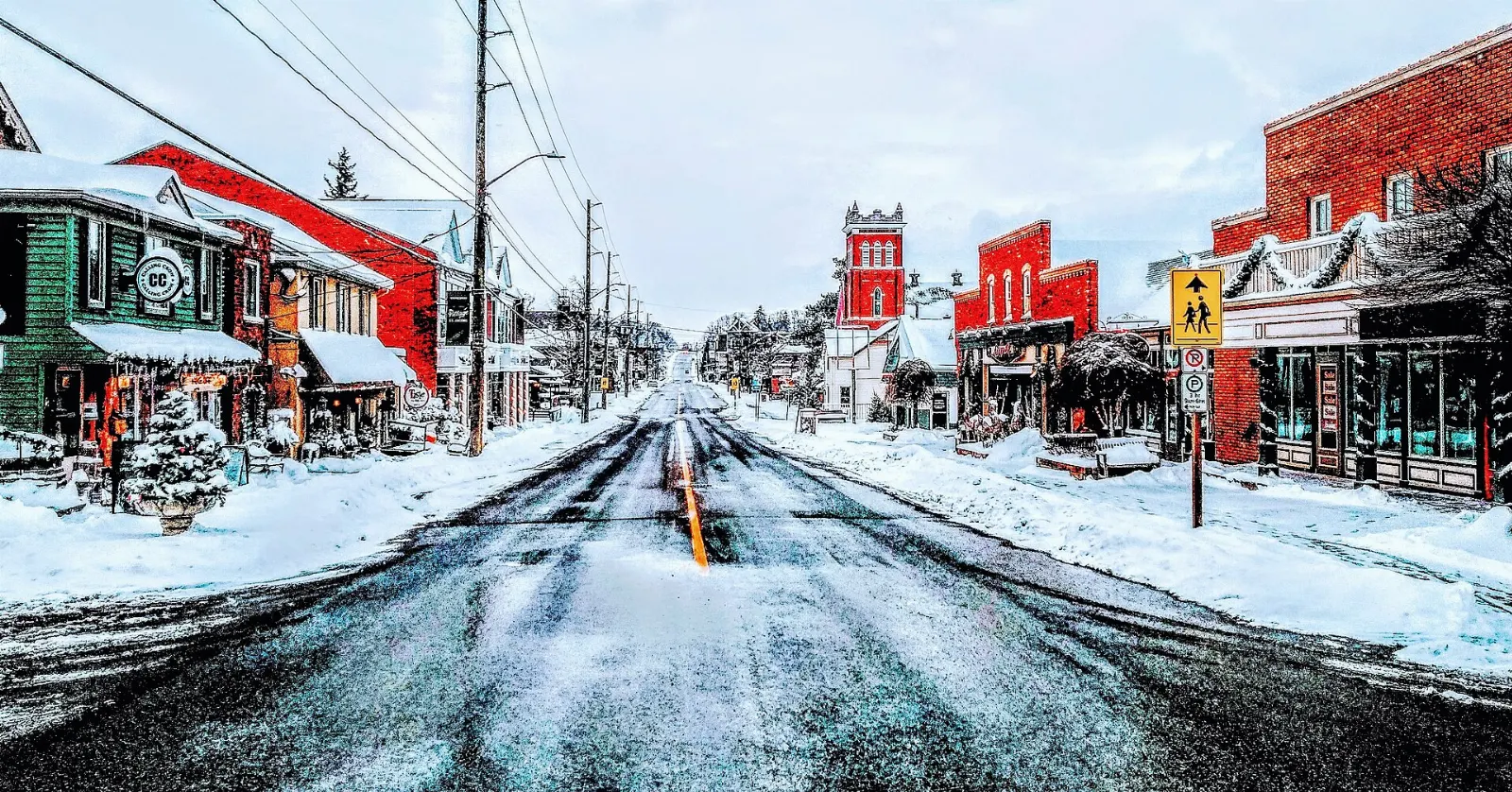
St. Jacobs is a small village on the Conestogo River in Waterloo Region, and it draws visitors with a mix that is hard to find elsewhere in Ontario.
AT A GLANCE
Best time
Spring to autumn is liveliest, with maple season in early April.
How long
One full day covers the village and market, two adds Elmira and Kitchener.
Getting there
Drive north from Waterloo or take a bus or train to Kitchener and continue by road.
Why visit St. Jacobs
The village is compact, with a population of about two thousand, and its main street feels more like a heritage district than a standard shopping strip. The Conestogo River once powered mills, a tannery and a woollen factory, and many of those buildings have been given new lives with craft studios and cafes.
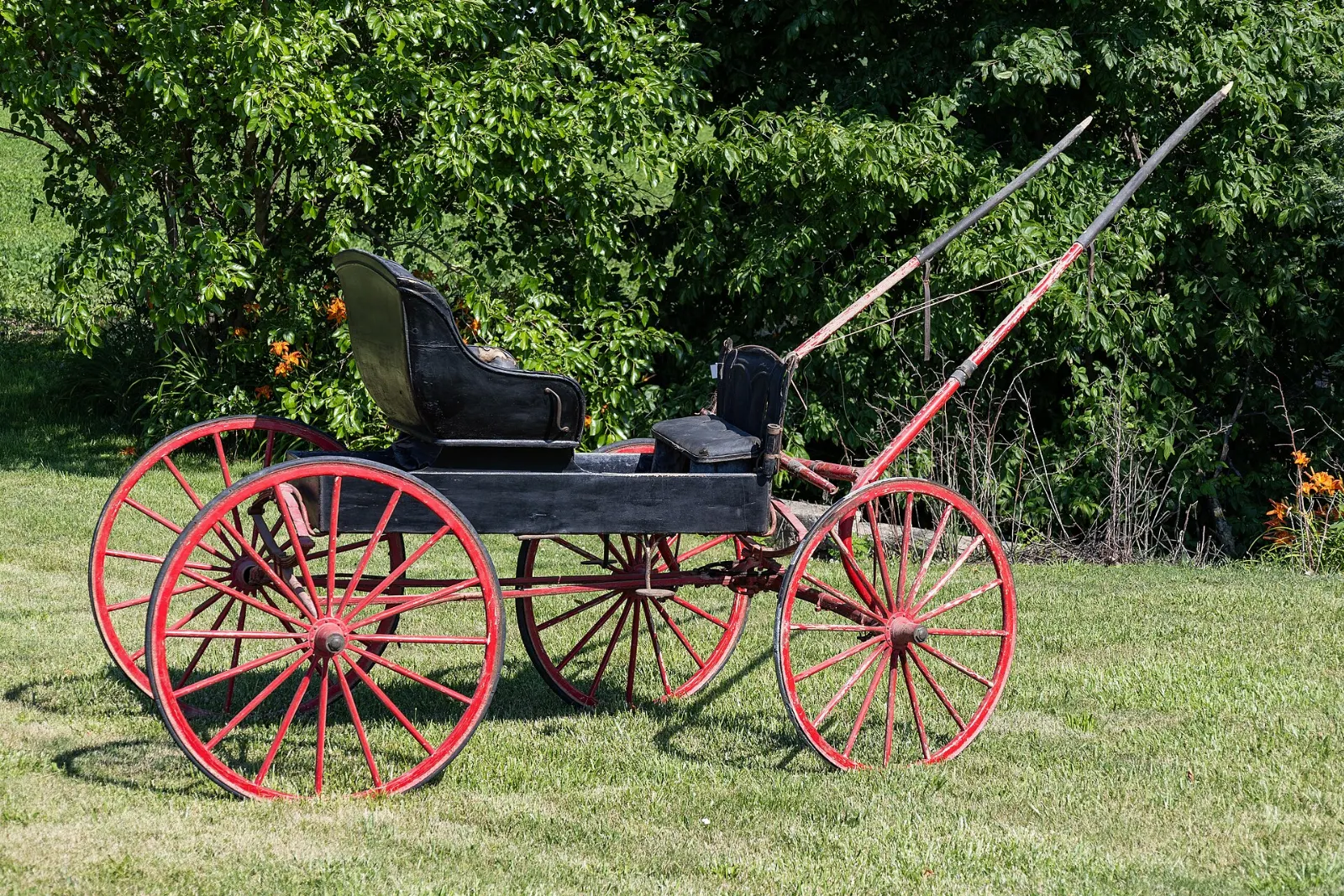
What really sets the area apart is its culture. Mennonite settlers from Pennsylvania arrived in the nineteenth century, and their descendants still shape farming, food and daily life.
The best places to visit in the village
The artisan buildings and Country Mill
The old Country Mill, Village Silos, Mill Shed and Old Factory hold shops and studios, and visitors can watch artisans at work making pottery, quilts, glass, jewellery and woven goods. There are also blacksmith shops in the village.
Millrace Footpath
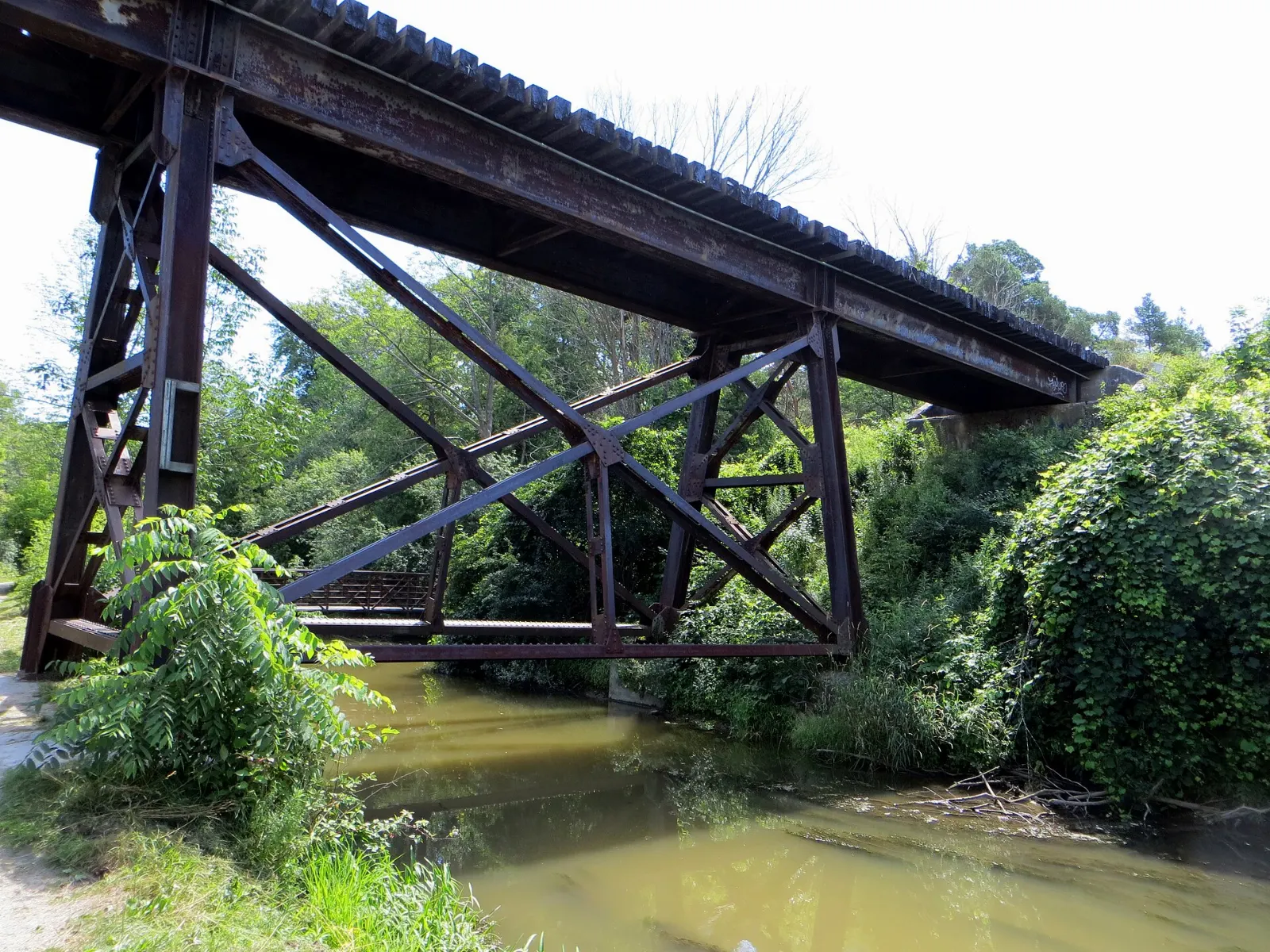
This tree-lined trail follows the Conestogo River for about two kilometres and forms part of the Trans Canada Trail. It follows the millrace built in the 1860s to power the gristmill, so you walk beside the same water that drove the village.
Mennonite visitor centre
The visitor centre in the downtown acts as an interpretation centre for the local Mennonite community, with background on their history and beliefs. It is a respectful and informative place to begin if you want to understand the landscape around you. Plan half an hour, and ask for current opening times.
Main street shops and Home Hardware
The village is the headquarters of Home Hardware, a Canadian dealer-owned chain with roots in a hardware store here in the 1880s. The original downtown store still operates as a furniture outlet.
Markets, antiques and the railway
St. Jacobs Farmers Market
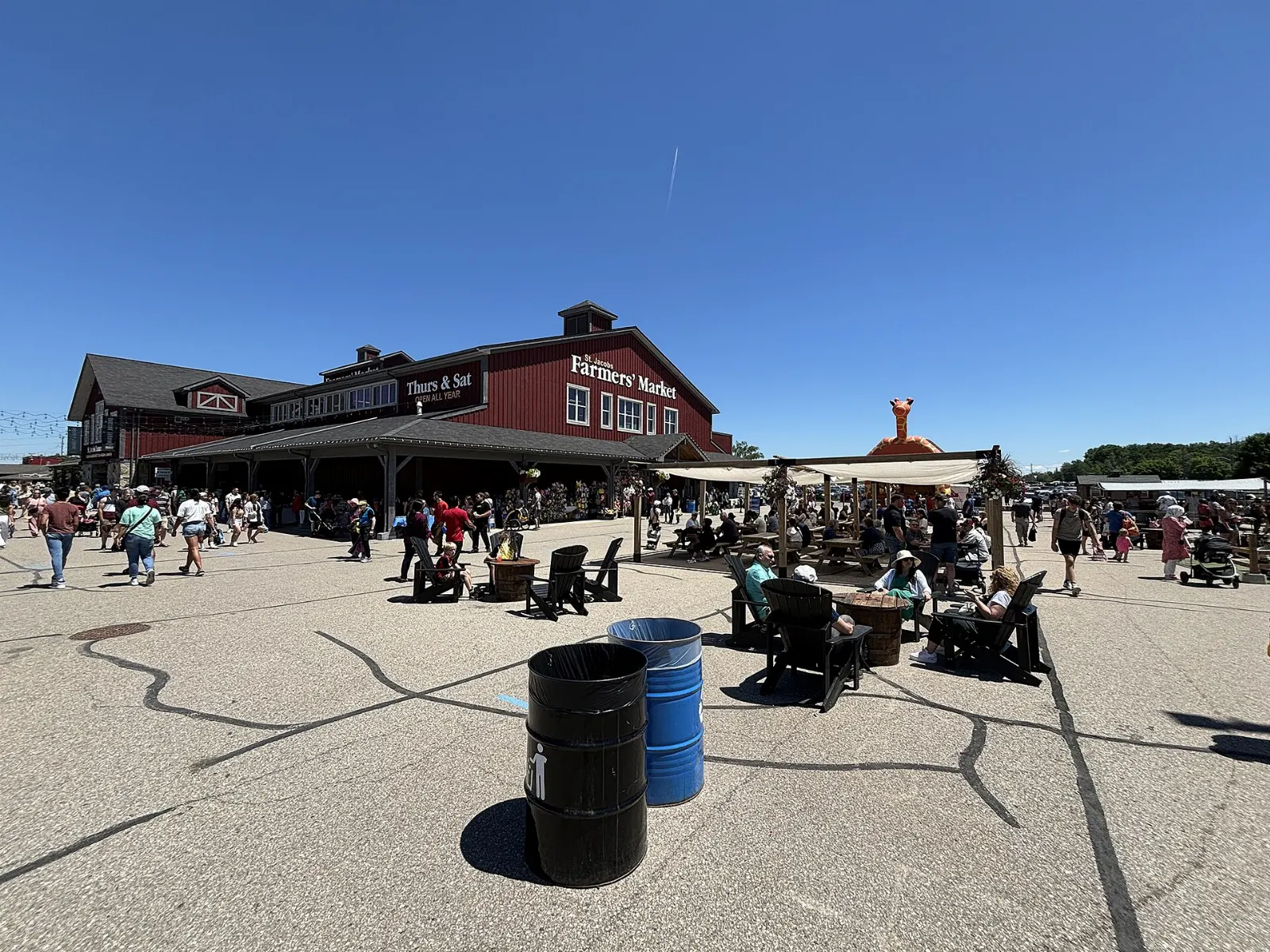
Three kilometres south of the village centre, the market is the most popular draw in the area and the largest year-round farmers market in Canada.
Market Road Antiques and outlets
Next to the market you will find antiques sellers and a small outlet centre. Browsing is easy to combine with lunch at the market, and serious antique shoppers should allow another hour.
Waterloo Central Railway
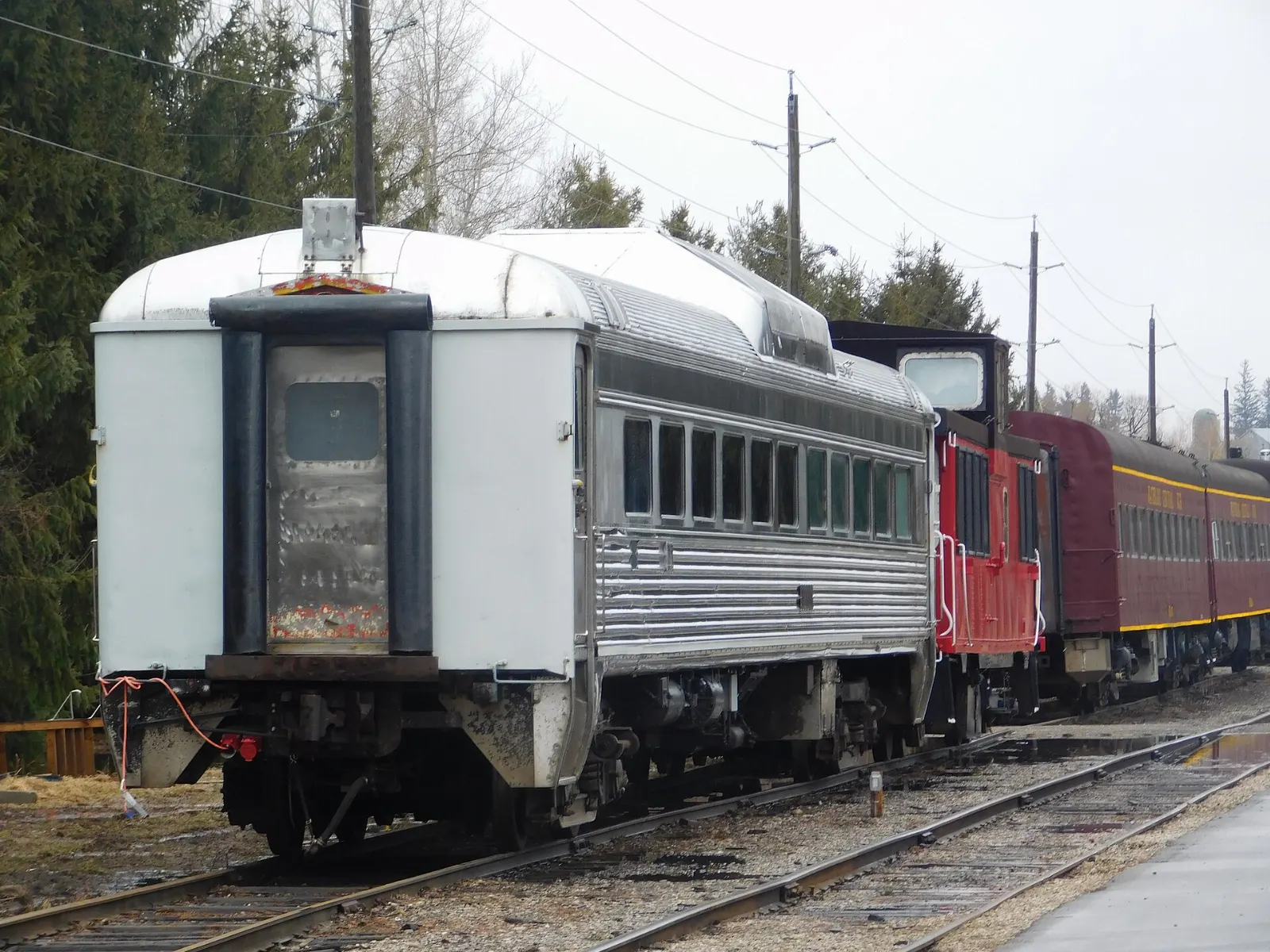
This non-profit heritage railway is run by the Southern Ontario Locomotive Restoration Society. Market trains run between the farmers market, the village and Elmira on certain days from spring to autumn, and special trains run for events such as the maple syrup festival.
Beyond the village
Elmira
Elmira is the largest community in Woolwich Township, about fifteen kilometres north of Waterloo. It hosts a well-known maple syrup festival in early April, when the heritage train brings visitors from St. Jacobs.

Schneider Haus National Historic Site
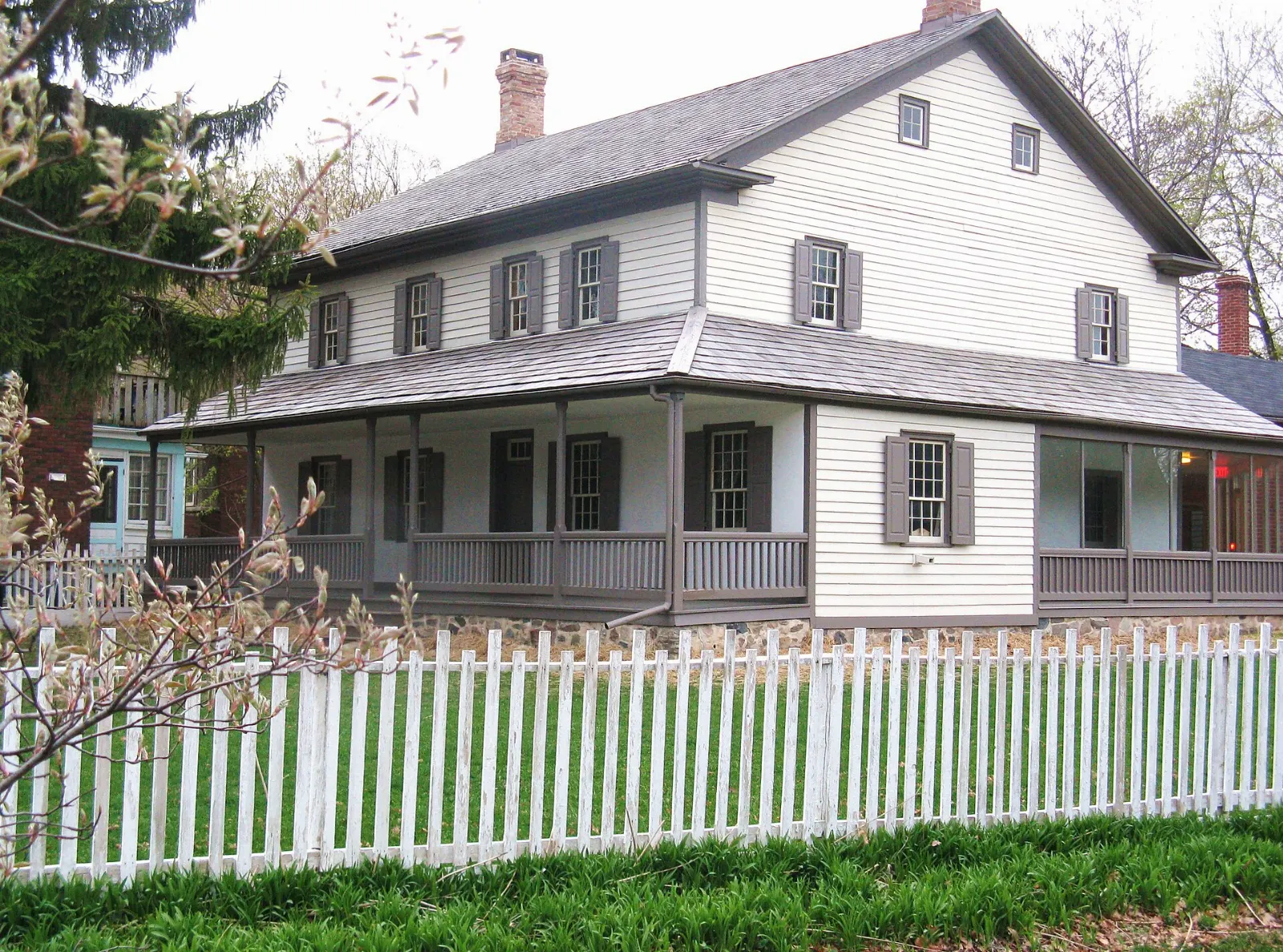
In Kitchener, this restored home recreates a Mennonite farm of the 1890s and was built by Joseph Schneider, one of the area pioneers. Check the museum website for tours and seasonal programs. Allow ninety minutes.
Waterloo Region Museum and Doon Heritage Village
The museum covers the region history indoors, while the village outside recreates life in 1914 with relocated and restored buildings. It is a good rainy day option and works well for families.
 Planning a trip to St. Jacobs?Compare hotels, flights and vacation rentals for St. Jacobs on Expedia.Book now
Food and local flavors
Mennonite baking is a highlight. Look for shoofly pie, a molasses crumb pie linked to Pennsylvania Dutch cooking, alongside butter tarts, the sweet pastries made with butter, sugar, egg and sometimes raisins that Ontario cooks defend fiercely.
For something savoury, try peameal bacon, an unsmoked pork loin rolled in cornmeal and served on a bun, a signature of Ontario that turns up at markets in the region.
Popular dishes to try in St. Jacobs


Where to stay
The Village of St. Jacobs is ideal if you want to walk to the shops and trails in the evening and wake up to quiet streets.
Elmira is a few minutes north, with a small-town feel, a handy base for the maple syrup festival.
Uptown Waterloo has the most restaurants and nightlife, plus the ION light rail, and it suits visitors who want dining choices and university-town energy.
Where to stay in St. Jacobs


Best time to visit
Late spring through early autumn is the busiest and most pleasant stretch, with the market and railway in full swing and trails at their best. Summer weekends bring crowds, so weekday visits feel calmer.
Early April is maple syrup season, and the Elmira festival is a highlight. Autumn adds colour to the country roads and coincides with the large Oktoberfest celebrations in neighbouring Kitchener and Waterloo. Winters are cold and snowy, but the market remains open year-round, and shops and cafes make it a cosy time for a quieter trip.
Getting there and getting around
St. Jacobs lies north of Waterloo, so most visitors drive or arrive with a tour. The Region of Waterloo International Airport is about eight kilometres from downtown Kitchener, while Toronto Pearson is the main gateway, around seventy-four kilometres away.
Once in Kitchener or Waterloo, Grand River Transit buses and the ION light rail connect the main centres, but a car is the easiest way to reach the village and the market, so check current transit options if you plan to go without one.

A suggested itinerary
First day
Spend the morning at the farmers market, then drive to the village for lunch and an afternoon among the artisan studios.
Second day
Ride the heritage train to Elmira if it is running, or drive.
Third day
Use a free day for Uptown Waterloo, parks and local restaurants before heading home.
Practical tips
- Arrive at the market early to beat the crowds and find parking.
- Always ask before photographing Mennonite residents, as many prefer not to be photographed.
- Carry some cash, because a few stalls and stands do not accept cards.
- Confirm train timetables and festival dates on official sites before you travel.
- Wear comfortable shoes for the Millrace Footpath and market floors.