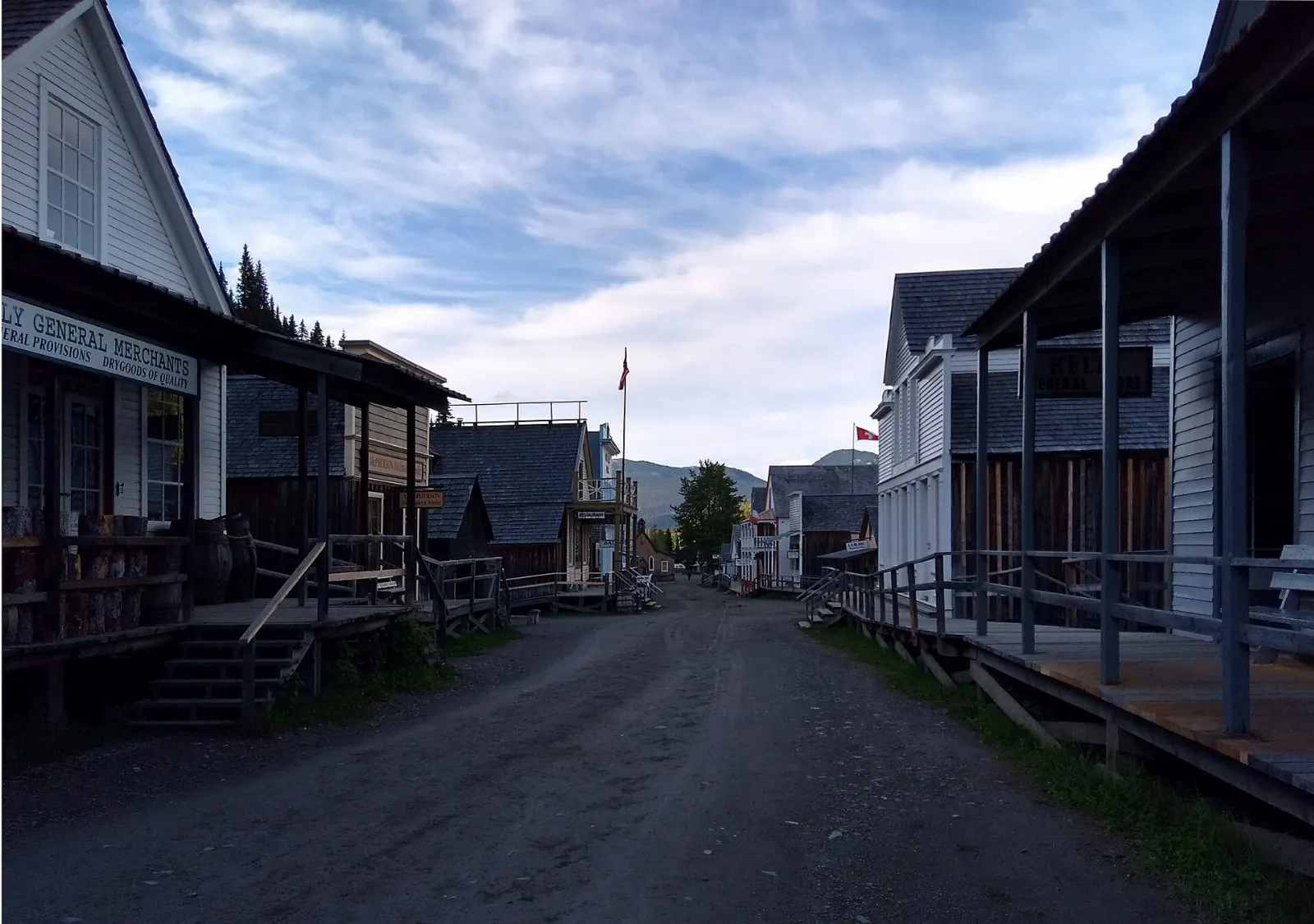
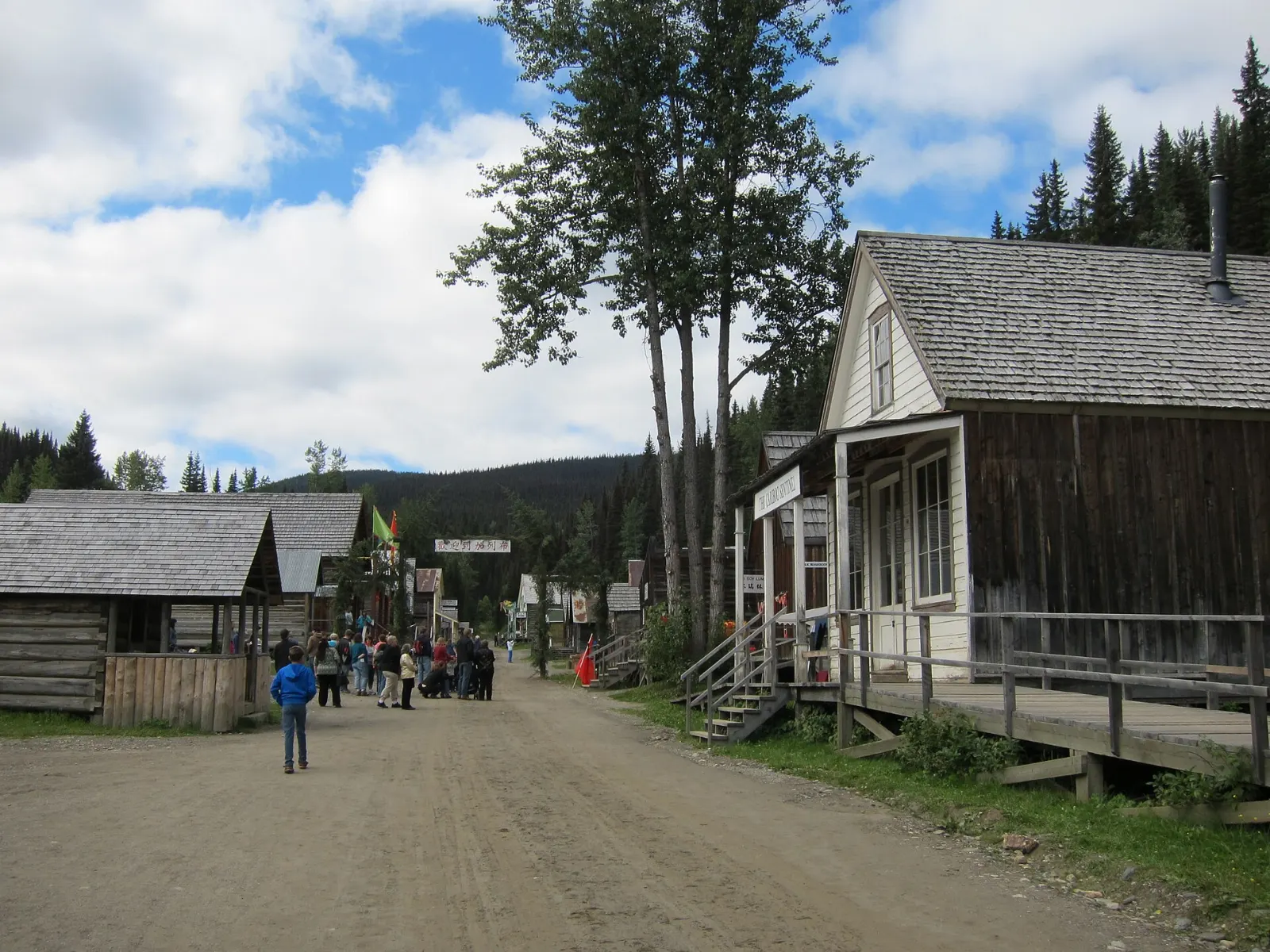
Barkerville was the center of the Cariboo Gold Rush, and today it is one of the best preserved historic towns in western Canada. Wooden boardwalks, a working theatre stage and more than 125 heritage buildings recreate a community that once held thousands of miners, merchants and families.
AT A GLANCE
Best time
Summer is the main season when the town is open and staffed.
How long
Plan one full day in town and a second day for Wells or Bowron Lake.
Getting there
Drive east from Quesnel along Highway 26 for about an hour.
Why visit Barkerville
Barkerville grew almost overnight after Billy Barker and his partners struck gold in the early 1860s. By the middle of that decade the town had about 5,000 people, general stores, boarding houses and a theatre.
The town was restored from the late 1950s as a heritage site and is now considered the largest living history museum in western North America. You can wander streets that look the way they did between the late 1860s and the 1880s, and the setting in the Cariboo Mountains is quiet and green.
Inside the historic town
The main street and its boardwalks
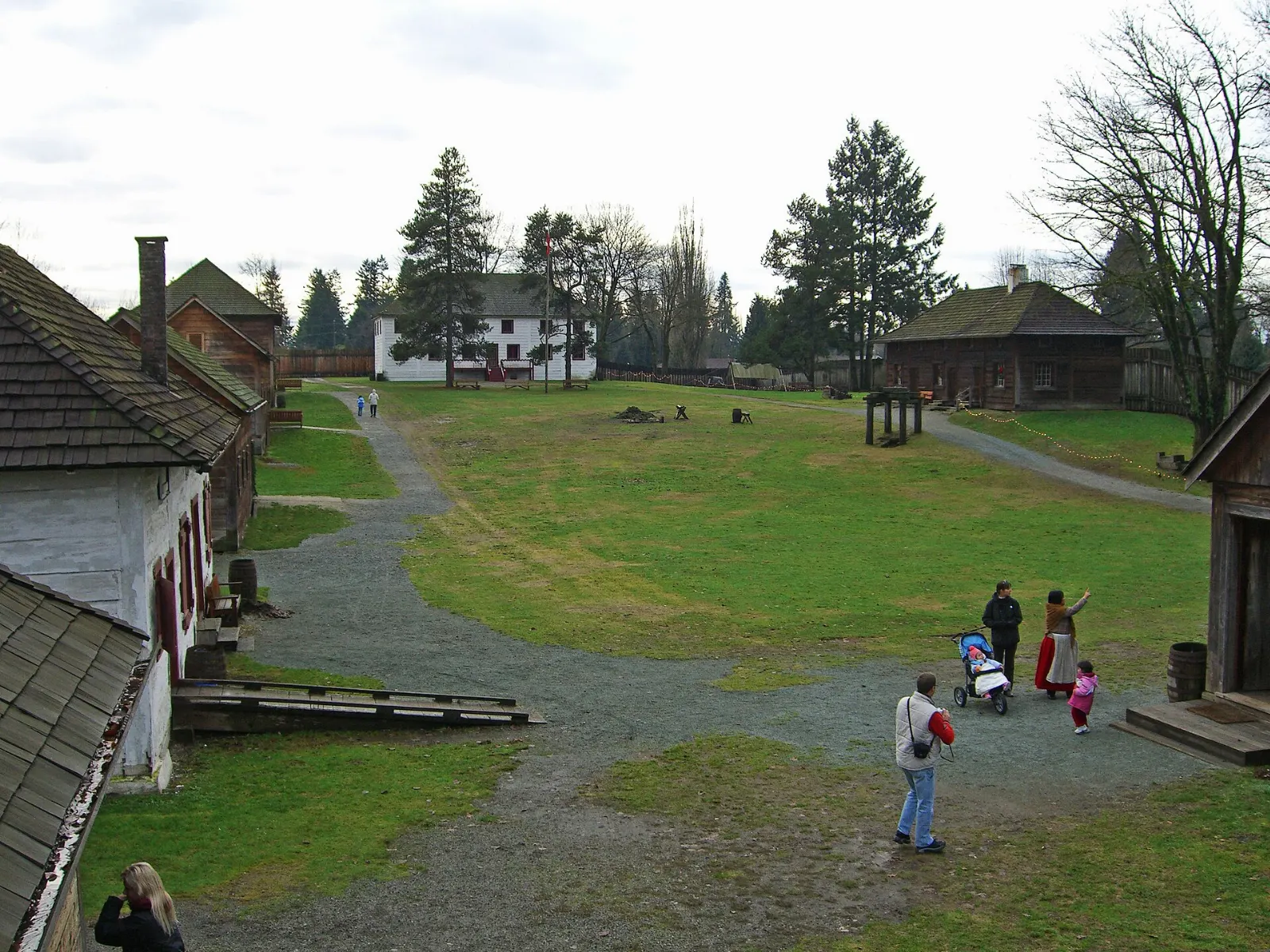
The streetscape of more than 125 heritage buildings is the heart of the visit, with shops, restaurants, displays and satellite museums along the boardwalk.
Theatre Royal
Entertainment mattered in a mining town, and the Theatre Royal was where residents gathered for performances. Live shows are still part of the summer program, so ask about the schedule when you arrive.
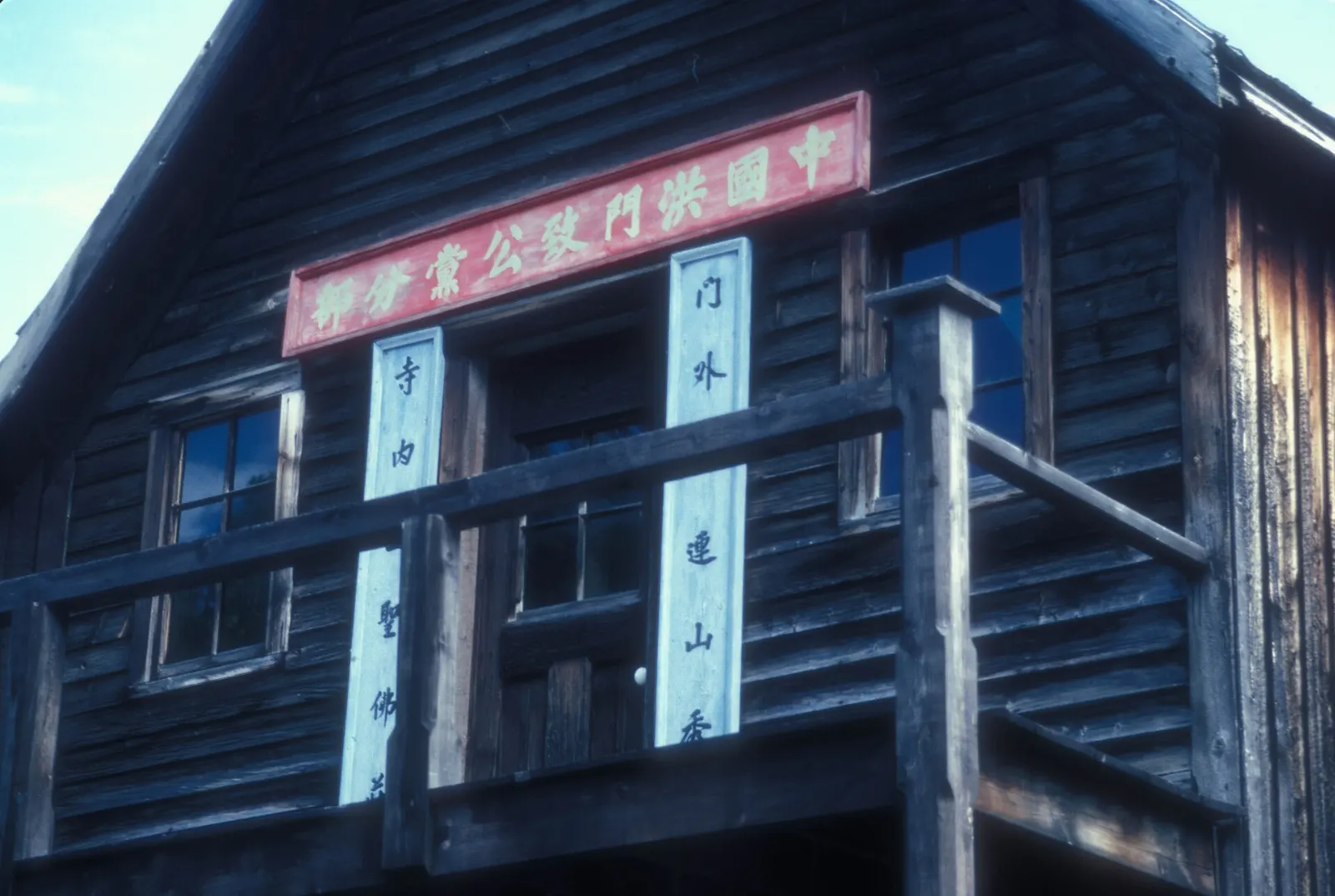
Chee Kung Tong building
This two-storey board and batten structure was completed in 1877 and used by a benevolent association that helped recent arrivals from China. It was designated a National Historic Site of Canada in 2008.
The Chinese community and Tai Ping
Chinese residents were part of Barkerville life for almost a hundred years and ran general stores, cabins and social services. Tai Ping, the so-called Peace Room, served the community much like a modern care home.
Barkerville school
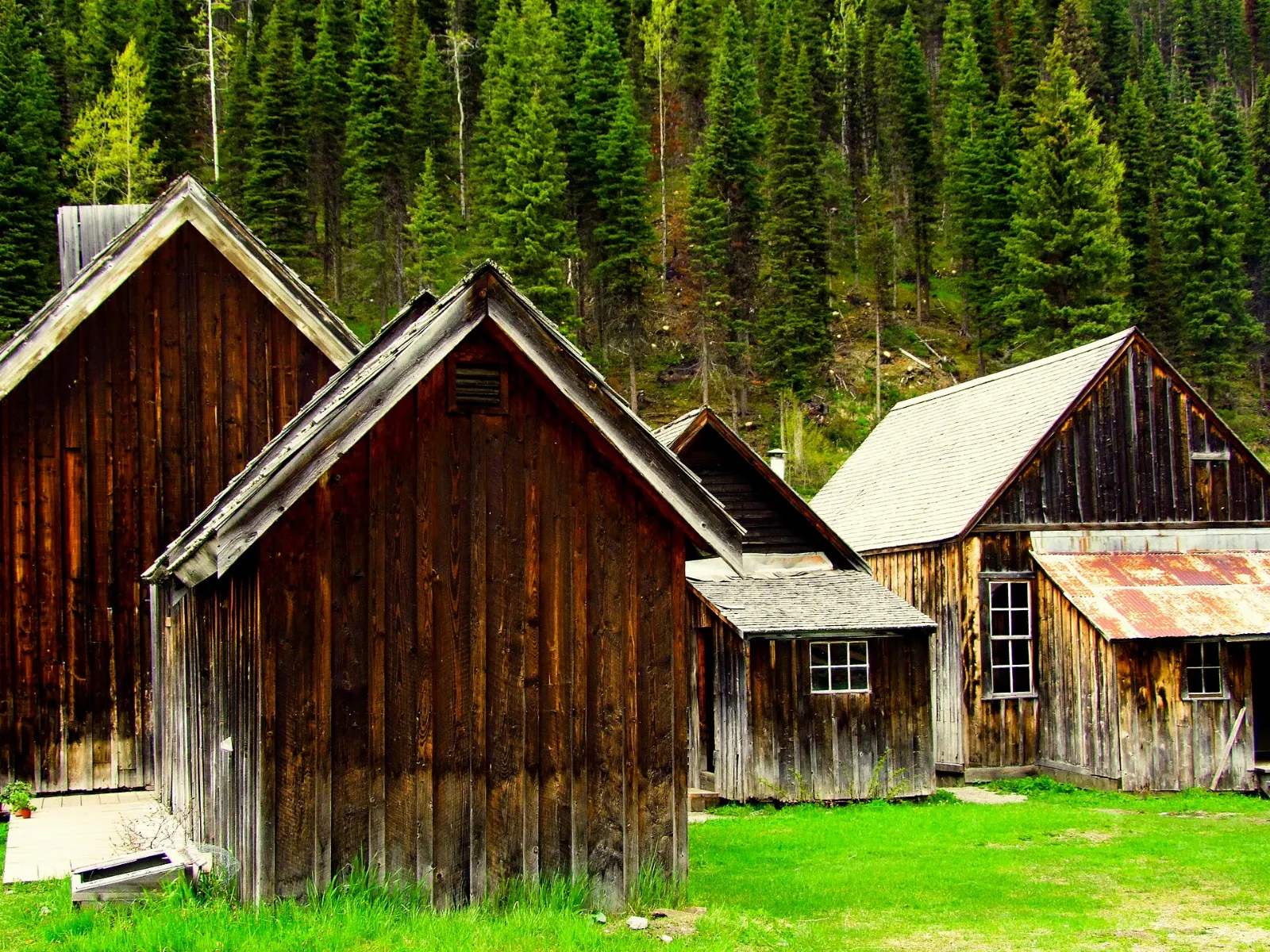
By 1880 enough children lived in the area to build a school, which opened with thirteen pupils and a single chalkboard. It is a short stop, but it shows the shift from a rough mining camp to a family community.
Billy Barker's claim and Williams Creek
Barker came from Cambridgeshire, England, and his claim became the richest of the rush. The creek and the surrounding hills explain why thousands of people struggled to reach this remote plateau.
Wells and beyond
Wells
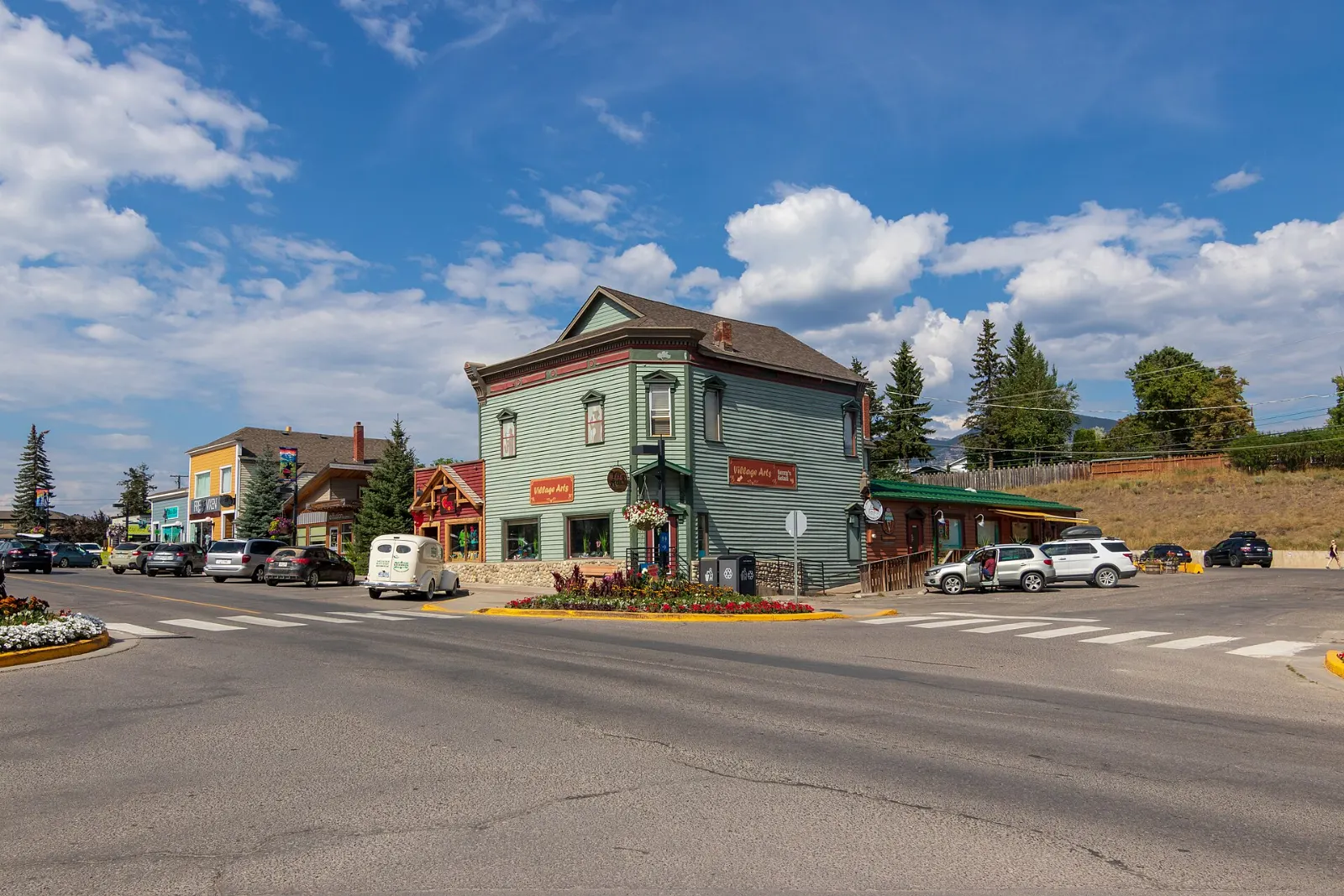
Wells lies about 8 kilometres west of Barkerville and began as a company town for the Cariboo Gold Quartz Mine. It is named for Fred M. Wells, who prospected here, and its population is only a couple of hundred people.
Bowron Lake Provincial Park
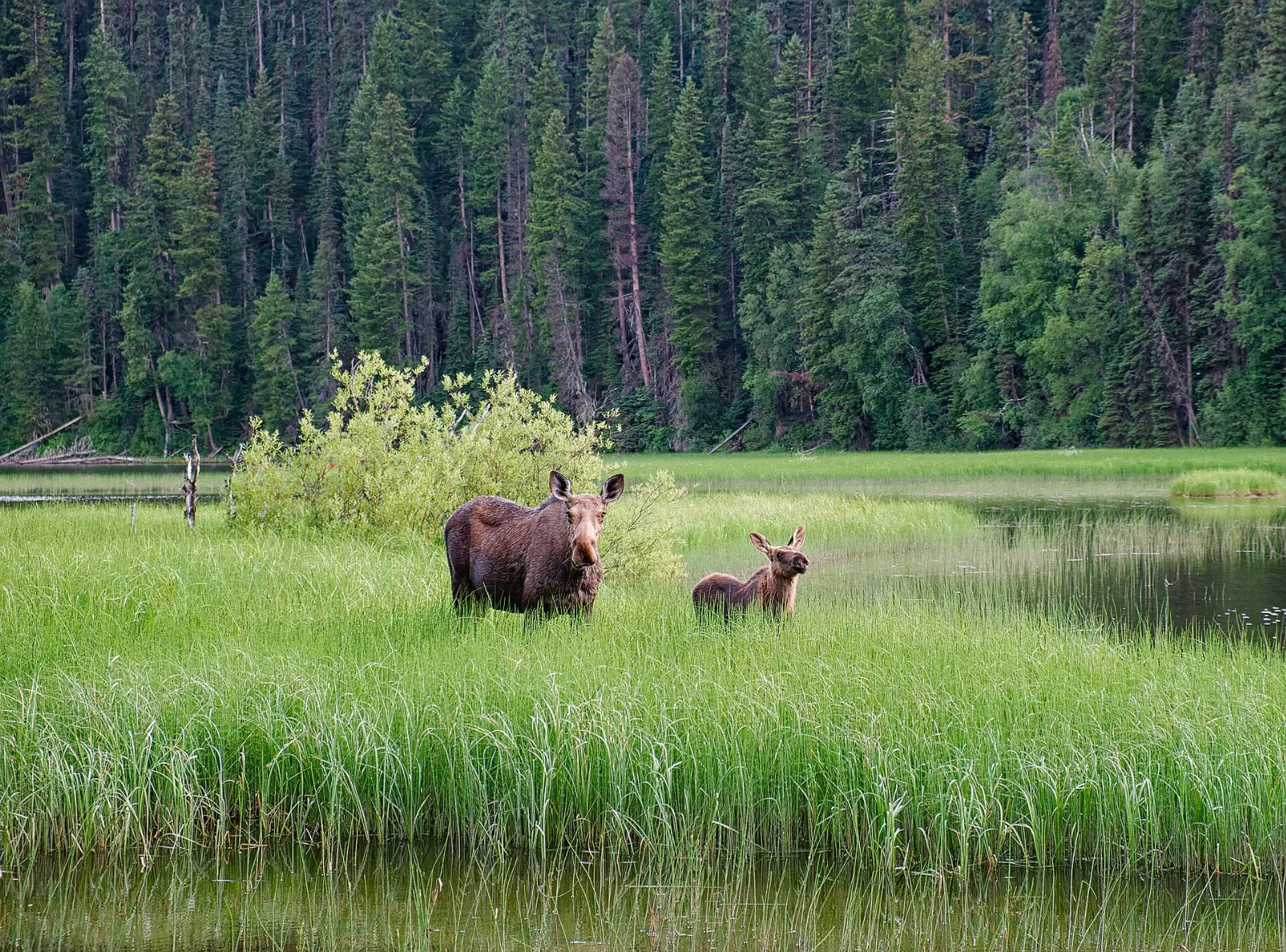
The Bowron Lakes canoe route is a 116 kilometre loop of lakes, rivers and portages. The full trip takes seven to ten days and is meant for experienced paddlers with proper planning and equipment.
Cariboo Wagon Road and Quesnel
Highway 26 follows the route of the Cariboo Wagon Road, the original supply line to Barkerville. Quesnel, about 80 kilometres west, is the nearest sizable town and a good place to stock up on supplies before the drive.
More stories from the boardwalk
Barkerville was more than a mining camp. The Hudson's Bay Company opened a store here in 1867 and used it as the headquarters of its Cariboo District, and the town also had a barbershop, a drugstore, a literary society and a place called the Wake-Up Jake Restaurant and Coffee Salon.
A fire destroyed the town on 16 September 1868, but rebuilding began at once and ninety buildings were back within six weeks. The main street was widened and straightened at the same time, which is why the town you walk through today feels orderly.
The setting has appealed to filmmakers too, with a western called Harry Tracy, Desperado shot here in 1980 and a Punjabi film made on location in 2022.
Food and local flavors
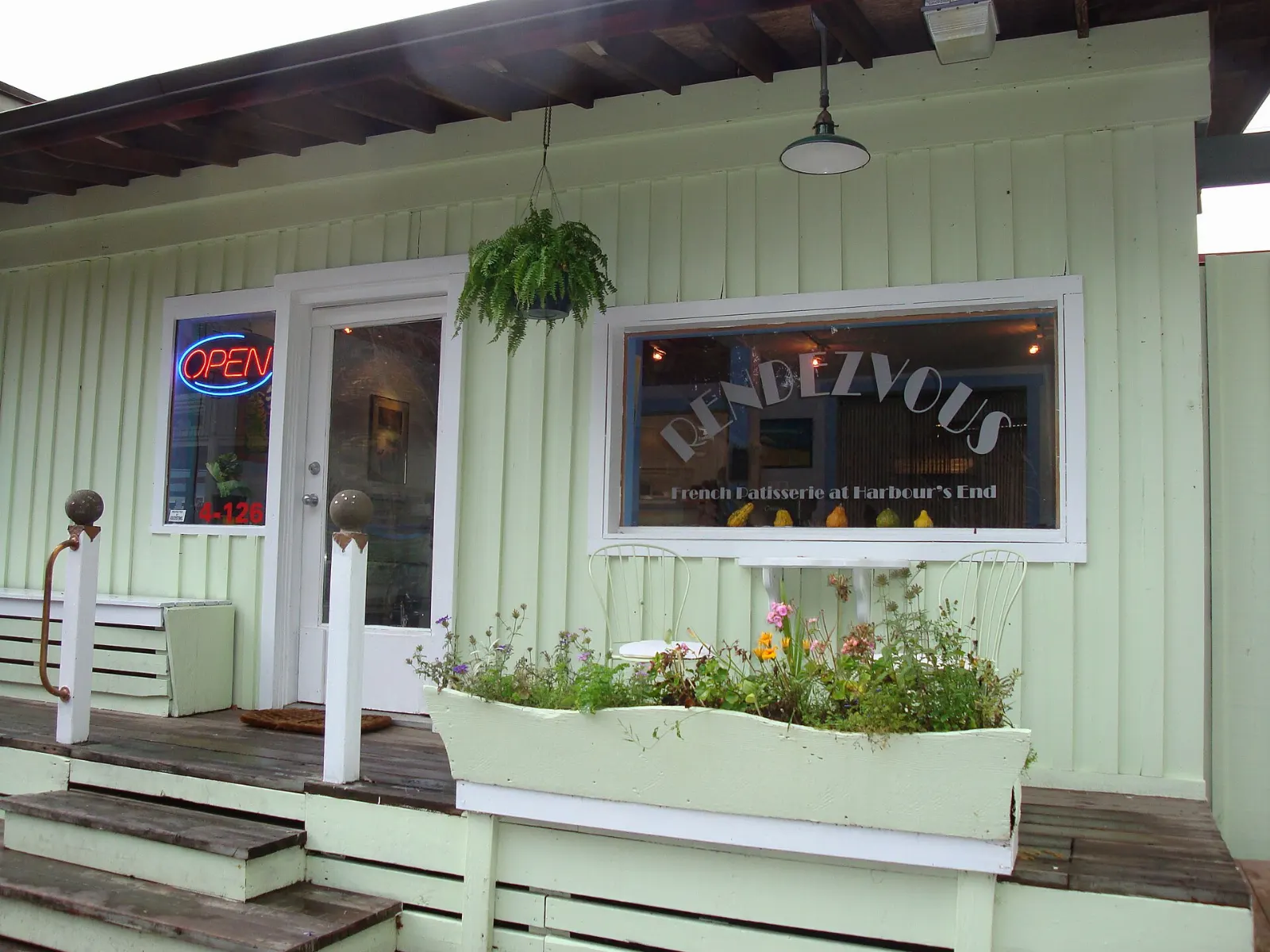
Food in the historic town leans toward the gold rush era, with restaurants and cafés in period buildings. A Chinese restaurant in Barkerville nods to the town's Chinese heritage. Try bannock, a simple pan bread long associated with Canadian trail and camp cooking, and sourdough bread, a staple of prospectors. For dessert, look for a Nanaimo bar, the no-bake chocolate, custard and coconut treat from Nanaimo on Vancouver Island that is a British Columbia classic.
Popular dishes to try in Barkerville


Where to stay
Sleeping inside Barkerville Historic Town gives you a heritage atmosphere, with restored buildings that mix period character and modern comforts. It suits travelers who want to walk the boardwalks early or late without the crowds.
Wells is the most popular base, with small hotels, guesthouses and campgrounds a short drive from the historic town. It suits artists, hikers and anyone who likes a quiet village with galleries.
Where to stay in Barkerville


Best time to visit
The historic town is open seasonally, with the fullest program in summer, so check the official website for current dates before you travel. Barkerville sits about 700 metres above Quesnel, so spring and autumn can be noticeably colder than in the valley.
Winter brings cross-country skiing and snowmobiling to the area, along with artistic and study retreats. Summer brings live performances, interpretive programs and the best weather for Bowron Lake.
Getting there and getting around
Most visitors drive. Wells and Barkerville lie about 80 kilometres east of Quesnel on Highway 26, which takes a little over an hour.
Quesnel is the practical gateway for flights, buses and rental cars, and you should confirm the current options with airlines and carriers before you book. A local transit route has run on Thursdays only between Quesnel and Wells, so check the latest schedule if you plan to go without a car.
A suggested itinerary
First day
Arrive in the morning, tour the main street and visit the Theatre Royal, the Chee Kung Tong building and the school.
Second day
Browse the galleries in Wells in the morning and head toward Bowron Lake for a short paddle or lookout. Return along Highway 26 to Quesnel with time to stop at viewpoints on the Cariboo plateau.
Practical tips
- Check the official Barkerville website for season dates and ticket details before you travel.
- Allow a full day in the historic town because there is far more to see than first appears.
- Carry layers, since the high elevation brings cool weather even in summer.
- Fill your gas tank in Quesnel and stock up on groceries before heading east.
- Wear sturdy shoes for the boardwalks and gravel paths.