Zion feels different from the moment you drive in. Instead of looking down into a canyon from the rim, you stand on the floor and look up at sandstone cliffs that soar two thousand feet and more, streaked with red, cream and pink.
AT A GLANCE
Best time
Late September to early November for comfortable hiking and good conditions in The Narrows.
How long
Two to three days for the main canyon; add a half day for Kolob Canyons.
Getting there
Fly into Las Vegas or St. George and drive to Springdale at the south entrance.
Why visit Zion
Zion was Utah's first national park, established in 1919, and it remains one of the most visited in the country. The main canyon was carved by the North Fork of the Virgin River through layers of Navajo Sandstone, the remains of an enormous desert of ancient sand dunes.
Zion suits a wide range of travelers. Families can stroll flat riverside paths and splash in the shallows, while experienced hikers test themselves on exposed ridges and long river wades.
Along Zion Canyon Scenic Drive
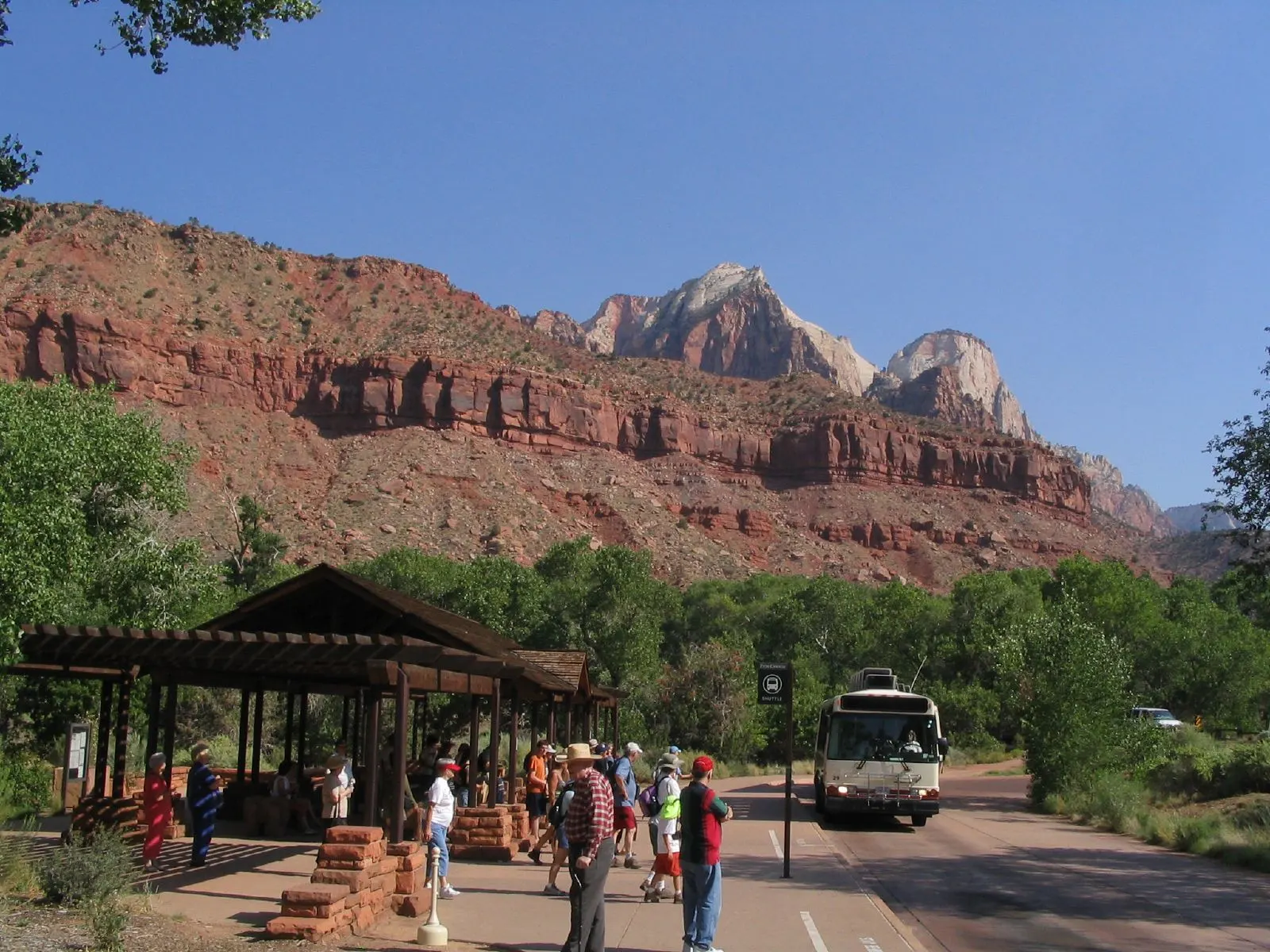
Zion Canyon Scenic Drive runs about six miles up the main canyon from Canyon Junction to the Temple of Sinawava. For most of the year it is closed to private vehicles and served by a free shuttle, which stops at all the main trailheads.
Pa'rus Trail and the Watchman
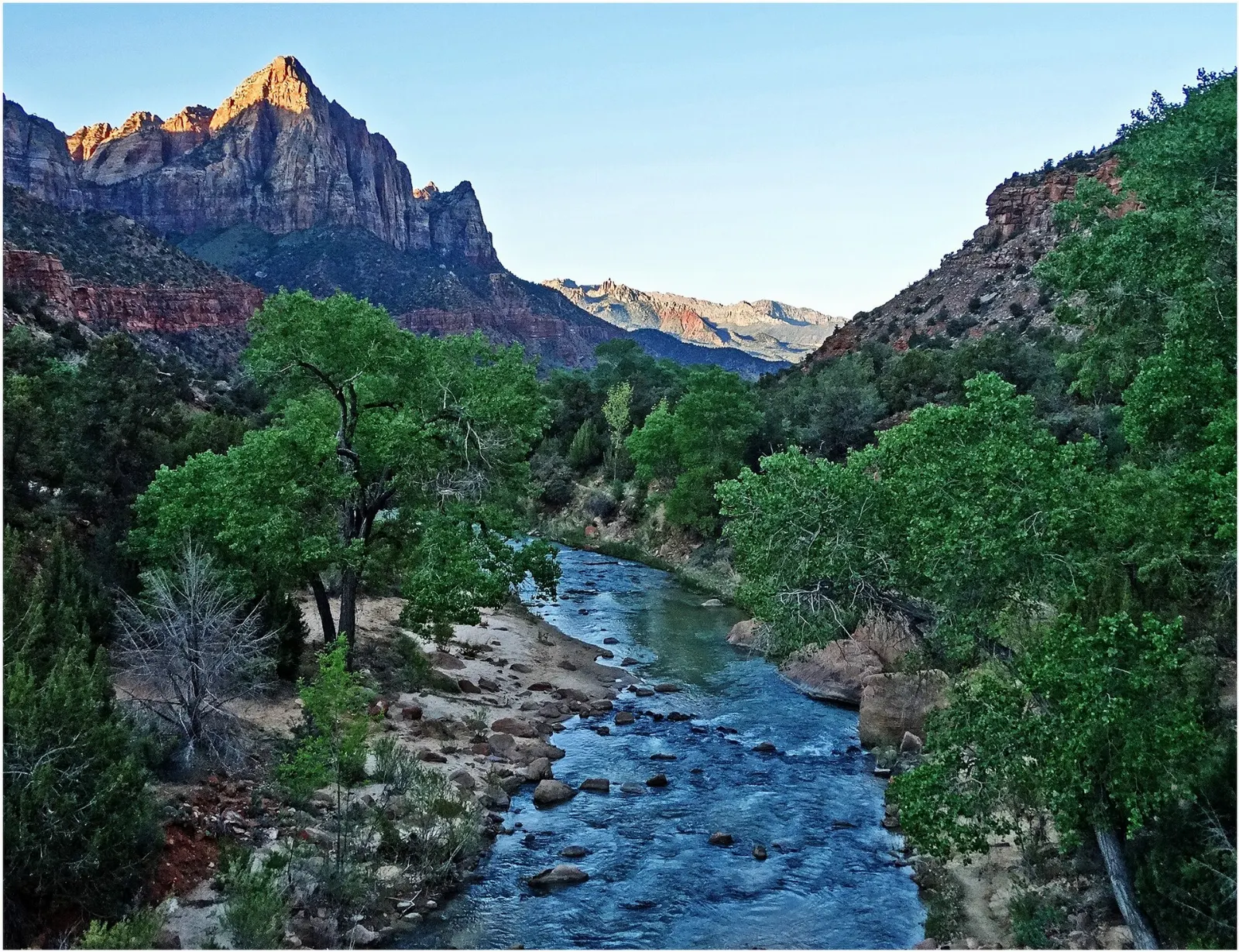
Starting at the visitor center, the paved Pa'rus Trail follows the Virgin River to Canyon Junction and is the only trail in the park open to bicycles and leashed pets. From the Canyon Junction Bridge, you get the famous view of the Watchman glowing at sunset.
Zion Human History Museum and the Court of the Patriarchs
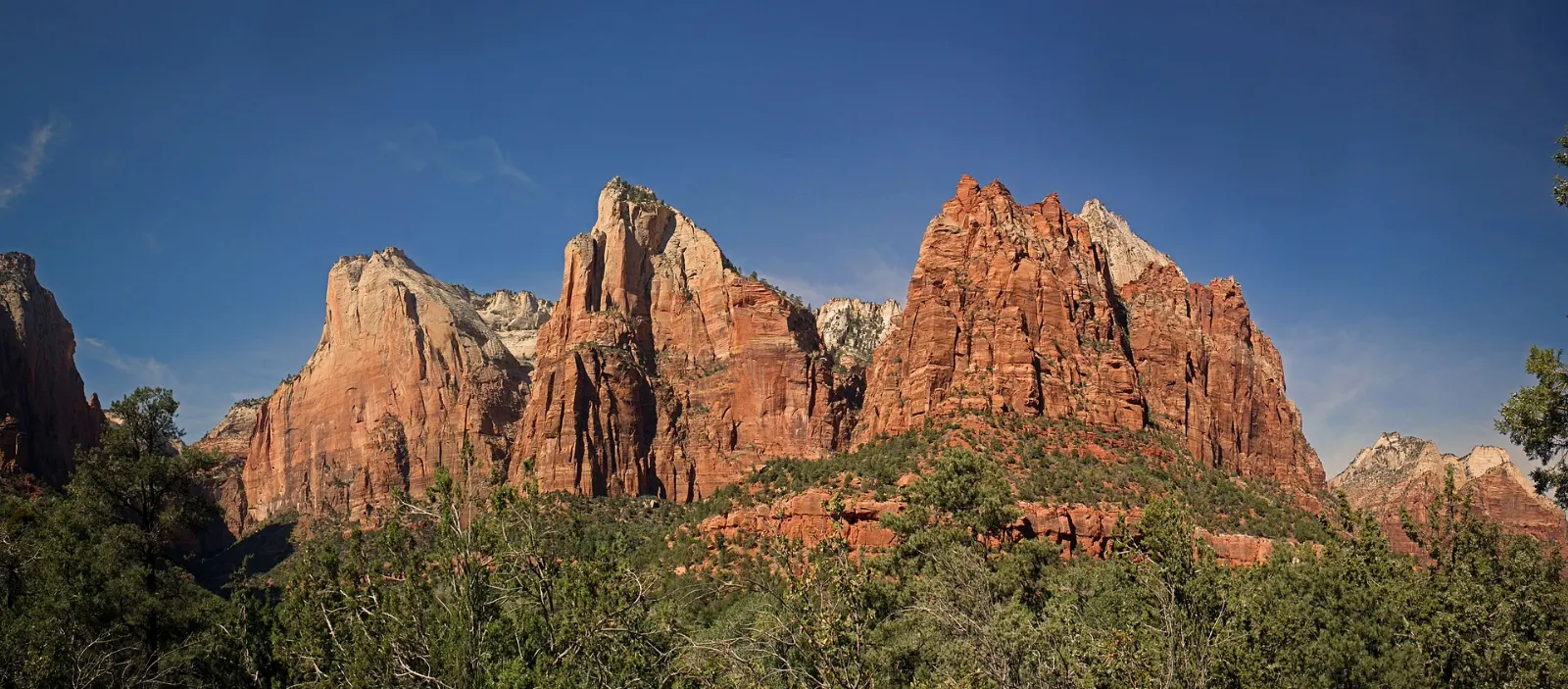
The first shuttle stop, the Zion Human History Museum, explains the people who have lived in the area, from the ancestral Puebloans and Southern Paiute to Mormon settlers, and shows a park orientation film. Allow forty-five minutes.
Emerald Pools
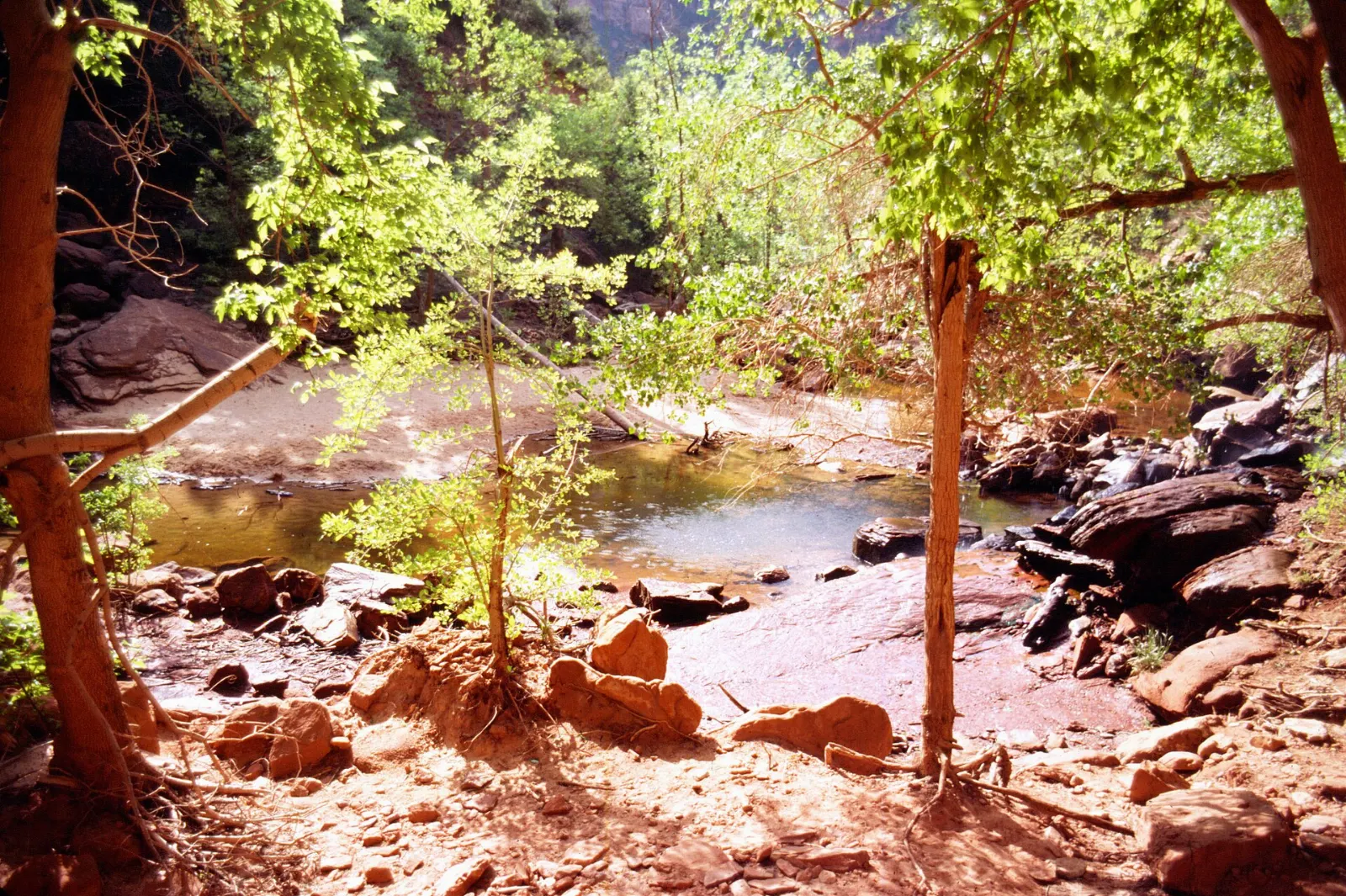
From the Zion Lodge shuttle stop, a footbridge crosses the river to the Emerald Pools trails.
Angels Landing
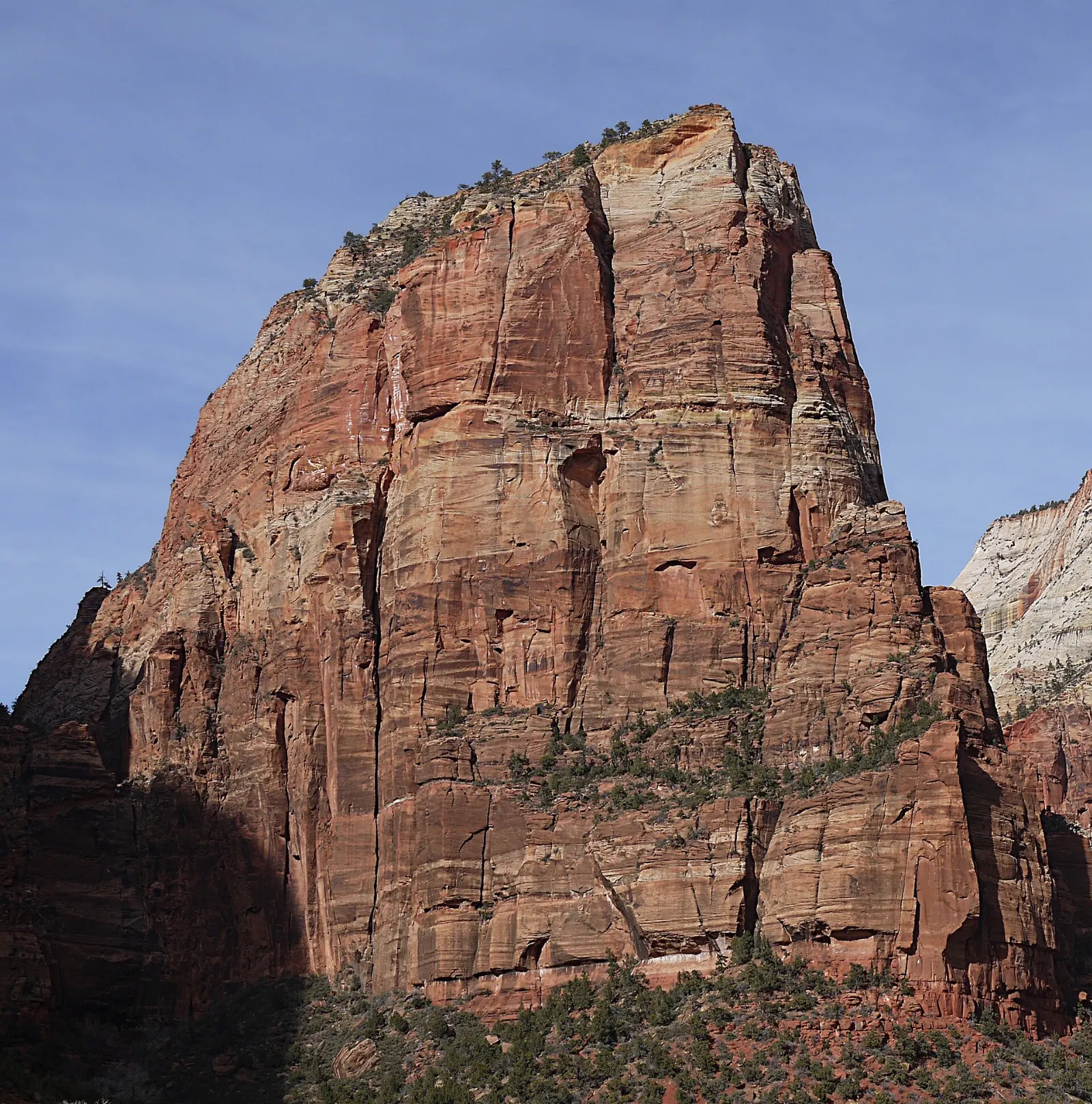
The hike to Angels Landing is one of the most famous and exposed in the national park system. From the Grotto stop, the West Rim Trail climbs to Refrigerator Canyon, then up the tight switchbacks of Walter's Wiggles to Scout Lookout.
The Narrows and the Temple of Sinawava
Riverside Walk
At the end of the scenic drive, the Temple of Sinawava is a natural amphitheater of red walls. The paved Riverside Walk follows the river upstream for about a mile, past hanging gardens of ferns and wildflowers, to the point where the trail ends and the canyon narrows. It is an easy hour or so round trip and suitable for most visitors, with plenty of places to sit by the water.
The Narrows
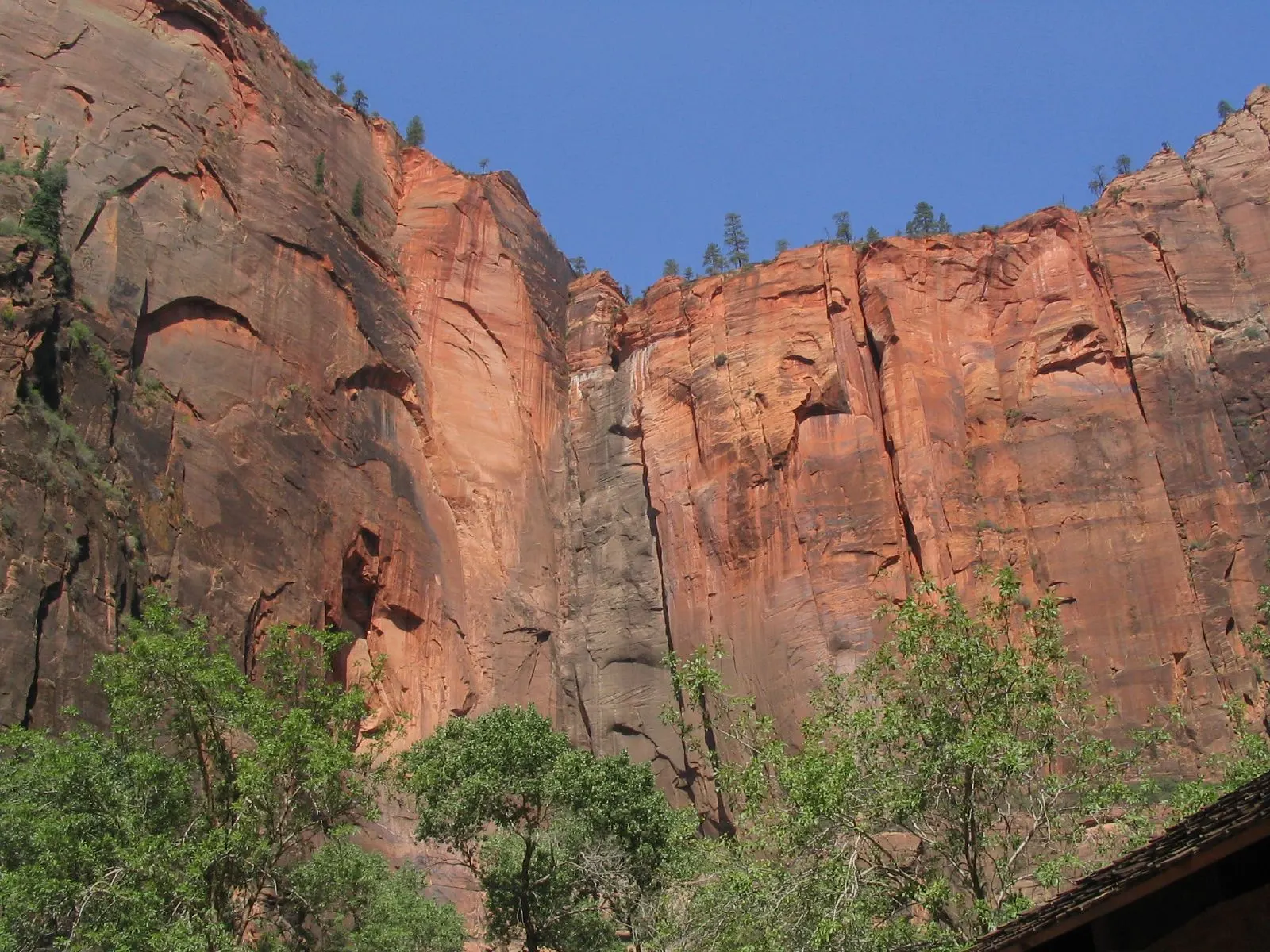
Beyond the Riverside Walk, the canyon squeezes down and the river becomes the trail. Hiking The Narrows from the bottom up means wading, sometimes waist-deep, between walls that rise hundreds of feet overhead. Many hikers turn around at the Wall Street section, where the canyon is at its tightest, about two to three hours in.
The east side and Kolob Canyons
Zion-Mount Carmel Highway and Tunnel
The Zion-Mount Carmel Highway climbs out of the main canyon through tight switchbacks and a tunnel over a mile long, completed in 1930, with windows cut into the cliff.
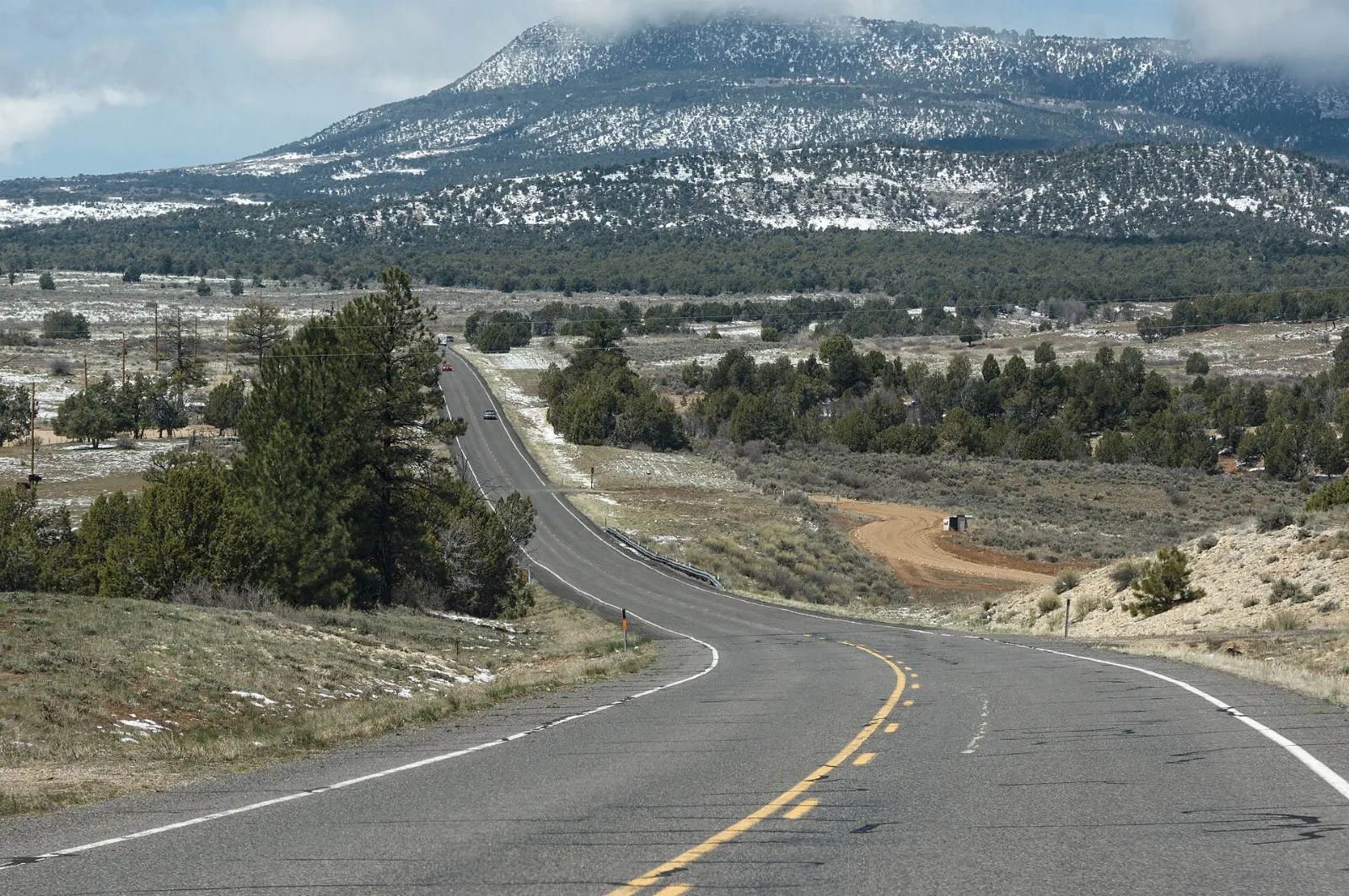
Canyon Overlook Trail
Just past the east end of the tunnel, the Canyon Overlook Trail is one of the best short hikes in the park. About a mile round trip, it follows a ledge with railings past a shady alcove to a viewpoint high above Pine Creek and the lower canyon, looking toward the switchbacks you drove up.
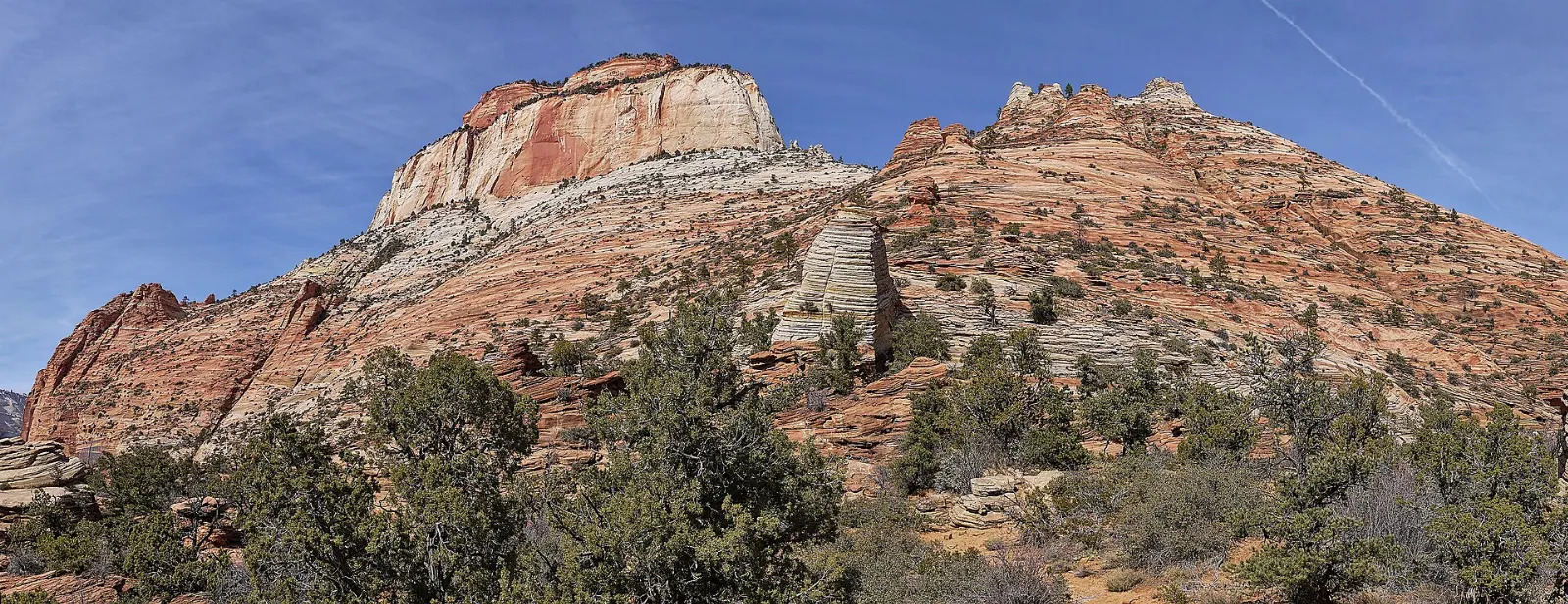
Checkerboard Mesa
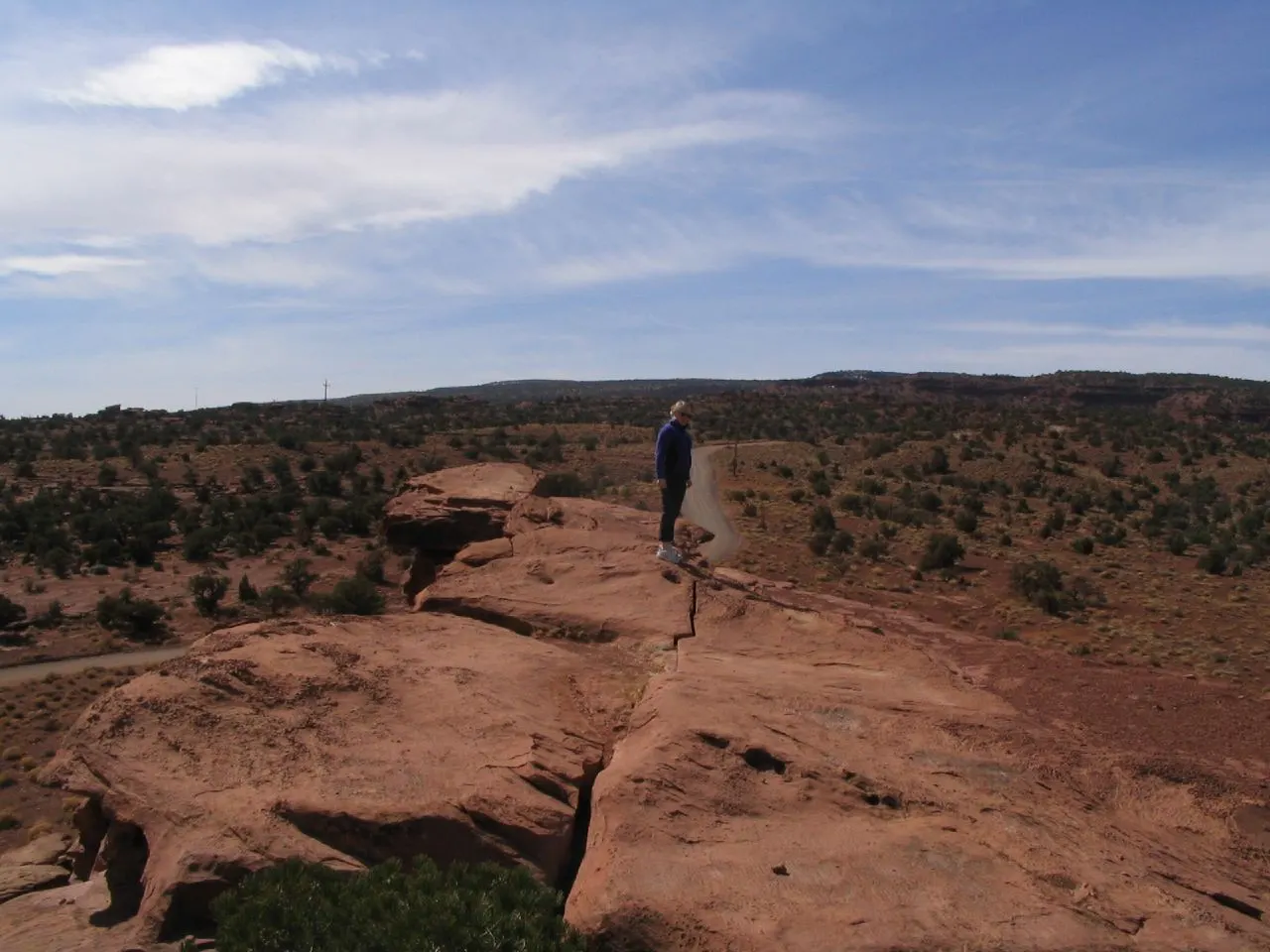
Farther east, the landscape changes to rounded slickrock domes of white and pink sandstone. Checkerboard Mesa, near the east entrance, is covered in a grid of cracks and cross-bedding lines from ancient dunes.
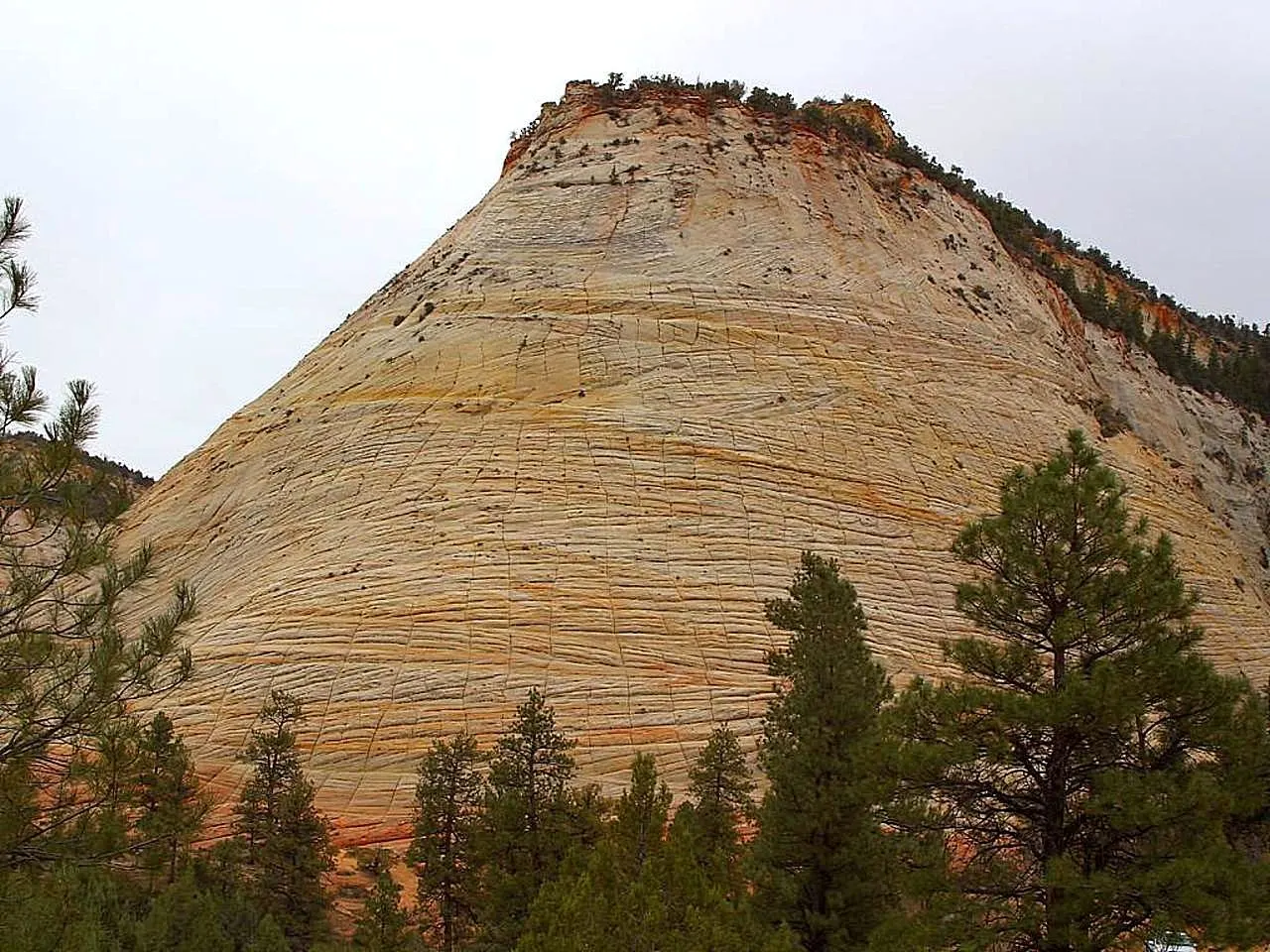
Kolob Canyons
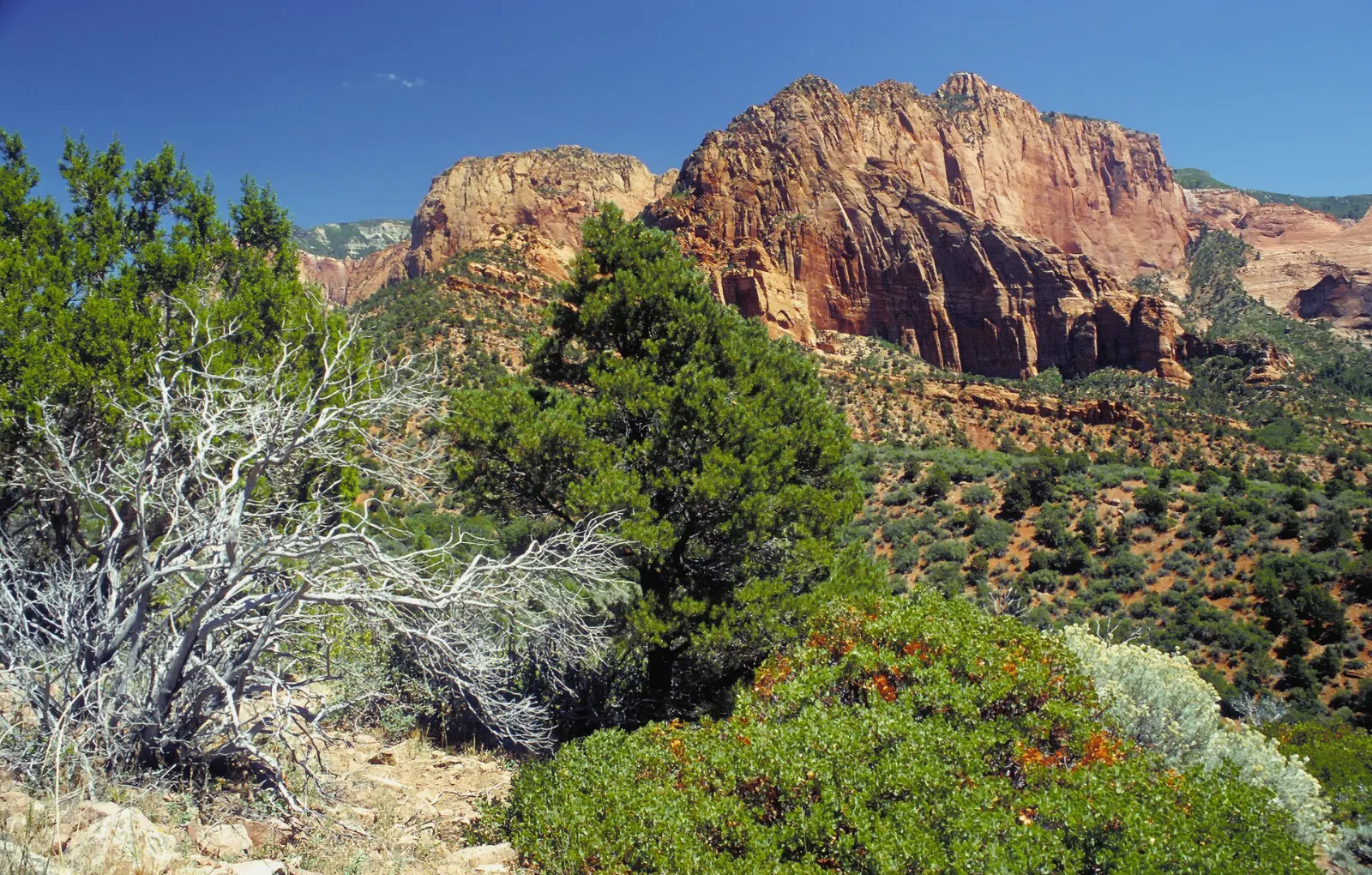
In the northwest corner of the park, Kolob Canyons has its own entrance off Interstate 15 near Cedar City and sees a fraction of the visitors of the main canyon. A five-mile scenic drive climbs past red finger canyons to Timber Creek Overlook, and the Taylor Creek Trail leads past historic cabins to Double Arch Alcove.
 Planning a trip to Zion National Park?Compare hotels, flights and vacation rentals for Zion National Park on Expedia.Book now
Food and local flavors
Inside the park, food options are limited to a cafe and a dining room at the lodge in the canyon, so most visitors eat in Springdale, the town at the south entrance.
Popular dishes to try in Zion National Park


Where to stay
Inside the park. The lodge and campgrounds in Zion Canyon put you close to the trailheads.
Springdale. The most popular base, right at the south entrance, with walkable restaurants and the town shuttle.
East Zion and Mount Carmel Junction. Quiet and close to the east entrance, Canyon Overlook and the road to Bryce Canyon.
St. George and Kanab. Larger towns about an hour away, with the widest range of lodging.
Where to stay in Zion National Park


Best time to visit
Fall is the sweet spot, from late September to early November, with warm days, cool nights, lower river levels in The Narrows and golden cottonwoods late in the season.
Winter is the quietest season, with mild days, occasional snow on the cliffs and fewer crowds.
Getting there and getting around
The closest airport is St. George Regional, about an hour from Springdale. Many travelers fly into Las Vegas, around two and a half to three hours away by car, or Salt Lake City, about four and a half hours north.
The parking lot at the Zion Canyon Visitor Center fills early on most days.
A suggested itinerary
First day
Arrive in Springdale, stop at the visitor center and ride the shuttle to the Zion Human History Museum and the Court of the Patriarchs.
Second day
Take an early shuttle to the Grotto and hike to Scout Lookout, continuing to Angels Landing if you have a permit.
Third day
Spend the morning hiking The Narrows from the bottom up, if conditions allow.
Practical tips
- Apply for Angels Landing permits early through the seasonal lottery, or try the day-before lottery.
- Start hikes early to avoid heat, crowds and long shuttle lines.
- Carry plenty of water and salty snacks; the dry air dehydrates you quickly.
- Check the flash flood forecast and river flow before entering The Narrows or any slot canyon.
- Stay on trails and away from cliff edges, especially on Angels Landing and Observation Point routes.
- Use the Springdale town shuttle instead of hunting for parking near the visitor center.
Find local businesses in Springdale on WiserMap
Springdale sits right at Zion's south entrance, with outfitters for Narrows gear, cafes for early breakfasts and places to stay within walking distance of the park.