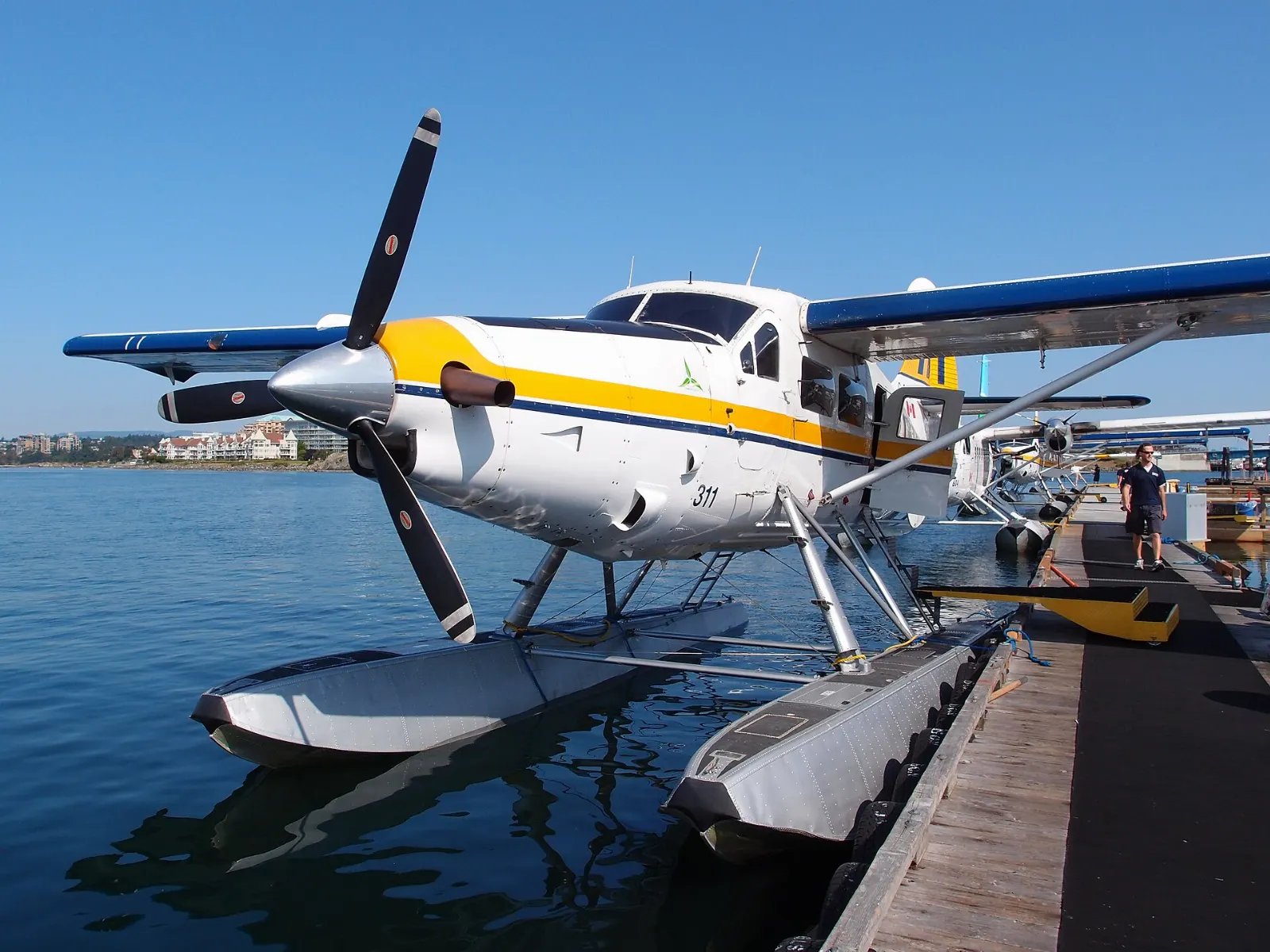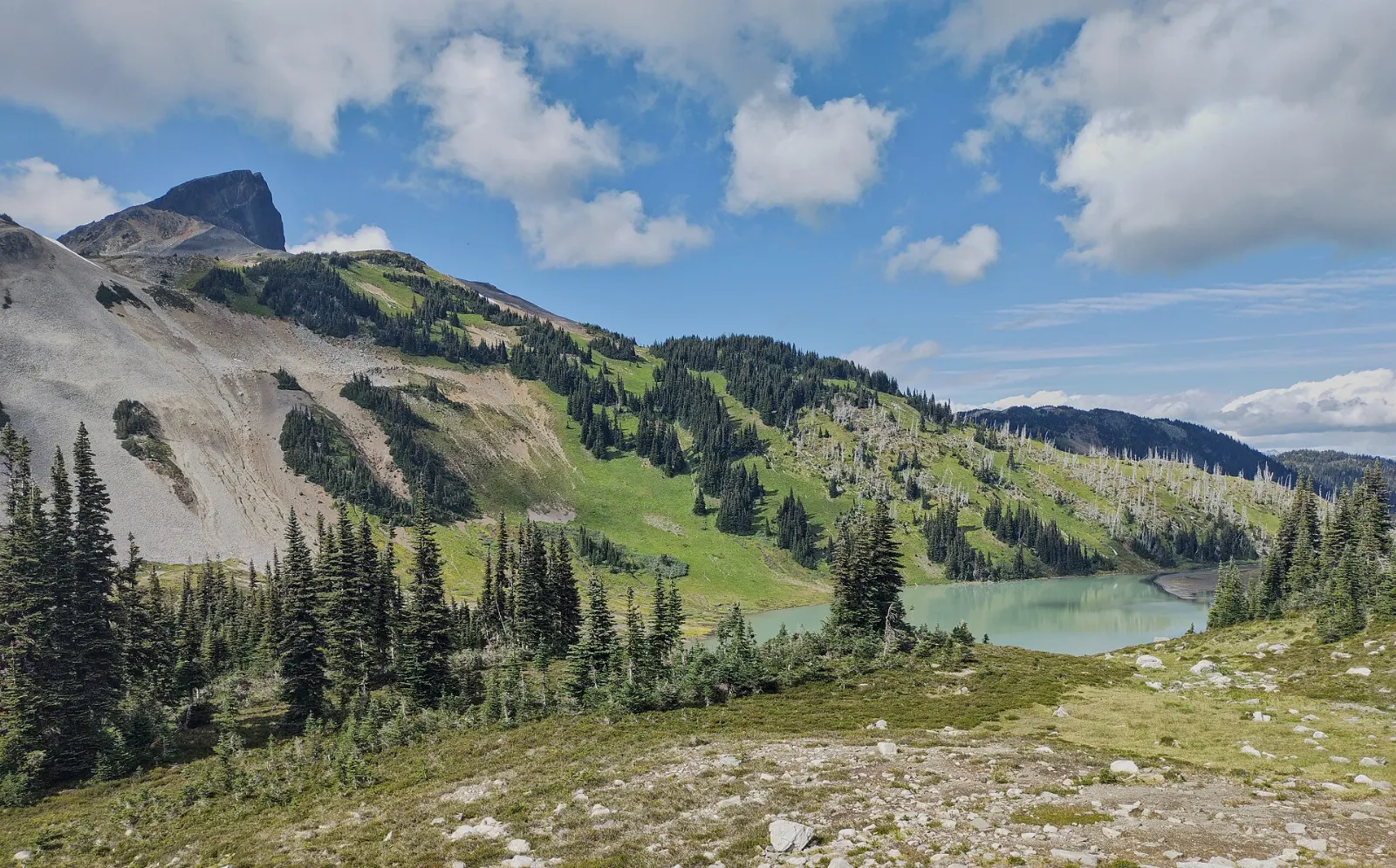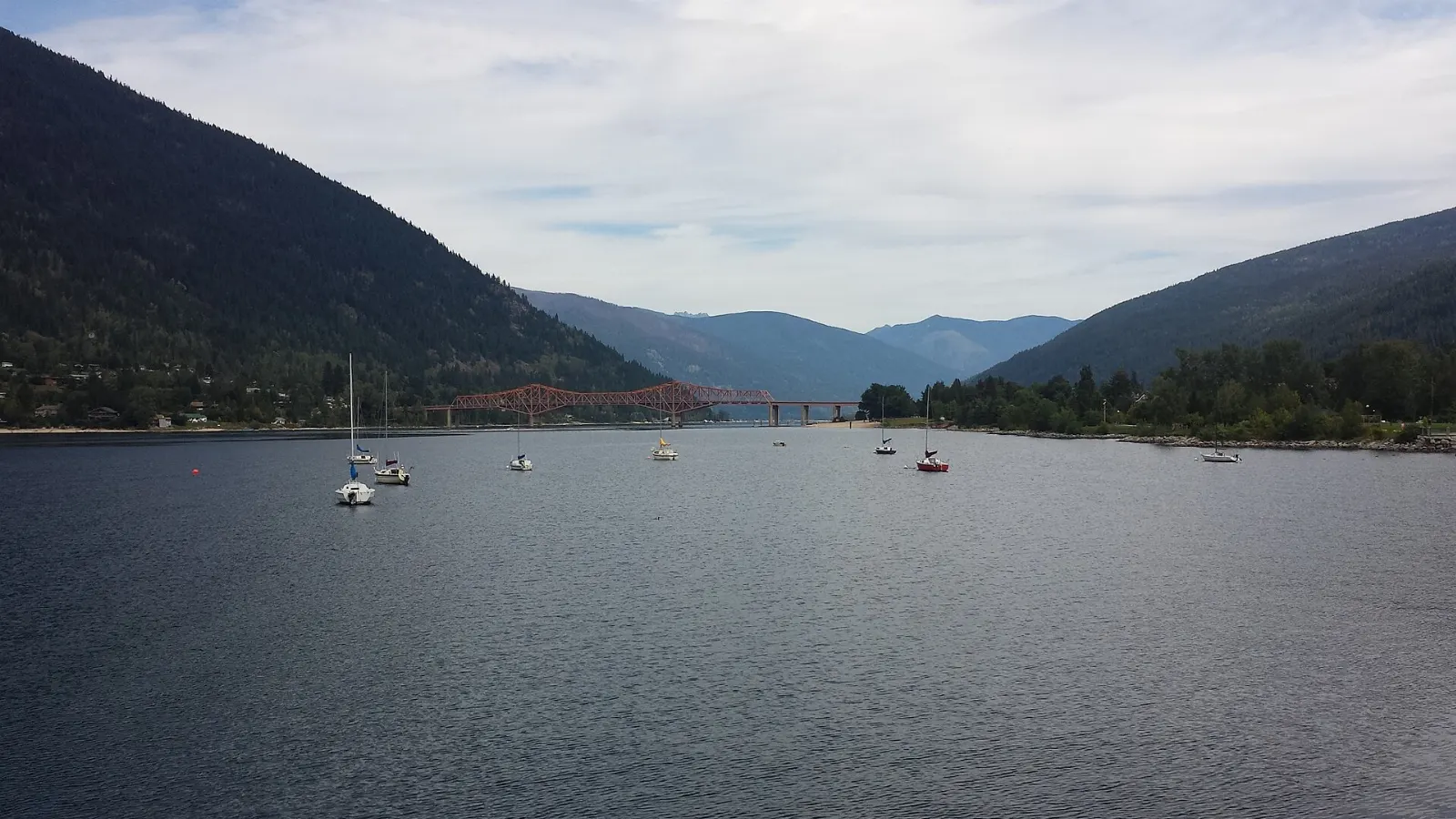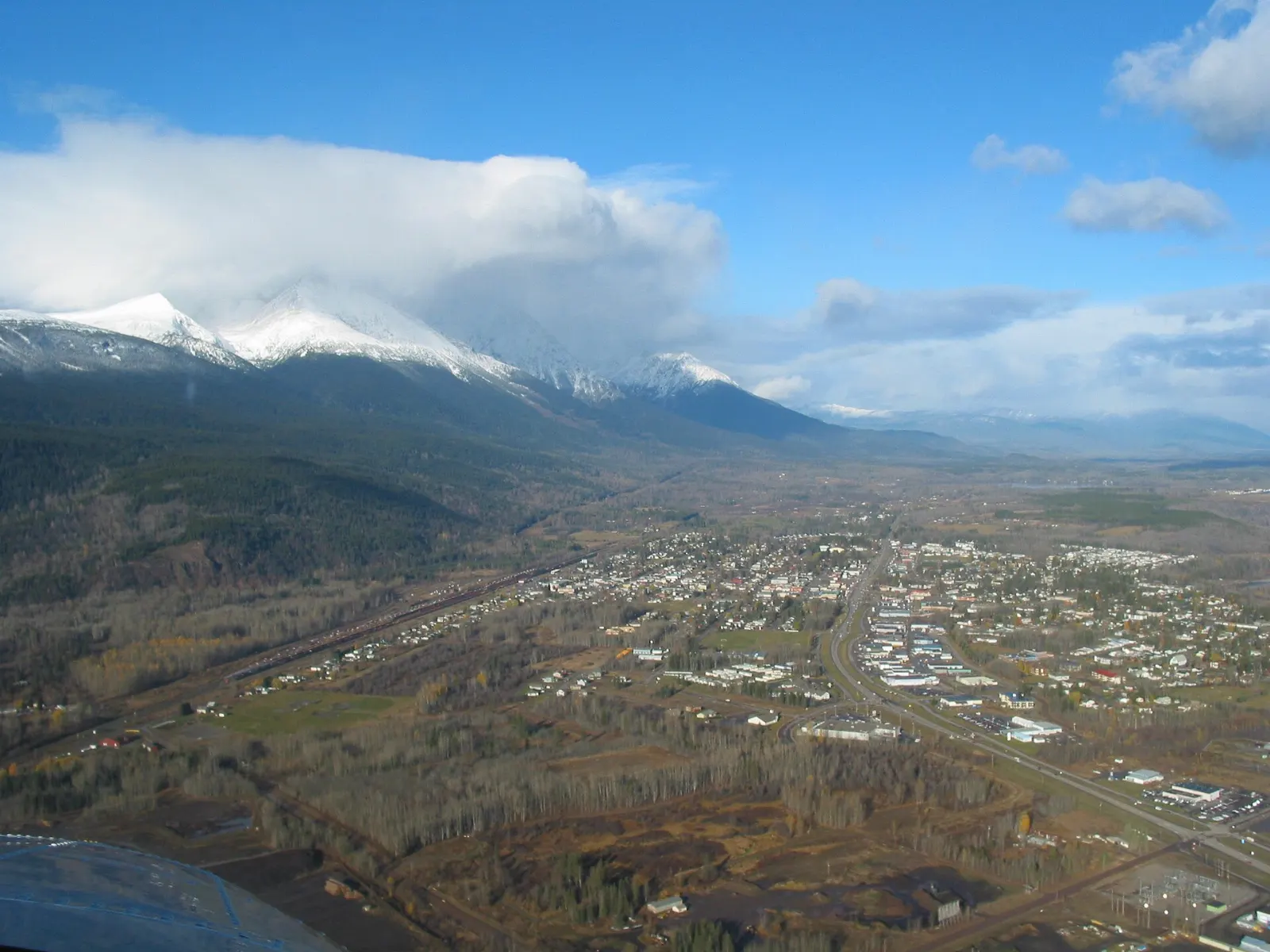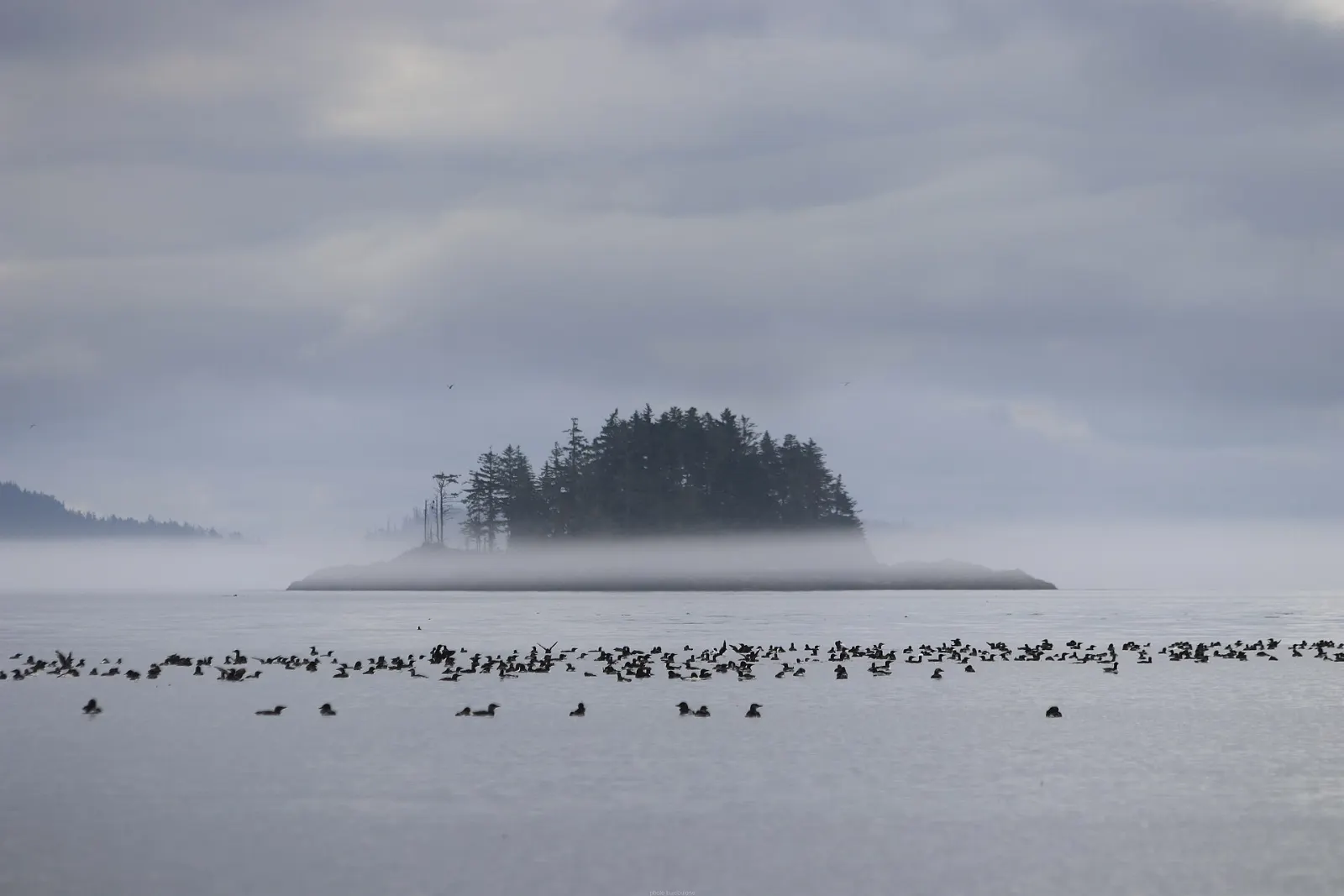
Telegraph Cove is a tiny former cannery and sawmill village on the northeast coast of Vancouver Island, home to about twenty residents. Its boardwalks, heritage buildings and sheltered marina sit beside Johnstone Strait, where orcas gather through the summer.
AT A GLANCE
Best time
June to September for orcas, long days and the most tours.
How long
Plan two or three nights for tours and Alert Bay.
Getting there
Drive about four hours from Nanaimo on Highway 19, then 14 km east.
Why visit Telegraph Cove
The village grew from a one-room telegraph station at the end of the Campbell River line, built by the federal government in 1911 and 1912. Later it became a saltery and sawmill, and today tourism keeps it alive.
Its real draw is the water. Johnstone Strait and the nearby Robson Bight reserve make this a leading gateway for orca encounters, and the wider region offers bears, humpbacks, dolphins and bald eagles.
The village and the strait
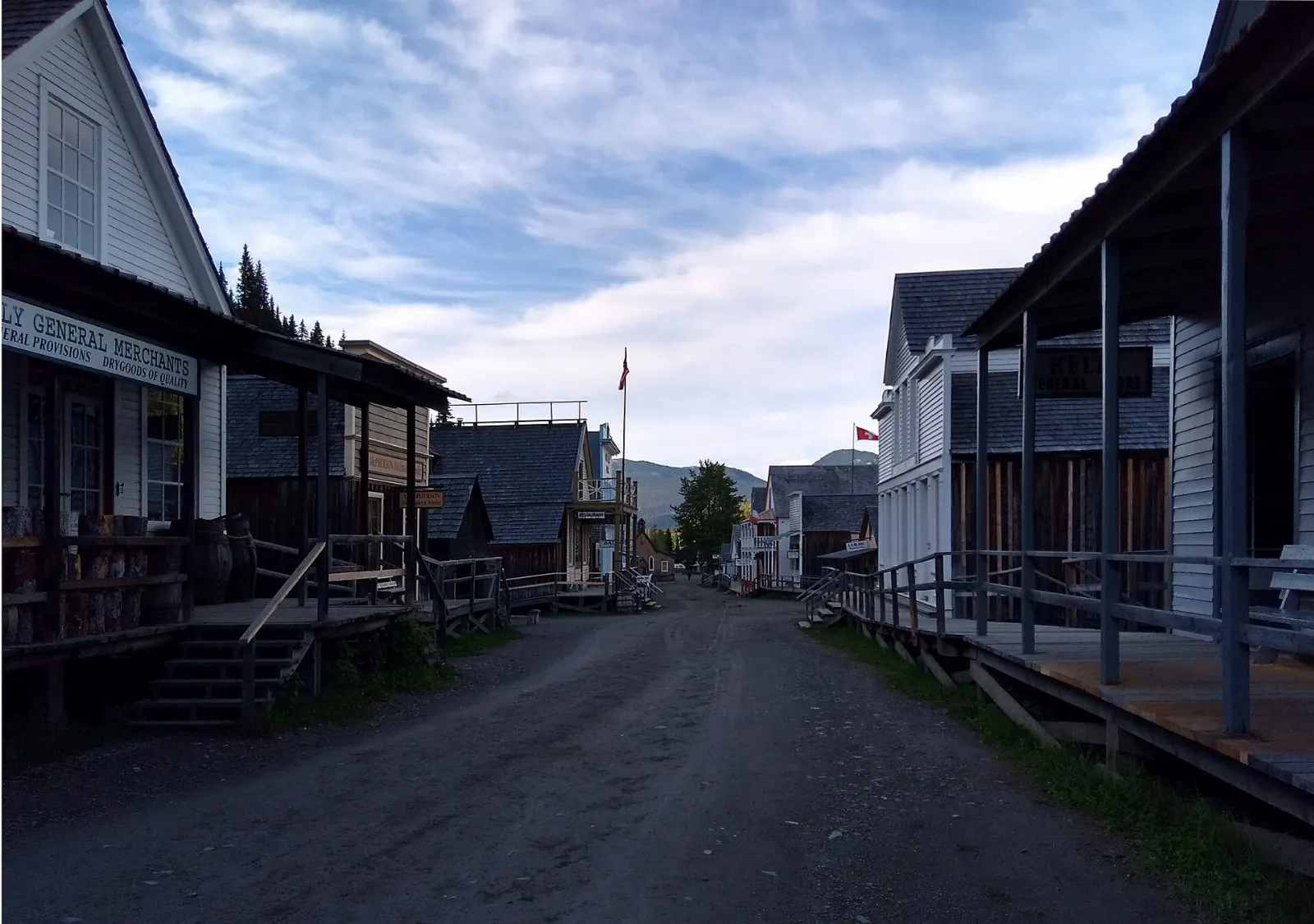
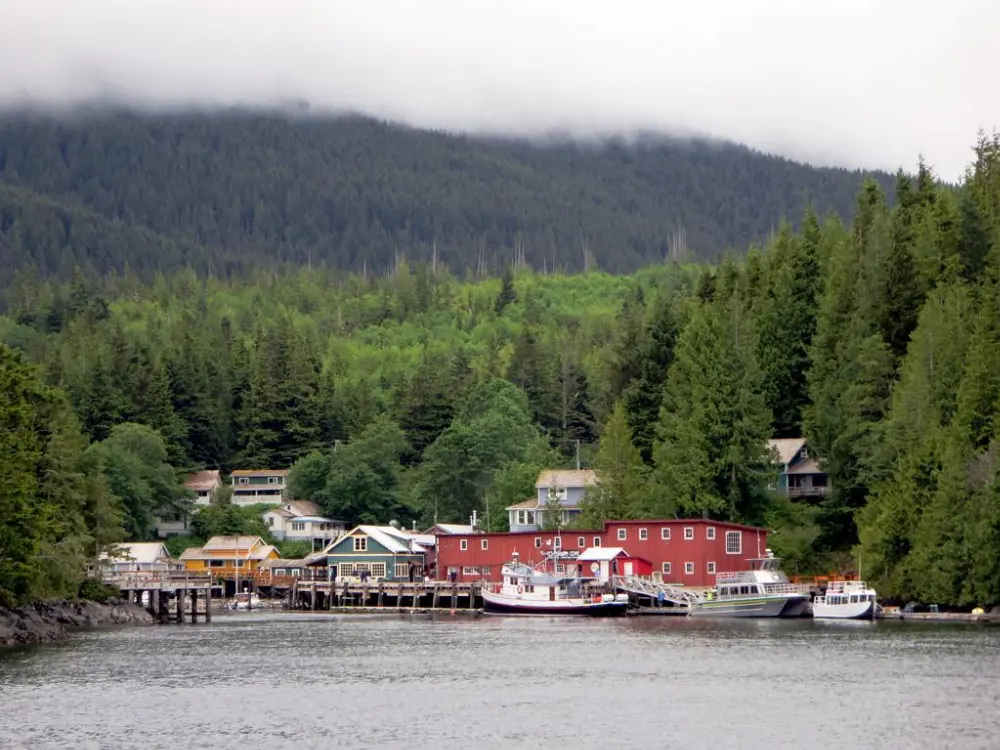
Telegraph Cove boardwalk
The boardwalk is the heart of the village, lined with historic buildings that now house small shops, tour offices and a general store. Allow an hour to stroll slowly, read the signs and watch boats come and go.
Fred Wastell's house
On the hillside above the boat shed stands the home of Fred Wastell, a community pioneer whose family bought much of the land around the cove.
Whale watching in Johnstone Strait
Johnstone Strait is a 110 km channel between northern Vancouver Island and the mainland, and orcas spend the summer here. Stubbs Island Charters helped put Telegraph Cove on the map for whale watching, and other operators run trips too. Book ahead in summer, wear warm layers and allow about three hours. 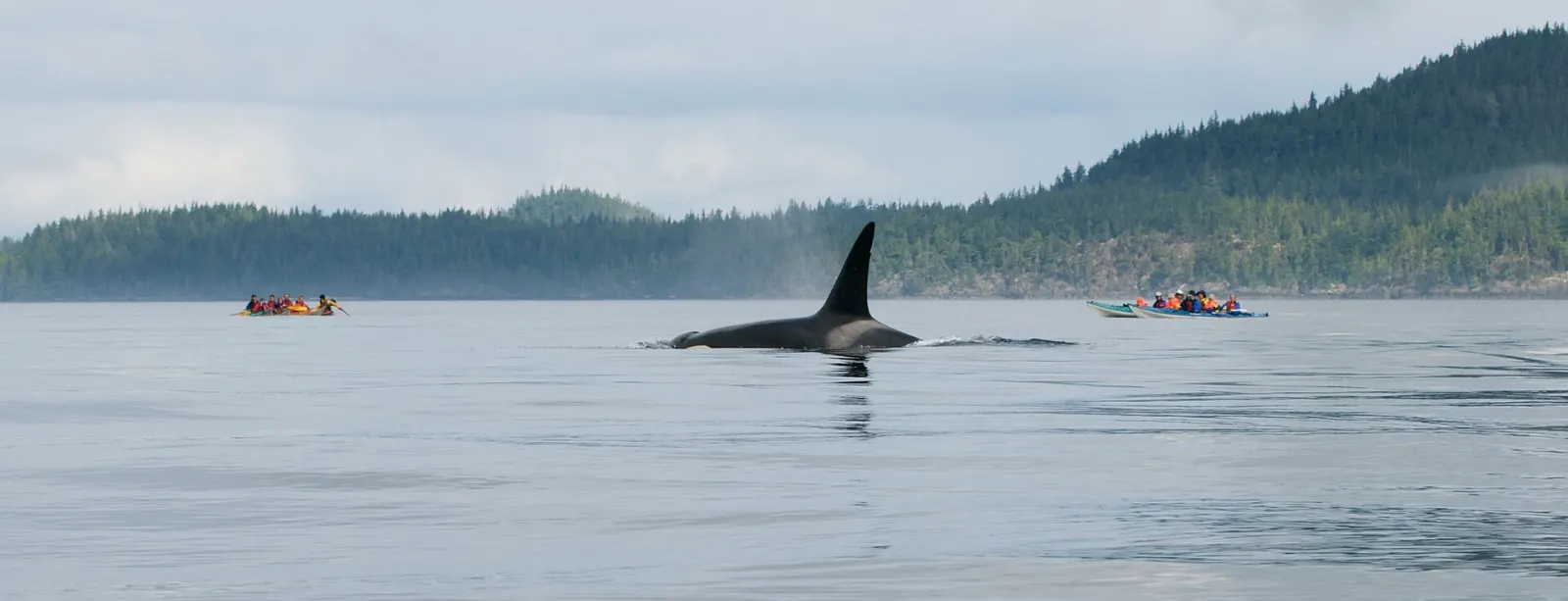
Robson Bight
Robson Bight (Michael Bigg) Ecological Reserve lies about 10 km southeast and protects killer whale habitat famous for its rubbing beaches. The reserve is closed to boats and land access, so you view the area from outside its boundaries.
Telegraph Cove marina
Two marinas flank the cove, and both mostly serve trailerable boats, so the harbour is a lively place in summer. Walk along the docks to see working boats, kayaks being loaded and small vessels preparing to head out.
Sointula and Malcolm Island
If you have extra time, the BC Ferries sailing from Port McNeill also reaches Sointula on Malcolm Island, a quiet fishing village that makes an easy half-day detour.
Paddling and bears
Kayaking the Broughton Archipelago
Guided kayak trips set out from Telegraph Cove to Johnstone Strait, Blackfish Sound and the Broughton Archipelago, a maze of forested islands and channels. Expect tidal currents and wind that rise in the afternoon, so go with a guide unless you are an experienced paddler. Trips range from a few hours to several days. 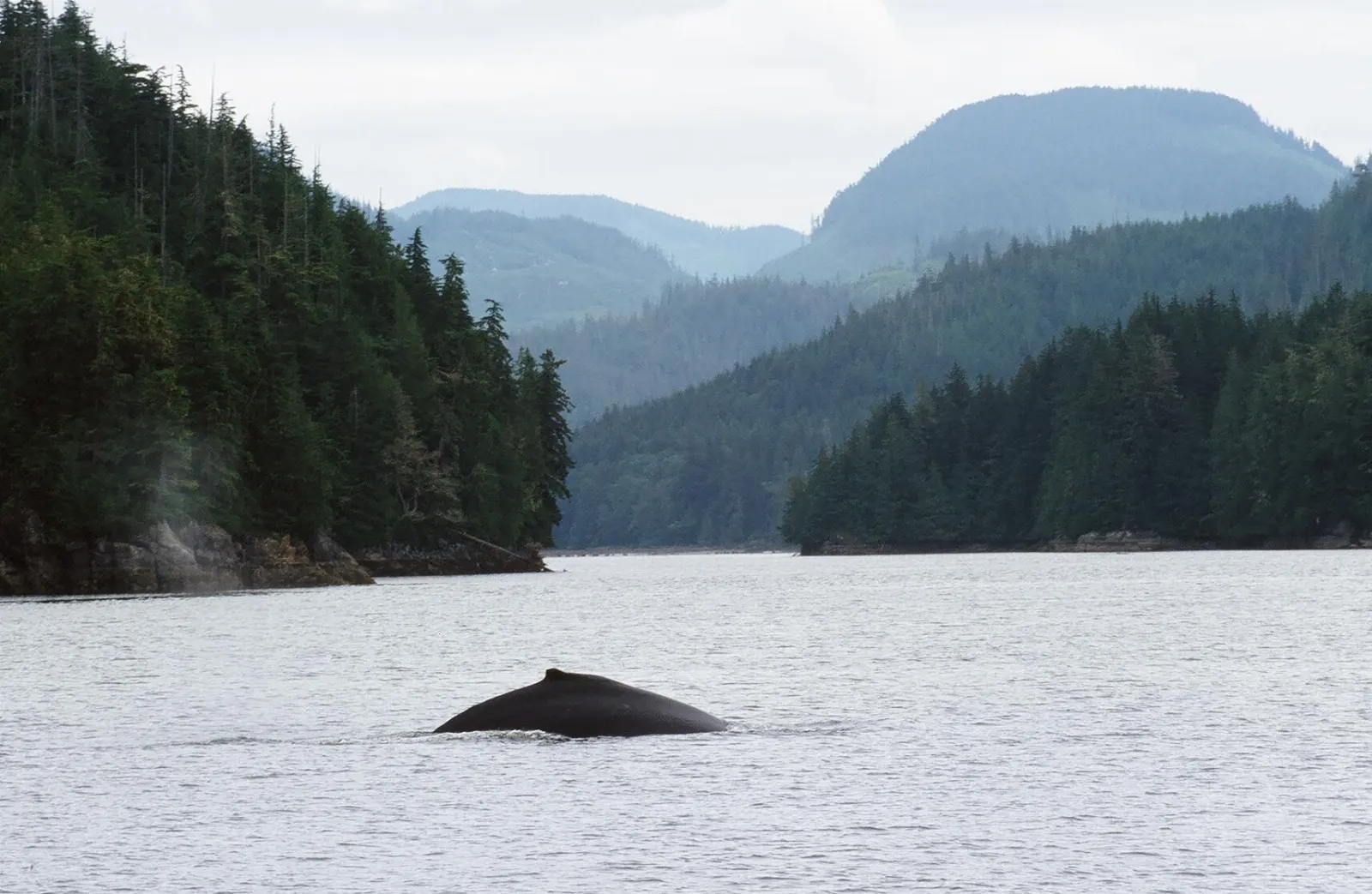
Knight Inlet grizzly tours
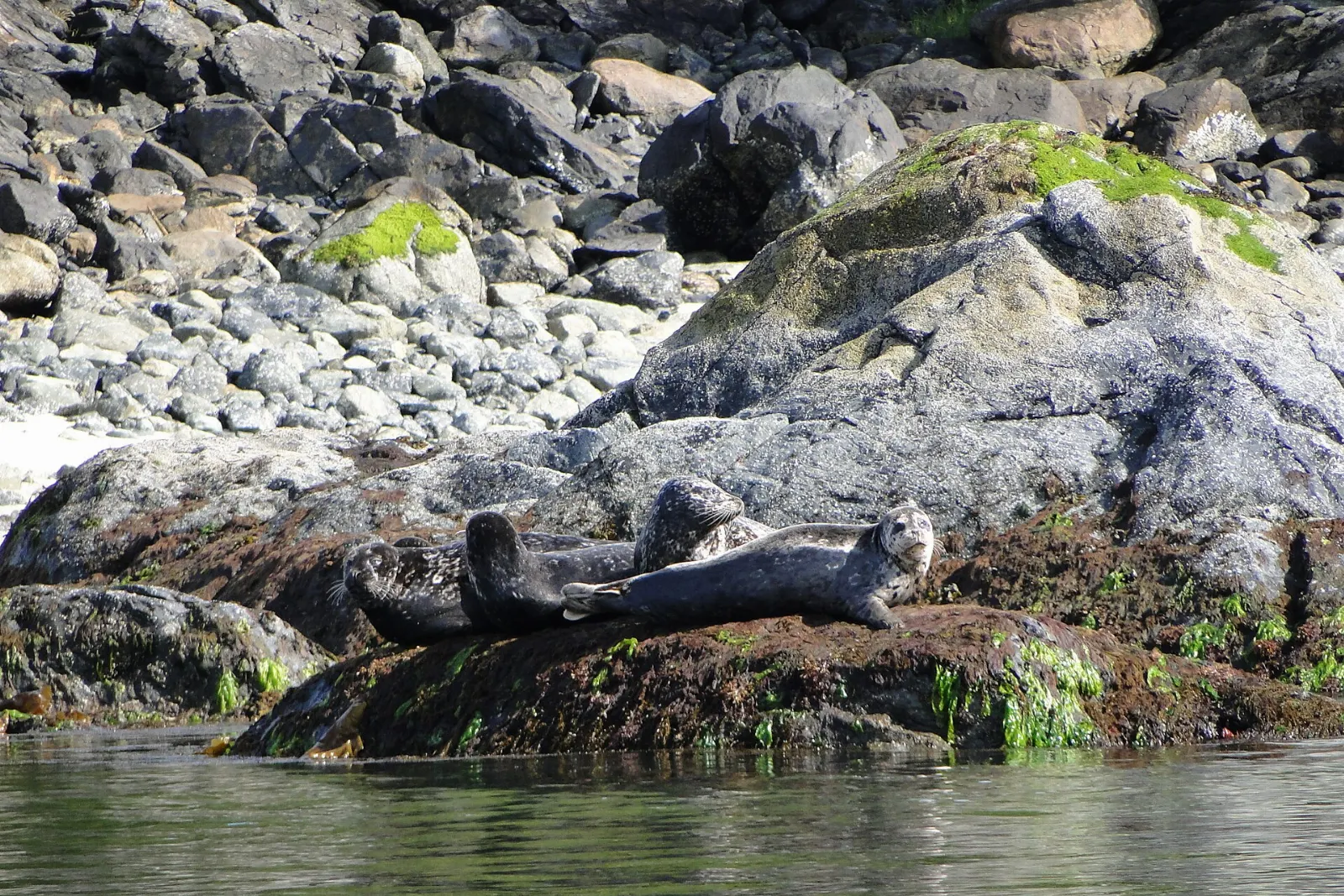
Day tours run by covered boat to Knight Inlet from May through early October, where grizzlies feed on sedge grass and salmon at the estuary. Along the way you may see black bears, harbour seals and eagles.
Nearby communities
Alert Bay
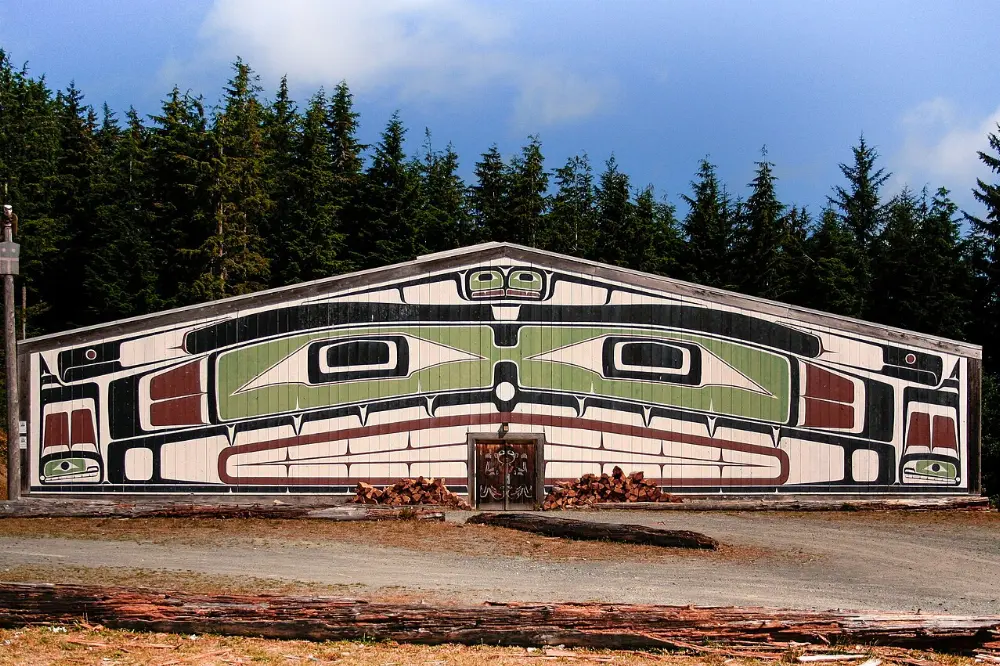
Alert Bay, or ʼYalis, sits on Cormorant Island in Kwakwaka'wakw territory and is reached by BC Ferries from Port McNeill. Wander the waterfront, browse local art and allow half a day. The tall totem pole that once stood here was taken down in 2026, so check what is on view. 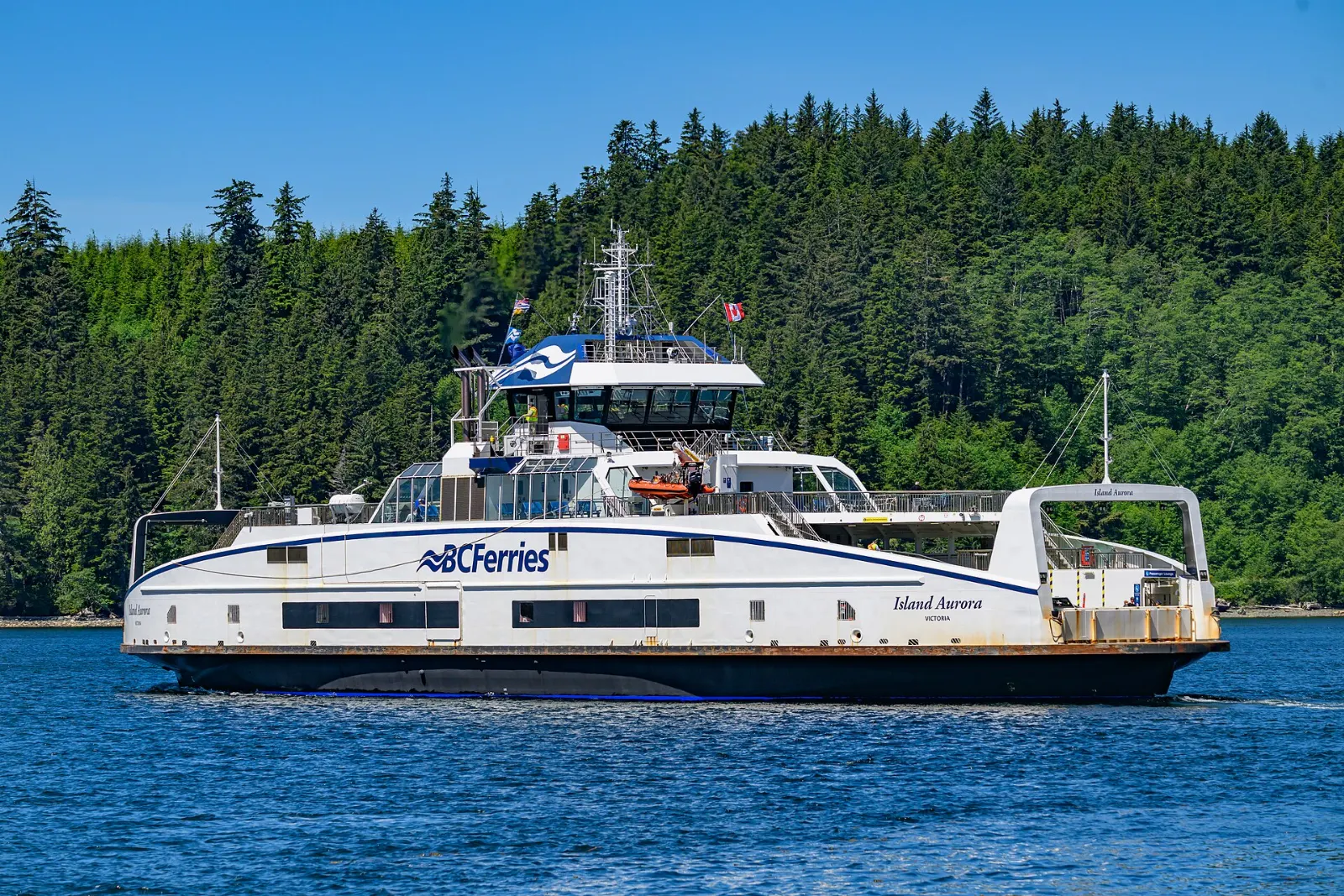
U'mista Cultural Centre
The U'mista Cultural Centre holds masks, copper shields and dance regalia confiscated in 1921 when the potlatch was banned, and later returned after years of negotiation. It is the most meaningful stop in the area. Allow at least an hour. 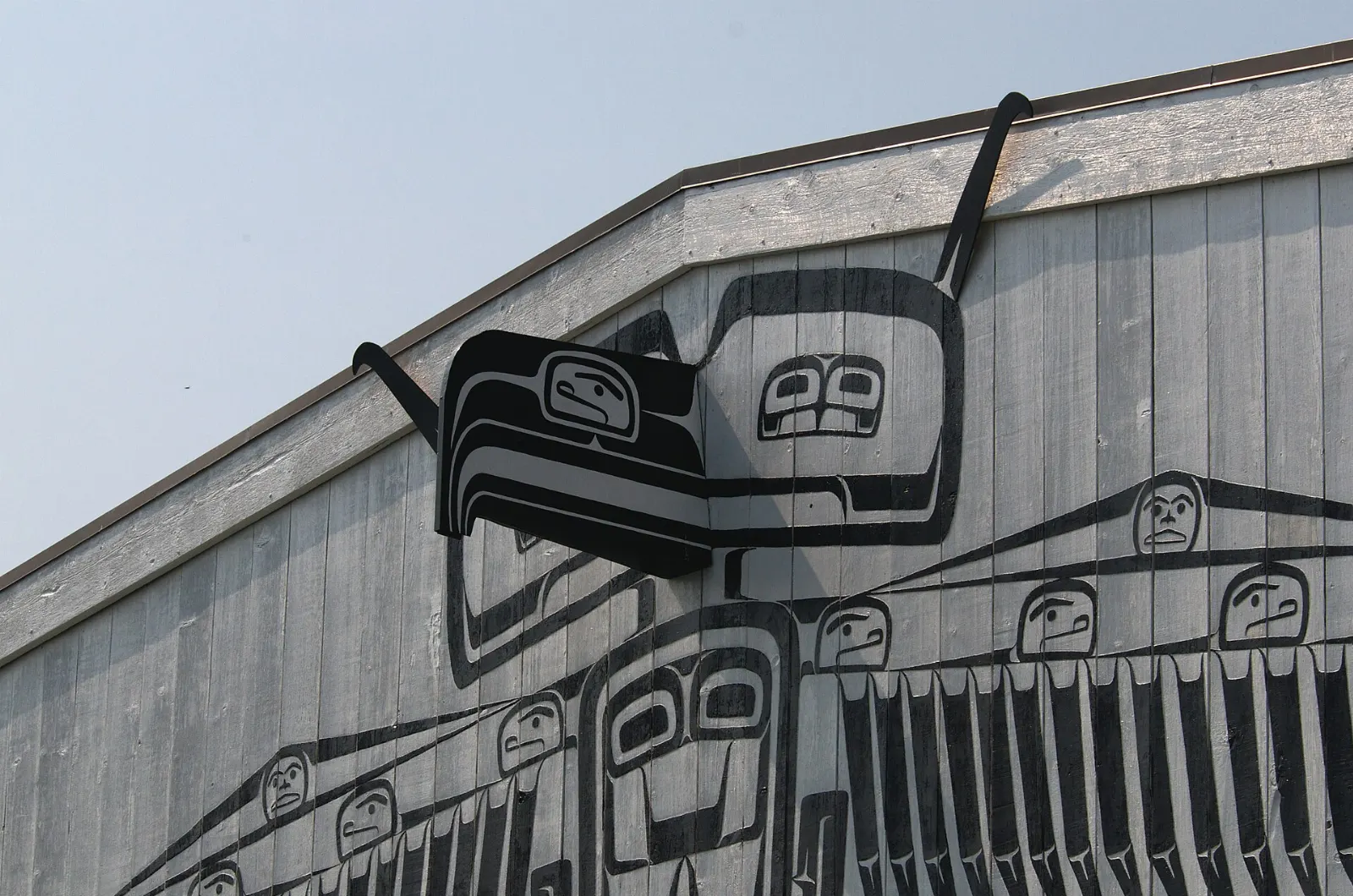
Alert Bay Ecological Park
This park has boardwalks over a spring-fed marsh and forest trails, with cedar snags draped in lichen. A short walk of about thirty minutes gives a quiet counterpoint to the village. Bring insect repellent in summer. 
Port McNeill
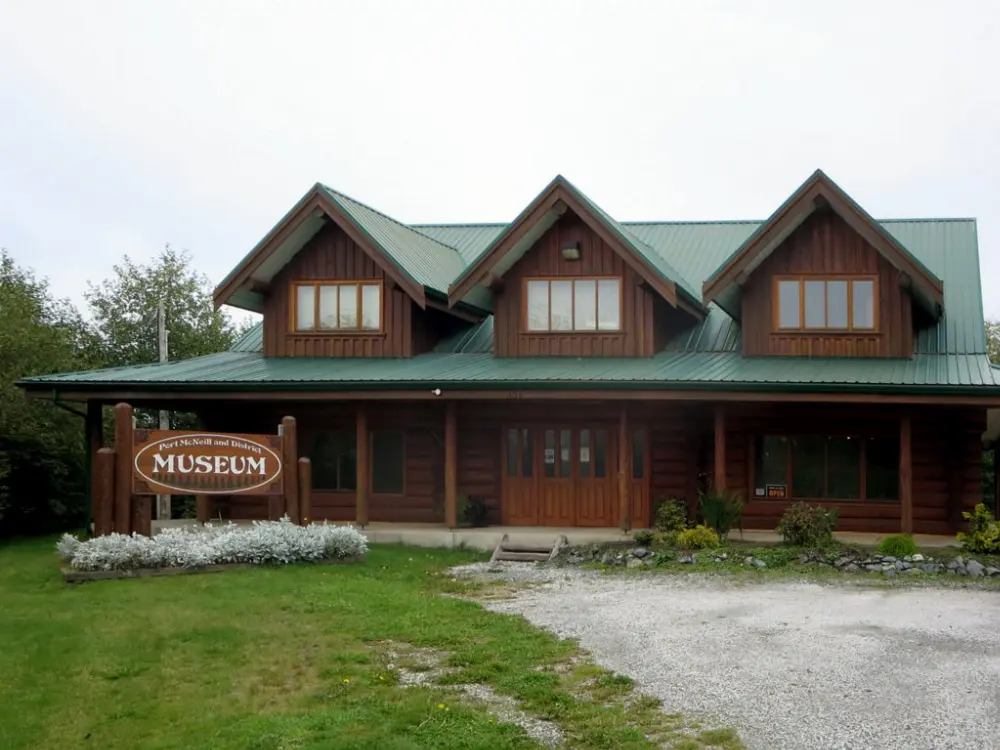
Port McNeill is a logging town and the main service centre on the north island, with groceries, a hospital, the ferry dock and the airport. It is roughly a 25 minute drive from Telegraph Cove and makes a handy stop for supplies. It is also the gateway to Sointula on Malcolm Island. 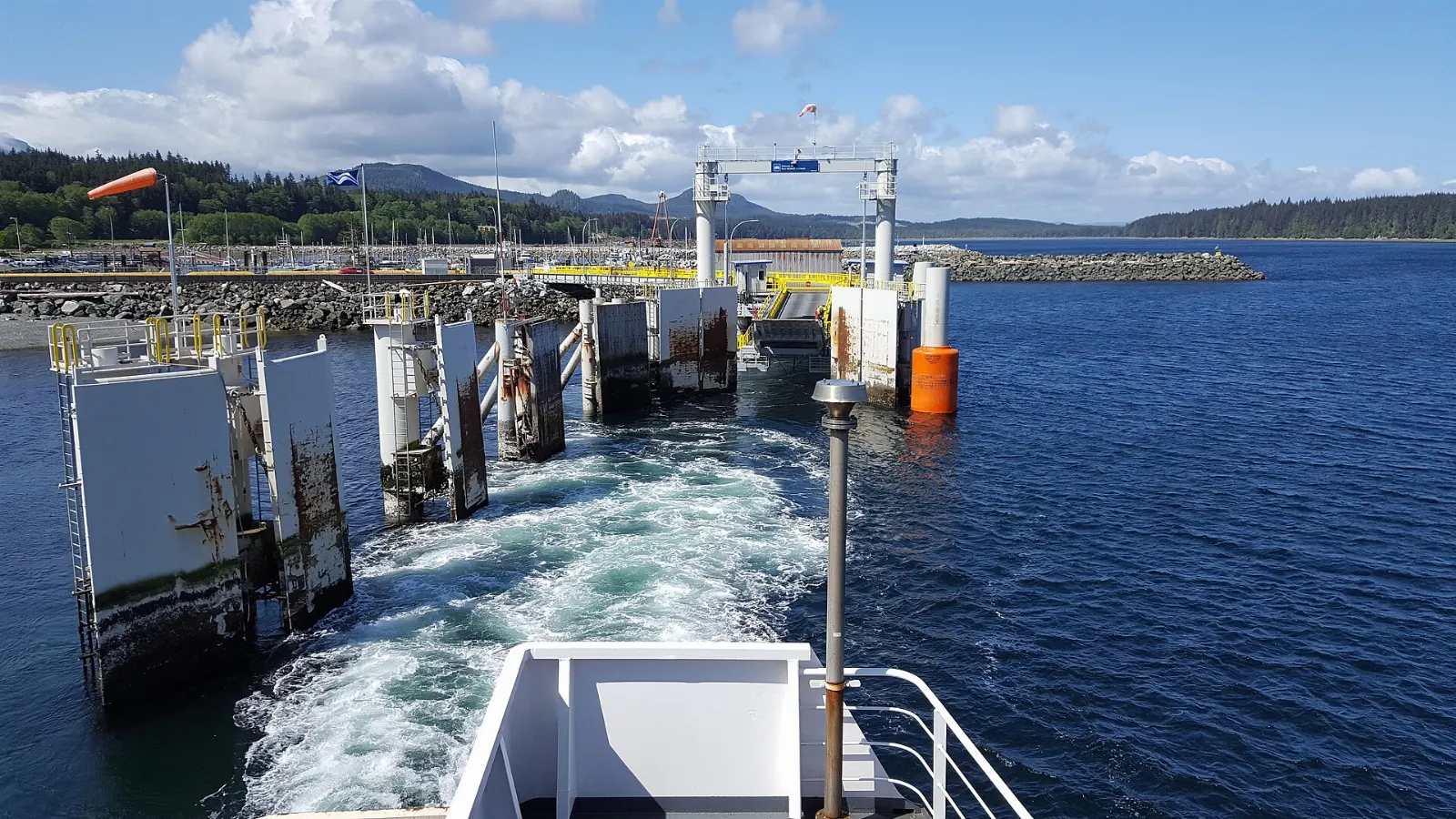
Beaver Cove
Beaver Cove lies about 3 km up the inlet and is a quiet place to see the water and forest without the boardwalk crowds. Stop on the drive in or out for a short look.
Food and local flavors
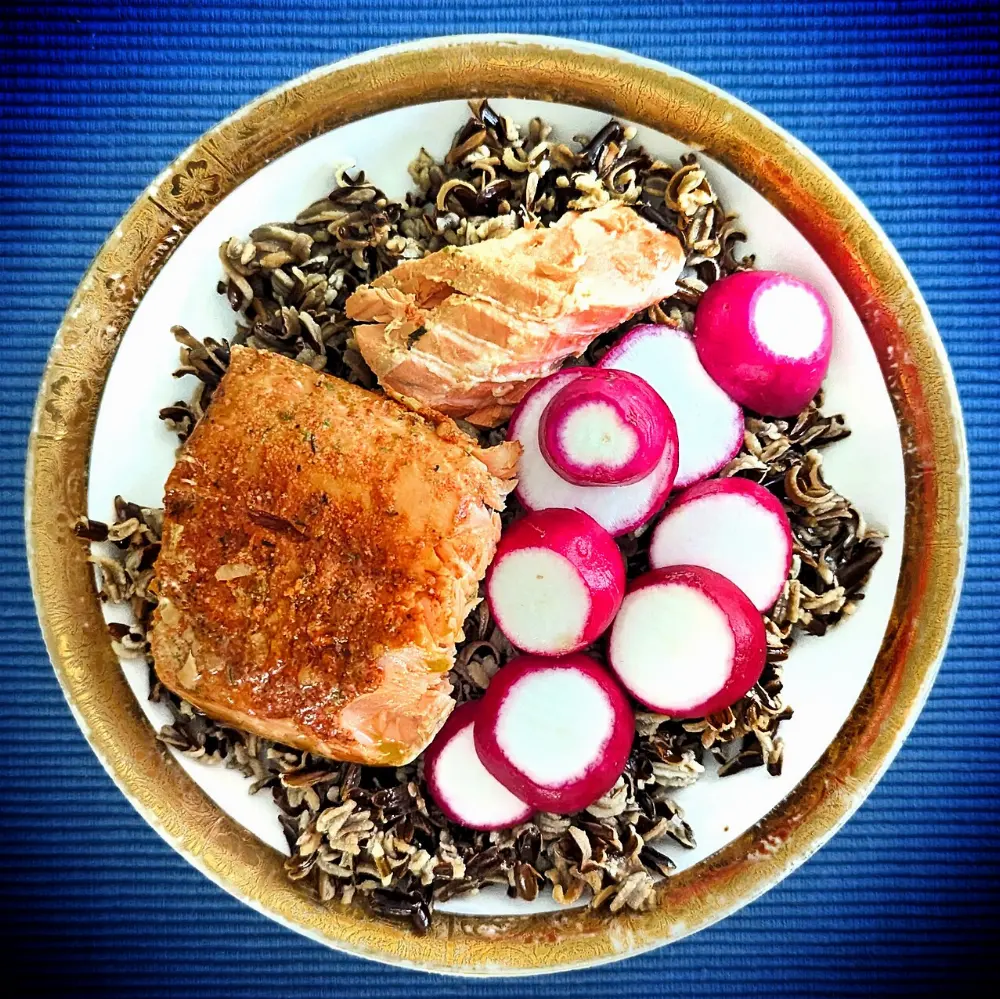
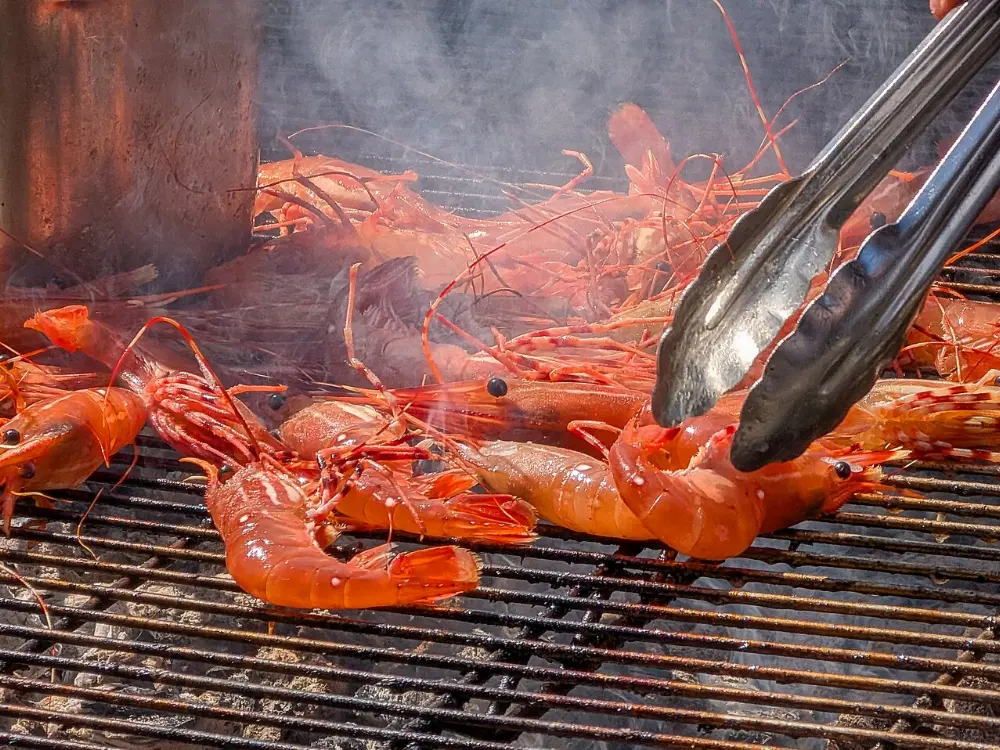
Telegraph Cove food is built around the cold Pacific. Look for wild salmon, grilled or smoked, and spot prawns, whose short season runs in late spring.
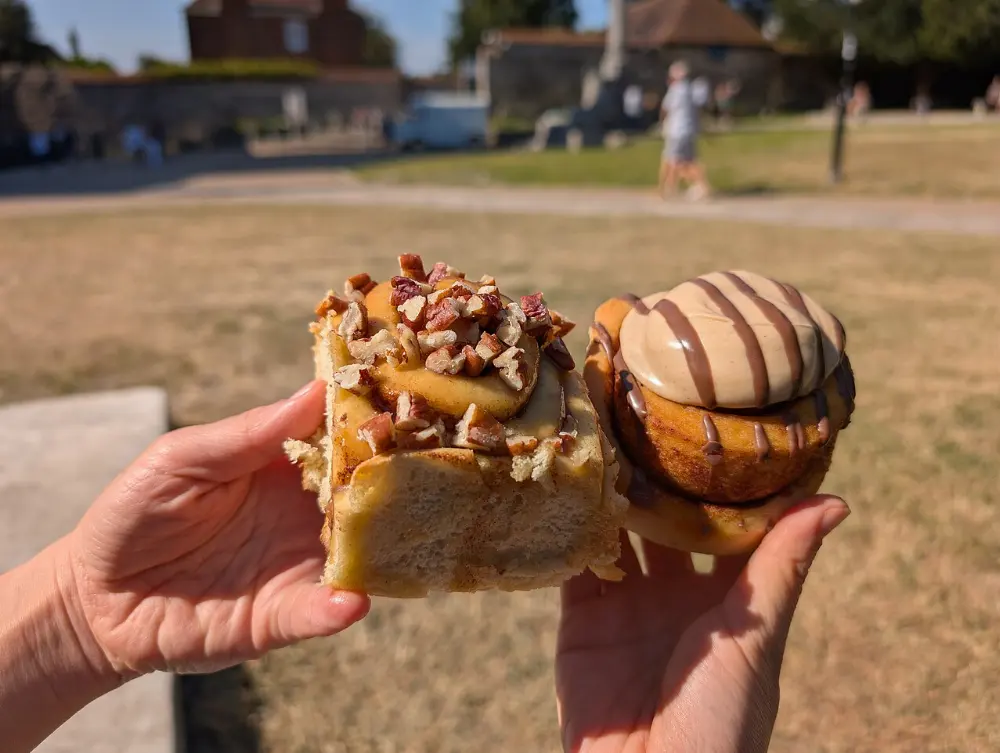
The village has a waterfront restaurant, a pub and a coffee counter known for house-baked cinnamon buns, though the fire closed some of these, so check what has reopened.
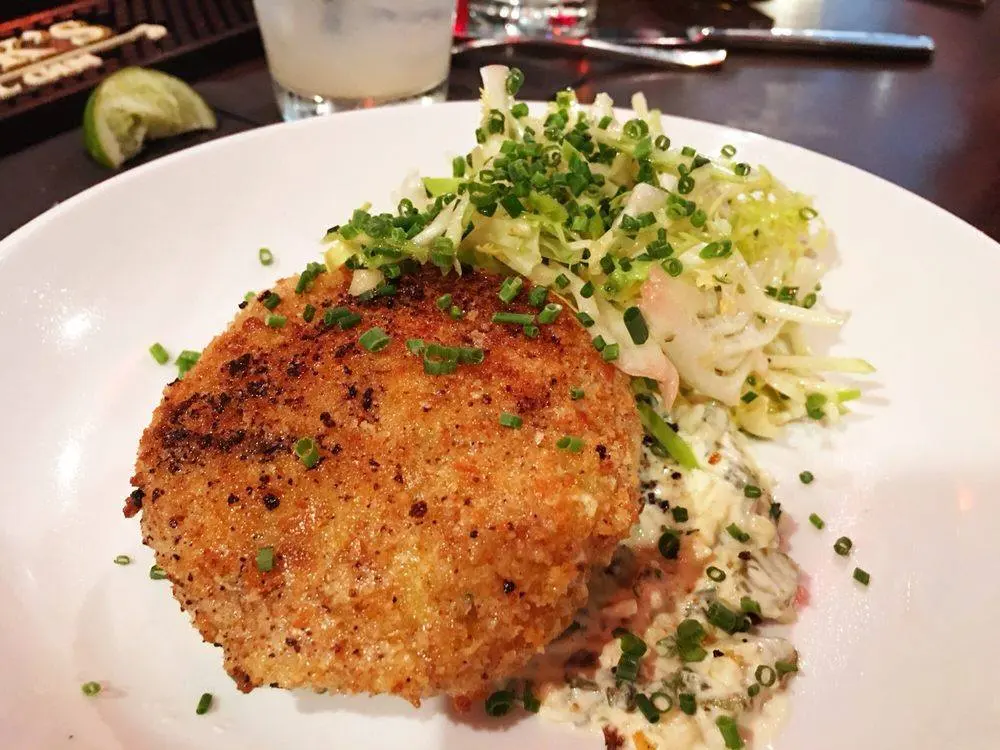
Popular dishes to try in Telegraph Cove
Where to stay
Telegraph Cove itself offers cabins in historic buildings, dockside suites, an RV park and campgrounds.
Port McNeill is the practical choice with more beds and shops, roughly a 25 minute drive away, and works for families and anyone who wants flexibility.
Alert Bay offers a quieter island stay with a campground and a few other places to stay, ideal for travelers interested in First Nations culture and for a slower pace.
Where to stay in Telegraph Cove
Best time to visit
Summer is the main season, when orcas gather in Johnstone Strait and tours run daily. Grizzly bear tours operate from May through early October.
Shoulder months bring fewer visitors, though not all services open. Winters are wet, mild and very quiet, and the village sees few travelers.
Getting there and getting around
Telegraph Cove is about 349 km northwest of Nanaimo, a drive of just over four hours. Follow Highway 19 north, then take the paved road for 14 km east to the cove.
The nearest airport is at Port McNeill, and BC Ferries connect Port McNeill with Alert Bay and Sointula. You need a car to reach the cove, as public transport is limited.
A suggested itinerary
First day
Drive north, check in and walk the boardwalk.
Second day
Choose a kayak trip in the Broughton Archipelago or a full day grizzly tour to Knight Inlet.
Third day
Take the ferry from Port McNeill to Alert Bay, visit the U'mista Cultural Centre and walk the ecological park before heading home.
Practical tips
- Book tours well ahead in summer, and confirm what has reopened after the 2024 fire.
- Dress in layers and bring rain gear, because weather changes quickly on the water.
- Bring binoculars and a camera with a zoom lens.
- Stay outside the Robson Bight reserve boundaries.
- Fuel up and buy groceries in Port McNeill.
- Respect First Nations sites and ask before photographing people or ceremonies.