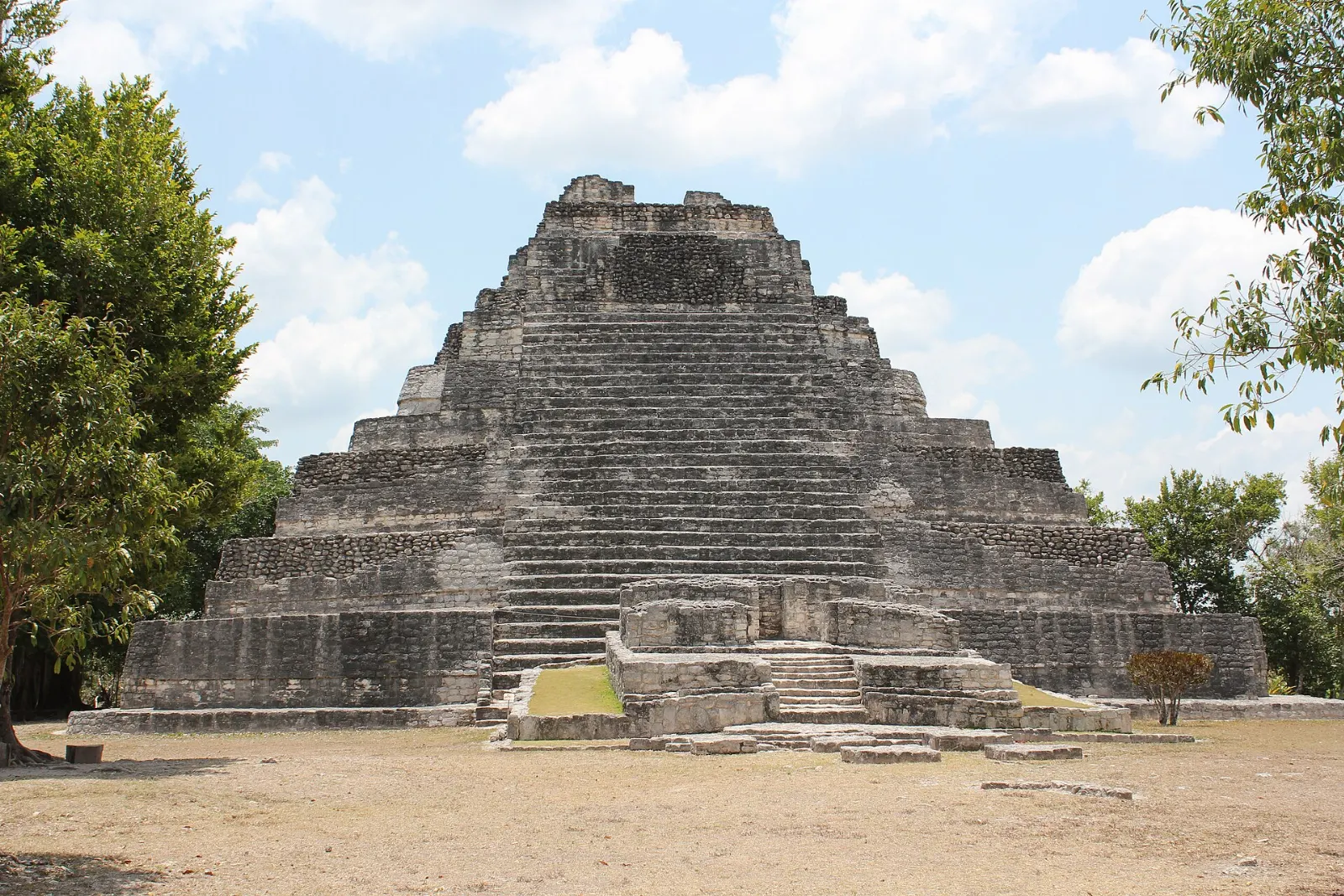
Chacchoben is a Maya archaeological site in the jungle of southern Quintana Roo.
AT A GLANCE
Best time
Go early in the day, in the drier months, before the heat builds.
How long
Half a day for the ruins, or a full day with nearby stops.
Getting there
Reach it from Limones by car, taxi, shuttle or the Tren Maya station.
Why visit Chacchoben
Chacchoben was settled by the Maya around 200 BC and its large temples and massive platform groups date from about 700 AD. It was a large settlement and, according to local accounts, a centre for spiritual ceremonies.
Only a small part of the site has been explored and restored, which is part of its charm.
The ruins are about 177 kilometres south of Tulum and are popular with cruise visitors from Mahahual. With a little planning you can arrive outside the busiest hours and enjoy the quiet.
Inside the archaeological zone
The ruins at a glance
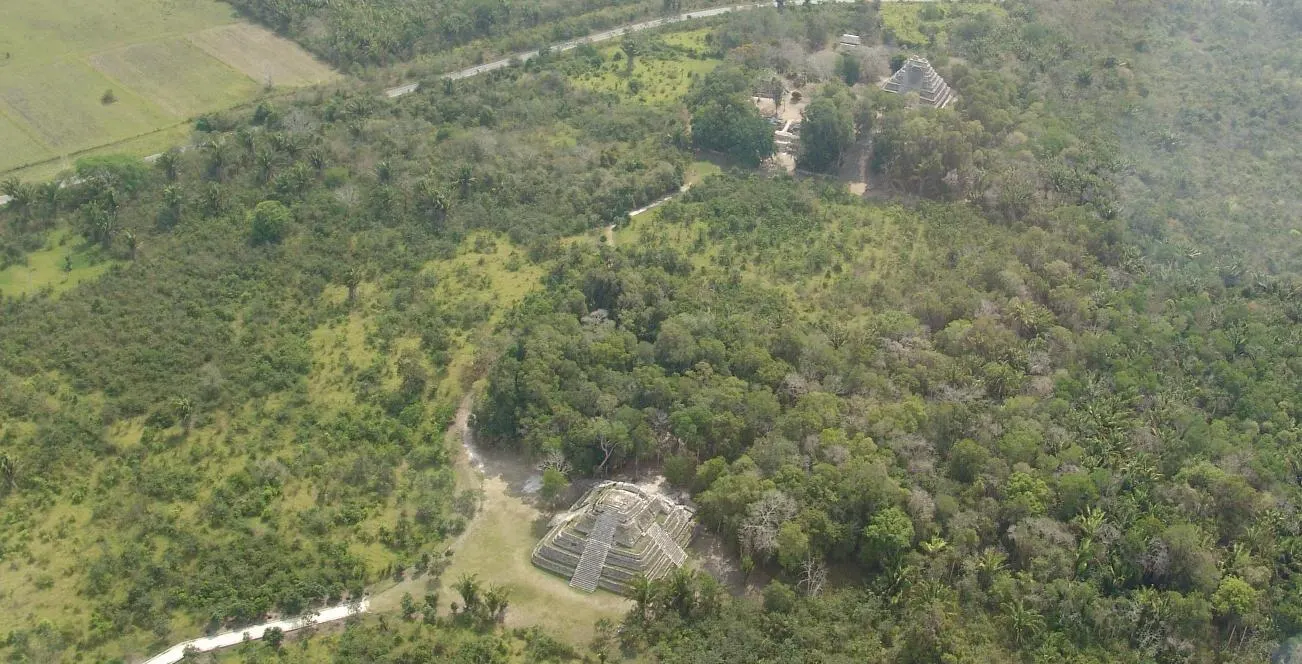
The structures are organised in three groups that correspond to different parts of the ancient city, including a religious centre. The style is similar to Peten sites such as Tikal, and the building materials resemble those at Maya sites in Belize more than those of the northern Yucatan.
The main temples
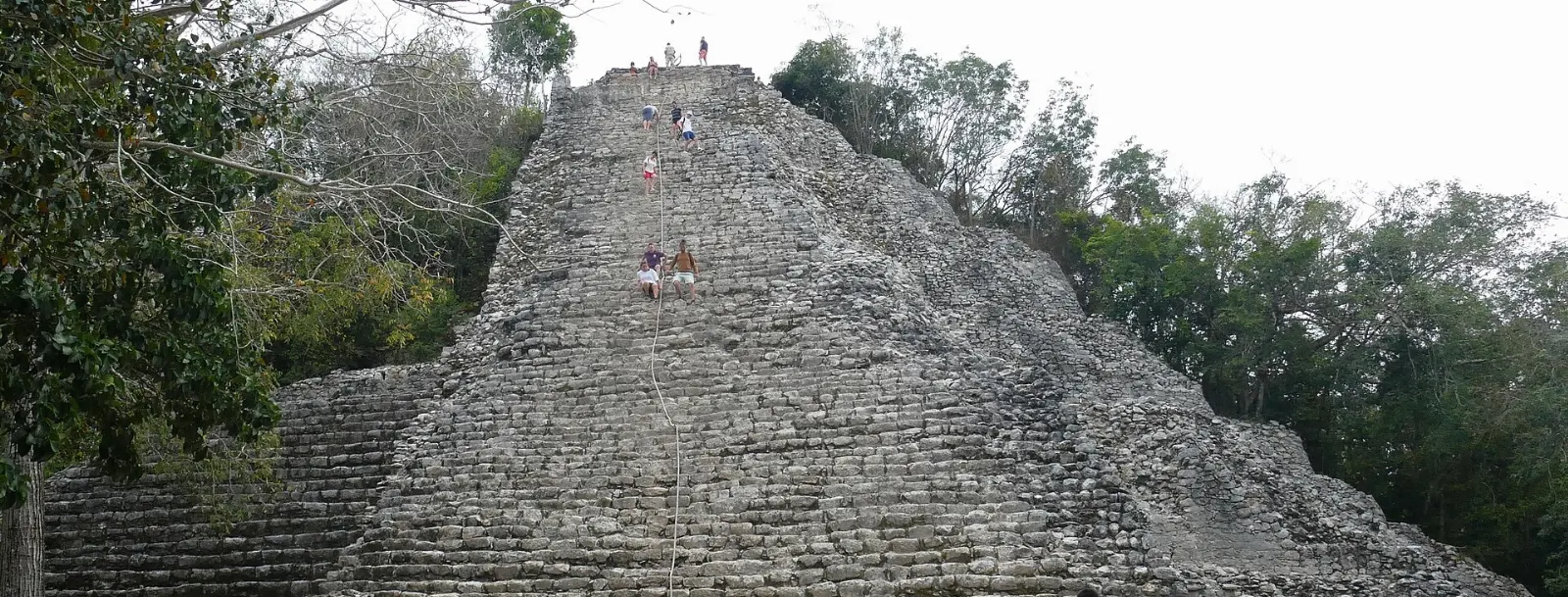
The pyramids and platforms visible today were built from about 700 AD. Large-scale construction then slowed, though the town stayed lightly inhabited until the 16th century.
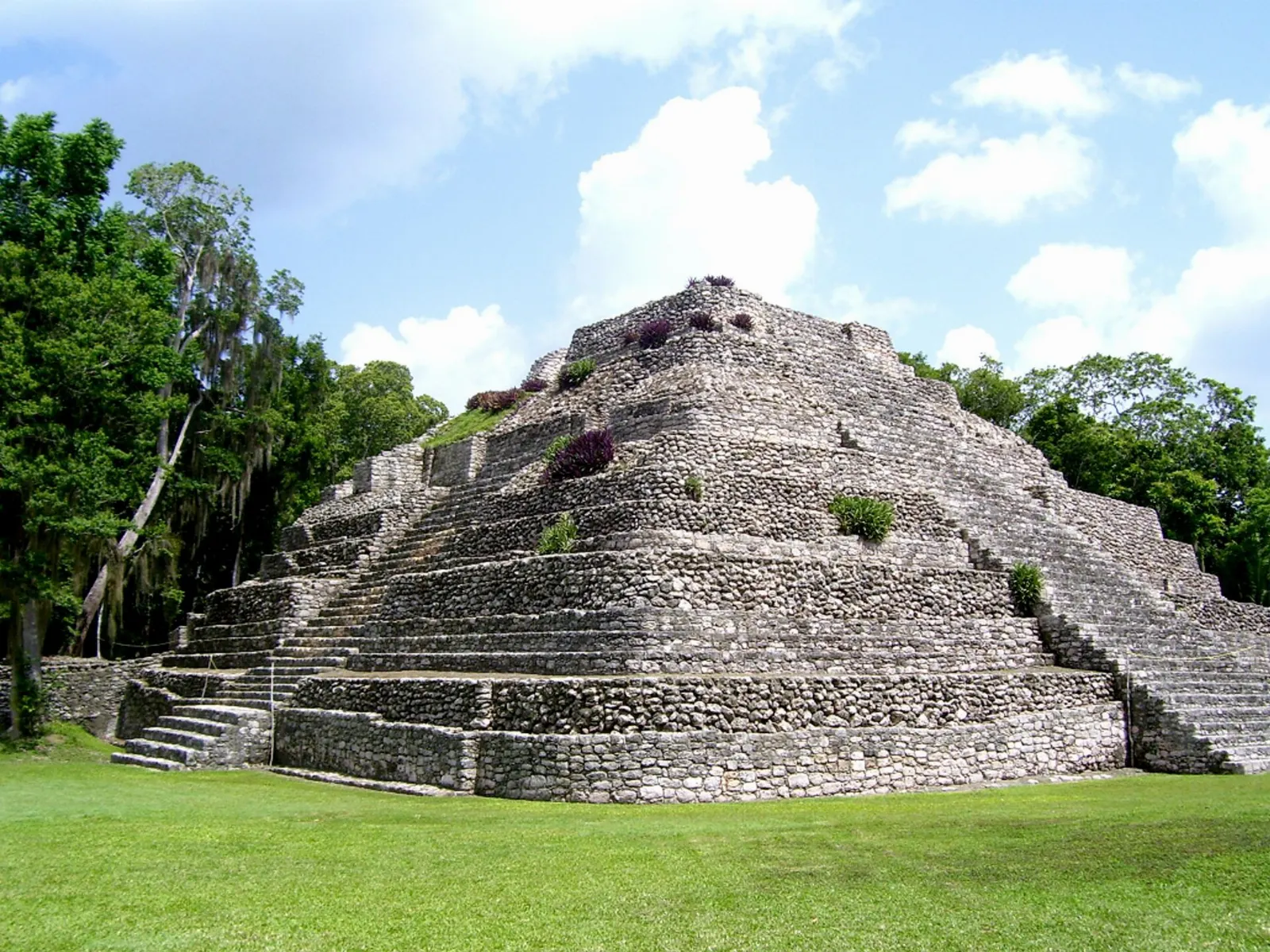
Gran Basamento
On site maps, the Gran Basamento is one of the three main groups. Its large platforms give a sense of how the Maya engineered space for ceremonies and gatherings. Read the signs and look for the different building stages.
Group II and the jungle trails
Trails between the structures are cleared and well marked, with giant tree roots occasionally rising across the path like serpents. Wear closed shoes with grip and take your time on uneven ground.
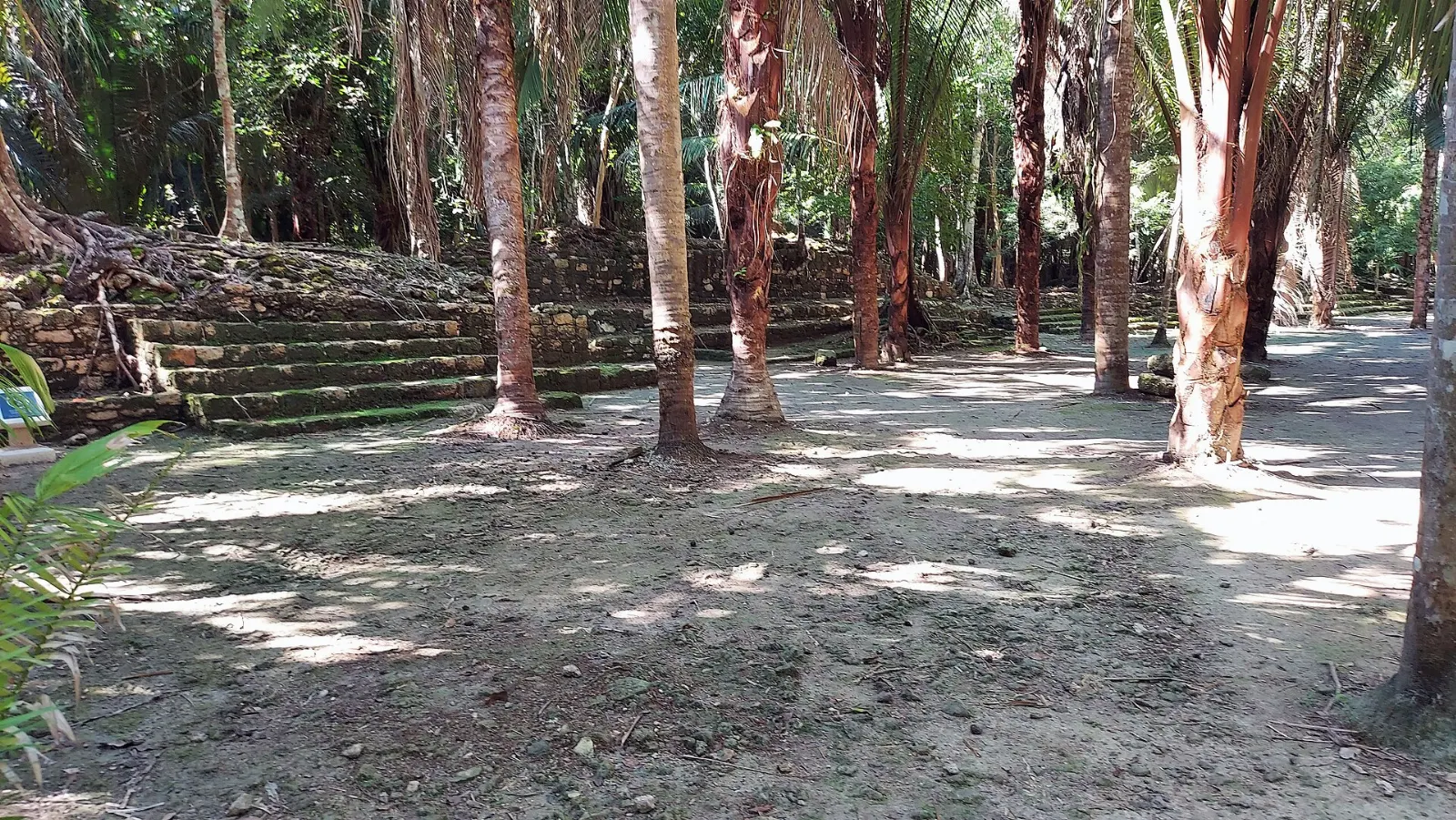
The unexcavated mounds
Look around and you will see hills draped in jungle vines that conceal more temples and structures. Archaeologist Peter Harrison reported the site to the Mexican government in 1972 after noticing numerous hills from the air.
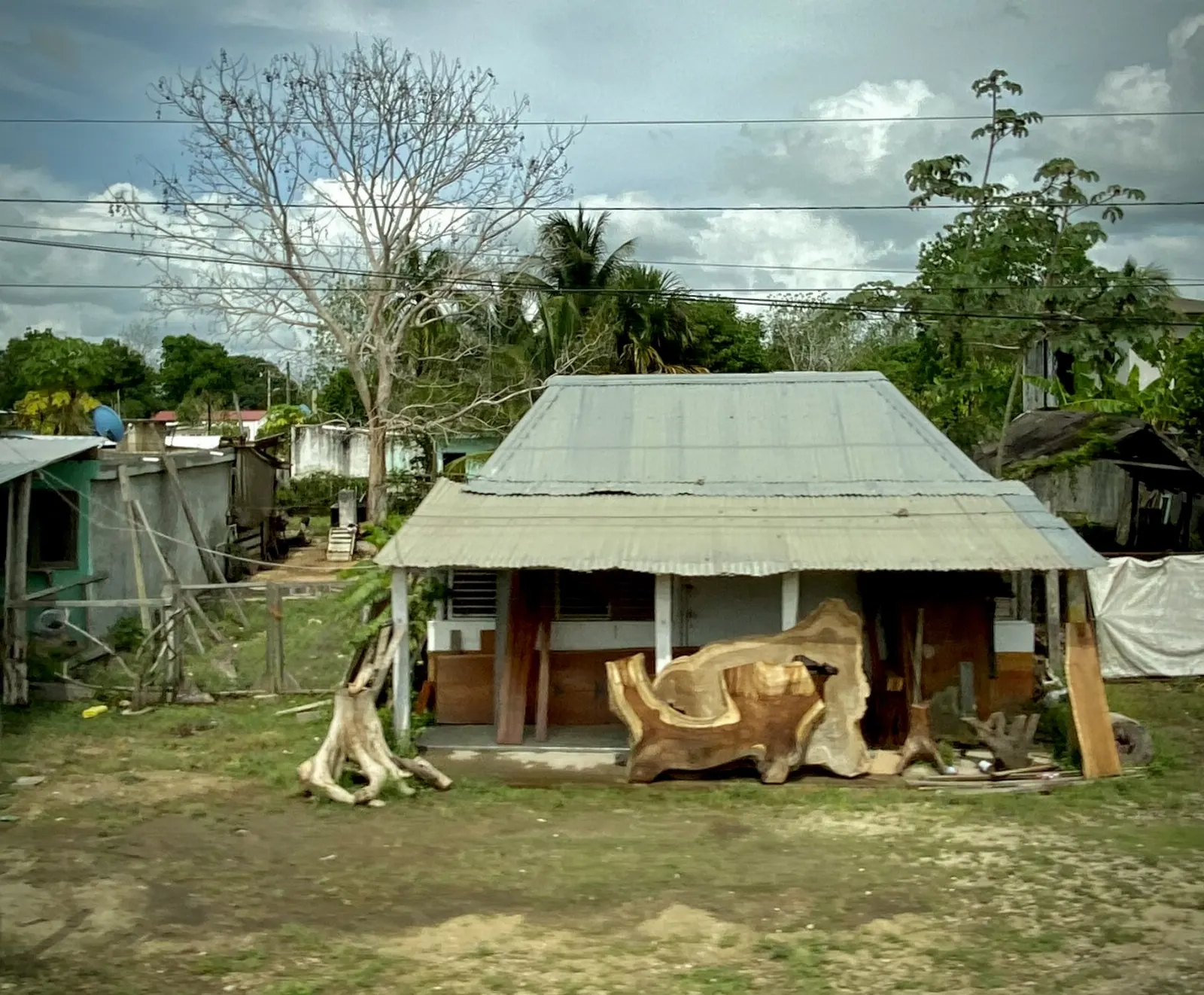
The two lakes
Early settlers built their homes in small clusters close to two lakes, Laguna del Ocho and Laguna de Chacchoben. Knowing this helps you understand why the Maya chose the place.
Nearby places to add on
Limones
The village nearest the ruins sits along Federal Highway 307 and has places to eat and a transport connection. A casual seafood restaurant called La Palapa is a good lunch stop.
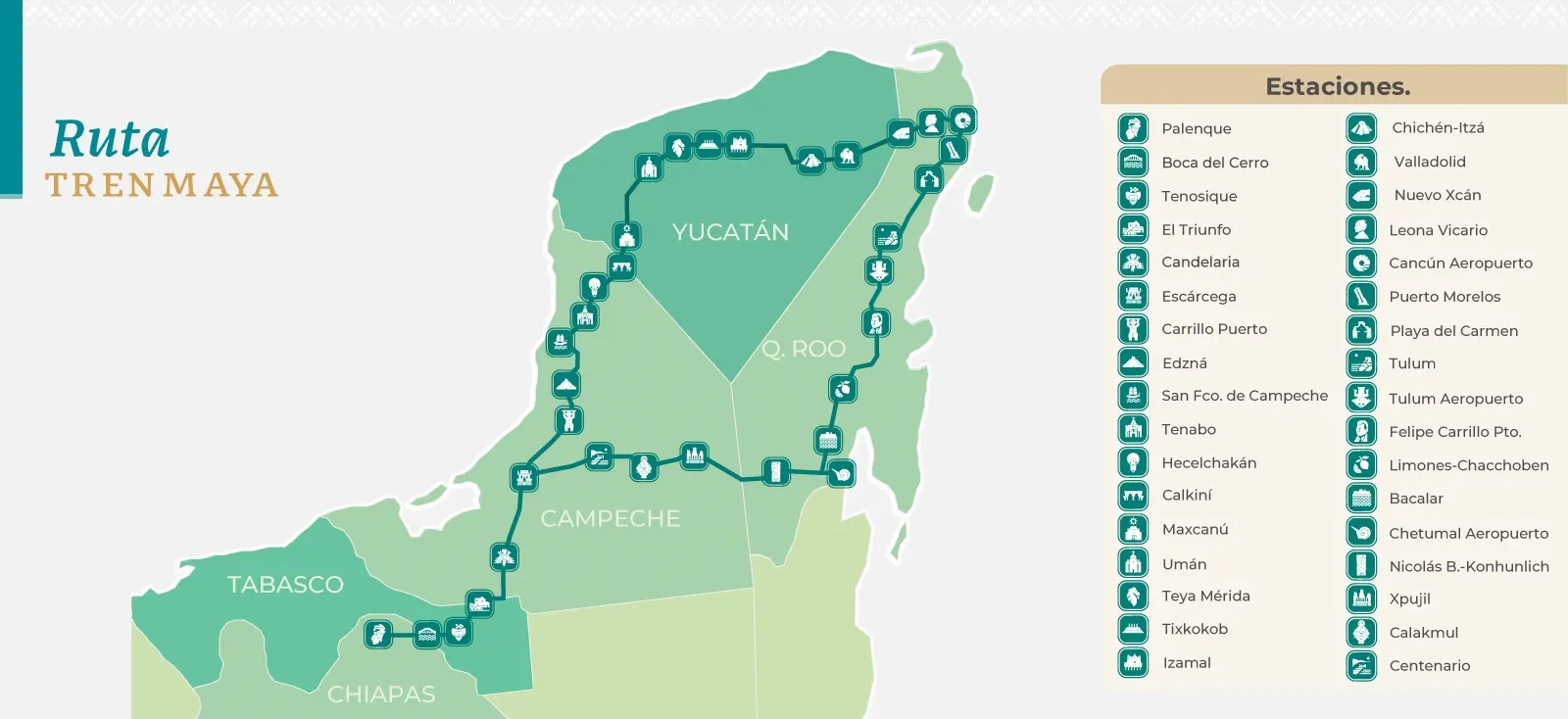
Tren Maya Limones-Chacchoben station
The modern train station links the ruins with Cancun, Playa del Carmen, Tulum and other cities on the peninsula. Taxis and shuttles wait at the station for the short ride to the ruins.
Bacalar
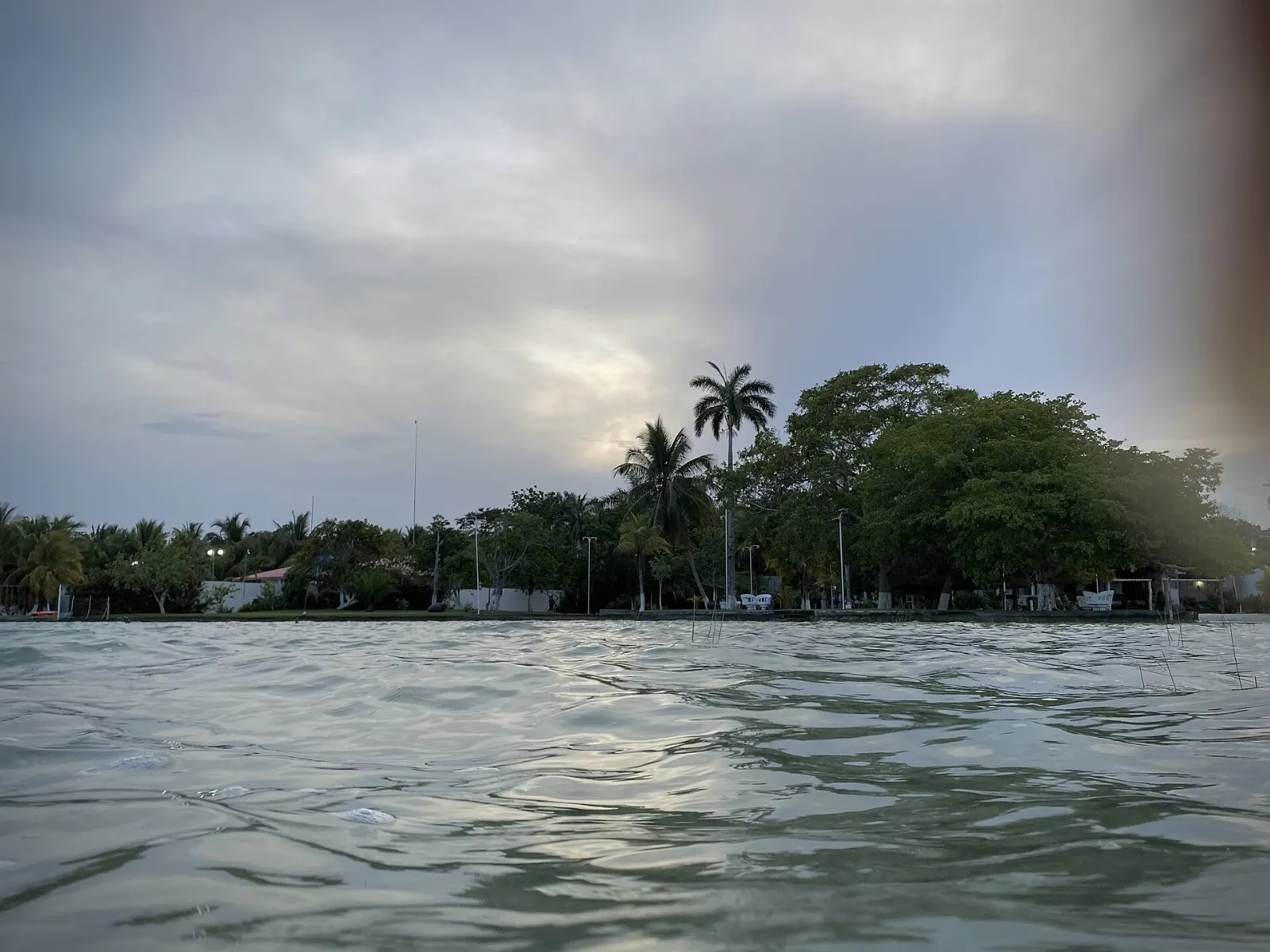
A few miles south, Bacalar sits on a lagoon with hotels, hostels and small restaurants lining the shore. Its name is thought to come from a Mayan phrase meaning surrounded by reeds.
Kohunlich
This large Maya site lies about 65 kilometres west of Chetumal and covers around 21 acres, with almost 200 mounds. It was carefully planned, with raised platforms, plazas and a drainage system that fed a huge reservoir.

Mahahual
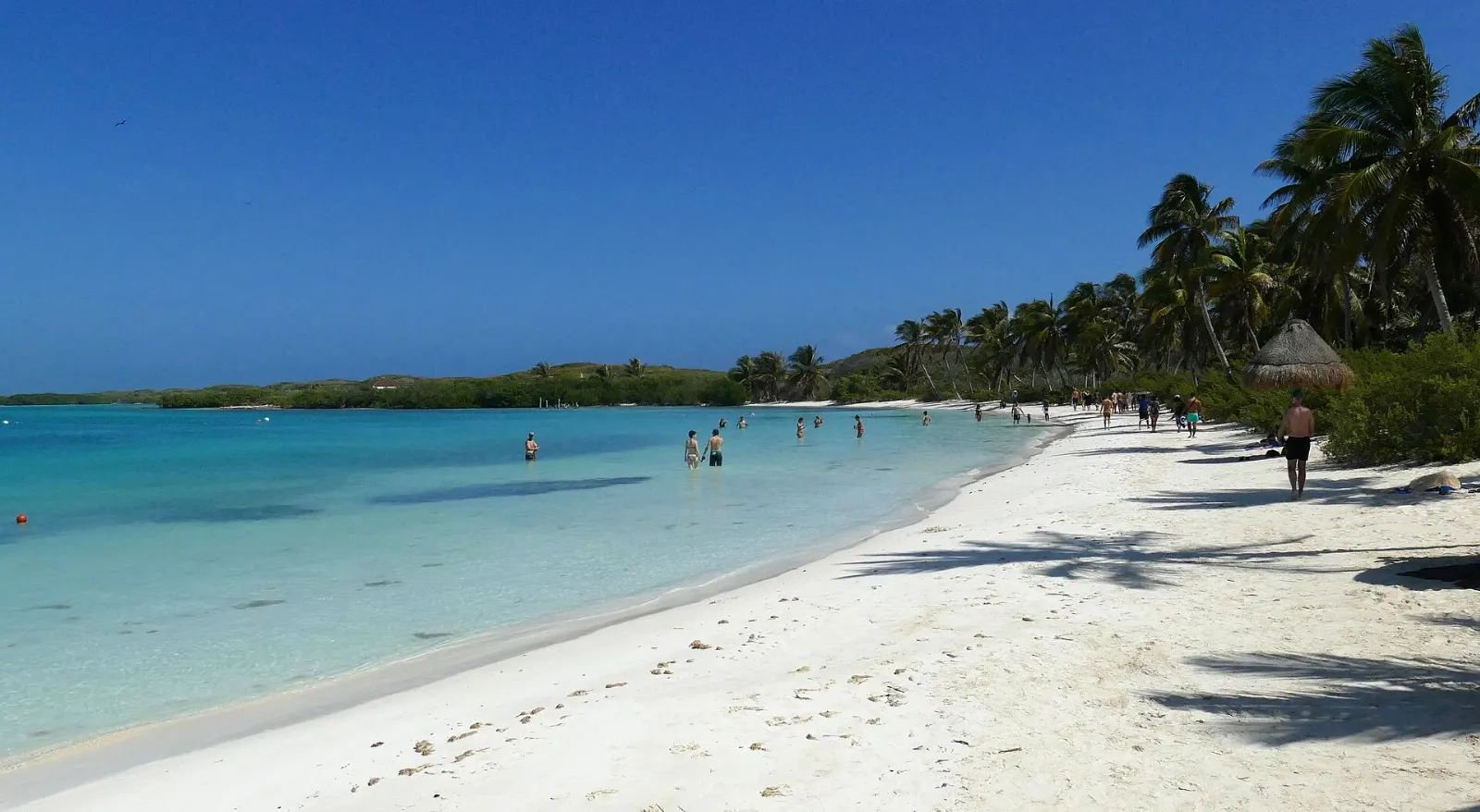
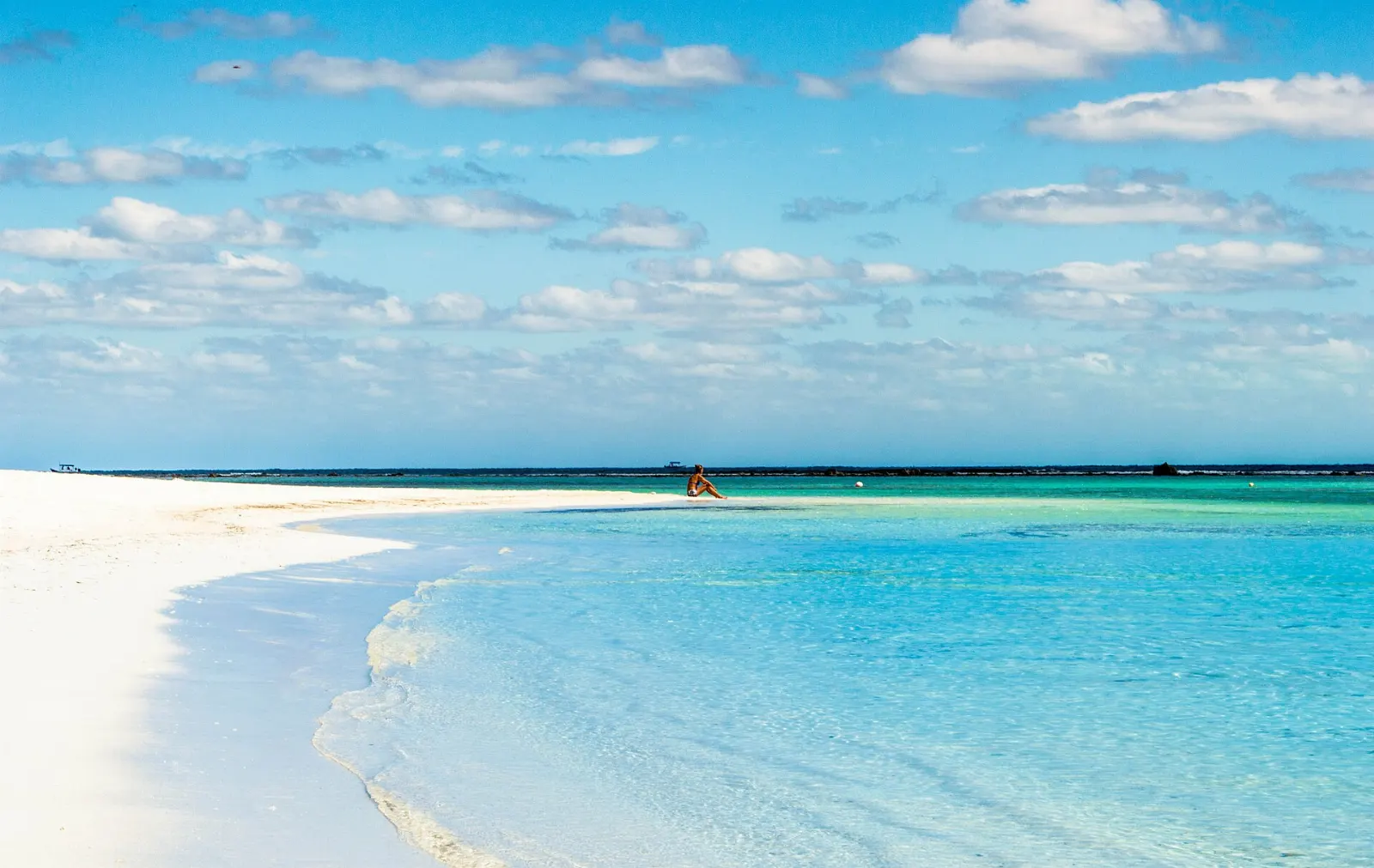
This Costa Maya village has soft sand beaches, thatched palapas and the barrier reef. It is also the port that sends many cruise passengers to Chacchoben.
 Planning a trip to Chacchoben?Compare hotels, flights and vacation rentals for Chacchoben on Expedia.Book now
Food and local flavors
Food in this part of Quintana Roo follows Yucatecan traditions. Look for cochinita pibil, a slow-roasted pork dish marinated in citrus and annatto and cooked in banana leaves, and for panuchos, fried tortillas stuffed with black beans and topped with turkey or chicken.
Sweet marquesitas, crisp crepes filled with cheese and spreads, are sold in squares and street stalls. A stand at the site sells fresh fruit and tamales, and Limones has a better choice of restaurants, including seafood.
Popular dishes to try in Chacchoben


Where to stay
There is no lodging near the ruins themselves, so choose a base in a nearby town.
Bacalar is the most popular, with lagoon-side hotels and hostels and easy road access.
Limones is the practical choice if you want to be close to the ruins and the train station, though it offers fewer services.
Mahahual works for beach lovers who want restaurants, a seafront and the reef nearby.
Chetumal is the largest of the four, with an airport, buses and the most services.
Where to stay in Chacchoben


Best time to visit
It is always hot and humid in the Yucatan jungle, so the cooler, drier months from roughly December to April are the most comfortable for walking the trails.
The Atlantic hurricane season runs through the second half of the year, so keep plans flexible and check forecasts for that period. The site is open daily during the day, but opening hours and fees can change, so check the INAH website before you go.
Getting there and getting around
The nearest airport is Chetumal International Airport, and the nearest large airport is Tulum International Airport. From Tulum, Mayab buses run to Limones, about four miles from the ruins, and a taxi covers the last ten minutes.
The Tren Maya stops at Limones-Chacchoben, with onward taxis and shuttle buses to the ruins. Driving is simple along Federal Highway 307, and a rental car gives you the freedom to combine Chacchoben with Bacalar or Kohunlich.
A suggested itinerary
First day
Arrive early at the ruins and walk the three groups slowly.
Second day
Visit Kohunlich in the morning, then relax in Bacalar or travel to Mahahual for a swim and a seafood dinner.
If you have more time
Add a day at the beach in Mahahual, or continue to Coba or the Sian Ka'an Biosphere Reserve.
Practical tips
- Check your government's current travel advisory before you go.
- Arrive early to enjoy the ruins before cruise groups and the heat.
- Wear sturdy closed shoes and bring insect repellent, sun protection and water.
- Stay on the marked paths to protect the structures and unexcavated mounds.
- Carry some cash for the site and for small food stands.