Honolulu is a real city of nearly a million people in its metro area, with rush hour traffic, office towers and busy shopping streets.
AT A GLANCE
Best time
April to early June and September to October for warm, drier days and lighter crowds.
How long
Four to five days for the city highlights, a week if you also explore the rest of Oahu.
Getting there
Fly into Daniel K. Inouye International Airport, about a twenty to forty minute drive from Waikiki.
Why visit Honolulu
The name Honolulu means sheltered bay, and its natural harbor turned a small village into the center of the Hawaiian Kingdom after Kamehameha III moved the capital here from Lahaina in 1845. Walk downtown and you can trace that story through palace grounds, mission houses, the State Capitol and the harbor front.
The natural setting is just as strong. Honolulu sits on the sunny leeward side of Oahu, so Waikiki and downtown are usually dry and bright while the green ridges behind the city catch passing showers and rainbows.
Waikiki and Diamond Head
Waikiki Beach
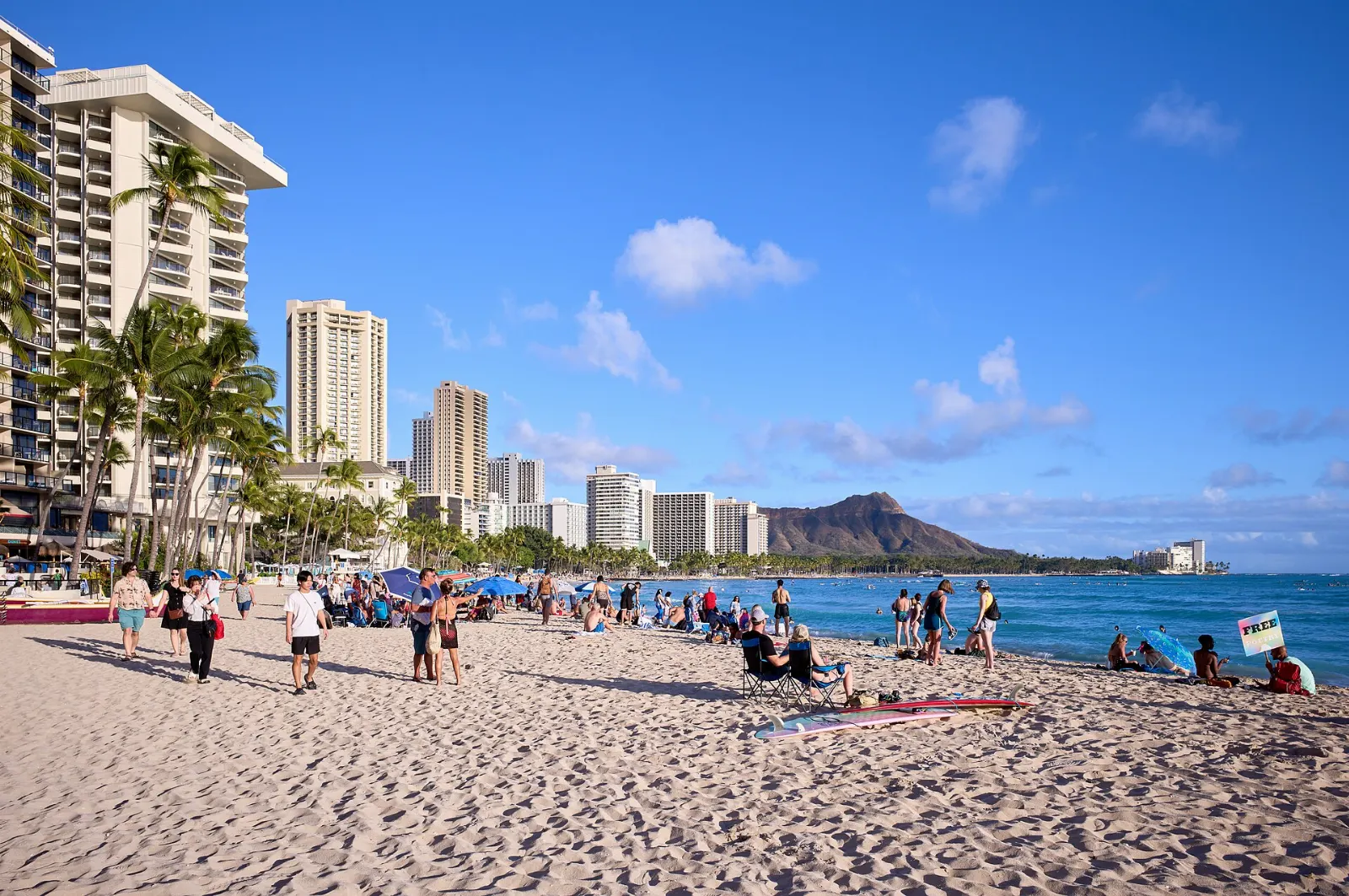
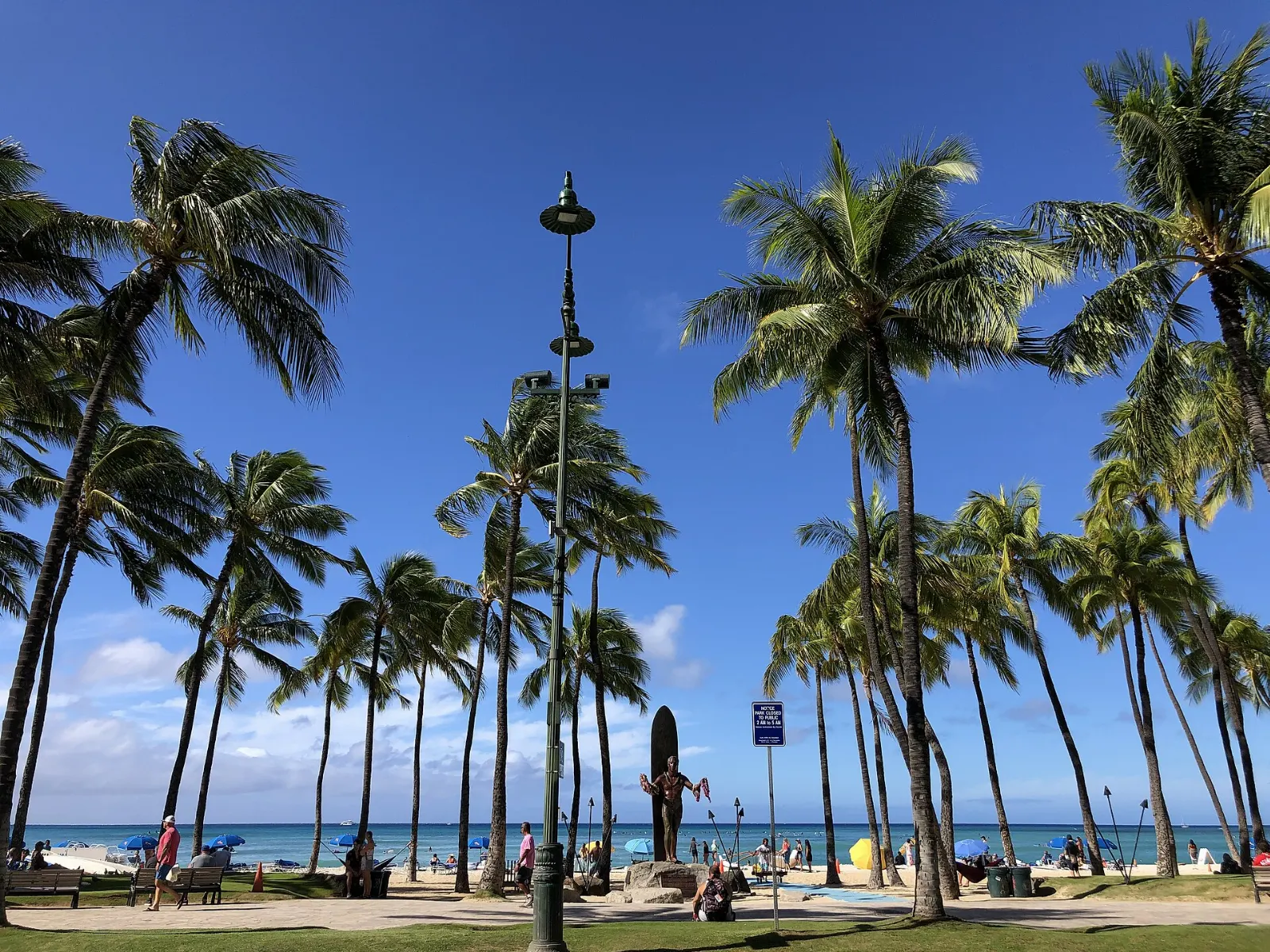
Waikiki is a string of connected beaches running about two miles along the south shore, backed by Kalakaua Avenue and a wall of hotels. The water is generally gentle near shore, which makes it one of the best places in Hawaii to take a first surf lesson on long, rolling waves.
Diamond Head State Monument
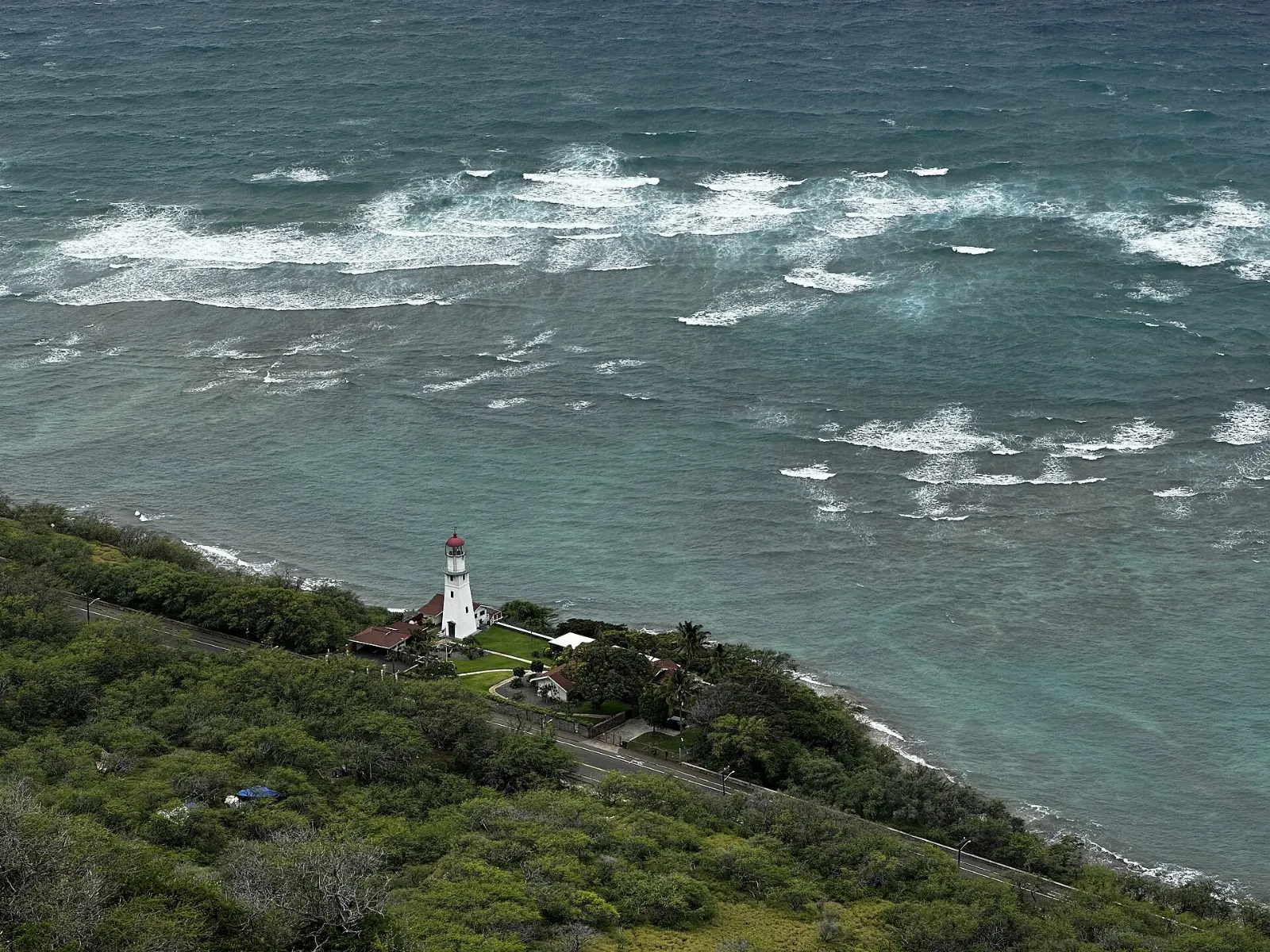
Diamond Head, known in Hawaiian as Leahi, is the volcanic tuff cone that frames every Waikiki view. A trail built in 1908 as part of the Army coastal defense system climbs about 560 feet from the crater floor to the summit in roughly 0.8 miles, using switchbacks, staircases and a short tunnel before ending at concrete bunkers with a wide view over Waikiki and the coastline.
Kapiolani Park and the Waikiki Aquarium
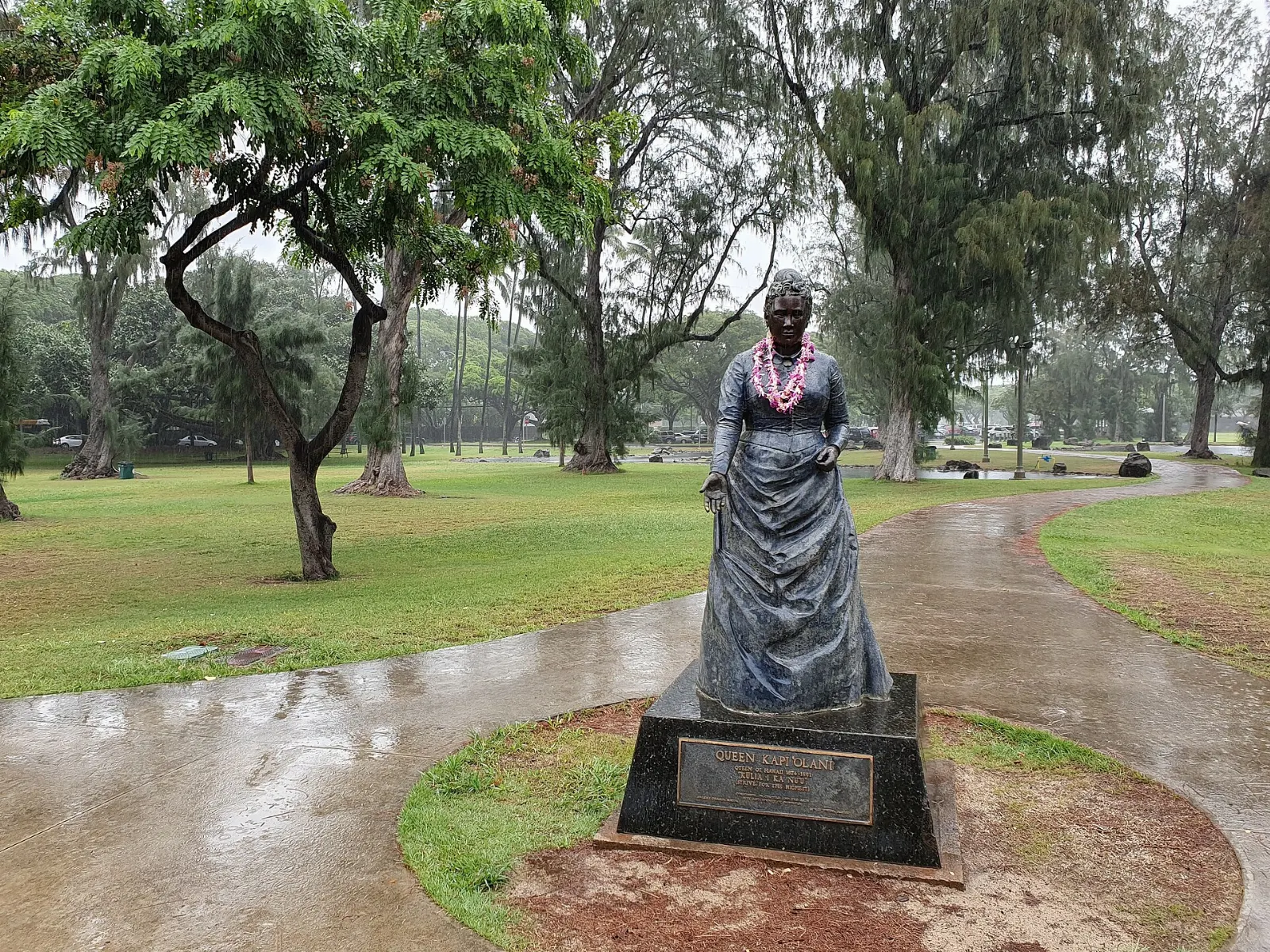
At the Diamond Head end of Waikiki, Kapiolani Park offers shady banyan trees, open lawns, a bandstand and weekend crowds of local families. The Waikiki Aquarium, one of the oldest public aquariums in the United States, sits on its ocean side and focuses on Hawaiian and Pacific marine life, while the Honolulu Zoo borders the park on the Waikiki side.
Pearl Harbor, downtown and the museums
Pearl Harbor National Memorial
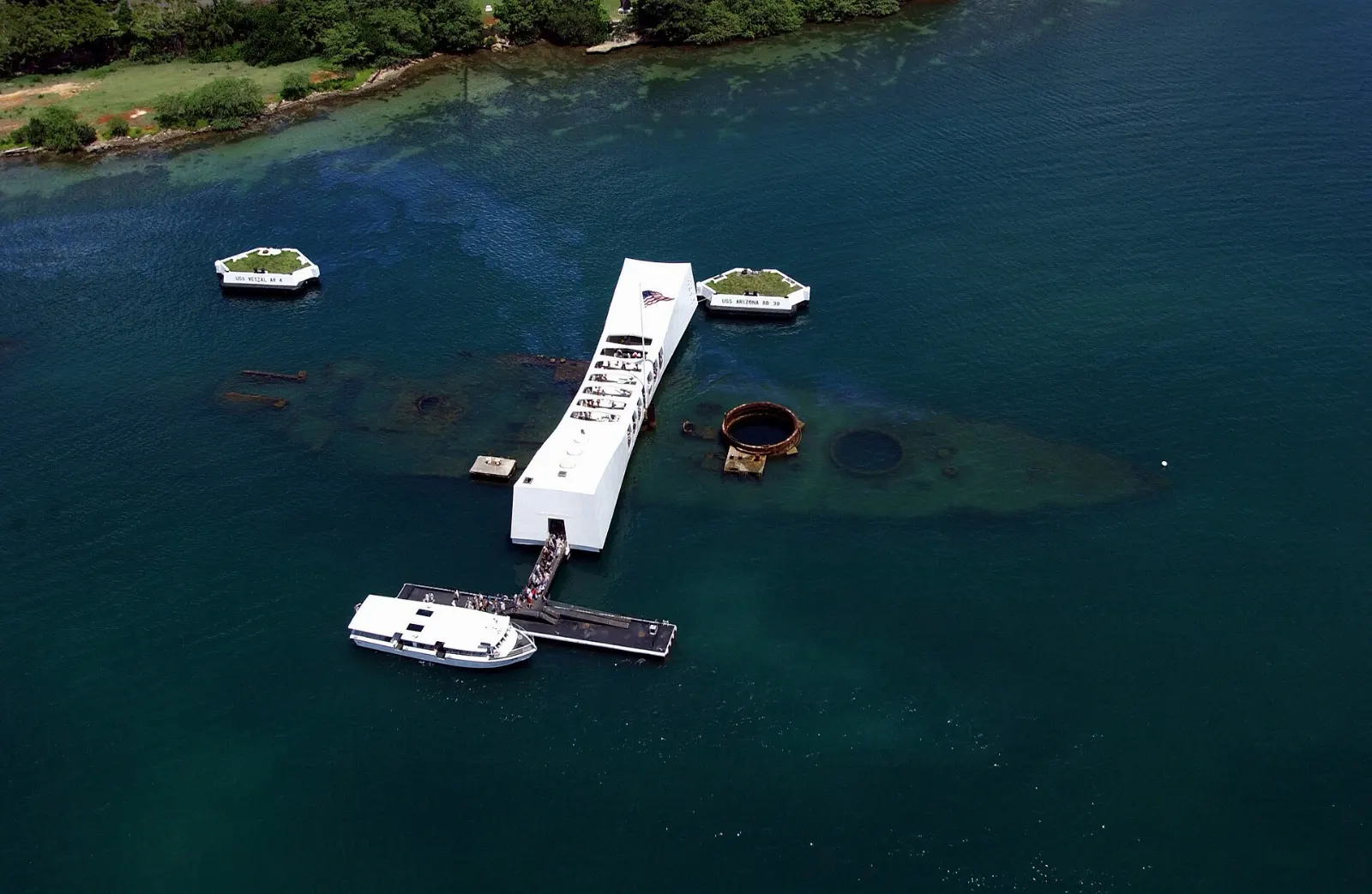
Pearl Harbor National Memorial commemorates the attack that killed more than 2,400 Americans and drew the United States into the Second World War. The free visitor center has two museum galleries, and a boat program carries visitors out to the USS Arizona Memorial, which spans the sunken battleship where many sailors remain entombed.
Iolani Palace and the capitol district
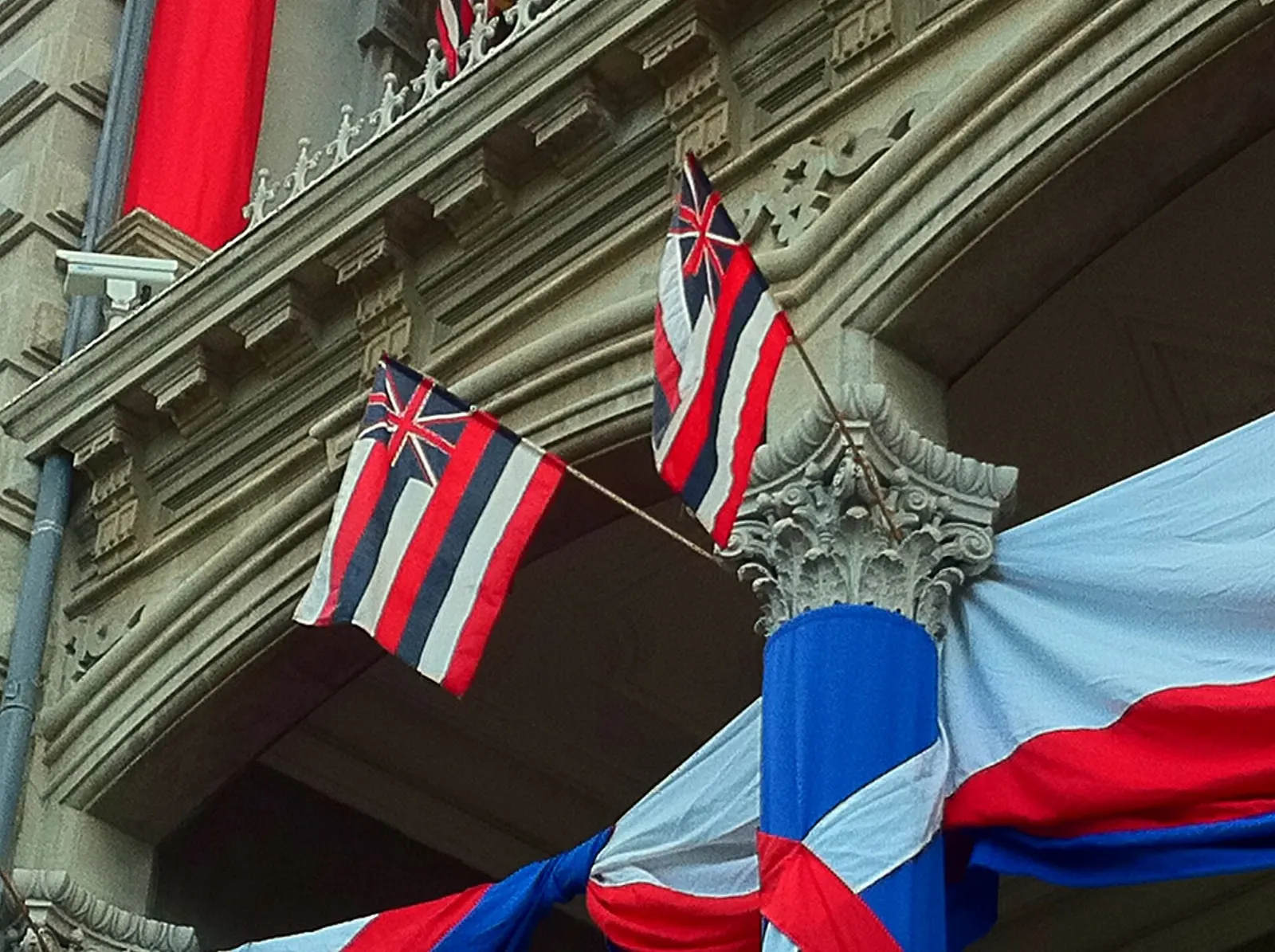
Completed in 1882 for King Kalakaua, Iolani Palace was the official residence of Hawaii's monarchs until the overthrow of Queen Liliuokalani in 1893, and it later served as the capitol for decades before opening as a museum in 1978.
Chinatown
Just west of downtown, Honolulu's Chinatown is one of the oldest in the United States, with low historic buildings, lei stands, herbal shops and open air markets selling tropical fruit, fish and noodles. In the evening, the same blocks fill with galleries, bars and some of the city's most creative restaurants.
Bishop Museum
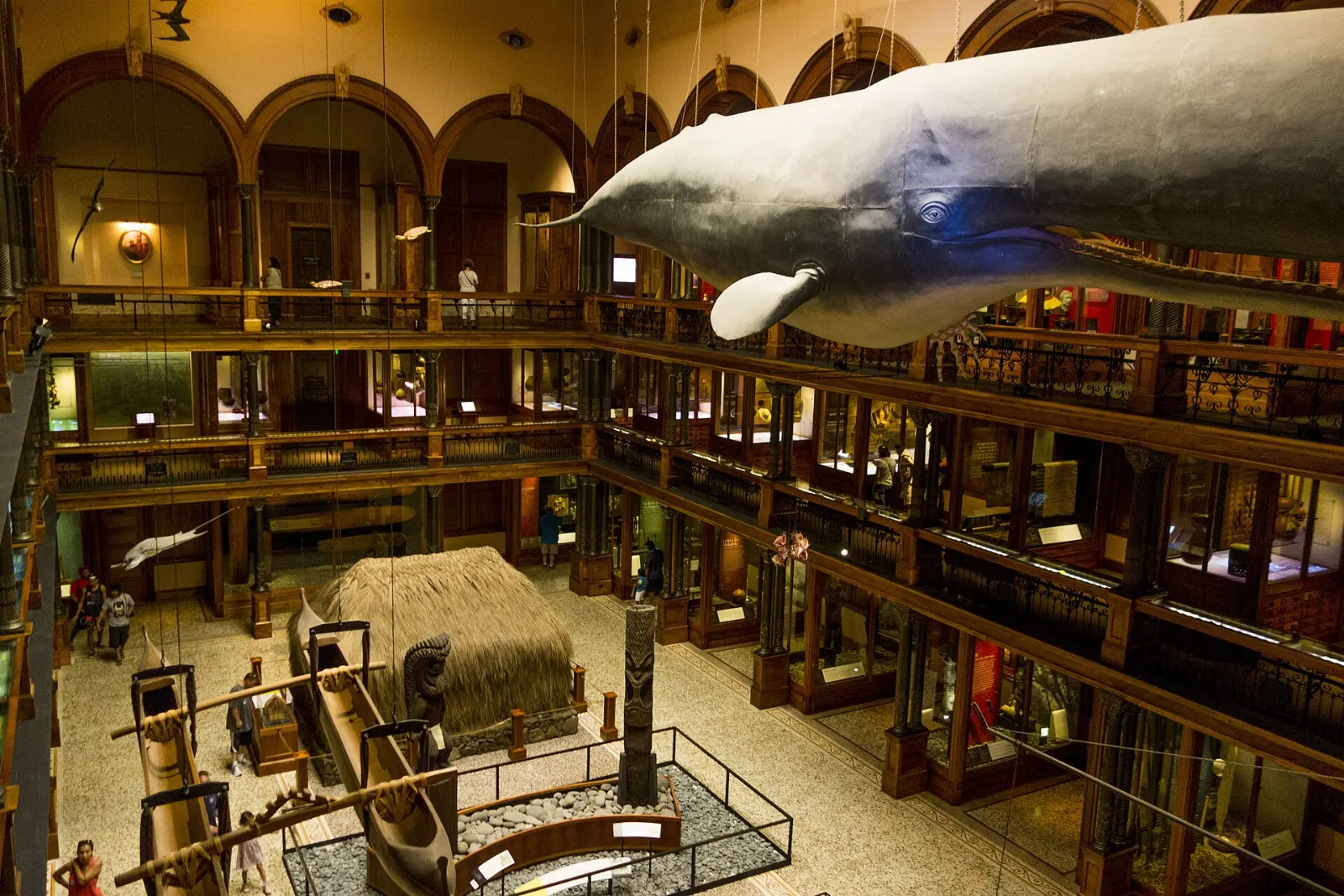
Founded in 1889 in memory of Princess Bernice Pauahi Bishop, Bishop Museum holds the world's largest collection of Hawaiian and Pacific cultural objects. The three story Hawaiian Hall traces Hawaiian beliefs, daily life and royal history, with feather capes and carvings displayed beneath a sperm whale skeleton, while the science center and planetarium cover volcanoes and Polynesian wayfinding.
On WiserMap
Local businesses in Honolulu

SOHO Computer Repair
SOHO Computer Repair is a computer repair business serving Honolulu, HI. SOHO Computer Repair provides laptop, desktop, PC, Mac, and Surface Pro repair services...
Fu Long Construction
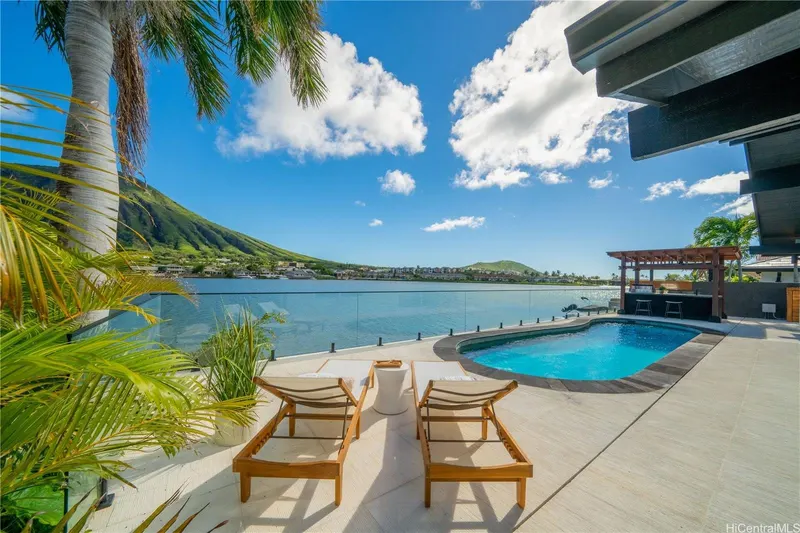
Fu Long Construction is a general contracting business serving Oahu, Hawaii. Fu Long Construction provides remodels, additions, and new construction services.
Sky Auto Repair
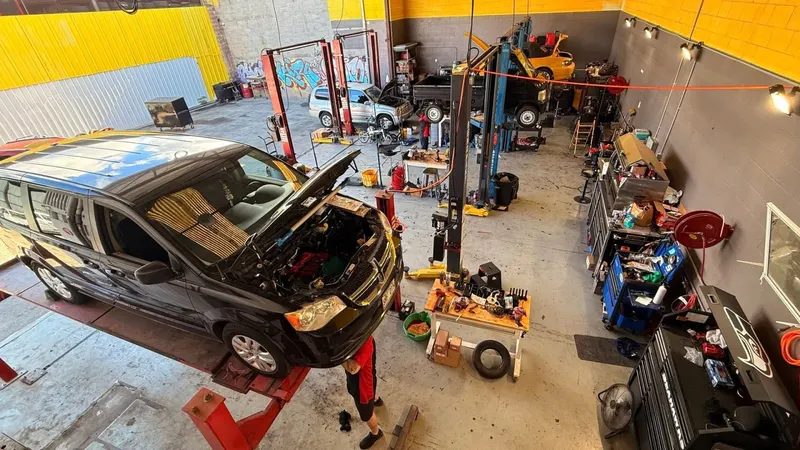
Sky Auto Repair is a full-service auto repair business serving Honolulu, HI. Sky Auto Repair provides comprehensive maintenance and repair services for most mak...
Valleys, reefs and the eastern shore
Hanauma Bay Nature Preserve
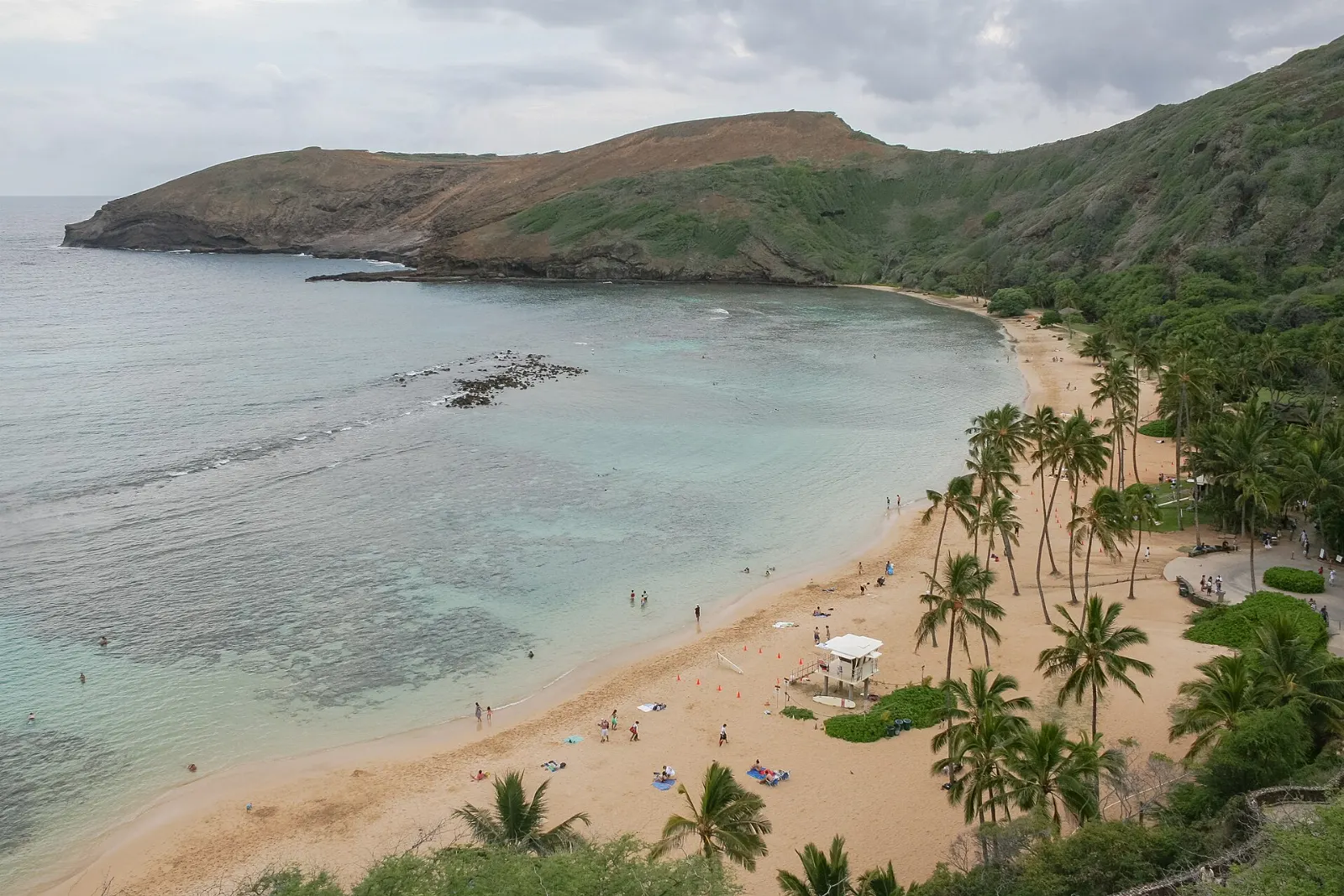
Hanauma Bay, on the eastern edge of the city, is a curved bay inside an old volcanic crater, protected as Hawaii's first marine life conservation district. The shallow reef shelters parrotfish, surgeonfish and green sea turtles, making it the best known snorkeling site on Oahu. Plan on three to four hours.
Manoa Falls Trail
Only a few miles from Waikiki, the Manoa Valley feels like a different world, with bamboo groves, giant banyans and dripping rainforest. The Manoa Falls Trail climbs gently for less than a mile to a tall, thin waterfall that spills down a mossy cliff. Allow about two hours including the drive.
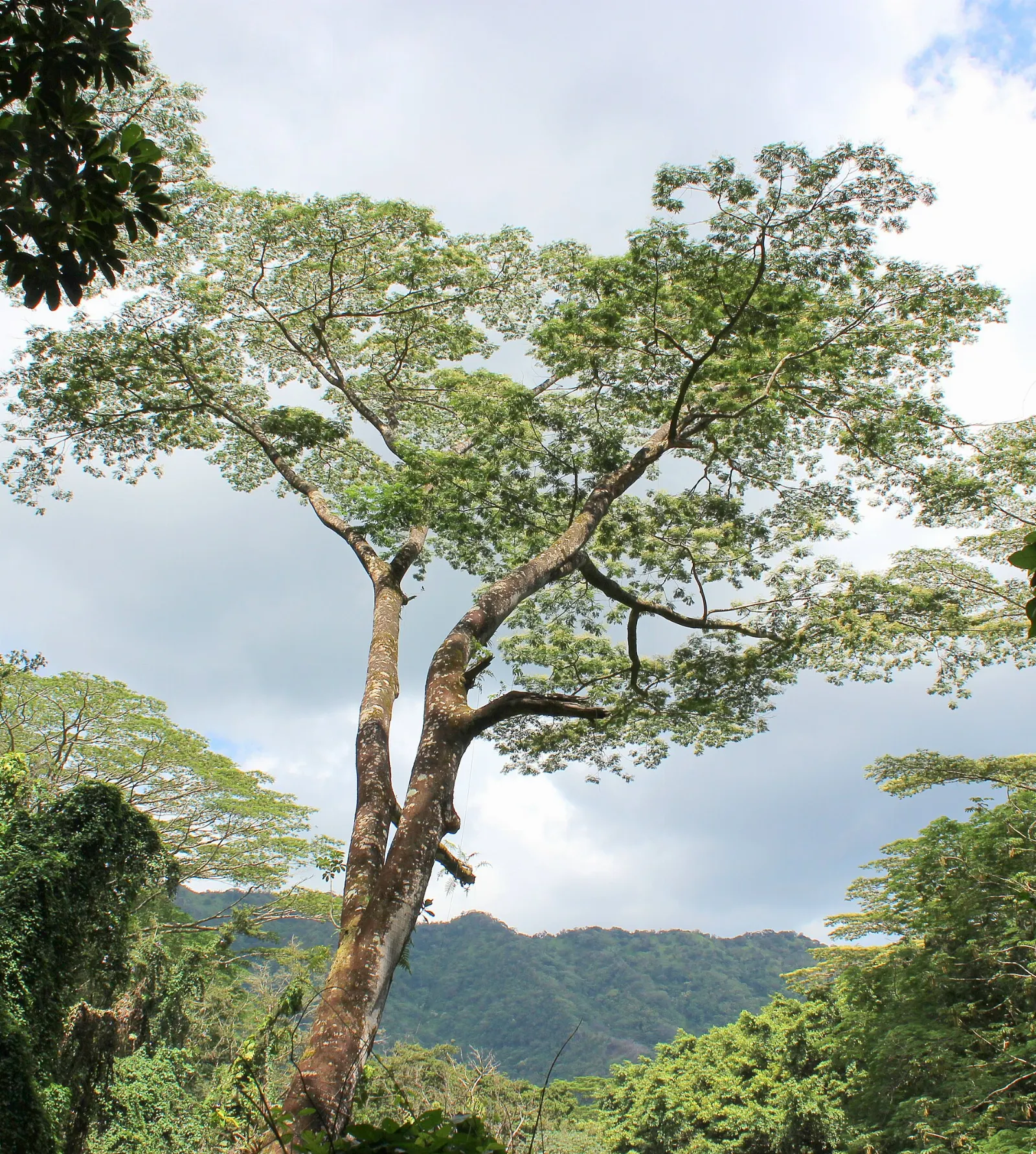
Makapuu Point Lighthouse Trail and the scenic coast
The drive east along the Kalanianaole Highway passes Halona Blowhole and Sandy Beach before reaching Makapuu Point. A paved trail of about two miles round trip climbs to viewpoints above the red roofed lighthouse, with views of Rabbit Island and, in winter, humpback whales offshore. Allow two hours.
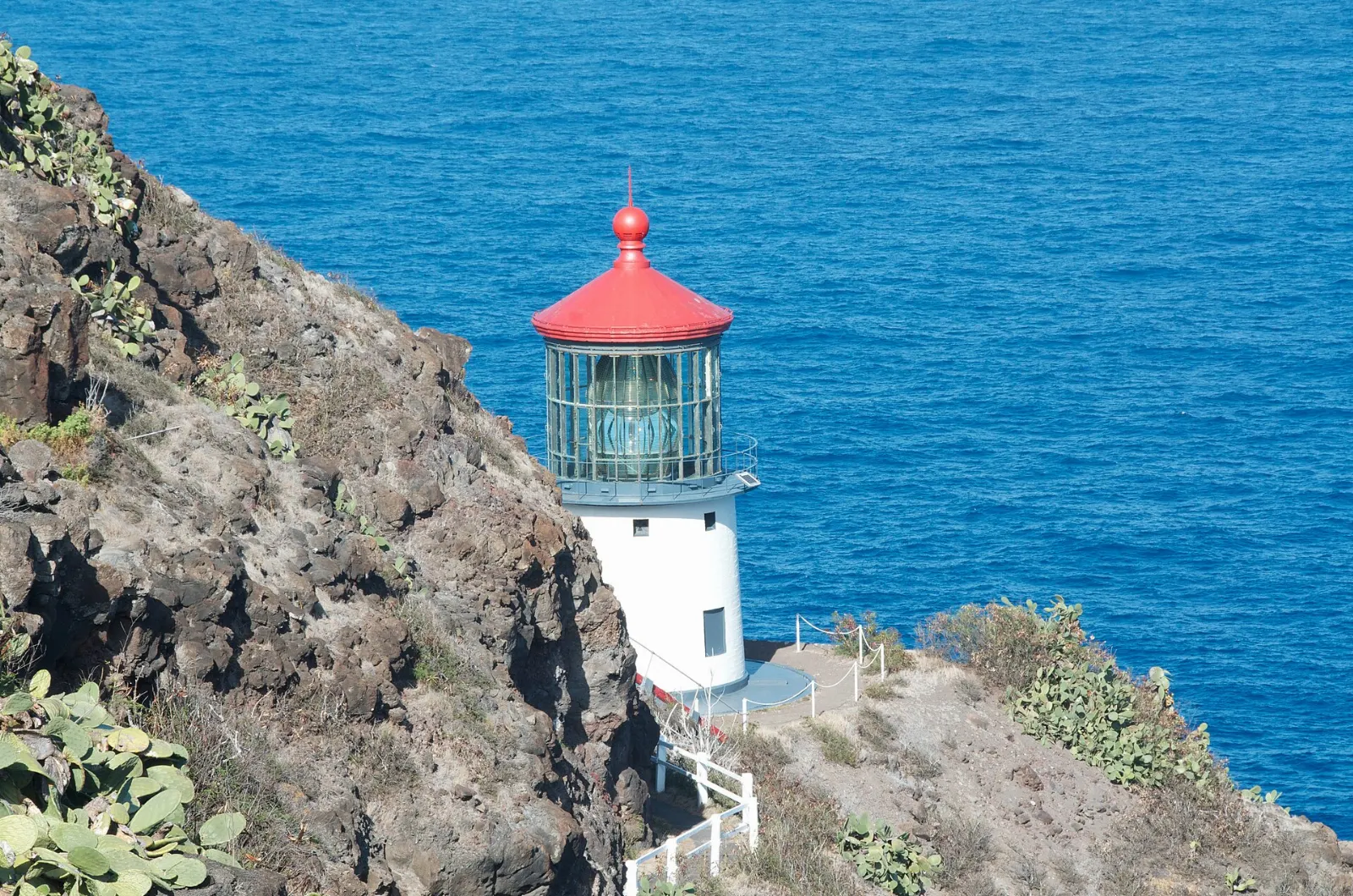
Nuuanu Pali Lookout
Above the city on the Pali Highway, this lookout sits at the top of sheer green cliffs facing the windward coast. It is also a historic site, linked to the battle of 1795 in which Kamehameha I's forces won control of Oahu. Twenty to thirty minutes is enough.
Food and local flavors
Eating well in Honolulu means looking beyond resort dining. The plate lunch is the everyday classic: rice, macaroni salad and a main such as kalua pork, teriyaki beef, garlic shrimp or chicken katsu.
Other local favorites reflect the island's immigrant history. Saimin is a noodle soup with Japanese and Chinese roots, loco moco stacks rice, a hamburger patty, fried egg and gravy, and Spam musubi is a convenience store staple.
Popular dishes to try in Honolulu


 Planning a trip to Honolulu?Compare hotels, flights and vacation rentals for Honolulu on Expedia.Book now
Where to stay
Waikiki is the obvious base for first timers. You can walk to the beach, restaurants and shops, and bus routes to the rest of the city start here. It suits couples, families and anyone without a car, though it is busy and parking is limited and costly.
Ala Moana and Kakaako sit between Waikiki and downtown, with newer condo towers, a large beach park, the Ala Moana shopping center and street art in Kakaako. This area suits travelers who want a more local feel and easier access to downtown.
Where to stay in Honolulu


Top rated
Trusted by locals in Honolulu
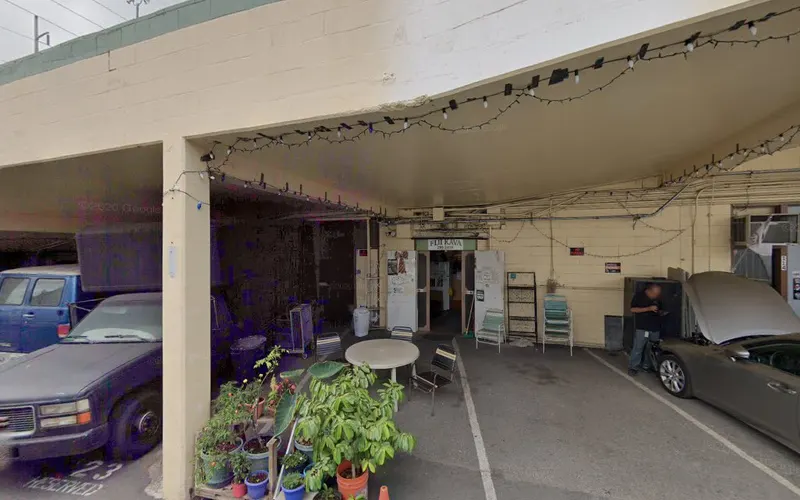
Joel Talbert Upholstery
Joel Talbert Upholstery is a family-owned upholstery business serving Honolulu County and surrounding areas, providing custom residential and commercial upholst...
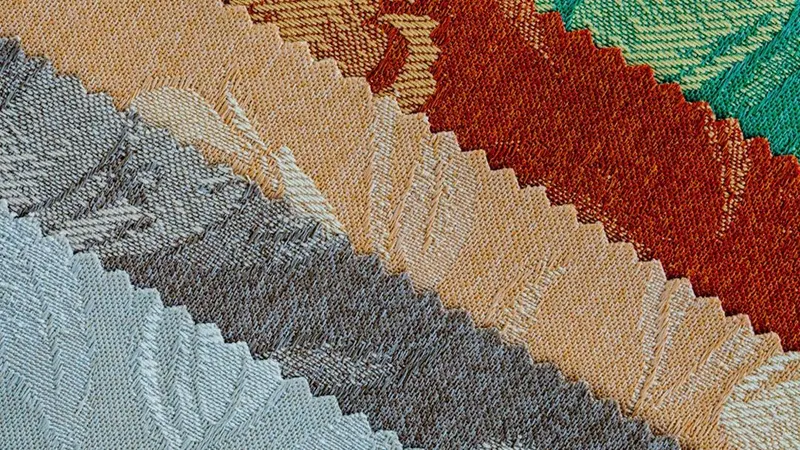
Affordable Chair Repair
Affordable Chair Repair is an upholstery business serving Honolulu, HI, providing residential and commercial upholstery services including custom cushions, pill...
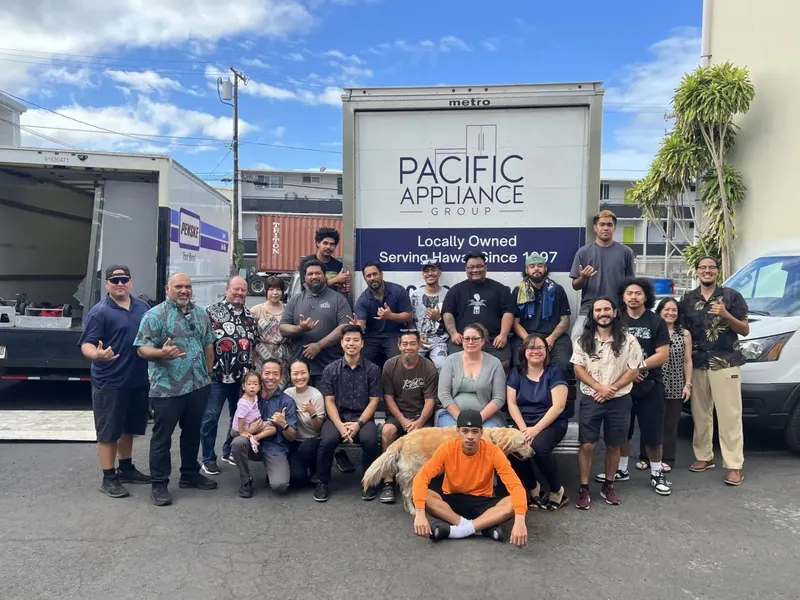
Pacific Appliance Group
Pacific Appliance Group is an appliance store serving Honolulu, HI, offering a wide range of home appliances including washers, dryers, refrigerators, ovens, an...
Best time to visit
Honolulu has warm weather all year, with daytime highs typically in the low to high eighties Fahrenheit and ocean temperatures that rarely drop below the mid seventies.
The busiest periods are mid December through March, when visitors escape colder climates, and June through August, when families travel. April to early June and September to October usually bring good weather, lower demand and easier reservations.
Getting there and getting around
Daniel K. Inouye International Airport is the main gateway to Hawaii, with nonstop flights from many mainland cities and Pacific Rim countries, plus frequent interisland flights.
Within the city, TheBus is inexpensive and covers almost every attraction in this guide, including Pearl Harbor, Bishop Museum and Hanauma Bay. Biki bike share stations are scattered through Waikiki and downtown.
A suggested itinerary
First day
Hike Diamond Head at your reserved early time, then cool off with a swim at Kaimana Beach or the Kuhio Beach pools.
Second day
Start early at Pearl Harbor National Memorial for your USS Arizona program, and add the Battleship Missouri if time allows.
Third day
Snorkel at Hanauma Bay in the morning, then drive the eastern coast past Halona Blowhole to the Makapuu Point Lighthouse Trail.
Fourth day
Hike to Manoa Falls in the morning, then spend the afternoon at Bishop Museum.
Before you go
More to discover in Honolulu
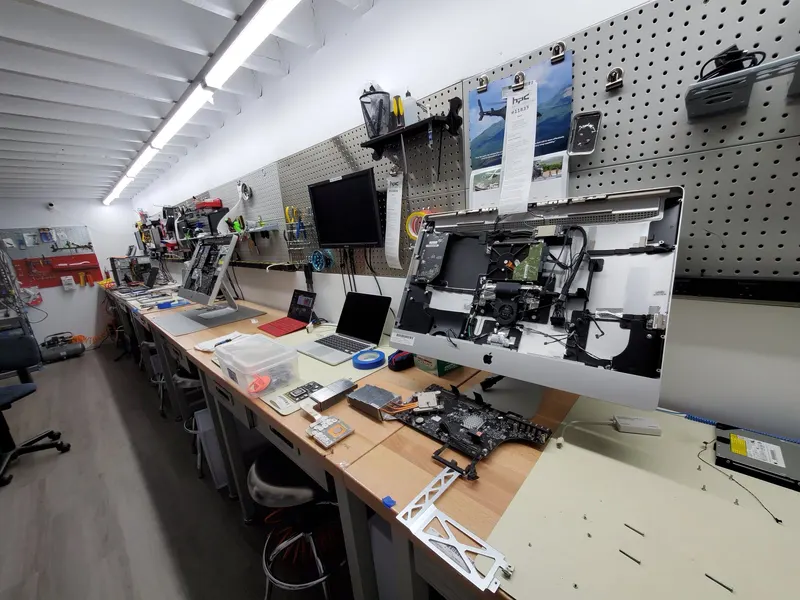
H Power Computing
H Power Computing is a computing services business serving its local area. H Power Computing provides computer repair and IT support services.

Midas Beretania
Midas Beretania is an auto repair business serving Honolulu, HI. Midas Beretania provides oil changes, brake services, tire services, and general auto care.
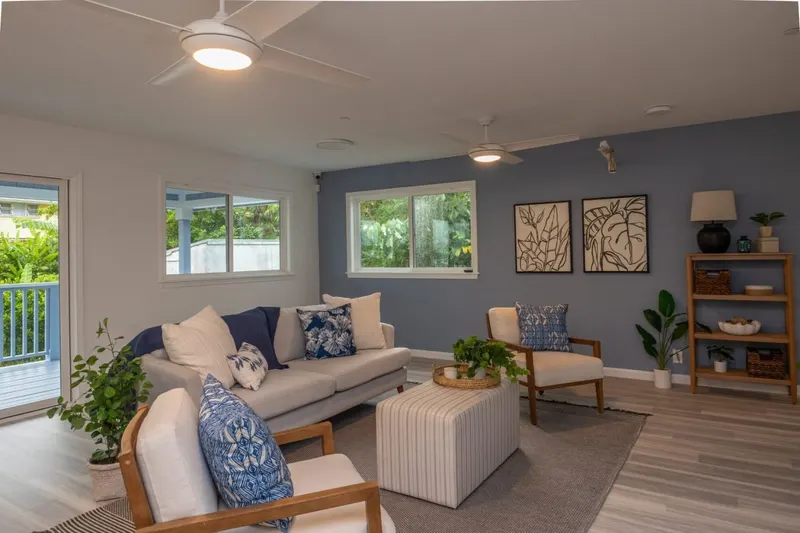
Atlas Construction Inc.
Atlas Construction Inc. is a general contractor serving Honolulu, HI. Atlas Construction Inc. provides new home construction, remodeling, home additions, and ki...
Practical tips
- Book timed reservations for Diamond Head, Hanauma Bay and the USS Arizona Memorial as soon as your dates are firm, since they fill up.
- Use mineral based, reef safe sunscreen and never touch coral, turtles or monk seals; stay at least ten feet from turtles and much farther from seals.
- Read beach warning signs and ask lifeguards about conditions, because currents and shorebreak change quickly.
- Do not leave valuables in parked cars at trailheads or lookouts, where break ins are common.
- Learn a few local terms: mauka means toward the mountains and makai toward the sea, and locals use them for directions.
- Remove your shoes when entering a home, and treat sacred sites, heiau and cemeteries with respect.
Find local businesses in Honolulu on WiserMap
Looking for a plate lunch spot, a surf school, a dive shop or a pharmacy near your hotel?