Tlaquepaque Mexico Pottery Streets Mariachi and Birria
Tlaquepaque, officially San Pedro Tlaquepaque, is the pottery and crafts town that Guadalajara grew around. Pedestrian streets, shaded gardens, galleries in old houses and mariachi music in the evenings make it one of the easiest and most colorful day trips in Jalisco.
By WiserMap TravelUpdated October 20267 places9 min read
Best timeNovember to April brings dry, mild days, while the rainy season runs from June to August.
How longOne full day covers the old town, and a second or third day adds Tonalá and Guadalajara.
Getting thereTake the light rail or a ride from Guadalajara, about thirty minutes by car from the center.
Ad
Why visit Tlaquepaque
Tlaquepaque has been swallowed by the spread of Guadalajara, yet its center still feels like a small colonial town.
It is a place for slow walking, long lunches and shopping with a purpose. Because the town sits only a few kilometers from the city center, you can base yourself here or visit on a day trip from Guadalajara.
The best places to visit in the old town
El Parián
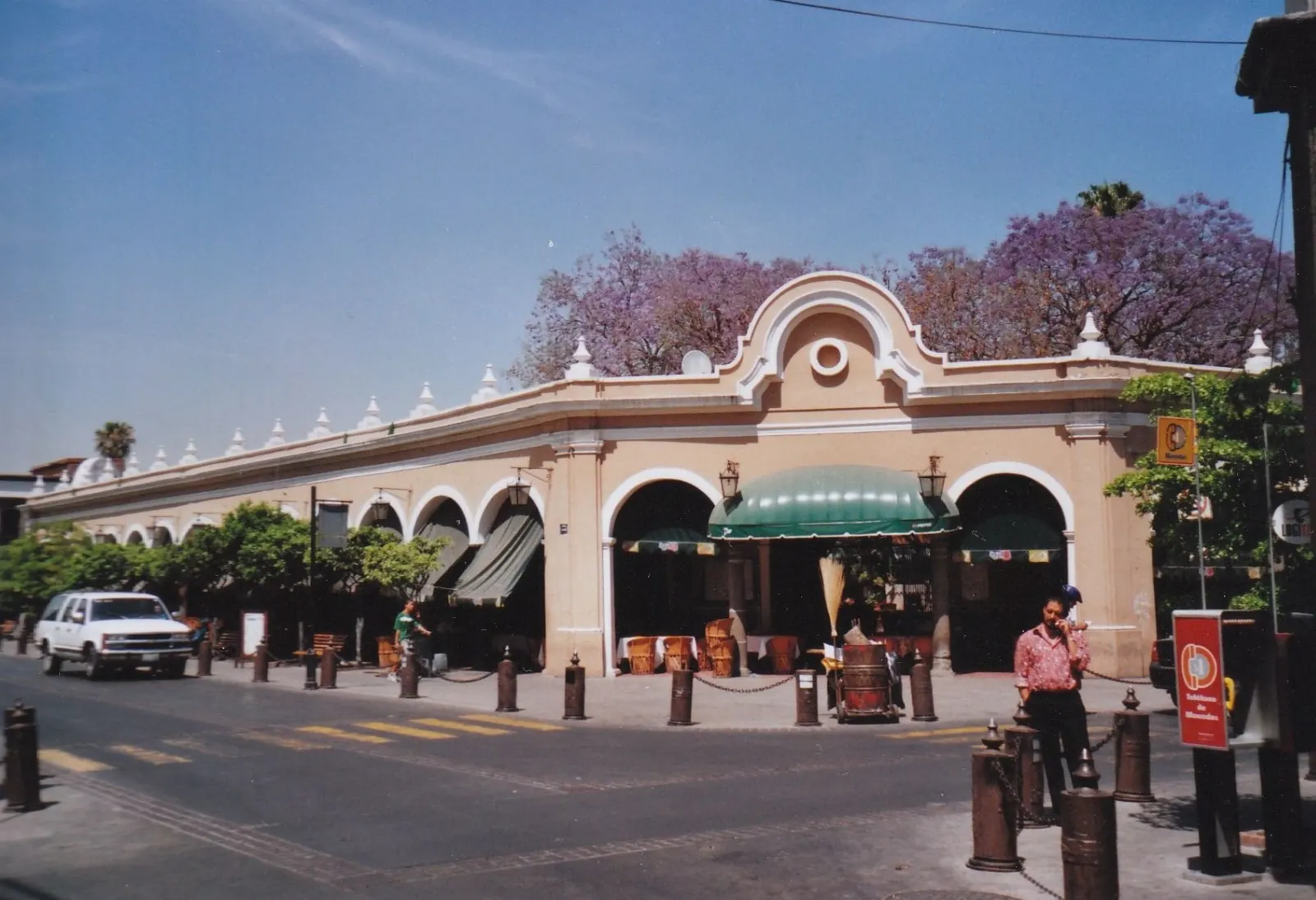
El Parián is a large arcaded complex of restaurants and bars beside the main square, long associated with mariachi bands and tables under the arches. Come for a late lunch and stay for the music.
El Parián is a historic arcaded complex of restaurants and bars beside the main square. Photo: Chivista, Wikimedia Commons, CC BY-SA 3.0
Jardín Hidalgo
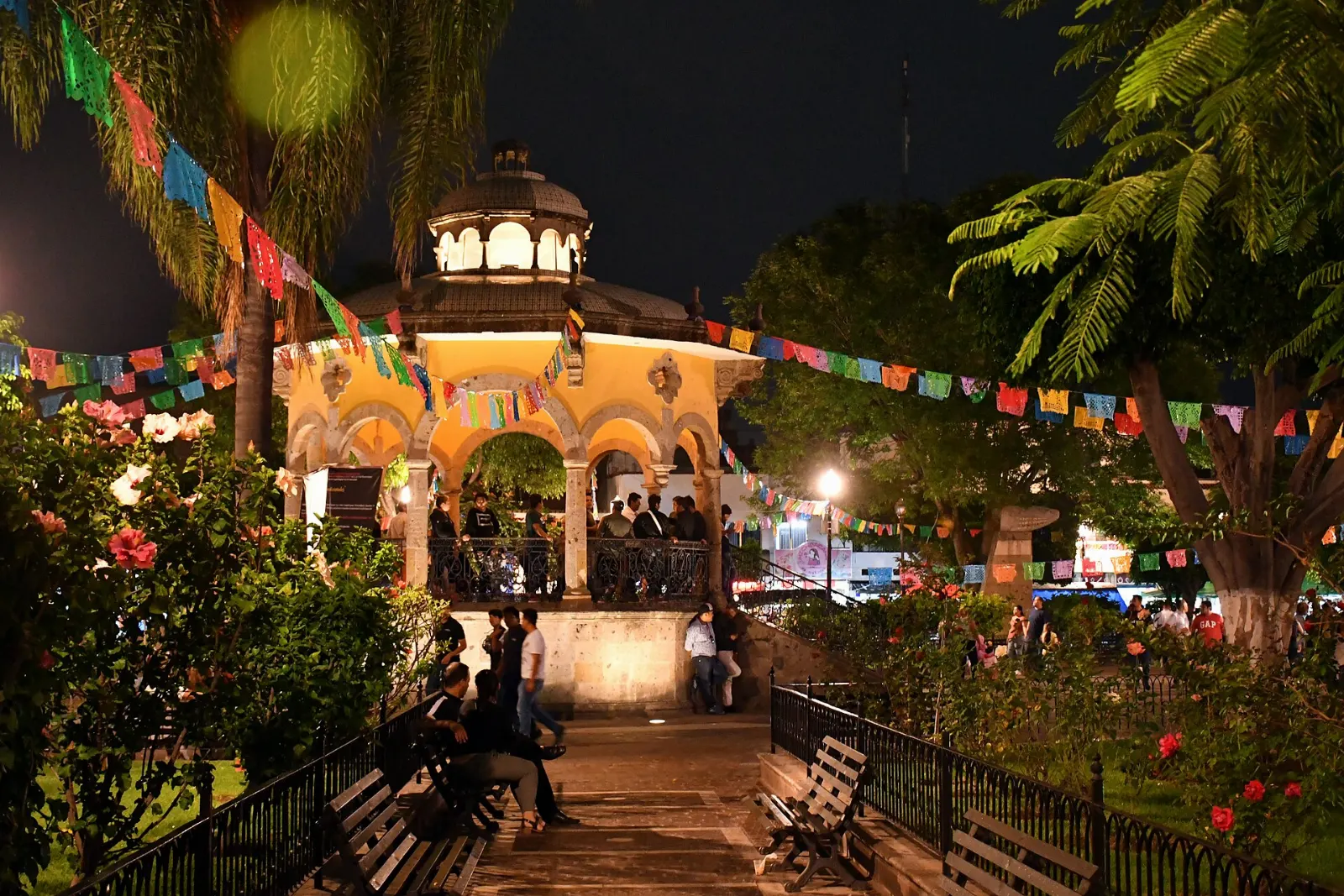
The garden square is the social heart of Tlaquepaque, with a bandstand, benches and shade trees. Vendors sell snacks and sweets around the edges, and families gather in the late afternoon.
Parroquia de San Pedro
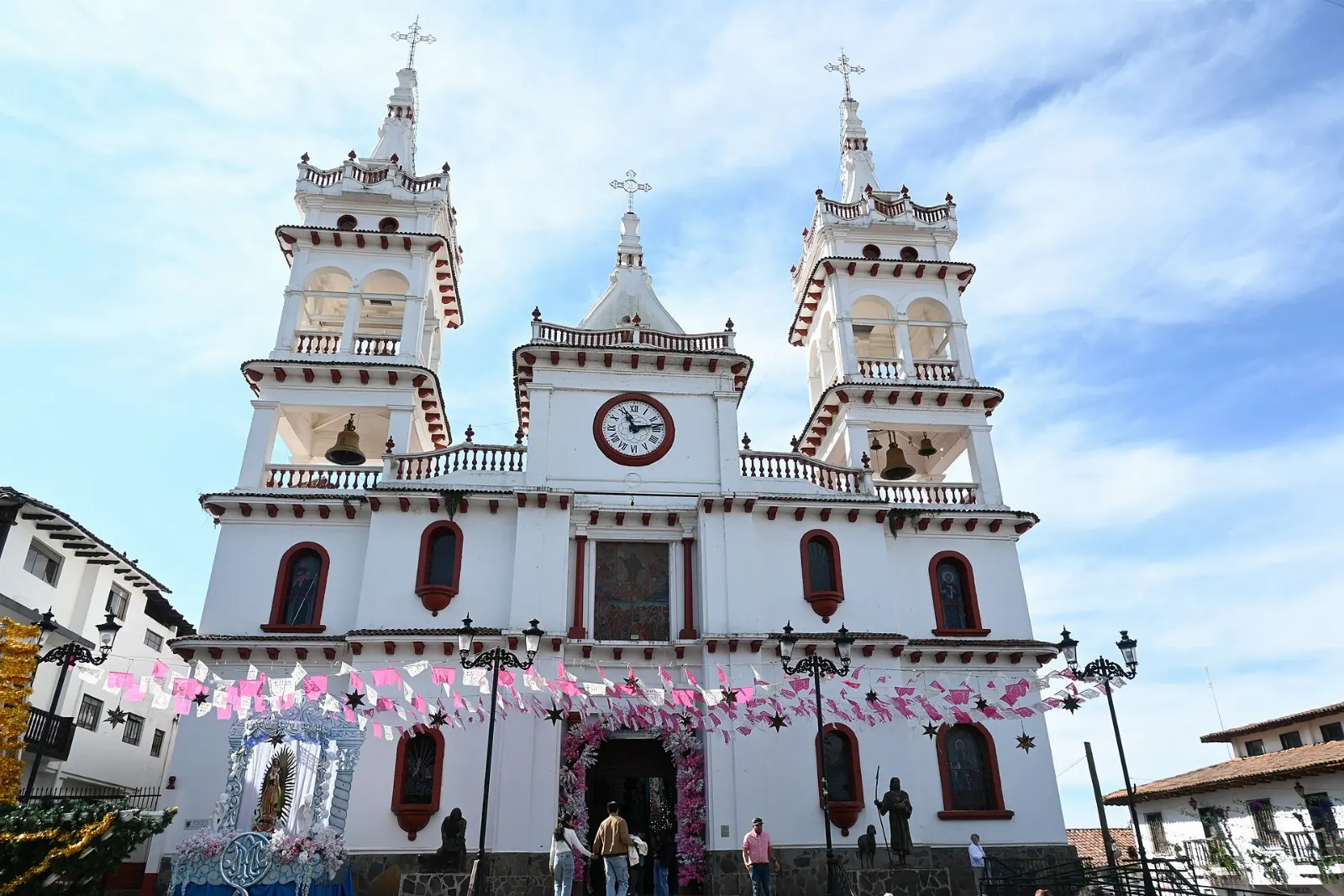
The parish church gives the town its full name, San Pedro Tlaquepaque. Step inside to see how the quiet interior contrasts with the busy streets outside.
Calle Independencia
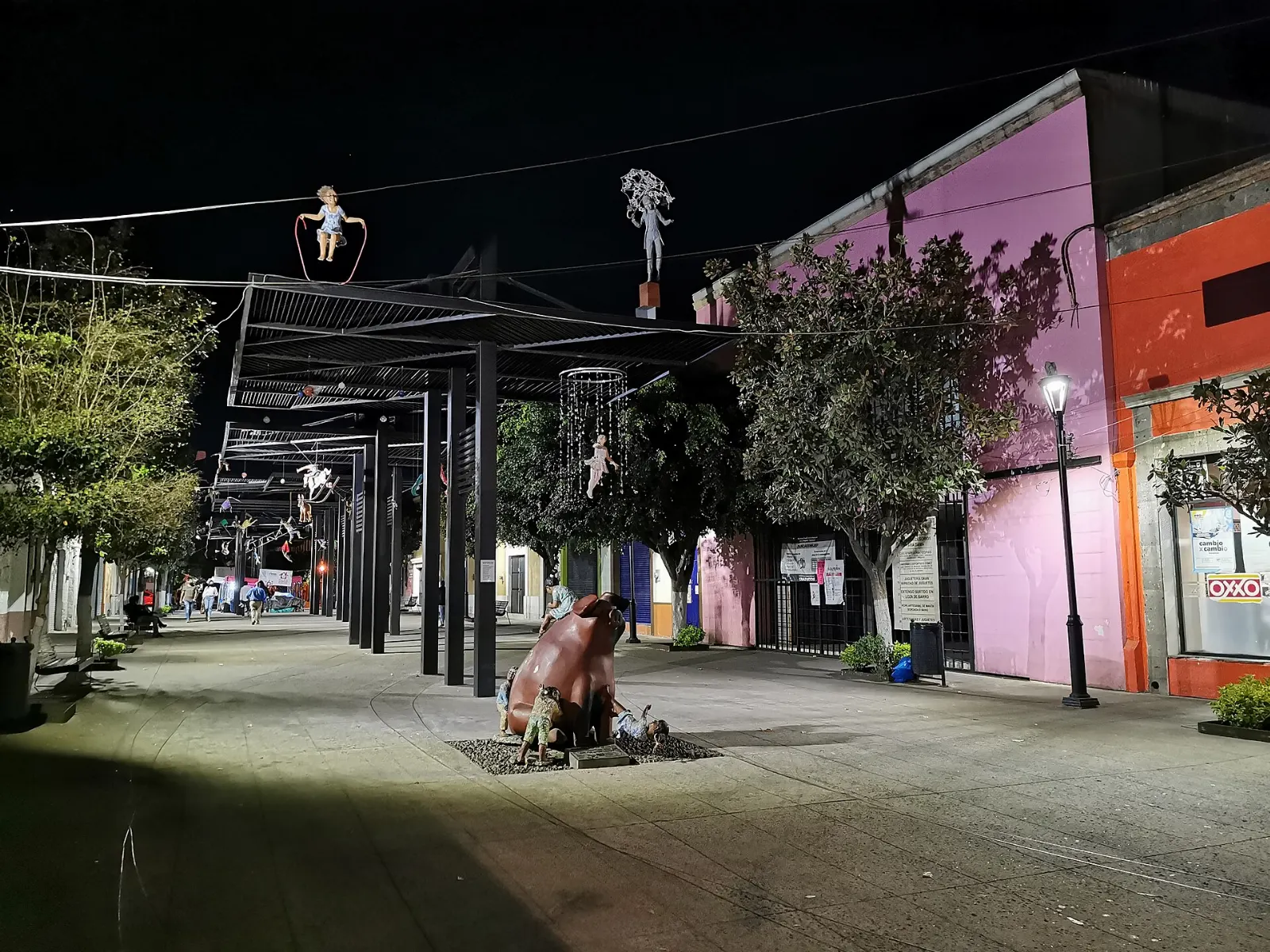
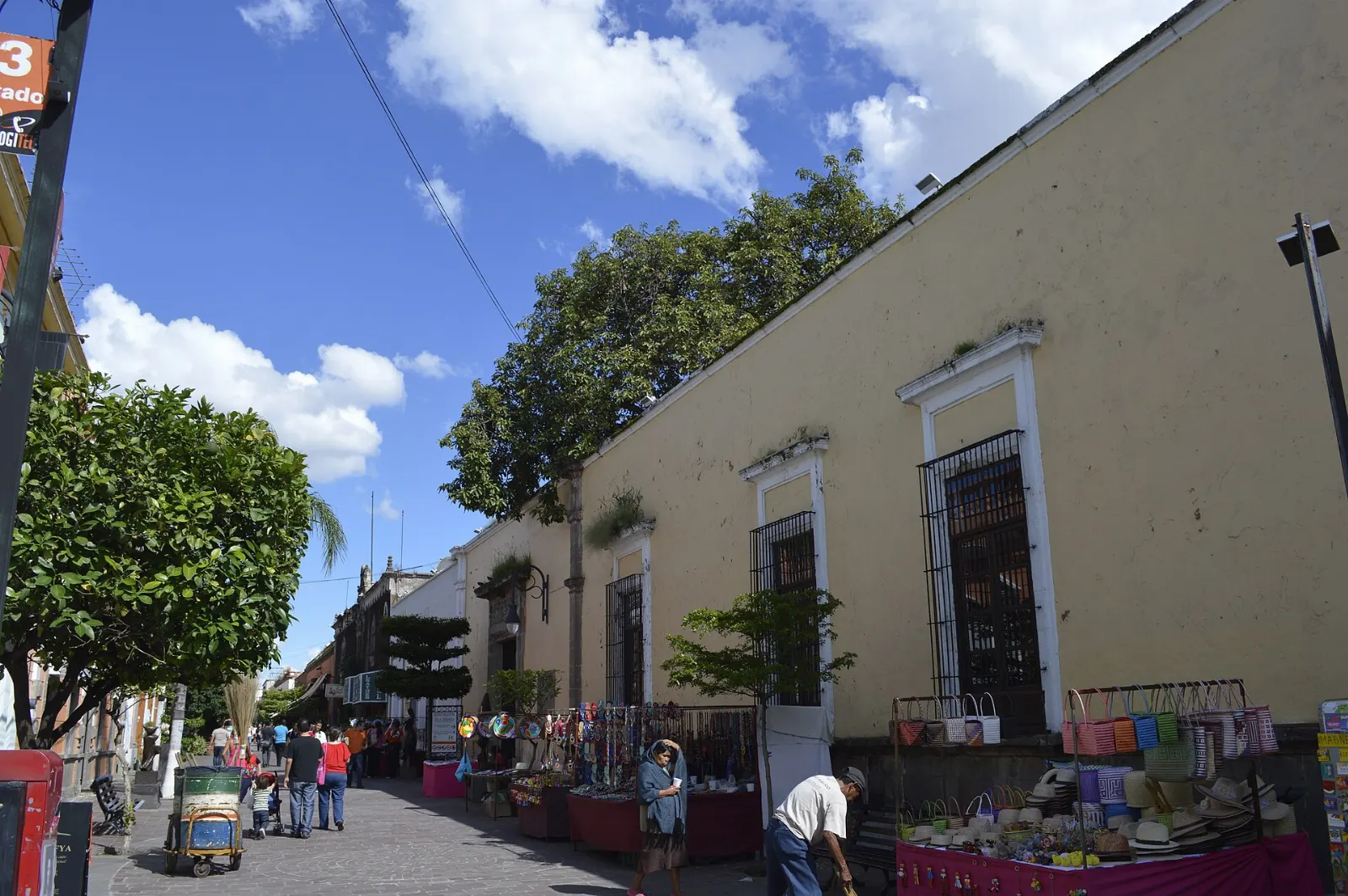
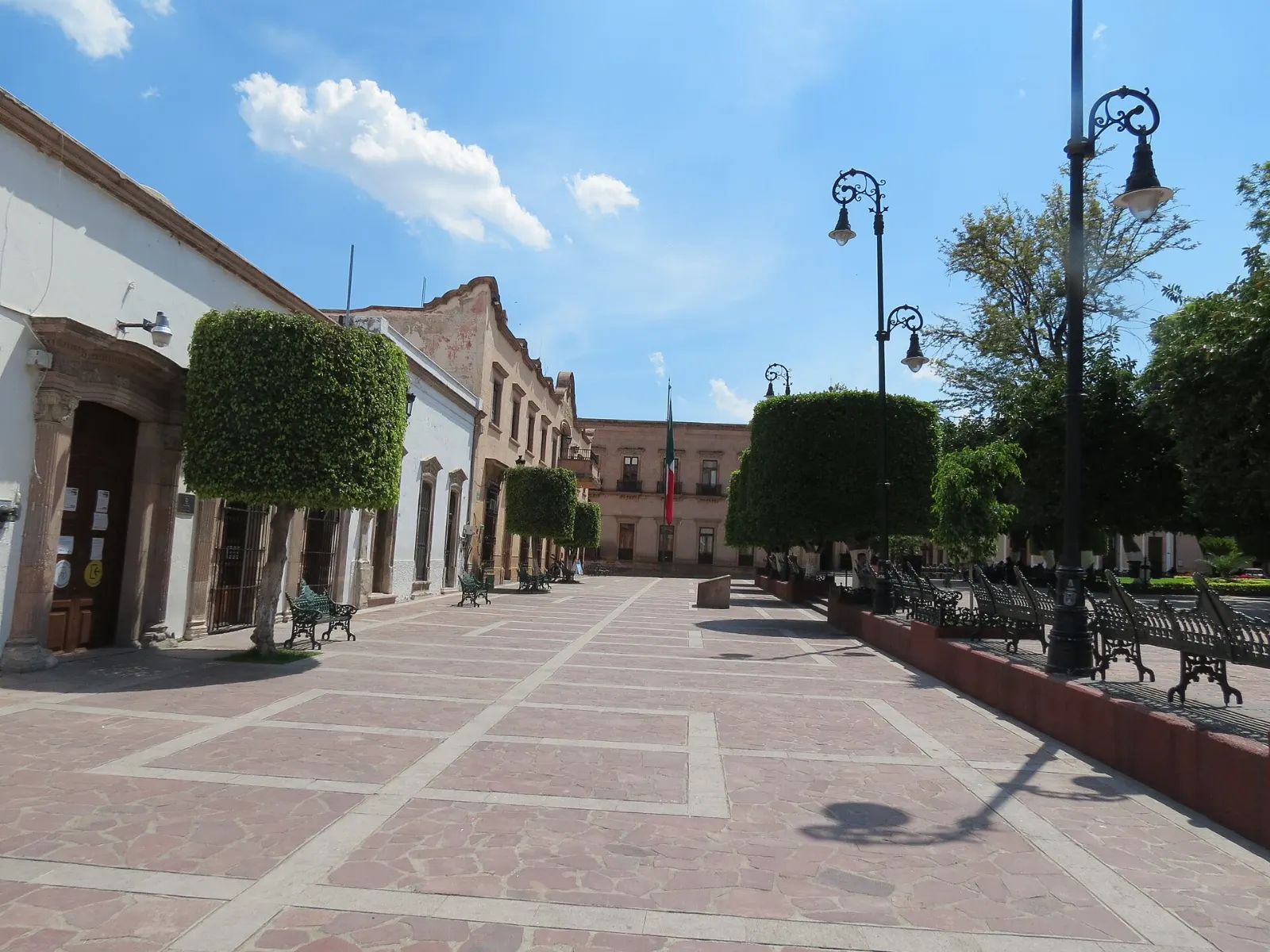
This pedestrian street is where most of the galleries, furniture shops and craft stores stand. Work your way along it slowly, because the best pieces often sit in courtyards behind the shopfronts.
Calle Independencia is the pedestrian street where many galleries and craft shops stand. Photo: ProtoplasmaKid, Wikimedia Commons, CC BY-SA 4.0
Museo Regional de la Cerámica
The regional ceramics museum explains the pottery traditions of Jalisco and shows why the area became a center for clay work. It suits a rainy hour or a break from the shops.
The regional ceramics museum presents the pottery traditions of Jalisco. Photo: Roberto J. Arceo, Wikimedia Commons, CC BY-SA 3.0
Ad
Tonalá and Guadalajara nearby
Tonalá street market
Tonalá lies immediately east of Tlaquepaque and is best known for its very large street market, held on Thursdays and Sundays.
Tonalá hosts a very large street market of handcrafts on Thursdays and Sundays. Photo: Gzzz, Wikimedia Commons, CC BY-SA 4.0
Museo Nacional de la Cerámica
In Tonalá, the national ceramics museum holds a collection that runs from pre-Hispanic pieces to contemporary award winners. It also helps you understand the finishes you will see at the market, such as burnished and petatillo wares.
Catedral de Guadalajara
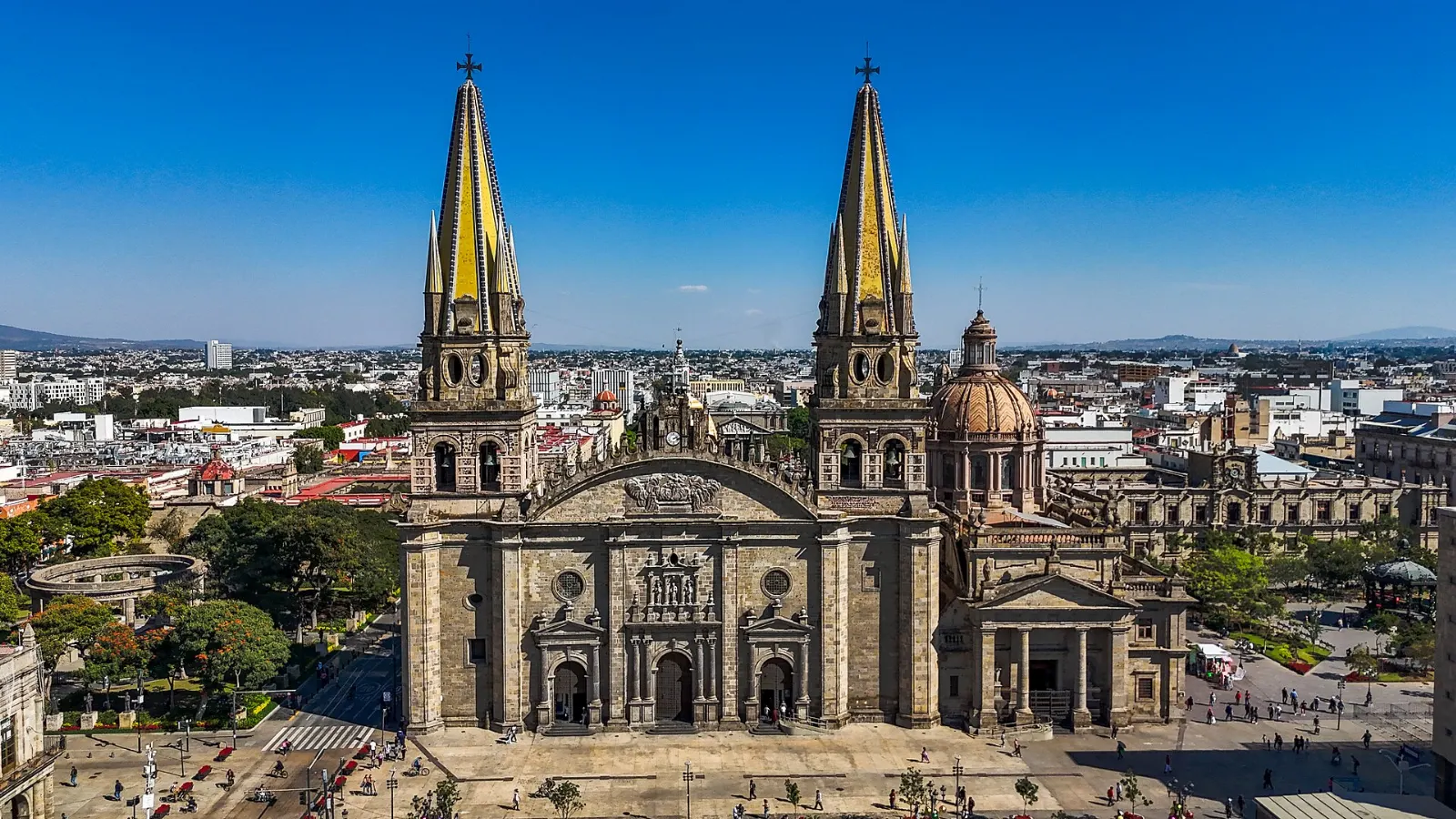
The cathedral anchors the historic center of Guadalajara, a compact area of colonial buildings that is best explored on foot. Combine it with the nearby plazas for a relaxed walking loop of two to three hours.
Hospicio Cabañas
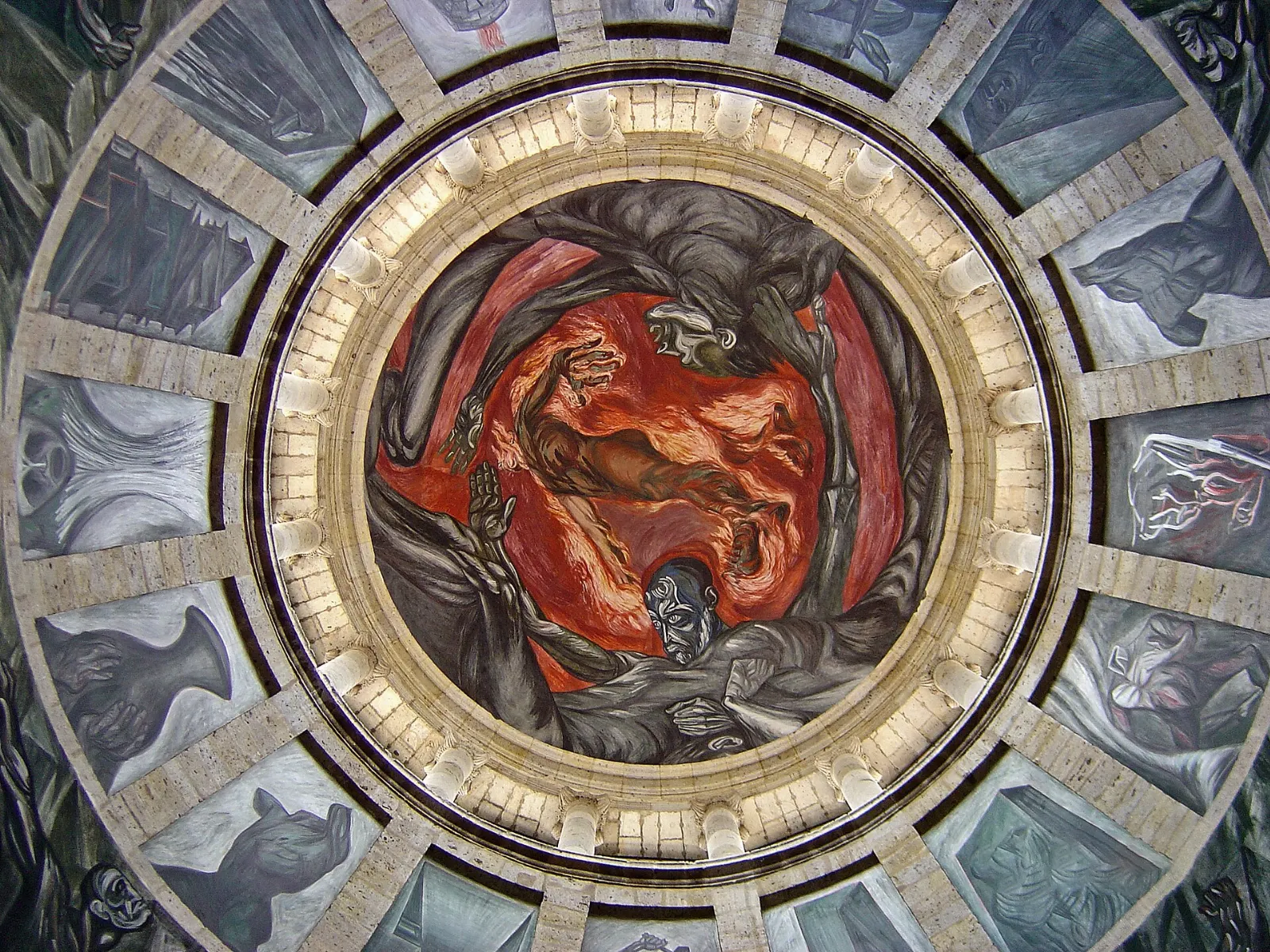
This building in the historic center is famous for the murals of José Clemente Orozco, the Jalisco-born artist counted among the great Mexican muralists.
The Hospicio Cabañas is known for murals by José Clemente Orozco. Photo: P. Hughes, Wikimedia Commons, CC BY-SA 4.0
Plaza de los Mariachis
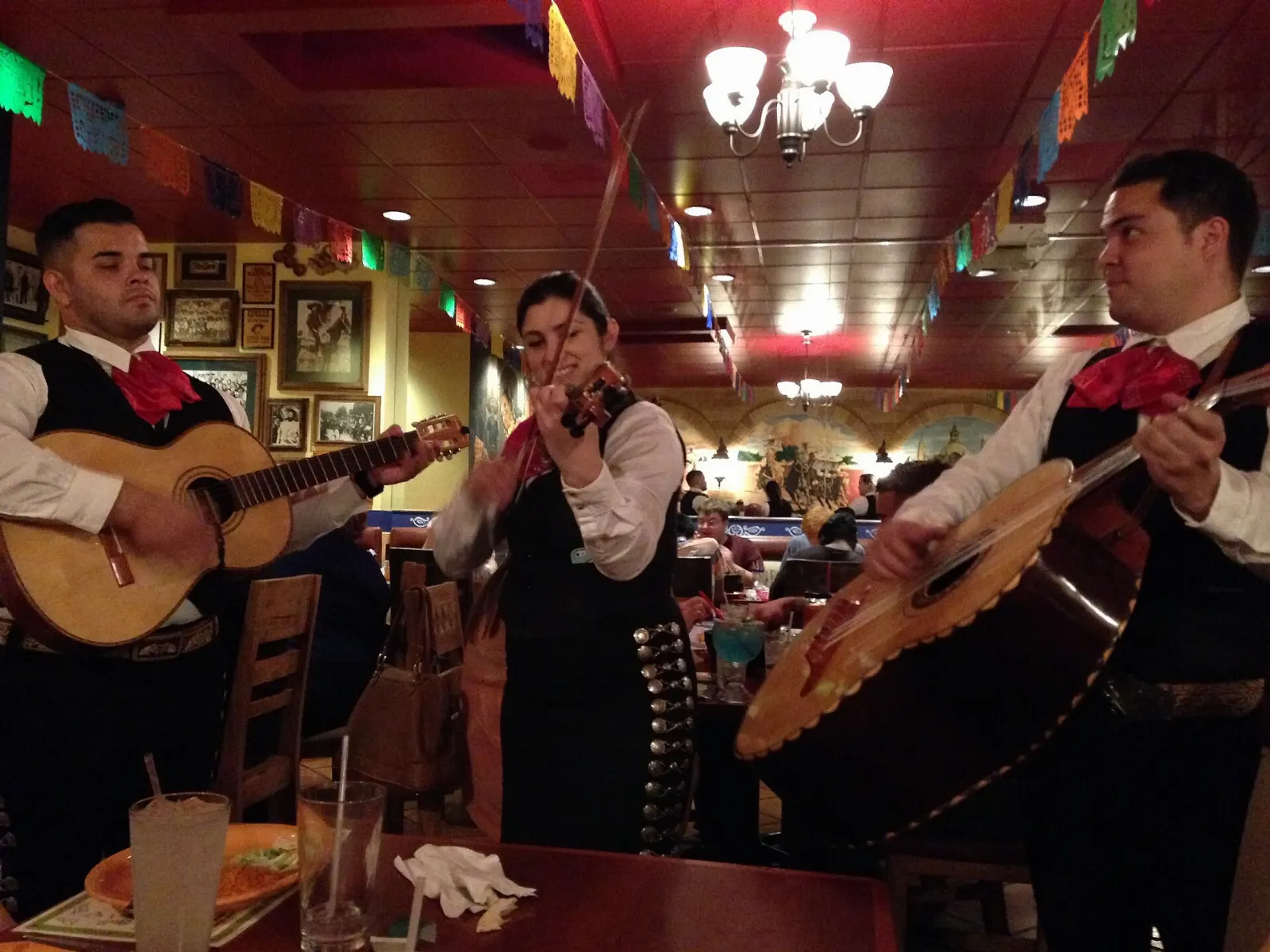
Near the traditional Mercado Libertad, this plaza is the classic place to hear mariachi music in Guadalajara. Evenings are livelier, and the market nearby is a good stop for a snack.
Plaza de los Mariachis lies near Mercado Libertad in Guadalajara. Photo: Flickr contributor, Wikimedia Commons, CC BY 2.0
Food and local flavors
Jalisco cooking is hearty and unfussy. Birria, a slow-cooked meat dish traditionally made with goat, beef or lamb in a chile adobo, is served with its own broth, corn tortillas, onion, cilantro and lime.
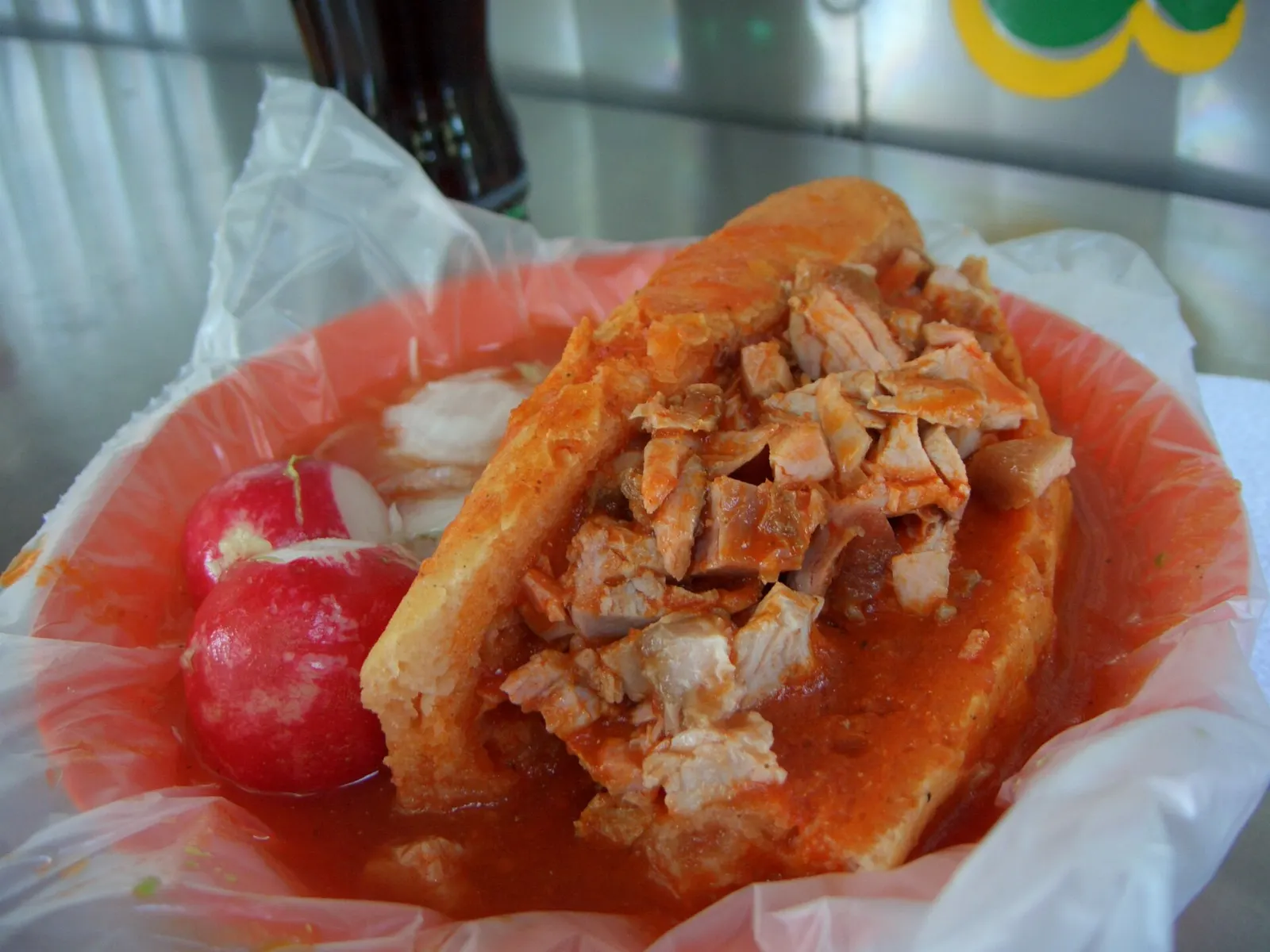
The torta ahogada is the city sandwich: a crusty birote roll stuffed with pork and beans, then drowned in a sauce of chile de árbol and vinegar or a milder tomato version.
A torta ahogada is a birote roll filled with pork and soaked in chile sauce.Photo: El Gran Dee, Wikimedia Commons, CC BY 2.0
To cool down, try tejuino, a cold fermented corn drink served with lime, salt and a scoop of shaved ice or lime sorbet.
Popular dishes to try in Tlaquepaque
Birria Birria, a slow-cooked meat dish traditionally made with goat, beef or lamb in a chile adobo, is served with its own broth, corn tortillas, onion, cilantro and lime.Photo: Janeefun, Wikimedia Commons, CC BY-SA 4.0Torta ahogada The torta ahogada is the city sandwich: a crusty birote roll stuffed with pork and beans, then drowned in a sauce of chile de árbol and vinegar or a milder tomato version.Photo: Christian Cariño, Wikimedia Commons, CC BY 4.0Tejuino A torta ahogada is a birote roll filled with pork and soaked in chile sauce.Photo: El Gran Dee, Wikimedia Commons, CC BY 2.0To cool down, try tejuino, a cold fermented corn…Photo: Christian Cariño, Wikimedia Commons, CC BY 4.0
Ad
Where to stay
Tlaquepaque Centro is the best choice if you want to stroll out of your door into galleries, restaurants and evening music.
The Centro Histórico of Guadalajara suits first-time visitors who want to see the cathedral, the murals and the plazas on foot.
Zapopan, in the northwest of the metro area, offers a quieter, more residential base with its own historic downtown and large green spaces. It works for travelers with a car or those who prefer modern conveniences to colonial charm.
Jardín Hidalgo is the central garden square of the old town.Photo: Gzzz, Wikimedia Commons, CC BY-SA 4.0
Where to stay in Tlaquepaque
Tlaquepaque Centro Where to stayTlaquepaque Centro is the best choice if you want to stroll out of your door into galleries, restaurants and evening music.Photo: Juan Carlos Fonseca Mata, Wikimedia Commons, CC BY-SA 4.0Centro Histórico The Centro Histórico of Guadalajara suits first-time visitors who want to see the cathedral, the murals and the plazas on foot.Photo: Jose María Ligero Loarte, Wikimedia Commons, CC BY-SA 4.0Zapopan Zapopan, in the northwest of the metro area, offers a quieter, more residential base with its own historic downtown and large green spaces.Photo: Juan Carlos Fonseca Mata, Wikimedia Commons, CC BY-SA 4.0
Best time to visit
The dry months from late autumn to spring are the most comfortable, with warm days and cooler evenings. Spring afternoons can be hot, so plan shopping in the morning and a long lunch under the arches.
The rainy season runs from June to August, usually with afternoon downpours that clear quickly, and the landscape turns green. Crowds are smaller in summer, and museums are a good refuge when the clouds roll in.
Ad
Getting there and getting around
The nearest airport is Guadalajara International Airport, about eighteen kilometers south of the city. From there, taxis and ride-hailing apps reach Tlaquepaque in a short drive.
The light rail, known as Mi Tren, includes a line that runs from Zapopan across the city to Tlaquepaque, and it links to the main bus station and the center. Macrobus and city buses cover many routes, and Uber, Cabify and Didi operate across the metro area.
The old town itself is best explored on foot. Cobbled streets and uneven sidewalks make comfortable shoes a good idea.
A suggested itinerary
First day
Start at Jardín Hidalgo, walk Calle Independencia and visit the ceramics museum.
Second day
Go to Tonalá early for the market on a Thursday or Sunday, then visit the national ceramics museum. Return to Tlaquepaque for a relaxed dinner.
Third day
Spend a day in the historic center of Guadalajara. See the cathedral and the Orozco murals, eat a torta ahogada and finish at Plaza de los Mariachis.
The cathedral anchors the historic center of Guadalajara. Photo: ProtoplasmaKid, Wikimedia Commons, CC BY-SA 4.0
Ad
Practical tips
Check your government’s current travel advisory before you go.
Carry small bills and some coins for market stalls and public transport.
Wear comfortable shoes for cobbled streets.
Shop in the morning when it is cooler and stocks are fresh.
Ask about shipping for large pottery pieces before you buy.