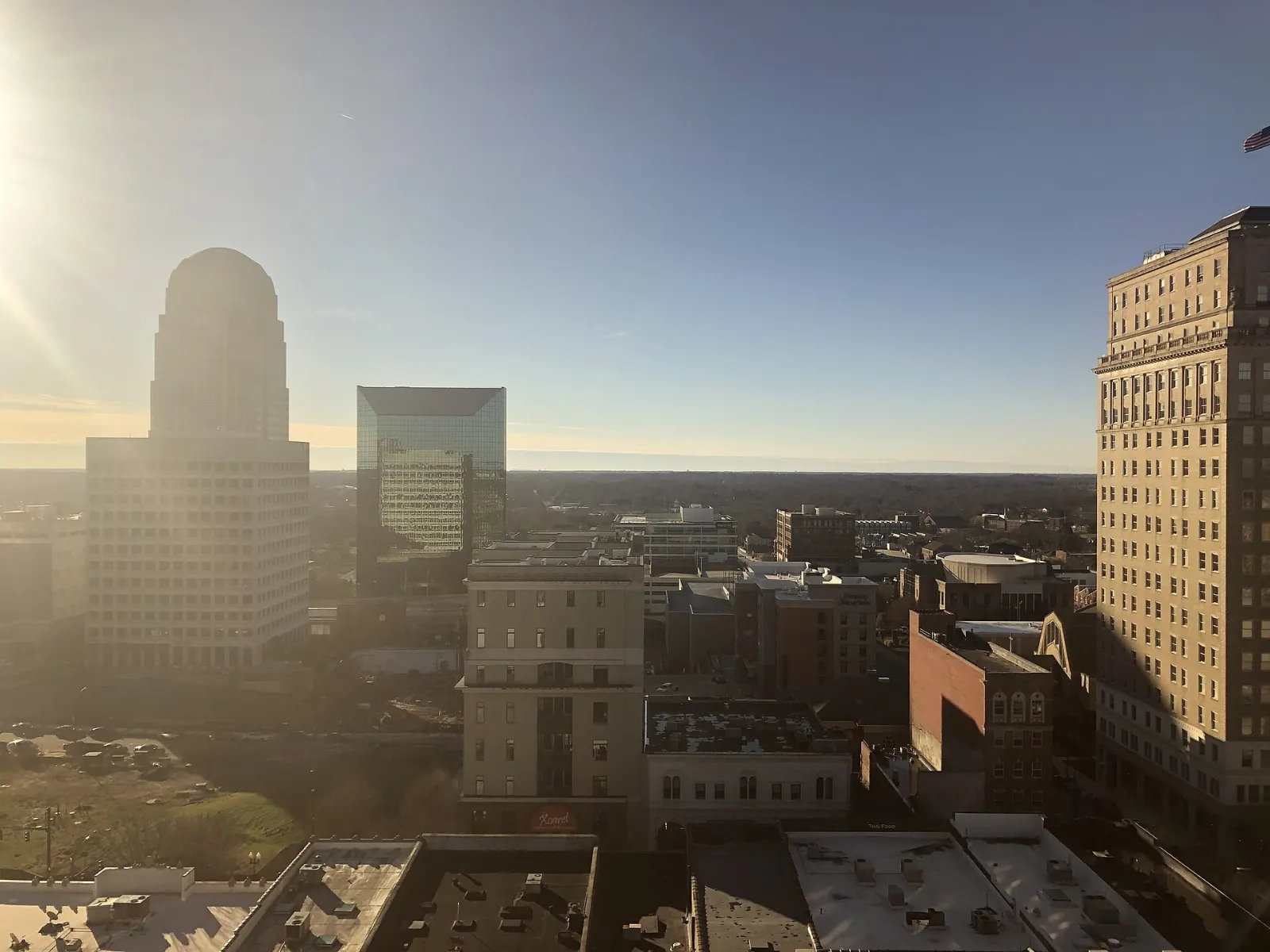
Charleston was founded in 1670 and grew into one of the wealthiest cities in colonial America, built on a narrow peninsula between the Ashley and Cooper rivers.
AT A GLANCE
Best time
March to May for azaleas and mild weather; October and November for warm days and lower humidity.
How long
Three to four days for the historic district, Fort Sumter, a plantation and a beach.
Getting there
Charleston International Airport is in North Charleston, about 20 to 30 minutes from downtown.
Why visit Charleston
Few American cities let you walk through so many centuries at once. Within a few blocks you pass Georgian and Federal townhouses, the Old Exchange and Provost Dungeon where South Carolina's delegates were elected to the Continental Congress, and the steeple of St. Michael's Church, the oldest surviving church building in the city.
Charleston's history is also the history of slavery. A large share of enslaved Africans brought to North America arrived through its port, and their descendants shaped the region's Gullah Geechee culture, its cooking, crafts such as sweetgrass basket weaving, and its language.
The historic district and the waterfront
The southern half of the peninsula, south of Broad Street and up through the French Quarter to the City Market, holds most of the famous sights. It is flat and compact, so walk it.
Rainbow Row
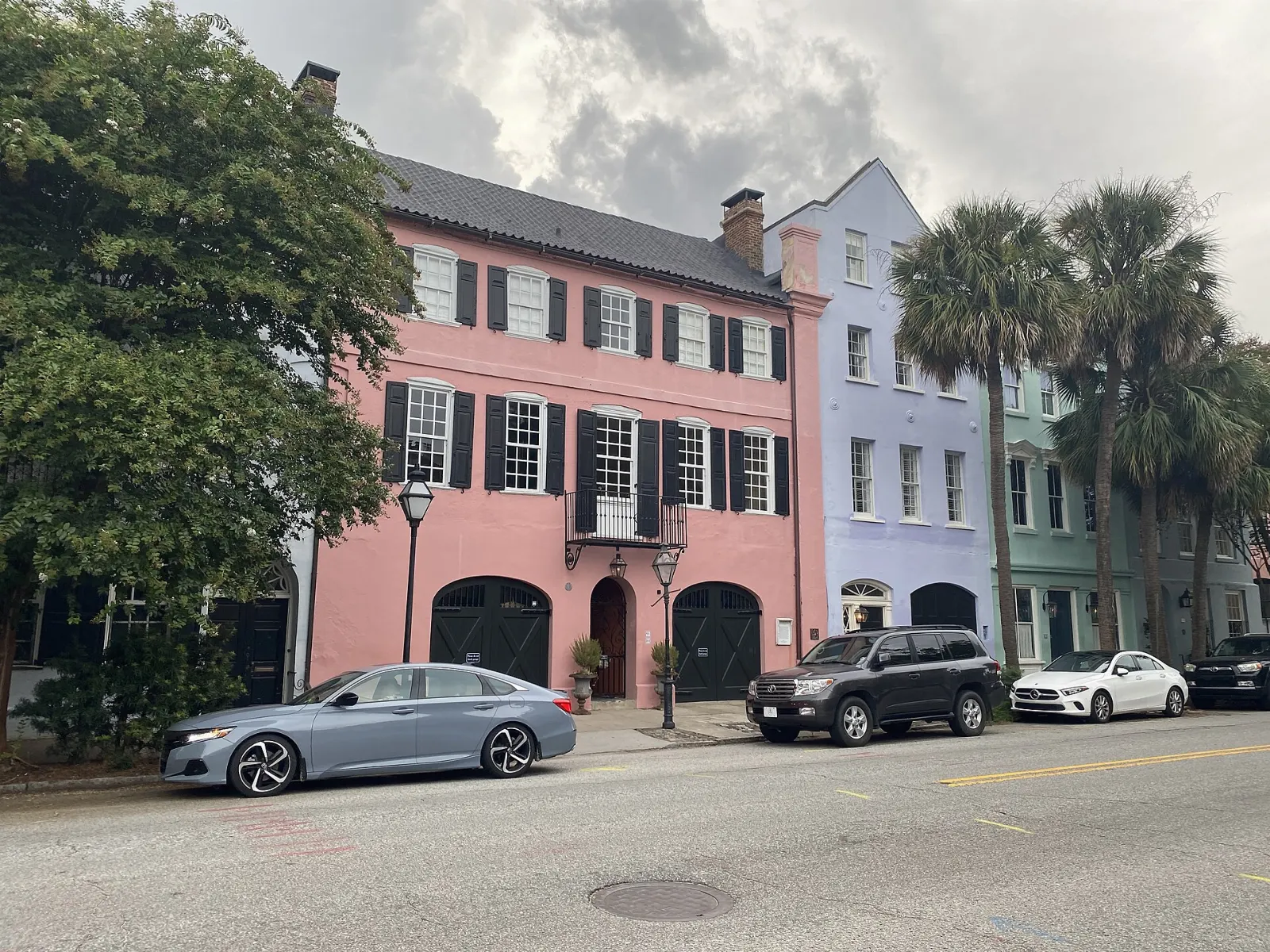
Rainbow Row is a run of thirteen colorful Georgian row houses on East Bay Street, between Tradd Street and Elliott Street. Many date from the mid to late eighteenth century, when merchants ran shops on the ground floor and lived above.
The Battery and White Point Garden
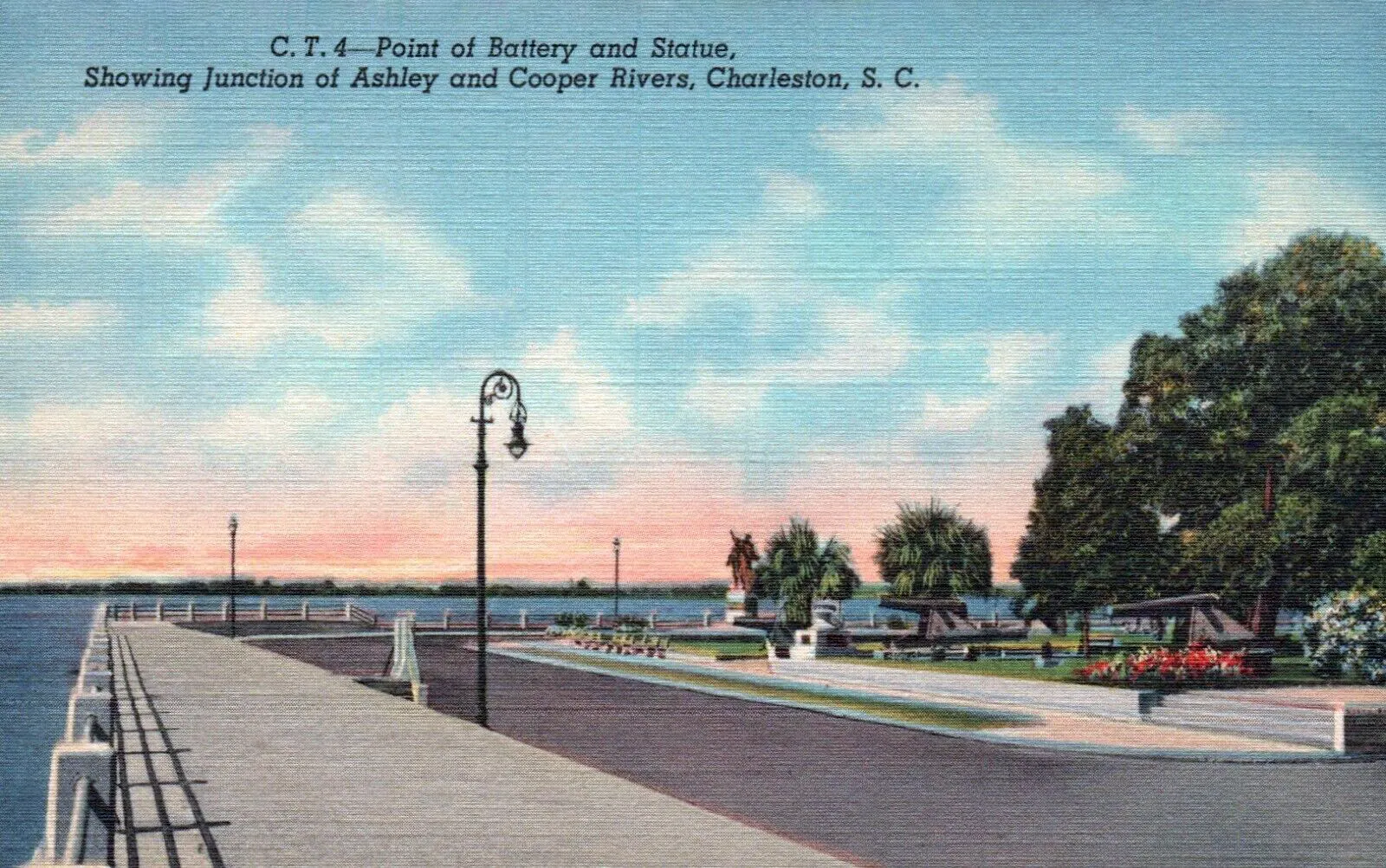
At the southern tip of the peninsula, the Battery is a raised seawall promenade with views across the harbor toward Fort Sumter and James Island.
Waterfront Park
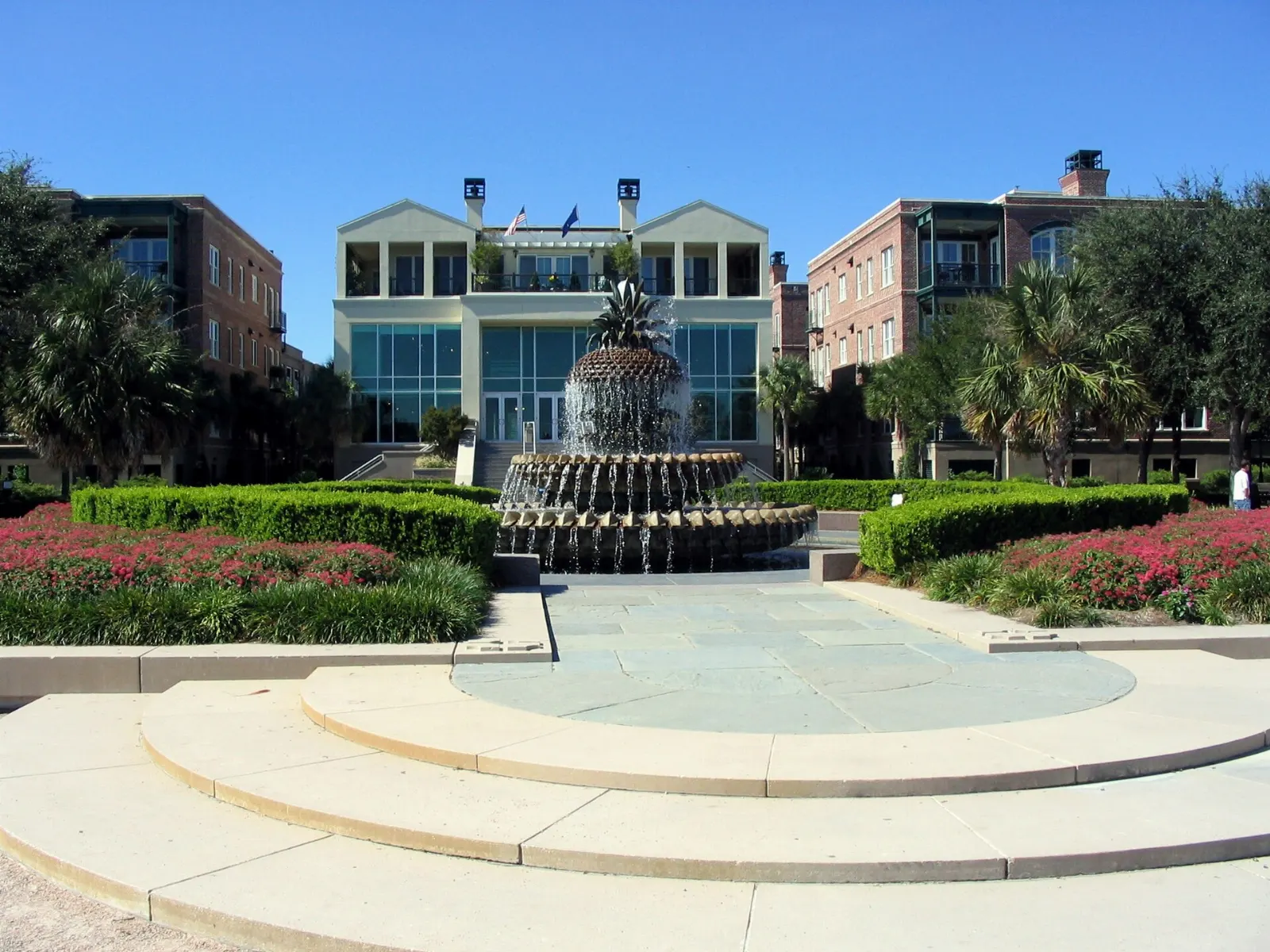
Joseph P. Riley Jr. Waterfront Park stretches along the Cooper River at the foot of Vendue Range. Its Pineapple Fountain, a symbol of hospitality, and the shallow Vendue fountain are favorites for photos and for cooling off on hot days.
Charleston City Market
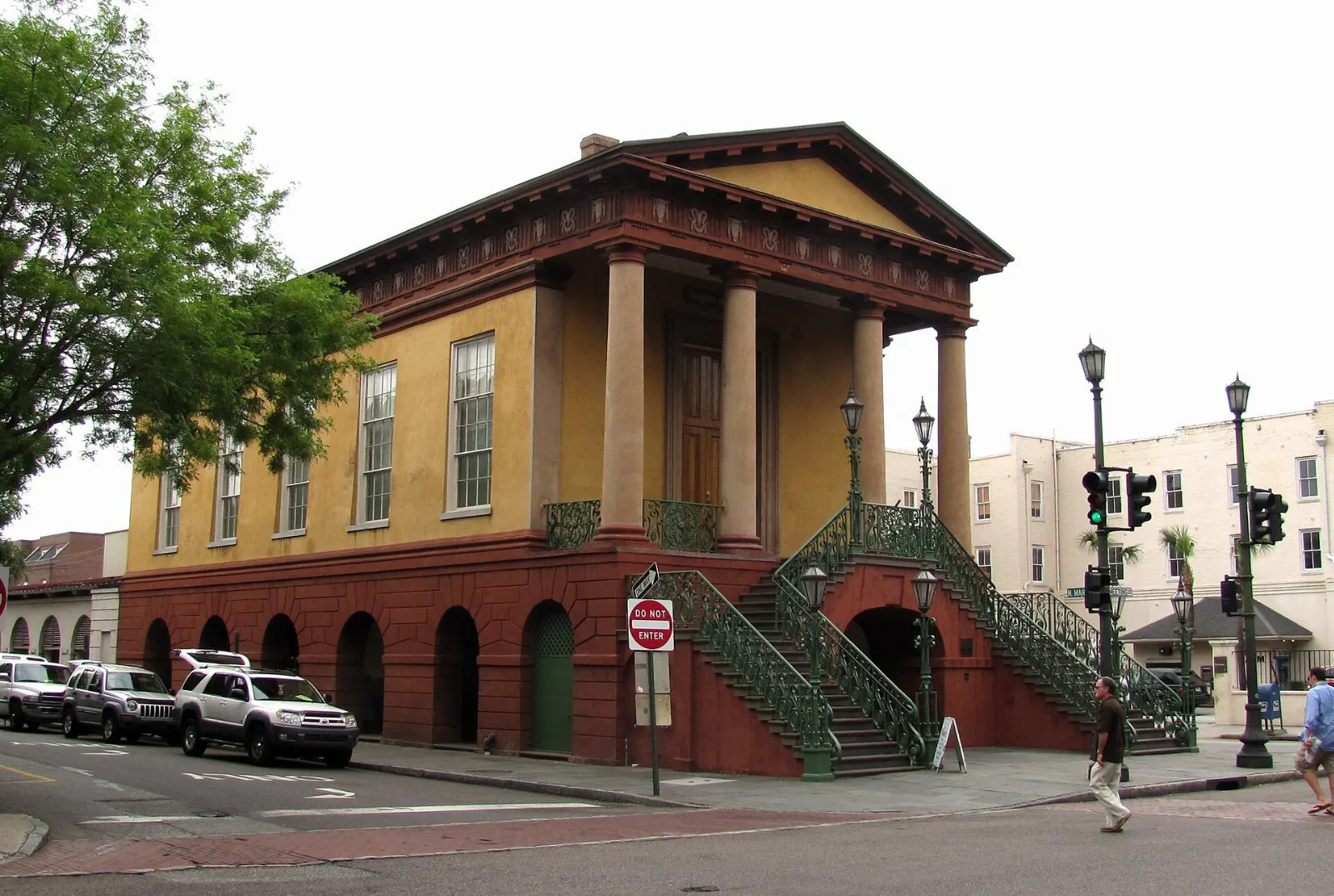
Stretching four blocks from Meeting Street to East Bay Street, the Charleston City Market dates to the early nineteenth century. Its long open sheds house vendors selling local crafts, food products and the sweetgrass baskets woven by Gullah Geechee artisans, a tradition with roots in West Africa.
Historic house museums
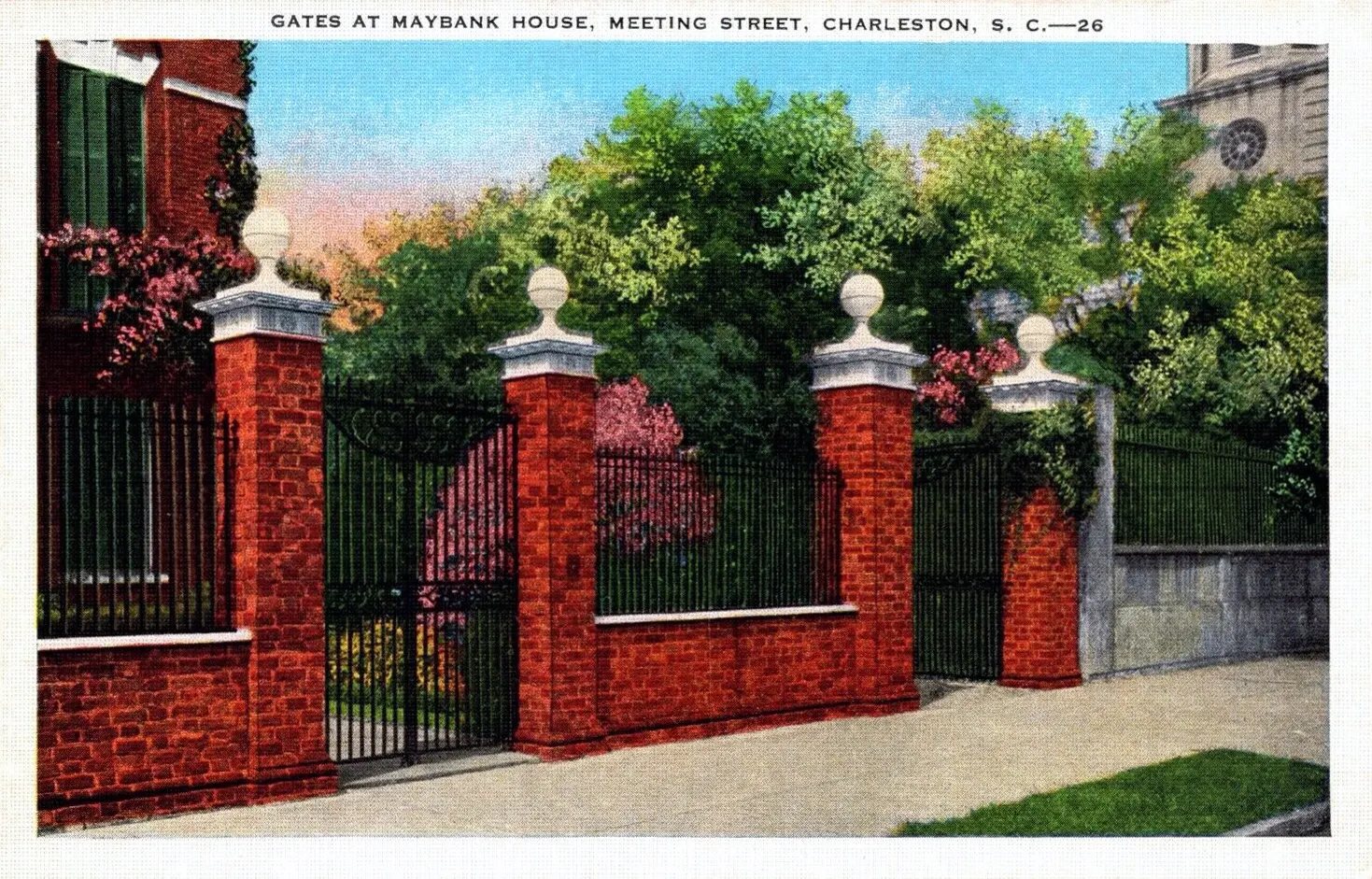
Several house museums let you see inside Charleston's grand homes. The Nathaniel Russell House, completed in 1808, is famous for its free-flying spiral staircase.
International African American Museum
Opened in 2023 on the site of Gadsden's Wharf, where tens of thousands of enslaved Africans were brought ashore, the International African American Museum explores the journeys, labor, resistance and achievements of African Americans and their global connections. Its memorial garden and Center for Family History, which helps visitors research ancestry, are especially moving.
Across the harbor: Fort Sumter and Mount Pleasant
Fort Sumter National Monument
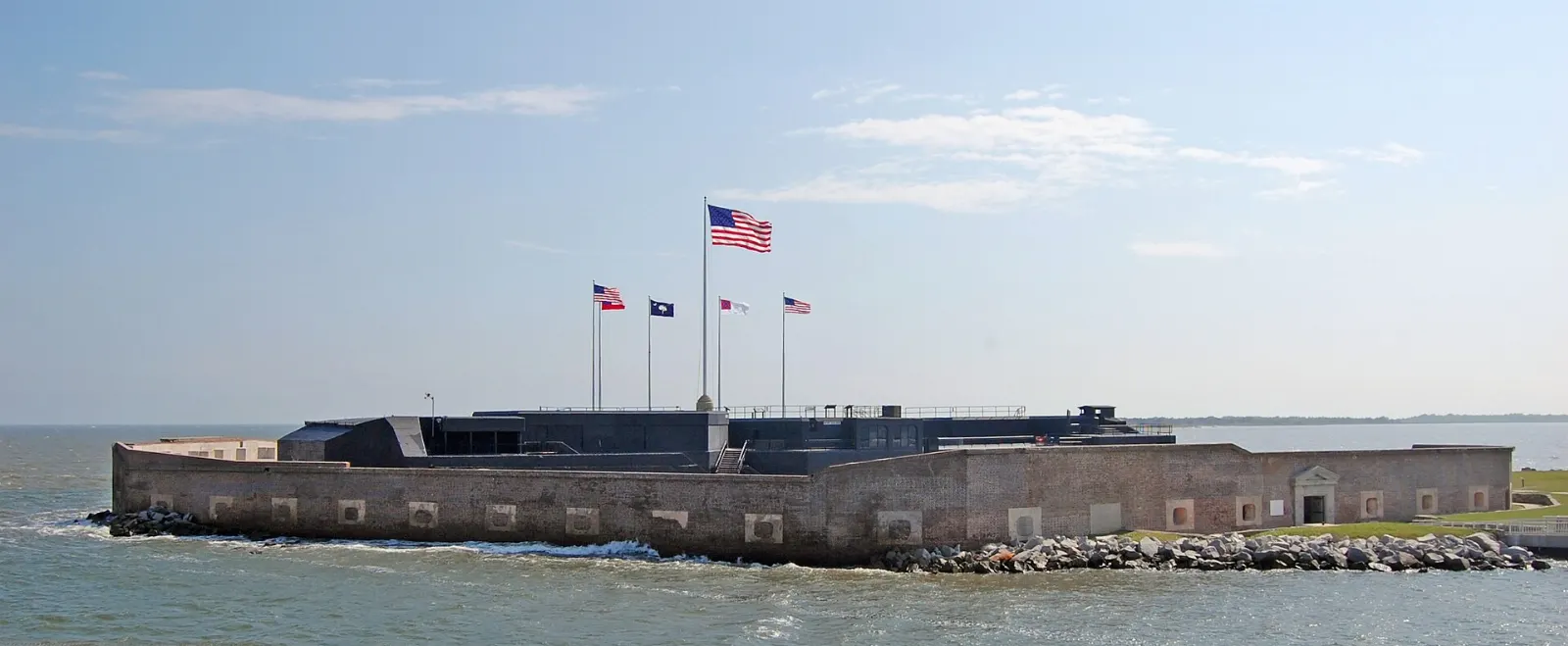
The Confederate bombardment of Fort Sumter in April 1861 began the Civil War. The fort sits on a man-made island at the mouth of the harbor and is reached only by the concessioner ferry, which departs from Liberty Square downtown and from Patriots Point in Mount Pleasant.
Patriots Point and Shem Creek
Across the Ravenel Bridge in Mount Pleasant, Patriots Point Naval and Maritime Museum is anchored by the aircraft carrier USS Yorktown, which you can explore from flight deck to engine rooms, along with a destroyer and a Vietnam-era exhibit. Allow three hours.

Plantations, ancient oaks and beaches
Ashley River plantations
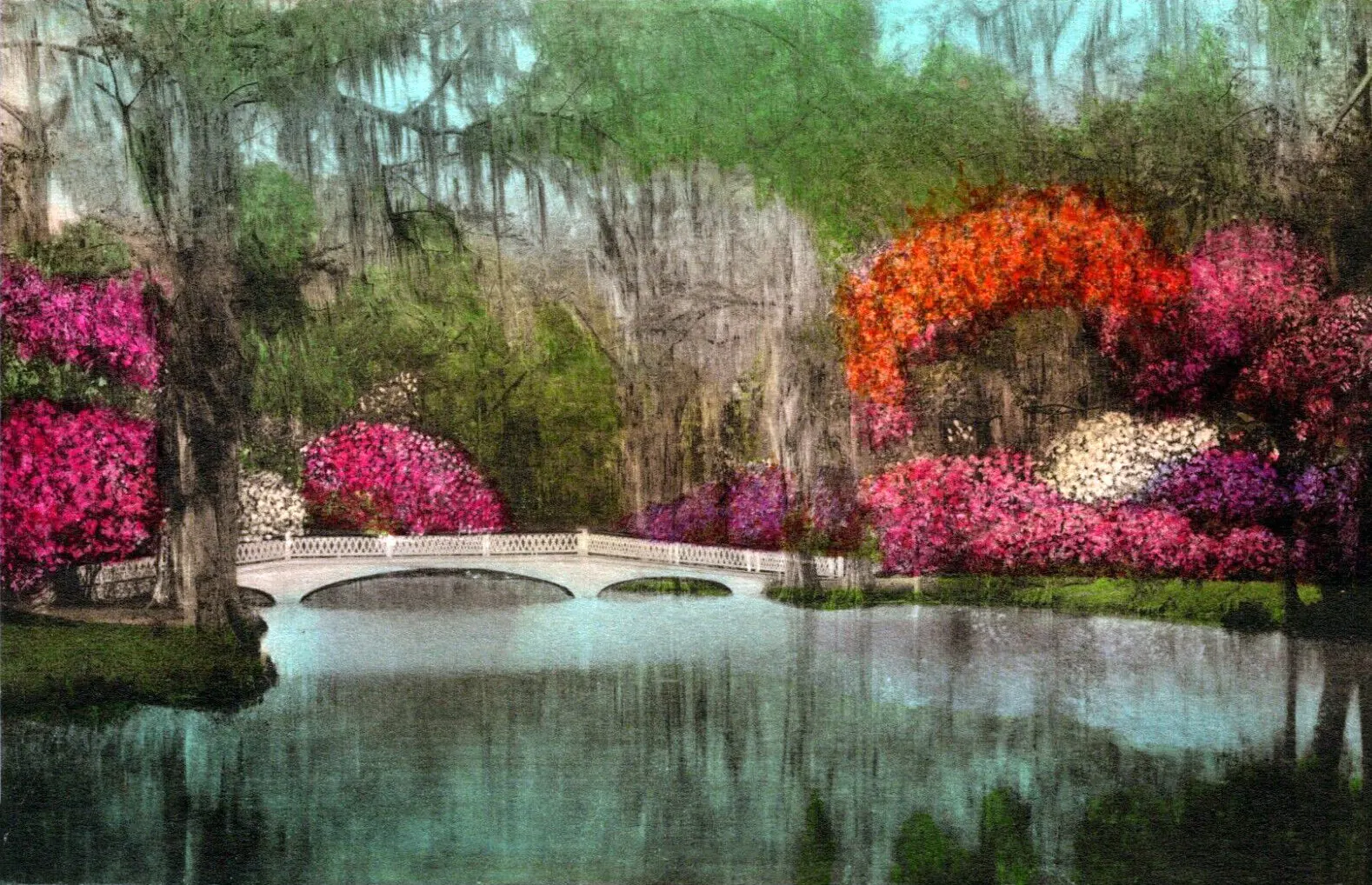
Along Ashley River Road, about 20 to 30 minutes from downtown, three historic sites line the river. Magnolia Plantation and Gardens has romantic gardens of azaleas and camellias around dark lagoons, among the oldest public gardens in the United States, and a program on the lives of the enslaved people who lived there. Middleton Place has formal eighteenth-century landscaped gardens with terraces and butterfly lakes.
Angel Oak
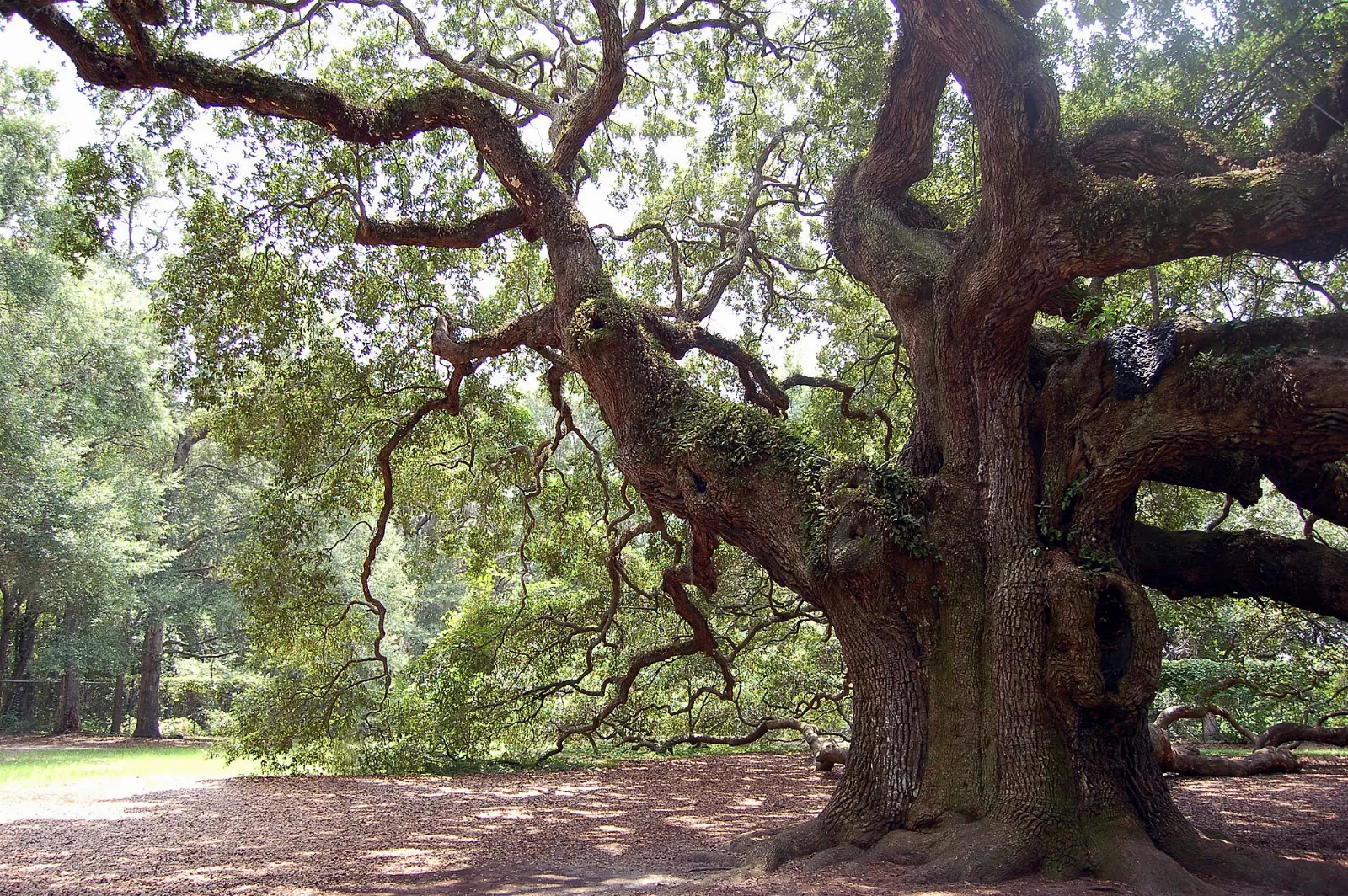
On Johns Island, about 30 minutes from downtown, the Angel Oak is a Southern live oak estimated to be several hundred years old, with limbs that sprawl across the ground and shade an enormous area. It stands in a small city park. Allow 30 minutes.
Folly Beach and Sullivan's Island
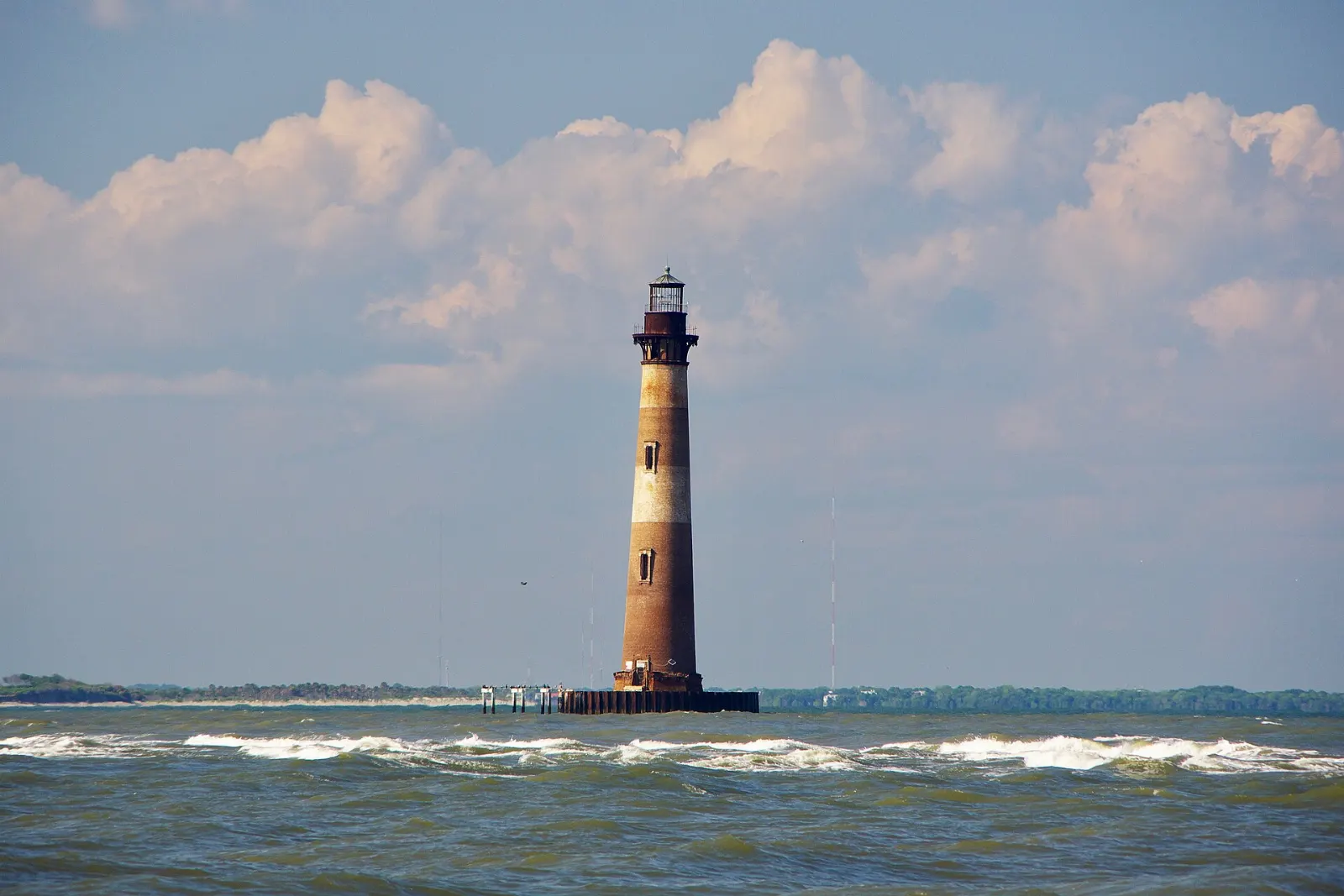
Folly Beach, about 25 minutes south of downtown, is a laid-back surf town with a long fishing pier and a busy strip of bars and cafes. At its northeastern end, a short walk leads to a view of the Morris Island Lighthouse standing in the surf.
Food and local flavors
Lowcountry cooking blends West African, European and Caribbean influences with the bounty of the coast. Shrimp and grits is the signature breakfast and dinner dish.
Upper King Street is lined with restaurants and bars and is the center of nightlife. The streets around the City Market and East Bay Street have many seafood restaurants and oyster bars, and Shem Creek in Mount Pleasant is the place for dockside dining.
Popular dishes to try in Charleston


 Planning a trip to Charleston?Compare hotels, flights and vacation rentals for Charleston on Expedia.Book now
On WiserMap
Local businesses in Charleston
Ottohaus Of Charleston
Ottohaus Of Charleston is a German auto repair business serving Charleston, SC. Ottohaus Of Charleston provides specialized services for Audi, Volkswagen, Merce...
Stones Appliance Repair
Stones Appliance Repair is a full-service appliance repair business serving Charleston, SC. Stone's Appliance Repair provides dryer, washing machine, refrigerat...
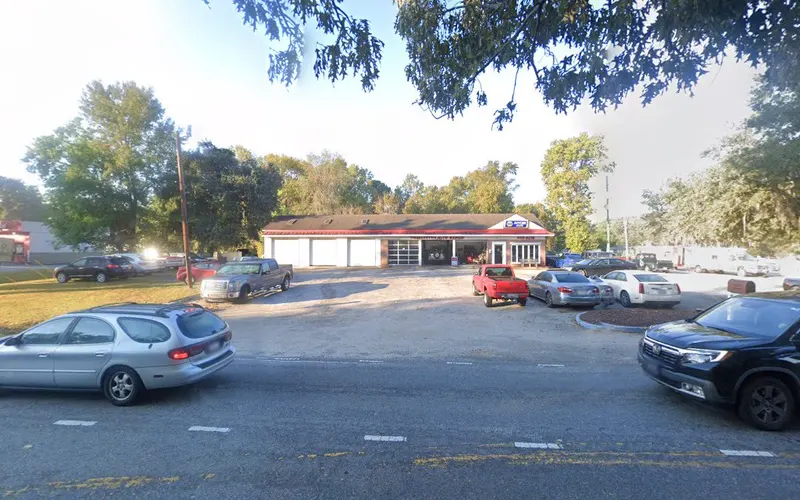
Charleston Auto Repair
Charleston Auto Repair is a family-owned auto repair shop serving Charleston, SC, Mt Pleasant, SC, and James Island, SC. It provides auto repair, tire sales, di...
Where to stay
The historic district south of Calhoun Street is ideal for first time visitors who want to walk everywhere. It has inns in historic buildings and boutique hotels, though rates are high and parking is limited.
Upper King Street and the area around Marion Square suit travelers interested in shopping, dining and nightlife.
Where to stay in Charleston


Best time to visit
Spring is the most popular season, with azaleas and wisteria in bloom in March and April and comfortable temperatures.
Getting there and getting around
Charleston International Airport in North Charleston has nonstop service to many US cities and sits about 20 to 30 minutes from downtown by car, taxi or rideshare.
Downtown is best explored on foot or by bicycle, and pedicabs are common for short hops. CARTA's free DASH trolley routes loop through the peninsula, linking the visitor center with the historic district.
A suggested itinerary
First day
Start with Rainbow Row in the morning light, walk to the Battery and White Point Garden, and explore the streets south of Broad.
Second day
Take an early ferry to Fort Sumter, then spend the afternoon at the International African American Museum.
Third day
Drive along Ashley River Road to Magnolia Plantation or Middleton Place, then continue to the Angel Oak on Johns Island and finish at Folly Beach for sunset.
Fourth day
Cross the Ravenel Bridge to Patriots Point, have a seafood lunch at Shem Creek and spend the afternoon on Sullivan's Island and at Fort Moultrie.
Practical tips
- Book Fort Sumter ferries, popular restaurants and plantation tours ahead, especially in spring.
- Wear comfortable shoes, as sidewalks are uneven and some streets are cobblestone.
- Carry water, sunscreen and insect repellent in warm months, when the humidity and no-see-ums can be intense.
- Use city garages instead of hunting for street parking in the historic district.
- Respect private homes and gardens; photograph from the sidewalk and never open gates.
- Check hurricane forecasts between August and October and know your accommodation's policy.
Find local businesses in Charleston on WiserMap
From walking tour guides and bike rentals to bakeries and boutiques, browse local businesses in Charleston to round out your trip.