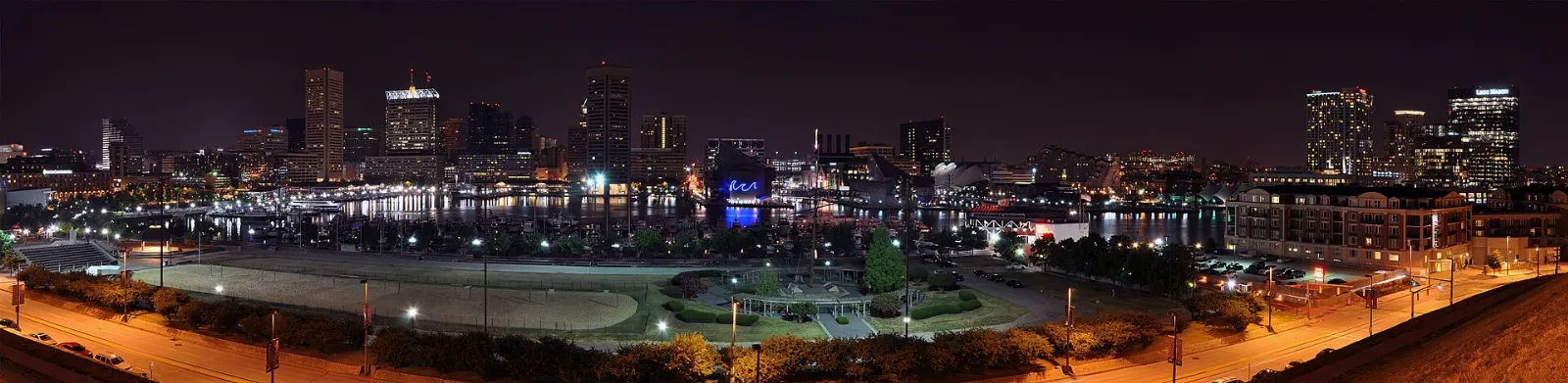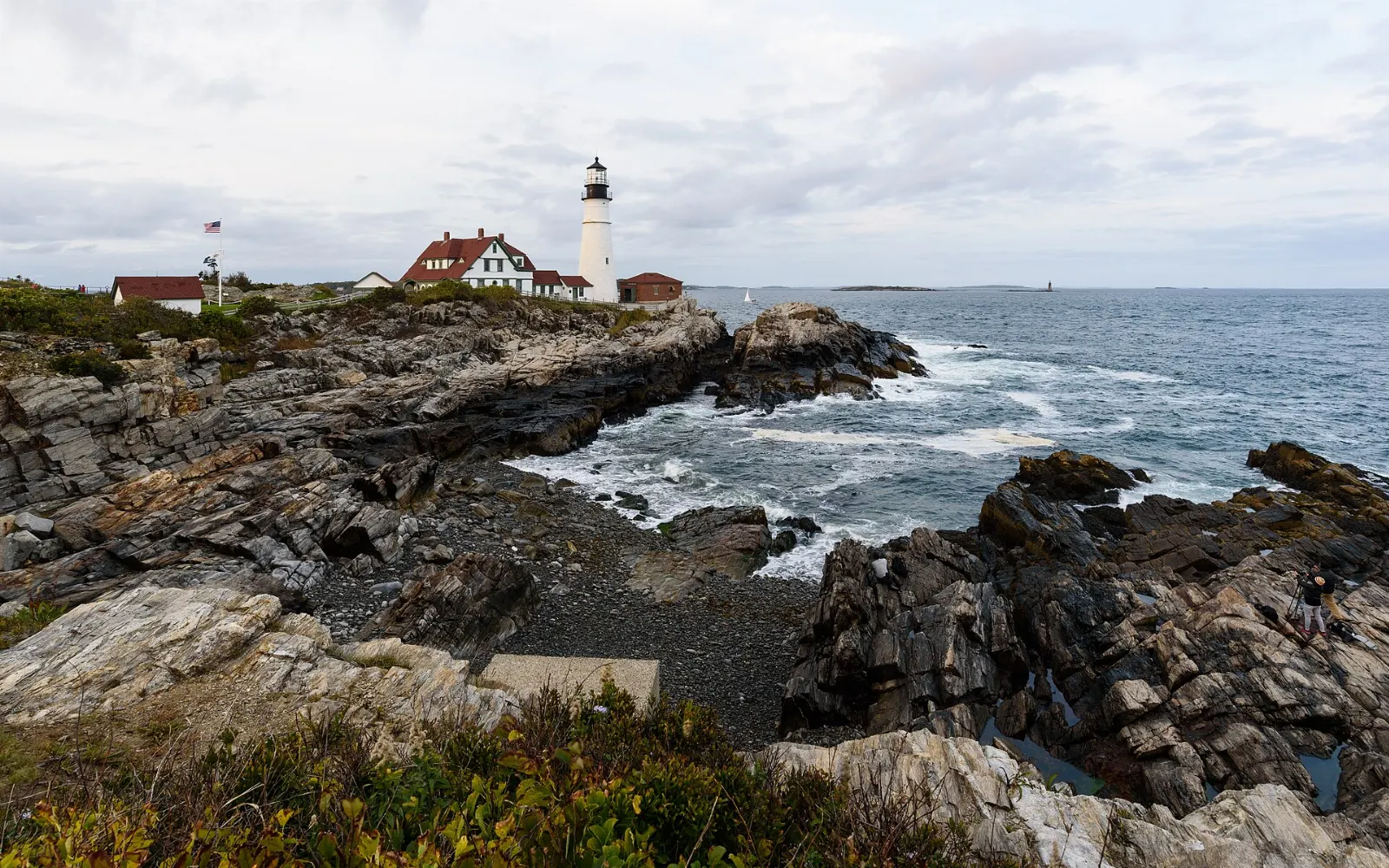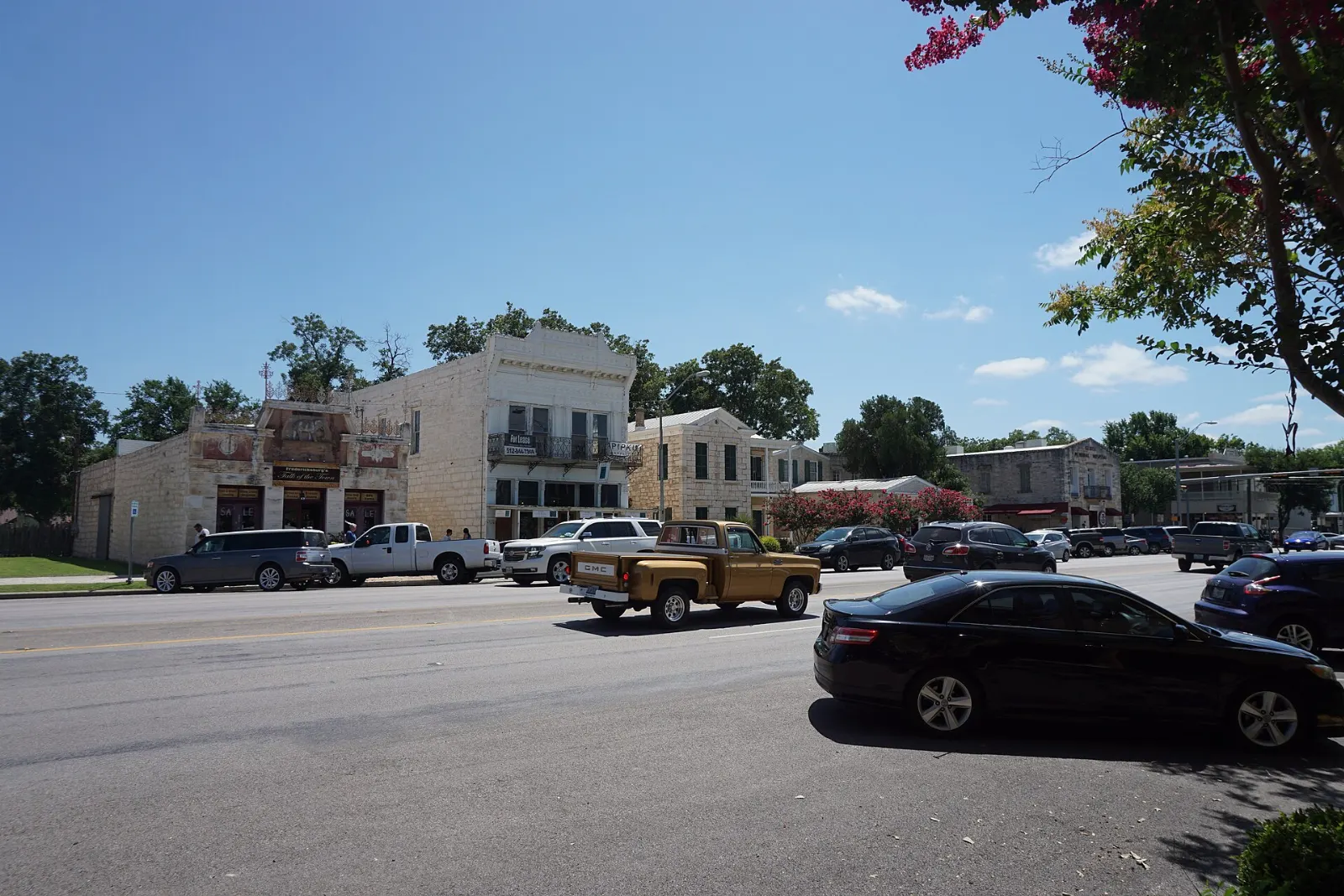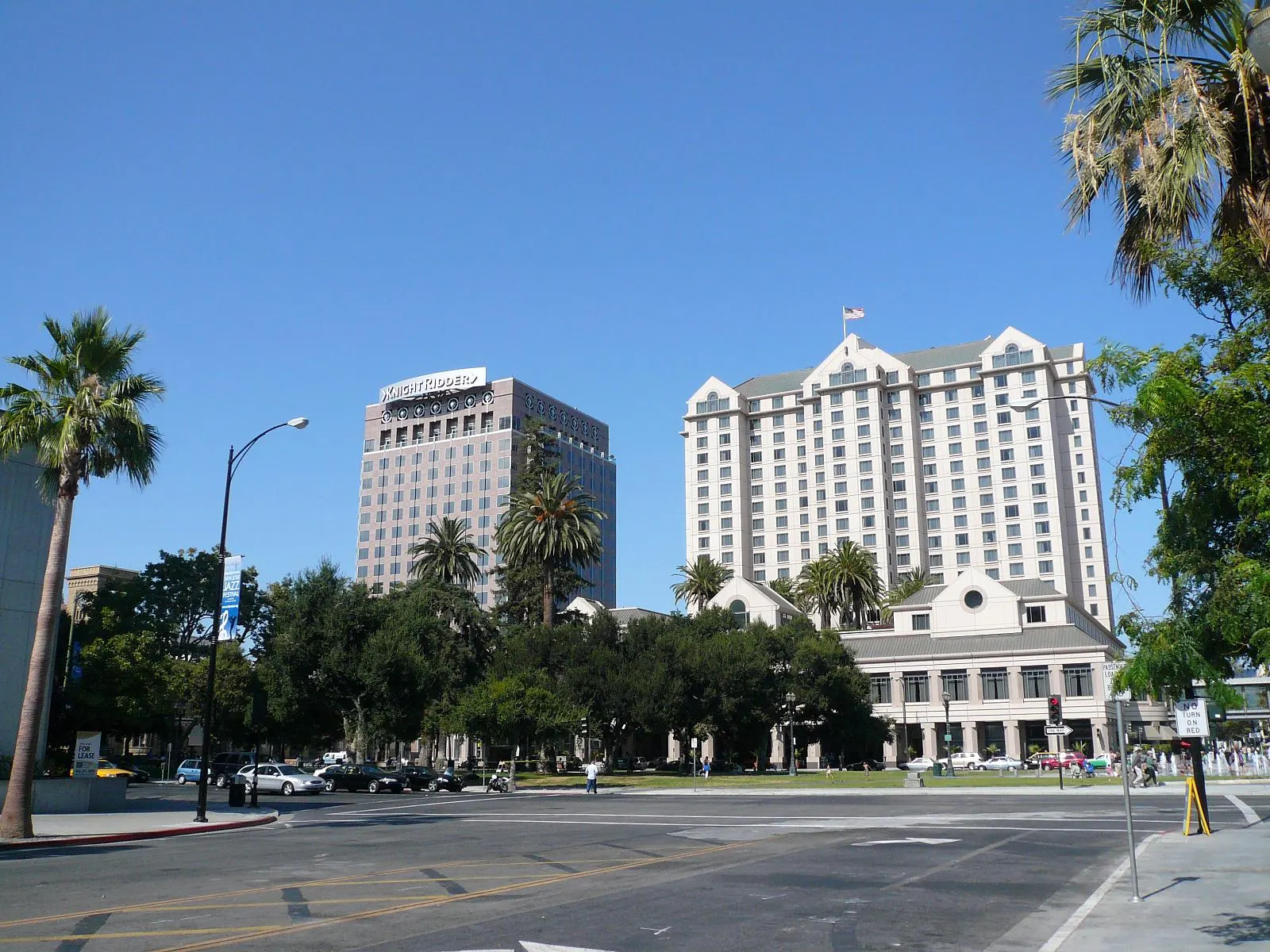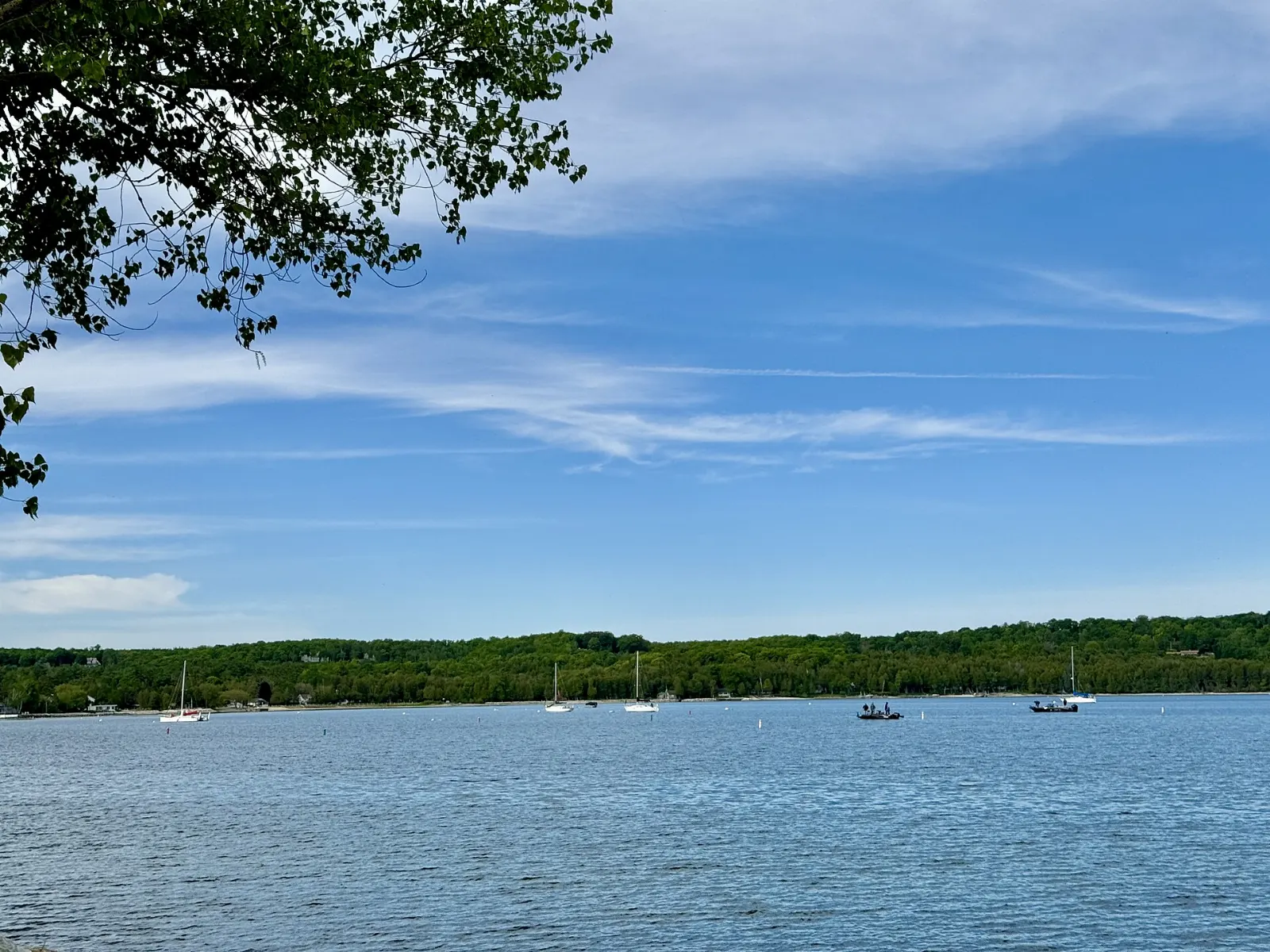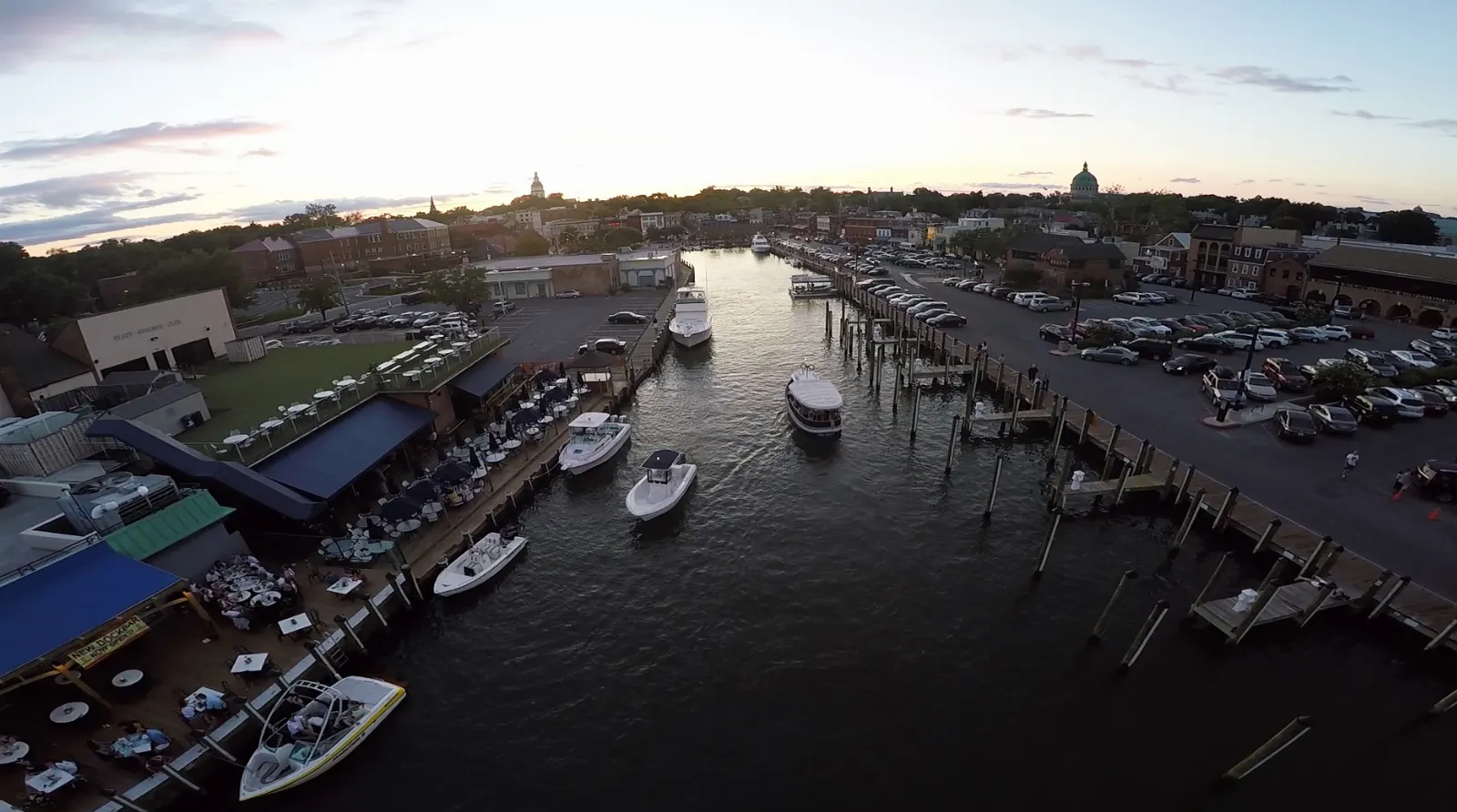
Annapolis packs an outsized amount of history and harbor life into a compact, walkable town.
AT A GLANCE
Best time
May to June and September to October for warm, sunny sailing weather.
How long
Two days covers downtown, the Naval Academy and a sail.
Getting there
BWI Marshall Airport is about a thirty-minute drive; US Route 50 links Washington, D.C.
Why visit Annapolis
Few American towns preserve their colonial plan and buildings as completely as Annapolis. It was a wealthy port in the eighteenth century, and many Georgian mansions from that golden age still stand within the historic district.
History is only half the story. Annapolis calls itself the sailing capital of the United States, and on a summer evening the harbor fills with racing boats, schooners and paddleboarders. The presence of the U.S. Naval Academy adds pageantry, while Chesapeake blue crabs, oysters and rockfish fill local tables.
Historic downtown and the circles
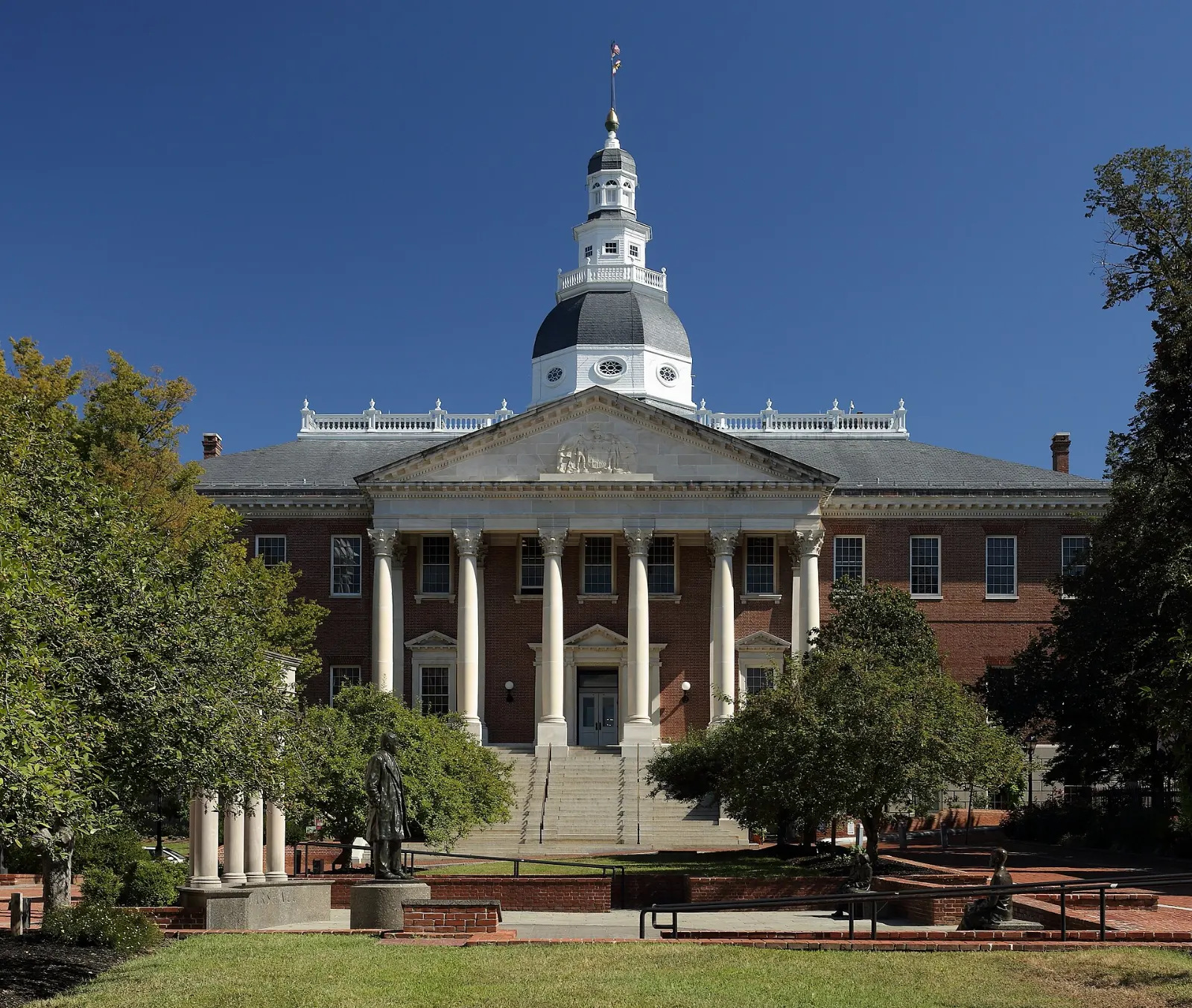
Maryland State House
Crowning State Circle, the Maryland State House was begun in 1772 and is the oldest state capitol still in continuous legislative use. It is topped by the largest wooden dome in the country built without nails, with a lightning rod designed to Benjamin Franklin's specifications.
City Dock and Ego Alley
At the bottom of Main Street, City Dock is the town's lively front porch. The narrow inlet known as Ego Alley earned its nickname from boaters who idle through to show off their vessels, and the benches along the bulkhead are perfect for watching the parade.

William Paca House and Garden
On Prince George Street, the home of William Paca, a signer of the Declaration of Independence and later governor of Maryland, has been carefully restored along with its terraced pleasure garden that slopes down toward a fish-shaped pond.
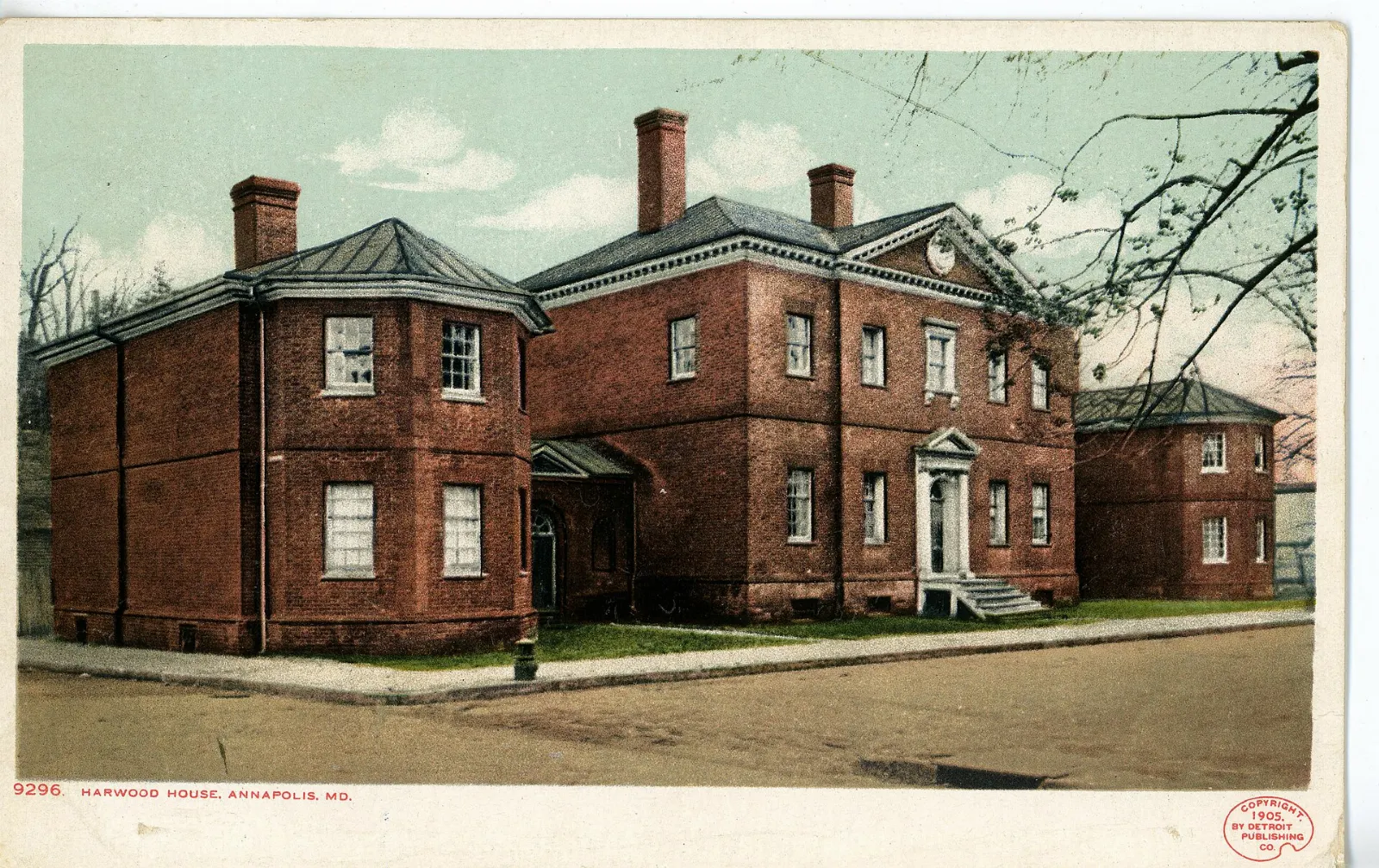
Hammond-Harwood House
A short walk away on Maryland Avenue, the Hammond-Harwood House is often counted among the finest Georgian houses in America.
Banneker-Douglass-Tubman Museum
Housed in the former Mount Moriah African Methodist Episcopal Church on Franklin Street, this is Maryland's official museum of African American history and culture, named for Benjamin Banneker, Frederick Douglass and Harriet Tubman. Exhibits and events explore the long history of Black Marylanders, including in Annapolis itself.
The Naval Academy and St. John's College
United States Naval Academy
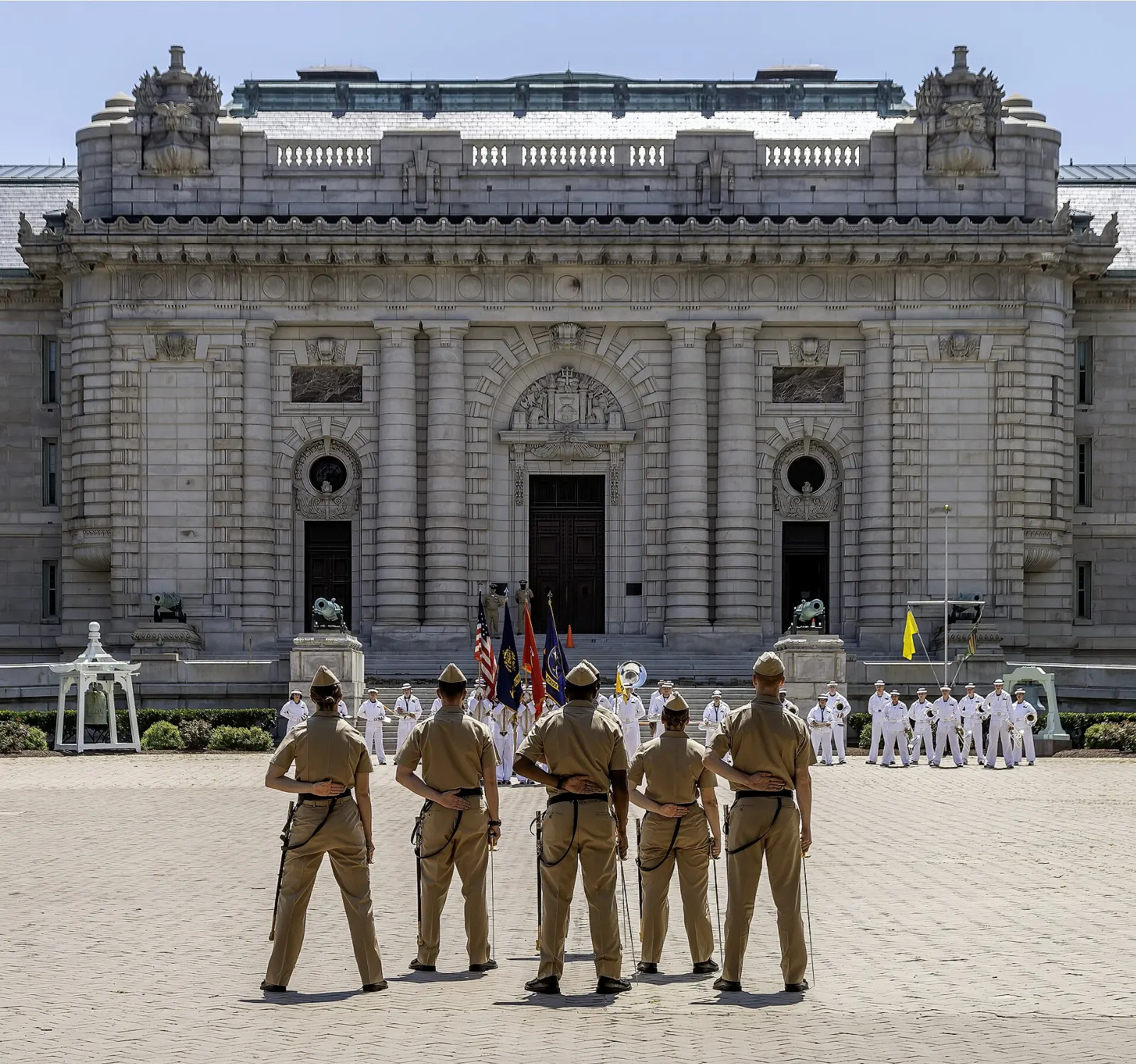
Founded in 1845, the Naval Academy occupies a walled campus, called the Yard, beside the Severn River, and is a National Historic Landmark. Visitors enter on foot through the visitor gate, where adults must show a government-issued photo ID, and guided walking tours depart from the visitor center.
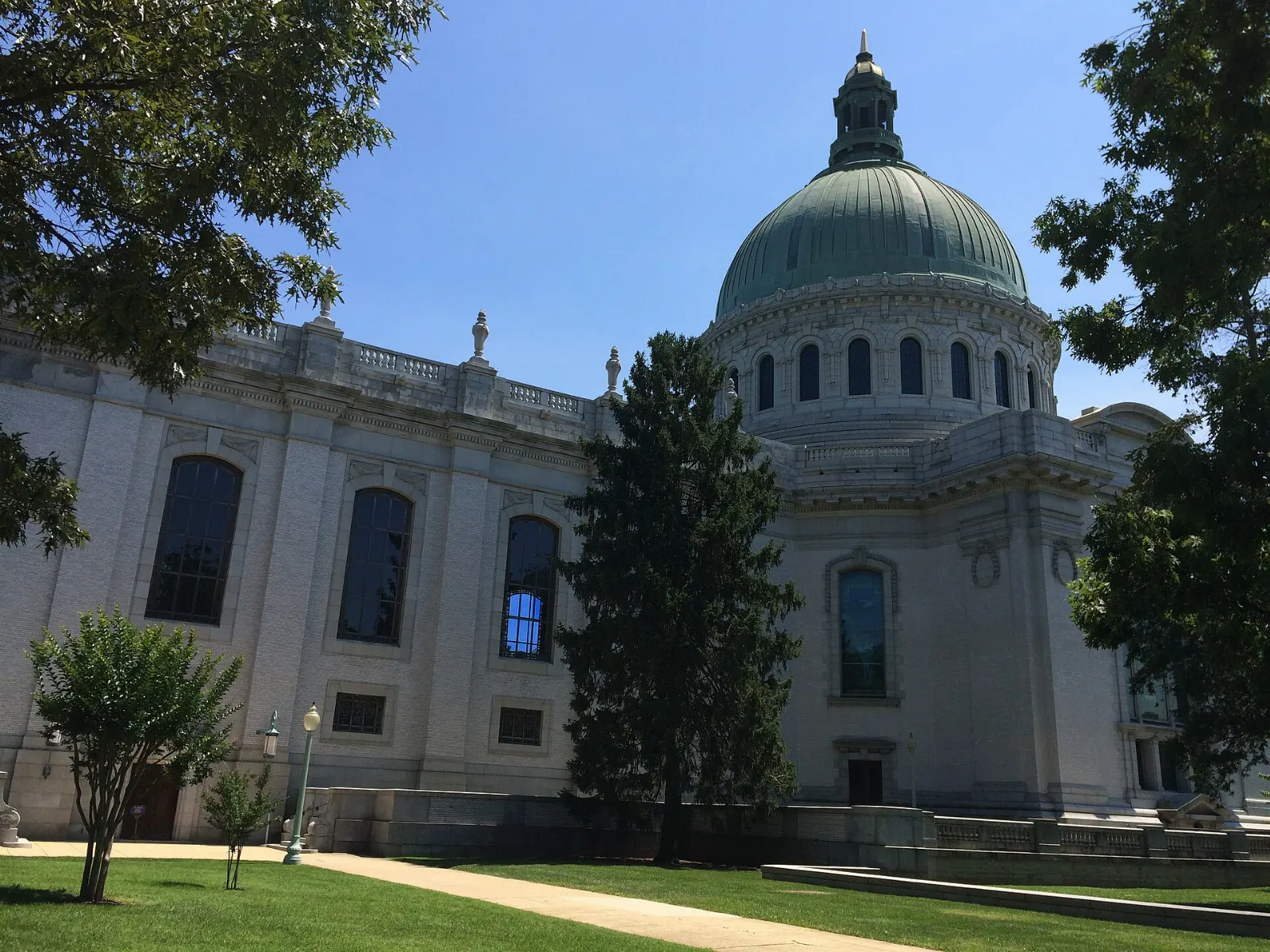
Do not skip the U.S. Naval Academy Museum in Preble Hall, which traces the history of American sea power through ship models, flags, paintings and artifacts, including a famous collection of intricate ship models. It is free, and an hour is enough for most visitors.
St. John's College
Next door to the Naval Academy, St. John's College is one of the oldest colleges in the country, known for its Great Books curriculum. Its leafy front lawn, sloping down toward College Creek, is a favorite place to relax, and each spring it hosts the Annapolis Cup, a lighthearted croquet match between St. John's students and Naval Academy midshipmen that draws crowds in costume.
Eastport, the water and the bay
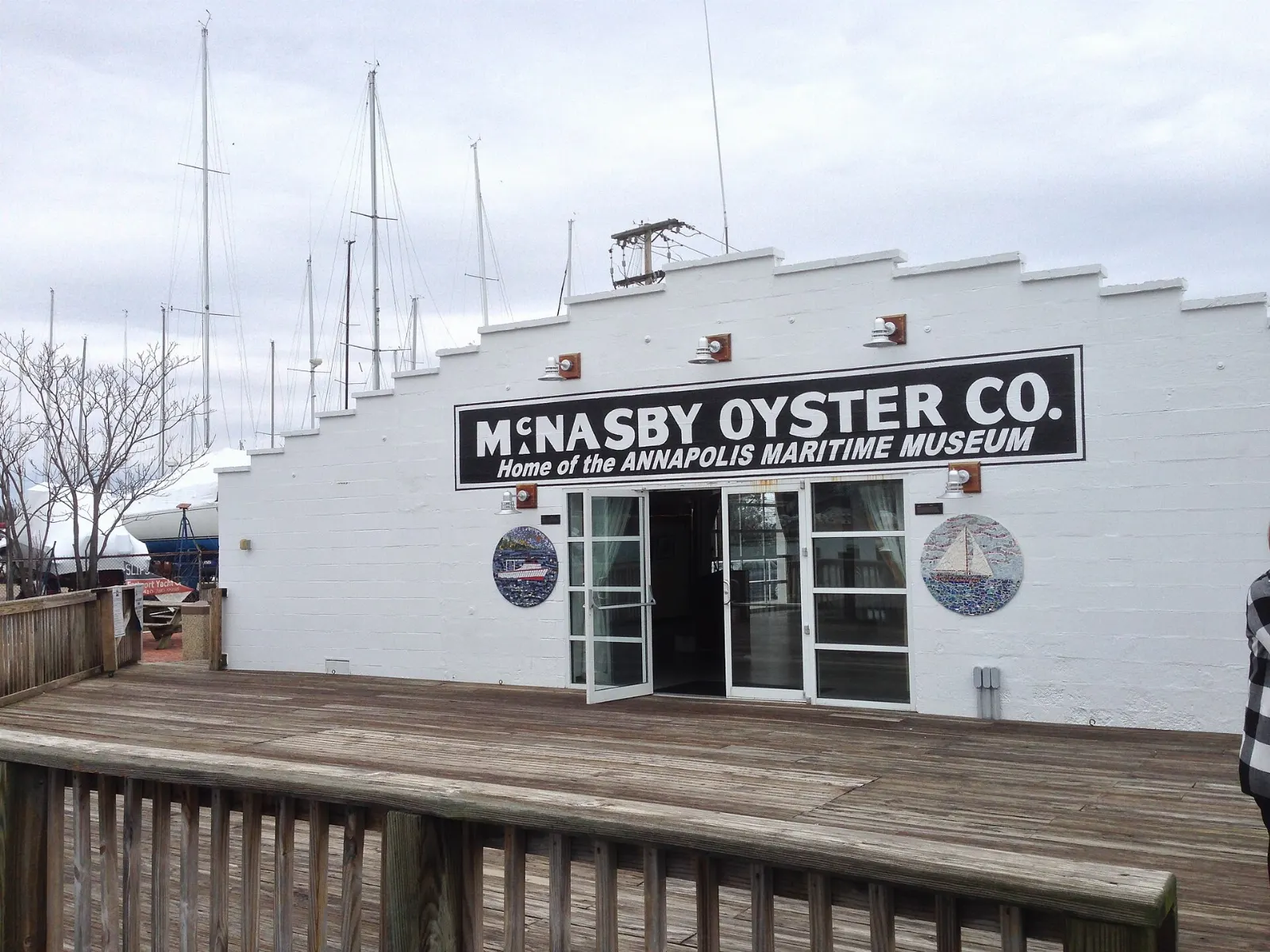
Eastport and the Annapolis Maritime Museum
Across the Spa Creek drawbridge, the Eastport neighborhood is the town's maritime workshop, full of boatyards, sail lofts and waterside bars.
Sailing and harbor cruises
You have not really seen Annapolis until you have seen it from the water. Classic schooners, harbor tour boats and sailing schools operate from City Dock and Eastport from spring to fall, offering short daytime cruises, sunset sails and beginner lessons.
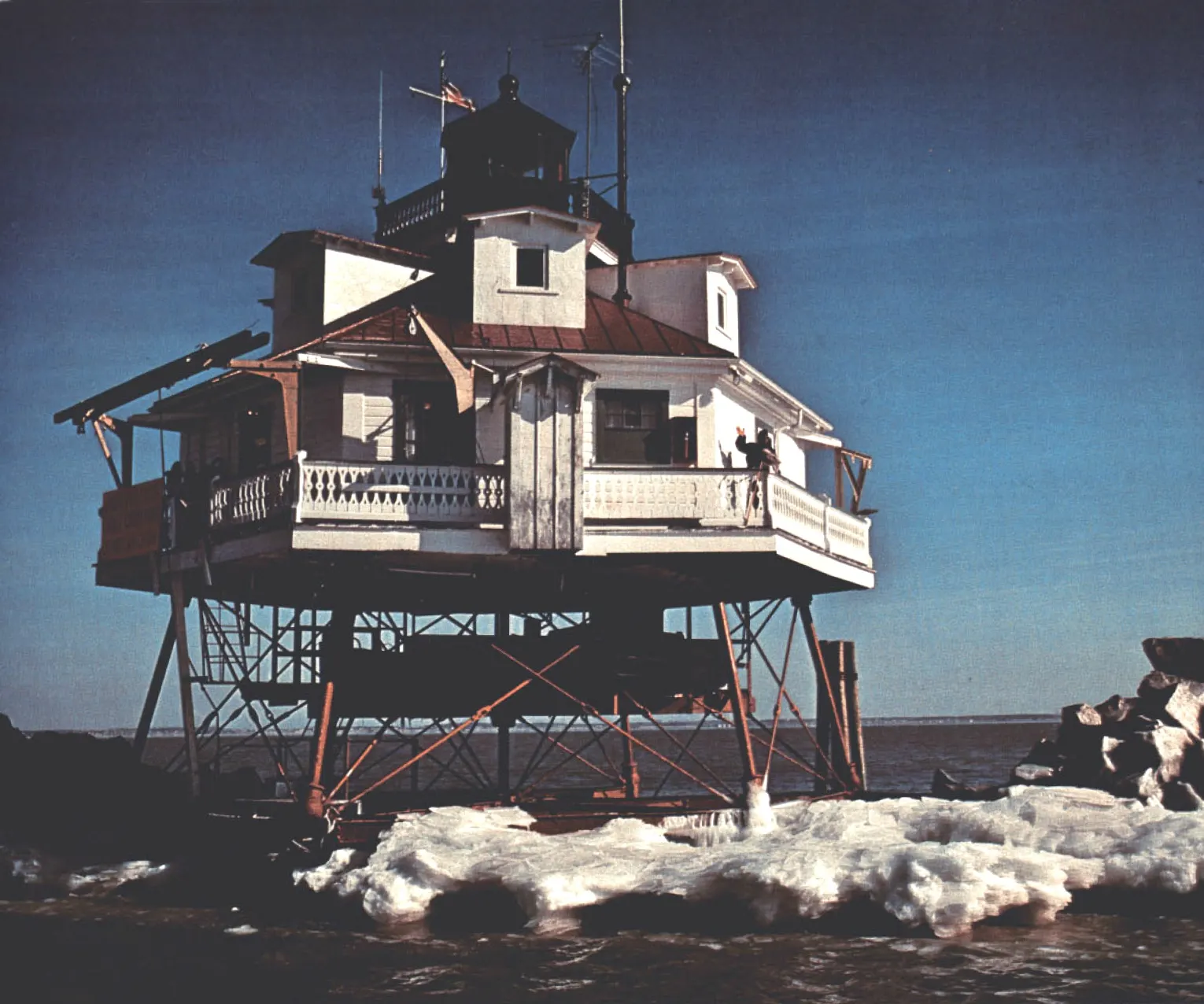
Thomas Point Shoal Light
South of town at the mouth of the South River, Thomas Point Shoal Light is the most recognized lighthouse in Maryland and the only screw-pile lighthouse in the bay still standing on its original site. Its hexagonal white cottage on iron legs dates from 1875.
Sandy Point State Park
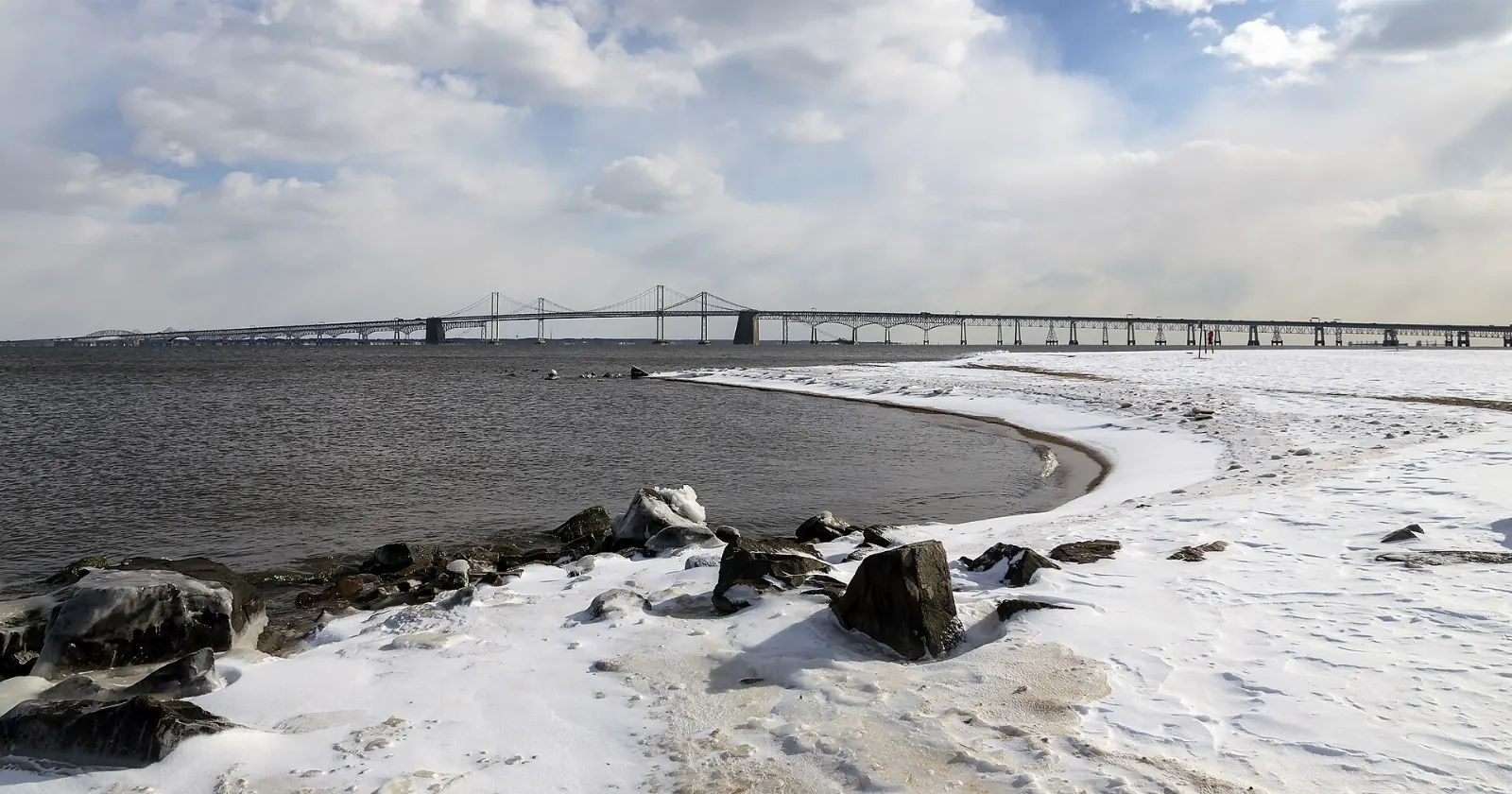
About twelve miles from downtown, just off US Route 50 at the western end of the Chesapeake Bay Bridge, Sandy Point State Park has sandy beaches, picnic areas, fishing, crabbing and boat launches with big views of the twin spans of the bridge.
Food and local flavors
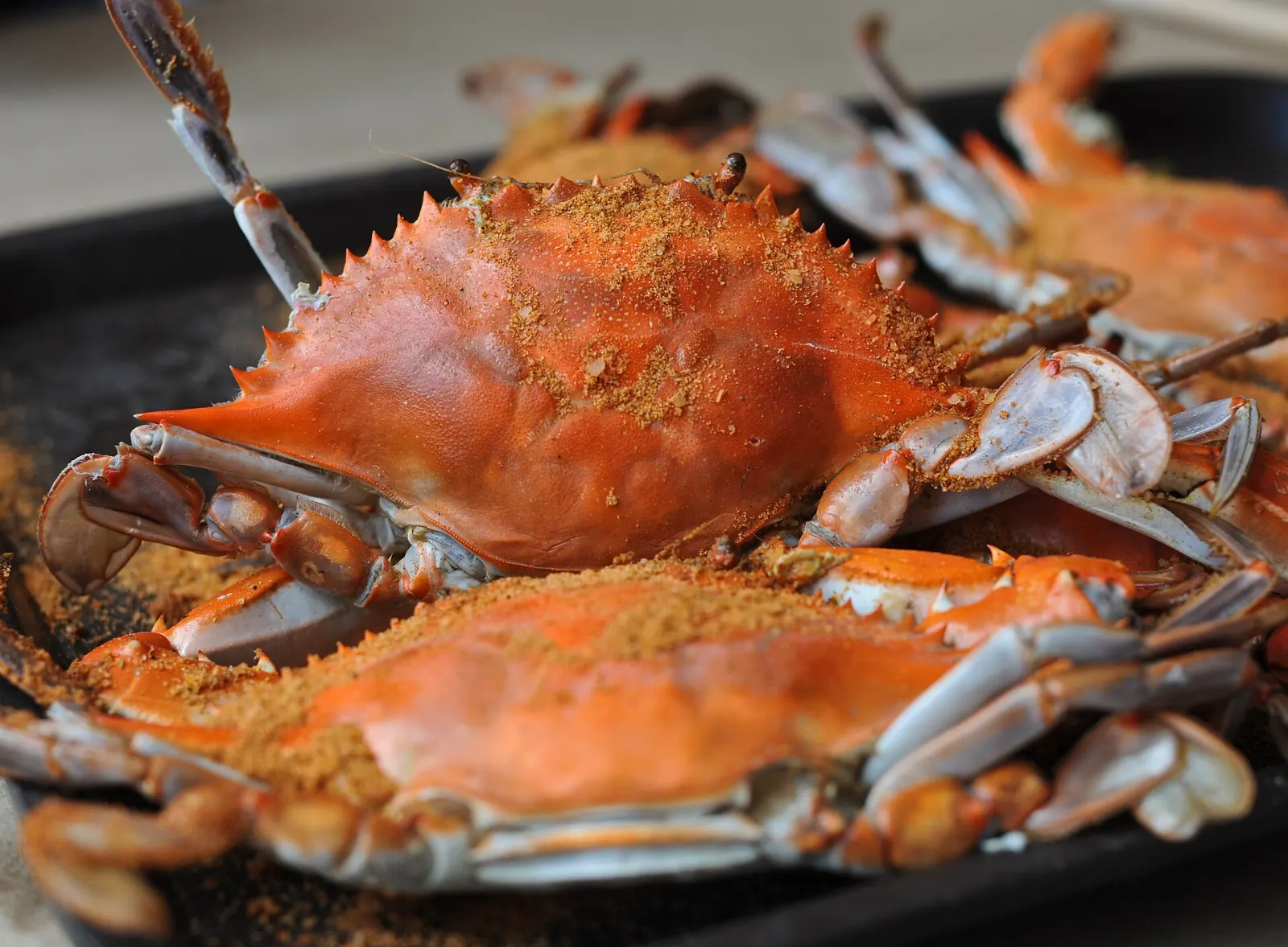
Annapolis eats from the Chesapeake. The signature meal is a pile of steamed blue crabs dusted with spicy Old Bay-style seasoning, cracked open with mallets at a paper-covered table.
Main Street, Market Space and the streets around City Dock hold the densest mix of pubs, seafood houses and cafes, while Eastport has relaxed waterside spots popular with sailors.
Popular dishes to try in Annapolis


On WiserMap
Local businesses in Annapolis

Will Get IT Done
Will Get IT Done is an IT support business serving Annapolis, Maryland, providing computer help, consulting, tech support, networking, data recovery, and Mac re...
Economy Pest Control Inc
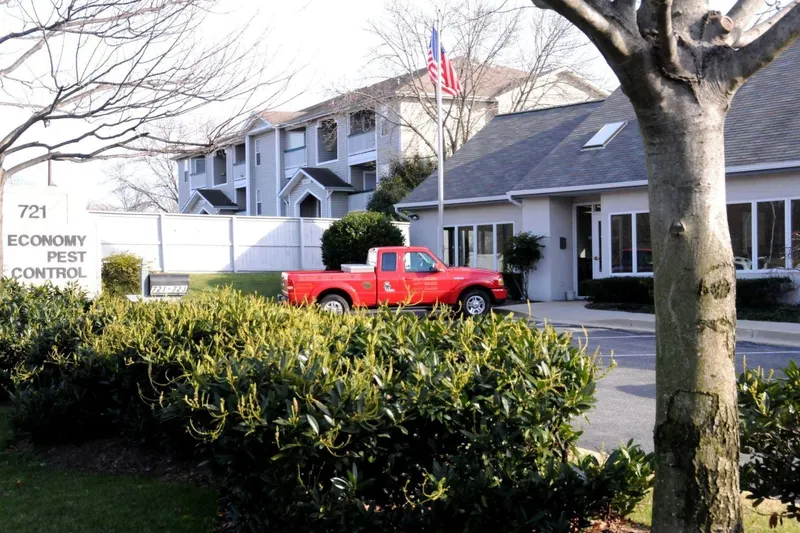
Economy Pest Control Inc is a pest control business serving Annapolis, MD. It provides comprehensive pest management including bed bug, insect, rodent, and wild...

Weed Man Lawn Care
Weed Man Lawn Care is a lawn care business serving Omaha, NE, providing weed control, fertilization, aeration, and other lawn health services to create strong,...
Where to stay
The historic district is ideal for first-time visitors, with historic inns and bed and breakfasts on quiet streets steps from the State House, City Dock and the Naval Academy.
Eastport suits sailors, couples and anyone who wants a quieter, more local atmosphere with marina views, a short walk across the bridge from downtown.
West Street and the Annapolis Towne Centre area near the edge of town offer larger, newer hotels with easier parking, good for families and travelers with a car.
Where to stay in Annapolis


Best time to visit
Late spring and early fall are the sweet spots. May and June bring blooming gardens, comfortable temperatures and the color of Commissioning Week, when the Blue Angels often perform over the Severn.
July and August are hot and humid, with frequent afternoon thunderstorms, though they are prime time for crabs and evening sailing.
Getting there and getting around
Baltimore/Washington International Thurgood Marshall Airport (BWI) is about thirty minutes away by car.
Downtown is compact and best explored on foot. Parking on downtown streets is metered and time-limited, and residential streets need permits, so park in one of the city garages, such as those near Gott's Court or Knighton, and walk.
A suggested itinerary
First day
Start at the visitor center on West Street for maps, then walk to Church Circle and State Circle and tour the Maryland State House. After lunch on Main Street, visit the William Paca House and Garden and the Hammond-Harwood House.
Second day
Spend the morning at the Naval Academy on a guided tour, including the chapel, John Paul Jones's crypt and the museum in Preble Hall. Stroll the St. John's College lawn on your way out, then cross the bridge to Eastport for lunch and the Annapolis Maritime Museum.
Practical tips
- Carry a government-issued photo ID for the State House and the Naval Academy.
- Use a downtown parking garage rather than circling for street spaces, especially on summer weekends.
- Book sailing cruises and dinner tables ahead on weekends from May to October.
- Check the Naval Academy calendar for Commissioning Week, home football games and security changes before you visit.
- Wear comfortable shoes with good grip; brick sidewalks are uneven and the hills from City Dock are steeper than they look.
- Bring sunscreen, a hat and water in summer, and watch the sky for fast-moving afternoon storms on the water.
Find local businesses in Annapolis on WiserMap
Looking for a crab house, a sailing charter, a bike rental or a historic inn?