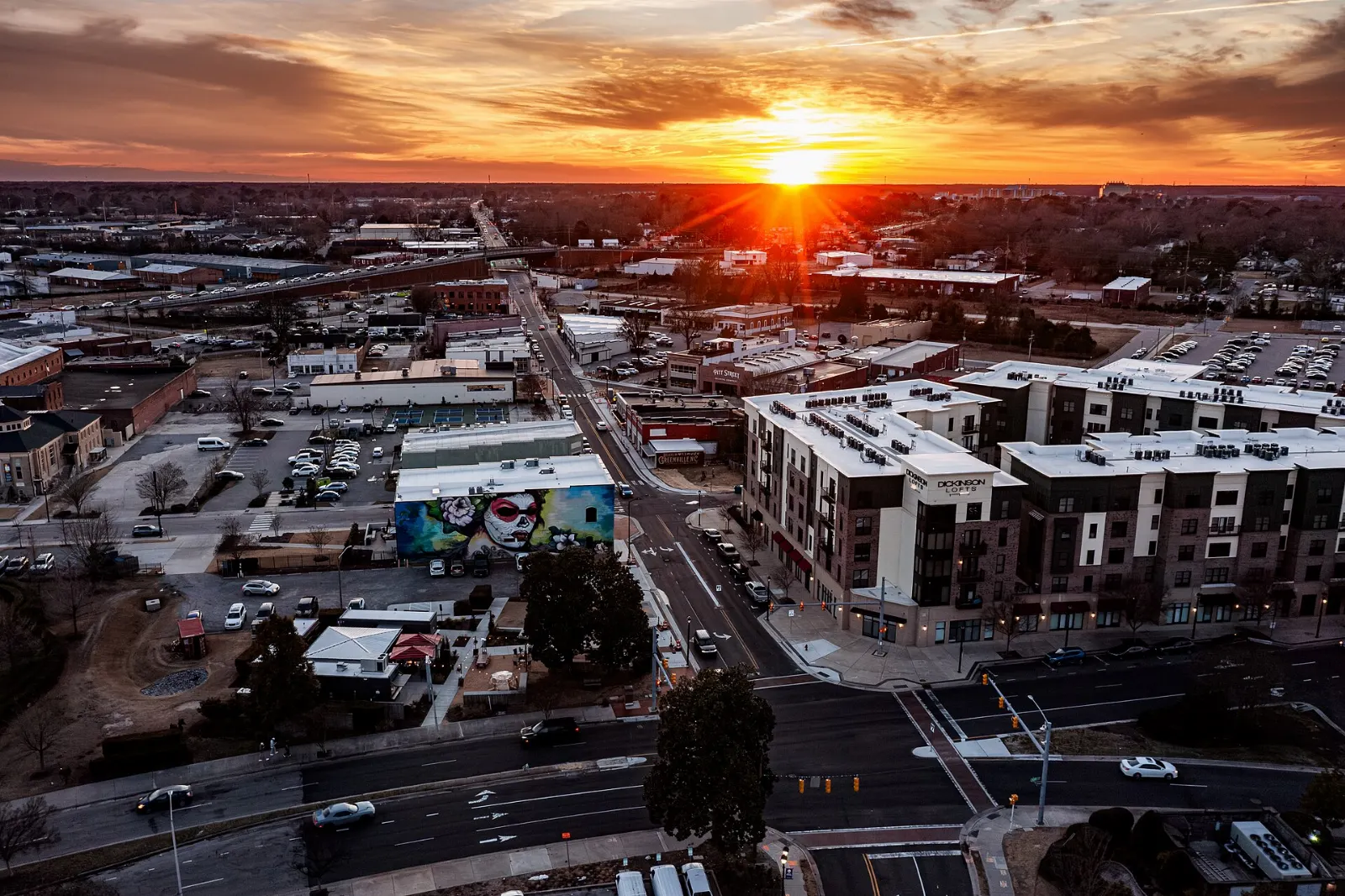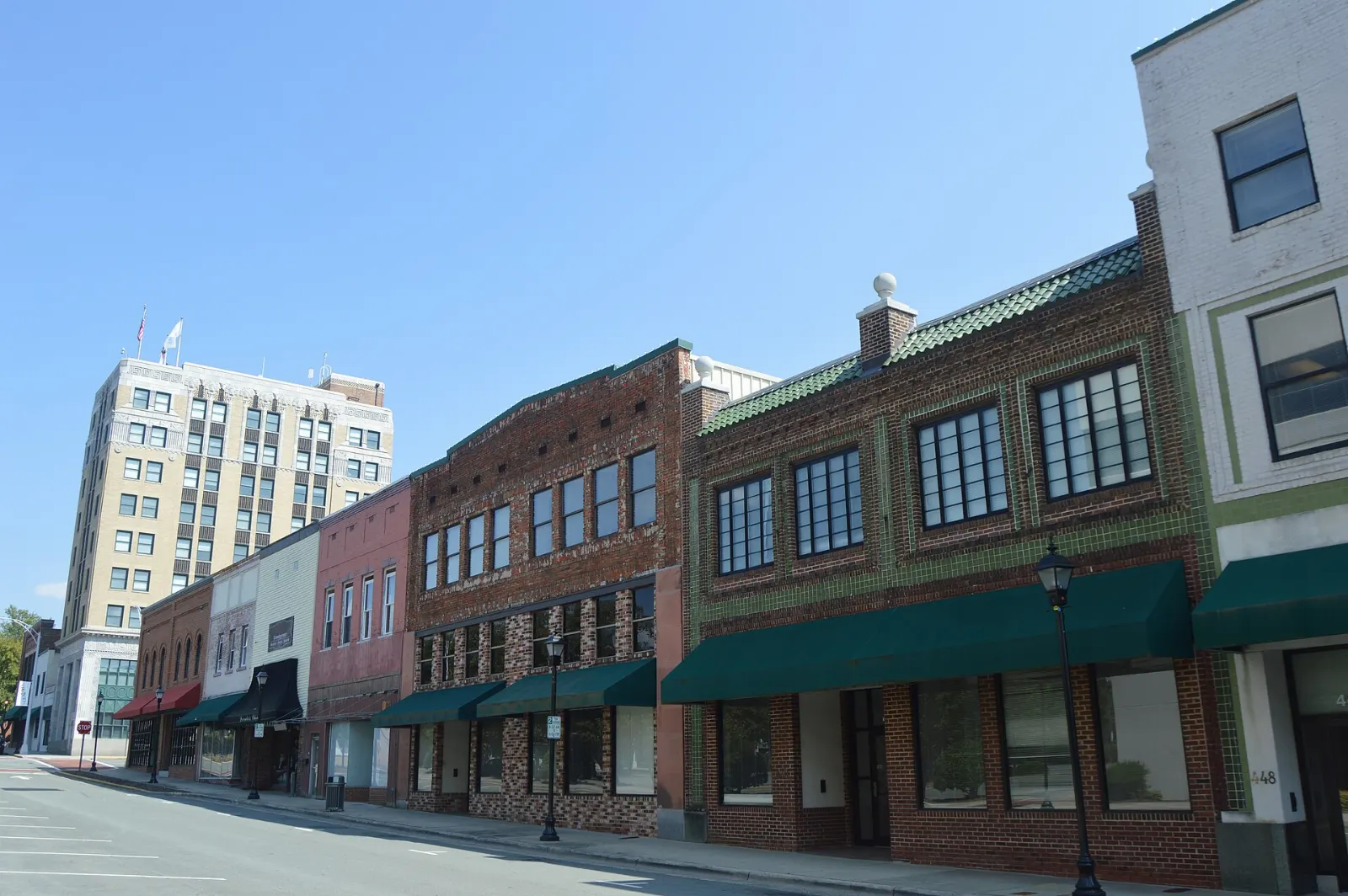
Durham built its fortune on tobacco and textiles, then reinvented itself around Duke University, medicine and research.
AT A GLANCE
Best time
April to May for gardens in bloom, and October to early November for mild weather and fall color.
How long
Two days covers Duke and downtown; three days lets you add the Eno River and museums at a relaxed pace.
Getting there
Fly into Raleigh-Durham International (RDU), about twenty minutes away, or arrive by Amtrak at Durham Station downtown.
Why visit Durham
Few mid-sized American cities pack so much variety into a small area. Duke University's West Campus is one of the most striking college campuses in the country, and the free Sarah P. Duke Gardens next door could fill a morning on their own.
Durham's history runs deep. It was home to one of the most prosperous Black business districts in the country in the early twentieth century, the end of the Civil War in the Carolinas played out on a farm on the edge of town, and the Duke family's tobacco empire shaped everything from the university to the skyline.
Duke University and its gardens
Duke's campus is the natural starting point. Park in a visitor lot near the gardens or chapel and explore on foot.
Duke Chapel
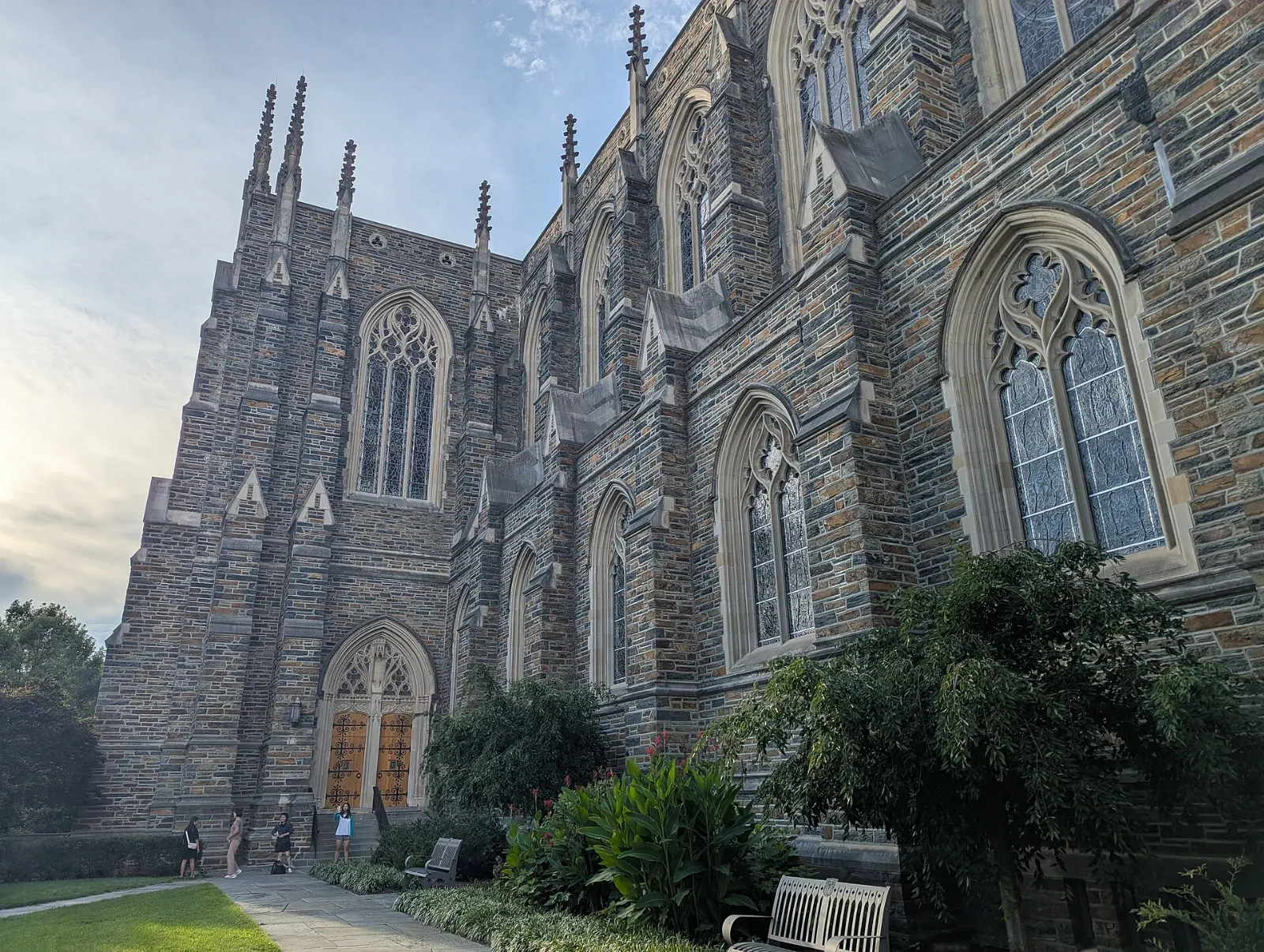
Built of local volcanic stone in the early 1930s, Duke Chapel is the soaring Collegiate Gothic heart of West Campus, with a tower that dominates the skyline for miles.
Sarah P. Duke Gardens
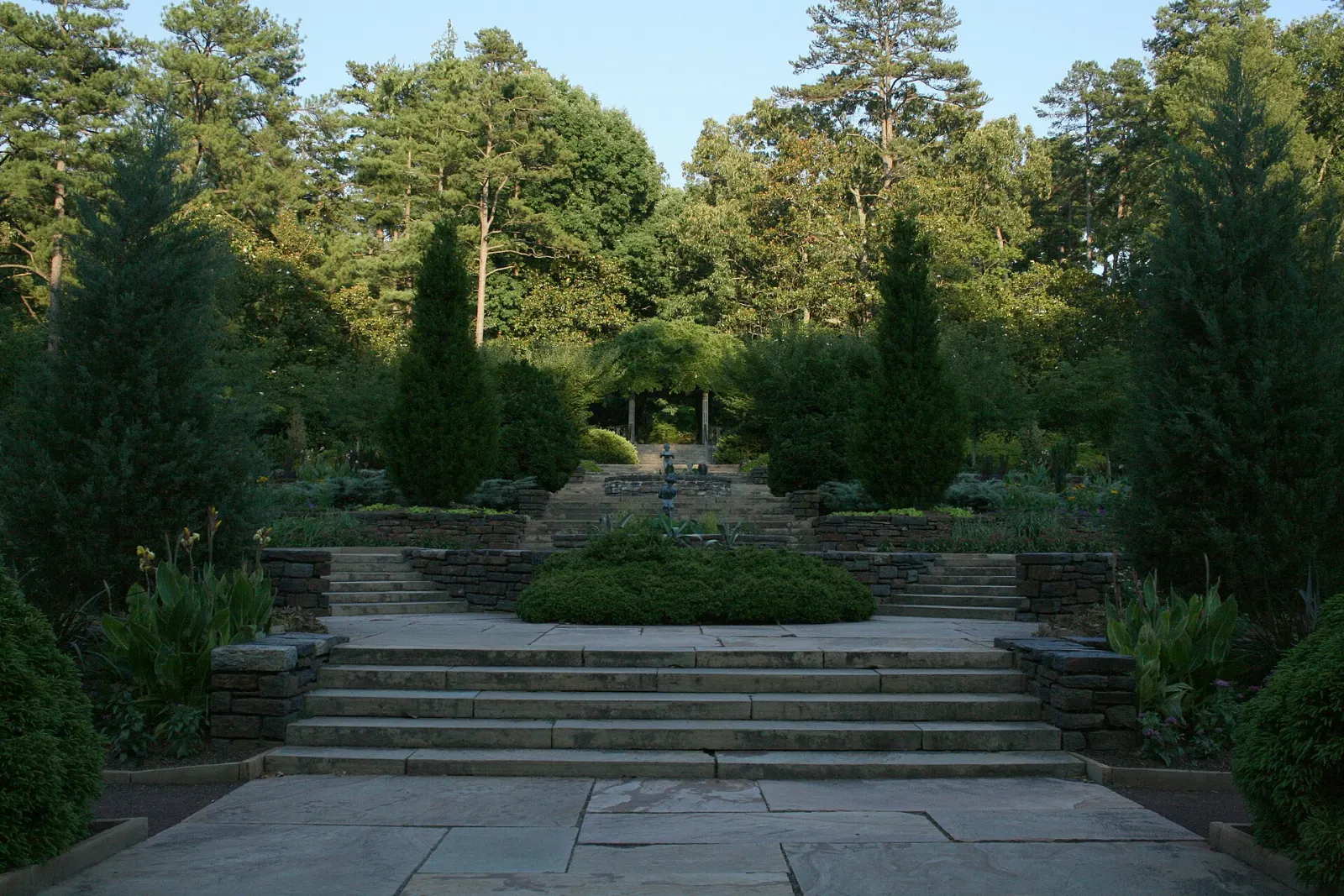
These gardens cover more than fifty acres and are free to visit. The terraced Historic Gardens burst with color in spring, the Asiatic Arboretum features Japanese maples and a footbridge over a pond, and the Blomquist Garden focuses on native Southeastern plants.
Nasher Museum of Art
A short walk from the gardens, the Nasher focuses on modern and contemporary art, with strong holdings of work by artists of African descent, plus medieval and ancient pieces. Its glass-roofed central hall and changing exhibitions draw art lovers from across the Triangle.
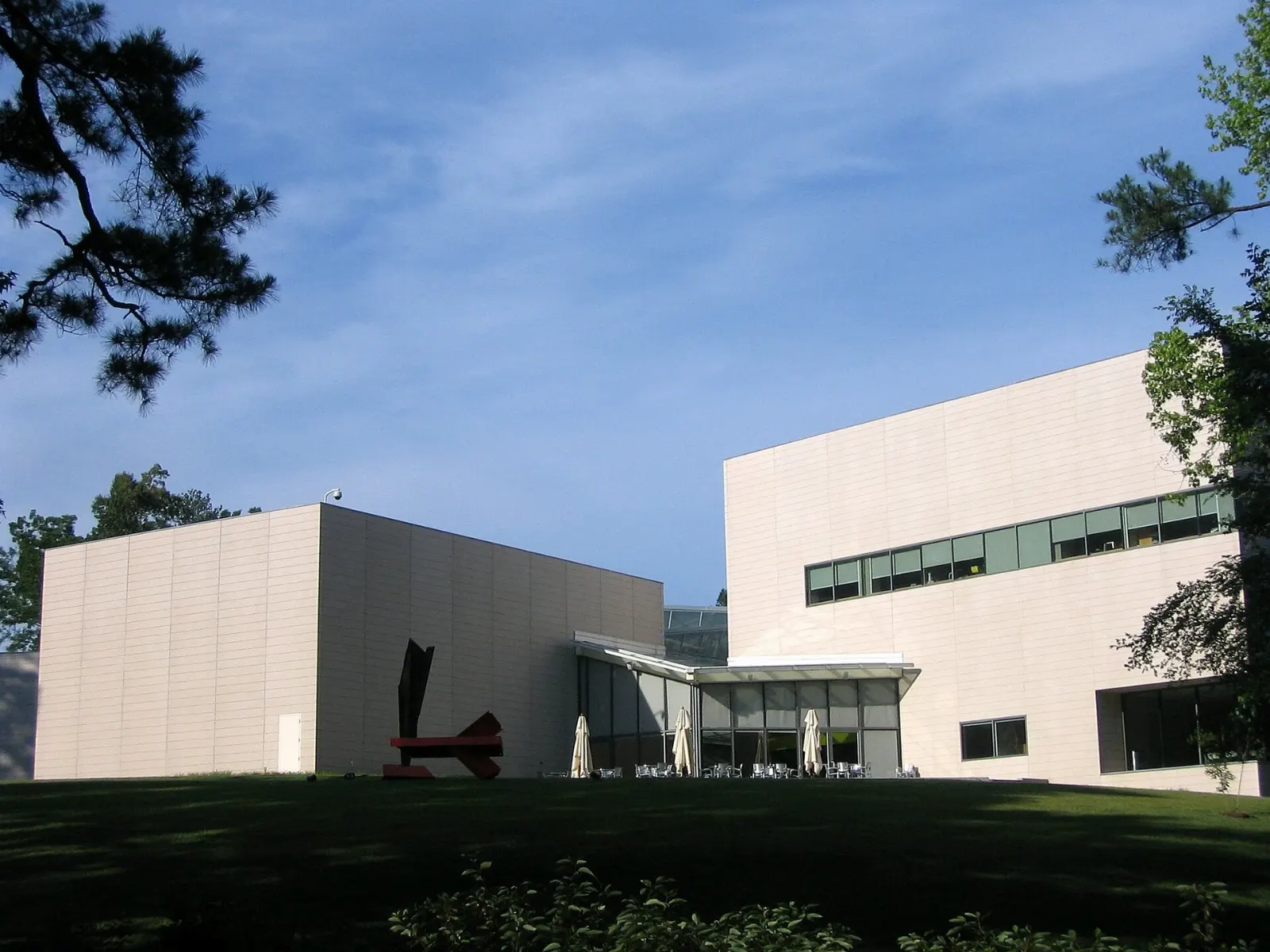
Duke Lemur Center
A few miles from the main campus, the Duke Lemur Center cares for one of the largest populations of lemurs outside Madagascar, used for non-invasive research and conservation.

Downtown and the tobacco district
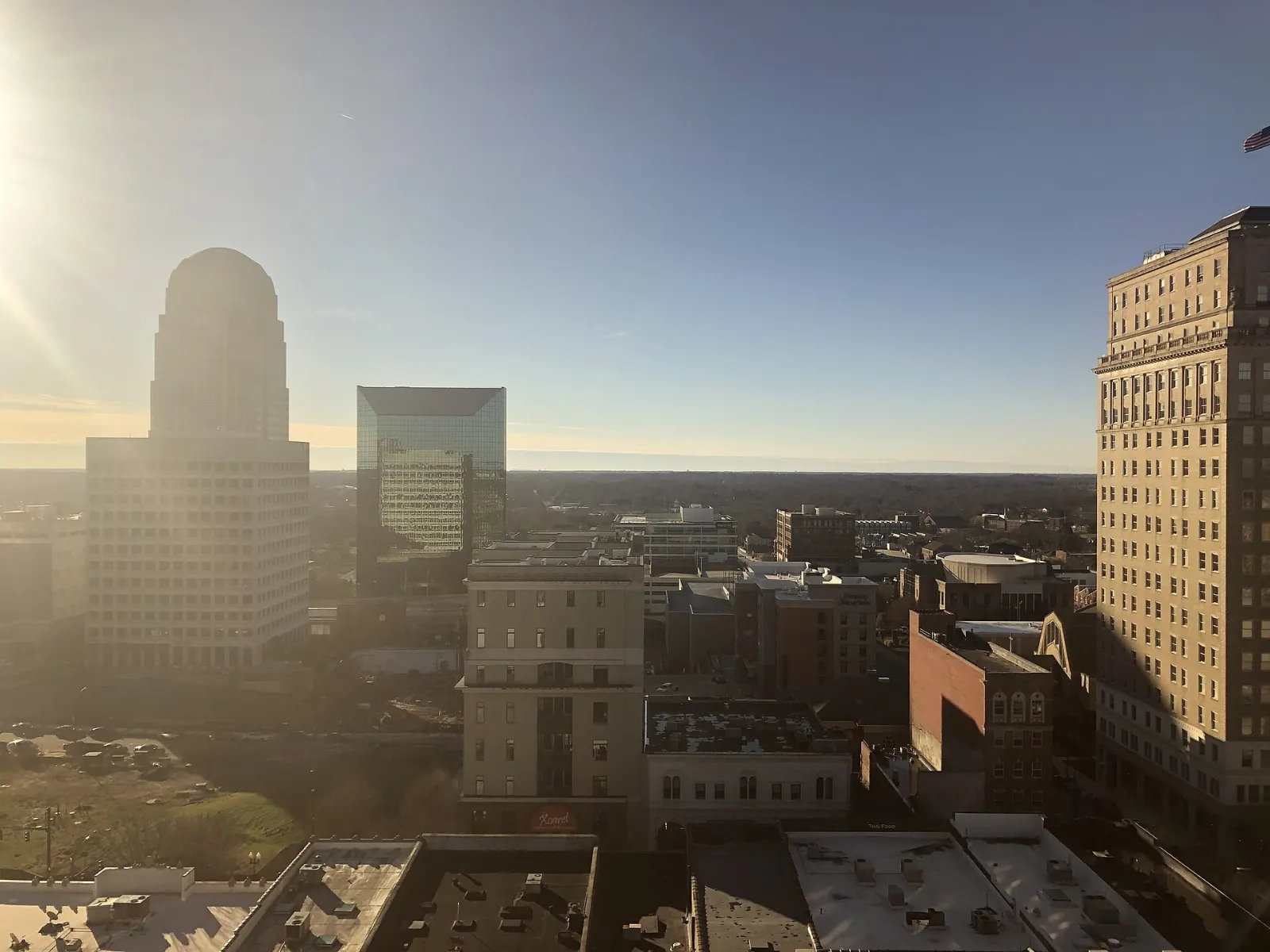
Downtown Durham is walkable and full of reused industrial buildings, with most attractions within fifteen minutes of one another on foot.
American Tobacco Campus
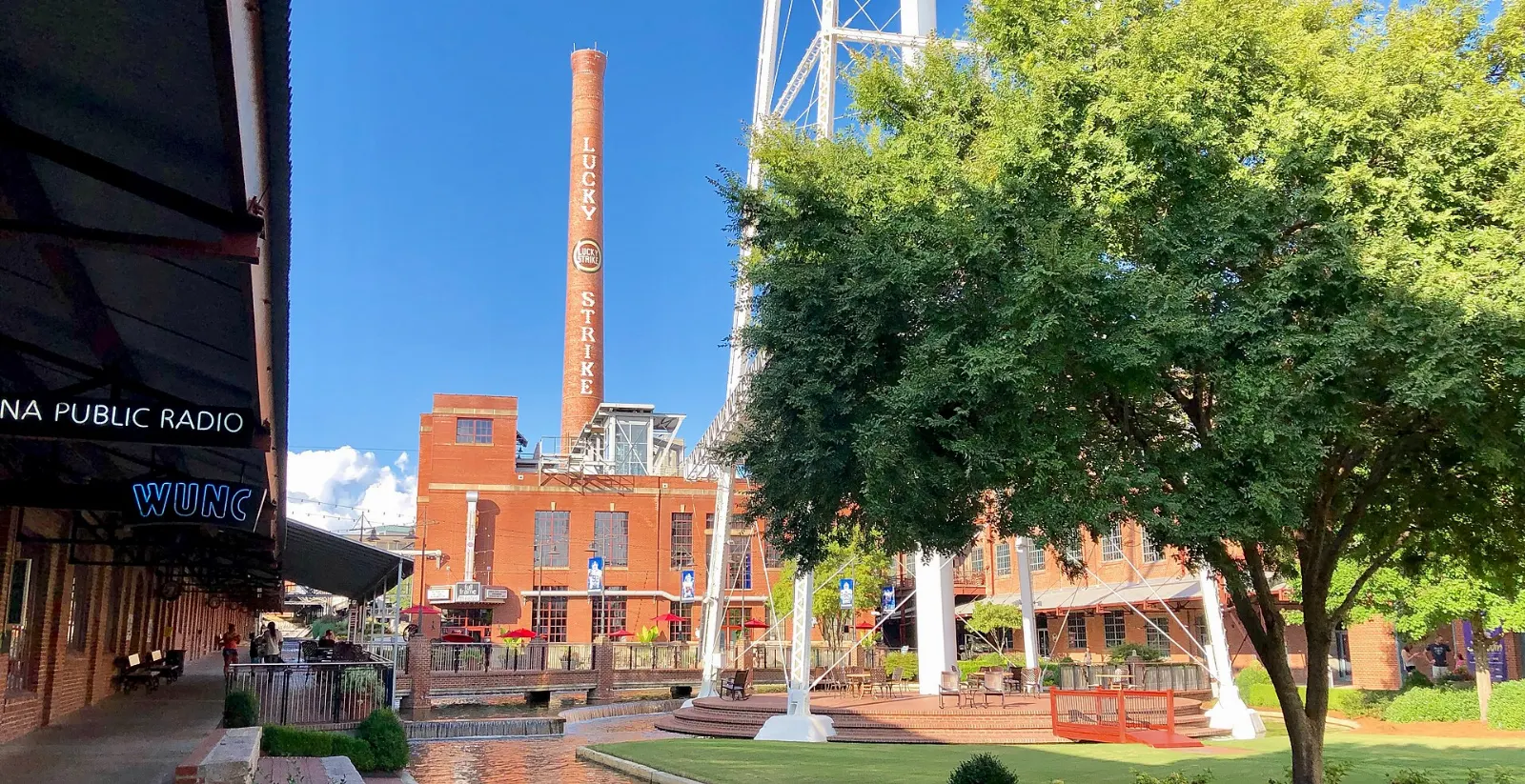
Once the factory that produced Lucky Strike cigarettes, this complex has been converted into offices, restaurants and public spaces. A landscaped stream runs between the brick buildings, and the Lucky Strike water tower and smokestack make an easy landmark.
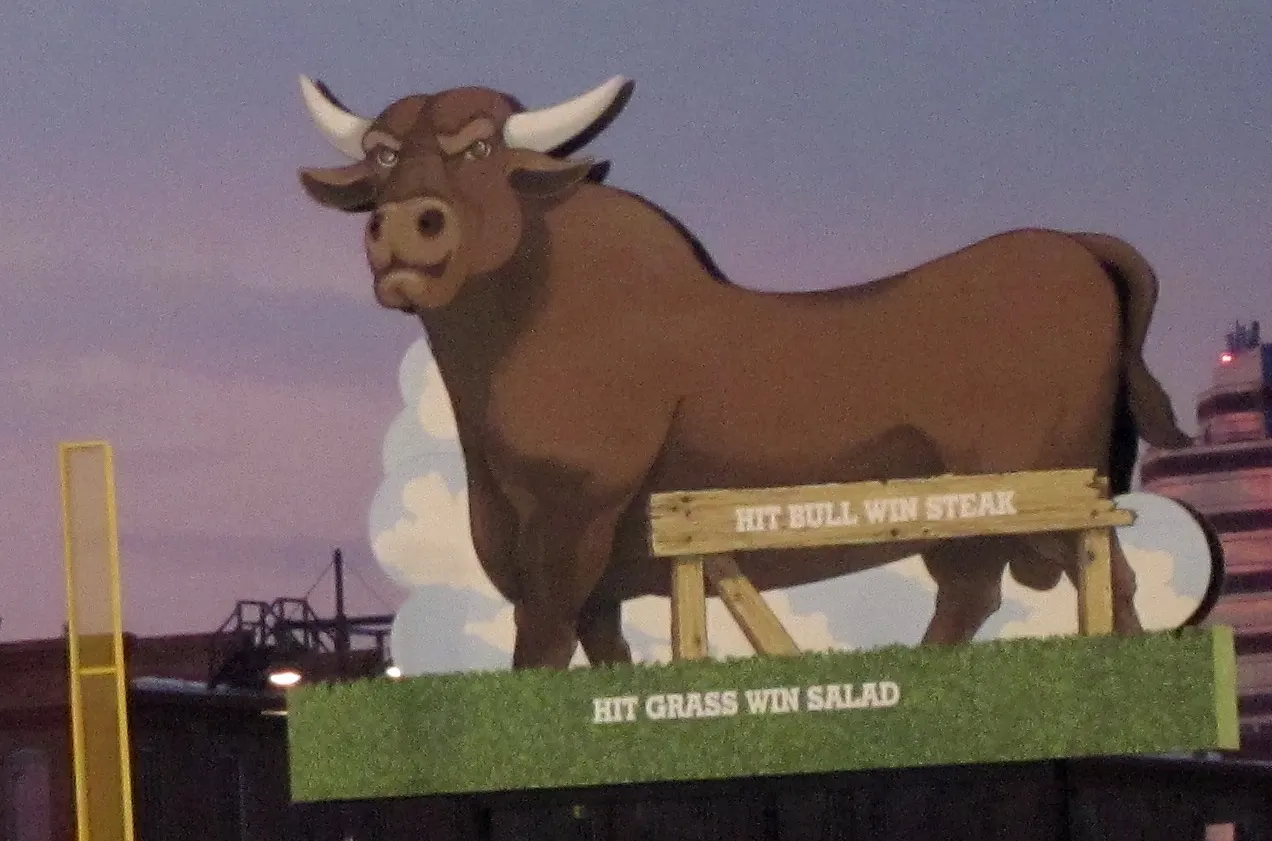
Durham Bulls Athletic Park
The Durham Bulls became famous through the film Bull Durham, and today they play Triple-A baseball right beside the American Tobacco Campus. The ballpark has good sightlines, a towering left-field wall nicknamed the Blue Monster and the snorting bull sign that lights up after home runs.
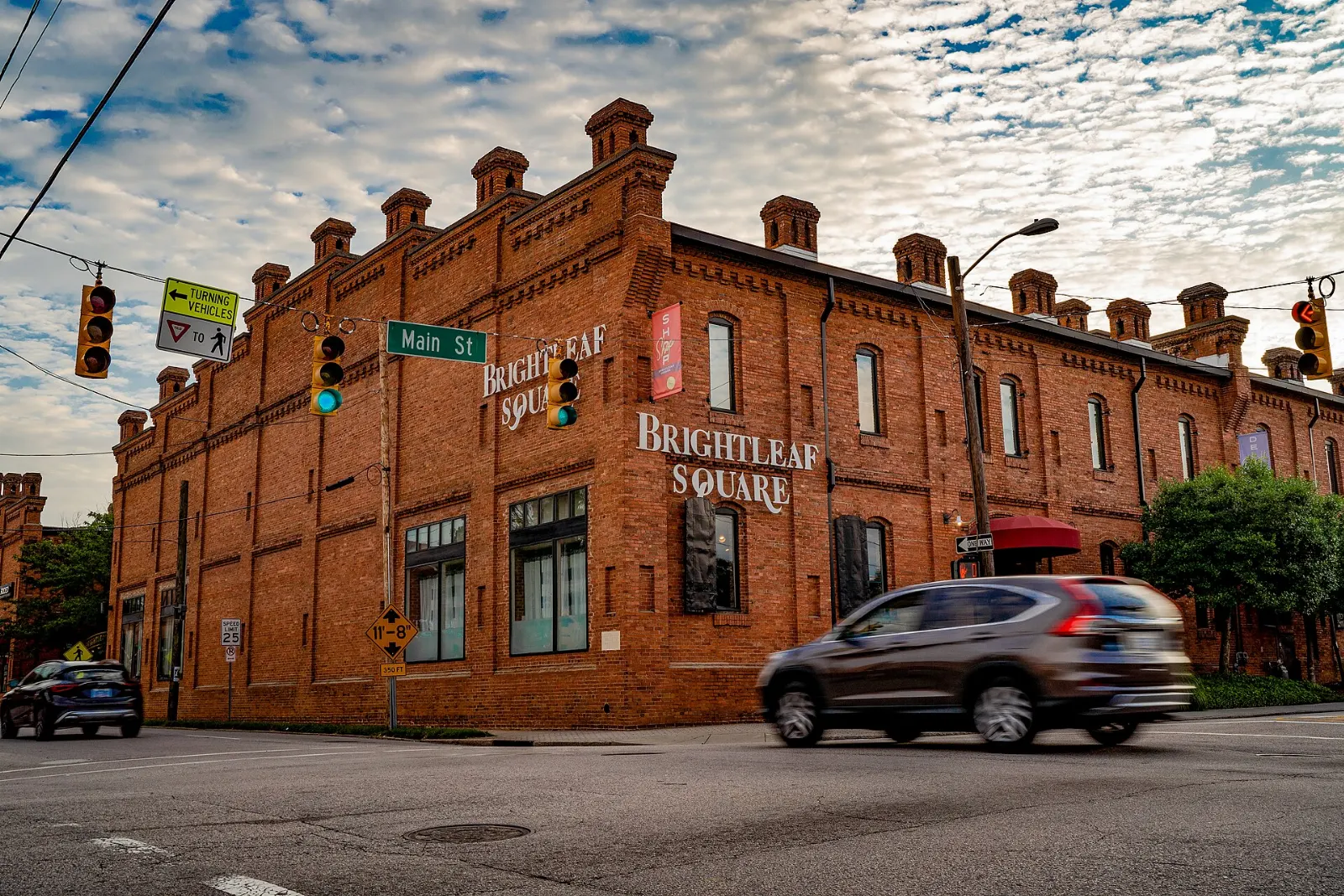
Brightleaf Square and Parrish Street
Brightleaf Square fills two restored tobacco warehouses with shops and restaurants, a reminder of the bright leaf tobacco that made Durham rich.
Durham Central Park and the Hayti Heritage Center
Durham Central Park hosts the Durham Farmers' Market on Saturday mornings, with produce, baked goods and crafts from local growers.
Museums, history and the Eno River
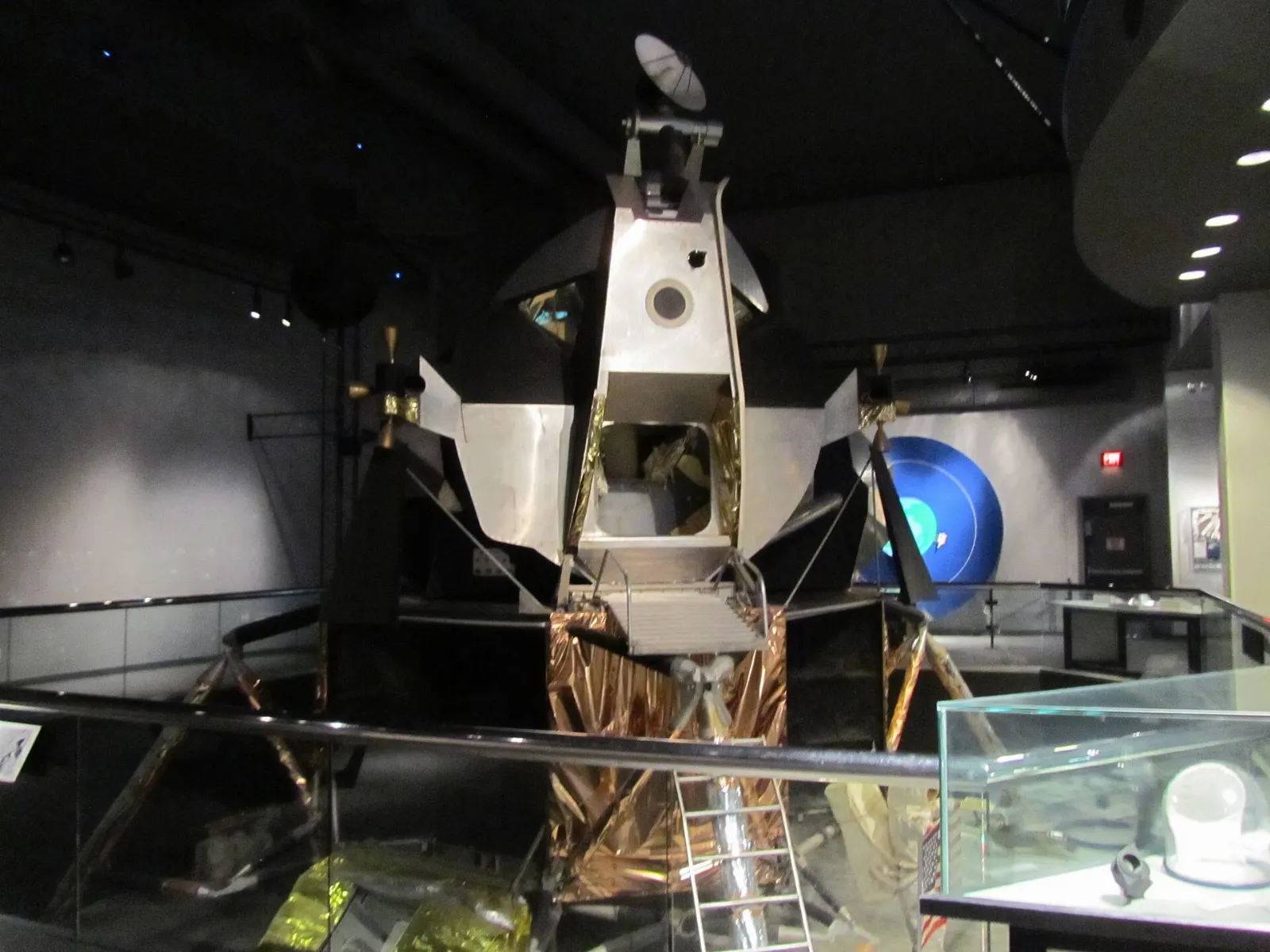
Museum of Life and Science
North of downtown, this large science museum combines indoor exhibits with outdoor habitats for black bears, red wolves and lemurs, a farmyard and a tree-house style play area called Hideaway Woods.
Bennett Place State Historic Site
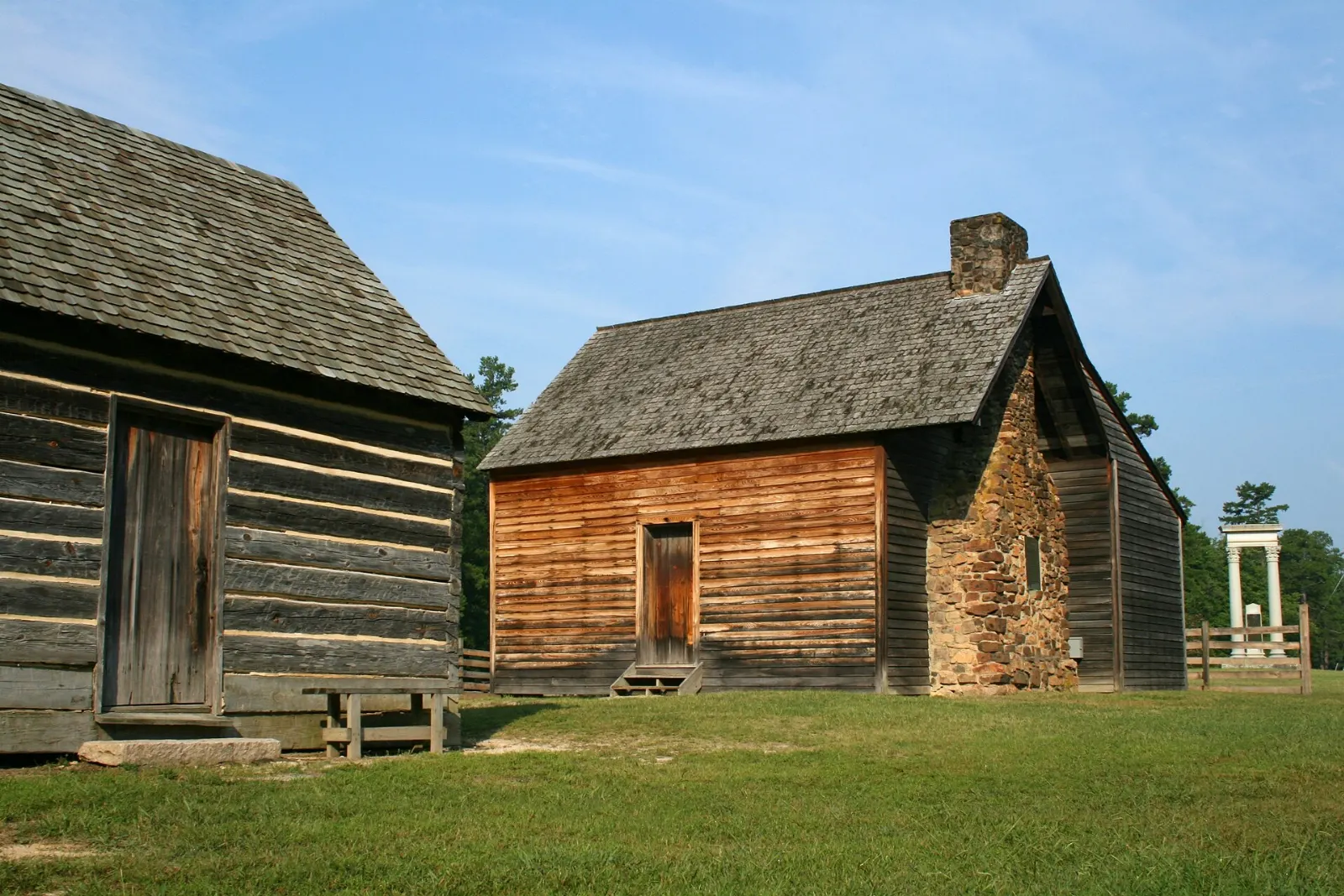
In April 1865, Confederate General Joseph E. Johnston met Union General William T. Sherman at this modest farmhouse and surrendered the largest number of troops of the Civil War.
Duke Homestead State Historic Site
This is where Washington Duke began the family tobacco business that grew into the American Tobacco Company.
Eno River State Park and West Point on the Eno
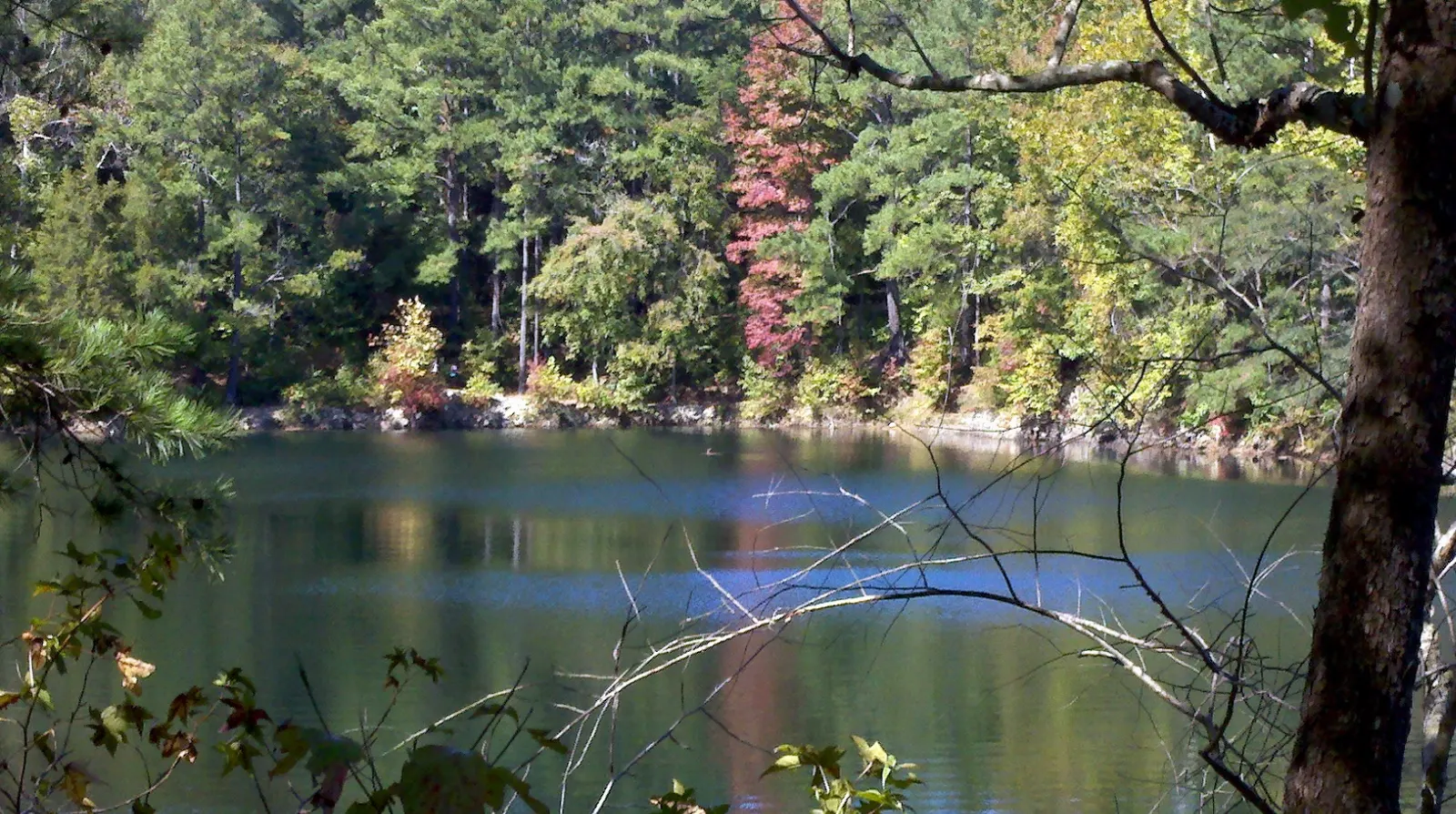
The Eno River winds through northern Durham over rocks and past old mill sites. Eno River State Park offers a network of trails, including the popular routes around Few's Ford, with a suspension bridge across the river.
On WiserMap
Local businesses in Durham

ORTIZ FLOORING INC
ORTIZ FLOORING INC is a flooring business serving North Carolina, providing hardwood, luxury vinyl plank, laminate, carpet, and tile flooring services for homes...

Phone Repair Durham
Professional phone repair and motherboard repair specialists in Durham. Same-day repairs for iPhone, Samsung, Google Pixel, iPad, and other mobile devices.
Agape Lawn Company
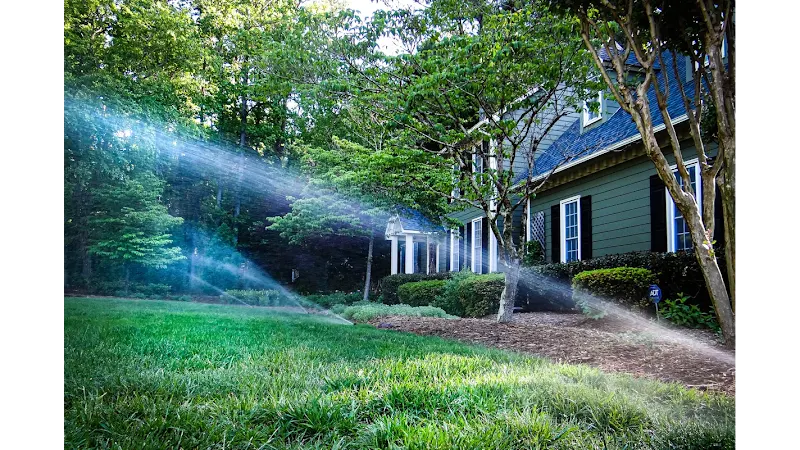
Agape Lawn Company is a full-service lawn and landscaping business serving Durham, NC, and surrounding areas. It provides lawn care, landscaping, outdoor living...
Food and local flavors
Durham has a reputation as one of the South's most interesting small food cities.
The best areas for eating out are downtown around Main Street and the City Center blocks, the American Tobacco Campus, Brightleaf Square and Ninth Street near Duke's East Campus, which has a long-standing mix of cafes and casual spots.
Popular dishes to try in Durham


Where to stay
Downtown is the best base for most visitors.
Near Duke's West Campus and Erwin Road, you are close to the chapel, gardens and Duke University Hospital.
Ninth Street and Trinity Park offer a residential, tree-shaded feel between Duke and downtown, with guesthouses and short-term rentals.
South Durham and the Research Triangle Park area are convenient for the airport, business travel and day trips to Raleigh and Chapel Hill, though you will need a car.
Where to stay in Durham


Best time to visit
Spring, from late March to May, is when Duke Gardens is at its most colorful and the Bulls season gets under way.
Summer is hot and humid, with afternoon thunderstorms.
Fall brings drier air and colorful leaves along the Eno River from mid-October into November.
Winter is mild and quiet, with occasional cold snaps.
Getting there and getting around
By air: Raleigh-Durham International Airport (RDU) is roughly twenty minutes from downtown Durham by car.
By car: I-85 and I-40 serve the city, and the Durham Freeway (NC 147) connects downtown with Research Triangle Park and I-40.
Getting around: GoDurham operates city buses, including routes between downtown and Duke, and GoTriangle buses connect Durham with Raleigh and Chapel Hill.
Top rated
Trusted by locals in Durham

Flooring by Design
Flooring by Design is a flooring and cabinetry business serving Durham, NC, offering carpet, hardwood, laminate, vinyl, tile, and area rugs with professional in...
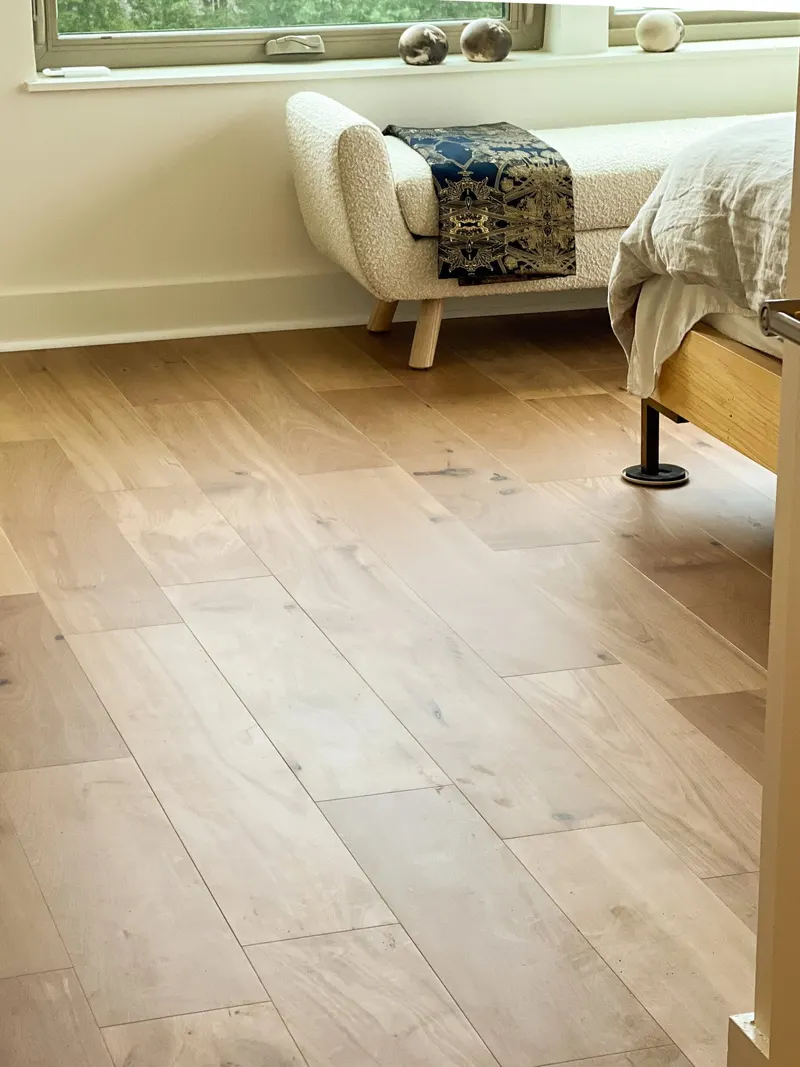
Triangle Floors NC LLC
Triangle Floors NC LLC is a flooring business serving Durham and Raleigh, NC, specializing in hardwood floor installation, refinishing, luxury vinyl plank, tile...
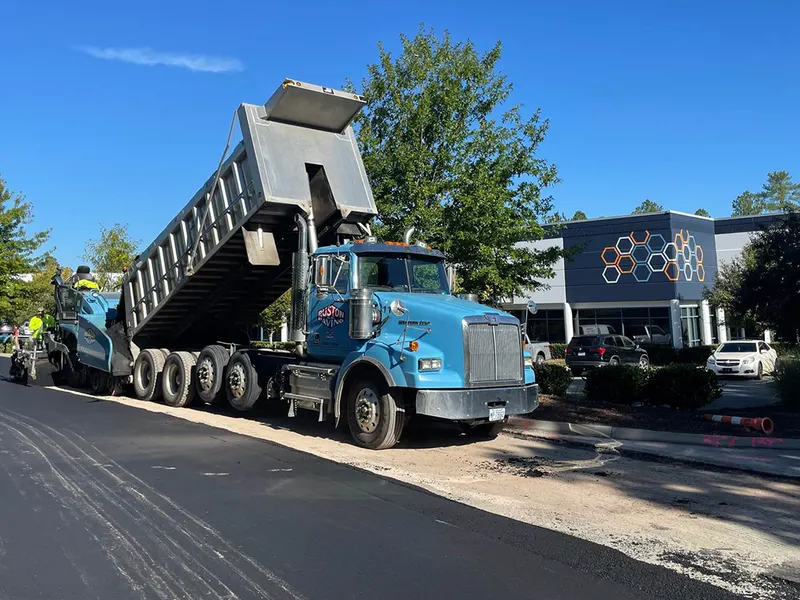
Ruston Paving Co., Inc.
Ruston Paving Co., Inc. is a commercial paving contractor in Durham, NC, offering asphalt paving, parking lot repairs, athletic surface paving, grading, and soi...
A suggested itinerary
First day
Start early at Sarah P. Duke Gardens, then walk to Duke Chapel and explore West Campus. After lunch near Ninth Street, spend the afternoon at the Nasher Museum of Art.
Second day
Take a morning tour at the Duke Lemur Center, booked well in advance. In the afternoon, walk the American Tobacco Campus, Brightleaf Square and Parrish Street, and visit the Hayti Heritage Center if an exhibit is on.
Third day
Spend the morning hiking at Eno River State Park or walking the paths at West Point on the Eno.
Practical tips
- Book Duke Lemur Center tours as early as possible; they often sell out weeks ahead.
- Check Duke's academic calendar before booking, since graduation, move-in and big game weekends fill hotels.
- Visitor parking on Duke's campus is paid and enforced; use the designated visitor lots near the gardens and chapel.
- Duke Chapel may close to visitors during services, weddings and events, so confirm before you go.
- In summer, hike early, carry water and watch for afternoon storms.
- Ticks are common along the Eno River trails; stay on paths and check yourself afterward.
Find local businesses in Durham on WiserMap
Need a coffee shop near Duke, a brewery downtown or a bike shop before hitting the Eno River trails?