Yelapa is a small beach village in the southernmost cove of Bahía de Banderas, in the municipality of Cabo Corrientes in Jalisco. It has no road big enough for ordinary vehicles, so you arrive by boat and move around on foot.
AT A GLANCE
Best time
December to April is dry and sunny, with whales in the bay.
How long
One long day works for a visit, and two or three nights suit the village better.
Getting there
Take a water taxi from Puerto Vallarta or Boca de Tomatlán.
Why visit Yelapa
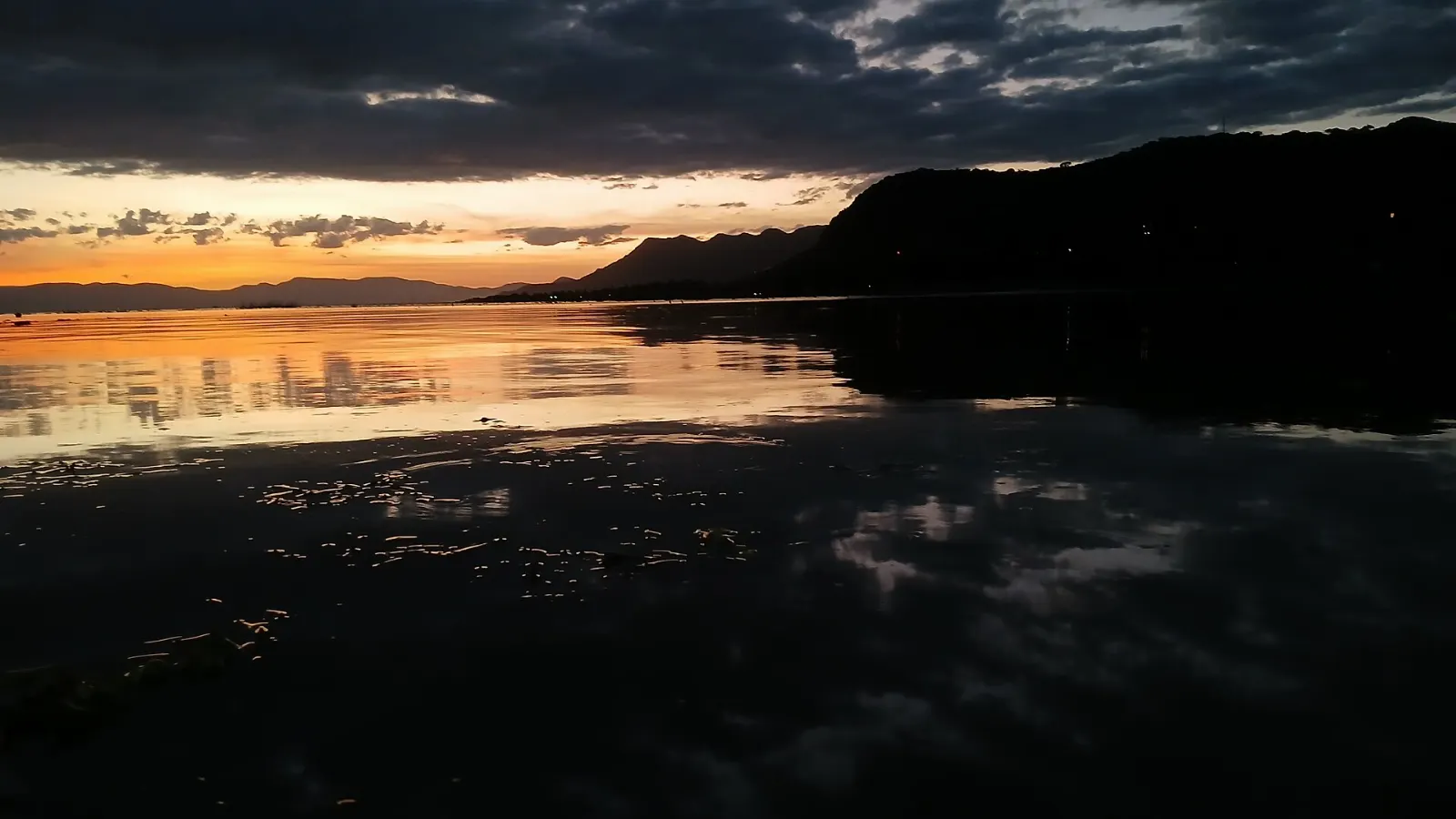
Yelapa has the pace of a place where nothing arrives on wheels. Narrow paths climb from the beach through palms and tropical growth, a river runs down to the sea, and the bay stays calm enough for easy swimming on most days.
The trip is part of the appeal. The boat ride along the coast passes steep green hills and small coves that have no road at all.
The coves on the way
Boca de Tomatlán
This river-mouth village south of Puerto Vallarta is where the paved road ends, and it is the shorter departure point for boats to Yelapa. Arrive a little early so you can watch the boats come and go and settle in for the ride.
Los Muertos Pier
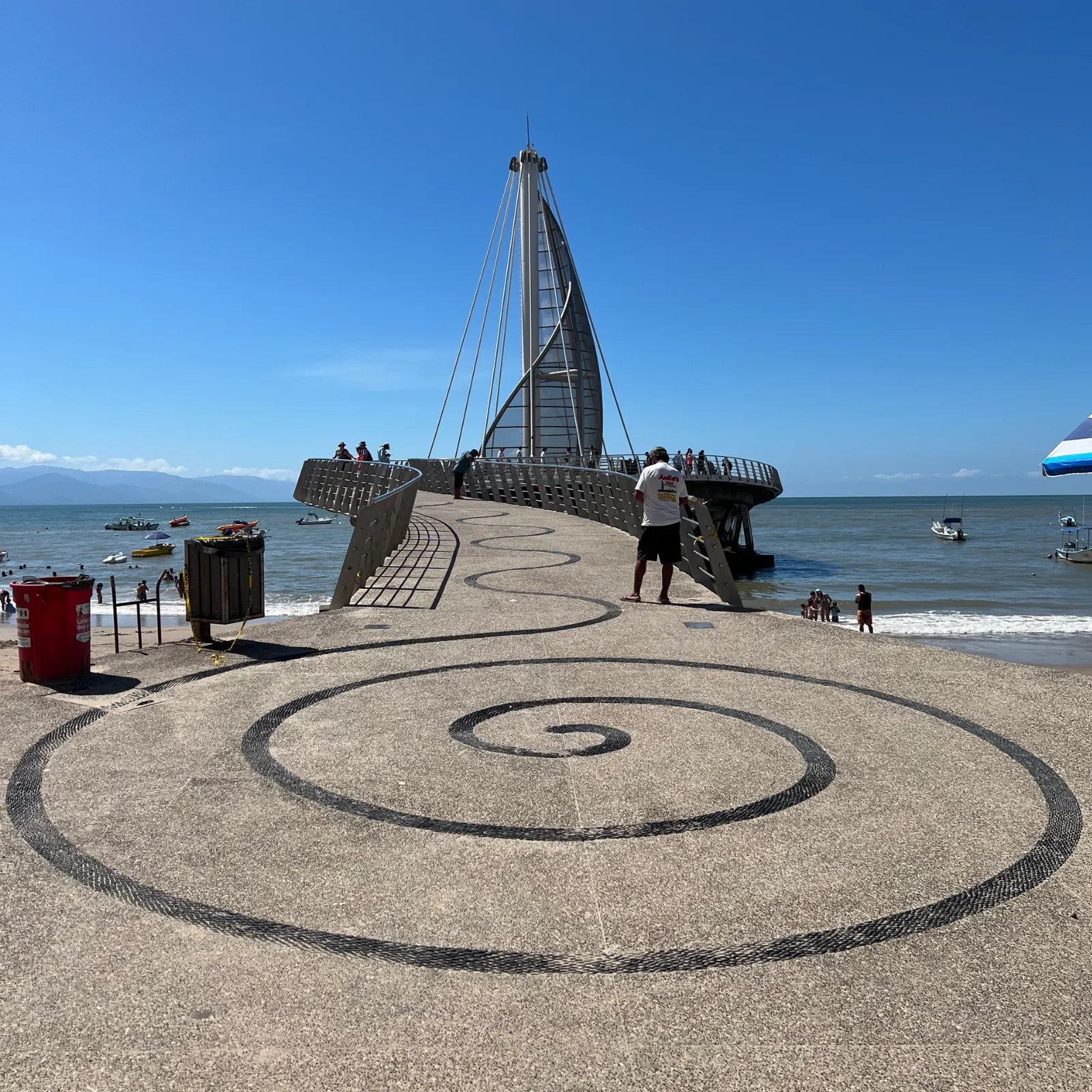
In Puerto Vallarta, the pier at Playa Los Muertos is a common departure point for water taxis heading down the coast. It makes a good start if you are sleeping in the Zona Romántica, because you can walk to it.
Las Ánimas
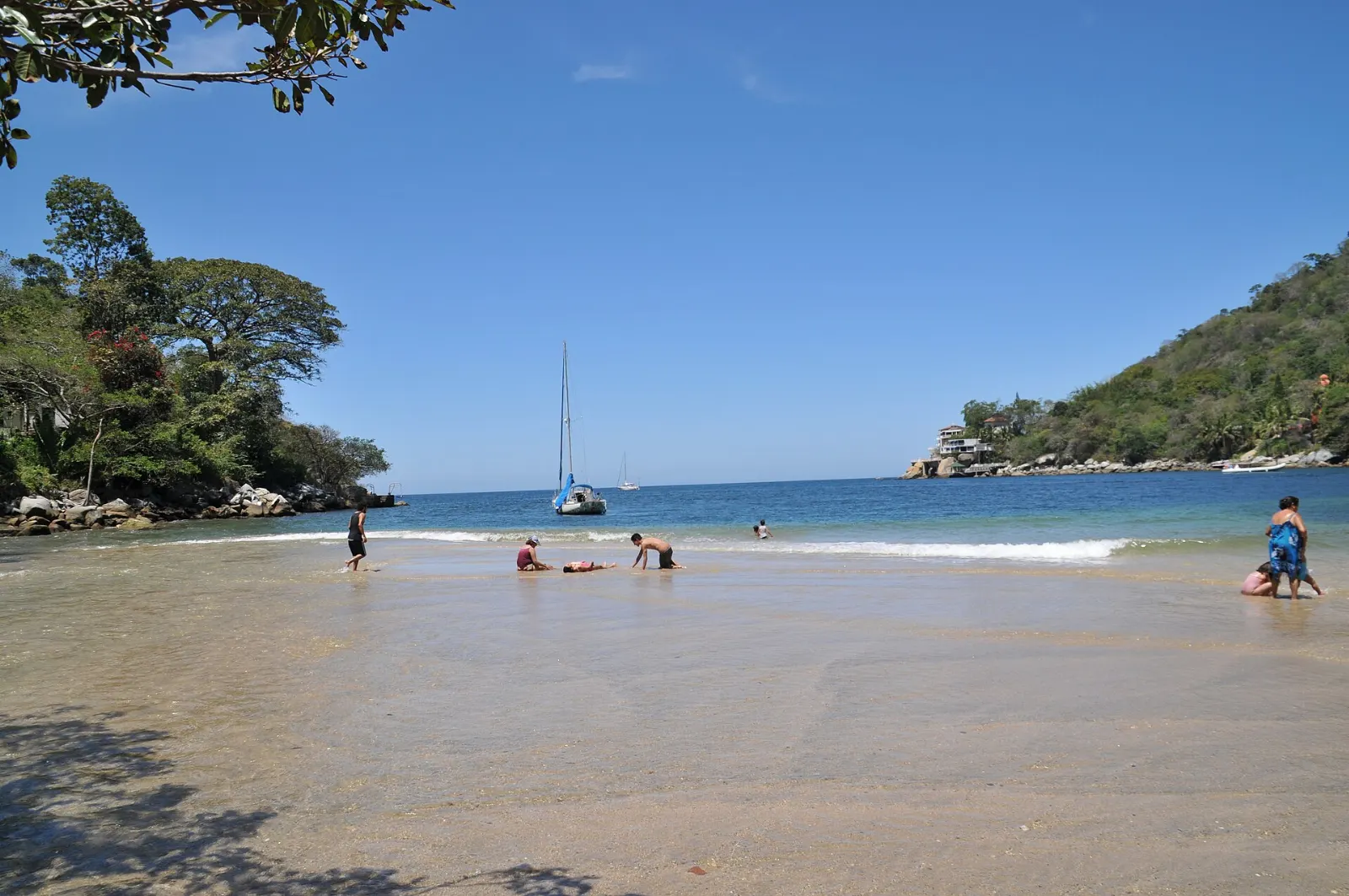
Las Ánimas is a small cove along the route with a sandy beach backed by restaurants and boat landings. Many visitors stop here for a swim and a long lunch.
Quimixto
Quimixto is another roadless beach village on the way, and visitors often come for a swim and a walk inland. Allow an hour or two.
Around Yelapa
Playa Yelapa
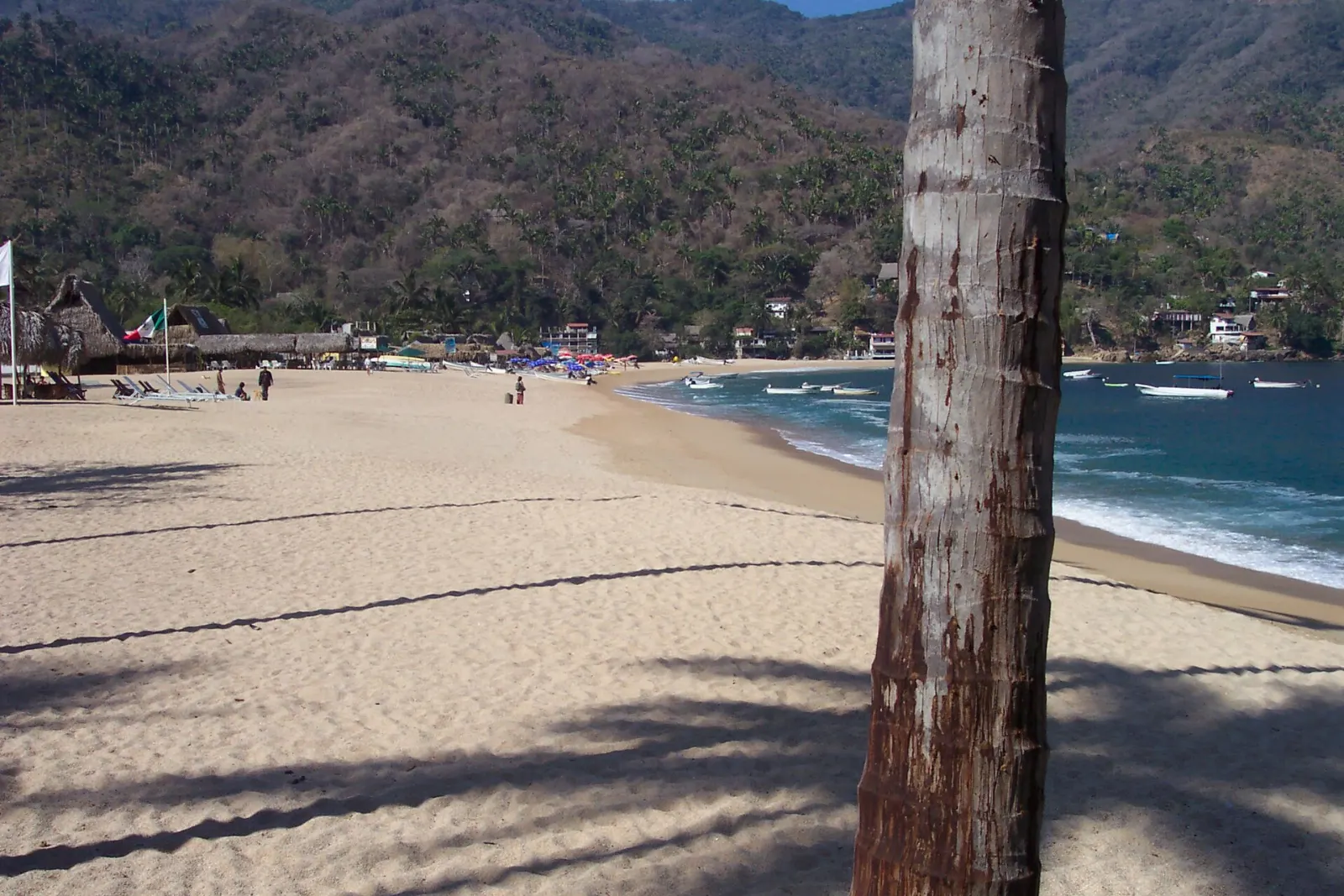
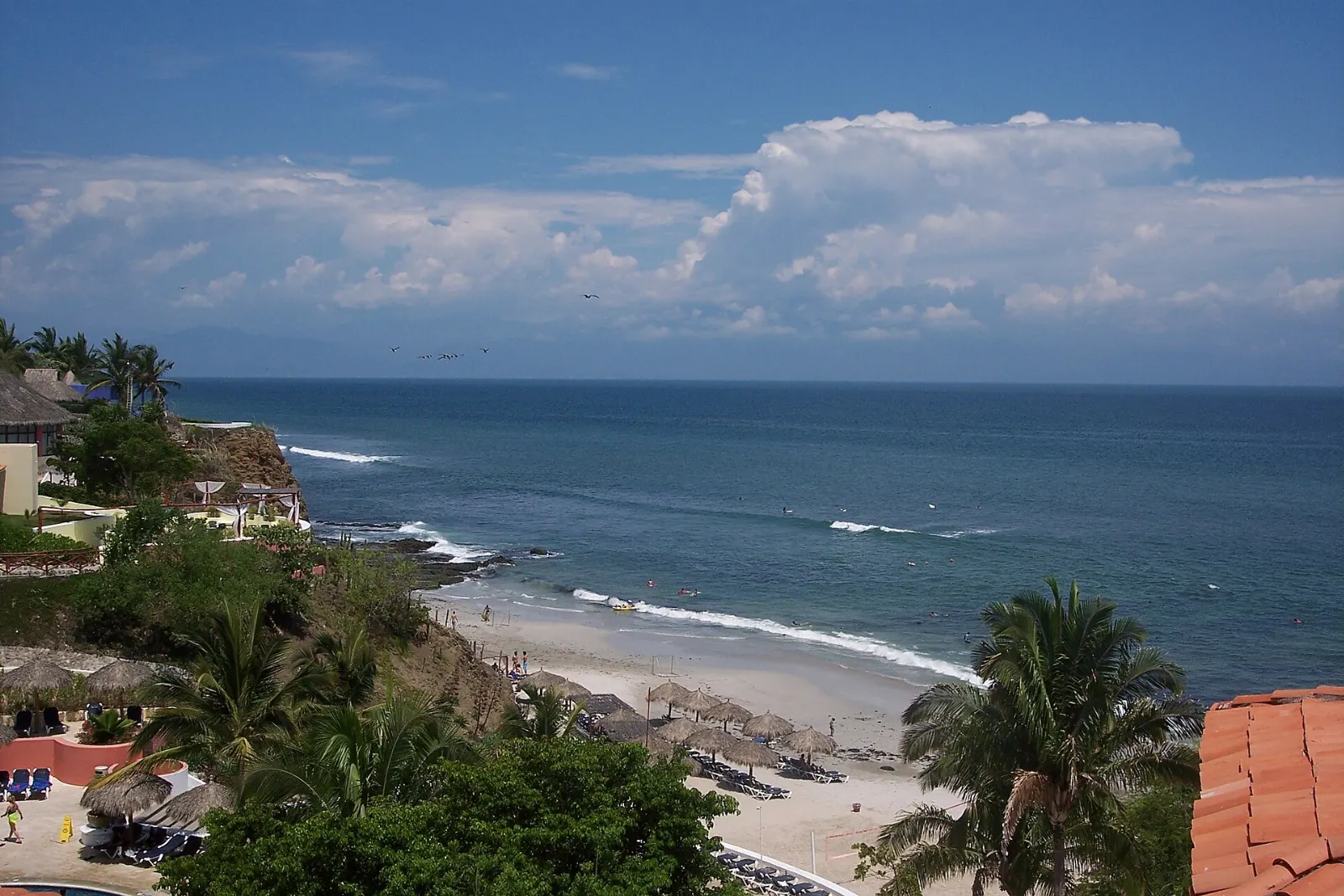
The main beach curves across the cove with a line of palapa restaurants along the sand, and it is the social center of the village. Swimming is usually gentle, and you can rent a kayak or a paddle board from a local operator.
The village and the river
Walk inland from the sand and you reach the footpaths, small shops and houses that make up Yelapa. The river runs close to the center and gives the village its name.
The waterfall trail
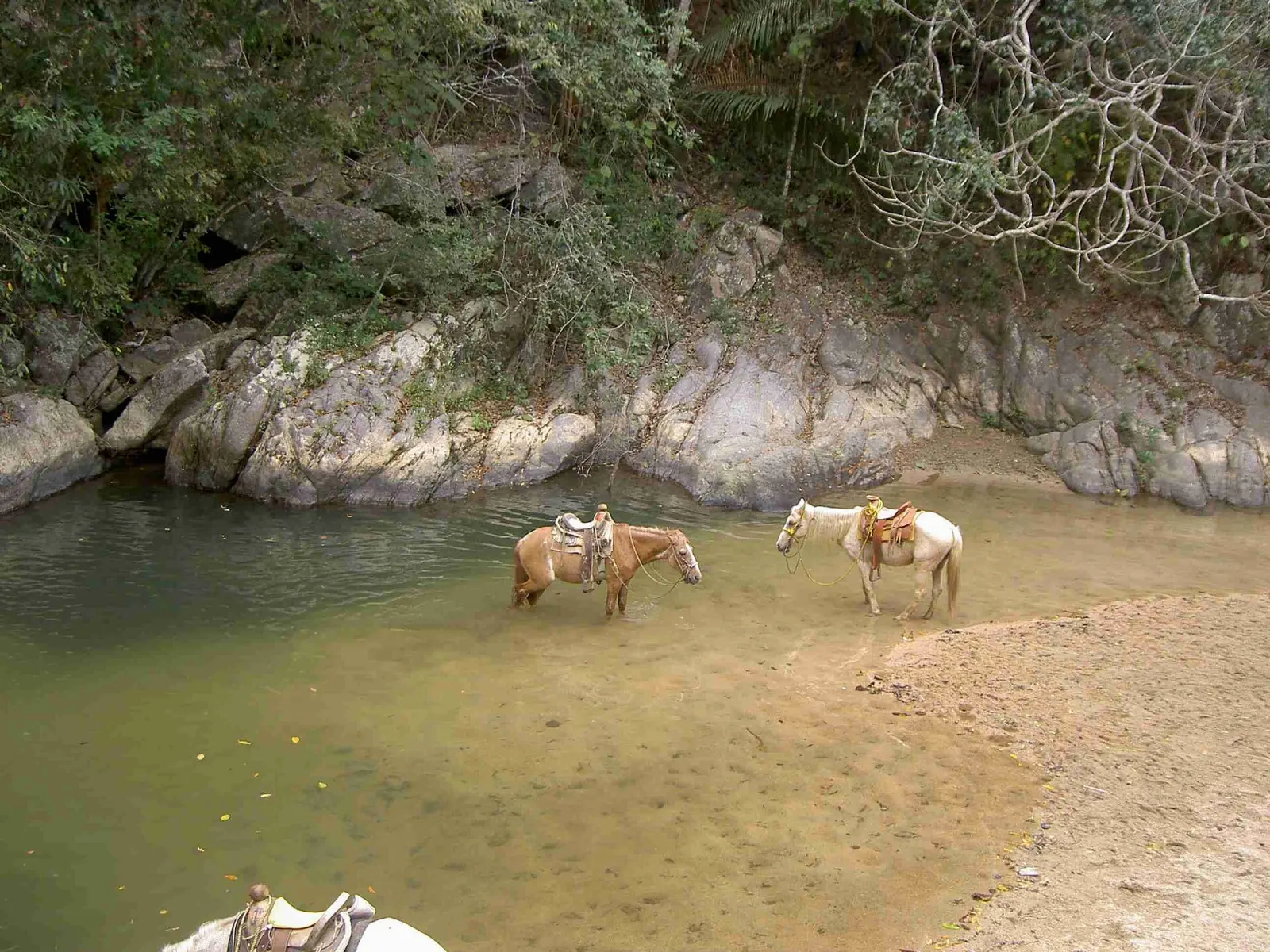
A trail leads upriver to a waterfall and pool. It takes a few hours there and back, depending on how long you linger, and parts of it are steep and slippery. Go in the morning, carry water and wear sturdy sandals or trail shoes.
Whale watching in the bay
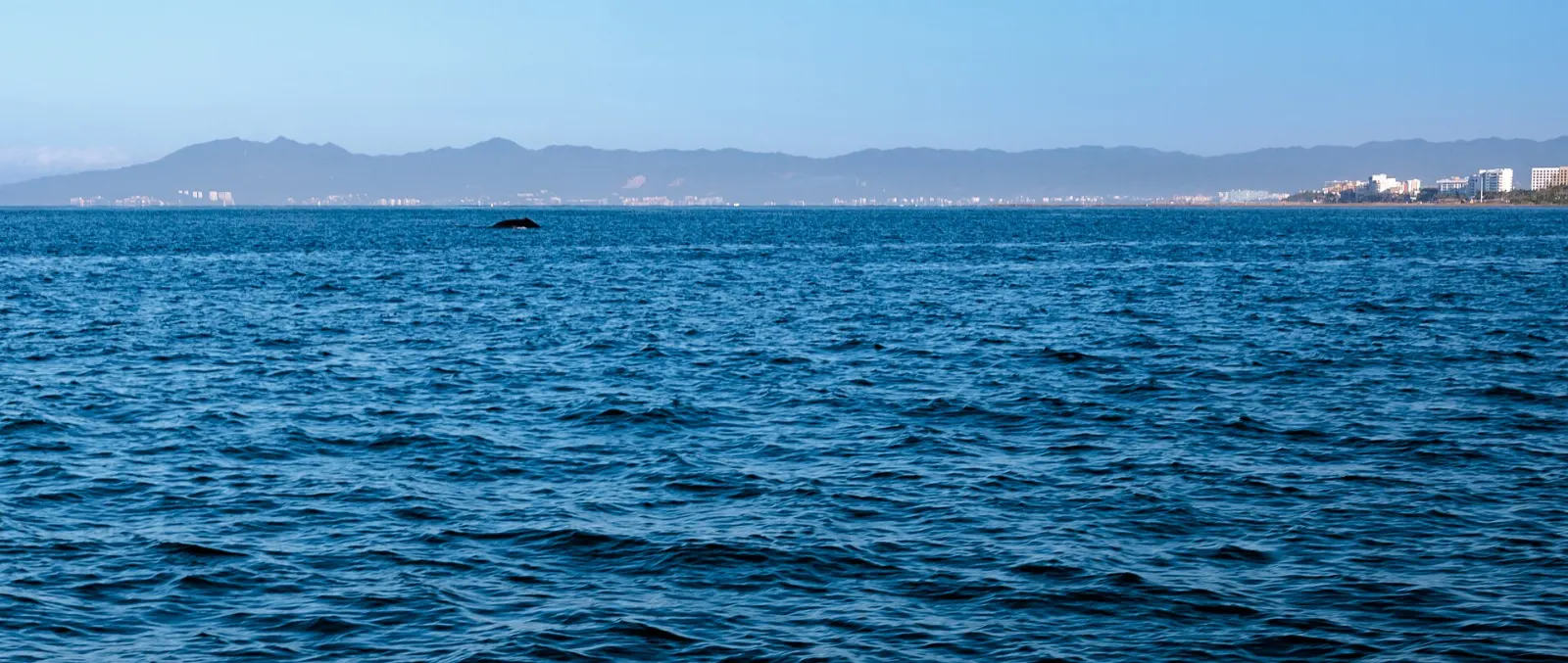
Humpback whales use Bahía de Banderas in the cooler months, and the boat ride between Yelapa and the main port is a good chance to see them. Look for the blow and the splash on the surface.
Back in Puerto Vallarta
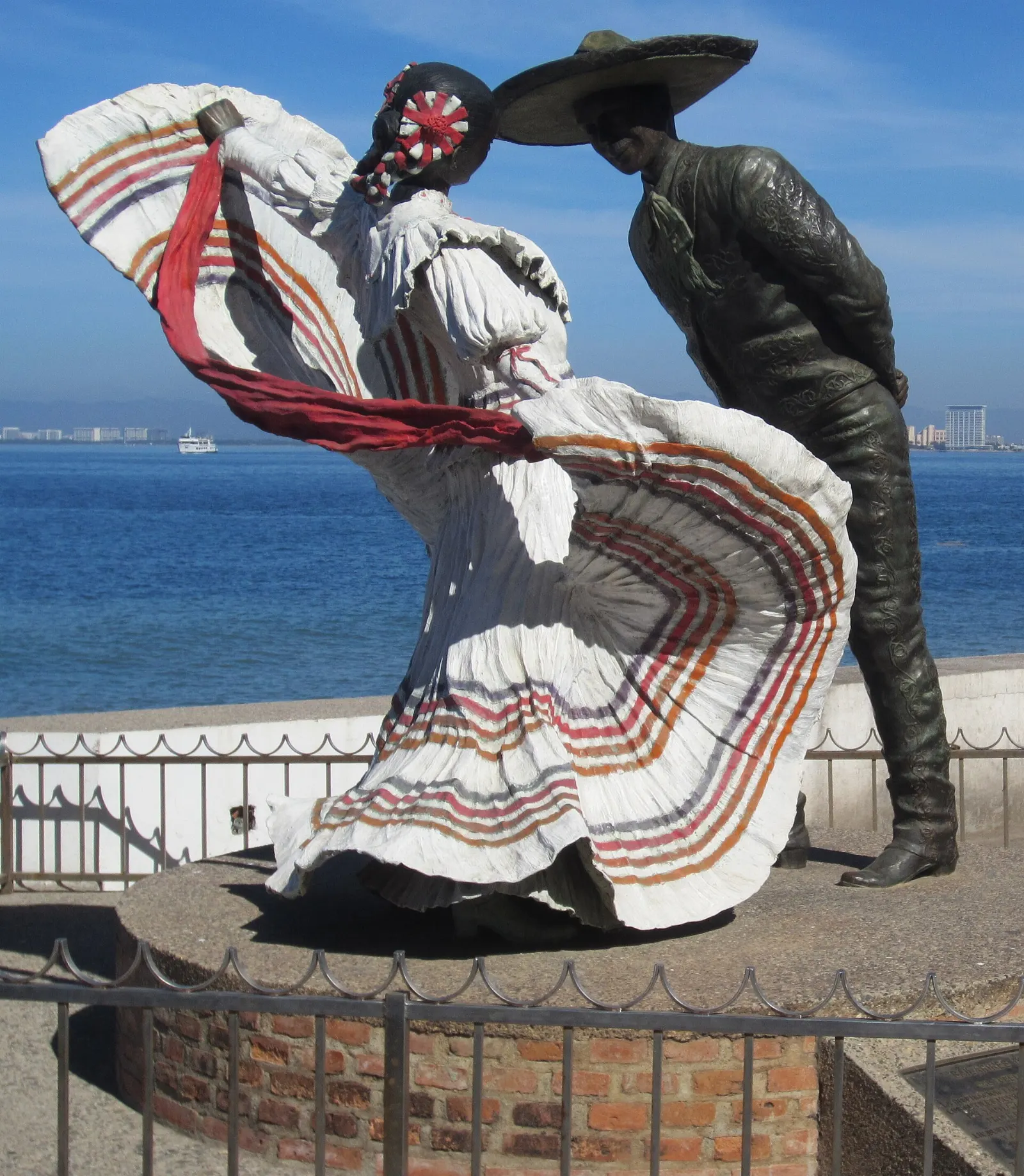
The Malecón
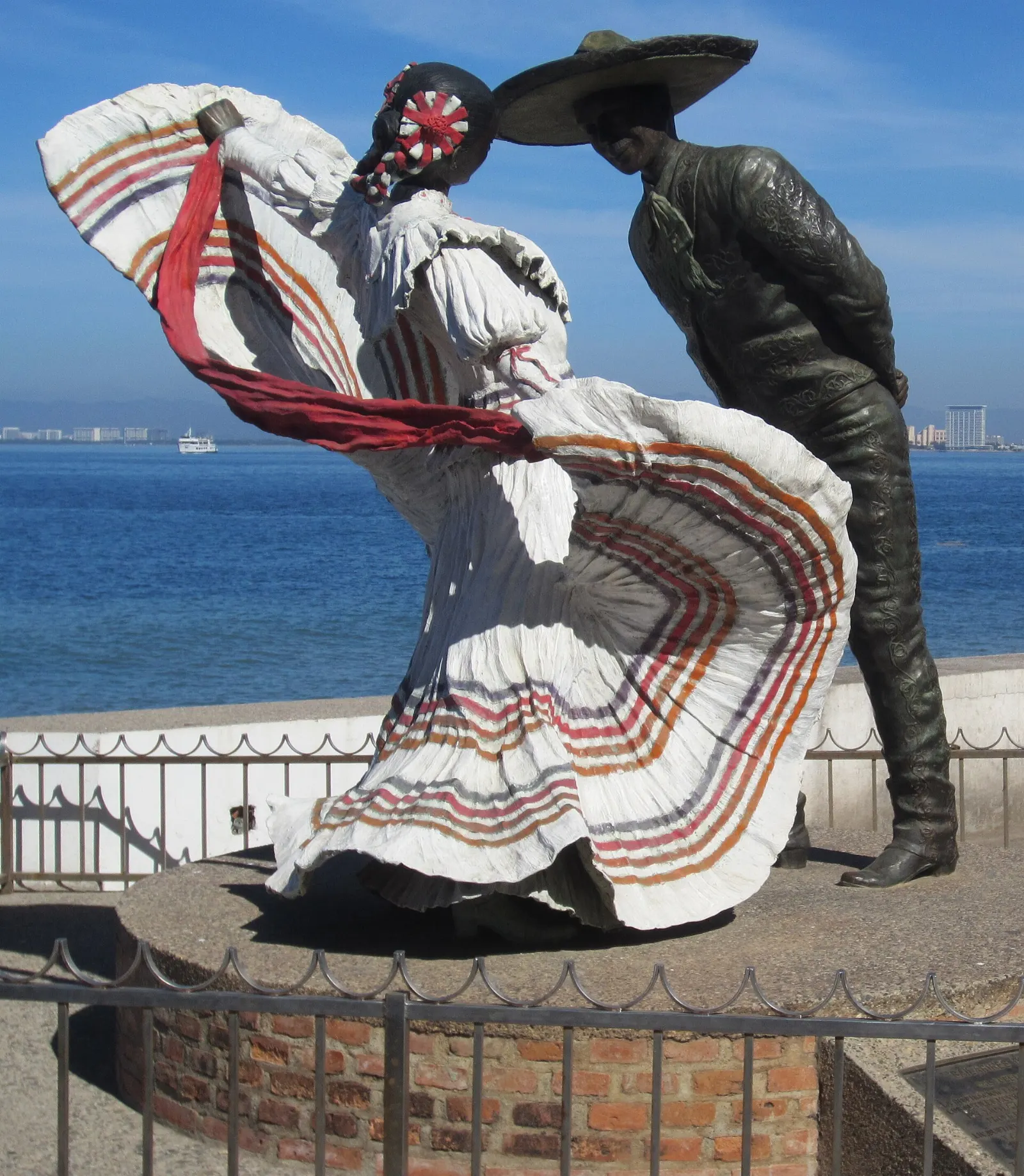
Before or after your trip down the coast, stroll the seafront promenade in the old town. It has sculptures, sea views and plenty of places to sit with a drink.
Bahía de Banderas viewpoints
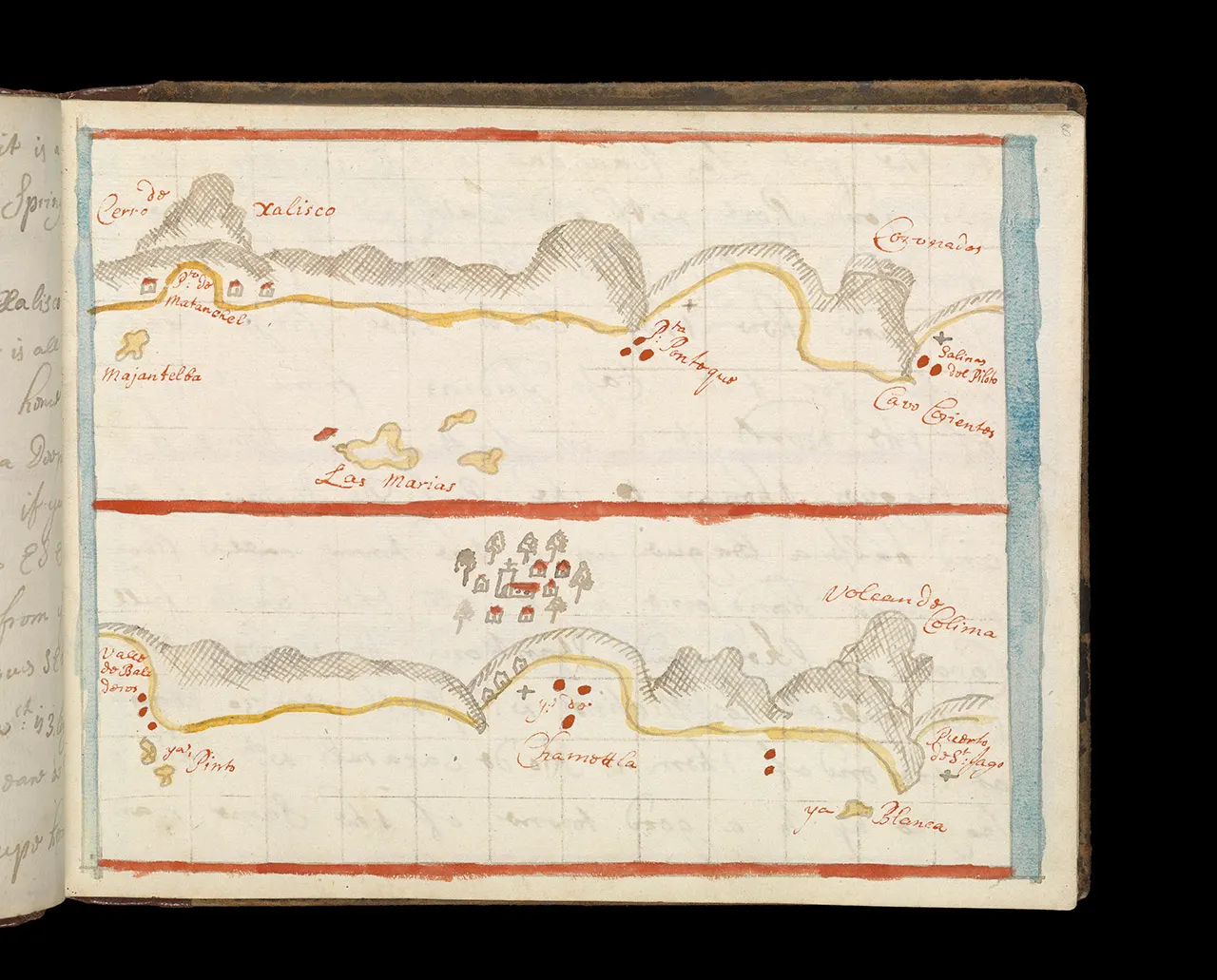
The bay is the largest on this part of the Pacific coast, and the best way to appreciate it is from the water. On the boat, sit on the side that faces the hills, and keep your camera ready.
 Planning a trip to Yelapa?Compare hotels, flights and vacation rentals for Yelapa on Expedia.Book now
Food and local flavors
Eating in Yelapa means beach restaurants with fresh fish. Look for pescado zarandeado, a whole fish marinated in a lime and chile mix and grilled over a fire, which is a classic along this stretch of the Pacific.
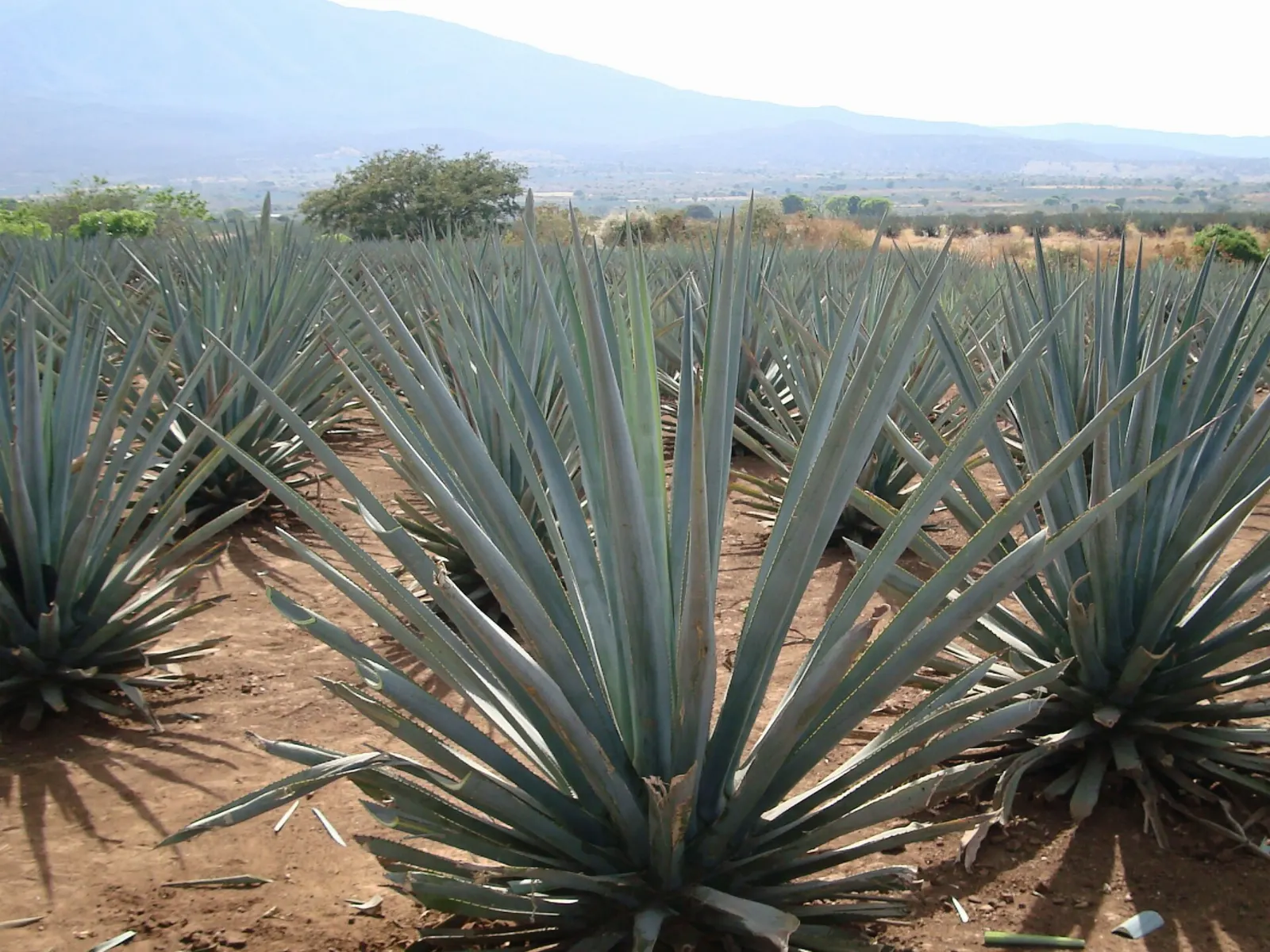
For something to drink, try tejuino, a cold, lightly fermented corn drink sold in Jalisco and Nayarit, often served with lime and salt. Adults who like spirits can ask for raicilla, an agave spirit that comes from southwestern Jalisco, including the municipality of Cabo Corrientes.
Popular dishes to try in Yelapa


Where to stay
Most visitors choose between three bases. Playa Yelapa suits travelers who want to be steps from the sand and the restaurants and who like falling asleep to the waves. Lodging in the village is simple, so ask the host about power, water and how to find the place from the beach before you arrive.
Boca de Tomatlán works for walkers and those who want a quiet base with road access and a short boat ride to the coves. It suits people who plan to hop between beaches.
Where to stay in Yelapa


Best time to visit
The dry season, from about November to April, brings the clearest skies and calmest conditions. February, March and April have the least cloud cover.
Summer is hot and humid, and the rainy season runs from mid June to mid October, with heavy storms often falling in the evenings from July to September. The cove stays mild compared with other parts of the coast, but boat trips can be cancelled when the sea is rough.
Getting there and getting around
Fly into Puerto Vallarta International Airport, then take a taxi or bus to town. From there you have two options. You can take a water taxi from the Los Muertos Pier, or drive or ride a bus south to Boca de Tomatlán and catch a shorter boat from there.
Yelapa has no road for ordinary vehicles, so you will walk everywhere. Bring a small bag, and leave larger luggage at your hotel in Puerto Vallarta if you are staying one night. Check the last boat back before settling in for the afternoon.
A suggested itinerary
First day
Take a morning boat from Boca de Tomatlán, stop at Las Ánimas or Quimixto for a swim if the operator allows, then continue to Yelapa.
Second day
Hike to the waterfall in the cool of the morning, cool off in the pool and return for a late lunch.
Third day
Leave on a morning boat for Puerto Vallarta and spend the afternoon on the Malecón and in the Zona Romántica before your next stop.
Practical tips
- Check your government's current travel advisory before you go.
- Confirm the schedule of the last boat back to the mainland before you head out.
- Pack light, since you will carry everything on foot from the beach.
- Bring reef-safe sunscreen, insect repellent and a refillable water bottle.
- Carry cash for small restaurants and guides, as card machines can be unreliable.
- Wear shoes that handle wet sand, stream crossings and steep paths.