Wendake is the home of the Huron-Wendat Nation, an Indigenous community inside Quebec City with a traditional village, a museum, craft shops and a long river setting. It offers a thoughtful, hands-on way to learn about Wendat history, food and arts.
AT A GLANCE
Best time
Summer is the most active season, while autumn is calmer.
How long
Half a day covers the village, and a full day adds nearby sights.
Getting there
Drive or take transit north from downtown Quebec City.
Why visit Wendake
Wendake is the home community of the Huron-Wendat Nation, set in the northern part of Quebec City on the Saint-Charles River. It consists of two urban reserves, Wendake 7 and Wendake 7A, surrounded by the borough of La Haute-Saint-Charles. The community was once known as Village-des-Hurons, and the Wendat settled here for good in 1697 after decades of exile.
Cultural tourism is now the main economic driver, so visitors can learn about Wendat history directly from the people who live here. A visit pairs well with a trip to Old Quebec, the falls on the Saint-Charles River and nearby Montmorency Falls, and it adds a perspective that most city itineraries miss.
In Wendake
Onhoüa Chetek8e traditional site
The traditional site recreates a Wendat village with longhouses, the rectangular homes covered in bark that sheltered extended families before European contact. Guides explain daily life, crafts and the clan system, and the site is the best starting point for a visit. Plan at least an hour and a half, and check the official website for tour times and seasonal opening because programs change through the year.
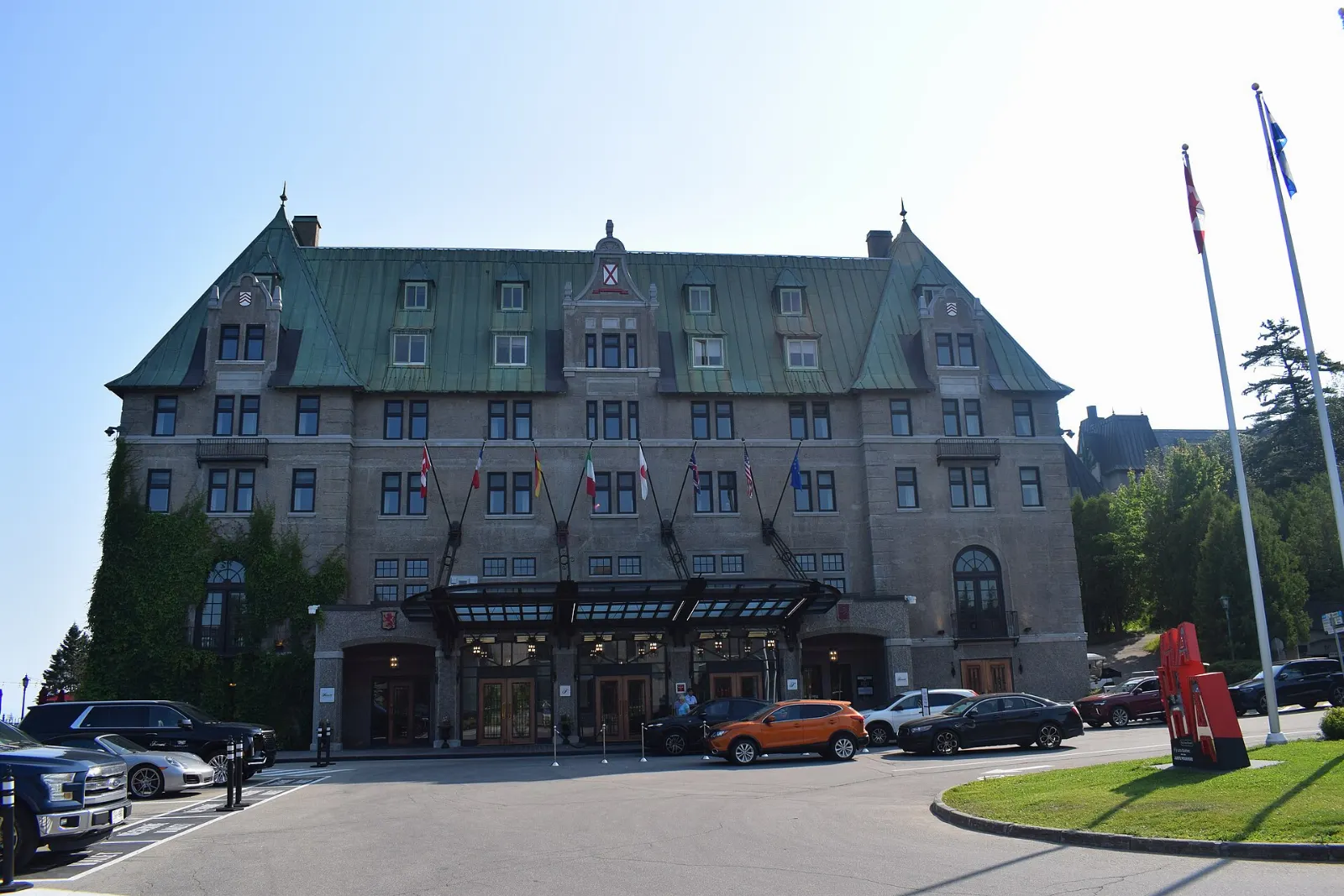
The Premières Nations hotel and museum
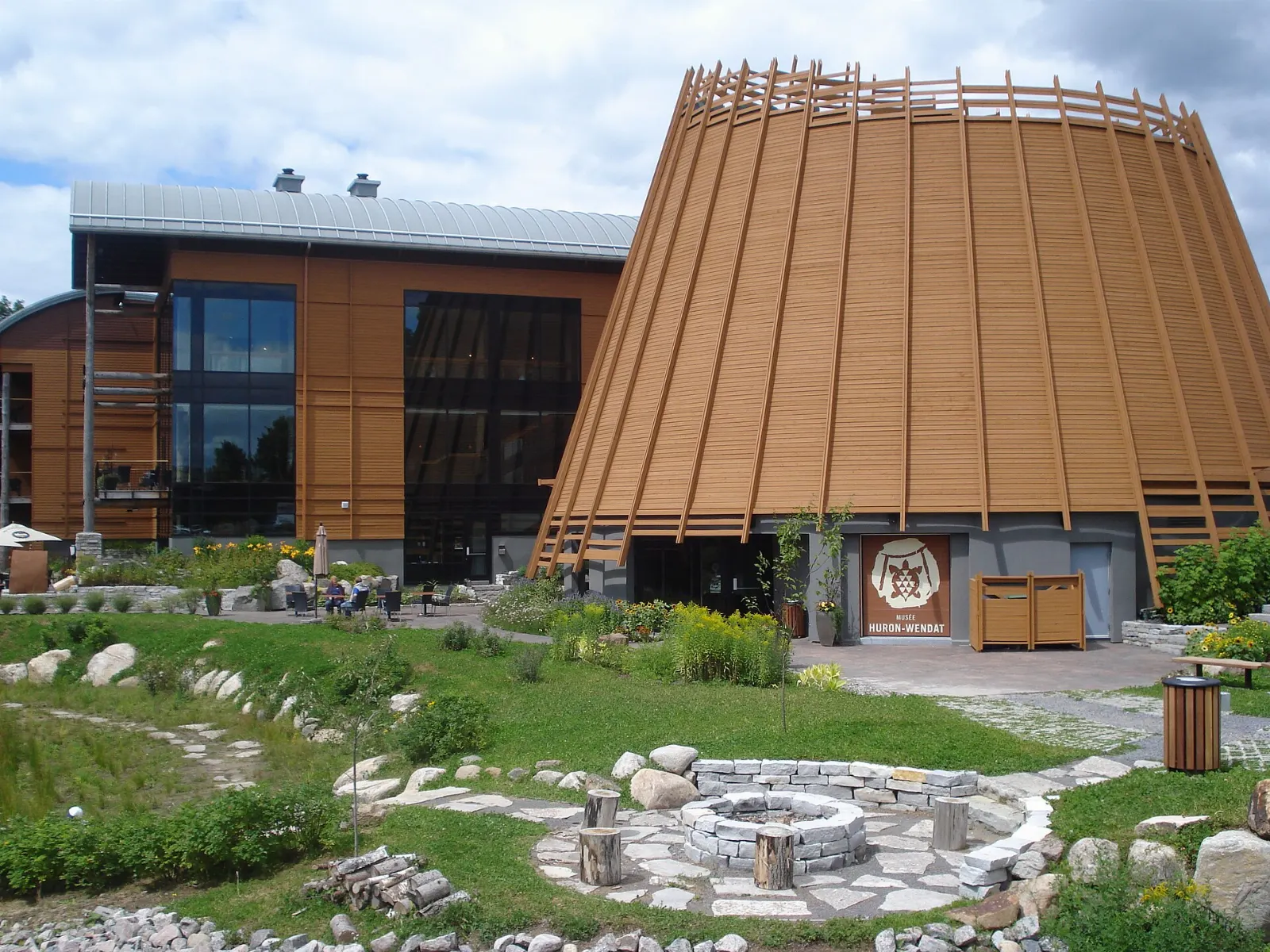
A small hotel and museum complex on the main boulevard presents the cultures of the First Nations of Quebec, with exhibitions and a restaurant. It is a convenient stop to learn the broader context before or after the village. Allow an hour for the exhibits, and ask about guided visits when you arrive.
Notre-Dame-de-Lorette Chapel
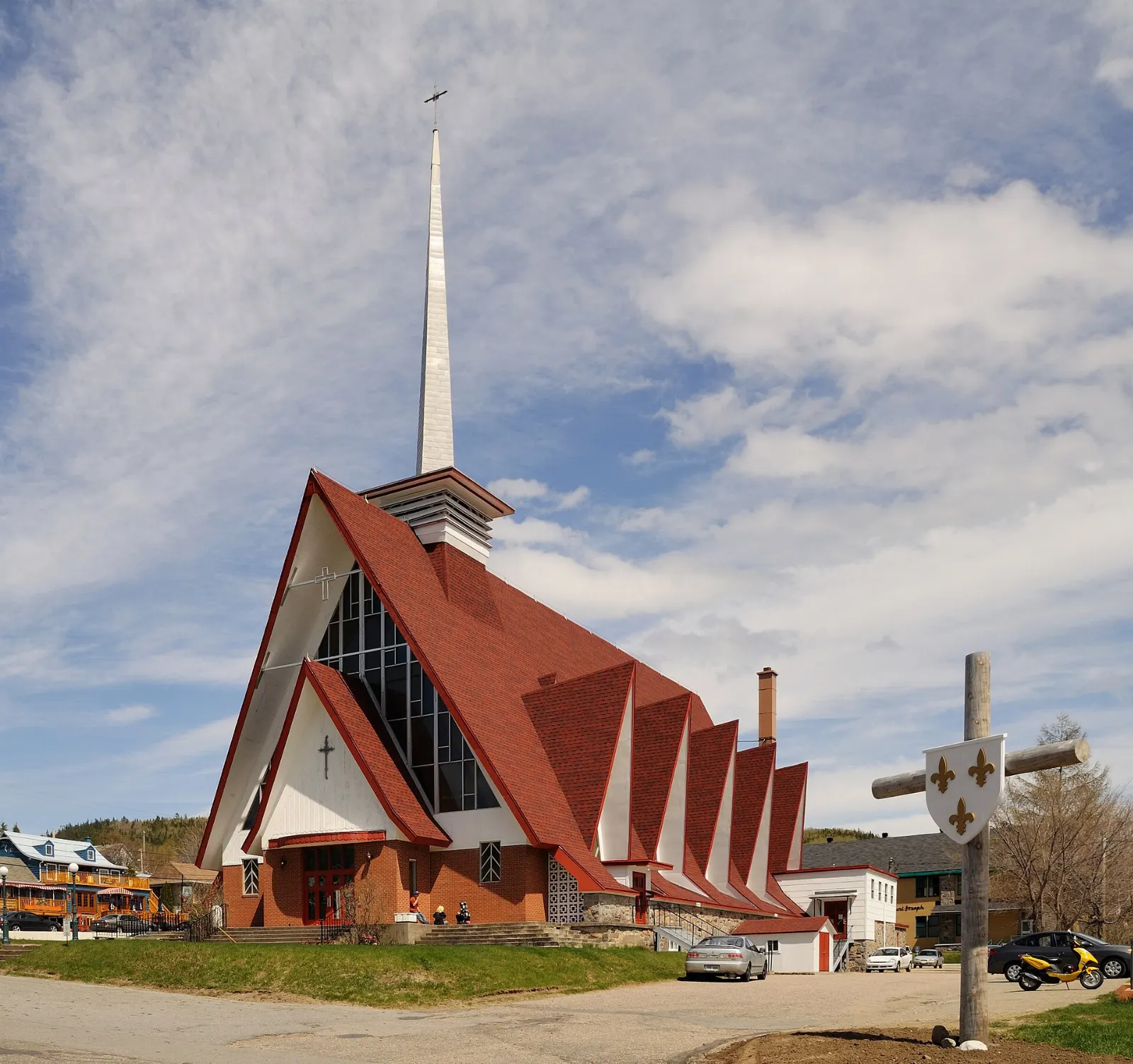
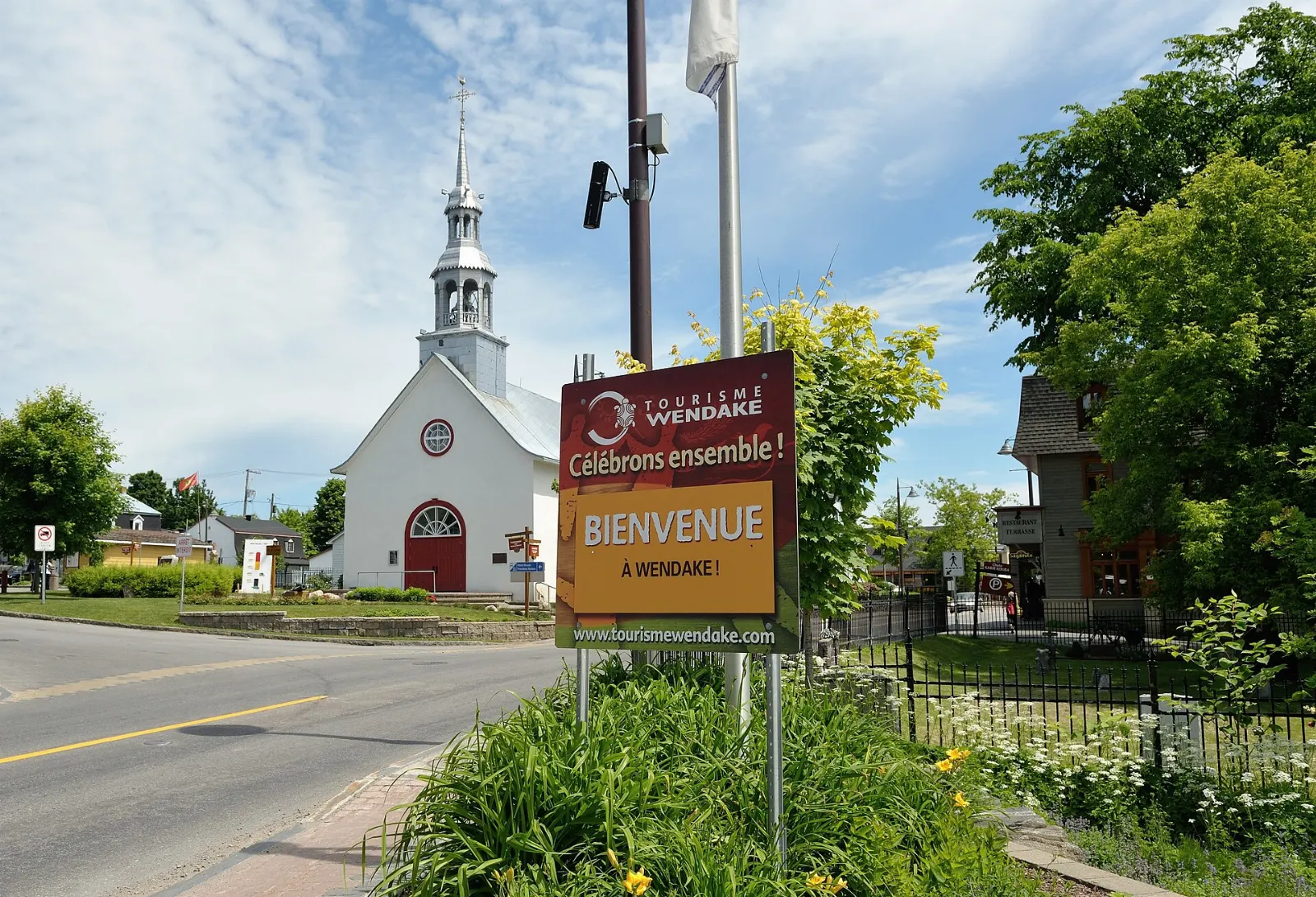
The chapel is the historic religious building of the community and recalls the name Lorette that the settlement carried for centuries. It is a modest, quiet building and a good photo stop. Check opening days in advance, since access can be limited outside the summer season.
Crafts and boutiques
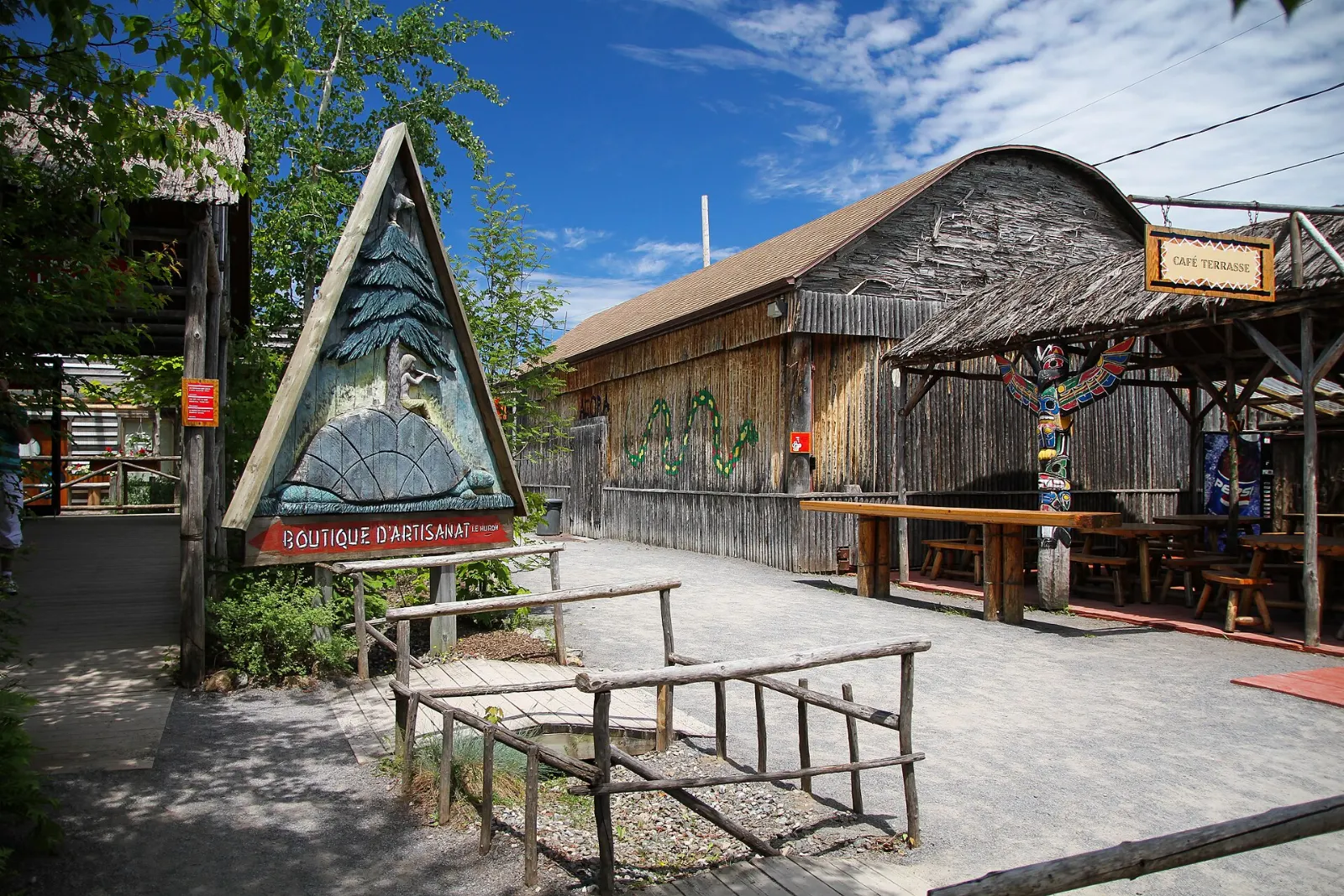
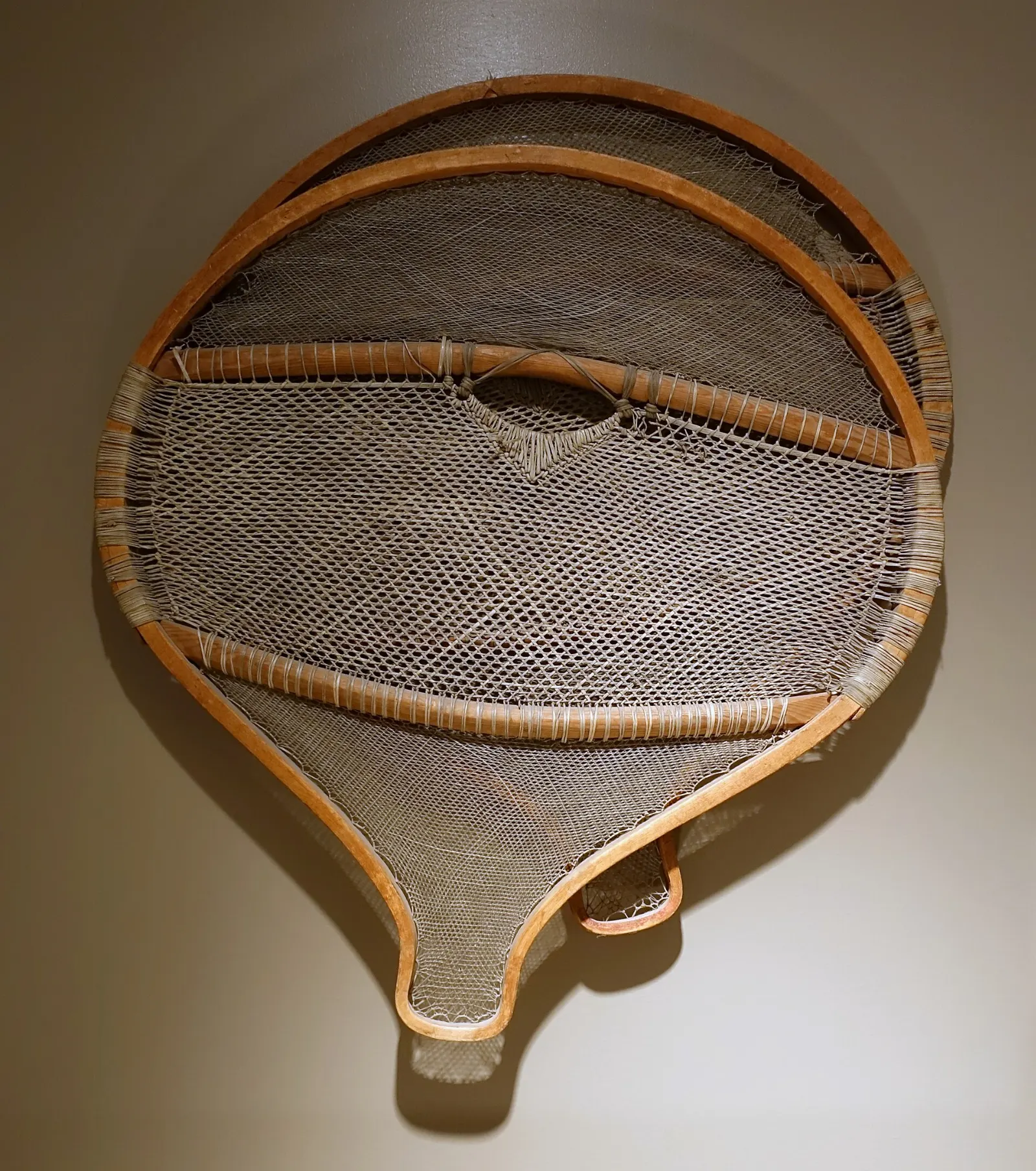
Traditional crafts continued in Wendake through the nineteenth century, including canoe building, embroidery, basketry and snowshoe making. Local shops and studios sell moccasins, leatherwork, jewelry and artwork made by Wendat artists. Buy directly from the maker when you can, and ask about the story behind each piece. Browsing takes about an hour.
The Saint-Charles River
The river flows beside the community and gives it a pleasant natural edge for a stroll. A walk along the banks after the village visit helps you see why the Wendat settled here. In summer bring insect repellent and a hat, and allow half an hour.
Nature and history nearby
Kabir Kouba waterfall
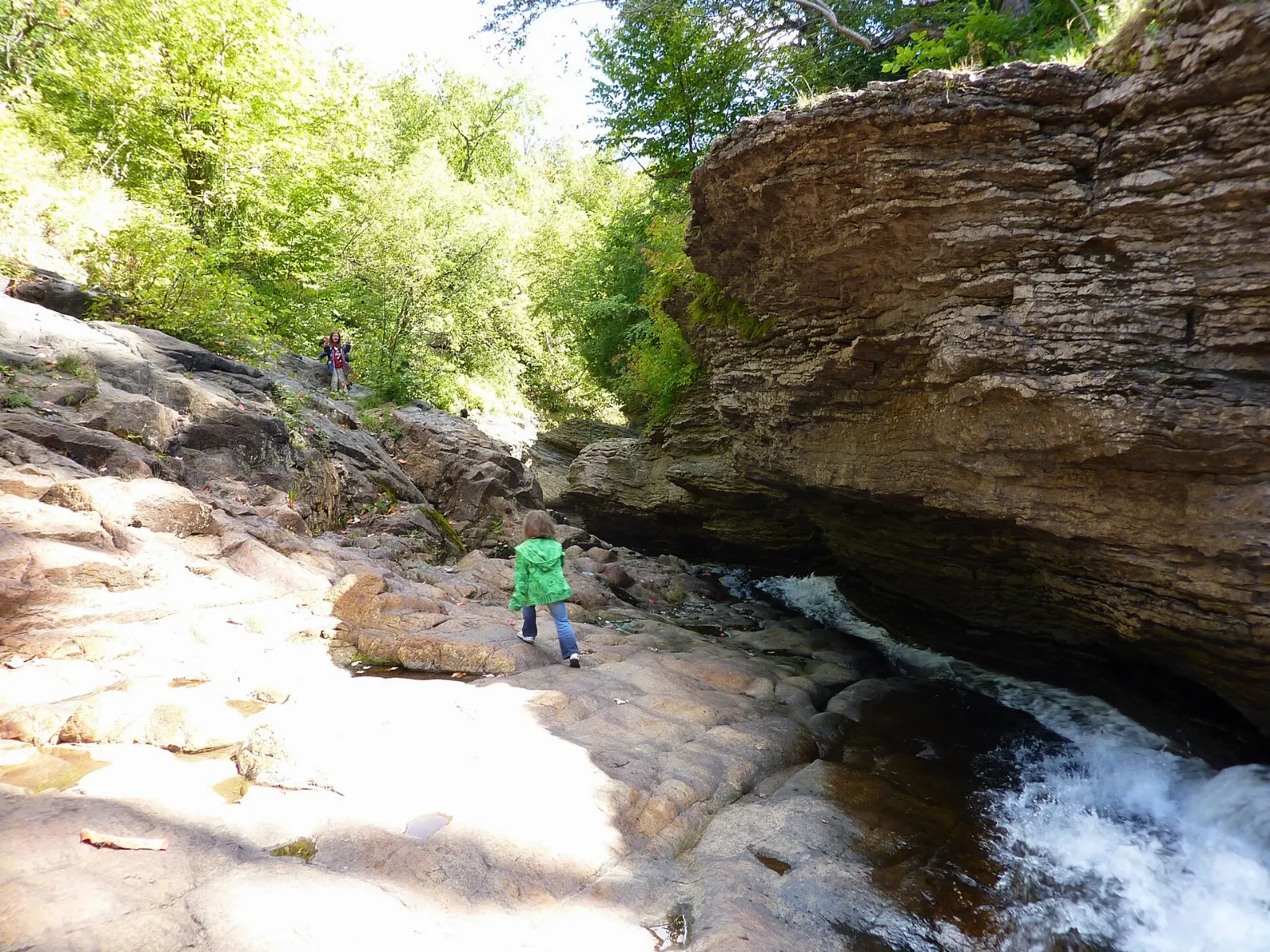
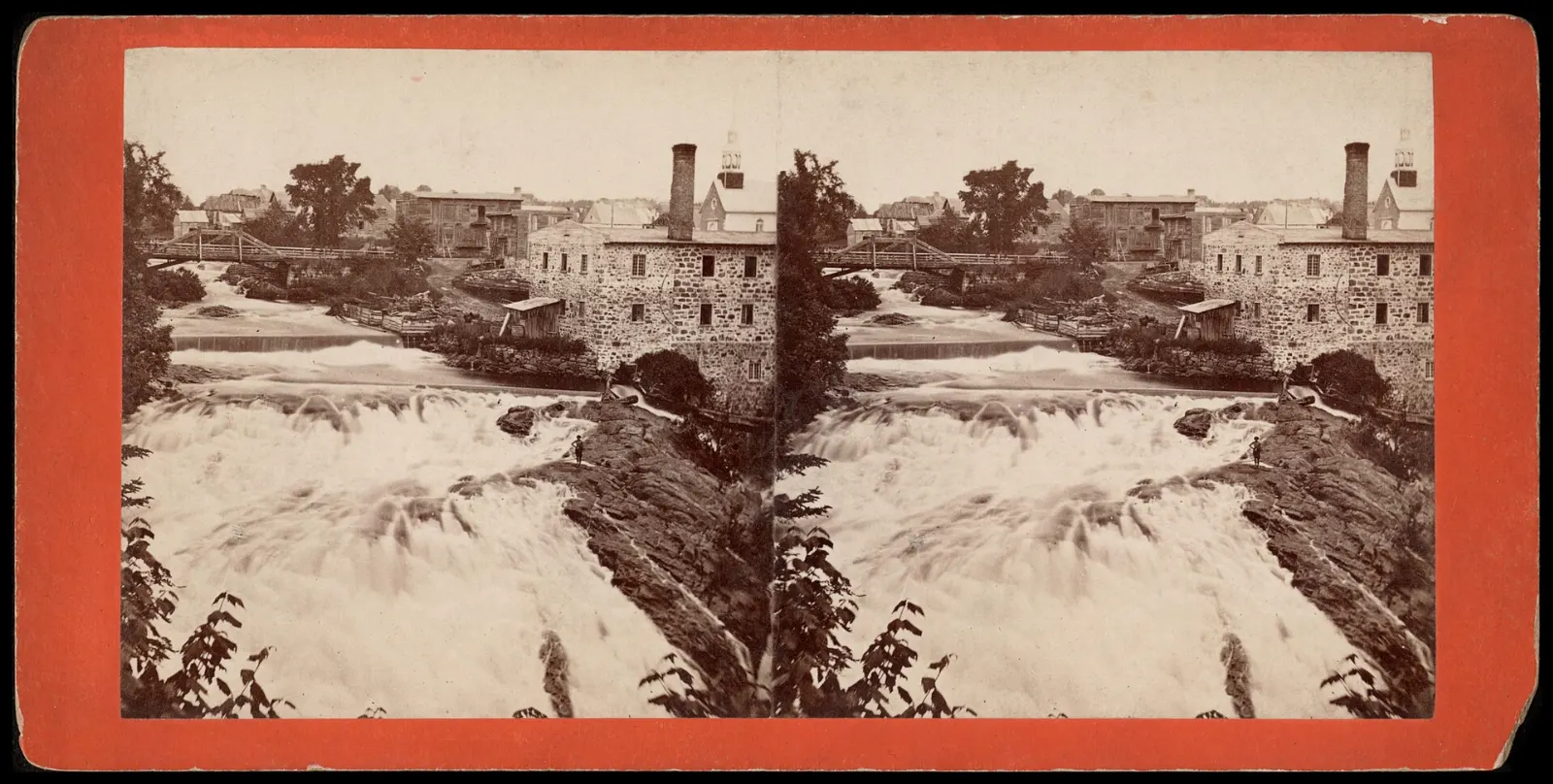
Just downstream in Quebec City, a public park protects the Kabir Kouba falls, a 28-meter waterfall on the Saint-Charles River that sits in a canyon up to 42 meters deep. The name comes from the Innu language and means river of a thousand bends. Trails and an interpretive center lead to the viewpoints, and many Huron legends honor the river. Allow an hour or two and wear sturdy shoes.
Montmorency Falls
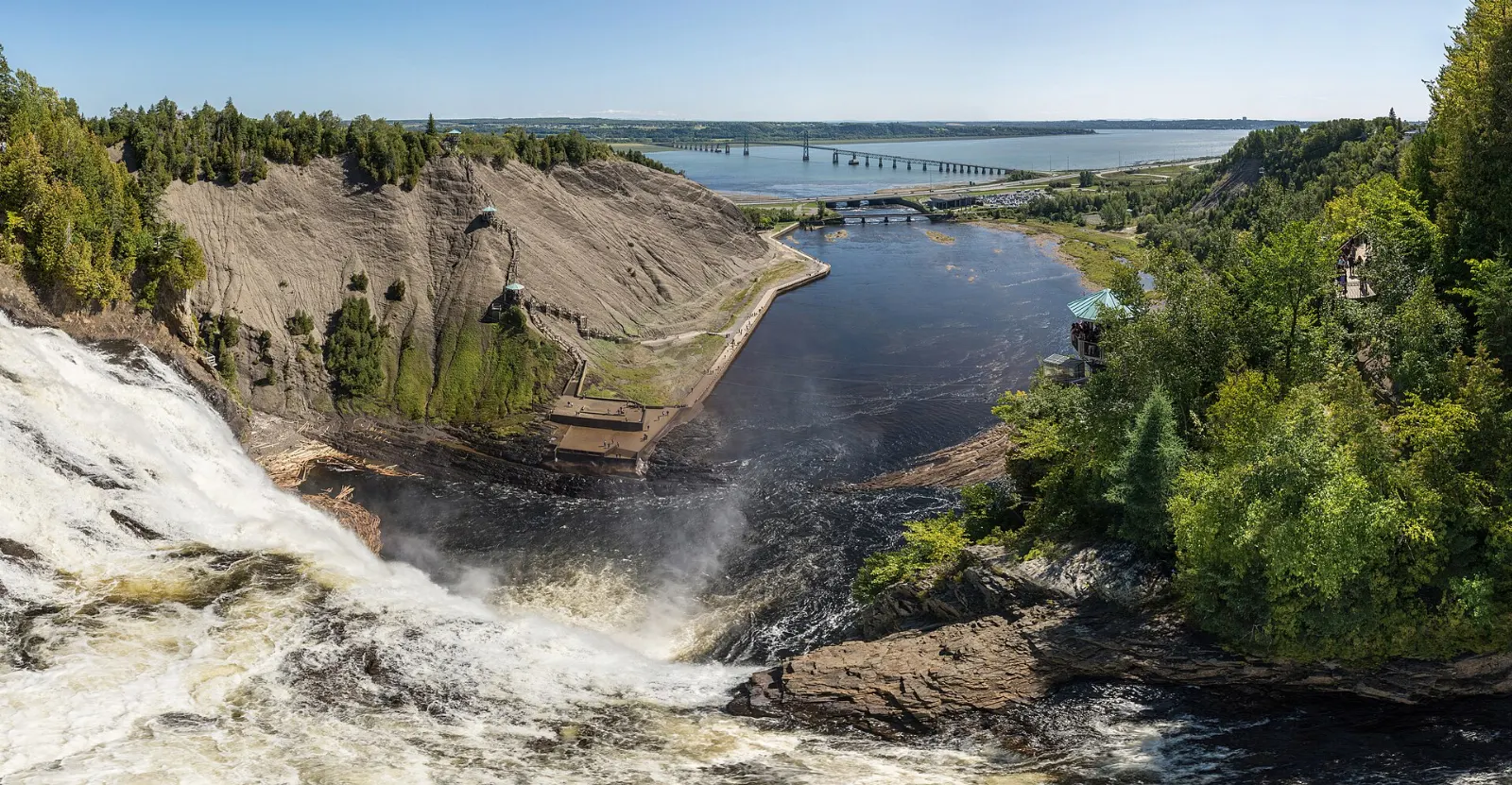
The falls are a short drive east and stand 83 meters tall, higher than Niagara. A suspension bridge crosses the crest, and stairs and a cable car give several viewpoints. They fit well into a half day with Wendake, and the park website lists seasonal operating days.
Île d'Orléans
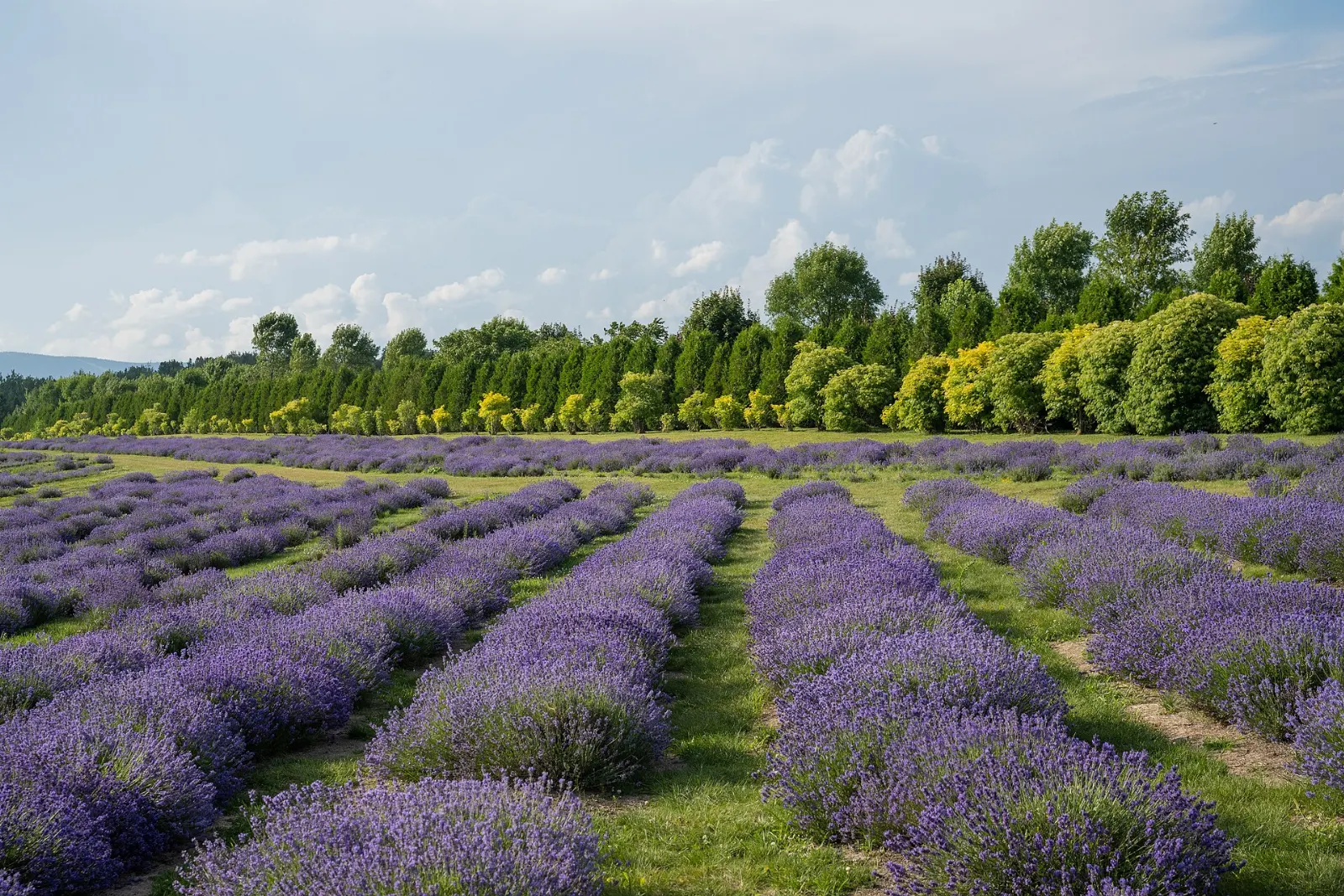
The Wendat history here goes back to the seventeenth century, when the community was first established on the island in 1651 before moving to Quebec City in 1668. Today the island is a rural area of farms and villages that suits a relaxed half-day drive. Allow time for stops at roadside stands.
Old Quebec
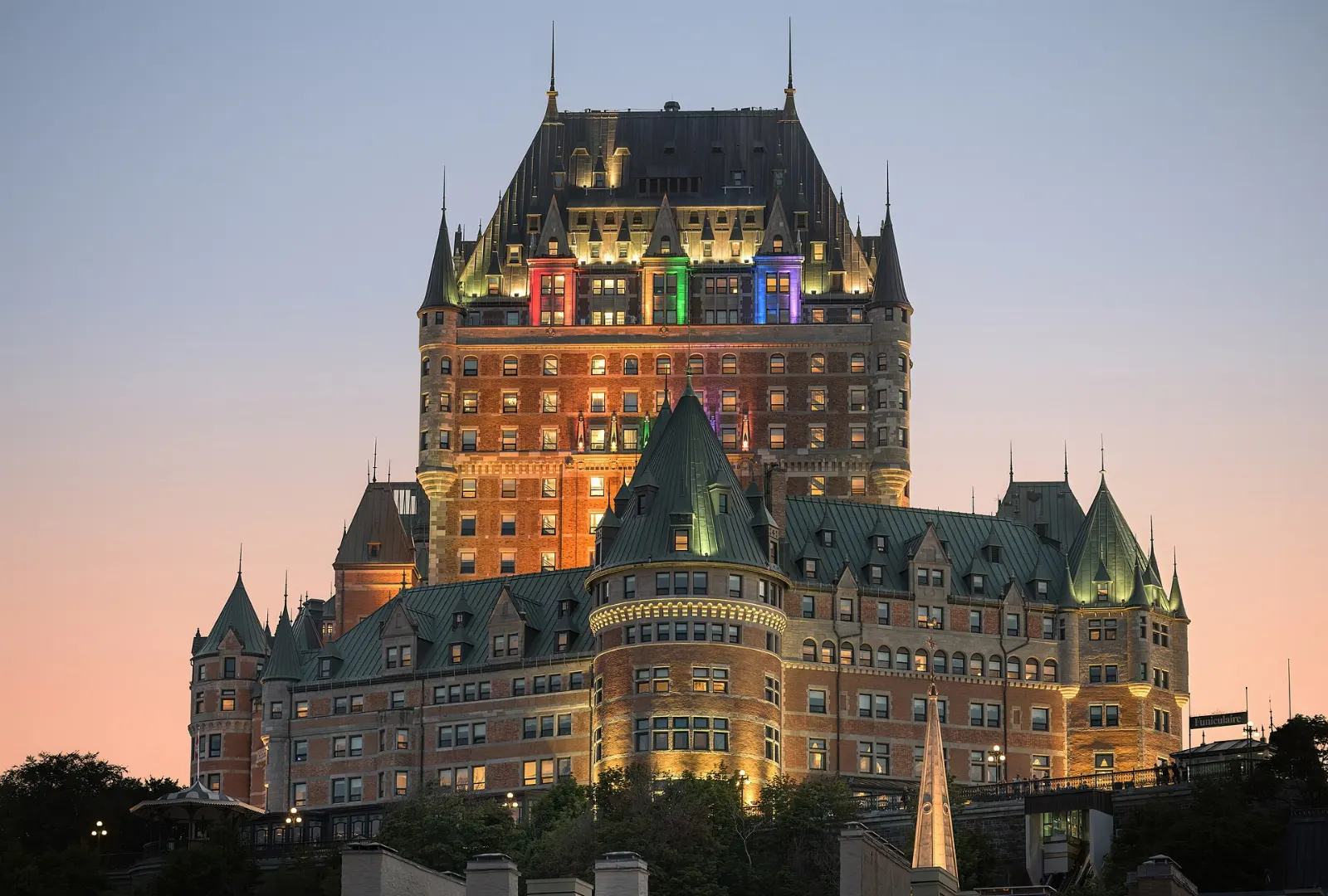
The walled city is a UNESCO World Heritage Site, with narrow lanes, the Château Frontenac and views over the St. Lawrence. It lies a short drive from Wendake and is the natural second stop of the day. Wear comfortable shoes for the hills and stairs.
 Planning a trip to Wendake?Compare hotels, flights and vacation rentals for Wendake on Expedia.Book now
Food and local flavors in Wendake
Food here draws on traditions that go back centuries. Sagamité is a stew of hominy or corn with animal fat and other ingredients, and it was served to welcome guests in Wendat ceremonies. Corn, beans and squash, the Three Sisters, were the base of Wendat farming and still inspire menus. The community restaurants may offer game and local ingredients, so ask about the day menu.
Quebec classics are easy to find nearby. Tourtière is a savory meat pie, tarte au sucre is a sugar pie often made with maple, and tire d'érable is maple taffy poured over snow, a treat of late winter. Seek out small markets and bakeries around Quebec City for maple products and fresh bread, and check whether any special events feature Indigenous cooking.
Popular dishes to try in Wendake


Where to stay
Wendake itself offers a few places to stay, including a hotel on the main boulevard that is linked to the museum. It suits travelers who want to be close to the village and the river, and it is a quiet base for early morning visits before the groups arrive. Expect a smaller community and fewer evening options than in the city.
Old Quebec is the most popular base for visitors, with plenty of restaurants, historic lodging and easy access to the sights. It is a short drive or bus ride from Wendake, so you can visit for a day and return for dinner. It suits first-time visitors who want the full city.
Beauport lies closer to Montmorency Falls and is practical if you plan to see the falls early or travel with a car. It is quieter than Old Quebec and works for families and day-trip planners.
Where to stay in Wendake


Best time to visit
Summer is the easiest season, when outdoor sites, the river and the traditional village programs are at their fullest. Autumn adds fall color to the river banks and is a quieter time to travel. Winter is cold and snowy, but it suits visitors who want to see snowshoes in context and enjoy a hot meal indoors.
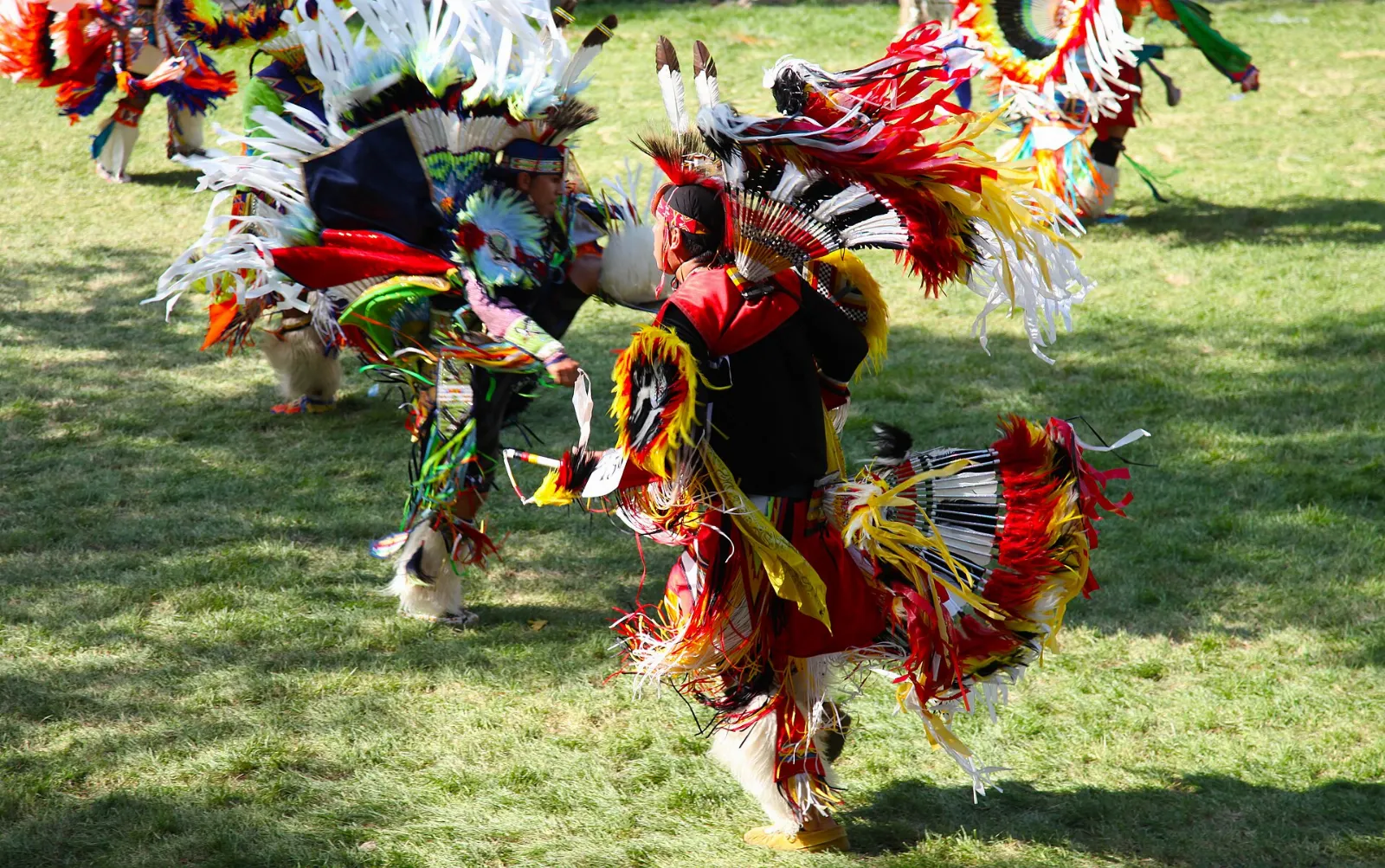
Cultural events and gatherings take place through the year, with several in summer, including events around National Indigenous Peoples Day in June. Dates change, so check the Wendake community website for current events and for seasonal opening hours of the main sites before you travel.
Getting there and getting around
Wendake lies inside the La Haute-Saint-Charles borough of Quebec City, north of the old town, and the nearest airport is Quebec City Jean Lesage International Airport. Quebec City is also reached by intercity bus and by road from Montreal.
By car, Wendake is a short drive from downtown, and signs point visitors toward the community from the main northern routes. Parking is usually easy near the main sites. City transit lines serve the area, so ask your hotel or check the transit website for the current route and schedule. Taxis and ride services also work well for a half-day visit.
Once there, the main sites are close together along the main boulevard, so you can walk between them. If you plan to see Montmorency Falls and Île d'Orléans on the same trip, a car or a tour makes the day much easier.
A suggested itinerary
First day
Spend the morning at the traditional site and the Premières Nations museum, then have lunch at a local restaurant. Visit the chapel and the craft boutiques in the afternoon, then stroll along the river.
Second day
Visit the Kabir Kouba waterfall in the morning, then drive east to Montmorency Falls for the bridge and the viewpoints.
Third day
Explore the Île d'Orléans in the morning and finish in Old Quebec for an evening walk.
Practical tips
- Check the official Wendake website for tour times and seasonal openings before you go.
- Approach the visit with respect, and ask before taking photos of people or ceremonies.
- Buy crafts directly from Wendat artists when possible.
- Wear sturdy shoes for the waterfall trails and the riverbank paths.
- Bring insect repellent and a hat in summer and warm layers in winter.
- Book restaurants and guided tours ahead on summer weekends.
- Learn a few French phrases because French is the main language of the community.