Rimouski sits on the south shore of the St. Lawrence estuary, roughly 300 km downstream of Quebec City.
AT A GLANCE
Best time
Late June to early September for warm days, festivals and open attractions.
How long
Two to three days covers the city and Bic National Park.
Getting there
Drive Route 132 from Quebec City or fly to nearby Mont-Joli.
Why visit Rimouski
Rimouski is the largest city in the Bas-Saint-Laurent and the university and marine research hub of eastern Quebec. About 49,000 people live here, and nearly all of them speak French, so a few polite phrases go a long way.
The estuary is the main attraction. The river widens here into a sea-like horizon, and the maritime history of Pointe-au-Père, the pilot station and the wreck of the Empress of Ireland, gives the shoreline real depth.
Maritime history at Pointe-au-Père
Pointe-au-Père Lighthouse
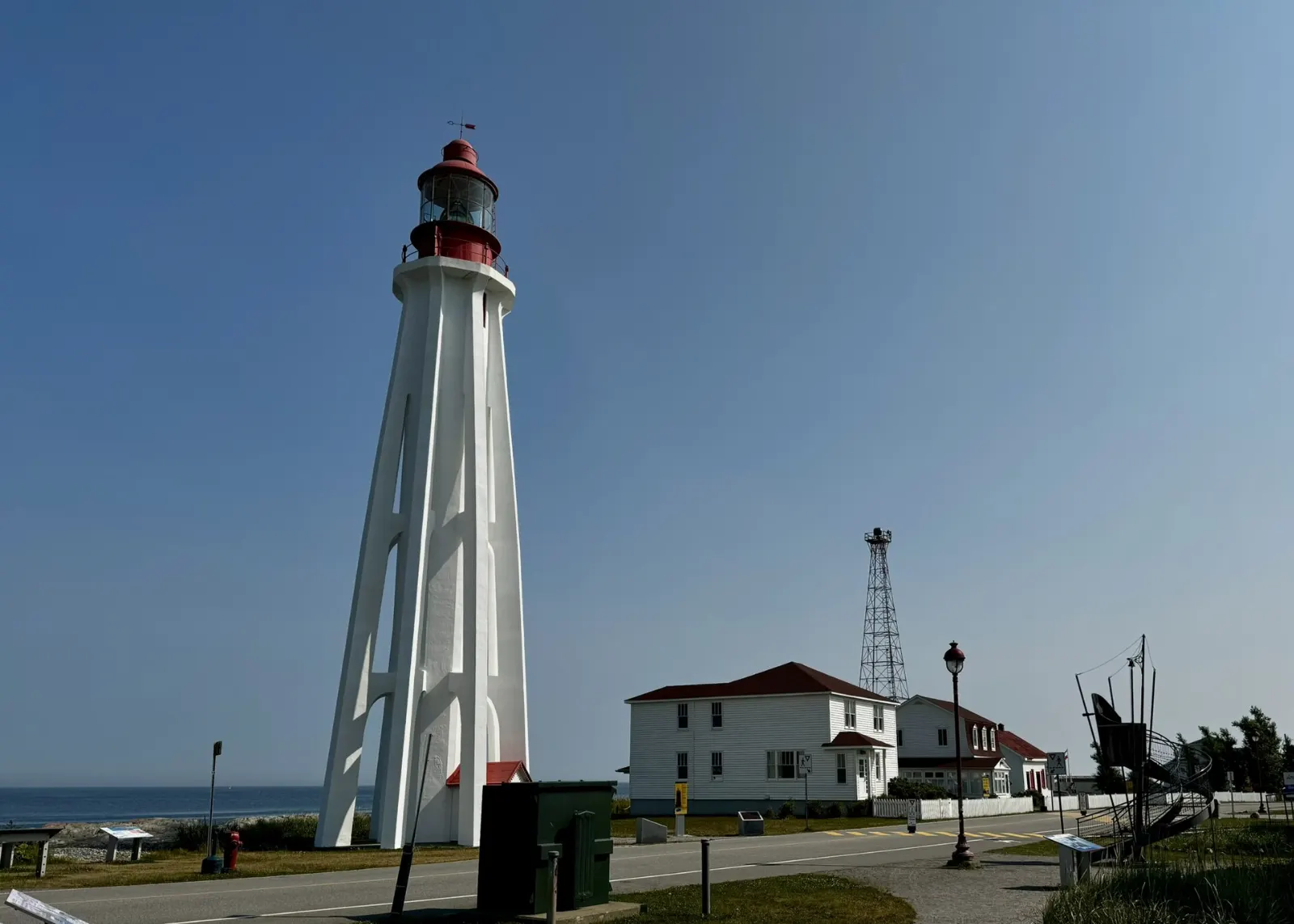
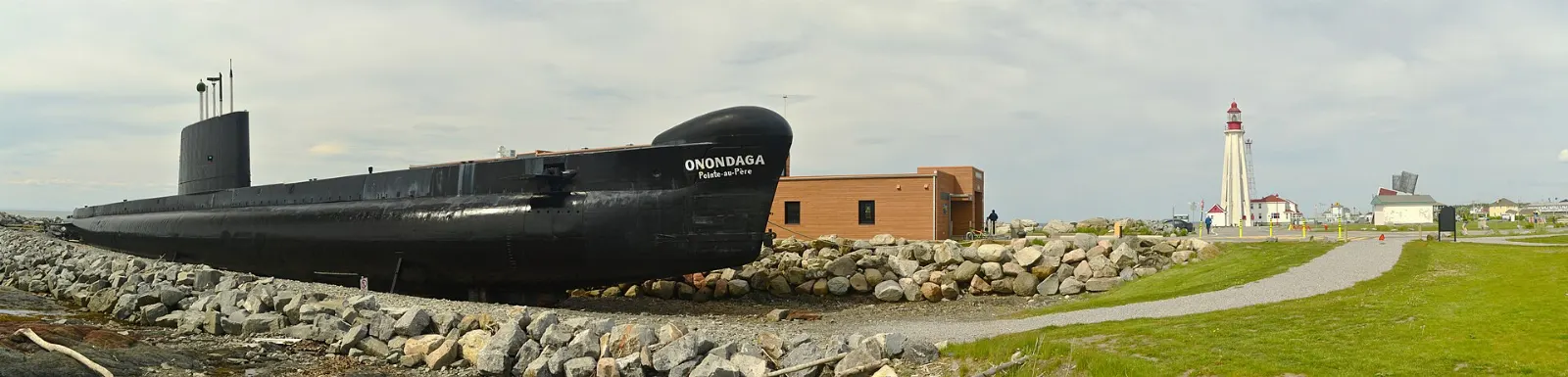
The Site historique maritime de la Pointe-au-Père marks the traditional dividing line between the St. Lawrence River and the open Gulf. The present lighthouse dates from 1909 and ranks among the tallest in Canada.
HMCS Onondaga
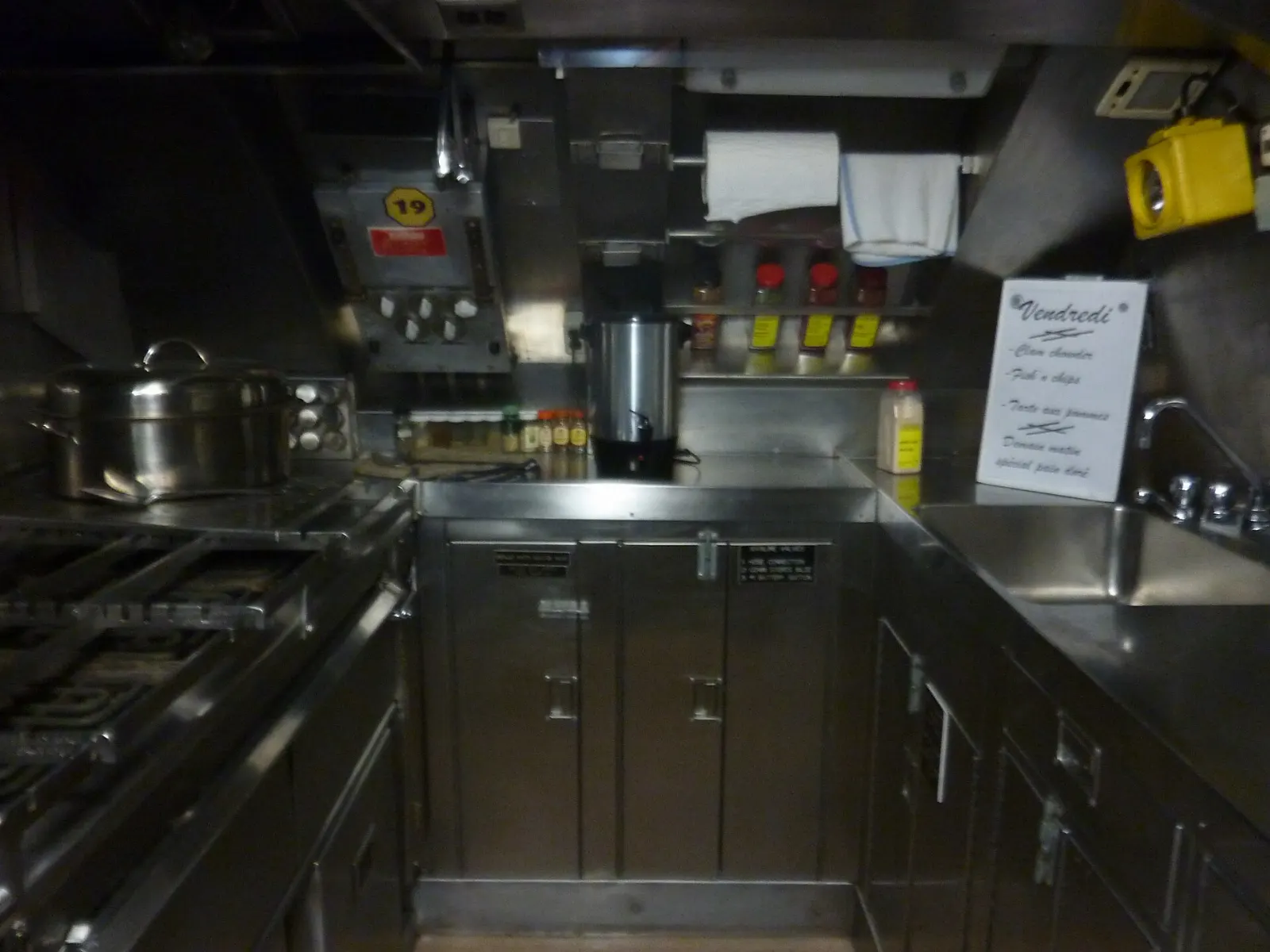
Moored on the site is HMCS Onondaga, an Oberon-class submarine that served in the Canadian navy until 2000. Stepping inside shows how tight life aboard really was.
Empress of Ireland Museum
The museum tells the story of the Empress of Ireland, which sank after a collision in fog in May 1914 with the loss of 1,012 lives, one of the worst peacetime maritime disasters of the twentieth century. Objects from the wreck and the human stories behind it make this a moving stop.
In the city
Musée régional de Rimouski
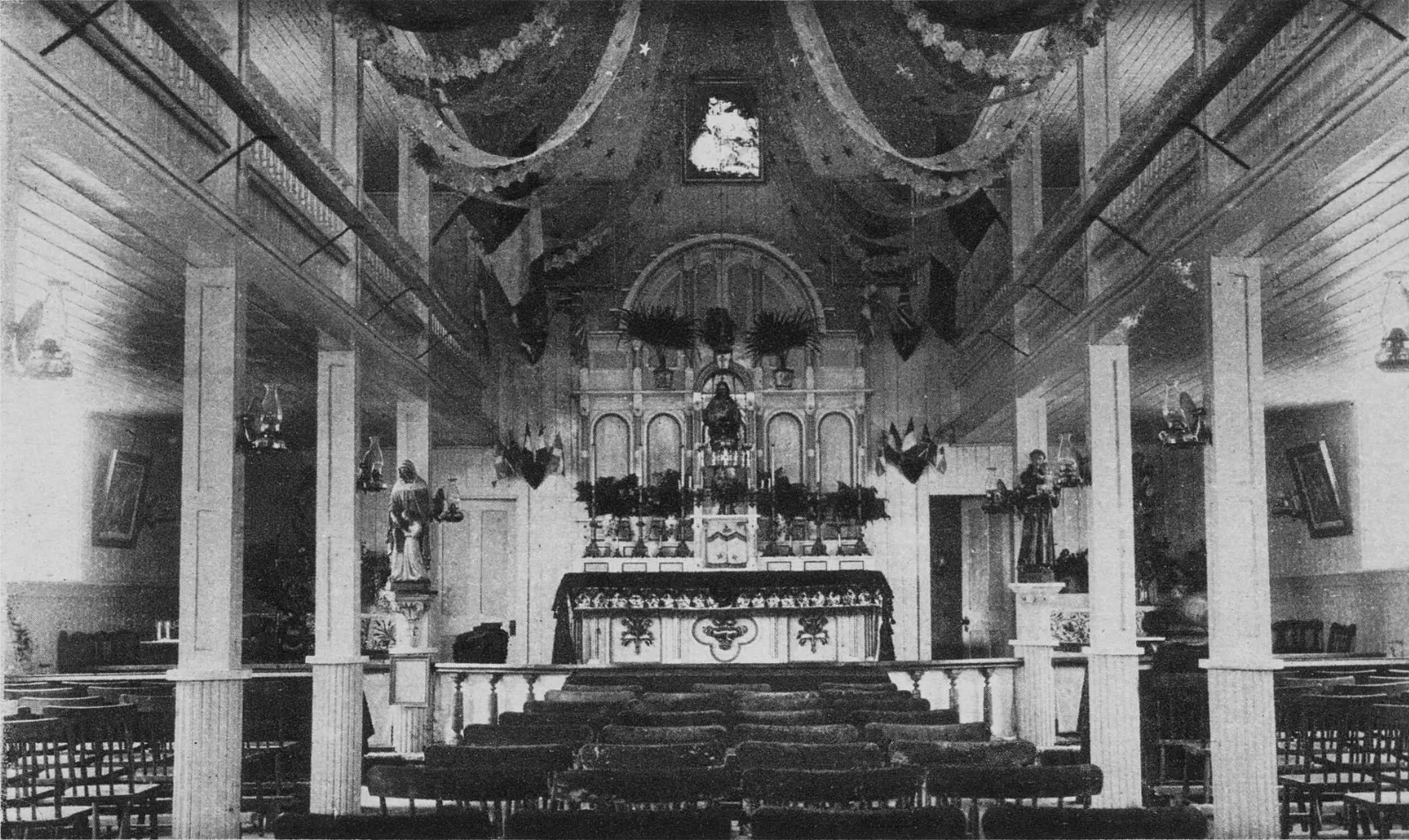
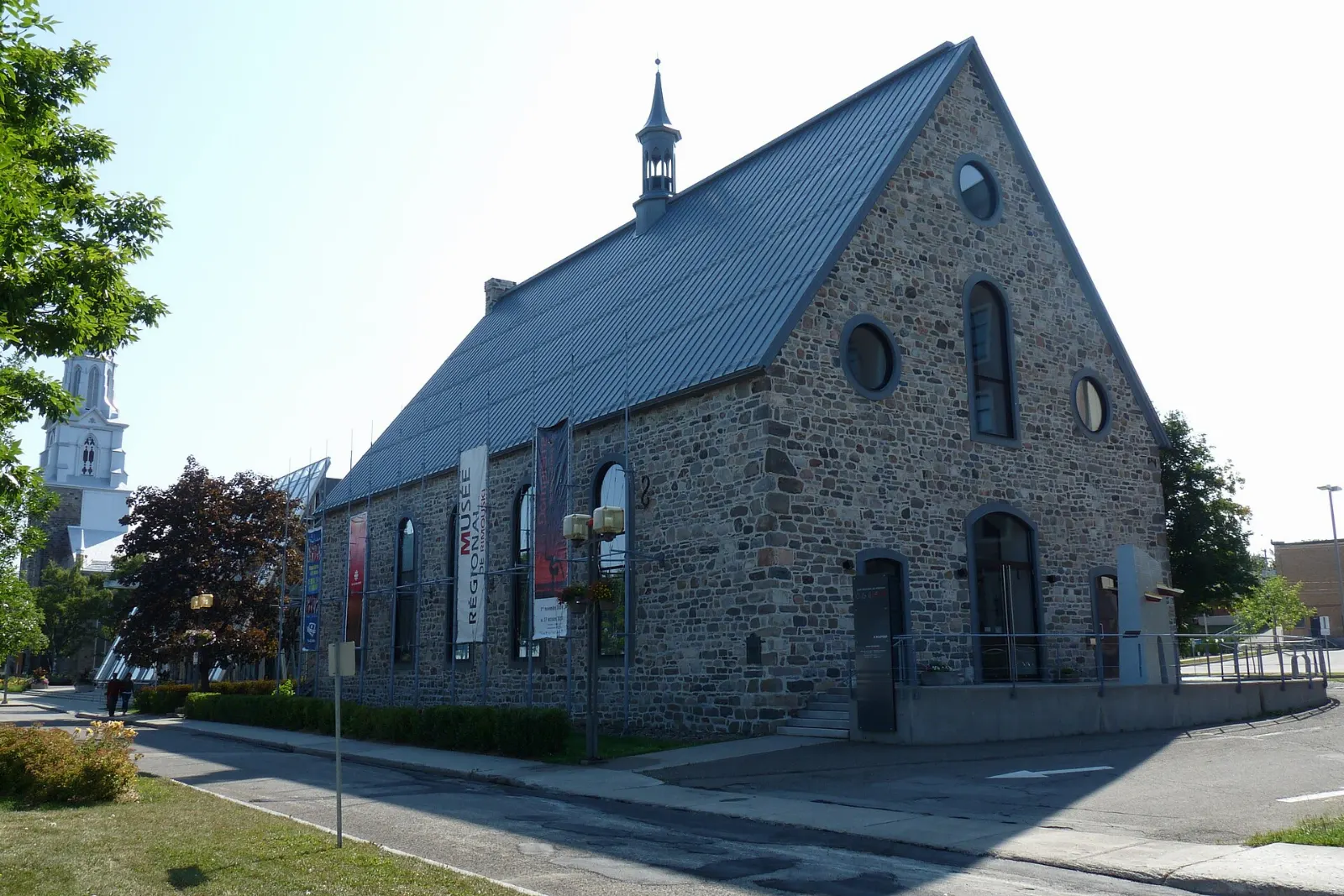
The regional museum is housed in an old stone church on rue Saint-Germain Ouest, right in the heart of town. Exhibitions focus on contemporary art and regional heritage, and the building itself is worth a look.
Maison Lamontagne
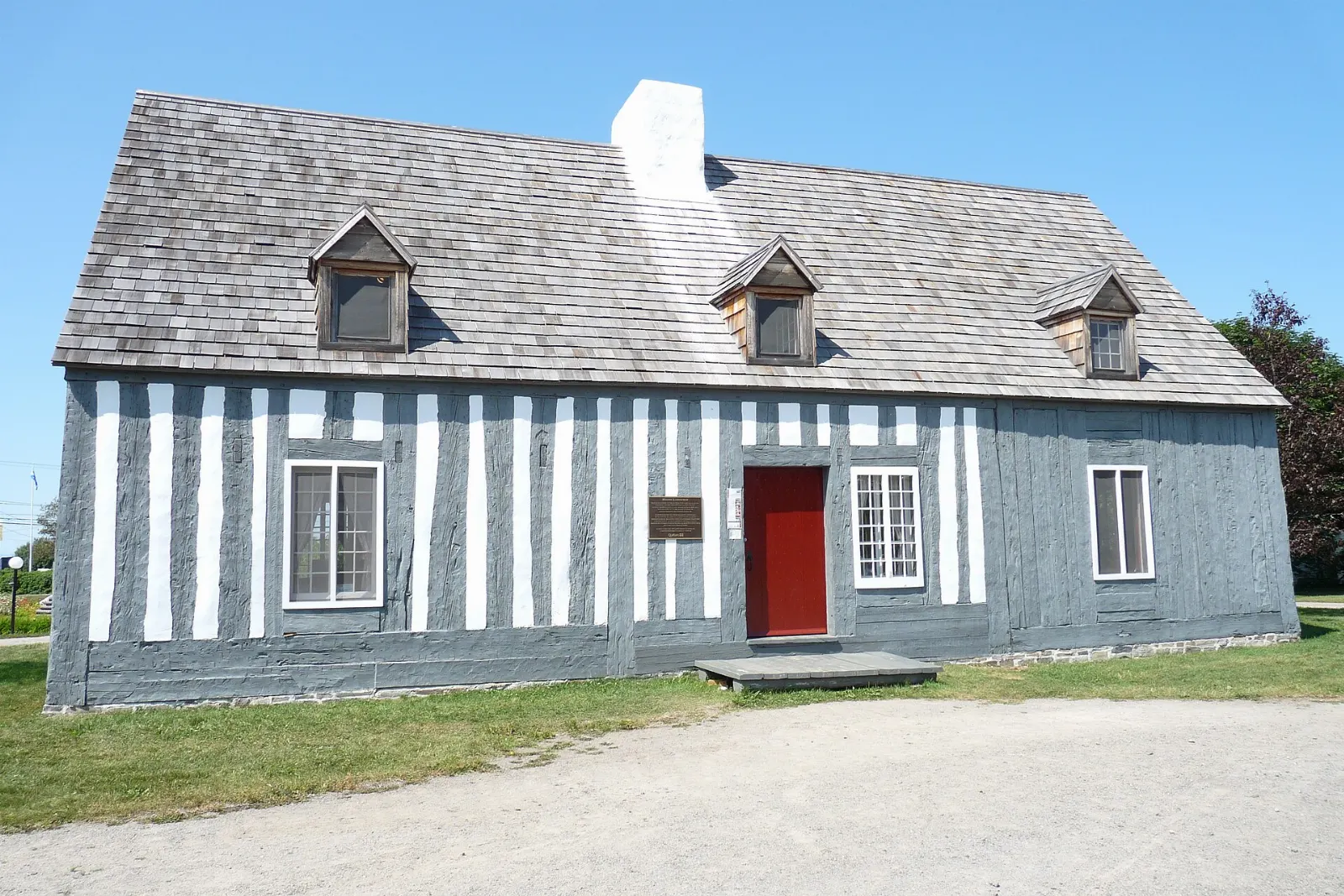
In the Rimouski-Est district, Maison Lamontagne was built around 1750 for Marie-Agnès Lepage, a granddaughter of the city's founder. It is one of the oldest half-timbered houses in Quebec.
Rimouski Océanic
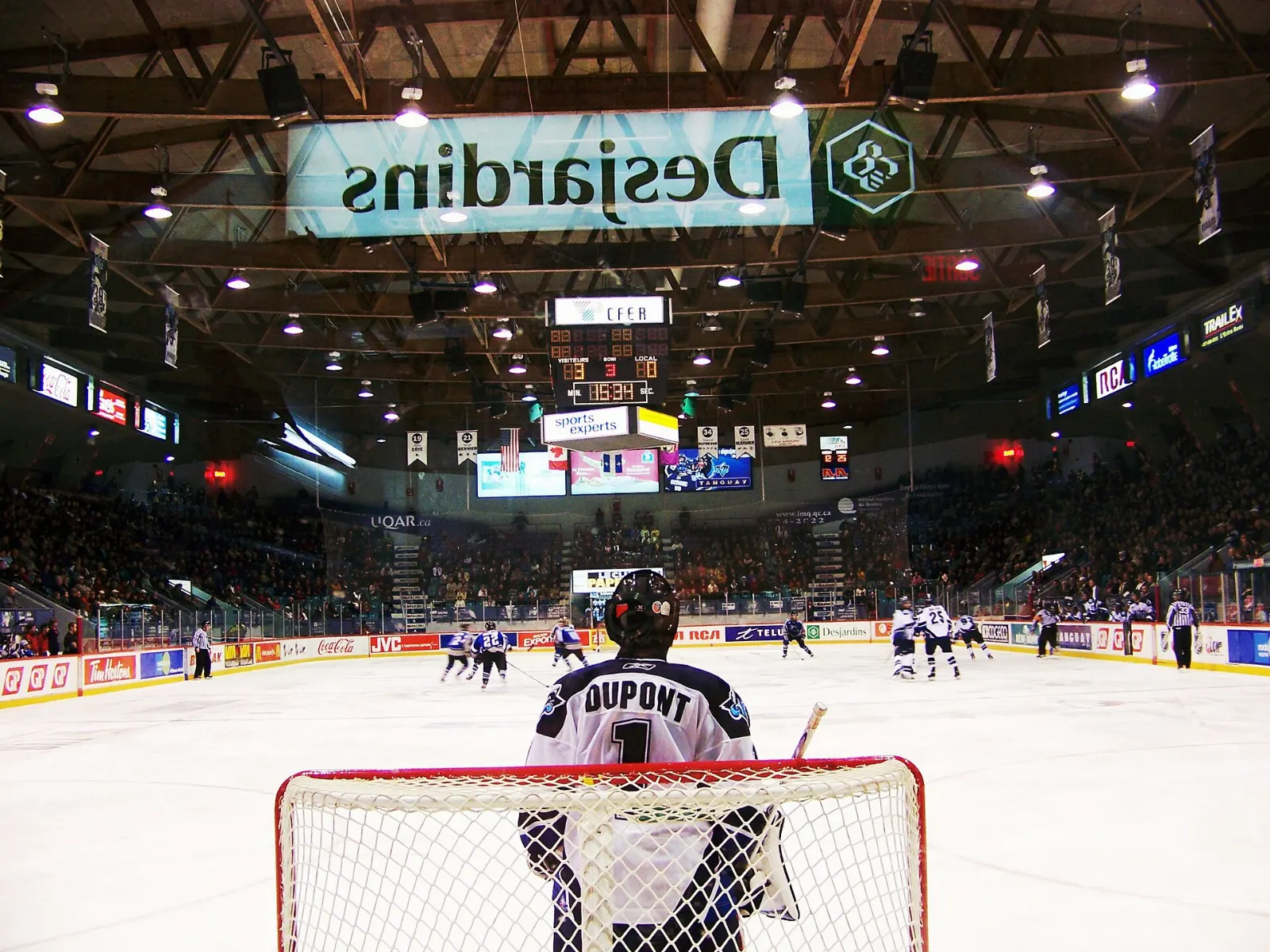
If you visit between autumn and spring, catch a home game of the Océanic, a Quebec Major Junior Hockey League team that has produced several NHL stars. The atmosphere is local and loud.
Between games, the city has a pleasant student energy because of the university and the maritime college.
Islands, parks and canyons
Île Saint-Barnabé
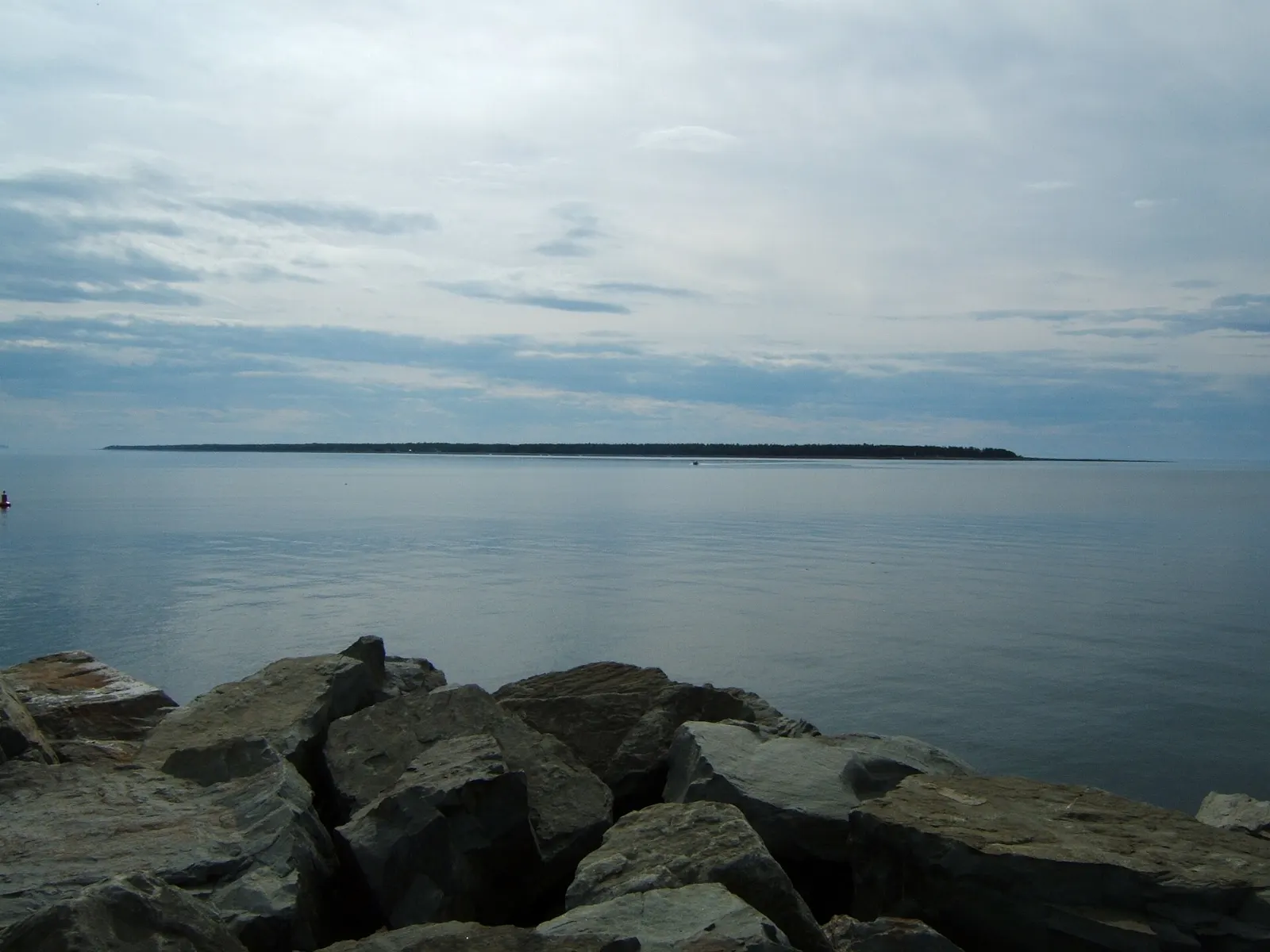
A small boat leaves from the marina for Île Saint-Barnabé, the island that fills the view from the waterfront. Walk its trails, watch for seabirds and look back at the city skyline.
Bic National Park
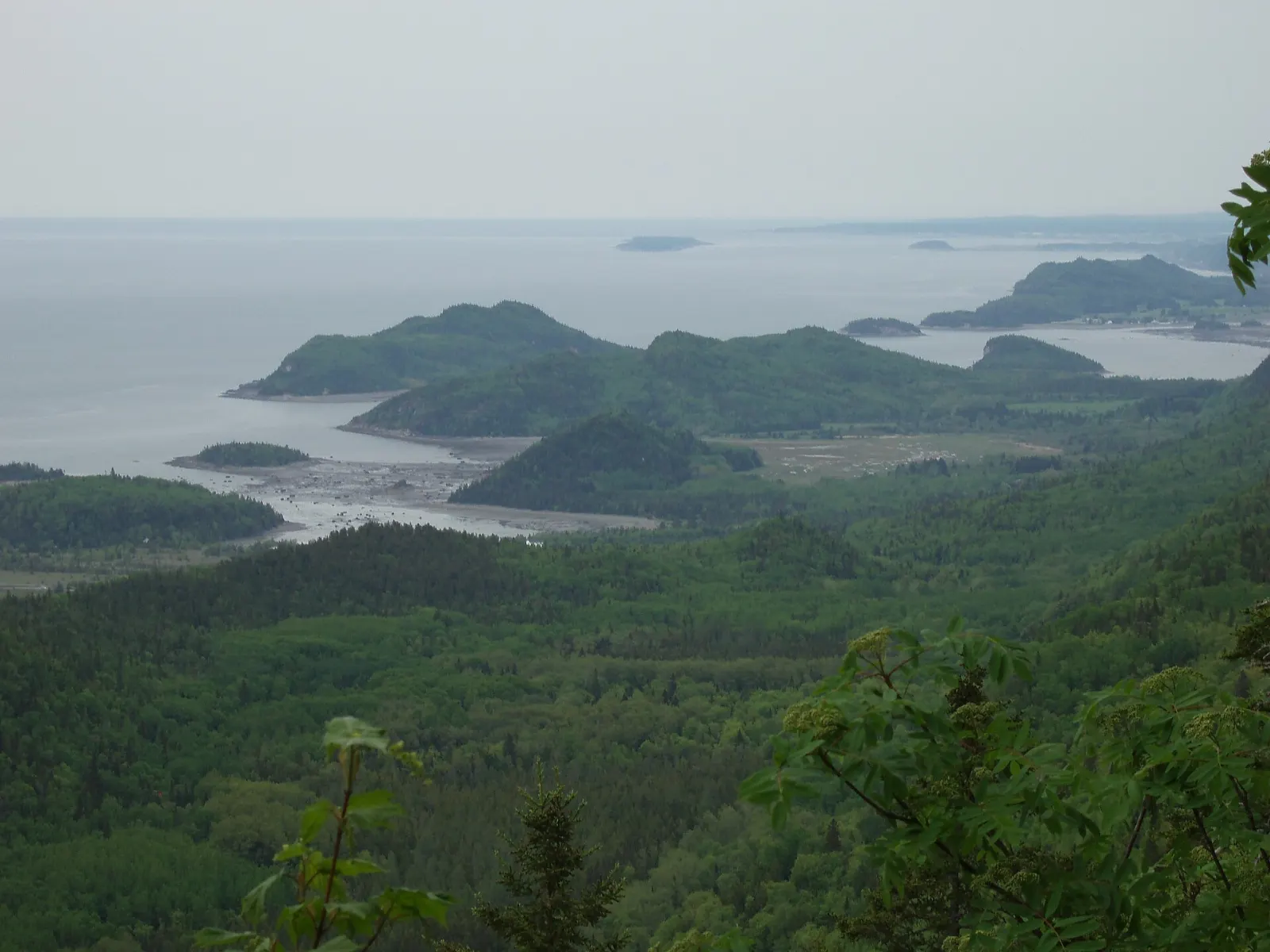
Southwest of the city along Route 132, Bic National Park covers about 33 square kilometres of hills, salt marsh and coast. Harbour seals and grey seals rest on the rocks, and there are hiking and cycling trails of all levels.
Canyon de la Porte de l'Enfer
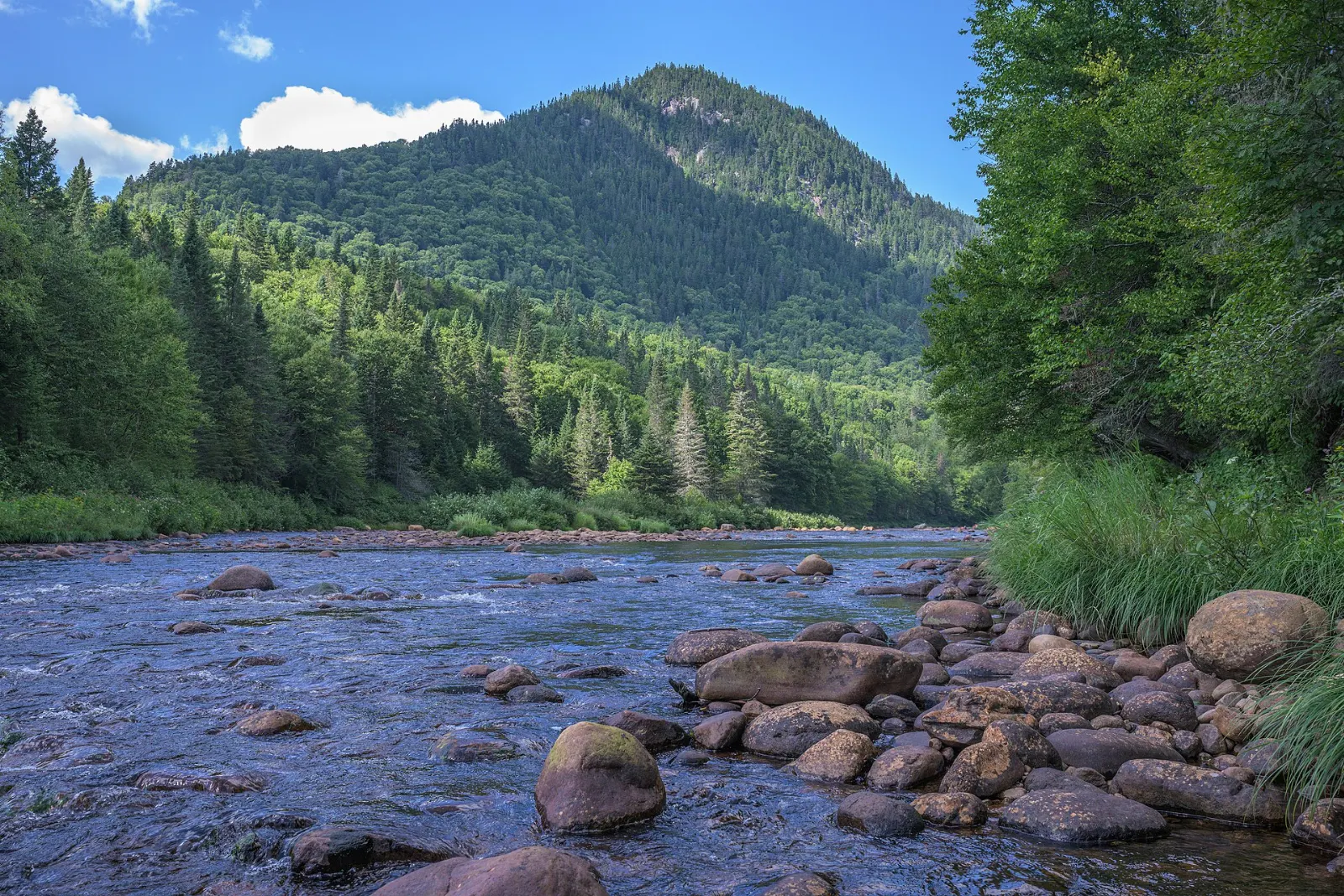
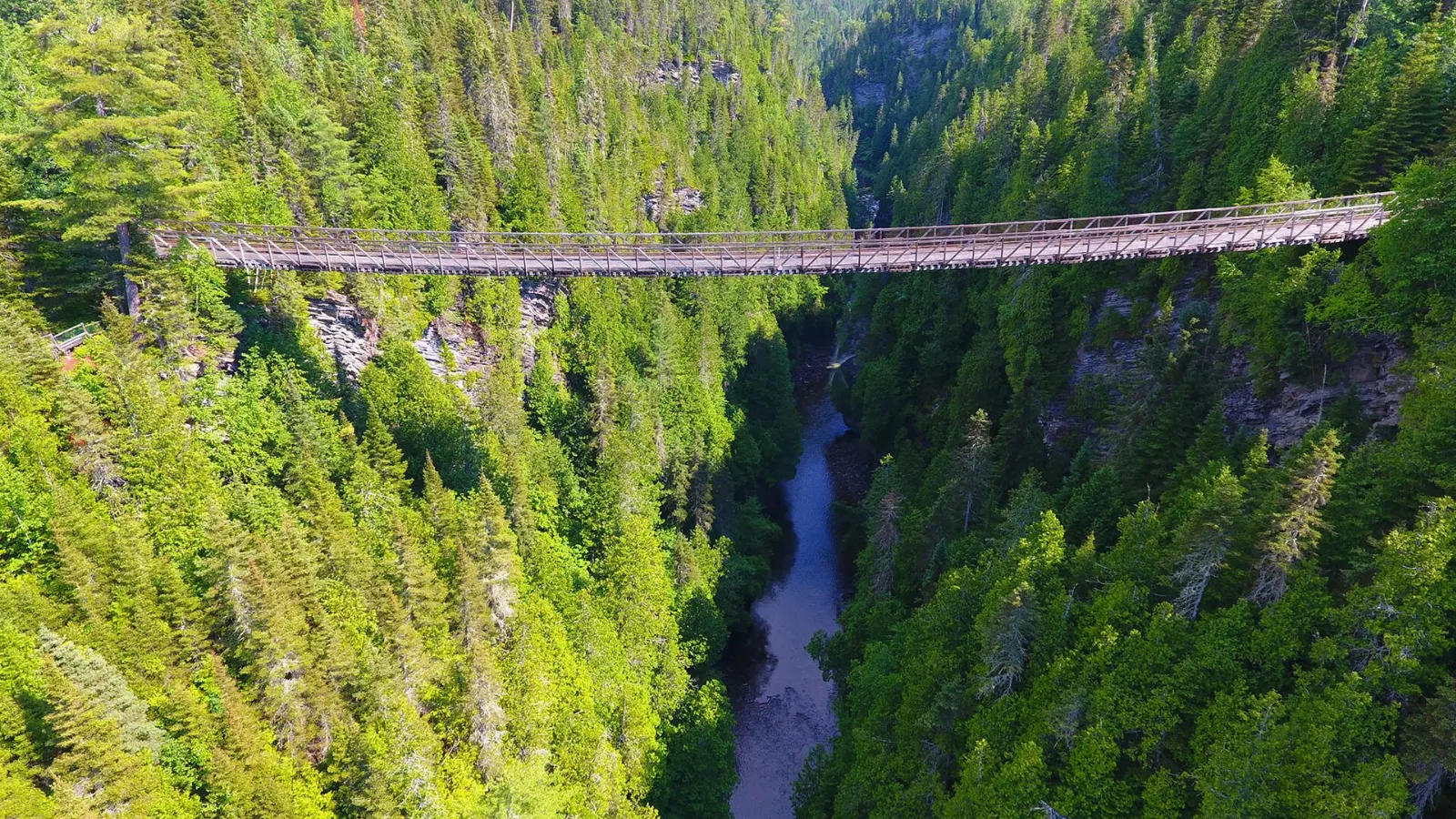
Inland at Saint-Narcisse-de-Rimouski, this canyon cuts through the hills south of the city. It makes a good counterpoint to the seaside sights, with walks along the gorge and forest paths.
Waterfront and viewpoints
The downtown core is small and walkable, and the shoreline paths are ideal at sunset when the estuary turns copper. Walk from the marina toward the river mouth for open views. Keep a jacket handy, because wind off the water cools evenings even in summer.
Food and local flavors
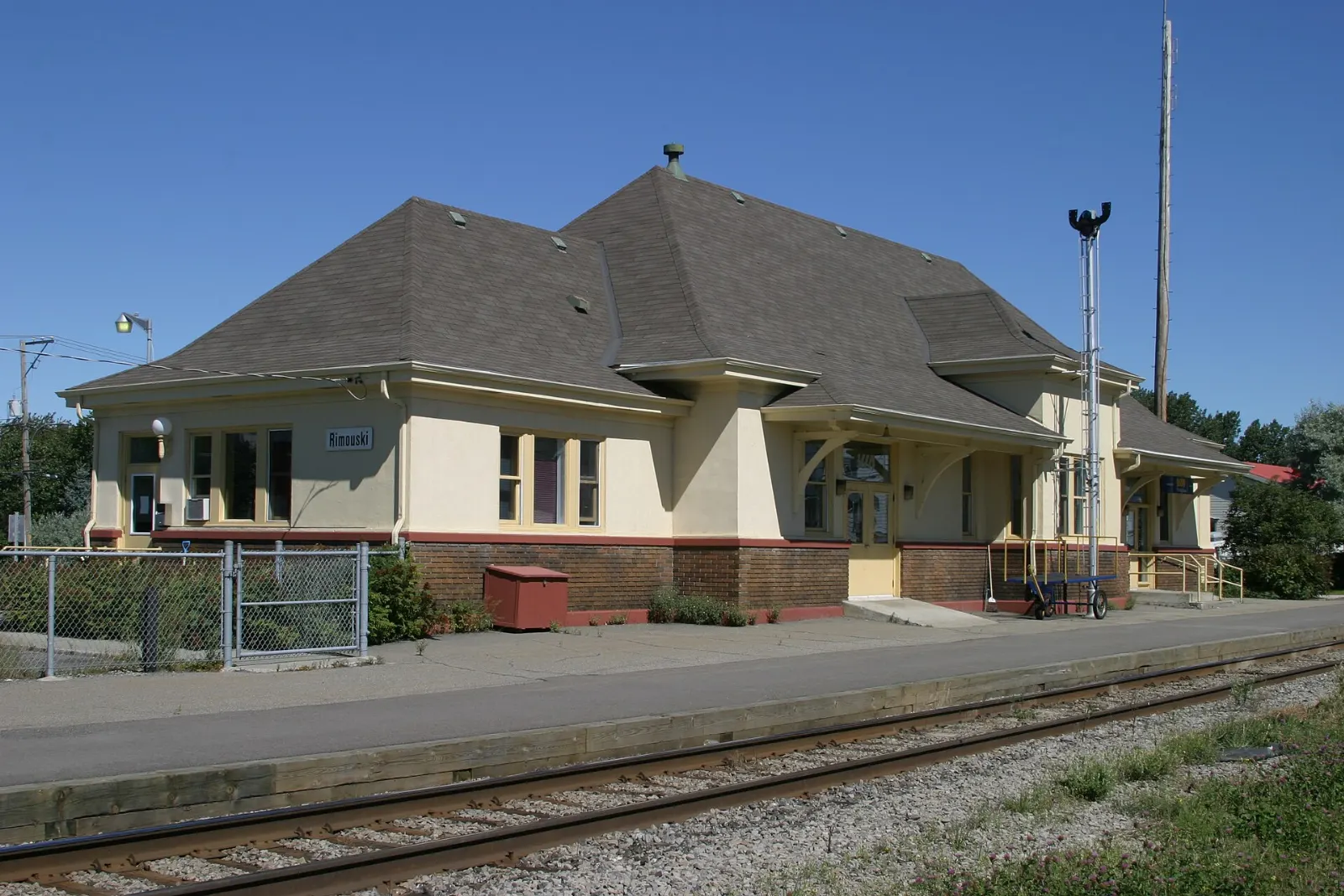
Quebec comfort food is easy to find. Poutine, fries with cheese curds and gravy, is served at late-night cantines such as the one by the train station, where the menu runs to many variations.
Local bistros highlight regional produce, fish and oysters, and a small craft brewery pours beer made in town. Rue Saint-Germain is the main street for cafés and casual dinners.
Popular dishes to try in Rimouski


Where to stay
Downtown Rimouski suits visitors without a car, because the museum, restaurants and tourist office are within walking distance. It also works well if you plan evenings out.
Rimouski-Est stretches along the river on the east side and is a calm choice for travelers who prefer quieter streets and easy access to Maison Lamontagne and Route 132.
Pointe-au-Père is the place for maritime history fans, since the lighthouse and museums are on your doorstep.
Where to stay in Rimouski


Best time to visit
Summer is the easiest season. Days are warm but cooler than in Quebec City, attractions are open and the seasonal boats run.
Festival fans should aim for the Grandes fêtes du Saint-Laurent, a family music event on the first weekend of July, or Festi Jazz International, held in late August and early September. The Salon du livre in early November is the oldest book fair in Quebec.
Getting there and getting around
Driving is the simplest way. Route 132 follows the south shore from Quebec City, and Autoroute 20 provides the faster stretch most of the way, so allow about three hours from the capital.
VIA Rail's Ocean service stops three times a week in each direction, usually in the middle of the night, and Orléans Express buses link Rimouski with Quebec City, Rivière-du-Loup and the Gaspé. A seasonal ferry across the river to Forestville has been suspended in recent years, so check its status.
A suggested itinerary
First day
Spend the morning at Pointe-au-Père for the lighthouse, submarine and Empress of Ireland museum.
Second day
Drive to Bic National Park for a coastal hike and seal watching.
Third day
Take the boat to Île Saint-Barnabé or visit the canyon inland, then continue toward the Gaspé Peninsula.
Practical tips
- Learn a few French greetings, because English is not widely spoken here.
- Check seasonal opening dates for Pointe-au-Père, Maison Lamontagne and the island boat before you go.
- Pack layers, since the estuary breeze can be cool even in July.
- Rent a car if you plan to see more than the downtown area.
- Book accommodation early for festival weekends in summer.