New Orleans moves to its own rhythm. Brass bands strike up on street corners, ironwork balconies drip with ferns, and conversations tend to circle back to what you ate last and where you will eat next.
AT A GLANCE
Best time
February to May for festivals and mild weather; late fall is pleasant and calmer.
How long
Three to four days to cover the main neighborhoods, music and food at an easy pace.
Getting there
Fly into Louis Armstrong New Orleans International Airport, about half an hour from downtown.
Why visit New Orleans
New Orleans is the birthplace of jazz, and music is still part of daily life here, from second line parades on Sunday afternoons to small clubs where local bands play late into the night.
The city's neighborhoods are another draw. The French Quarter keeps its eighteenth and nineteenth century street grid and Creole townhouses, the Garden District shows off the grand homes of the American era, and the Marigny and Bywater are full of shotgun houses painted in bright colors.
The French Quarter and the riverfront
The Vieux Carre, as the French Quarter is also known, is the oldest part of the city and easy to explore on foot in a grid of about thirteen blocks along the river.
Jackson Square and St. Louis Cathedral
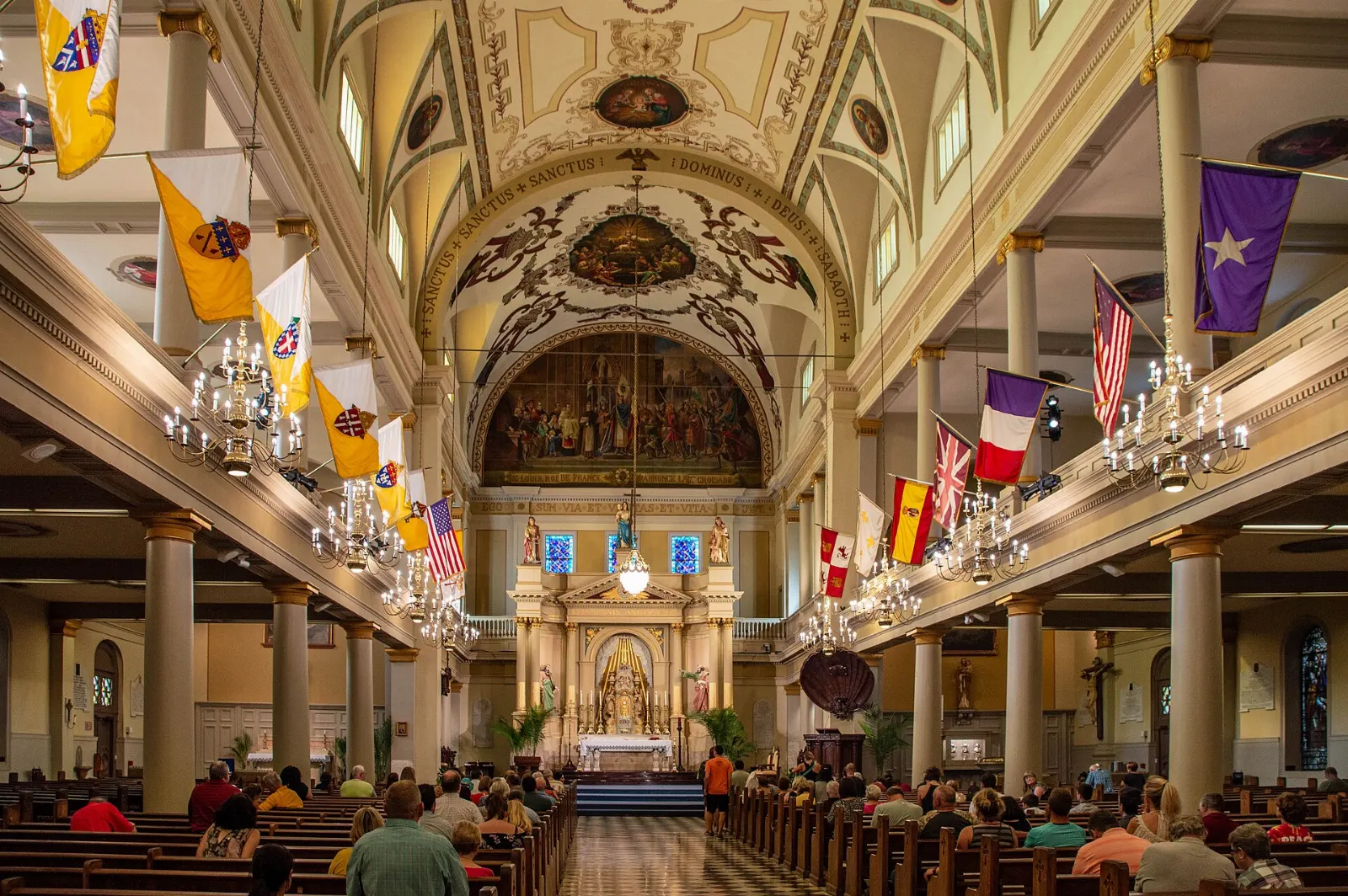
Jackson Square, the old Place d'Armes, is framed by the St. Louis Cathedral, one of the oldest cathedrals in continuous use in the United States, and two historic museum buildings, the Cabildo and the Presbytere, which are part of the Louisiana State Museum.
Royal Street and Bourbon Street
Royal Street is the Quarter's most elegant street, lined with antique shops, galleries and cast iron balconies, and it is partly closed to cars in the afternoon for street performers.
The French Market and Cafe du Monde
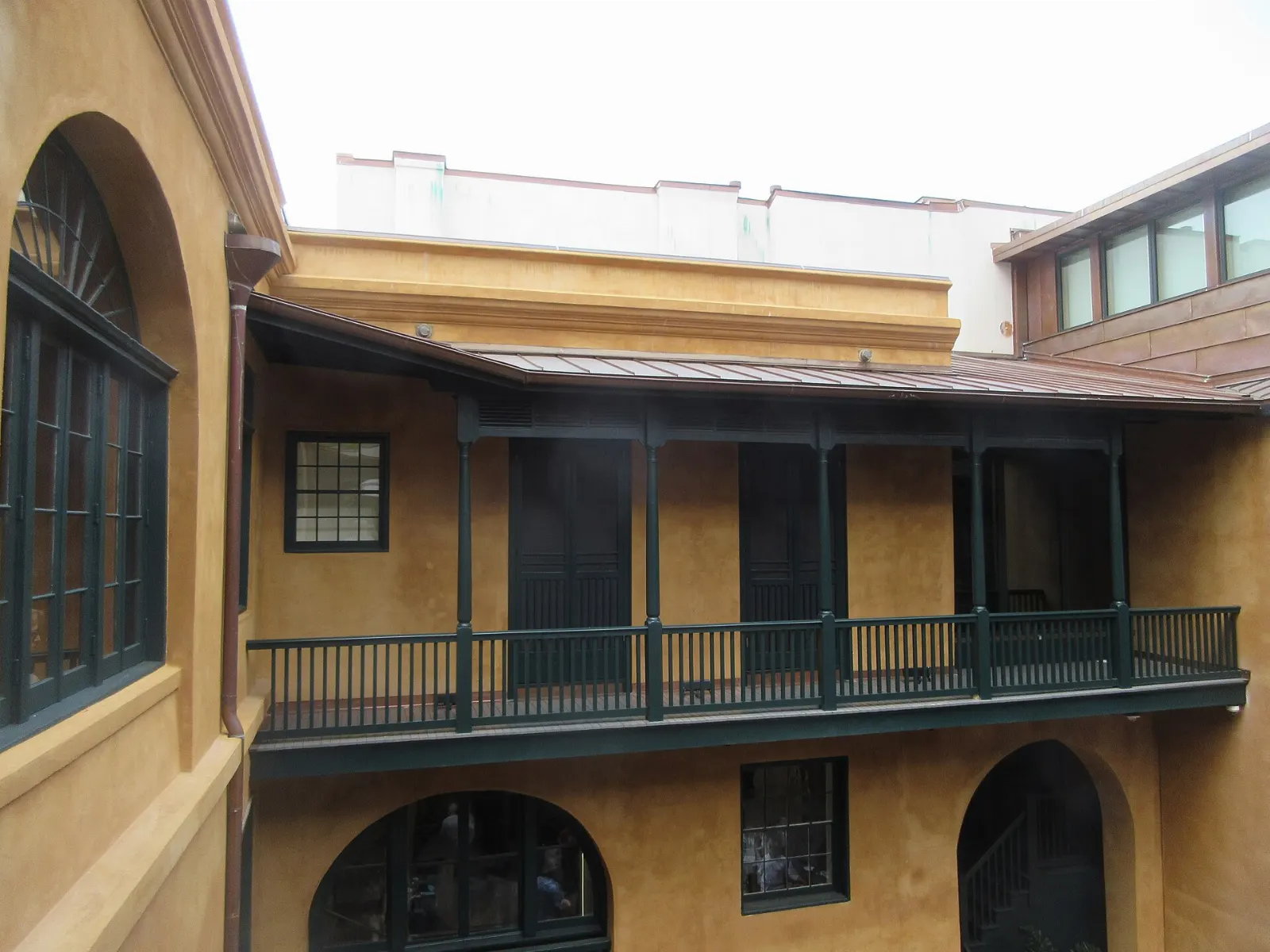
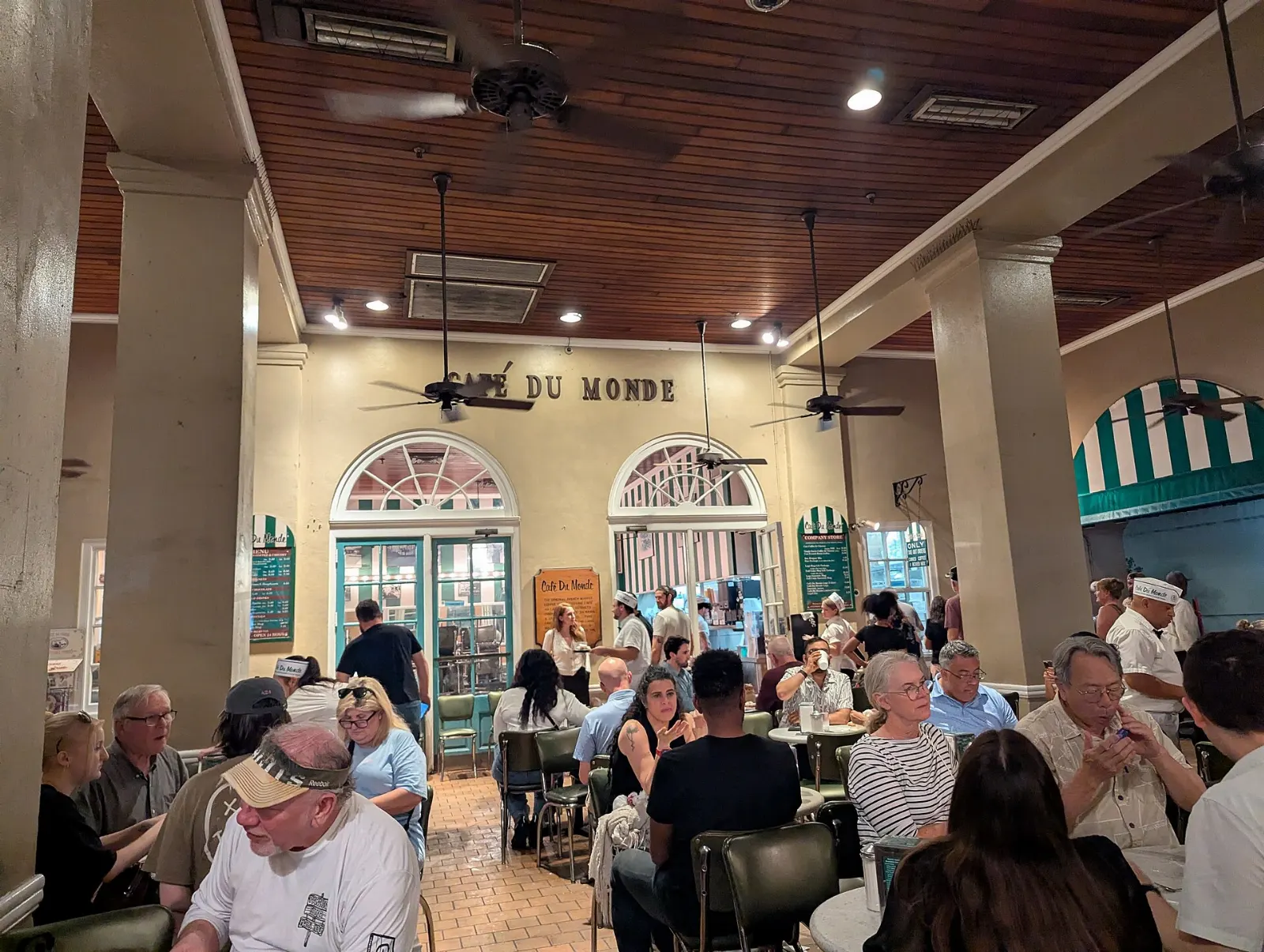
The French Market stretches along Decatur Street with stalls selling crafts, souvenirs and snacks, and a flea market at its downriver end. At its upriver end, Cafe du Monde has served beignets dusted with powdered sugar and coffee with chicory since the nineteenth century.
Frenchmen Street
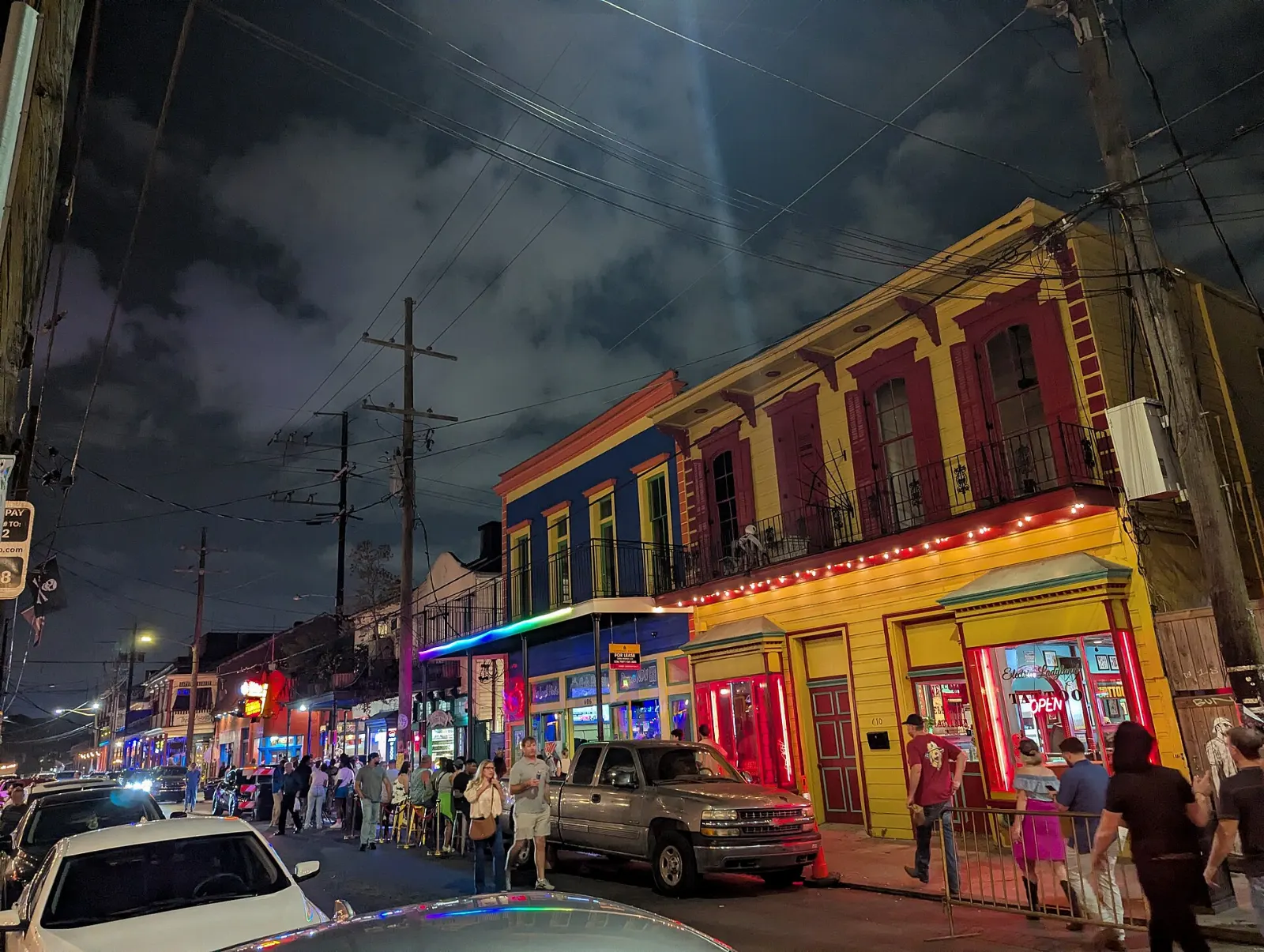
Just past the edge of the Quarter in the Faubourg Marigny, Frenchmen Street is where many locals go to hear live music.
Preservation Hall
On St. Peter Street, Preservation Hall has been dedicated to traditional New Orleans jazz since 1961. Short, intimate concerts take place in a plain room with wooden benches.
The Garden District, Uptown and the Warehouse District
The St. Charles streetcar
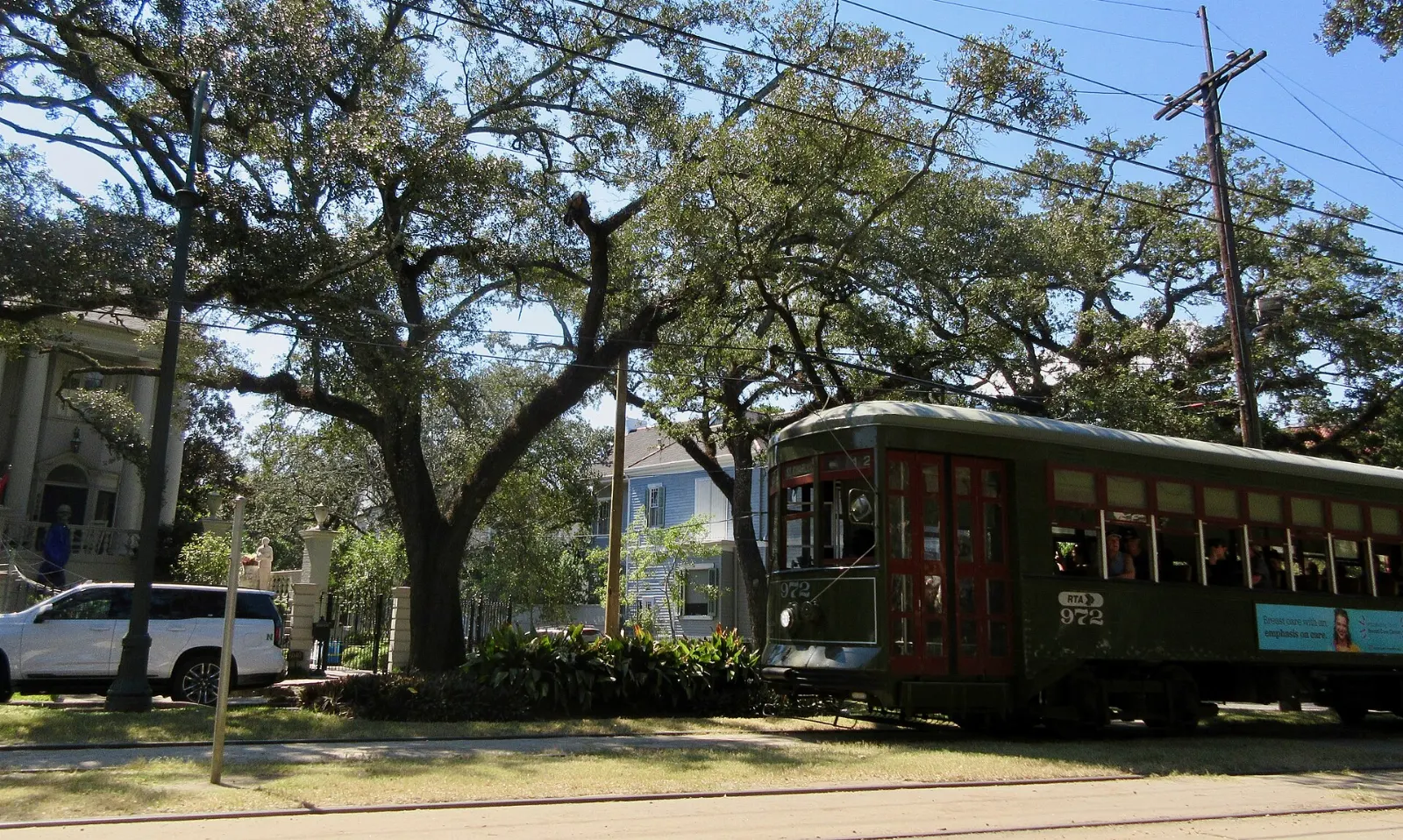
The St. Charles line runs from the edge of the French Quarter along St. Charles Avenue to Carrollton, passing mansions, universities and Audubon Park under a canopy of live oaks.
Garden District and Magazine Street
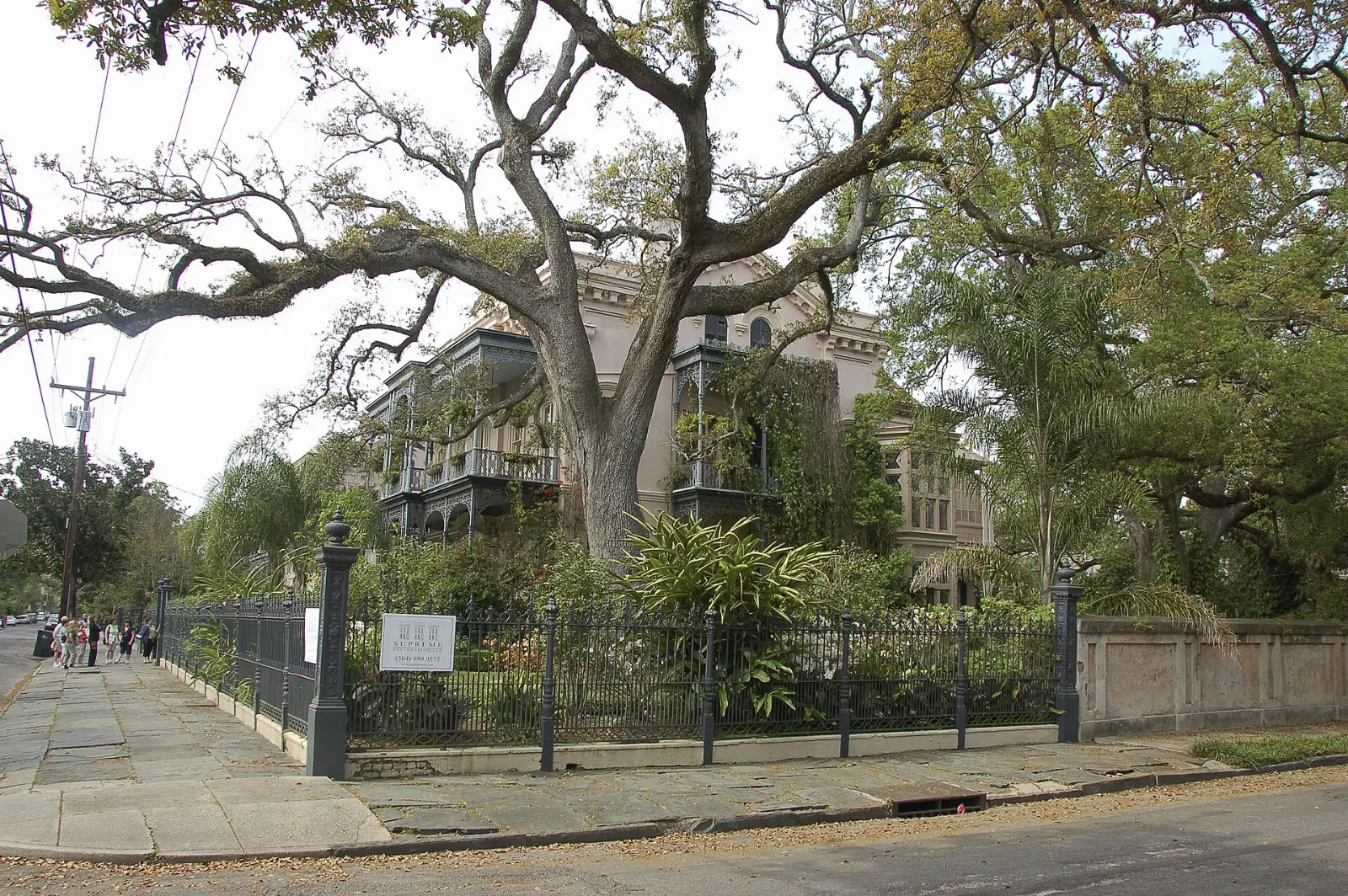
The Garden District grew up in the nineteenth century as an American neighborhood of large homes set in lush gardens, and its streets of Greek Revival and Italianate mansions are ideal for a walking tour.
The National WWII Museum
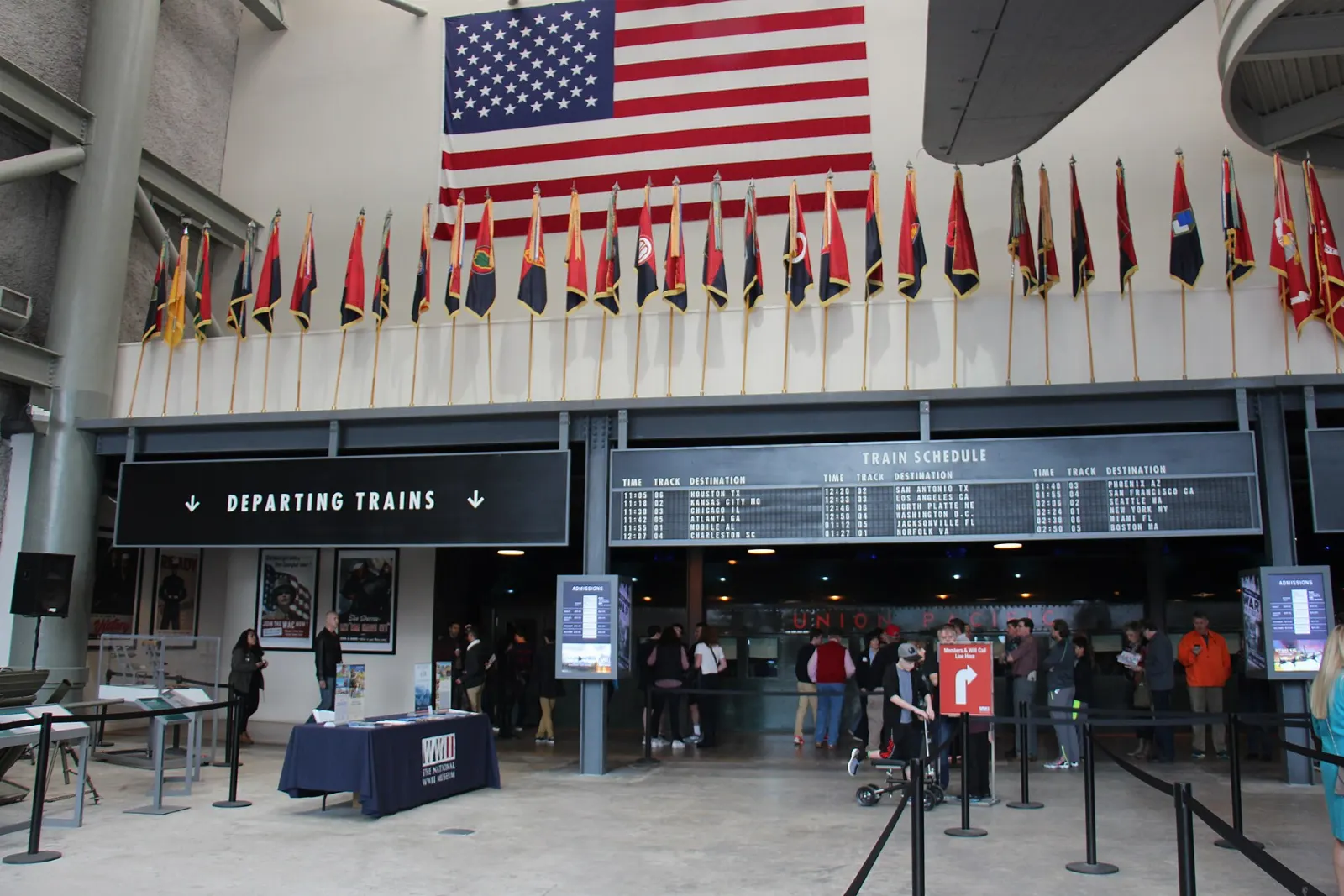
In the Warehouse District, this museum tells the story of the American experience of the Second World War across several large pavilions, with aircraft, personal accounts and immersive exhibits on both the European and Pacific campaigns. Allow at least half a day.
City Park
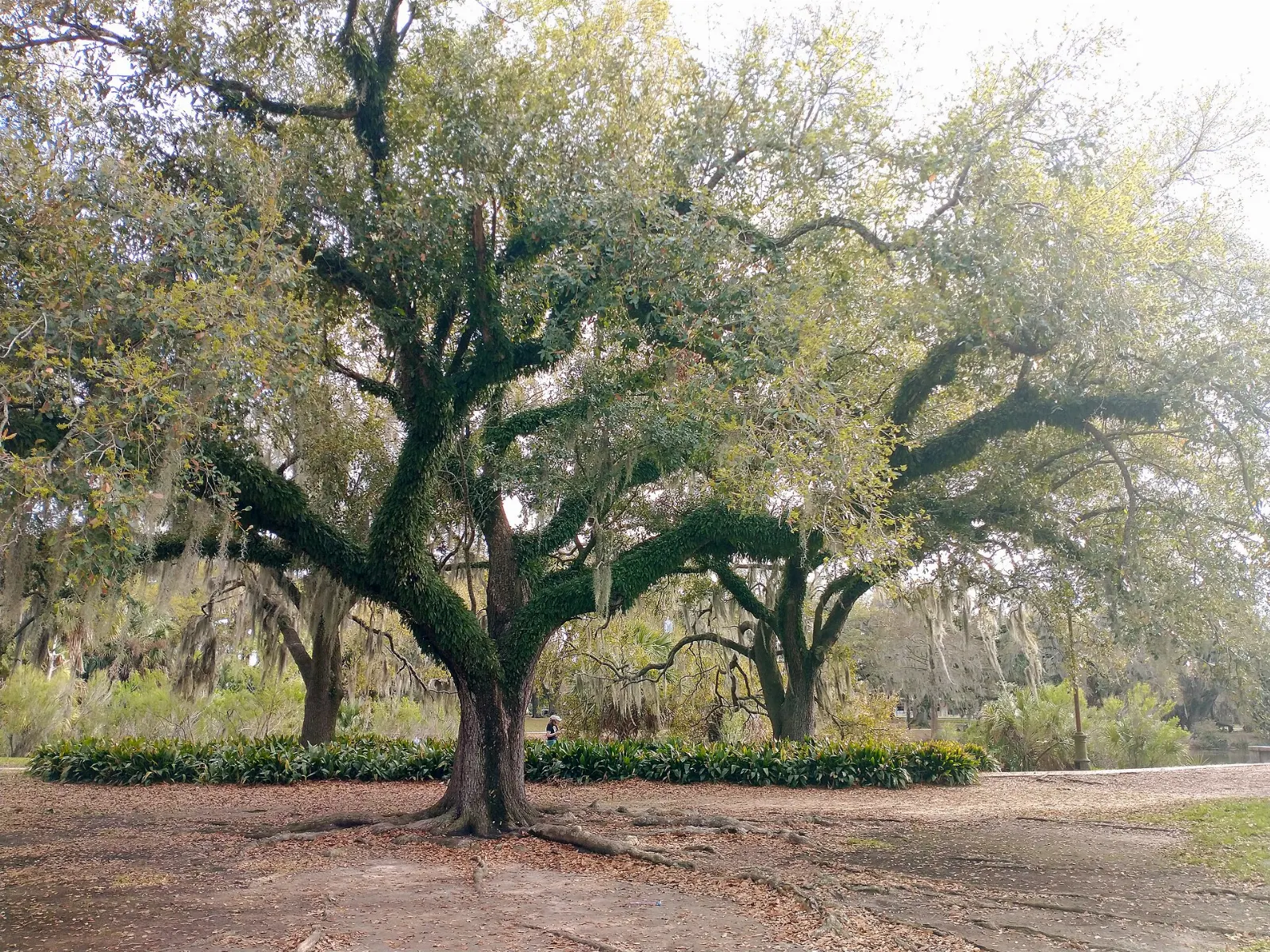
Larger than New York's Central Park, City Park holds one of the largest collections of mature live oaks in the world, along with the New Orleans Museum of Art, the free Sydney and Walda Besthoff Sculpture Garden, the New Orleans Botanical Garden and lagoons where you can rent pedal boats.
St. Louis Cemetery No. 1
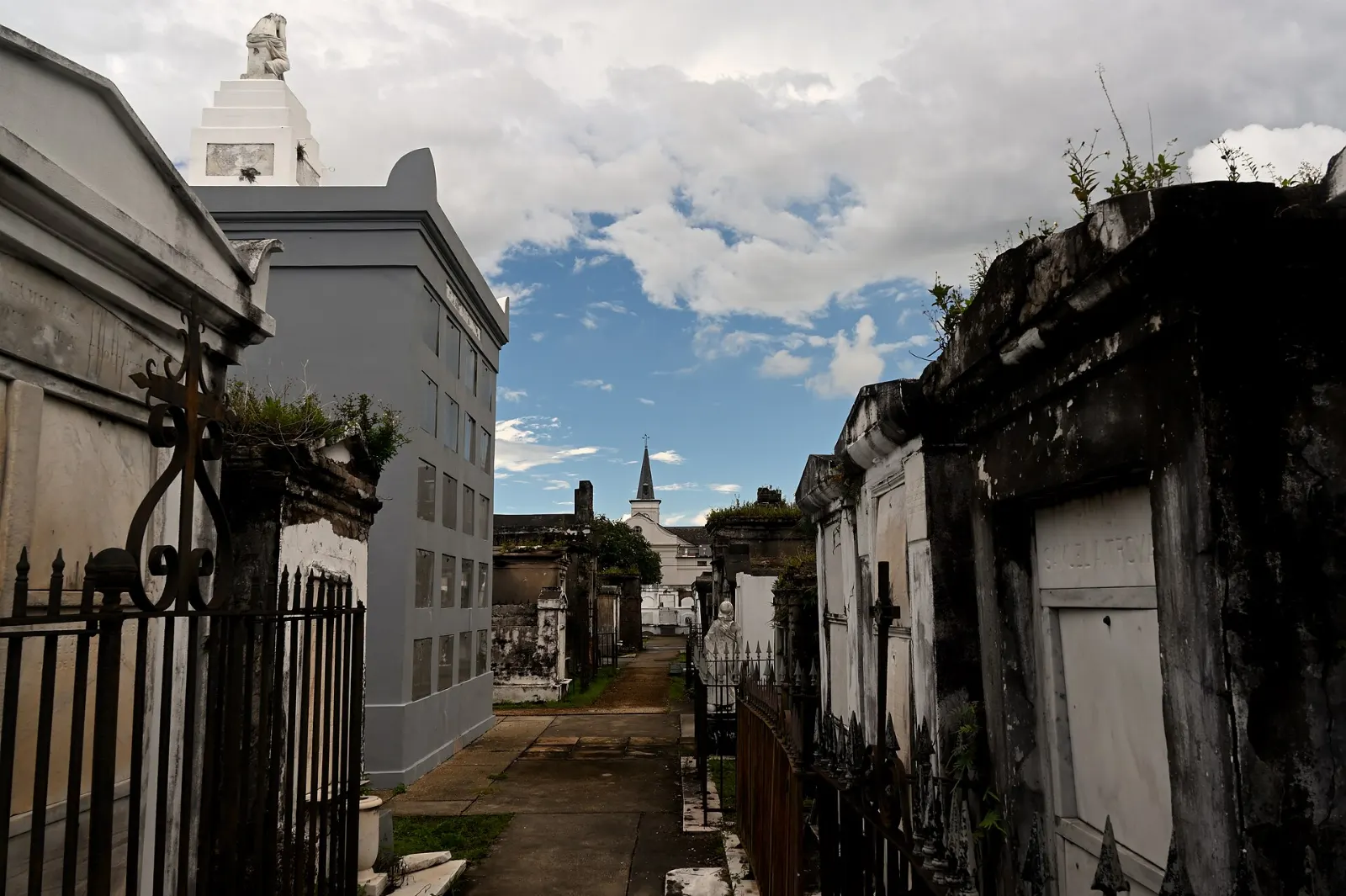
Just outside the French Quarter, this cemetery opened in 1789 and is famous for its whitewashed above-ground tombs, including the one associated with the Voodoo priestess Marie Laveau. Entry is only with a licensed guided tour, booked through the cemetery's authorized operator.
 Planning a trip to New Orleans?Compare hotels, flights and vacation rentals for New Orleans on Expedia.Book now
Food and local flavors
New Orleans cooking blends French, Spanish, African, Caribbean and Native traditions. Start with gumbo, thickened with roux or okra; jambalaya; red beans and rice, traditionally eaten on Mondays; and etouffee, shellfish smothered in a buttery sauce.
For classic Creole fine dining, long-established institutions such as Antoine's, founded in 1840, and Commander's Palace in the Garden District, which has served guests since the late nineteenth century, are still going strong.
Popular dishes to try in New Orleans


Where to stay
The French Quarter puts you in the middle of the action and suits first-time visitors, though rooms near Bourbon Street can be noisy at night. The Central Business District and Warehouse District offer larger hotels within walking distance of the Quarter and the WWII Museum, which suits families and convention travelers. The Faubourg Marigny and Bywater have guesthouses and short-term rentals in colorful neighborhoods close to Frenchmen Street, which suits music lovers.
Where to stay in New Orleans


Best time to visit New Orleans
Spring is the favorite season, with warm days and a packed calendar.
Summer is hot and very humid, with frequent afternoon storms; hotel rates drop, and the Essence Festival takes over around the Fourth of July. Hurricane season runs from June through November, peaking from August to October, so buy travel insurance and watch forecasts.
Getting there and getting around
Louis Armstrong New Orleans International Airport is in Kenner, west of the city, and is connected to downtown by taxi, ride-hailing and an airport express bus.
The French Quarter, Marigny and Warehouse District are easily walkable.
A suggested itinerary
First day
Start with beignets at Cafe du Monde, then explore Jackson Square, St. Louis Cathedral and the Cabildo.
Second day
Ride the St. Charles streetcar to the Garden District for a walking tour, then shop and lunch along Magazine Street.
Third day
Spend the morning at The National WWII Museum. In the afternoon, take the Canal Street streetcar to City Park for the sculpture garden and the art museum.
Fourth day
Take a guided tour of St. Louis Cemetery No. 1, then join a swamp tour in the bayous outside the city, or explore the Bywater and its murals before a final po'boy.
Practical tips
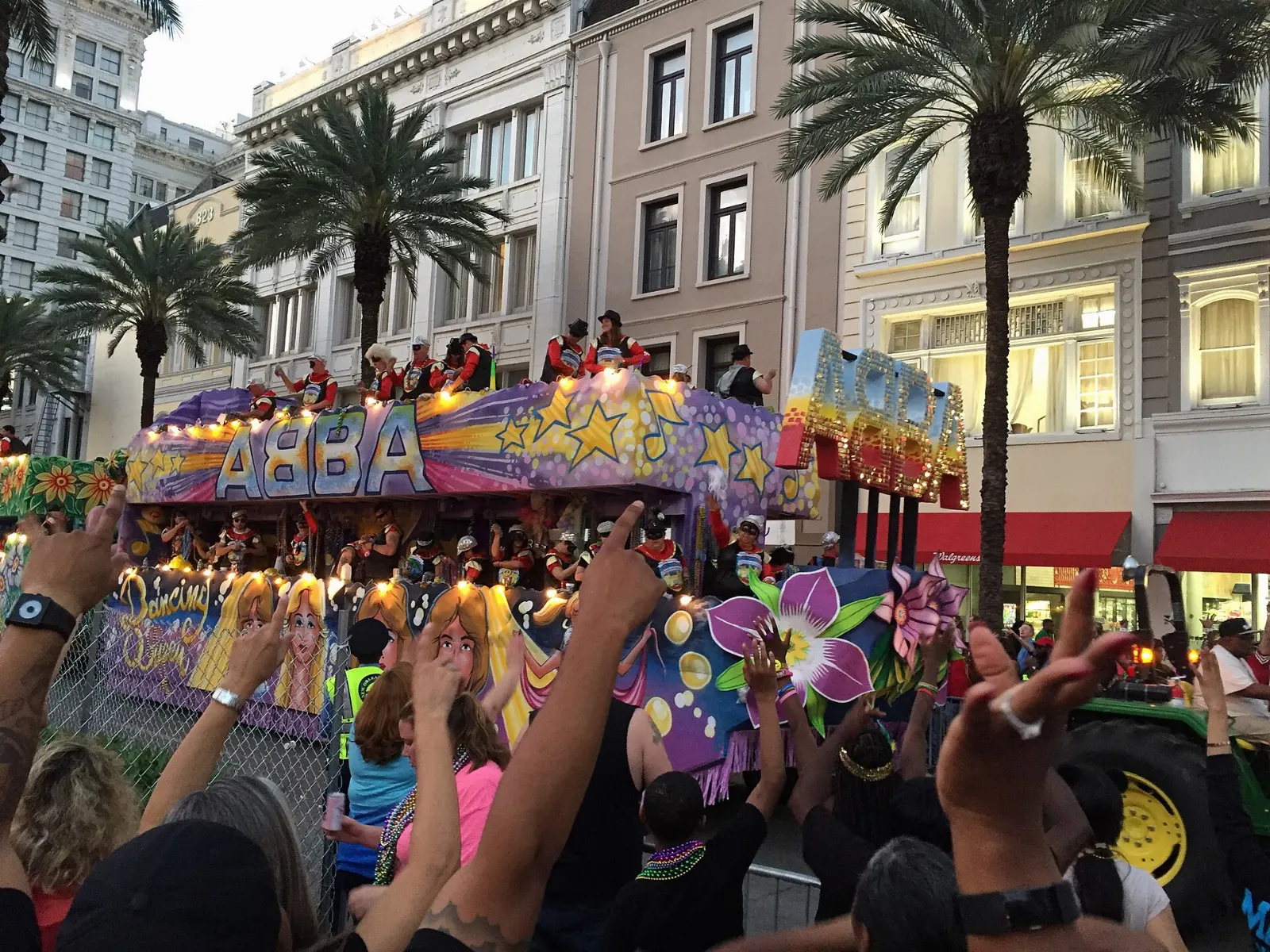
- Book rooms well ahead for Mardi Gras, Jazz Fest and major sporting events, when prices rise and minimum stays apply.
- Drinks to go are allowed in the French Quarter in plastic cups, but glass containers are not permitted on the street.
- Stick to busy, well-lit streets at night, use ride-hailing to return to your room, and keep valuables out of sight.
- Carry cash for tipping brass bands, street performers and club musicians.
- Reserve popular restaurants and Preservation Hall shows in advance, especially on weekends.
- Pack light clothing, an umbrella and comfortable shoes; summer heat and humidity can be intense.
Find local businesses in New Orleans on WiserMap
Need a po'boy shop, a jazz club, a tour guide or a place to stay?