Halifax Nova Scotia Citadel Hill and Harbour Boardwalk
Halifax is the capital of Nova Scotia and the largest city in Atlantic Canada, yet it feels compact and easy to walk. A star-shaped fort overlooks the downtown, a long boardwalk follows the harbour, and museums tell stories of immigration, shipwrecks and wartime convoys. This guide helps you choose the best places to visit, eat well and plan a trip that suits the season.
By WiserMap TravelUpdated October 20269 places11 min read
Best timeSummer and early autumn bring the most comfortable weather.
How longTwo or three days cover downtown, the gardens and Peggys Cove.
Getting thereFly into Stanfield International Airport, then take the express bus or a taxi downtown.
Ad
Why visit Halifax
Halifax was founded by the British in 1749 as a military outpost, and its natural harbour has shaped everything since. It was the gateway for waves of immigrants, a base for Atlantic convoys and the scene of the huge explosion of 1917. You can trace all of that on foot.
Today the city is relaxed and friendly, with a university crowd, lively waterfront patios and quick access to fishing villages along the coast. It makes a good first stop in the Maritimes.
Downtown and the waterfront
Halifax Citadel National Historic Site
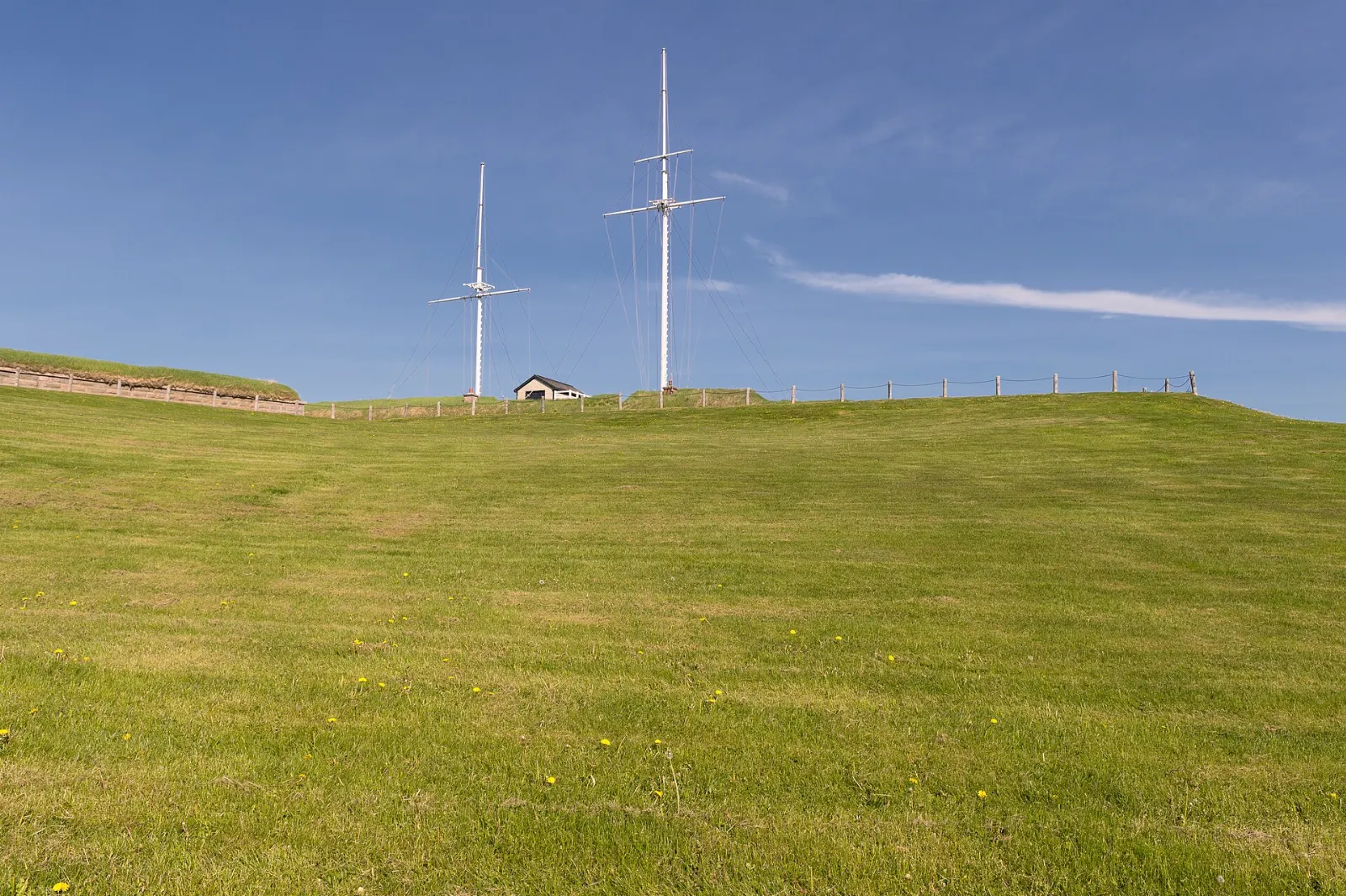
The Citadel is the fort on the hill that anchors the downtown, and the grounds are open year round. The museum side operates only in the warmer months, so check Parks Canada for current dates. The Noon Gun fires at midday every day except Christmas, a tradition that dates to the 1830s. Allow about two hours, and enjoy the harbour views from the ramparts.
The Halifax Citadel is a star fort on a hill above downtown. Photo: Markus Gregory, Wikimedia Commons, CC BY-SA 3.0
St. Paul's Church and the Old Burying Ground
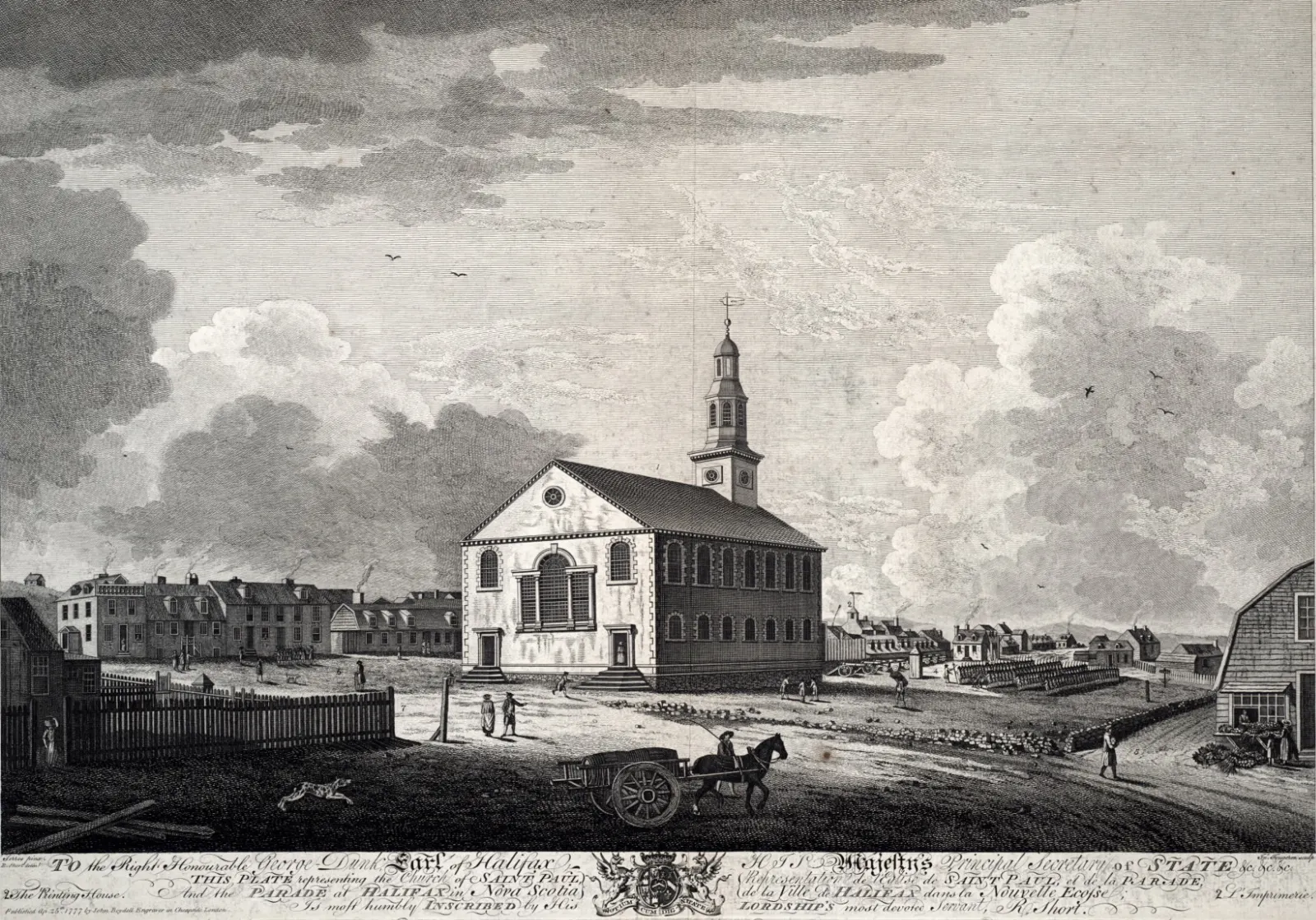
St. Paul's, on the Grand Parade, is the oldest building in Halifax and the oldest surviving Protestant place of worship in Canada, dating to 1750. Across the road, the Old Burying Ground was used from 1749 to 1843 and has plaques explaining the stories behind the stones. Together they take about an hour.
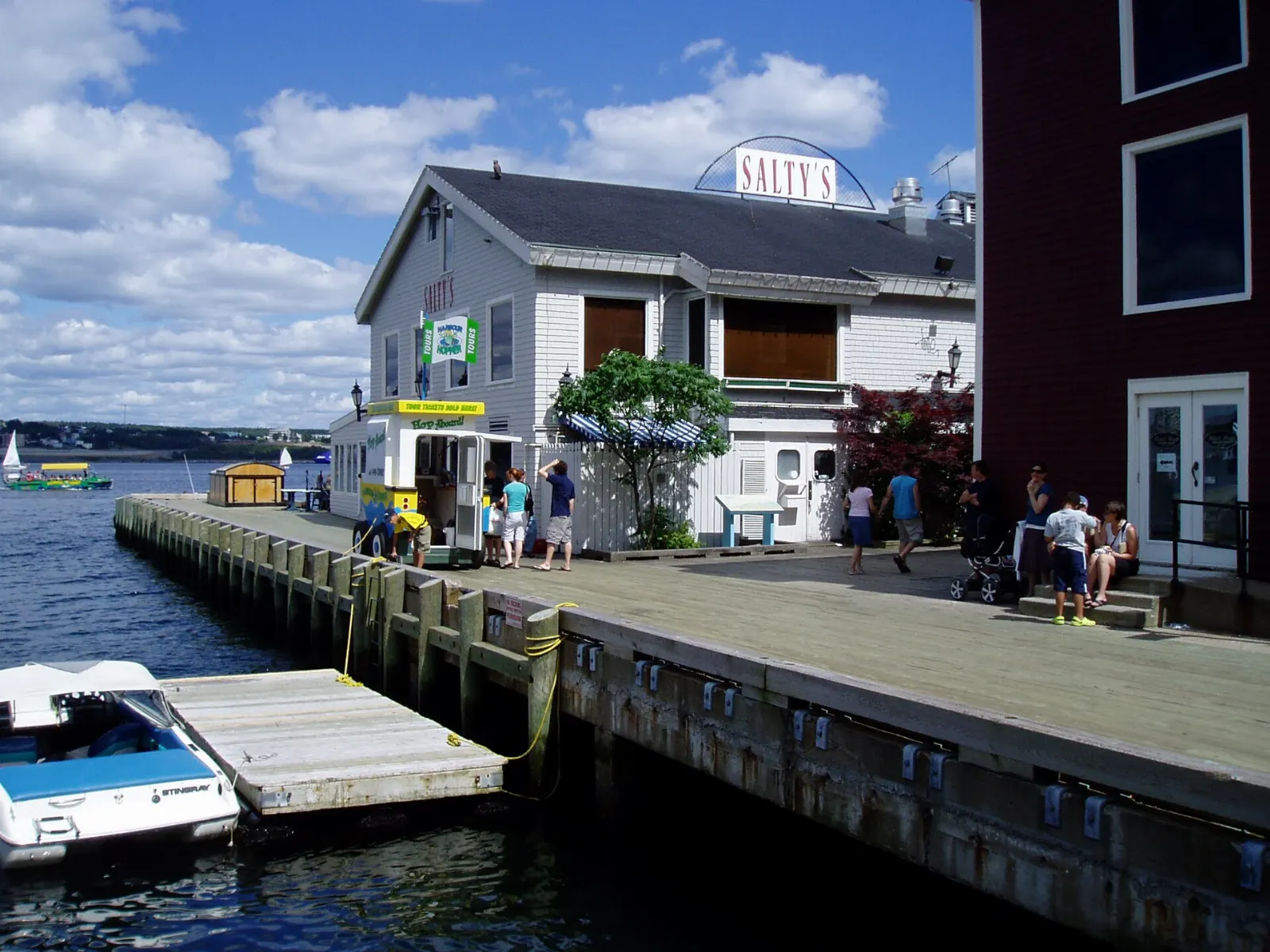
The boardwalk follows the harbour for about four kilometres, passing wharves, historic properties, shops and a ferry terminal. It is the best place for an unhurried stroll, and the Dartmouth ferry from here is a cheap way to see the skyline from the water. Walk it in late afternoon when the light is soft.
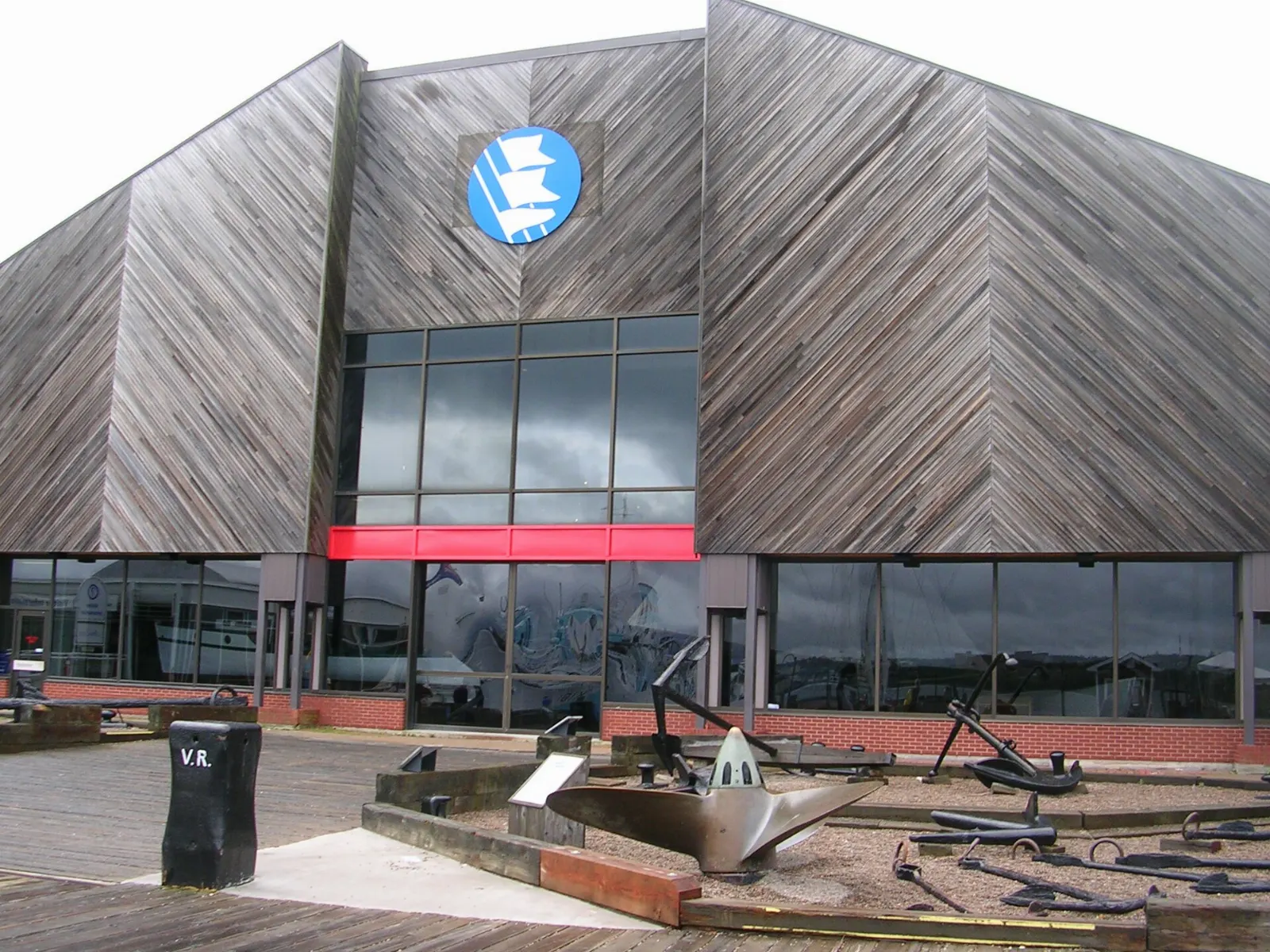
This waterfront museum covers the Titanic, the Halifax Explosion and the region's seafaring history. In summer you may be able to tour the survey ship CSS Acadia and, behind the museum, HMCS Sackville, the last surviving Flower-class corvette from the Second World War convoys. Allow ninety minutes, and check which ships are open.
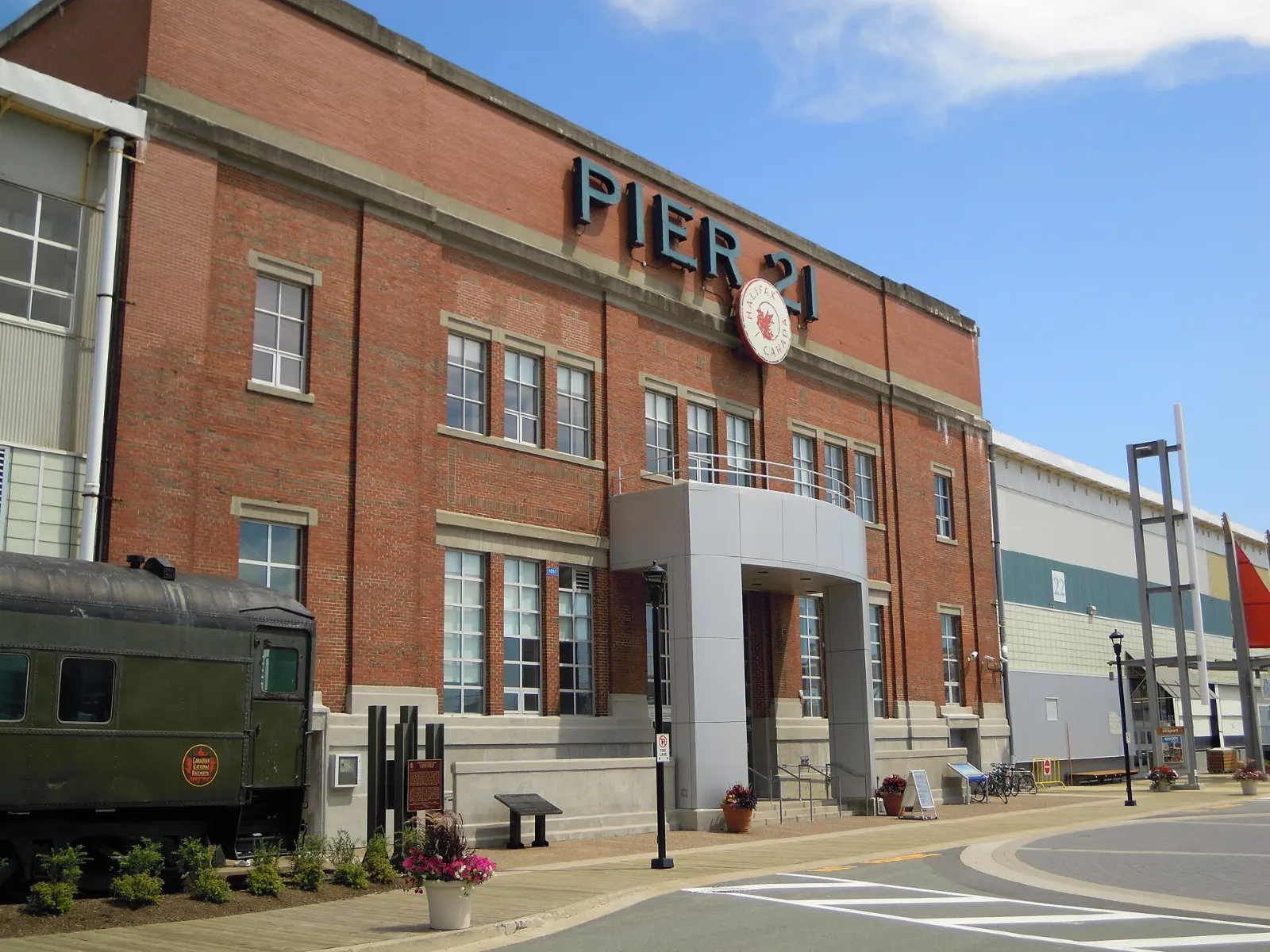
Pier 21 was the immigration terminal that processed nearly one million people between 1928 and 1971, and it is often compared to Ellis Island. It now houses the Canadian Museum of Immigration, with exhibits and a short film. Plan around ninety minutes, and look at the winter schedule if you visit outside summer.
Pier 21 processed nearly one million immigrants and is now a museum. Photo: Skeezix1000, Wikimedia Commons, CC BY-SA 3.0
Halifax Seaport Farmers' Market
The market claims to be the oldest continuously operating farmers' market in North America, with roots going back to 1750. It sits in the Halifax Seaport building, and it is a good stop for local produce, baked goods and a casual lunch. Hours change by season, so check before you go.
The market traces its roots to 1750 and is among the oldest in North America. Photo: Citobun, Wikimedia Commons, CC BY-SA 4.0
Province House
Province House, opened in 1842, is a fine example of Georgian architecture and home to the oldest provincial legislature in Canada. Visitors can join guided tours or explore displays about the building and the work of the Legislative Assembly. Check the current opening days before you walk over.
Ad
Gardens, art and day trips
Halifax Public Gardens
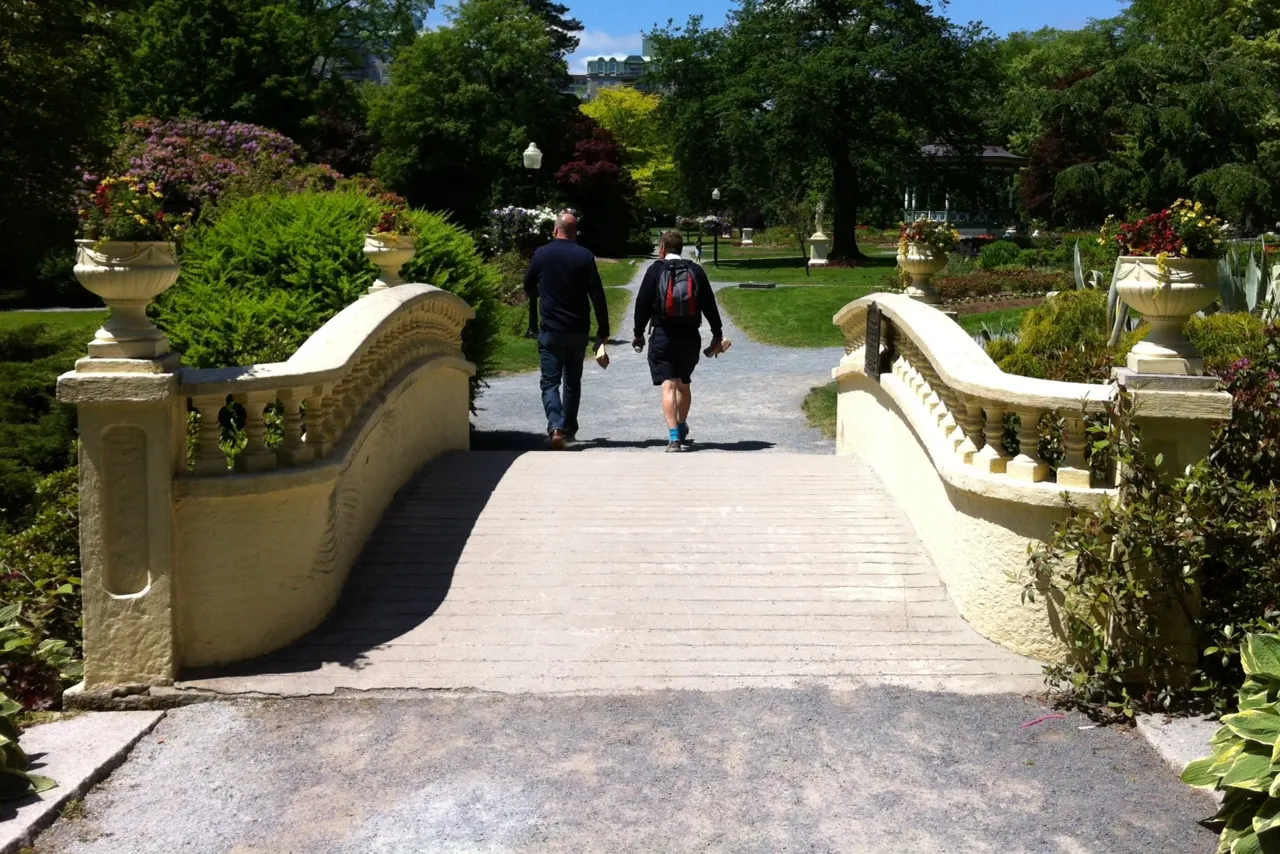
This Victorian garden fills a city block between Spring Garden Road and South Park Street, with flower beds, fountains, ponds and a bandstand that hosts free concerts on summer Sunday afternoons. It became a National Historic Site of Canada in 1984. Allow an hour, and bring a picnic if the weather is kind.
The Victorian Public Gardens are a National Historic Site of Canada. Photo: Hantsheroes, Wikimedia Commons, CC BY-SA 3.0
Point Pleasant Park
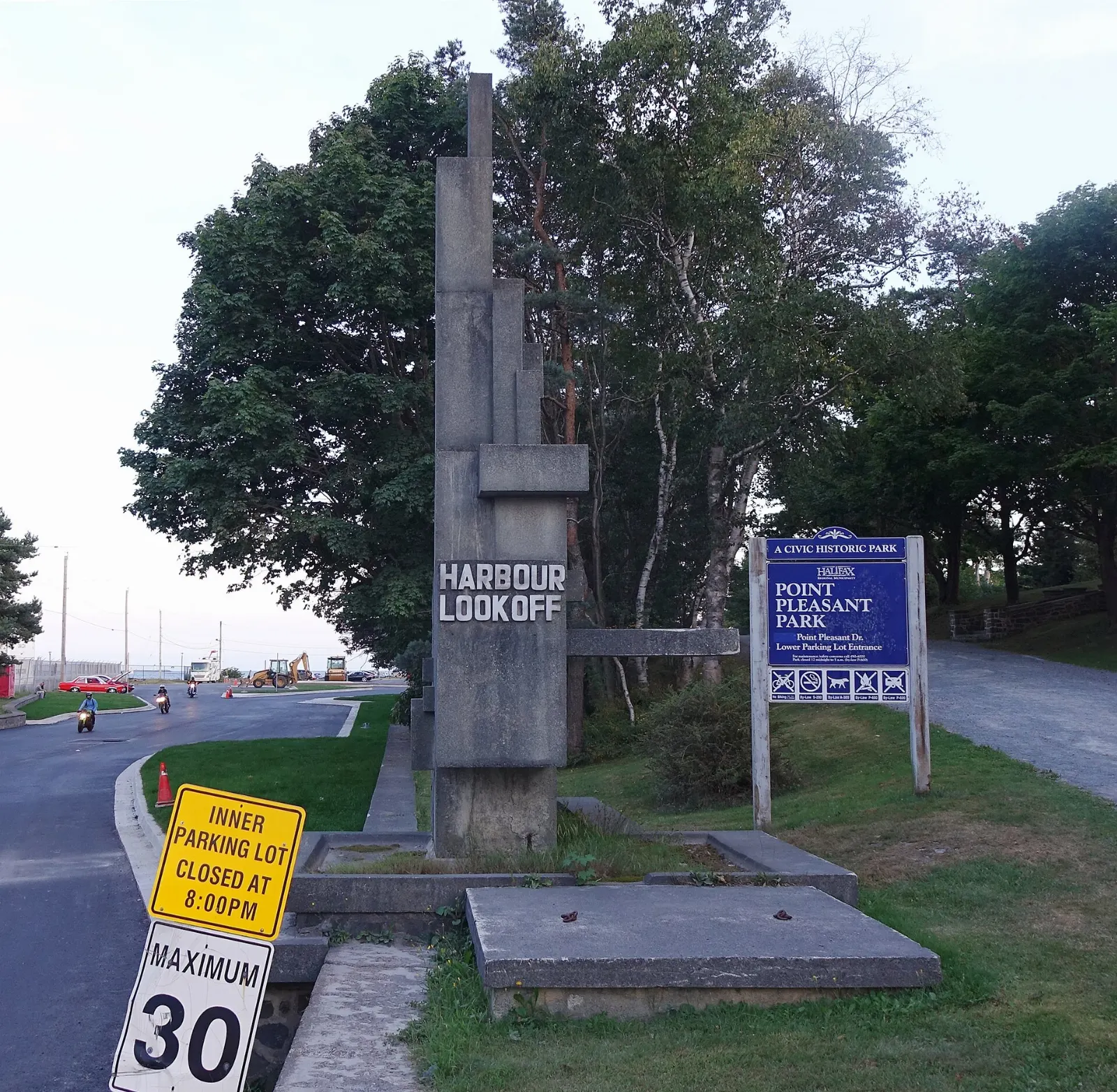
Point Pleasant Park covers the southern tip of the peninsula and offers wooded trails with views over the harbour mouth and out to the Atlantic. You will find old military fortifications, including an 18th century Martello tower. Hurricane Juan damaged many trees in 2003, but the park remains a favorite walking spot.
The gallery on Hollis Street highlights famous local artists such as the folk painter Maud Lewis and the realist Alex Colville, along with Mi'kmaw art. It is moderate in size, so about an hour is enough. Check the website for traveling exhibitions.
Peggys Cove
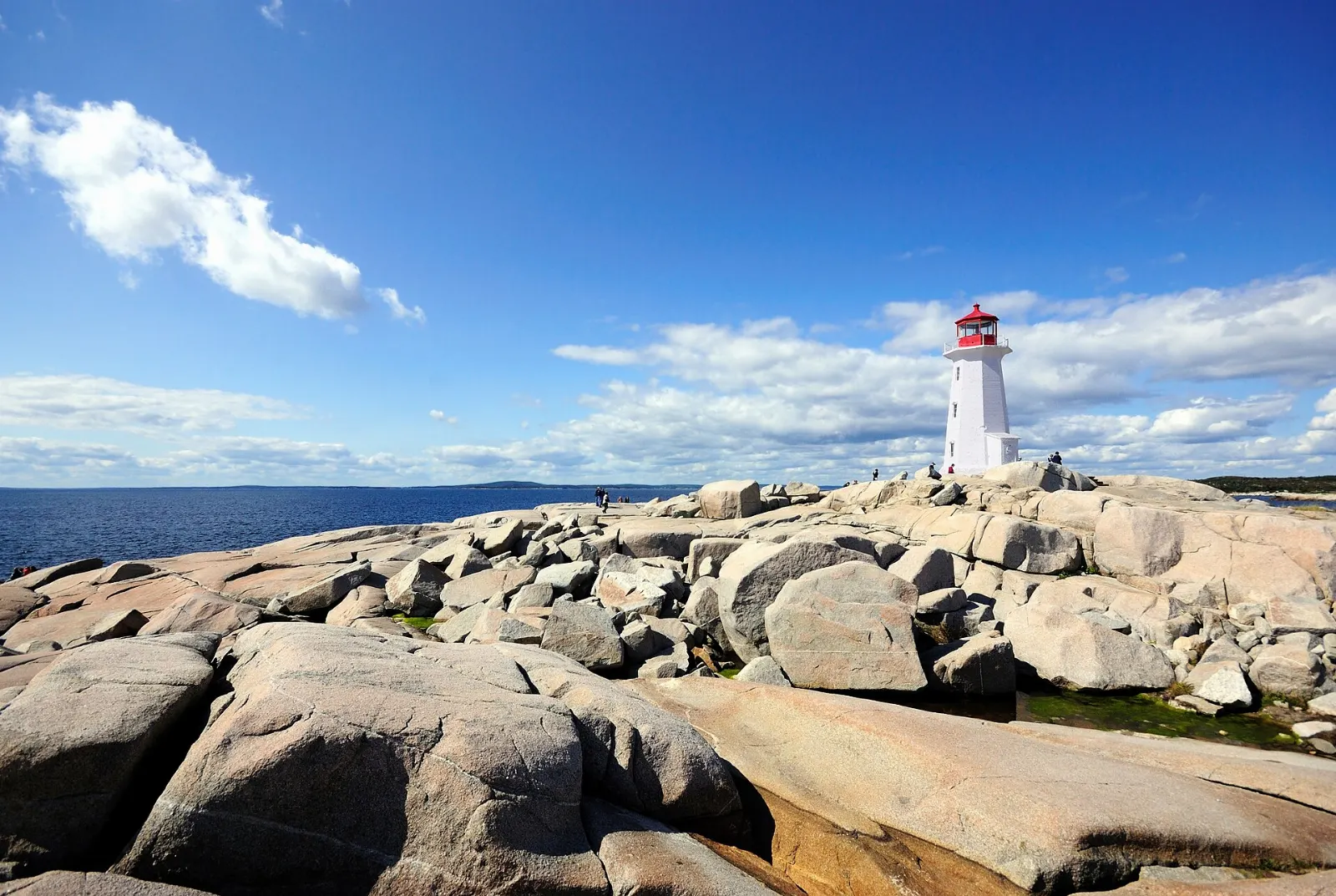
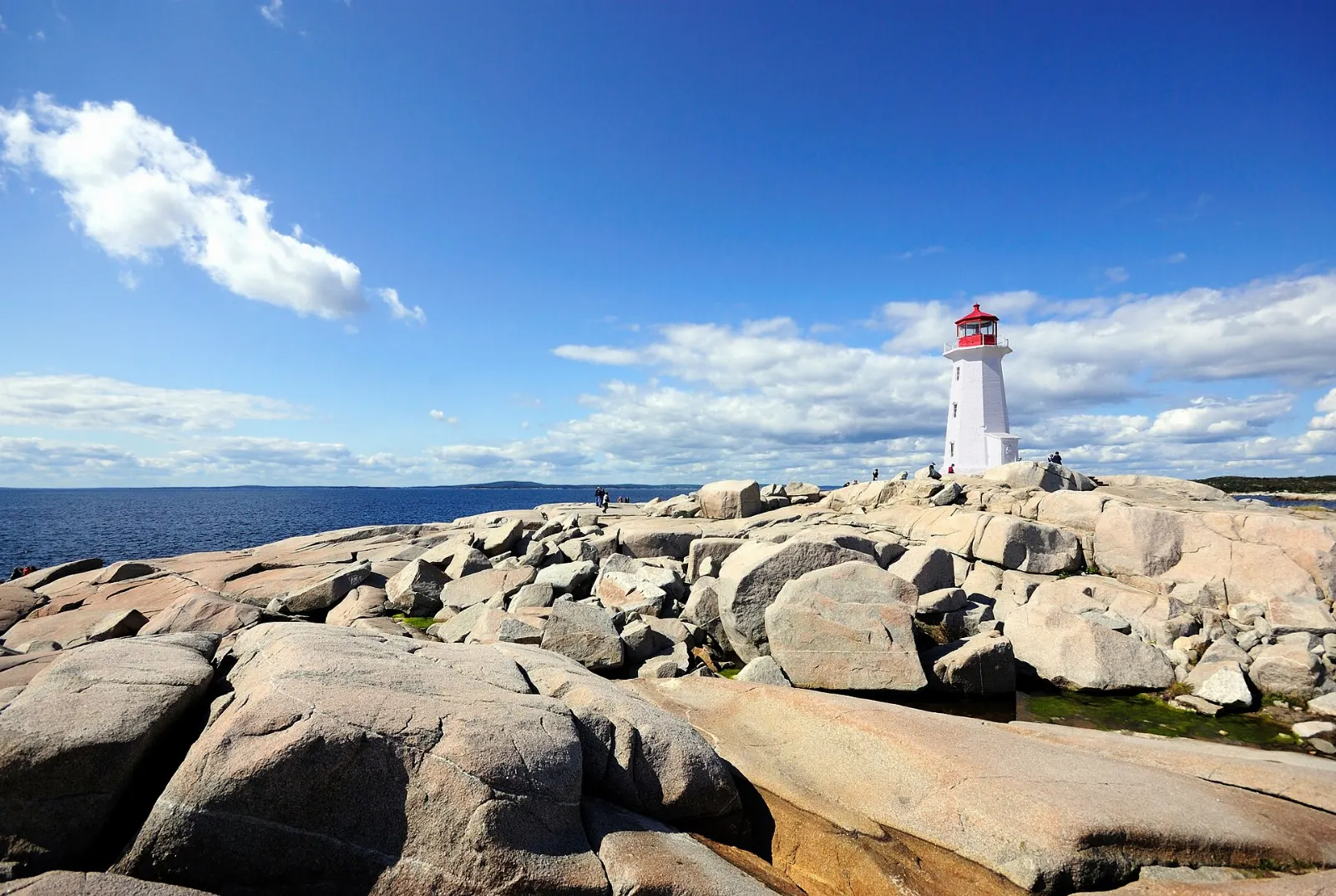
Peggys Cove lies about 43 kilometres southwest of downtown and is the site of a lighthouse established in 1868. Rocky ledges slope to the sea around it, so follow posted warnings and keep well back from the wet rock. Go early or late to avoid tour buses, and allow half a day with the drive.
Peggys Cove Lighthouse was established in 1868 on the shore of St. Margarets Bay. Photo: Taxiarchos228, Wikimedia Commons, CC BY-SA 3.0
Food and local flavors
Halifax is a seafood city. Mussels and scallops are good value on menus, and seafood chowder is a hearty classic. Lobster is a seasonal treat, and church and community lobster suppers run through the warmer months.
The signature fast food is the Halifax donair, a wrap of spiced beef sliced from a rotating cone and topped with tomatoes, onions and a sweet garlic sauce made with condensed milk. It was created here in the early 1970s and is a favorite late-night bite. For dessert, try blueberry grunt, a baked blueberry dish with a dumpling topping. Visit the Seaport Farmers' Market for local produce and baked goods.
Popular dishes to try in Halifax
Halifax donair The signature fast food is the Halifax donair, a wrap of spiced beef sliced from a rotating cone and topped with tomatoes, onions and a sweet garlic sauce made with condensed milk.Photo: Paulo O from Halifax, Canada, Wikimedia Commons, CC BY 2.0Seafood chowder Mussels and scallops are good value on menus, and seafood chowder is a hearty classic.Photo: Daderot, Wikimedia Commons, CC0Lobster Lobster is a seasonal treat, and church and community lobster suppers run through the warmer months.Photo: Benson Kua from Toronto, Canada, Wikimedia Commons, CC BY-SA 2.0Blueberry grunt For dessert, try blueberry grunt, a baked blueberry dish with a dumpling topping.Photo: Oatertu, Wikimedia Commons, CC BY-SA 4.0
Ad
Where to stay
The Halifax peninsula is compact, so all three areas below are close to the main sights.
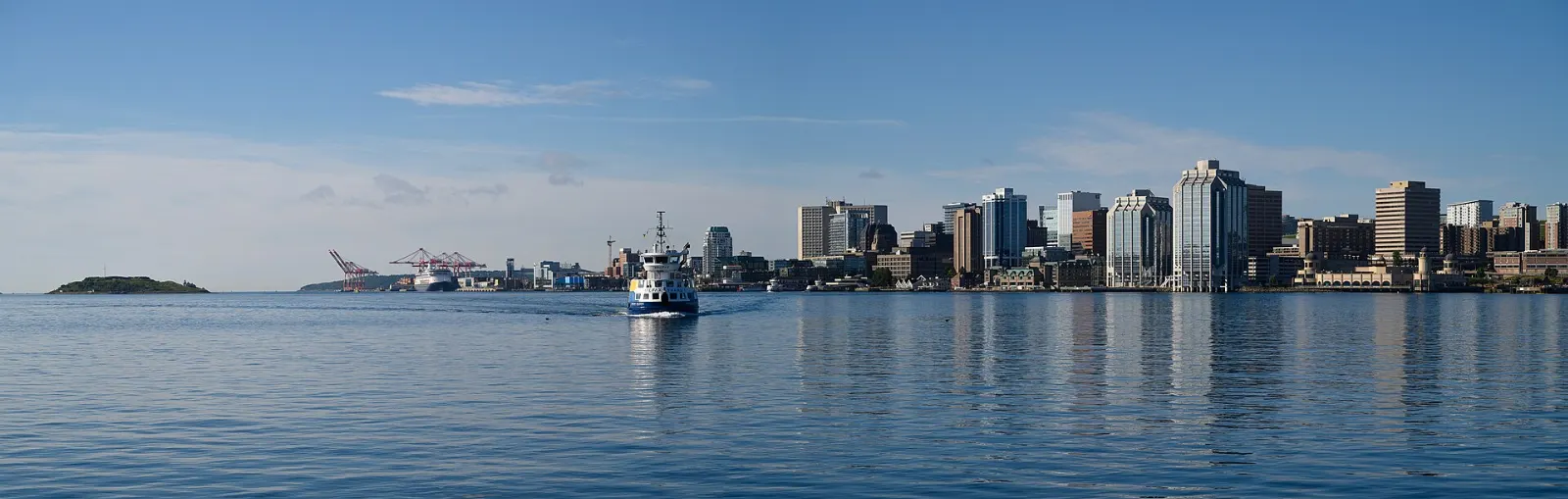
Downtown Halifax sits between Citadel Hill and the harbour and suits first-time visitors who want to walk to the boardwalk, museums and restaurants. The South End holds Victorian streets, the Public Gardens, Point Pleasant Park and the universities, and it suits travelers who like quieter, leafy blocks. Dartmouth, across the harbour, offers a local feel and an easy ferry ride to the waterfront, and it works for families and anyone planning a longer stay.
Book early for summer and for cruise ship days, when the waterfront fills up.
Where to stay in Halifax
Downtown Halifax Downtown Halifax sits between Citadel Hill and the harbour and suits first-time visitors who want to walk to the boardwalk, museums and restaurants.Photo: Ken Eckert, Wikimedia Commons, CC BY-SA 4.0South End The South End holds Victorian streets, the Public Gardens, Point Pleasant Park and the universities, and it suits travelers who like quieter, leafy blocks.Photo: Coastal Elite from Halifax, Canada, Wikimedia Commons, CC BY-SA 2.0Dartmouth Dartmouth, across the harbour, offers a local feel and an easy ferry ride to the waterfront, and it works for families and anyone planning a longer stay.Photo: Quintin Soloviev, Wikimedia Commons, CC BY 4.0Halifax old town One of the best areas to base yourself in Halifax.Photo: Tanyasiri Kaewjaturat, Wikimedia Commons, CC BY-SA 3.0
Best time to visit
Summer and early autumn are the most comfortable seasons, with daytime highs around the low twenties Celsius. Daylight lasts long in summer, which makes for generous sightseeing days. Autumn can bring rain, and the remnants of hurricanes occasionally reach Halifax.
Winters are milder than inland areas at similar latitudes because of the ocean, though rain and snow can arrive at any time of year. Canada Day celebrations at the Citadel are lively on July 1, and Natal Day is celebrated on the first Monday in August. Some attractions, including the Citadel museum, close outside the warmer months.
Ad
Getting there and getting around
Halifax Stanfield International Airport lies about 35 kilometres north of the city and has flights across Canada, to major US cities and to Europe. The MetroX Route 320 express bus links the airport with downtown in under an hour, and taxis charge a flat rate.
By road, Highway 102 runs from Halifax to Truro, where it meets the Trans-Canada Highway. Maritime Bus runs to Dartmouth, Truro, Moncton, Lunenburg and Sydney, and VIA Rail operates The Ocean between Halifax and Montreal several times a week.
The downtown and waterfront are best explored on foot, and Halifax Transit buses and harbour ferries cover the rest of the peninsula. A rental car opens up Peggys Cove, Lunenburg and the surrounding coast.
A suggested itinerary
First day
Start at the Citadel for the Noon Gun, then visit St. Paul's and the Old Burying Ground. Walk down to the boardwalk and spend the afternoon at the Maritime Museum and Pier 21.
Second day
Begin at the Seaport Farmers' Market, stroll the Public Gardens and visit the Art Gallery of Nova Scotia. Finish in Point Pleasant Park as the light fades.
Third day
Drive to Peggys Cove early, then continue along the coast to Lunenburg if you have time, or return for a Dartmouth ferry ride and a donair.
Ad
Practical tips
Wear comfortable shoes, because the downtown streets slope steeply toward the harbour.
Check Parks Canada for the Citadel museum season and for ship tour dates at the Maritime Museum.
Follow posted warnings at Peggys Cove and keep away from wet rocks near the water.
Bring layers, since weather can change quickly near the Atlantic.
Ask for a transfer slip when you board the airport bus if you plan to change buses.
Reserve a rental car early for summer if you want to explore beyond the city.
Look for free outdoor concerts at the Public Gardens on summer Sundays.