Caraquet New Brunswick Acadian Historic Village and Seafood
Caraquet is the cultural heart of Acadian New Brunswick, a fishing town on Chaleur Bay with a living-history village, seafood and the lively Festival acadien each August. This guide covers the sights, food, lodging, timing and getting there.
By WiserMap TravelUpdated October 20269 places10 min read
Best timeSummer, especially mid-July to late August, with the Festival acadien around August 15.
How longTwo to three days is plenty for the town, the village and the coast.
Getting thereDrive east from Bathurst on Route 11 along the Acadian Peninsula.
Ad
Why visit Caraquet
Caraquet is a French-speaking fishing town on Chaleur Bay, on the Acadian Peninsula of northeastern New Brunswick. Its residents call it the capital of Acadia, and it is easy to see why: Acadian flags fly, French is the language of the street, and the town hosts the biggest celebration of Acadian identity in the Maritimes each August.
The name comes from a Mi'kmaq term meaning meeting of two rivers, since the Caraquet River and the Rivière du Nord flow into Caraquet Bay. Visit for living history at the Village Historique Acadien, a working wharf, warm Acadian hospitality and a coastline that suits slow driving and seafood meals. The town is also the home of L'Acadie Nouvelle, New Brunswick's only French-language daily newspaper, which says a lot about how central the French language is to local life. Most visitors arrive in summer, but the region rewards anyone who enjoys a relaxed pace, friendly conversation and plenty of fresh air off the bay.
History and culture
Village Historique Acadien
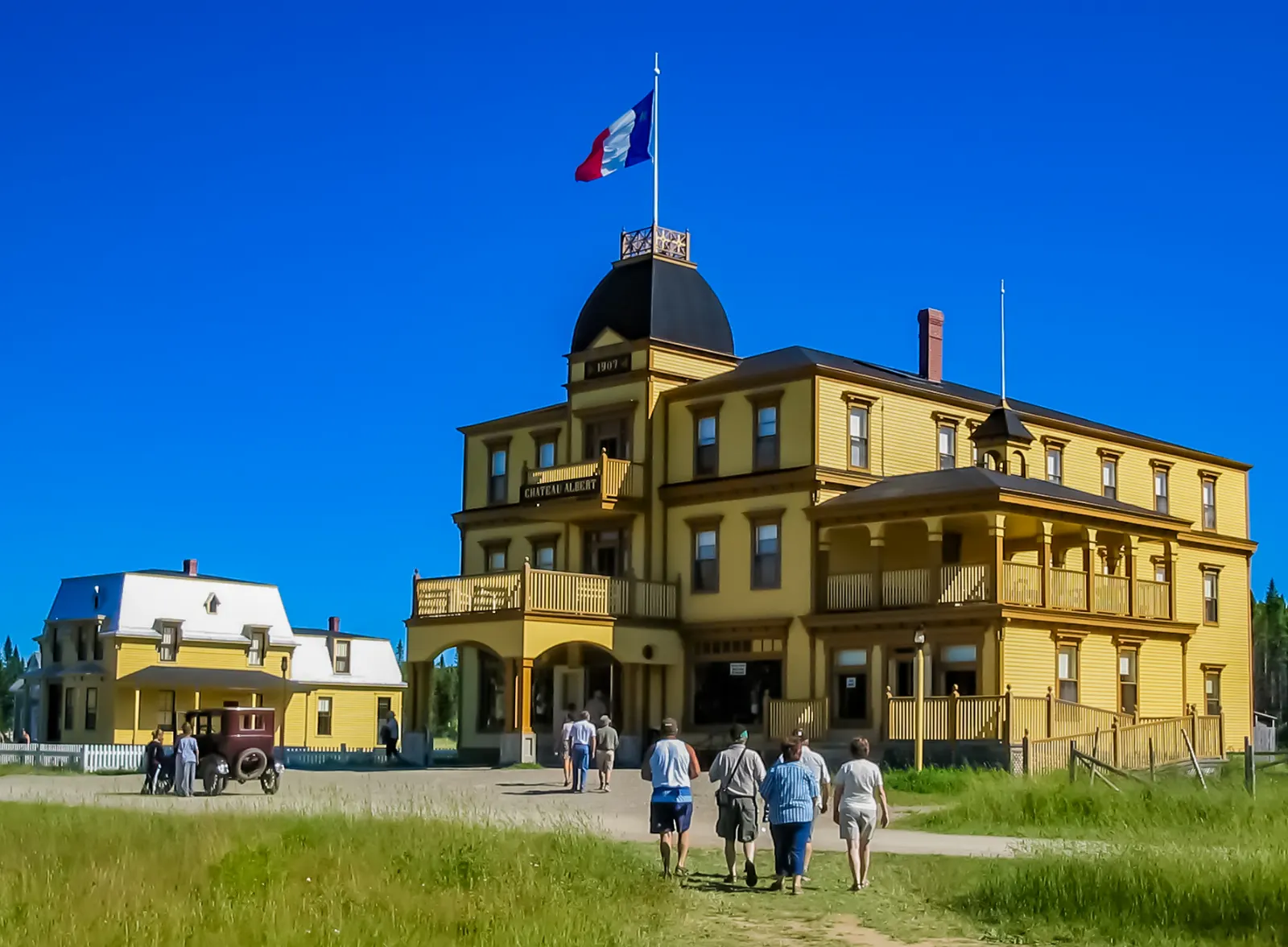
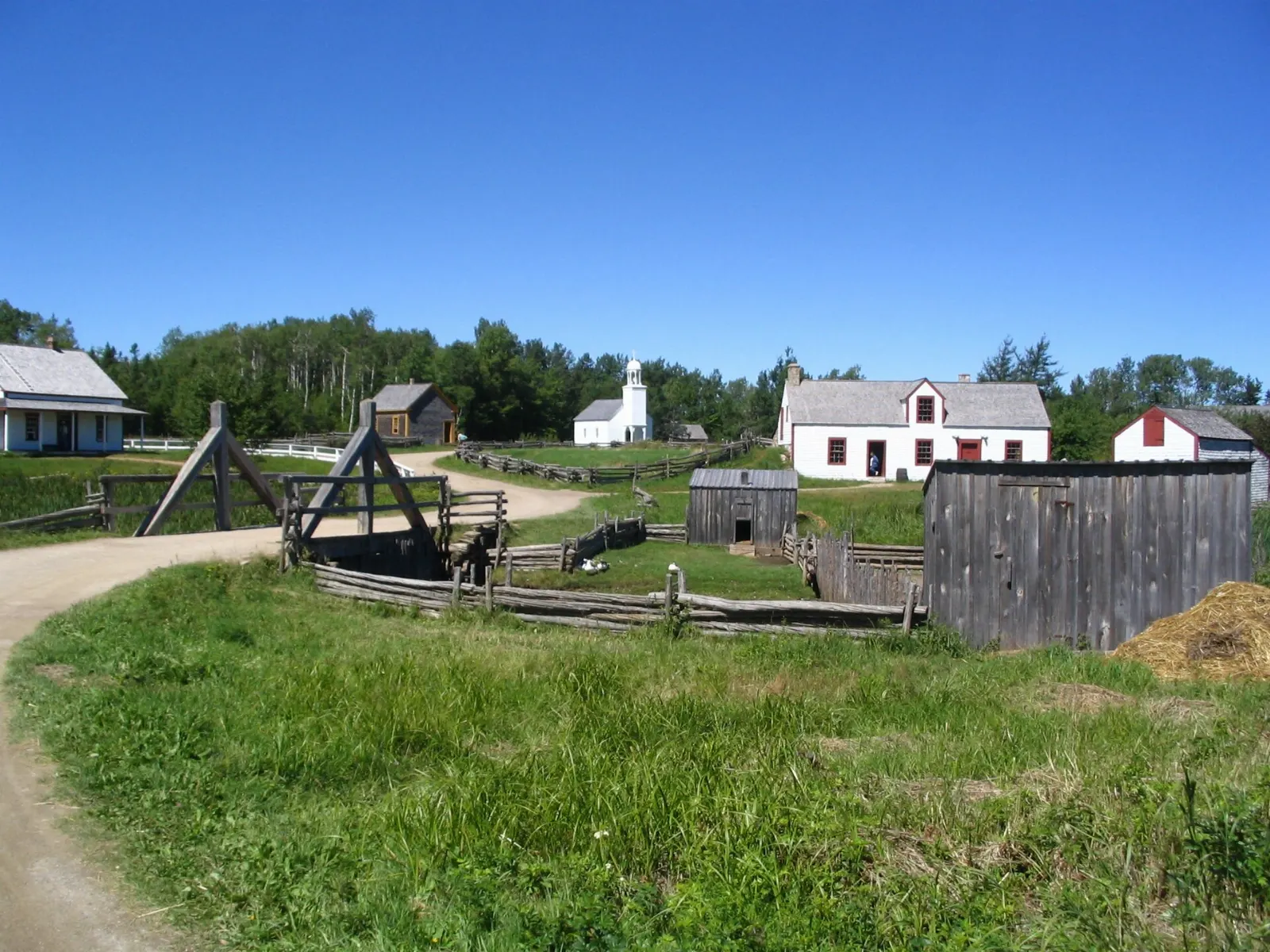
Set in Bertrand, a few minutes from Caraquet, this living museum portrays Acadian life between 1770 and 1949. More than 40 buildings are staffed by interpreters in period costume, so you can watch daily tasks and talk to them in French or English. Allow at least half a day, and check the summer season dates before you plan your visit.
The Village Historique Acadien in Bertrand portrays Acadian life between 1770 and 1949. Photo: Dr Wilson, Wikimedia Commons, CC BY-SA 3.0
Hôtel Château Albert
Within the village stands a replica of the hotel that once stood in Caraquet and burned down in 1955. It adds a touch of nostalgia and has a bar and restaurant on site. It is a good place to stop for a meal and to rest between exhibits.
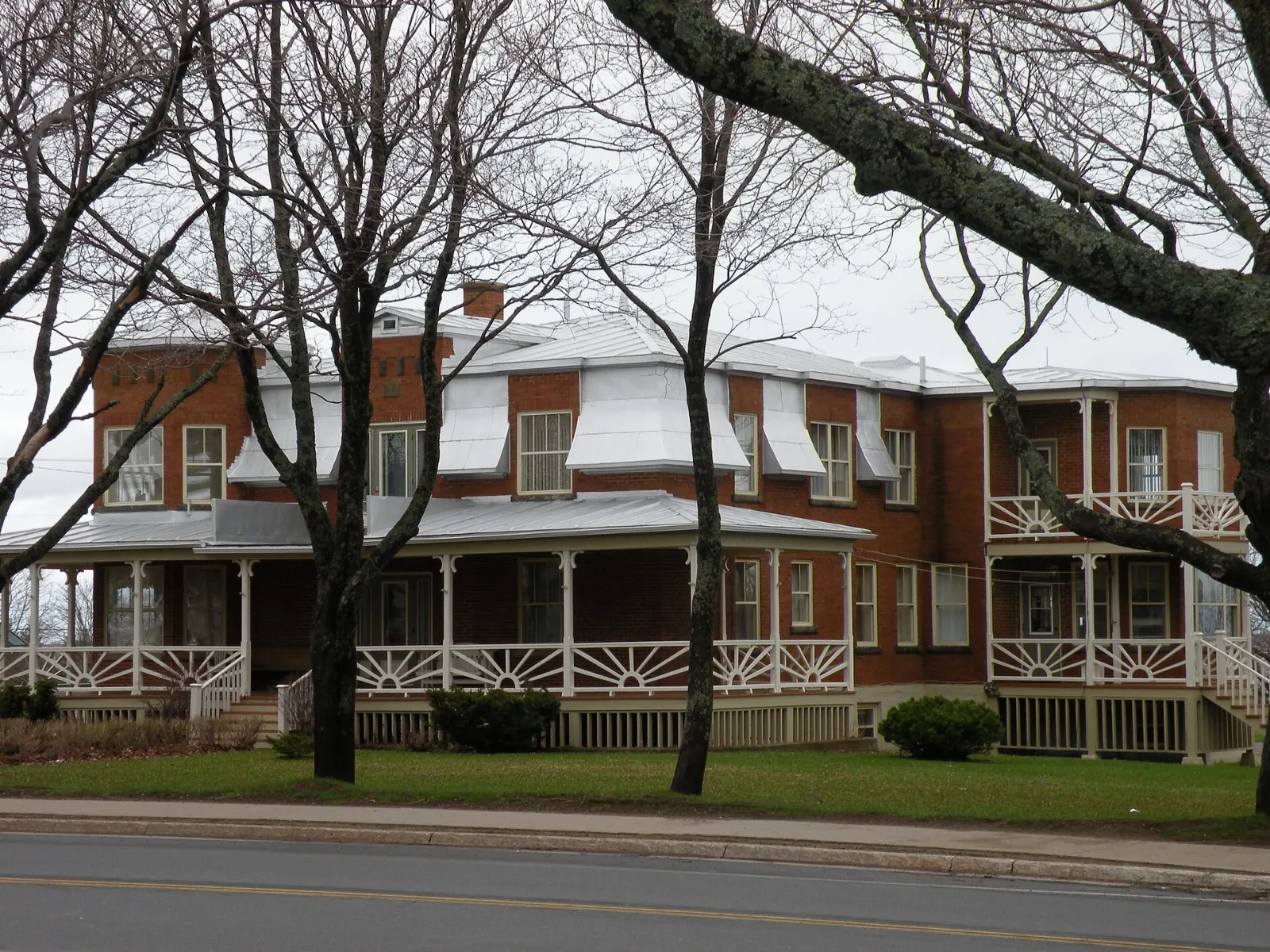
The museum on Boulevard Saint-Pierre Est focuses on local heritage and everyday Acadian life. It is a compact visit that fits easily into a morning in town. Check the summer season dates and arrive early on busy days.
The museum presents local Acadian heritage on Boulevard Saint-Pierre Est. Photo: Dr Wilson, Wikimedia Commons, CC BY-SA 3.0
Sainte-Anne-du-Bocage
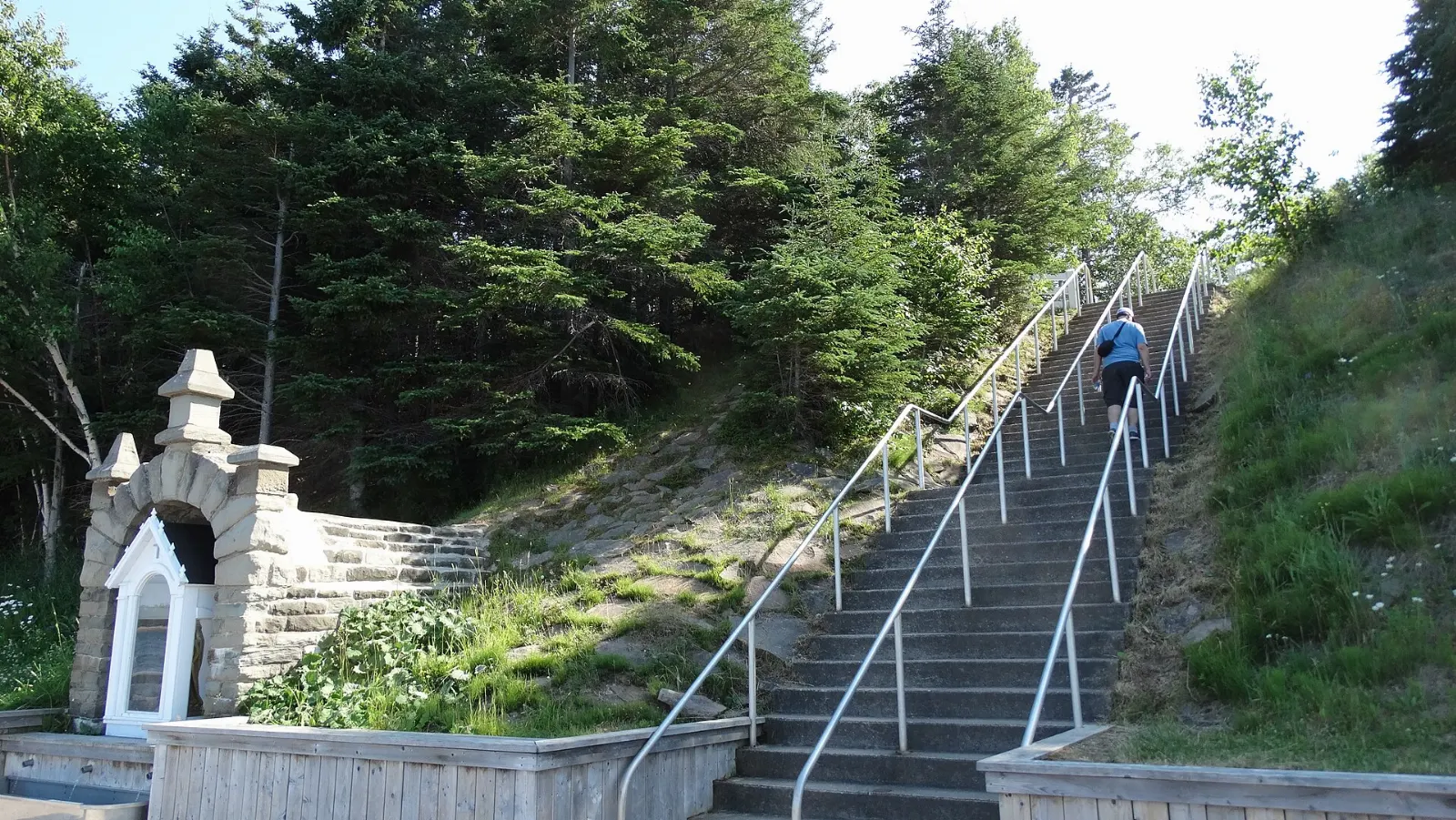
This is the place where Alexis Landry led survivors of the 1755 deportation to take refuge in 1757, and it is considered the original site of the town. Ask at the museum or the local tourist office about how to visit and what is open. It adds depth to the story of how Acadians rebuilt their lives.
Sainte-Anne-du-Bocage is where refugees led by Alexis Landry settled in 1757. Photo: Jimderkaisser, Wikimedia Commons, CC BY-SA 4.0
Ad
On the water
The wharf and Port of Caraquet
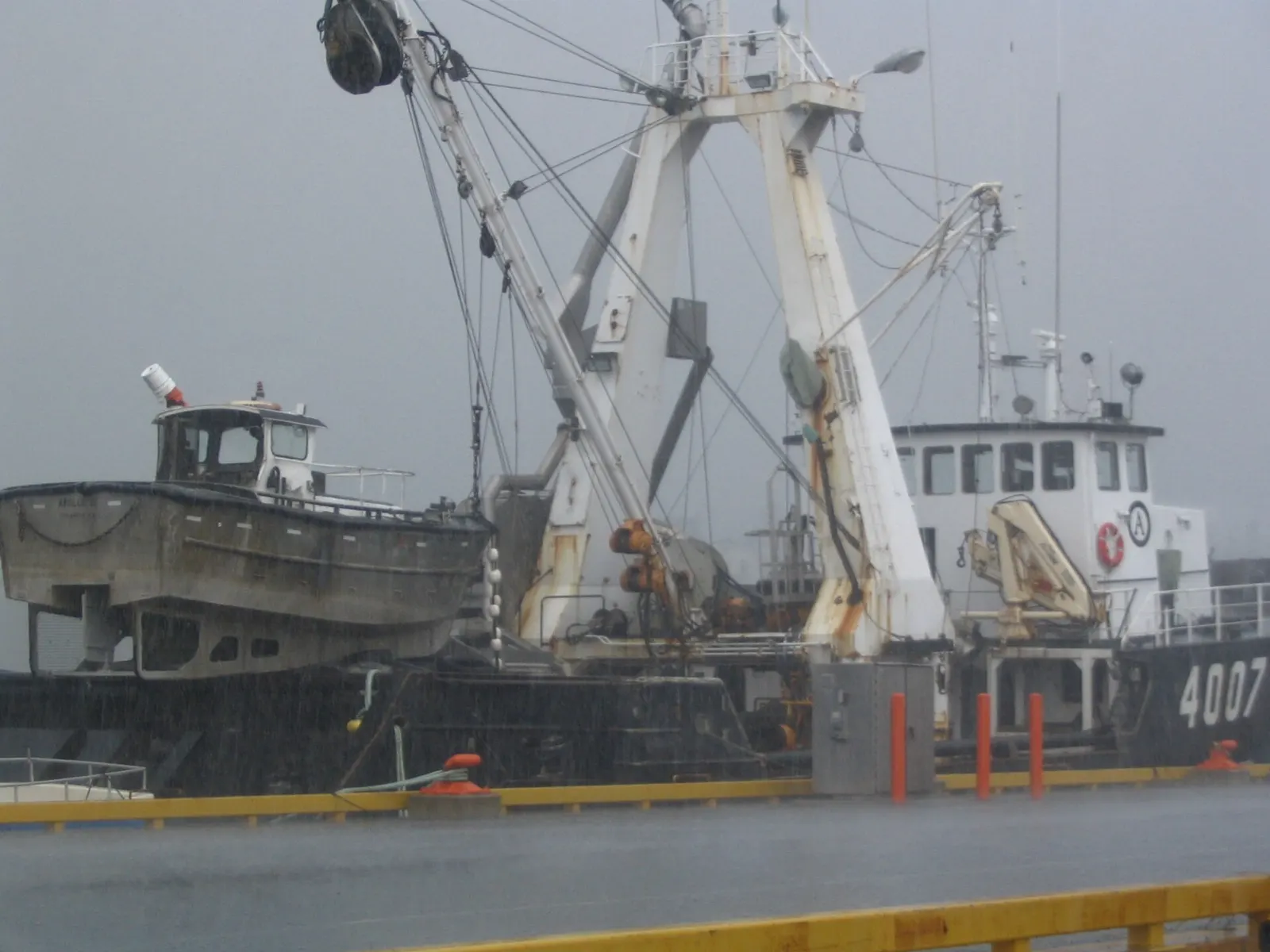
Fishing is the base of the local economy, and the seaport and wharf are where you see lobster boats and gear up close. Walk the waterfront in late afternoon, when boats return and gulls gather. Be respectful of working areas.
The wharf and seaport anchor the local fishing economy. Photo: Dr Wilson, Wikimedia Commons, CC BY-SA 3.0
Carrefour de la Mer
This waterfront complex is home to a seafood restaurant and a good place for views of the bay. Come at sunset for the light on the water. It is a natural stop after a day of museums and driving.
Beaches on Chaleur Bay
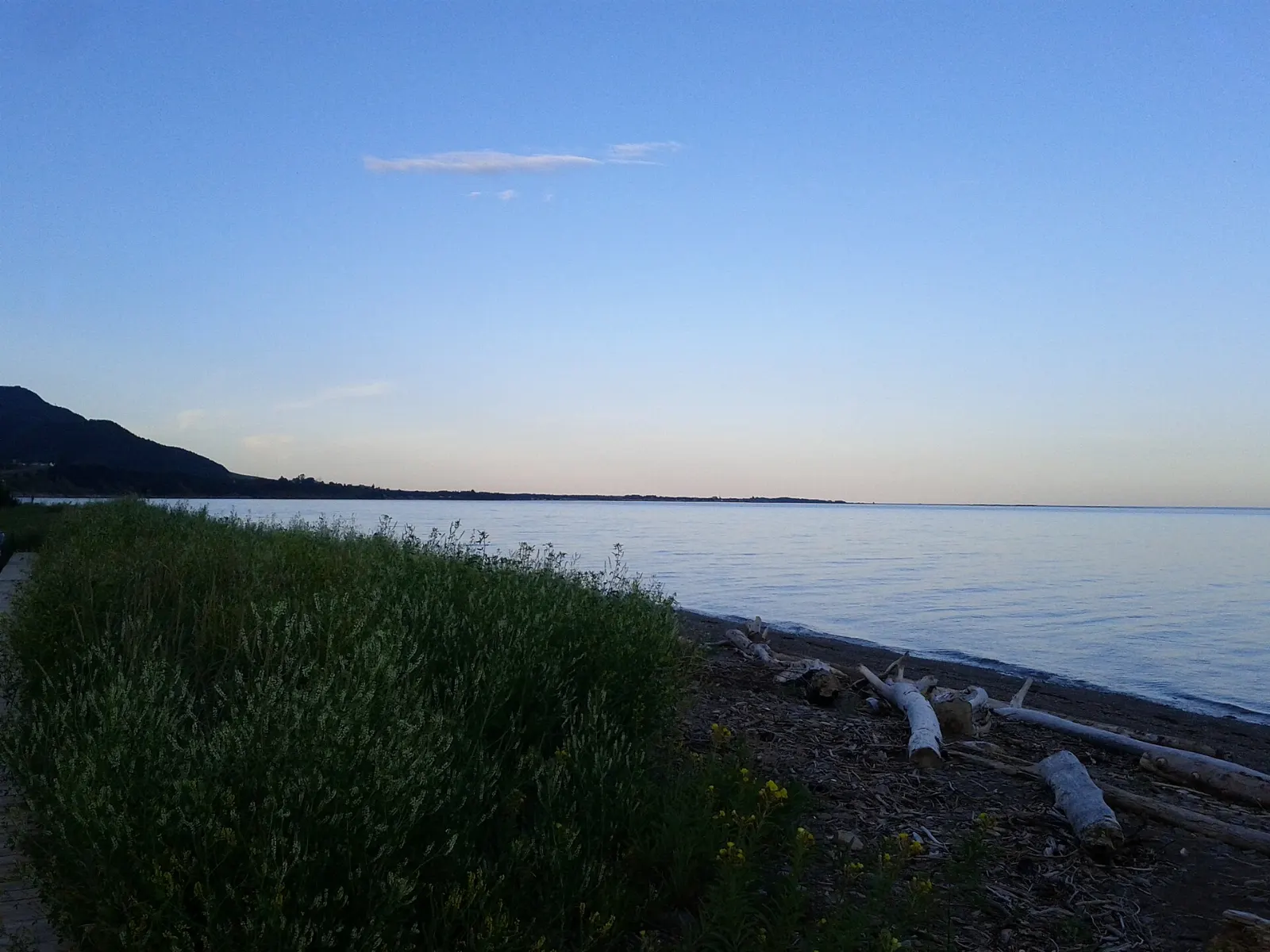
Several beaches lie around the town, on a warm bay that separates New Brunswick from the Gaspé region of Québec. Pick one for a picnic or a short swim in summer. Water temperatures vary, so test it before you commit.
Chaleur Bay separates New Brunswick from the Gaspé region of Québec. Photo: pgmoisan, Wikimedia Commons, CC BY 3.0
Haut-Caraquet and Bas-Caraquet
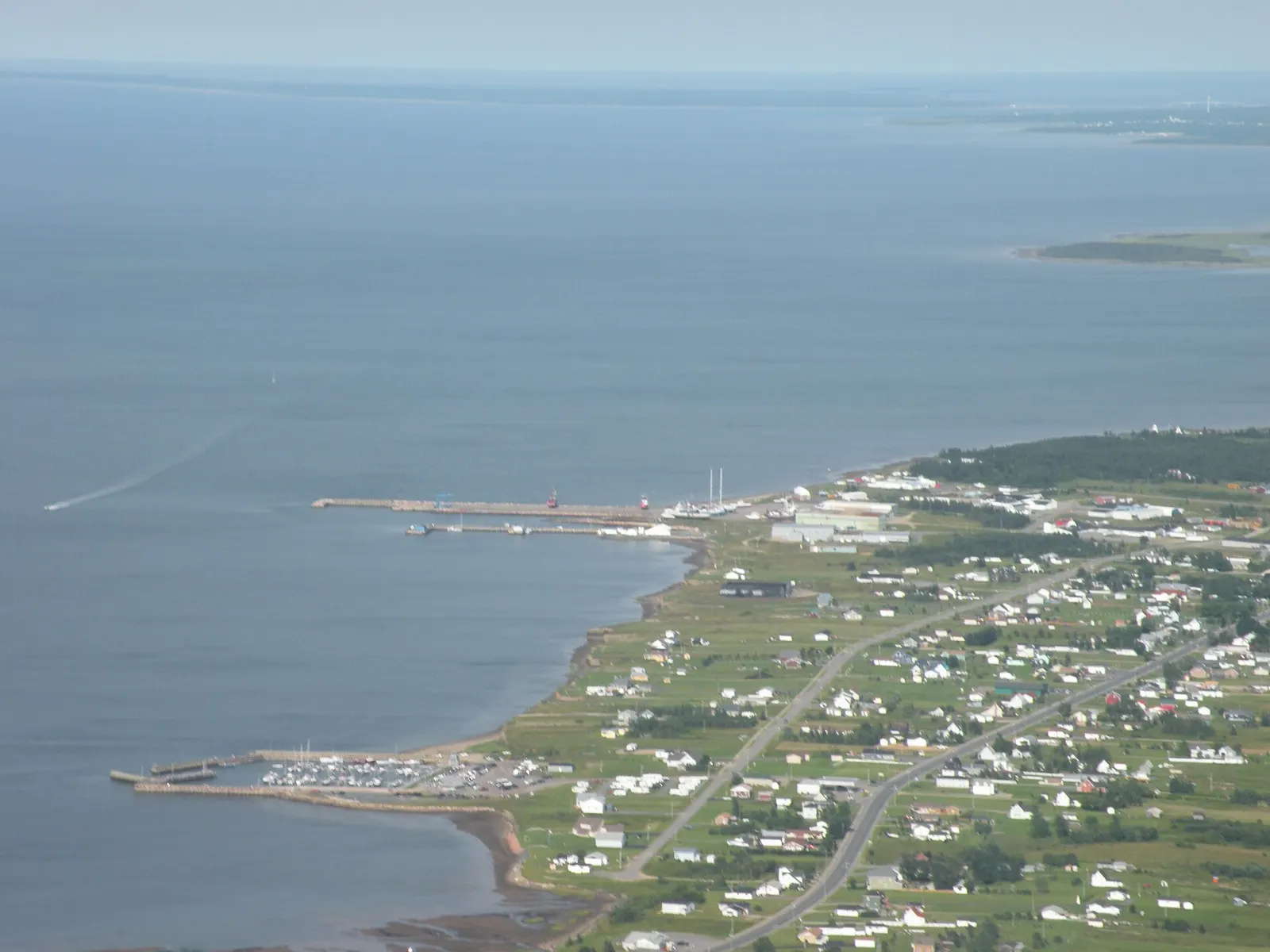
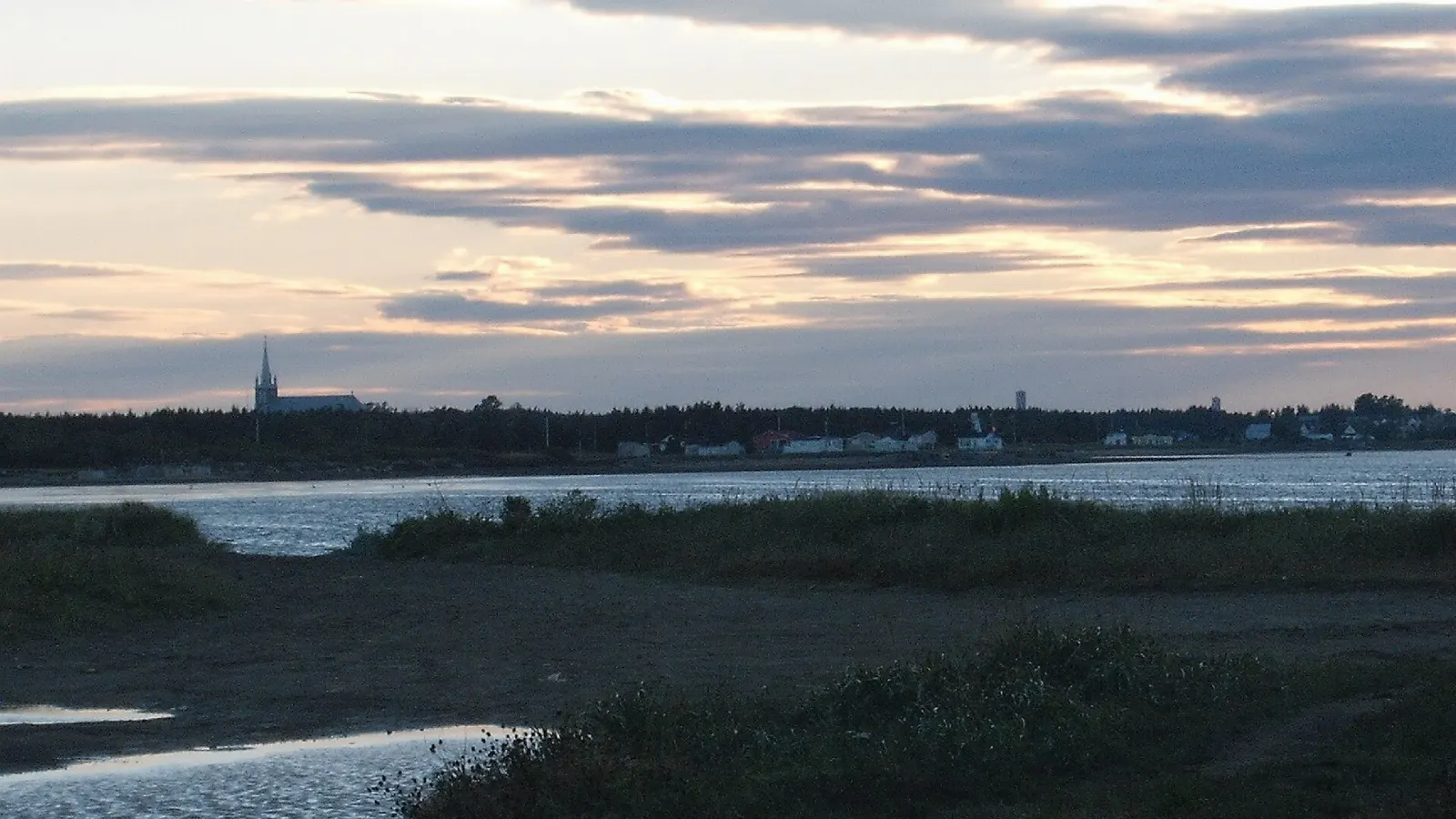
The town was enlarged in 2023 to include the village of Bas-Caraquet, and the older community names remain in use. A drive along the shore connects these neighbourhoods and gives you a feel for the stretch of coast. Allow an hour, stopping for photographs.
Bas-Caraquet became part of the enlarged town in 2023. Photo: Quiet kiai, Wikimedia Commons, CC BY-SA 3.0
Festivals and performance
Festival acadien and the Tintamarre
Each August the Festival acadien reaches its high point on August 15, National Acadian Day, with the Tintamarre. Participants march through the streets with drums, pots, horns and anything that makes noise, dressed in the red, white and blue of the Acadian flag. In 2009 about 40,000 people took part. Book lodging far in advance, as the town is full and prices rise.
The Tintamarre is a noisy parade held on August 15, National Acadian Day. Photo: Hayden Soloviev, Wikimedia Commons, CC BY 4.0
Théâtre populaire d'Acadie
This French-language professional summer theatre performs at the Boîte-Théâtre. Even if your French is basic, the energy of a live show is a good way to feel the culture. Check the current programme before you go.
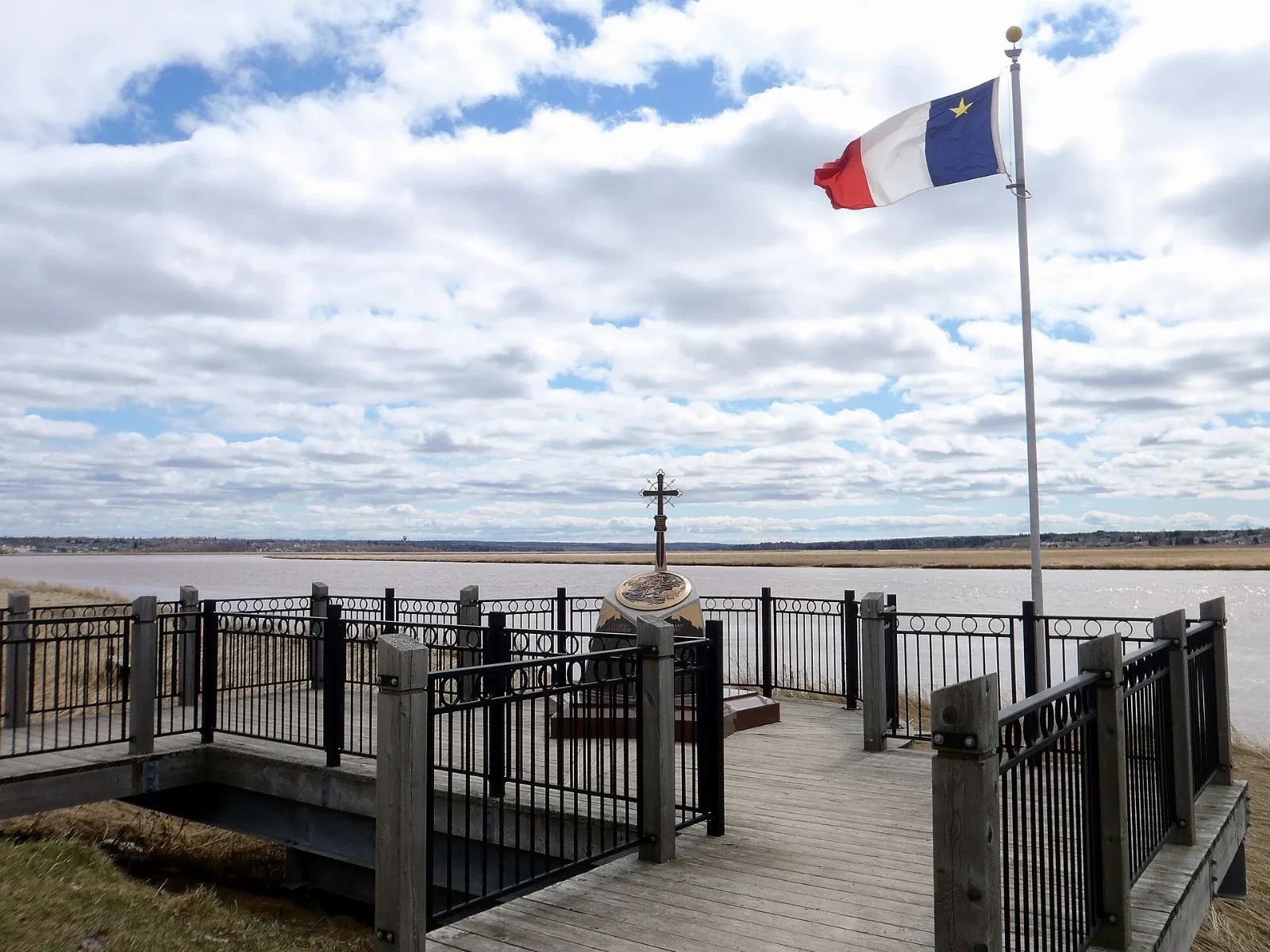
The Acadian flag, with its star, is a symbol of Acadian identity. Photo: Brian, Wikimedia Commons, CC BY 2.0
Cinéma du Centre
The downtown cinema shows a mix of French and English films. It is a good rainy-day plan and a small window into local life. Check showtimes on arrival.
Ad
Food and local flavors
Lobster is the star in a lobster-fishing town. You will find it boiled, in rolls and in chowders at seafood restaurants along Boulevard Saint-Pierre Ouest, including those at the Carrefour de la Mer waterfront complex.
Acadian classics deserve a try. Poutine râpée is a boiled potato dumpling, usually filled with pork and often eaten with sugar or maple syrup, and it is a traditional holiday dish. Fricot is a hearty stew with chicken, potatoes and onions, sometimes with dumplings. Local bakeries and cafés on the main road sell pastries and coffee, and a café-bistro with a patio and bakery makes a convenient breakfast stop. Ask restaurant staff what is local that day.
Popular dishes to try in Caraquet
Lobster Food and local flavorsLobster is the star in a lobster-fishing town.Photo: Nick Ares, Wikimedia Commons, CC BY-SA 2.0Poutine râpée Poutine râpée is a boiled potato dumpling, usually filled with pork and often eaten with sugar or maple syrup, and it is a traditional holiday dish.Photo: Rappie Pie, Wikimedia Commons, CC BY 2.0Fricot Fricot is a hearty stew with chicken, potatoes and onions, sometimes with dumplings.Photo: Marianne Casamance, Wikimedia Commons, CC BY-SA 3.0
Where to stay
Boulevard Saint-Pierre is the main road and the most convenient base. Hotels, motels, cabins and bed and breakfasts line it, with restaurants, the museum and the waterfront close by. It is the best choice for first-time visitors without a long list of plans.
Bas-Caraquet suits travellers who want a quieter feel on the shore side of the town. It is a short drive from the centre, and the coastline there is ideal for early morning walks.
Bertrand lets you stay next to the Village Historique Acadien, where the Château Albert offers rooms inside the living museum. Book early for the Festival acadien in August, and consider a campground or cabin option if you travel with a family.
Where to stay in Caraquet
Boulevard Saint-Pierre Where to stayBoulevard Saint-Pierre is the main road and the most convenient base.Photo: Dr Wilson, Wikimedia Commons, CC BY-SA 3.0Bas-Caraquet Bas-Caraquet suits travellers who want a quieter feel on the shore side of the town.Photo: Dr Wilson, Wikimedia Commons, CC BY-SA 3.0Bertrand Bertrand lets you stay next to the Village Historique Acadien, where the Château Albert offers rooms inside the living museum.Photo: Dr Wilson, Wikimedia Commons, CC BY-SA 3.0
Ad
Best time to visit
Summer is the best time. The Village Historique Acadien runs in the warmer months, from early June to mid September, and the Musée acadien and summer theatre keep similar seasonal schedules. The bay is at its warmest in July and August, when you can swim and walk the beaches.
Visitors from Québec arrive in numbers in July and early August, and crowds peak around the Festival acadien and the August 15 Tintamarre. After the festival the town quickly returns to a calm pace, which makes late August and early September a pleasant time for quieter sightseeing. Outside summer, confirm that attractions are open.
Getting there and getting around
Caraquet is most easily reached by car. From Bathurst, follow Route 11 east along the Acadian Peninsula to the town. Greater Moncton International Airport is the main gateway for much of the province, and from there the drive to Caraquet is long, so plan the day accordingly.
Once in Caraquet, the main road, Boulevard Saint-Pierre, connects the centre, the museum and the waterfront. The Village Historique Acadien is in nearby Bertrand and is best reached by car. A local taxi service operates in town, so ask your lodging to arrange pickup if you do not have a car.
Parking is usually simple outside the festival week, but expect crowding around August 15. Fuel up in town before long drives.
Ad
A suggested itinerary
First day
Arrive and visit the Musée acadien de Caraquet. Walk the wharf and the Carrefour de la Mer waterfront, then have a seafood dinner with a view of the bay.
Second day
Spend the morning and early afternoon at the Village Historique Acadien in Bertrand, including a meal at the Château Albert. Return to town for an evening show at the Théâtre populaire d'Acadie.
Third day
Drive along the coast through Bas-Caraquet and stop at a beach. If you are visiting in August, join the Tintamarre or festival events.
Practical tips
Learn a few French greetings, since French is the main language in town.
Book lodging far ahead for the Festival acadien and August 15.
Check seasonal opening dates for the Village Historique Acadien and the museum.
Bring layers, because bay breezes can be cool even in summer.
Carry a car charger or fuel up, as distances between towns can be long.
Join the Tintamarre with a noisemaker and the Acadian flag colours.
Respect working wharf areas when taking photographs of fishing gear.