Sian Ka'an Biosphere Reserve, Quintana Roo · Travel guide
Sian Kaan Mexico Muyil Ruins and Lagoon Canals
Sian Ka'an is one of the largest protected areas in Mexico, a vast stretch of tropical forest, mangrove swamp, lagoons and coral reef along the Caribbean coast just south of Tulum. It is a UNESCO World Heritage Site and a Ramsar wetland, and much of it can only be explored by boat.
By WiserMap TravelUpdated October 20264 places8 min read
Best timeDecember to April is driest, while June to November is hurricane season and the dirt road to Punta Allen can flood.
How longAllow a full day for a boat tour from Muyil, or two to three days if you head to Punta Allen.
Getting thereDrive or take a bus to Tulum, then continue south by car, combi or tour.
Ad
Why visit Sian Ka'an
The reserve was created in 1986, became a World Heritage Site in 1987 and was named a Ramsar wetland in 2003. It covers more than 5,000 square kilometres, and its mix of tropical forest, salt marsh, mangroves and reef shelters hundreds of bird species, jaguars, pumas, tapirs and manatees.
Even in ancient times the Maya did not heavily settle its swamps and marshes, so it remains one of the most lightly touched natural areas in Mexico. Visitors come to float, snorkel, watch birds and enjoy quiet water that feels far from the resort coast.
Muyil and the lagoons
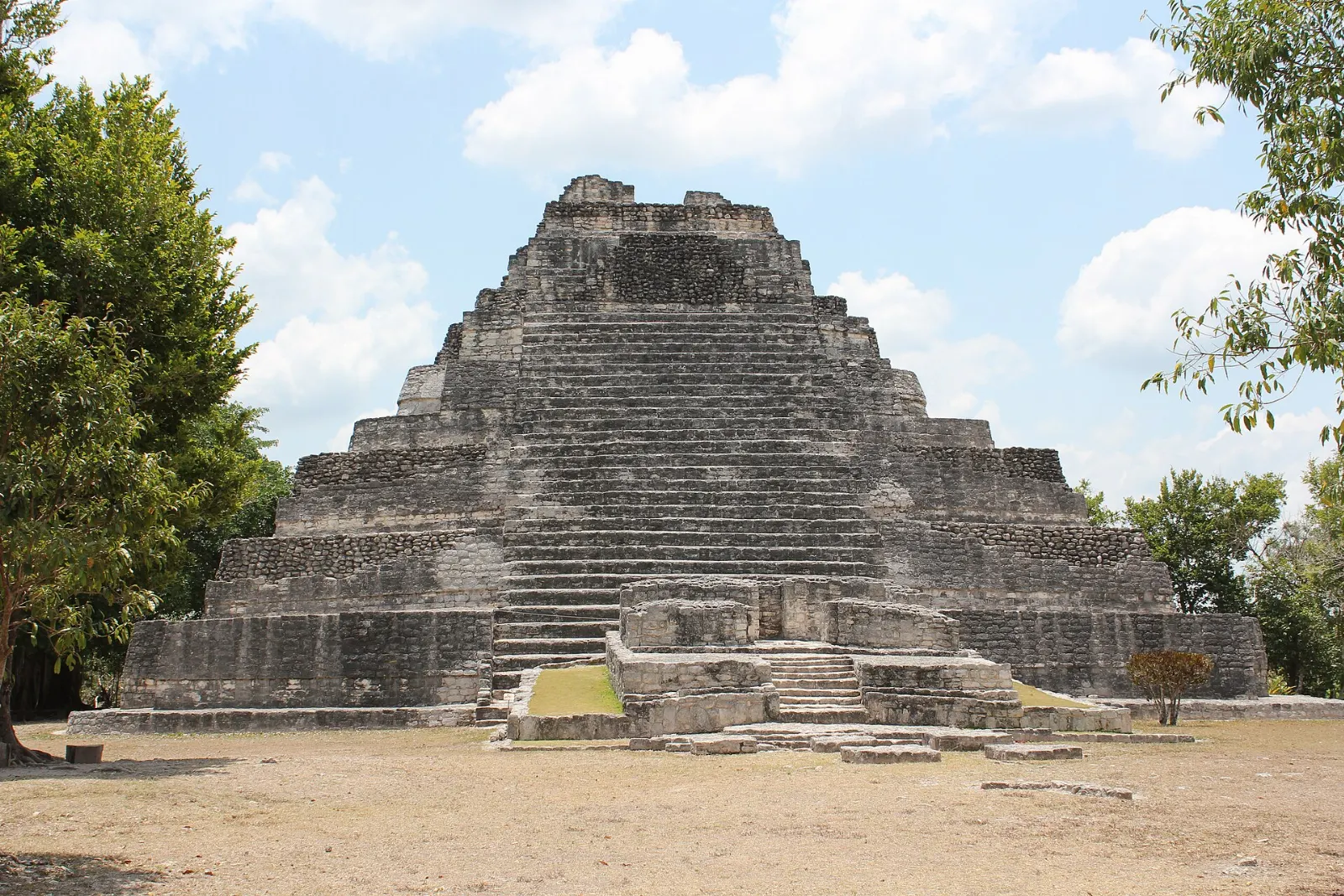
Muyil ruins
Muyil, also called Chunyaxche, is the one significant Maya site in the reserve that is set up for visitors. It was occupied from at least 350 BC and was still inhabited when the Spanish arrived.
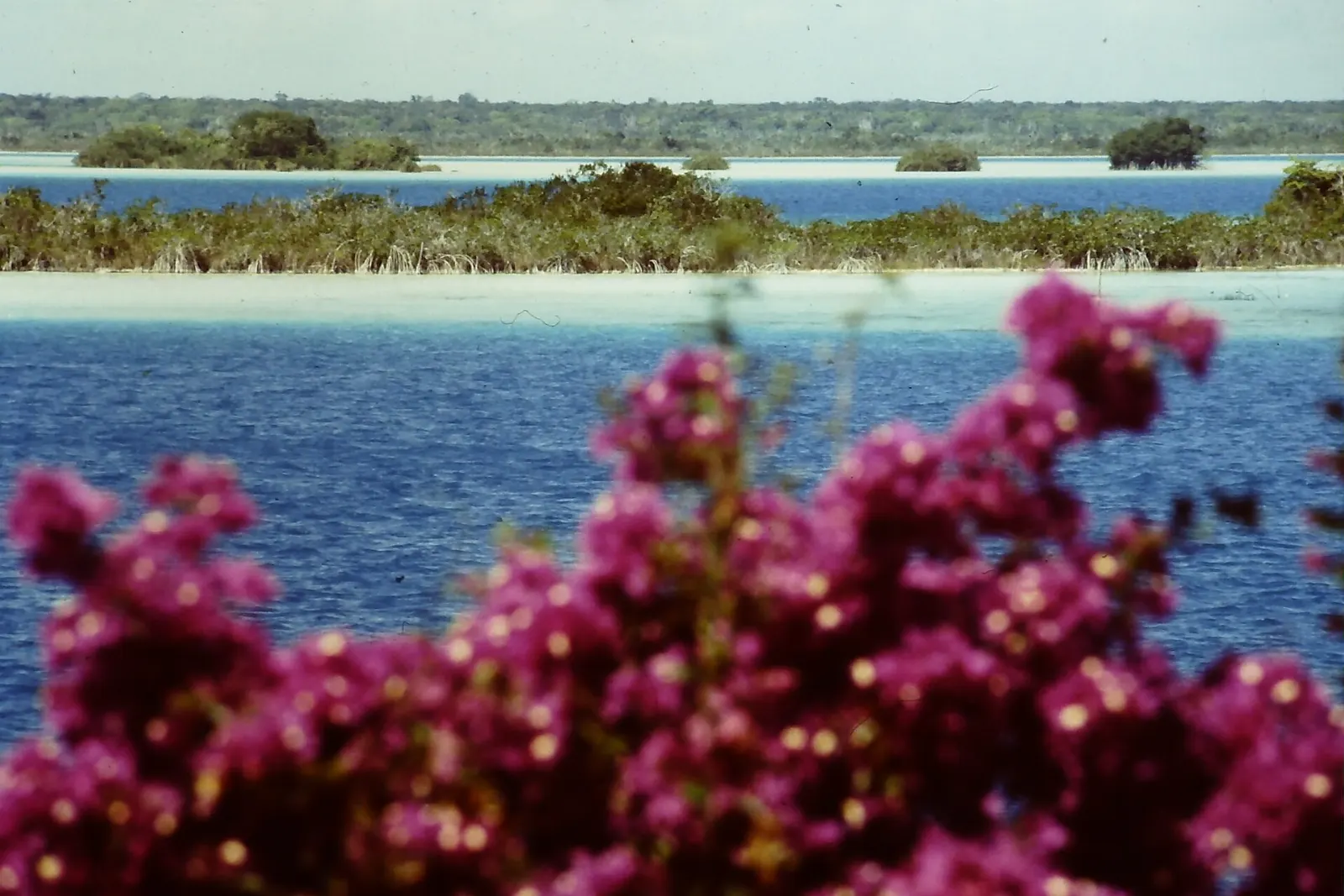
The boardwalk and Muyil Lagoon
A boardwalk leads from the ruins through forest to the edge of Muyil Lagoon, where tour boats wait. You pay a small extra entry for the boardwalk, and early morning is best for birds and cooler air.
The Mayan Canal
Boat tours from the village of Chunyaxche cross the lagoon and follow a passage the Maya used to link Muyil with the Caribbean.
Chunyaxche village
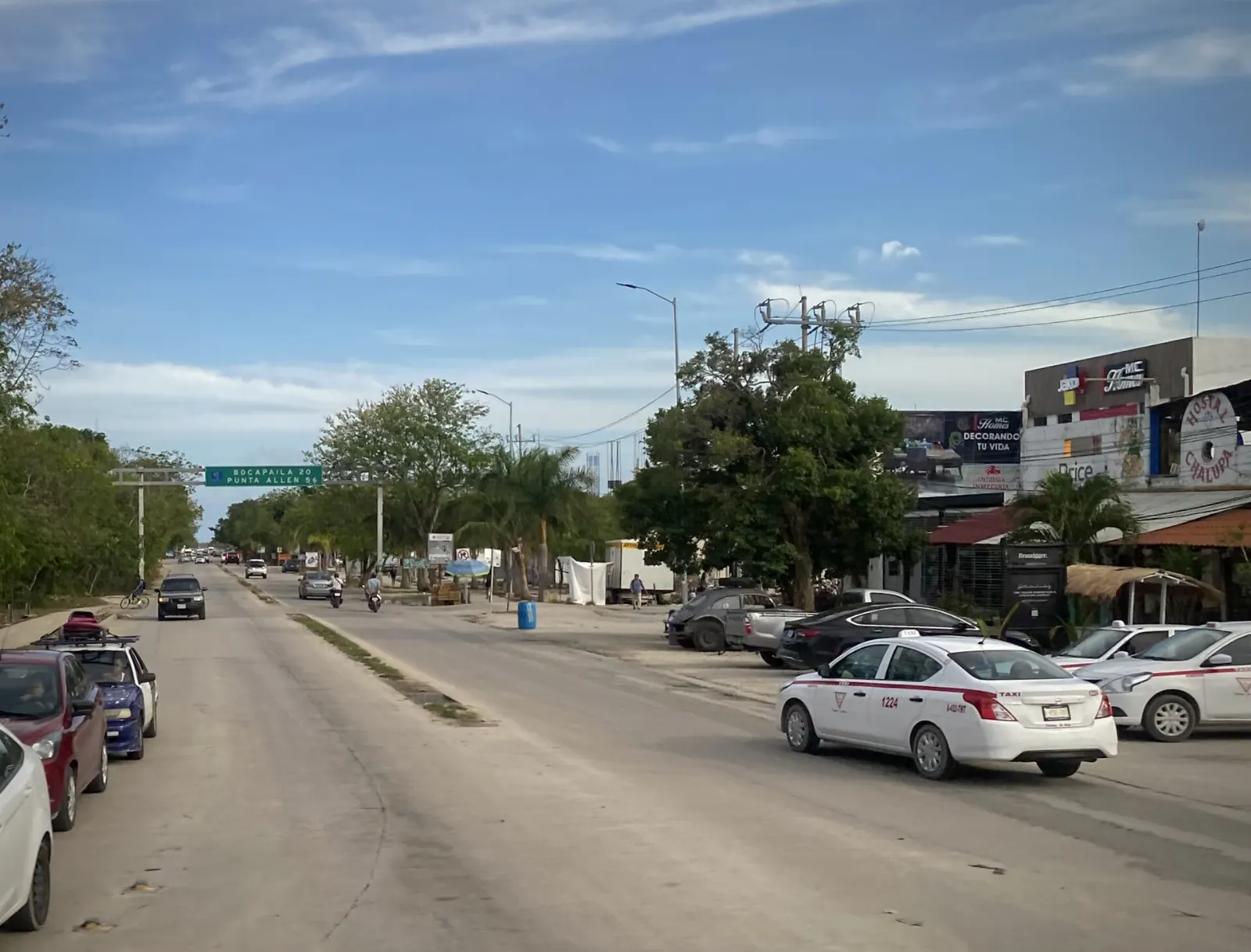
Chunyaxche is the gateway village on Highway 307, with convenience stores, a few restaurants and tour operators. Combis from Tulum run here and take about an hour.
Ad
The coast and Punta Allen
The entrance arch and beach road
Follow the beach road south of Tulum and you reach a stone arch, the formal entrance to the reserve. You pay the entrance fee here and receive a coloured bracelet as proof.
Punta Allen
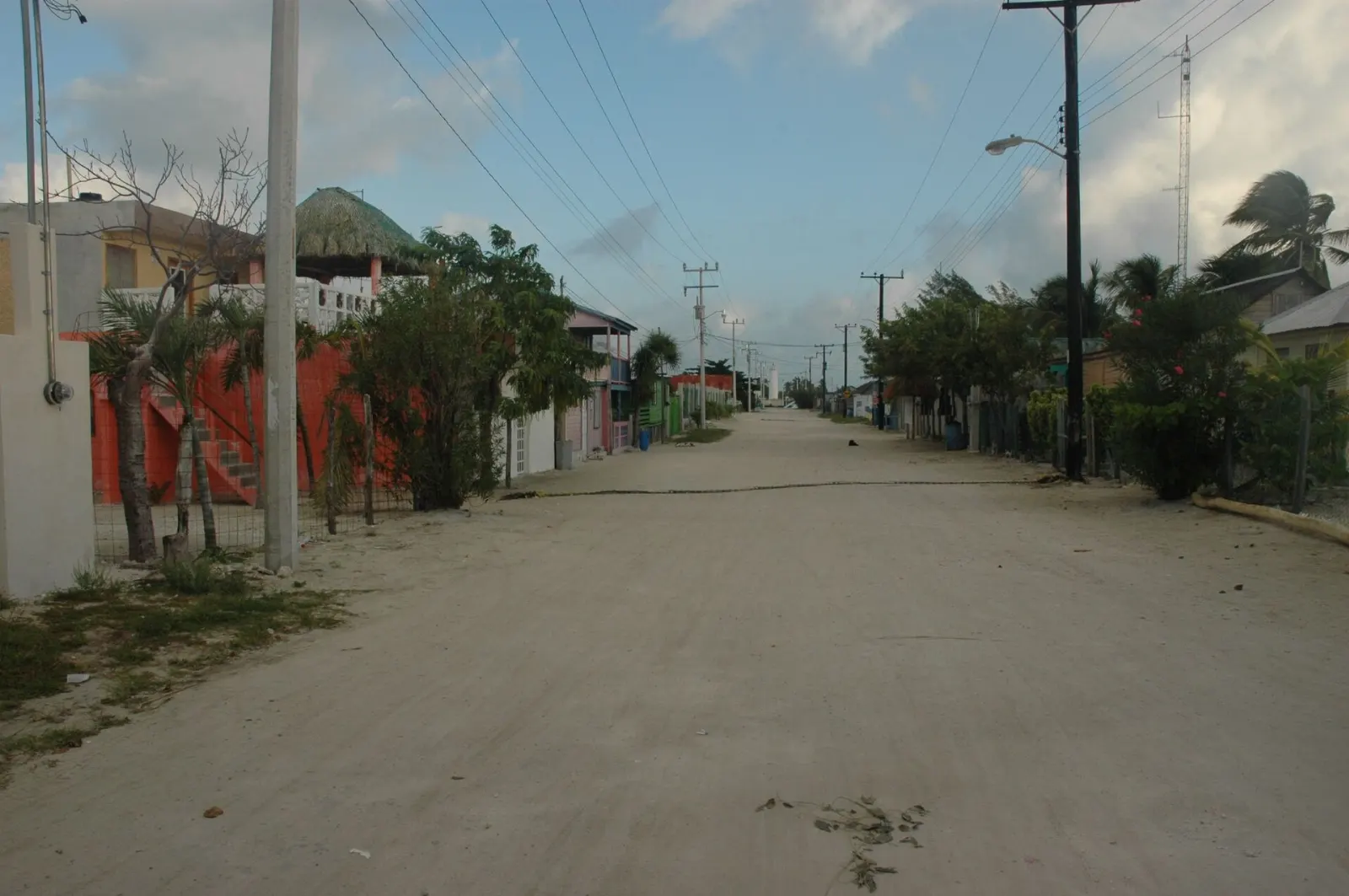
Punta Allen is a small fishing village at the end of the dirt road, about 45 kilometres from the arch, and the trip typically takes around three hours.
Punta Allen is a small fishing village at the end of a long dirt road. Photo: Sharon Hahn Darlin, Wikimedia Commons, CC BY 2.0
The Great Mesoamerican Reef
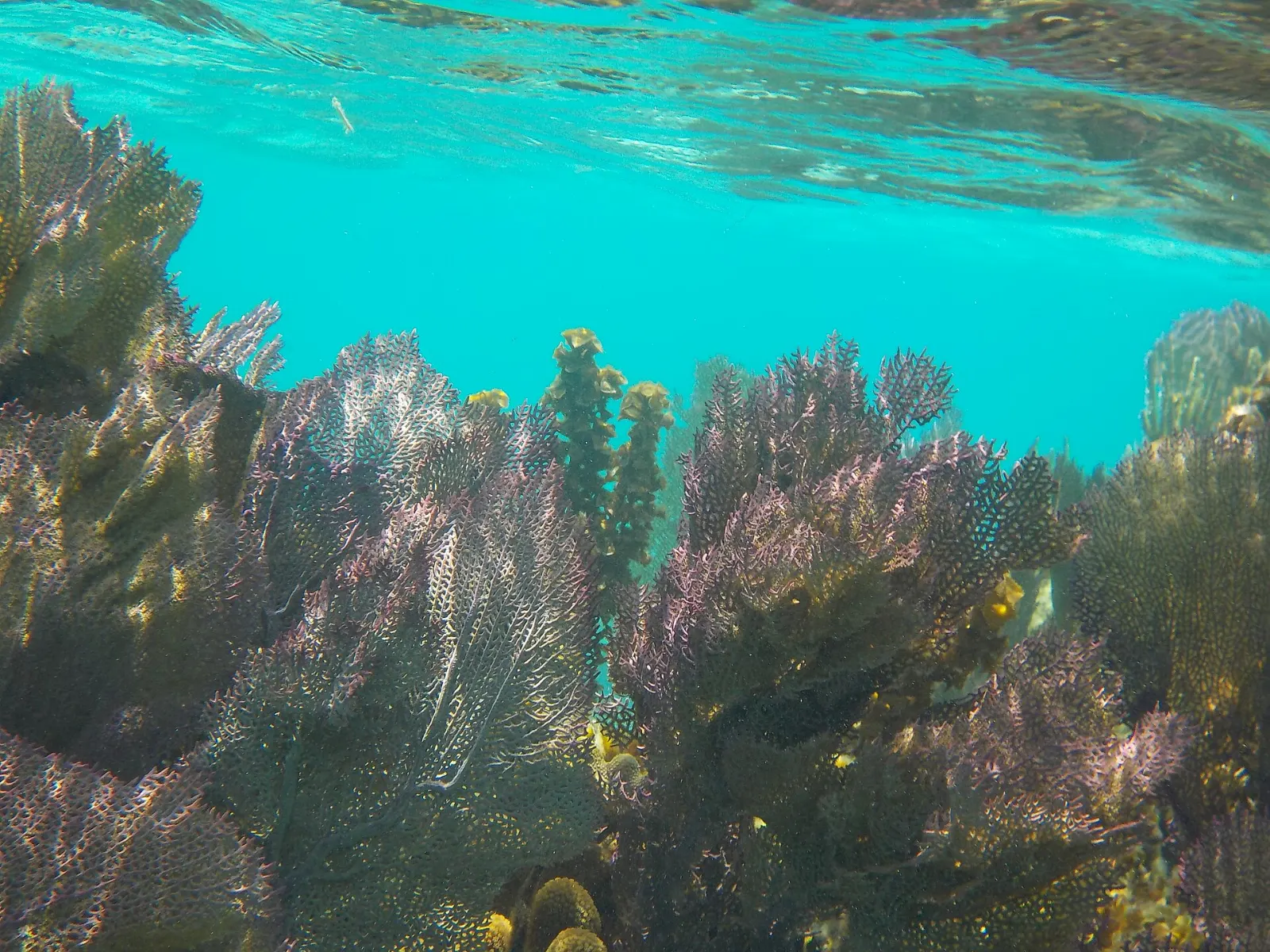
From Punta Allen or Chunyaxche you can hire a boat to snorkel on the reef offshore, which belongs to the Great Mesoamerican Reef system. Divers also use the reserve, though sites here are less visited than around Cozumel.
The reef offshore is part of the Great Mesoamerican Reef. Photo: M.Gray97, Wikimedia Commons, CC BY-SA 4.0
Wildlife and wild water
Manatees and crocodiles
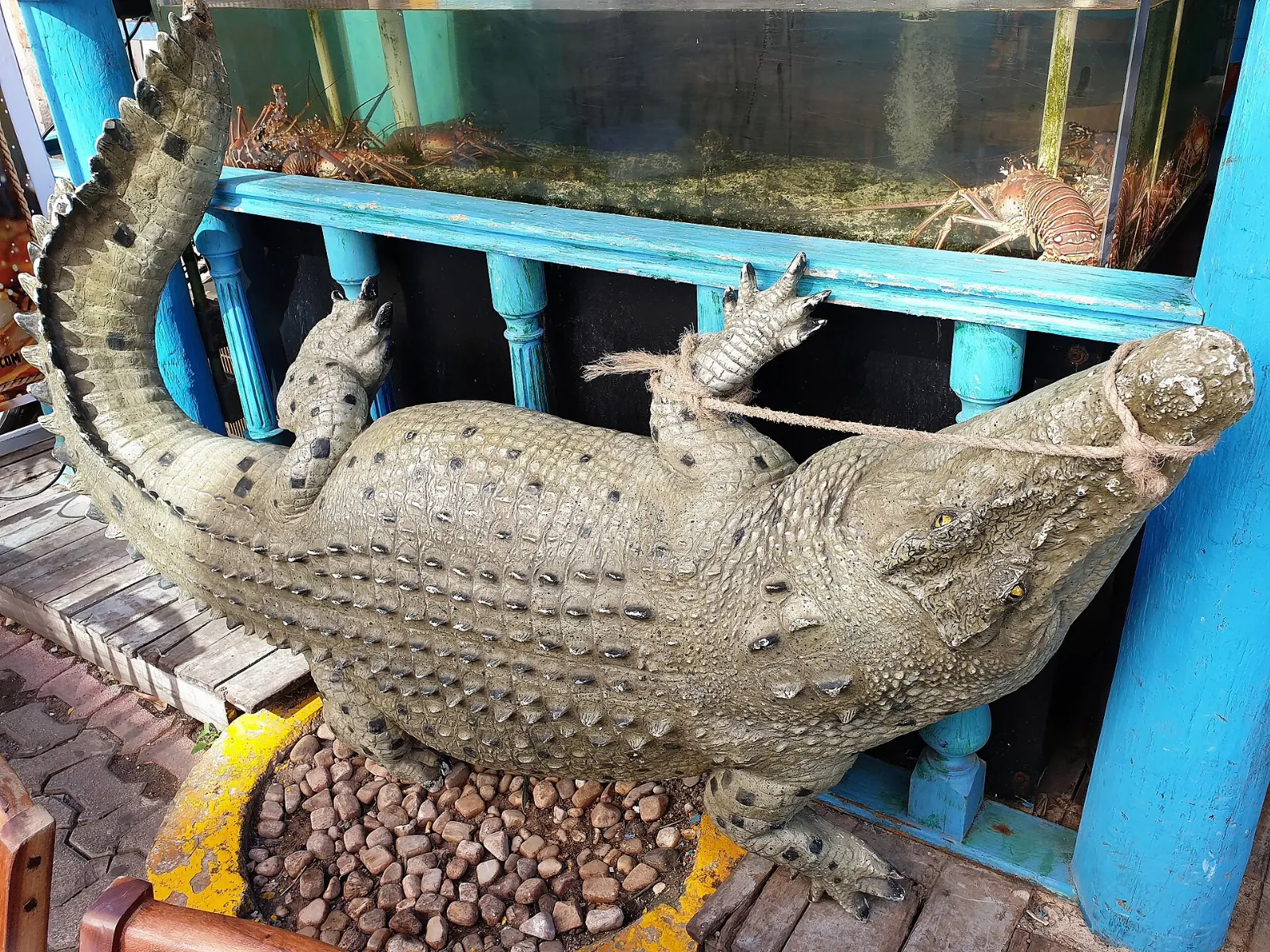
Lagoons and marshes are home to the West Indian manatee, which a lucky boat tour may spot. You are more likely to see American crocodiles sunning on the banks, and the smaller Morelet's crocodile is also common.
American crocodiles live in the reserve's lagoons and marshes. Photo: Emőke Dénes, Wikimedia Commons, CC BY-SA 4.0
Birds
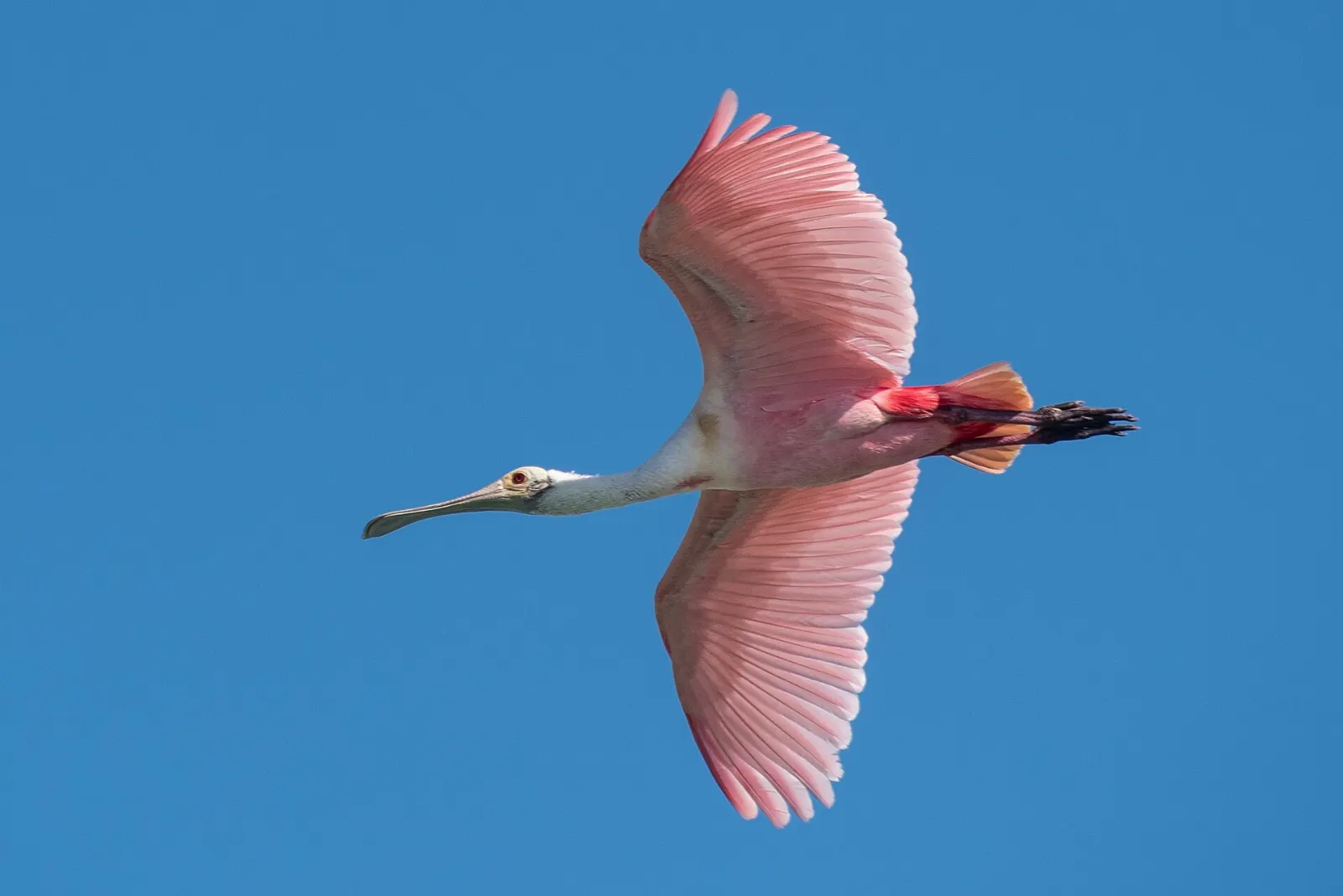
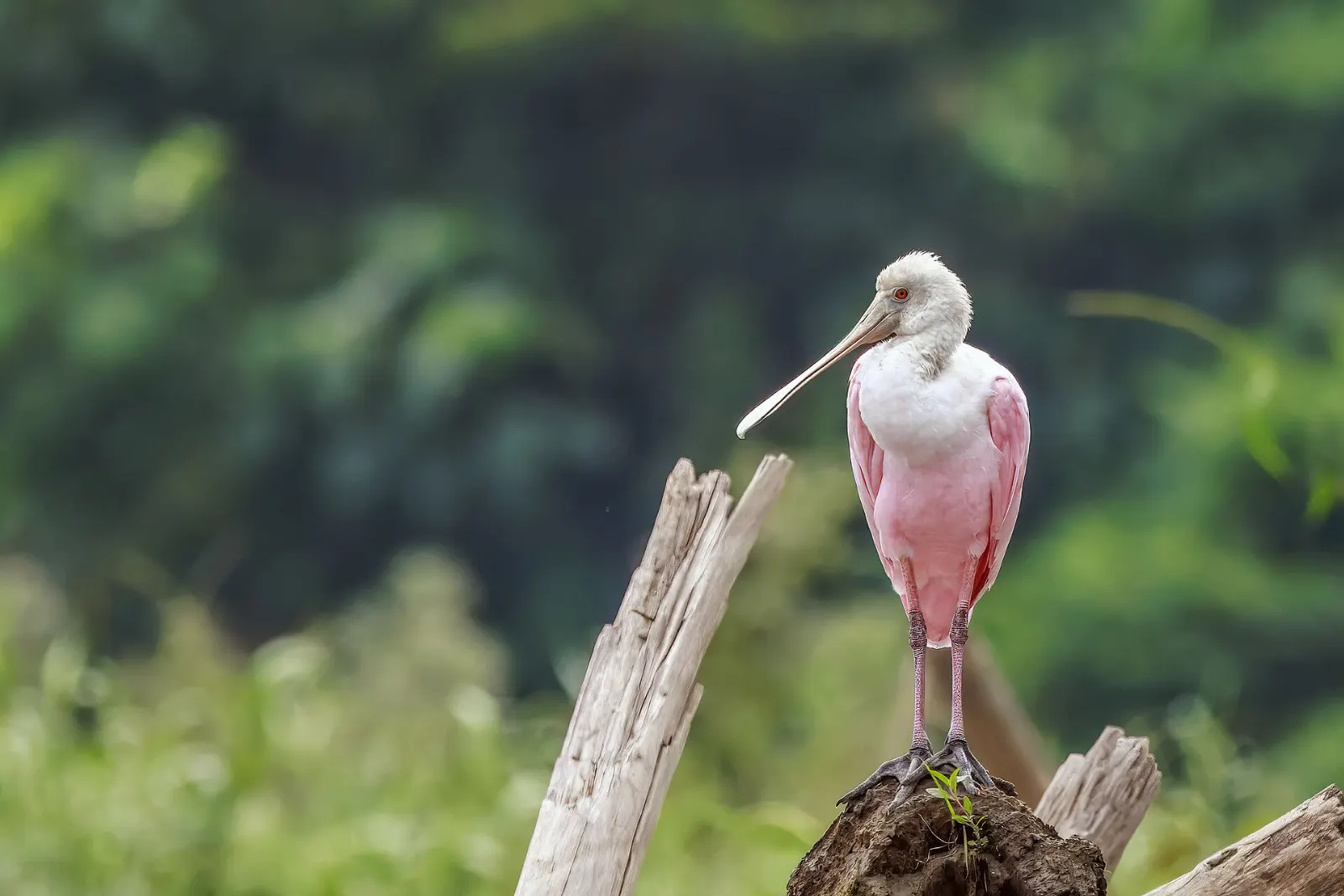
More than 300 bird species have been identified, including roseate spoonbills, great blue herons, wood storks and magnificent frigatebirds.
The roseate spoonbill is among the many bird species recorded in the reserve. Photo: Charles J. Sharp, Wikimedia Commons, CC BY-SA 4.0
Tulum as a gateway
Most visitors base themselves in Tulum, whose walled Maya ruins stand on cliffs above the sea. Tour operators run to Sian Ka'an from town, and the beach road south begins close to the hotel zone.
Ad
Food and local flavors
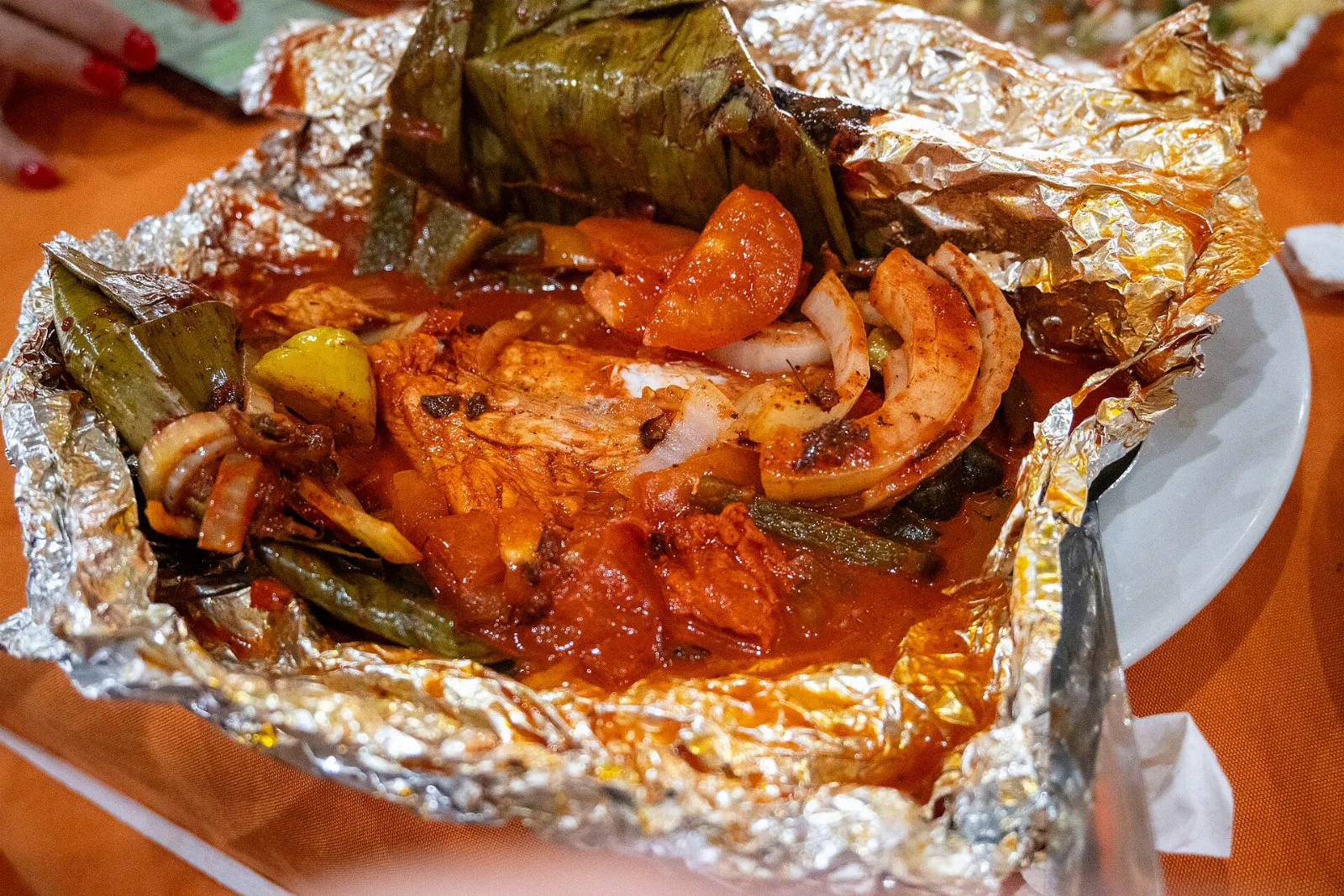
Seafood is the story along the coast. At Punta Allen, small restaurants serve fish, shrimp and octopus fresh from the boats. Look for tikin xic, a whole fish, often grouper or red snapper, marinated in achiote and sour orange and cooked in banana leaf.
Most boat tours include a simple lunch, and you can pick up water and snacks at the small shops along Highway 307. Cash is the safest way to pay almost everywhere in the reserve.
Tikin xic is a Yucatán dish of marinated whole fish cooked in banana leaf.Photo: ProtoplasmaKid, Wikimedia Commons, CC BY-SA 4.0
Popular dishes to try in Sian Ka'an Biosphere Reserve
Tikin xic Look for tikin xic, a whole fish, often grouper or red snapper, marinated in achiote and sour orange and cooked in banana leaf.Photo: ProtoplasmaKid, Wikimedia Commons, CC BY-SA 4.0Cochinita pibil Roadside restaurants in Chunyaxche serve regional Yucatán cooking, including cochinita pibil, slow-roasted pork with pickled onion, and sopa de lima, a bright chicken soup…Photo: El Nuevo Doge, Wikimedia Commons, CC0Sopa de lima Roadside restaurants in Chunyaxche serve regional Yucatán cooking, including cochinita pibil, slow-roasted pork with pickled onion, and sopa de lima, a bright chicken soup…Photo: Dan Cortés, Wikimedia Commons, CC BY 2.0
Where to stay
Tulum Pueblo, the town centre along Highway 307, suits travellers who want restaurants, bus links and tour offices within easy reach.
The Tulum hotel zone sits on the beach and suits those who want a seaside stay with easy road access to the reserve entrance.
Punta Allen is for visitors who want to disconnect.
Chunyaxche offers a few basic rooms beside the highway, which can be handy for an early start at Muyil.
Where to stay in Sian Ka'an Biosphere Reserve
Tulum Pueblo Where to stayTulum Pueblo, the town centre along Highway 307, suits travellers who want restaurants, bus links and tour offices within easy reach.Photo: Chuck Homler, Focus On Wildlife, Wikimedia Commons, CC BY-SA 4.0Tulum hotel zone The Tulum hotel zone sits on the beach and suits those who want a seaside stay with easy road access to the reserve entrance.Photo: Charlie Marchant from UK, Wikimedia Commons, CC BY 2.0Punta Allen Punta Allen is for visitors who want to disconnect.Photo: MQ904, Wikimedia Commons, CC BY-SA 4.0Chunyaxche Chunyaxche offers a few basic rooms beside the highway, which can be handy for an early start at Muyil.Photo: Kanché A.C., Wikimedia Commons, CC BY-SA 4.0
Ad
Best time to visit
The Mexican Caribbean is hot and humid year round. December to April is the driest and sunniest period, which also means the largest crowds on tours. June to November is hurricane season, and the rainy months can leave the dirt road to Punta Allen covered in water, with deep potholes hidden beneath it.
Beaches are natural, so sargassum seaweed and driftwood may appear at some points of the year. Check the forecast before you commit to the long road, and ask a local tour operator about current conditions.
Getting there and getting around
Tulum International, Cancún International and Chetumal International airports are the nearest. The Tren Maya station for the reserve is Tulum town, not the airport.
From Tulum, you can take a combi south to Muyil and Chunyaxche, or follow the beach road to the stone arch and on to Punta Allen.
Once inside the reserve, you need a boat. Hire one in Chunyaxche or Punta Allen, or join a tour, where the operator usually pays the entry fee and gives you the bracelet.
Ad
A suggested itinerary
First day
Reach Chunyaxche early, tour the ruins and boardwalk, then take a boat through the lagoon and canal.
Second day
Drive the beach road to the stone arch, stop for a swim at the cenote, and continue to Punta Allen for a seafood lunch and a boat trip to the reef.
Third day
Spend a slow morning in the village, watch for birds from the shore and head back to Tulum or on toward Cobá.
Practical tips
Carry cash, since almost nobody in Punta Allen accepts cards or phone payments.
Leave regular sunscreen and insect repellent behind, and ask your guide about reef-safe products.
Fill the fuel tank in Tulum before the dirt road, because there is no fuel at the end.
Wear a hat and bring plenty of water, since shade is limited on the lagoons.
Keep your reserve bracelet on for the entire visit.