Zacatecas Mexico Pink Stone Cathedral and La Bufa Cable Car
Zacatecas is a silver city built on steep slopes in north-central Mexico, and its centre of pink stone churches, narrow lanes and mining history is a UNESCO World Heritage Site.
By WiserMap TravelUpdated October 20268 places9 min read
This guide covers the best places to visit in Zacatecas, from baroque churches and museums to the cable car over the rooftops and a tour into an old mine.
At a glance Zacatecas
Best timeSpring and autumn for mild days, or June for the anniversary of the 1914 battle.
How longTwo to three days covers the centre, the hills and one nearby excursion.
Getting thereFly into Zacatecas International Airport or take a long-distance bus from other Mexican cities.
Ad
Why visit Zacatecas
The city is called the one with a face of pink stone and a heart of silver, and the nickname fits. Many of its landmarks are carved from rose-coloured cantera, and the old silver mines still lie beneath the hills.
Zacatecas also feels walkable and calm.
The historic centre
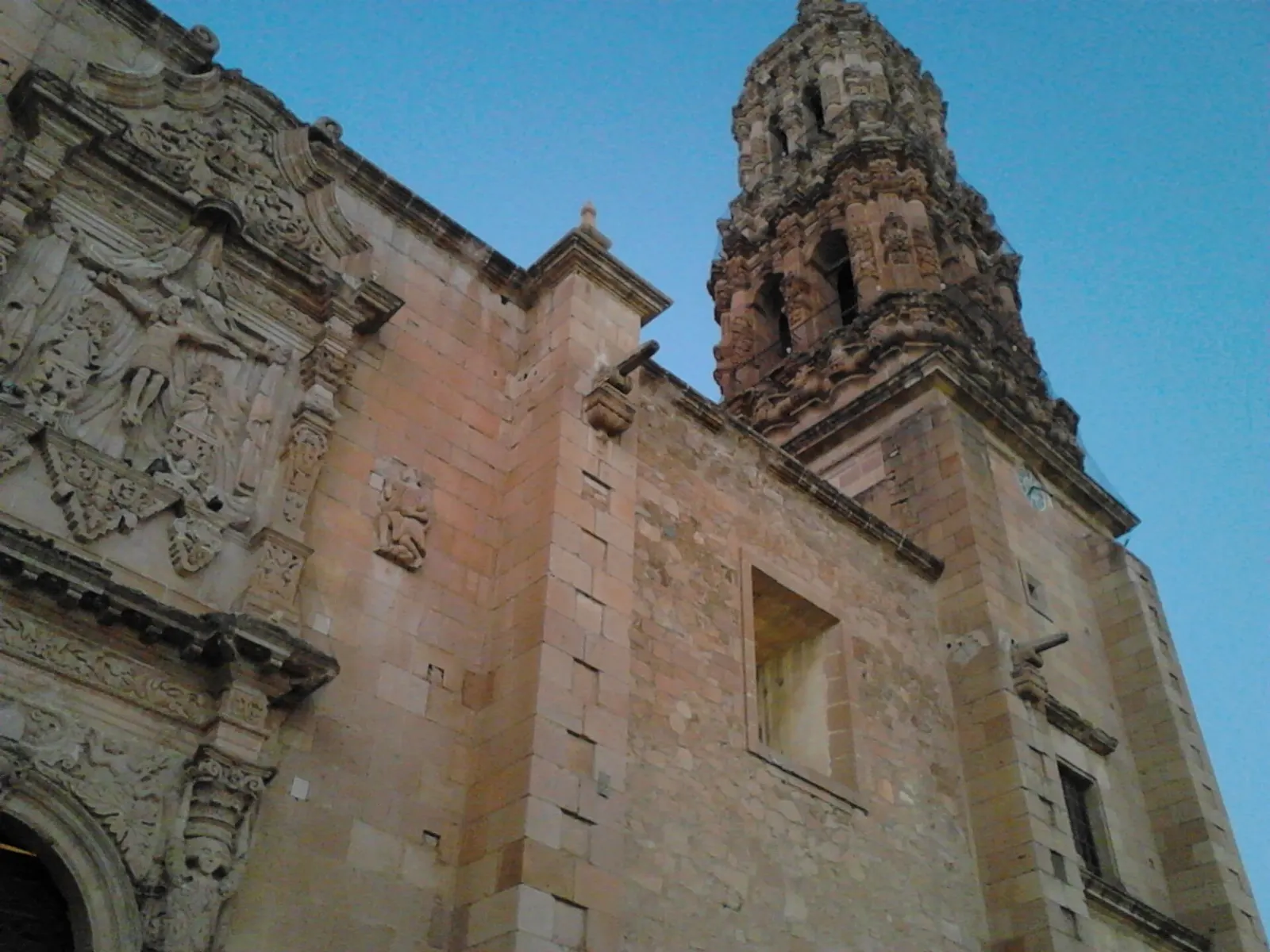
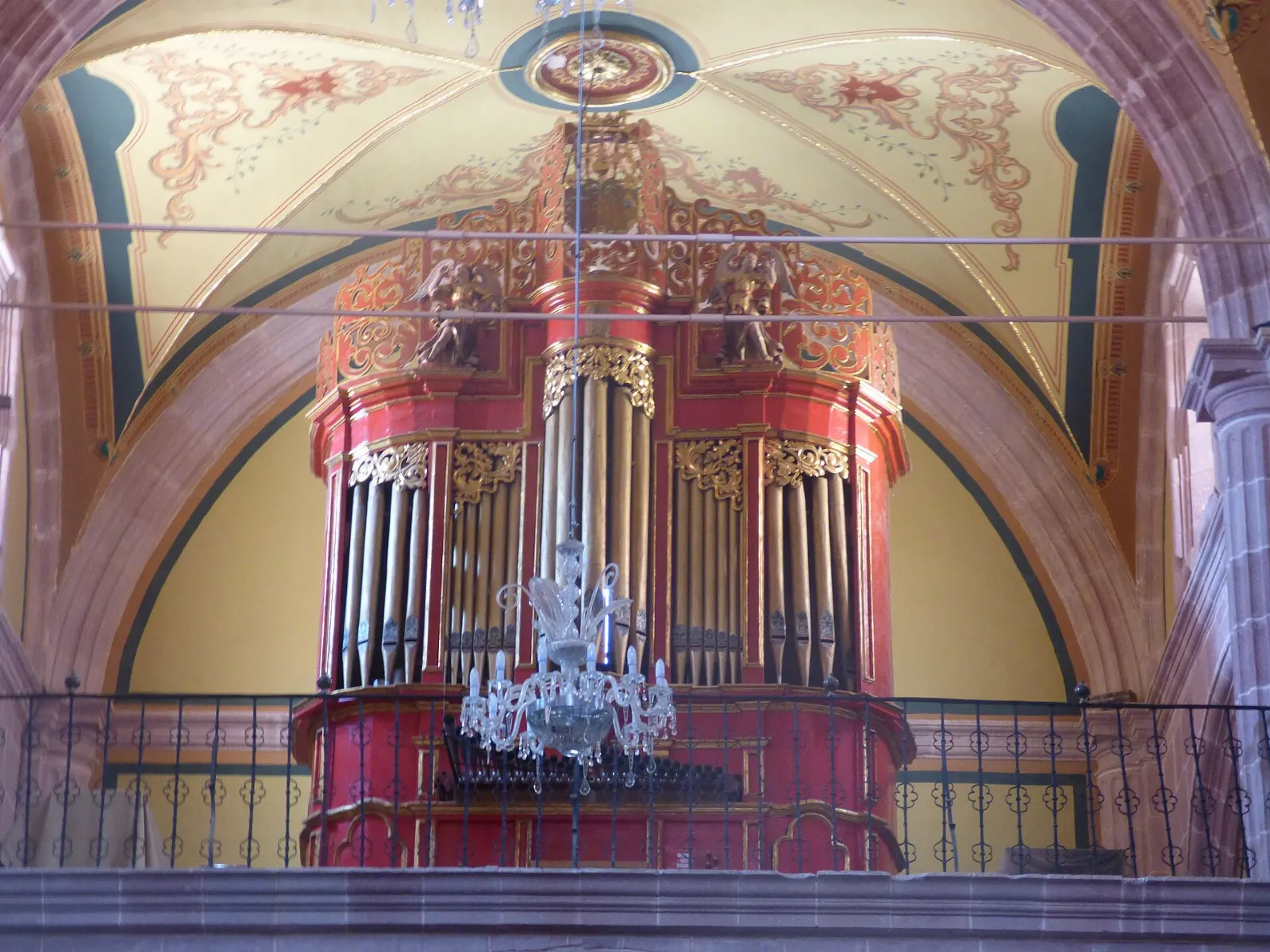
Cathedral Basílica de Zacatecas
The cathedral is the city's defining building, built between 1730 and 1760 in carved red-pink stone.
Plaza de Armas and the Palacio de Gobierno
The plaza beside the cathedral is the natural starting point, and the government buildings around it hold interesting murals.
Santo Domingo
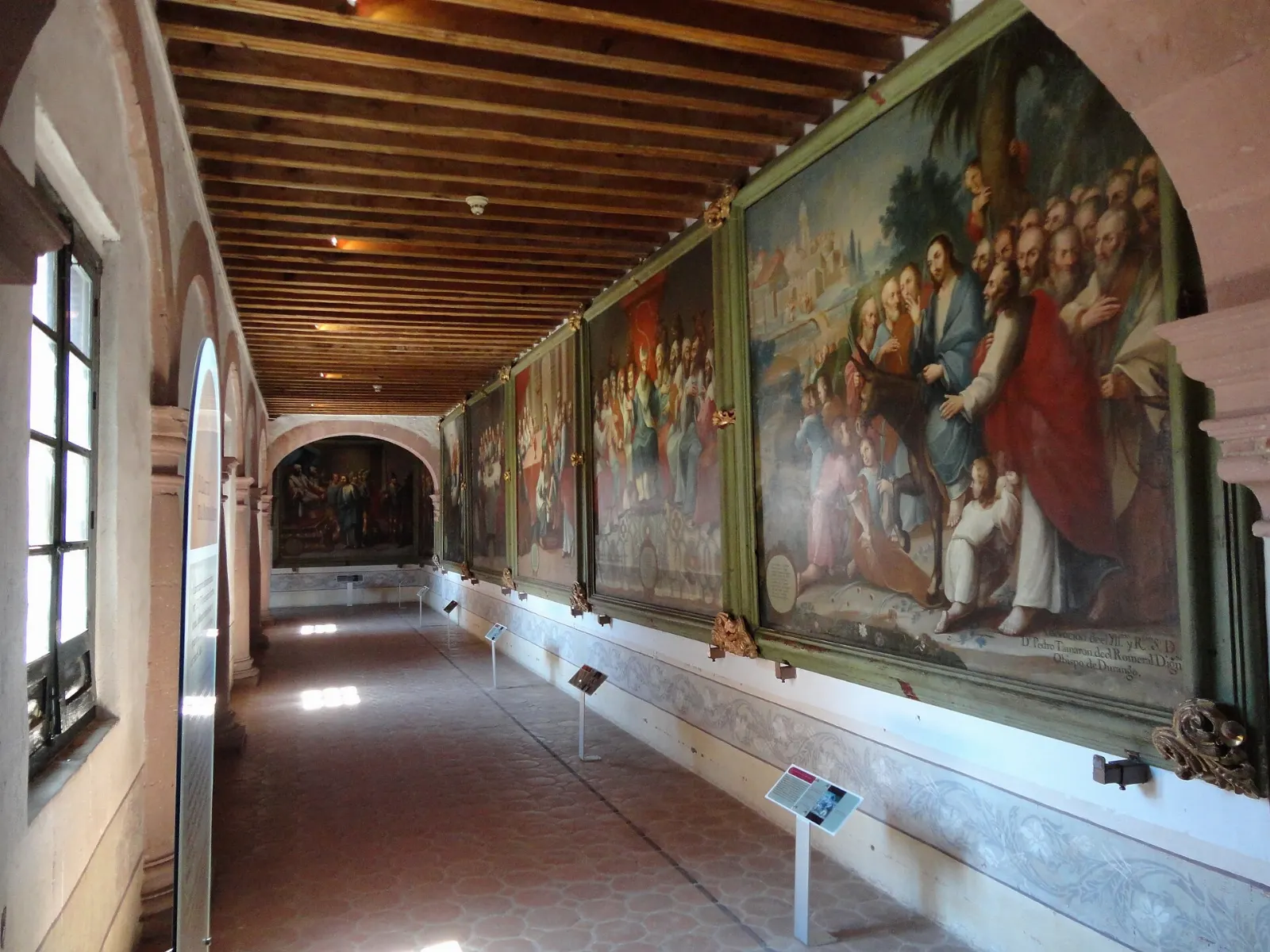
The Santo Domingo church was built by the Jesuits in the mid-eighteenth century and has a lovely baroque facade. Inside, gilded wooden altarpieces and eighteenth-century paintings of the Passion reward a slow visit.
Jesuits built the Santo Domingo church between 1746 and 1749. Photo: Luisalvaz, Wikimedia Commons, CC BY-SA 4.0
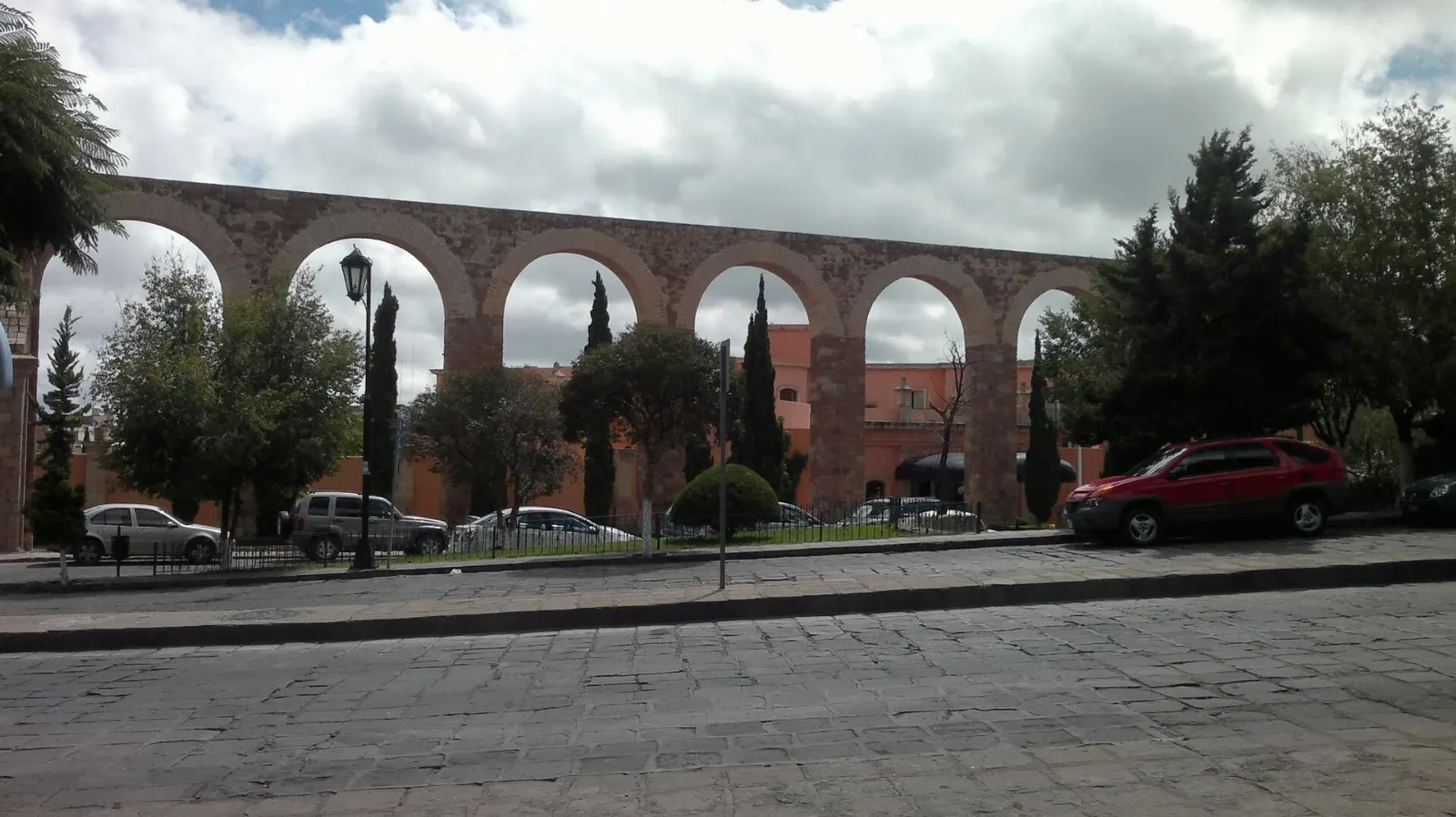
Acueducto del Cubo
The aqueduct was built more than 250 years ago and still runs through the heart of the city.
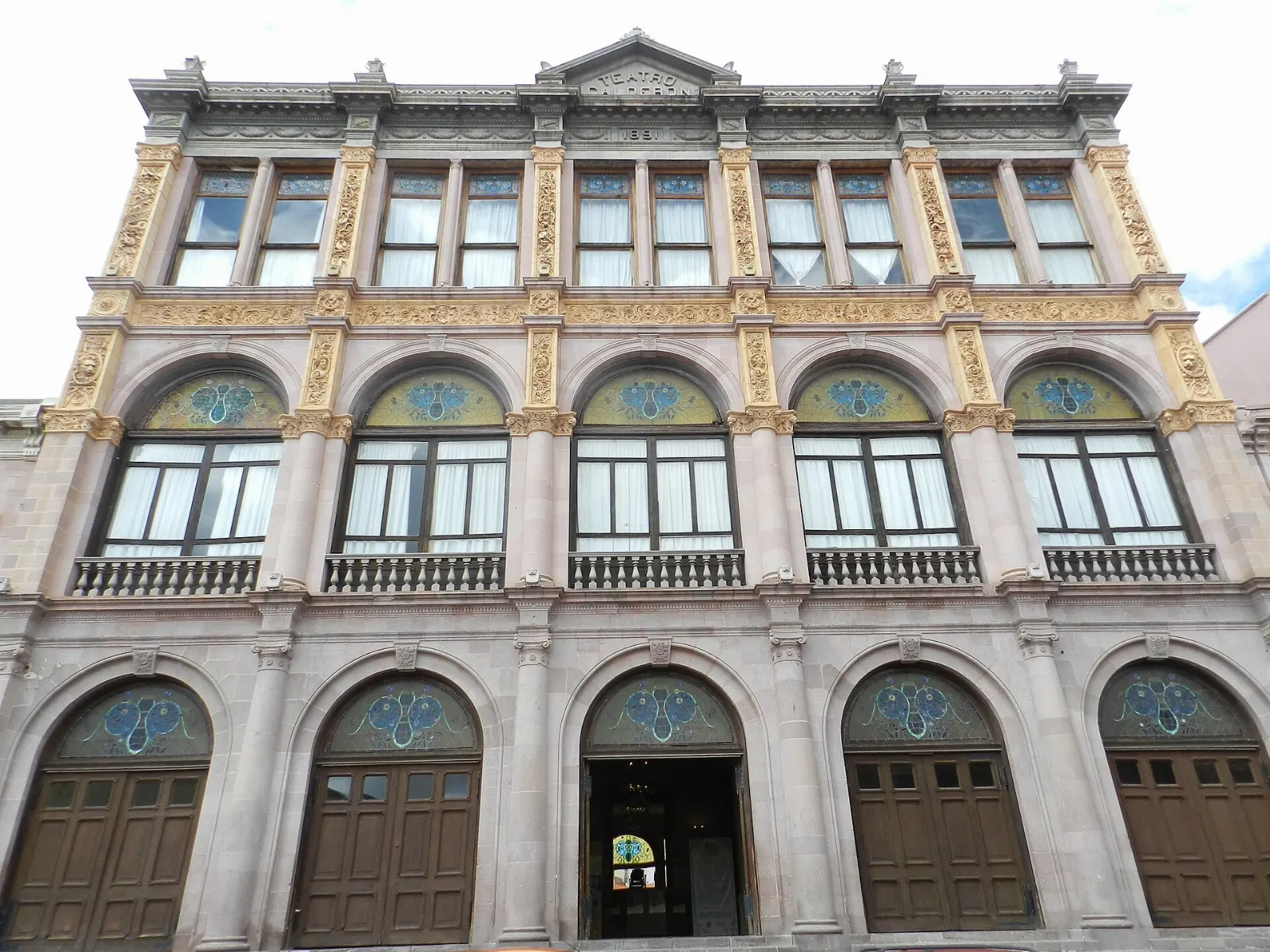
The Teatro Calderón on Avenida Hidalgo has an impressive facade, and it sits beside the González Ortega market. Stop for a few minutes between the cathedral and the museums.
This ornate fountain with wrought iron lanterns anchors a pretty corner of cobbled streets, small shops and colonial hotels. It is especially atmospheric after dark.
Ad
Museums and art
Museo Rafael Coronel
The museum occupies a partly restored former convent of San Francisco, and its crumbling garden is as appealing as the collection.
The Rafael Coronel museum, in a former convent, is known for its large mask collection. Photo: JavierDo, Wikimedia Commons, CC BY-SA 3.0
Museo de Arte Abstracto Manuel Felguérez
This museum is in a former seminary and prison and is one of the best in the city. It shows abstract paintings and sculptures, including the mural work Felguérez made for the Mexican Pavilion at the 1970 World Exhibition in Osaka.
Museo Zacatecano
The Museo Zacatecano is across from San Agustín and tells the history of the region and its notable people. It also includes a fine section on Huichol culture.
Hills, mines and day trips
Teleférico and Cerro del Grillo
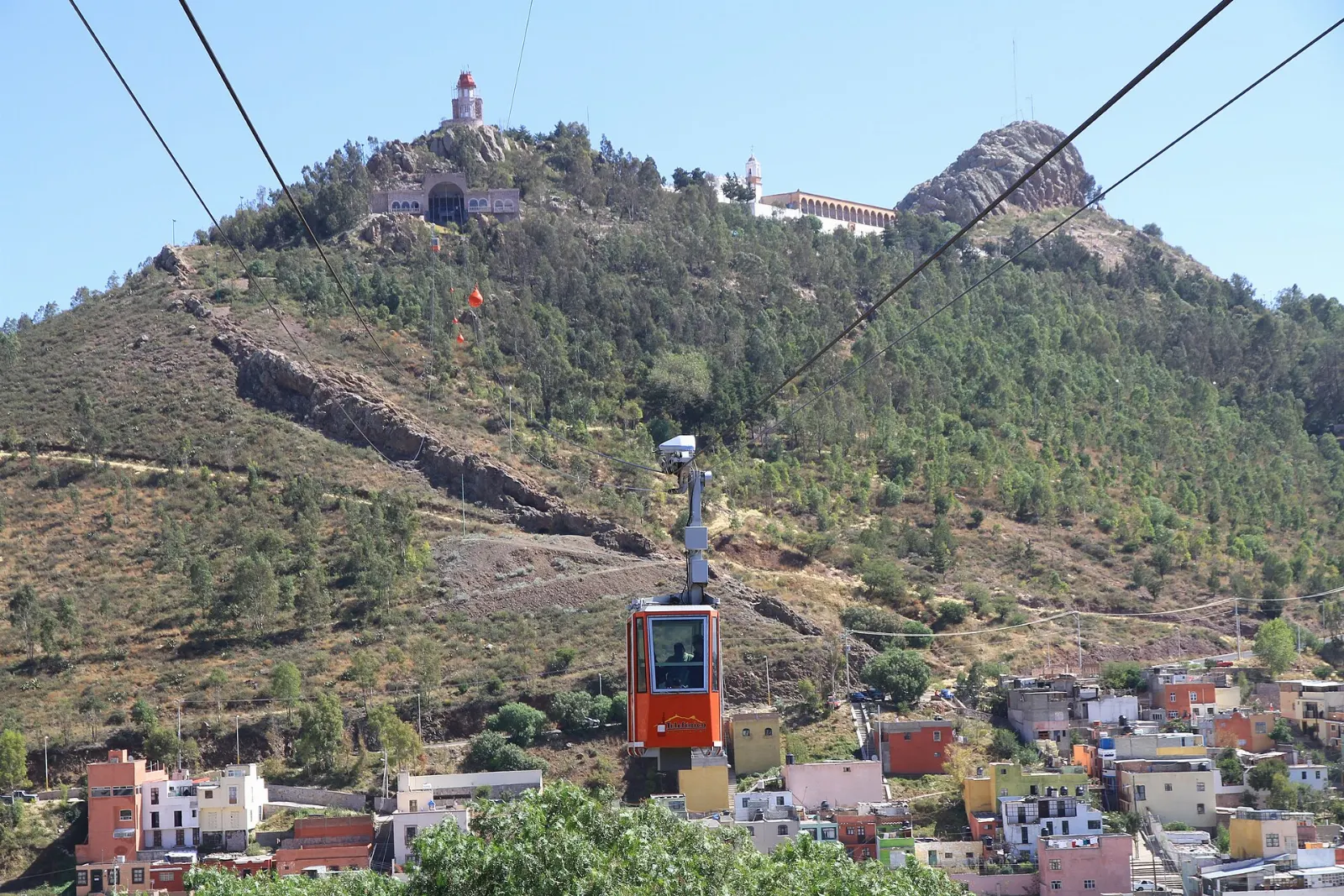
The cable car travels about 650 metres from Cerro del Grillo to the northern end of Cerro de la Bufa, passing high above the centre. The ride gives excellent views of the red rooftops and domes.
The cable car crosses the city from Cerro del Grillo to La Bufa. Photo: panza.rayada, Wikimedia Commons, CC BY-SA 3.0
Cerro de la Bufa
La Bufa is the city's most recognisable hill, with its distinctive shape and a large cross on top.
Cerro de la Bufa is the city's best-known hill and the site of a decisive 1914 battle. Photo: Sanchezmarco141, Wikimedia Commons, CC BY-SA 4.0
Mina El Edén
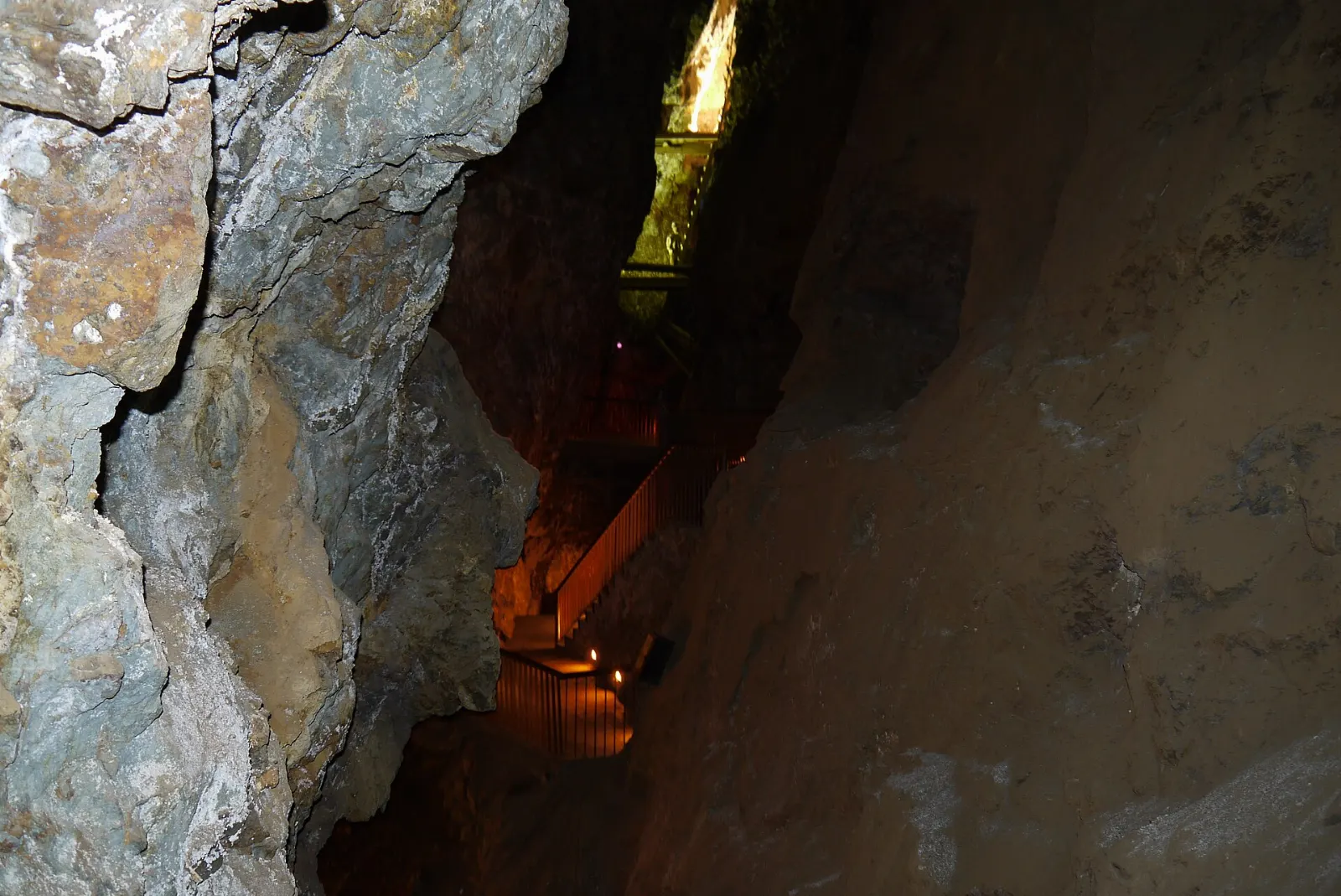
The El Edén mine began operating in 1586 on the slopes of La Bufa and produced mainly gold and silver. Closed to mining in 1960, it reopened to visitors in 1975.
The El Edén mine began operating in 1586 and opened to visitors in 1975. Photo: JavierDo, Wikimedia Commons, CC BY-SA 3.0
Museo de Guadalupe
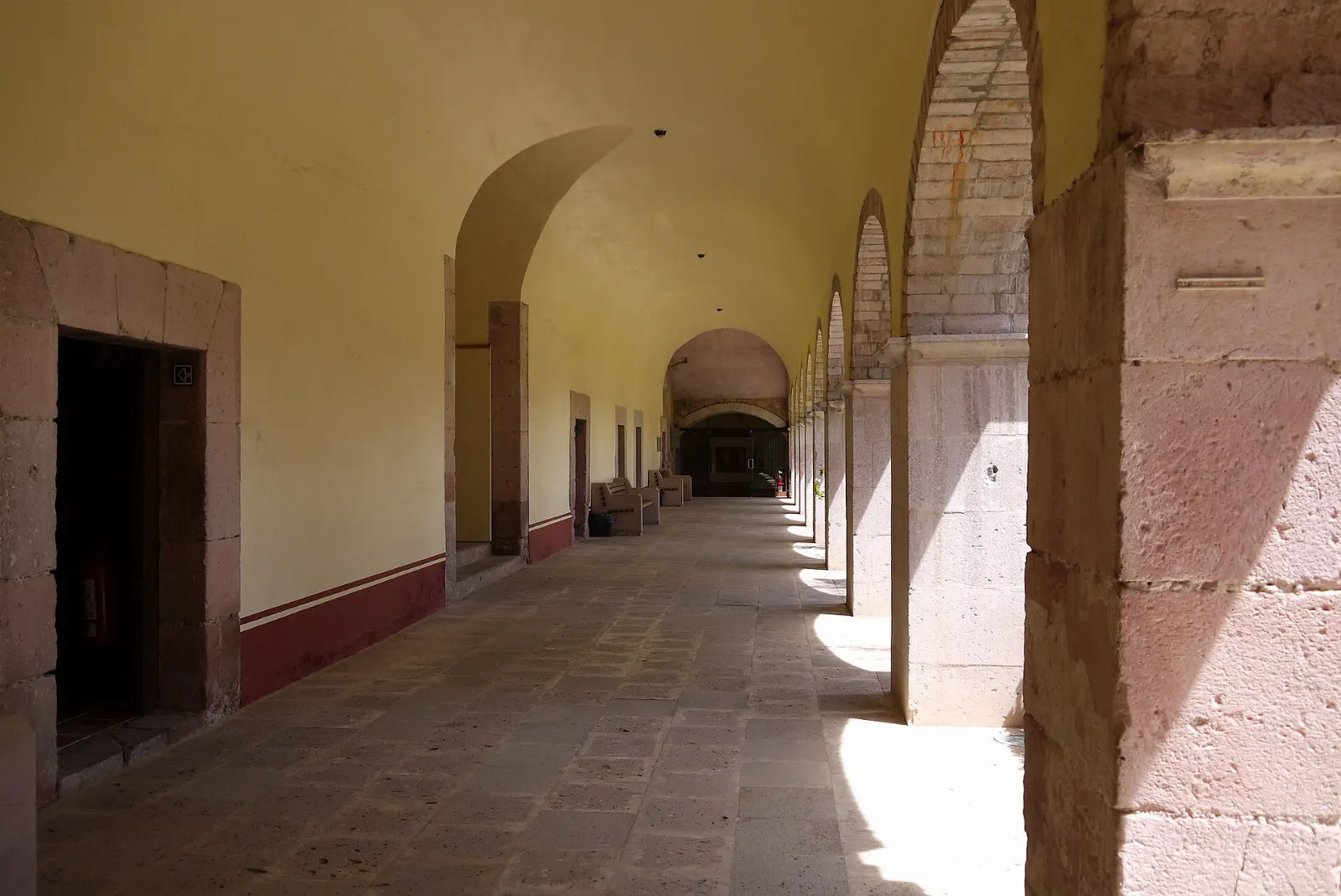
About eight kilometres away, Guadalupe has a former Franciscan monastery that now houses a museum of colonial religious art. The monastery sent missionaries to what is now the southwestern United States, and the cloisters are memorable.
The Guadalupe monastery trained missionaries who set out for Texas, New Mexico and California. Photo: Victorcolliere, Wikimedia Commons, CC BY-SA 3.0
La Quemada
La Quemada is an archaeological site about fifty-three kilometres south, with ruins of mysterious origin and an on-site museum. It suits travellers with a car and a spare half day.
Ad
Food and local flavors
Zacatecas cooking is hearty and built around chile, beans and corn. Colonche is a sweet, fizzy, red drink made from the fruit of the prickly pear cactus, and Zacatecas is one of the few states where it is made.
Mezcal is produced here too, as the state is among those allowed to use the mezcal designation, and tastings are easy to find in the centre.
For a market stop, walk to the Mercado González Ortega beside the Teatro Calderón, where you can sample local snacks, then relax over a meal on the Fuente de los Faroles streets.
Popular dishes to try in Zacatecas
Colonche Colonche is a sweet, fizzy, red drink made from the fruit of the prickly pear cactus, and Zacatecas is one of the few states where it is made.Photo: Aaronmormot, Wikimedia Commons, CC BY-SA 4.0Mezcal Mezcal is produced here too, as the state is among those allowed to use the mezcal designation, and tastings are easy to find in the centre.Photo: Alejandra Mendoza Santillan, Wikimedia Commons, CC BY-SA 4.0Asado de boda Asado de boda is a traditional pork dish cooked in a red chile sauce and associated with wedding feasts.Photo: ProtoplasmaKid, Wikimedia Commons, CC BY-SA 4.0
Where to stay
Most visitors stay in the compact historic centre, but a couple of other bases work well.
Centro Histórico is best for first-timers. You can walk to the cathedral, museums and restaurants, and many colonial buildings have been converted into small hotels.
Guadalupe suits travellers who want a quieter base and plan to visit the monastery museum.
The streets around the Alameda are central but calmer than the main plazas, and they suit anyone who likes a garden walk before breakfast.
Where to stay in Zacatecas
Centro Histórico Centro Histórico is best for first-timers.Photo: AlbertoZamora10, Wikimedia Commons, CC BY-SA 3.0Guadalupe Guadalupe suits travellers who want a quieter base and plan to visit the monastery museum.Photo: Victorcolliere, Wikimedia Commons, CC BY-SA 4.0Alameda The streets around the Alameda are central but calmer than the main plazas, and they suit anyone who likes a garden walk before breakfast.Photo: Thelmadatter, Wikimedia Commons, CC BY-SA 3.0Zacatecas old town One of the best areas to base yourself in Zacatecas.Photo: Alejandro from Mexico City, MEXICO, Wikimedia Commons, CC BY 2.0
Ad
Best time to visit
Zacatecas has a semi-arid climate and sits high above sea level, so days can be warm and nights cool, with sunshine for much of the year.
Check local calendars for festivals before you plan. In June, the city marks the anniversary of the 1914 Battle of Zacatecas, and April brings morning music in the Alameda.
Getting there and getting around
Zacatecas International Airport, also called General Leobardo C. Ruiz, receives flights from Mexico City, Guadalajara, Monterrey and other cities, with some connections from the United States.
The Central de Autobuses has direct buses from most major cities, especially in northern Mexico, and southern travellers may need to change in Mexico City.
Inside the centre, walking is the best way to get around, though streets are steep and many have steps. Taxis, Uber and Didi are easy to find.
Ad
A suggested itinerary
First day
Walk the cathedral, Plaza de Armas and Santo Domingo, stroll the aqueduct and finish at the Fuente de los Faroles.
Second day
Spend the morning at the Rafael Coronel and Felguérez museums, then ride the cable car to La Bufa for sunset and views.
Third day
Visit the El Edén mine, then take a half-day trip to Guadalupe or La Quemada.
Practical tips
Check your government's current travel advisory before you go.
Wear comfortable shoes, as streets are steep, cobbled and often stepped.
Drink plenty of water and pace yourself on the first day, since the city is high.
Bring a light jacket for mine tunnels and cool evenings.
Ask for the taxi fare before you set off or use a ride-hailing app.