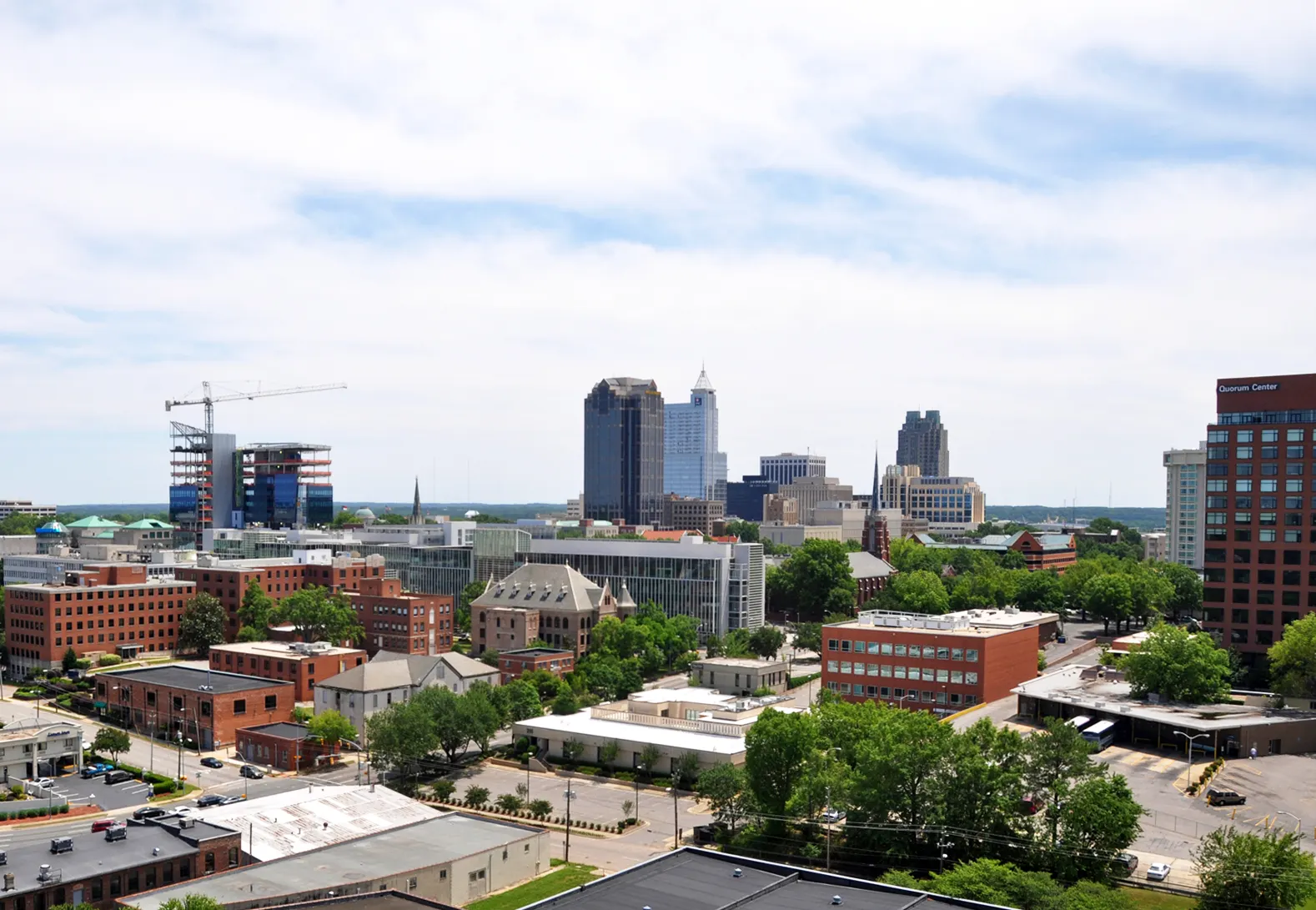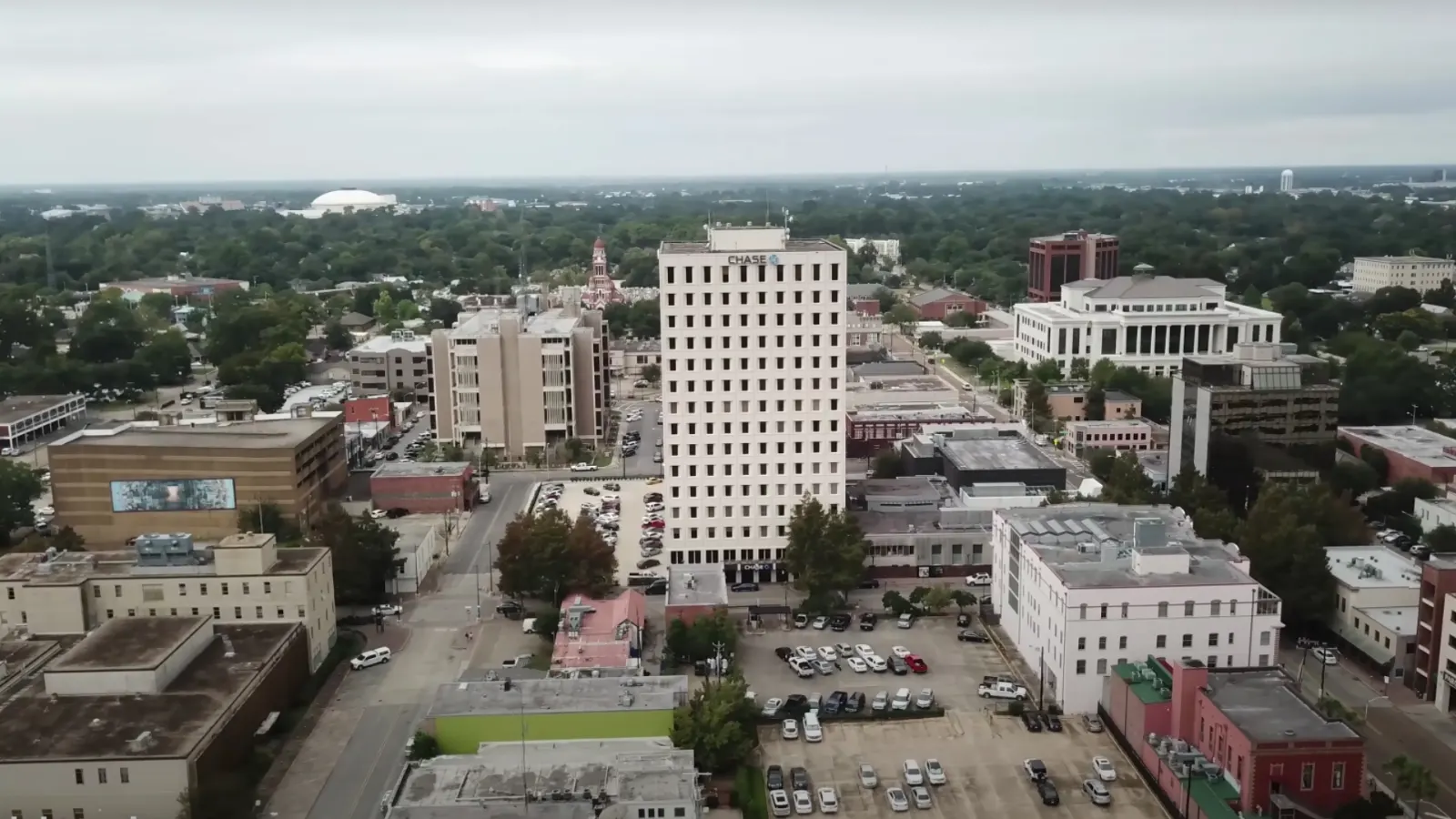
Lafayette calls itself the Hub City and the Heart of Acadiana, and both names fit. It sits where Interstate 10 meets Interstate 49 on the Vermilion River, and it is the unofficial capital of Cajun Country, the swath of south Louisiana settled by Acadian exiles from Canada in the eighteenth century.
AT A GLANCE
Best time
March to May for crawfish and festivals, or October to early November for mild weather and Festivals Acadiens et Créoles.
How long
Two to three days for the city, plus a day for Breaux Bridge, Lake Martin and Avery Island.
Getting there
Lafayette Regional Airport, Interstates 10 and 49, or the Amtrak Sunset Limited.
Why visit Lafayette
Lafayette began as Vermilionville, a settlement on the Vermilion River chosen as the parish seat in 1824 and renamed in 1884 for the Marquis de Lafayette. Acadian refugees, expelled from Canada after Britain's victory in the Seven Years' War, settled the surrounding prairies and bayous and blended with French, Spanish, African, Creole and Native American neighbors.
What makes a visit memorable is how accessible that culture is. You can hear Cajun and zydeco bands on a weekend afternoon, eat boudin from a gas station counter, watch alligators on a university campus and be in a cypress swamp within half an hour.
Heritage sites and Acadian history
Vermilionville
This living history museum and folklife park on Bayou Vermilion recreates the world of the Acadians, Creoles and Native Americans who shaped the region between the 1700s and late 1800s.
Acadian Cultural Center
Right next door, the Acadian Cultural Center is part of Jean Lafitte National Historical Park and Preserve. Exhibits and a documentary film tell the story of the Acadian expulsion from Nova Scotia, known as Le Grand Dérangement, and the long journey to Louisiana.
Acadian Village
On the south side of town, Acadian Village gathers historic Cajun homes moved from around the region and arranges them along a small bayou, with a chapel and general store.
Downtown, the cathedral and the university
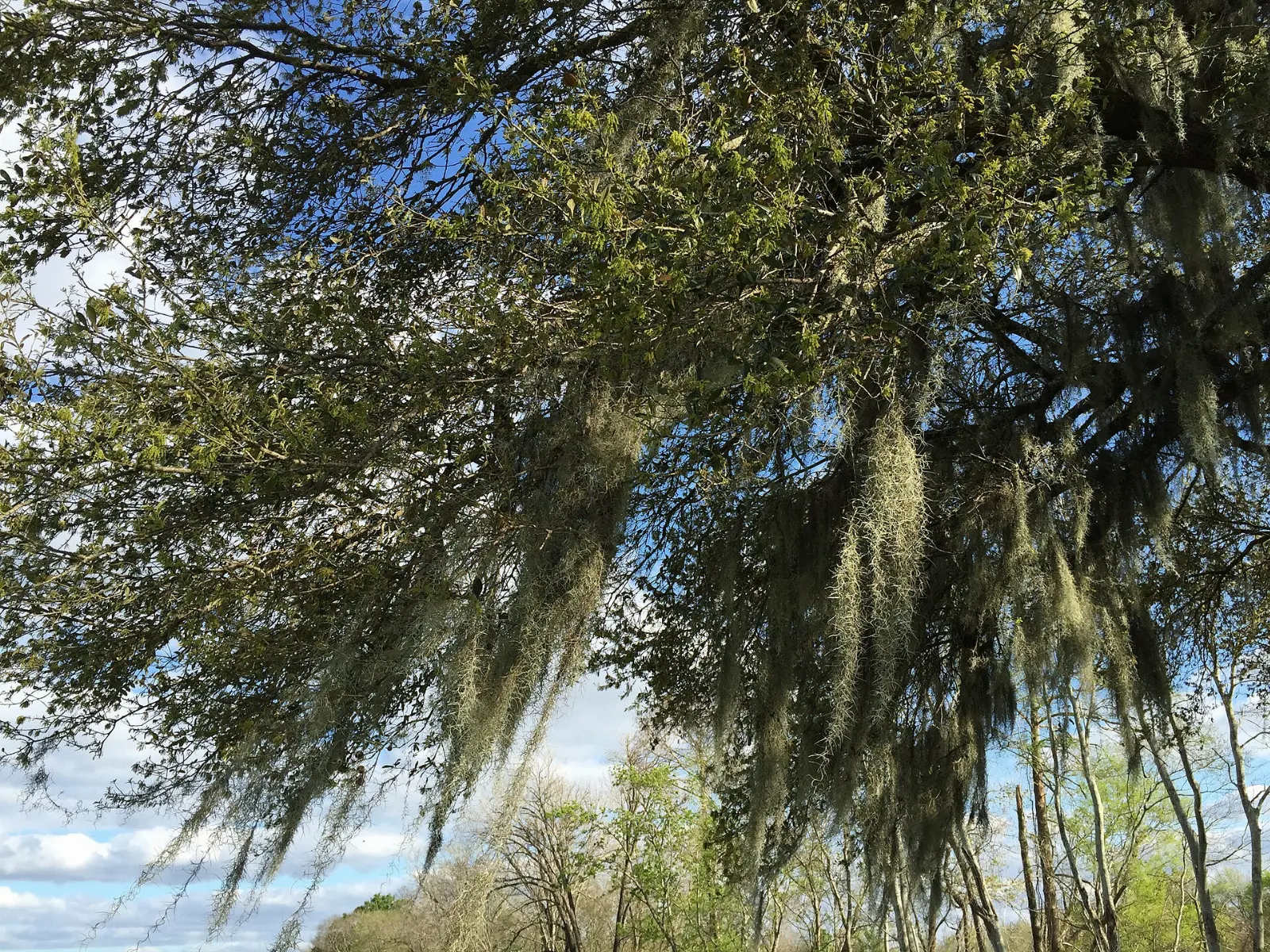
Cathedral of St. John the Evangelist and the Cathedral Oak
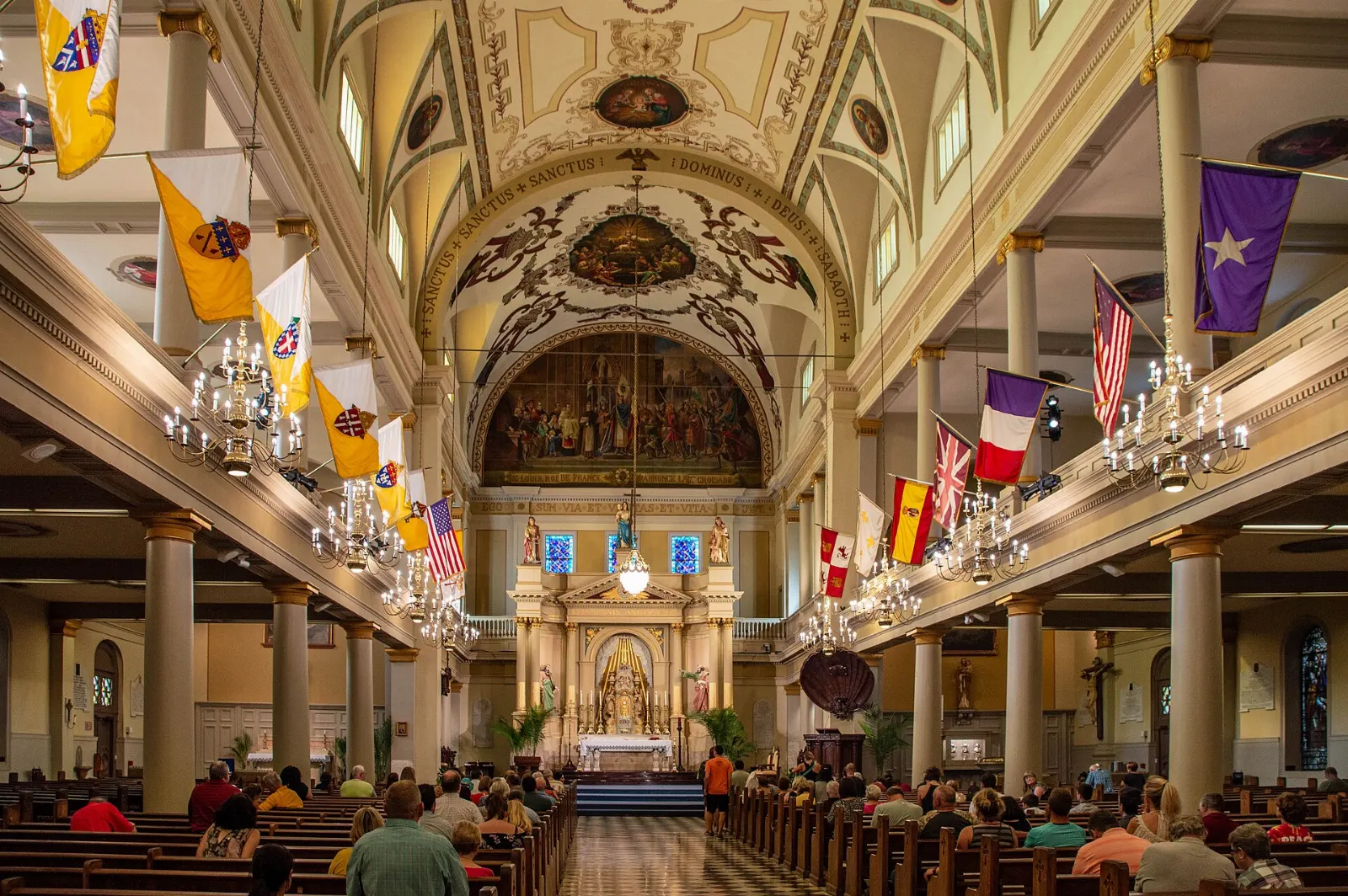
A few blocks from downtown, the Cathedral of St. John the Evangelist is a striking red and white brick church with a tall tower, built on land that Acadian settler Jean Mouton donated for a chapel in the early 1800s.
Jefferson Street and Downtown Lafayette
Downtown is compact and easy to walk. Jefferson Street holds restaurants, bars, galleries and music venues, and Parc Sans Souci hosts outdoor concerts and markets.
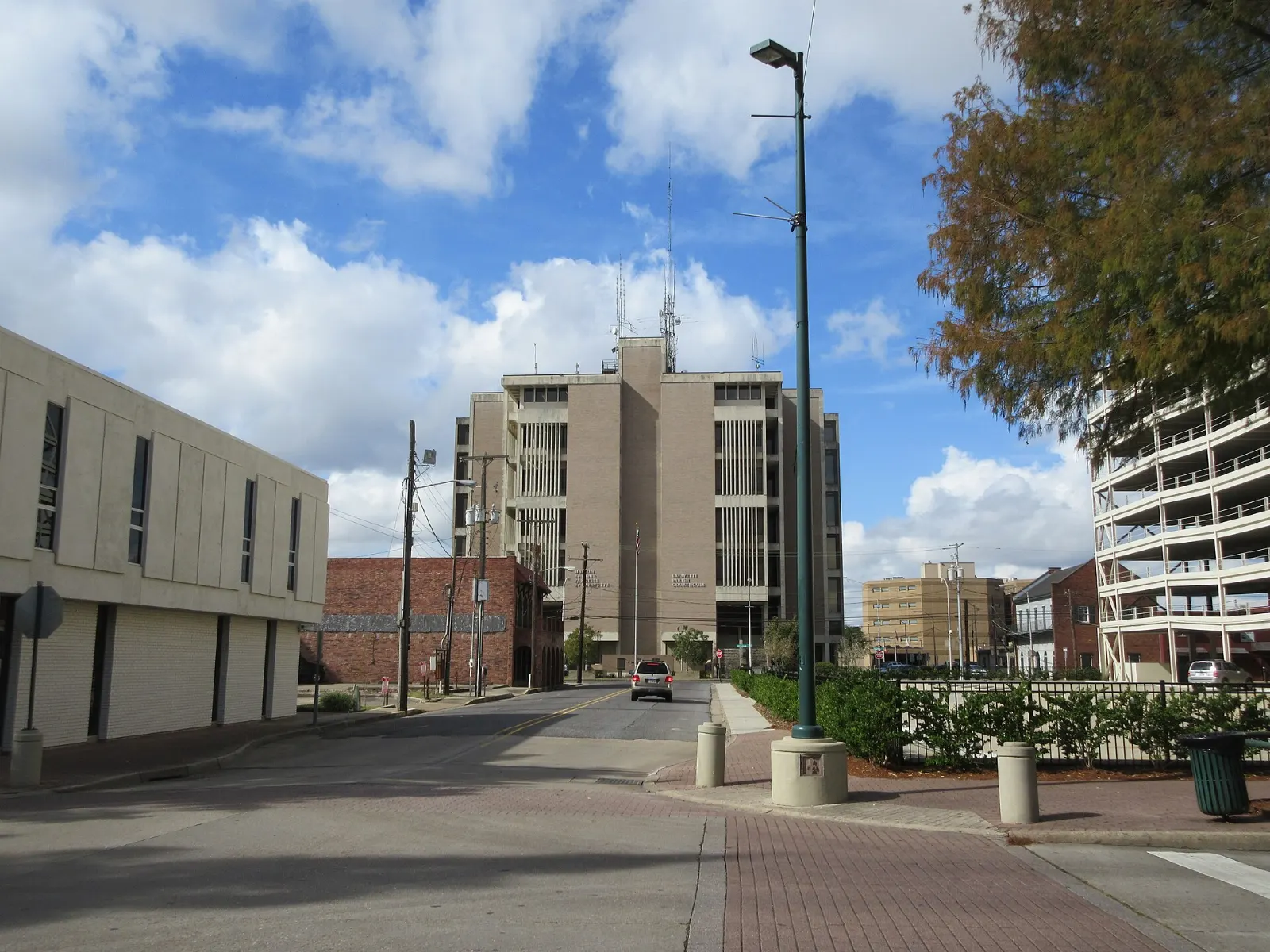
Lafayette Science Museum
Also on Jefferson Street, the Lafayette Science Museum has natural history and science exhibits and a planetarium, making it a good stop with children or on a rainy afternoon.
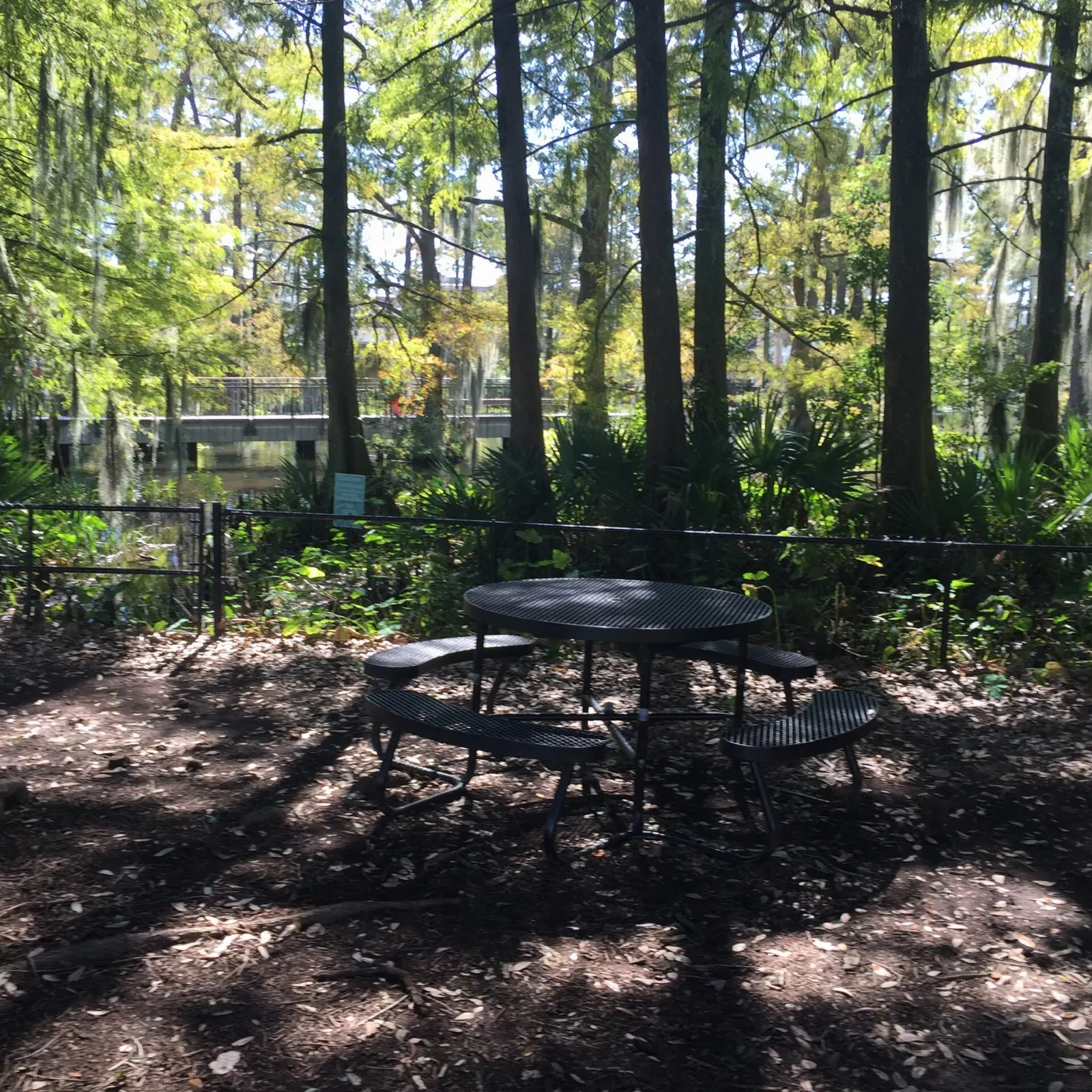
Cypress Lake at the University of Louisiana at Lafayette
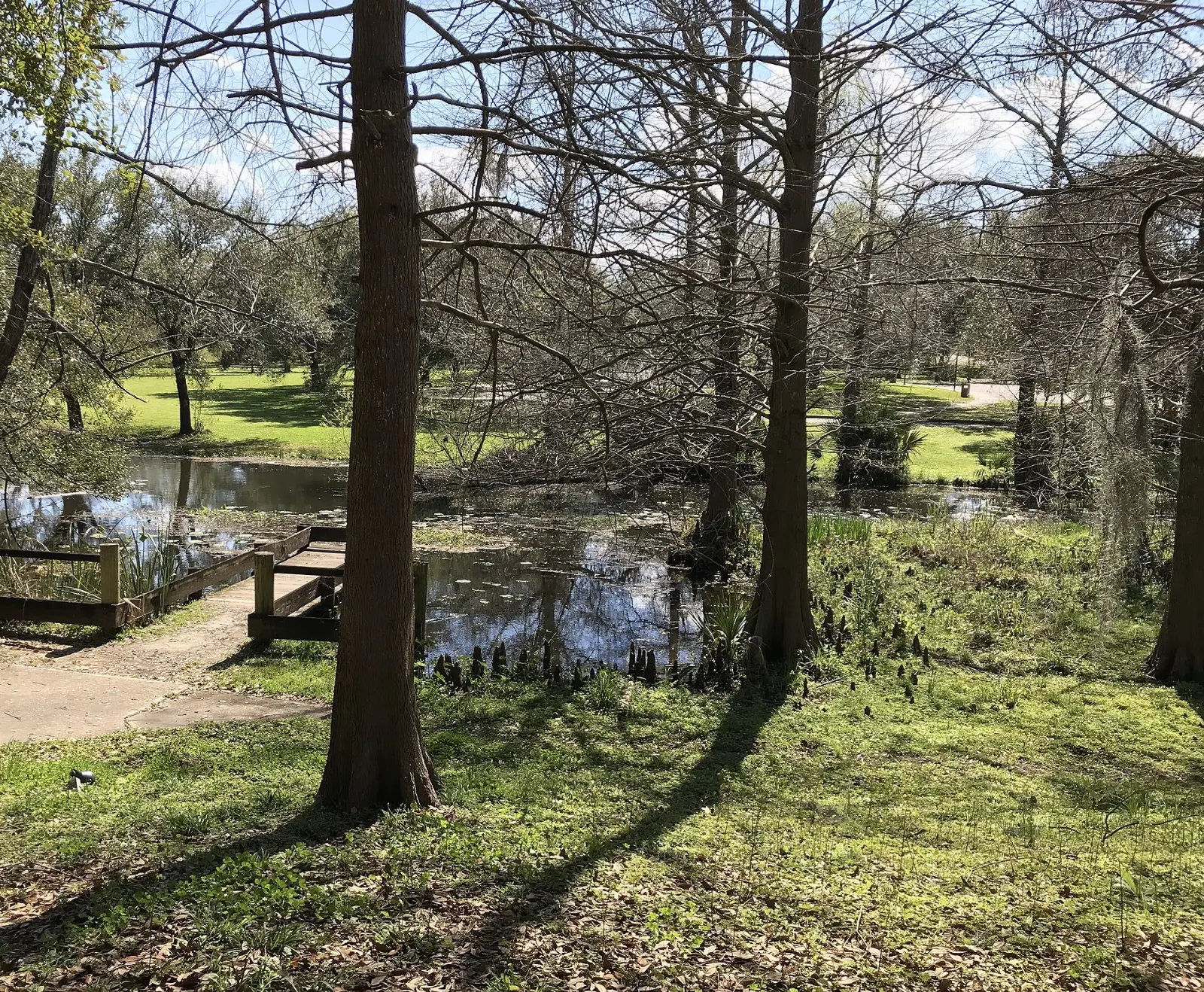
In the middle of the university campus, beside the student union, Cypress Lake is a small cypress swamp with resident alligators, turtles and herons.
Hilliard Art Museum
Also on campus, the Hilliard Art Museum holds a collection of several thousand works, from European and American paintings to Louisiana artists, shown in a modern building linked to a historic museum house. Exhibitions change regularly.

On WiserMap
Local businesses in Lafayette
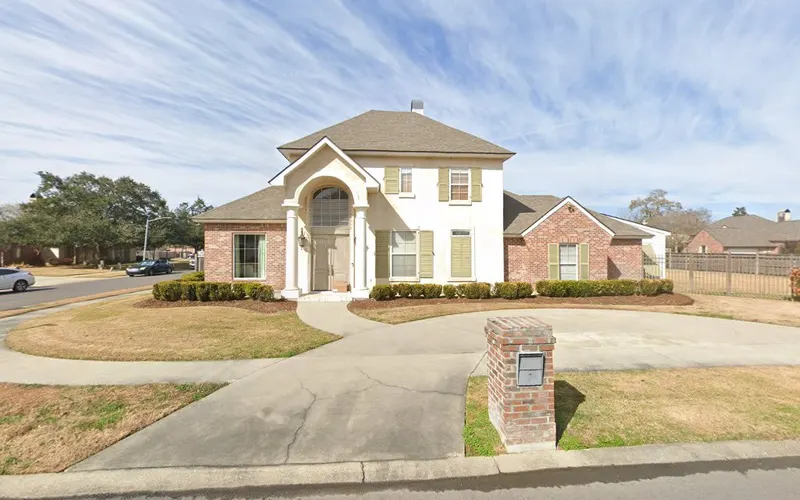
Stinson Fencing LLC
Stinson Fencing LLC is a family-owned fencing contractor in Lafayette, LA, providing residential, commercial, and industrial fence installation and repair since...
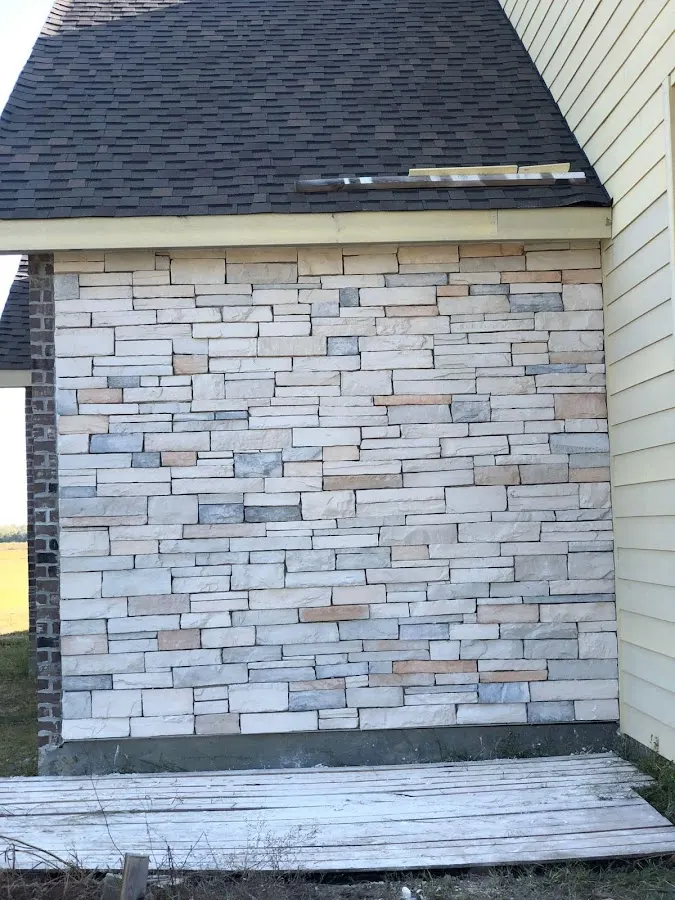
JGT Masonry
JGT Masonry is a masonry contractor serving Lafayette and surrounding Acadiana, providing residential and commercial masonry services including new construction...
iPhone Repair 4 Less
iPhone Repair 4 Less is a full-service electronics repair business serving Lafayette, LA. It provides iPhone, iPad, Apple Watch, laptop, and Android device repa...
Parks, swamps and nearby towns
Moncus Park and Girard Park
Moncus Park, on the former university Horse Farm, is a large central green space created after a community campaign to protect it from development. It has walking paths, restored wetlands, a playground, a dog park and an amphitheater.
Lake Martin
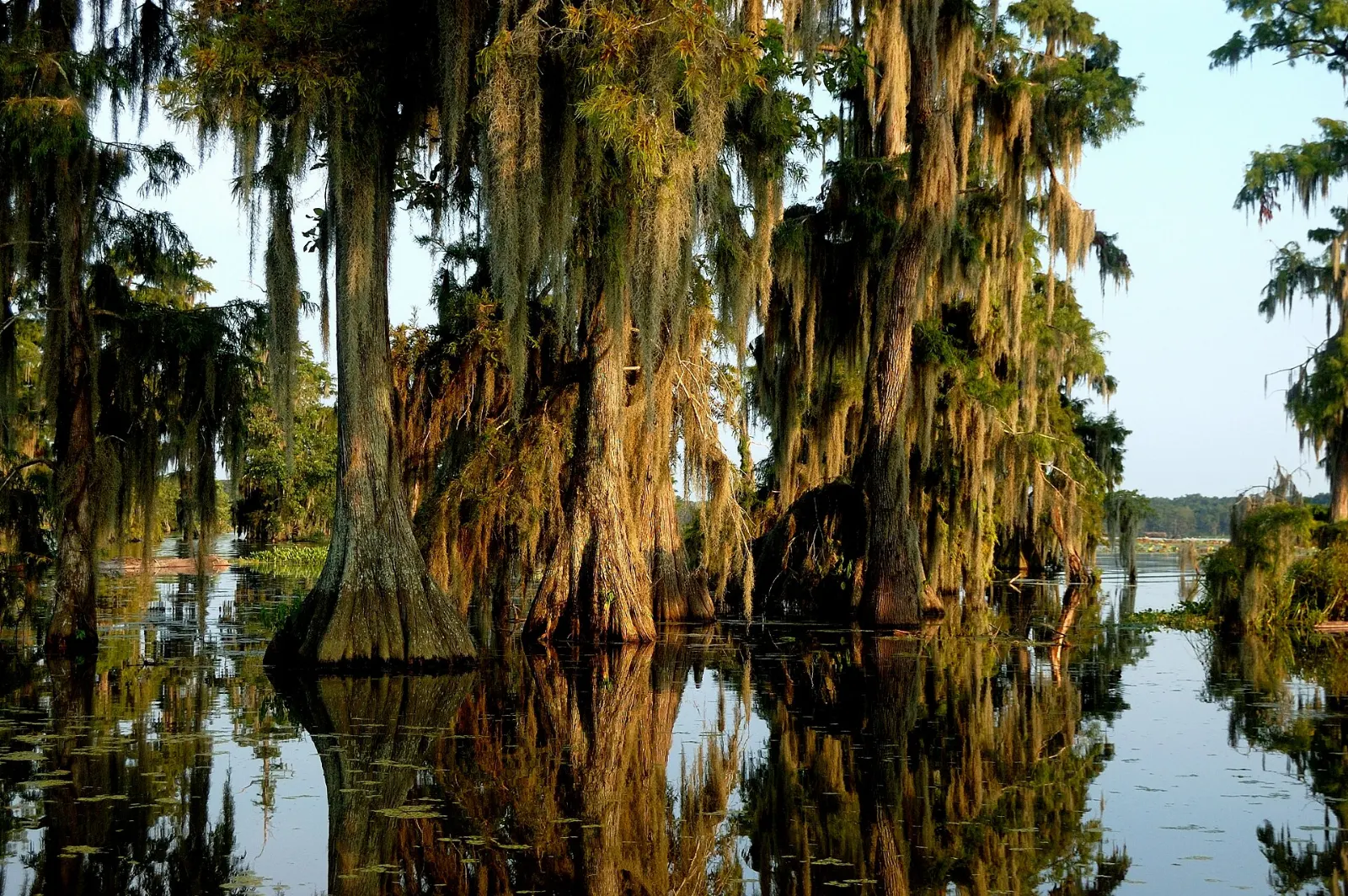
About a half-hour drive east, near Breaux Bridge, Lake Martin is a cypress and tupelo swamp with a large rookery where egrets, herons and roseate spoonbills nest in spring.
Breaux Bridge and St. Martinville
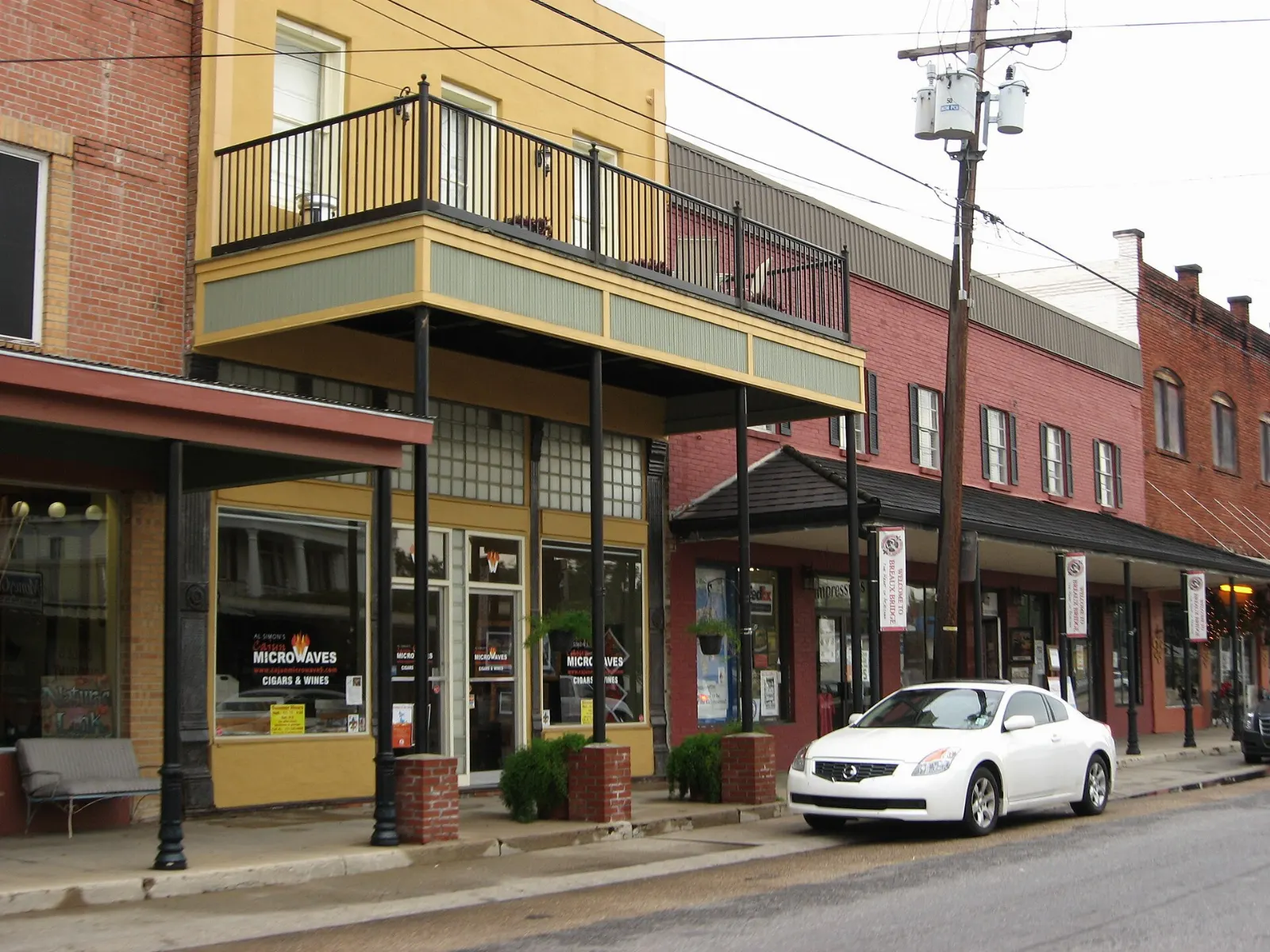
Breaux Bridge, on Bayou Teche, calls itself the Crawfish Capital of the World and holds the Breaux Bridge Crawfish Festival each spring. Its small downtown has antique shops and cafes.
Avery Island
About forty minutes south of Lafayette, Avery Island is a salt dome rising out of the marshes and the home of Tabasco sauce. You can tour the factory and visit Jungle Gardens, a large landscaped garden of live oaks, camellias and azaleas with a bird sanctuary known for herons and egrets.

Food and local flavors
Food is the center of life in Lafayette.
Gumbo here is usually a dark roux-based chicken and sausage gumbo in cooler months, while crawfish étouffée, a rich smothered stew over rice, is a year-round staple.
Downtown Lafayette and the Johnston Street corridor have the widest range of restaurants, while small towns such as Breaux Bridge, Scott and Henderson are good for casual Cajun cooking.
Popular dishes to try in Lafayette


 Planning a trip to Lafayette?Compare hotels, flights and vacation rentals for Lafayette on Expedia.Book now
Where to stay
Downtown Lafayette suits travelers who want to walk to dinner and live music, especially during Festival International.
Along Interstate 10 and the Ambassador Caffery Parkway corridor, you will find most chain hotels, ample parking and quick highway access.
Breaux Bridge and the surrounding countryside offer bed and breakfasts and cottages on the bayou for a slower pace, though you will need a car for everything.
Where to stay in Lafayette


Top rated
Trusted by locals in Lafayette
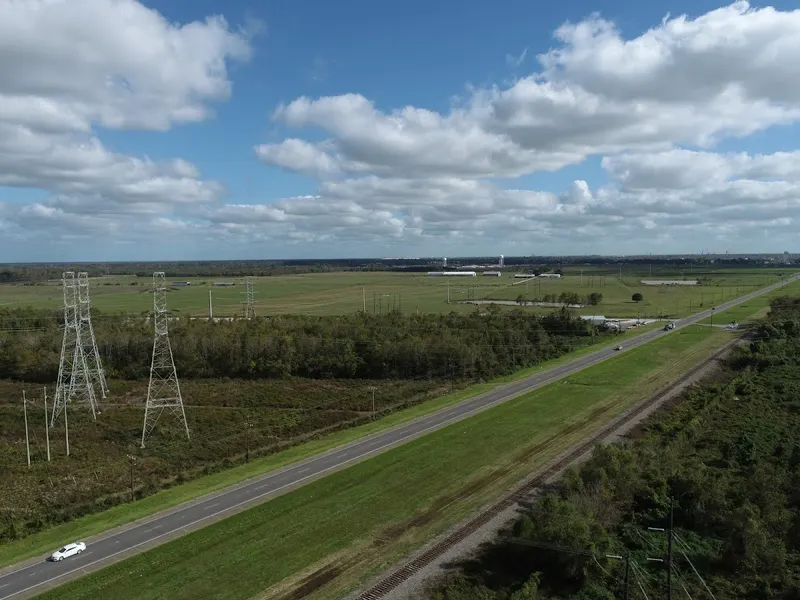
FlyGuys
FlyGuys is a nationwide drone services provider based in Lafayette, LA. FlyGuys offers aerial imaging, LiDAR surveying, inspections, consulting, and volumetrics...
Hargrove Roofing
Hargrove Roofing is a roofing business serving multiple states including Louisiana, Texas, Arkansas, Mississippi, and Tennessee. Hargrove Roofing provides resid...
Jack Fencing LLC
Jack Fencing LLC is a fence company serving Lafayette, Louisiana, offering professional fence and gate installation services with financing options available.
Best time to visit
Spring, from March to May, is the sweet spot. Temperatures are warm but manageable, crawfish season is in full swing, swamp rookeries are busy and the festival calendar peaks.
Fall is the other strong season. October brings drier air and Festivals Acadiens et Créoles in Girard Park, a celebration of Cajun and Creole music, food and crafts.
Getting there and getting around
Lafayette Regional Airport has connecting flights from major hubs such as Dallas, Houston, Atlanta and Charlotte.
A car is close to essential. The city bus system covers many neighborhoods, but service is limited for visitors, and the best day trips are only reachable by road.
A suggested itinerary
First day
Start with boudin and cracklins for breakfast. Visit the Acadian Cultural Center, then spend the late morning at Vermilionville.
Second day
Drive to Lake Martin early for a swamp tour or a slow drive along the shore. Continue to Breaux Bridge for lunch and a wander through its antique shops, then follow Bayou Teche to St. Martinville.
Third day
Head south to Avery Island for the Tabasco factory and Jungle Gardens. Back in town, walk around Cypress Lake and the Hilliard Art Museum, then spend the evening at Moncus Park or seek out a dance hall for Cajun or zydeco music.
Before you go
More to discover in Lafayette
The Floor Factory
The Floor Factory is a flooring store in Lafayette, LA offering quality hardwood, tile, stone, laminate, and vinyl flooring products with service design and ins...
JHebert Roofing
JHebert Roofing is a roofing contractor serving Lafayette, LA and surrounding areas, providing commercial and residential roofing services including repairs, re...
Bulldog Fence
Bulldog Fence is a South Florida-based fencing company specializing in residential and commercial custom fencing installations with over four decades of experie...
Practical tips
- Book rooms early for Festival International, Festivals Acadiens et Créoles and Mardi Gras weekends.
- Learn a few words of Cajun French; locals appreciate a friendly bonjour or merci.
- Bring insect repellent, sunscreen and a hat for swamps and outdoor festivals.
- Never feed or approach alligators, even on the university campus.
- Dance halls welcome beginners; if someone asks you to dance, give it a try.
- Carry some cash for small meat markets and festival food stands.
Find local businesses in Lafayette on WiserMap
Looking for a boudin counter, a swamp tour operator, a dance hall or a place to stay?