WiserMap — Choose wisely. Connect locally.Choose wisely. Connect locally.Add your business
Everglades National Park, Florida · Travel guide

Everglades National Park Florida Alligators and Shark Valley

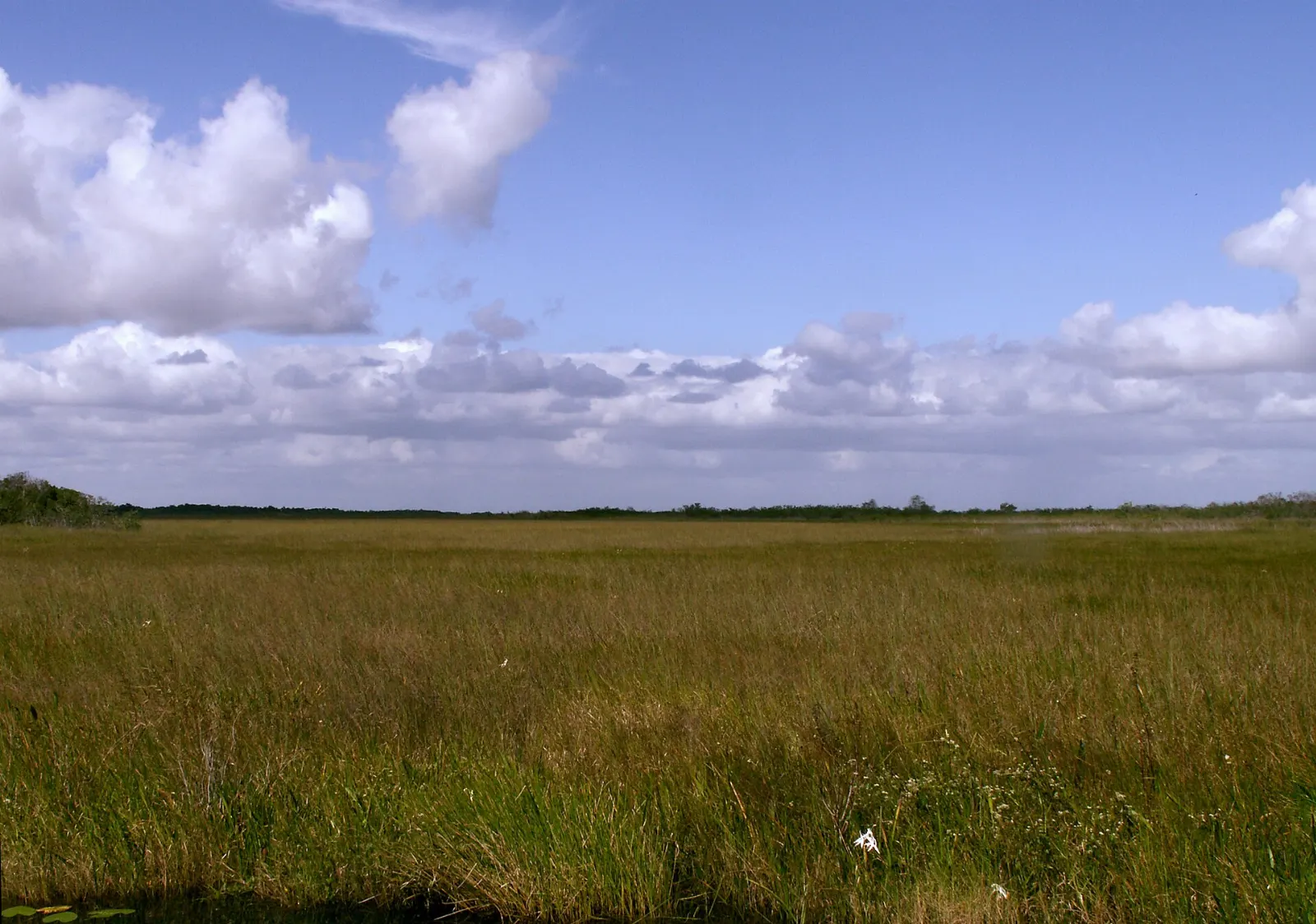
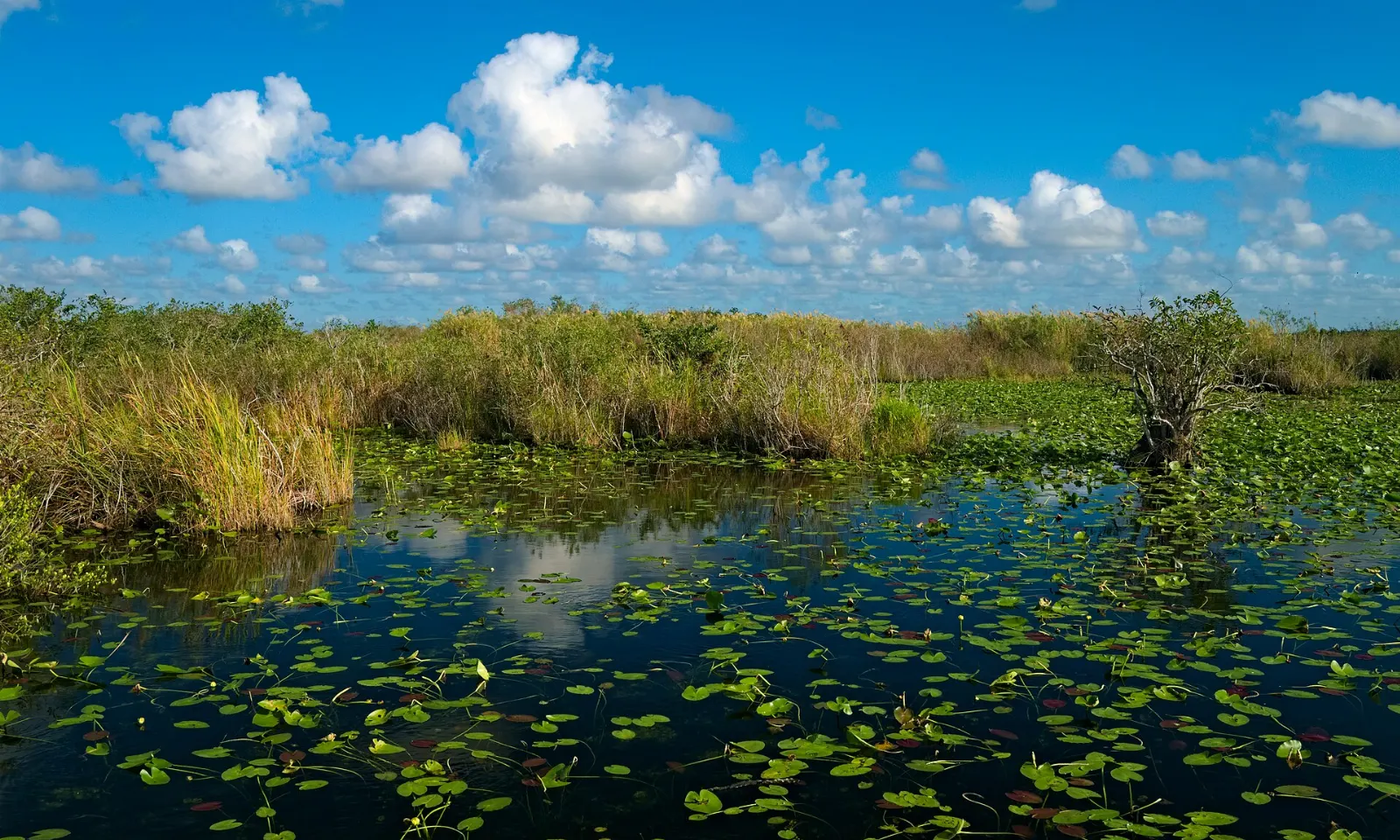
Everglades National Park does not announce itself with mountains or canyons. Its drama is quieter: a shallow sheet of water moving slowly through sawgrass, alligators sliding off the edge of a boardwalk, wood storks and roseate spoonbills feeding in the shallows, and mangrove forests that stretch to the horizon.

By WiserMap TravelUpdated October 2026 7 places10 min read
FacebookXLinkedIn

The park has no single town at its gate and no road that crosses it end to end, so the key to a good visit is choosing the right entrance.

At a glance Everglades National Park
  1. Best timeDecember to April, the dry season, for wildlife and fewer mosquitoes.
  2. How longOne full day for the main road, two or three to add Shark Valley and the Gulf Coast.
  3. Getting thereDrive from Miami to Homestead for the main entrance, or west on the Tamiami Trail.

Why visit the Everglades

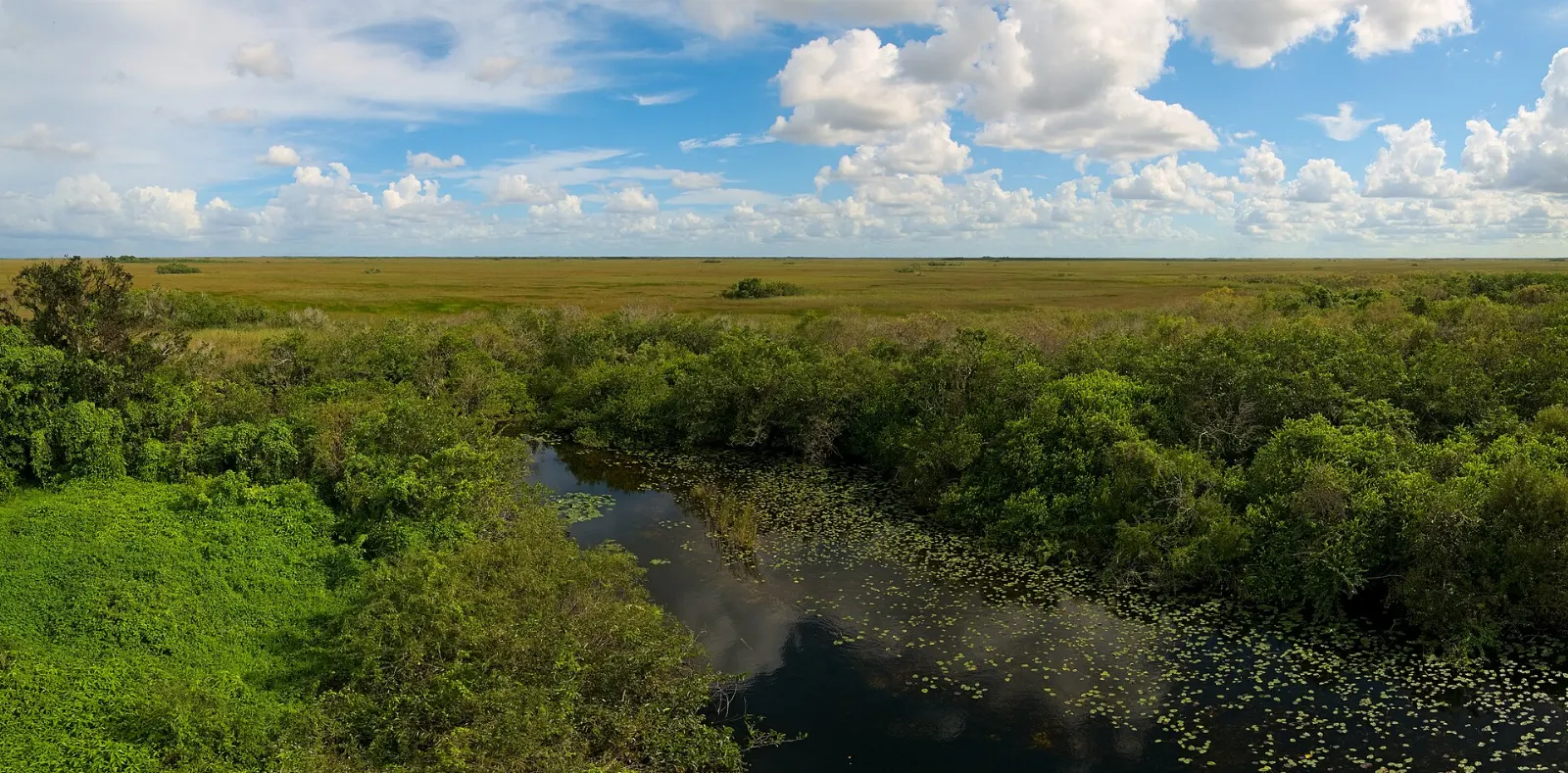
The writer Marjory Stoneman Douglas called the Everglades a river of grass, and that phrase is the best way to understand it. Fresh water once flowed south from Lake Okeechobee in a slow, wide sheet, and the park protects the southern end of that system, where fresh water meets the salt water of Florida Bay and the Gulf of Mexico.

That mix supports remarkable wildlife. The park is the most significant breeding ground for tropical wading birds in North America and holds the largest mangrove ecosystem in the Western Hemisphere.

The main park road from Homestead

The main entrance lies west of Homestead and Florida City.

Ernest F. Coe Visitor Center

Start at this visitor center just inside the entrance for maps, exhibits, an orientation film and current wildlife sightings. Rangers can tell you about guided walks and whether any trails or facilities are closed.

A boardwalk crossing open water on the Anhinga Trail with an alligator resting nearby, Everglades National Park, Florida

Royal Palm and the Anhinga Trail

A few miles in, a side road leads to Royal Palm, the most reliable wildlife spot in the park. The Anhinga Trail is a short paved path and boardwalk, under a mile round trip, over Taylor Slough.

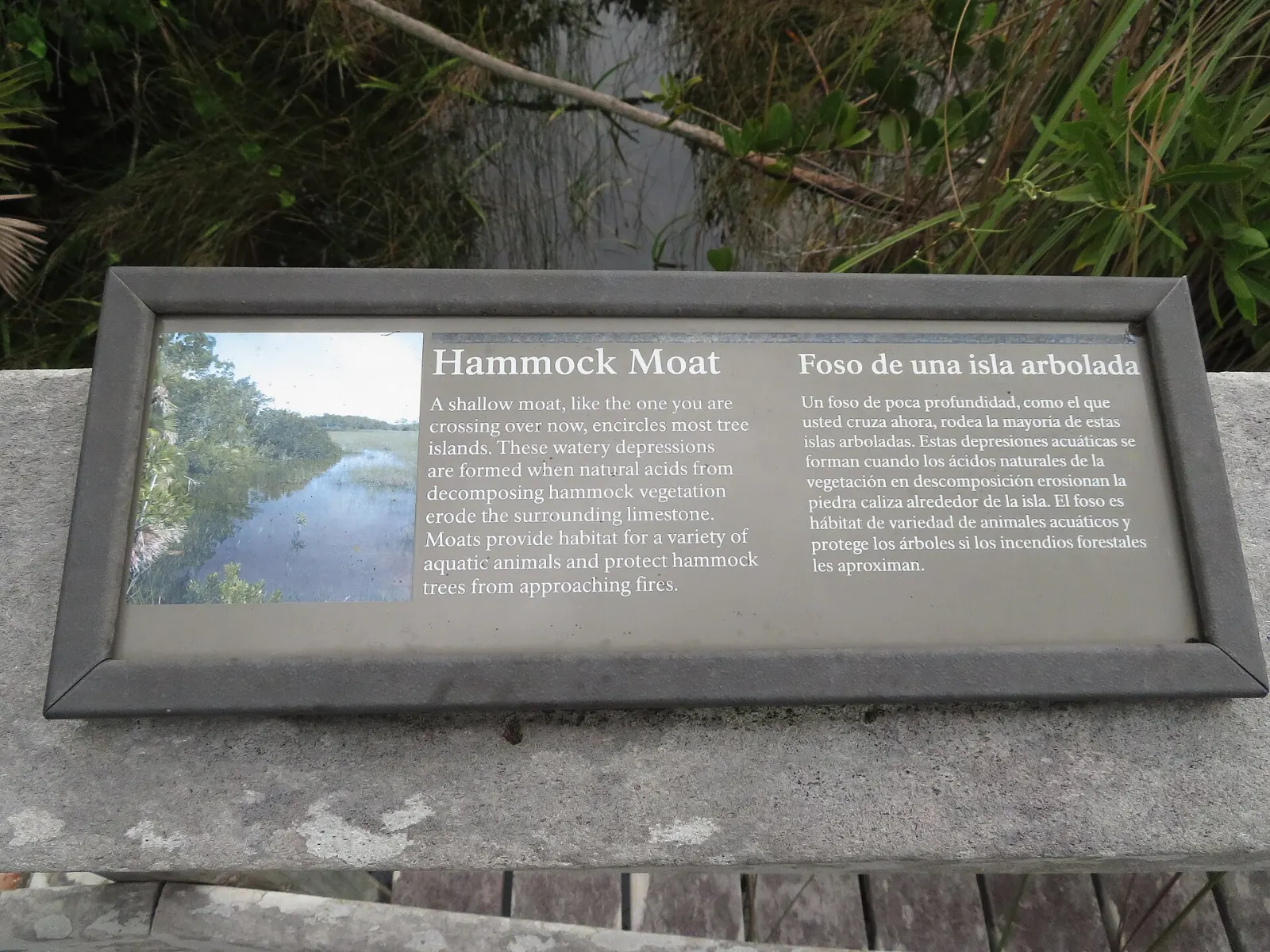
Next door, the Gumbo Limbo Trail is a shaded loop through a tropical hardwood hammock, named for the gumbo limbo trees with their peeling, coppery bark.

The Anhinga Trail boardwalk at Royal Palm crosses Taylor Slough, where wildlife gathers in the dry season. Photo: Daniel Kraft, Wikimedia Commons, CC BY-SA 3.0
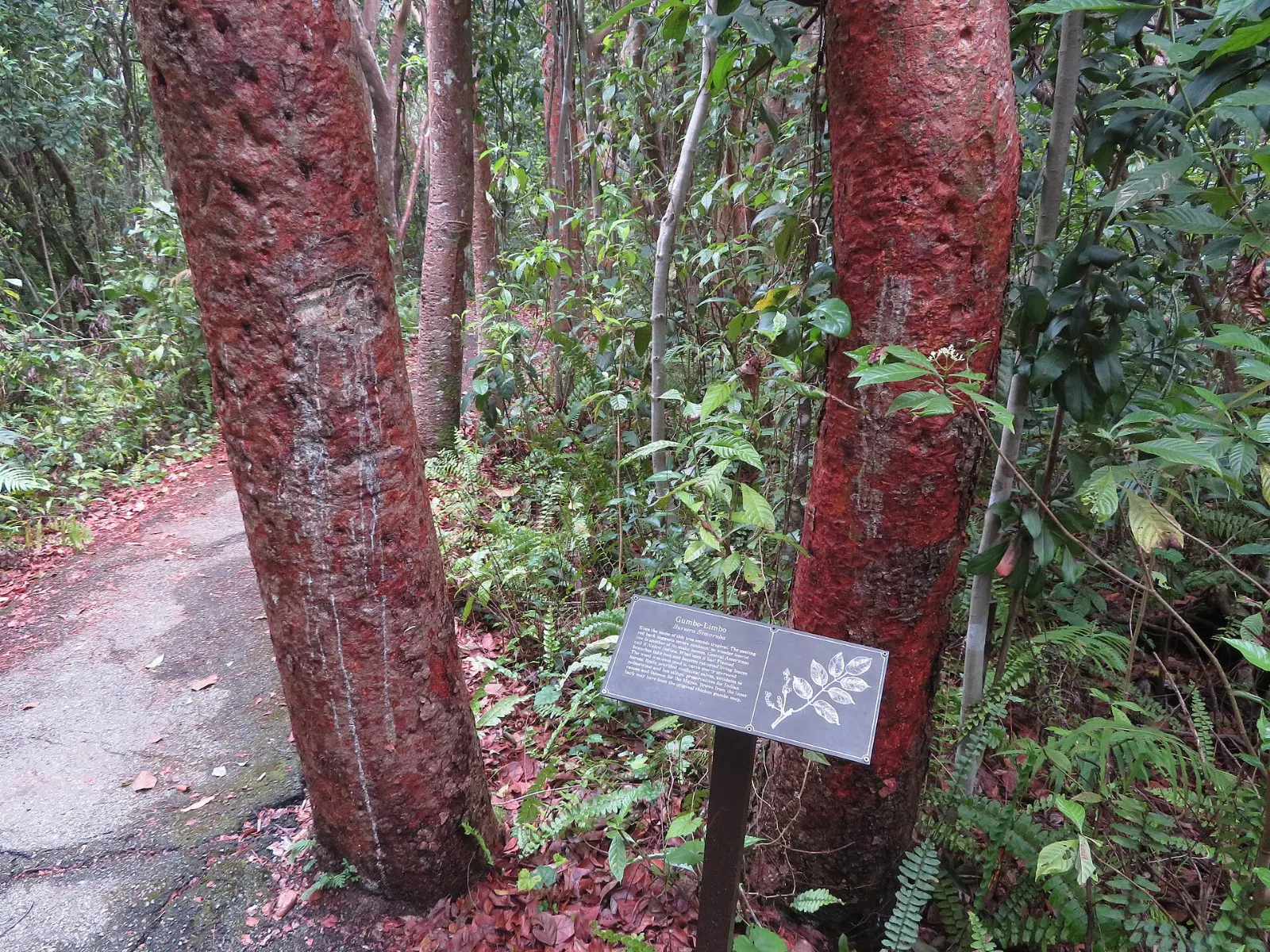
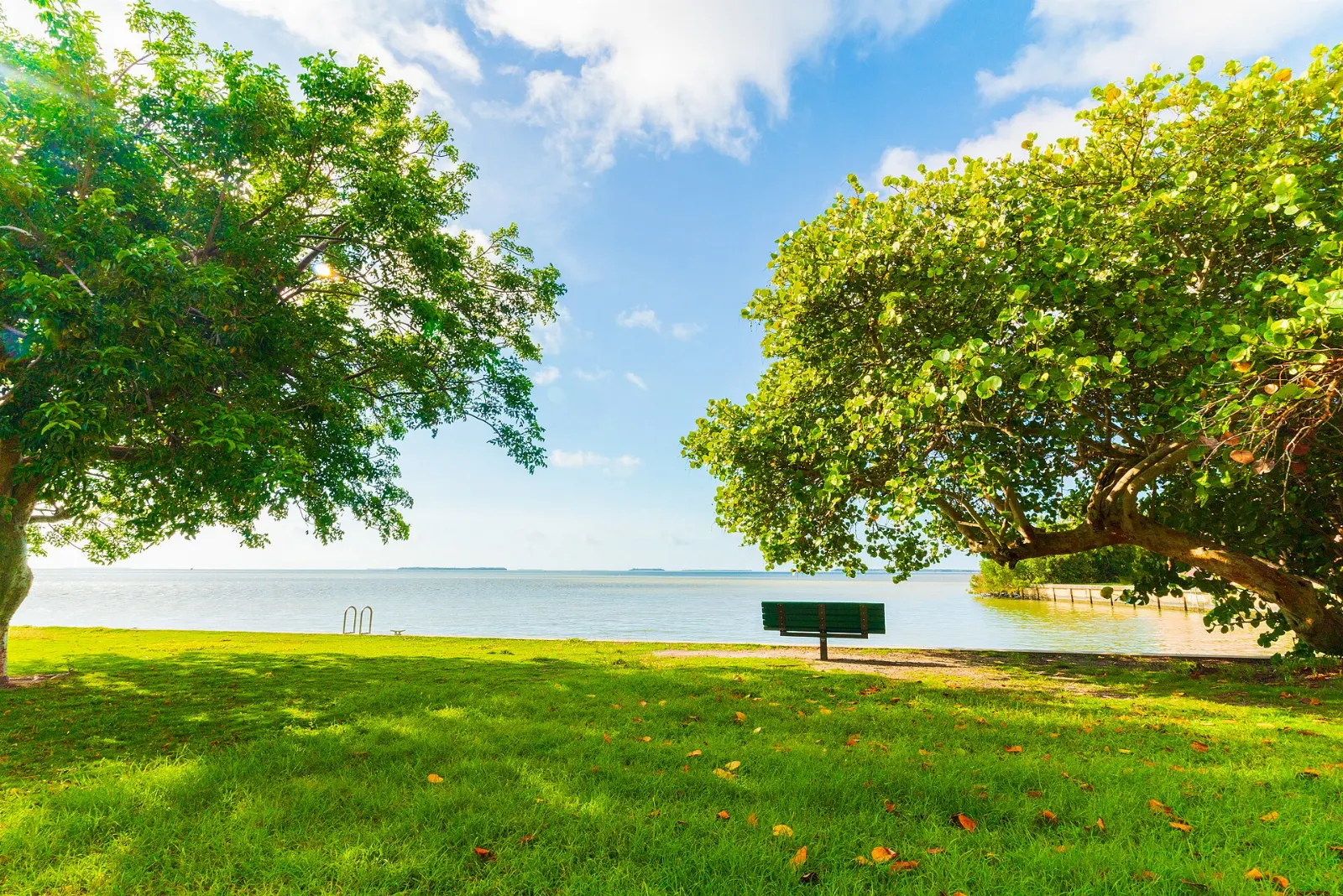
A shaded path through a tropical hardwood hammock with peeling red gumbo limbo trunks, Everglades National Park, Florida
The Gumbo Limbo Trail loops through a shady tropical hardwood hammock next to the Anhinga Trail.Photo: Ken Lund from Reno, Nevada, USA, Wikimedia Commons, CC BY-SA 2.0
Raised wooden observation platform overlooking the open sawgrass at Pa-hay-okee, Everglades National Park, Florida

Pa-hay-okee Overlook

Pa-hay-okee, from a Seminole-derived word for grassy water, is a short boardwalk to a raised platform with one of the widest views of the sawgrass in the park.

Pa-hay-okee Overlook offers a raised view across the sawgrass of Shark River Slough. Photo: Fredlyfish4, Wikimedia Commons, CC BY-SA 3.0

Boardwalk winding beneath large mahogany trees in a dense hammock, Everglades National Park, Florida

Mahogany Hammock

This boardwalk loop winds through a dense tree island holding some of the largest West Indian mahogany trees in the country, along with strangler figs, air plants and paurotis palms. Watch for barred owls and lizards.

Mahogany Hammock shelters some of the largest West Indian mahogany trees in the United States. Photo: Ken Lund from Reno, Nevada, USA, Wikimedia Commons, CC BY-SA 2.0

Flamingo and Florida Bay

A canoe paddling through open water fringed by mangroves at Nine Mile Pond, Everglades National Park, Florida

Nine Mile Pond and the West Lake Trail

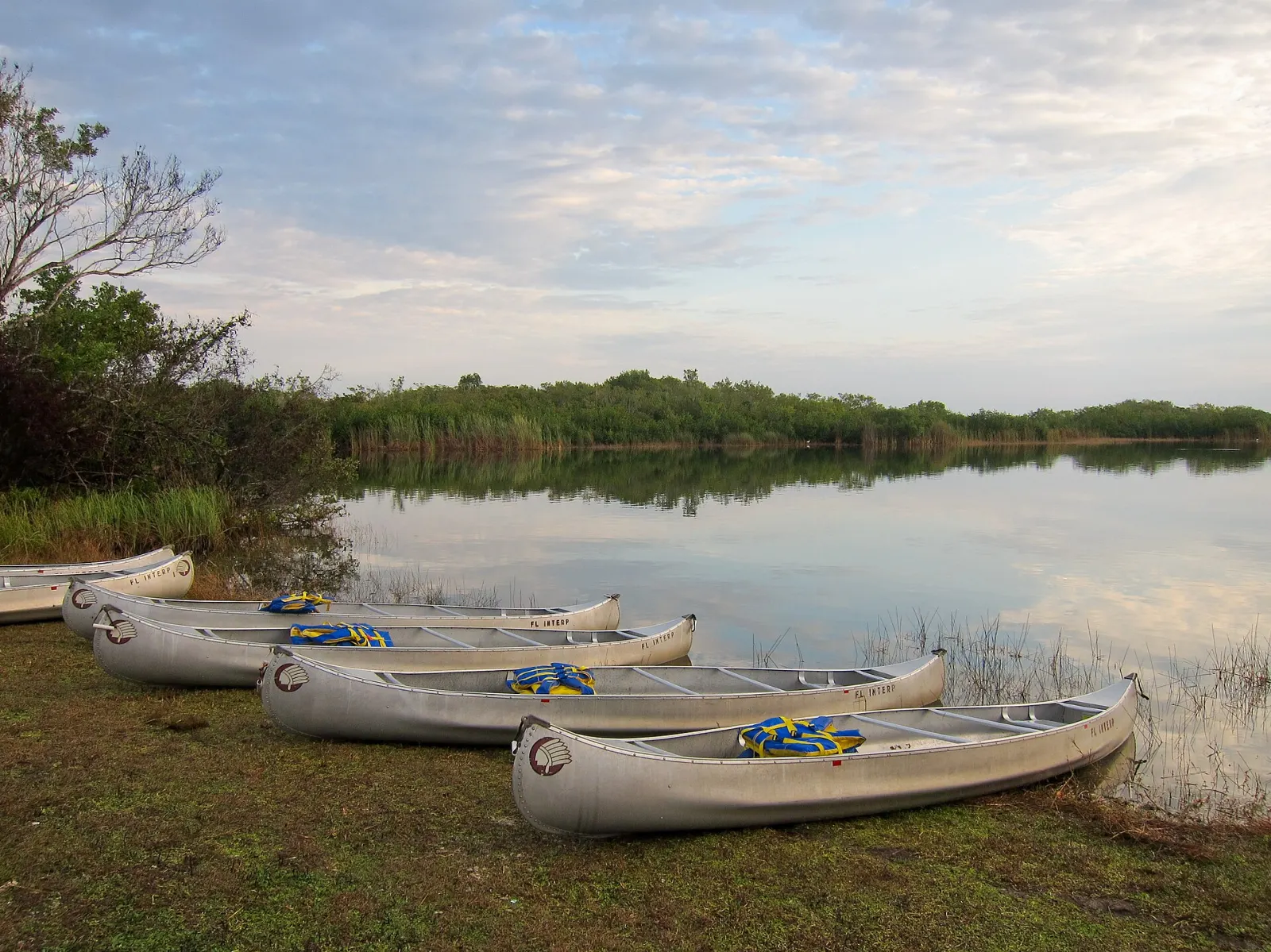
Closer to the coast, Nine Mile Pond is the start of a marked canoe and kayak loop through sawgrass marsh and mangrove tunnels, and a quiet place to look for alligators and wading birds from the shore.

Nine Mile Pond is the start of a marked paddling loop through marsh and mangrove. Photo: Miguel Vieira, Wikimedia Commons, CC BY 2.0

Boats moored at the Flamingo marina on the edge of Florida Bay, Everglades National Park, Florida

Flamingo

At the end of the road, Flamingo looks out over the shallow waters and mangrove keys of Florida Bay. There is a visitor center, a campground, a marina and boat tours into Florida Bay and the backcountry when operating.

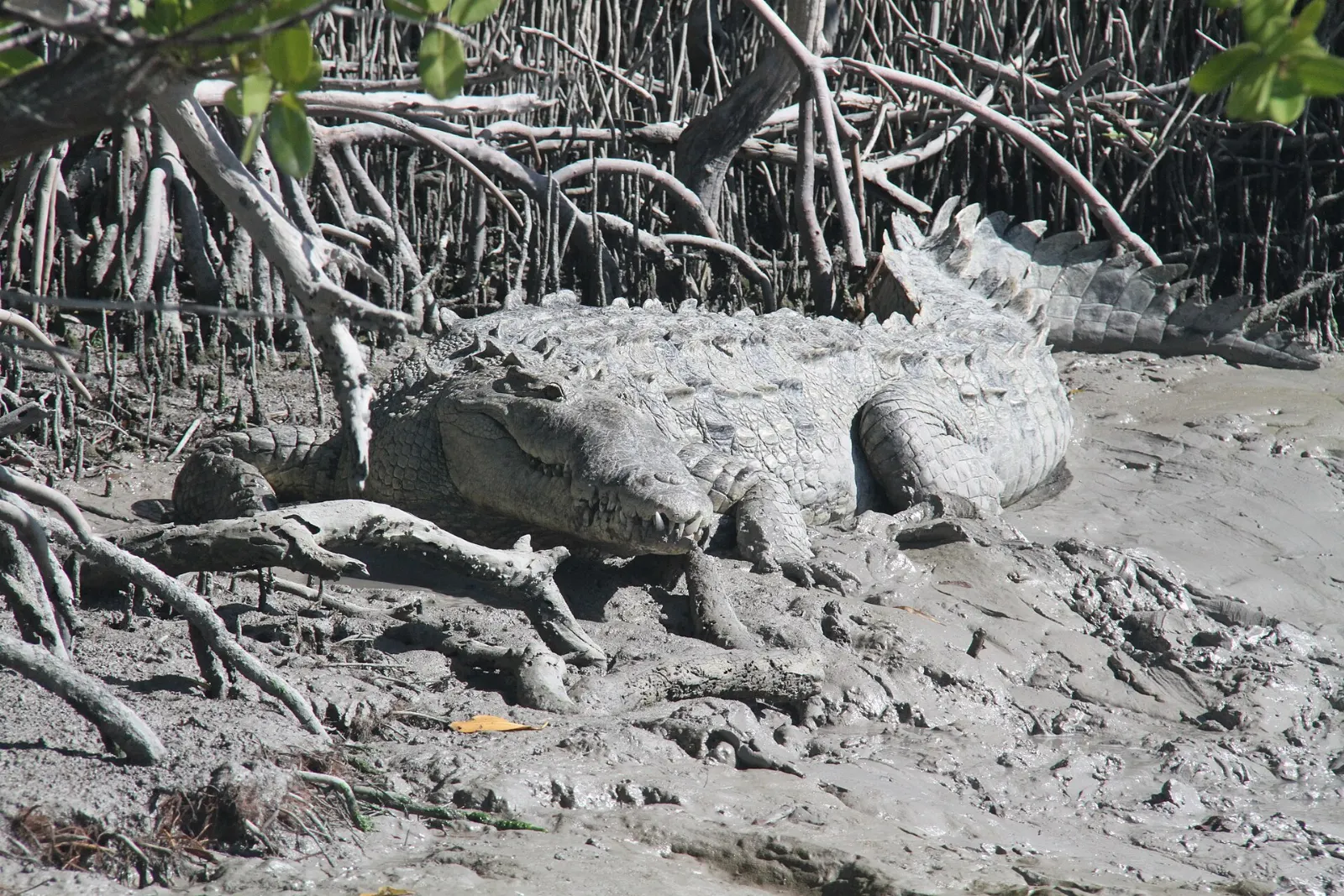
The marina is one of the best places in the park to see American crocodiles, which often bask on the banks near the boat basin, and manatees sometimes surface between the docks.

Flamingo sits at the end of the main park road on the shore of Florida Bay. Photo: evergladesnps, Wikimedia Commons, Public domain

An American crocodile basking on a muddy bank near Flamingo, Everglades National Park, Florida
The Everglades is one of the few places where American crocodiles and alligators share the same waters.Photo: Chaputjp, Wikimedia Commons, CC BY-SA 3.0

Shark Valley and the Gulf Coast

Concrete observation tower rising above the sawgrass at Shark Valley, Everglades National Park, Florida

Shark Valley

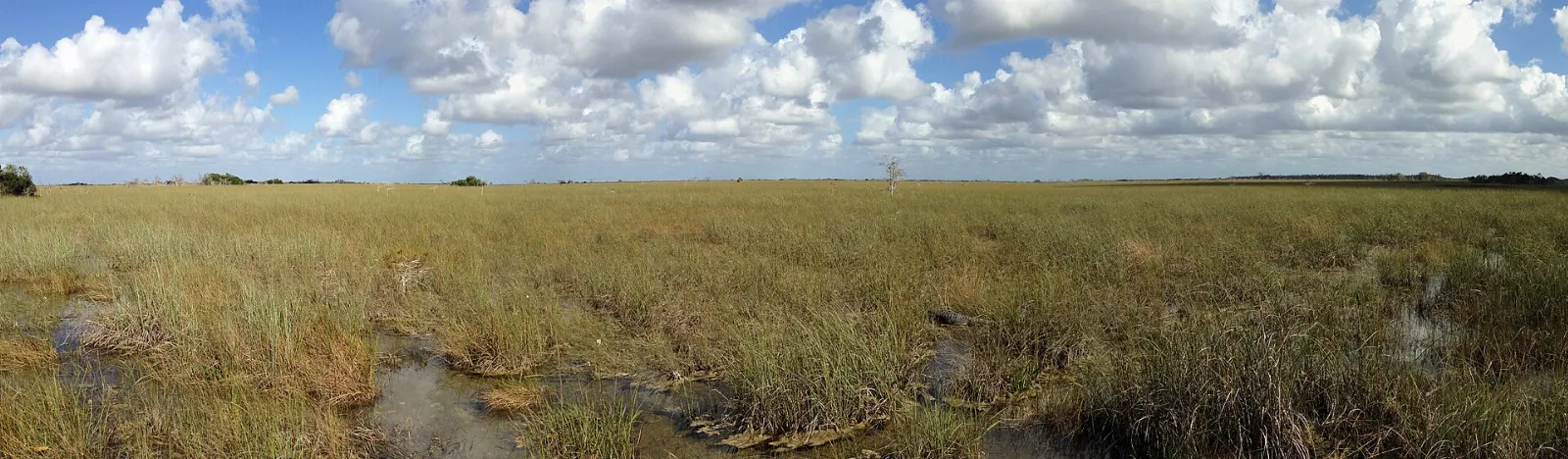
On the park's northern edge, off the Tamiami Trail west of Miami, Shark Valley sits in the heart of the sawgrass. A paved fifteen-mile loop road, closed to private cars, runs out to an observation tower with a sweeping view of Shark River Slough.

The observation tower at the halfway point of the Shark Valley loop looks out over the river of grass. Photo: Daniel Kraft, Wikimedia Commons, CC BY-SA 3.0
Mangrove-fringed islands and channels in the Ten Thousand Islands area, Everglades National Park, Florida

Gulf Coast and the Ten Thousand Islands

The park's northwest entrance is near Everglades City, about ninety minutes from Miami. This is the gateway to the Ten Thousand Islands, a maze of mangrove islands and winding channels along the Gulf of Mexico, and to the start of the Wilderness Waterway, a long canoe route to Flamingo for experienced paddlers.

On the drive along the Tamiami Trail between Shark Valley and Everglades City you pass through Big Cypress National Preserve, which protects cypress swamps next to the park and has its own visitor center and scenic drives.

The Ten Thousand Islands are a maze of mangrove keys on the park's Gulf Coast. Photo: Everglades NPS from Homestead, Florida, United States, Wikimedia Commons, Public domain

Food and local flavors

There are very few places to eat inside the park, so pack a picnic and plenty of water. The gateway towns are where the regional flavors are.

On the Gulf Coast, Everglades City and nearby Chokoloskee are known for seafood, especially stone crab claws in season, from mid-October to May, along with grouper, shrimp and smoked fish.

Popular dishes to try in Everglades National Park

Stone crab in Everglades National Park, Florida
Stone crab On the Gulf Coast, Everglades City and nearby Chokoloskee are known for seafood, especially stone crab claws in season, from mid-October to May, along with grouper, shrimp and…Photo: Fred Hsu on en.wikipedia, Wikimedia Commons, CC BY-SA 3.0
Mangoes in Everglades National Park, Florida
Mangoes Around Homestead and the Redland agricultural district, fruit stands sell tropical fruit such as mangoes, lychees, guavas, sapodillas and star fruit in season, along with fresh…Photo: Satdeep Gill, Wikimedia Commons, CC BY-SA 4.0
Lychees in Everglades National Park, Florida
Lychees Around Homestead and the Redland agricultural district, fruit stands sell tropical fruit such as mangoes, lychees, guavas, sapodillas and star fruit in season, along with fresh…Photo: Ivar Leidus, Wikimedia Commons, CC BY-SA 4.0
Frog legs in Everglades National Park, Florida
Frog legs Along the Tamiami Trail you will also find small restaurants serving frog legs, gator bites and fry bread, a nod to the Miccosukee and Seminole heritage of the area.Photo: MOs810, Wikimedia Commons, CC BY-SA 4.0

Where to stay

Homestead and Florida City are the closest towns to the main entrance, with chain motels, vacation rentals and supermarkets.

Flamingo, inside the park, has a campground and lodging run by the park concessioner when open.

Everglades City and Chokoloskee are small fishing communities that suit paddlers, anglers and people heading for the Ten Thousand Islands.

Miami works as a base for day trips, especially to Shark Valley, which is under an hour from the western suburbs.

Where to stay in Everglades National Park

Florida City, Everglades National Park
Florida City Where to stayHomestead and Florida City are the closest towns to the main entrance, with chain motels, vacation rentals and supermarkets.Photo: Riandi, Wikimedia Commons, CC BY-SA 3.0
Flamingo, Everglades National Park, Florida
Flamingo They suit anyone focused on the Anhinga Trail and Flamingo, and they are also handy for Biscayne National Park and the Florida Keys.Photo: Judy Gallagher, Wikimedia Commons, CC BY 2.0
Chokoloskee, Everglades National Park, Florida
Chokoloskee Everglades City and Chokoloskee are small fishing communities that suit paddlers, anglers and people heading for the Ten Thousand Islands.Photo: Fred Ward, Wikimedia Commons, Public domain
Shark Valley, Everglades National Park, Florida
Shark Valley Miami works as a base for day trips, especially to Shark Valley, which is under an hour from the western suburbs.Photo: Daniel Kraft, Wikimedia Commons, CC BY-SA 3.0
Best time to visit

The dry season, roughly December through April, is the best time for most visitors.

The wet season, from about May or June through October or November, brings heat, humidity, daily afternoon thunderstorms and heavy mosquitoes. Wildlife spreads out across the flooded landscape and some facilities reduce hours or close.

Getting there and getting around

Miami International Airport is the closest major airport; Fort Lauderdale and Southwest Florida International near Fort Myers also work, the latter for the Gulf Coast.

An entrance fee applies and is valid for several days at all entrances; national park annual passes are accepted. Fill up on gas before entering.

A suggested itinerary

First day

Enter from Homestead early. Walk the Anhinga and Gumbo Limbo trails, then drive toward Flamingo, stopping at Pa-hay-okee, Mahogany Hammock and West Lake.

Second day

Drive to Shark Valley for the morning tram or a bike ride to the observation tower. Continue west along the Tamiami Trail through Big Cypress National Preserve to Everglades City, and take an afternoon boat or kayak trip into the Ten Thousand Islands.

Practical tips

  • Bring insect repellent, long sleeves and a head net in warmer months; mosquitoes can be intense, especially near Flamingo.
  • Carry more water than you think you need, along with sunscreen, a hat and snacks.
  • Stay at least fifteen feet from alligators and crocodiles, and never feed any wildlife.
  • Reserve Shark Valley tram tours and bike rentals ahead in the dry season.
  • Use the vulture tarps at Royal Palm if provided, and keep food out of sight in your car.
  • Bring binoculars and a zoom lens; many birds are best seen from a distance.

Find local businesses in Homestead on WiserMap

Homestead is the main gateway to the park, with fruit stands, restaurants, outfitters and places to stay along the way to the entrance.

Explore local businesses

Everglades National ParkWISERMAP PLACEEverglades National Park: photos, reviews & things to doSee traveler photos and reviews, or share your own →

More places to visit

All travel guides →