Huasca de Ocampo is a small town in the forested Sierra de Pachuca in Hidalgo, about 90 minutes by car north of Mexico City. It combines stone streets and red tile roofs with canyon waterfalls, old mining haciendas and some of the most dramatic basalt formations in Mexico.
AT A GLANCE
Best time
Pick dry months for hiking and clear views, and expect cool nights all year.
How long
One day covers the town and the prisms, but two days feel unhurried.
Getting there
Drive from Mexico City, or take a bus to Pachuca and a local ride onward.
Why visit Huasca de Ocampo
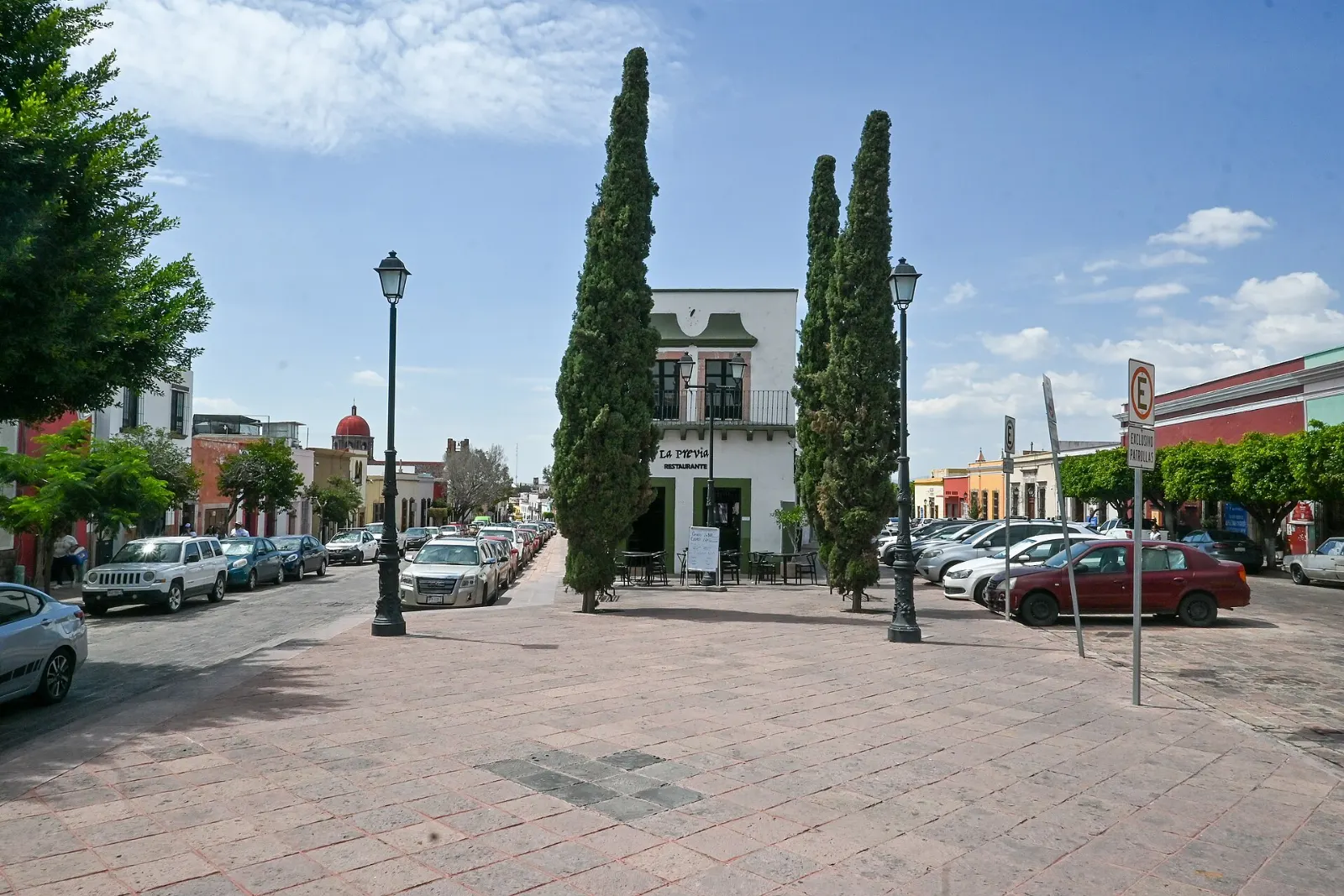
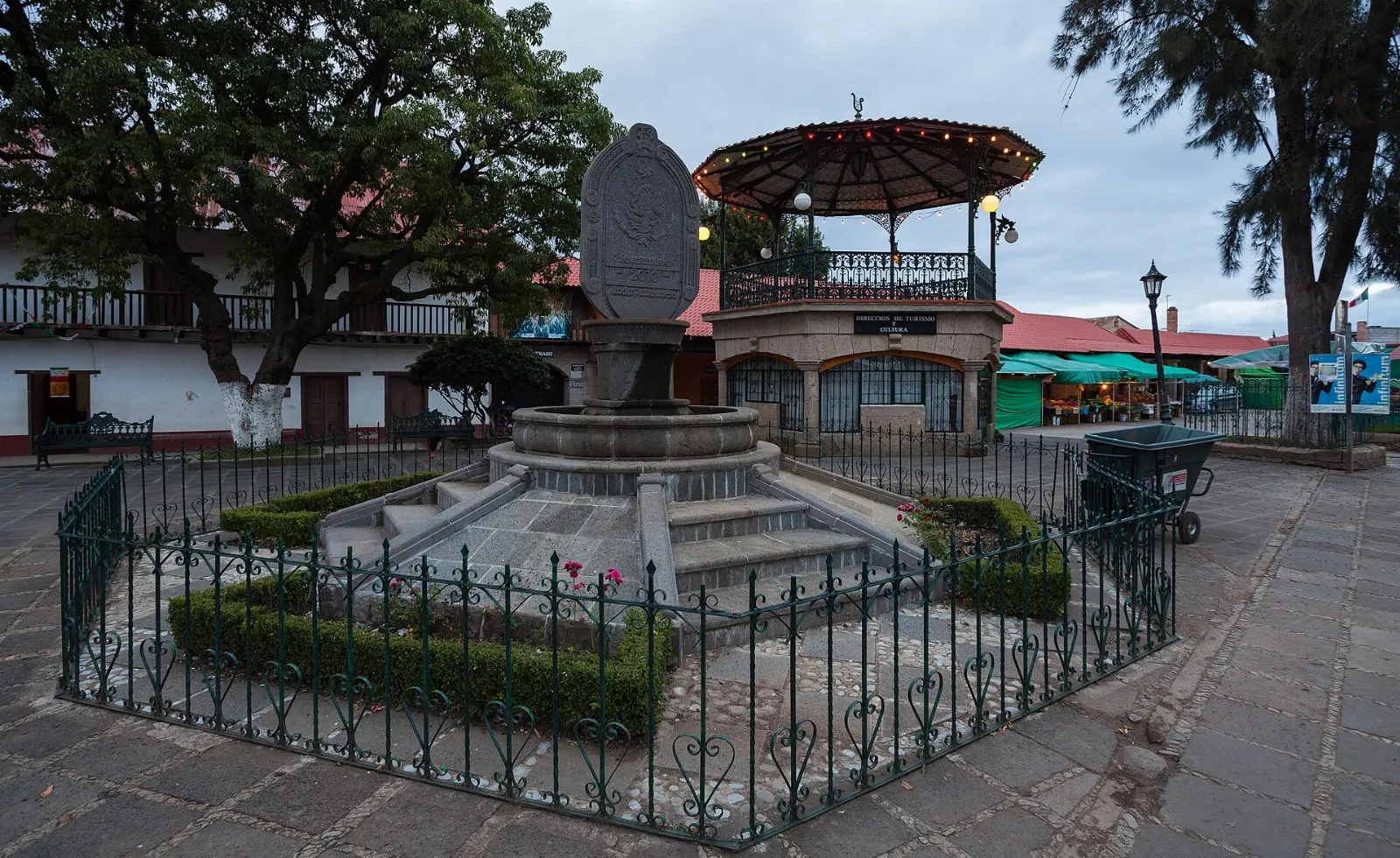
The town was the first in Hidalgo to join the national Pueblos Mágicos program, mostly because its old buildings remain and its pace changed little through the early twentieth century. The centre is narrow and built with white sandstone walls under pitched red roofs. The streets are stone and there are few streetlights at night, so evenings are quiet.
Beyond the town, pine forests and valleys open into one of the region's most photographed landscapes. The area has been promoted for ecotourism for years and is a favourite weekend escape for people from Mexico City, so it feels popular on Saturdays and calm on weekdays.
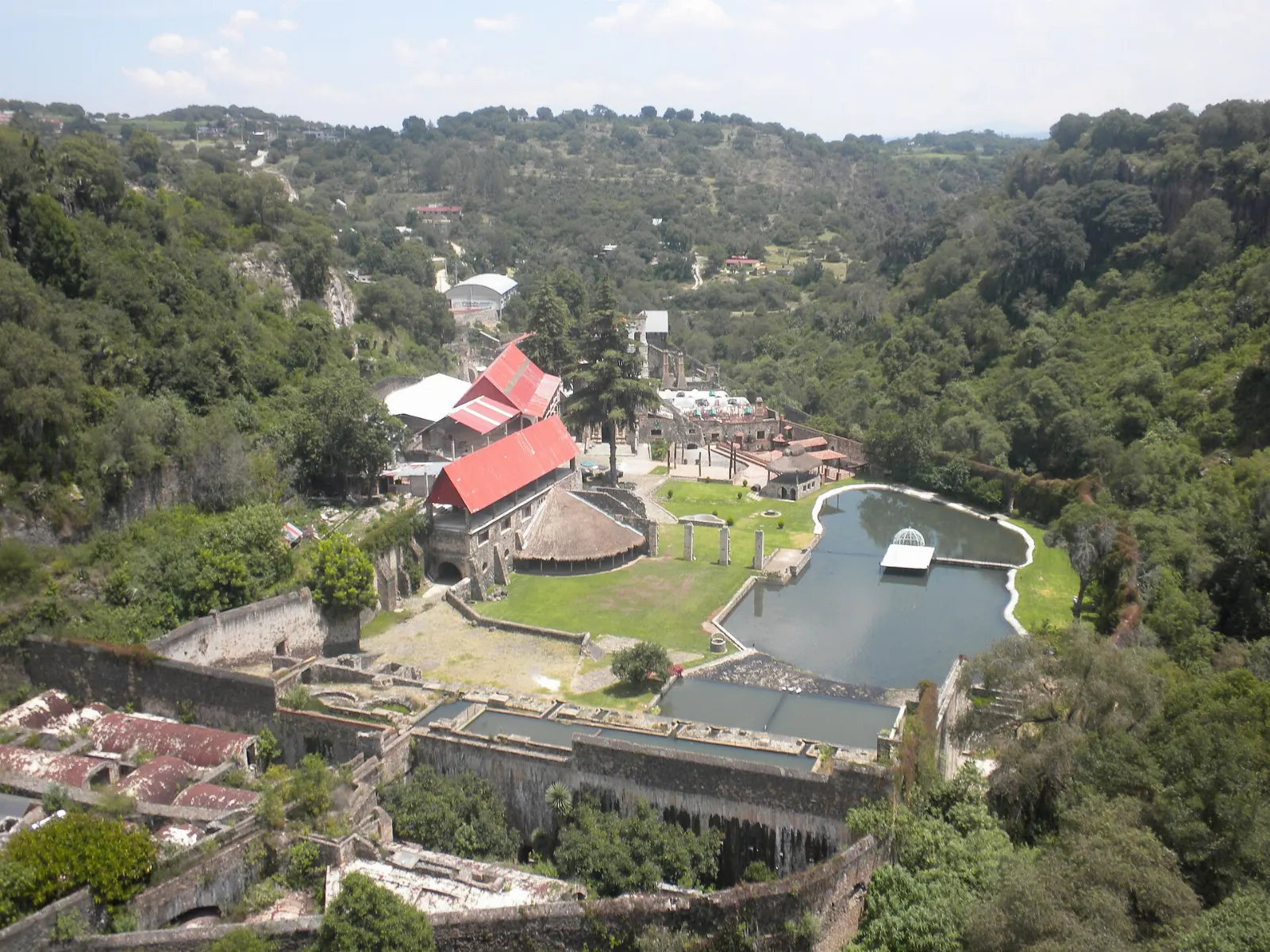
The history adds depth. In the second half of the eighteenth century Pedro Romero de Terreros, the first Count of Regla, developed mining here and built large haciendas, and the profits made him one of the richest men of his day. The old stone buildings and reservoirs you see today are the quiet remains of that boom.
Huasca works well as a short break. You can see the main sights in a day, eat well, and still be home the next evening, or settle in for a slower weekend of walking, markets and forest air.
The best places to visit in the countryside
Prismas Basálticos de Santa María Regla
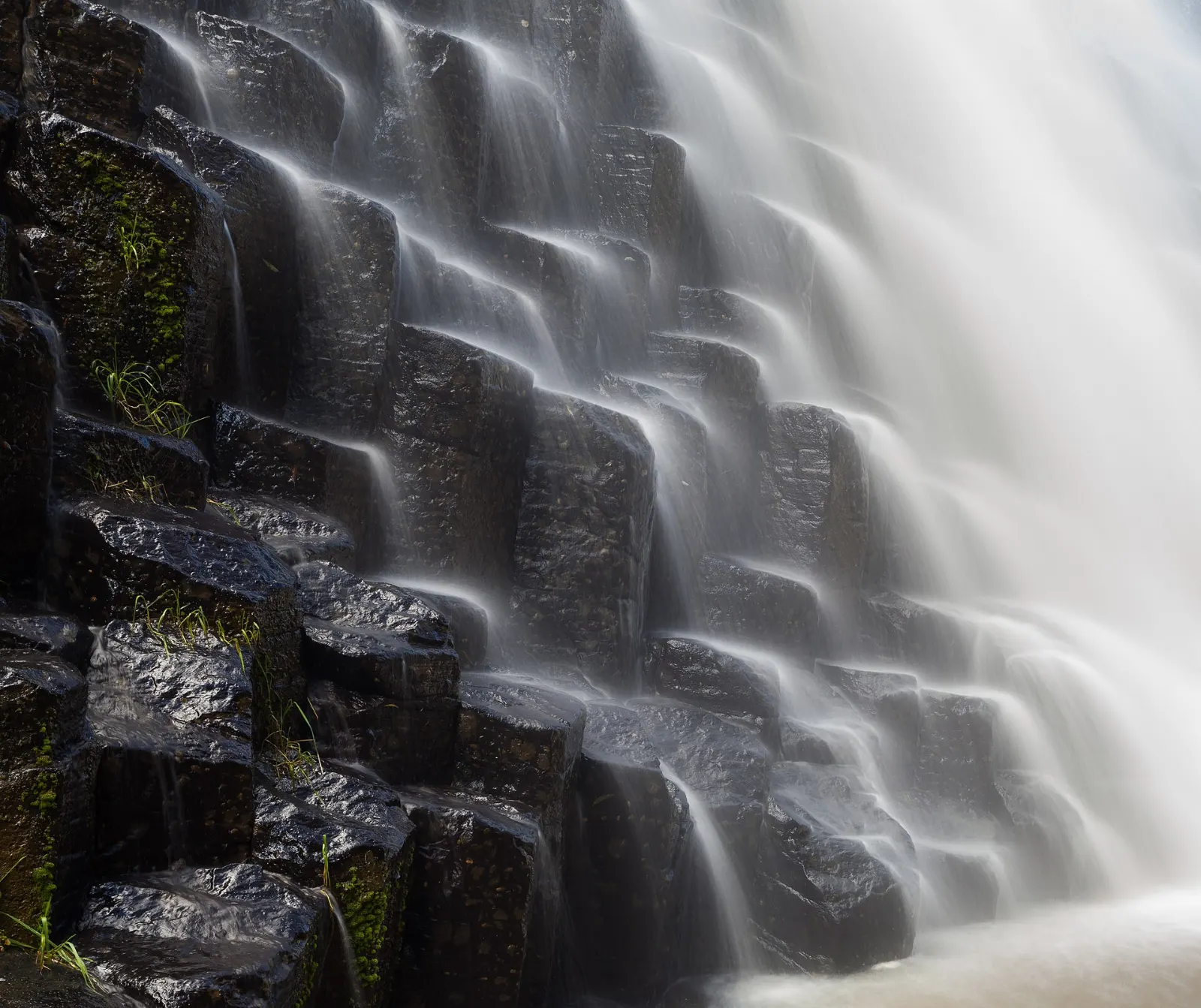
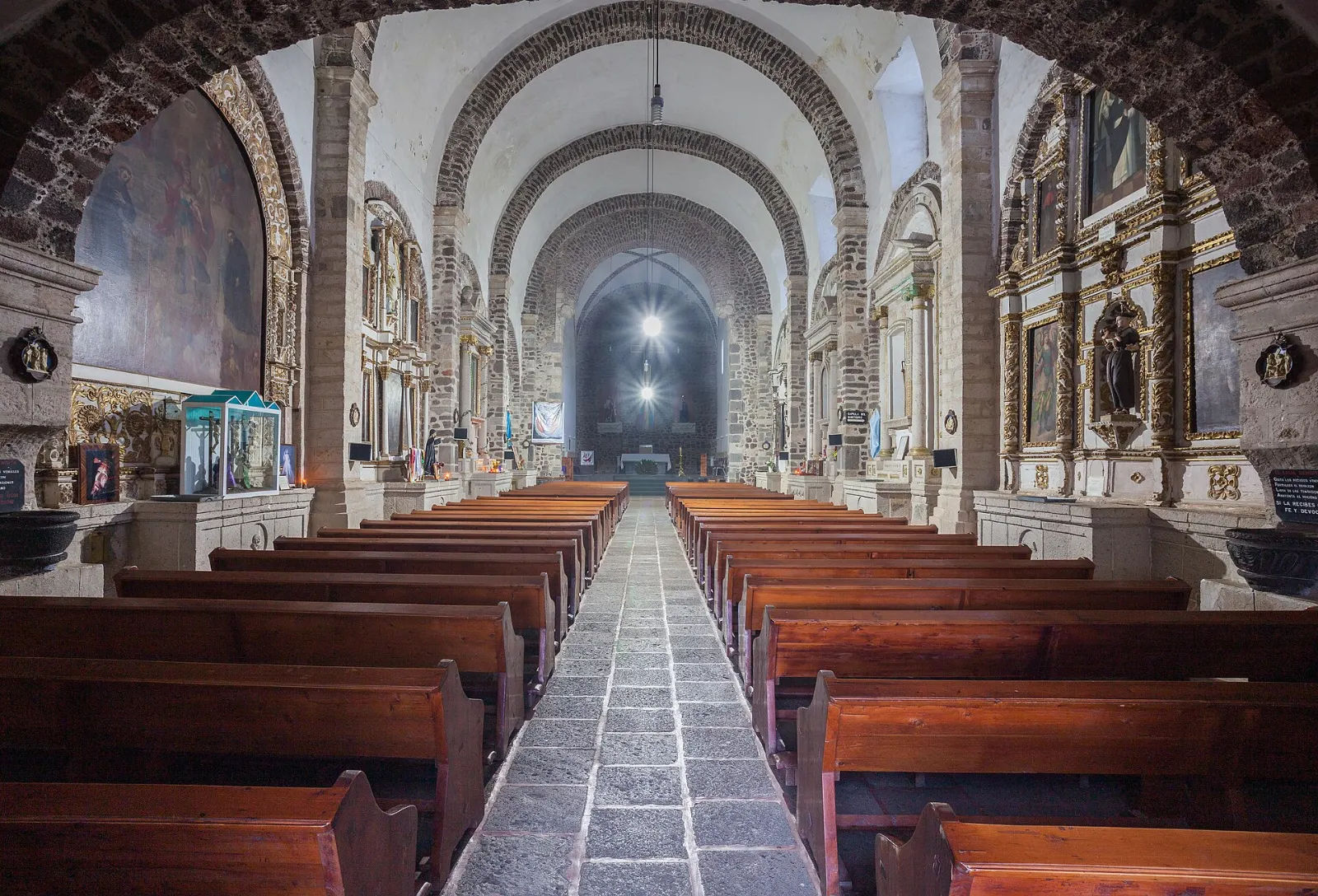
The basalt prisms are tall columnar formations lining a ravine, with polygonal columns between 30 and 50 metres high. Alexander von Humboldt helped promote the site in 1803. Stairs, walkways and hanging bridges make it easy to reach, and there are two waterfalls, including the Cascada de la Rosa. Allow half a day and wear shoes with grip.
Barranca de Santa María Regla trails
The ravine has marked trails that let you walk below the columns and beside the water. Paths can be wet, so take your time on the stairs. Bring a light jacket because the shade is cool, and check conditions after heavy rain.
Hacienda Santa María Regla
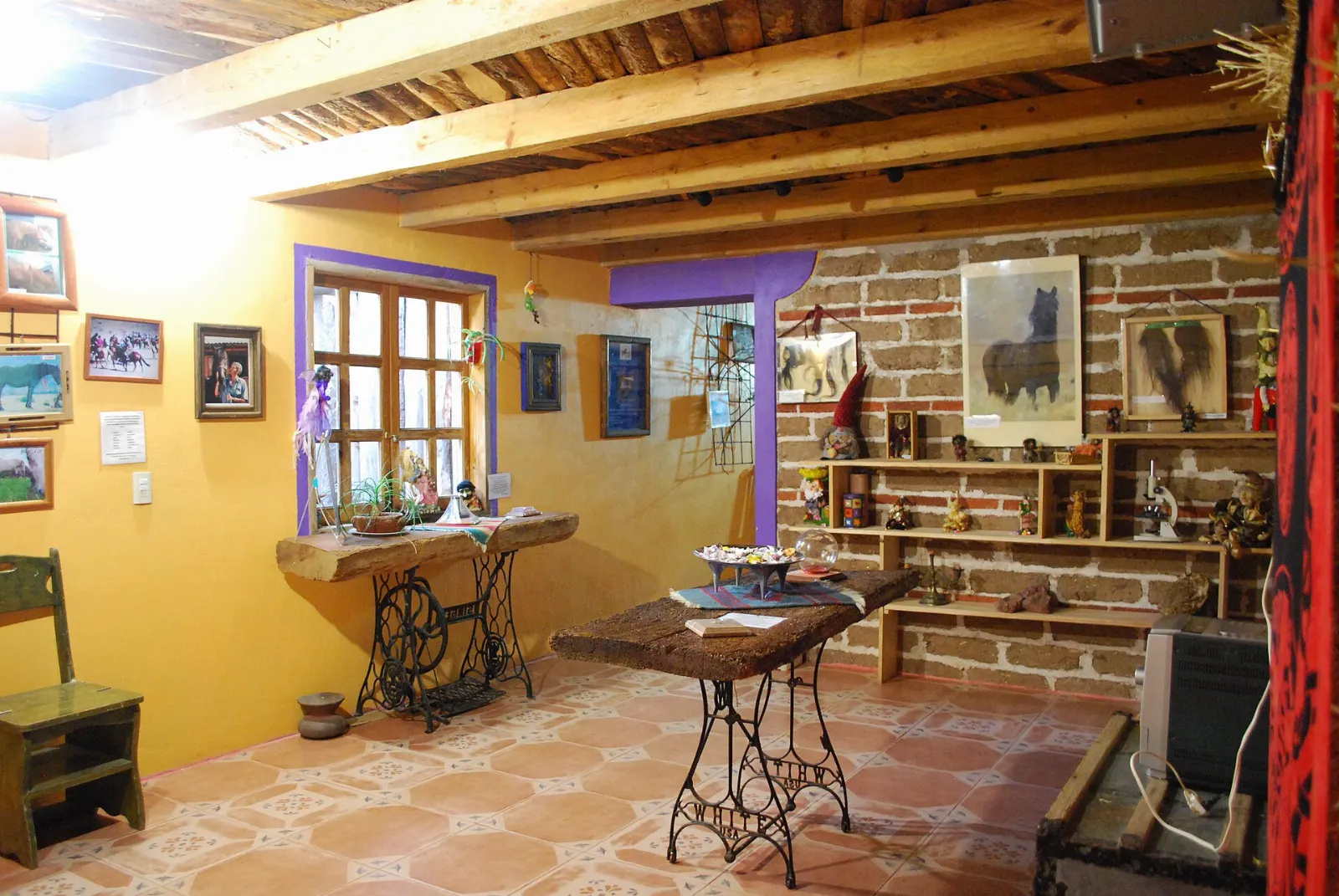
This was one of the largest mining haciendas created by Pedro Romero de Terreros, who developed the area in the 1700s. Parts of the main building became a hotel and resort later in the twentieth century. Ask locally whether visits are possible before you go, since access depends on the property.
Hacienda San Miguel Regla
The other major hacienda in the group is San Miguel Regla, another of the mining estates that made Romero de Terreros famous. Its old stone buildings are a quiet contrast to the canyon. Check whether it is open to day visitors, since access depends on the property.
Forest activities
The forest around Huasca offers ziplines, paintball, hiking, mountain biking and horseback riding. Choose an operator that supplies safety gear and explains the route first. Cabins near the prisms suit those who want a forest night.
Casa de Cultura
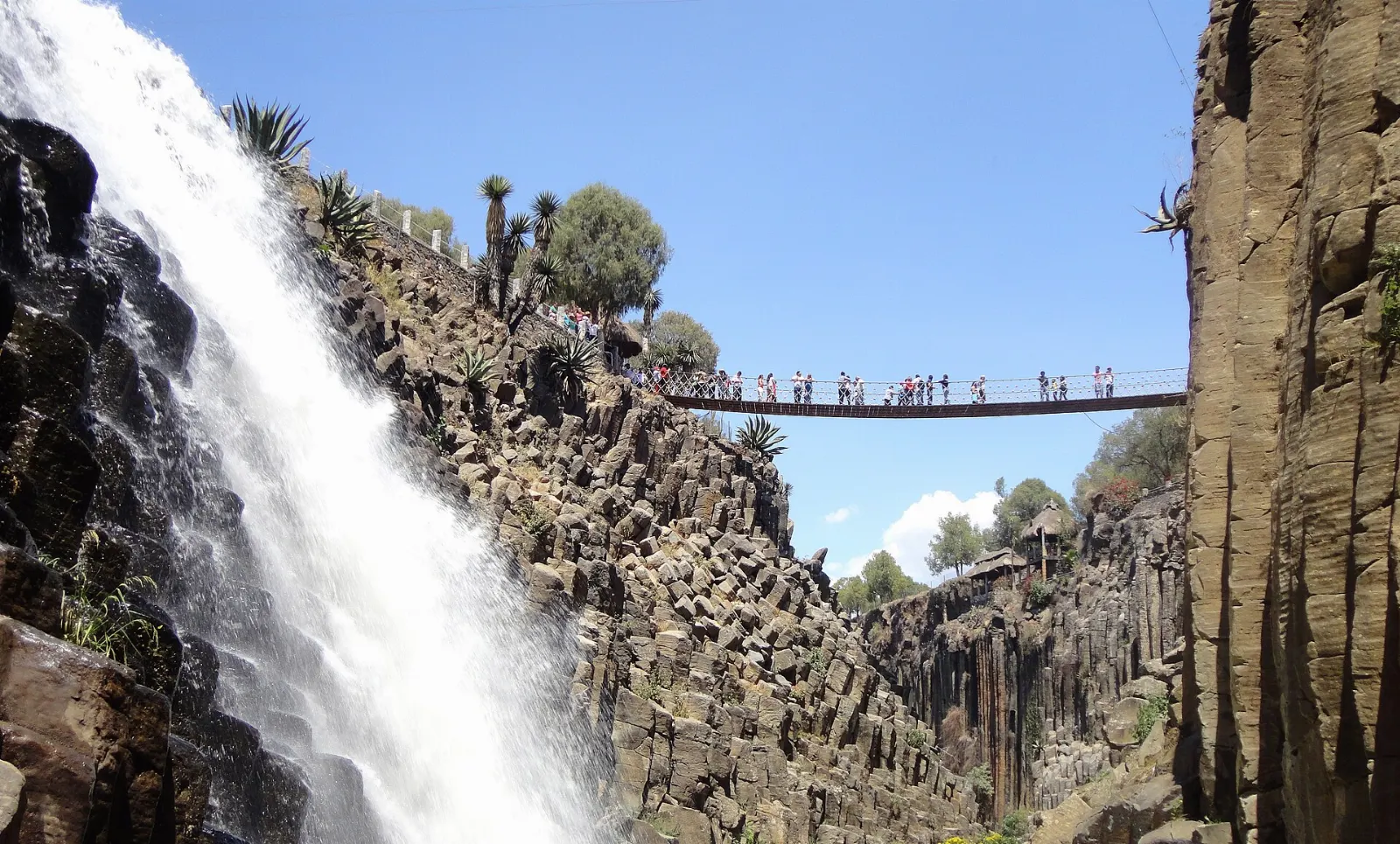
The Casa de Cultura stands just south of the main church and also sells local crafts. It is a good first stop to see what the area's artisans make before you shop in the market. Allow a short visit and ask about local events.
Around the town
Parroquia de San Juan Bautista
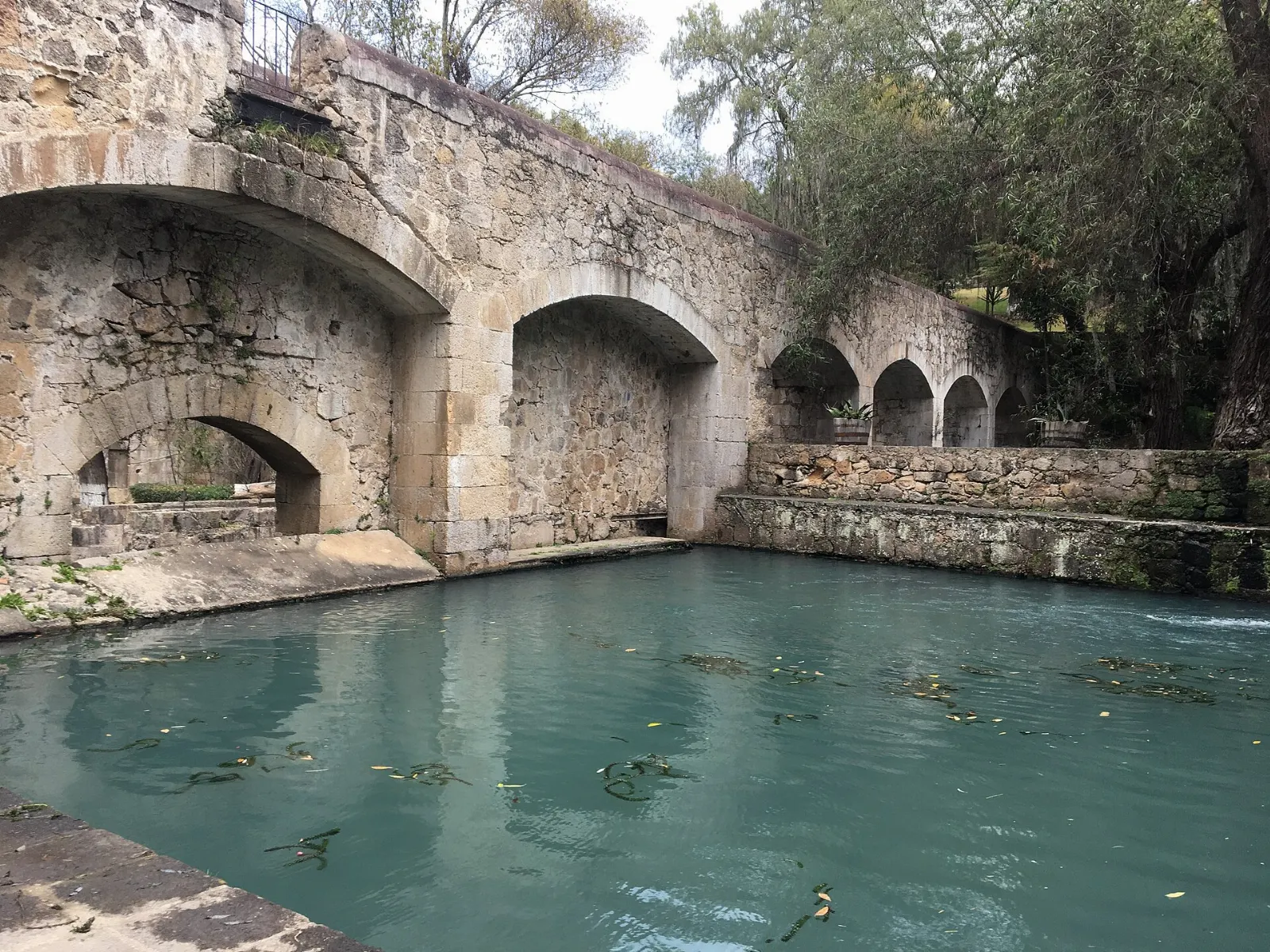
The parish church was founded in the first half of the sixteenth century by Augustinians. Many people assume it is dedicated to Saint Michael because of the relief over the main door, but it is dedicated to John the Baptist. His feast day is on 24 June, with processions, folk dancing and sporting events. Stop in for a few minutes.
Museo de los Duendes
This small museum is devoted to gnomes, and it also offers an evening walk through the Forest of Gnomes. It is a good choice with children or anyone who enjoys a whimsical stop. Check evening schedules in advance.
Monday market and pottery
Monday is market day, when vendors line the main street. The town is also known for red clay pottery, including jars, plates and cups, and artisans work in shops in the portals near the church. Other crafts include molcajetes of volcanic stone, obsidian pieces and rompope. Bring a bag for fragile pieces.
Food and local flavors
Hidalgo's barbacoa is the state dish, with meat wrapped in maguey leaves and slow-cooked. You will also find pastes, quesadillas with huitlacoche and pulque bread in the market and in restaurants. Baked trout and cecina are also common, and local fruit wines are worth trying.
In season, adventurous eaters can look for escamoles, chinicuiles and dishes made with wild mushrooms. The Monday market is a good place to graze. Ask what is fresh and eat where locals queue. Baked trout suits a relaxed lunch after the canyon, while a quesadilla with huitlacoche is an easy snack between sights. Fruit wines and pulque bread make good gifts if you want to take a taste of the town home.
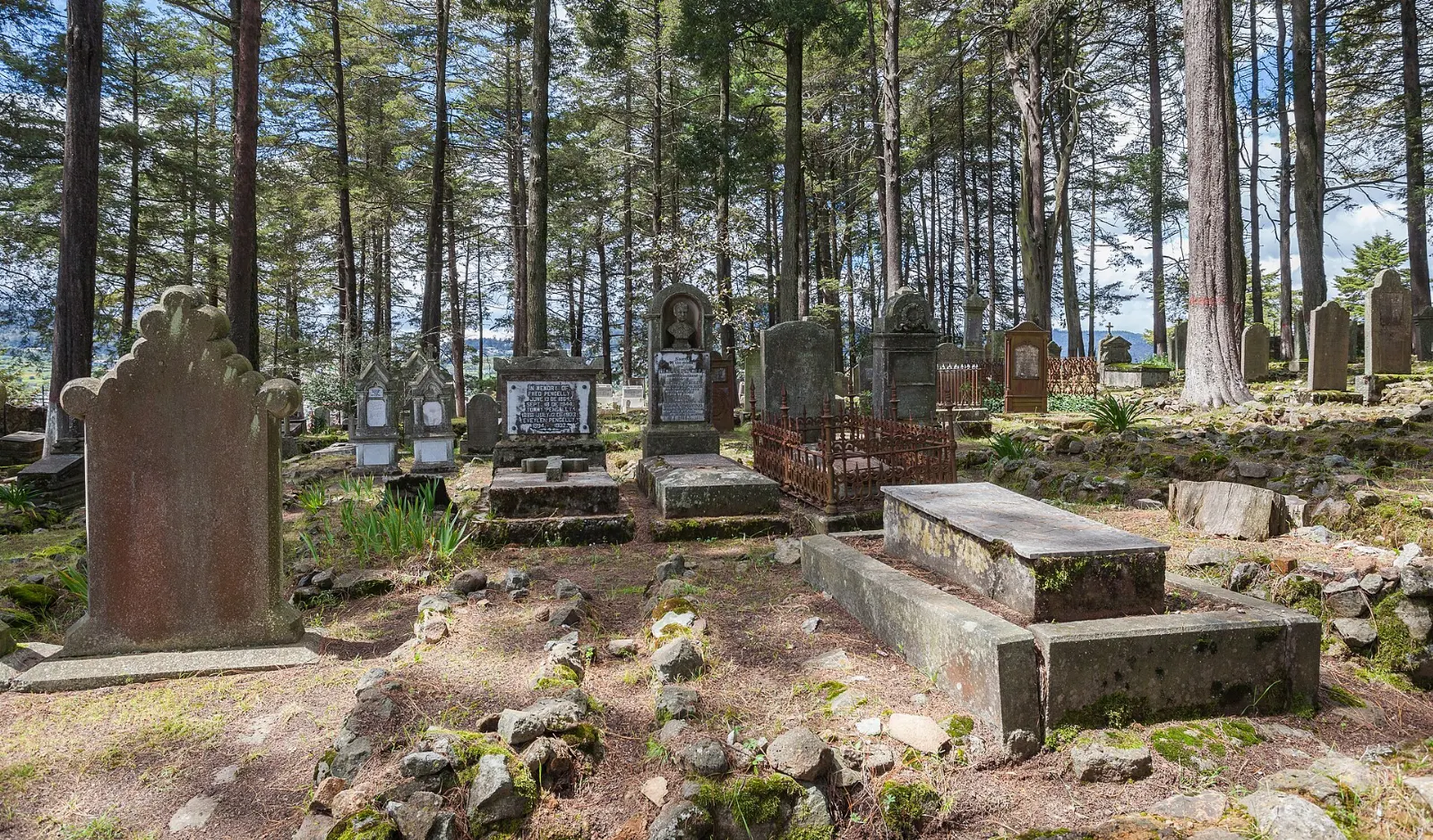
Popular dishes to try in Huasca de Ocampo



Where to stay
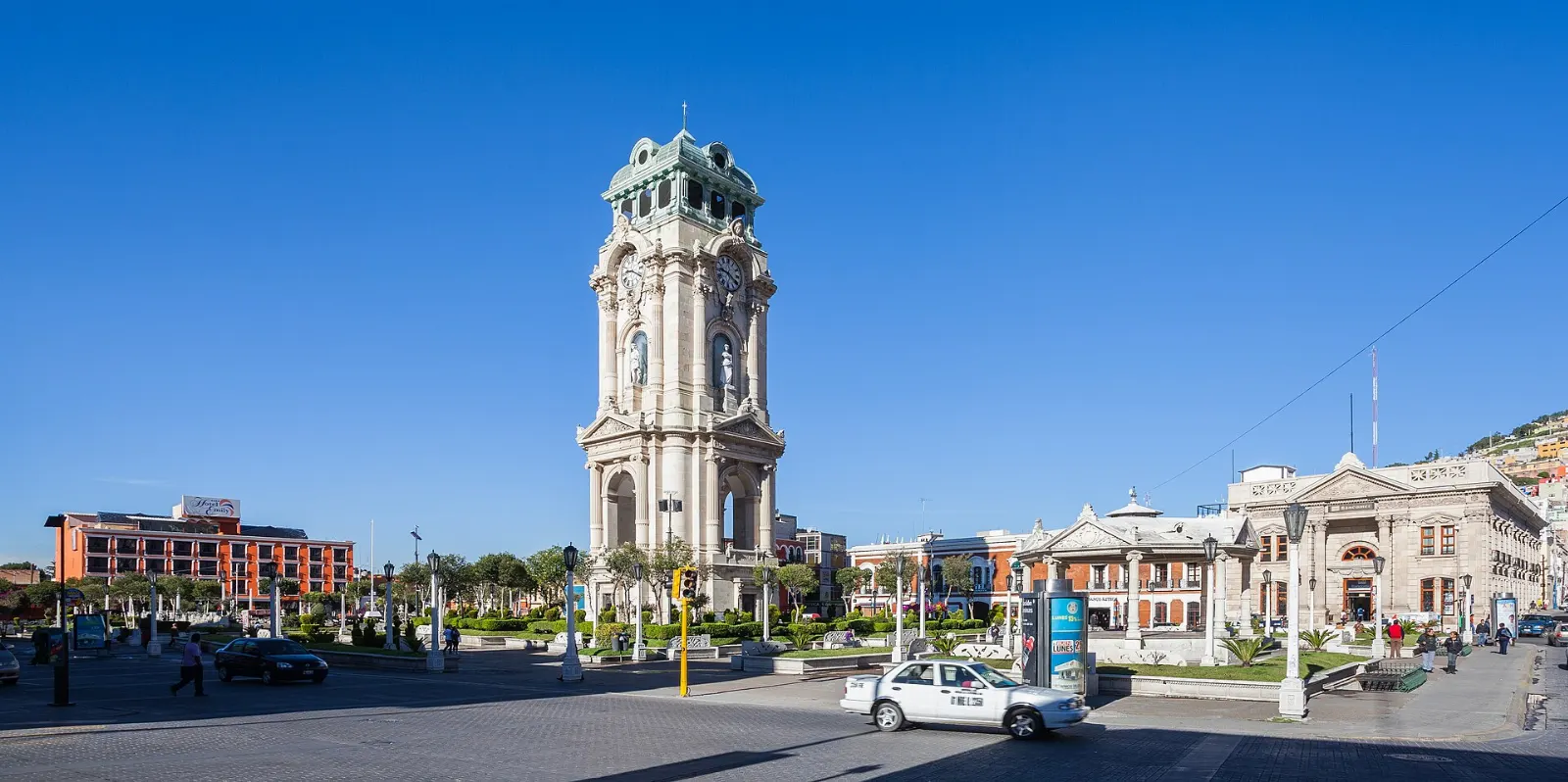
Huasca de Ocampo itself has more than fifteen inns and hotels, plus cabins and tree-house style lodgings in the woods, and it is the best choice for walking the stone streets and for early starts at the prisms. Real del Monte is about 16 km away and suits travellers who want mining history, museums and pastes. Pachuca has the most transport links, city dining and lodging choice.
Weekends fill early because of visitors from Mexico City, so book ahead for Friday and Saturday nights. Nights are cool and damp in the mountains, so check heating.
Where to stay in Huasca de Ocampo


Best time to visit
The area has a cool, forested mountain climate, so visit any time but pack layers. Dry months give clearer days for walking in the canyon, while the rainy season makes the forest lush and the paths slippery. Weekdays are quieter.
The feast of John the Baptist on 24 June brings horse shows, folk dancing and street food. The feast day of the Virgin of Guadalupe is another important date, when traditional embroidered dress may be seen. Check the municipality for current festival dates.
Getting there and getting around
Huasca de Ocampo is about 90 minutes by car north of Mexico City. By bus, travel to Pachuca, about 36 km away, and take a local bus or taxi onward, which is less than an hour on highway MEX 105. Direct buses run from Mexico City to Pachuca, and AIFA airport is the closest major airport if you are driving.
Within town, walking and taxis are the best options. The prisms and haciendas sit outside the centre, so arrange a taxi or drive. Parking near the entrances fills on weekends, so arrive early, and allow spare time for the drive back so that you are not rushing on winding mountain roads. If you plan to visit Real del Monte too, a car or a taxi for the day gives the most flexibility.
A suggested itinerary
First day
Arrive in the morning, visit the Prismas Basálticos while it is calm, then eat barbacoa in town and walk to the parish church in the afternoon.
Second day
Join the Monday market if timing allows, then visit the Museo de los Duendes and see one of the haciendas. Take your time with lunch in town and a stop at the Casa de Cultura for crafts.
Third day
If you have an extra day, drive to Real del Monte for pastes and a stroll through its mining heritage sites, then continue to Pachuca for transport home.
Practical tips
- Arrive early at the prisms on weekends to avoid crowds.
- Wear shoes with grip because stairs and trails can be wet.
- Bring a light jacket for cool shade and nights.
- Choose forest activity operators that supply safety equipment.
- Ask before visiting haciendas, as access depends on the property.
- Carry a flashlight if you plan to walk the stone streets at night, since there are few streetlights.
- Bring cash for market stalls and small craft shops, and a bag to carry fragile pottery home safely.
- Check your government's current travel advisory before you go.