WiserMap — Choose wisely. Connect locally.Choose wisely. Connect locally.Add your business
Gaspé Peninsula, Quebec · Travel guide

Gaspé Peninsula Quebec Percé Rock Gannets and Forillon

The Gaspé Peninsula is where Quebec runs out of land. Route 132 loops around it, linking fishing villages, lighthouses, sea cliffs and the Chic-Choc Mountains, with Percé Rock and a famous seabird island at the eastern tip.

By WiserMap TravelUpdated October 2026 5 places10 min read
FacebookXLinkedIn
At a glance Gaspé Peninsula
  1. Best timeJuly and August for full services, though June, September and early October are quieter.
  2. How longA week lets you cover the loop, and a long weekend suits Percé and Forillon only.
  3. Getting thereDrive Route 132 from Quebec City, roughly nine hours to Percé, or fly into Gaspé or Bonaventure.

Why visit the Gaspé Peninsula

The peninsula lies between the St. Lawrence and Chaleur Bay, and almost everyone lives along the coast. The name comes from a Mi'kmaq word meaning land's end, and the sense of arriving at the edge is part of the appeal.

Cultures meet here too. French-speaking Gaspesian and Acadian communities live alongside English-speaking Loyalist descendants on Chaleur Bay, and the local accent preserves older French. Add four national parks and the roadside views, and the Gaspé deserves a week.

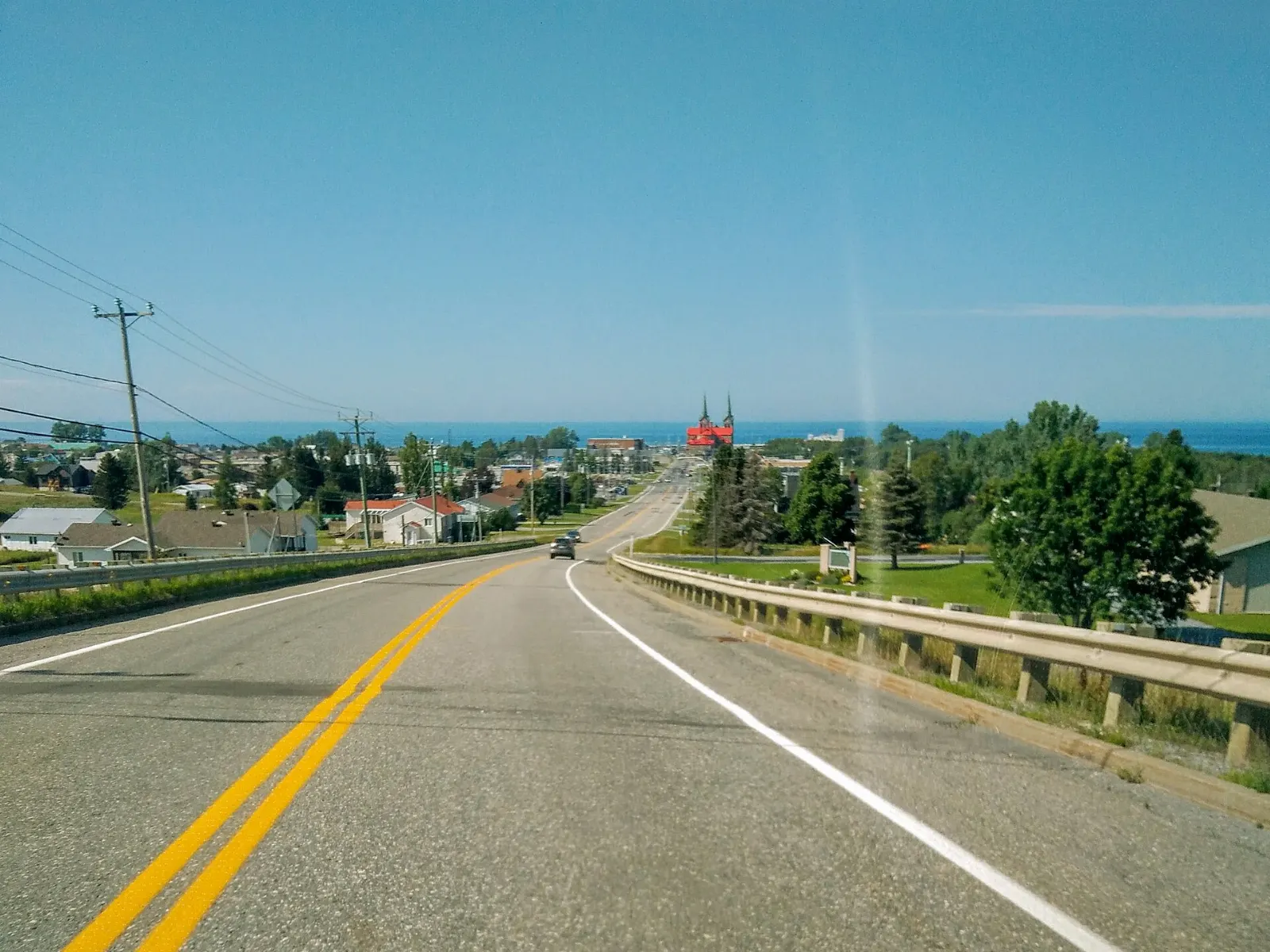
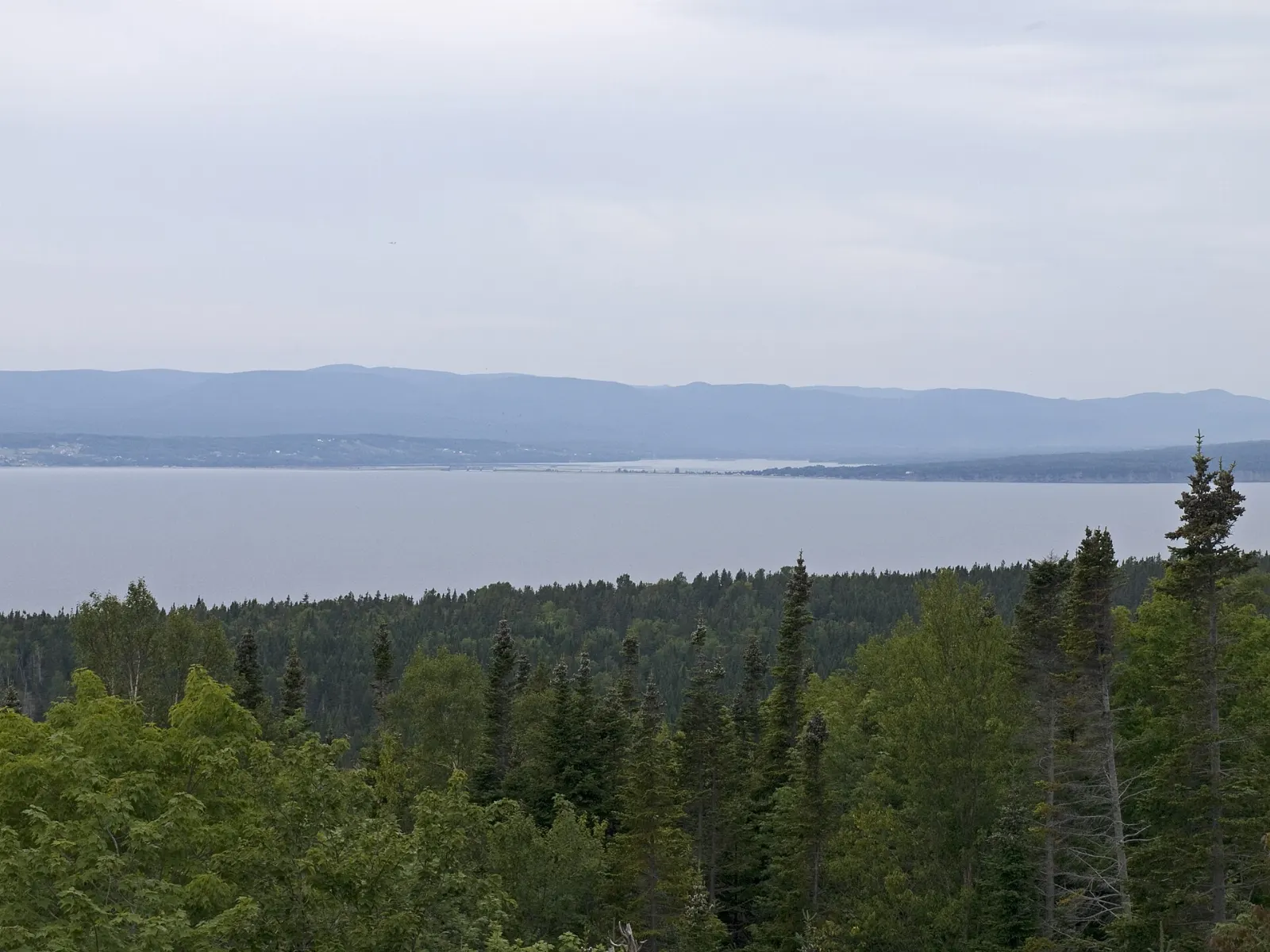
Coastal road along the St. Lawrence on the Gaspé Peninsula, Quebec
Route 132 follows the coast around the Gaspé Peninsula.Photo: Ymblanter, Wikimedia Commons, CC BY-SA 4.0

Percé, Forillon and the eastern tip

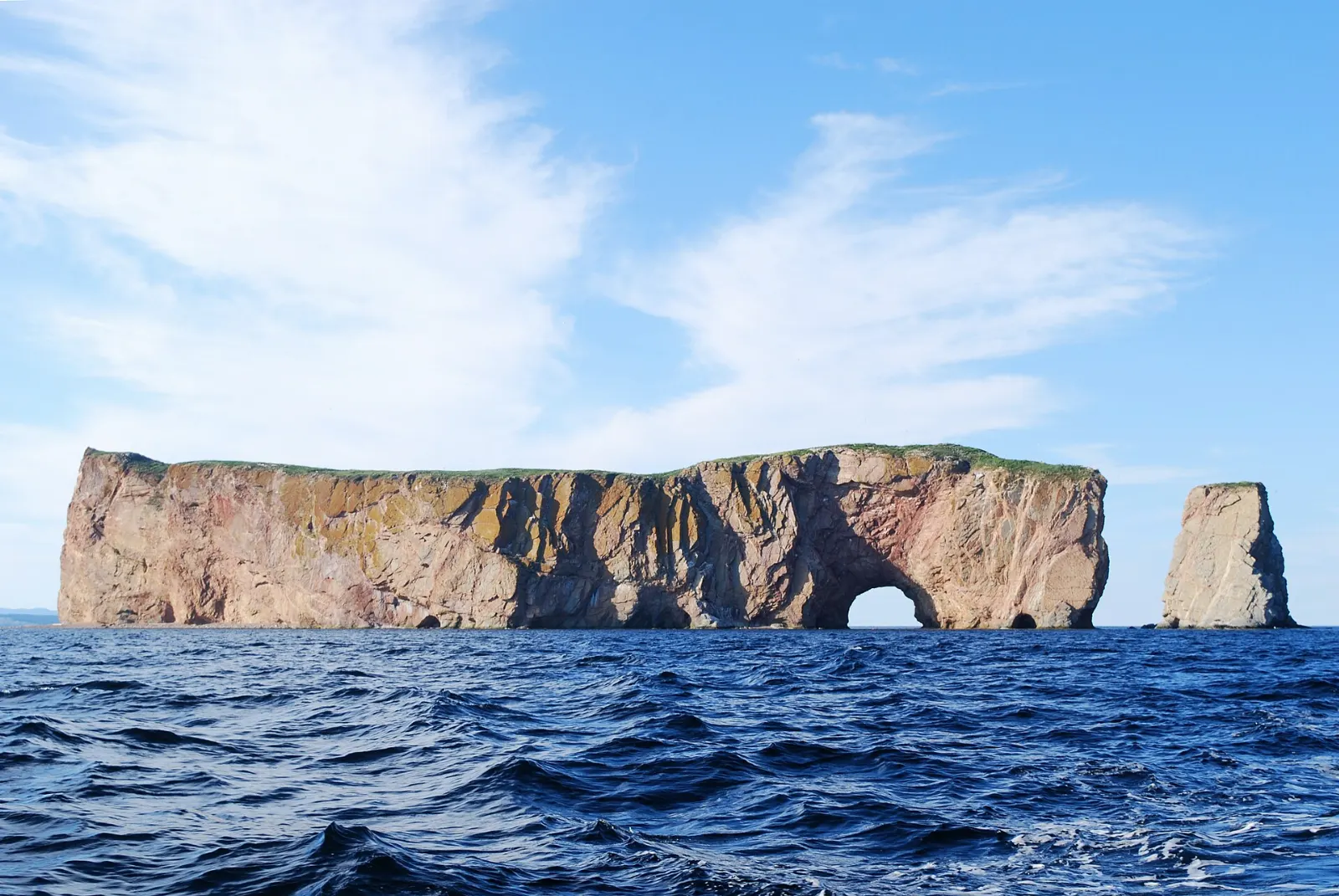
Percé Rock

The best-known landmark of the peninsula is an arch-shaped rock just off the coast at Percé, named Isle Percée by Samuel de Champlain in 1603.

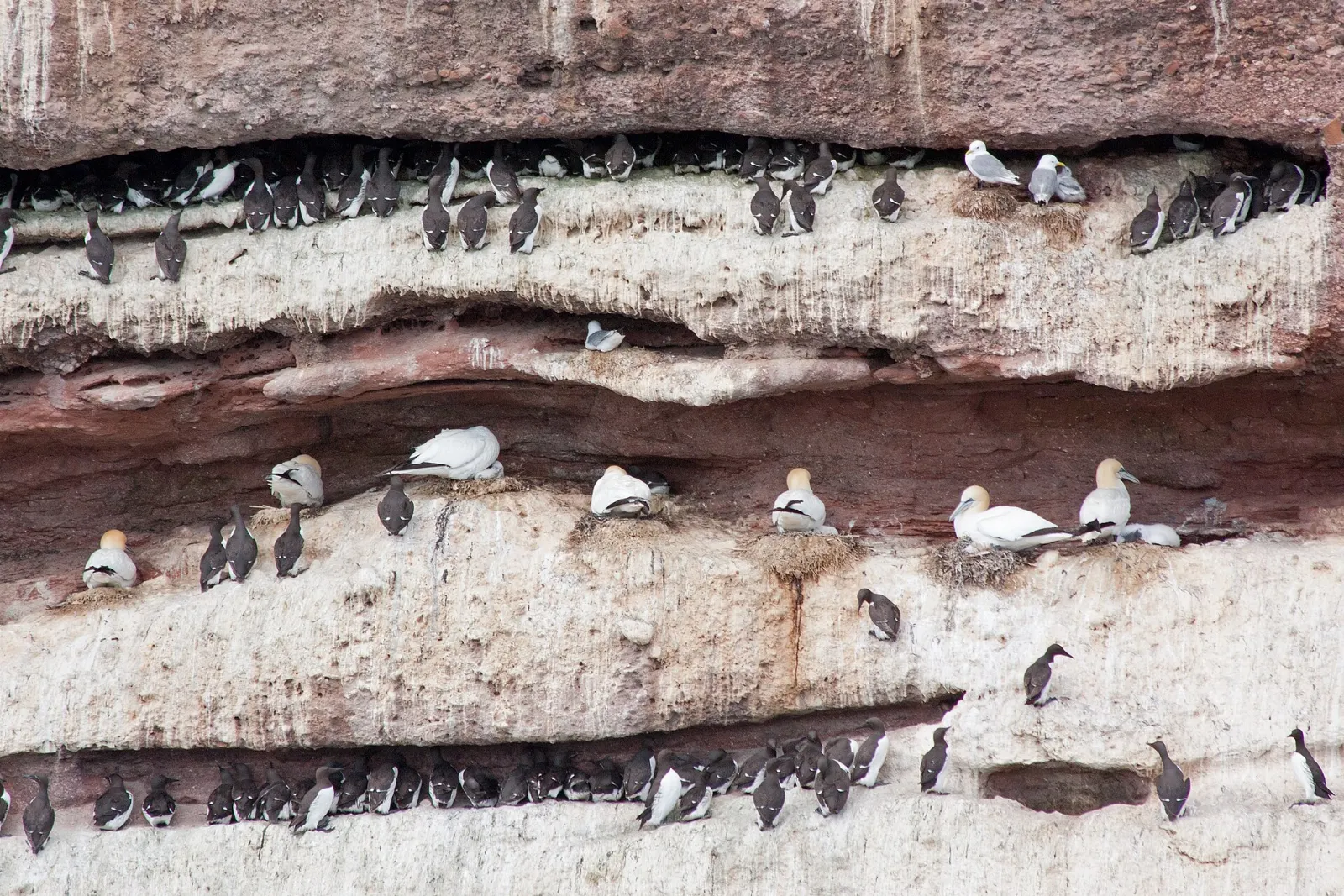
Northern gannets nesting on the cliffs of Bonaventure Island, Gaspé Peninsula, Quebec

Bonaventure Island

A short boat ride from Percé leads to this seabird sanctuary, where more than 280,000 birds are counted, many of them northern gannets. Trails cross the island, and restored fishermen's houses at the landing recall the nineteenth-century village.

Bonaventure Island is home to one of the largest and most accessible northern gannet colonies in the world. Photo: Andrea Schaffer from Sydney, Australia, Wikimedia Commons, CC BY 2.0
Forillon National Park

At the peninsula's tip, Forillon was created in 1970 and covers forest, cliffs, dunes and salt marsh at the eastern end of the Appalachians. The Les Graves trail runs about eight kilometres past old fishing shacks and pebble beaches toward Cap Gaspé.

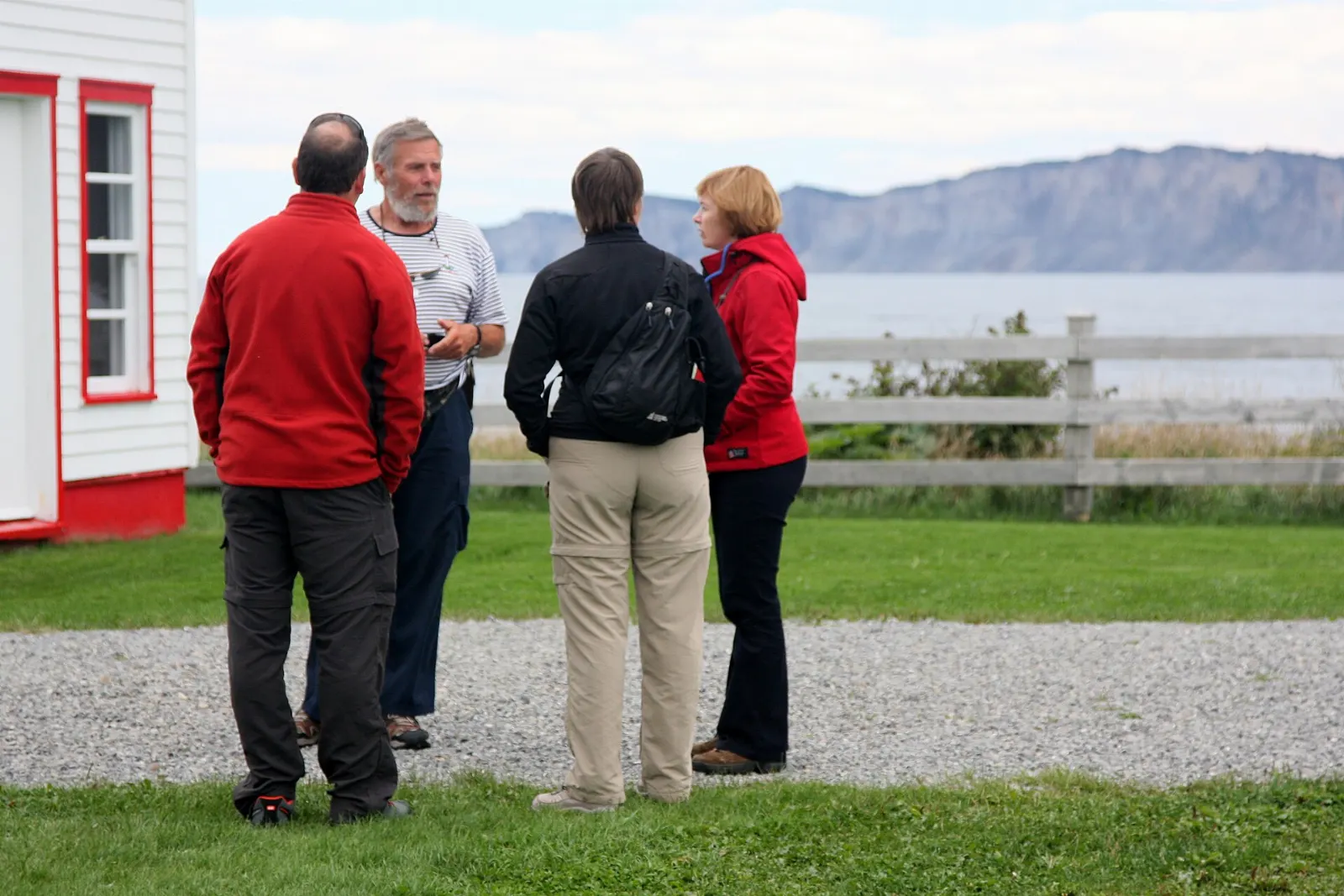
Cap-des-Rosiers Lighthouse standing on a cliff at the entrance to Forillon, Gaspé Peninsula, Quebec

Cap-des-Rosiers Lighthouse

At the entrance to Forillon, this stone tower was built in 1858 and is the tallest lighthouse in Canada. It is a national historic site, and tours run in the summer season, so check availability.

Cap-des-Rosiers Lighthouse, built in 1858, is the tallest lighthouse in Canada. Photo: Ken Heaton, Wikimedia Commons, CC BY-SA 4.0

Gaspé town, the Chic-Chocs and the north shore

Gaspé

The largest town on the peninsula is mainly a service center, but it has history: in 1534 Jacques Cartier planted a cross in the bay and claimed the land for France, and the town calls itself the cradle of French America.

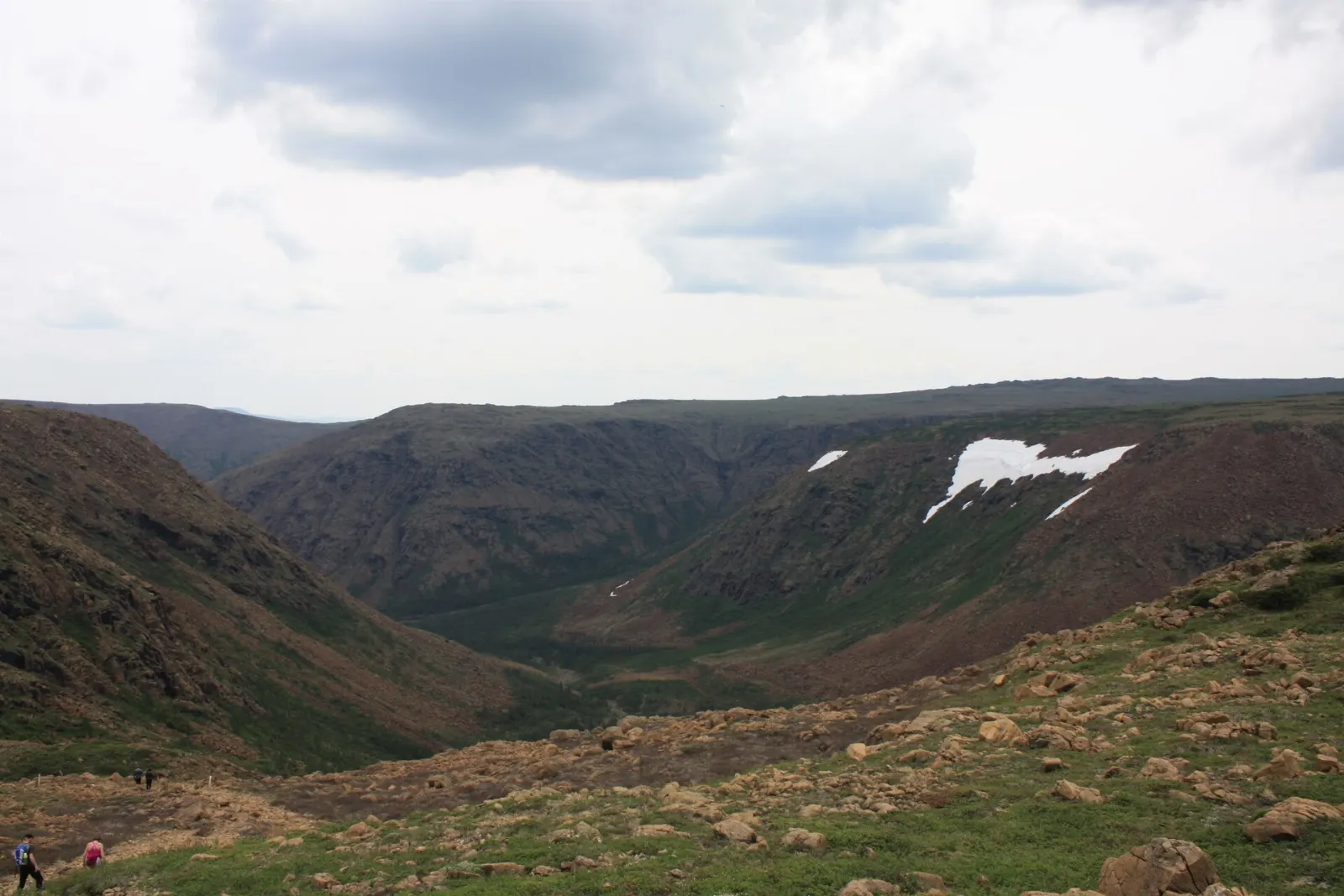
Chic-Choc Mountains rising inland in Gaspésie National Park, Gaspé Peninsula, Quebec

Gaspésie National Park

South of Sainte-Anne-des-Monts, this park covers the Chic-Choc Mountains and is the second oldest provincial park in Quebec. Mont Jacques-Cartier is the highest peak at 1,268 metres, and the plateau of Mont Albert has unusual alpine plants.

The Chic-Chocs are the Appalachian mountains of the Gaspé interior. Photo: Thekidpossum, Wikimedia Commons, CC BY-SA 4.0

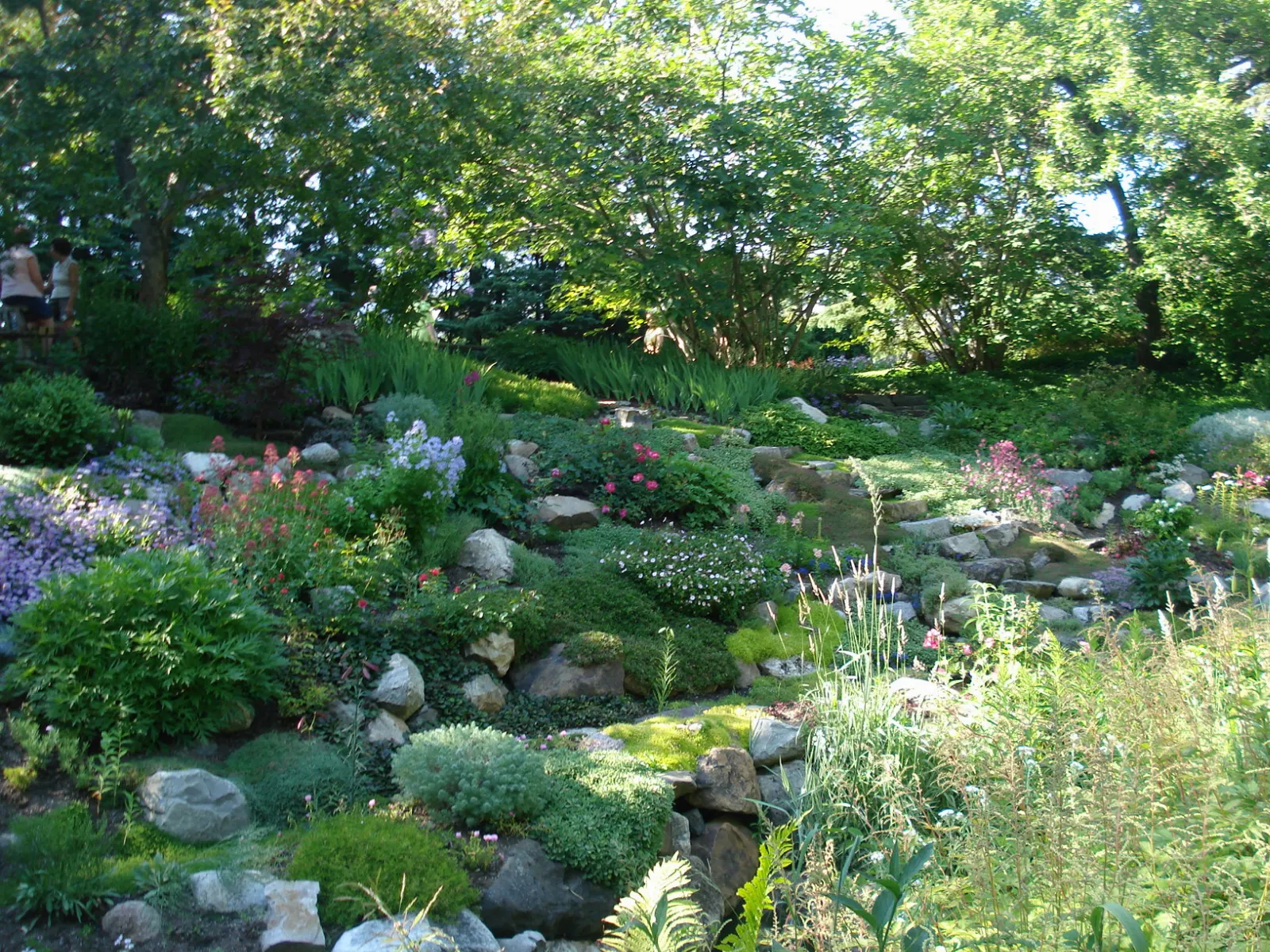
Himalayan blue poppies in Reford Gardens at Grand-Métis, Gaspé Peninsula, Quebec

Reford Gardens

Near Grand-Métis, on the western edge of the Gaspé, these gardens hold about 3,000 species of flowering plants, including Himalayan blue poppies, and host the International Garden Festival. Plan a couple of hours, and check the garden's season before you drive there.

Reford Gardens hold about 3,000 species of flowering plants. Photo: Gachepi, Wikimedia Commons, CC BY-SA 3.0

Chaleur Bay and Acadian culture

Miguasha National Park

Fossil cliffs about 370 million years old make this park on Chaleur Bay a stop for anyone who likes geology. The cliffs lie inside a national park, so expect an interpreted visit rather than fossil hunting on your own.

Historic buildings at the Gaspesian British Heritage Village in New Richmond, Gaspé Peninsula, Quebec

Gaspesian British Heritage Village

In New Richmond, locals call this place Britville. It recreates an eighteenth-century Loyalist community with about twenty period-style buildings, including a school, a general store and a lighthouse.

The heritage village in New Richmond recreates a Loyalist community with about twenty buildings. Photo: Fralambert, Wikimedia Commons, CC BY-SA 3.0

Quebec Acadian Museum

In Bonaventure, on the shore of Chaleur Bay, the museum complex includes artisans' shops, a café and an interpretive museum that tells the story of the Acadian settlers.

Food and local flavors

Gaspé cooking is hearty. The most famous dish native to the region is cipaille, also called six-pâtes, a layered pie of cubed meats, potatoes and onions baked in a crust, with a Gaspesian version that swaps in fish.

Berries are a regional specialty, and in season roadside stands sell raspberries, blueberries and currants. Farmers' markets along Chaleur Bay offer fresh produce, and maple products show up everywhere.

A layered cipaille meat pie from Quebec, Gaspé Peninsula, Quebec
Cipaille, also called six-pâtes, is a layered pie that is a traditional dish of the Gaspé.Photo: Giles Watson from Oxfordshire, England, Wikimedia Commons, CC BY-SA 2.0

Popular dishes to try in Gaspé Peninsula

Lobster in Gaspé Peninsula, Quebec
Lobster Seafood is the other star, with local lobster, scallops, crab, halibut and, above all, Atlantic salmon, which you can find in restaurants, fish markets and on the docks.Photo: Nick Ares, Wikimedia Commons, CC BY-SA 2.0
Scallops in Gaspé Peninsula, Quebec
Scallops Seafood is the other star, with local lobster, scallops, crab, halibut and, above all, Atlantic salmon, which you can find in restaurants, fish markets and on the docks.Photo: Gerda Arendt, Wikimedia Commons, CC0
Atlantic salmon in Gaspé Peninsula, Quebec
Atlantic salmon Seafood is the other star, with local lobster, scallops, crab, halibut and, above all, Atlantic salmon, which you can find in restaurants, fish markets and on the docks.Photo: Salwa Farwaneh Dameh, Wikimedia Commons, CC0

Where to stay

Percé is the tourist center, with motels, small inns and restaurants near Percé Rock, and it suits anyone planning to visit Bonaventure Island.

Sainte-Anne-des-Monts is the gateway to Gaspésie National Park and suits hikers and anglers. Bonaventure, on Chaleur Bay, suits travelers interested in Acadian culture and a warmer stretch of coast.

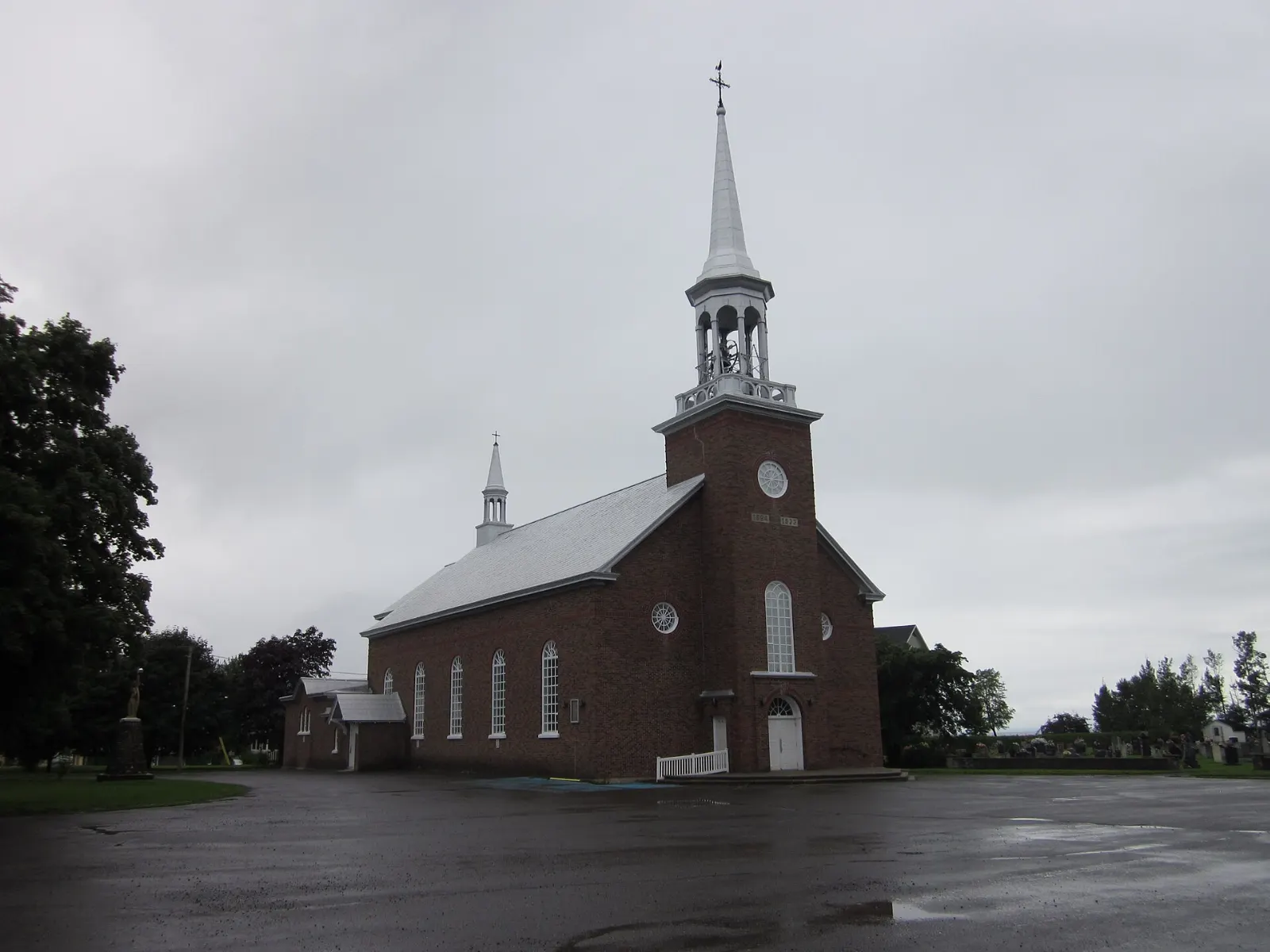
Waterfront at Sainte-Anne-des-Monts on the Gaspé north shore, Gaspé Peninsula, Quebec
Sainte-Anne-des-Monts is the gateway town to Gaspésie National Park.Photo: Félix Mathieu-Bégin, Wikimedia Commons, CC BY-SA 4.0

Where to stay in Gaspé Peninsula

Percé, Gaspé Peninsula, Quebec
Percé Where to stay Percé is the tourist center, with motels, small inns and restaurants near Percé Rock, and it suits anyone planning to visit Bonaventure Island.Photo: Eric Van Lochem, Wikimedia Commons, CC BY-SA 4.0
Gaspé, Gaspé Peninsula, Quebec
Gaspé Gaspé works as a practical base for Forillon and for flights, with more services than the villages around it.Photo: abdallahh from Montréal, Canada, Wikimedia Commons, CC BY 2.0
Sainte-Anne-des-Monts, Gaspé Peninsula, Quebec
Sainte-Anne-des-Monts Sainte-Anne-des-Monts is the gateway to Gaspésie National Park and suits hikers and anglers.Photo: Dennis G. Jarvis, Wikimedia Commons, CC BY-SA 2.0
Bonaventure, Gaspé Peninsula, Quebec
Bonaventure Where to stay Percé is the tourist center, with motels, small inns and restaurants near Percé Rock, and it suits anyone planning to visit Bonaventure Island.Photo: Marc-Lautenbacher, Wikimedia Commons, CC BY-SA 4.0

Best time to visit

July and August are the warmest and busiest months, and accommodation needs early booking. Percé's busy season runs from mid-June to the end of September, with many businesses still open from mid-May and into mid-October on reduced hours. Salmon season on the rivers runs from June to September, and boats to Bonaventure Island operate from May to October. Autumn is a good season for leaf-peeping and wildlife watching, and the roads are calmer once the summer rush ends.

Getting there and getting around

Most visitors drive. From Quebec City take Autoroute 20 east, then follow Route 132 around the peninsula. Percé is about nine hours from Quebec City, and roughly two and a half hours more from Montreal.

Route 132 is a loop and its signs read east and west rather than clockwise, so a map helps. Route 299 crosses the interior through Gaspésie National Park, and Route 198 is a faster inland shortcut.

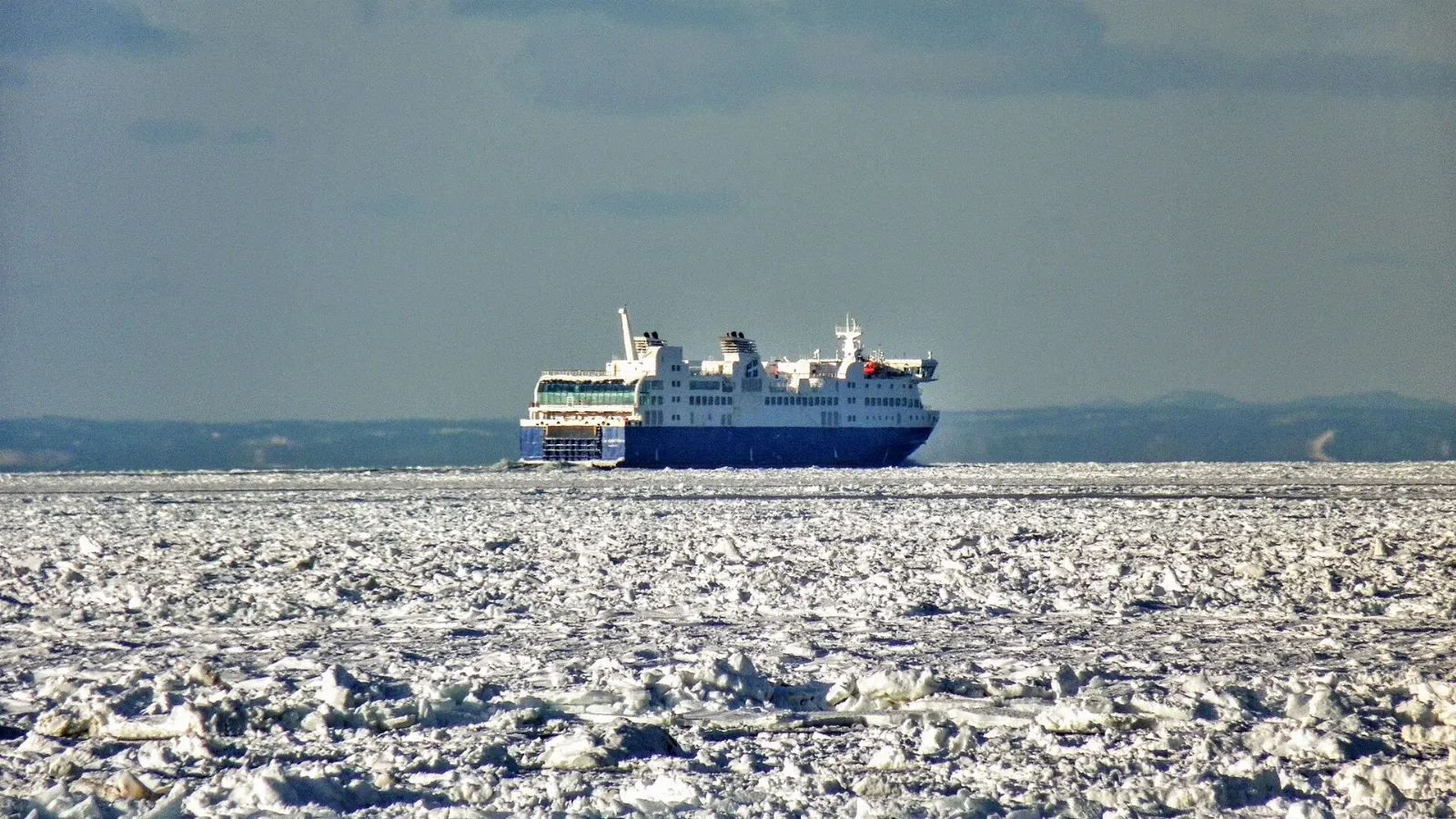
Car ferry at the Matane terminal on the St. Lawrence, Gaspé Peninsula, Quebec
Matane is the terminus of a ferry crossing of the St. Lawrence from the North Shore.Photo: Félix Mathieu-Bégin, Wikimedia Commons, CC BY-SA 4.0

A suggested itinerary

First day

Arrive in Percé, view the rock from the shoreline and have a seafood dinner.

Second day

Take a boat to Bonaventure Island, hike its trails to the gannet colony and stop for soup at the restaurant by the dock before the return crossing.

Third day

Drive north to Forillon National Park and walk Les Graves, then stop at the Cap-des-Rosiers Lighthouse.

Fourth day

Follow the north shore to Sainte-Anne-des-Monts and spend the day hiking in Gaspésie National Park.

Fifth day

Continue west to Reford Gardens, or head down to Chaleur Bay for Bonaventure's Acadian museum and the heritage village at New Richmond.

Practical tips

  • Fill your fuel tank before taking Route 299, because there are no services along it and mobile coverage is absent.
  • Book summer accommodation early, especially in Percé.
  • Check boat schedules and tides for Bonaventure Island and Percé Rock.
  • Salmon fishing requires a licence and permit, so check the rules before you cast.
  • Store food securely at campsites, since black bears are common in the region.
  • Learn a few French phrases, because English is less common away from Percé and Gaspé.
Gaspé PeninsulaWISERMAP PLACEGaspé Peninsula: photos, reviews & things to doSee traveler photos and reviews, or share your own →

More places to visit

All travel guides →