Miami is a city of water and color. Biscayne Bay separates the mainland from the barrier island of Miami Beach, where pastel Art Deco hotels face a long ribbon of sand, while the city itself spreads across distinct neighborhoods shaped by Cuban, Haitian, Latin American and Caribbean communities.
AT A GLANCE
Best time
December to April for dry, warm weather; spring and late fall for a balance of sun and value.
How long
Four to five days covers the beach, the key neighborhoods and an Everglades day trip.
Getting there
Fly into Miami International Airport or Fort Lauderdale, or arrive by Amtrak or Brightline.
Why visit Miami
Miami is young as American cities go. It grew rapidly after Henry Flagler's railroad arrived at the end of the nineteenth century, boomed in the 1920s and was transformed again after the Cuban Revolution, when hundreds of thousands of Cuban exiles made it their home.
That mix shapes everything you will do here: the food, the music, the art and the rhythm of daily life.
Then there is the setting. Warm water, reliable sunshine for much of the year and easy access to coral reefs, mangrove islands and the Everglades make Miami as rewarding for nature lovers as it is for beachgoers and night owls.
Miami Beach and the Art Deco District
Ocean Drive and the Art Deco Historic District
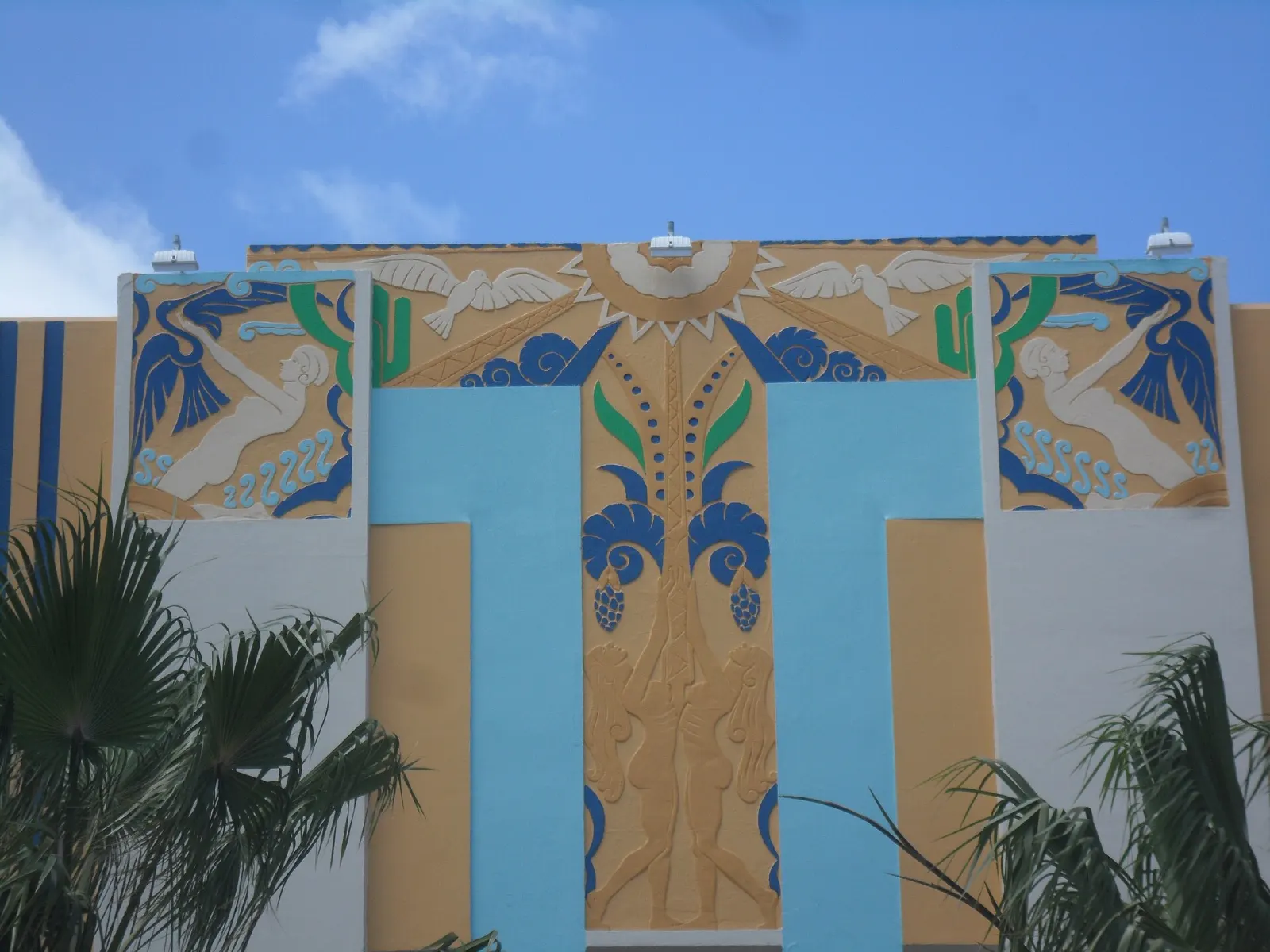
The heart of South Beach is a district of low-rise hotels and apartment buildings in Art Deco and related styles, with rounded corners, porthole windows, neon signs and soft pastel paint.
Lummus Park and South Beach
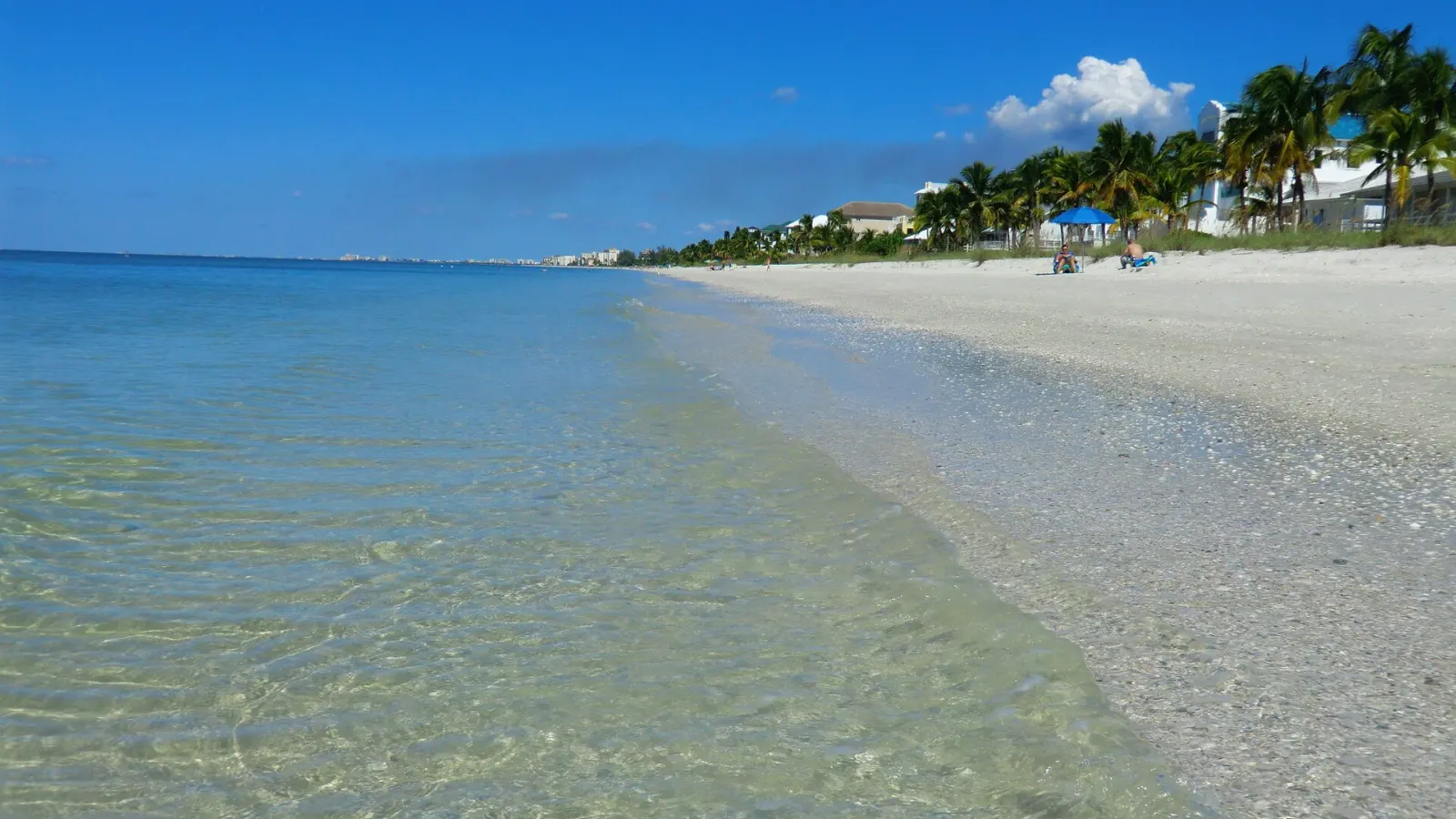
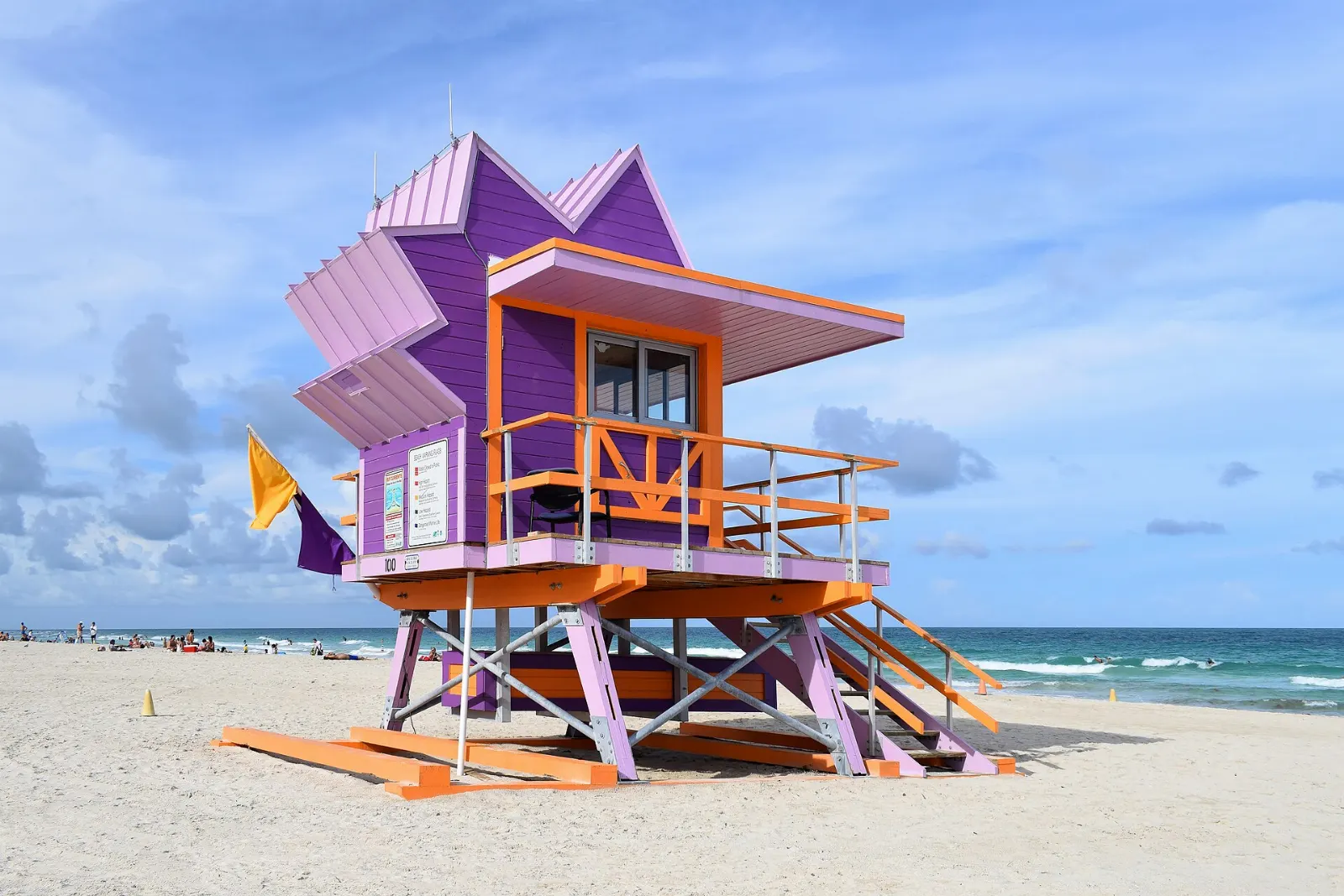
Across Ocean Drive, Lummus Park is a strip of palms, lawns and a beachside walkway leading to one of the most famous beaches in the country. The sand is wide, the water is usually calm and clear, and the colorful lifeguard towers have become symbols of the city.
South Pointe Park
At the southern tip of the island, South Pointe Park has lawns, shaded paths, a playground and a long fishing pier beside Government Cut, the channel cruise ships use to reach the Port of Miami. It is a calmer alternative to the busiest stretch of South Beach.

Little Havana, Wynwood and downtown
Little Havana and Calle Ocho
Southwest Eighth Street, known as Calle Ocho, is the main artery of Little Havana, the neighborhood most closely tied to Miami's Cuban community.
Máximo Gómez Park
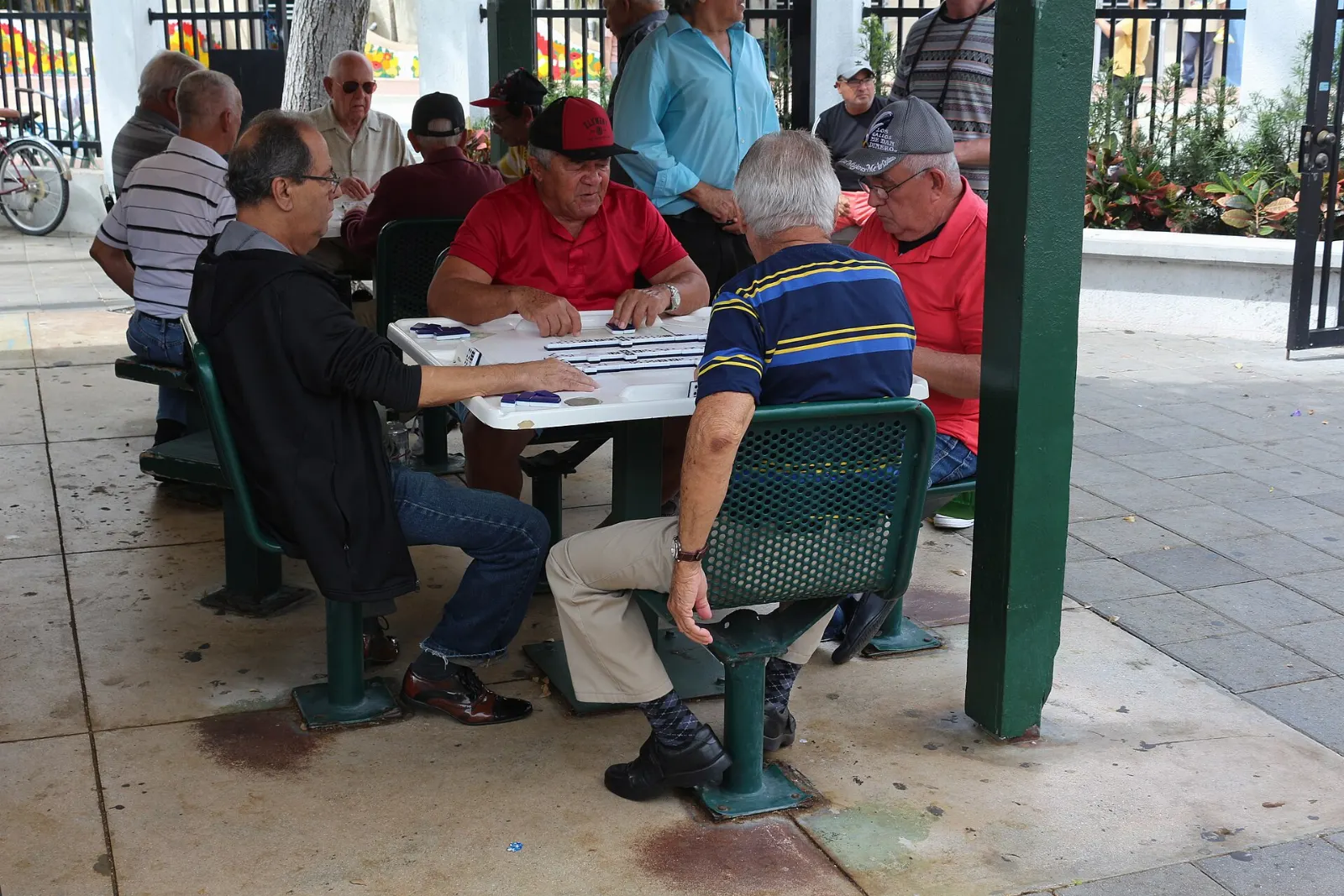
Better known as Domino Park, this small corner plaza on Calle Ocho has been a gathering place since the early 1970s, where regulars play intense games of dominoes under shade. It is named for Máximo Gómez, a hero of Cuba's War of Independence.
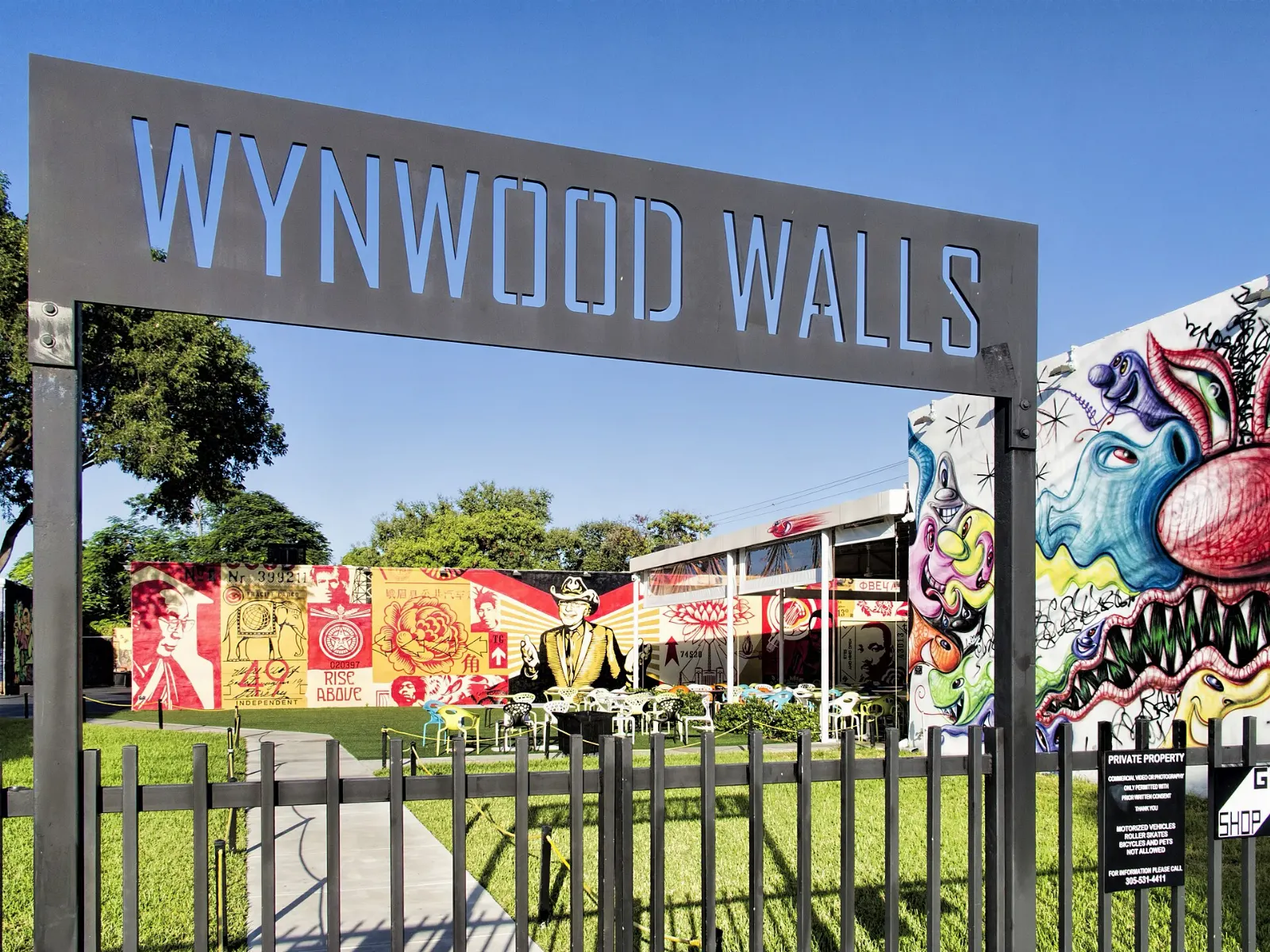
Wynwood Walls
Wynwood was a district of warehouses before murals transformed it into one of the city's liveliest neighborhoods. The Wynwood Walls, an outdoor gallery of large-scale works by street artists from around the world, anchors the area, but painted walls cover buildings for blocks around it, along with galleries, breweries and cafés.
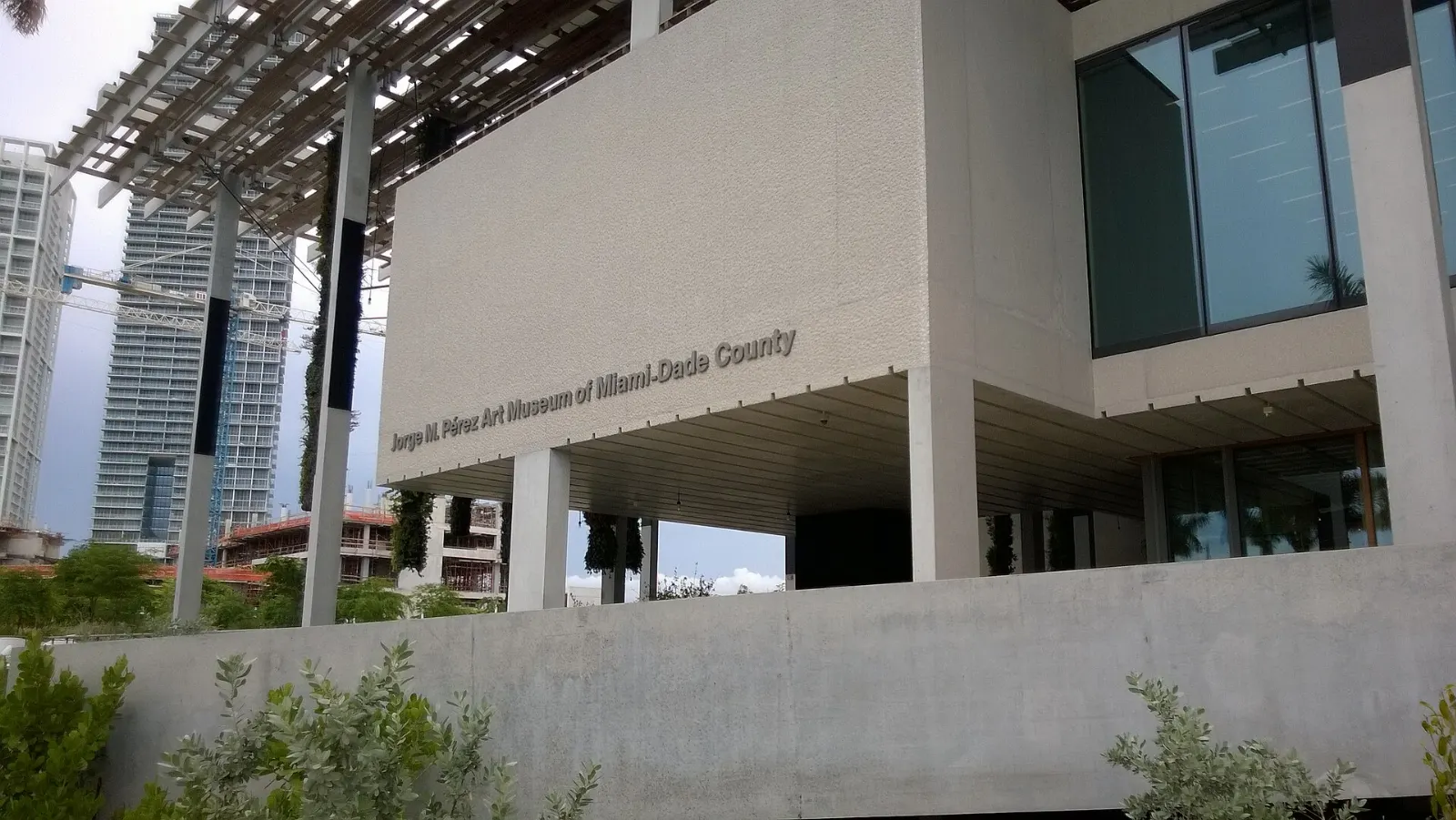
Pérez Art Museum Miami and Museum Park
On Biscayne Bay in downtown, the Pérez Art Museum Miami occupies a striking building by Herzog and de Meuron, with hanging gardens and a shaded veranda overlooking the water. Its collection focuses on modern and contemporary art, especially from the Americas.
Coconut Grove, Coral Gables, Key Biscayne and the Everglades
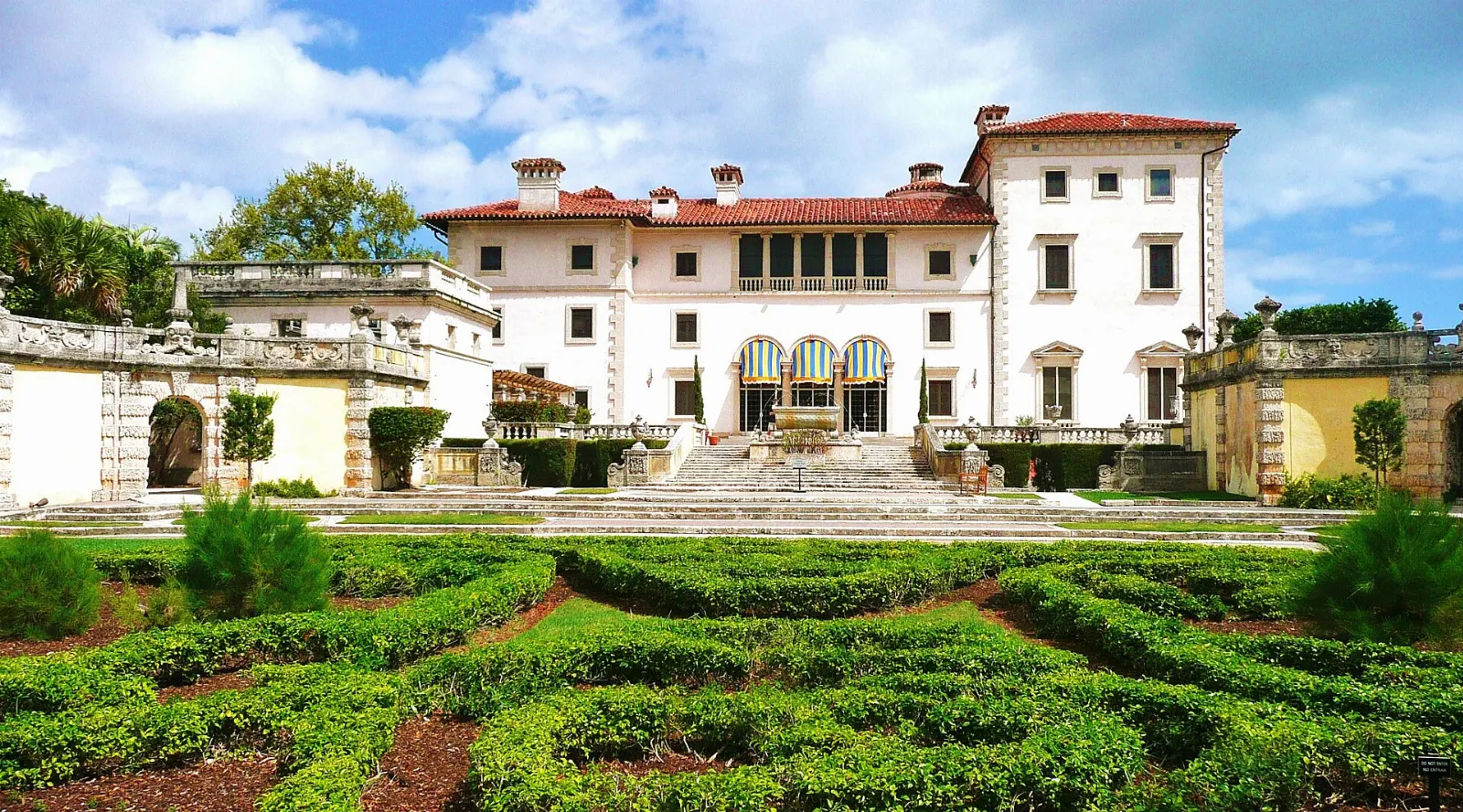
Vizcaya Museum and Gardens
In Coconut Grove, Vizcaya was built in the early twentieth century as the winter estate of industrialist James Deering. The Mediterranean Revival villa is filled with European art and furnishings, and its formal Italian Renaissance-inspired gardens step down to a stone barge breakwater in Biscayne Bay.
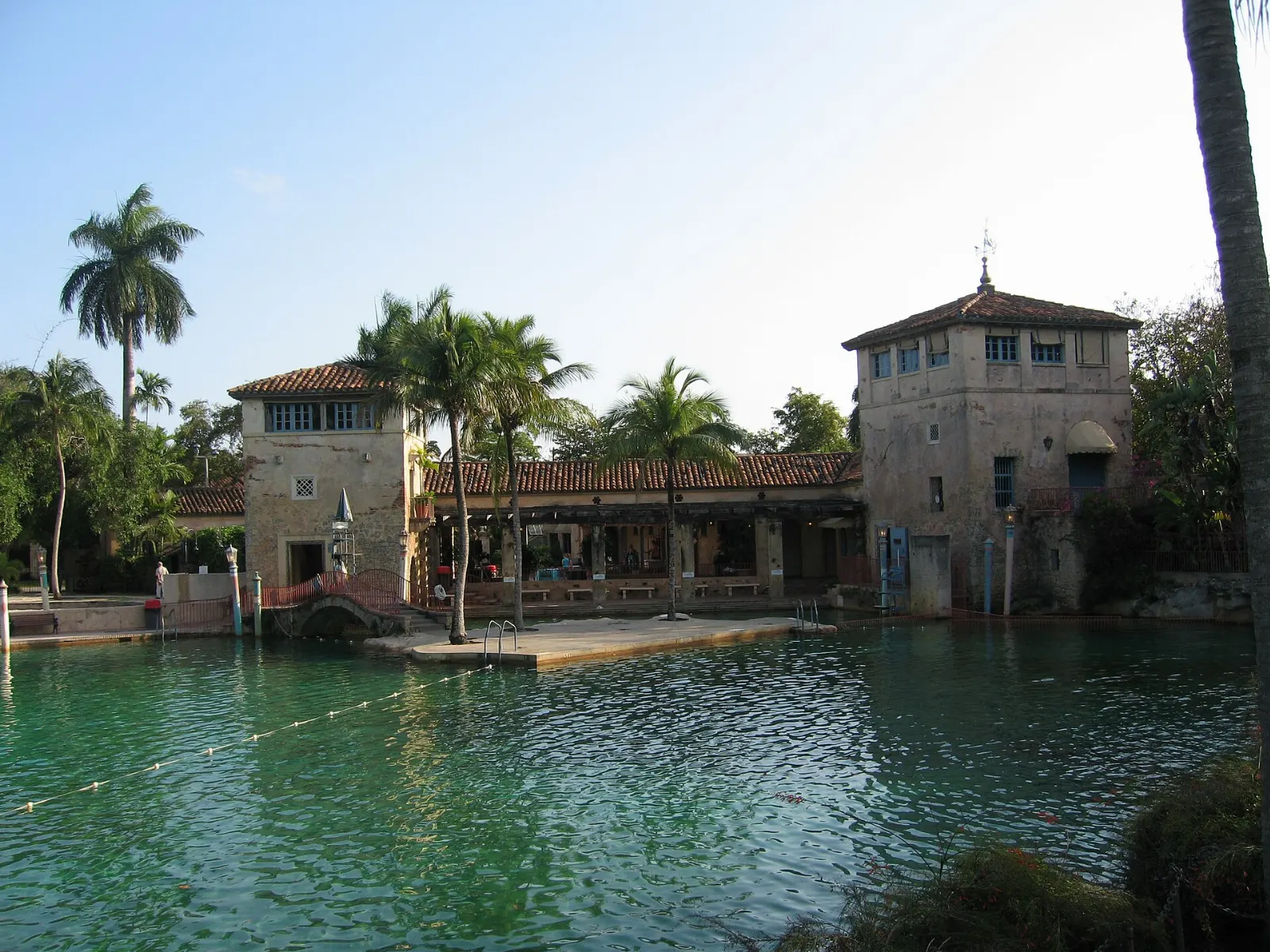
Venetian Pool
Completed in 1924, the Venetian Pool in Coral Gables was created from a former coral rock quarry and is surrounded by grottoes, waterfalls, stone bridges and Venetian-style towers. It is a public pool and one of the most unusual places to swim in the country.
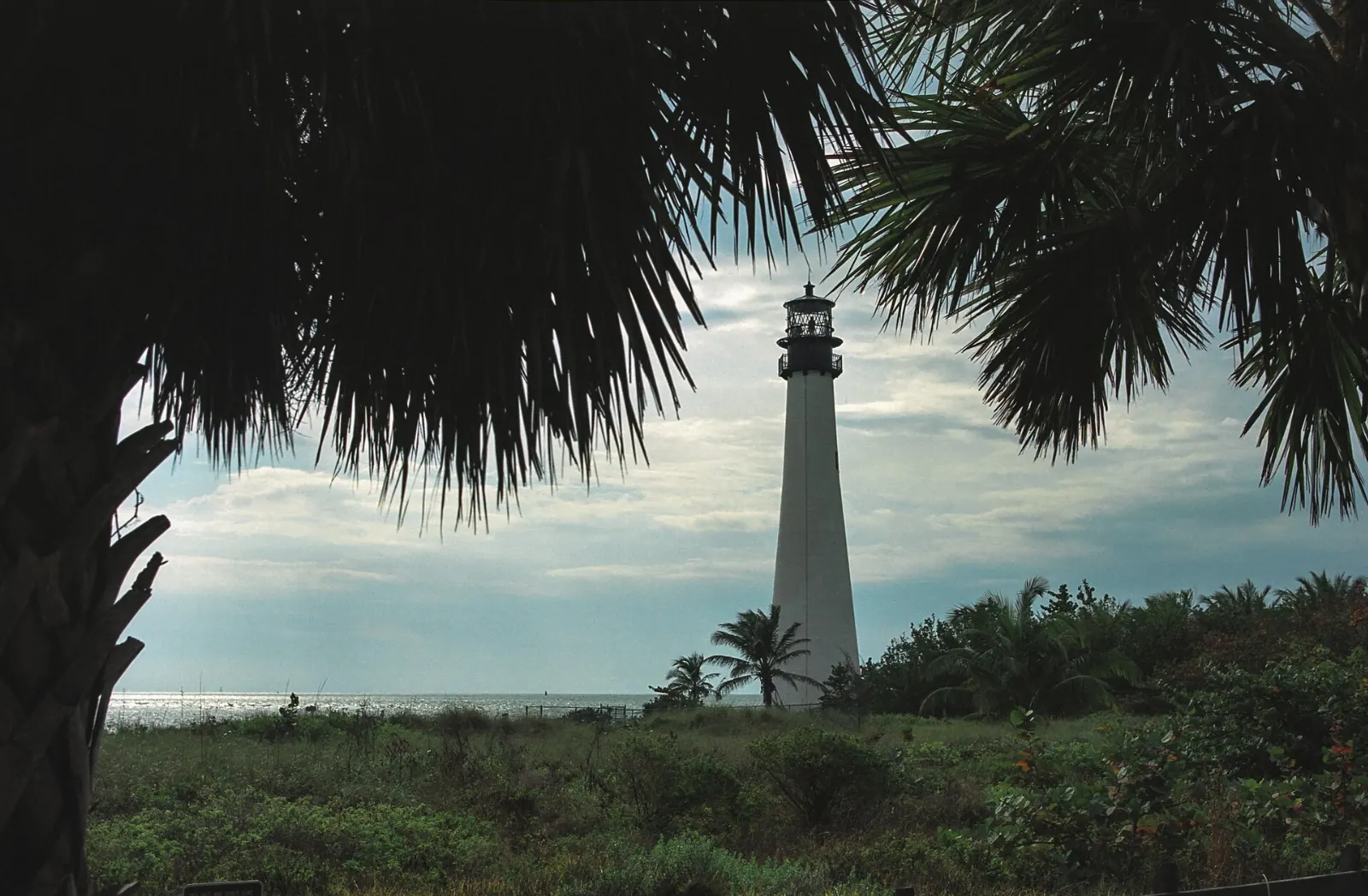
Bill Baggs Cape Florida State Park
Across the Rickenbacker Causeway on Key Biscayne, this park covers roughly the southern third of the island with a long, uncrowded beach, bike paths and seawall fishing.
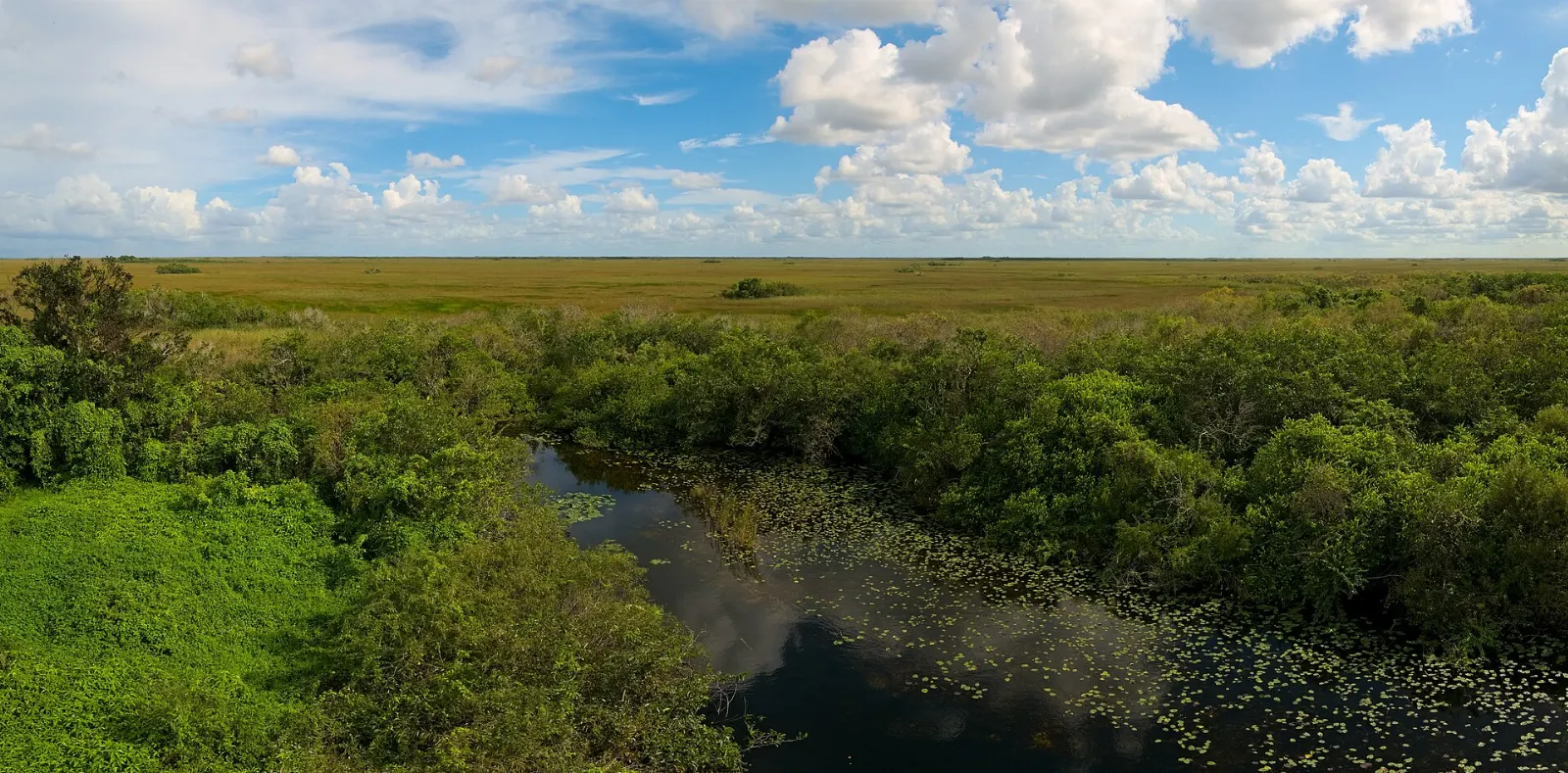
Shark Valley, Everglades National Park
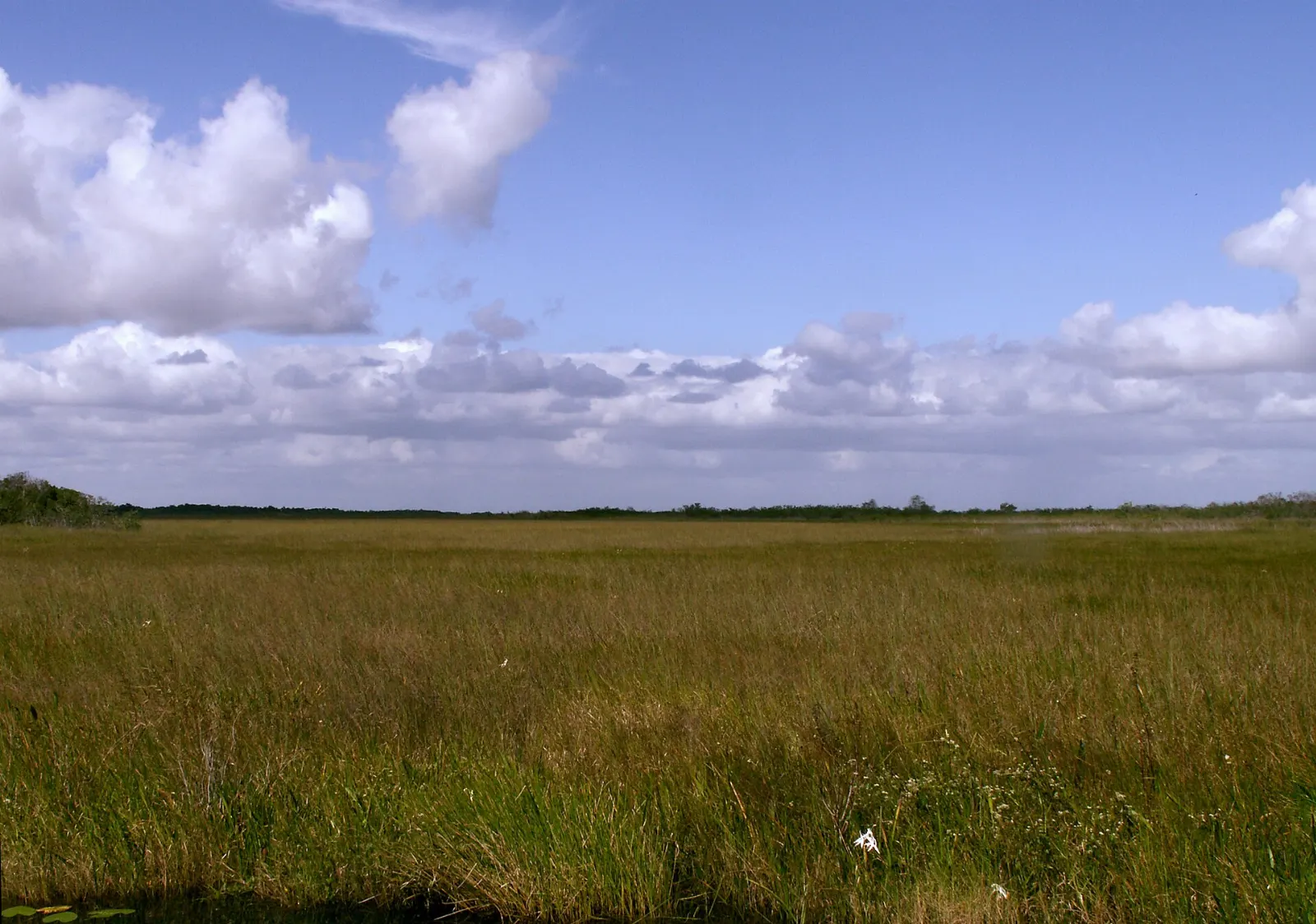
About an hour west of downtown along the Tamiami Trail, Shark Valley gives you an easy introduction to the Everglades. A paved loop road runs through sawgrass prairie to an observation tower with sweeping views, and alligators, turtles and wading birds are often seen beside the path.
Food and local flavors
Cuban food is the city's signature. Start with a Cuban sandwich of roast pork, ham, Swiss cheese, pickles and mustard on pressed bread, or try a medianoche on sweeter egg bread.
Beyond Cuban classics, look for Peruvian ceviche, Venezuelan arepas, Colombian bakeries, Haitian griot in Little Haiti and Nicaraguan fritanga in the western suburbs.
Popular dishes to try in Miami


 Planning a trip to Miami?Compare hotels, flights and vacation rentals for Miami on Expedia.Book now
On WiserMap
Local businesses in Miami
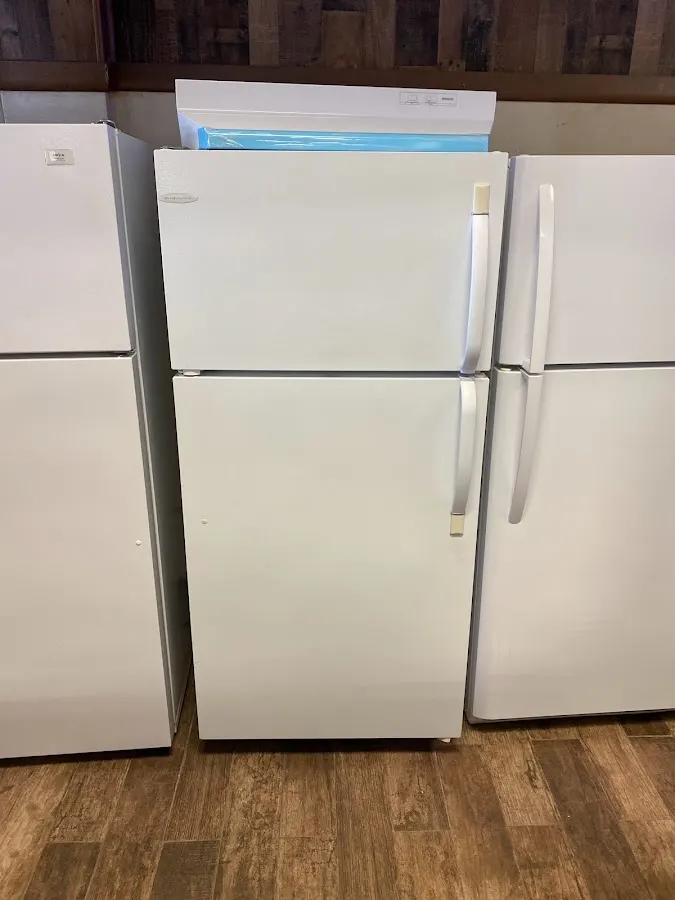
Best Appliances Inc
local Appliances Inc is an appliance sales and repair business serving Miami, Florida. It offers sales, installation, and repair services for major home applian...

Miami Appliance Repair
Miami Appliance Repair is a Miami-based appliance repair service offering same-day repairs for refrigerators, washers, dryers, and other household appliances.
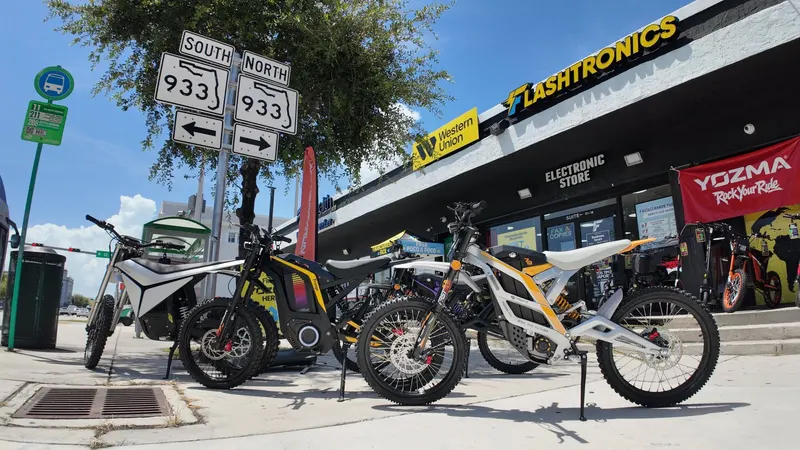
FLASHTRONICS
FLASHTRONICS is a technology and electronics business serving Miami. FLASHTRONICS provides sales of phones, laptops, speakers, and offers service repair service...
Where to stay
South Beach. The classic choice for beach access, Art Deco architecture and nightlife.
Mid-Beach and North Beach. Farther up Collins Avenue, these areas are calmer, with oceanfront resorts and quieter beaches.
Downtown and Brickell. High-rise towers, bay views and access to the free Metromover make this area practical for business travelers, culture lovers and anyone without a car.
Where to stay in Miami


Best time to visit
Winter and early spring, from December to April, are peak season. Days are warm and mostly dry, humidity is lower, and the Everglades are at their best for wildlife.
Summer, from June to September, is hot and humid, with short, heavy afternoon thunderstorms almost every day.
Getting there and getting around
Miami International Airport is one of the country's busiest gateways to Latin America and the Caribbean. The MIA Mover connects the terminals to the Miami Intermodal Center, where you can catch Metrorail into downtown, Tri-Rail north toward Fort Lauderdale and West Palm Beach, buses and rental cars.
In the city, the free Metromover loops through downtown and Brickell, and Metrorail runs from the airport through downtown to Coconut Grove and the southern suburbs. Buses link the mainland with Miami Beach.
A suggested itinerary
First day
Spend the morning on South Beach, then take an Art Deco walking tour along Ocean Drive and Collins Avenue.
Second day
Start with Cuban coffee and pastries on Calle Ocho, watch the domino players at Máximo Gómez Park, then head to Wynwood for murals and lunch.
Third day
Visit Vizcaya in the morning, then cool off at the Venetian Pool in Coral Gables.
Fourth day
Drive west to Shark Valley for the tram or a bike ride through the Everglades, then return to spend the late afternoon on the beach at Bill Baggs Cape Florida State Park.
Practical tips
- Wear strong sunscreen, a hat and sunglasses, and drink plenty of water, since the sun is intense all year.
- Swim near lifeguard towers and pay attention to warning flags for rip currents and jellyfish.
- Plan outdoor sightseeing for mornings in summer to avoid the heat and afternoon storms.
- Use the free Metromover downtown and avoid driving in South Beach whenever you can.
- Book popular restaurants, timed museum entries and Everglades tours ahead in winter.
- Learn a few Spanish greetings; they are appreciated in Little Havana and many other neighborhoods.
Find local businesses in Miami on WiserMap
Searching for a Cuban bakery, a bike rental, a boat tour or a pharmacy near your hotel?