Unlimited Biking
5.0(4)Excellent
Bicycle Rental Service
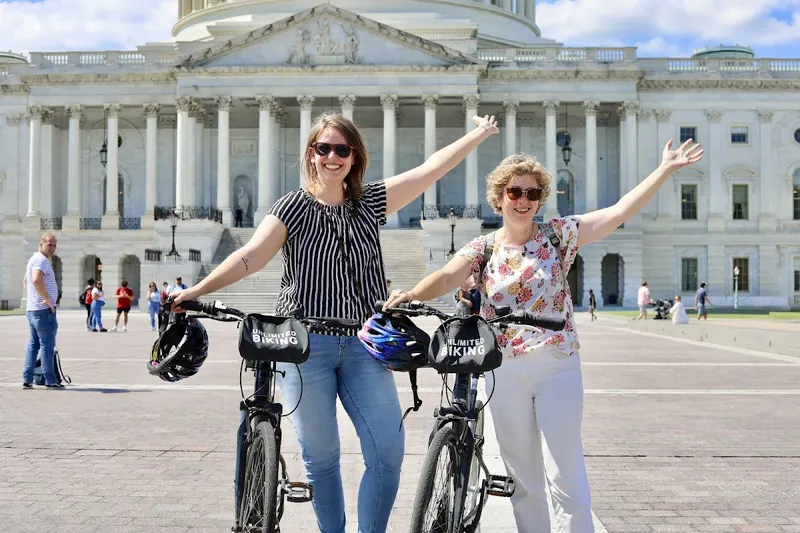
Unlimited Biking is a bike rental and tour operator serving Washington DC. It offers bike rentals, guided tours, and group experiences with helmets and locks in...
 Choose wisely. Connect locally.Add your business
 This guide covers the island's best places to visit, from the striped lighthouse at Harbour Town to Gullah heritage sites on the north end, along with advice on food, where to stay, seasons, transport and a simple three day plan.
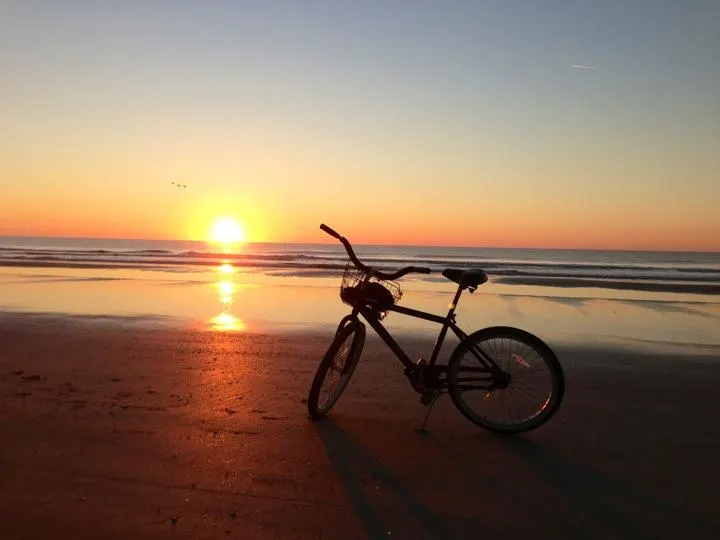
The beaches are the first draw. The sand is wide and firm at low tide, firm enough to ride a bike along the water's edge, and the surf is usually gentle.
The island is also one of the most bike friendly places in the South, with a network of paved pathways running beside major roads and through the residential communities that locals still call plantations.
Look beyond the resorts and you find deep history. Indigenous people built shell rings here more than four thousand years ago.
The gated Sea Pines community covers the island's southern tip. Visitors who are not staying inside pay a per vehicle day pass at the gate; check the Sea Pines website for the current fee.
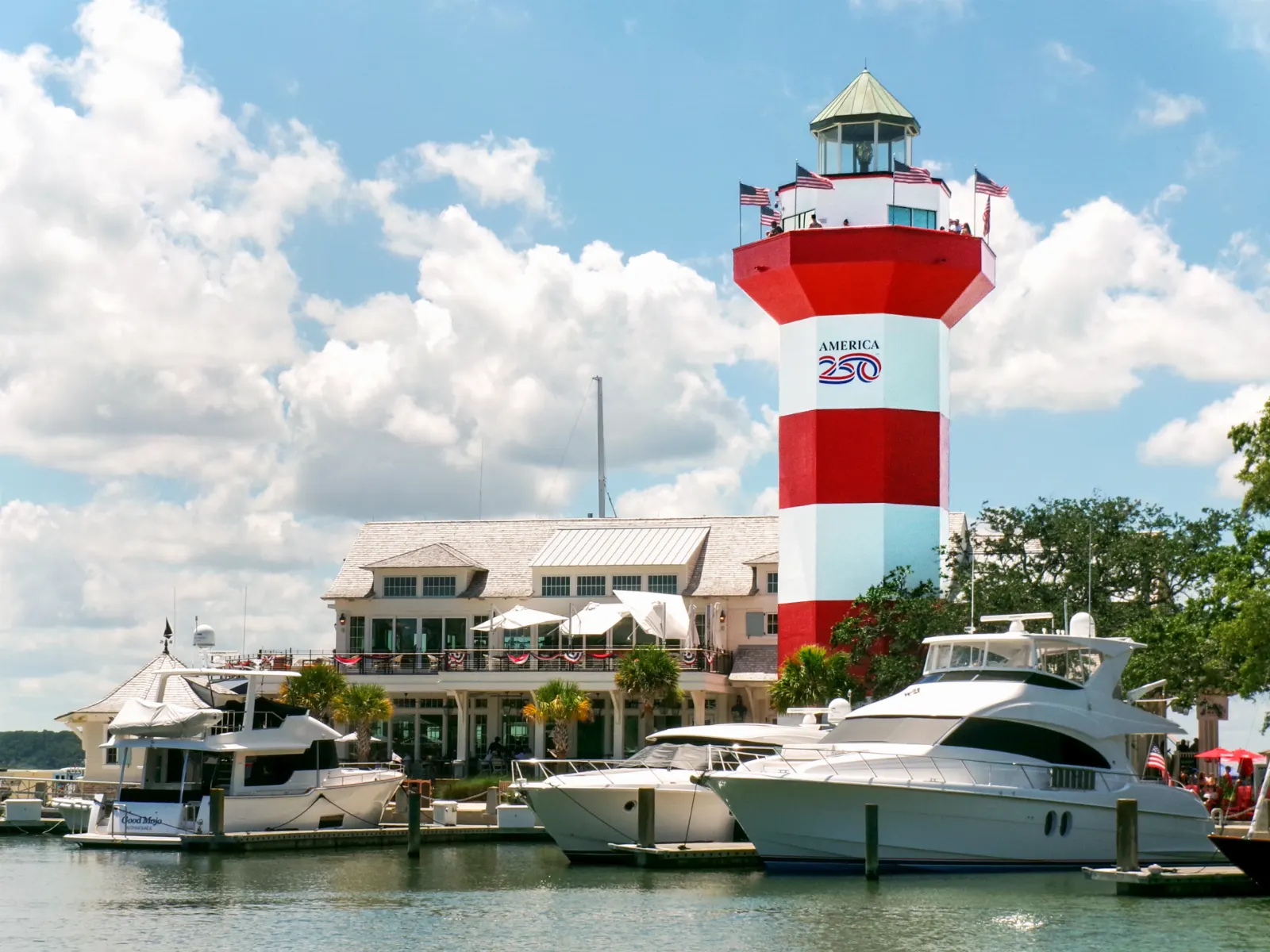
The circular marina at Harbour Town, ringed by shops and restaurants, is the island's postcard view. Its red and white striped lighthouse was built by developer Charles Fraser in 1969 and 1970, and although locals laughed at first, it quickly became the symbol of Hilton Head.
Designed by Pete Dye with input from Jack Nicklaus, this course has hosted the Heritage since 1969, and the final holes run right along the sound beside the lighthouse. Even non golfers can enjoy the view from the marina side.
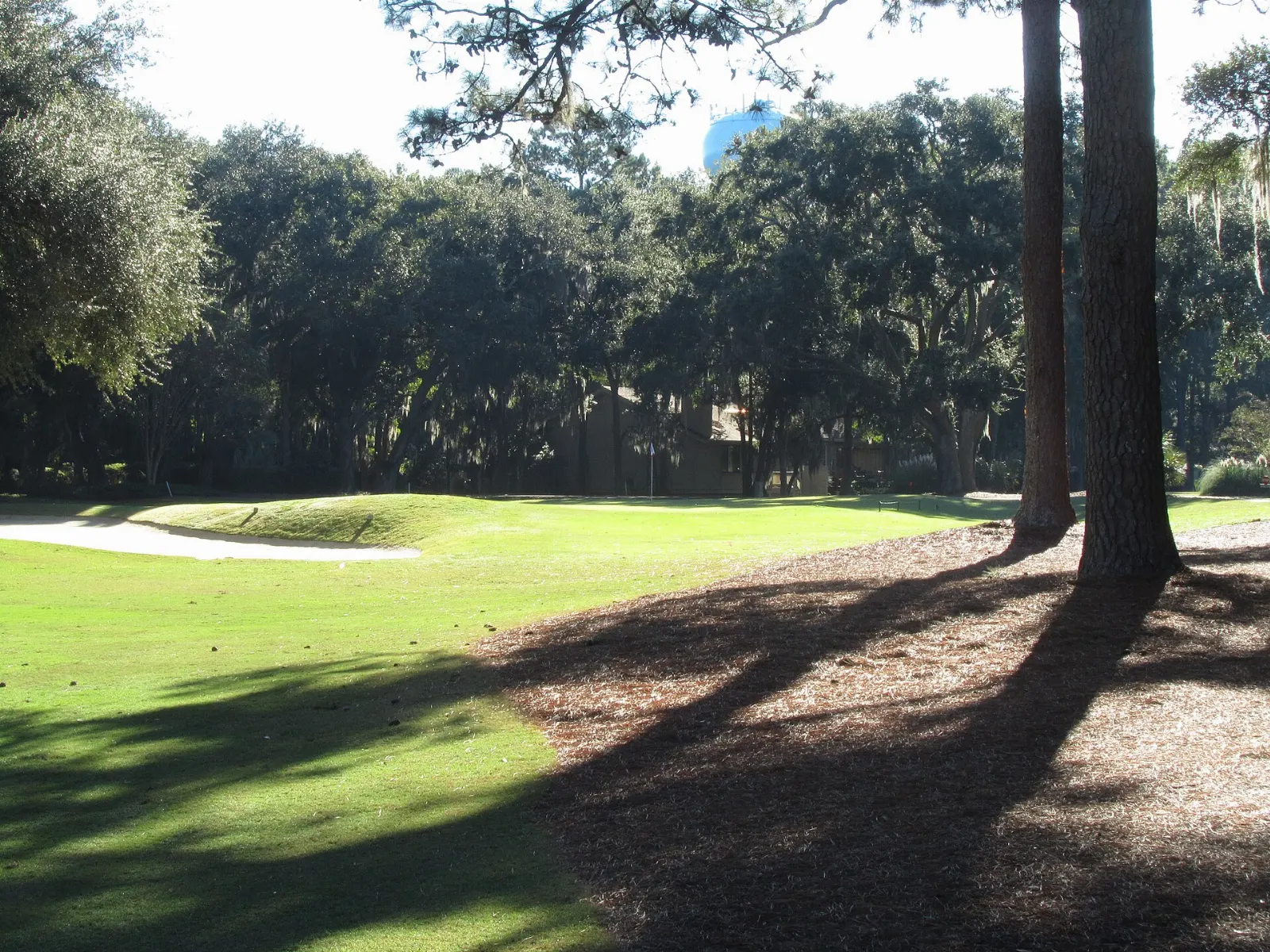
Hundreds of acres of woods, lakes and wetlands are protected here, with walking trails, boardwalks and observation platforms where you can spot alligators, herons and turtles.
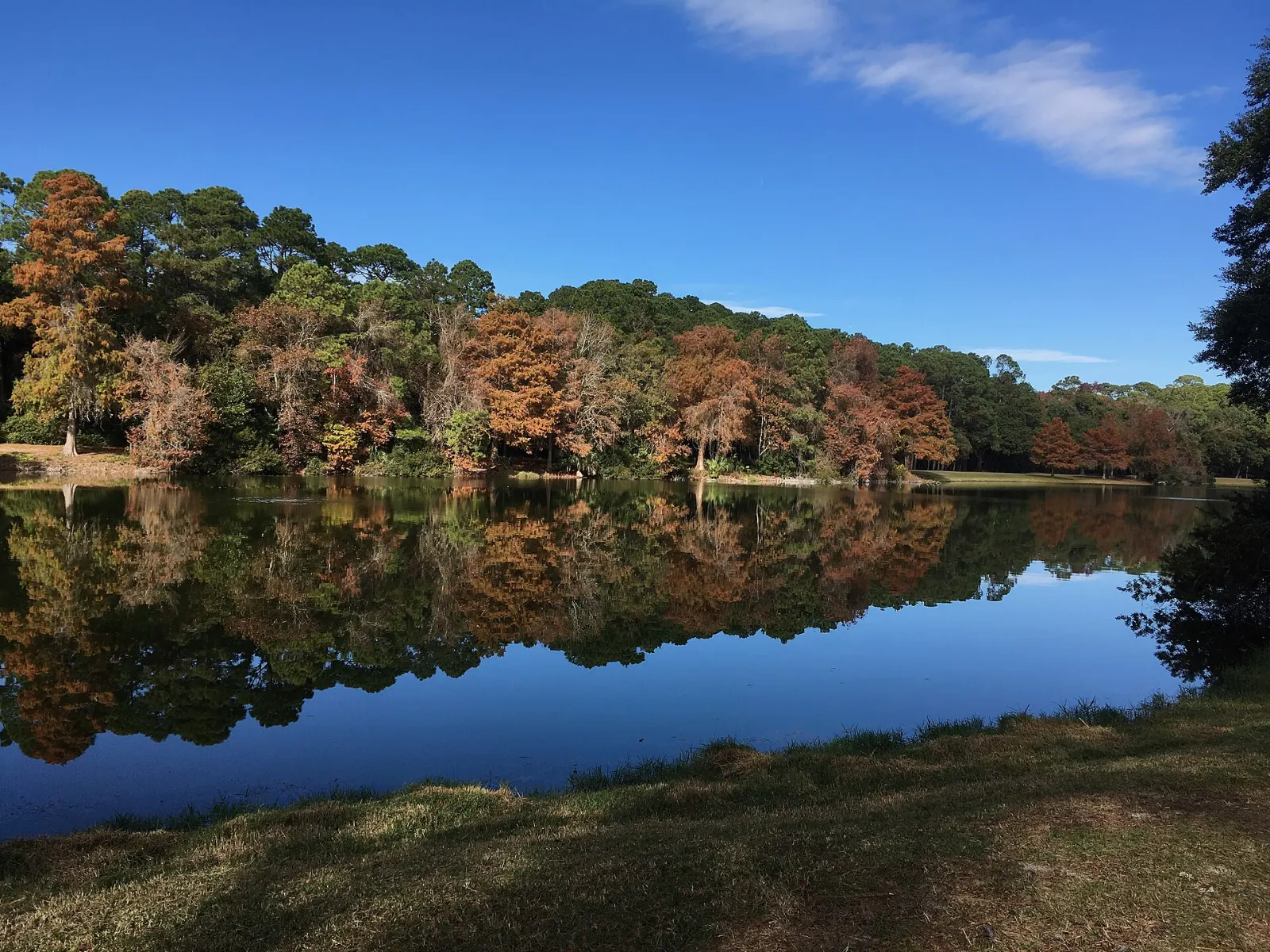
Tucked into a residential area of Sea Pines, these tabby walls are what remains of a plantation house built around 1800. Union troops camped here during the Civil War.
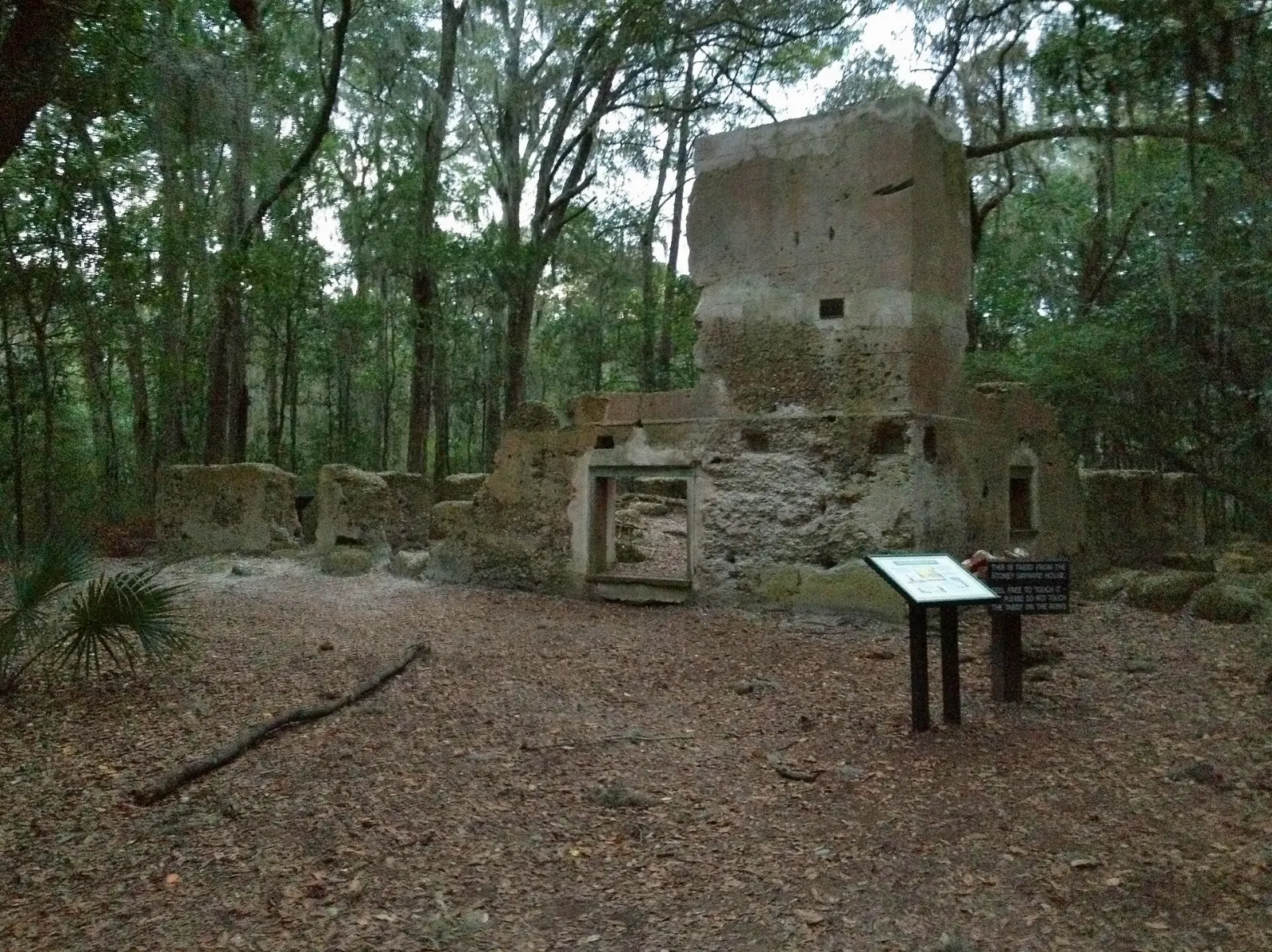
All of the island's Atlantic beachfront is open to the public below the high tide line, but public parking is concentrated at a handful of beach parks.
At the end of Pope Avenue, Coligny is the island's busiest and most convenient public beach, with restrooms, outdoor showers, shaded swings and a short walk to the shops and casual restaurants of Coligny Plaza.
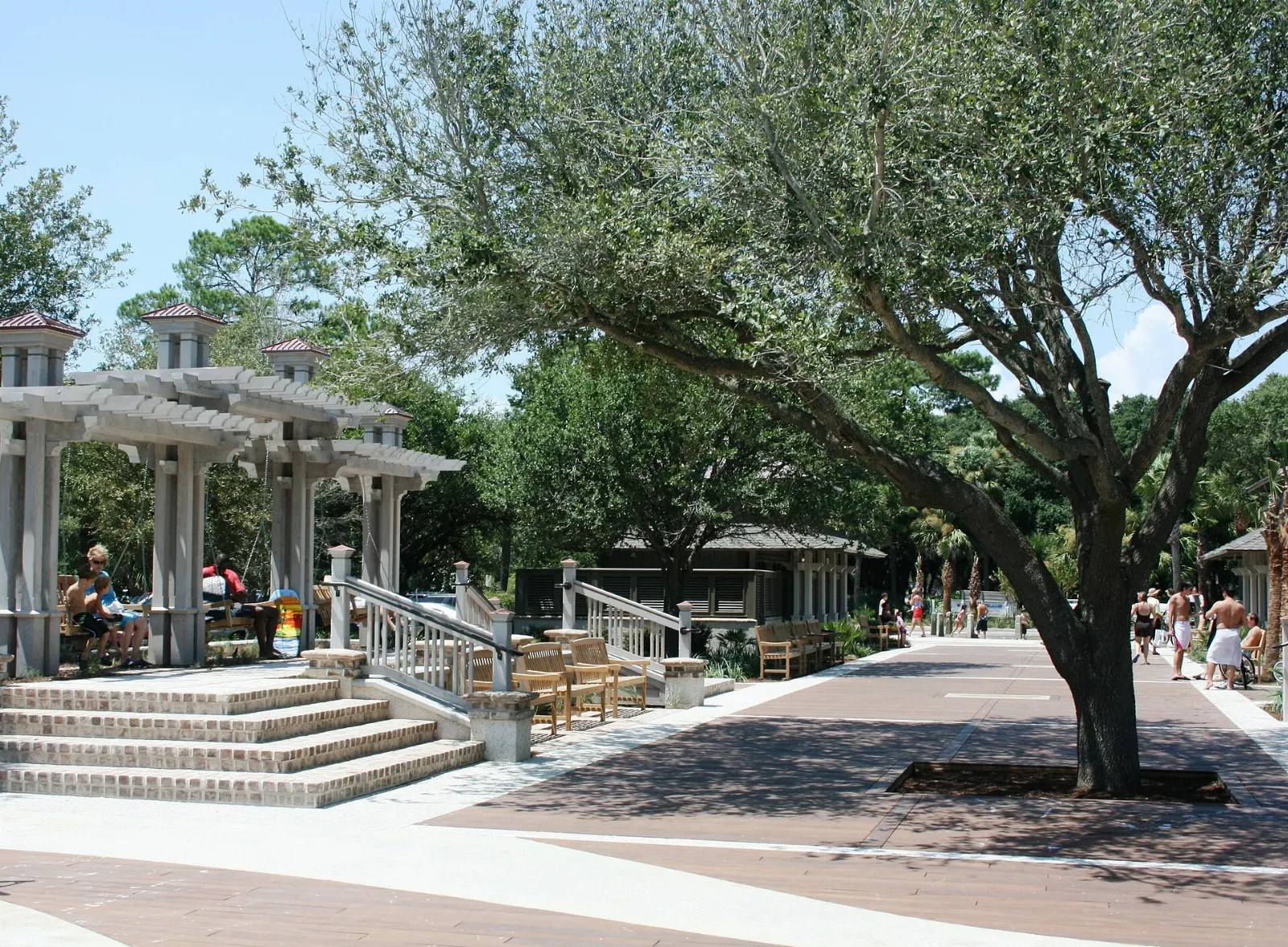
Further north, Driessen Beach Park and Folly Field offer quieter stretches of sand with boardwalks over the dunes. Folly Field sometimes has slightly bigger waves for boogie boarding.
Midway up the island on Broad Creek, Shelter Cove combines a deepwater marina, waterfront dining, shops and a park lawn.
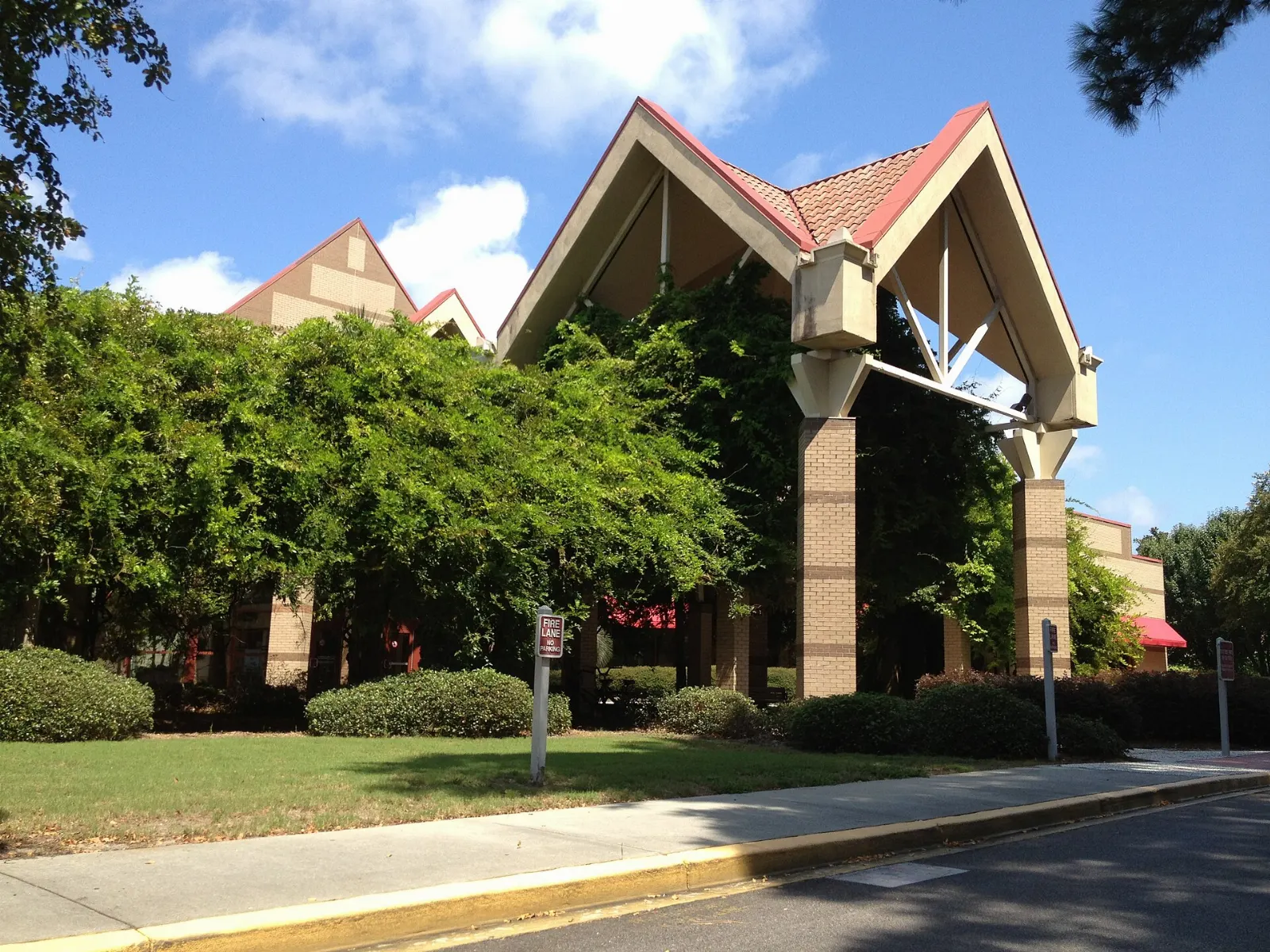
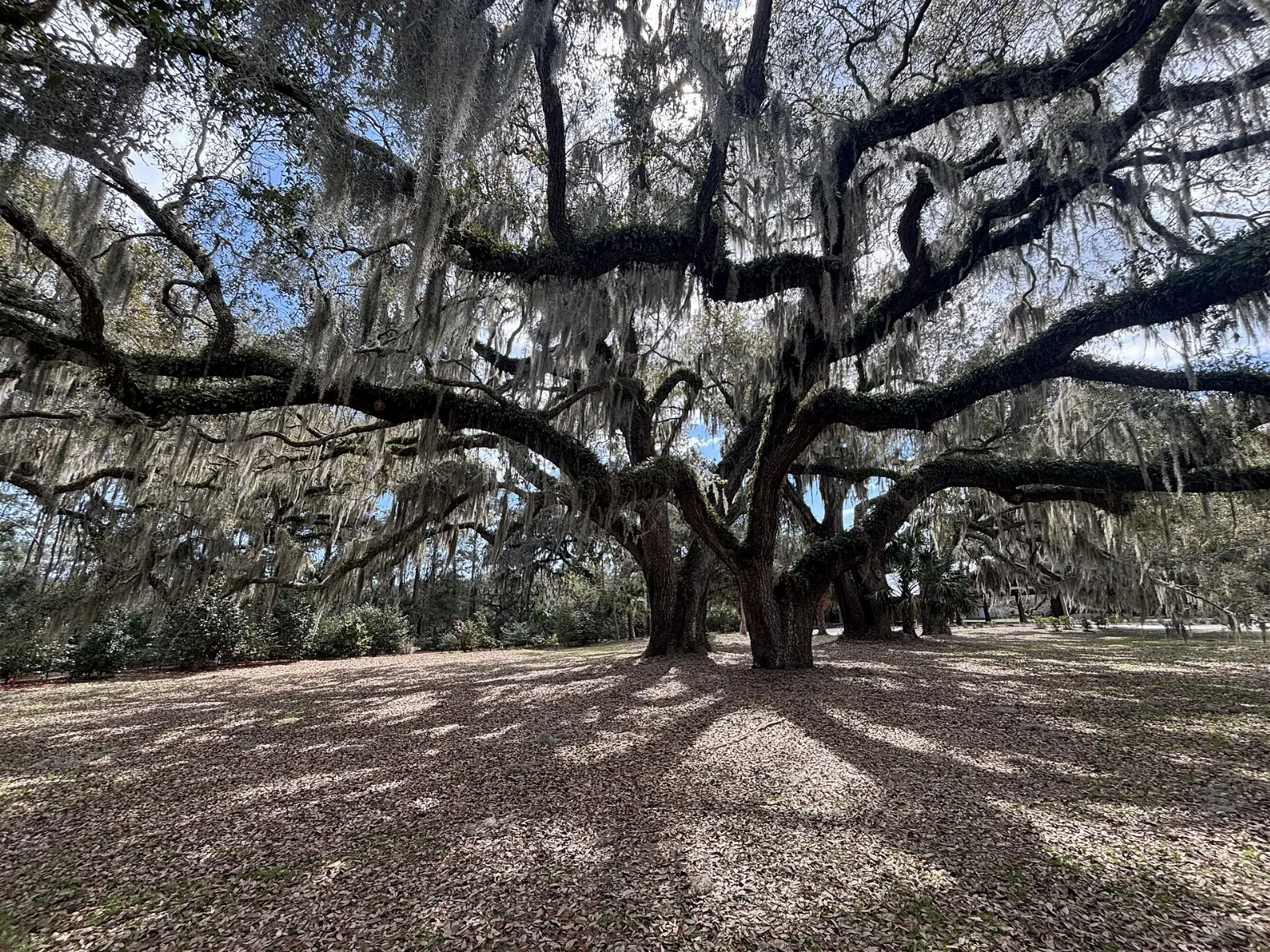
Set on the grounds of a historic plantation off the main parkway, this museum explores the Lowcountry's natural and cultural history through exhibits, gardens, a butterfly habitat, marsh boardwalks and grand live oaks.
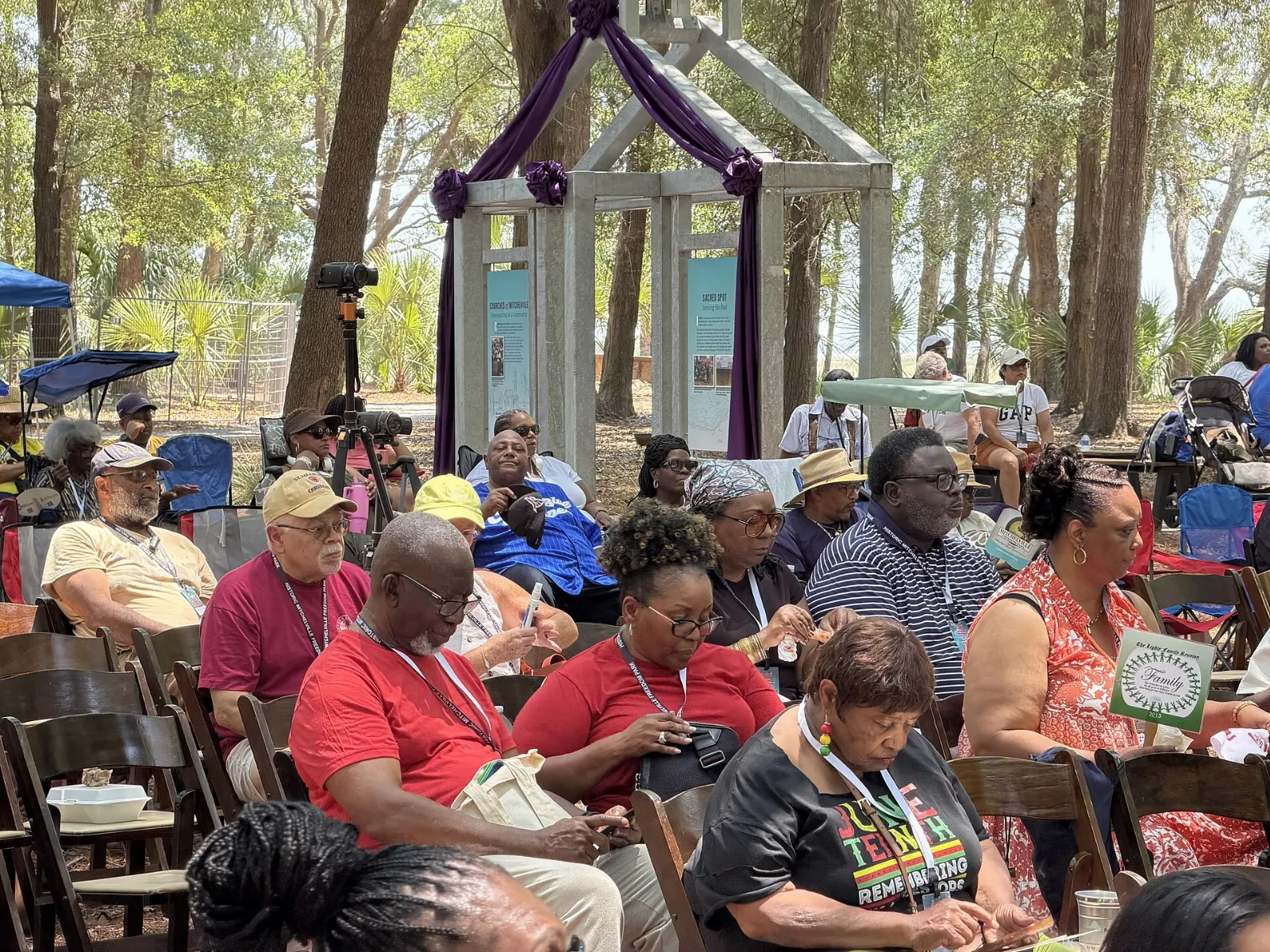
On the north end near Port Royal Sound lies the site of Mitchelville, founded in 1862 for people freed from slavery after Union forces took the island.
Not far from Mitchelville, the earthwork walls of Fort Howell were built in 1864 by African American Union troops to protect the town. The grassy ramparts are well preserved and the site is quiet.
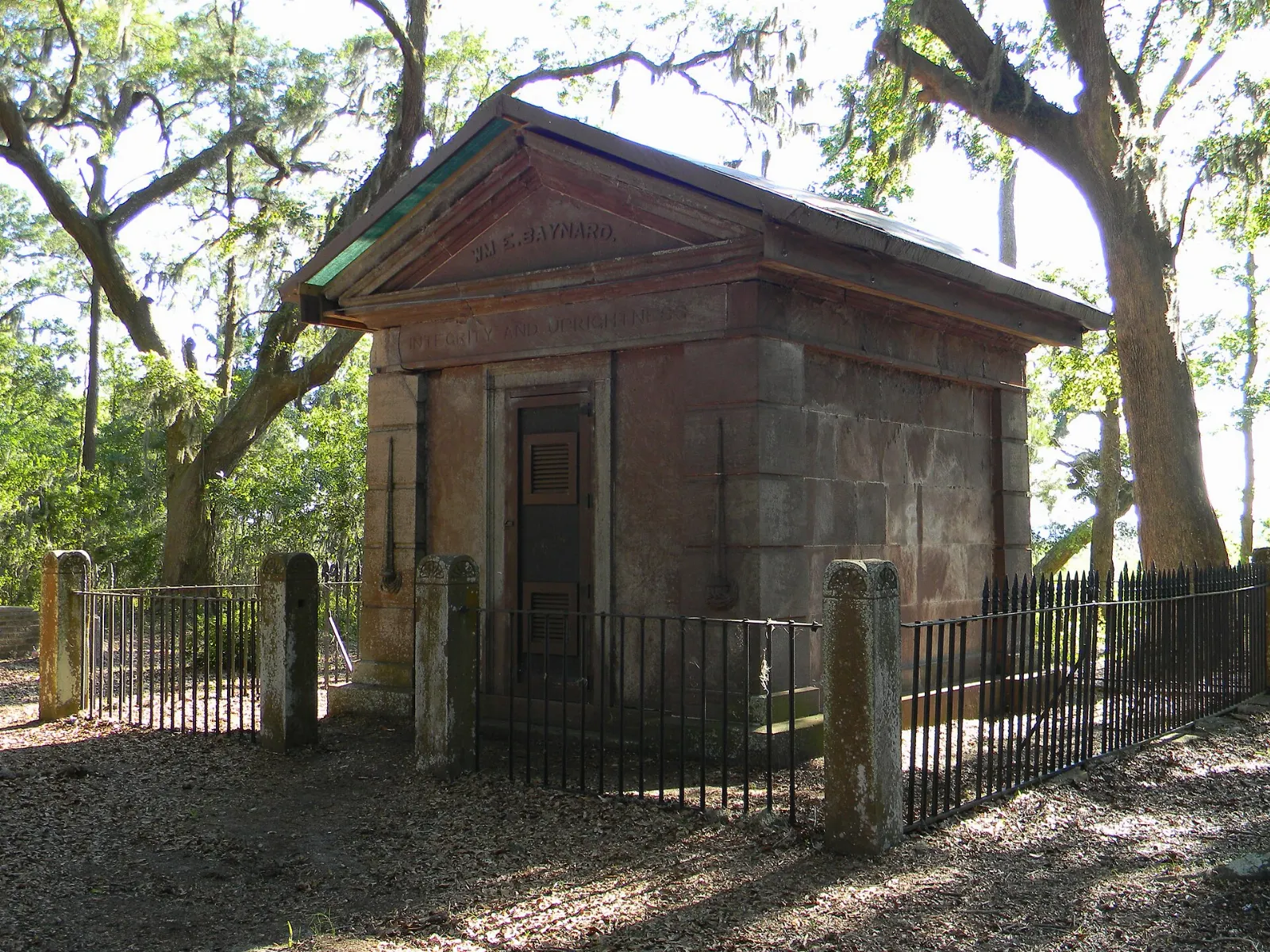
At William Hilton Parkway and Mathews Drive, a small cemetery is all that remains of the Zion Chapel of Ease, built in 1788. It contains the Baynard Mausoleum, built in 1846 and the oldest intact structure on the island.
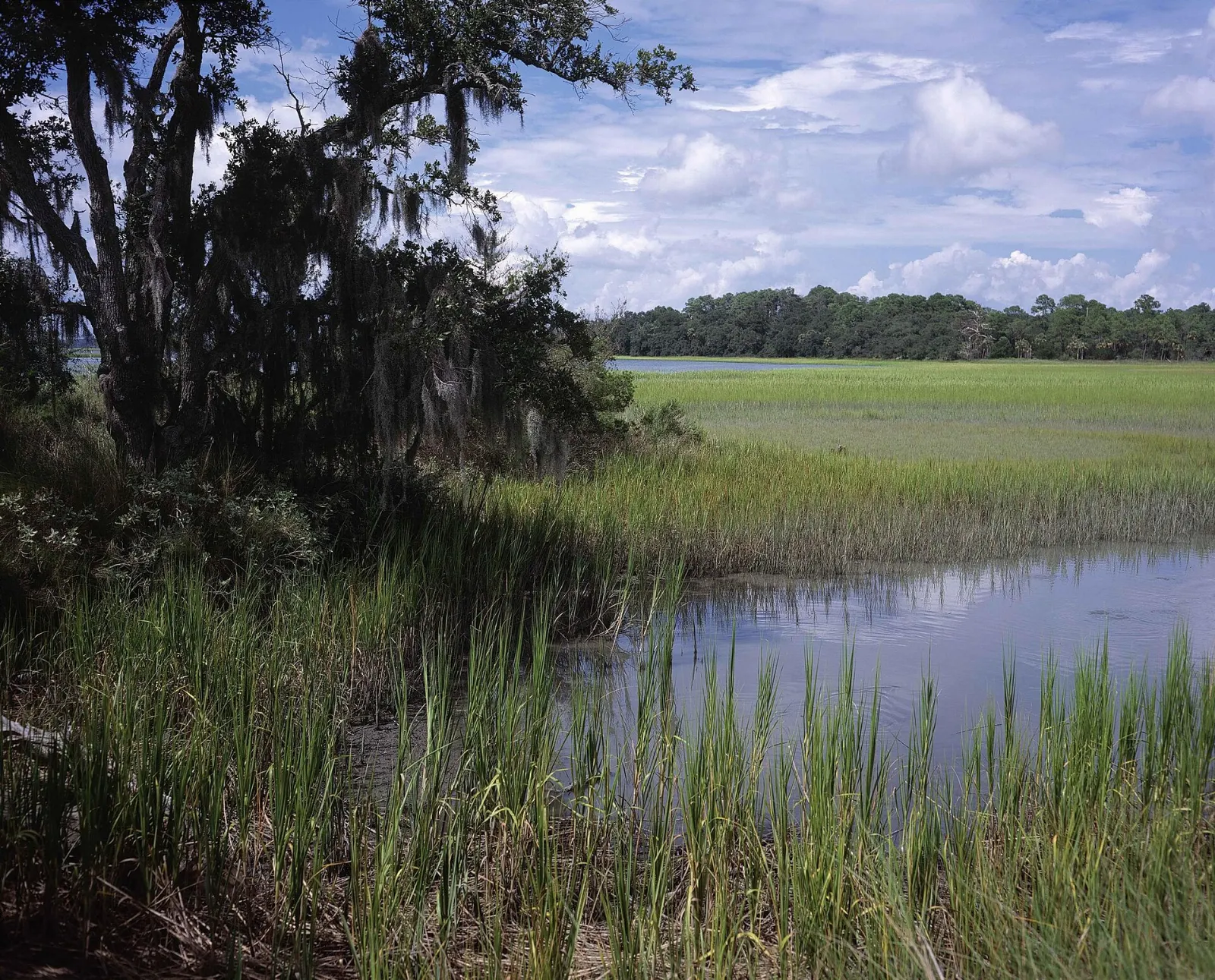
Just before you reach Hilton Head on US 278, this refuge protects salt marsh, forest and freshwater ponds once owned by General Charles Cotesworth Pinckney.
This is Lowcountry country, and the menu leans on the surrounding waters.
Waterfront dining is easy to find at Harbour Town, Shelter Cove and along Skull Creek on the north end, where restaurants face the marsh and the sunset. Coligny Plaza and Pope Avenue are best for casual meals near the beach.
Popular dishes to try in Hilton Head Island


Sea Pines suits visitors who want golf, quiet bike paths and Harbour Town on their doorstep, with villas and homes for rent inside the gates.
The Coligny and South Forest Beach area is the best choice if you want to walk to a public beach, shops and casual restaurants without a car.
The north end and Port Royal area are quieter and more residential, good for longer stays.
Where to stay in Hilton Head Island


Unlimited Biking is a bike rental and tour operator serving Washington DC. It offers bike rentals, guided tours, and group experiences with helmets and locks in...
H & H Auto Service Inc. is a full-service auto repair business serving Hilton Head Island, SC. It provides mechanical repairs, oil changes, brake repair, diesel...
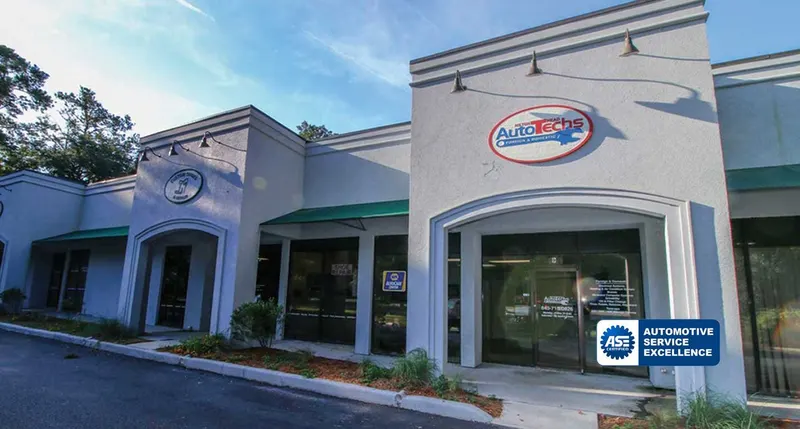
Hilton Head Auto Techs is a family owned auto repair business serving Hilton Head Island. It provides full-service auto repair including AC, brakes, electrical,...
Perfection Automotive is a local oil change service in Hilton Head Island, SC, providing certified technician care and multi-point vehicle inspections.
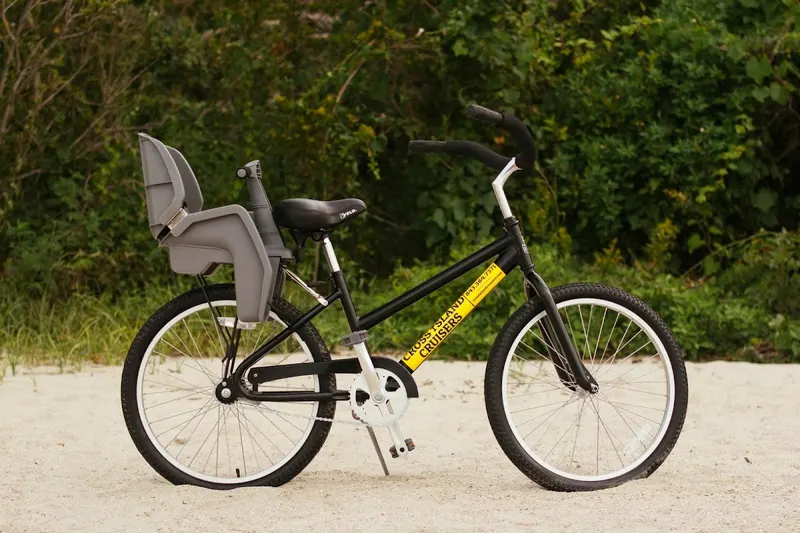
Cross Island Bike Rental is a family-run bike rental business on Hilton Head Island offering beach cruisers, electric bikes, geared bikes, and bike repair servi...
Pedals Bicycles is a family-owned bike rental, sales, and repair business serving Hilton Head Island, SC, offering a wide range of bikes and vacation gear for a...
Spring, from April to early June, brings warm days and blooming azaleas, plus the RBC Heritage golf tournament in mid April, the week after the Masters; book early if you are visiting then.
Summer is peak season with families, full beaches and heavy weekend traffic on the single road onto the island.
Hilton Head Island Airport, on the north end, has a limited schedule of commercial flights, typically from hubs such as Charlotte and Atlanta.
By car, US 278 is the only road on and off the island, crossing bridges from Bluffton; it connects to I-95 about forty minutes inland.
Biking is the best way to get around. Paved pathways follow the main roads, and rentals with delivery to your lodging are widely available.
Spend the morning on the sand at Coligny Beach Park, then bike along the beach at low tide.
Start at the Coastal Discovery Museum at Honey Horn, then drive or ride north to Historic Mitchelville Freedom Park and Fort Howell.
Take a morning dolphin cruise or guided kayak trip on Broad Creek. In the afternoon, walk the trails at Pinckney Island National Wildlife Refuge, then cross to Old Town Bluffton for an evening stroll and dinner.
Need a bike rental, a dolphin tour, a seafood dinner or a beach gear shop?
WISERMAP PLACEHilton Head Island: photos, reviews & things to doSee traveler photos and reviews, or share your own →
Grand Canyon National Park, Arizona
Aspen, Colorado
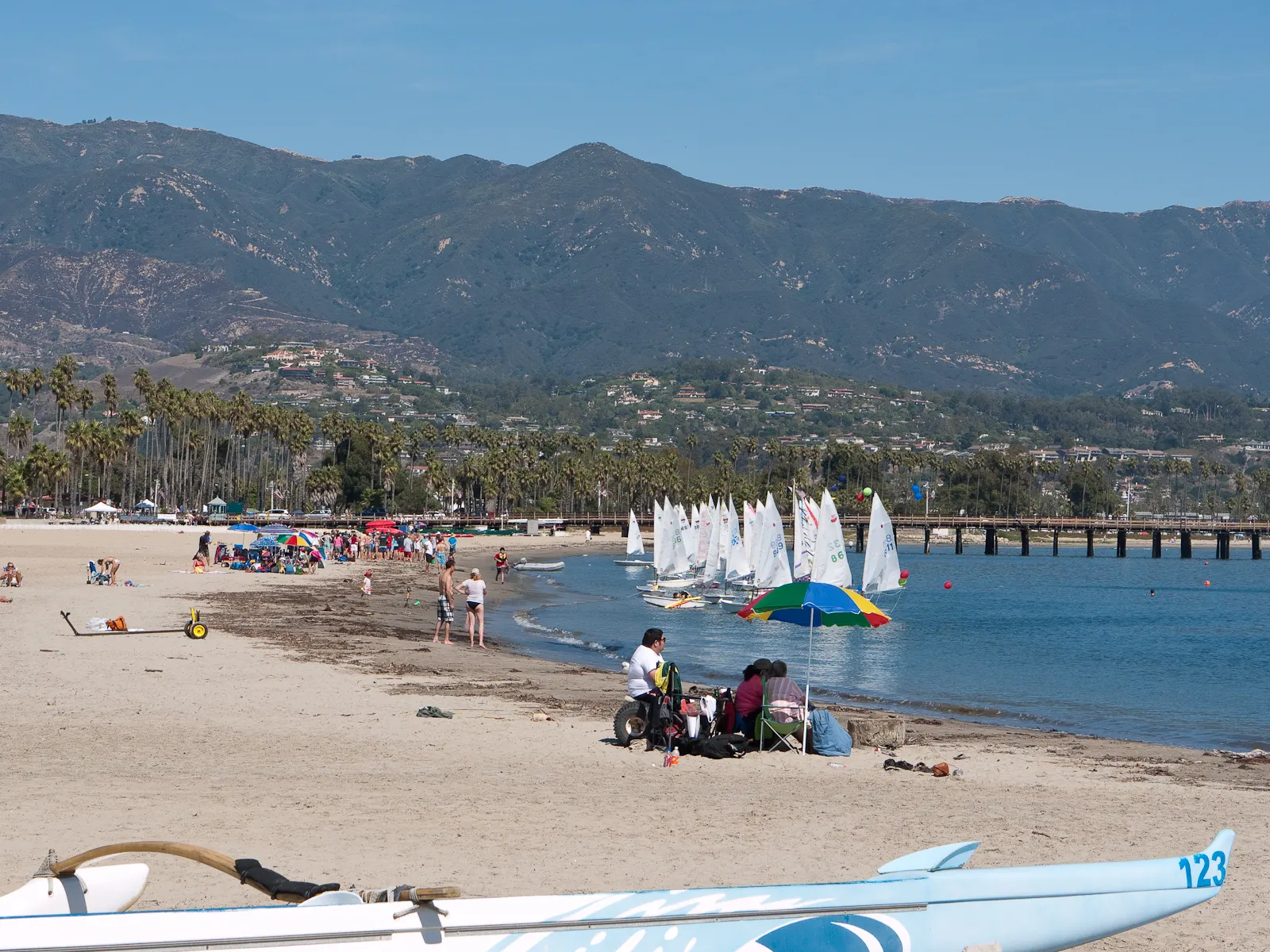
Santa Barbara, California
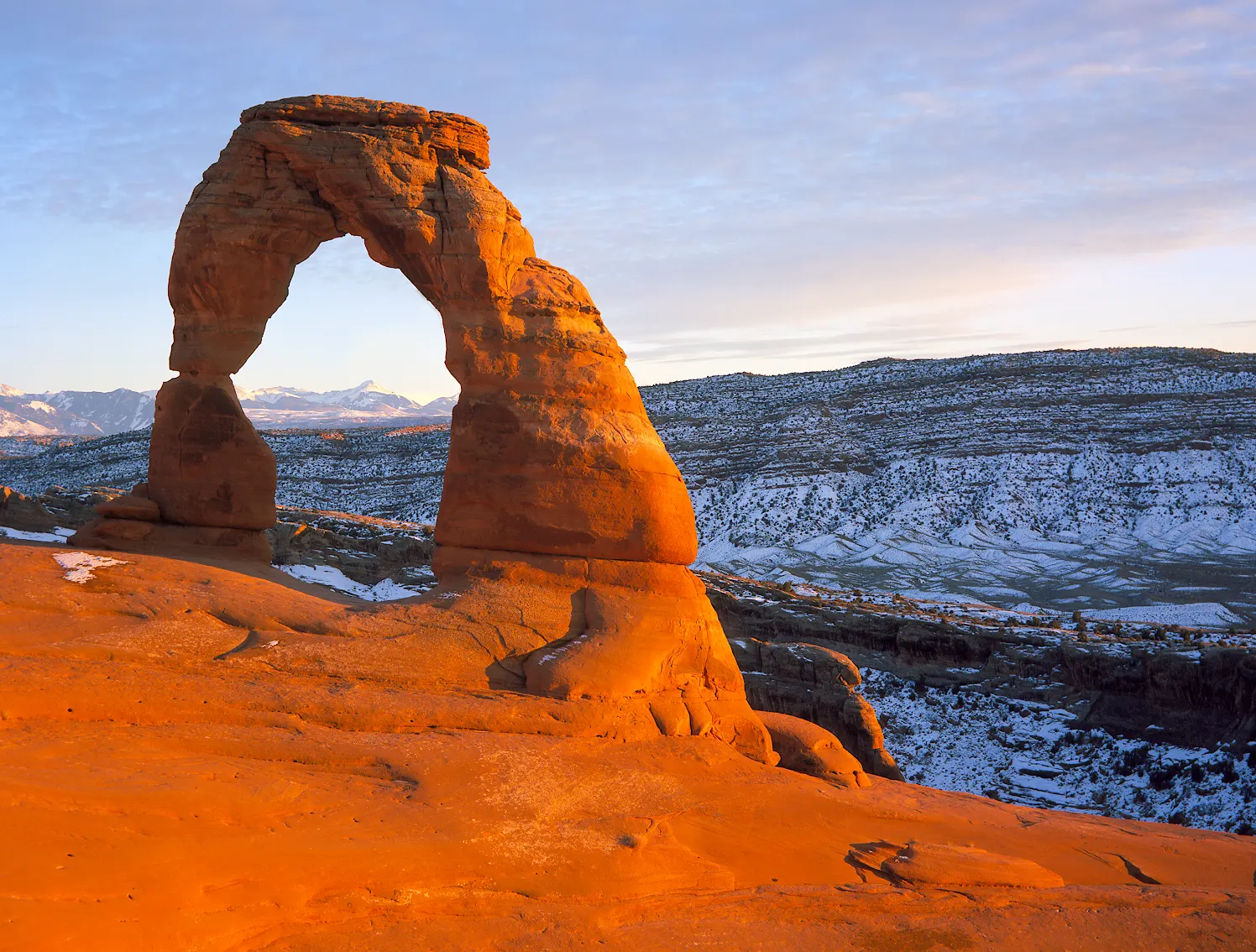
Moab, Utah
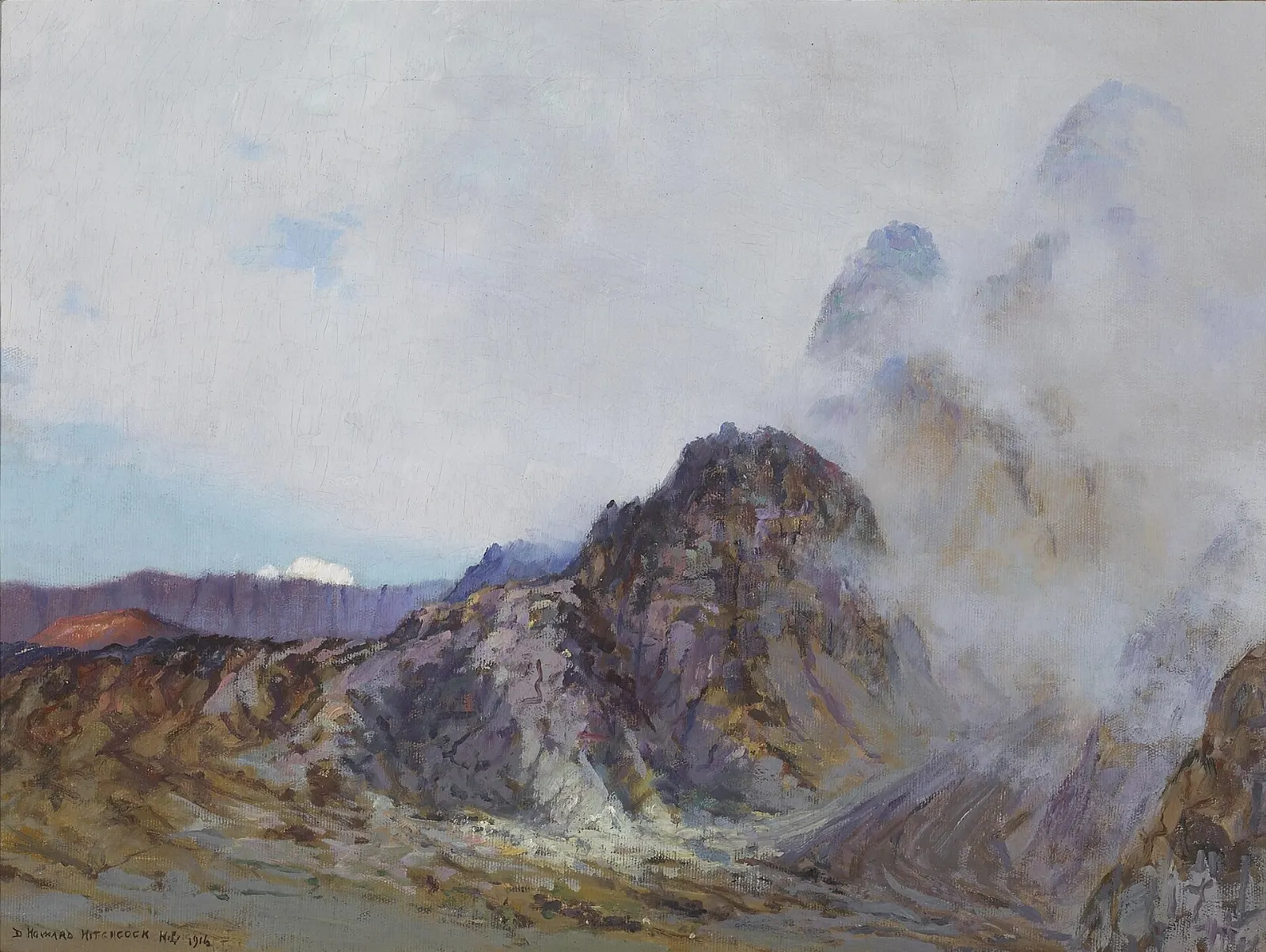
Maui, Hawaii
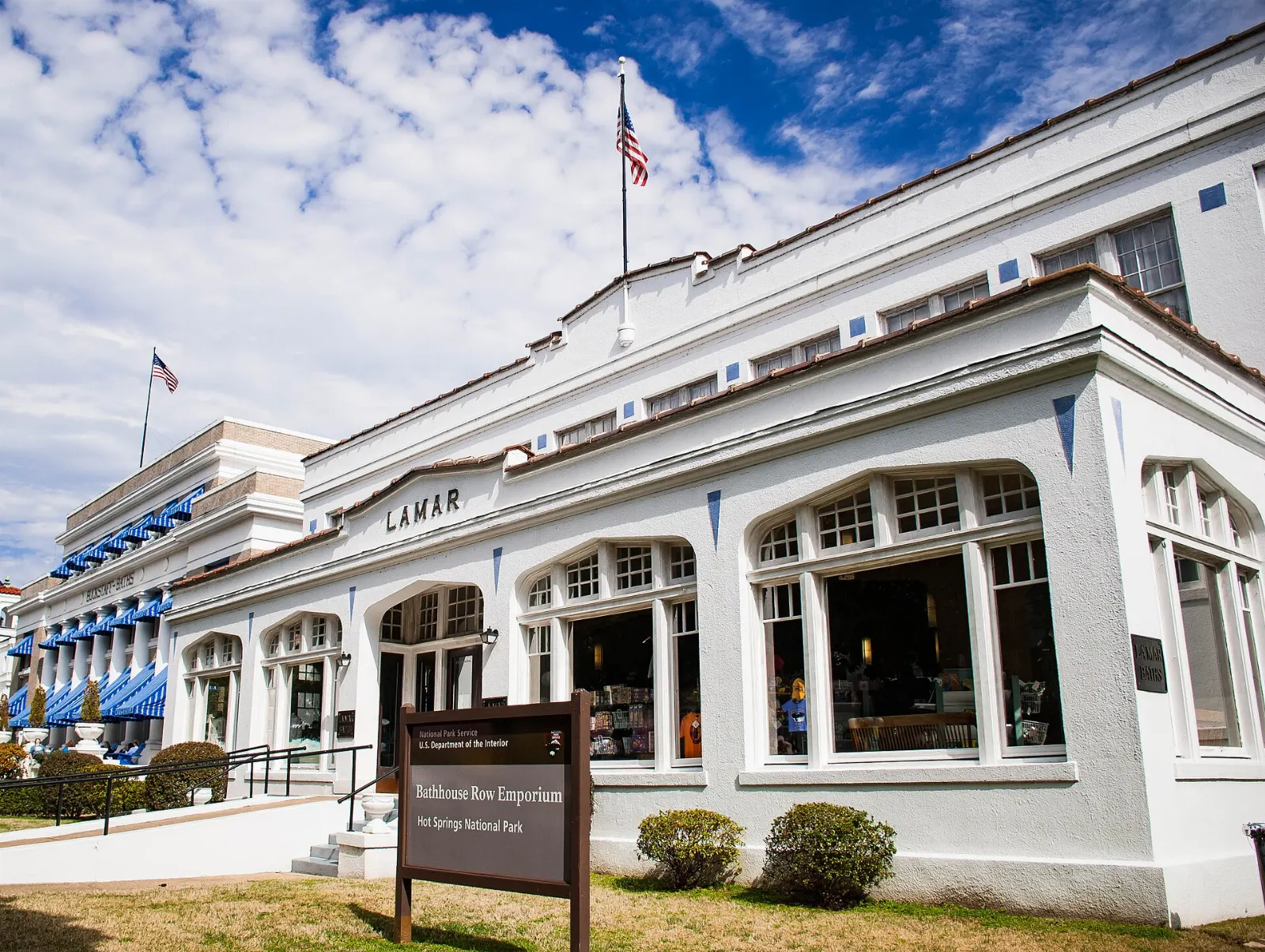
Hot Springs, Arkansas