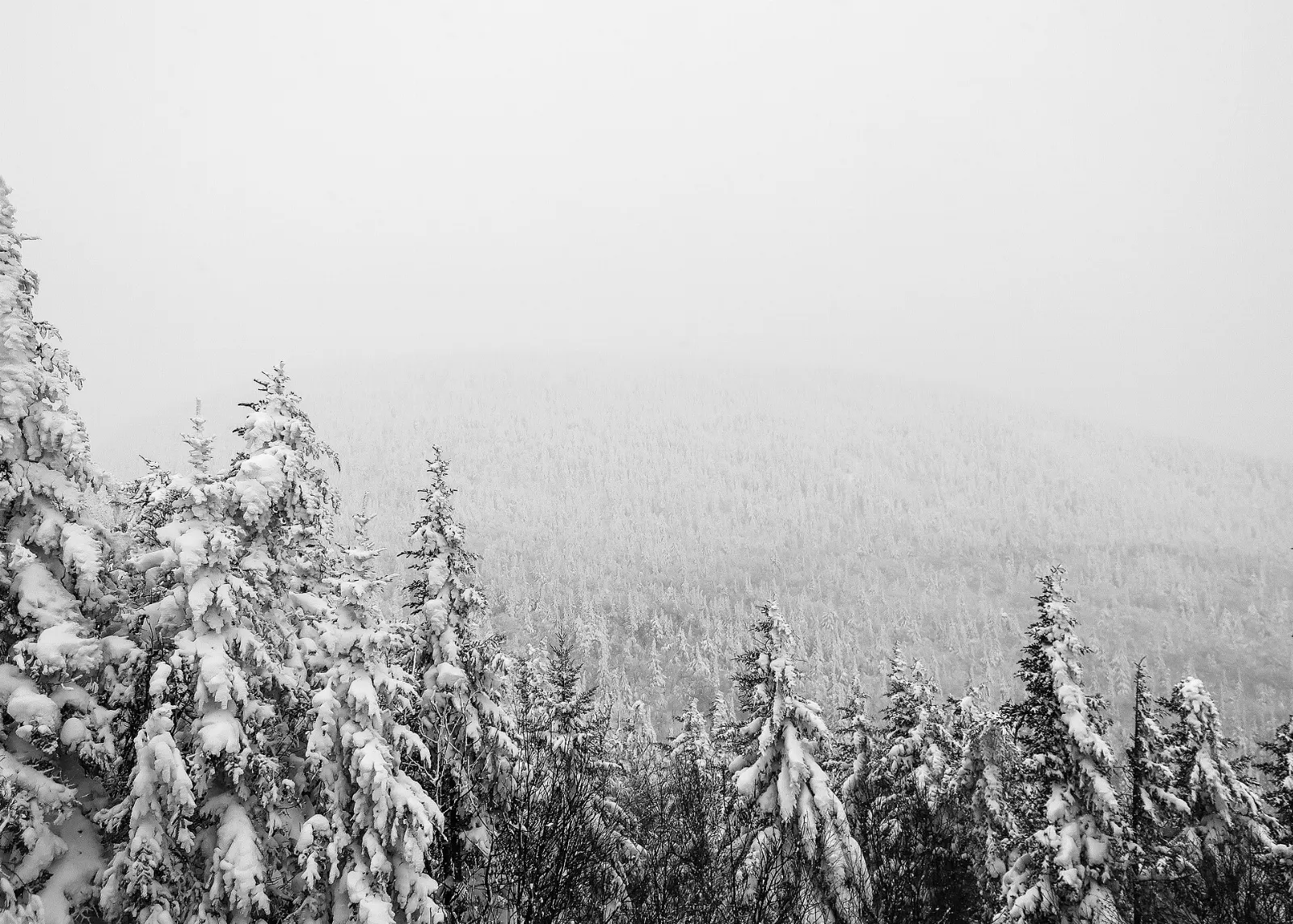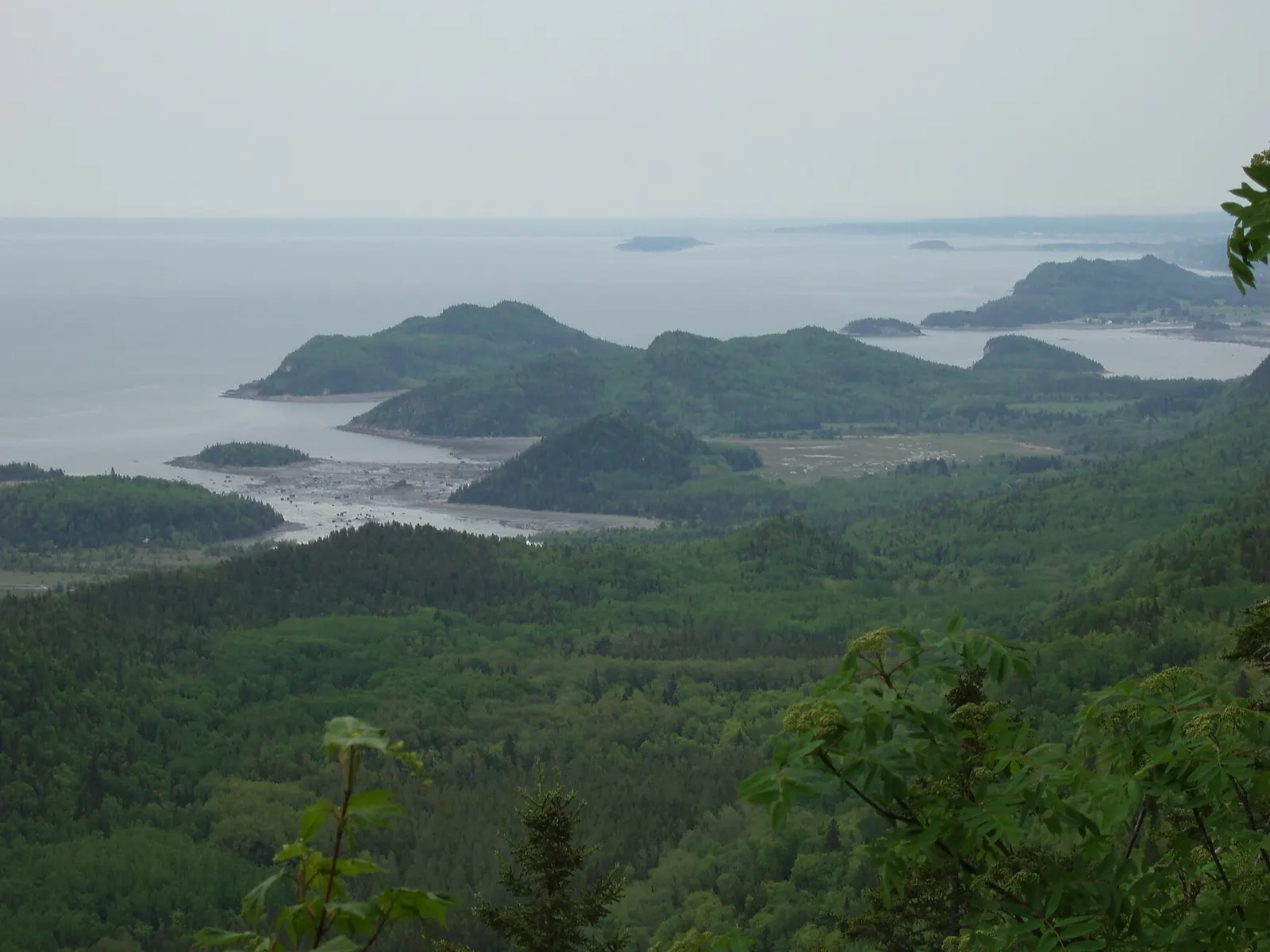
Bic National Park is a compact stretch of coast, salt marsh and rocky hills on the south shore of the St. Lawrence, southwest of Rimouski.
AT A GLANCE
Best time
Late spring to early autumn, with September colors a favorite.
How long
One full day, or two if you want to hike and cycle.
Getting there
Drive Route 132 between Saint-Fabien and Rimouski.
Why visit Bic National Park
The park captures the character of the Gulf of St. Lawrence coast in a small area.
It is also a place with a long human story, from early peoples about seven thousand years ago to maritime pilots and nineteenth century cottage owners.
Visitors who like to keep active will find plenty to do. The park has about eleven hiking trails stretching around 25 kilometres, from easy shoreline strolls to steeper climbs, so you can tailor the day to your energy and the weather.
Landmarks and viewpoints
Interpretive centre
Begin at the interpretive centre to pick up maps and learn about the park. Its displays include tools that show people lived here almost seven thousand years ago.
Pic Champlain
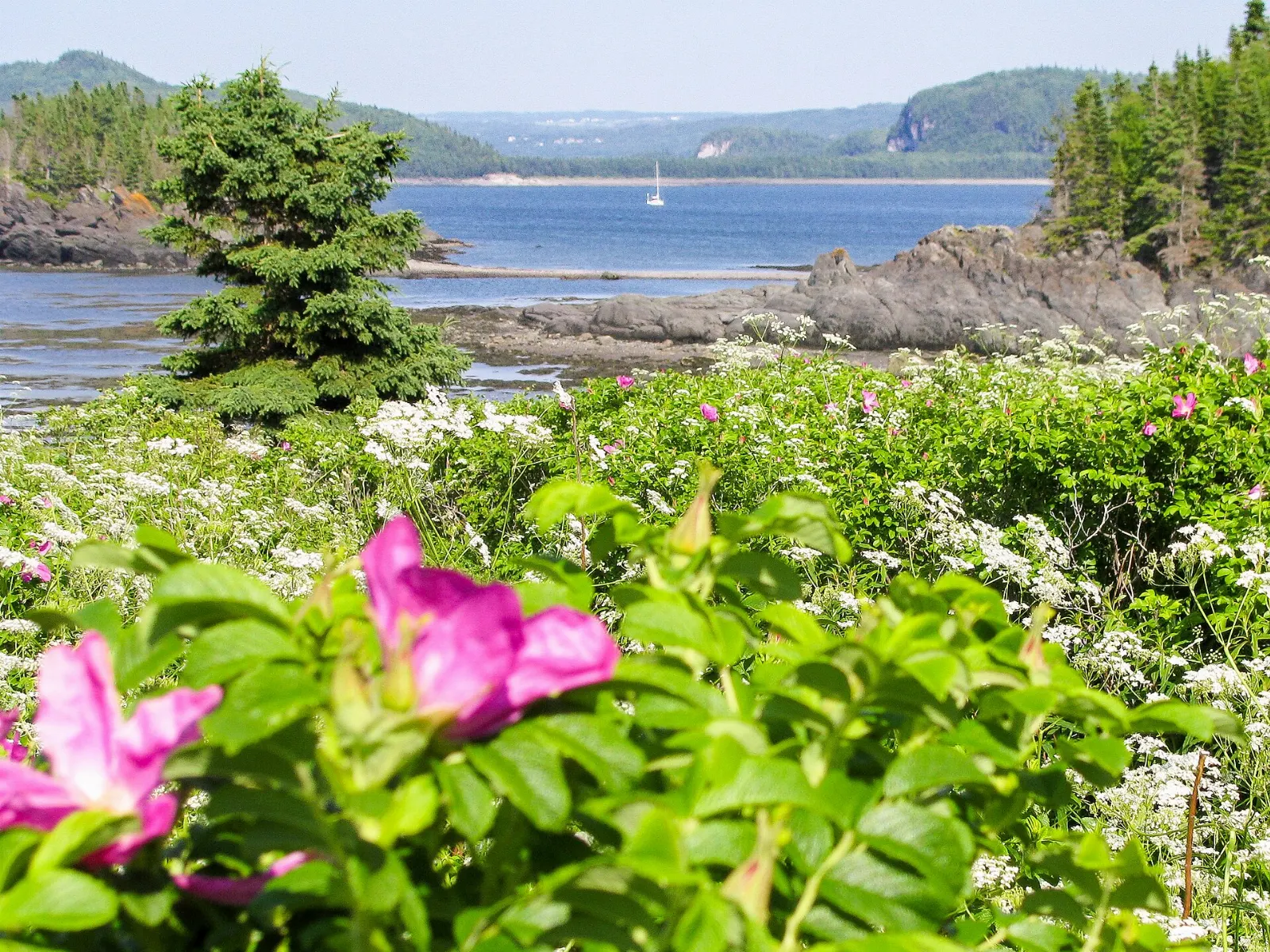
Pic Champlain, at 346 metres, is the park's highest point. The climb rewards you with views across the estuary and over the bays below.
Pointe-au-Spruce salt marsh
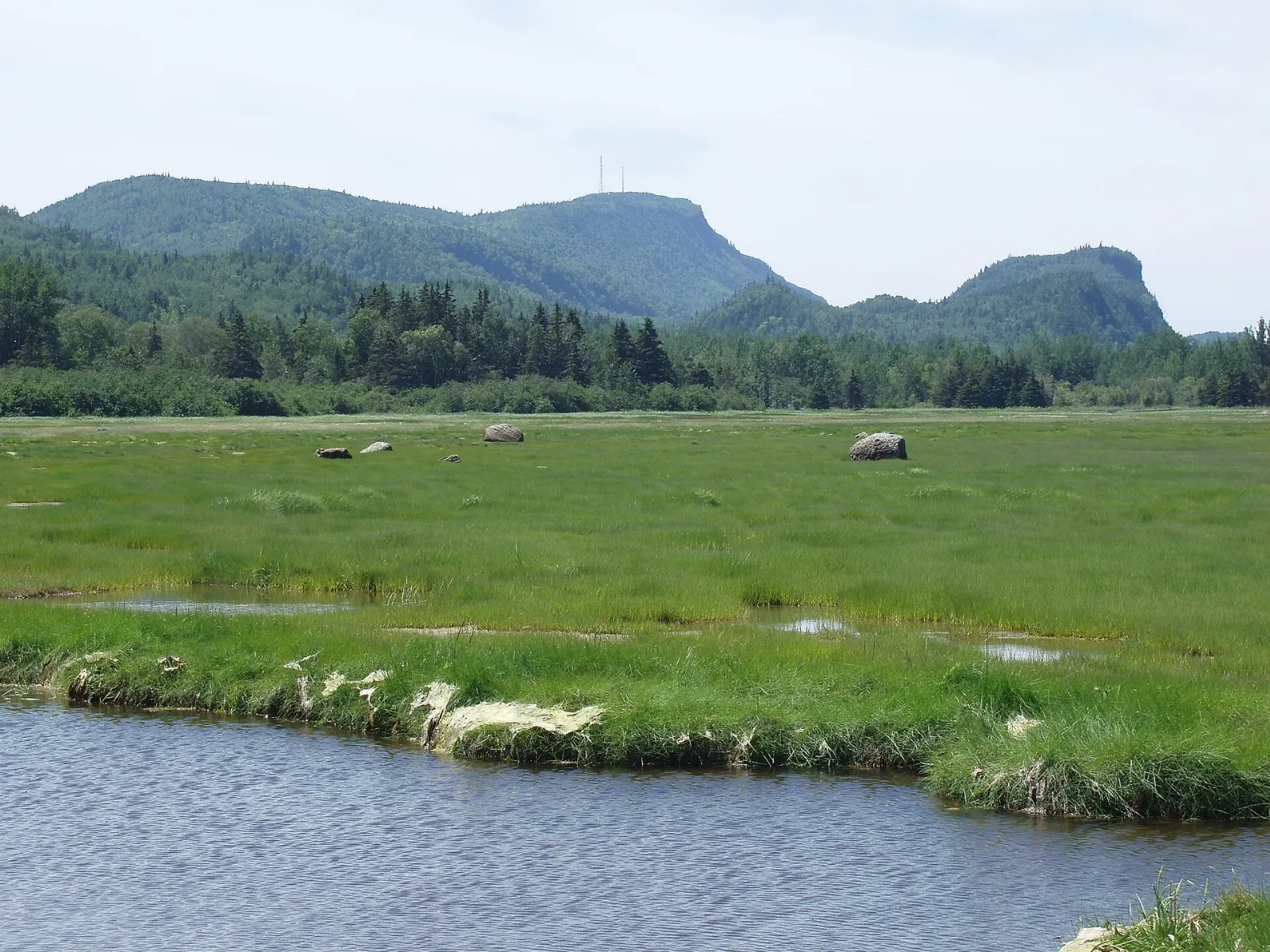
The salt marsh at Pointe-au-Spruce is a good spot for birds and quiet coastal scenery. Tides change the look of the marsh every few hours.
Anse à l'Orignal and the Chemin du Nord
The Chemin du Nord trail leads to Anse à l'Orignal, where several old cottages built by English villagers in the late nineteenth century still stand, including the Lyman Cottage, Feindel Cottage and Wootton House. They give the shoreline a gentle, lived-in feel.
Cap-à-l'Orignal
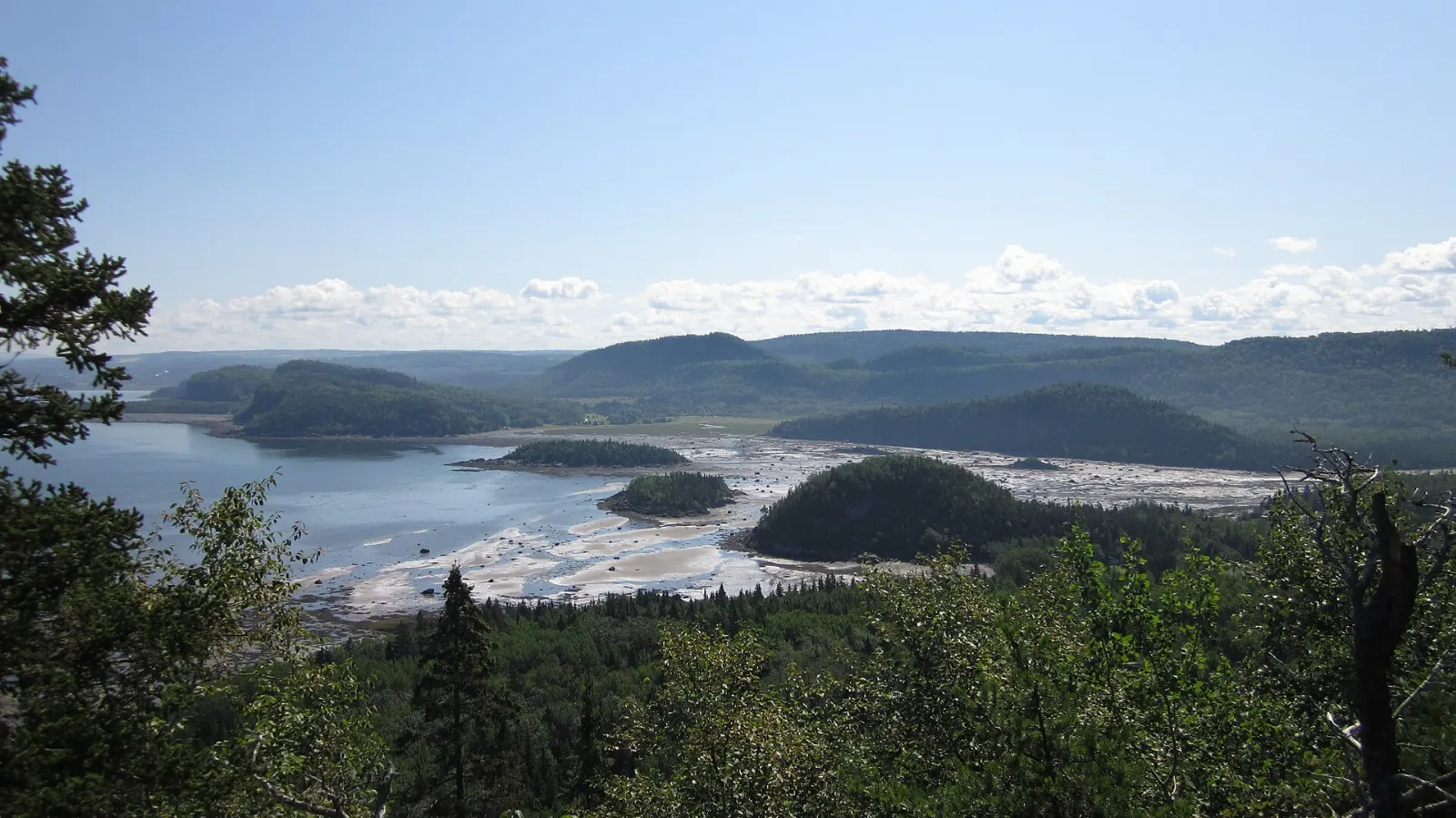
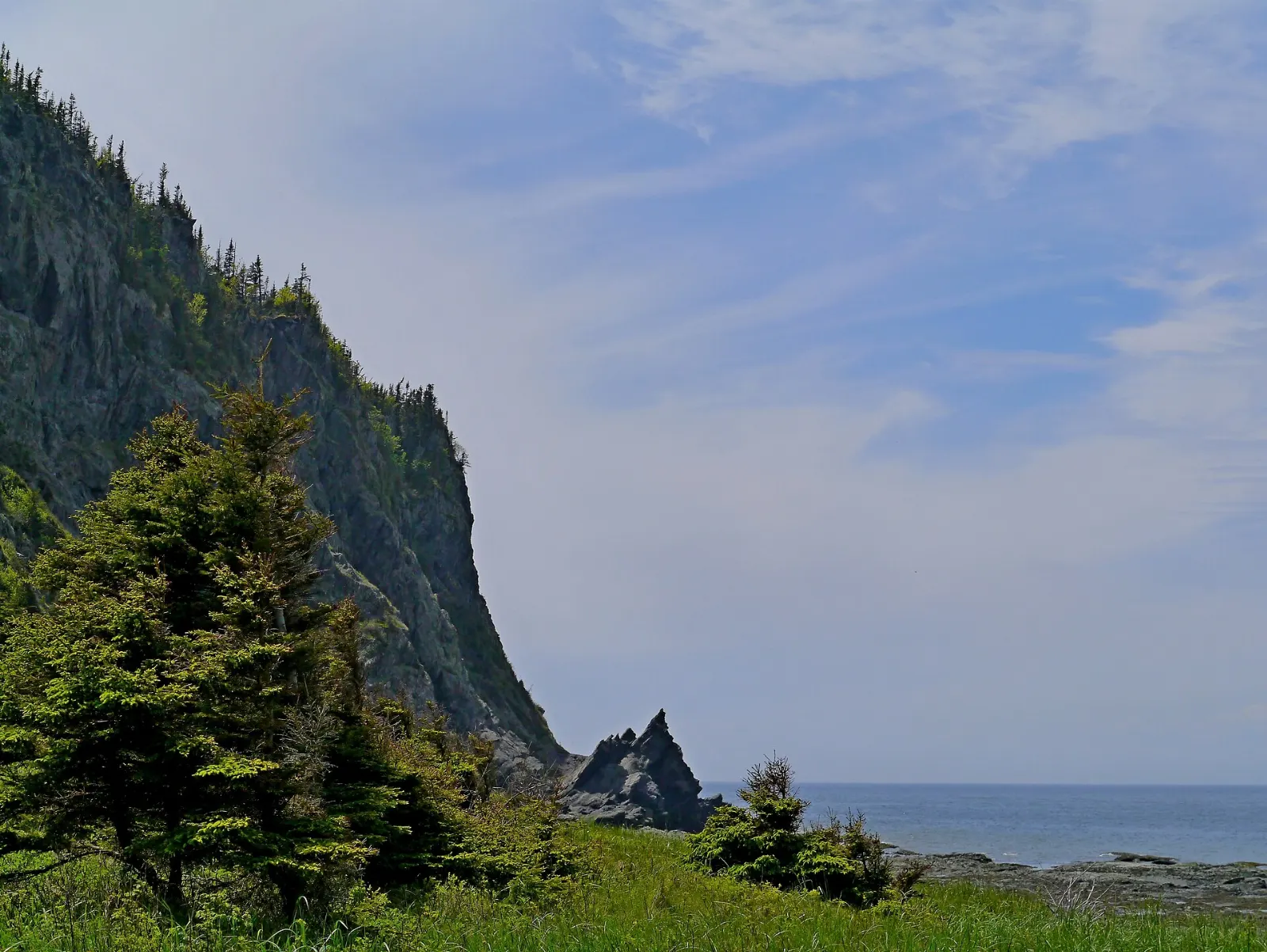
Rocky hills such as Cap-à-l'Orignal show the typical geology of this coast, with steep slopes facing the river and gentler slopes on the land side. The lookouts here frame sunsets beautifully.
Wildlife, rivers and history
The Citadelle
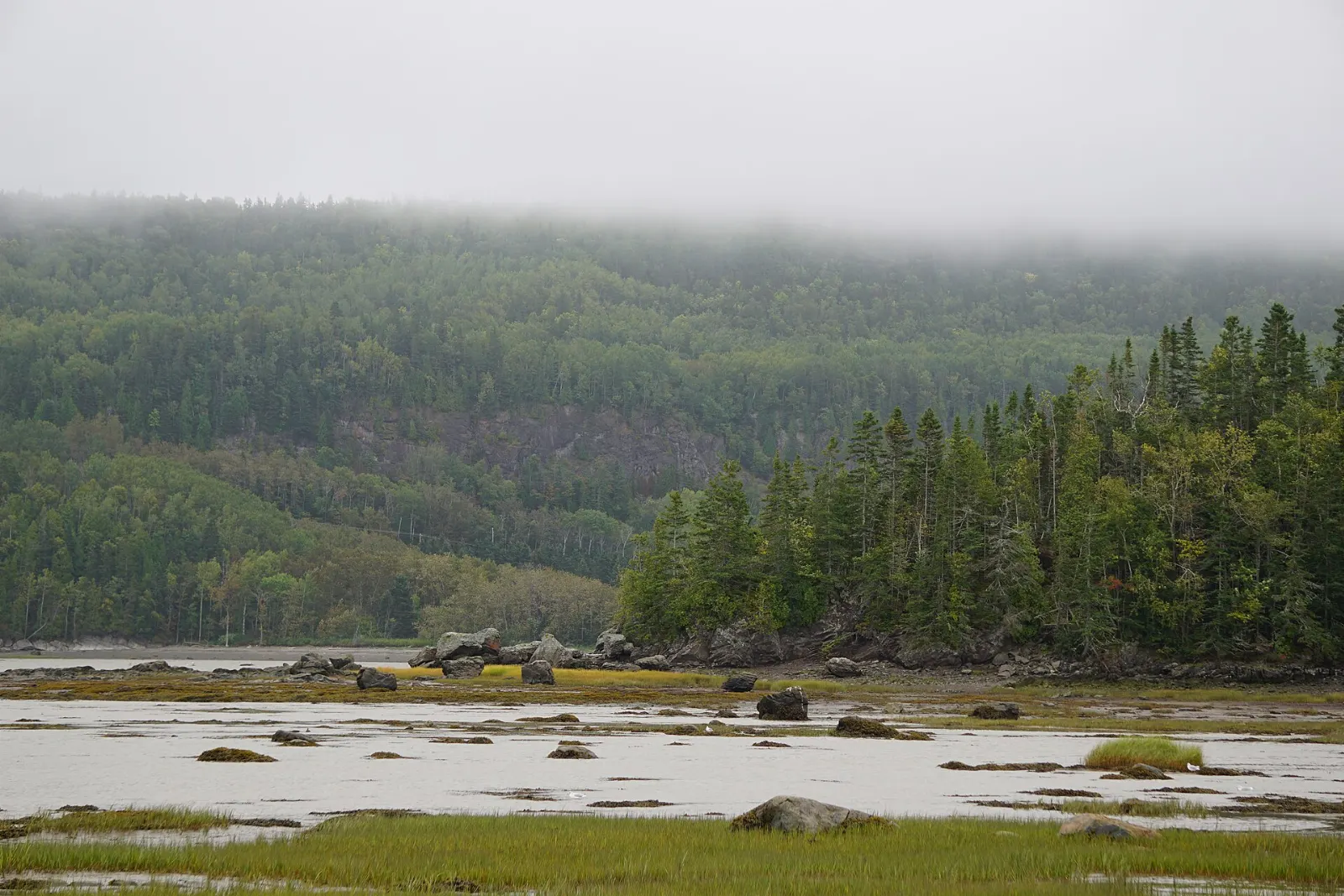
The Citadelle is one of the park's rocky hills, and its steep northern face stands out from the shoreline. Walking in its shadow gives a sense of how the landscape was shaped.
Rivière du Sud-Ouest
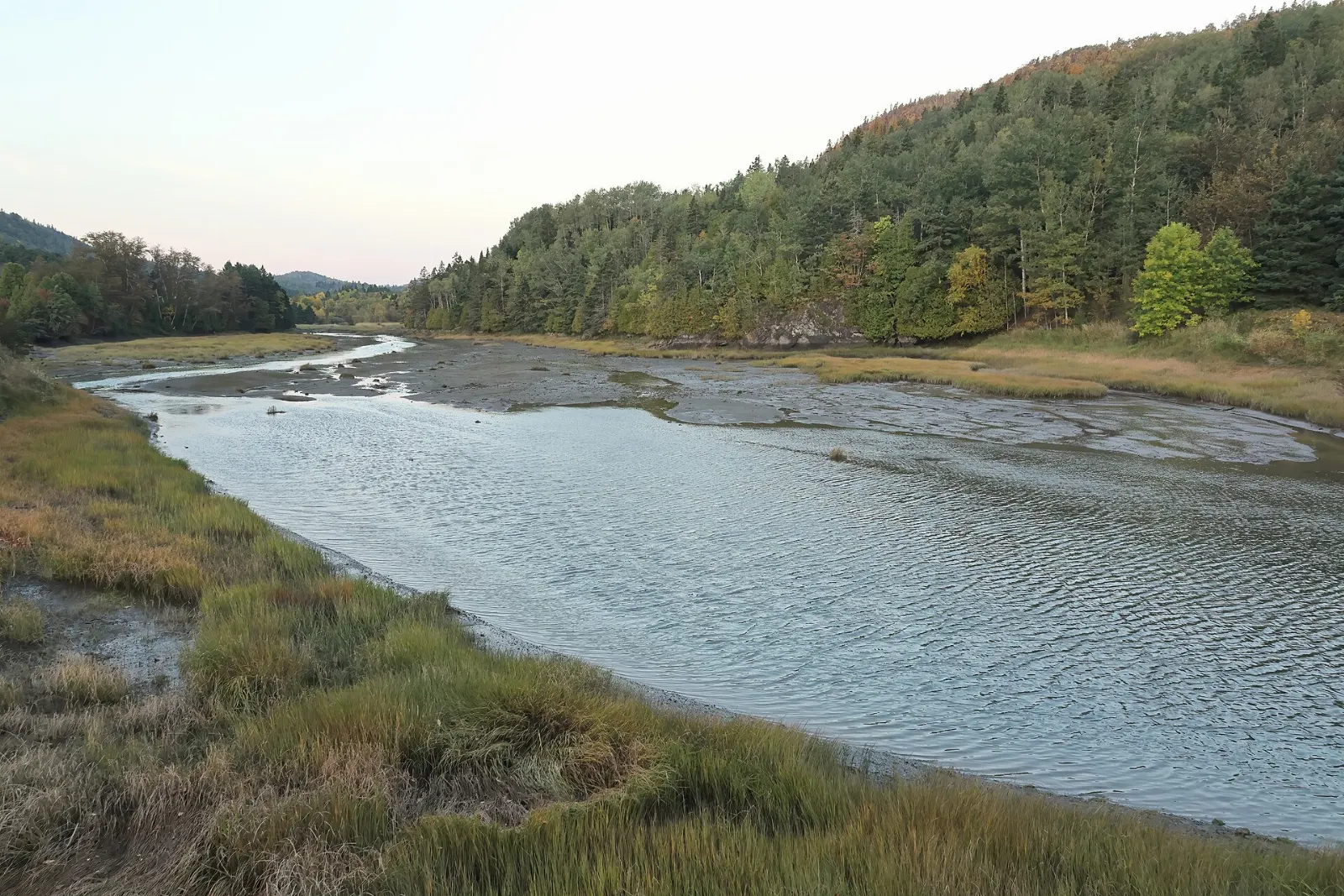
The Rivière du Sud-Ouest is a low-flow river, one of several that cross the park on their way to the bay. Its quiet banks suit slow walks and birdwatching.
Île du Bic and the story of 1534
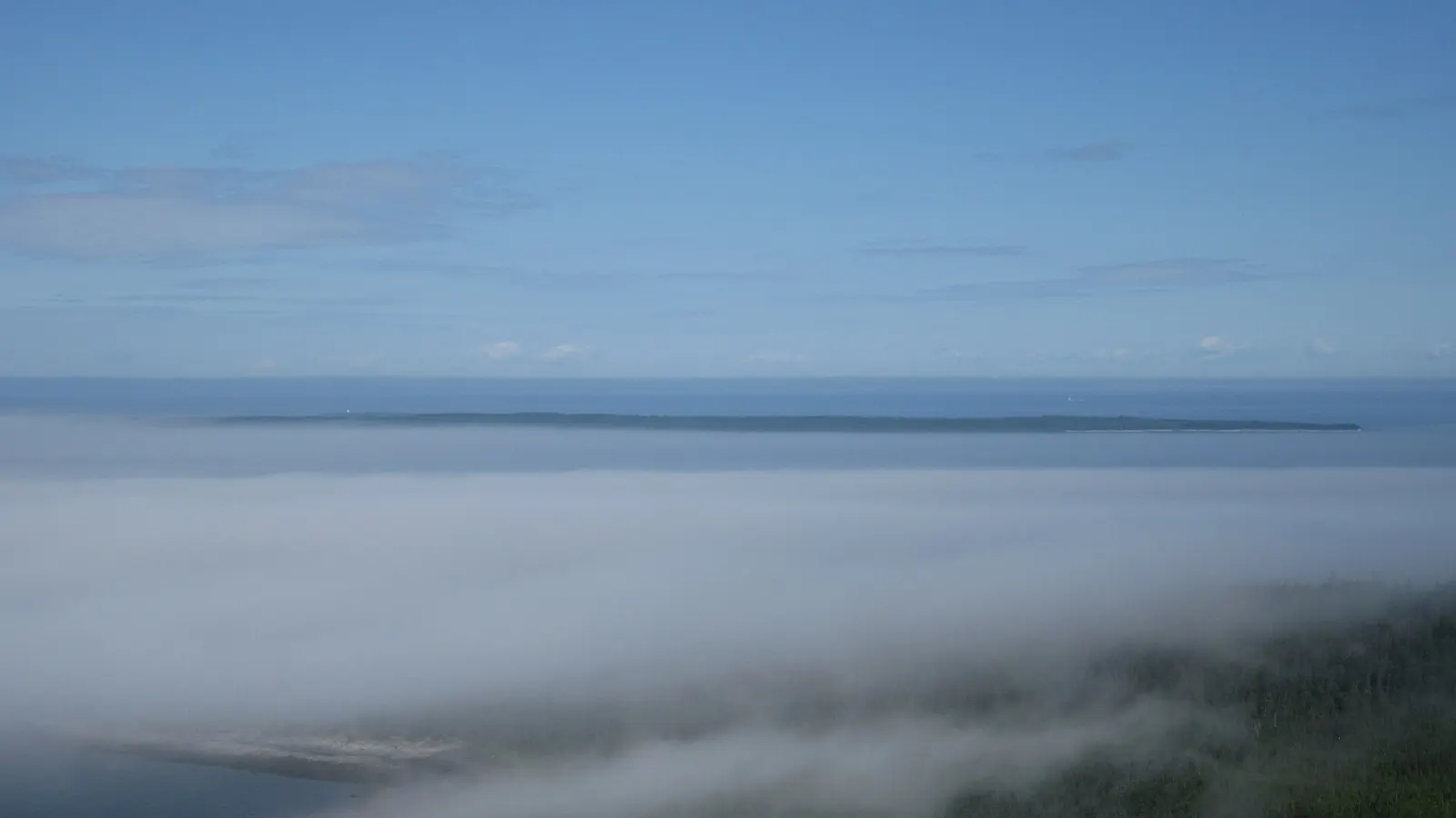
Out in the water lies Île du Bic, where a maritime pilot station once stood until 1905.
Seal watching
Harbour seals and grey seals are the star attraction, hauled out on rocks at low tide. Stay at a respectful distance, use binoculars, and never approach or feed them.
Cycling trails
Biking trails total around 15 kilometres, and bikes and fat bikes can be rented at the park. Cycling lets you cover more ground between coves in a half day.
Nearby stops outside the park
Pointe-au-Père
On the Rimouski side, the Site historique maritime de la Pointe-au-Père features a lighthouse built in 1909, a museum about the Empress of Ireland disaster of 1914 and the retired submarine HMCS Onondaga.
Rimouski
The city has the regional museum in an old stone church, the half-timbered Maison Lamontagne and a marina with boats to Île Saint-Barnabé. It is the best place for supplies, restaurants and a comfortable evening after a long hike.
 Planning a trip to Bic National Park?Compare hotels, flights and vacation rentals for Bic National Park on Expedia.Book now
Food and local flavors
Pack a picnic for the trails and save a proper meal for Rimouski or Le Bic. Quebec comfort food dominates menus in the region. Poutine, fries topped with cheese curds and gravy, is easy to find, and tourtière is the traditional meat pie, with slow-cooked cubed-meat versions typical of eastern Quebec.
Rimouski has bistros that highlight regional produce, fish and oysters, along with a craft brewery. Villages along Route 132 have bakeries and cafés where you can buy sandwiches for the park.
Popular dishes to try in Bic National Park


Where to stay
Bic National Park itself offers camping, yurts and chalets in the warmer season. Staying inside lets you walk to the shore at dawn and watch seals before day visitors arrive.
Le Bic is the nearby village and suits travelers who want inns and restaurants close to the entrance.
Rimouski is the larger base, with many hotels, restaurants and attractions such as the lighthouse at Pointe-au-Père.
Where to stay in Bic National Park


Best time to visit
Late spring to early autumn is the main season, when trails are dry, services are open and seals are easy to see. July and August are warm and busiest.
September is excellent for quieter paths and fall colors on the hills. Winter brings snow and different activities, and facilities vary, so check the SÉPAQ website for current conditions.
Getting there and getting around
The park lies on Route 132 between the municipalities of Saint-Fabien and Rimouski, in the Bic district. From Quebec City, the drive to Rimouski takes about three hours, with Autoroute 20 covering most of the way before the coastal road.
The nearest airport with scheduled flights is Mont-Joli, about 35 km east of Rimouski. VIA Rail and Orléans Express serve Rimouski, but you will need a car, taxi or bicycle to reach the park entrance.
A suggested itinerary
First day
Stop at the interpretive centre, then hike to Pic Champlain in the morning.
Second day
Rent bikes for the coastal paths and visit the salt marsh at Pointe-au-Spruce.
Third day
If you have time, take the boat from Rimouski to Île Saint-Barnabé for an easy island walk, then continue east along Route 132 toward the Gaspé Peninsula with sea views the whole way.
Practical tips
- Check park opening dates and entry arrangements on the SÉPAQ website before you travel.
- Bring binoculars for seals and shorebirds.
- Wear layers and a windproof jacket, since the coast is breezy.
- Stay on marked trails to protect the salt marsh and rare plants.
- Keep your distance from seals and never feed wildlife.