WiserMap — Choose wisely. Connect locally.Choose wisely. Connect locally.Add your business
Yellowstone National Park, Wyoming · Travel guide

Yellowstone Wyoming Old Faithful and Grand Prismatic Spring

Yellowstone was established in 1872 as the first national park in the United States, and it still feels like nowhere else. Most of it lies in northwestern Wyoming, with edges reaching into Montana and Idaho, and it sits on top of one of the largest active volcanic systems on Earth.

By WiserMap TravelUpdated October 2026 8 places10 min read
FacebookXLinkedIn

The park is huge, and the main sights are spread along a figure-eight road system called the Grand Loop.

At a glance Yellowstone National Park
  1. Best timeLate May to September for open roads; September for thinner crowds and active wildlife.
  2. How longThree days for the highlights of the Grand Loop; four or five to add hikes and wildlife watching.
  3. Getting thereFly into Bozeman, Jackson Hole, Cody or Idaho Falls and drive to one of five park entrances.

Why visit Yellowstone

Yellowstone holds about half of the world's active geysers and more than ten thousand hydrothermal features, from Old Faithful to tiny bubbling pools. Heat from the volcano below powers everything you see in the geyser basins, while heat-loving microbes paint hot springs in bands of blue, green, yellow and orange.

It is also one of the best places in the lower forty-eight states to see large wild animals in their natural setting.

Geyser country: Old Faithful to Norris

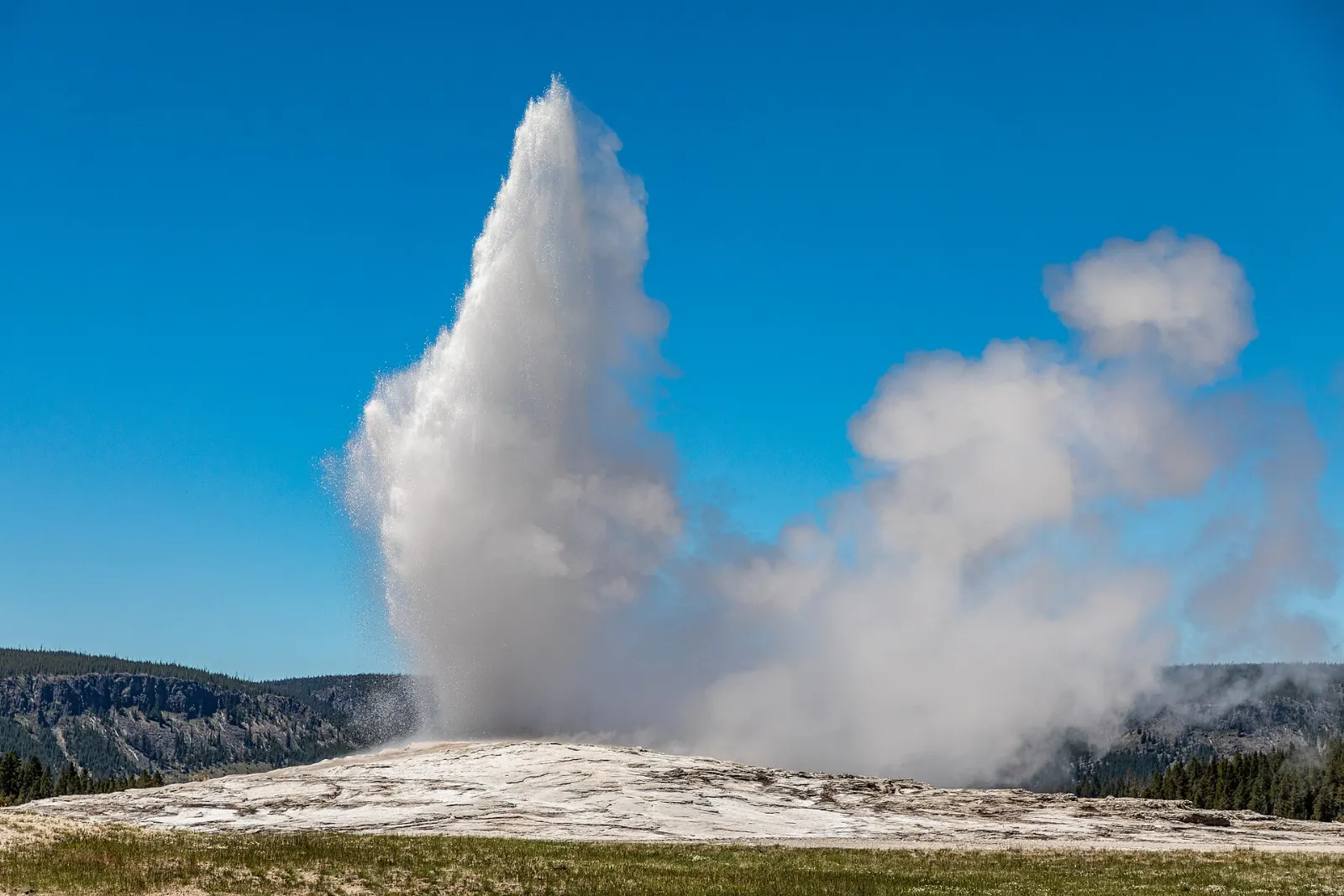
Old Faithful Geyser erupting a tall column of water and steam under a blue sky, Yellowstone National Park, Wyoming

Old Faithful and the Upper Geyser Basin

The Upper Geyser Basin has the largest concentration of geysers in the world, and Old Faithful is its most famous. It erupts regularly, sending a column of water and steam high into the air, and rangers post predicted eruption times at the visitor education center and on the park's app.

At the far end of the boardwalks, Morning Glory Pool is a deep, funnel-shaped spring ringed with orange and yellow.

Old Faithful in the Upper Geyser Basin erupts often enough that rangers post predicted eruption times. Photo: Dietmar Rabich, Wikimedia Commons, CC BY-SA 4.0
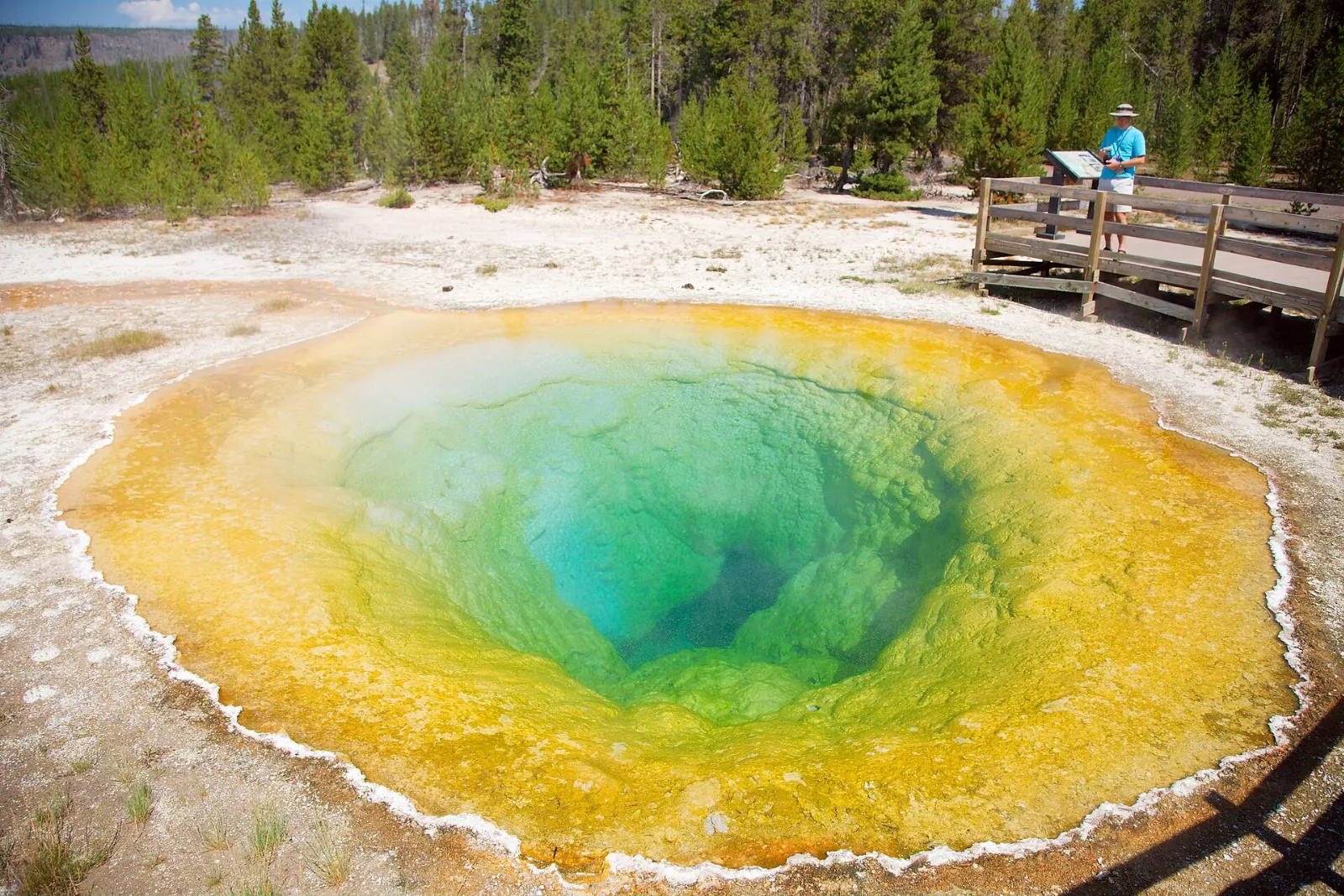
The deep blue center and orange edges of Morning Glory Pool, Yellowstone National Park, Wyoming
Morning Glory Pool's colors have shifted over the decades as debris thrown into it lowered its temperature.Photo: User:MatthiasKabel, Wikimedia Commons, CC BY-SA 3.0

Grand Prismatic Spring and Midway Geyser Basin

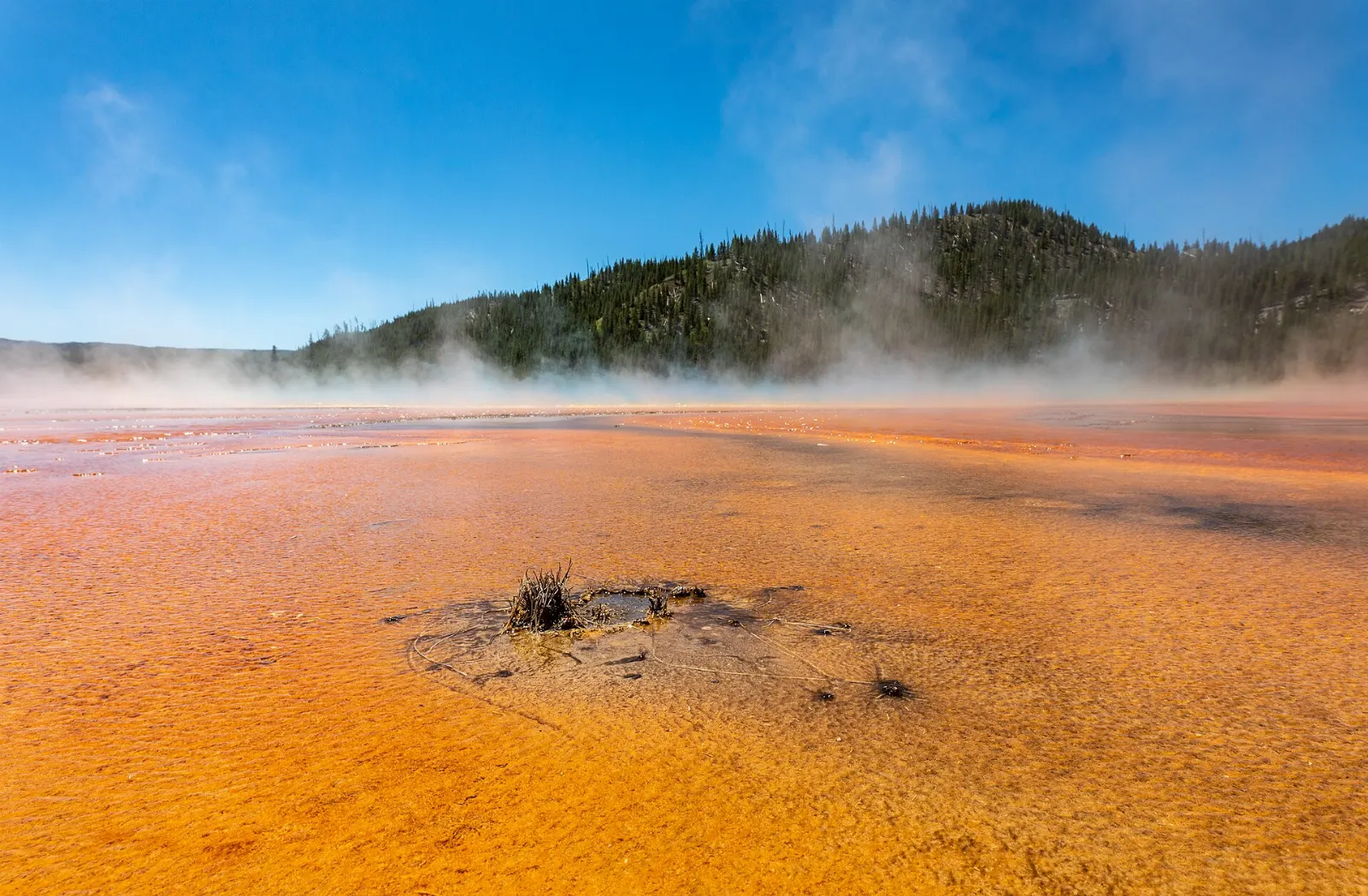
A few miles north, Midway Geyser Basin holds Grand Prismatic Spring, the largest hot spring in the United States, with a deep blue center surrounded by rings of green, yellow and orange. From the boardwalk you mostly see steam and color at your feet.

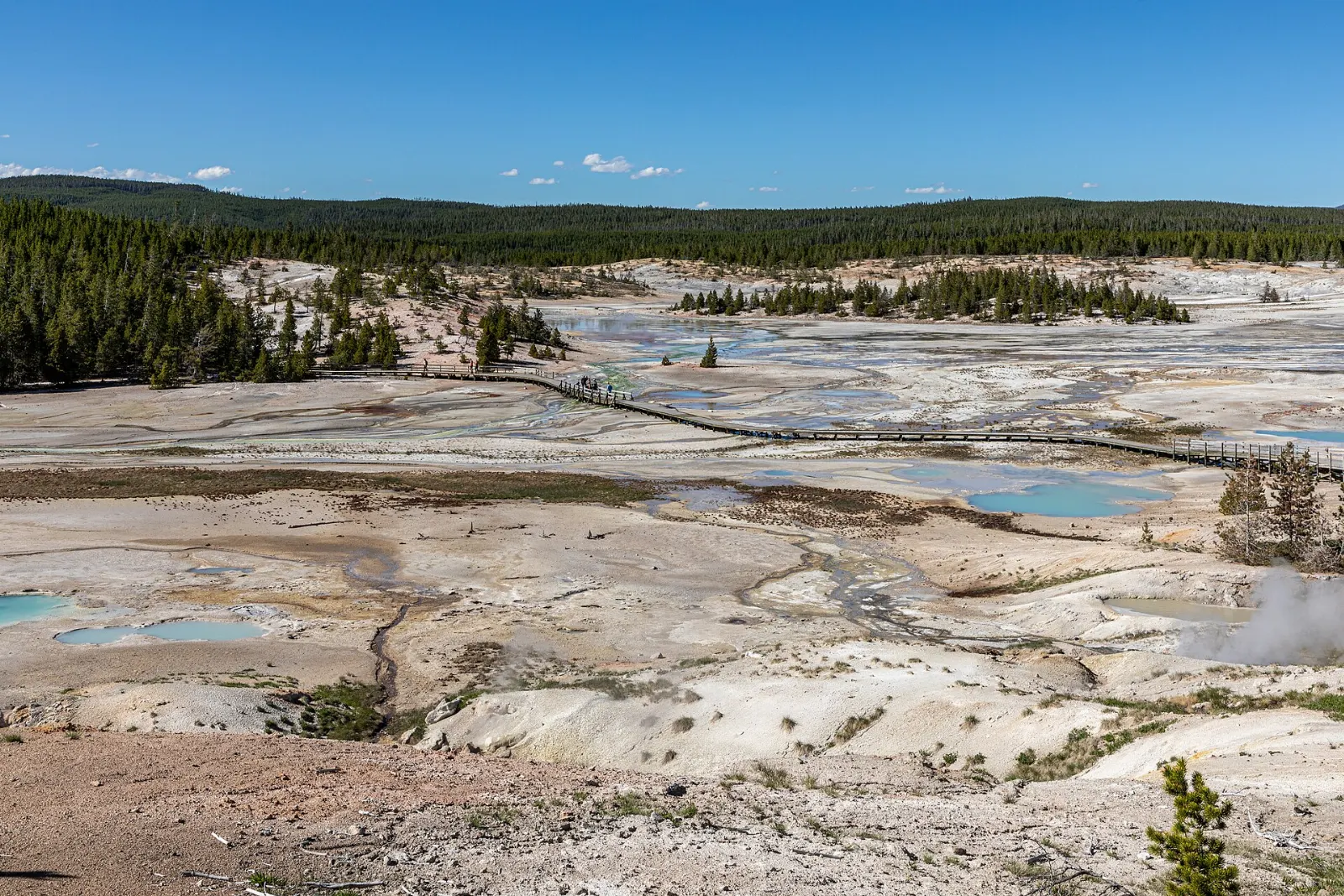
Milky white and turquoise thermal ground of Porcelain Basin crossed by a boardwalk, Yellowstone National Park, Wyoming

Norris Geyser Basin

Norris is the hottest and most dynamic thermal area in the park. Porcelain Basin is an open, milky-white landscape of hissing vents, while Back Basin is home to Steamboat Geyser, the tallest active geyser in the world, whose major eruptions are unpredictable.

Porcelain Basin at Norris is one of the hottest and most changeable thermal areas in Yellowstone. Photo: Dietmar Rabich, Wikimedia Commons, CC BY-SA 4.0
Mammoth, the canyon and Mount Washburn

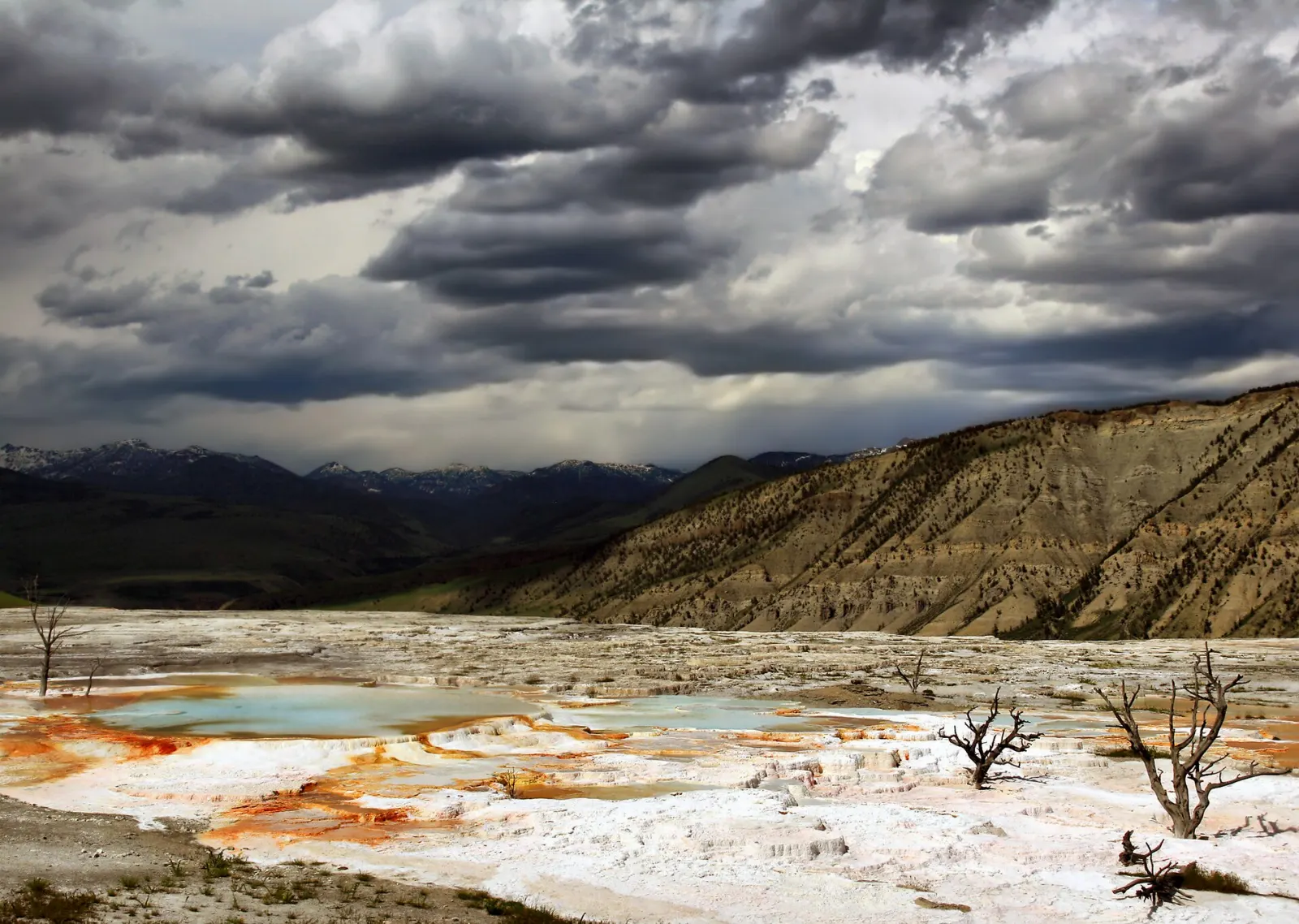
White and orange travertine terraces with steaming water at Mammoth Hot Springs, Yellowstone National Park, Wyoming

Mammoth Hot Springs

Near the North Entrance, Mammoth Hot Springs is a hillside of travertine terraces built up by hot water dissolving limestone underground and redepositing it at the surface. Boardwalks climb the Lower Terraces, and the Upper Terrace Drive loops past more features.

The terraces at Mammoth Hot Springs are built from travertine deposited by hot water rising through limestone. Photo: Brocken Inaglory, Wikimedia Commons, CC BY-SA 3.0

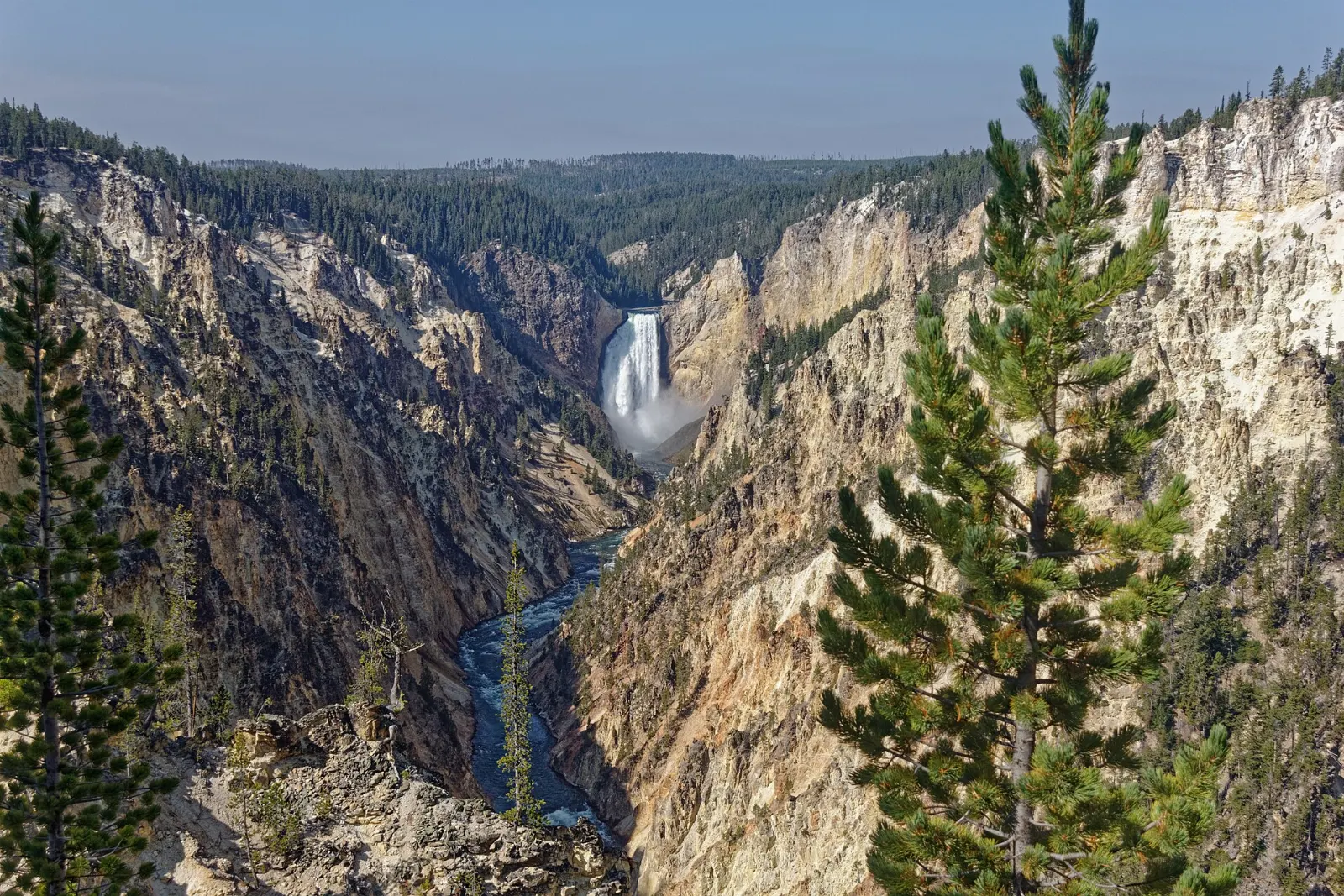
Lower Falls plunging into the yellow and pink walls of the Grand Canyon of the Yellowstone, Yellowstone National Park, Wyoming

Grand Canyon of the Yellowstone

Near Canyon Village, the Yellowstone River drops over the Upper and Lower Falls into a canyon whose walls are colored yellow, pink and white by hot water that altered the rock. The Lower Falls, at 308 feet, are almost twice the height of Niagara Falls.

The Lower Falls of the Yellowstone River drop into a canyon colored by hydrothermally altered rock. Photo: Dirtsc, Wikimedia Commons, CC BY-SA 3.0

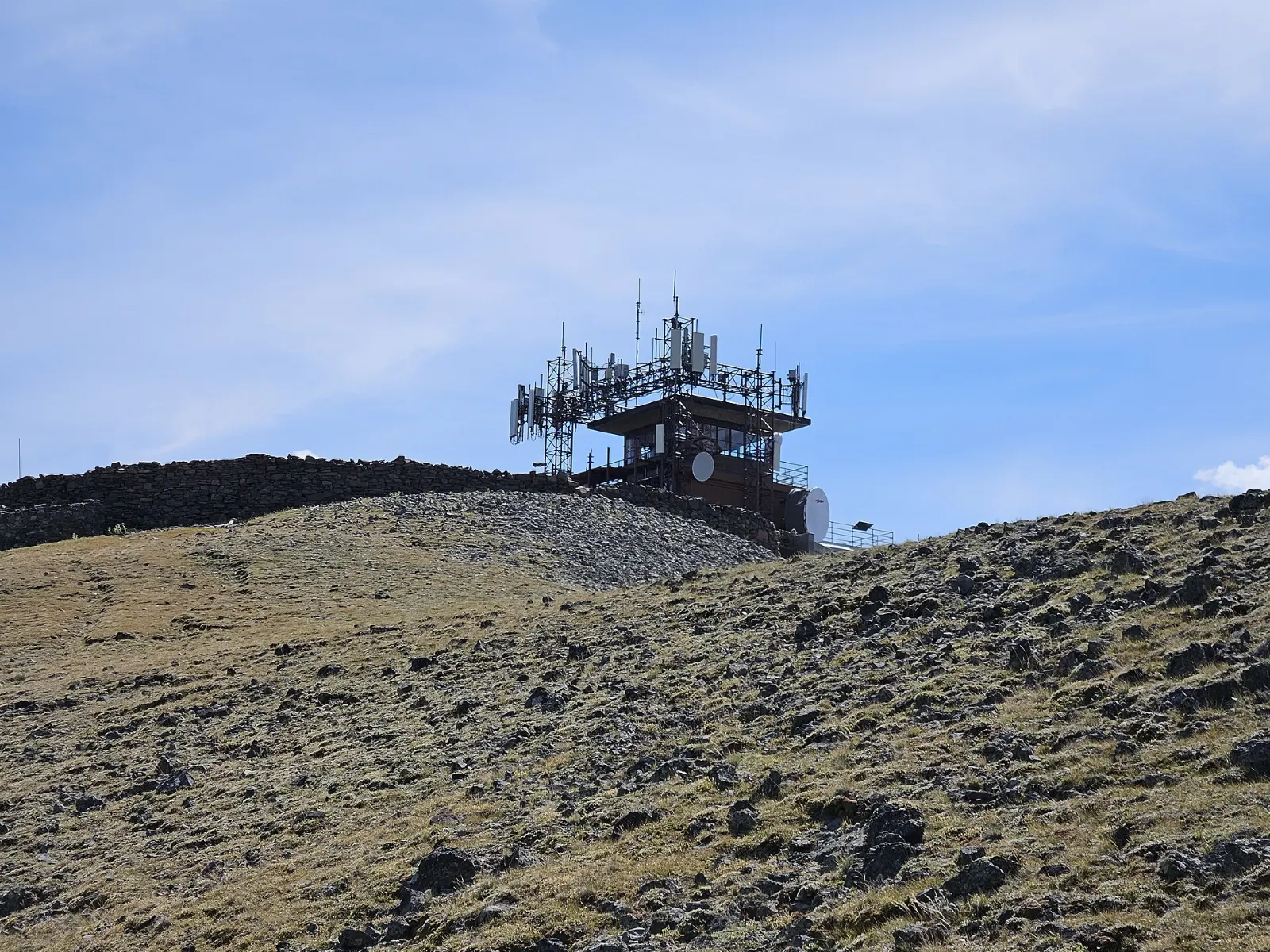
The fire lookout on the summit of Mount Washburn with mountains stretching to the horizon, Yellowstone National Park, Wyoming

Mount Washburn

For one of the park's best hikes, climb Mount Washburn from Dunraven Pass, a steady trail of about three miles each way through wildflower meadows to a fire lookout with an observation room on the summit. On a clear day you can see much of the park and as far as the Tetons. Allow four to five hours.

A staffed fire lookout with an observation room sits on the summit of Mount Washburn. Photo: Whubsch, Wikimedia Commons, CC0

Wildlife valleys and Yellowstone Lake

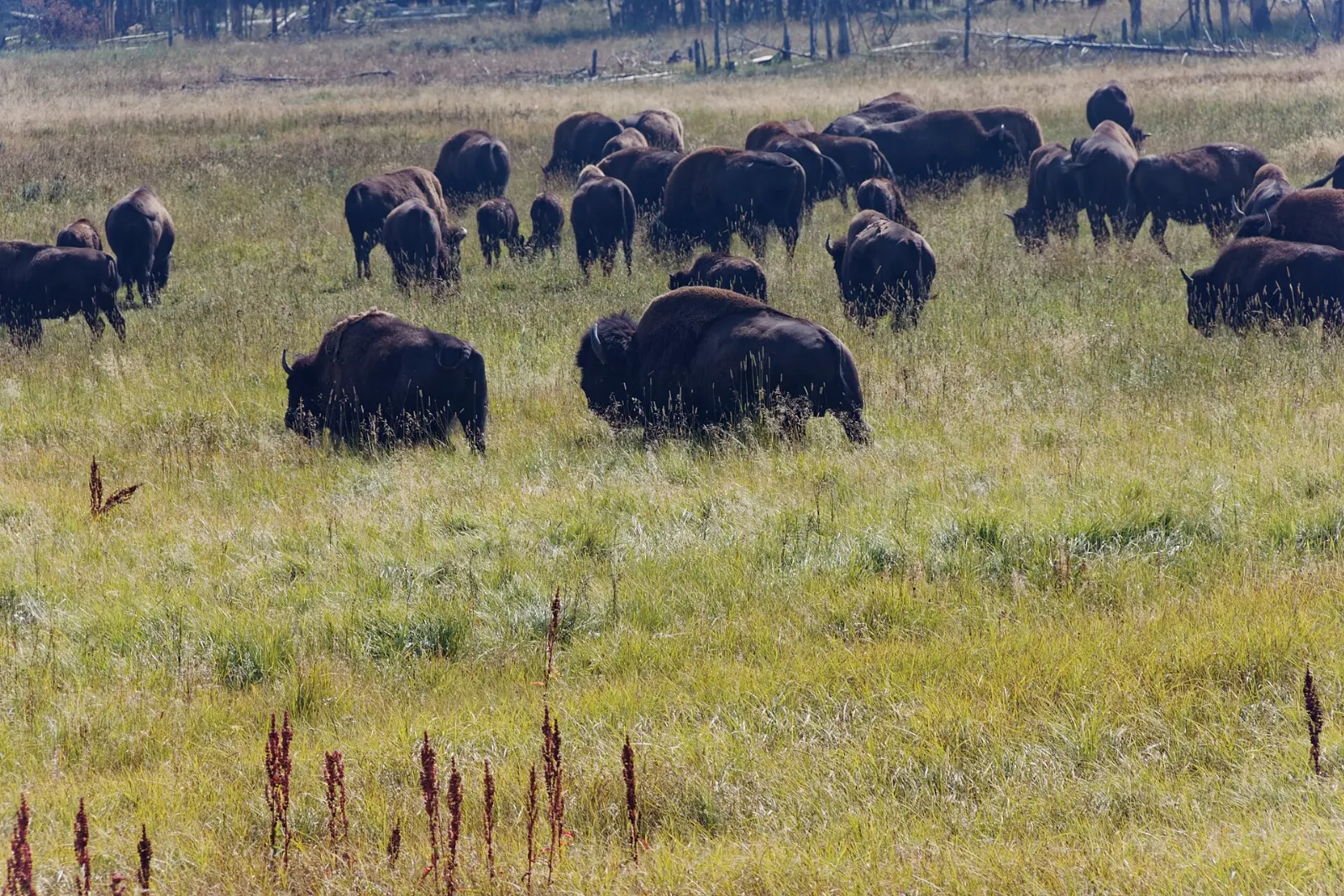
A herd of bison grazing in the open grassland of Hayden Valley beside the Yellowstone River, Yellowstone National Park, Wyoming

Hayden Valley

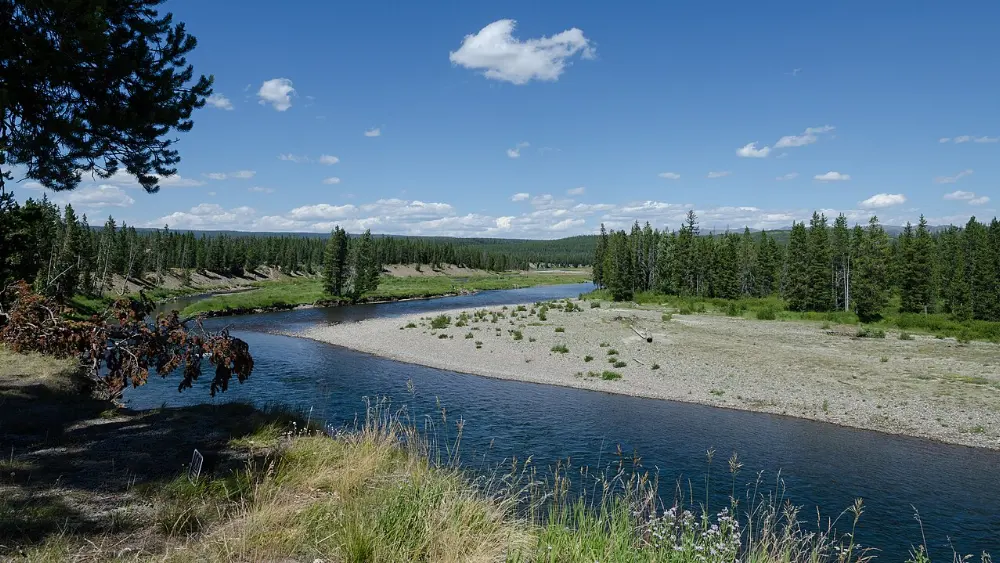
South of Canyon, the road follows the Yellowstone River through Hayden Valley, a broad grassland where bison herds graze, and where you may see grizzly bears, coyotes, elk and waterbirds. Allow one to two hours, more at dawn or dusk when animals are most active.

Hayden Valley, between Canyon and Yellowstone Lake, is one of the best places in the park to see bison. Photo: Dirtsc, Wikimedia Commons, CC BY-SA 3.0

The wide Lamar Valley with the Lamar River winding through grassland below mountains, Yellowstone National Park, Wyoming

Lamar Valley

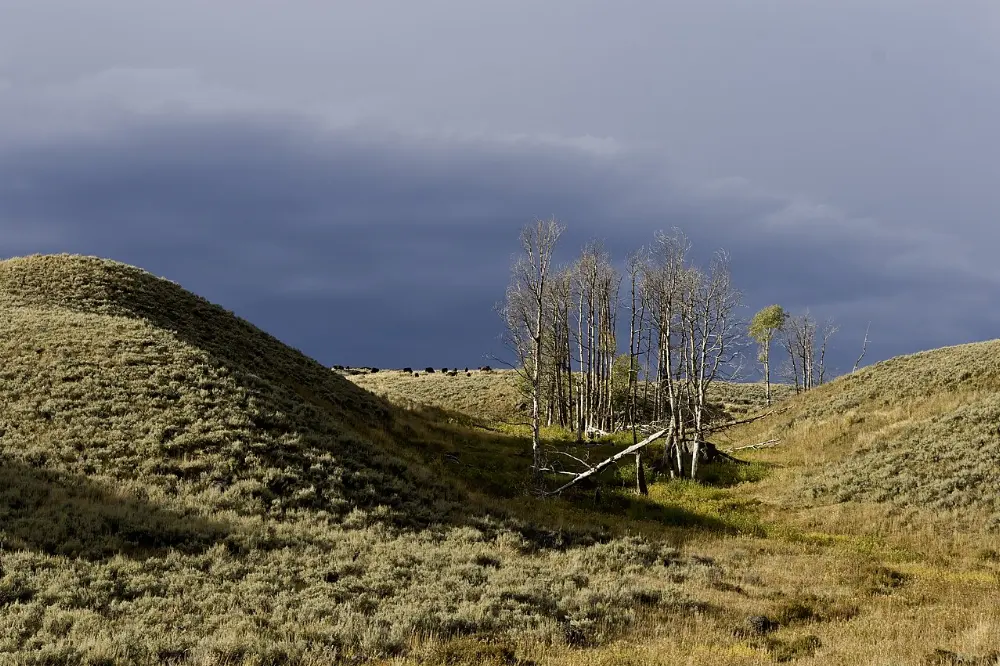
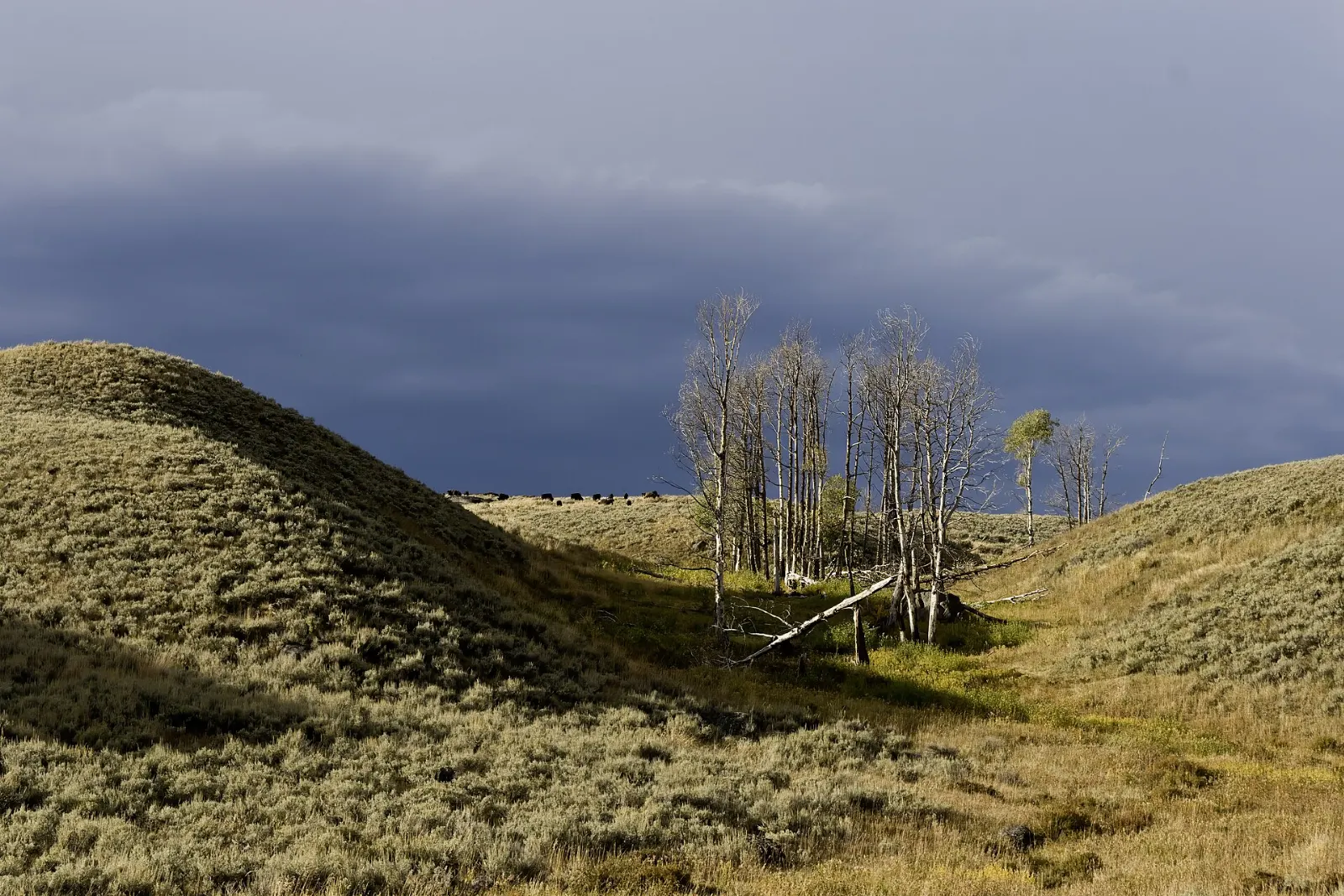
In the remote northeast, between Tower Junction and the Northeast Entrance, the Lamar Valley is often called the Serengeti of North America for its herds of bison, elk and pronghorn and its resident wolf packs.

The Lamar Valley in northeastern Yellowstone is known for wolf and bison watching. Photo: Acroterion, Wikimedia Commons, CC BY-SA 4.0

Hot springs and boardwalks along the shore of Yellowstone Lake at West Thumb, Yellowstone National Park, Wyoming

Yellowstone Lake and West Thumb Geyser Basin

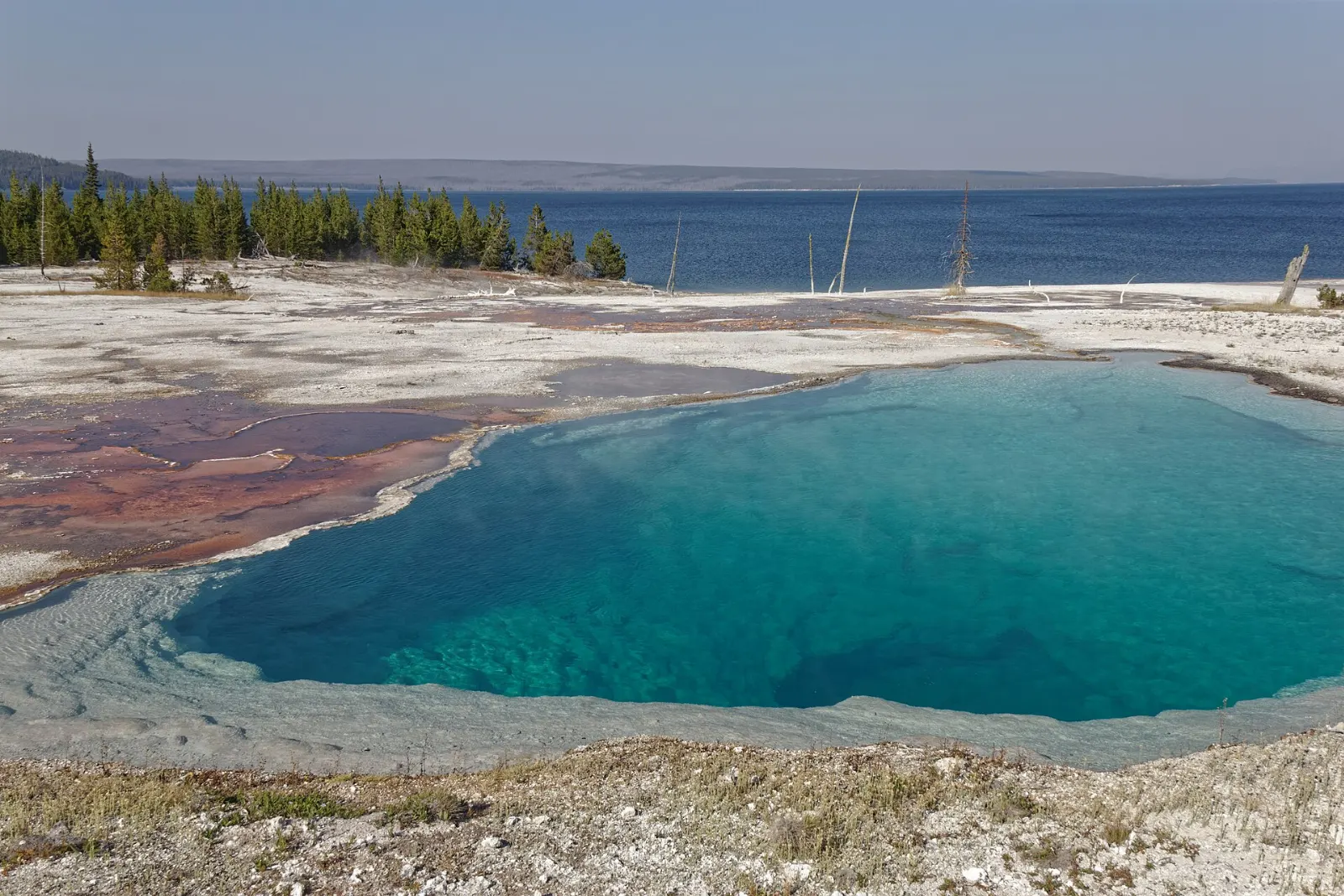
Yellowstone Lake is the largest high-elevation lake in North America, lying above seven thousand feet, with cold water and mountain views on every side.

West Thumb Geyser Basin lies on the shore of Yellowstone Lake, with some features under the water. Photo: Dirtsc, Wikimedia Commons, CC BY-SA 3.0

Food and local flavors

Dining inside the park is practical rather than gourmet. Lodges at Old Faithful, Canyon, Lake, Mammoth and Grant Village have dining rooms, cafeterias and grab-and-go counters, and general stores sell sandwiches, snacks and groceries.

Regional food leans toward hearty Western cooking.

Because distances between food stops are long, carry a cooler with lunch, snacks and plenty of water.

Popular dishes to try in Yellowstone National Park

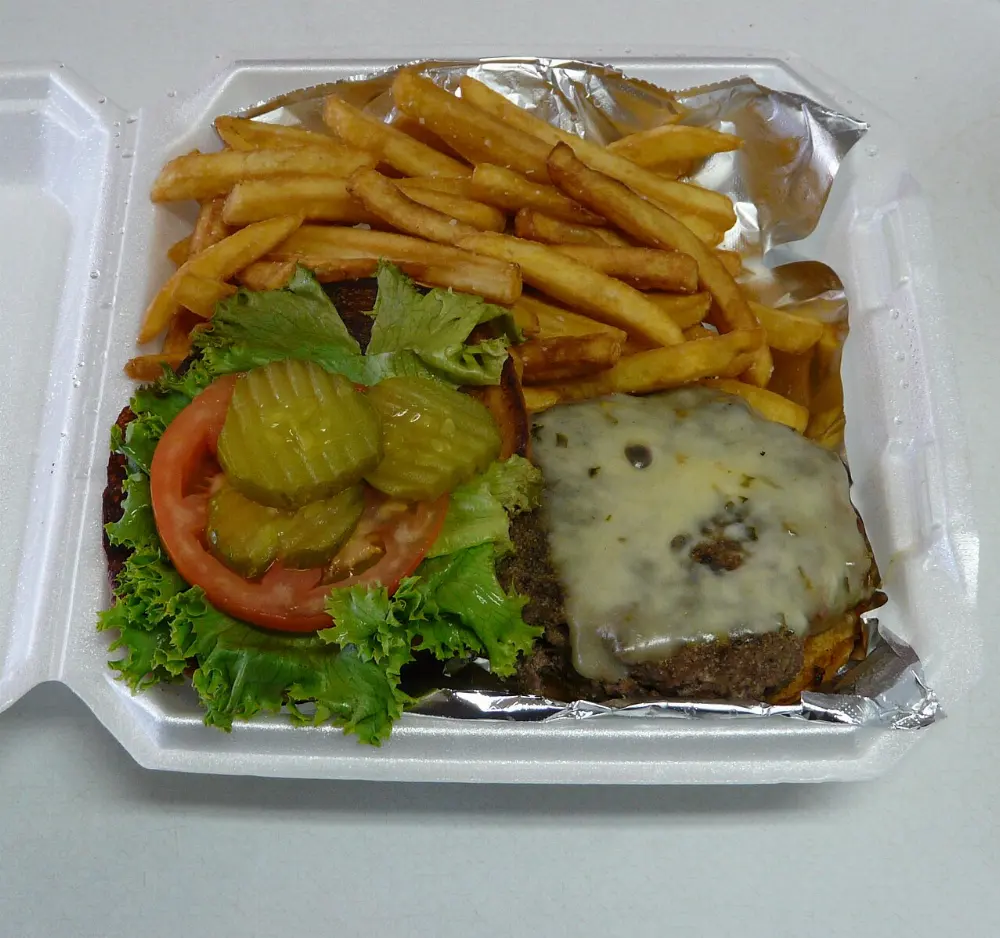
Bison burger in Yellowstone National Park, Wyoming
Bison burger Look for bison burgers, elk sausage, rainbow and cutthroat-style trout dishes, and huckleberry everything: ice cream, pie, jam and lemonade made from the wild berries of the…Photo: The Bushranger, Wikimedia Commons, CC BY-SA 4.0
Huckleberry in Yellowstone National Park, Wyoming
Huckleberry Look for bison burgers, elk sausage, rainbow and cutthroat-style trout dishes, and huckleberry everything: ice cream, pie, jam and lemonade made from the wild berries of the…Photo: Dick Follett (with various NPS photographers), Wikimedia Commons, Public domain
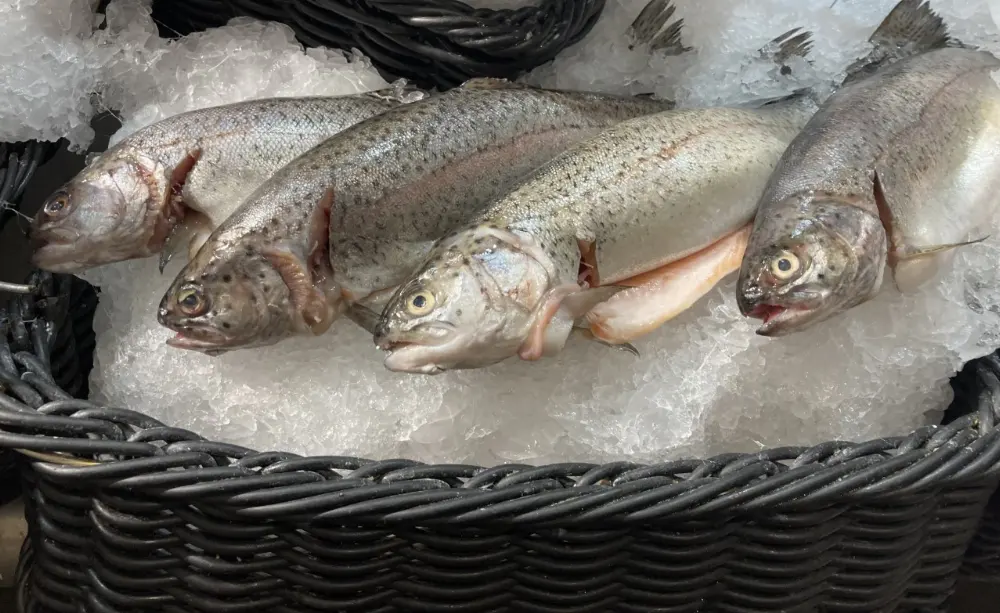
Trout in Yellowstone National Park, Wyoming
Trout Look for bison burgers, elk sausage, rainbow and cutthroat-style trout dishes, and huckleberry everything: ice cream, pie, jam and lemonade made from the wild berries of the…Photo: Thomon, Wikimedia Commons, CC BY-SA 4.0
Elk in Yellowstone National Park, Wyoming
Elk Look for bison burgers, elk sausage, rainbow and cutthroat-style trout dishes, and huckleberry everything: ice cream, pie, jam and lemonade made from the wild berries of the…Photo: DimiTalen, Wikimedia Commons, CC0

Where to stay

Staying inside the park saves hours of driving and lets you see wildlife and geysers at quiet times. Lodging areas include Old Faithful, Grant Village, Lake, Canyon, Mammoth and Roosevelt, and campgrounds are spread around the loop.

Old Faithful suits first-timers focused on the geyser basins. Canyon is the most central base for exploring in all directions. Lake is quieter and good for sunrise over the water.

Gateway towns are the alternative. West Yellowstone, at the West Entrance, has the most lodging and is close to the geyser basins.

Where to stay in Yellowstone National Park

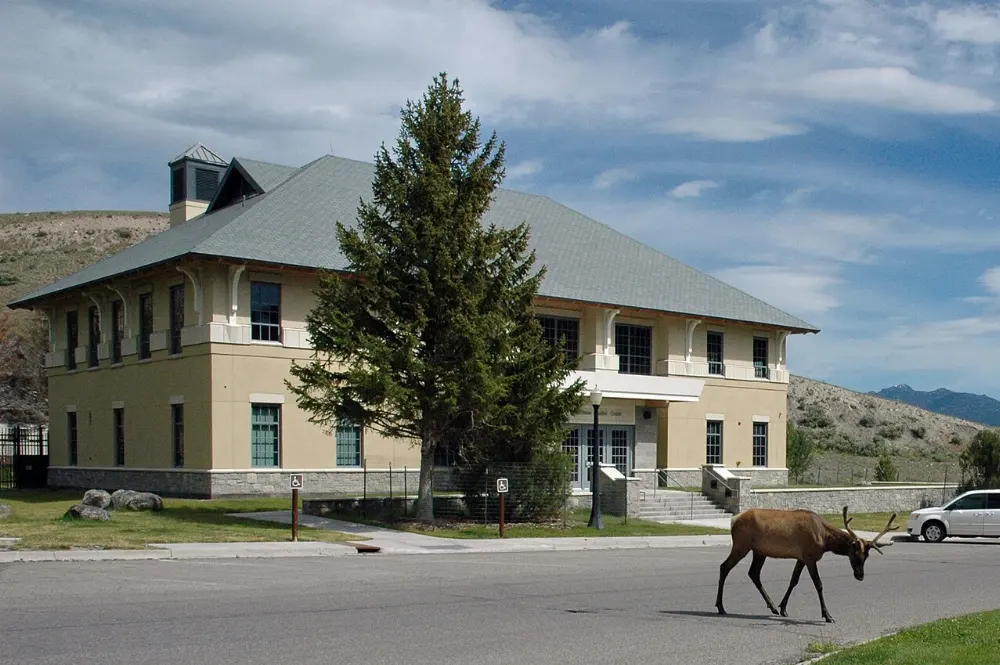
Roosevelt, Yellowstone National Park, Wyoming
Roosevelt Lodging areas include Old Faithful, Grant Village, Lake, Canyon, Mammoth and Roosevelt, and campgrounds are spread around the loop.Photo: Acroterion, Wikimedia Commons, CC BY-SA 4.0
Lamar Valley, Yellowstone National Park, Wyoming
Lamar Valley Cooke City is small and remote but perfectly placed for the Lamar Valley.Photo: Acroterion, Wikimedia Commons, CC BY-SA 4.0
West Entrance, Yellowstone National Park, Wyoming
West Entrance West Yellowstone, at the West Entrance, has the most lodging and is close to the geyser basins.Photo: Dietmar Rabich, Wikimedia Commons, CC BY-SA 4.0
North Entrance, Yellowstone National Park, Wyoming
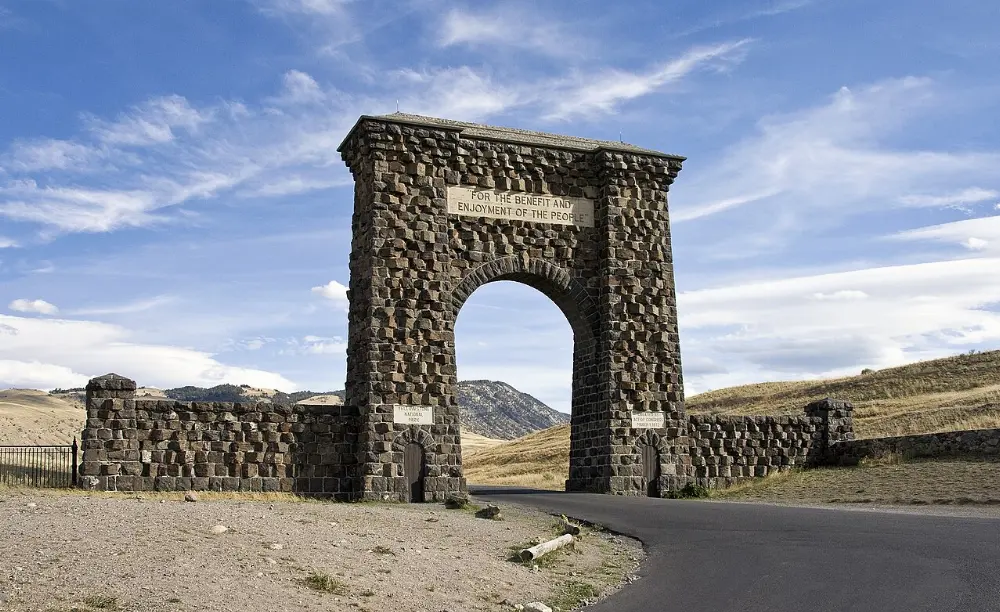
North Entrance Gardiner, at the North Entrance, suits wildlife watchers heading to Lamar.Photo: DXR, Wikimedia Commons, CC BY-SA 4.0
Best time to visit

Summer, from late June through August, is the busiest season.

Late May and early June bring newborn bison calves and good bear viewing, though some trails are still snowy.

Most park roads close to regular cars from early November until spring opening in mid to late April or May, depending on snow. The road between the North Entrance and Cooke City stays open year-round.

Getting there and getting around

The closest year-round airports are Bozeman Yellowstone International in Montana, Jackson Hole in Wyoming, Yellowstone Regional in Cody and Idaho Falls Regional in Idaho, with a small seasonal airport in West Yellowstone.

The park has five entrances: North at Gardiner, Northeast at Cooke City, East from Cody, South from Grand Teton National Park and West at West Yellowstone.

Plan for slow travel.

A suggested itinerary

First day

Enter from the west.

Second day

Drive to West Thumb and along Yellowstone Lake, then north through Hayden Valley in the late afternoon. Spend the night near Canyon.

Third day

See the Lower Falls from Artist Point at sunrise, hike Mount Washburn, then continue to Tower and on to the Lamar Valley for evening wildlife watching.

Fourth day

Return to Lamar at dawn, then head west to Mammoth Hot Springs.

Practical tips

  • Stay at least 100 yards from bears and wolves and 25 yards from bison, elk and other animals.
  • Always stay on boardwalks and marked trails in thermal areas, and never touch the water.
  • Carry bear spray on every hike, know how to use it, and hike in groups.
  • Book in-park lodging, campsites and dining reservations as early as possible.
  • Download the official park app and offline maps, since cell service is limited.
  • Pack layers, rain gear and sun protection; weather changes quickly at high elevation.

Find local businesses in Yellowstone National Park on WiserMap

Need a guide, a gear shop, a place to eat in a gateway town or a spot to refuel before the next long drive?

Explore local businesses

Yellowstone National ParkWISERMAP PLACEYellowstone National Park: photos, reviews & things to doSee traveler photos and reviews, or share your own →

More places to visit

All travel guides →