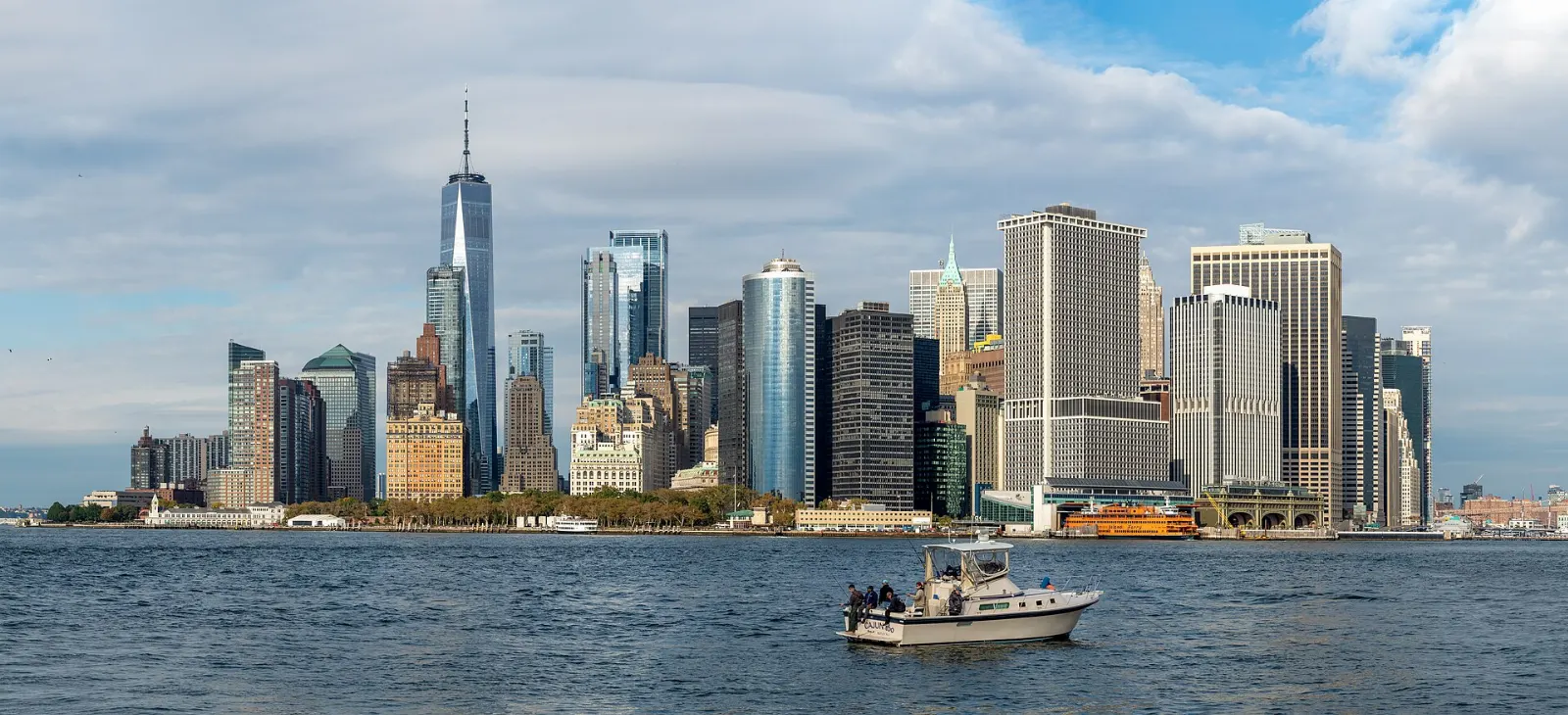
New York City spreads across five boroughs at the mouth of the Hudson River, but most first visits center on Manhattan, a long, narrow island packed with landmarks you already know from films and photographs.
AT A GLANCE
Best time
April to June and September to early December for mild weather.
How long
Four to five days for the major sights; a week to explore beyond Manhattan.
Getting there
Fly into JFK, LaGuardia or Newark; Amtrak arrives at Penn Station.
Why visit New York City
New York is the largest city in the United States and one of the world's great centers of art, finance, theater and food. It began as the Dutch colony of New Amsterdam, became the first capital of the new nation, and grew into the main gateway for generations of immigrants.
For visitors, the appeal is density. World-class museums sit a few blocks apart, Broadway stages dozens of shows each night, and the subway runs around the clock.
Lower Manhattan, the harbor and Brooklyn
Statue of Liberty and Ellis Island
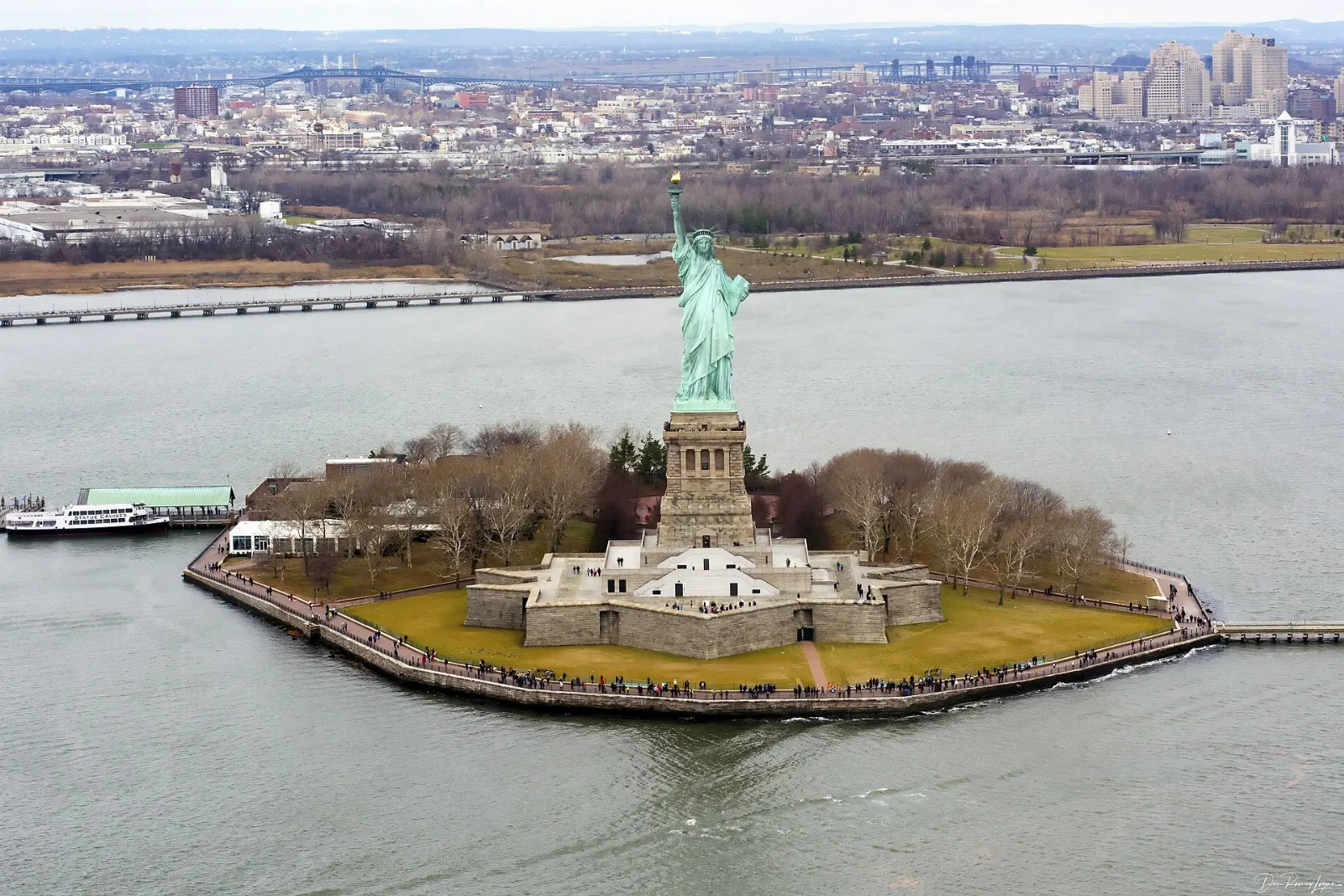
A gift from France dedicated in 1886, the Statue of Liberty stands on Liberty Island in New York Harbor. The same ferry continues to Ellis Island, where the National Museum of Immigration tells the story of the millions who entered the country through its halls.
National September 11 Memorial and Museum
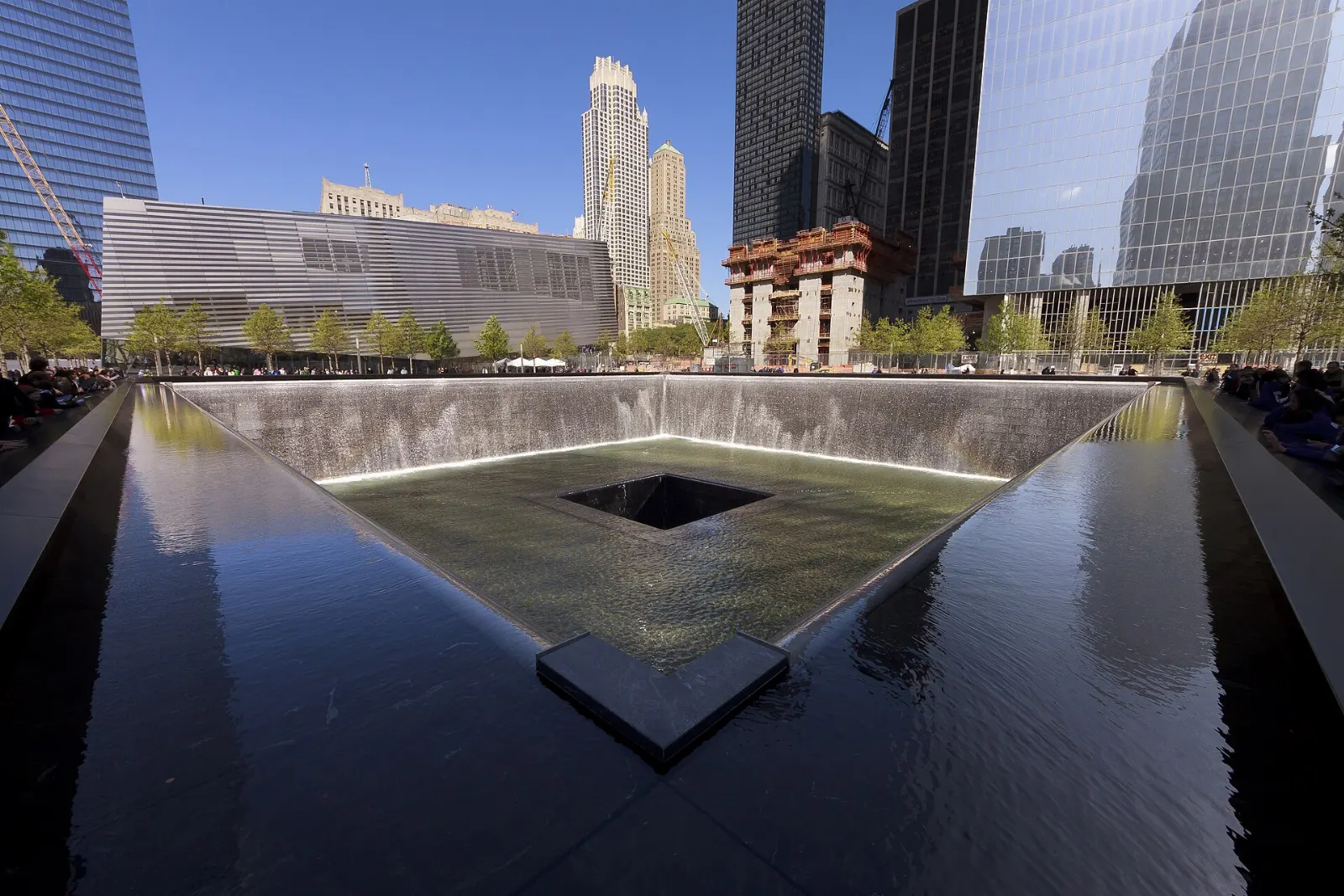
At the World Trade Center site, two vast reflecting pools fill the footprints of the original Twin Towers, with waterfalls dropping into a central void and the names of the victims cut into the bronze parapets around them.
Staten Island Ferry
The orange Staten Island Ferry runs between Whitehall Terminal at the southern tip of Manhattan and St. George on Staten Island, and it costs nothing to ride. The crossing takes about twenty-five minutes each way and passes close enough to the Statue of Liberty for good photos, with wide views of the harbor and skyline on the return.
Brooklyn Bridge and DUMBO
Opened in 1883, the Brooklyn Bridge links Lower Manhattan with Brooklyn, and its elevated promenade lets you walk between the stone Gothic towers above the traffic. The walk takes thirty to forty-five minutes at an easy pace.
Midtown landmarks and the West Side
Times Square and Broadway
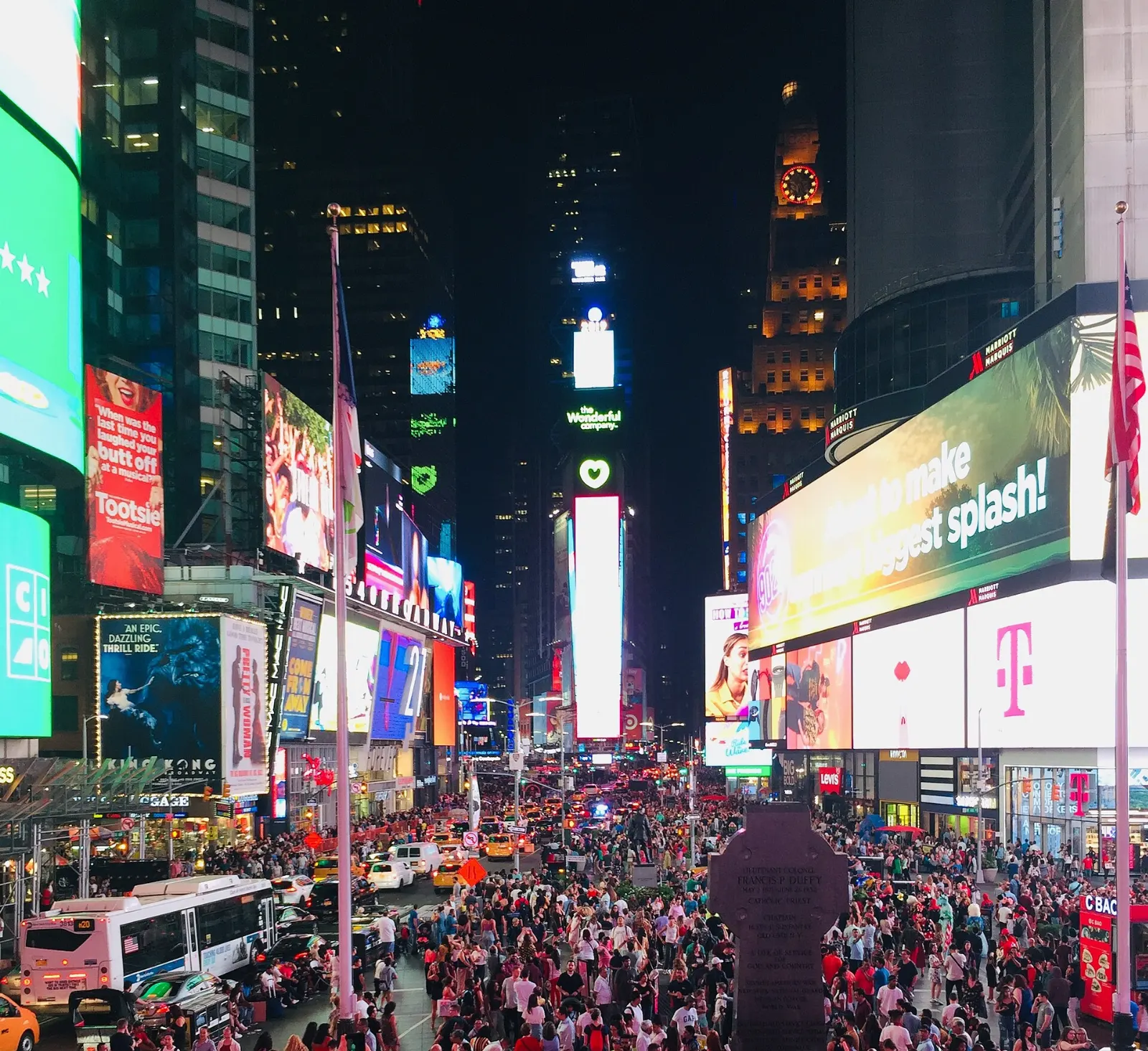
Times Square, where Broadway crosses Seventh Avenue, is a blaze of giant screens and crowds at all hours. Most visitors need only half an hour to take it in, ideally after dark.
Grand Central Terminal
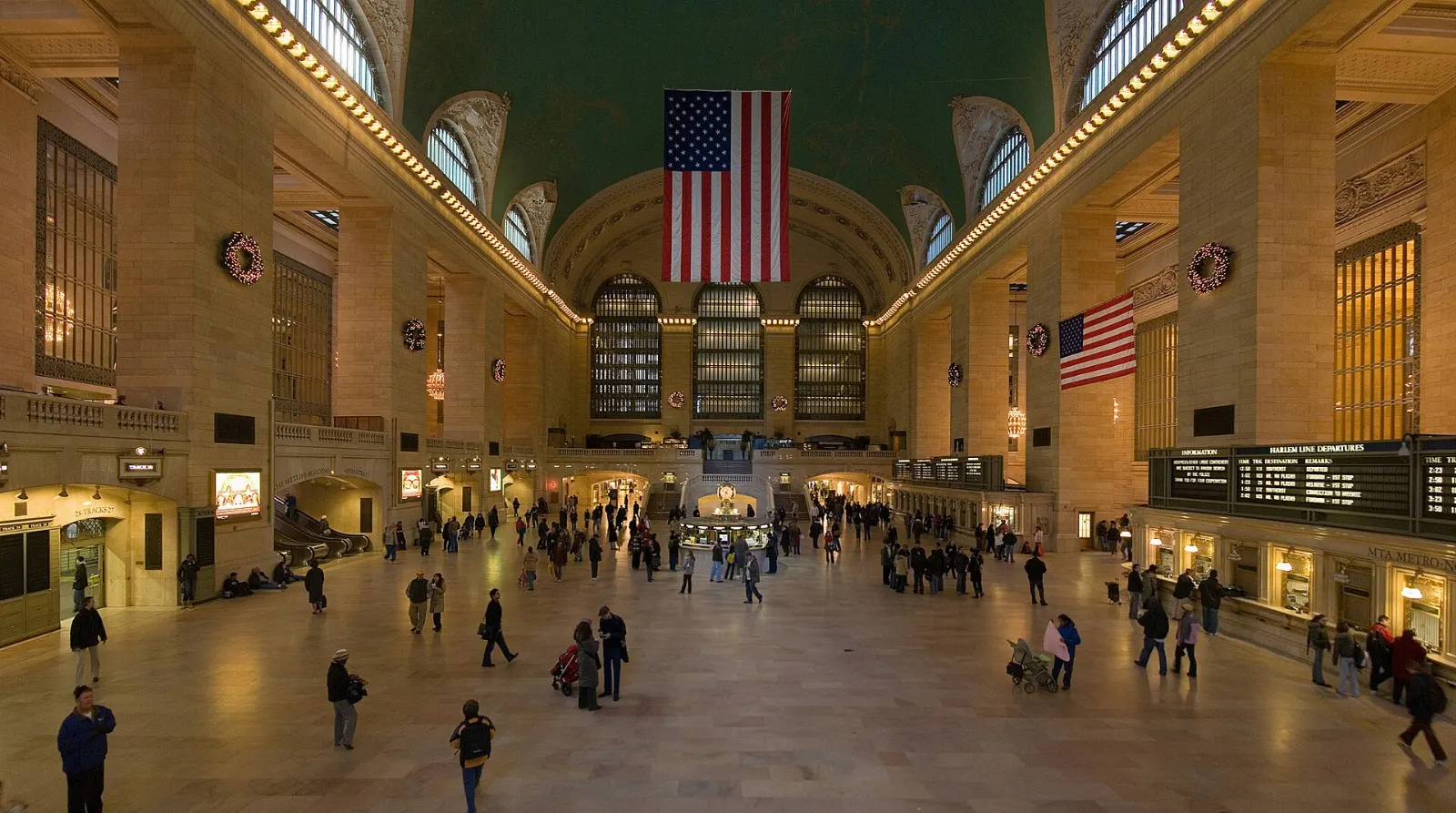
Grand Central Terminal on 42nd Street is a working rail station and a Beaux-Arts landmark. Step into the Main Concourse to see the four-faced brass clock above the information booth and the green-blue ceiling painted with constellations.
Empire State Building and Top of the Rock
Completed in 1931, the Empire State Building has an open-air observation deck on the 86th floor and a higher indoor deck on the 102nd floor. Its rival, Top of the Rock at Rockefeller Center, has the advantage of including the Empire State Building in its views, along with a clear look north over Central Park.
The High Line, Little Island and Chelsea Market
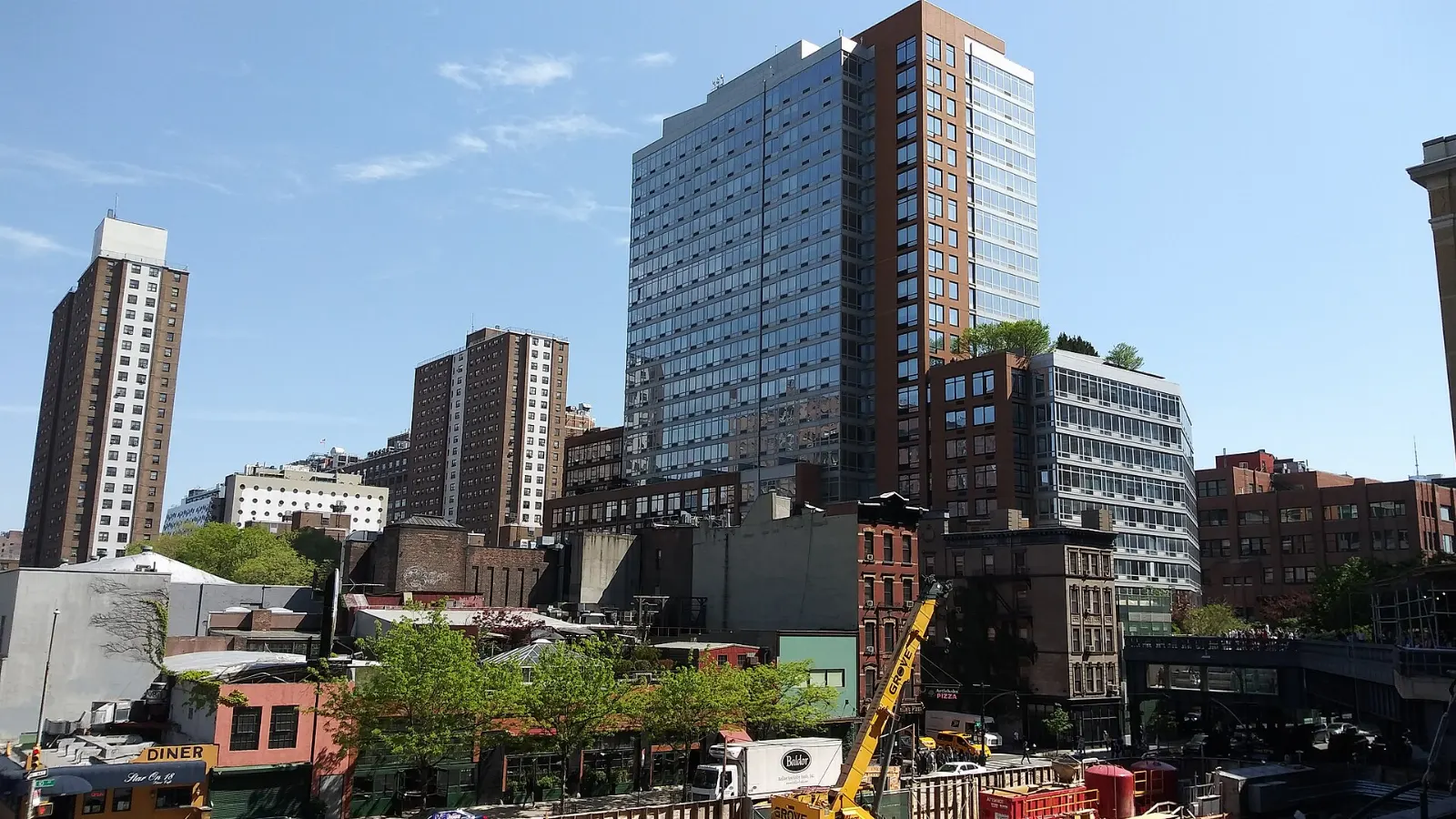
The High Line is an elevated park built on a disused freight rail line, running about a mile and a half from Gansevoort Street in the Meatpacking District to 34th Street near Hudson Yards. Planted walkways, art installations and city views make it one of the best walks in Manhattan.
Central Park and the great museums
Central Park
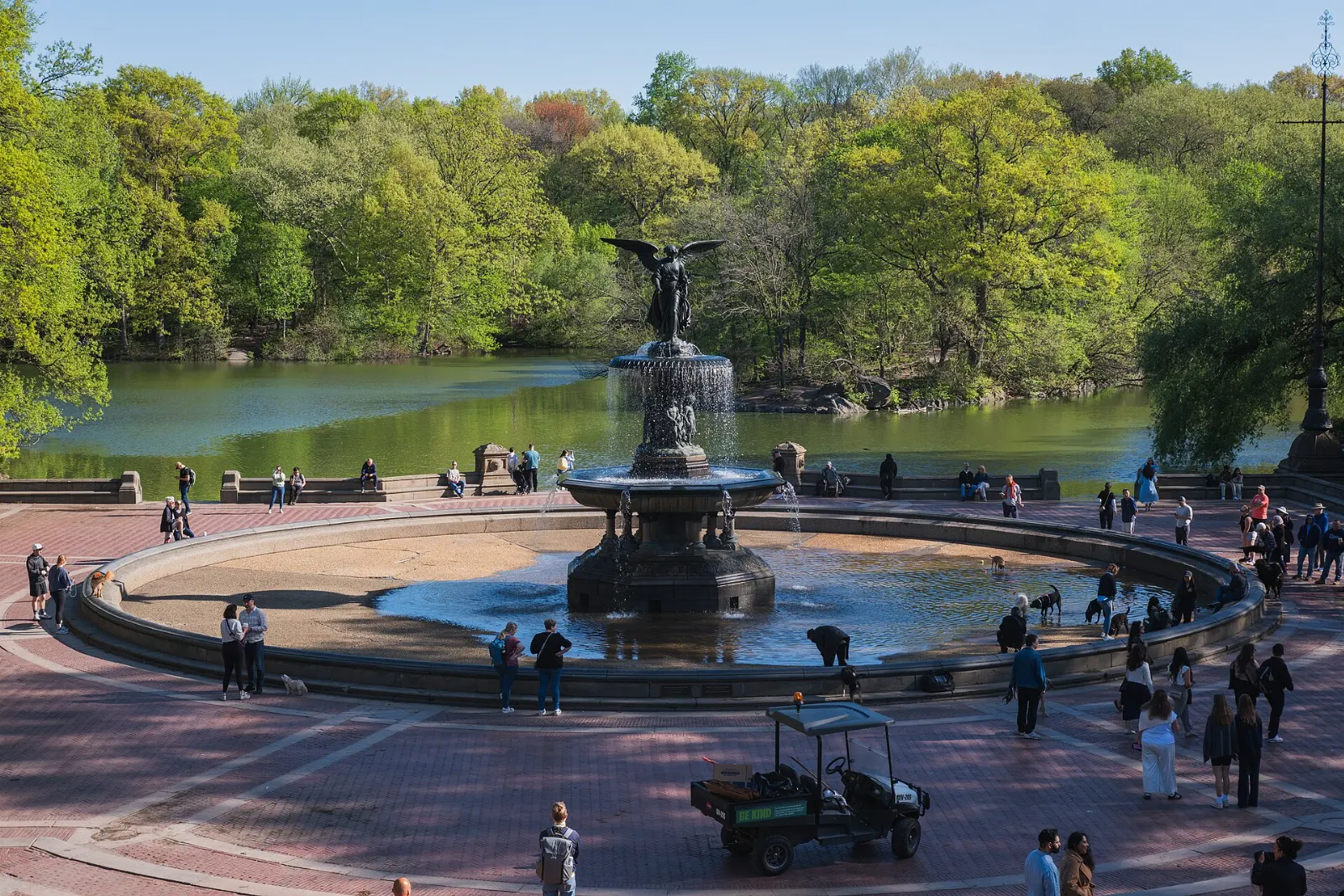
Central Park stretches from 59th Street to 110th Street, a landscaped escape of meadows, lakes and woods designed in the nineteenth century by Frederick Law Olmsted and Calvert Vaux.
Metropolitan Museum of Art
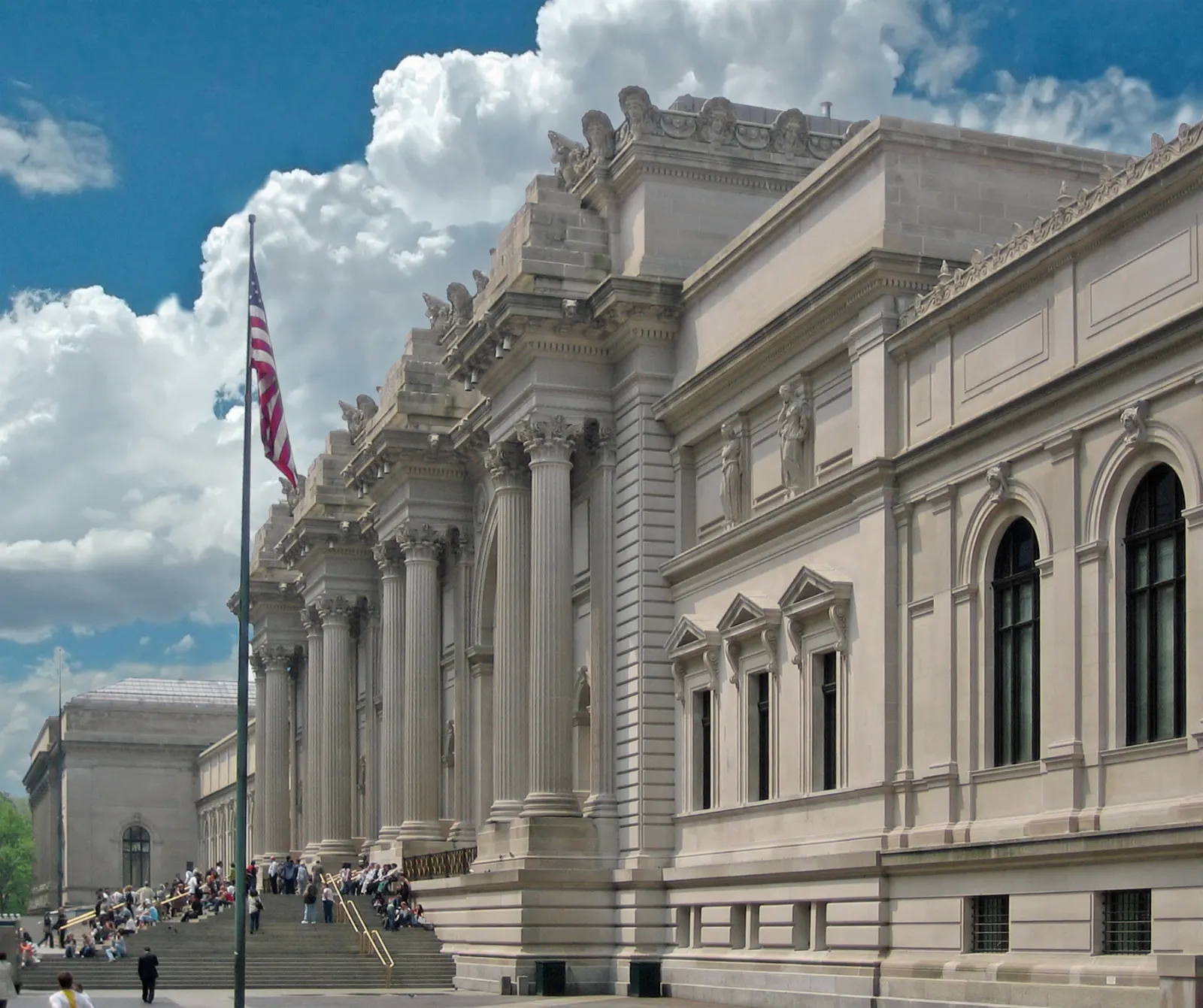
The Met, on Fifth Avenue at the eastern edge of Central Park, is one of the largest art museums in the world. Highlights include the Temple of Dendur in its glass-walled gallery, the Egyptian wing, European paintings from Rembrandt to Van Gogh, the American Wing and the arms and armor halls.
American Museum of Natural History
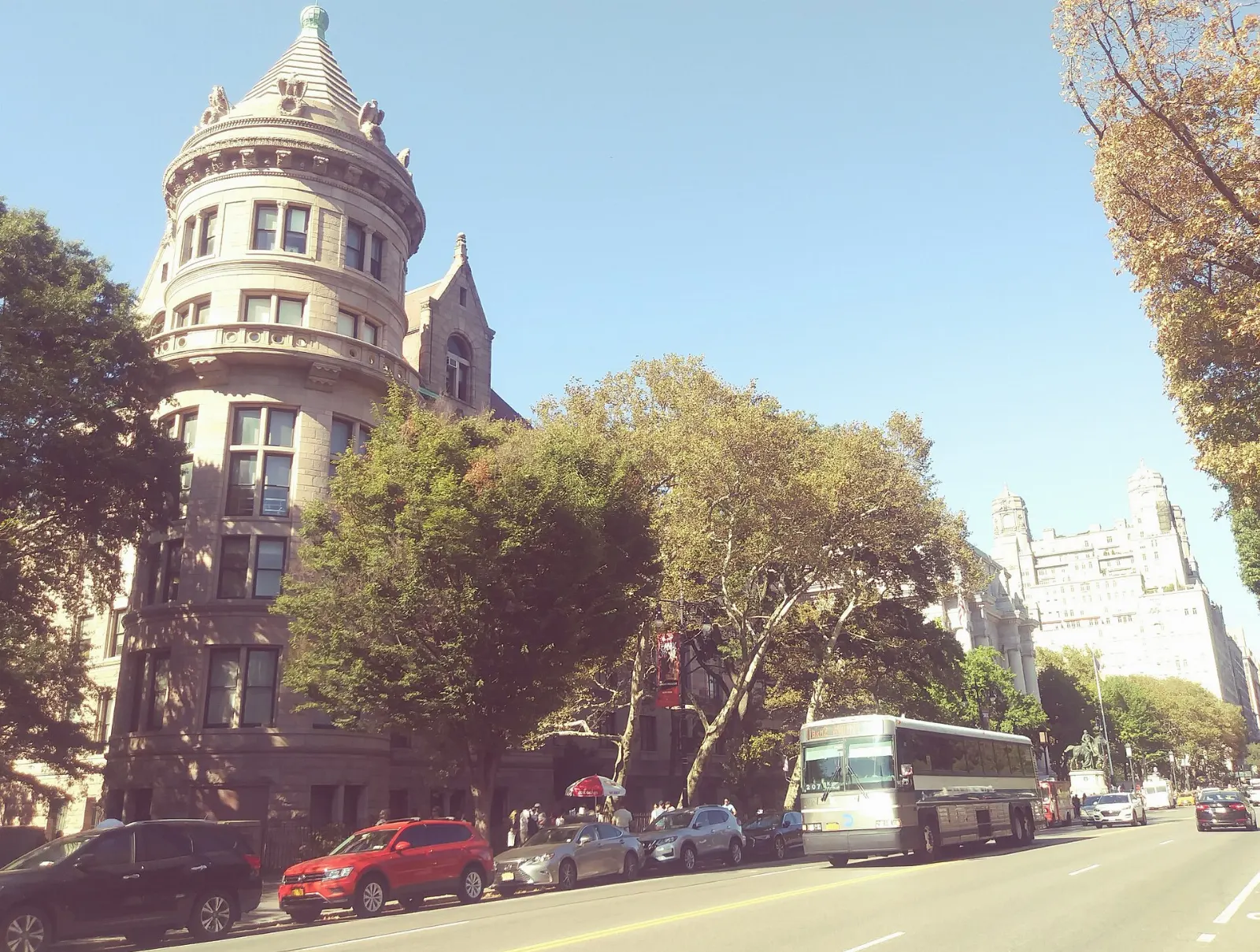
Across the park on Central Park West, the American Museum of Natural History is famous for its dinosaur halls, its life-size model of a blue whale and its dioramas of animals in their habitats.
Museum of Modern Art
MoMA, on West 53rd Street in Midtown, holds one of the world's leading collections of modern and contemporary art, including Van Gogh's The Starry Night and major works by Picasso, Matisse, Monet and Warhol. Its sculpture garden is a quiet spot in the middle of Midtown.
On WiserMap
Local businesses in New York
Ekoglaze
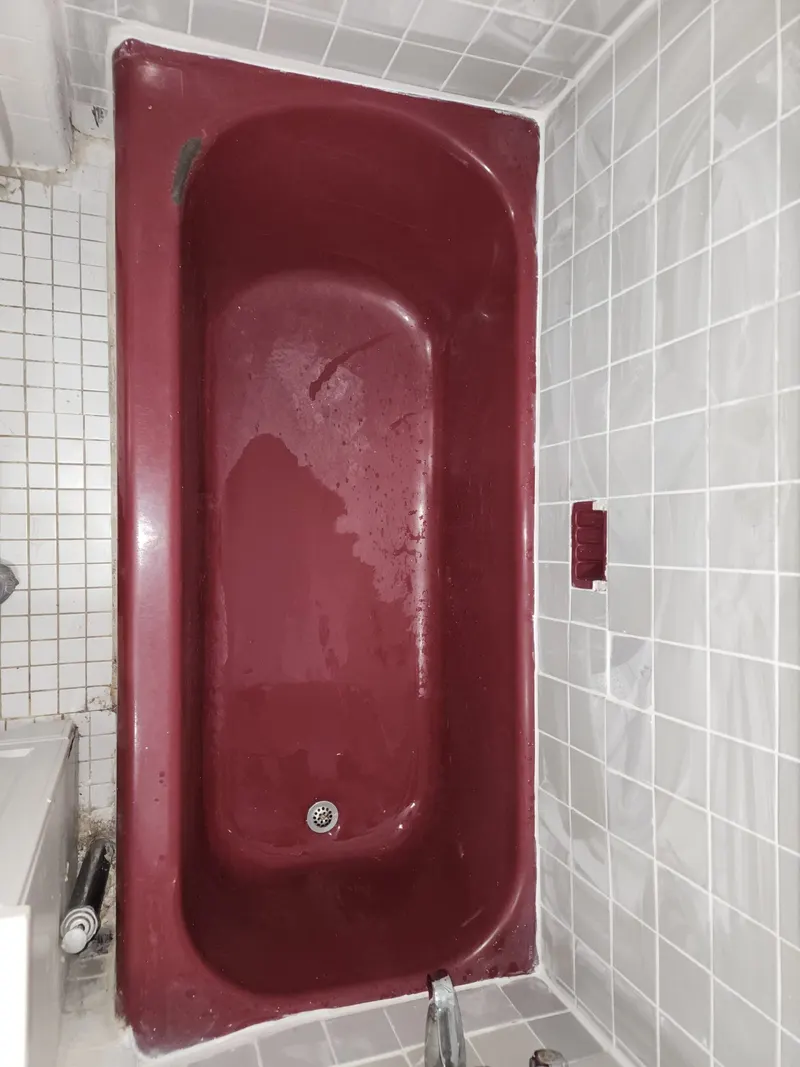
Ekoglaze is a bathtub restoration business serving New York, specializing in odorless bathtub and tile reglazing with zero VOC technology.
Wood Vitalize
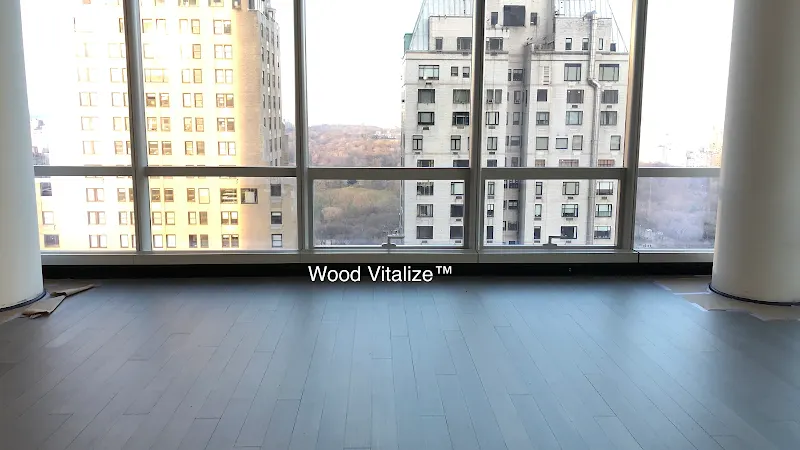
Wood Vitalize is a wood floor refinishing business serving New York and Westchester. Wood Vitalize provides dustless hardwood floor refinishing, cleaning, repai...

Sir Grout Manhattan
Sir Grout Manhattan is a tile, grout, and stone restoration business serving Manhattan. It provides cleaning, sealing, honing, polishing, and maintenance servic...
 Planning a trip to New York City?Compare hotels, flights and vacation rentals for New York City on Expedia.Book now
Food and local flavors
New York's food is as varied as its population. Start with the classics: a bagel with cream cheese and lox in the morning, a thin, foldable slice of pizza at lunch, and a towering pastrami on rye at a Jewish deli.
For more variety, explore neighborhoods. Manhattan's Chinatown is known for dumplings and dim sum, and Flushing in Queens has an even larger range of Chinese and other Asian cooking.
Popular dishes to try in New York City


Where to stay
Midtown Manhattan, around Times Square, Bryant Park and Grand Central, puts you closest to Broadway and many subway lines, which suits first-time visitors on a tight schedule. It is busy and noisy, but very convenient.
The Upper West Side and Upper East Side are residential and relaxed, near Central Park and the major museums, and work well for families.
Where to stay in New York City


Best time to visit
Spring, from April to June, brings blossoms in Central Park and comfortable walking weather.
Summer is hot and humid, with frequent thunderstorms, but it brings free outdoor concerts, open-air movies and long evenings on rooftops and waterfront parks.
Getting there and getting around
Three major airports serve the city: John F. Kennedy International and LaGuardia in Queens, and Newark Liberty International in New Jersey.
Once in the city, skip the car. The subway runs around the clock, and you can pay by tapping a contactless bank card or phone at the OMNY readers on turnstiles and buses.
Top rated
Trusted by locals in New York

Buono's Flooring
Buono's Flooring is a flooring business serving NYC, NJ, and Long Island with over 40 years of experience in service installation and repair.
Wood Flooring Masters
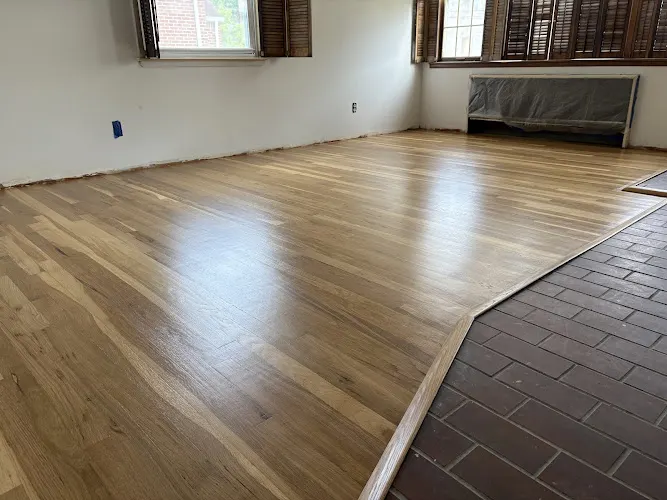
Wood Flooring Masters is a hardwood flooring business serving New York City and surrounding areas. Wood Flooring Masters provides repair, installation, sanding,...
A suggested itinerary
First day
Take an early ferry to the Statue of Liberty and Ellis Island, then visit the 9/11 Memorial and Museum in the afternoon.
Second day
Spend the morning in Central Park, from the Mall to Bethesda Terrace, then devote the afternoon to the Metropolitan Museum of Art.
Third day
Visit Grand Central Terminal and MoMA, then head to Chelsea to walk the High Line, stop at Chelsea Market and catch the sunset from Little Island.
Fourth day
Choose the American Museum of Natural History for families or a food walk through Chinatown and the Lower East Side, and finish at an observation deck as the city lights come on.
Practical tips
- Book timed tickets for the Statue of Liberty, the 9/11 Museum and observation decks well ahead.
- Buy Statue of Liberty tickets only from the official concessioner, not from street sellers.
- Wear comfortable shoes; you will likely walk many miles a day.
- On sidewalks, keep moving and step aside before stopping to check your phone or map.
- Tipping is customary in restaurants, bars and taxis, usually around 18 to 20 percent of the bill.
- Check weekend subway service changes on the official MTA website before you travel.
Find local businesses in New York City on WiserMap
From neighborhood delis and cafés to tour operators, shops and services near your hotel, you can browse local businesses across New York City before and during your trip.