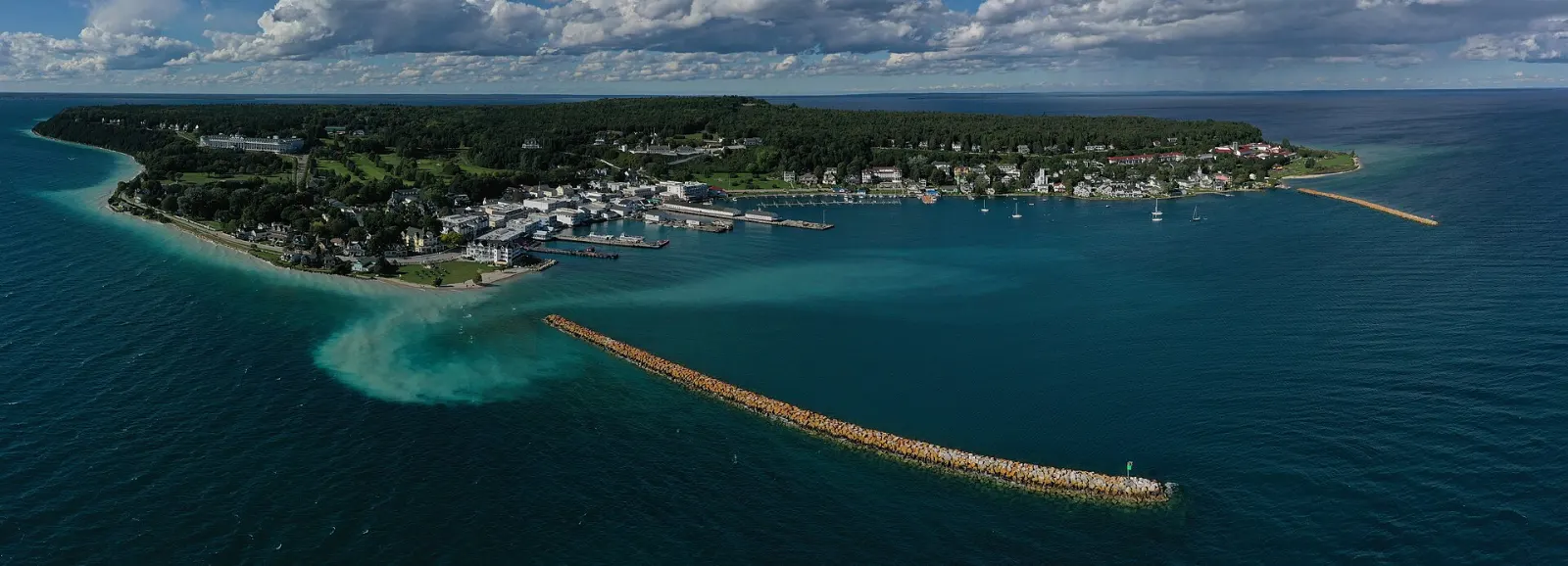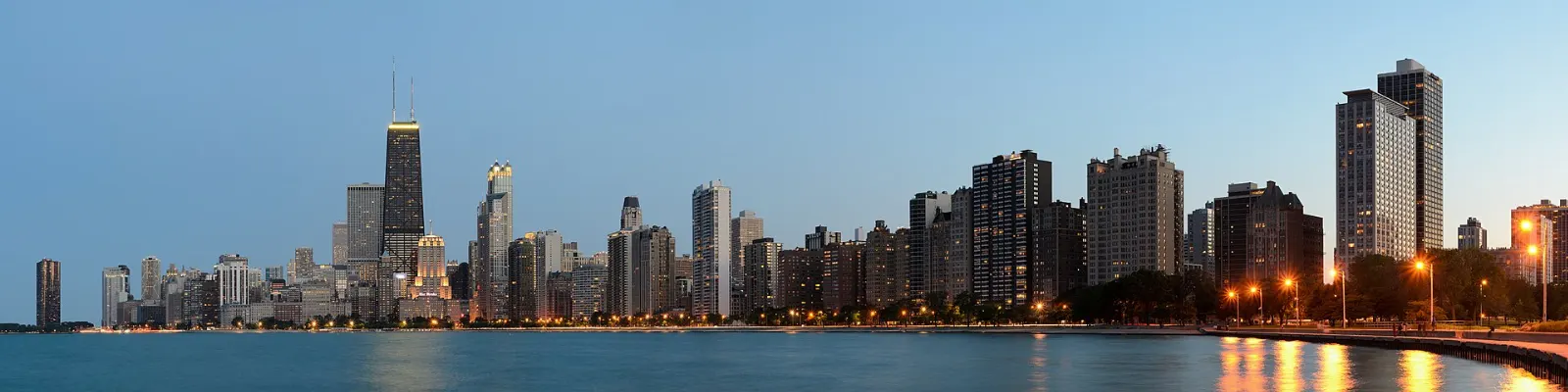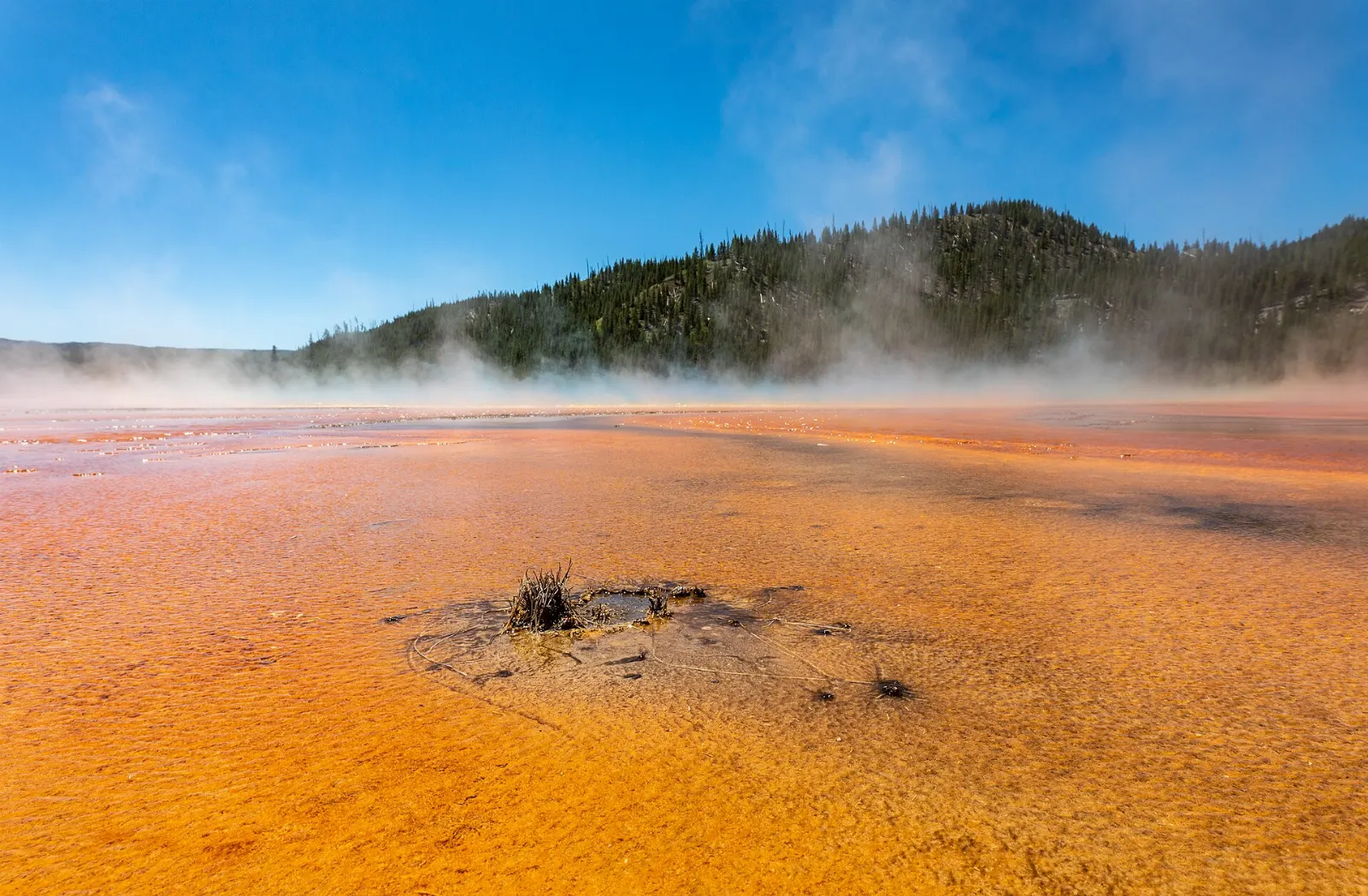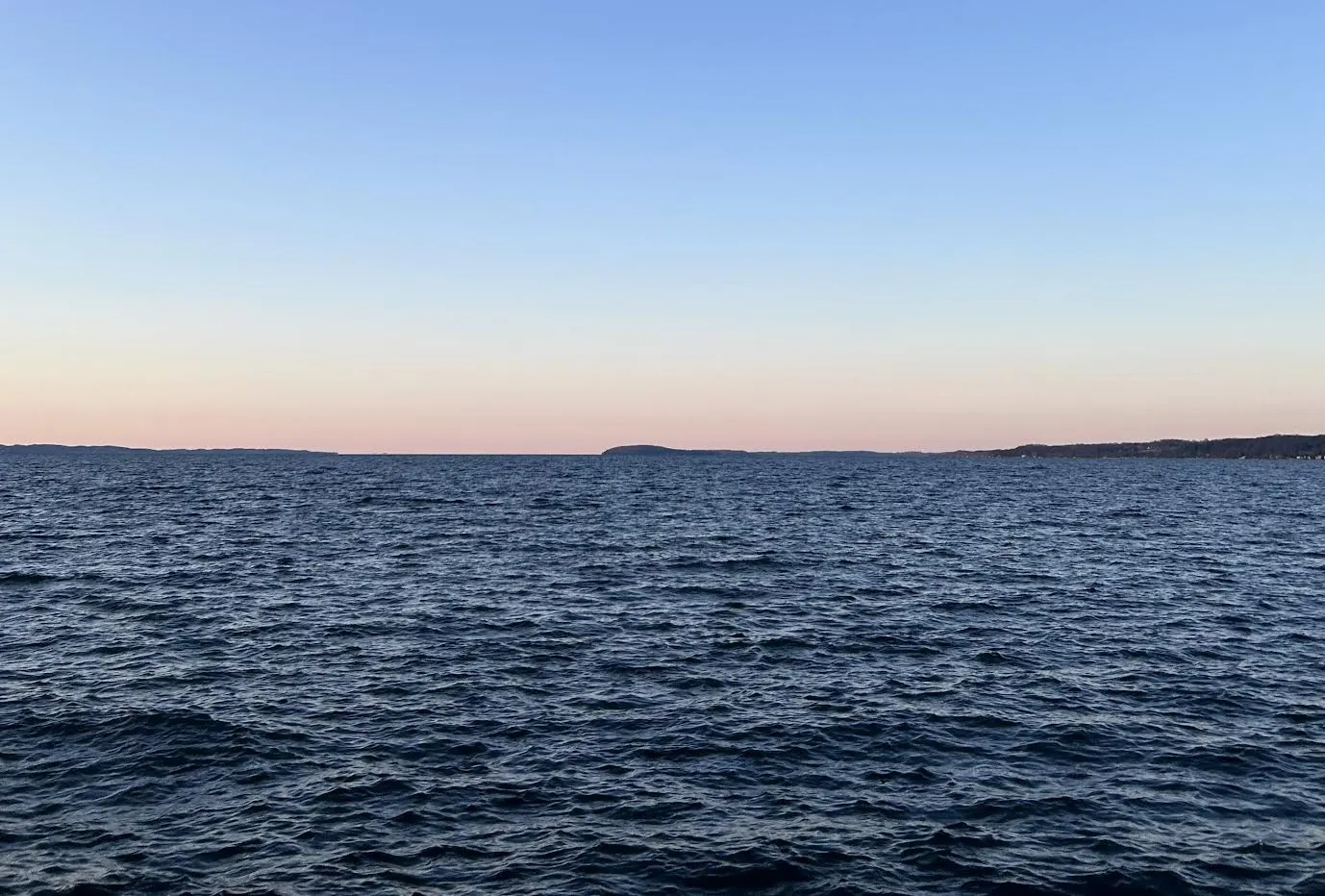
Traverse City sits at the foot of Grand Traverse Bay, where two long arms of clear, cold Lake Michigan water reach south into the cherry country of northern Michigan.
AT A GLANCE
Best time
Late June to mid-October, with September the sweet spot for warm water, harvest season and fewer crowds.
How long
Three to four days covers the town, both peninsulas and Sleeping Bear Dunes.
Getting there
Fly into Cherry Capital Airport or drive north, about four hours from Detroit or two and a half from Grand Rapids.
Why visit Traverse City
Few small American towns combine water, food and outdoor scenery as neatly as Traverse City. The bays are a shade of turquoise you might expect in the Caribbean, yet the water is fresh and the air smells of pine.
Just west of town, Sleeping Bear Dunes National Lakeshore protects sand bluffs that rise hundreds of feet above Lake Michigan, along with forests, inland lakes and islands. Traverse City itself has a lively downtown with independent shops, a restored movie palace and a waterfront trail system that lets you leave the car behind.
Downtown and the bayfront
Front Street
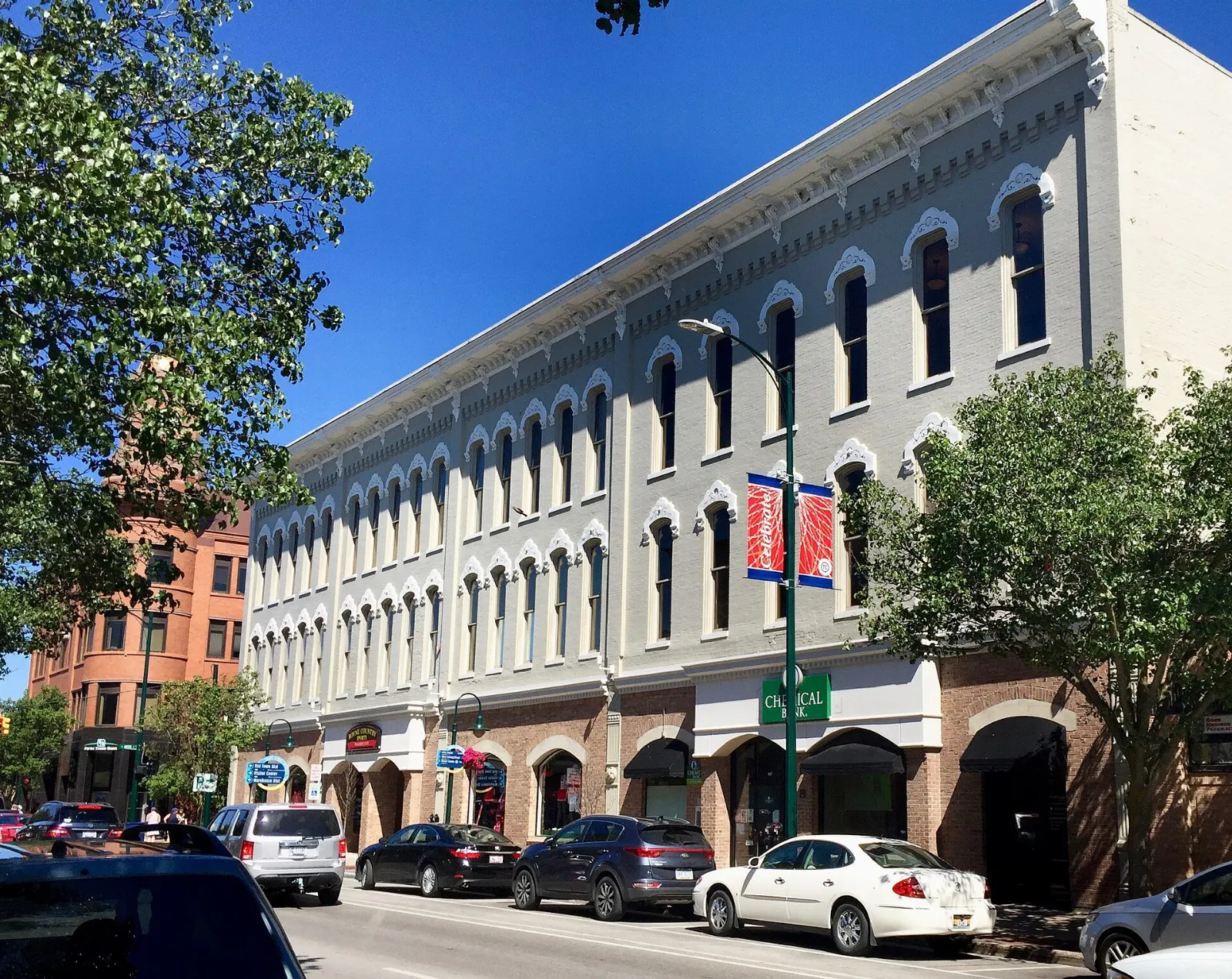
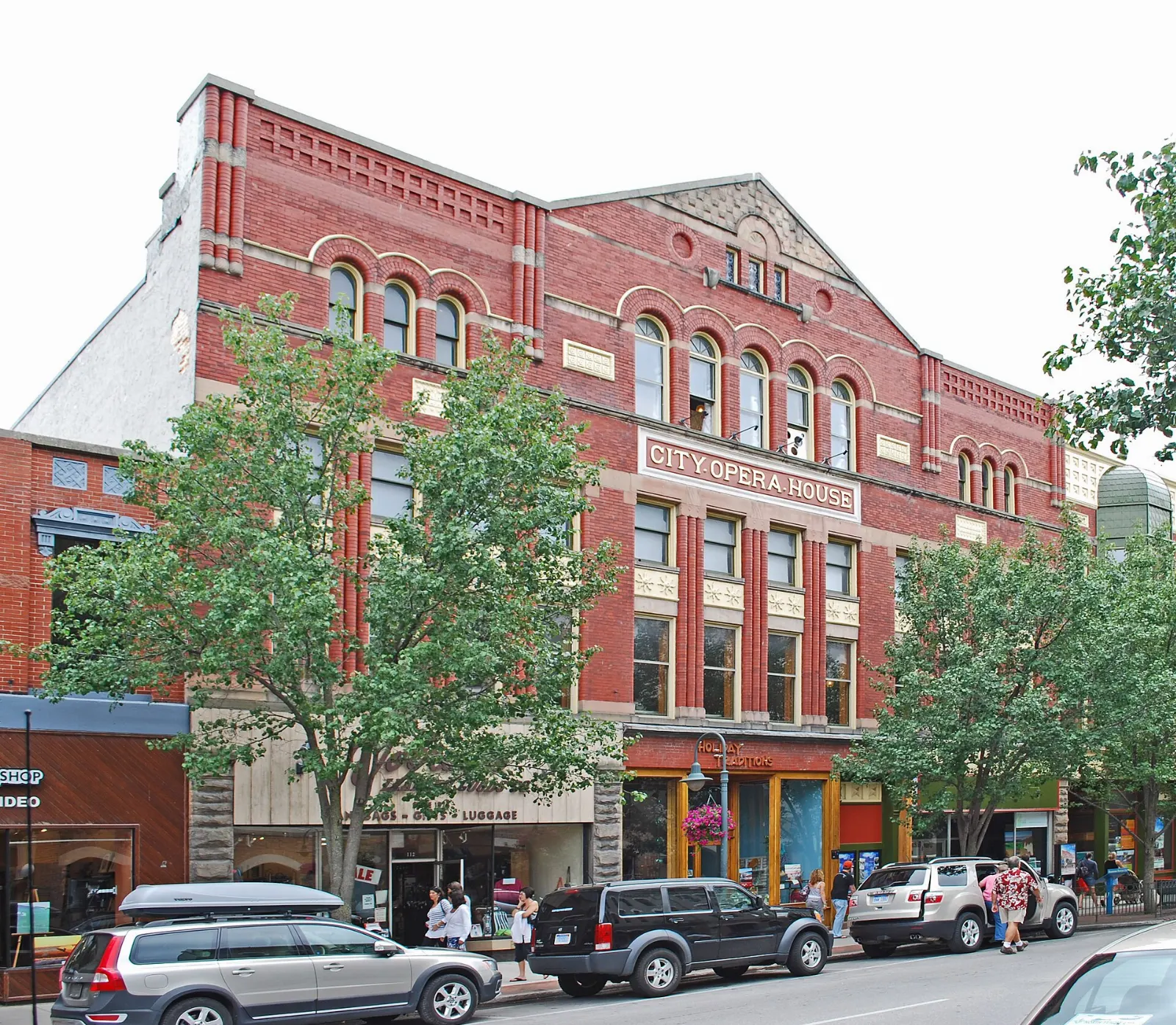
Front Street is the heart of downtown, a run of brick storefronts with bookshops, outfitters, galleries, bakeries and cafes. The Boardman River runs just behind the street, and side lanes lead down to small riverside patios.
Tip: parking downtown fills up quickly on summer weekends, so use one of the public parking decks and explore on foot.
State Theatre
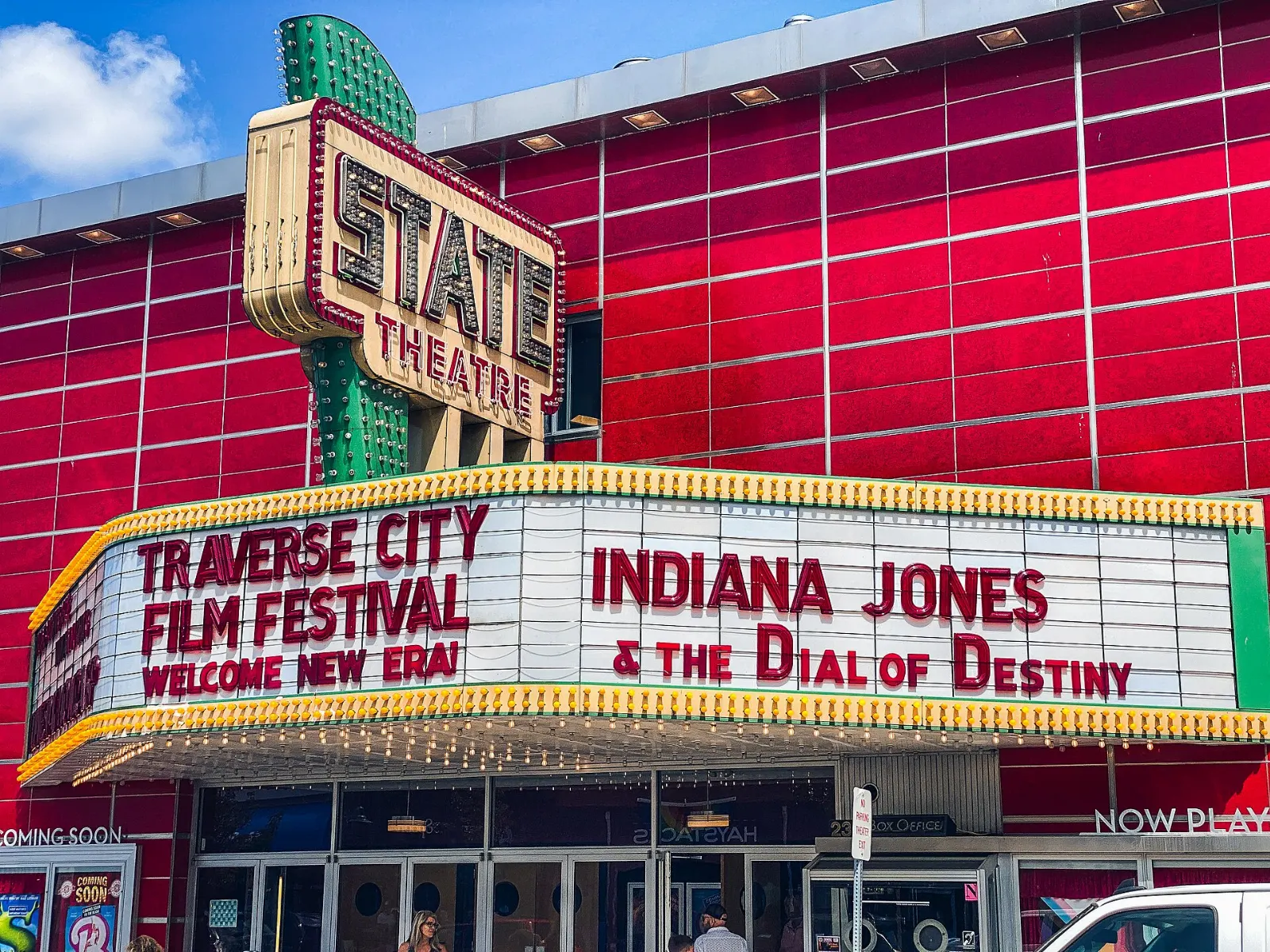
The State Theatre is a restored historic cinema run as a nonprofit community theater, with a glowing marquee and a ceiling painted like a night sky. It screens new releases, classics and independent films throughout the year, and it is a fine place to spend a rainy evening.
Clinch Park and the TART Trail
Clinch Park is the downtown beach on West Grand Traverse Bay, with a sandy shoreline, a splash pad, a marina and a long waterfront walkway.
The Village at Grand Traverse Commons
On the west side of town, the former Northern Michigan Asylum has been reborn as the Village at Grand Traverse Commons, a mixed-use neighborhood of shops, restaurants, apartments and wine tasting rooms. The Victorian brick towers of Building 50 are striking, and the surrounding grounds include walking trails through old orchards and woods.
Old Mission Peninsula and the wine country
Mission Point Lighthouse
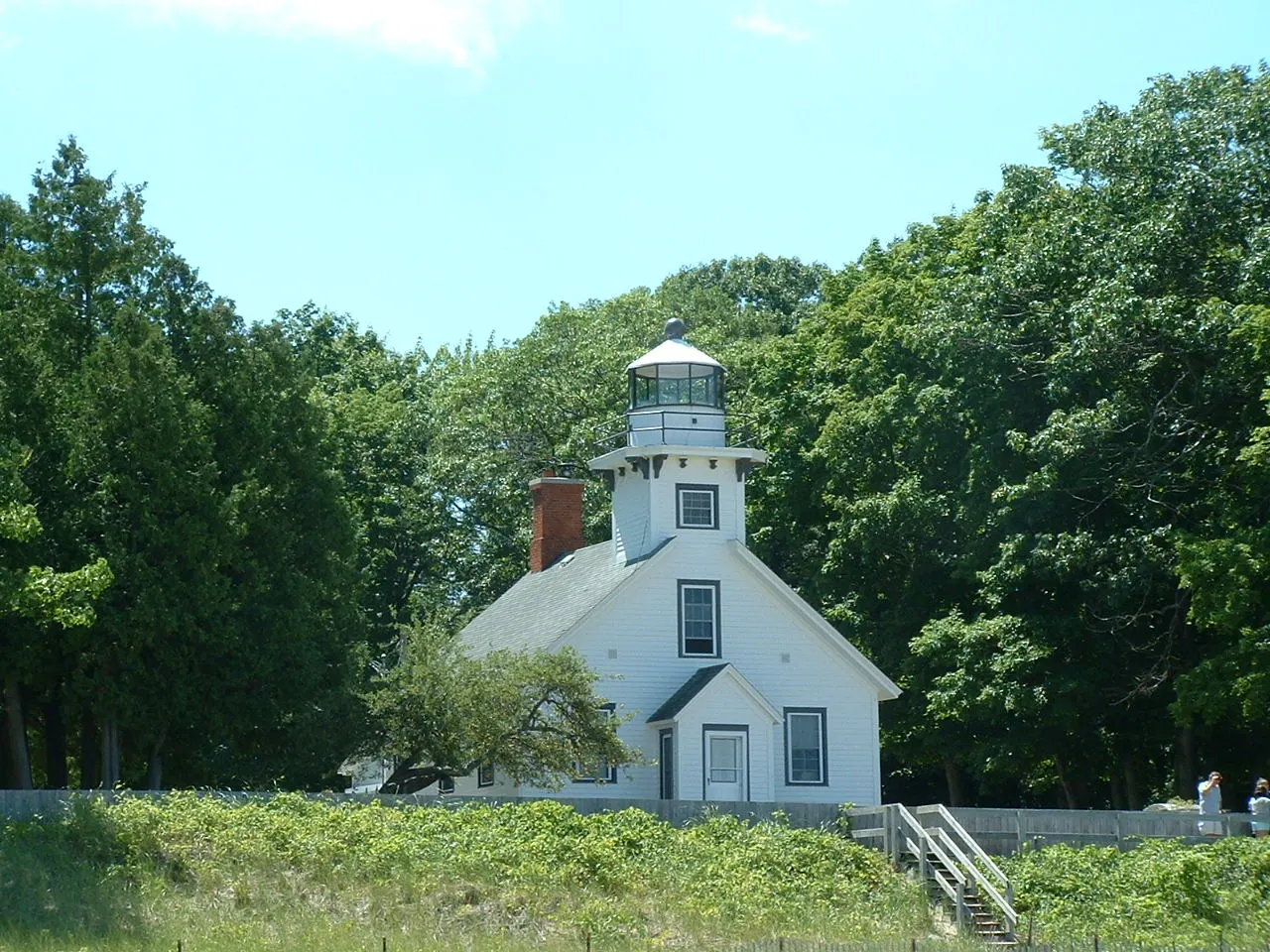
Old Mission Peninsula is a slender finger of land about twenty miles long that divides the bay into its east and west arms.
Old Mission wineries and orchards
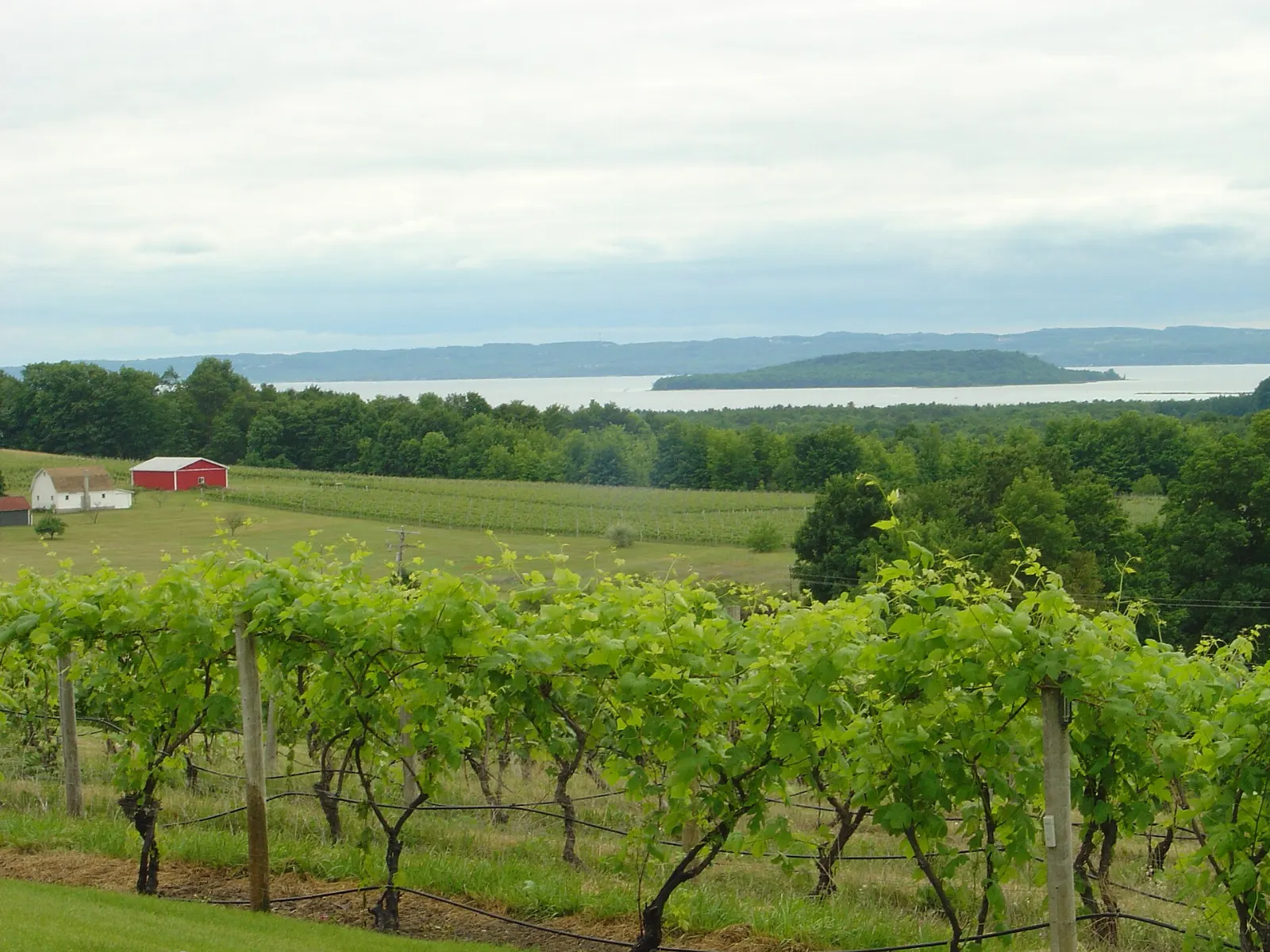
The drive north on M-37 is the main reason to come: the road runs along a ridge with water views on both sides, past cherry orchards, farm stands and a string of wineries. The peninsula's climate, moderated by the surrounding bay, suits cool-climate grapes such as Riesling, Pinot Gris and Chardonnay.
Leelanau Peninsula and Northport
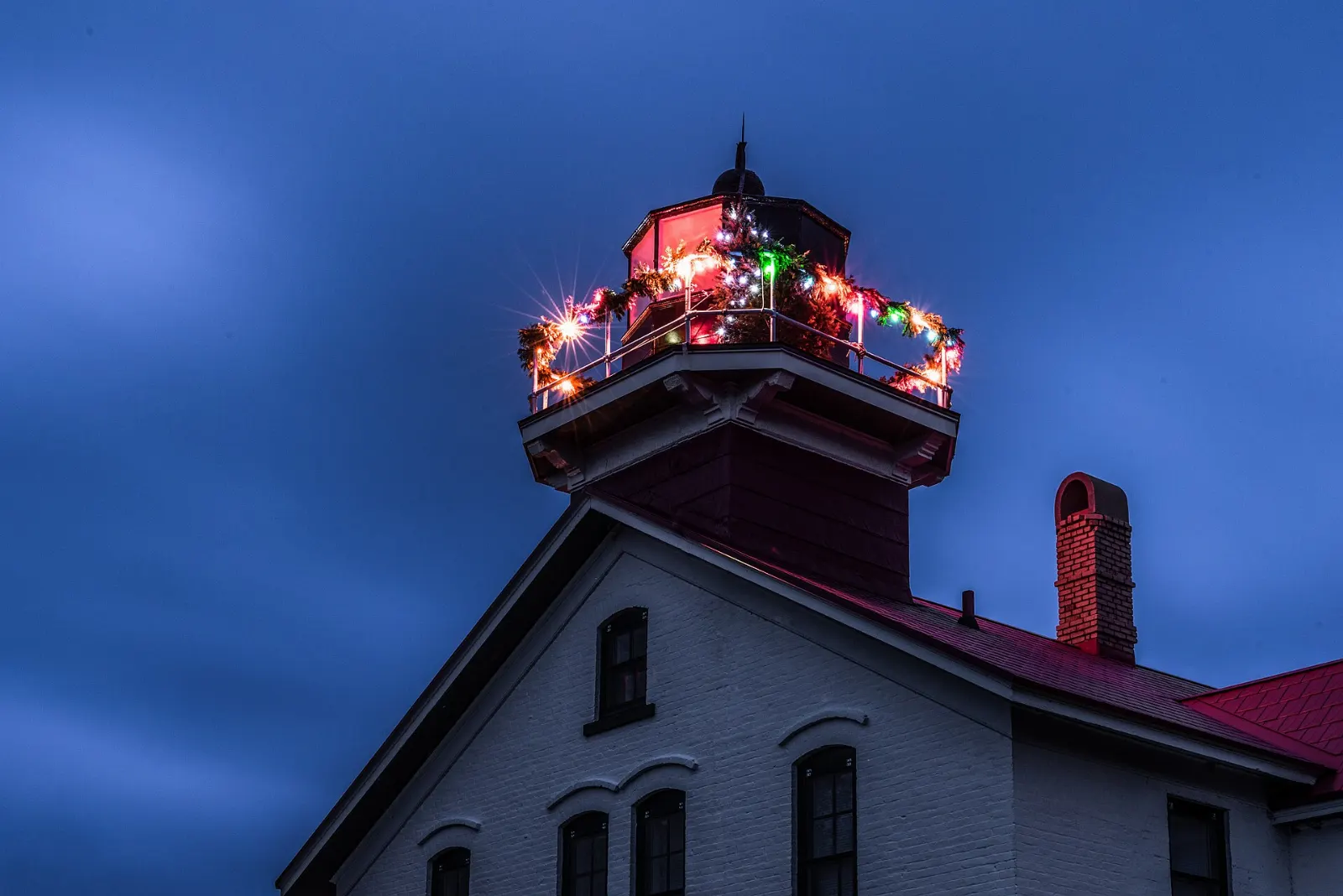
West of town, the larger Leelanau Peninsula has its own wine trail, along with small villages such as Suttons Bay, Northport, Glen Arbor and Leland. At the very tip, Leelanau State Park protects the Grand Traverse Lighthouse, a historic light station with a small museum, plus a rugged beach and dune trails.
Sleeping Bear Dunes and the Lake Michigan shore
The Dune Climb
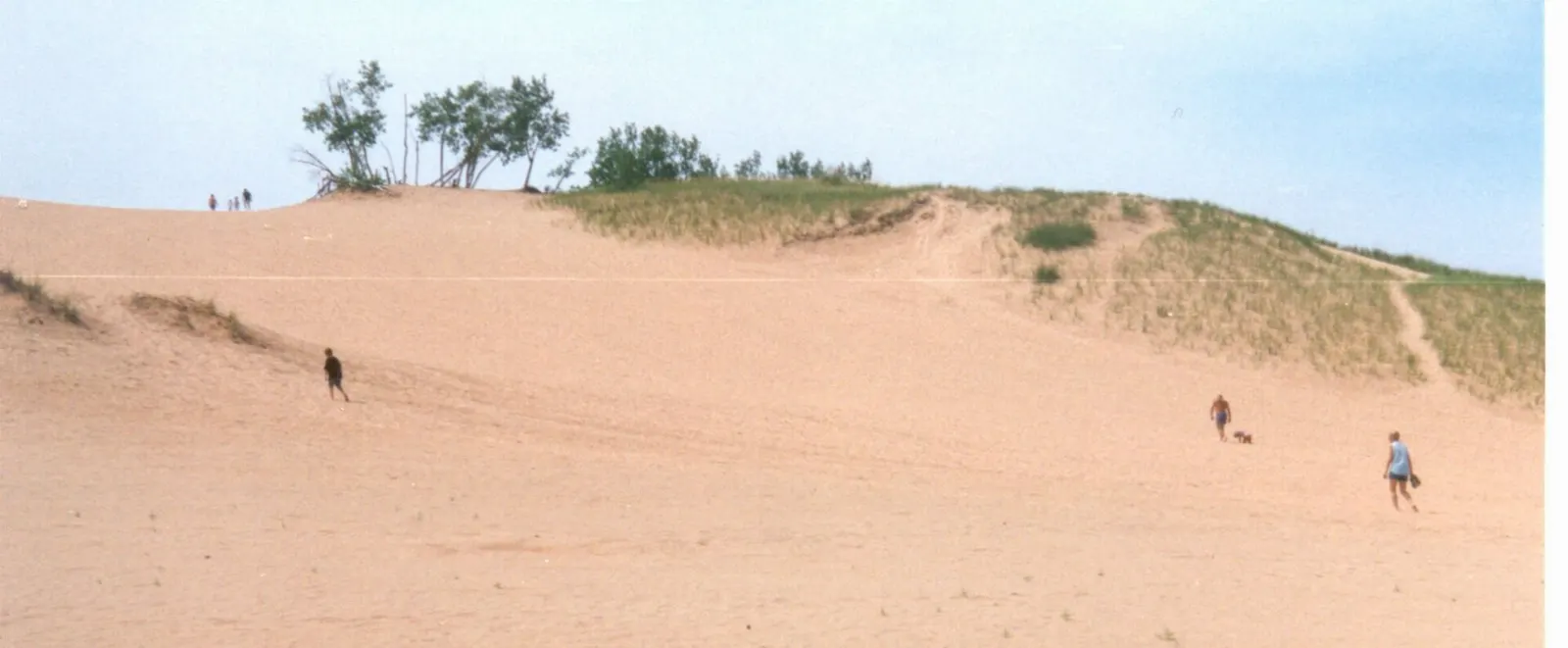
Sleeping Bear Dunes National Lakeshore begins about a forty-minute drive west of Traverse City. Its most famous stop is the Dune Climb, a steep face of sand that rises from a parking area beside Glen Lake. Climbing the first ridge takes around fifteen minutes, and the view back over Glen Lake is excellent.
Pierce Stocking Scenic Drive
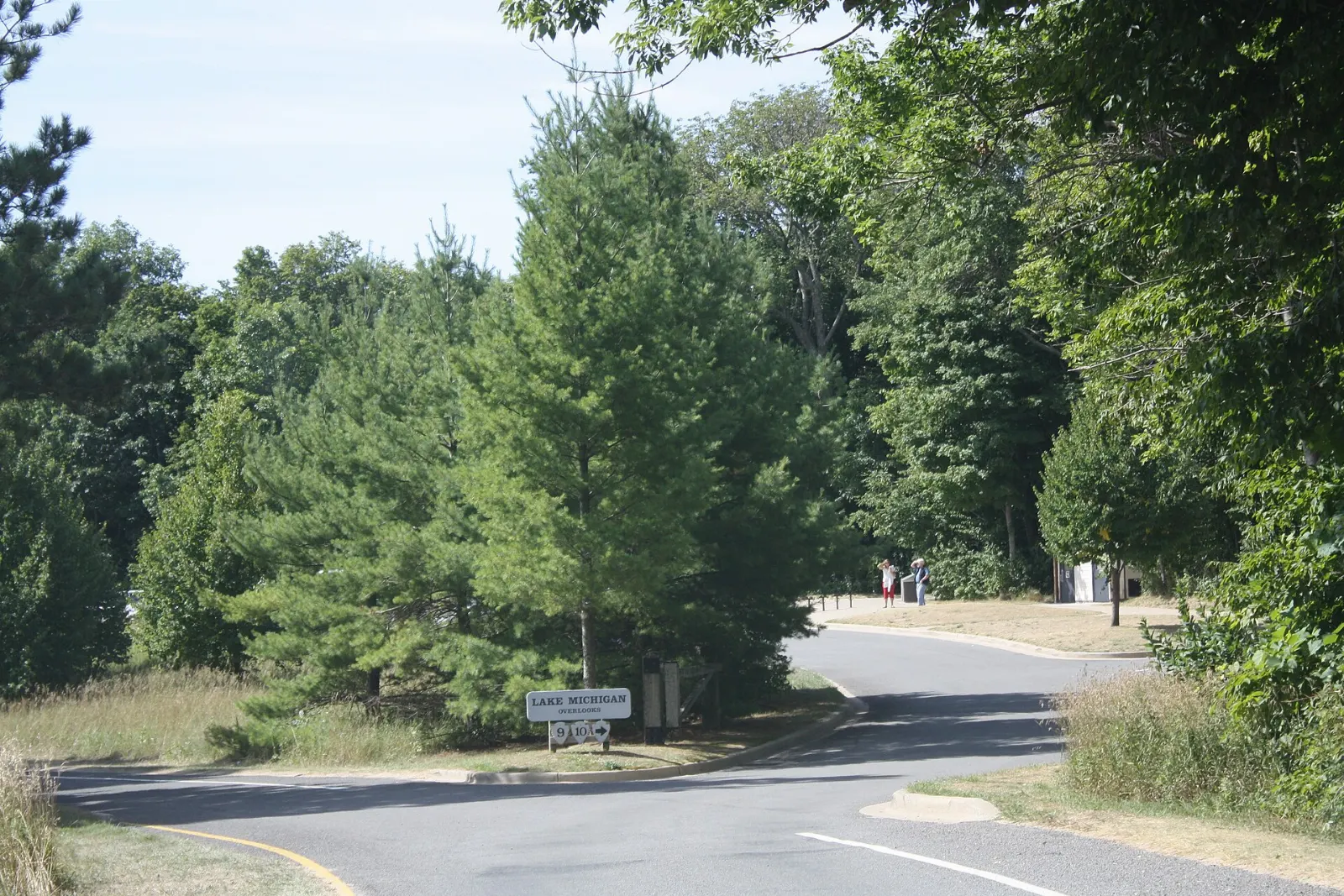
This seven-mile loop road winds through forest and open dunes, with marked stops at overlooks above Glen Lake and Lake Michigan. The Lake Michigan Overlook sits on a bluff hundreds of feet above the water.
Glen Haven and the Sleeping Bear Heritage Trail
Glen Haven is a restored village with a historic general store, blacksmith shop and a maritime museum in a former life-saving station at Sleeping Bear Point. The paved Sleeping Bear Heritage Trail connects Glen Haven with Glen Arbor, the Dune Climb and Empire, so you can cycle between stops.
Leland Fishtown
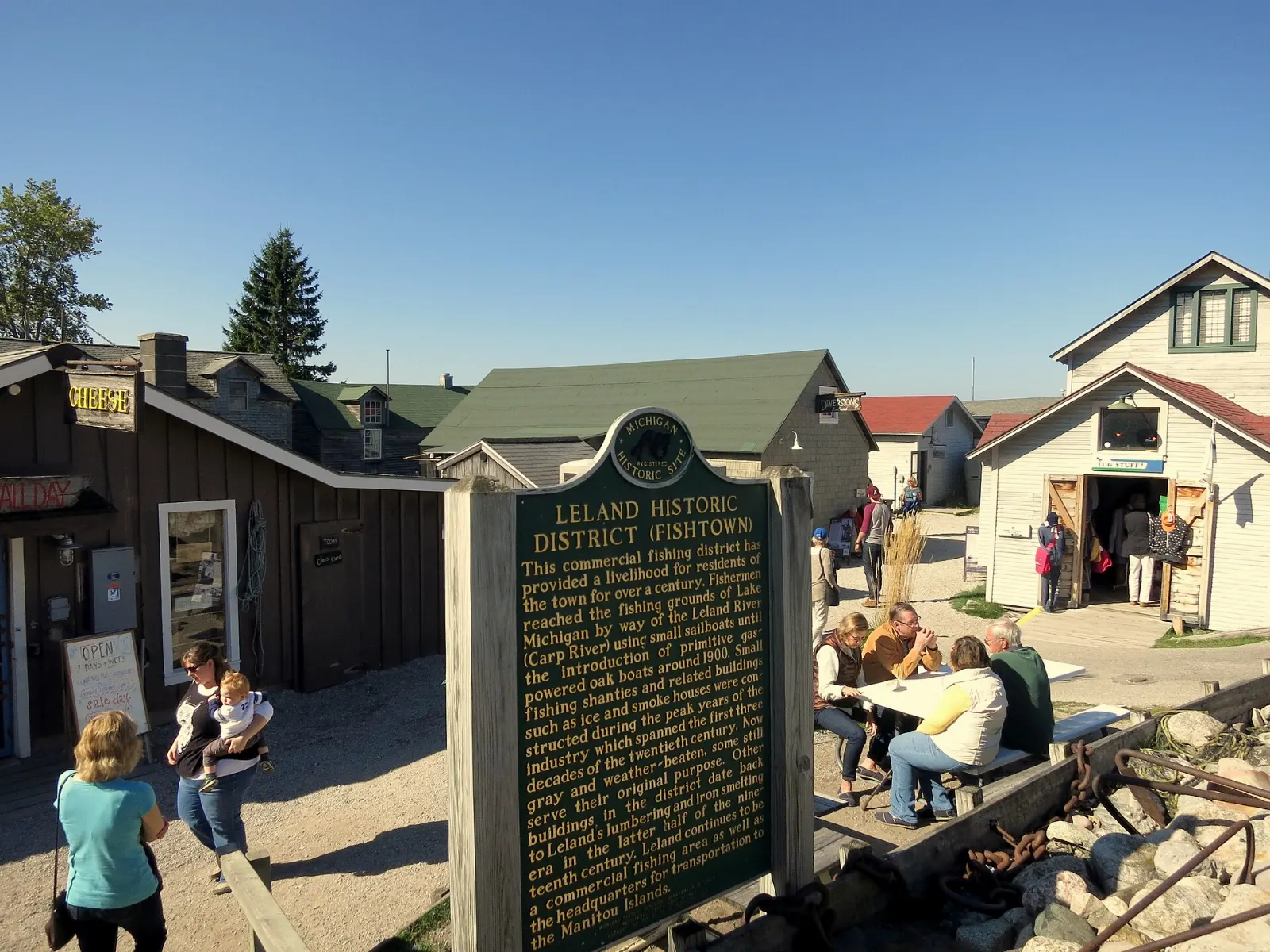
Leland's Fishtown is a cluster of weathered wooden fishing shanties and smokehouses beside the Leland River where it meets Lake Michigan. Several shanties now hold small shops and food counters, while working boats still tie up along the docks. It is also the departure point for seasonal ferries to the Manitou Islands.
 Planning a trip to Traverse City?Compare hotels, flights and vacation rentals for Traverse City on Expedia.Book now
Food and local flavors
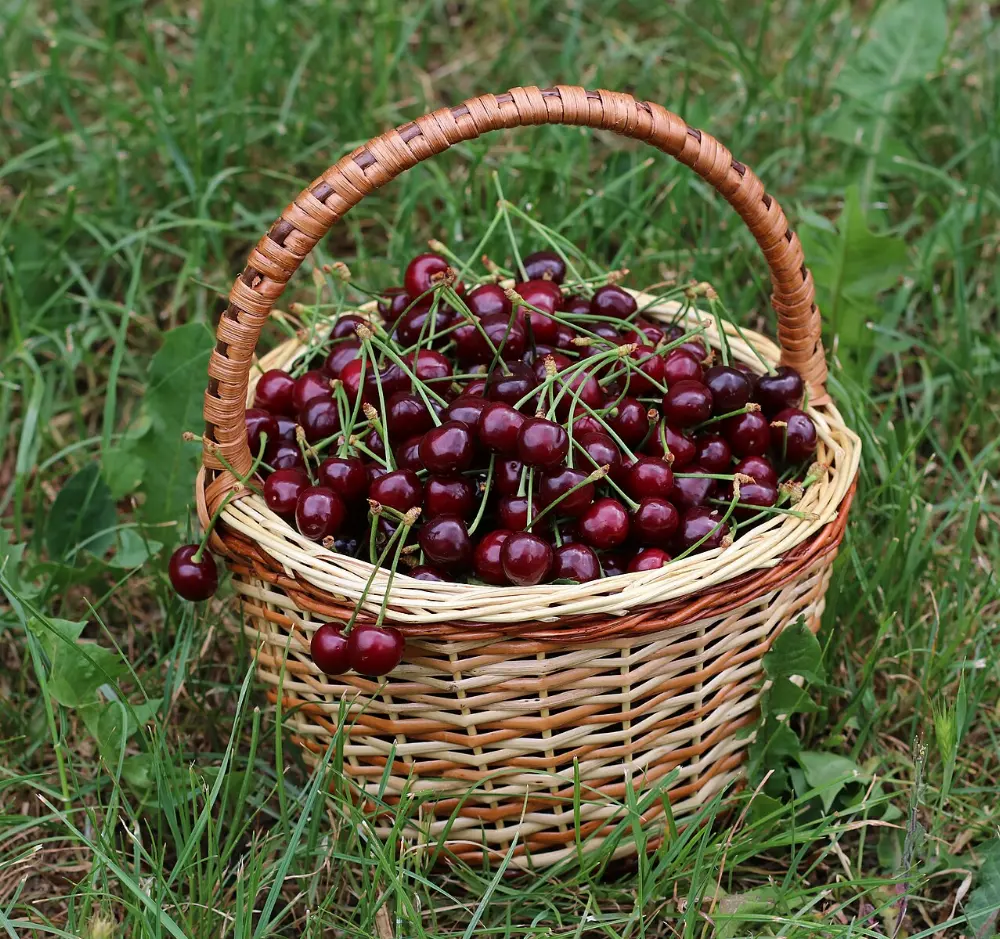
Cherries are everywhere in Traverse City: in pies, salsa, jam, dried snacks, sausages and even barbecue sauce.
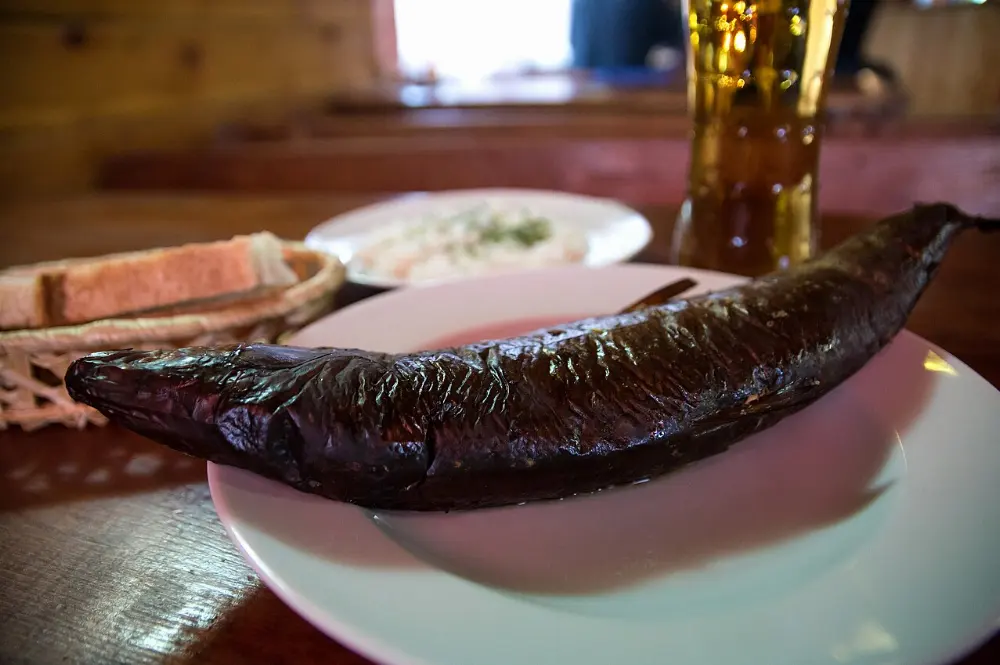
Great Lakes whitefish is the other signature. You will find it broiled, fried, smoked and blended into smoked whitefish pate, which is a classic northern Michigan snack with crackers.
Downtown Traverse City has a strong restaurant scene focused on local farms, along with craft breweries, cideries and coffee roasters.
Popular dishes to try in Traverse City

Where to stay
Downtown Traverse City suits travelers who want to walk to restaurants, shops and the bay.
Old Mission Peninsula has quiet inns and bed and breakfasts among the vineyards, good for couples focused on wine and scenery.
Glen Arbor and Empire put you right beside Sleeping Bear Dunes, with cottages, campgrounds and small inns.
Suttons Bay and Leland offer a small-village feel on the Leelanau Peninsula, close to wineries and the Manitou ferry.
Where to stay in Traverse City

Best time to visit
Summer is peak season. From late June through August the days are long and warm, the water is swimmable by mid-July and every beach, winery and trail is open.
September and early October are many visitors' favorite time.
Winter is cold and snowy, with lake-effect snow, cross-country skiing and snowshoeing in the dunes and nearby downhill ski areas.
Getting there and getting around
Cherry Capital Airport sits just east of downtown and has nonstop flights from several major hubs, with more routes in summer.
A car is essential for exploring beyond town.
Sleeping Bear Dunes National Lakeshore requires an entrance pass for vehicles, available online through Recreation.gov and at the Philip A. Hart Visitor Center in Empire.
A suggested itinerary
First day
Start with coffee and a walk along Front Street, then follow the Boardman River to Clinch Park. Rent bikes and ride the TART Trail along the bay before lunch downtown.
Second day
Drive west early to Sleeping Bear Dunes. Tackle the Dune Climb before the sand gets hot, then loop Pierce Stocking Scenic Drive.
Third day
Head north up the Leelanau Peninsula to Leland's Fishtown for smoked fish and a look at the shanties.
Fourth day
Spend a slow day on Old Mission Peninsula: farm stands, tasting rooms and a picnic at Mission Point Lighthouse. Return to town for a final dinner downtown and an evening stroll by the bay.
Practical tips
- Book lodging months ahead for July, especially National Cherry Festival week.
- Buy your Sleeping Bear Dunes entrance pass online before you arrive to save time at trailheads.
- Carry plenty of water and sun protection on the dunes; open sand gets very hot by midday.
- Watch for rip current warnings on Lake Michigan beaches, and swim only when conditions are safe.
- Pack layers even in summer, since evenings by the lake can turn cool quickly.
- Use a designated driver or a guided tour when visiting several wineries.
Find local businesses in Traverse City on WiserMap
Looking for bike rentals, bakeries, wine tours or a reliable mechanic before your drive to the dunes?