Islas Marietas Mexico Playa del Amor and Blue Footed Boobies
Islas Marietas are a small group of uninhabited volcanic islands in Banderas Bay, about eight kilometres southwest of Punta de Mita in the Mexican state of Nayarit. Protected as a national park, they shelter reefs, caves, seabirds and one of Mexico's most photographed beaches, the hidden Playa del Amor. A boat ride from Punta de Mita takes about fifteen minutes, which makes this one of the easiest wildlife trips on the Pacific coast.
By WiserMap TravelUpdated October 20267 places9 min read
Best timeDecember to March for calm dry weather and humpback whales.
How longA half day for the boat trip, or two to three days with the Nayarit coast.
Getting thereFly into Puerto Vallarta, then take a boat from Punta de Mita.
Ad
Why visit Islas Marietas
The islands were formed by volcanic activity and spent much of the twentieth century as a testing ground for the Mexican military. The blasting carved out caves and rock formations, including the crater that now holds Playa del Amor.
Visitors come for the water, which is clear and full of life. Sea turtles, manta rays, dolphins, eels and tropical fish live around the reefs, while seabirds nest on the cliffs.
The park's popularity has also been its challenge. Authorities closed the islands in 2016 because anchors and boat oil were damaging the coral, and conservation plans have since focused on replanting coral and limiting how many boats can visit. Choosing a responsible operator is part of the experience.
The best places to visit on and around the islands
Playa del Amor
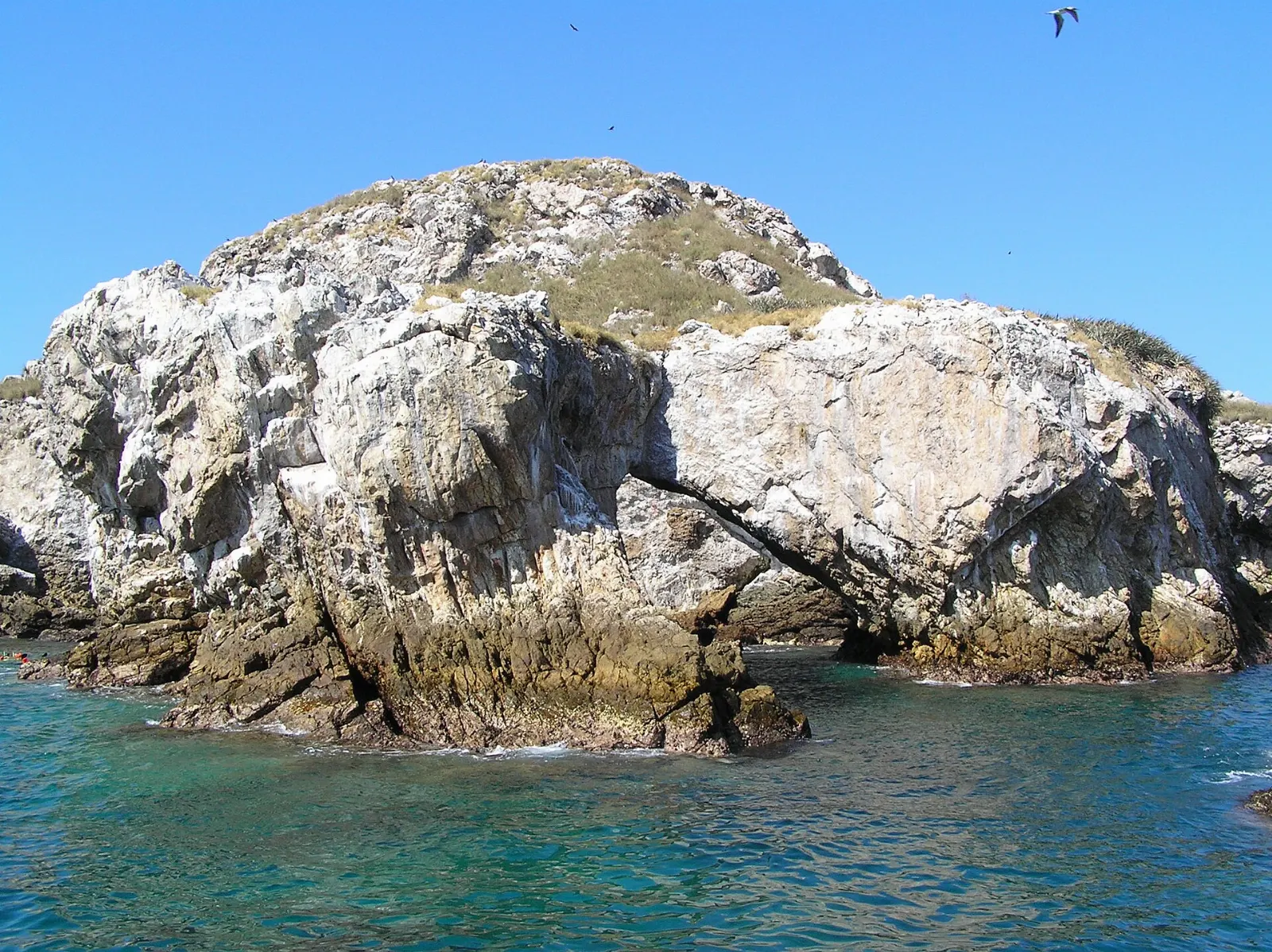
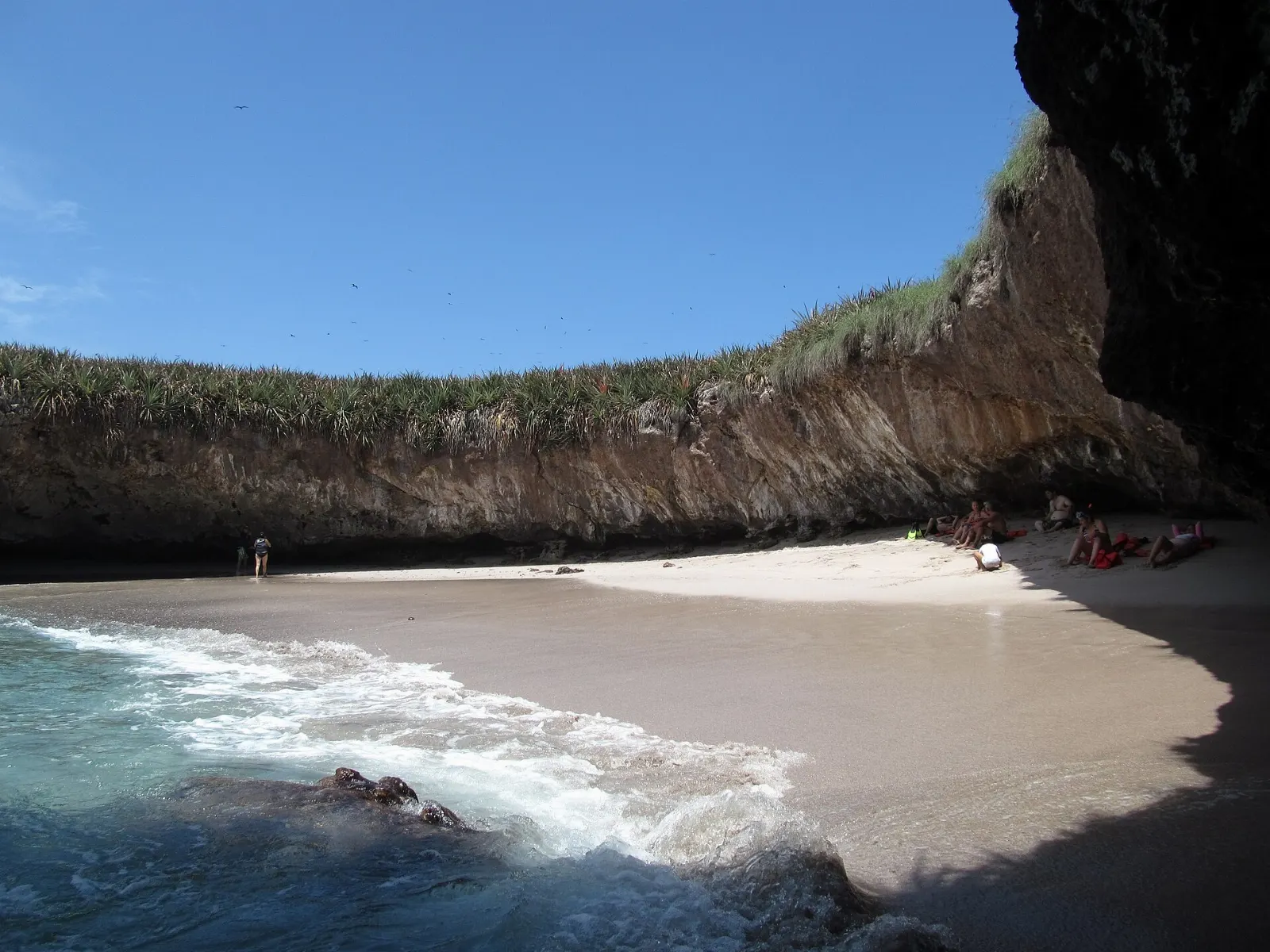
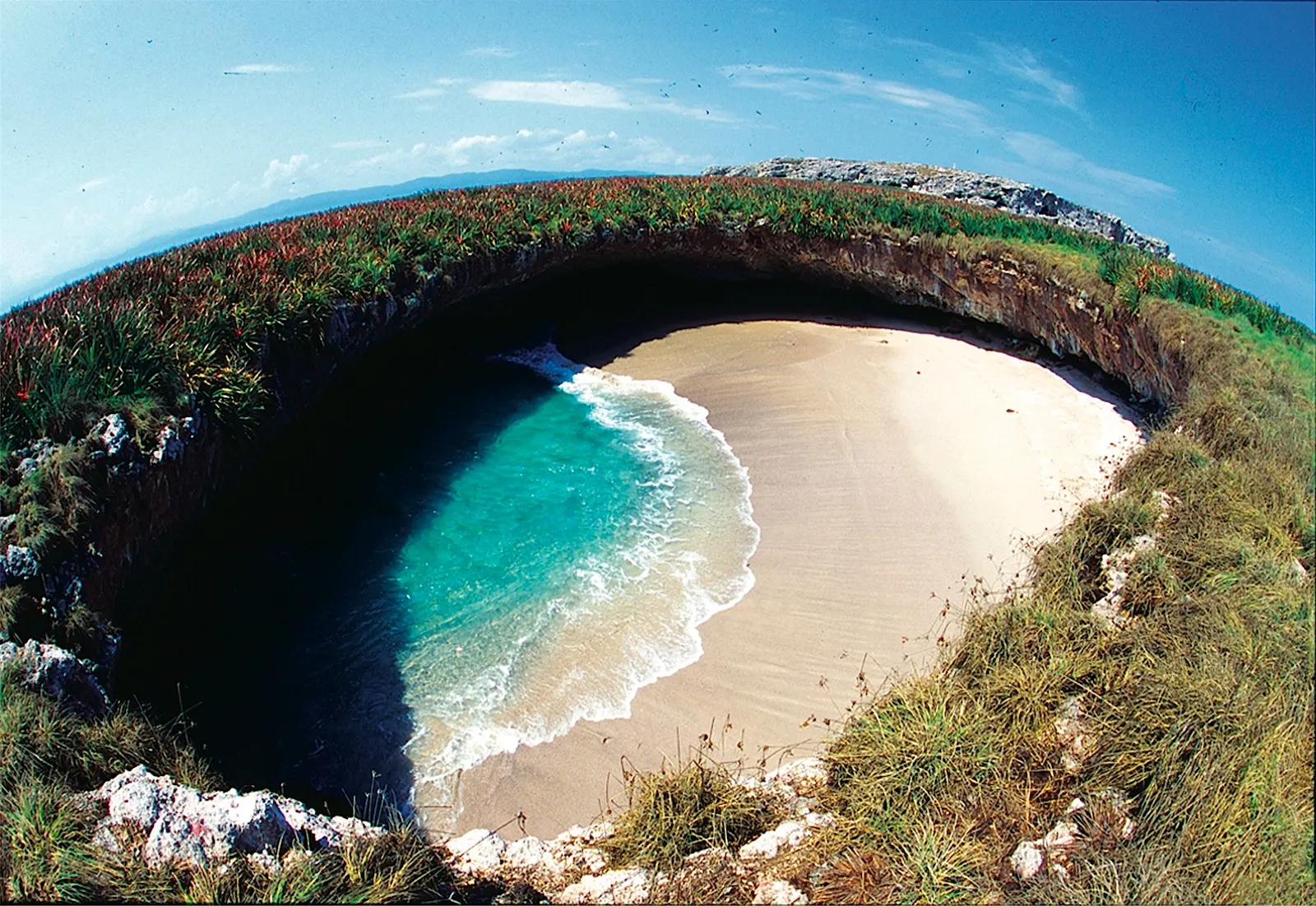
Playa del Amor, also called the Hidden Beach or Beach of Love, lies inside a sun-drenched crater and can be reached only at low tide. It was created by old bomb tests and the erosion that followed.
Playa del Amor is a hidden beach inside a crater-like opening, reached only at low tide. Photo: Luis Carlos Soria Contreras, Wikimedia Commons, CC BY-SA 4.0
Snorkeling reefs
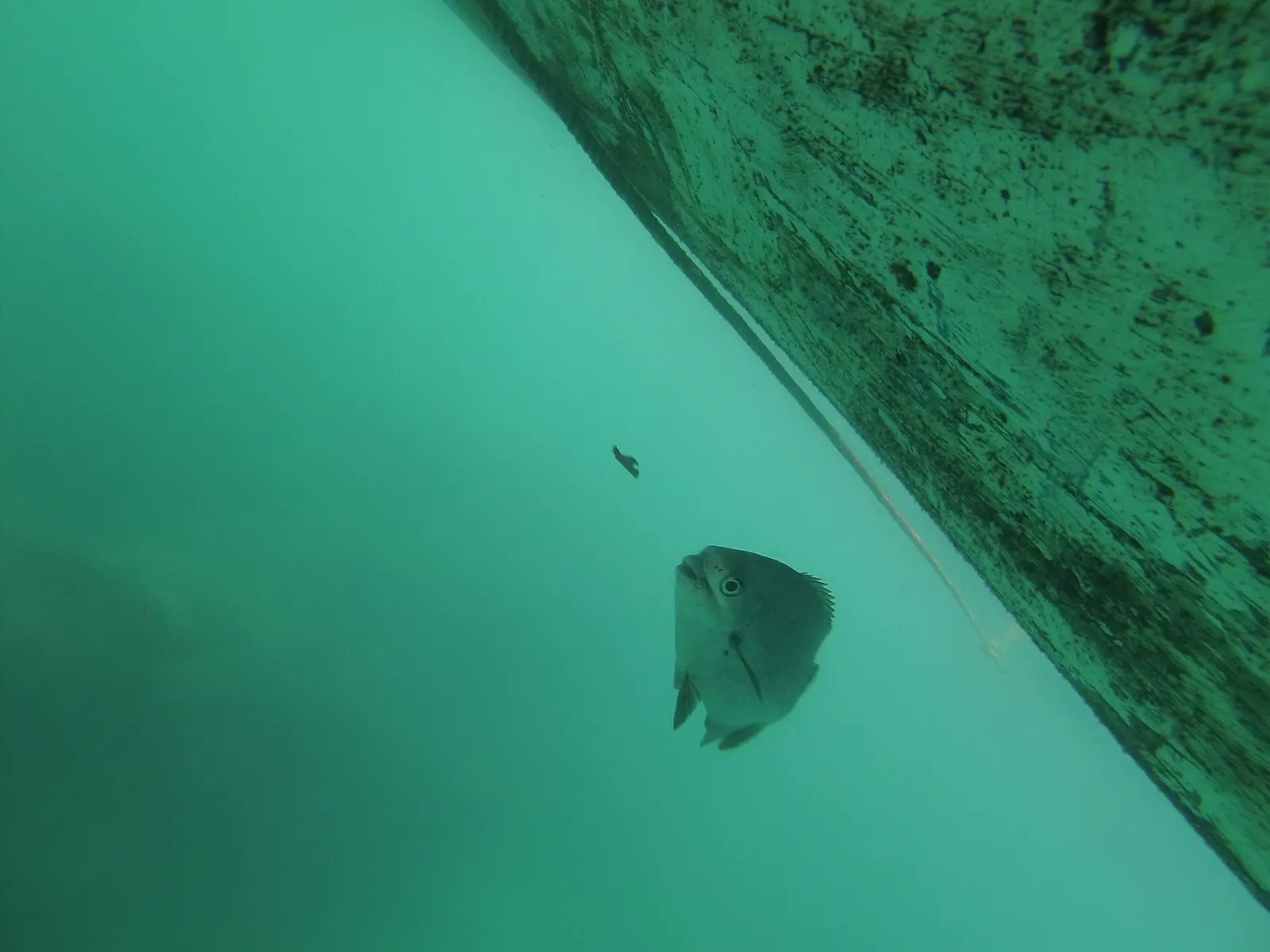
The reefs around the islands are the main draw, with calm water, corals and reef fish. Most tours include a snorkeling stop, and divers also visit.
The waters around Islas Marietas are popular for snorkeling and diving. Photo: Antoinepicaud, Wikimedia Commons, CC BY-SA 4.0
Seabird colonies
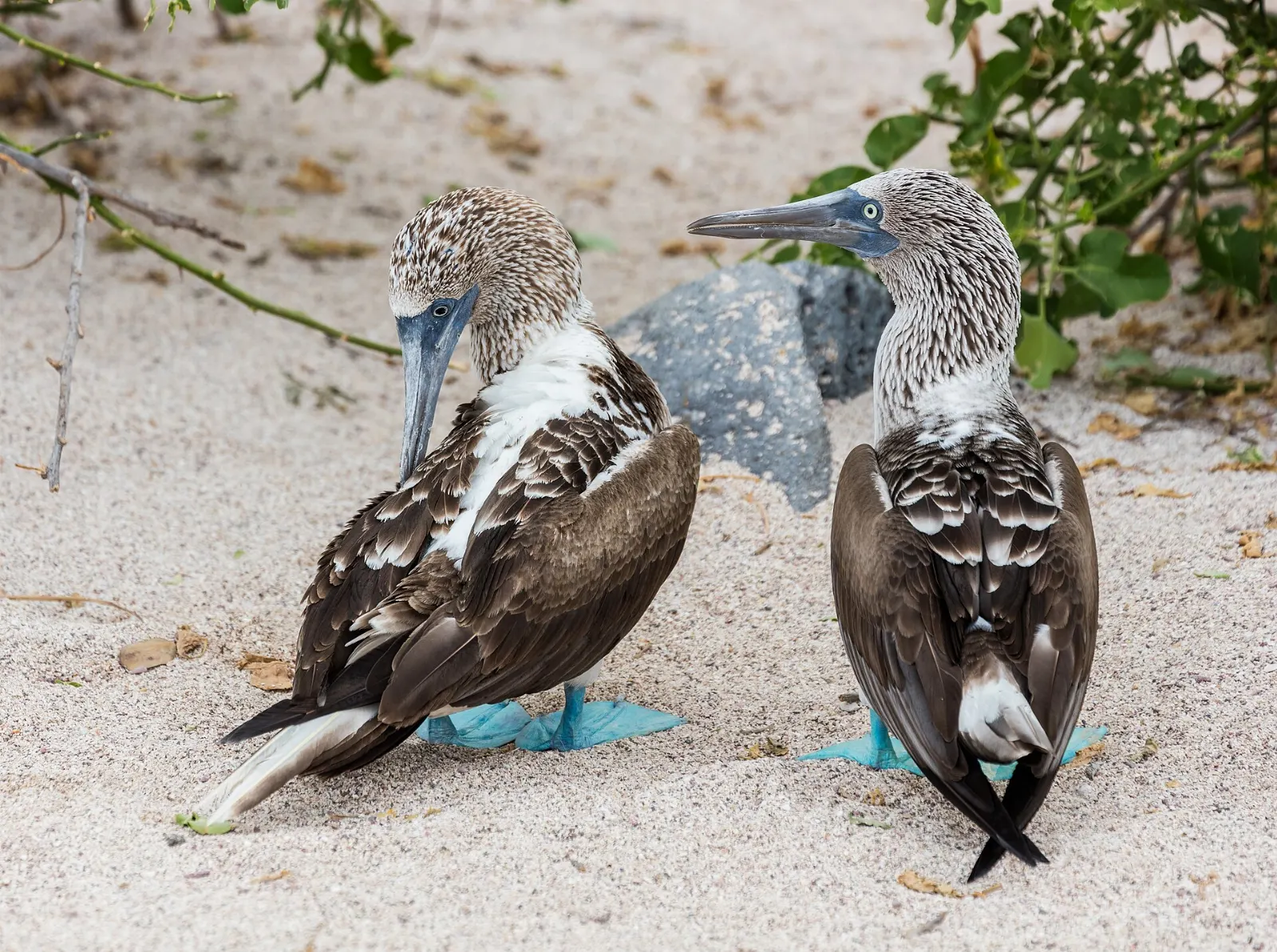
Thousands of birds use the islands to feed and breed, including blue-footed boobies and red-billed tropicbirds. Bring binoculars and look up at the cliffs when your boat circles the islets. Keep noise low and never approach nesting areas.
Blue-footed boobies feed and breed on the Marietas islands. Photo: Diego Delso, Wikimedia Commons, CC BY-SA 4.0
Caves and rock formations
The same blasting that created Playa del Amor also left caves and rock formations along the coast. Boats can slow down to let you look into them from the water.
Ad
Whale season and departure points
Humpback whale watching
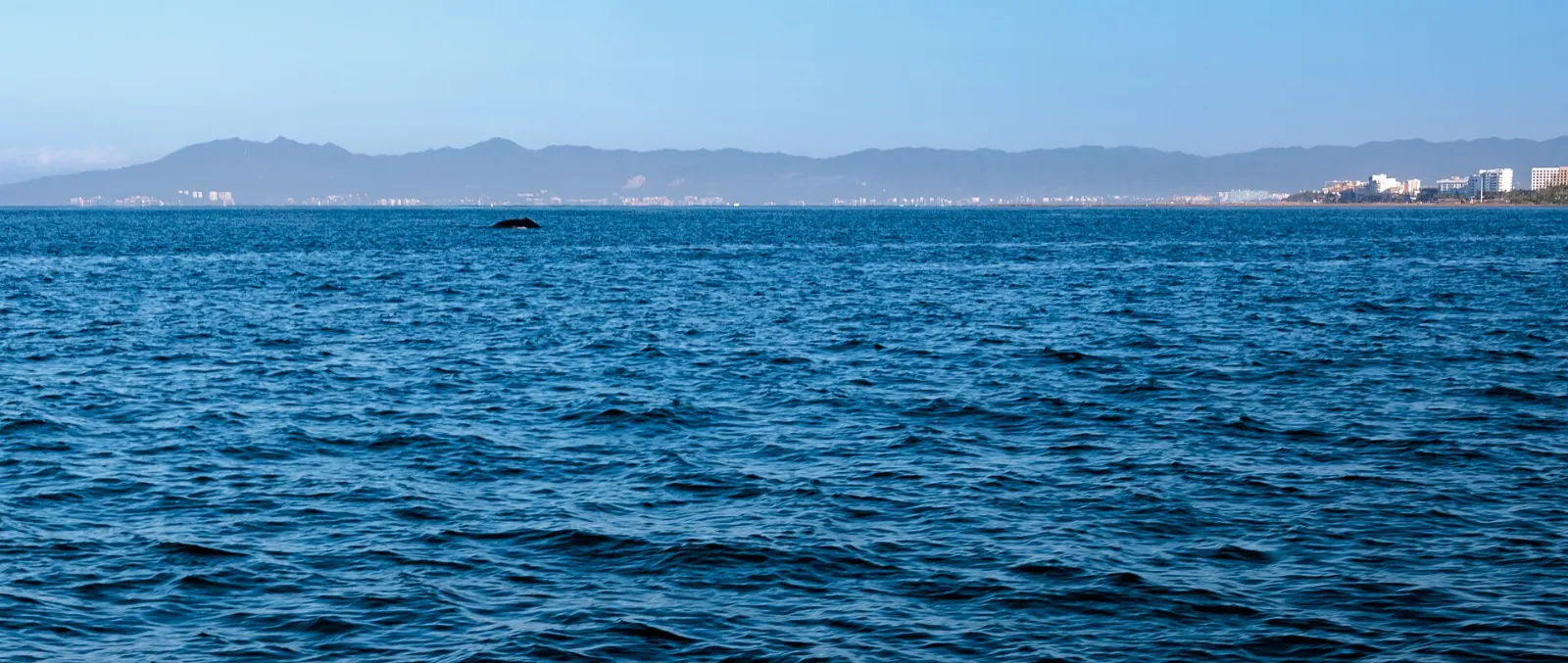
From December to March humpback whales come to Banderas Bay to give birth and raise calves, and Punta de Mita is one of the main bases for tours. Some Marietas trips combine reef time with whale watching in winter.
Humpback whales visit Banderas Bay in winter. Photo: TerryDOtt, Wikimedia Commons, CC BY 2.0
Punta de Mita and Corral del Risco
Punta de Mita is the most convenient departure point, with the shortest crossing of about fifteen minutes.
Most Marietas tours leave from Punta de Mita, the shortest crossing. Photo: LoreGcano, Wikimedia Commons, CC BY-SA 4.0
Puerto Vallarta
Tours also leave from Puerto Vallarta, but the boat ride takes about an hour each way. Choose this option if you are staying in the city and want a full-day excursion with a longer sailing.
Beaches and towns to add on the mainland
El Anclote
El Anclote is a gentle surf break on the Punta de Mita peninsula, the best place for beginners to learn longboard surfing. Combine a lesson with a late morning boat trip if your schedule allows.
La Cruz de Huanacaxtle
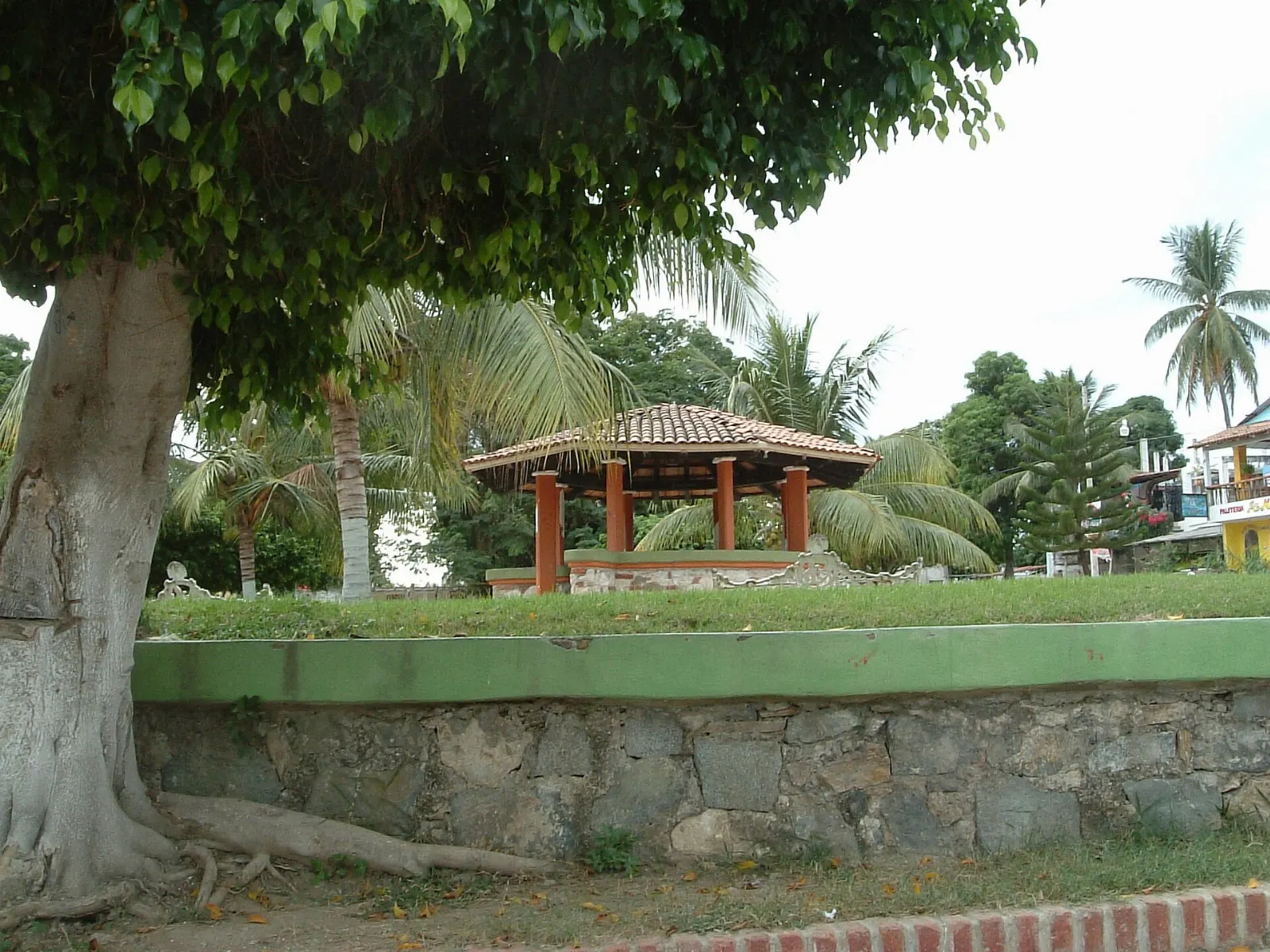
La Cruz de Huanacaxtle is a fishing village about 25 kilometres from Puerto Vallarta with a busy marina.
La Cruz de Huanacaxtle is a fishing village with a marina on Banderas Bay. Photo: Unknown author, Wikimedia Commons, CC BY-SA 2.0
Sayulita
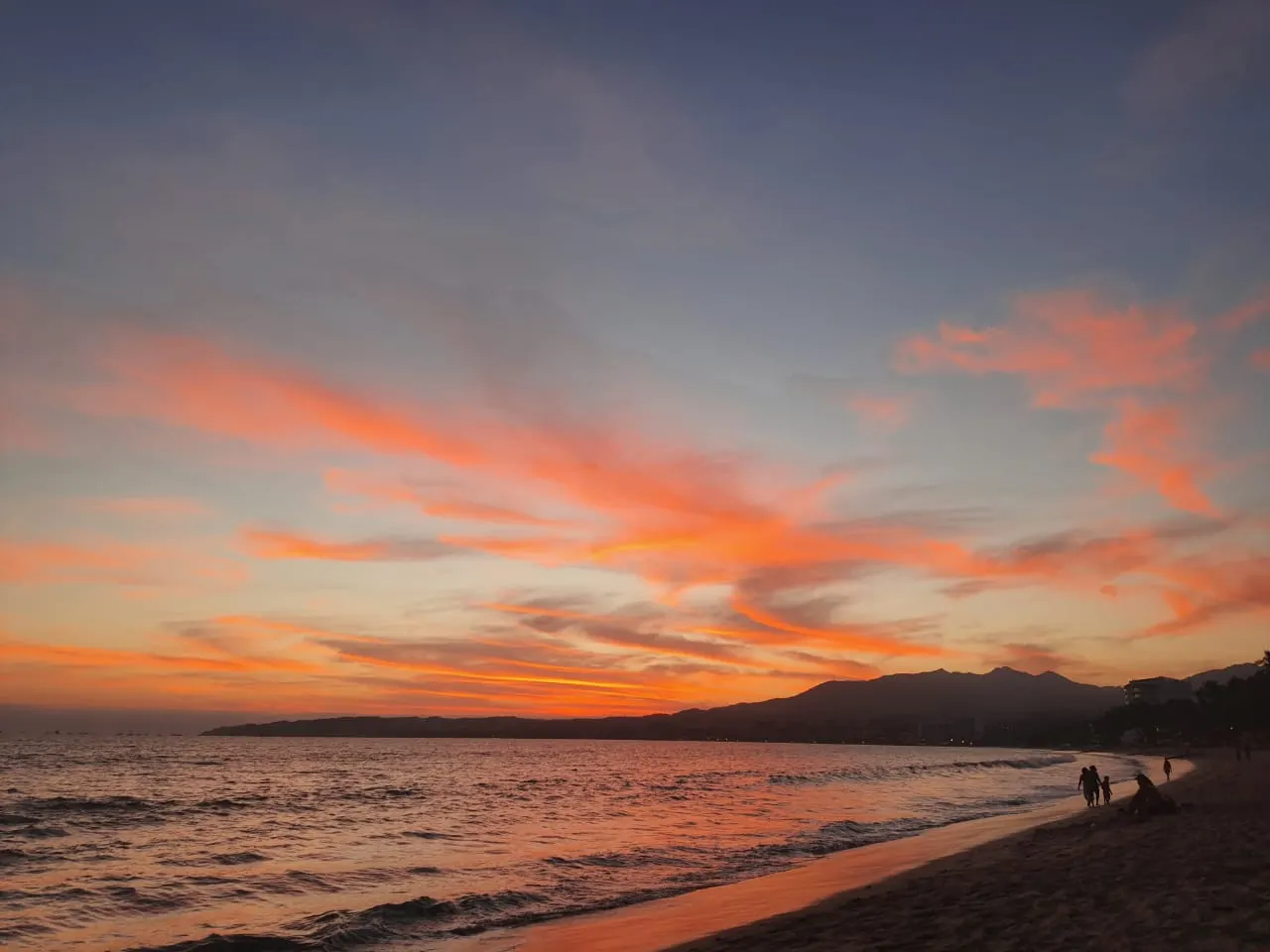
Sayulita lies about 17 kilometres northeast of Punta de Mita and is known for surfing, shallow water and jungle hikes. It is a lively place to spend a day of shops and beach cafes.
Sayulita is a popular surf town along the Riviera Nayarit. Photo: Carlos E. Sáinz, Wikimedia Commons, CC BY-SA 2.5
Ad
Food and local flavors
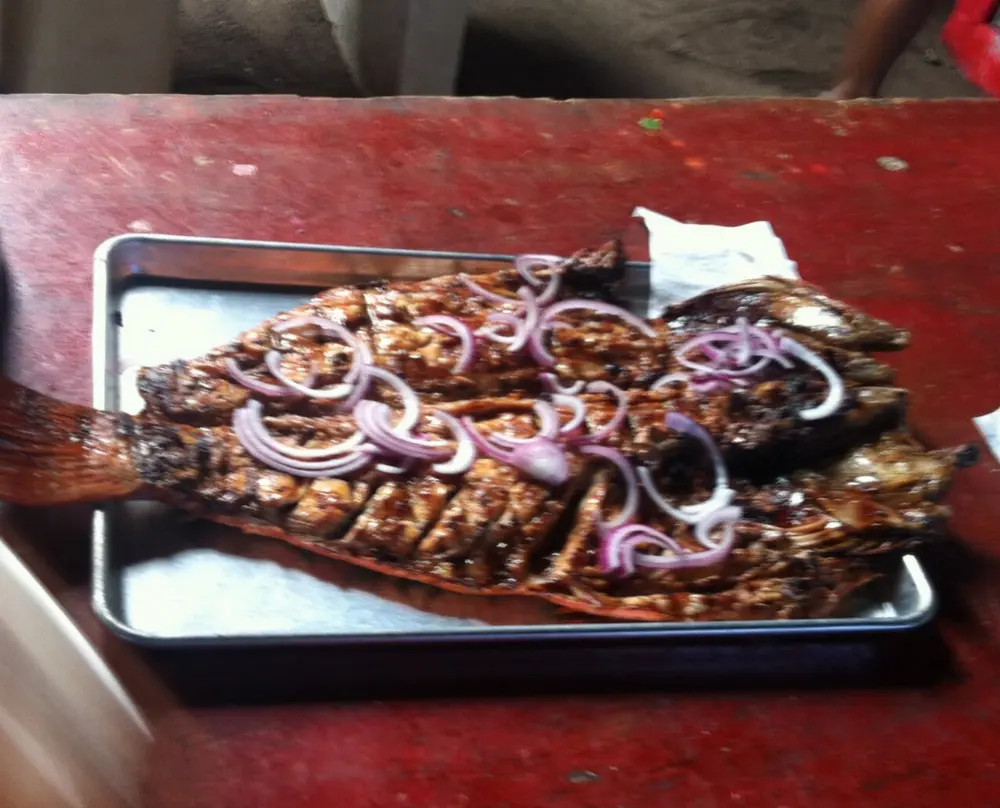
Nayarit's best-known dish is pescado sarandeado, a whole fish marinated in lime, soy sauce and chile and grilled over mangrove wood, served with tortillas, onions and tomatoes. Tamales de camarón, filled with shrimp and steamed in corn dough, are another coastal favourite.
In Corral del Risco, look for evening street stalls near the bus stop that sell corn snacks, tacos and quesadillas. In La Cruz de Huanacaxtle and Puerto Vallarta, waterfront restaurants specialise in fresh catch.
Popular dishes to try in Islas Marietas
Pescado sarandeado Food and local flavorsNayarit's best-known dish is pescado sarandeado, a whole fish marinated in lime, soy sauce and chile and grilled over mangrove wood, served with…Photo: Virota99, Wikimedia Commons, CC BY-SA 4.0Tejuino Wash lunch down with tejuino, a cold, lightly fermented corn drink sweetened with piloncillo and served with lime and ice.Photo: Christian Cariño, Wikimedia Commons, CC BY 4.0
Where to stay
Punta de Mita is the most convenient base, with the shortest boat ride and a mix of village stays and resort properties.
La Cruz de Huanacaxtle is a relaxed fishing village with a marina, suited to travellers who prefer quiet harbour evenings and local restaurants. It sits a short drive from the departure points.
Nuevo Vallarta, just north of Puerto Vallarta, is a resort community with canals and villas that suits families who want a pool and beach in the same place.
Where to stay in Islas Marietas
Punta de Mita Where to stayPunta de Mita is the most convenient base, with the shortest boat ride and a mix of village stays and resort properties.Photo: LoreGcano, Wikimedia Commons, CC BY-SA 4.0La Cruz de Huanacaxtle La Cruz de Huanacaxtle is a relaxed fishing village with a marina, suited to travellers who prefer quiet harbour evenings and local restaurants.Photo: Unknown author, Wikimedia Commons, CC BY-SA 2.0Nuevo Vallarta Nuevo Vallarta, just north of Puerto Vallarta, is a resort community with canals and villas that suits families who want a pool and beach in the same place.Photo: Antoinepicaud, Wikimedia Commons, CC BY-SA 4.0Puerto Vallarta Nuevo Vallarta, just north of Puerto Vallarta, is a resort community with canals and villas that suits families who want a pool and beach in the same place.Photo: Ferfive, Wikimedia Commons, CC BY 4.0
Ad
Best time to visit
The dry season from November to May is the best time, and the most comfortable weather arrives from late December to March. Winter also brings humpback whales, so boats can be busy and it pays to book ahead.
From June to October the wet season brings heat, humidity and the risk of hurricanes, and tours can be cancelled when seas are rough. Surfers and divers still visit during these months because the water is warmer.
Getting there and getting around
Most visitors fly into Puerto Vallarta International Airport and travel about an hour northwest to Punta de Mita by car or bus. Direct buses run from the airport to Punta de Mita, and from Puerto Vallarta buses leave from the stop near the marina by the supermarket.
Islas Marietas can be reached only by boat. From Punta de Mita it is roughly a fifteen-minute crossing, while departures from Puerto Vallarta and other coastal towns take longer.
Ad
A suggested itinerary
First day
Arrive in Punta de Mita, walk the waterfront at Corral del Risco and have an early dinner of pescado sarandeado.
Second day
Take a morning tour to Islas Marietas, snorkel the reefs and look for seabirds.
Third day
Drive to La Cruz de Huanacaxtle and Sayulita for a seafood lunch, a beach walk and a surf lesson at El Anclote on the way back.
Practical tips
Check your government's current travel advisory before you go.
Confirm the current landing and permit rules with a licensed operator before booking.
Use reef-safe sunscreen and never touch or stand on coral.
Bring water, a hat, a swimsuit and a light layer for the boat ride.
Choose small, responsible tour companies that follow wildlife distance rules.